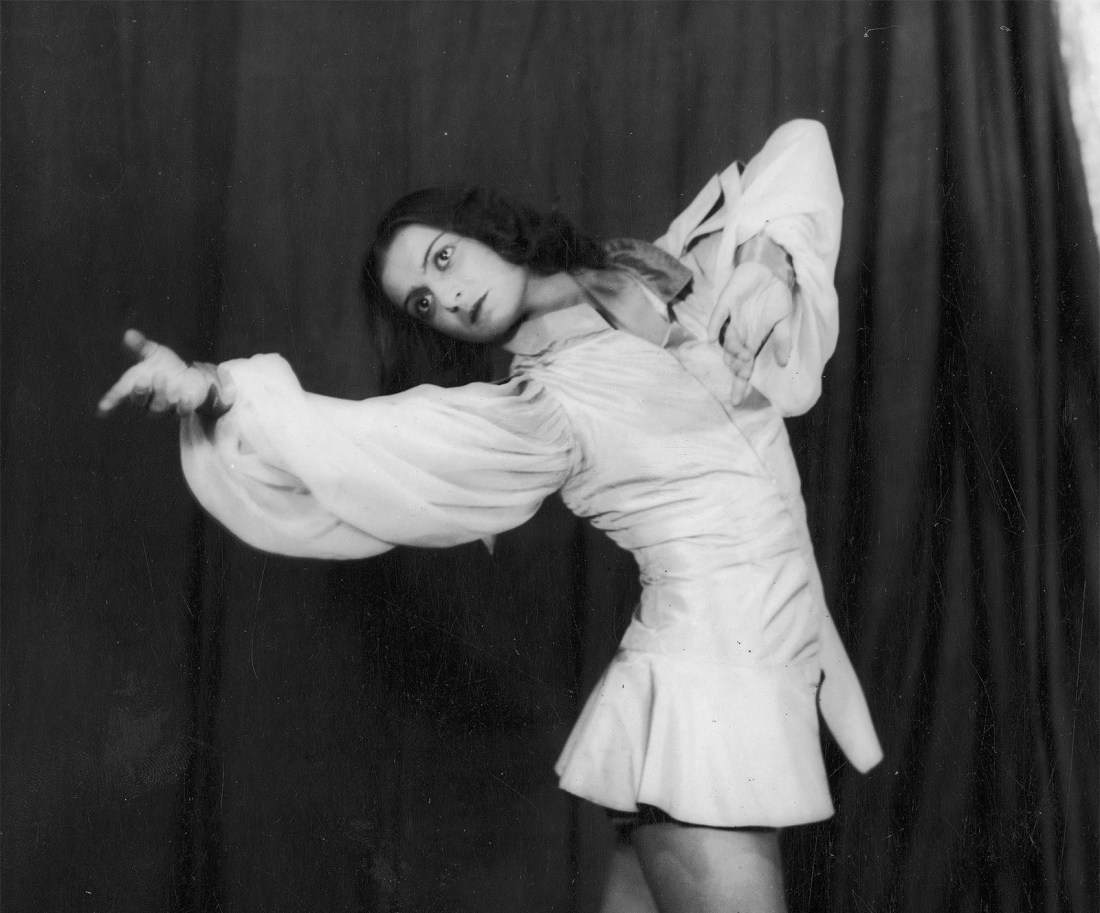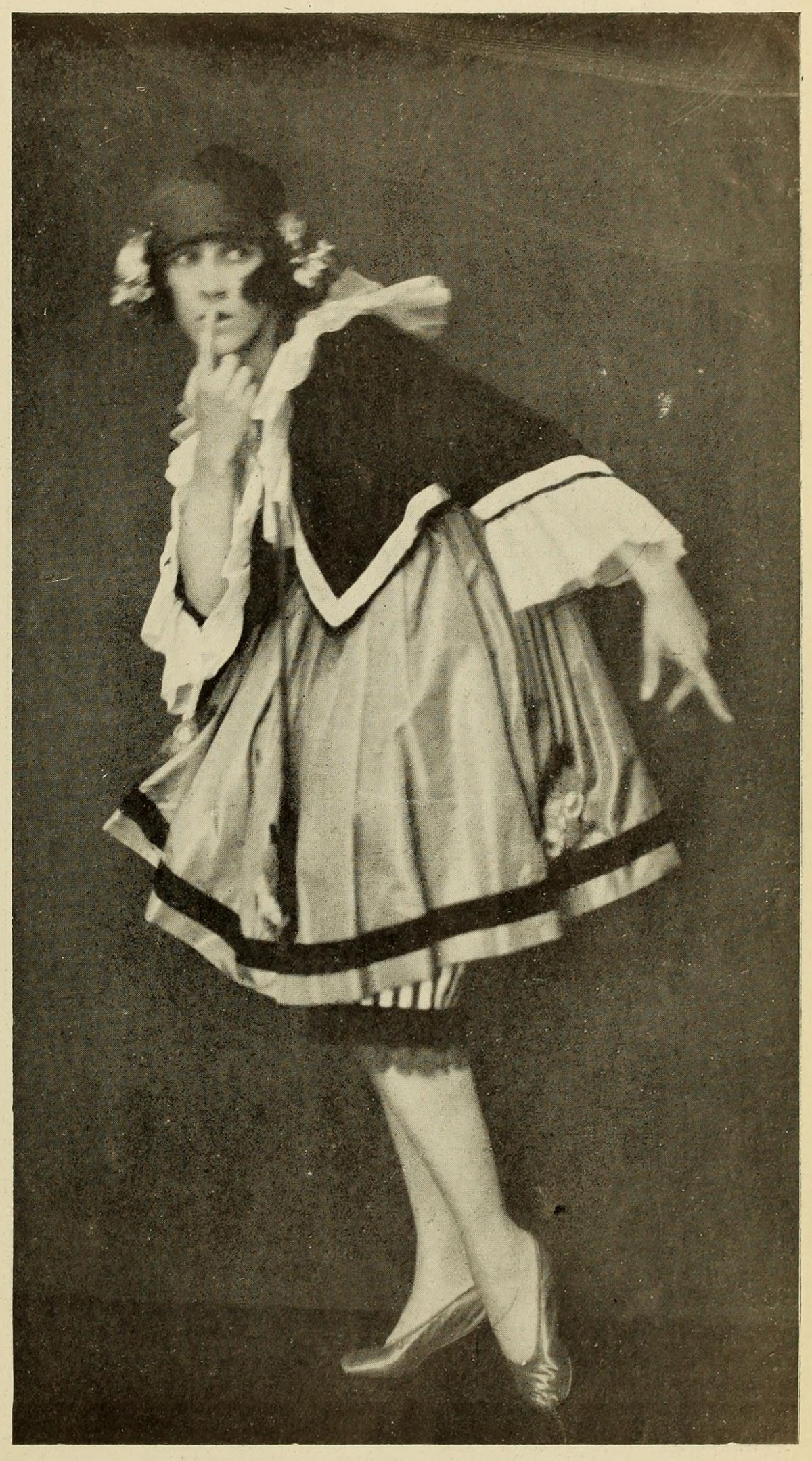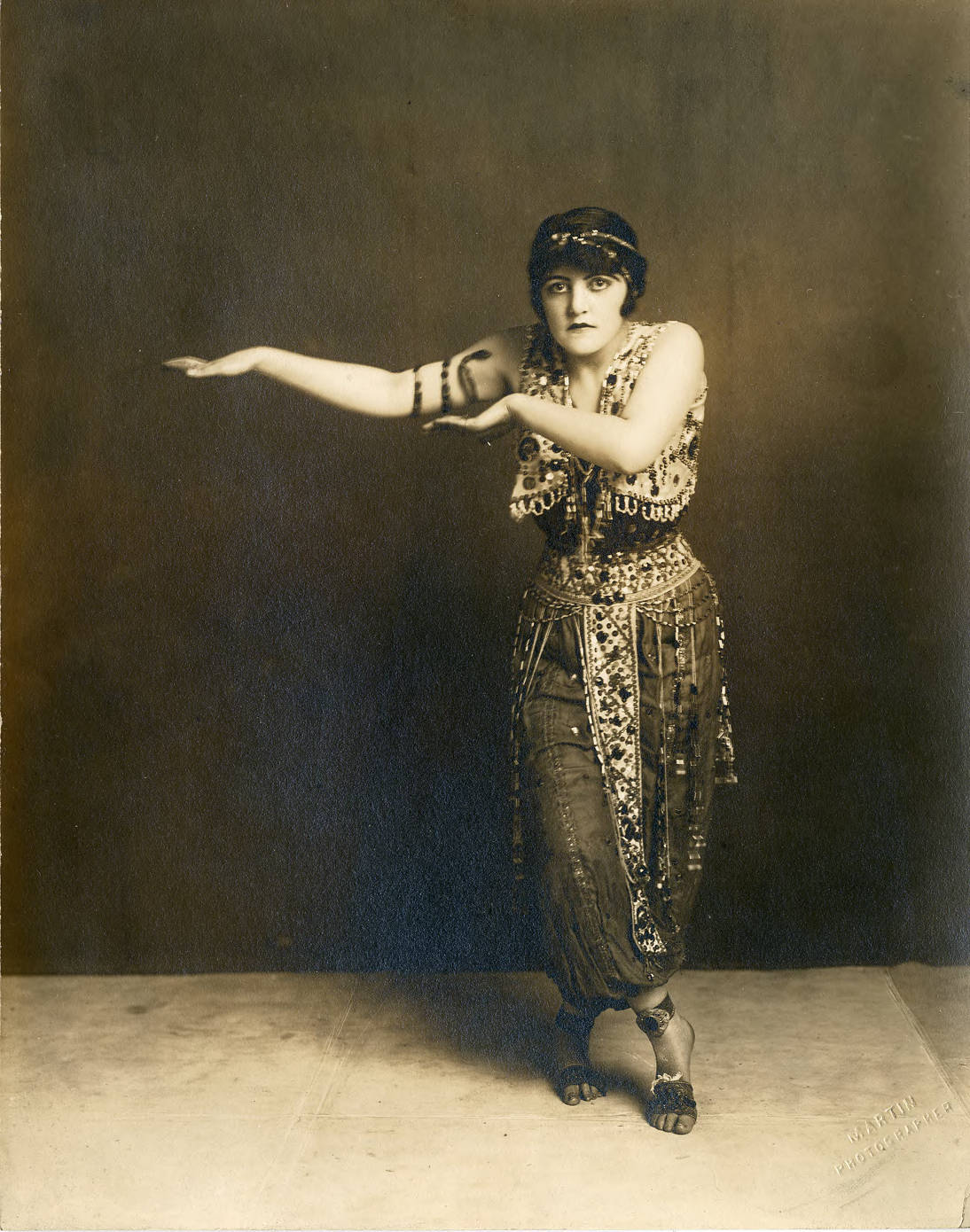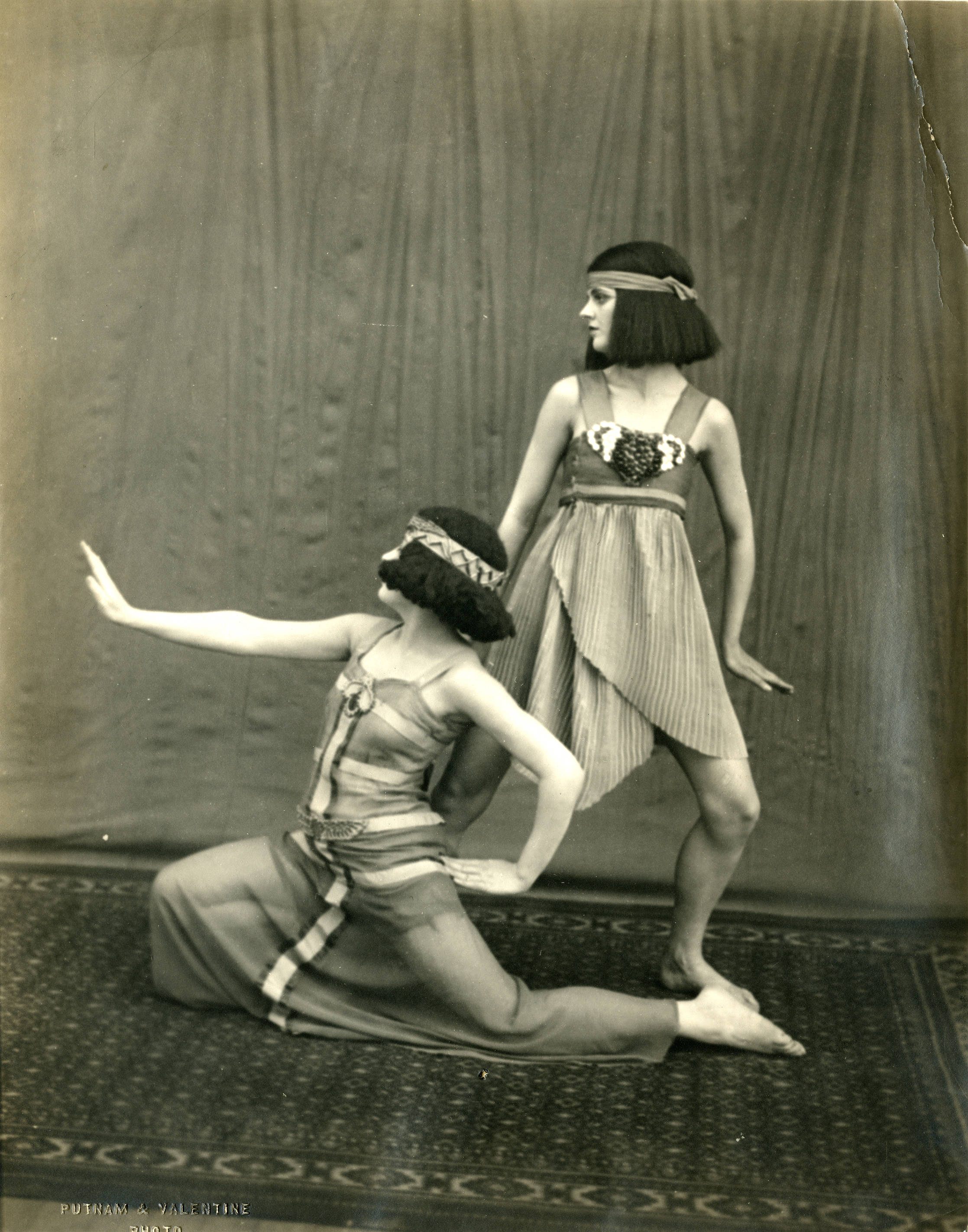
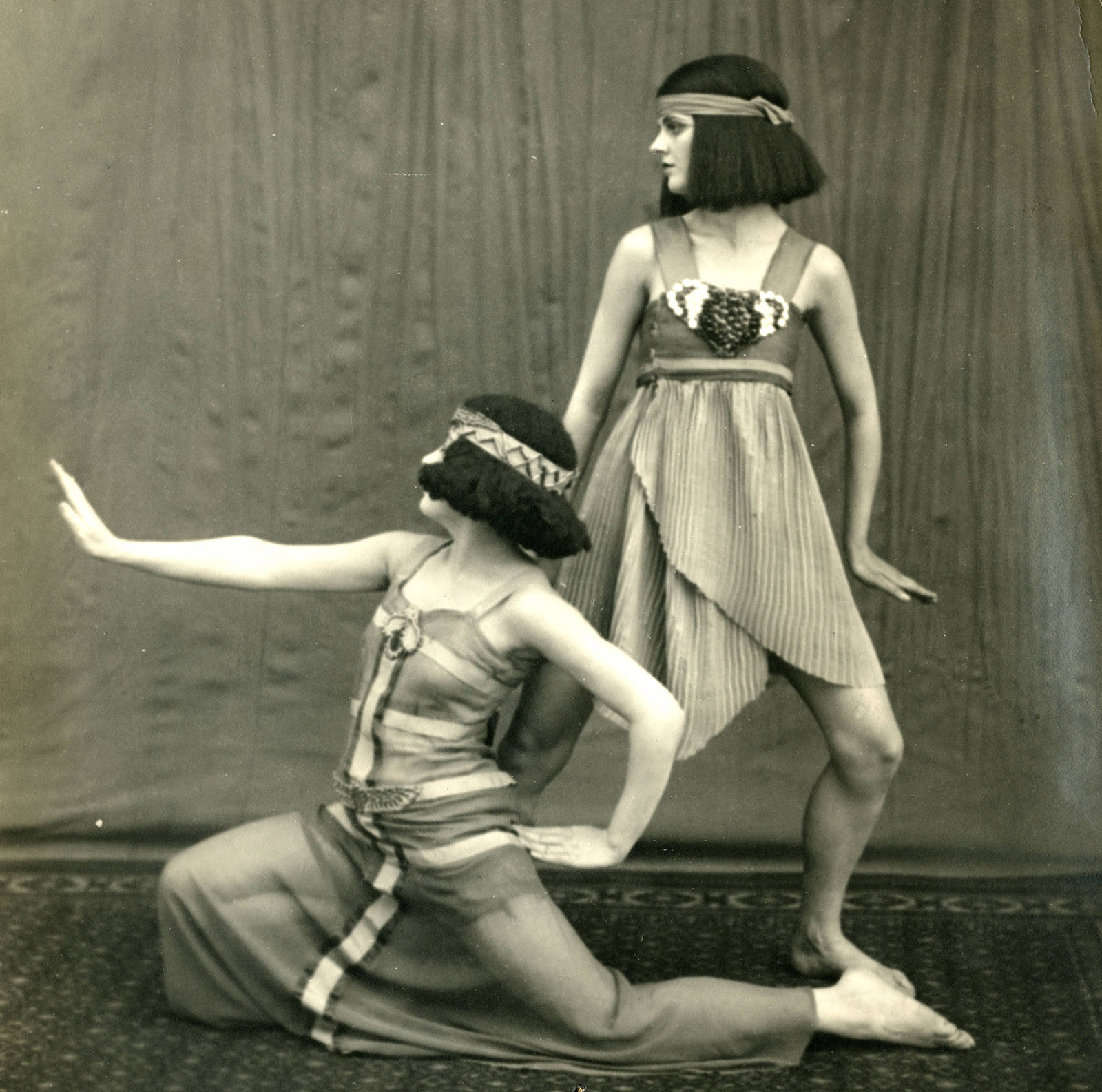
Denishawn Dancers · 1918

Putnam & Valentine ~ Denishawn Dancers, 1918. University of Washington: Special Collections / J. Willis Sayre Collection of Theatrical Photographs (SAYRE id. 10947)
Putnam & Valentine ~ Denishawn Dancers, 1918. | src J. Willis Sayre Collection of Theatrical Photographs (DETAIL)

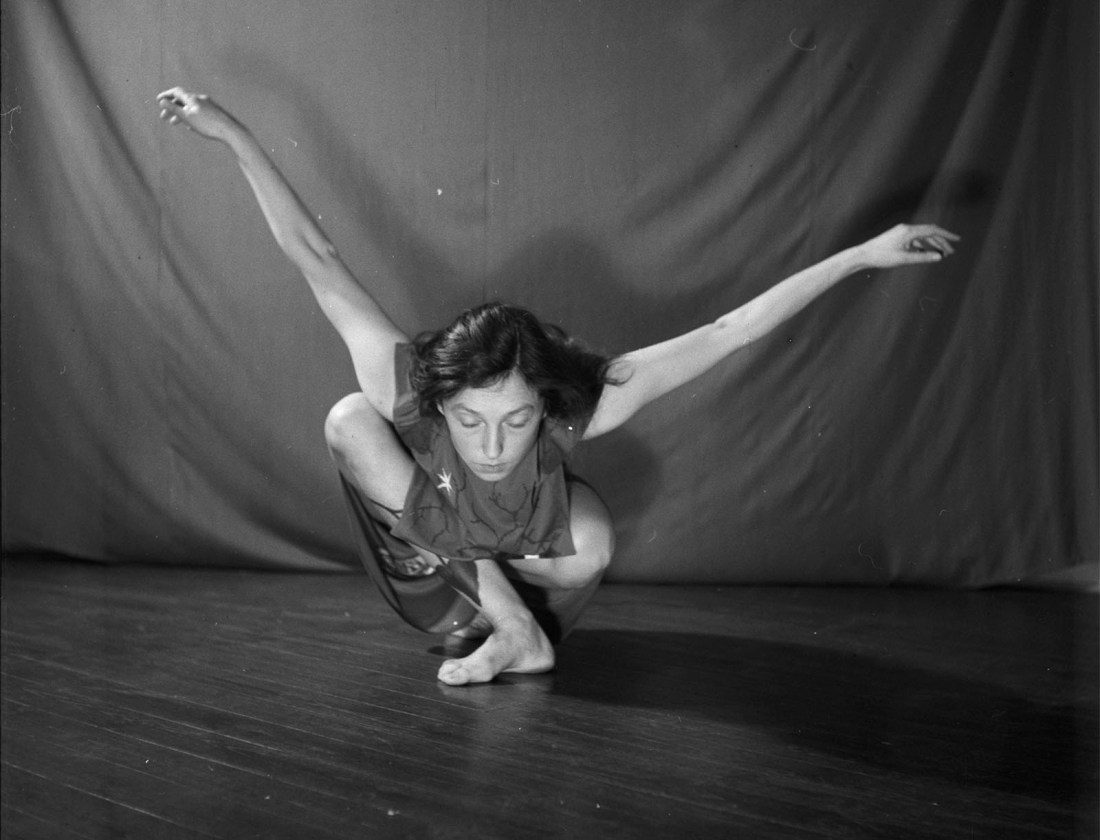
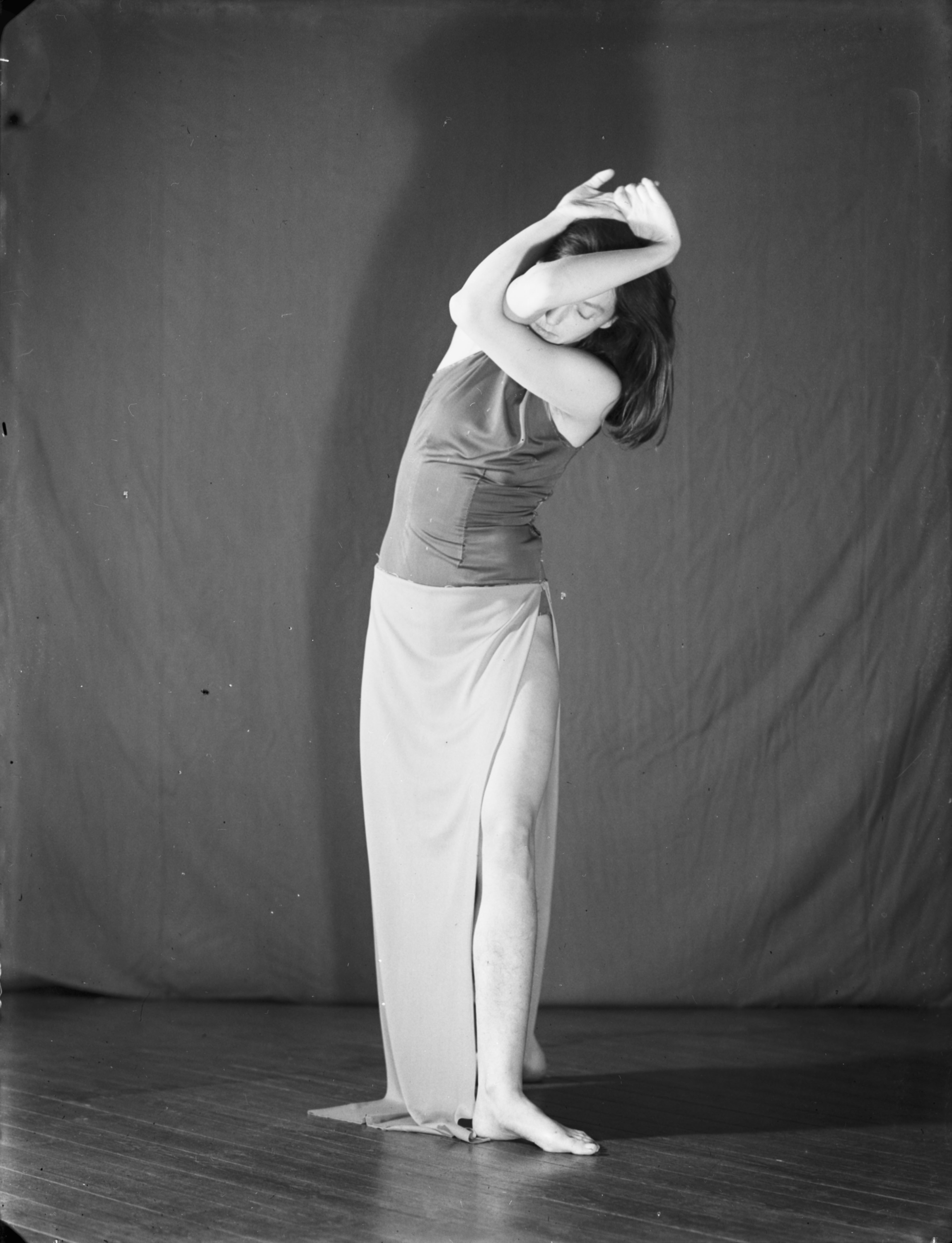
Chladek · Artistic Solo Dance

Występ Rozalii Hladek, zdobywczyni II nagrody. I Międzynarodowy Konkurs Artystycznego Tańca Solowego w Warszawie (1933)
Performance by Rosalia Chladek, winner of the 2nd prize. 1st International Artistic Solo Dance Competition in Warsaw (06.1933)
Rozalia Hladek podczas tańca, laureatka II nagrody. I Międzynarodowy Konkurs Artystycznego Tańca Solowego w Warszawie (1933)
Rozalia Chladek dancing, winner of the 2nd prize. 1st International Artistic Solo Dance Competition in Warsaw (June 1933)
Rozalia Hladek prezentuje taniec ekspresyjn. I Międzynarodowy Konkurs Artystycznego Tańca Solowego w Warszawie (1933)
Rosalia Chladek in an expressive dance. 1st International Artistic Solo Dance Competition in Warsaw (June 1933)

source of all images : Narodowe Archiwum Cyfrowe
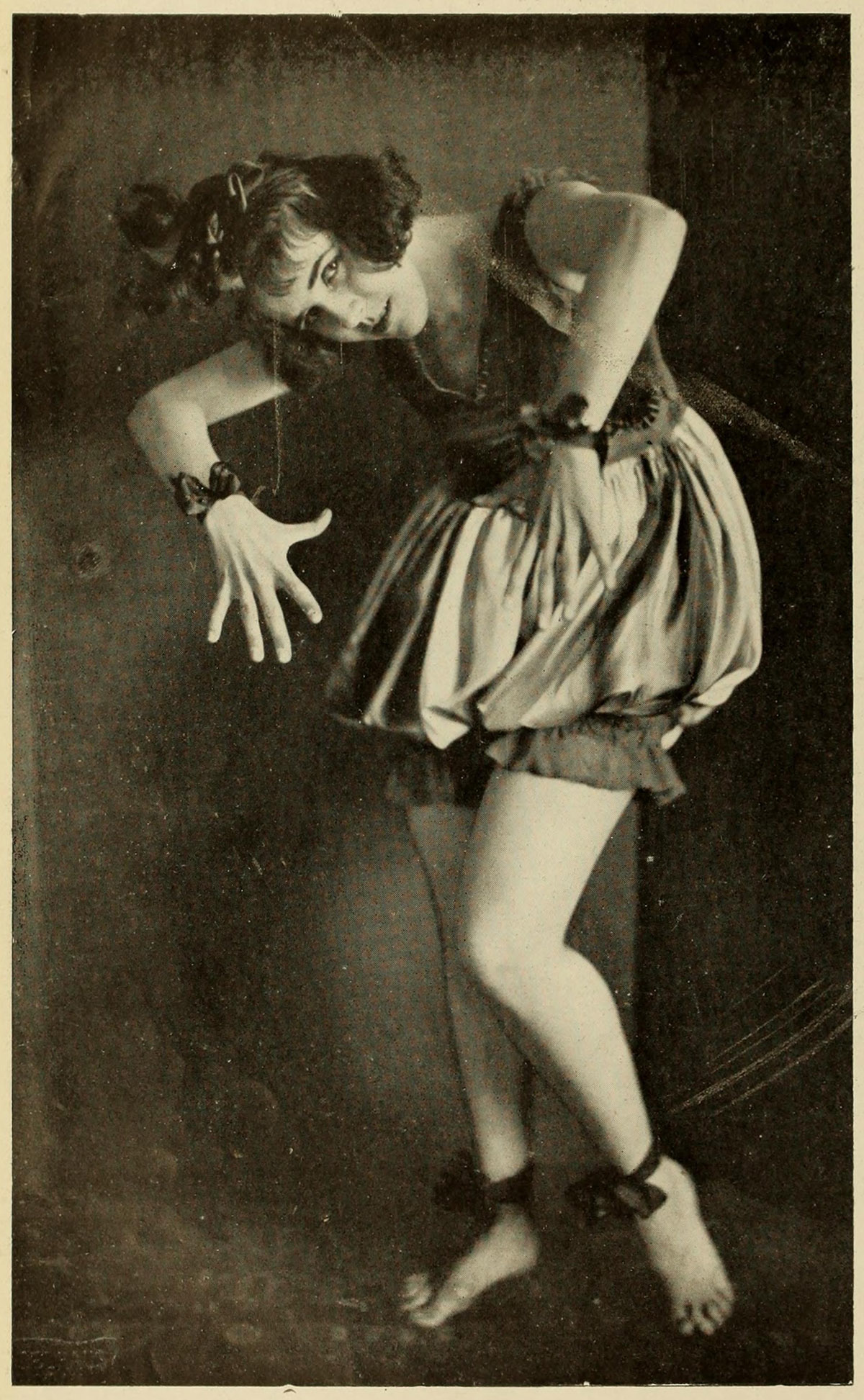
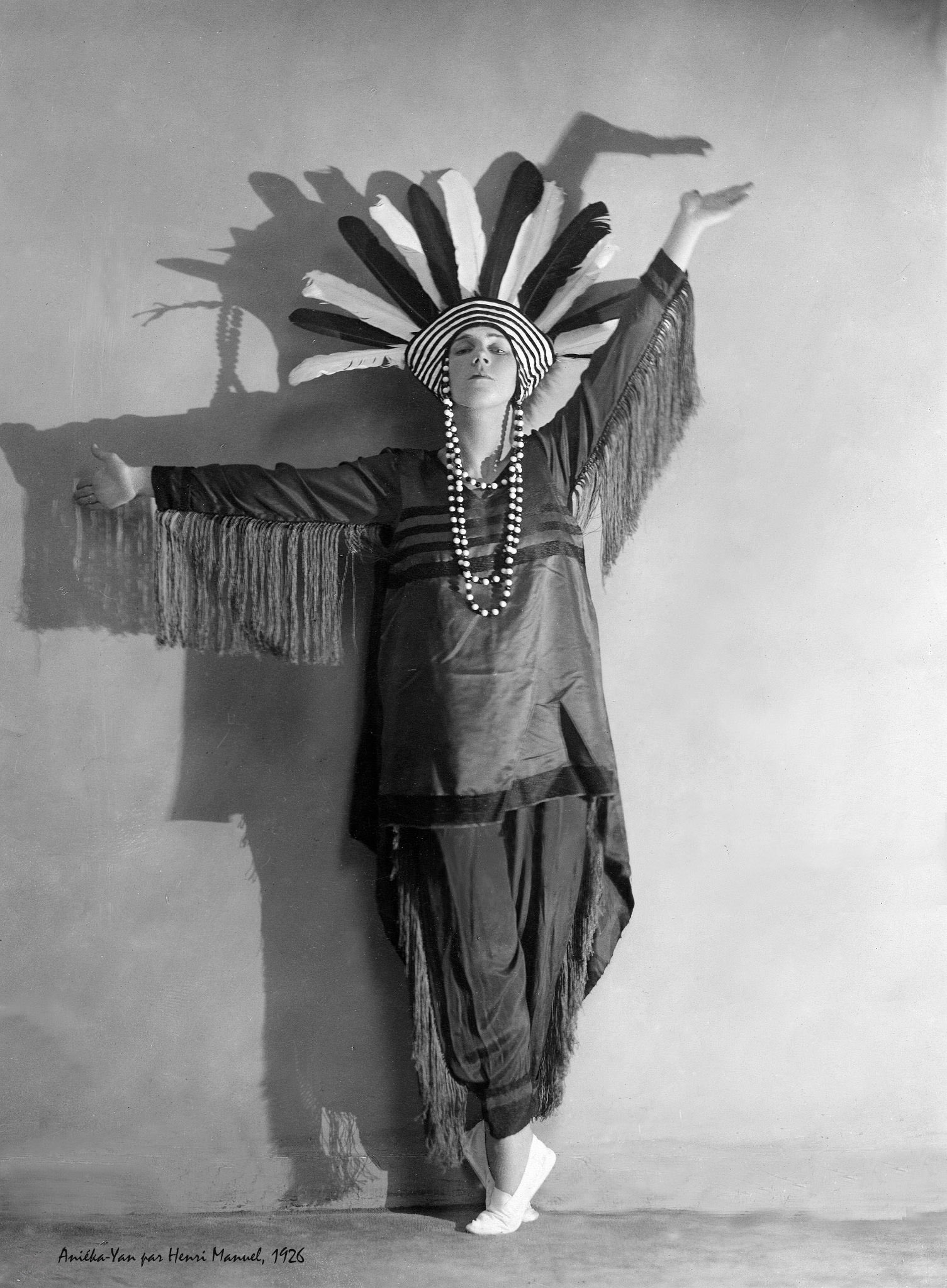
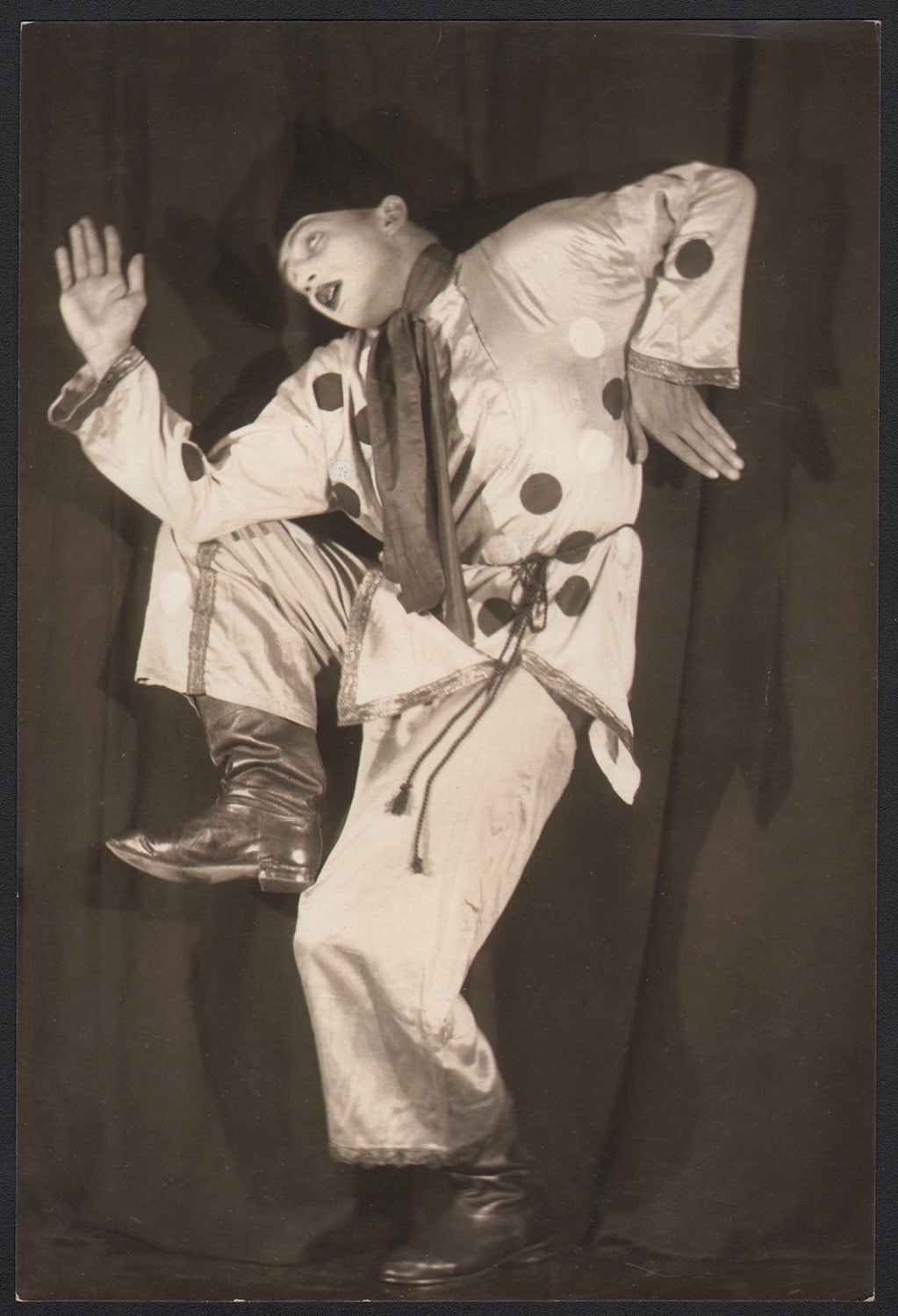
The dancer Aniéka Yan · 1920s

Role portrait of the dancer Aniéka Yan. Published in Cinéa magazine, May 1921
Henri Manuel ~ Dancer Anika Yan. Portrait of the dancer Anika Yan (Aniéka Yan), 1926 | src getty images

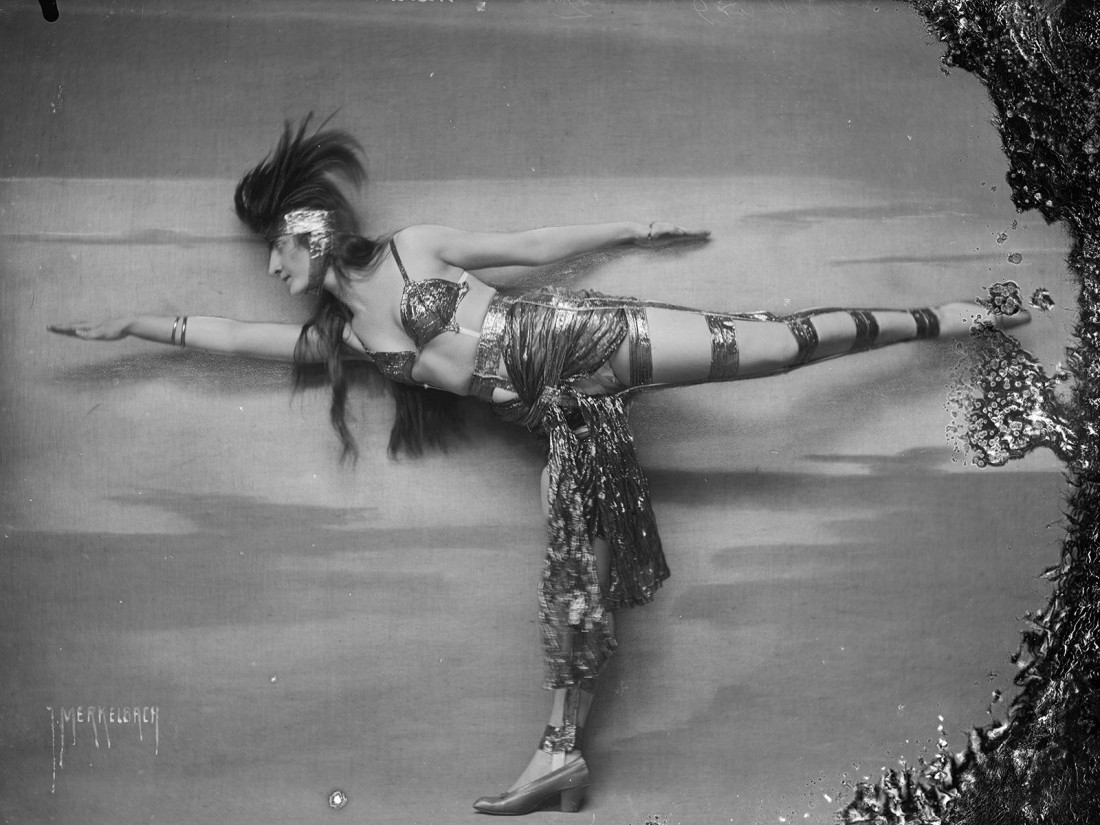
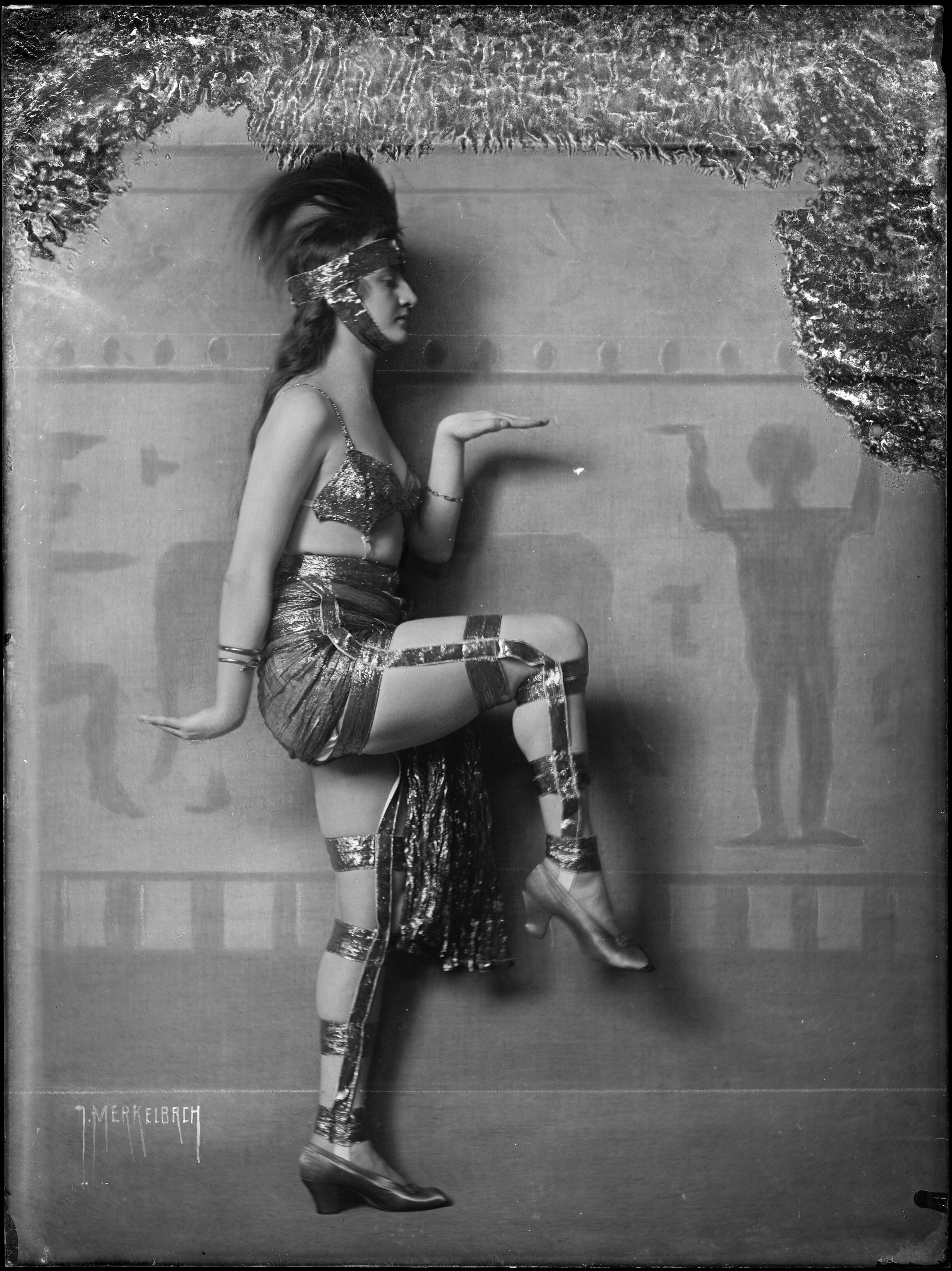
Merkelbach · Johanna Wittrock

Atelier Jacob Merkelbach ~ Danseres Johanna Wittrock, 1895 | src Stadsarchief Amsterdam Beeldbank

Akesson by Sune Sundahl

Sune Sundahl ~ Dansbild med Birgit Åkesson. Arkitektur- och designcentrum ARKM.1988-111-02954-6
Sune Sundahl ~ Dansbild med Birgit Åkesson. Arkitektur- och designcentrum ARKM.1988-111-02954-1
Sune Sundahl ~ Dansbild med Birgit Åkesson. Arkitektur- och designcentrum ARKM.1988-111-02954-2
Sune Sundahl ~ Dansbild med Birgit Åkesson. Arkitektur- och designcentrum ARKM.1988-111-02954-3
Sune Sundahl ~ Dansbild med Birgit Åkesson. Arkitektur- och designcentrum ARKM.1988-111-02954-4
Sune Sundahl ~ Dansbild med Birgit Åkesson. Arkitektur- och designcentrum ARKM.1988-111-02954-5
Sune Sundahl ~ Dansbild med Birgit Åkesson. Arkitektur- och designcentrum ARKM.1988-111-02954-7
Sune Sundahl ~ Dansbild med Birgit Åkesson. Arkitektur- och designcentrum ARKM.1988-111-02857
Sune Sundahl ~ Dansbild med Birgit Åkesson. Arkitektur- och designcentrum ARKM.1988-111-02954-8
Sune Sundahl ~ Dansbild med Birgit Åkesson. Arkitektur- och designcentrum ARKM.1988-111-02954-9
Sune Sundahl ~ Dansbild med Birgit Åkesson. Arkitektur- och designcentrum ARKM.1988-111-02954-10
Sune Sundahl ~ Dansbild med Birgit Åkesson. Arkitektur- och designcentrum ARKM.1988-111-02954-11
Sune Sundahl ~ Dansbild med Birgit Åkesson. Arkitektur- och designcentrum ARKM.1988-111-02954-12
Sune Sundahl ~ Dansbild med Birgit Åkesson. Arkitektur- och designcentrum ARKM.1988-111-02954-13

All the images in this post are from the exhibition: «Dansen har mycket gemensamt med arkitektur» (2013). Some of the images are dated 1939-1947 and most of them undated.

«Dance has a lot in common with architecture» (2013)

Movement, rhythm, space and body in dance have much in common with architecture. Spatiality can only be experienced with the body, in movement. There are several good reasons to pay attention to the connections between the room shape and people’s movements in the rooms. Whether dancing or walking around a building, there is both flow and embodiment. Perhaps it was precisely these common denominators that made Birgit Åkesson choose the architectural photographer Sune Sundahl to document her early choreographies?

Photographing movement is a big challenge, a movement in a frozen moment can easily turn into a rigid pose without context or dynamism. In Sundahl’s collection there are, among other things, pictures from Birgit Åkesson’s own performance Blue Evening from 1946. The title was probably taken from the blue-painted Konserthuset in Stockholm, designed by Ivar Tengbom 1924-26. Here, Birgit Åkesson experimented with movements without music, which was unique for the time. She also studied during her lifetime the dances of other cultures, including dances south of the Sahara in Africa and the Butoh dance from Japan.

The dancer, choreographer and dance researcher Birgit Åkesson (1908-2001) taught the viewer to listen to the sound of movement in the silence. It was about holding a dialogue, where the rhythm carried the form that left invisible traces in the air. Birgit Åkesson started her dance career in the 1920s and 30s when she studied with the German-born choreographer Mary Wigman. It was from her that the Swedish dancer found the expressionist language, the free dance. Birgit Åkesson was one of the leading avant-garde artists in free dance.

Lenita Gärde, Center for Architecture and Design (quoted from ArkDes)

Sune Sundahl ~ Dansbild med Birgit Åkesson. Arkitektur- och designcentrum ARKM.1988-111-02856
Sune Sundahl ~ Dansbild med Birgit Åkesson. Arkitektur- och designcentrum ARKM.1988-111-02954-14
Sune Sundahl ~ Dansbild med Birgit Åkesson. Arkitektur- och designcentrum ARKM.1988-111-02954-15
une Sundahl ~ Dansbild med Birgit Åkesson. Arkitektur- och designcentrum ARKM.1988-111-02859
Sune Sundahl ~ Dansbild med Birgit Åkesson. Arkitektur- och designcentrum ARKM.1988-111-02954-17
Sune Sundahl ~ Dansbild med Birgit Åkesson. Arkitektur- och designcentrum ARKM.1988-111-02954-18
Sune Sundahl ~ Dansbild med Birgit Åkesson. Arkitektur- och designcentrum ARKM.1988-111-02954-19
Sune Sundahl ~ Dansbild med Birgit Åkesson. Arkitektur- och designcentrum ARKM.1988-111-02954-20
Sune Sundahl ~ Dansbild med Birgit Åkesson. Arkitektur- och designcentrum ARKM.1988-111-02954-21
Sune Sundahl ~ Dansbild med Birgit Åkesson. Arkitektur- och designcentrum ARKM.1988-111-02954-22
Sune Sundahl ~ Dansbild med Birgit Åkesson. Arkitektur- och designcentrum ARKM.1988-111-02954-23
Sune Sundahl ~ Dansbild med Birgit Åkesson. Arkitektur- och designcentrum ARKM.1988-111-02863
Sune Sundahl ~ Dansaren Birgit Åkesson med kollegor under matrasten. ARKM.1988-111-02954-24

Akesson by Sune Sundahl

Sune Sundahl (1921-2007) ~ Dancer Birgit Akesson. Arkitektur- och designcentrum ARKM.1988-111-02858
Sune Sundahl (1921-2007) ~ Dancer Birgit Akesson. Arkitektur- och designcentrum ARKM.1988-111-02855
Sune Sundahl ~ Dansbild med Birgit Åkesson. Arkitektur- och designcentrum ARKM.1988-111-02798
Sune Sundahl ~ Dansbild med Birgit Åkesson. Arkitektur- och designcentrum ARKM.1988-111-02860
Sune Sundahl (1921-2007) ~ Dancer Birgit Akesson. Arkitektur- och designcentrum ARKM.1988-111-02794
Sune Sundahl (1921-2007) ~ Dancer Birgit Akesson. Arkitektur- och designcentrum ARKM.1988-111-02797
Sune Sundahl (1921-2007) ~ Dancer Birgit Akesson. Arkitektur- och designcentrum ARKM.1988-111-02802
Sune Sundahl (1921-2007) ~ Dancer Birgit Akesson. Arkitektur- och designcentrum ARKM.1988-111-02803
Sune Sundahl (1921-2007) ~ Dancer Birgit Akesson. Arkitektur- och designcentrum ARKM.1988-111-02861
Sune Sundahl (1921-2007) ~ Dancer Birgit Akesson. Arkitektur- och designcentrum ARKM.1988-111-02862
Sune Sundahl ~ Dansbild med Birgit Åkesson. Arkitektur- och designcentrum ARKM.1988-111-02865

All the images in this post are from the exhibition: «Dansen har mycket gemensamt med arkitektur» (2013). Some of the images are dated 1939-1947 and most of them undated.

«Dance has a lot in common with architecture» (2013)

Movement, rhythm, space and body in dance have much in common with architecture. Spatiality can only be experienced with the body, in movement. There are several good reasons to pay attention to the connections between the room shape and people’s movements in the rooms. Whether dancing or walking around a building, there is both flow and embodiment. Perhaps it was precisely these common denominators that made Birgit Åkesson choose the architectural photographer Sune Sundahl to document her early choreographies?

Photographing movement is a big challenge, a movement in a frozen moment can easily turn into a rigid pose without context or dynamism. In Sundahl’s collection there are, among other things, pictures from Birgit Åkesson’s own performance Blue Evening from 1946. The title was probably taken from the blue-painted Konserthuset in Stockholm, designed by Ivar Tengbom 1924-26. Here, Birgit Åkesson experimented with movements without music, which was unique for the time. She also studied during her lifetime the dances of other cultures, including dances south of the Sahara in Africa and the Butoh dance from Japan.

The dancer, choreographer and dance researcher Birgit Åkesson (1908-2001) taught the viewer to listen to the sound of movement in the silence. It was about holding a dialogue, where the rhythm carried the form that left invisible traces in the air. Birgit Åkesson started her dance career in the 1920s and 30s when she studied with the German-born choreographer Mary Wigman. It was from her that the Swedish dancer found the expressionist language, the free dance. Birgit Åkesson was one of the leading avant-garde artists in free dance.

Lenita Gärde, Center for Architecture and Design (quoted from ArkDes)

Orpheus and Eurydice

George Platt Lynes (1907-1955) ~ Balanchine’s Orpheus and Eurydice, ca. 1936 | src Focus on Dance ~ Keith de Lellis Gallery
George Platt Lynes (1907-1955) ~ Orpheus and Eurydice, ca. 1936 | src Focus on Dance ~ Keith de Lellis Gallery
George Platt Lynes (1907-1955) ~ Lew Christiensen, William Dollar & Daphne Vane performing Orpheus and Eurydice, 1936
src Focus on Dance ~ Keith de Lellis Gallery, also at The Met
George Platt Lynes (1907-1955) ~ Nicholas Magallanes and Francisco Moncion in ‘Orpheus’, ca. 1948 | src Focus on Dance ~ Keith de Lellis Gallery