

images that haunt us
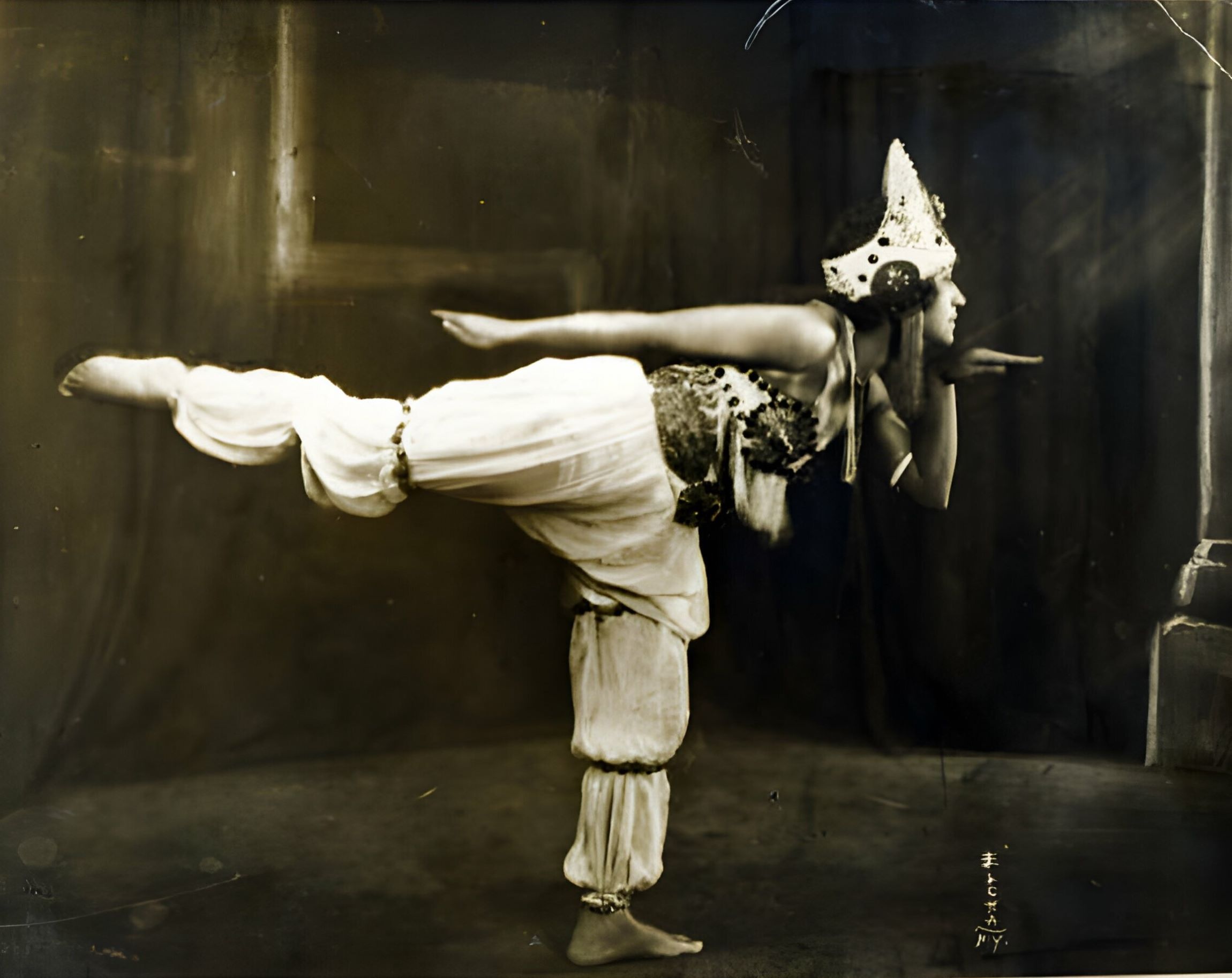
Edna Morton (April 2, 1894 – July 31, 1980) was an American actress who was in films in the 1920s. She starred in mainly race films most of them produced by Reol Productions. Her most notable films being Spitfire (1922), Easy Money (1922), and The Call of His People (1921). She was also in a film by Oscar Micheaux called A Son of Satan (1924). She is known to have been in ten films in total. She was referred to as “the colored Mary Pickford”. (text retrieved from wikipedia entry)

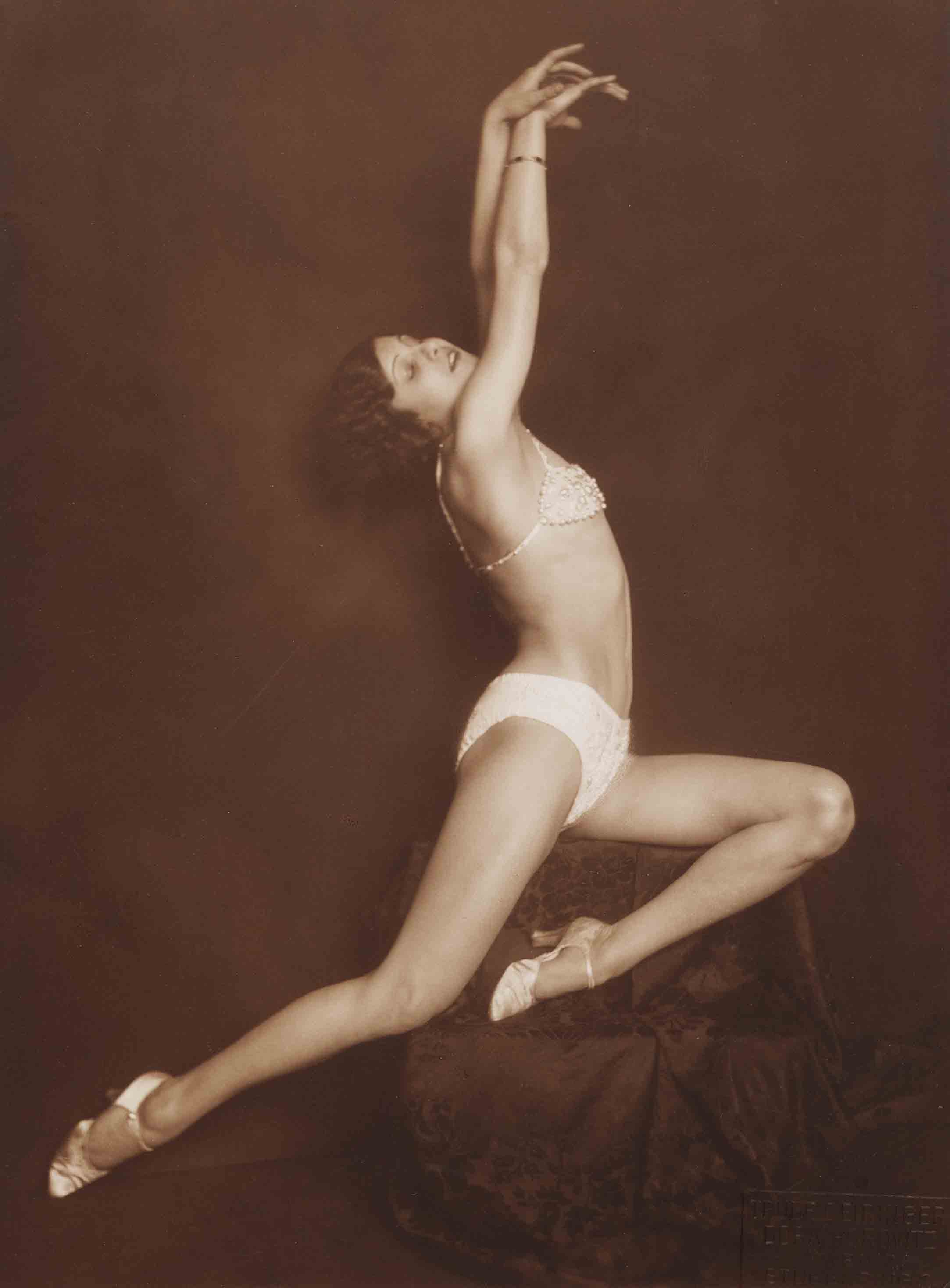
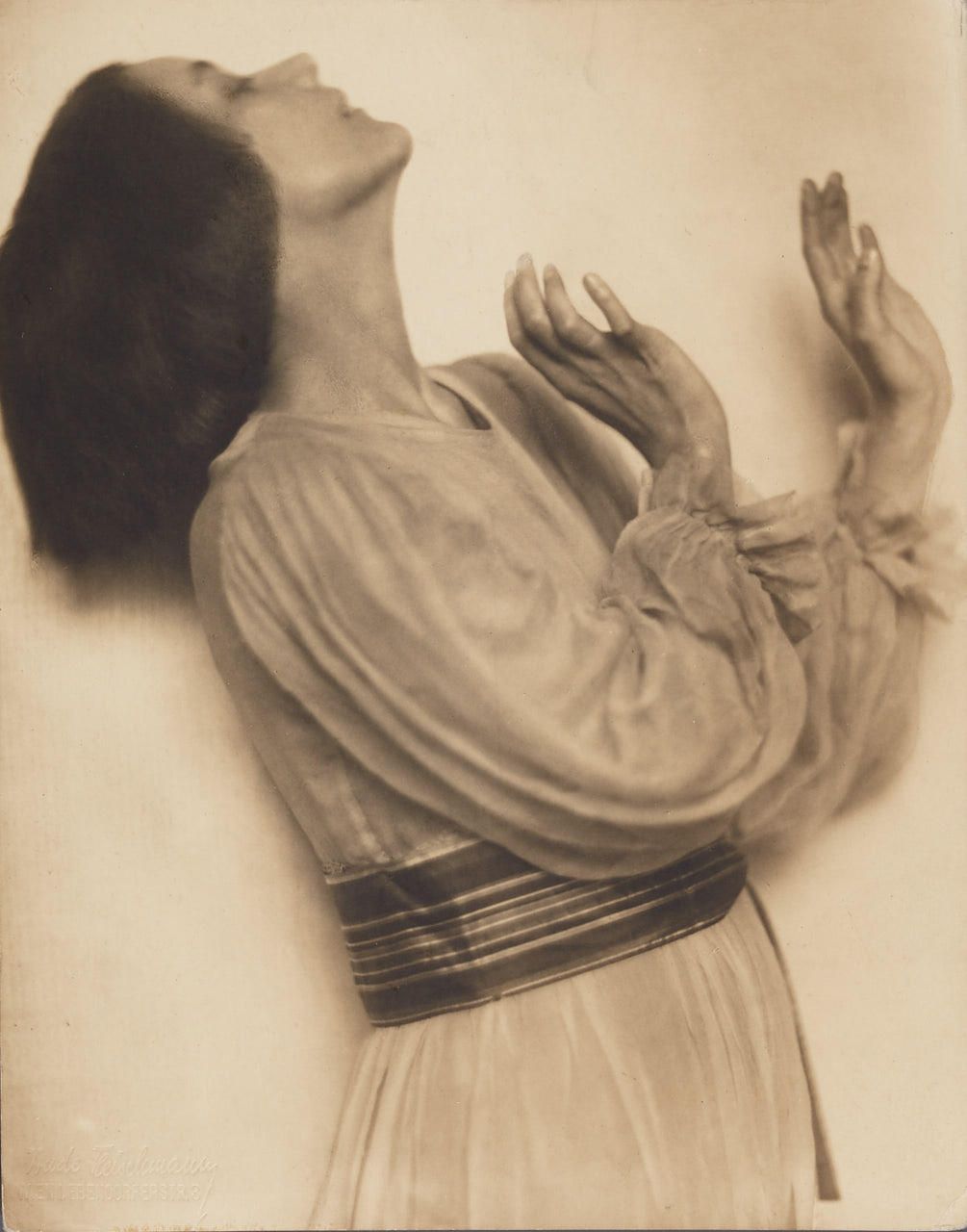


From 1926 to 1934, Vera Shabshai (1905 – 1988) created about a hundred miniatures ballets, mainly on Jewish themes, to the music of composers from the Society of Jewish Music. These choreographic numbers, combined into suites on a specific theme, made up the extensive repertoire of “Evenings of Jewish Dance” and “Evenings of Jewish Ballet and Pantomime” organized by Shabshai in the seasons of 1929-1930 and 1930-1931.
The most popular piece of these ballets was the Jewish pantomime-ballet “Aleph”, in which she said she wanted to express through plastic means various moments of Jewish history from antiquity to the present day. It consisted of six pats or cycles: “Jewish Bas-reliefs”, “Mourning dances”, “Jews in Spain”, “Shtetl dances” and the pantomime “ Smena / Change”.

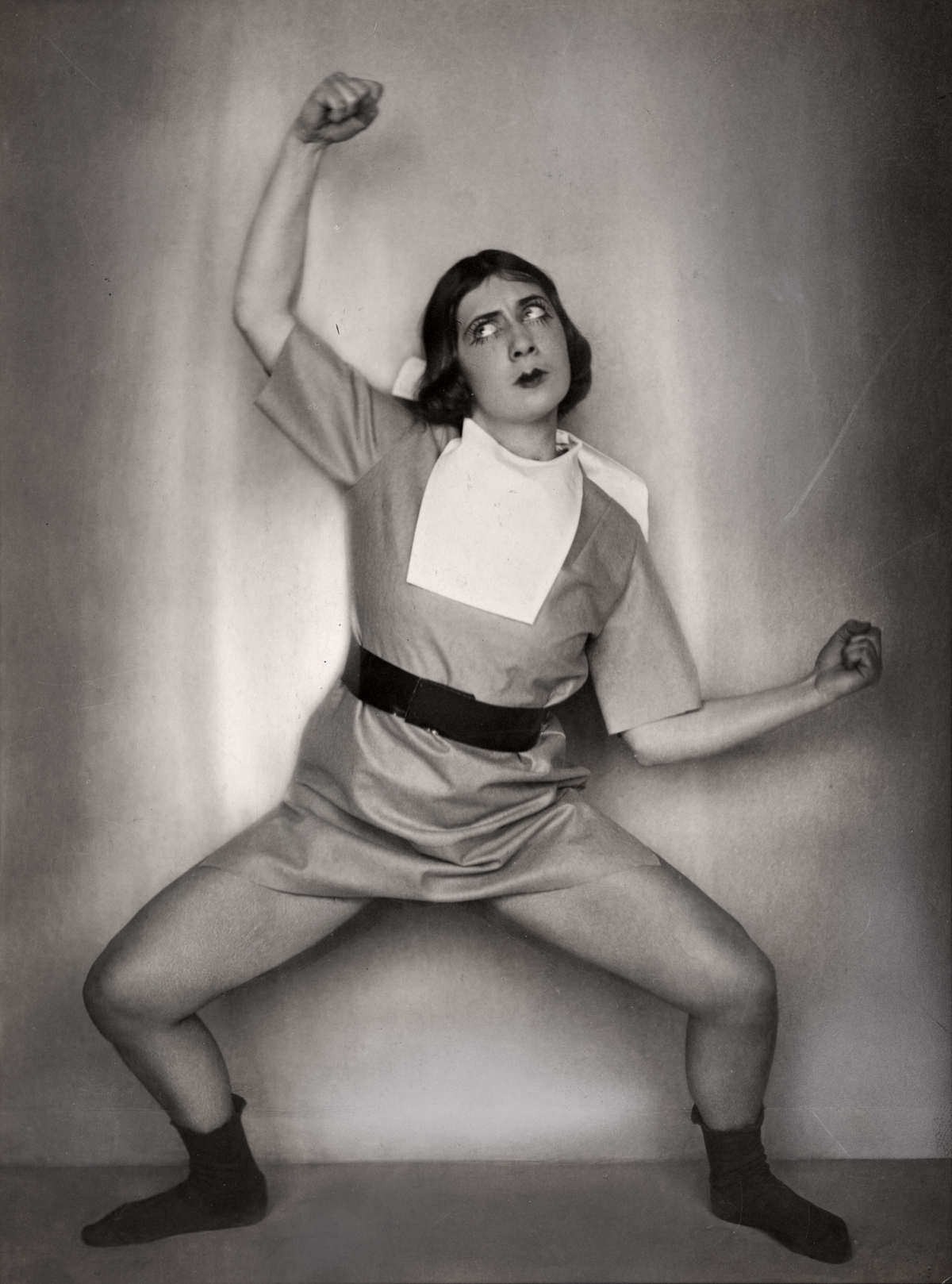
Cilli Wang (1909-2005) was a Viennese dancer and cabaret artist. She attended dance classes at the Vienna Academy of Music and Performing Arts (Max Reinhardt Seminar) with Gertrud Bodenwieser. In 1928 she gave her first performance by dancing to the recitation of the actor Ernst Ceiss.
In the 1930s she evolved into a transformational artist, appearing on cabaret and small art stages, such as Erika Mann’s “Pfeffermühle” in Zurich, the “Catakombe” in Berlin and, not least, in “Lieben Augustin” and “Simpl” in Vienna.
Her trademark were pantomimic dances and performances with parodic, grotesque and illusionistic elements – which she herself called Verwandeleien / transformations (she also designs her own costumes as well as the puppets and props she used).
For her parodic performances, which were a rarity in her time, she was called the Pavlova of Parody. Initially performing in ensembles, her interest was in the connection between spoken word and movement. She created dance movement numbers to Goethe, Wilhelm Busch and Christian Morgenstern, which she recited herself. She parodied Hitler and made fun of folk dances. Her talent for comic numbers led to comparisons with Charlie Chaplin.
text adapted from Theatermuseum Wien & German wikipedia entry


 un regard oblique