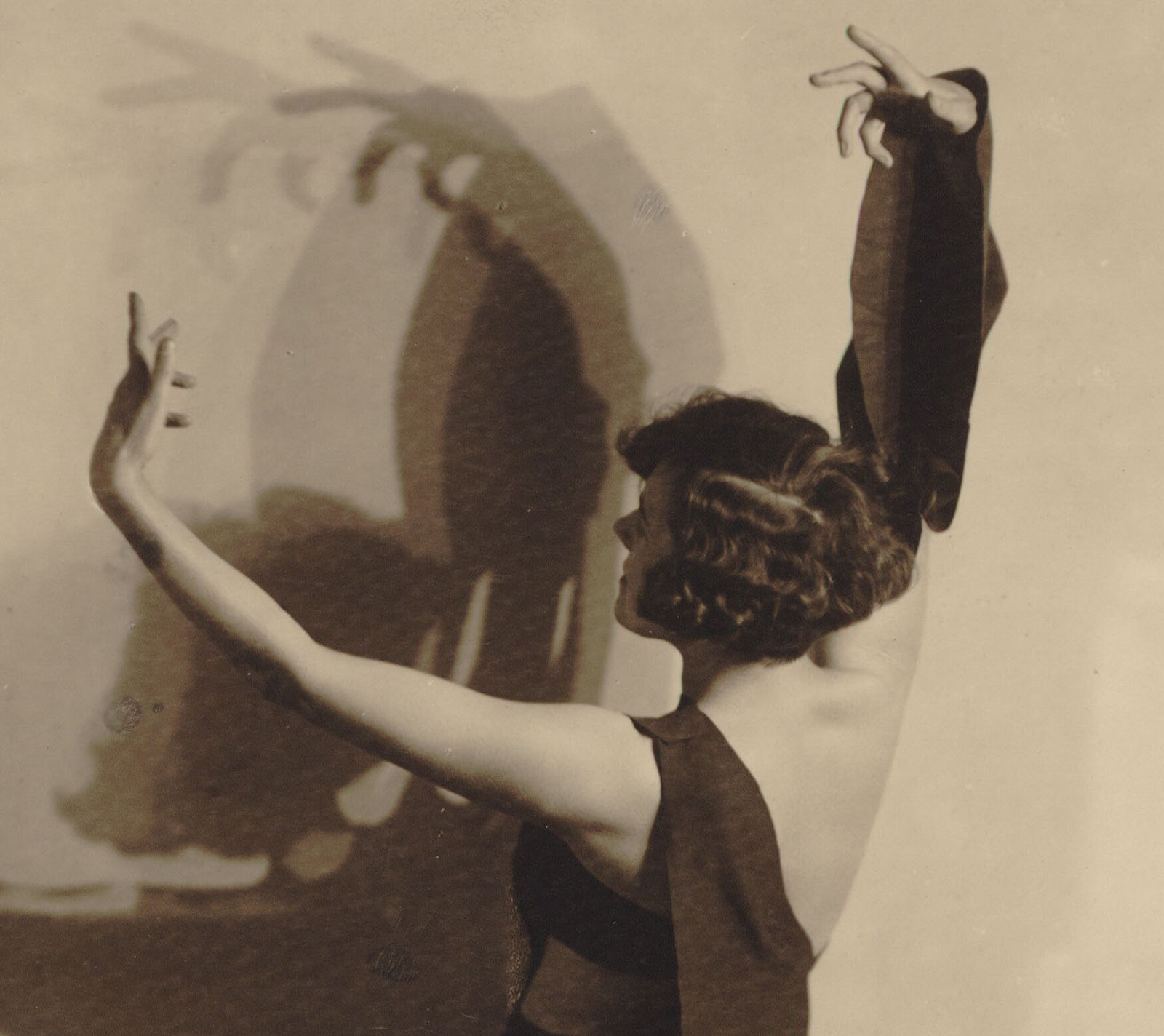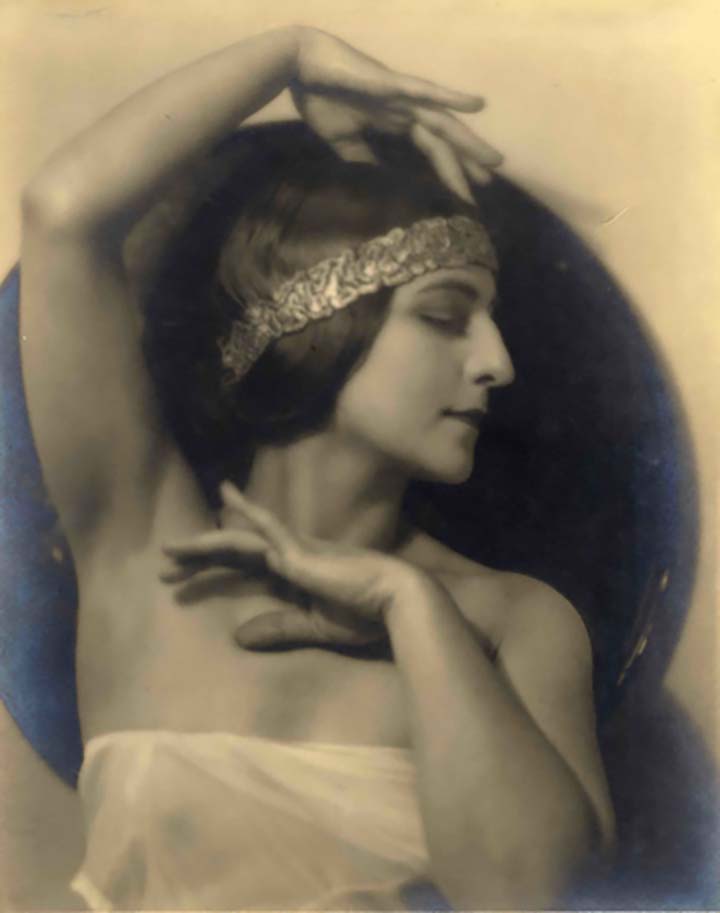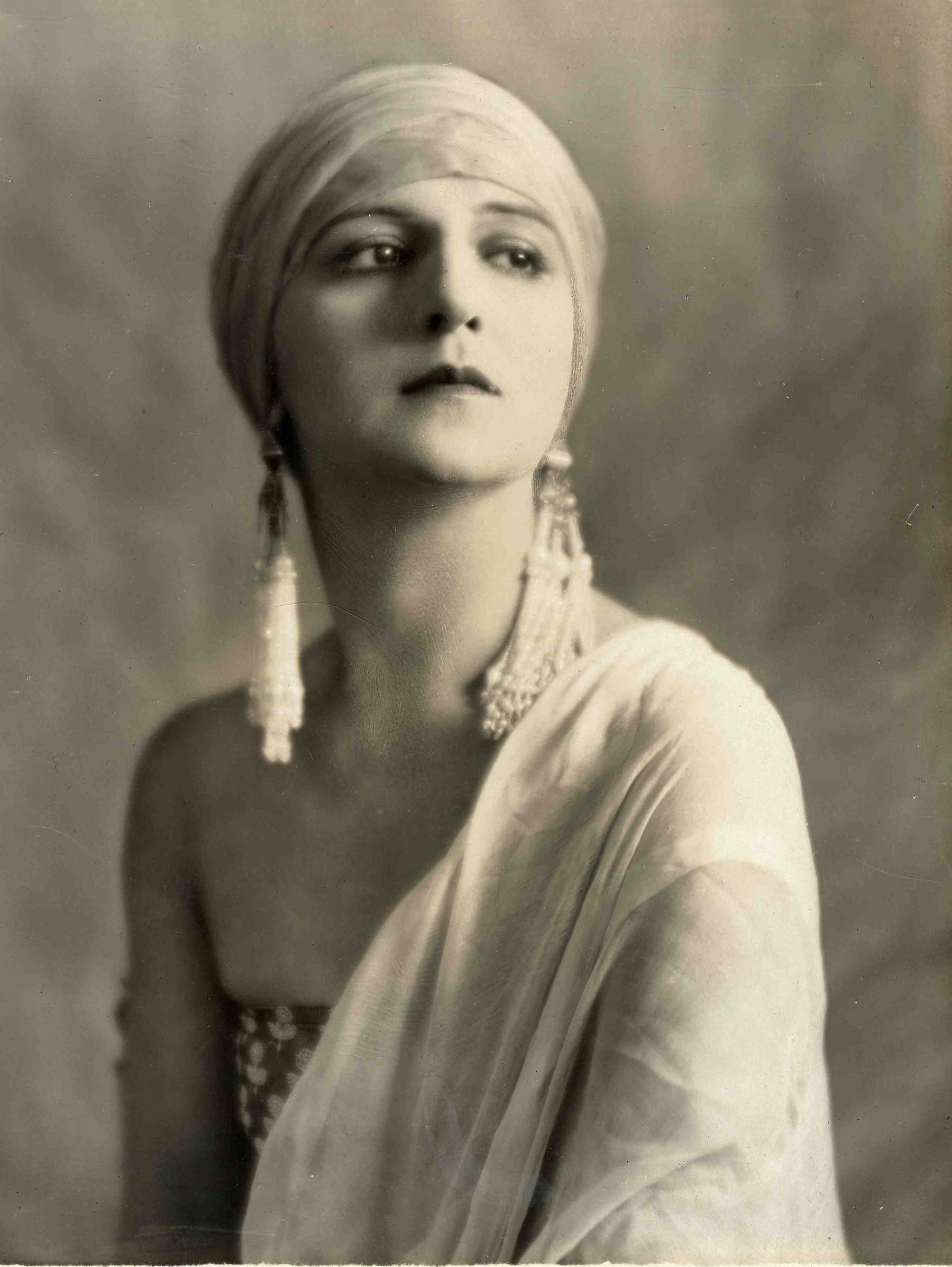
Gerd Neggo in Arabesque

Estonian dancer Gerd Neggo in Arabesque, March 1928 | src BnF~Gallica
Gerd Neggo (1891-1974) in Arabesque, 17.III.1928 | src BnF~Gallica
Gerd Neggo, danseuse estonienne dans sa danse ‘L’Arabesque’ au Théâtre Vanemuine à Tartu le 17-III-1928; ph. K. Akel & Ko.

Gerd Neggo was born in Kuressaare, Estonia, in 1891. She studied the Émile Jaques Dalcroze methodology in Stockholm, then studied modern dance and mime under Rudolf von Laban in his dance studio in Hamburg.

After specializing in the art of modern dance, Neggo returned to Tallinn and established her own dance school in 1924. She started teaching students adopting Laban’s modern dance technique. She organized many solo and group dances, including pantomimes. She and her group held performances at the Estonian Drama Theatre.

In 1944, during the Soviet occupation of Estonia, she and her husband Paul Olak migrated to Sweden. Neggo died in Stockholm in 1974.
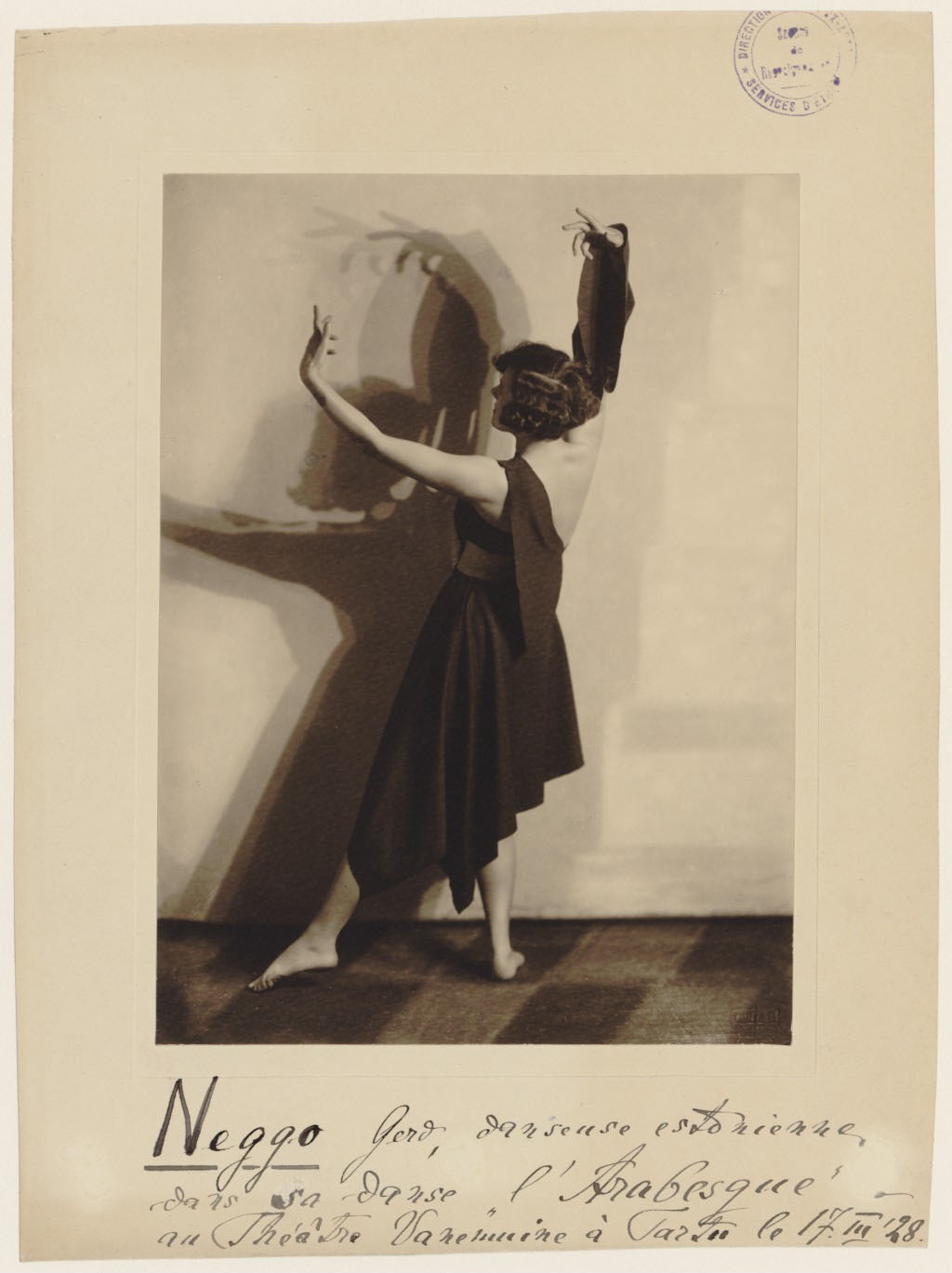
Estonian dancer Gerd Neggo in Arabesque at Vanemuine theater in Tartu, 17-III-1928; photo: K. Akel & Ko | src BnF~Gallica

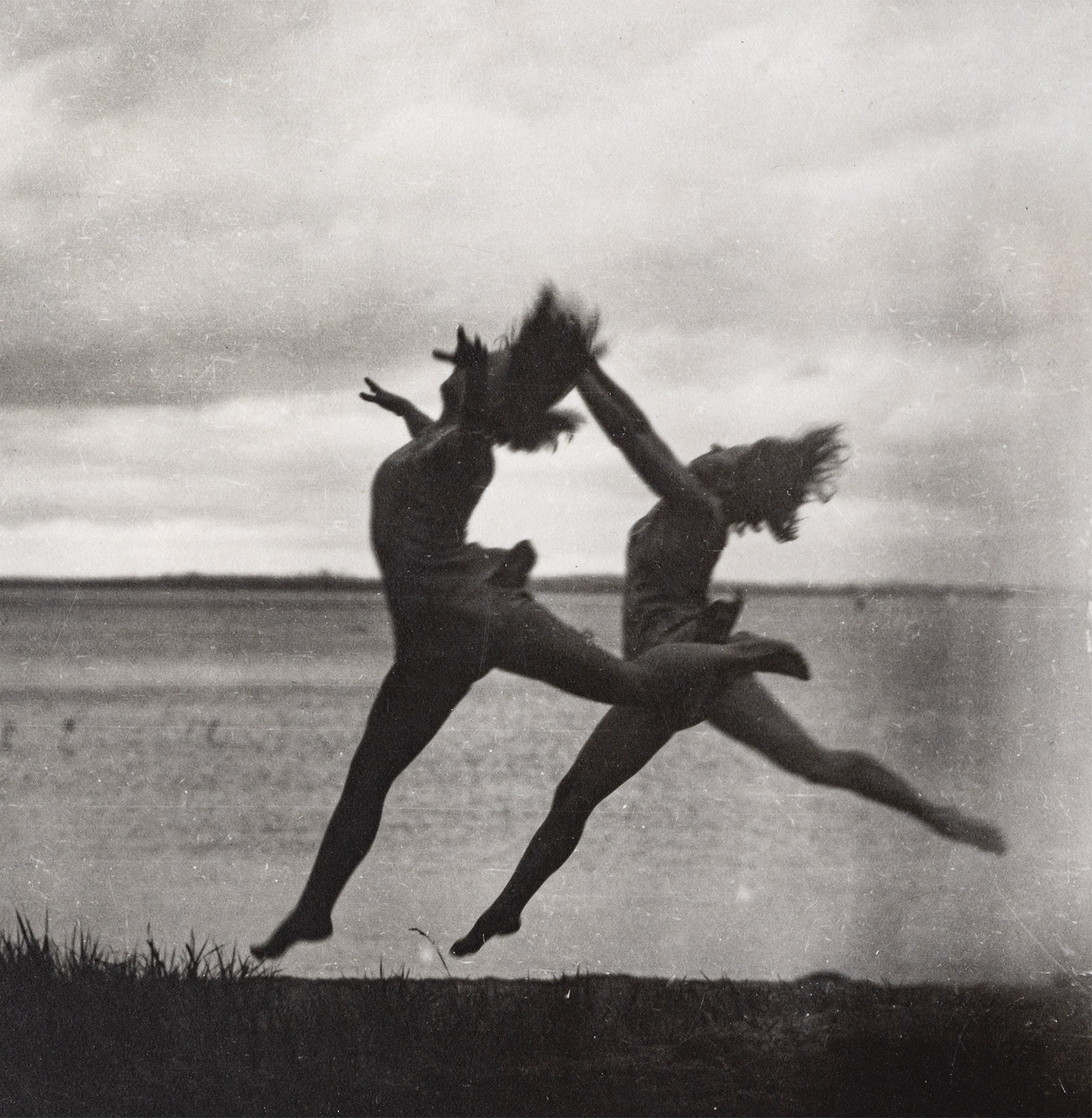
Gymnastics at Tanhuvaara

Gymnastics at Tanhuvaara, 1930. JOKA (Journalistinen kuva-arkisto) | src museovirasto
Water nymphs on a seaside rock (Finnish : Vedenneitoja rantakivellä) | src Museovirasto
Female gymnasts on a rock on the shore of Tanhuvaara gymnastics home in Pappilanniemi (the Bay of Vyborg) 1930.
Detail of image on top : Gymnastics at Tanhuvaara in 1930

Akesson by Sundahl · 1949

Sune Sundahl ~ Dansbild med Birgit Åkesson, 03.01.1949. Arkitektur- och designcentrum · Ark Des / ARKM.1988-111-05485-5
Sune Sundahl ~ Dance picture with Birgit Åkesson, January 3, 1949. Center for Architecture and Design · Ark Des / ARKM.1988-111-05485-3

The images above are part of the exhibition: «Dansen har mycket gemensamt med arkitektur» / «Dance has a lot in common with architecture» (2013)

Arkitektur- och designcentrum / Center for Architecture and Design (Ark Des)

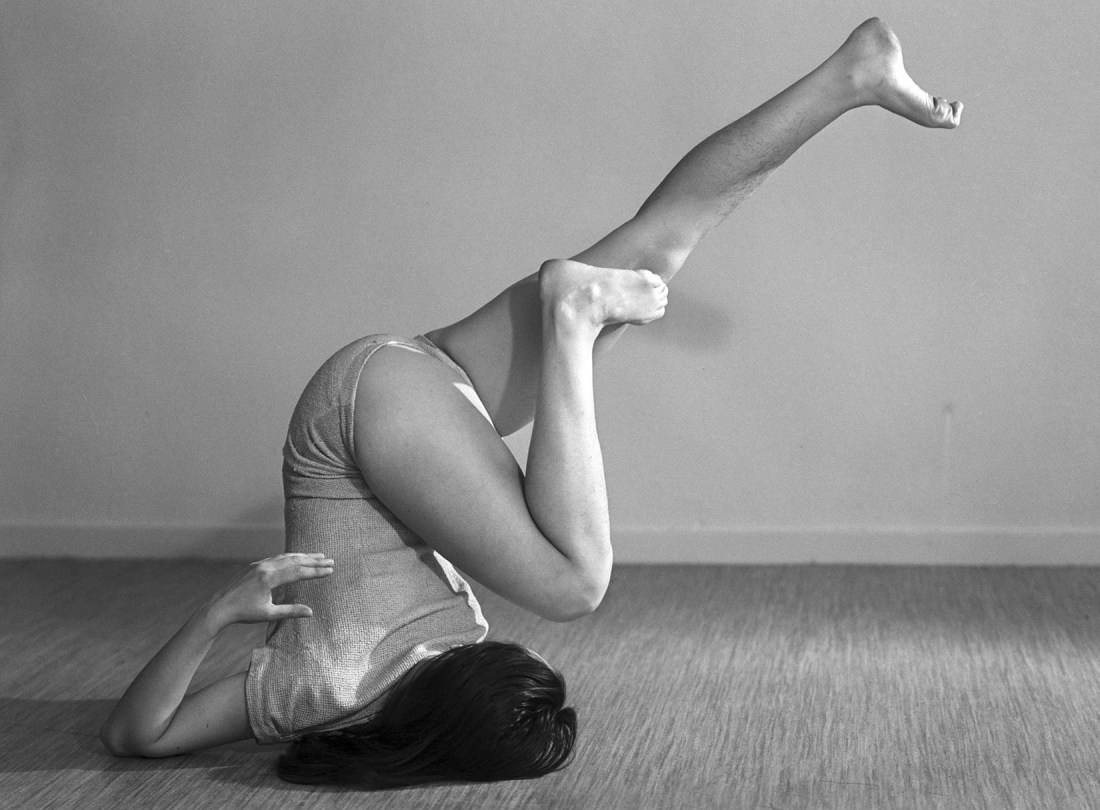
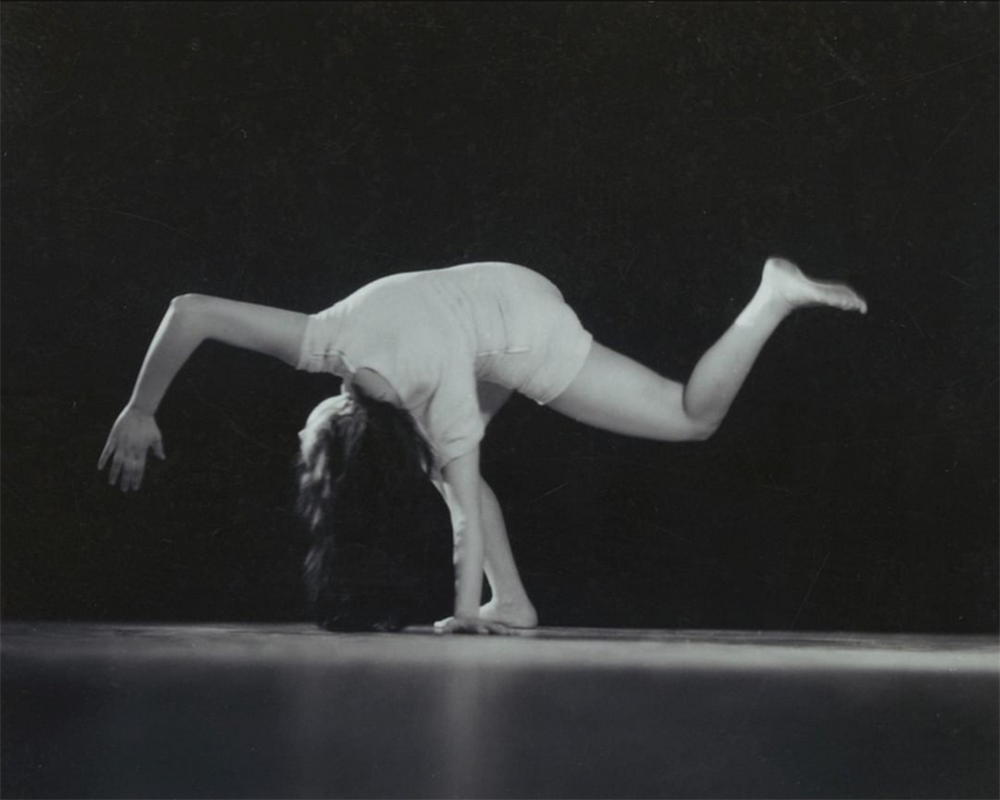
Birgit Åkesson, foto: okänd. | src Dansmuseet • IG

Both images above this line are uncredited in source: Dansmuseet (view post in this blog : Birgit Åkesson training), but we reckon that them could belong to the same photo-session with Sune Sundahl
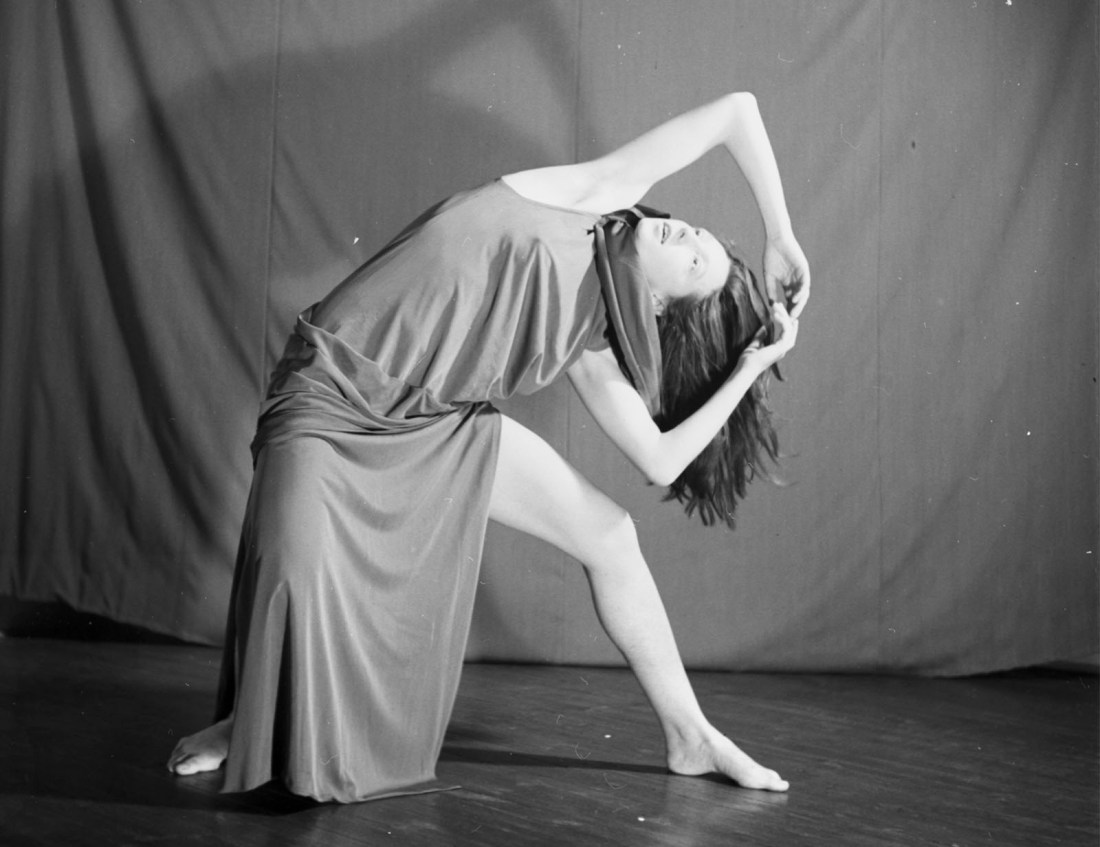
Birgit Akesson by Sune Sundahl

Sune Sundahl ~ Birgit Åkesson dances in a draping dress. Picture taken in studio. Architecture and Design Center Ark Des / ARKM.1988-111-02796
Sune Sundahl ~ Birgit Åkesson dansar i draperande klänning. Bilden tagen i studio. Arkitektur- och designcentrum Ark Des / ARKM.1988-111-02799
Sune Sundahl ~ Birgit Åkesson dances in a long draped dress. Picture taken in studio. Architecture and Design Center Ark Des / ARKM.1988-111-02795
Sune Sundahl ~ Birgit Åkesson dances in a draping dress. Picture taken in studio. Architecture and Design Center Ark Des / ARKM.1988-111-02800-A
Sune Sundahl ~ Birgit Åkesson dansar i draperande klänning. Bilden tagen i studio. Arkitektur- och designcentrum Ark Des / ARKM.1988-111-02800-B
Sune Sundahl ~ Birgit Åkesson dances in a draped dress. Picture taken in studio. Architecture and Design Center Ark Des / ARKM.1988-111-02801

All the images in this post are from the exhibition: «Dansen har mycket gemensamt med arkitektur» (2013). Some of the images are dated 1939-1947 but most of them undated.

«Dance has a lot in common with architecture» (2013)

Movement, rhythm, space and body in dance have much in common with architecture. Spatiality can only be experienced with the body, in movement. There are several good reasons to pay attention to the connections between the room shape and people’s movements in the rooms. Whether dancing or walking around a building, there is both flow and embodiment. Perhaps it was precisely these common denominators that made Birgit Åkesson choose the architectural photographer Sune Sundahl to document her early choreographies?

Photographing movement is a big challenge, a movement in a frozen moment can easily turn into a rigid pose without context or dynamism. In Sundahl’s collection there are, among other things, pictures from Birgit Åkesson’s own performance Blue Evening from 1946. The title was probably taken from the blue-painted Konserthuset in Stockholm, designed by Ivar Tengbom 1924-26. Here, Birgit Åkesson experimented with movements without music, which was unique for the time. She also studied during her lifetime the dances of other cultures, including dances African dances from the south of the Sahara and the Butoh dance from Japan.

The dancer, choreographer and dance researcher Birgit Åkesson (1908-2001) taught the viewer to listen to the sound of movement in the silence. It was about holding a dialogue, where the rhythm carried the form that left invisible traces in the air. Birgit Åkesson started her dance career in the 1920s and 30s when she studied with the German-born choreographer Mary Wigman. It was from her that the Swedish dancer found the expressionist language, the free dance. Birgit Åkesson was one of the leading avant-garde artists in free dance.

Lenita Gärde, Center for Architecture and Design (quoted from ArkDes)

Sune Sundahl ~ Birgit Åkesson dansar i draperande klänning. Bilden tagen i studio. Arkitektur- och designcentrum Ark Des / ARKM.1988-111-02804
Sune Sundahl ~ Birgit Åkesson dansar i draperande klänning. Bilden tagen i studio. Arkitektur- och designcentrum Ark Des / ARKM.1988-111-02805

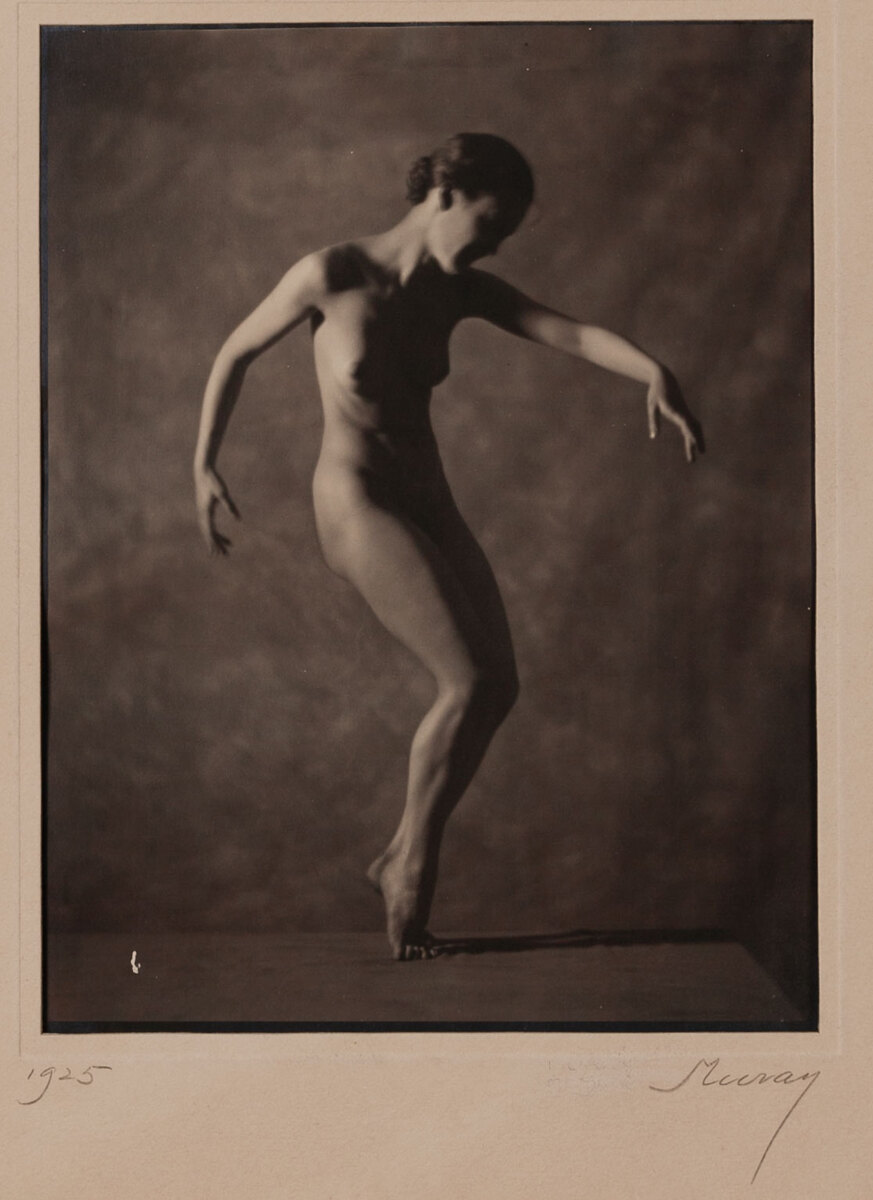
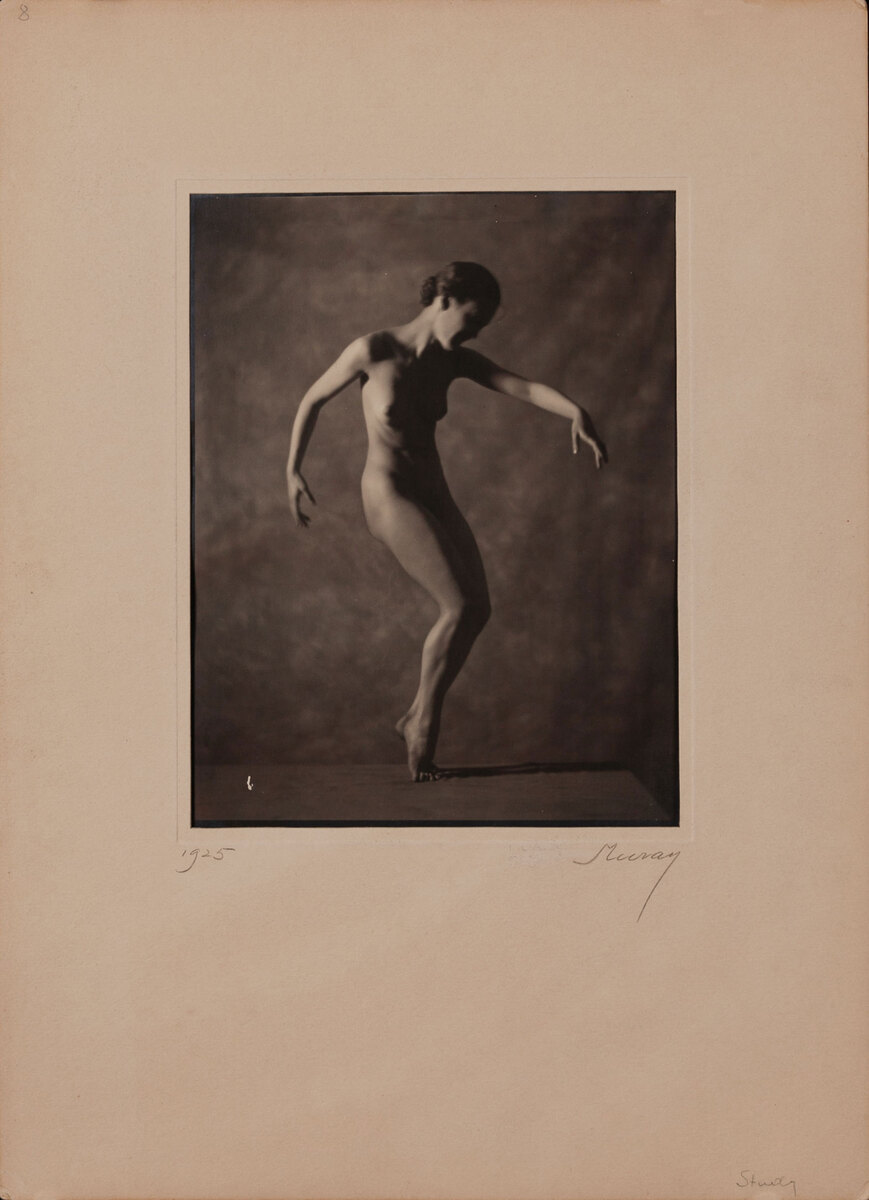
Nude study by Nickolas Muray

Nickolas Muray :: Nude Study, 1925. Gelatin silver print. Original nude photograph, hand signed, dated 1925 and titled Study 
Nickolas Muray :: Nude Study, 1925. Gelatin silver print. Original nude photograph, hand signed, dated 1925 and titled Study.
Nickolas Muray :: Nude Study, 1925. Gelatin silver print. Original nude photograph, hand signed, dated 1925 and titled Study 
Nickolas Muray :: Nude Study, 1925. Gelatin silver print. Original nude photograph, hand signed, dated 1925 and titled Study by Nickolas Muray. Stamped on the back Photo by Nickolas Muray, 38 East 50th St., N.Y.C. [full image] | src David Pollack vintage posters

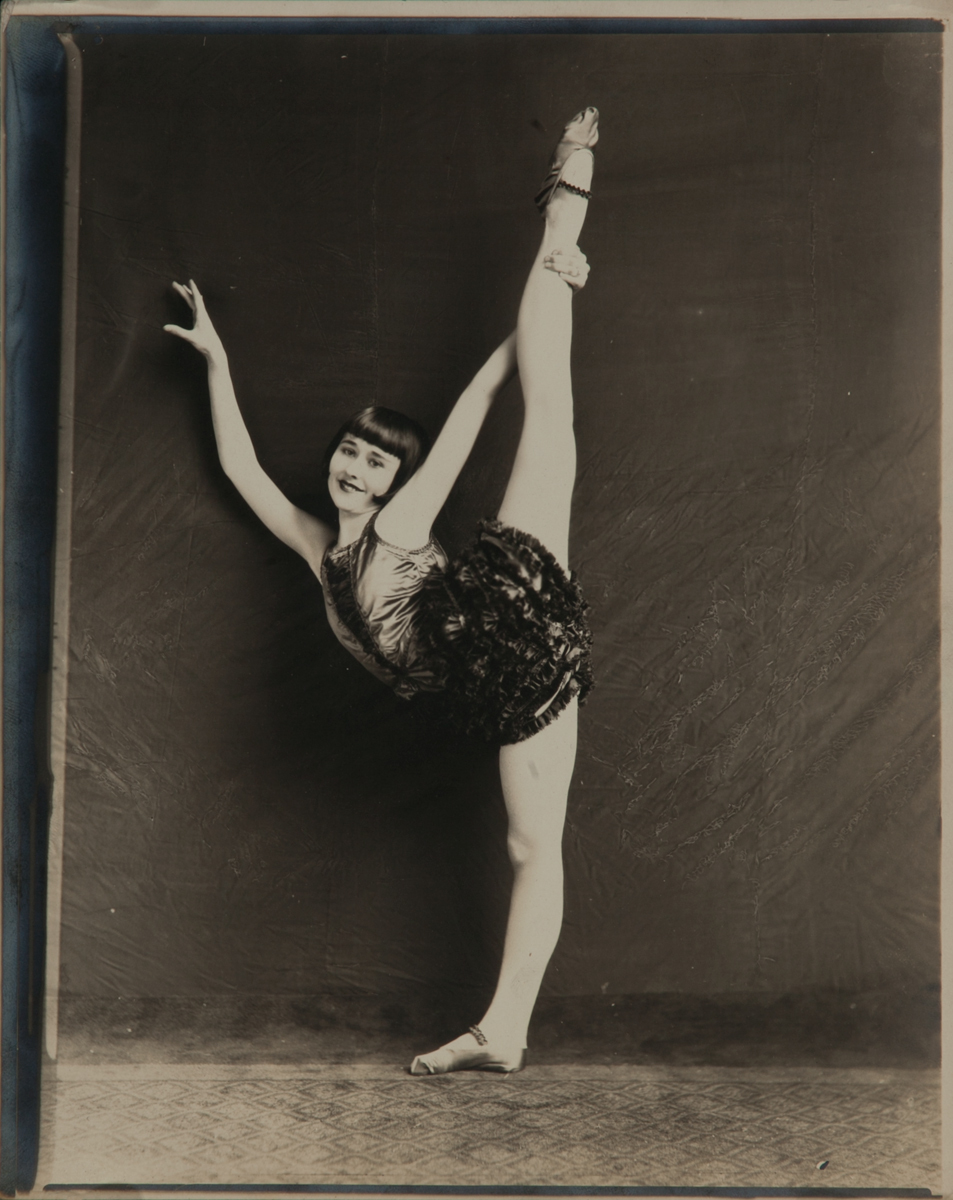
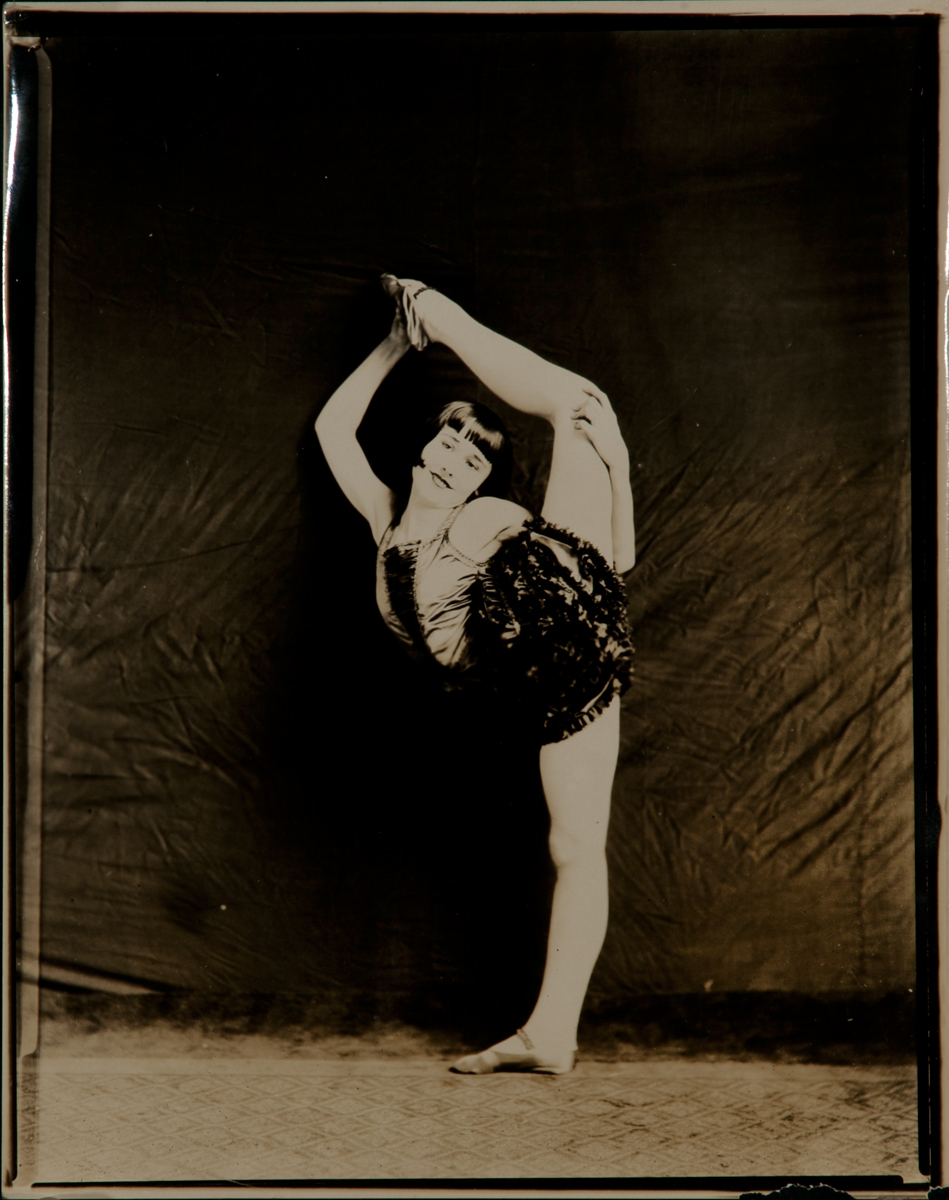
Acrobat dancer Vera Christy

Acrobat-Dancer-Circus Performer Vera Christy Original Contact Photo, 1920s. | David Pollack Vintage Posters
Acrobat dancer, circus performer Vera Christy Original Contact Photo, 1920s. | src David Pollack Vintage Posters

Albertina Rasch circa 1920

Austrian-American choreographer and dancer Albertina Rasch (1891-1967) by unknown photographer (late 1910s - early 1920s)
Austrian-American choreographer and dancer Albertina Rasch (1891-1967) by unknown photographer | src Dimitri Tiomkin official website
Albertina Rasch [no date recorded on caption card]. Glass negative. Bain News Services. | src Library of Congress
Austrian-American choreographer and dancer Albertina Rasch (1891-1967) by unknown photographer, probably circa 1920
Austrian-American choreographer and dancer Albertina Rasch (1891-1967), prima ballerina at the Hippodrome and later choreographer of the Albertina Rasch dancers who performed between vaudeville acts in the mid-1920s. | src Hippodrome research blog

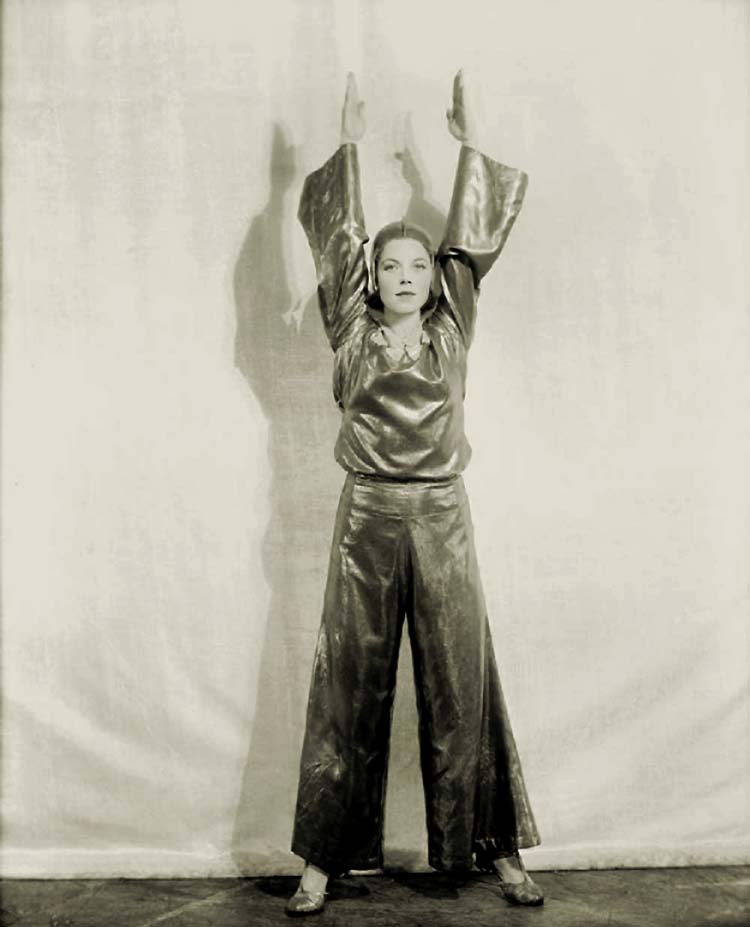
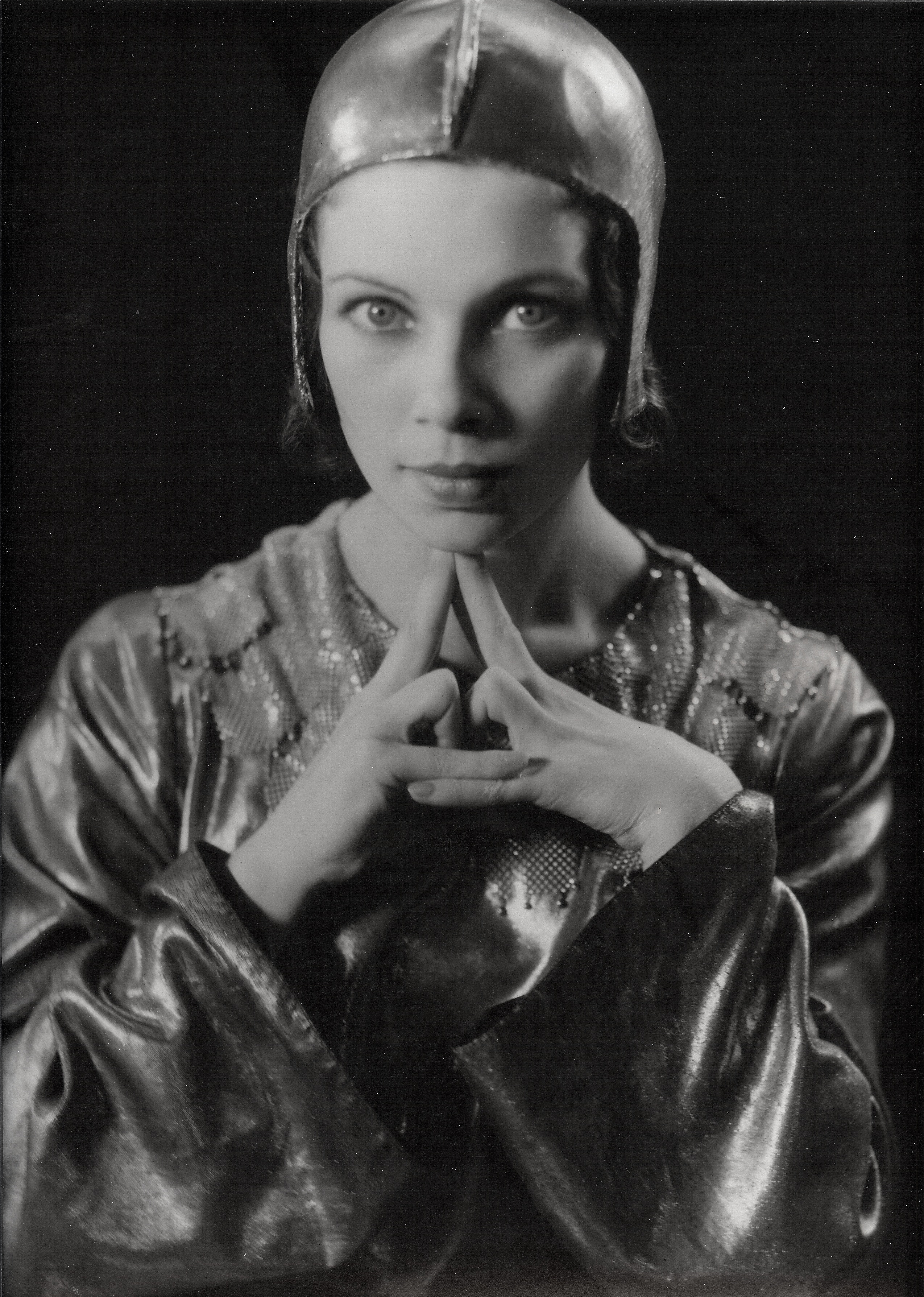
Tilly Losch in The Band Wagon

Florence Vandamm :: Tillie / Tilly Losch in ‘The Band Wagon’, 1931. In costume for Act 1·6: The Flag (danced by Tilly Losch)
Ira Daniel Schwarz :: Tilly Losch (Ottilie Ethel Leopoldine Losch) in ‘The Band Wagon’, 1931-1932
Ira Daniel Schwarz :: Tillie / Tilly Losch in ‘The Band Wagon’, 1931. In costume for Act 1·6: The Flag (danced by Tilly Losch).
Ira Daniel Schwarz :: Tillie / Tilly Losch in ‘The Band Wagon’, 1931. In costume for Act 1·6: The Flag (danced by Tilly Losch). Retrieved from hauntedbystorytelling

The New York Public Library hosts a group of around 150 photographs (shot by Vandamm Studio) of the musical The Band Wagon, unfortunately the resolution is very poor as well as the information provided: here is the direct link to them: NYPL/Billy Rose Theater Division/Vandamm theatrical photographs.

The Band Wagon opened on Broadway at the New Amsterdam Theater on June 3rd, 1931, and concluded on January 16th, 1932, running a total of 260 performances. Produced by Max Gordon, with book by Walter Thomson and Howard Dietz, lyrics also by Dietz and music by Arthur Schwartz. Staging and lighting were by Hassard Short, choreography by Albertina Rasch, and scenic design by Albert R. Johnson. The cast included Fred Astaire, Adele Astaire, Helen Broderick, Tilly Losch, John Barker and Frank Morgan (among others). The show introduced for the first time Schwartz-Dietz’s song Dancing in the Dark (danced by Losch).

Structure of the revue: the musical comedy consisted in five sketches and thirteen songs or musical numbers divided in two acts. As far as we are aware, Losch took part in three of the musical numbers: The Flag, The Beggar Waltz (with Fred Astaire) and Dancing in the Dark (with John Barker).

Bent standing nude (1920s)

Pictorialist standing female nude bent forward, 1920s
M. Lambert :: Frauenakt gebeugt, 1920er Jahre | Female nude bent forward, 1920s. Vintage toned gelatin silver print. | src Koller Auktionen