Bröyer, one of the pioneers of modern dance in Finland, created her own controversial style, bröyerism, or Bröyer-style in the 1920s and 1930s, in which dance was accompanied only by poetry recitation, an art form that, in it’s time, had a conflicted reception. From: Poem – Vision – Flush: A dancedramatic series & Poem – Vision – Intoxication: A dance drama series in which poems used by Bröyer meet contemporary poetry and influences from her movement language are integrated into contemporary dance. Venues: Helsinki City Museum and Burgher’s House Museum
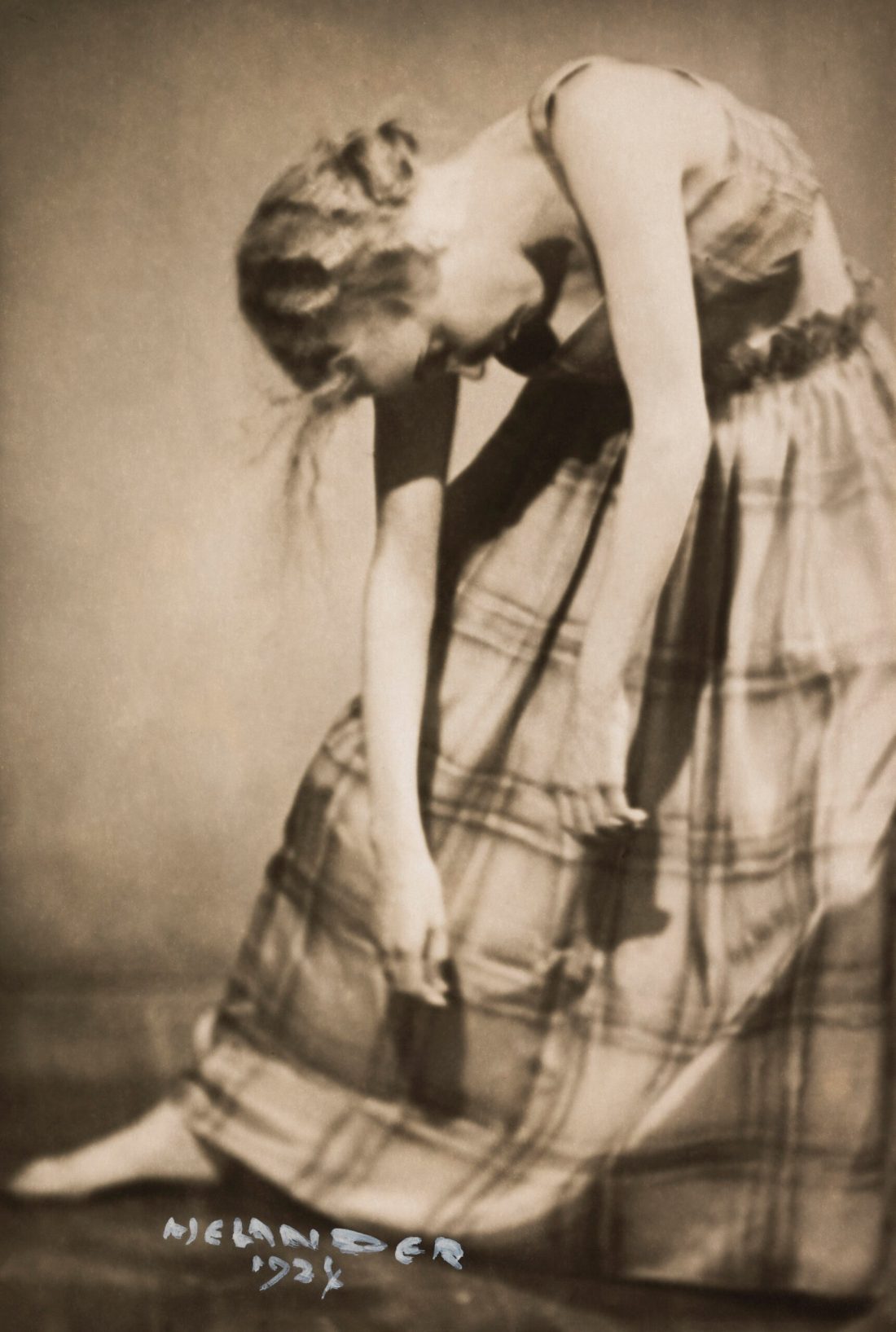
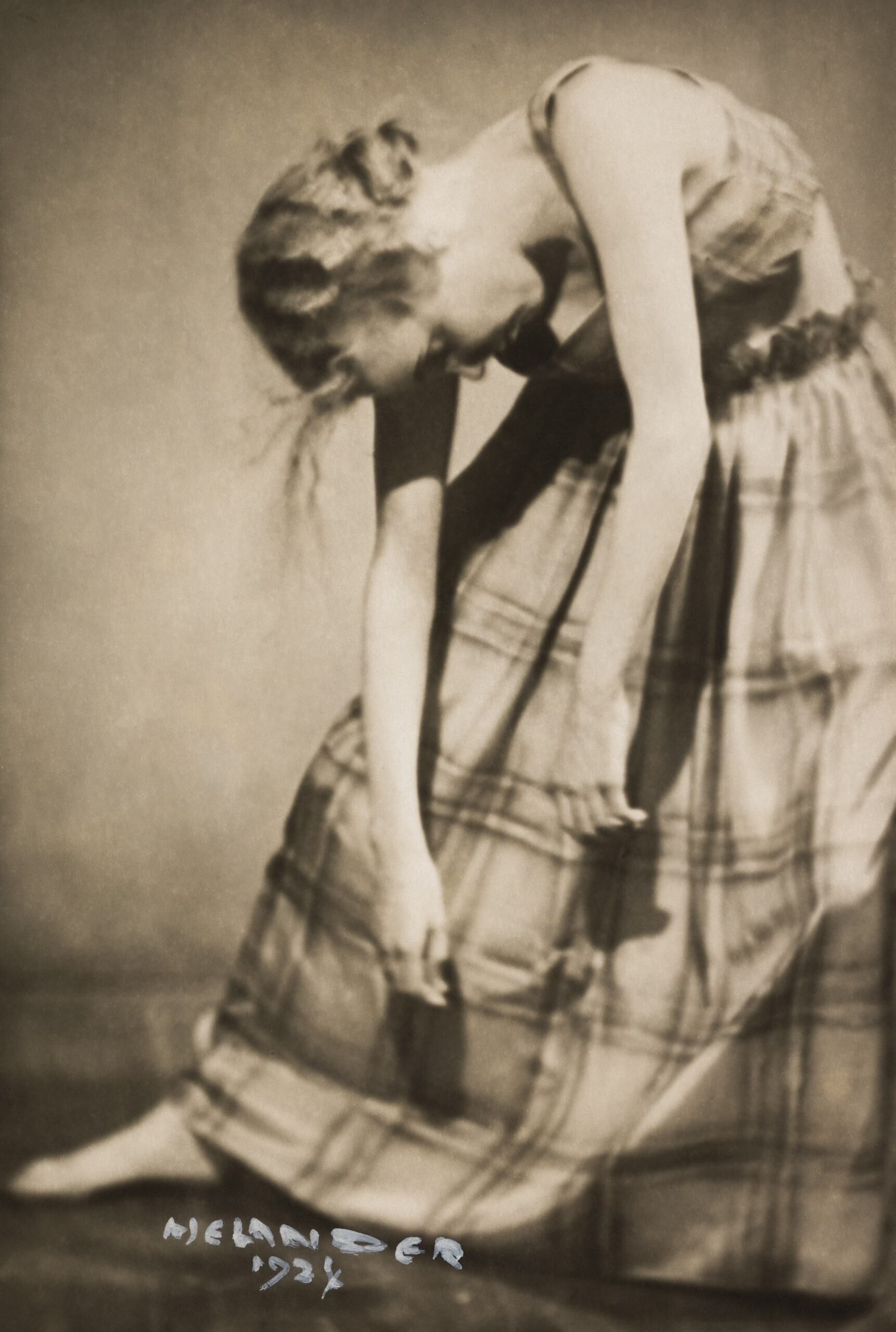
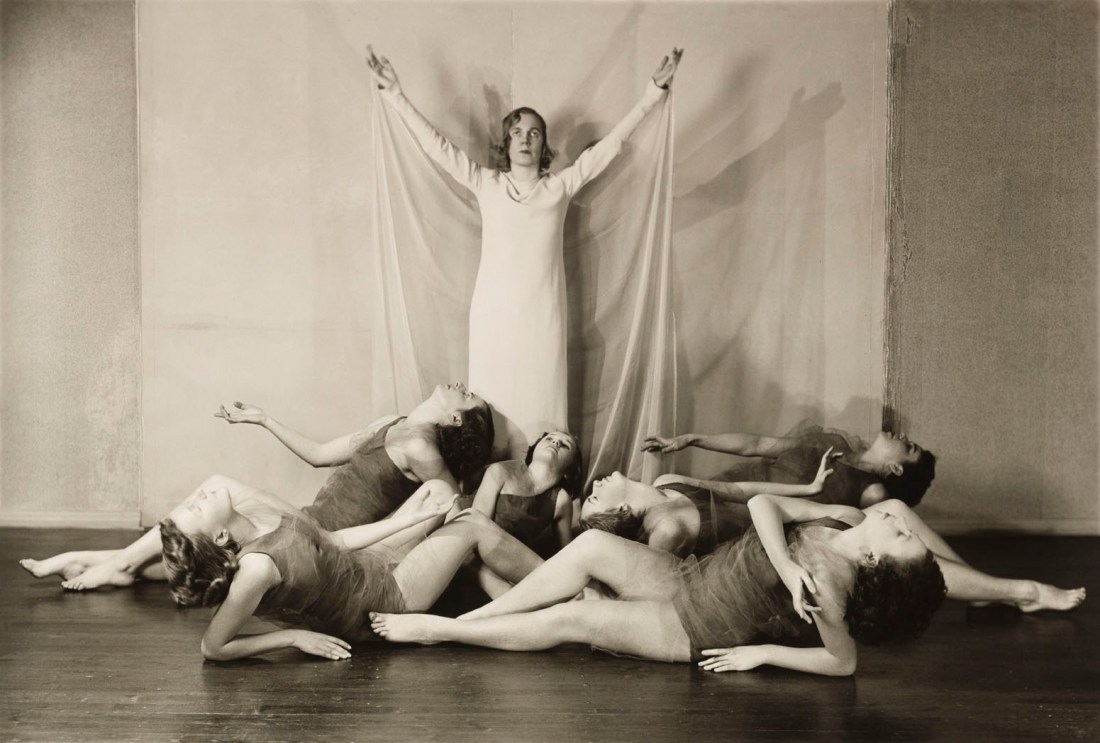
Studio Helander :: Finnish dance artist Martta Bröyer in Helsinki in 1933 (04.11.1933). | src Finnish Heritage Agency & EuropeanaMartta Bröyer created dance performances based on the collection of Finnish folk poems, Kanteletar, among other works, that suited her style based on dance without music, only accompanied by poetry recitation. The Finnish series was presented at the National Theater in 1931. | src Helsinki City Museum on Fb ~ Helsingin kaupunginmuseo
Bröyerismin paluu – unohdettu runotanssi jälleen näyttämölle
Bröyerism Returns – The forgotten art of ‘poetry dance’ returns on stage
The colourful life and diverse career of dance artist MarttaBröyer (1897–1979) has recently been showcased in the museum’s book about the Burgher’s House, the oldest wooden residential building in central Helsinki. Martta Bröyer inherited the house from her mother, renovated and preserved it, and finally sold it to the City for it to be used as a museum. During the book project, Bröyer’s extensive archives were studied in detail for the first time, and plenty of new information was discovered about her life events.
A pioneer of modern dance in Finland, Bröyer created her own controversial style, bröyerism, that combined dance with poetry recitation in the 1920s and 1930s. She drew inspiration from Germany, from the school of world-famous MaryWigman, and developed her own style in the 1920s and 30s based on Wigman’s ideas. Bröyer started to teach the style in her own institute. A dancer and choreographer, Bröyer herself found that her most important career was that of a dance pedagogue.
The Bröyer style, bröyerism, was based on dance without music, only accompanied by poetry recitation. Reflecting the spirit of her time, Bröyer combined modern dance with national romanticism and created dance performances based on the collection of Finnish folk poems, Kanteletar, among other works. Her contemporaries’ reactions varied: the new style received both praise and harsh, even crushing criticism. Despite this, Bröyer determinedly continued with her style until the 1960s. She received the Pro Finlandia medal for her life’s work in 1956.
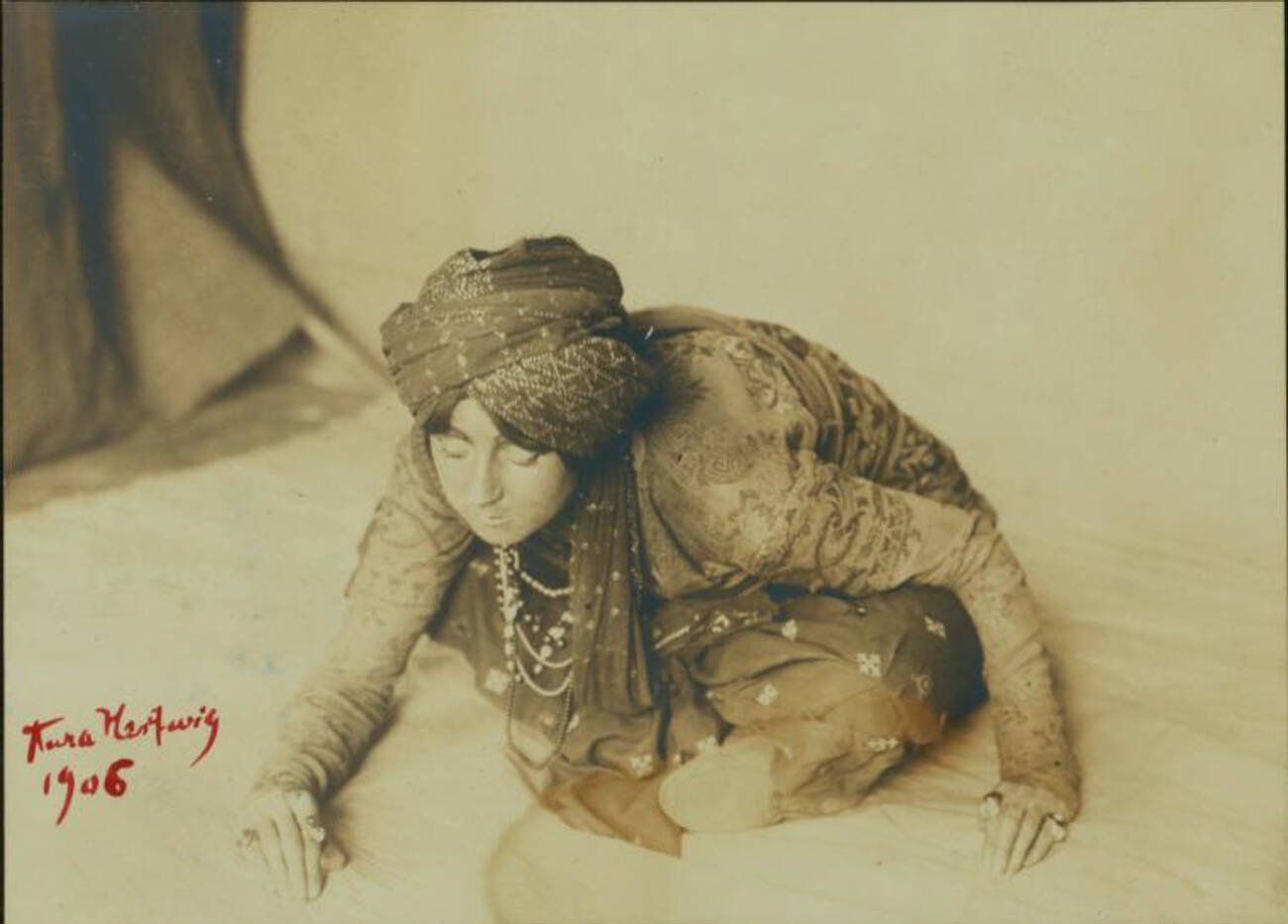
Aura Hartwig ~ Role portrait of Ruth St. Denis in The Cobras, 1906 | src Alamy & NYPLAura Hartwig ~ Portrait of Ruth St. Denis in The Cobras, 1906 | src Alamy & NYPLAura Hartwig ~ Role portrait of Ruth St. Denis in The Cobras, 1906 | src Alamy & NYPLAura Hartwig ~ Portrait of Ruth St. Denis in The Cobras, 1906 | src Alamy & NYPLAura Hartwig ~ Role portrait of Ruth St. Denis in The Cobras, 1906 | src Alamy & NYPL
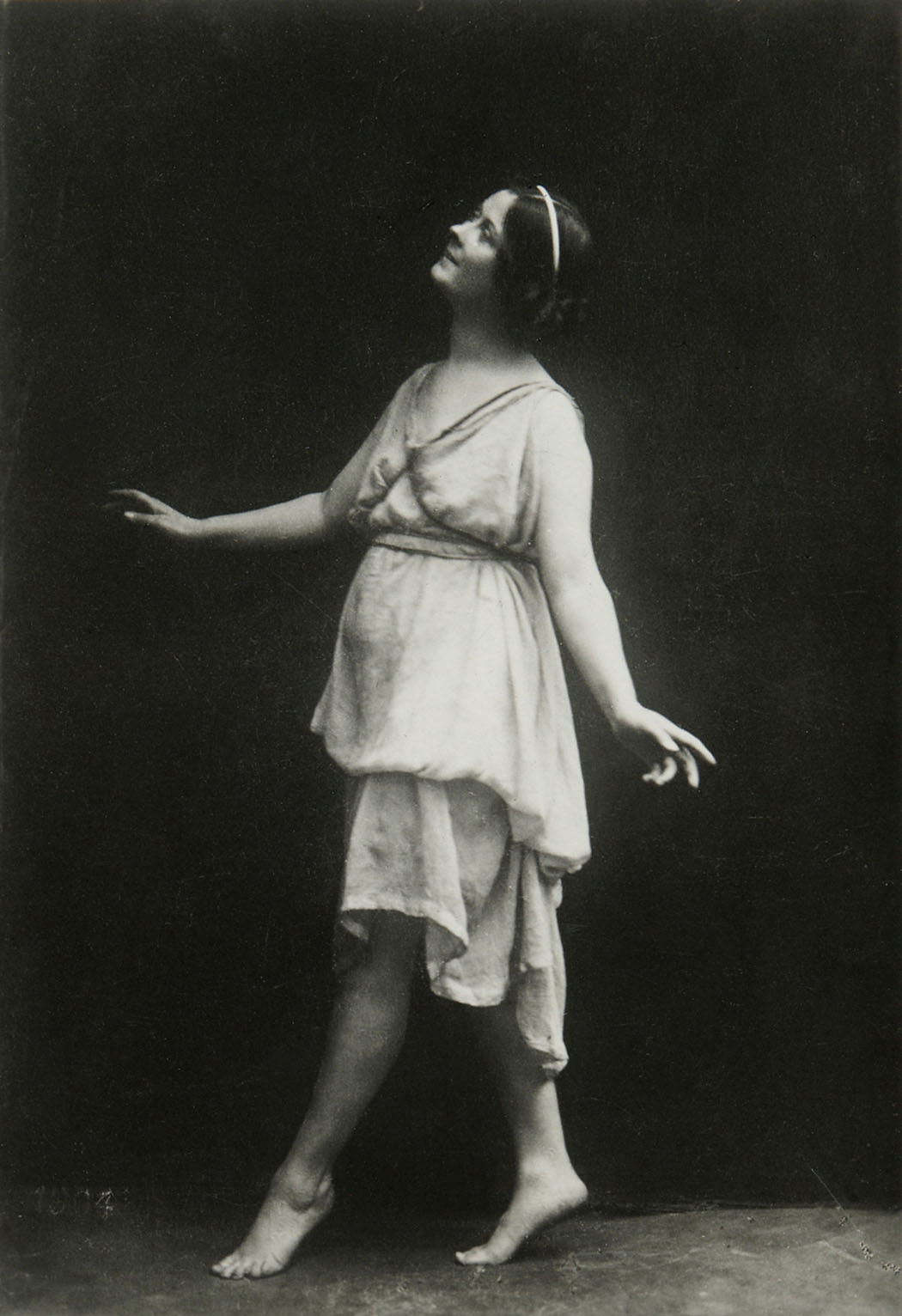
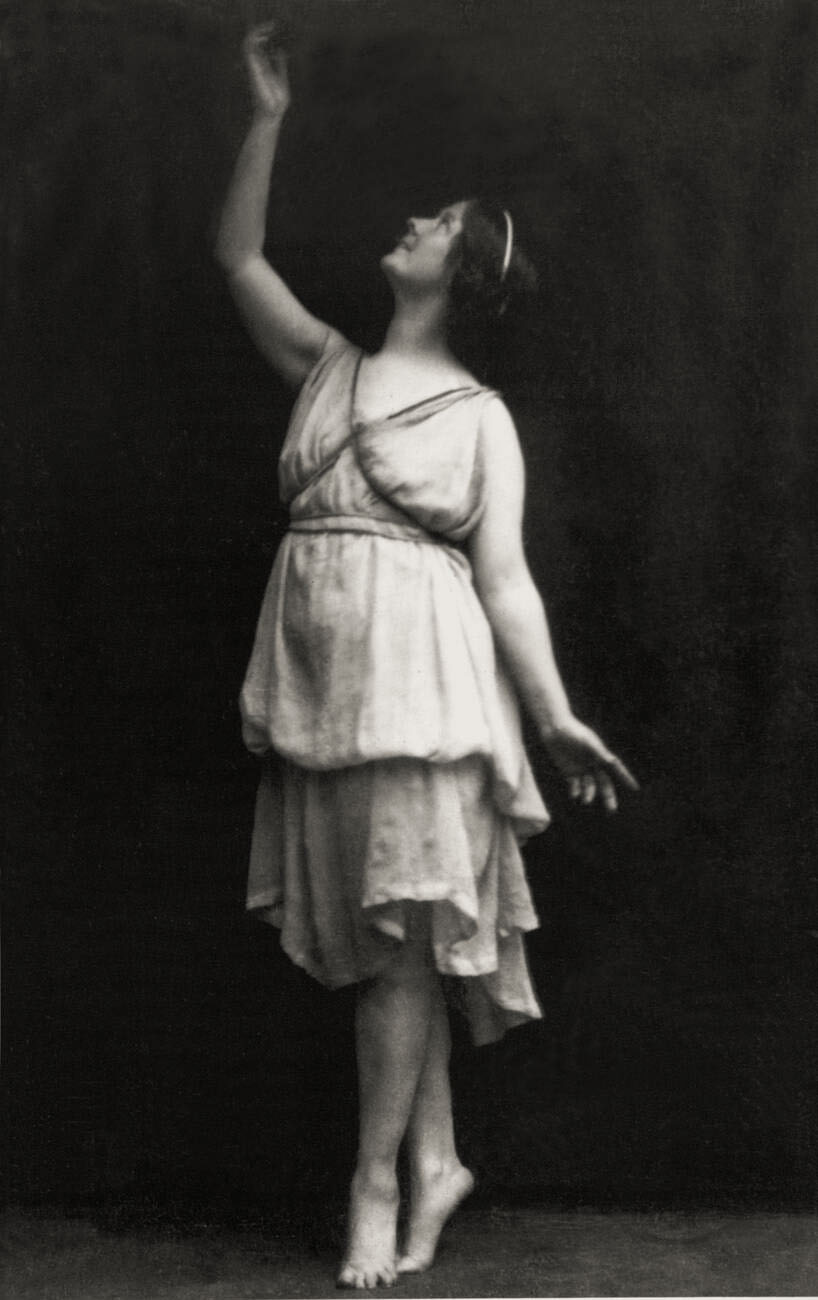
Dancer Isadora Duncan, 1904. Anonymous photographer (*) | src Theatermuseum Wien : Alles tanztIsadora Duncan (1877 – 1927), founder of Free Dance. Photo by Studio Elvira, Munich, ca. 1910 | src alamyHof-Atelier Elvira ~ Isadora Duncan, 1904 | src Theatermuseum WienDancer Isadora Duncan, 1904. Anonymous photographer (*) | src Theatermuseum Wien : Alles tanzt
(*) Even though this photo is uncredited (and undated) on source (Theatermuseum Wien), note that the image bears a blindstamp with the date (1904) with the same typography as the third photo in this post and in the same place (lower left). Furthermore, the dance costume and hairstyle in the “anonymous” photo is just the same as in the image found in Alamy (second image of the post); that said, it is highly probable that the maker of this image is also Atelier / Hof-Atelier Elvira.
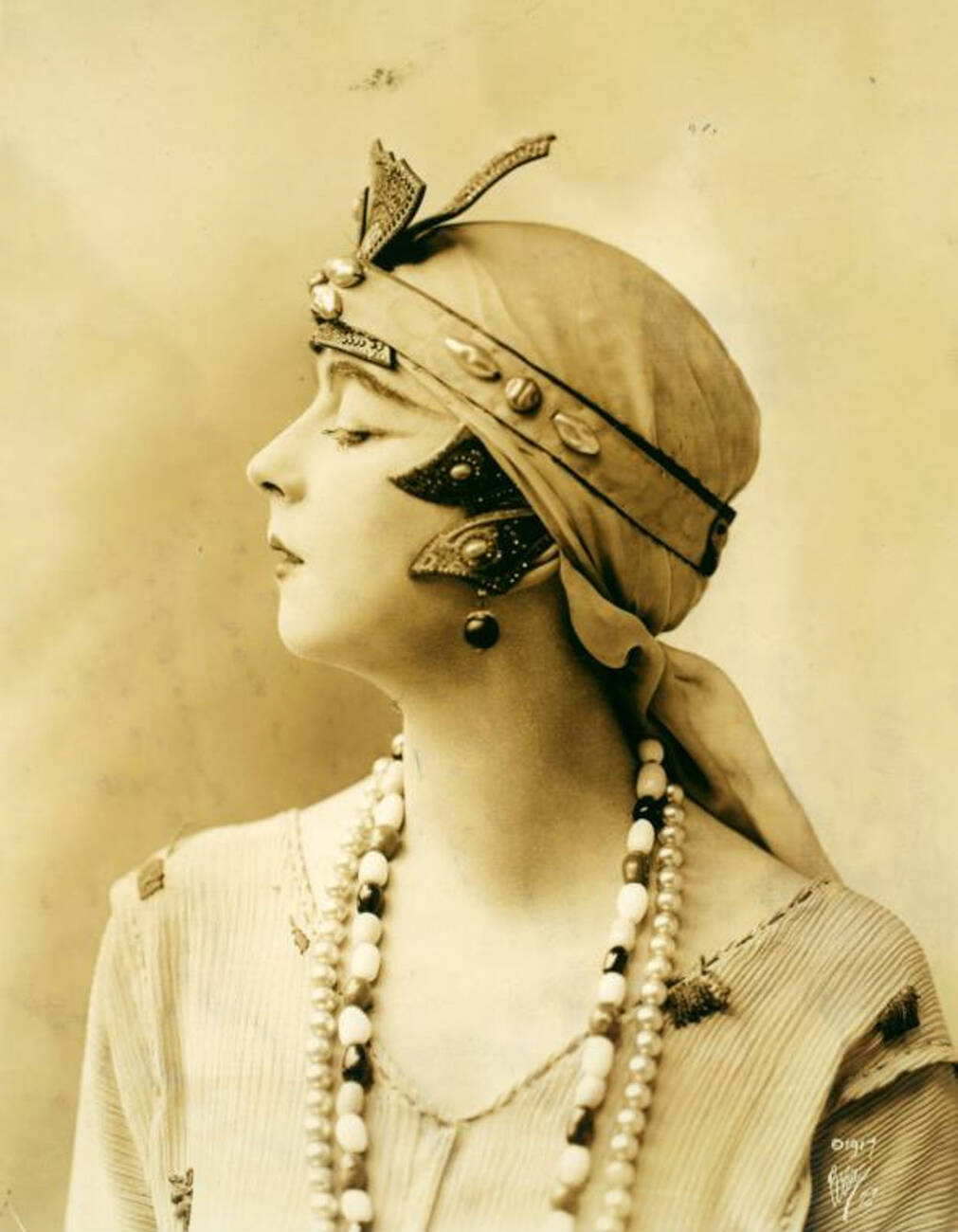
White Studio ~ Ruth St. Denis in costume (profile, bust), 1917 | src AlamyWhite Studio ~ Ruth St. Denis in costume (three quarter length portrait), 1917 | src AlamyWhite Studio ~ Ruth St. Denis in costume (full length portrait), 1917 | src Alamy
Siri Fischer-Schneevoigt :: Portrait in profile of dancer Ruth St. Denis, Berlin, 1906 | src NYPLPortrait of Ruth St. Denis in wig and East Indian jewelry, 1906 (unspecified photographer) | src NYPL







 un regard oblique