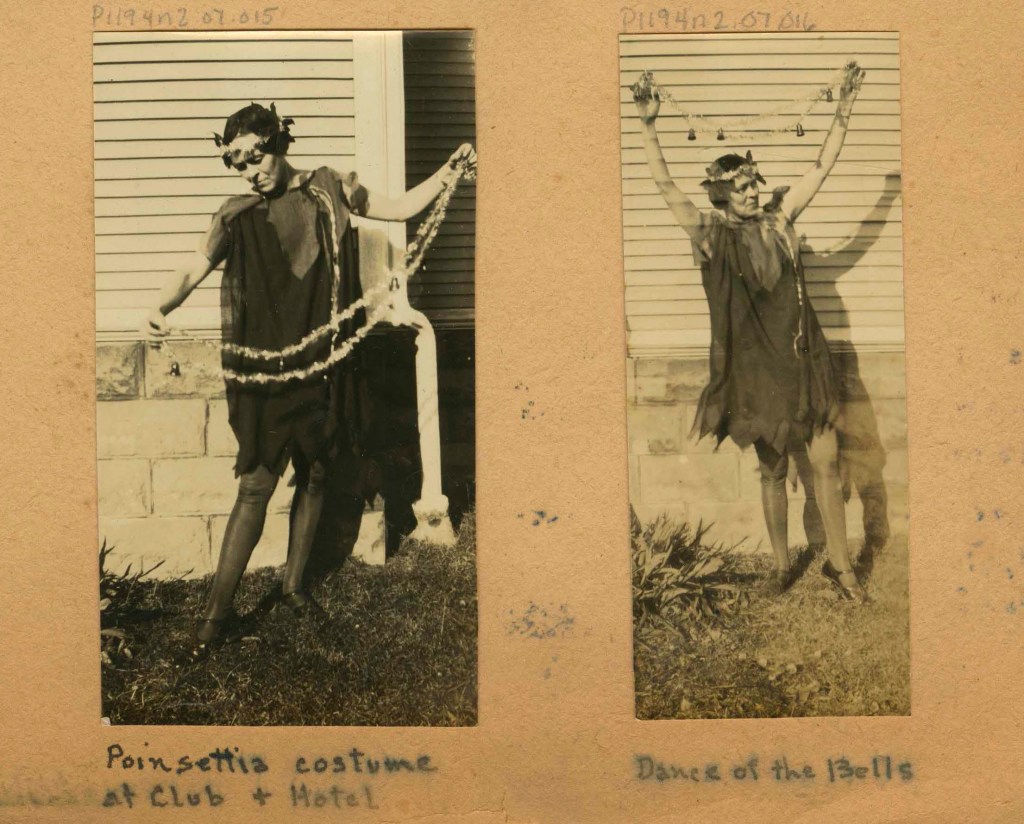
Poinsettia costume / Dance of the Bells

Page 5 (bottom pictures). Poinsettia costume (left) + Dance of the Bells (right), handwritten below images. From the Scrapbook kept by Stella Knight Ruess containing photographs, articles, poems, and notices related to dance performances from 1913 to 1952. | src University of Utah ~ J. Willard Marriott Library @ Omnia and MWDL

from Stella Rues scrapbook

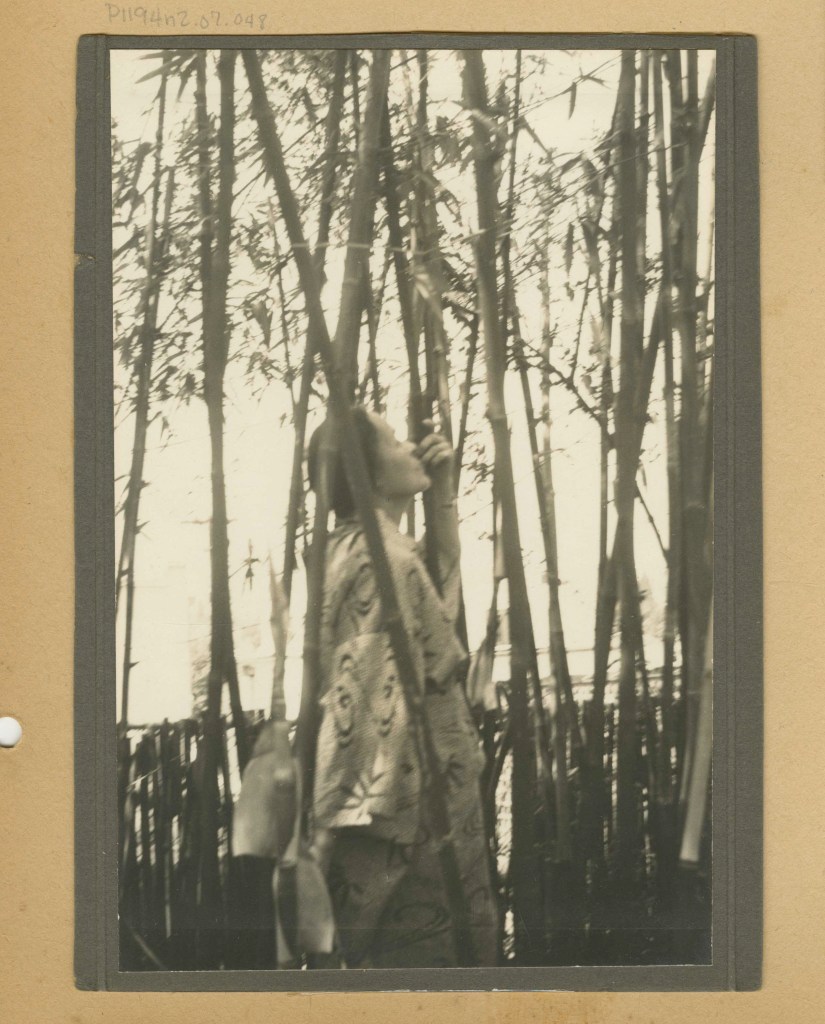
Page 75 (Santa Monica Unitarian Church). Picture unfortunately blurred (handwritten). From the Scrapbook kept by Stella Knight Ruess containing photographs, articles, poems, and notices related to dance performances from 1913 to 1952. | src University of Utah ~ J. Willard Marriott Library @ Omnia and MWDL

Stella Knight Ruess Scrapbook

Page 29. From the Scrapbook kept by Stella Knight Ruess containing photographs, articles, poems, and notices related to dance performances from 1913 to 1952. | src University of Utah ~ J. Willard Marriott Library @ Omnia and MWDL

Maud Allan as Salomé, 1908

Maud Allan as Salomé in ‘The Vision of Salome’, bromide postcard print, 1908. Published by J. Beagles & Co. (nº 118.R) | src NPG

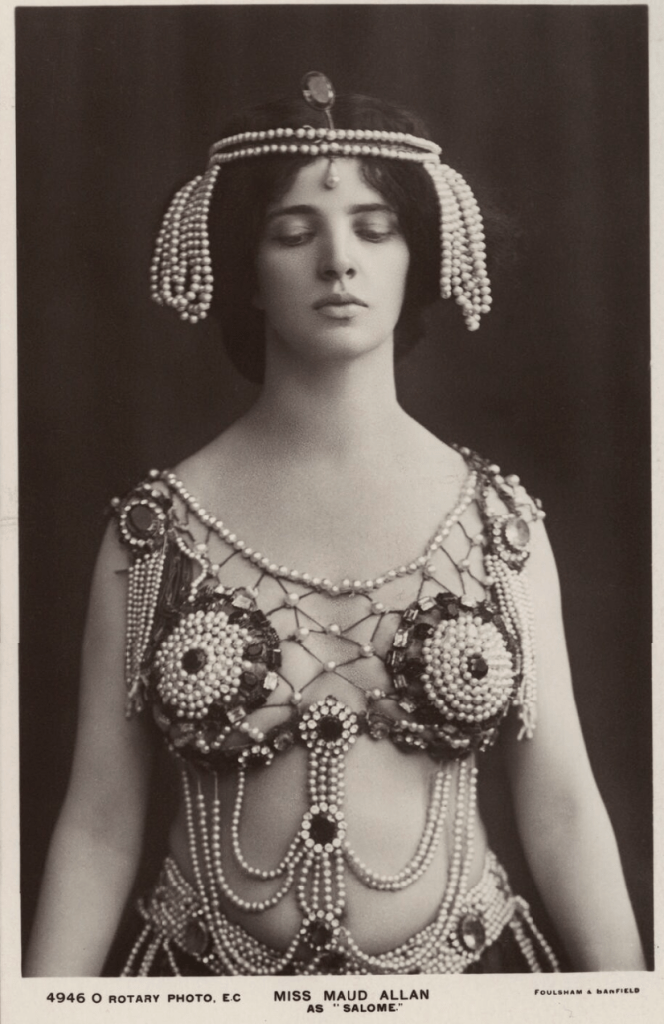
Maud Allan as Salomé, 1908

Foulsham & Banfield :: Maud Allan as Salome in ‘The Vision of Salome’. Postcard print, circa 1908 (Rotary Photo nº 4946). |src NPG

Dance of Salome (1919)

Waldemar Eide :: Salomes dans (Vera Fokina), 1919. Vera Fokina portfolioen. Sølvgelatin. Stavanger kunstmuseum via Norges Fotografforbund

Waldemar Eide is presented in a large exhibition at the Stavanger Art Museum this winter.

Waldemar Eide is presented in a large exhibition at the Stavanger Art Museum this winter. Waldemar Eide was born in Stavanger in 1886 and was one of Norway’s leading portrait photographers in the first half of the 20th century. He was among the first photographers to consider himself a visual artist, and had an active exhibition business in Stanvanger and abroad. He received several awards for his photographs and also regularly wrote about art and photography for trade journals and newspapers.

Eide was a pictorialist and thus placed great emphasis on the painterly qualities, on light and shadow in a picture. This led to his pictures often convey an almost dreamlike sense and this style resonated well with the dancers, actors and musicians of the time.

His studio in Stavanger was a meeting place for visiting artists and personalities who wanted to have their portraits taken, as well as the local population. Composer Sergej Rakhmaninov, historian Macody Lund and opera singer Kaja Eide Norena were among the many he photographed. He is perhaps best known for the pictures of the Russian ballet dancer Vera Fokina, whom he depicted in 1919.

The exhibition is curated by art historian at Stavanger art museum Vibece Salthe and is on display until 19 February 2017. [quoted from Norges Fotografforbund, original text below (*)]
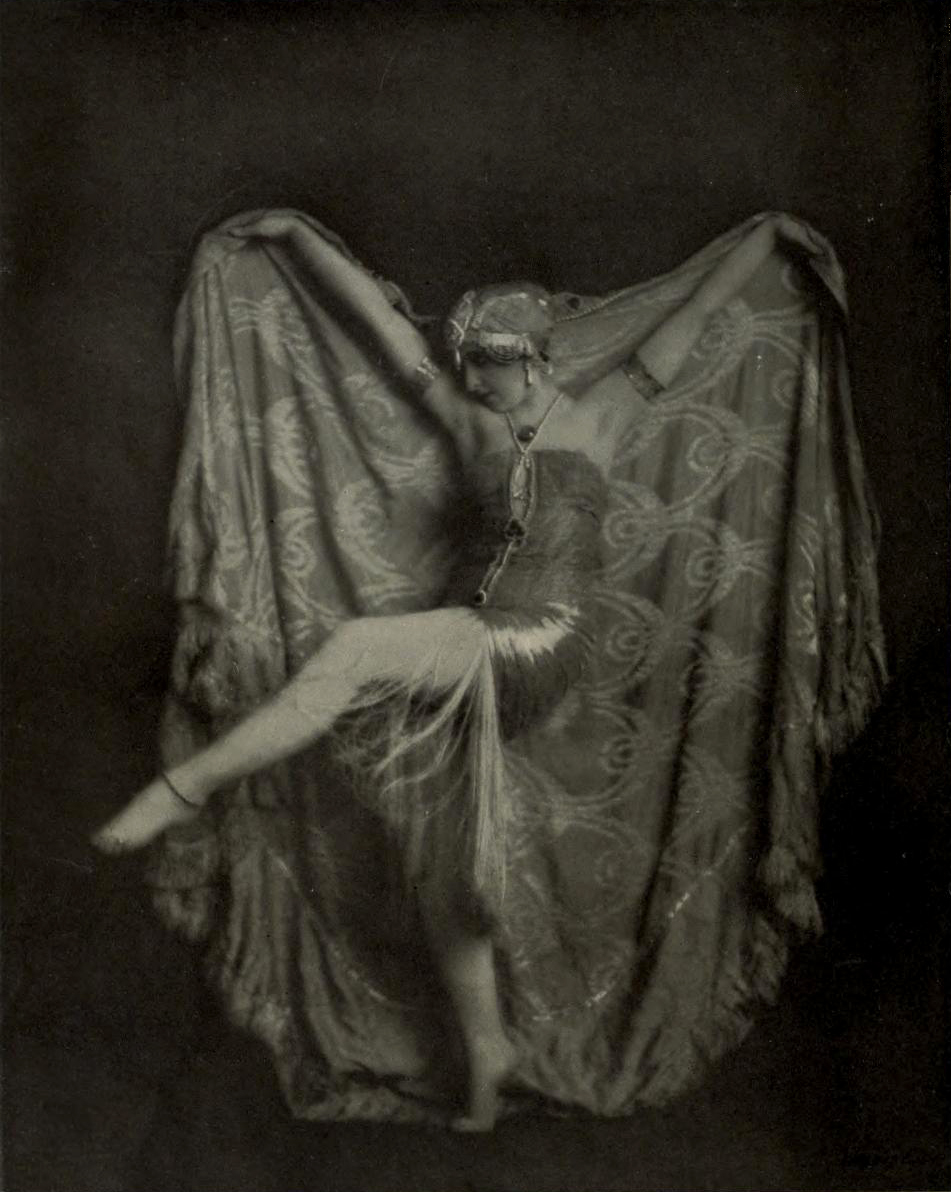
Waldemar Eide:: Dance of Salome (Vera Fokina). Photograms of the Year. The annual review of the world's pictorial photographic work, 1920 issue (plate LXIV). Edited by F. J. Mortimer. | src archive.org
Waldemar Eide :: Salomes dans (Vera Fokina), 1919. Vera Fokina portfolioen. Sølvgelatin. Stavanger kunstmuseum via Norges Fotografforbund
Waldemar Eide:: Dance of Salome (Vera Fokina). Photograms of the Year. The annual review of the world’s pictorial photographic work, 1920 issue (plate LXIV). Edited by F. J. Mortimer. | src archive.org
Waldemar Eide :: Vera Fokina ved den russiske ballett. Dansestudie med kostyme, ca. 1919 | src Norsk Folkemuseum via digitalt museum

[(*) quote in original language] Waldemar Eide presenteres i stor utstilling på Stavanger kunstmuseum denne vinteren.

Waldemar Eide presenteres i stor utstilling på Stavanger kunstmuseum denne vinteren.Waldemar Eide ble født i Stavanger i 1886 og var en av Norges ledende portrettfotografer i første halvdel av 1900-tallet. Han var blant de første fotografene som betraktet seg som billedkunstner, og hadde en aktiv utstillingsvirksomhet i inn- og utland. Han mottok flere priser for sine fotografier og skrev i tillegg jevnlig om kunst og fotografi for fagtidsskrifter og aviser.

Eide var piktorialist og la dermed stor vekt på de maleriske kvalitetene, på lys og skygge i et bilde. Det førte til at bildene hans ofte fikk et nærmest drømmende preg og denne stilen resonnerte godt med tidens dansere, skuespillere og musikere.

Atelieret hans i Stavanger var et møtested for besøkende kunstnere og personligheter som ville la seg portrettere, i tillegg til lokalbefolkningen. Komponisten Sergej Rakhmaninov, historikeren Macody Lund og operasangeren Kaja Eide Norena var blant de mange han fotograferte. Mest kjent er han kanskje for bildene av den russiske ballettdanseren Vera Fokina, som han avbildet i 1919.

Utstillingen er kuratert av kunsthistoriker ved Stavanger kunstmuseum Vibece Salthe og vises til og med 19. februar 2017. | src Norges Fotografforbund
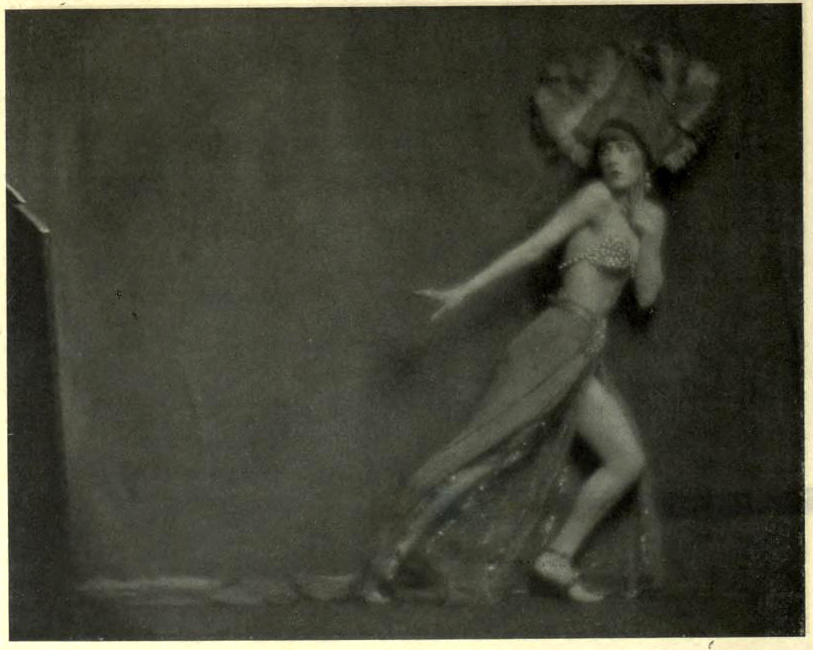
Vanity by Holmes Mettee, 1920

Holmes I. Mettee :: Vanity. Photograms of the Year. The annual review of the world’s pictorial photographic work, 1920 issue (plate XXIIb). Edited by F. J. Mortimer. | src archive.org

Ellen Tels in dance pose, 1920

Atelier Madame d’Ora :: Ellen Tels in Tanzpose. Ellen Tels in einem ärmellosen, kurzen Kleid mit Taillengürtel und Kopfbedeckung, 1920. | Ellen Tels in dance pose. Ellen Tels in a sleeveless, short dress with a waist belt and headgear, 1920. | src ONB

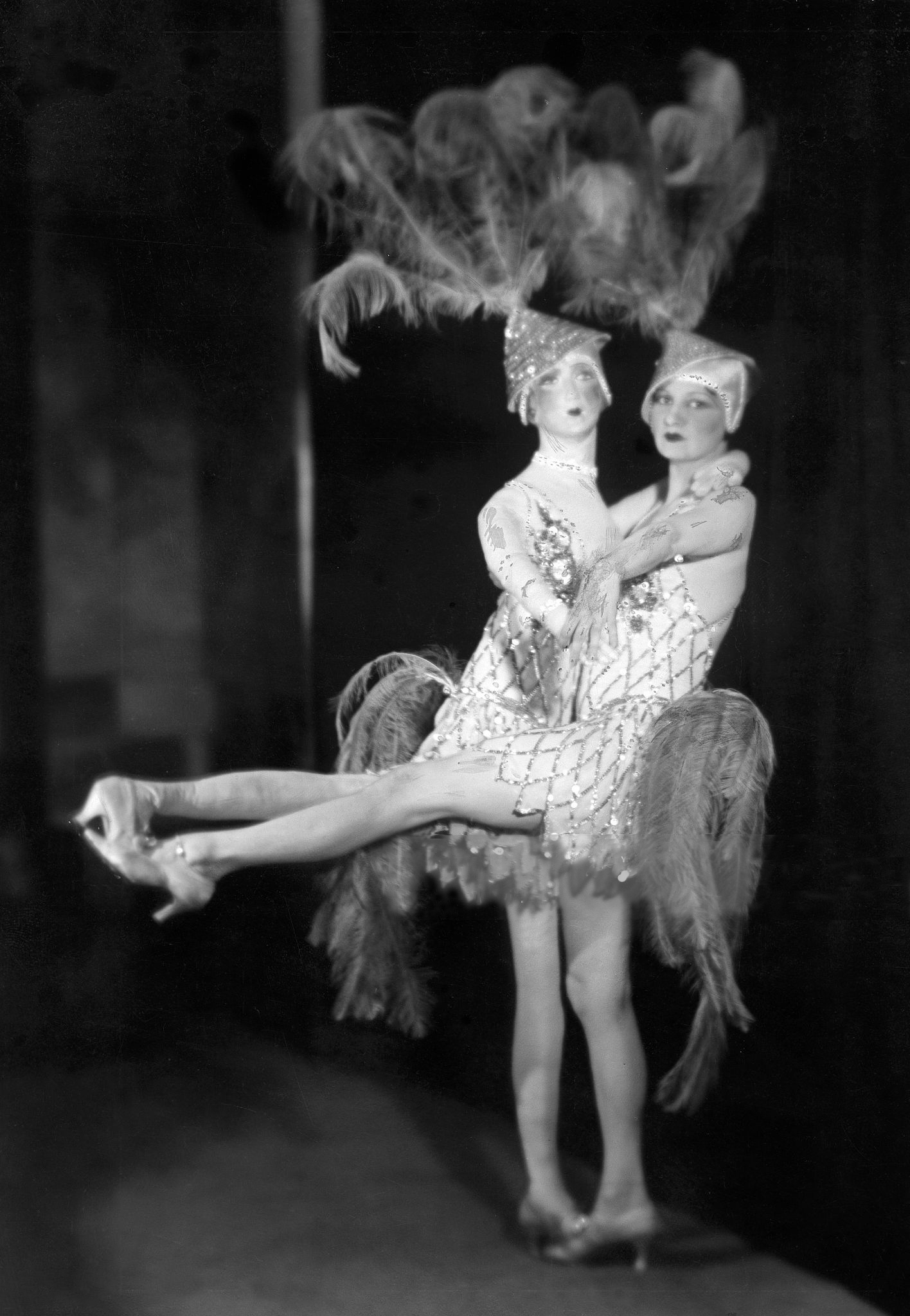
“Steiner Sisters”, 1927

Atelier Martin Badekow :: Dancer Jenny Steiner dancing with a puppet (“Steiner Sisters”) in a revue by Rudolf Nelson, 1927. Published in nº 42/1927. Ullstein Bild | src Getty Images

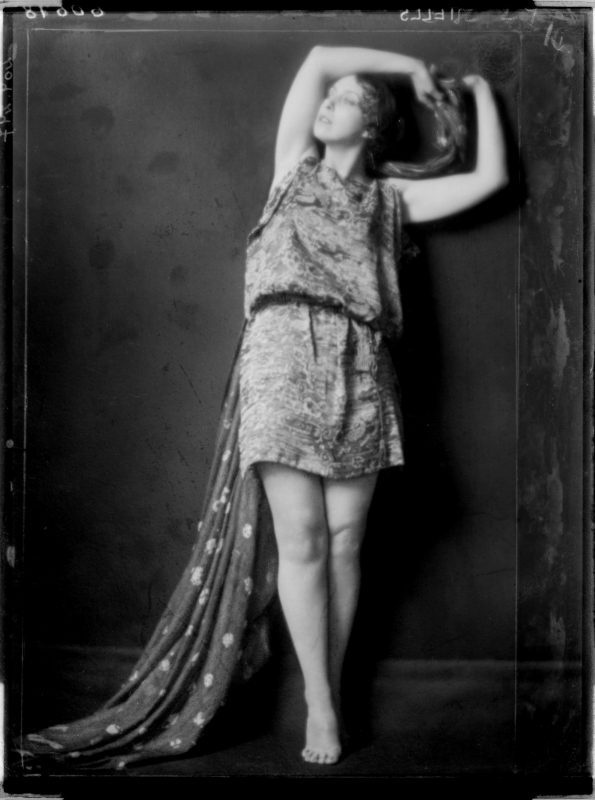
Ellen Tels in Tanzpose, 1920

Atelier Madame d’Ora :: Ellen Tels in Tanzpose. Ellen Tels in einem ärmellosen, kurzen Kleid, mit Stola, 1920. Glasplatte Negativ. | Ellen Tels in dance pose. Ellen Tels in a short sleeveless dress with a stole, 1920. Glass plate negative. | src ONB