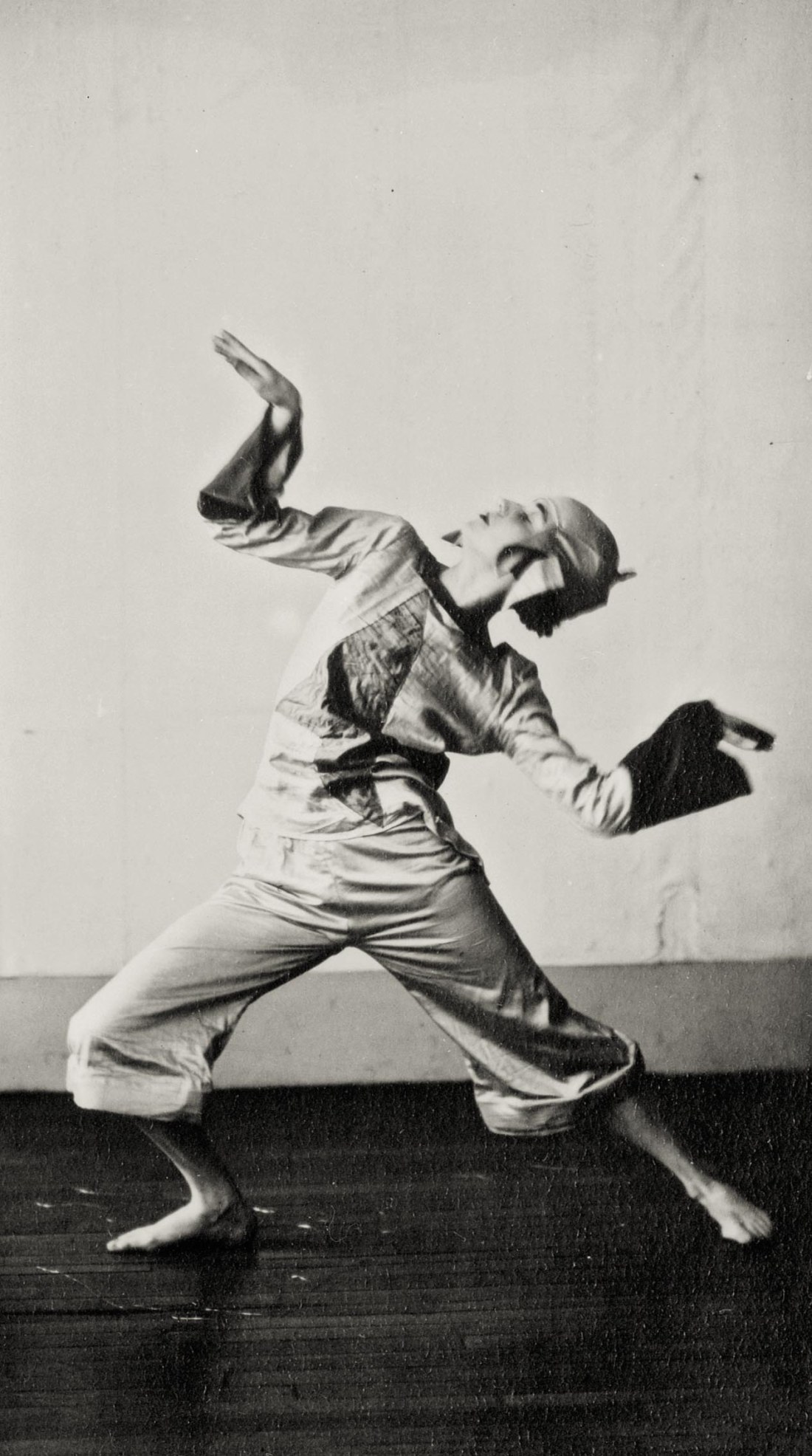
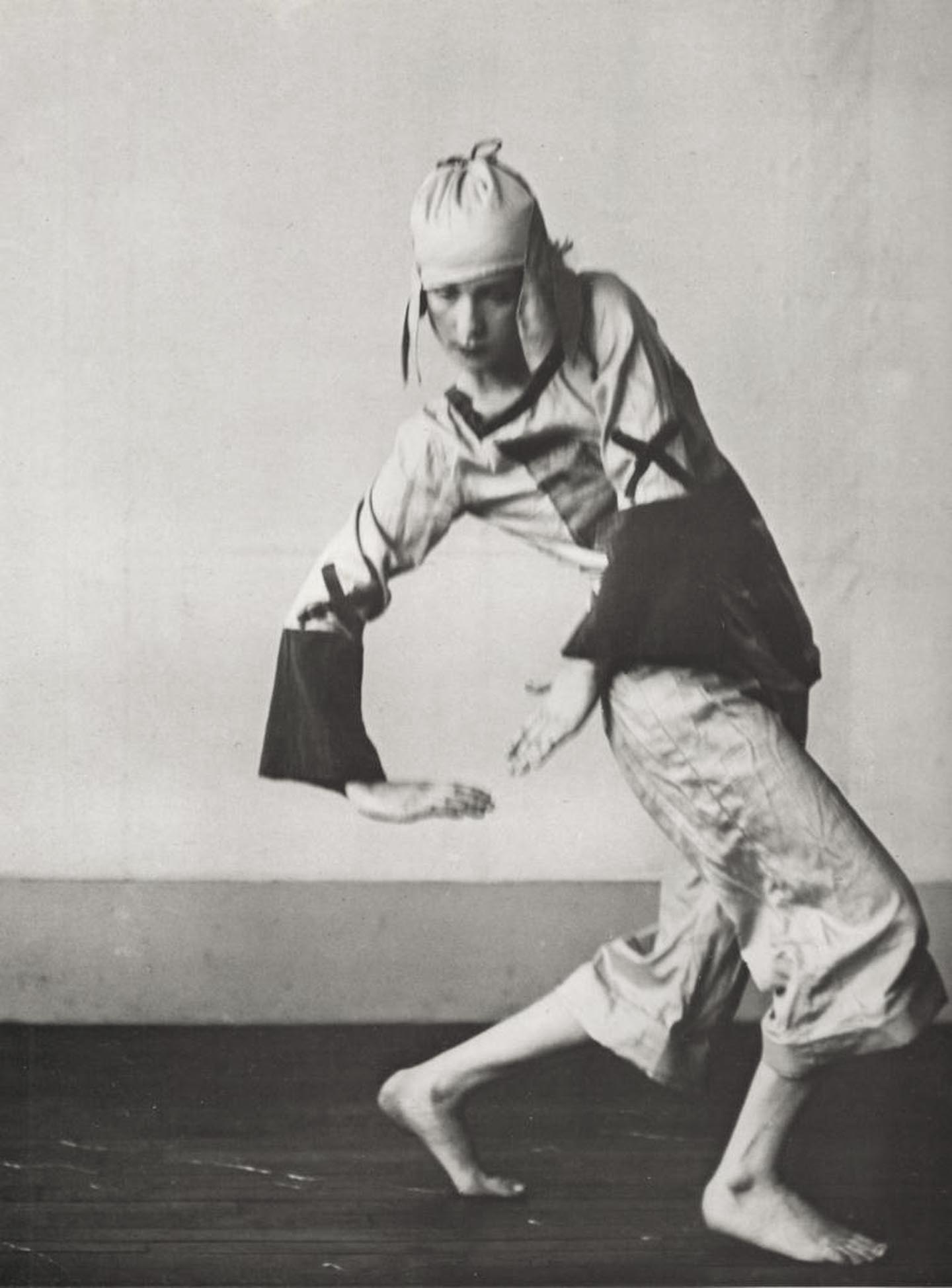
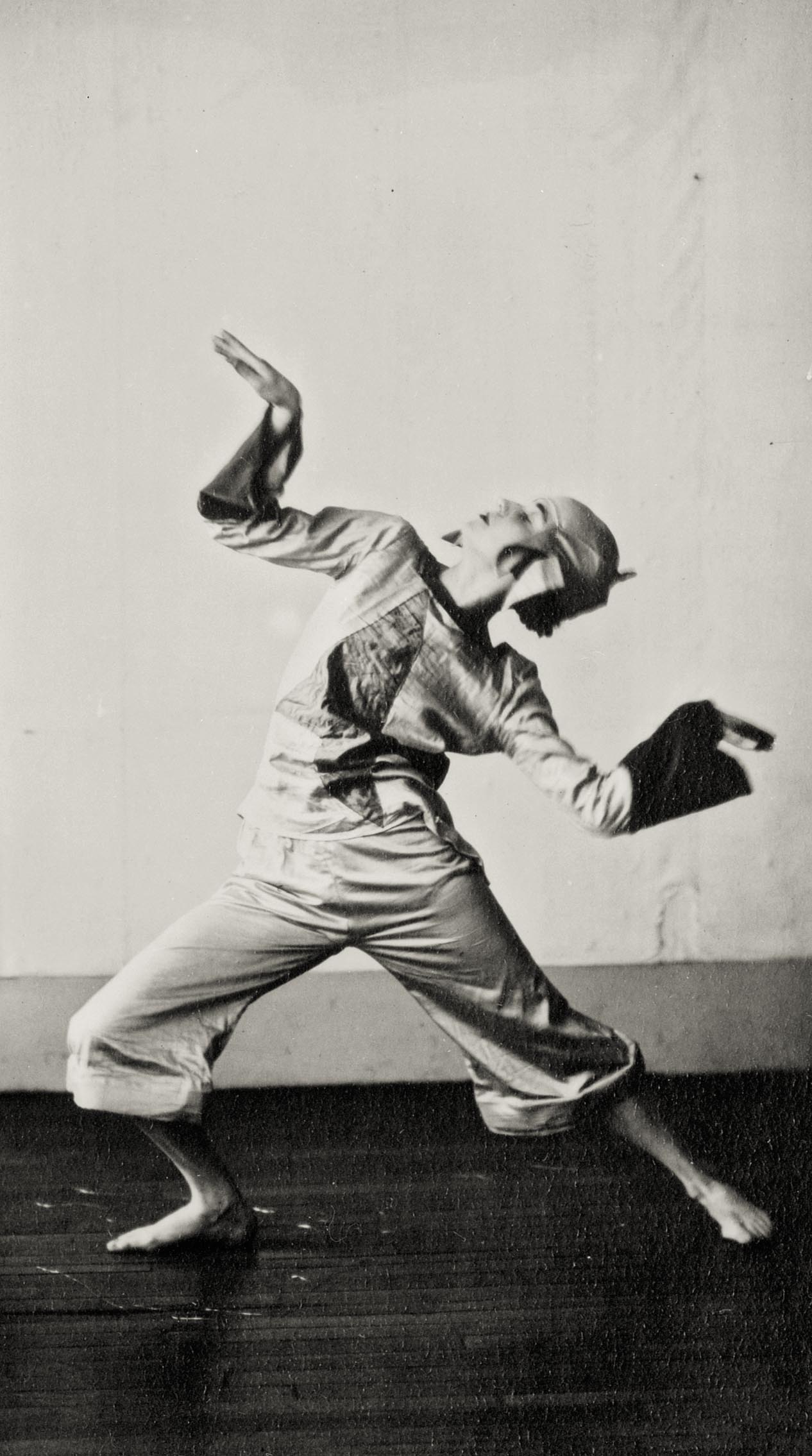
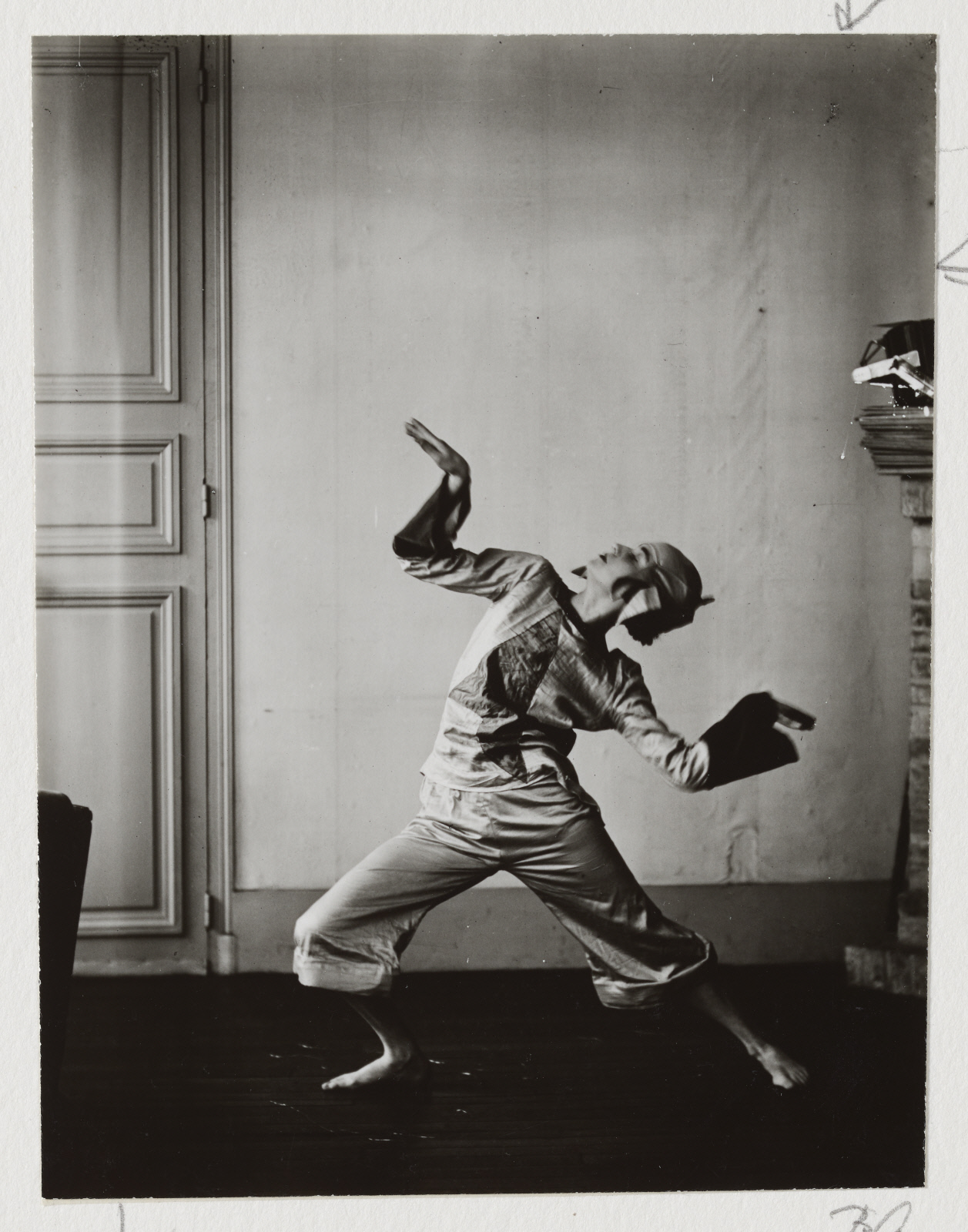
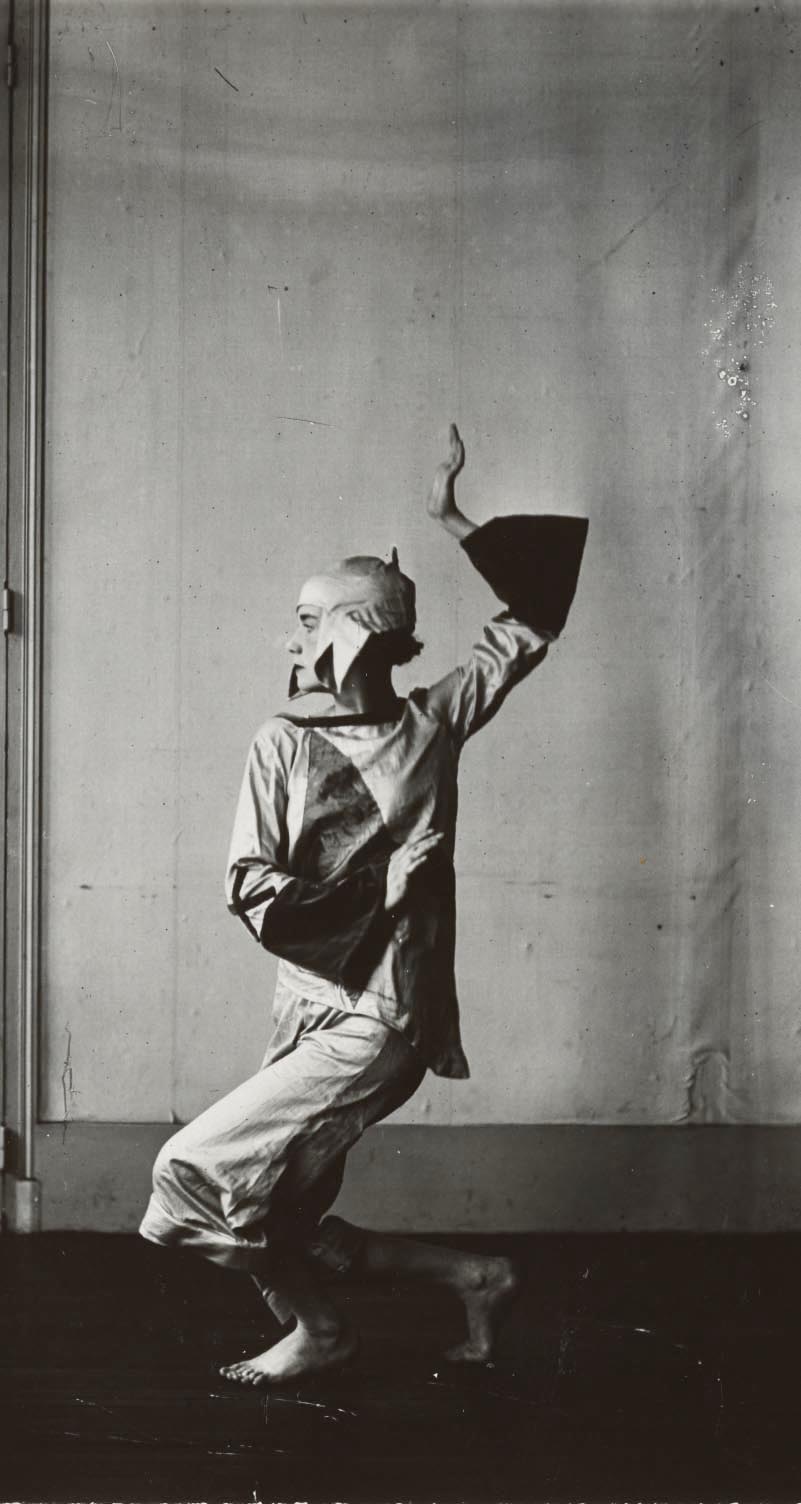
![Giannina Censi con un costume di scena di ispirazione medieval-religiosa, ca. 1930 [# 3] | src MART · Fondo Giannina Censi](https://live.staticflickr.com/65535/52190820873_05416fc560_o.png)
![Giannina Censi con un costume di scena di ispirazione medieval-religiosa, ca. 1930 [# 2] | src MART · Fondo Giannina Censi](https://live.staticflickr.com/65535/52191060759_8467ea5708_o.png)
![Giannina Censi con un costume di scena di ispirazione medieval-religiosa, ca. 1930 [# 1] | src MART · Fondo Giannina Censi](https://live.staticflickr.com/65535/52190820928_fc94427917_o.png)
![Giannina Censi con un costume di scena di ispirazione medieval-religiosa, ca. 1930 [# 5] | src MART · Fondo Giannina Censi](https://live.staticflickr.com/65535/52189794977_d9329e5b47_o.png)
All these images (plus one more from this series) had been published in:
Vaccarino E., (a cura di) Giannina Censi: danzare il futurismo. Milano: Electa; Museo di arte moderna e contemporanea di Trento e Rovereto, 1998, p.30
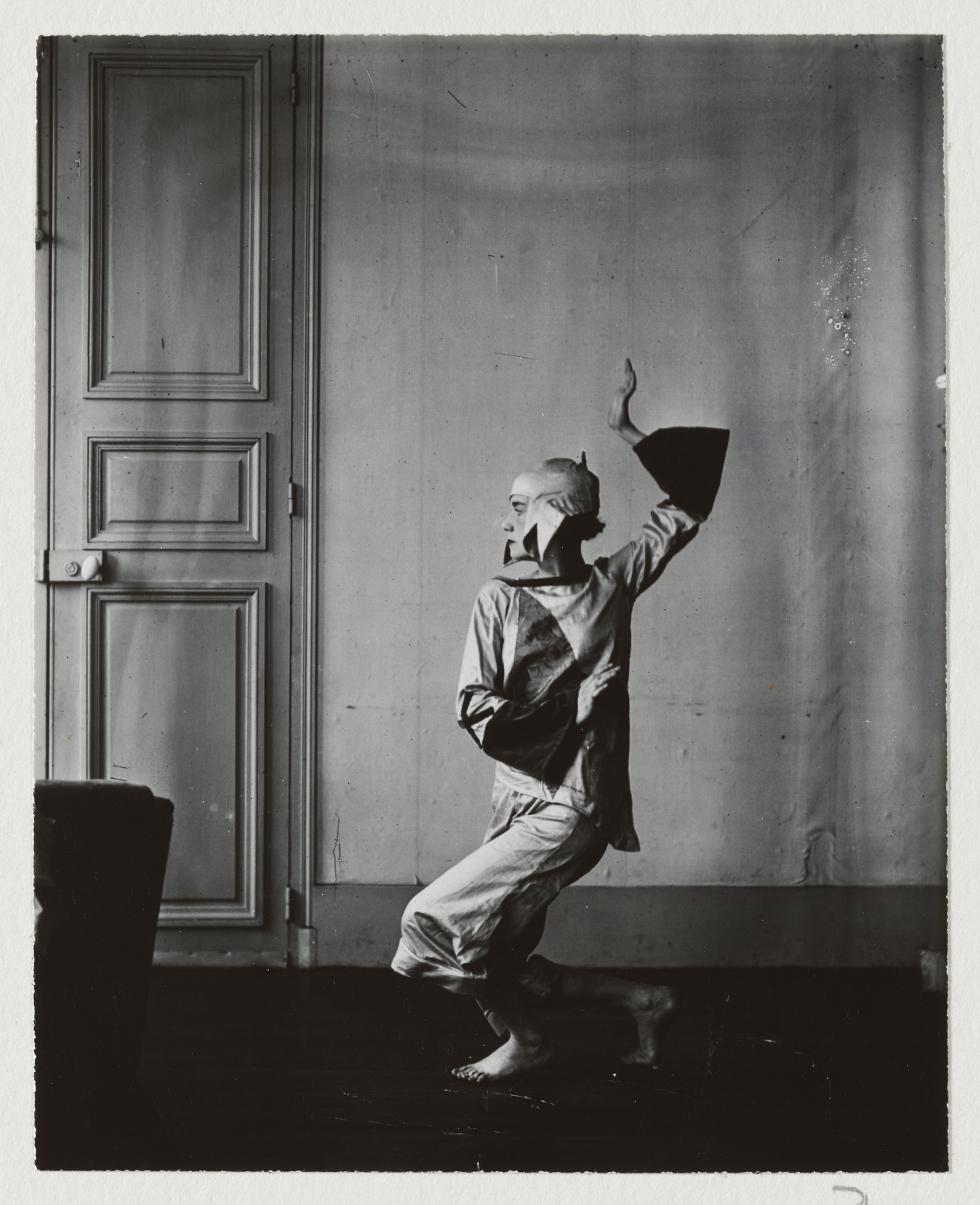
![Giannina Censi con un costume di scena di ispirazione medieval-religiosa, ca. 1930 [# 3] | src MART · Fondo Giannina Censi](https://live.staticflickr.com/65535/52190820863_8ca37fbf3a_o.png)
![Giannina Censi con un costume di scena di ispirazione medieval-religiosa, ca. 1930 [# 2] | src MART · Fondo Giannina Censi](https://live.staticflickr.com/65535/52191060744_e8b2752aaf_o.png)
![Giannina Censi con un costume di scena di ispirazione medieval-religiosa, ca. 1930 [# 1] | src MART · Fondo Giannina Censi](https://live.staticflickr.com/65535/52191060799_b7dd4e57ac_o.png)
![Giannina Censi con un costume di scena di ispirazione medieval-religiosa, ca. 1930 [# 5] | src MART · Fondo Giannina Censi](https://live.staticflickr.com/65535/52191060659_c3bbb5c87b_o.png)
images that haunt us

All these images (plus one more from this series) had been published in:
Vaccarino E., (a cura di) Giannina Censi: danzare il futurismo. Milano: Electa; Museo di arte moderna e contemporanea di Trento e Rovereto, 1998, p.30
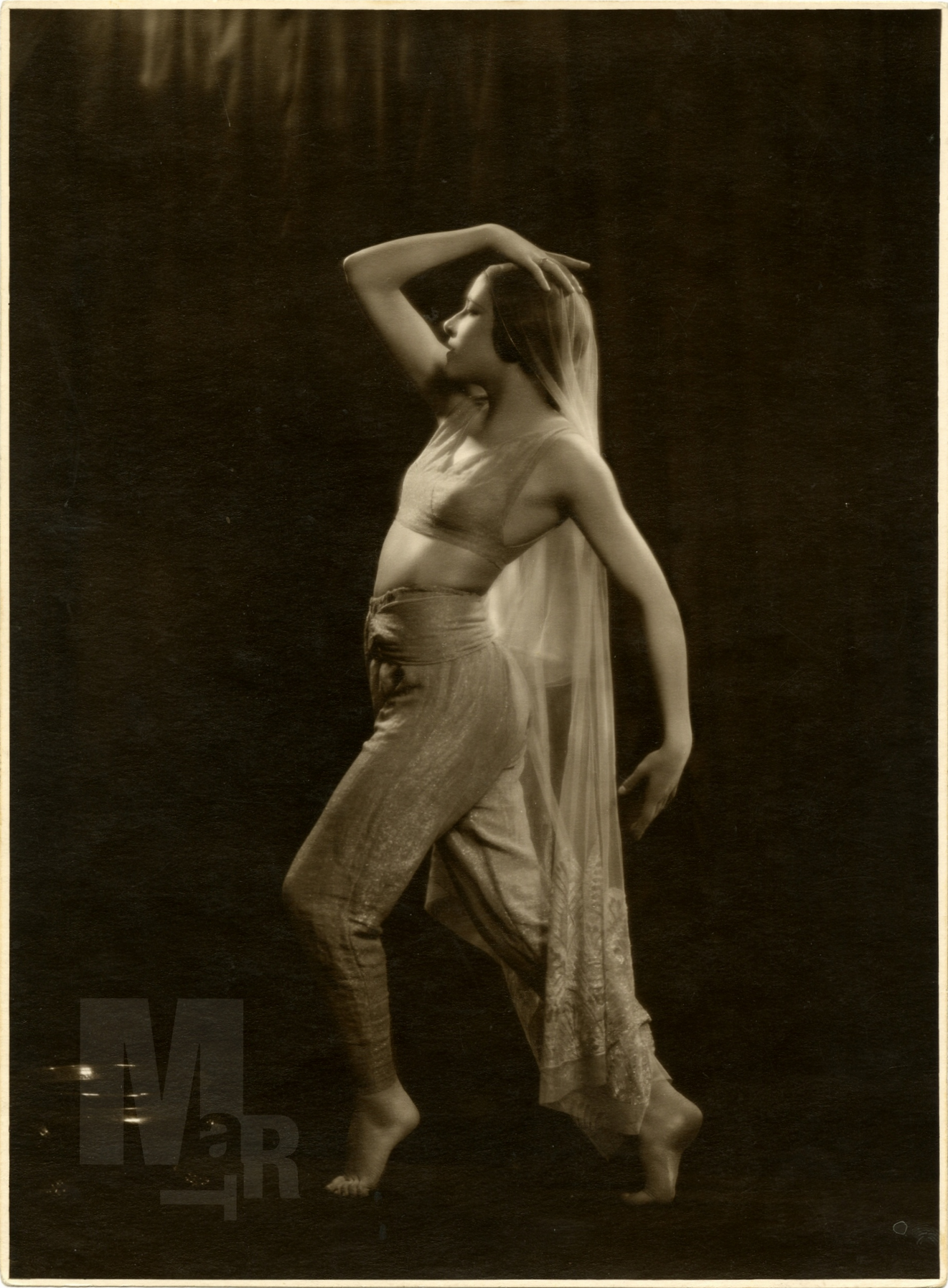
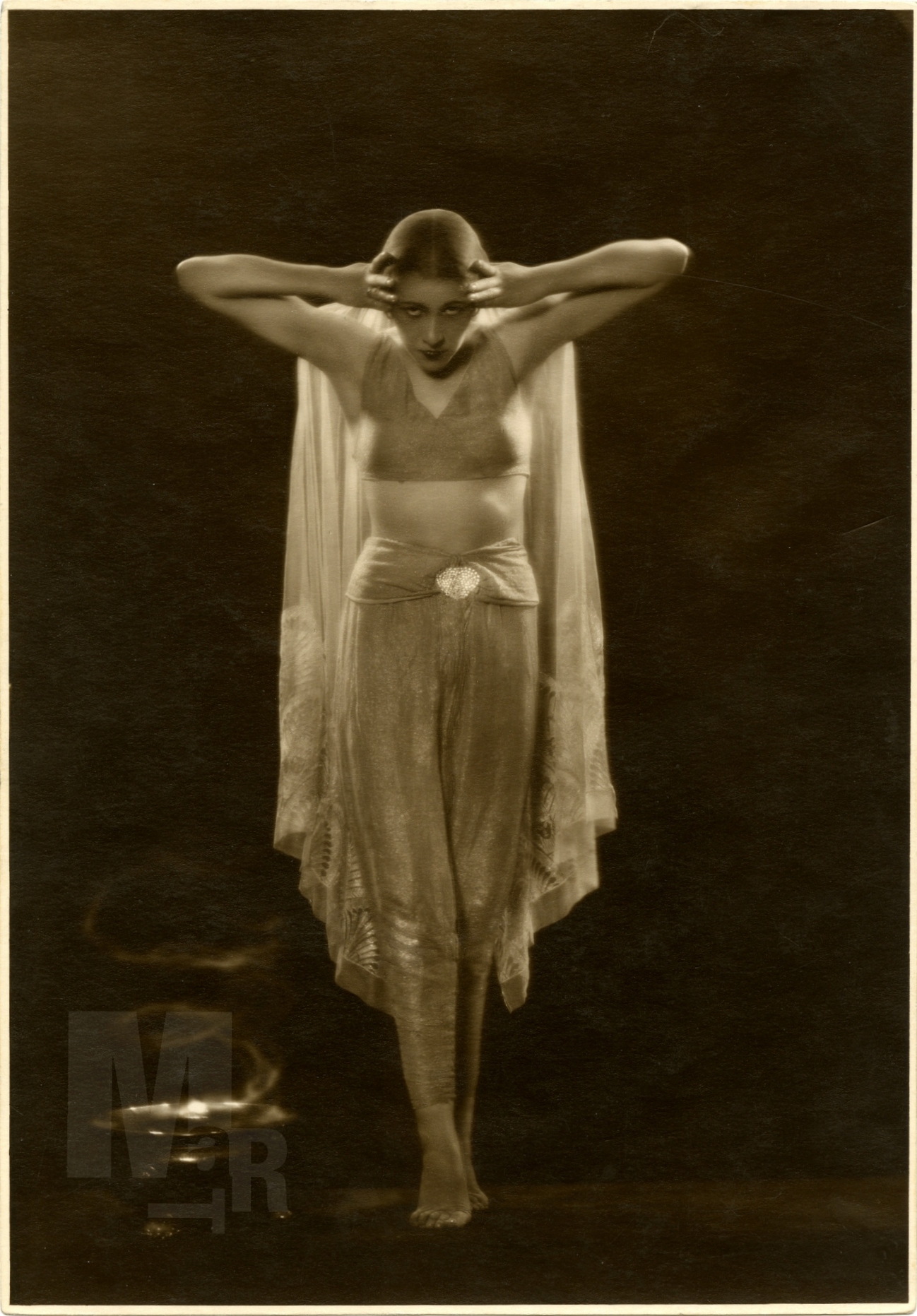
Pubblicata in Vaccarino E., (a cura di) Giannina Censi: danzare il futurismo. Museo di arte moderna e contemporanea di Trento e Rovereto, 1998 | src & © MART · Fondo Giannina Censi

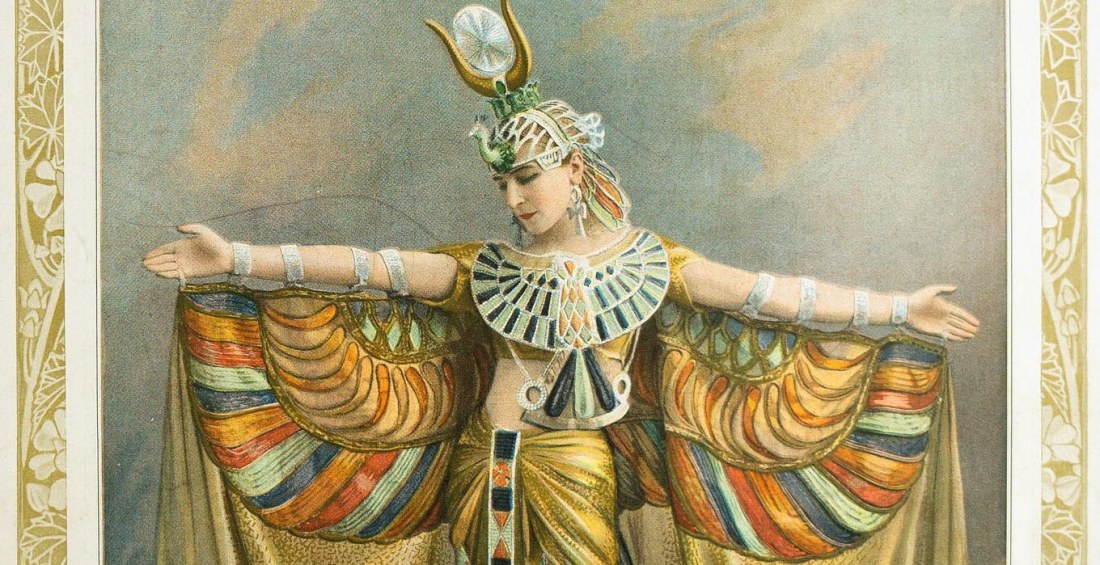
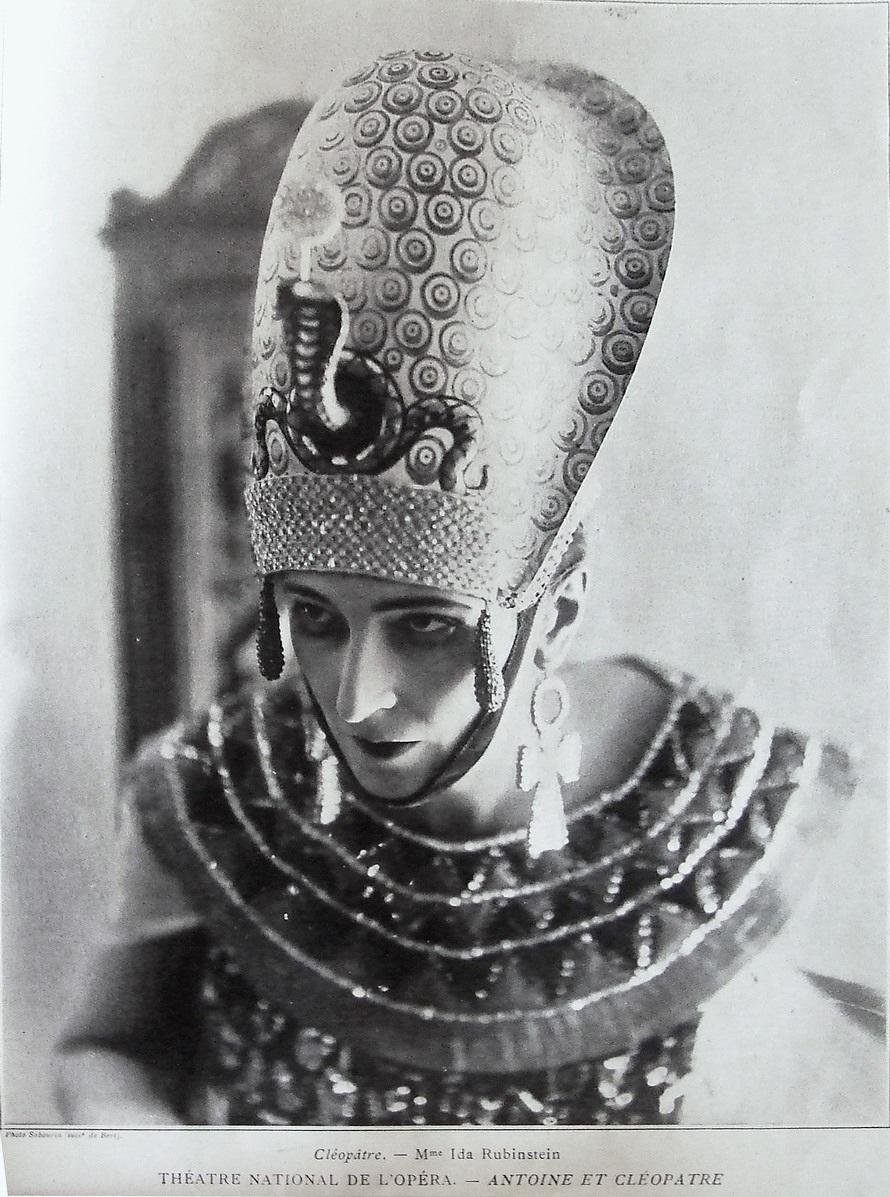
![1920 ─ LE THÉATRE ─ Nº 384 | Kabinett Auktionen
Cléopâtre. ─ Mme Ida Rubinstein. Théatre National de l'Opéra. Antoine et Cléopâtre [Photo Sabourin (succ. de Bert)]](https://live.staticflickr.com/65535/52656016752_0c50d579ee_o.jpg)
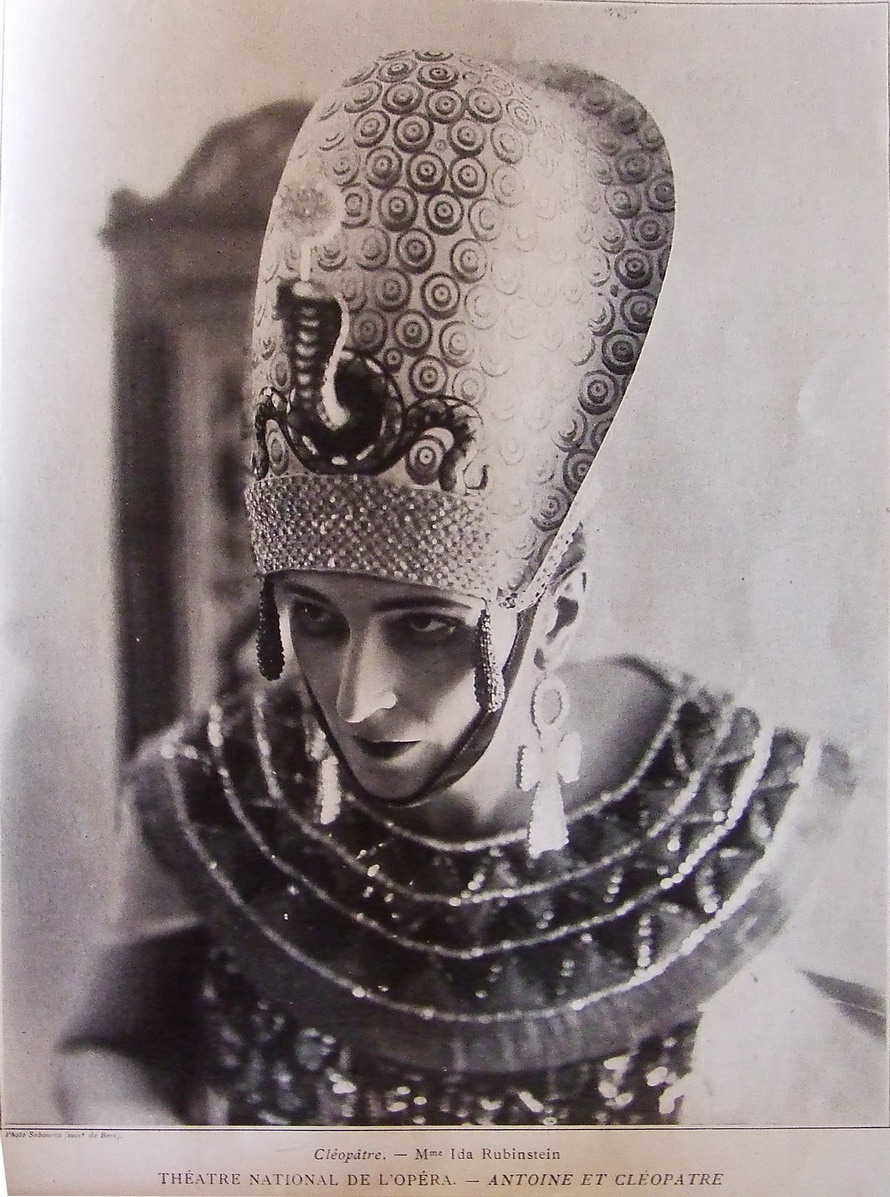
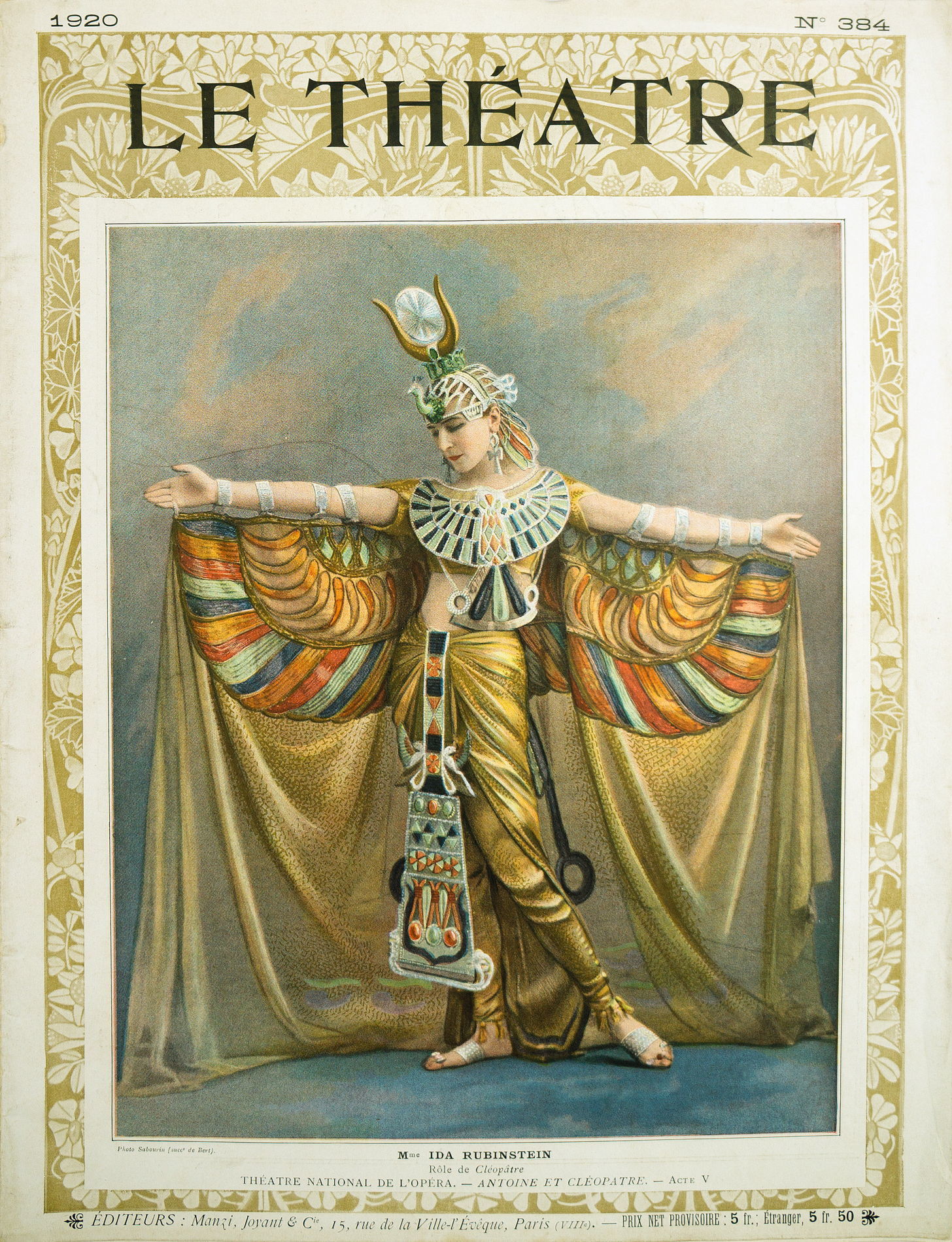
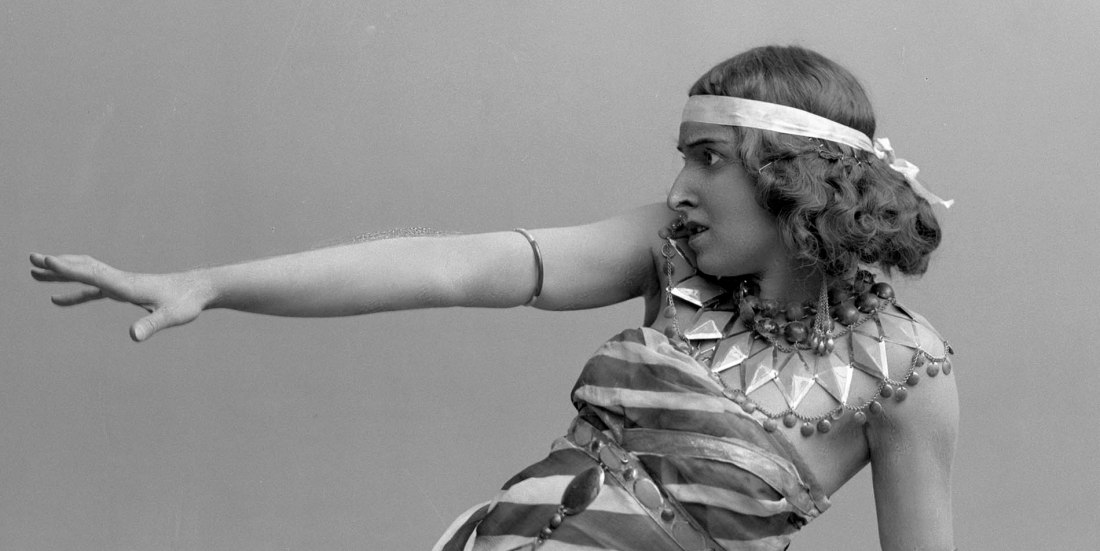


![Vera Fokina en tenue de scène dans Cléopâtre [assise, tendant le bras] / [photo : Atelier Jaeger] Stockholm : Théâtre Royal, 14-03-1913 | src BnF](https://live.staticflickr.com/65535/52648047072_b994cd3ce8_o.jpg)
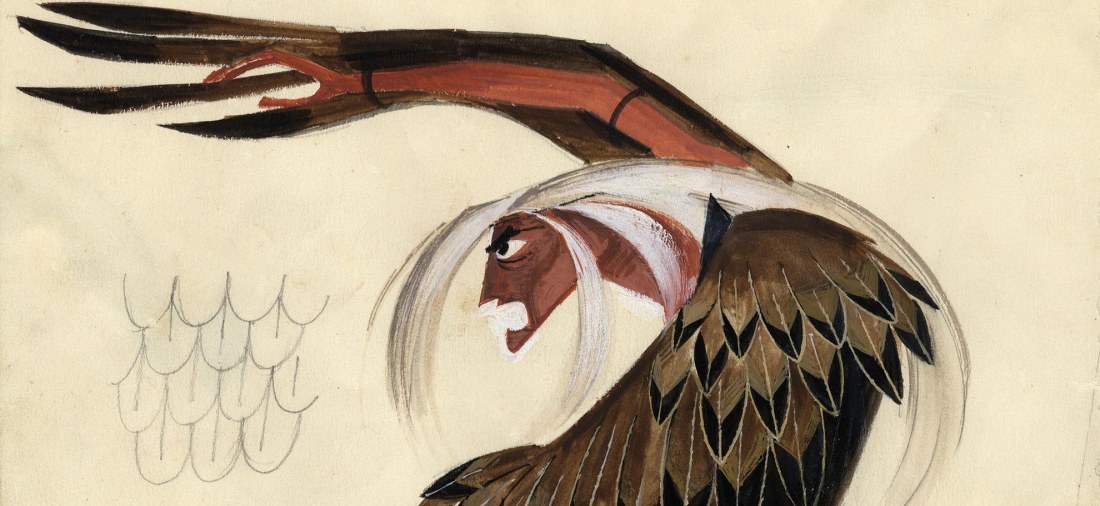


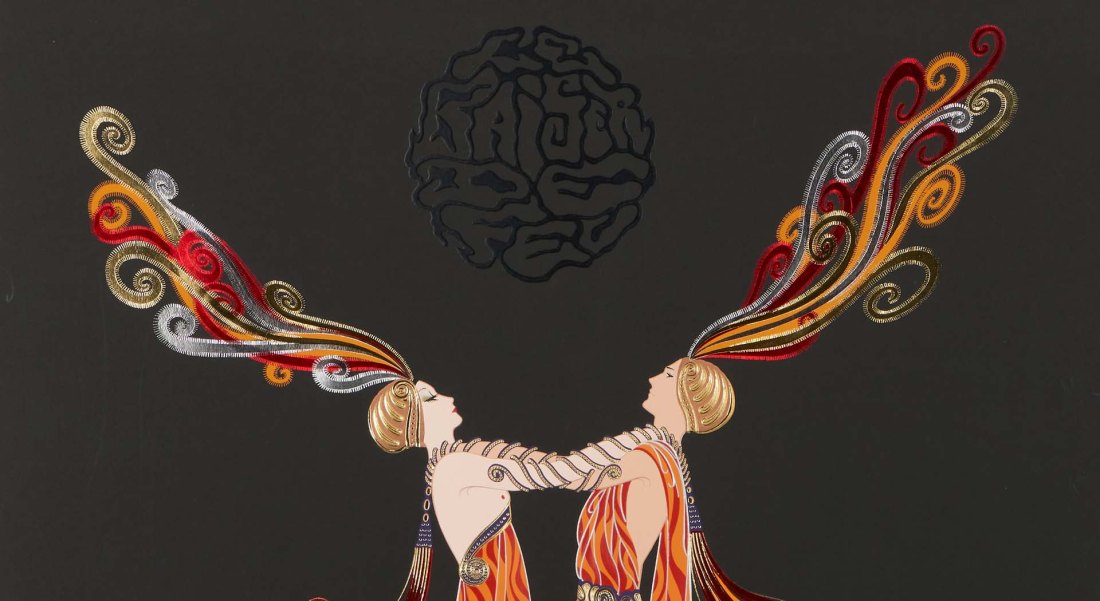
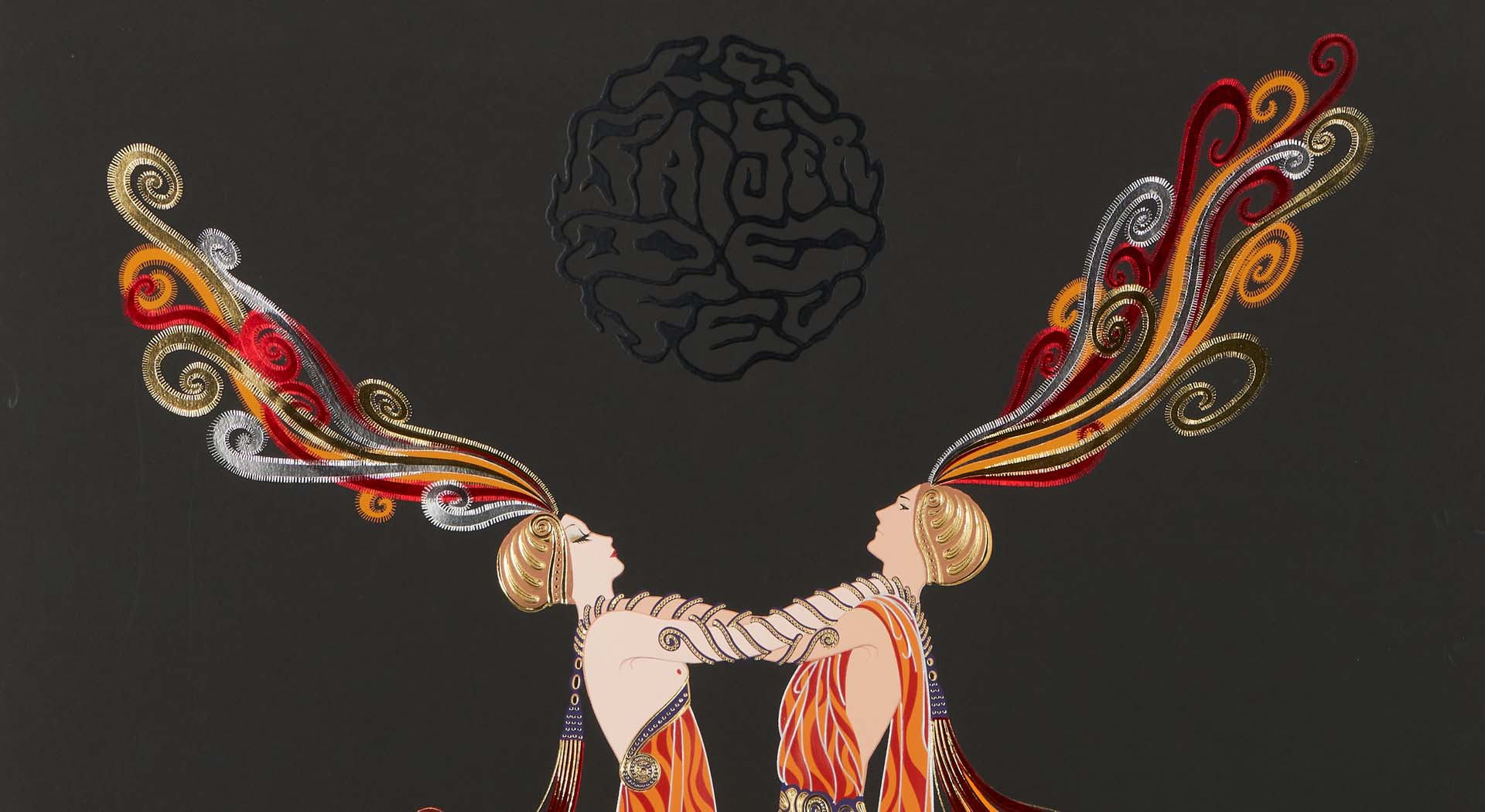
Erté (Romain De Tirtoff, Russian/French, 1892-1990) color serigraph on paper with silver, gold, and red foil embossing titled “Kiss of Fire” from the artist’s Love and Passion Suite, numbered 61/300, published circa 1983. Depicts a partially nude male and a female couple in profile standing on a gold surface and dressed in red, orange, and purple flowing garments and headdresses reminiscent of flames, their arms resting on each other’s shoulders, against a black background with a black circular pattern embossed above. Numbered in white pencil, lower left below image, signed “Erte” in white pencil, lower right below image. | quoted from Case Fine Arts & Antiques


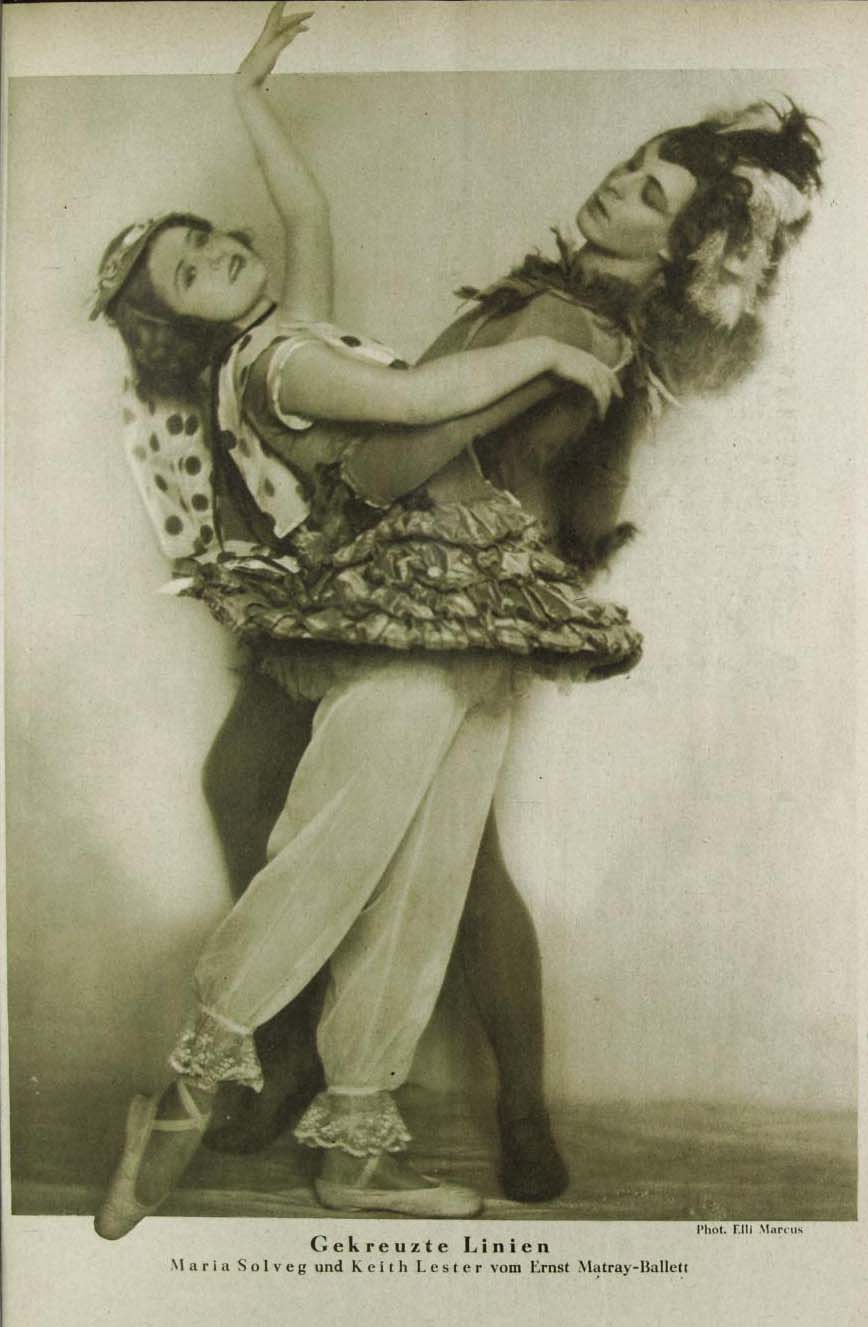
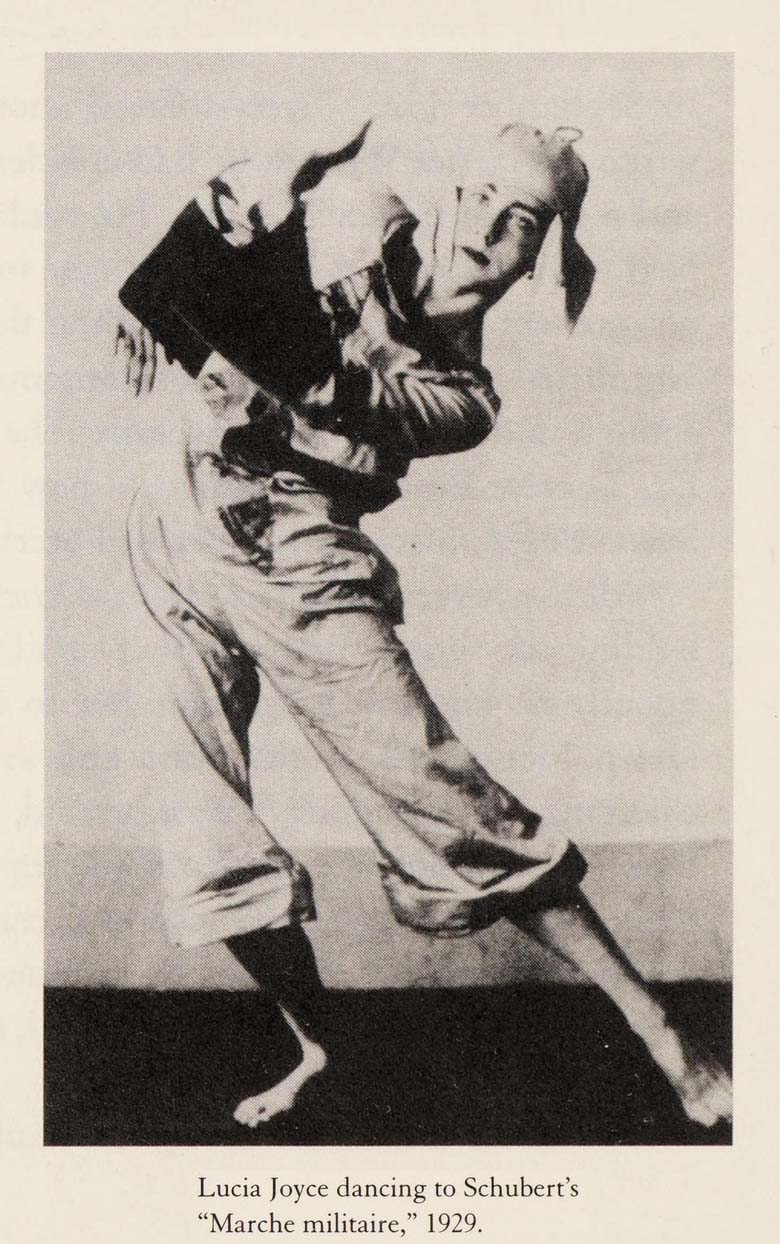
Dancer Áine Stapleton talks about her film Horrible Creature, a ‘creative investigation’ of the life of Lucia Joyce
I’ve been creatively investigating the biography of Lucia Joyce (daughter of the writer James Joyce) since 2014, through both choreography and film.
Lucia once commented to a family friend in Paris that she wanted to ‘do something’. She wanted to make a difference and to creatively have an impact on the world around her. Dancing was her way of having an impact. She trained hard for many years and worked with various avant-garde teachers including Raymond Duncan. She created her own costumes, choreographed for opera, entered high profile dance competitions in Paris, and even started her own dance physical training business after apprenticing with modern dance pioneer Margaret Morris.
Until this time she had lived almost entirely under the control of her family, and had to share a bedroom with her parents well into her teens. I imagine that dancing must have been a revolutionary feeling for her, and would have offered her an opportunity to process her chaotic and sometimes toxic upbringing. It was during these dancing years that she was finally allowed to spend some time away from her family, but this freedom did not last long. Her father’s artistic needs and his sexist disregard for her career choice interrupted her training at a vital stage. She was forced to stop dancing, and the circumstances surrounding this time remain unclear. I do not believe that she herself made the decision to quit dancing. Lucia was incarcerated by her brother in 1934, and then remained in asylums for 47 years. She died in 1982 and is buried in Northampton England, close to her last psychiatric hospital.
I’ve read Lucia’s writings repeatedly over the last four years, and my opinion of her hasn’t changed. She was a kind, funny, intelligent, creative and loving person. After her father James’ death in 1941, she had one visit from her brother and no contact from her mother, yet she only writes good things about her family. She was consistently thankful to those people who made contact with her during her many years stuck in psychiatric care. She appreciated small offerings from friends, such as an additional few pounds to buy cigarettes, a radio to keep her company, a new pair of shoes or a winter coat, all of which seemed to offer her some comfort in her later years.
I have no interest in romanticising Lucia’s relationship with her father. I also don’t believe that she was schizophrenic. I think that whatever mental strain Lucia experienced was brought on by those closest to her. Her supposed fits of rage or out of the ordinary behaviour only brought to light her suffering. We know that many women have been mistreated and silenced throughout history. Why do we still play along with a romanticised version of abuse? And why is James and Lucia’s relationship, or ‘erotic bond’ as Samuel Beckett described it, regarded as an almost tragic love story?
Horrible Creature (2020) examines Lucia’s story in her own words, and also focuses on the environment which shaped her during this time. The work attempts to tap into that invisible energy that can provide each of us with a real sense of aliveness and connectedness to the world around us, even in moments of great suffering.
Quoted from Raidió Teilifís Éireann, Ireland’s National Public Service Media

![Tilly Losch [1904-1974] German show dancer from the 1930s. Previously a solo dancer at the State Opera. In 1931 she married American millionaire Edward James. She acts in two films, which, however, do not make her famous. Spaarnestad Photo. Het Leven](https://unregardoblique.com/wp-content/uploads/2022/10/tilly-losch-1904-1974-duitse-showdanseres-uit-de-dertiger-jaren.-voordien-solodanseres-bij-de-staatopera.-in-1931-trouwt-zij-met-de-amerikaanse-miljonair-edward-james.-zij-acteert-in-ee.jpeg)

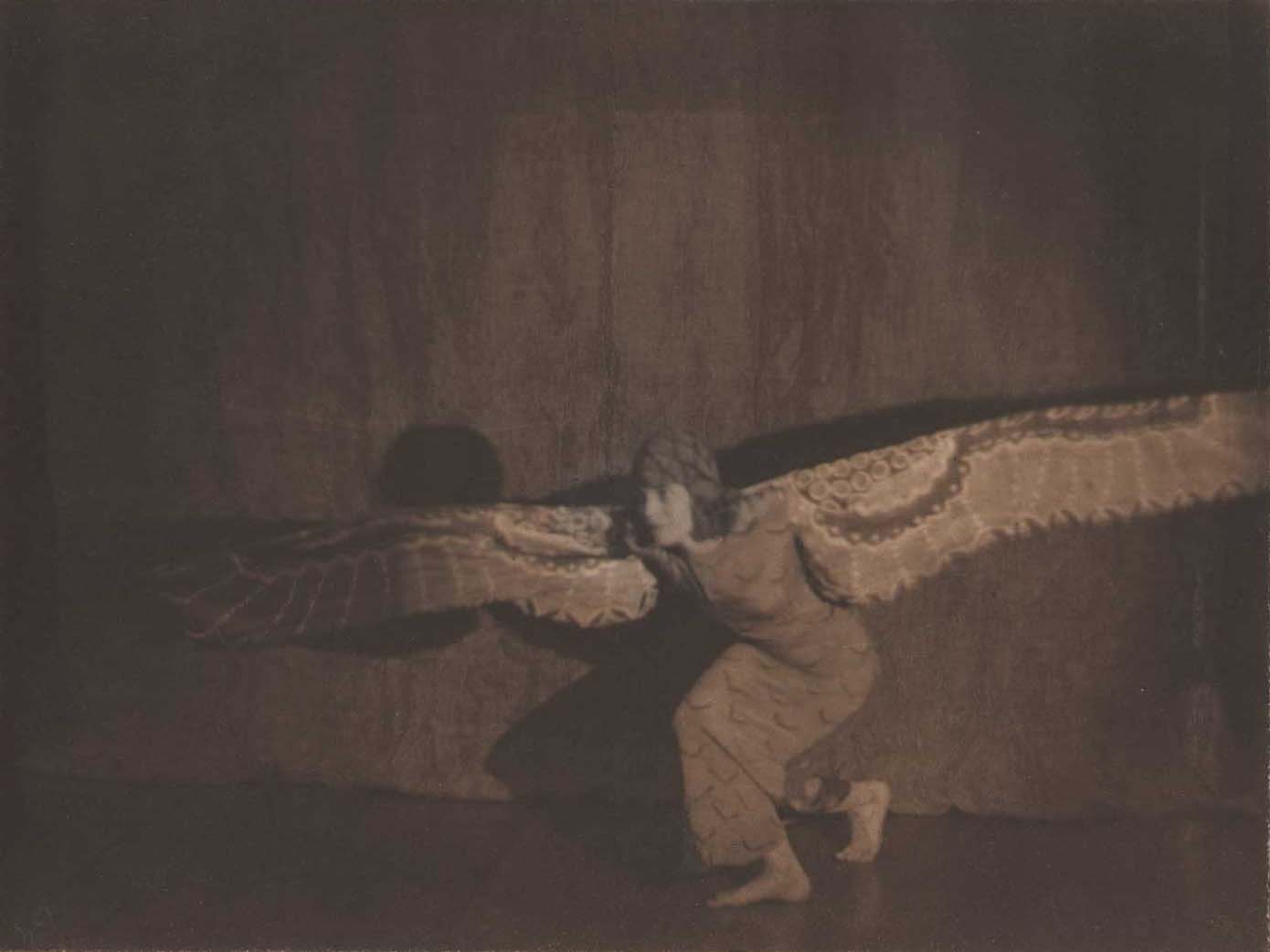
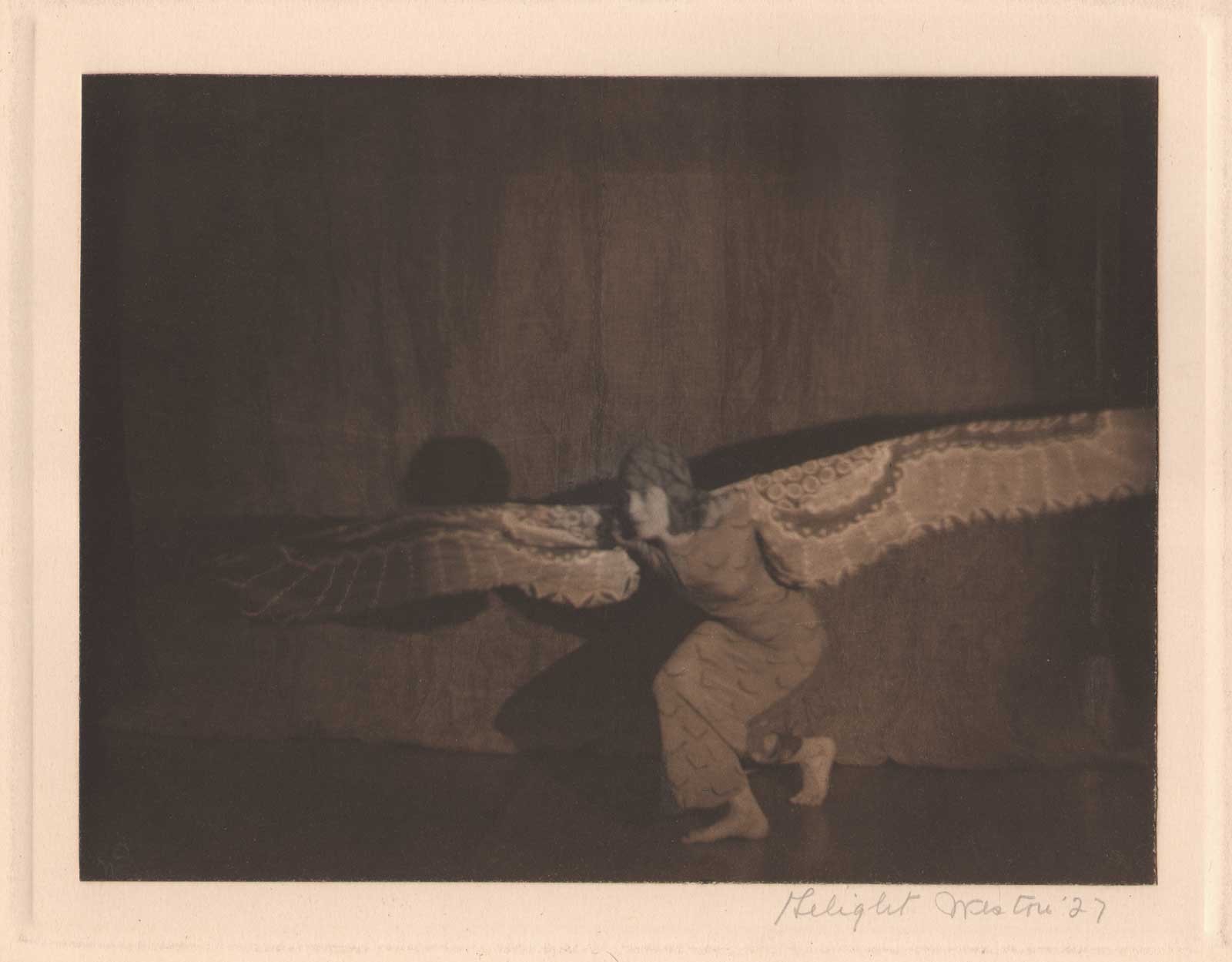
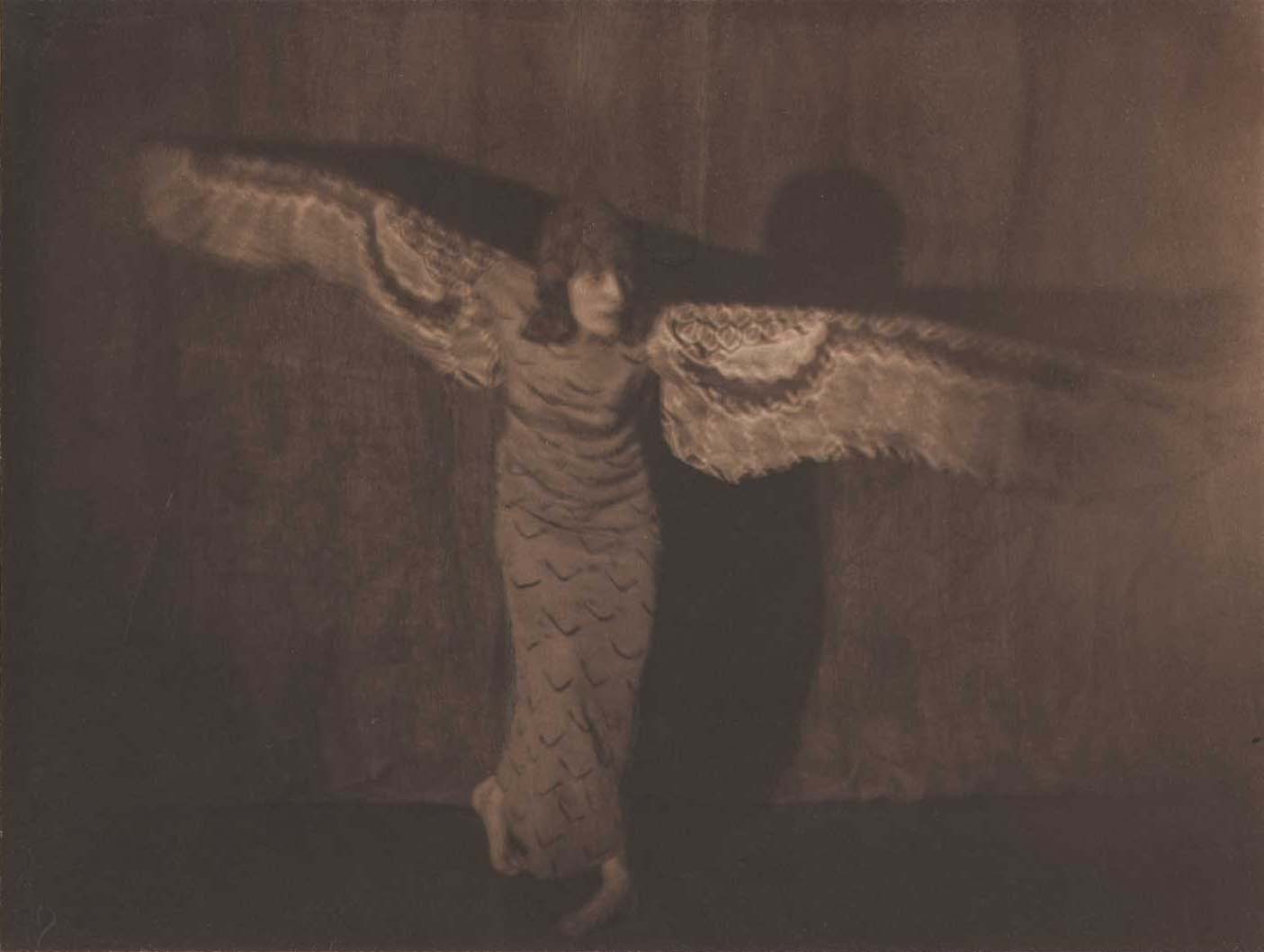

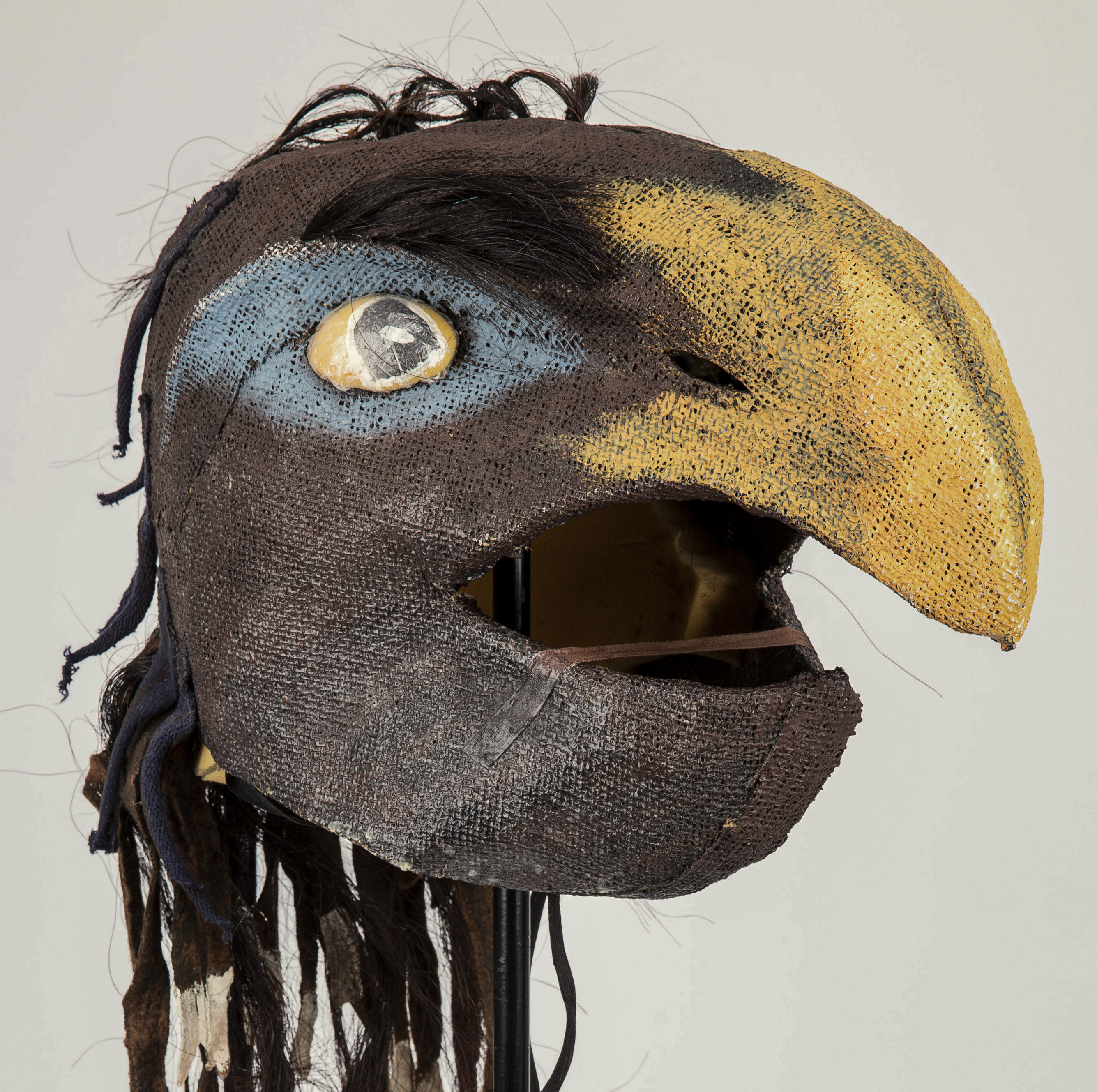
A female dancer wearing a bird-like costume outfitted with wings performs on stage, most likely in New York City. The dancer may have been affiliated with the Ruth Doing School of Rhythmics. Doing was a former dancer and student of Isadora Duncan (1877-1927) who had founded a dance camp along with business and life partner Gail Gardner in the Adirondack Mountains of New York in 1916, and was an active teacher of dance “Rhythmics” at the camp and in the city at least through the early 1930’s.
Another more intriguing possibility exists however as to the identity of the dancer here, with this archive holding six different examples taken by Delight Weston in 1927.
To wit, an argument can be made, based on the time period for boundary-breaking inventiveness in the dance medium as well as this artist’s stature, facial features and hair, that she is none other than pioneering modern American dancer Martha Graham. (1894-1991) One study in particular held by this archive: “Dancer with Long Robe”, bears a striking resemblance to a similar garment worn by Graham as part of her dance “A Study in Lacquer”. This was featured along with others as part of the premiere of the Martha Graham Company in New York in April, 1926. See Richard Burke’s photograph in the magazine The Dance from August, 1926. Of course, this website is happy to amend this theory if further evidence is produced.
Photographer Delight Weston lived with dance school founder Ruth Doing (1881-1966) at the time this photograph was taken, and Doing is known to have had a professional relationship with Martha Graham in the dance community near the Carnegie Hall neighborhood in lending out studio space to her. In the 2005 volume: Bessie Schönberg : Pioneer Dance Educator and Choreographic Mentor, by Cynthia Nazzaro Noble, we learn that in 1929, a very young “Schönberg attended her first dance class with Martha Graham at Ruth Doing’s studio near Carnegie Hall.” (p. 40) Quoted from PhotoSeed
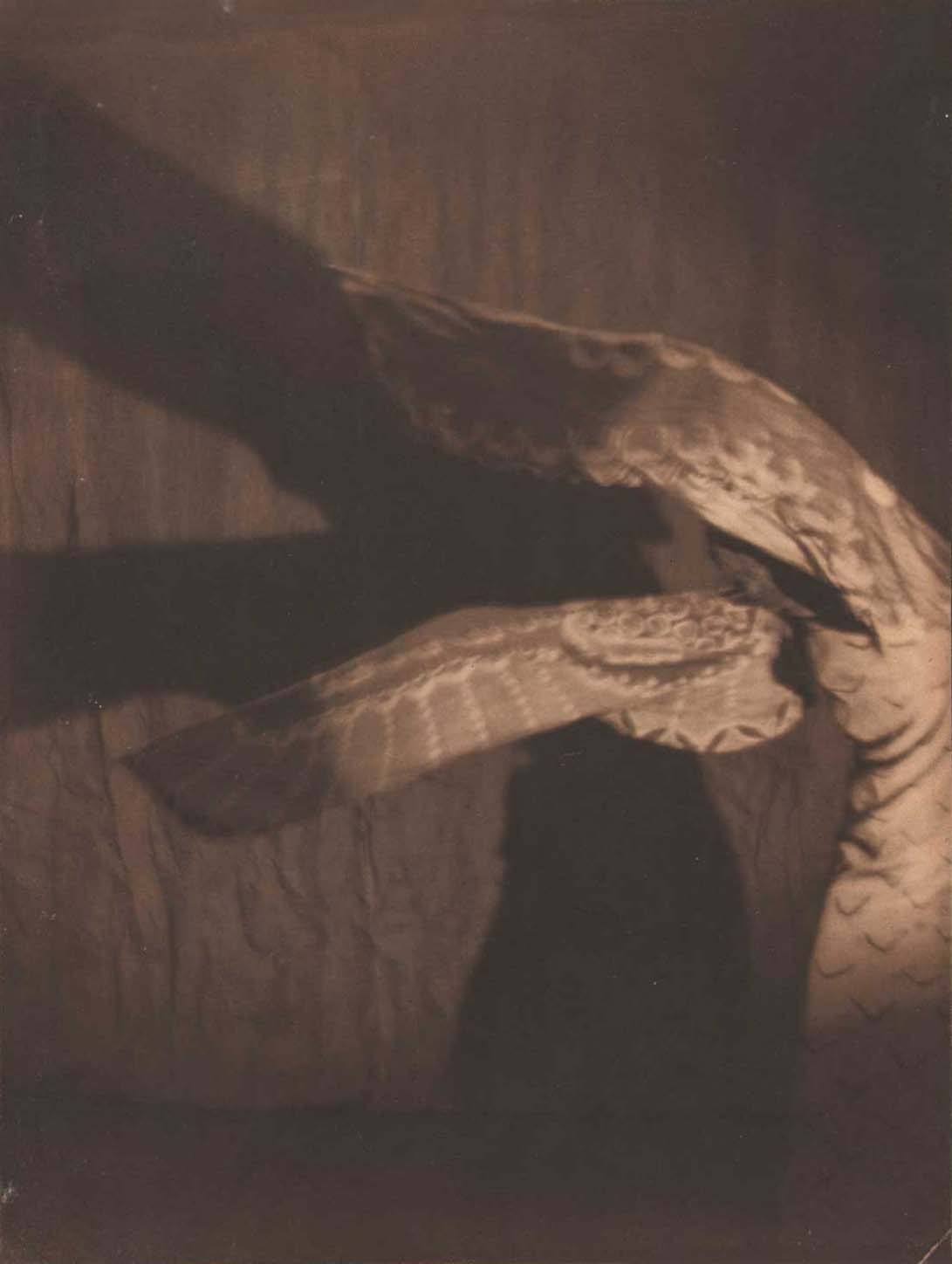

“Wings” worn and held aloft by a female dancer spread out and contrast with their resulting shadow on the curtain backdrop during a performance on stage, most likely in New York City.
 un regard oblique