
images that haunt us
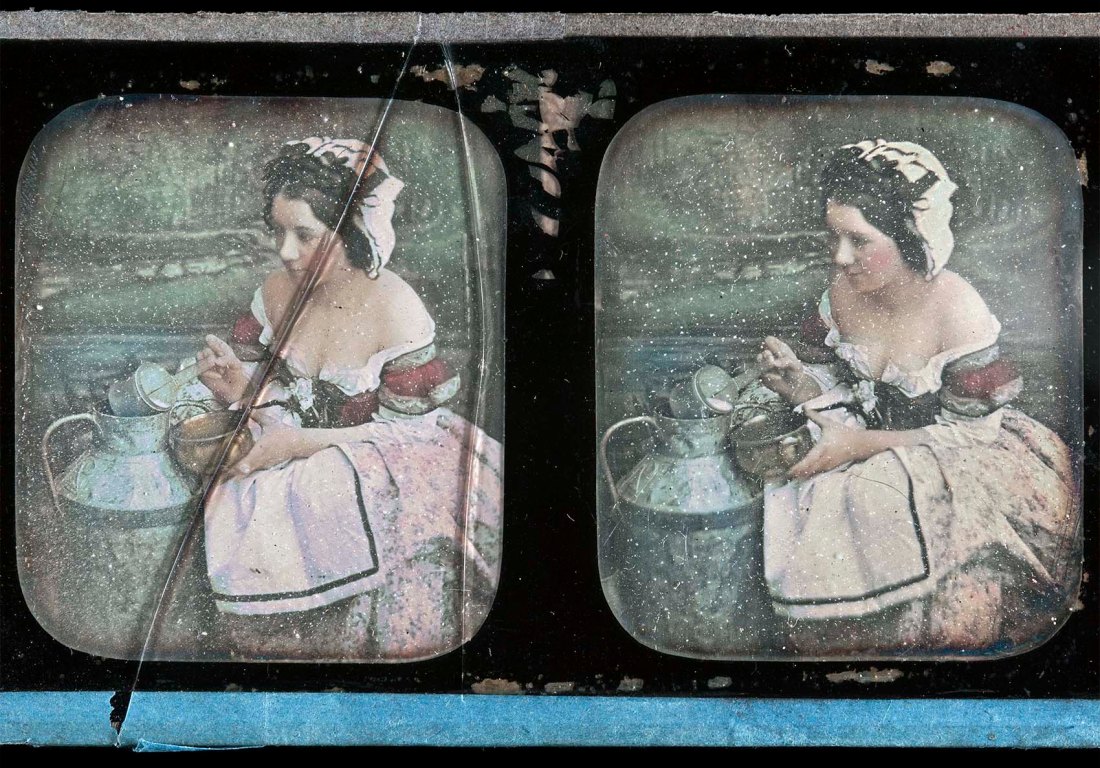


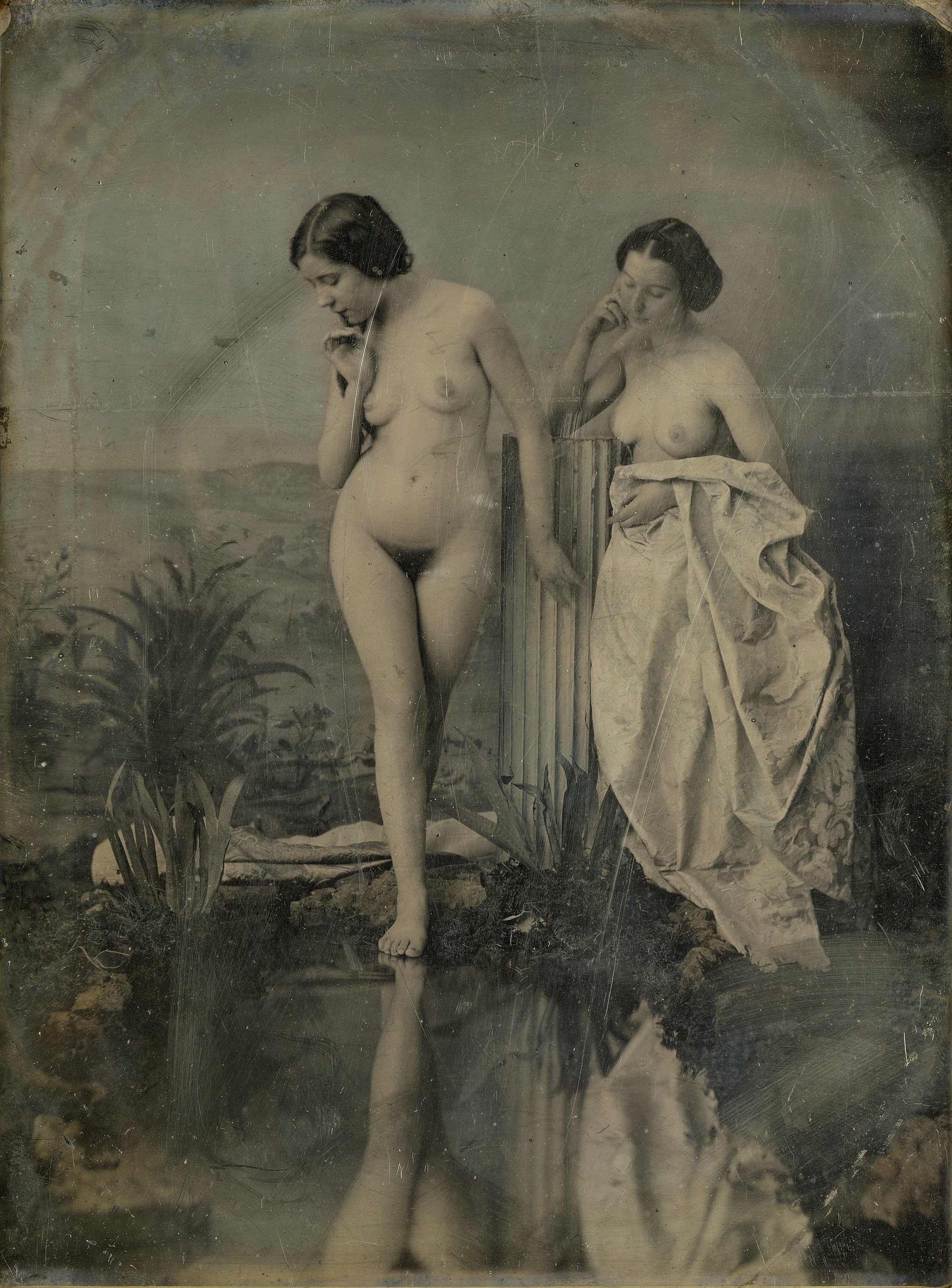
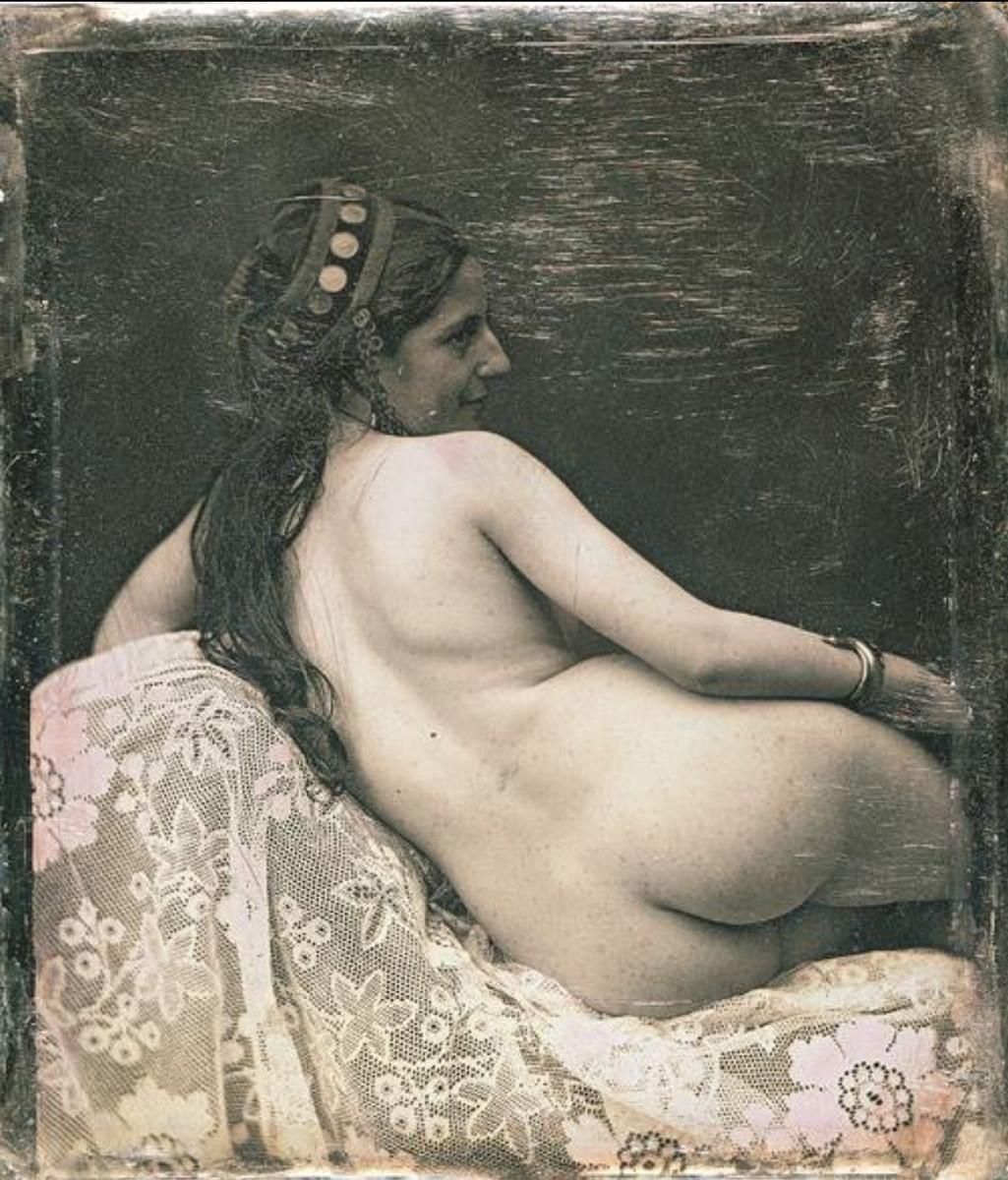
see all related post with photographs by Félix-Jacques Moulin clicking on the category or tag or just clicking here

Félix-Jacques Antoine Moulin (1802 – 1875) was a French photographer.
In 1849, Moulin opened a photographer’s studio at 31 bis rue du Faubourg Montmartre and started producing daguerreotypes of young girls aged 14 to 16. In 1851, Moulin’s work was confiscated, and he was sentenced to one month imprisonment for the “obscene” character of his works, “so obscene that even to pronounce the titles would violate public morality” according to court records.
After his release, Moulin continued his activities more discreetly. He taught photography, sold photographic equipment, and had a backdoor installed to his studio to dodge further legal problems. His works gained esteem from critics.
In 1856, Moulin made a photographic trip to Algeria, with a tonne of equipment, backed and financed by the French government, which allowed it to gain benefit from the structures of colonialism. There, he met technical difficulties due to variations in humidity, work in the open, and the quality of water, but managed nonetheless to extensively document the benefit of French colonies in Northern Africa. | quoted from Google Arts & Culture, here


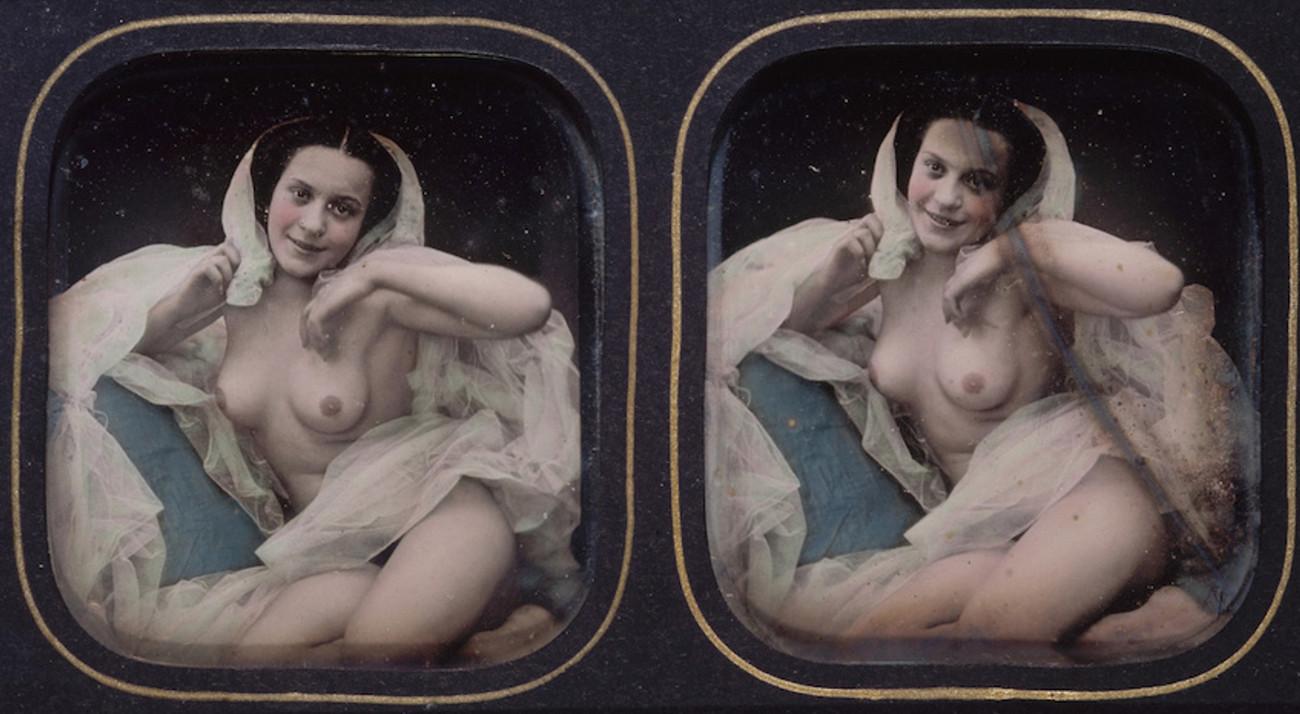
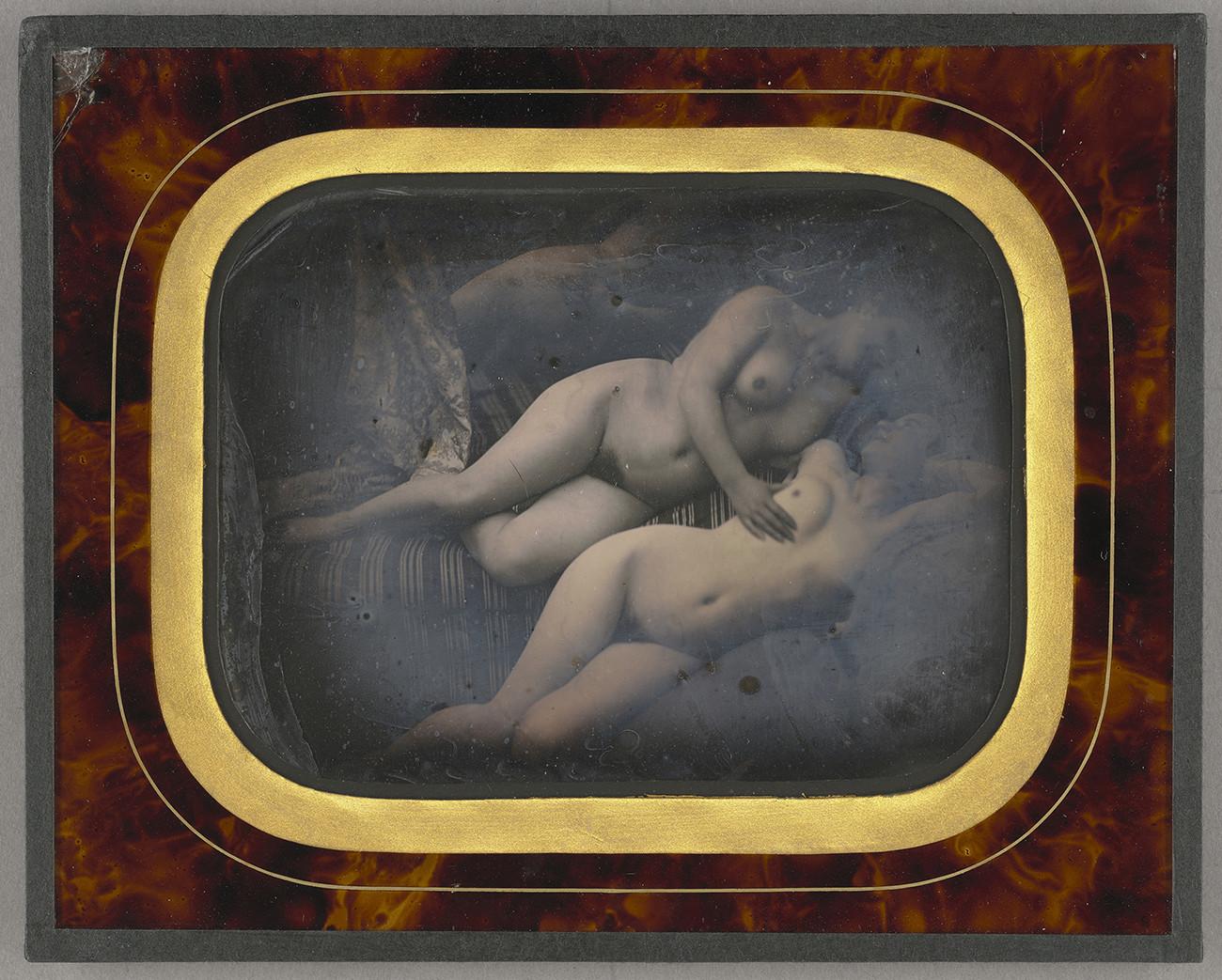
The title is intriguing: «Reconsidérer la photographie érotique». (“Reconsidering erotic photography”).
The text itself is brilliant and of great intelligence.
In this 1987 essay, historian Abigail Solomon-Godeau traces avenues for exploring a history of erotic and pornographic photographic production, a history hitherto repressed and absent from narratives. Thus opening the door to a feminist and revised history of the photographic medium, she shows how much this imagery has been abundant and present almost from the origins of photography. In “Reconsidering erotic photography”, Abigail Solomon-Godeau analyzes the ways in which naked bodies are presented in several photographic images from the 1840s-1850s, whether academic nudes or images intended for other types of visual consumption, and questions the specificity of photographic representation as opposed to other mediums. Supporting feminist theories, she raises the question of how these images are viewed, and the ambiguity of their designation, between eroticism and pornography. At the heart of this pioneering essay in the history of photography, she defends the need to write the history of these often set aside productions.
Reconsidérer la photographie érotique.
Notes pour un projet de sauvetage historique
Abigail Solomon-Godeau
Éléonore Challine (éd. et trad.),
Éditions de la Sorbonne, 2022
quoted from l’œil de la photographie
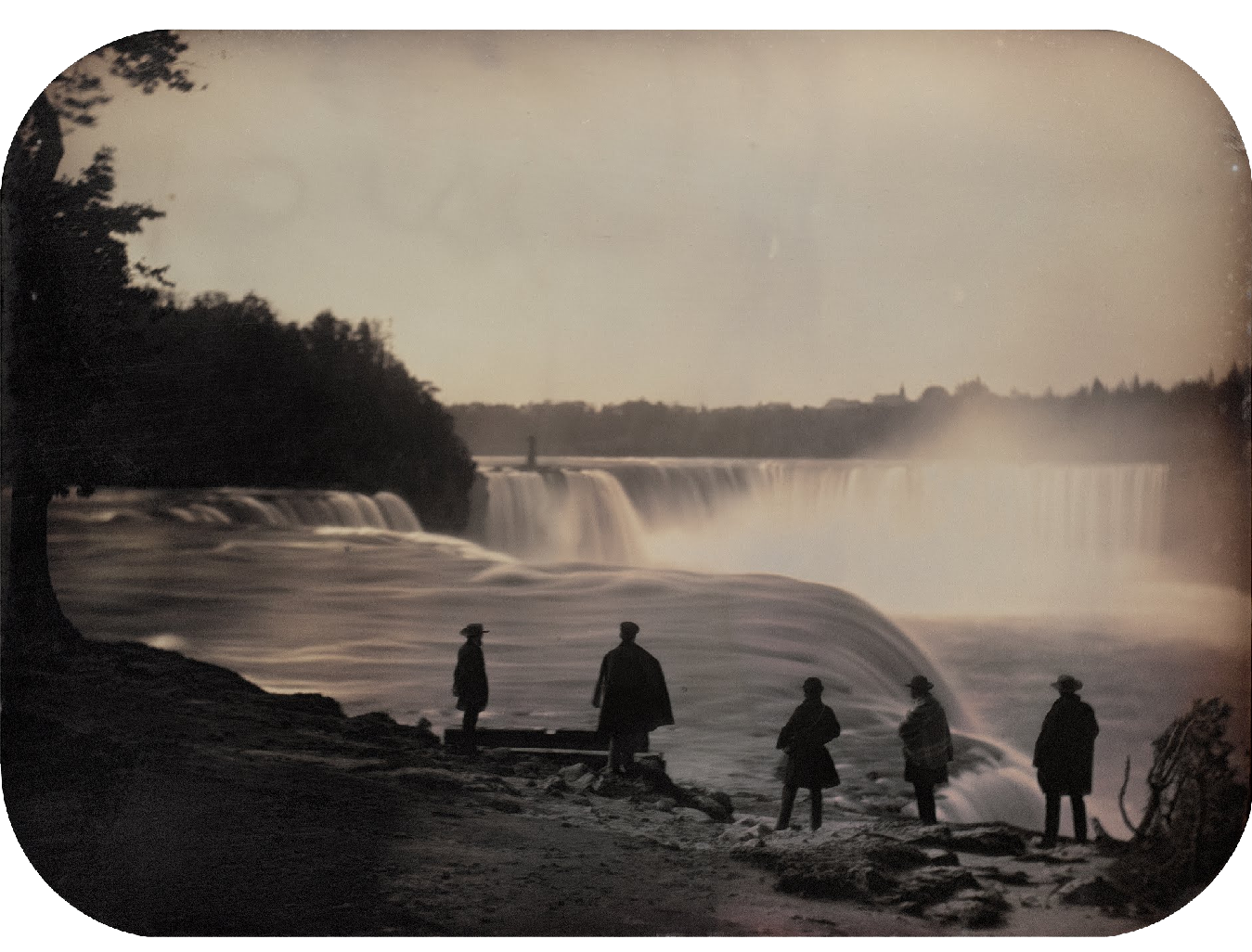


In the 1800s Prospect Point at Niagara Falls was a popular destination for travelers in search of a transcendent encounter with nature. The falls were revered as a sacred place that was recognized by the Catholic Church in 1861 as a “pilgrim shrine,” where the faithful could contemplate the landscape as an example of divine majesty.
Platt D. Babbitt would customarily set up his camera in an open-sided pavilion and photograph groups of tourists admiring the falls without their knowledge, as he appears to have done here. Later he would sell the unsuspecting subjects their daguerreotype likenesses alongside the natural wonder. | quoted from Getty Museum

Two well-dressed couples are seen from behind as they stand on the shore downstream from the falls, gazing at its majestic splendor. The silhouetted forms–women wearing full skirts and bonnets and carrying umbrellas and men in stovepipe hats–are sharply outlined against the patch of shore and expansive, white foam. | quoted from Getty Museum
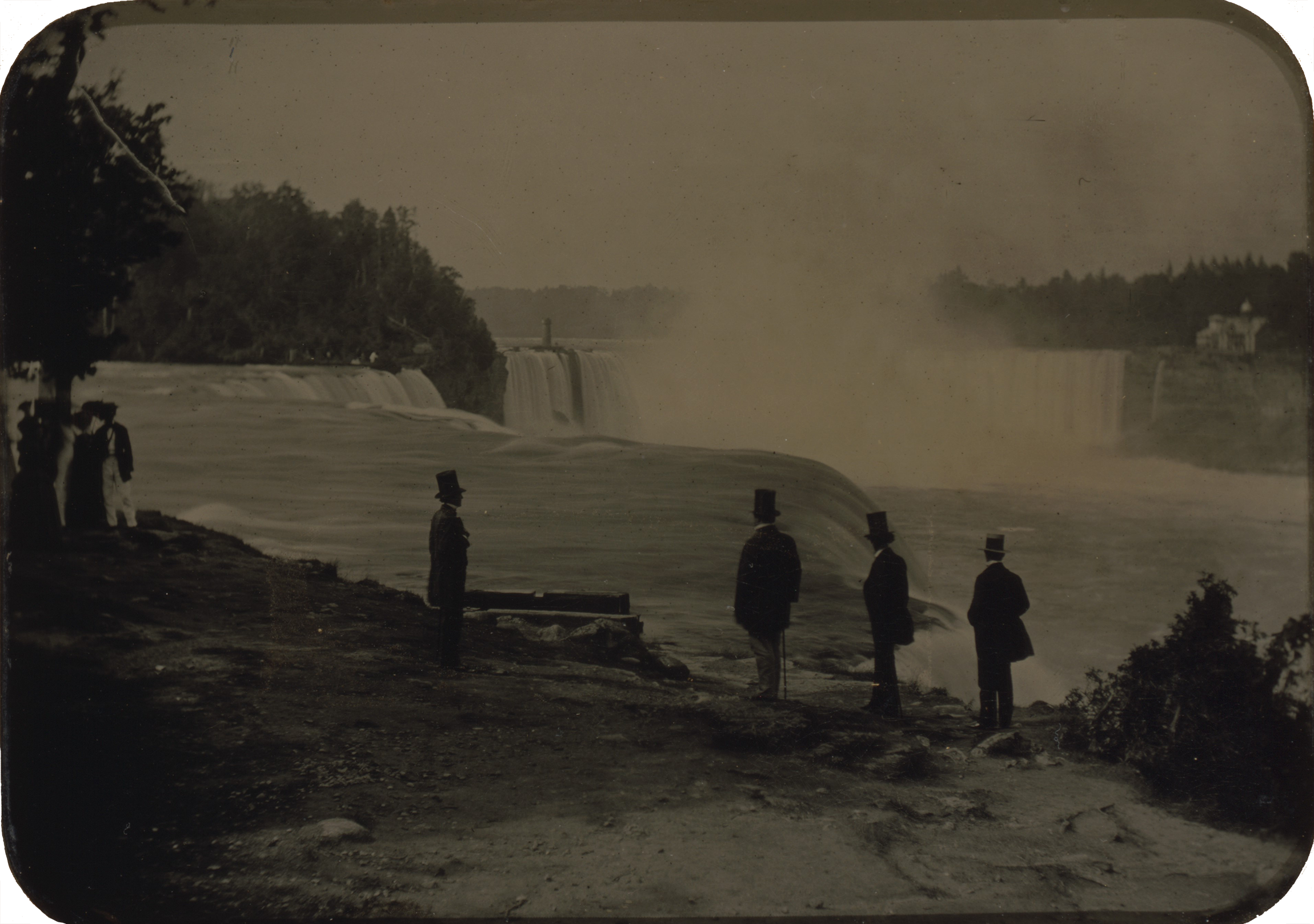

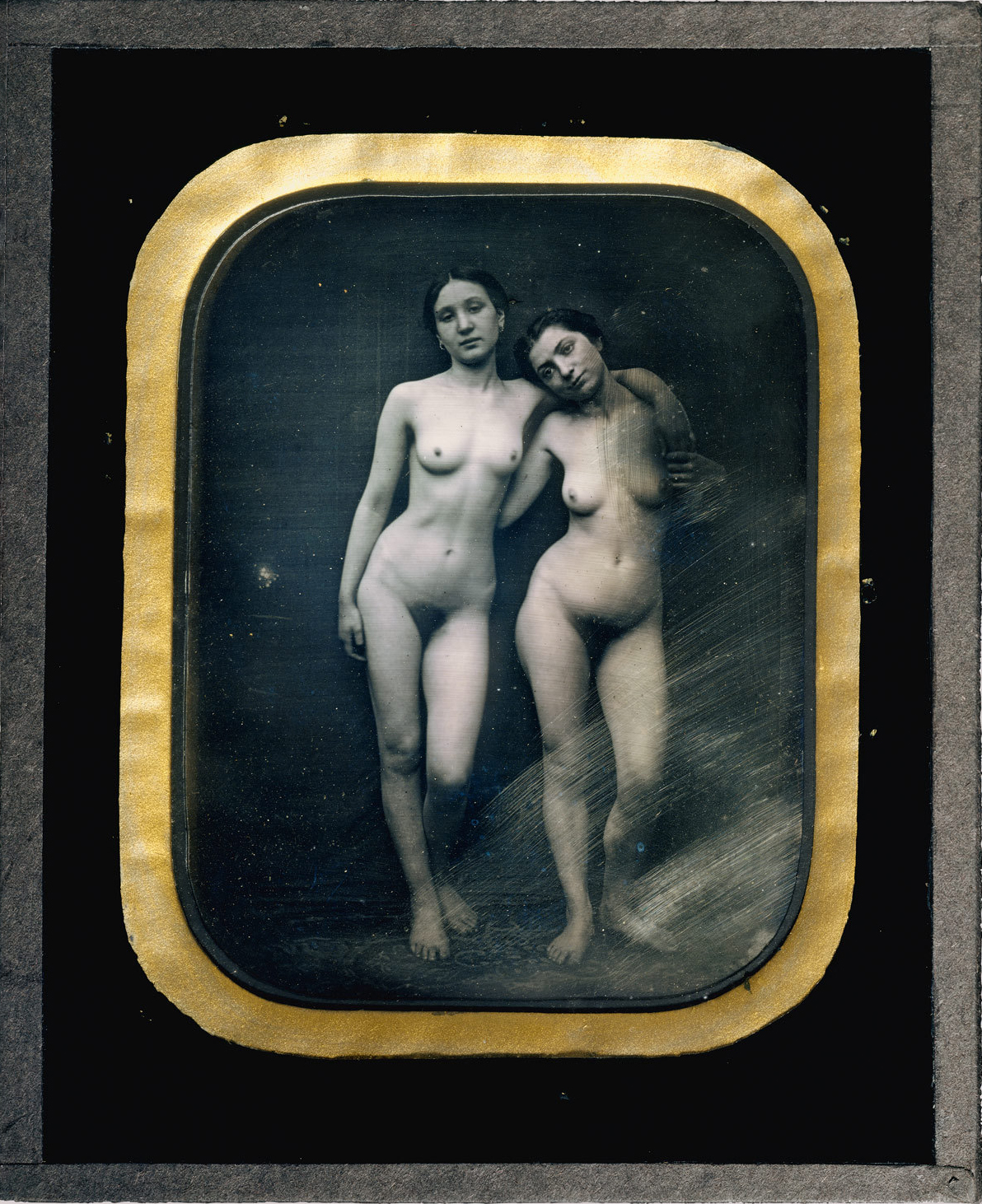
Although Moulin was sentenced in 1851 to a month in jail for producing images that, according to court papers, were “so obscene that even to pronounce the titles . . . would be to commit an indecency,” this daguerreotype seems more allied to art than to erotica. Instead of the boudoir props and provocative poses typical of hand-colored pornographic daguerreotypes, Moulin depicted these two young women utterly at ease, as unselfconscious in their nudity as Botticelli’s Venus. [quoted from The Met]


 un regard oblique