Hannah Höch scrapbook, 1933

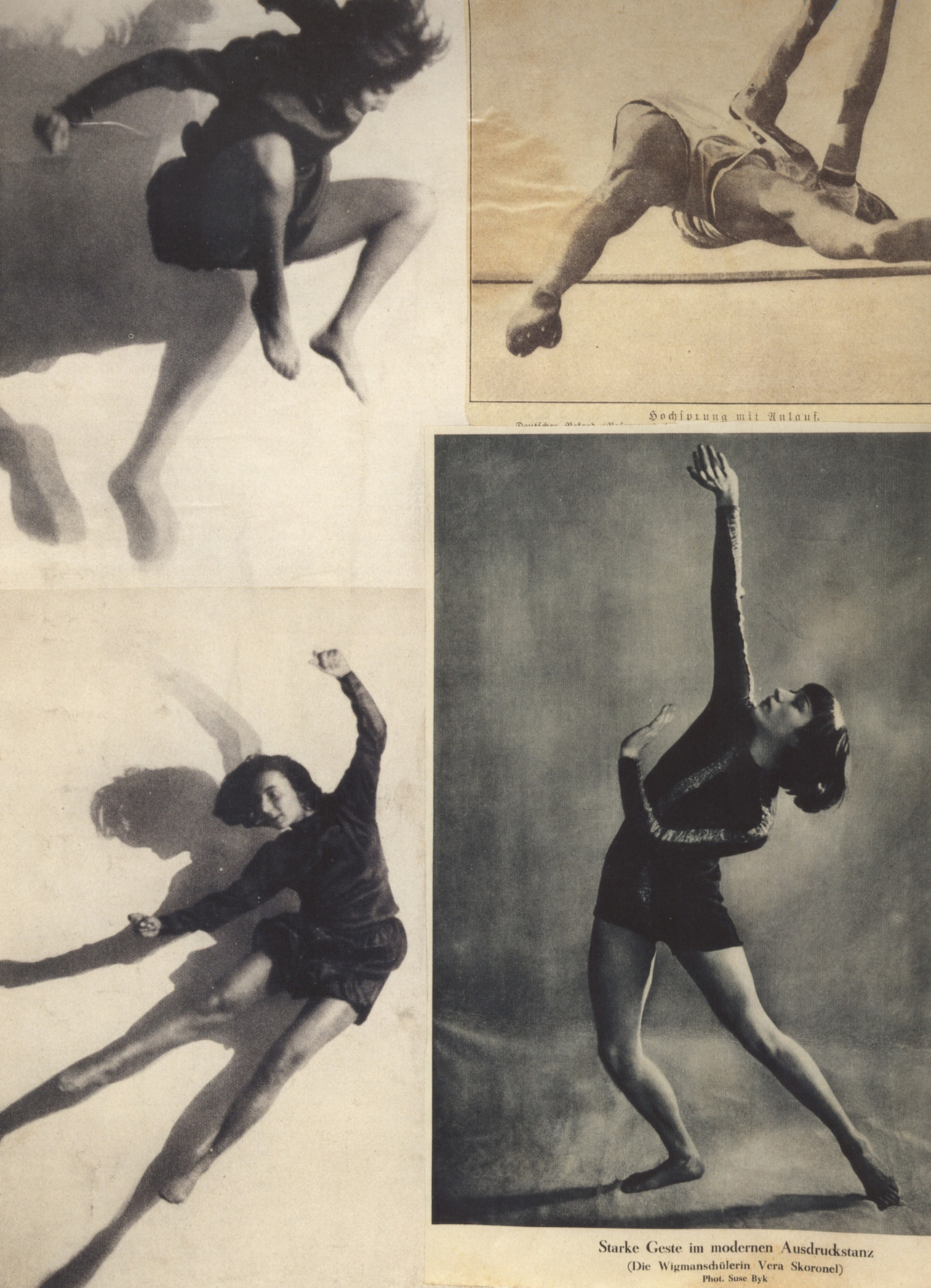
From Hannah Höch’s Album page (scrapbook), 1933. 
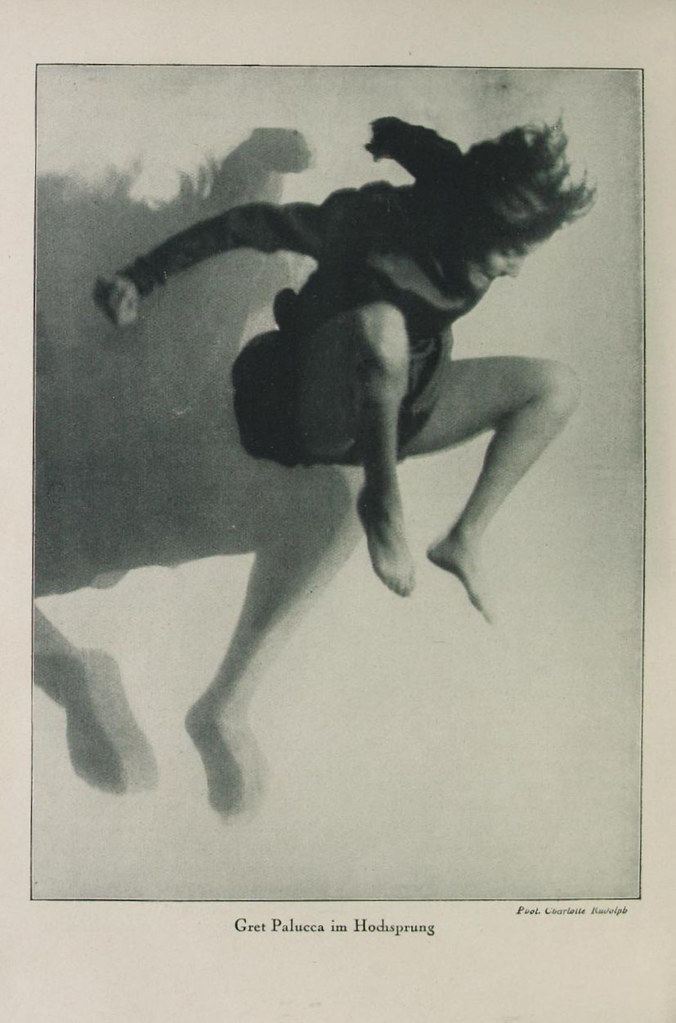
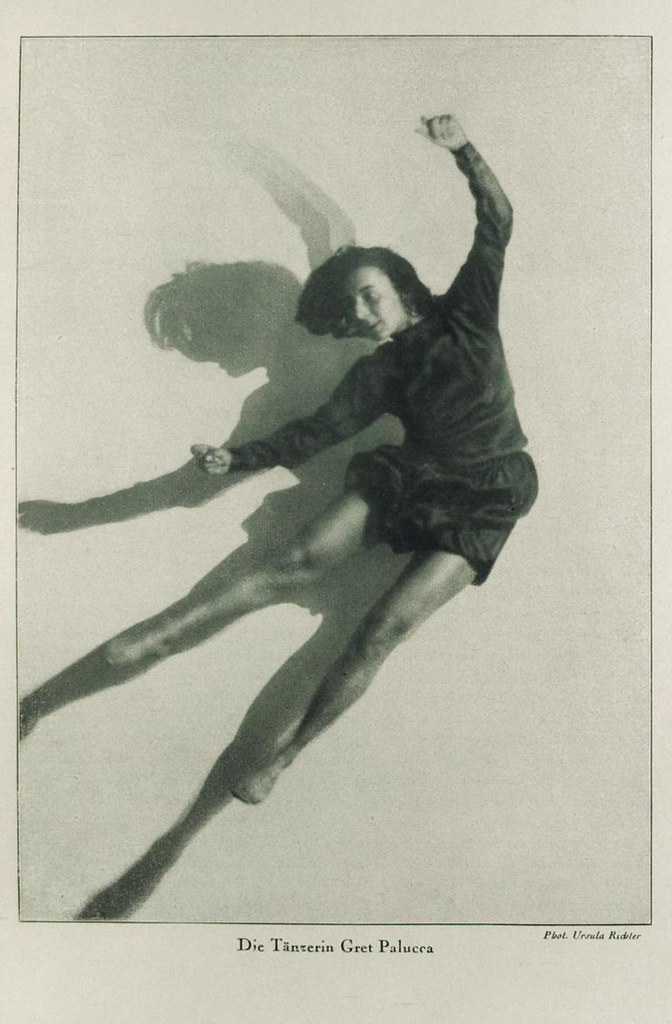
left: Dancer Gret Palucca, ca. 1925. ph, by Charlotte Rudolph (top) & Ursula Richter (bottom).
right: “Stabhochsprung” Athete high jumping (pole vault) and “Starke Geste im modernen Ausdrucktanz (Die Wigmanschülerin Vera Skoronel)”. Expressionist dancer (Wigman student, Vera Skoronel) ph. by Suse Byk. | src Female artists
Suse Byk :: Vera Skoronel, Postkarte, Privatbesitz. | src Georg Kolbe Museum, Berlin on FB
Charlotte Rudolph :: Gret Palucca in Hochsprung, ca. 1925. Published in monthly magazine UHU, Feb. 1926. Uhu magazin was published between 1924 and 1934 in Berlin by Ullstein Verlag. | direct link to source
Ursula Richter :: Dancer Gret Palucca, ca. 1925. Published in monthly magazine UHU, Februar 1926.

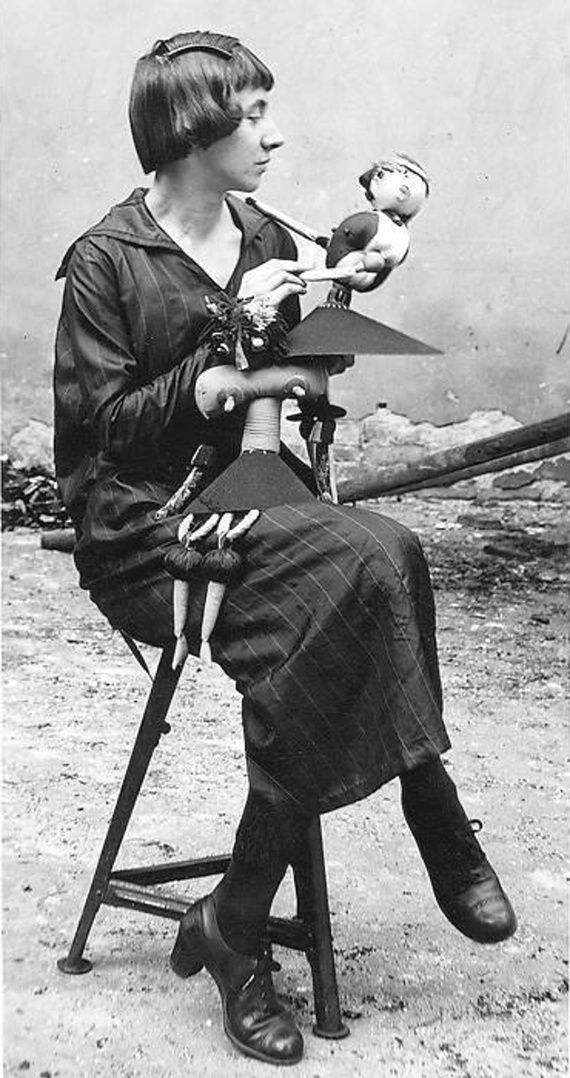
Emmy Hennings with Dada-doll, 1917.

Photo from Hans Richter, Dada and Anti-Art, (Thames and Hudson, 1965)

Emmy Hennings (1885-1948) was a performer and poet, and wife of the Dadaist Hugo Ball. Despite her critical role in the founding of the Cabaret Voltaire which launched the Dada movement, and her centrality in its performances (particularly as its only female member), it is difficult to locate information on her that does not correspond directly to her relationship with Ball.

Thomas F. Rugh describes her as “a primary contributor to the sensual display of bombast at the cabaret”, personifying the spirit of the Dada movement with which she was so intimately involved as “impulsive, enigmatic, creative, and at odds with her materialistic culture”.

The Zürcher Post wrote of her on 7 May, 1916: “The star of the cabaret however, is Mrs. Emmy Hennings. The star of who knows how many nights and poems. Just as she stood before the billowing yellow curtain of a Berlin cabaret, her arms rounded up over her hips, rich like a blooming bush, so today she is lending her body with an ever-brave front to the same songs, that body of hers which has since been ravaged but little by pain”.

via

foxesinbreeches
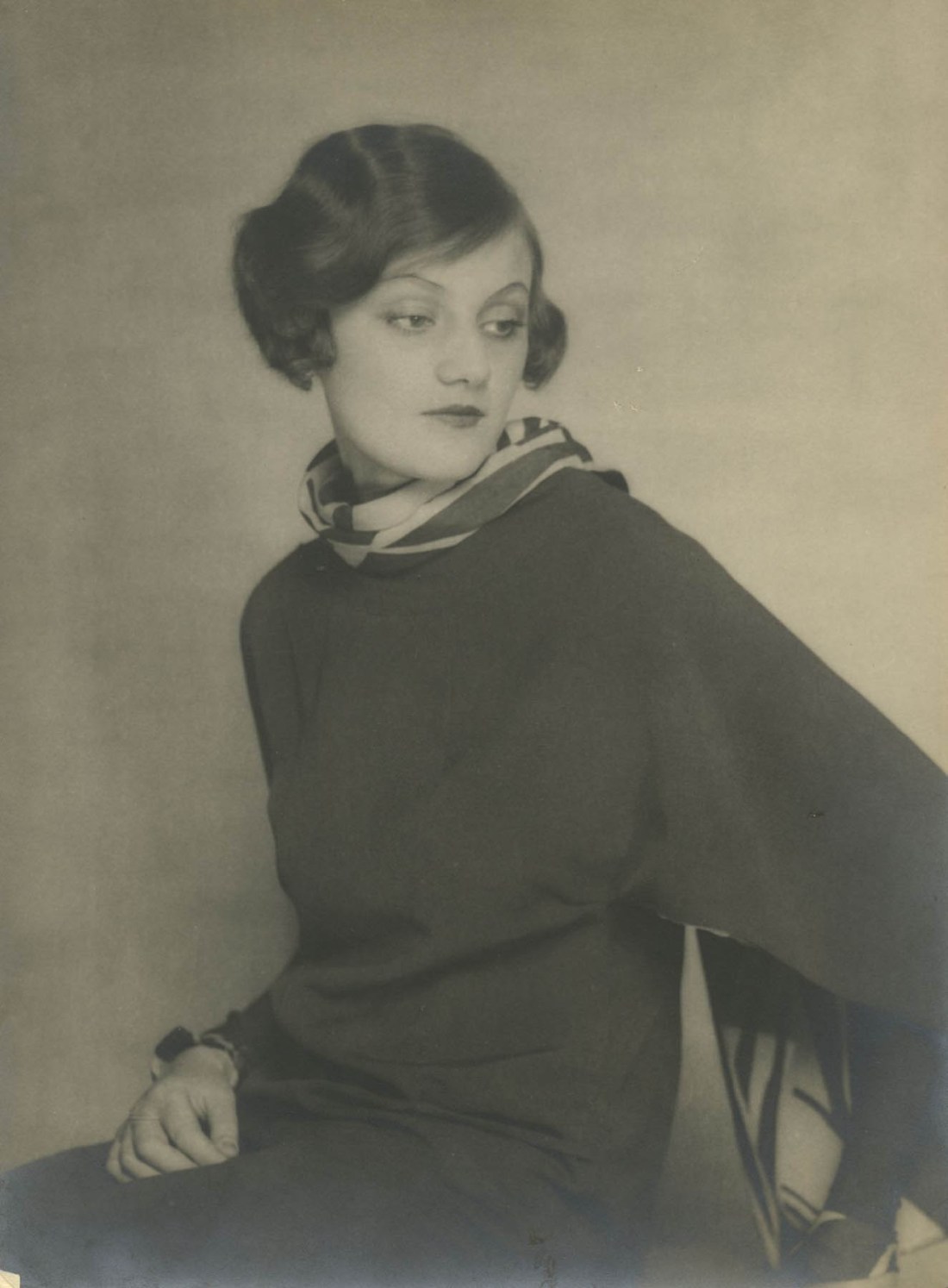
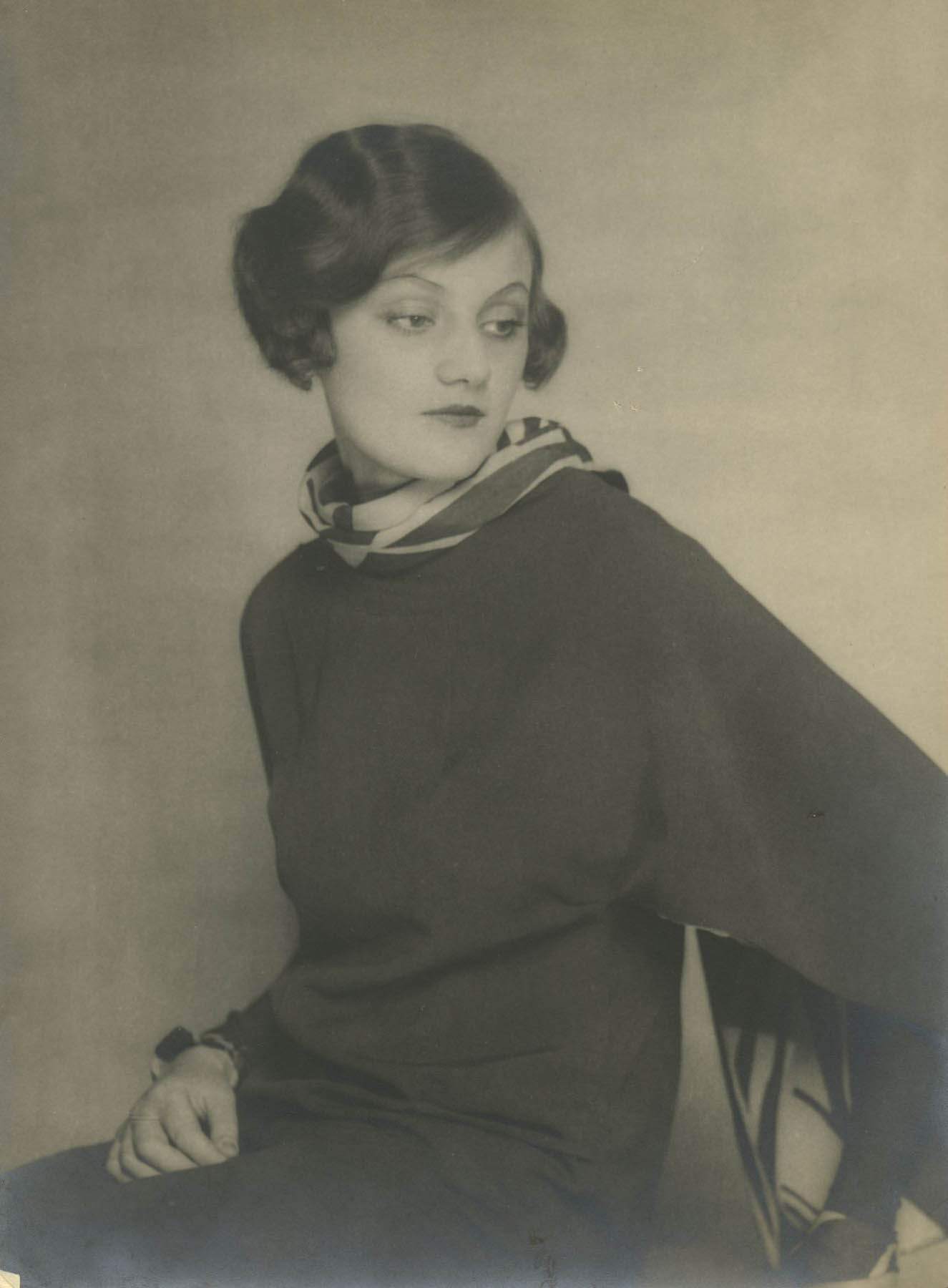
Perlmutter by Abbott, ca. 1926

Berenice Abbott (1898-1991) :: Bronia Perlmutter (Ms. René Clair), ca. 1926 | src Howard Greenberg Gallery
Berenice Abbott (1898-1991) :: Bronia Perlmutter (Madame René Clair), ca. 1926 | src Howard Greenberg Gallery

In December of 1924 Bronia and Tylia Perlmutter were invited by Francis Picabia to attend a performance of the Dadaist ballet Relâche, which included a screening of a short film, Entr’acte, at intermission. Bronia was introduced to the film’s director, René Clair, after the show. Later that same month Picabia asked Bronia to participate in a production, Ciné Sketch, that he and Clair were putting on after the ballet on New Year’s Eve. Bronia agreed, and she and Marcel Duchamp appeared nude—Duchamp did have a strategically placed fig leaf—in a living tabloid of Lucas Cranach’s Adam and Eve, which Man Ray photographed.

A bit part in Clair’s film Le Voyage Imaginaire (1926) followed. The two fell in love and were married in 1926. Quoted from tales of a mad cap heiress (Blogspot)

Adam et Eve; tableau vivant

Man Ray :: Ciné-Sketch; Adam and Eve (Marcel Duchamp and Bronia Perlmutter), 1924. Gelatin silver print, on carte postale, printed in the 1930s. | src Christie’s & Philadelphia Museum of Art (Philamuseum)

In 1924 Francis Picabia asked Bronia to participate in a production, Ciné Sketch, that he and René Clair were putting on after the Relache ballet on New Year’s Eve. Bronia agreed, and she and Marcel Duchamp appeared nude —Duchamp did have a strategically placed fig leaf— in a living tabloid of Lucas Cranach’s Adam and Eve, which Man Ray photographed.

Ciné Sketch (1924) was a theatrical diversion conceived by Francis Picabia and René Clair, in which Marcel Duchamp and the Jewish-Polish model Bronia Perlmutter mime the figures of Adam and Eve in a tableau vivant of the Temptation after a painting by Cranach. Ciné-Sketch was performed only once, at the conclusion of Relache (by Ballets Suédois) at the Théâtre des Champs-Elysées on New Year’s Eve 1924.