Henry P. Bosse · Cyanotypes

Henry P. Bosse (1844 – 1903) ~ Mouth of Wisconsin River, 1885, Cyanotype | src The Metropolitan Museum of Art
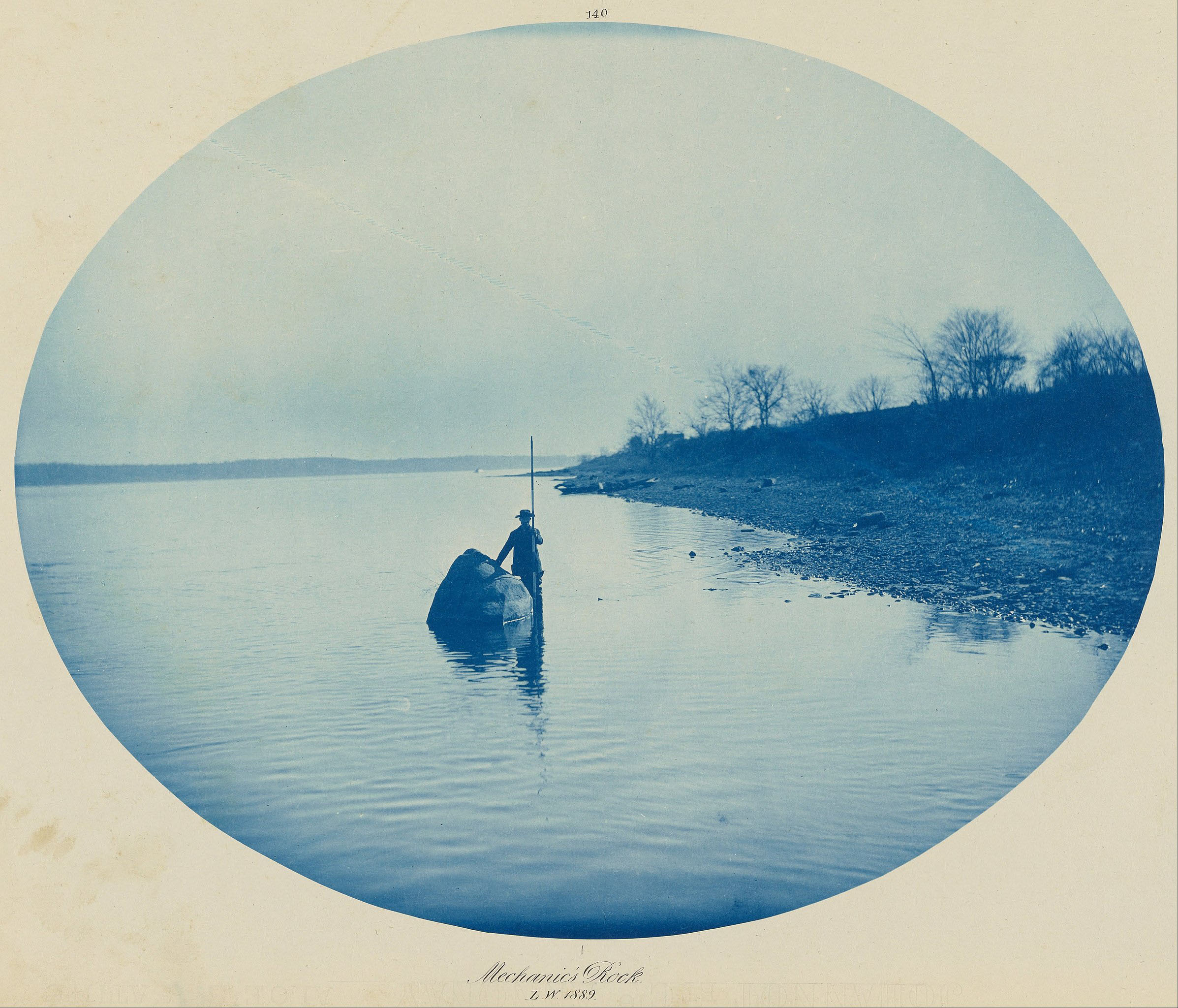
Henry Peter Bosse (1844 – 1903) ~ Mechanic’s Rock, Low Water, 1889. Cyanotype | src Getty Museum
Man walking through low water in river.
Henry Bosse (1844-1903) ~ Broken Closing Dam in Shokokon Slough, 1891. Cyanotype depicting a figure sitting on wooden posts next to a break in a river dam. From the series “Views on the Mississippi River” | src Revere auctions
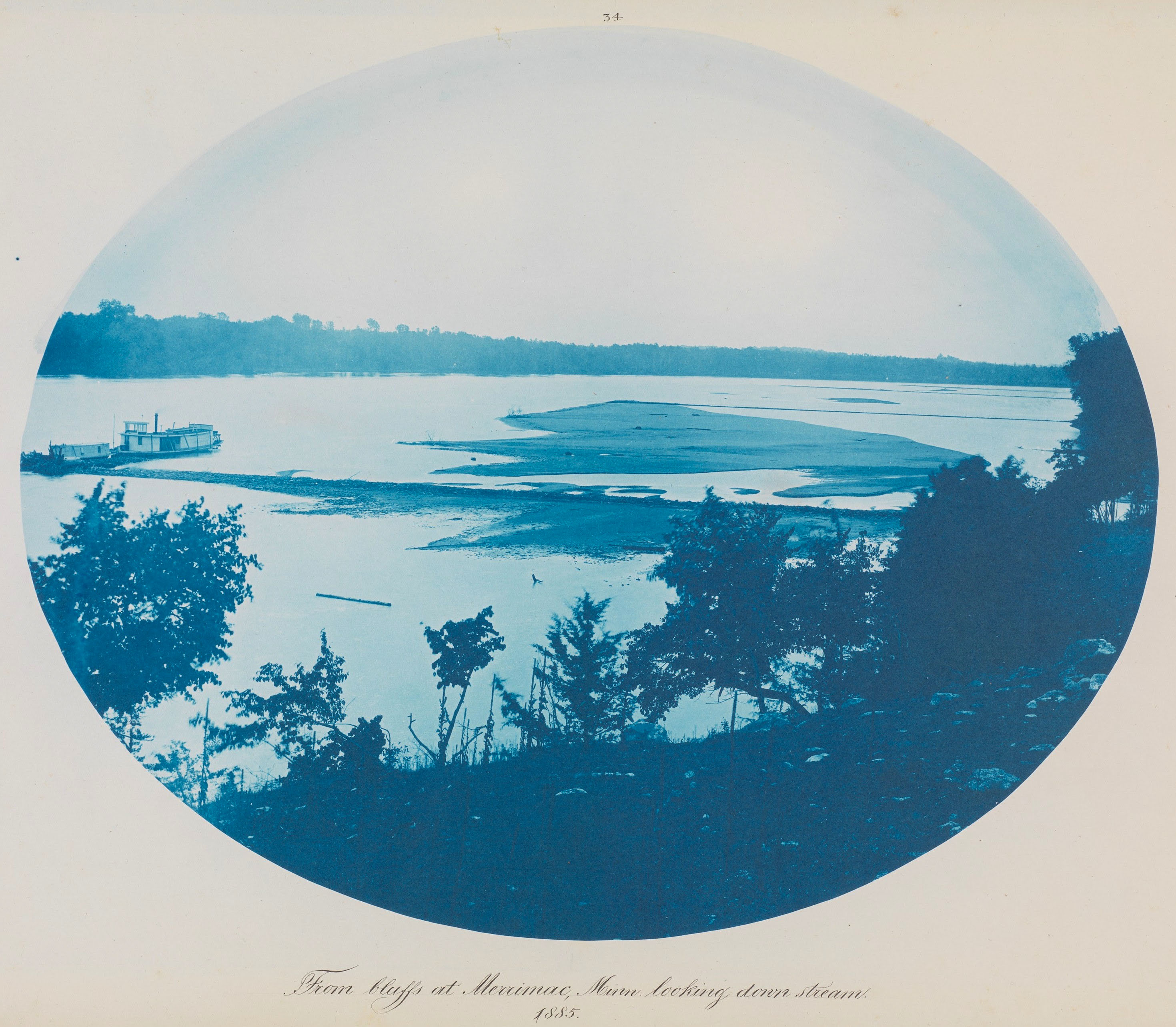
Henry P. Bosse ~ No. 34. From Bluffs at Merrimac, Minnesota Looking Down Stream, 1885. Cyanotype | src The Met
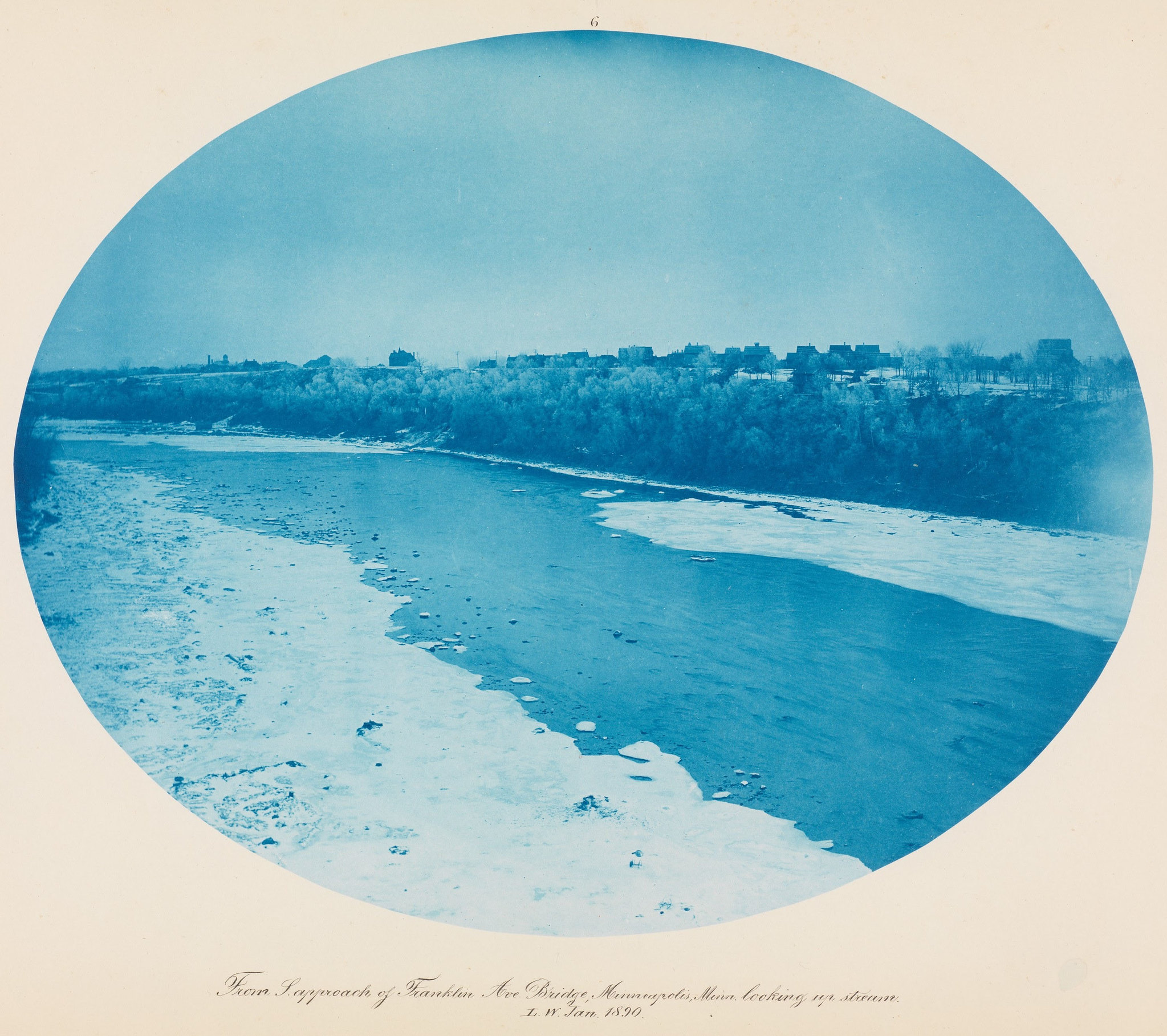
No. 6. From South Approach of Franklin Ave Bridge, Minneapolis, Minnesota Looking Up Stream (Low Water), Jan. 1890 | The Met
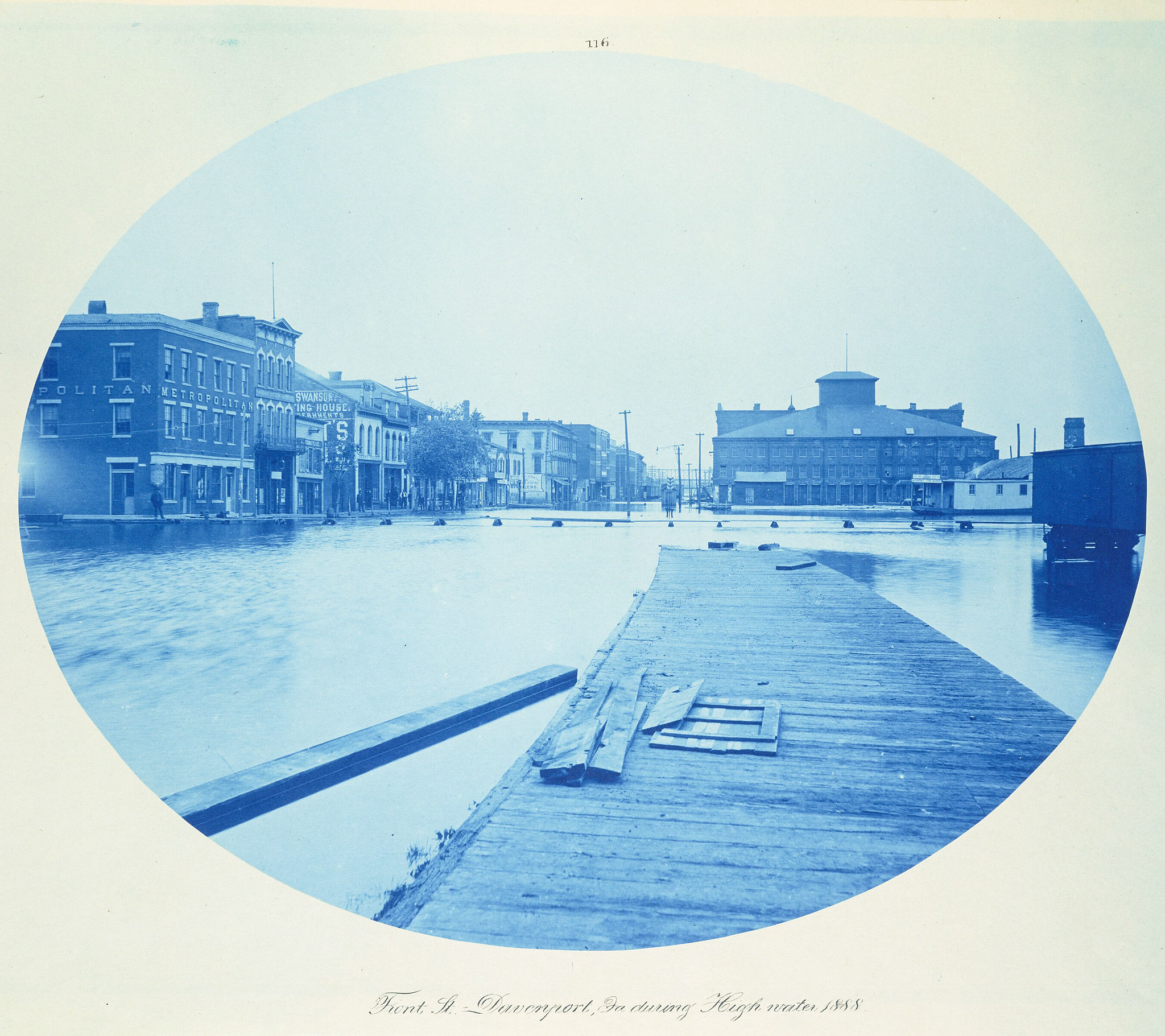
Henry Peter Bosse (1844 – 1903) ~ Front Street – Davenport, Iowa, during High Water, 1888. Cyanotype | src Getty Museum
No. 193a. Old Ponton Bridge at Prairie du chien, Wisconsin, 1885 (Cyanotype) | src The Metropolitan Museum of Art
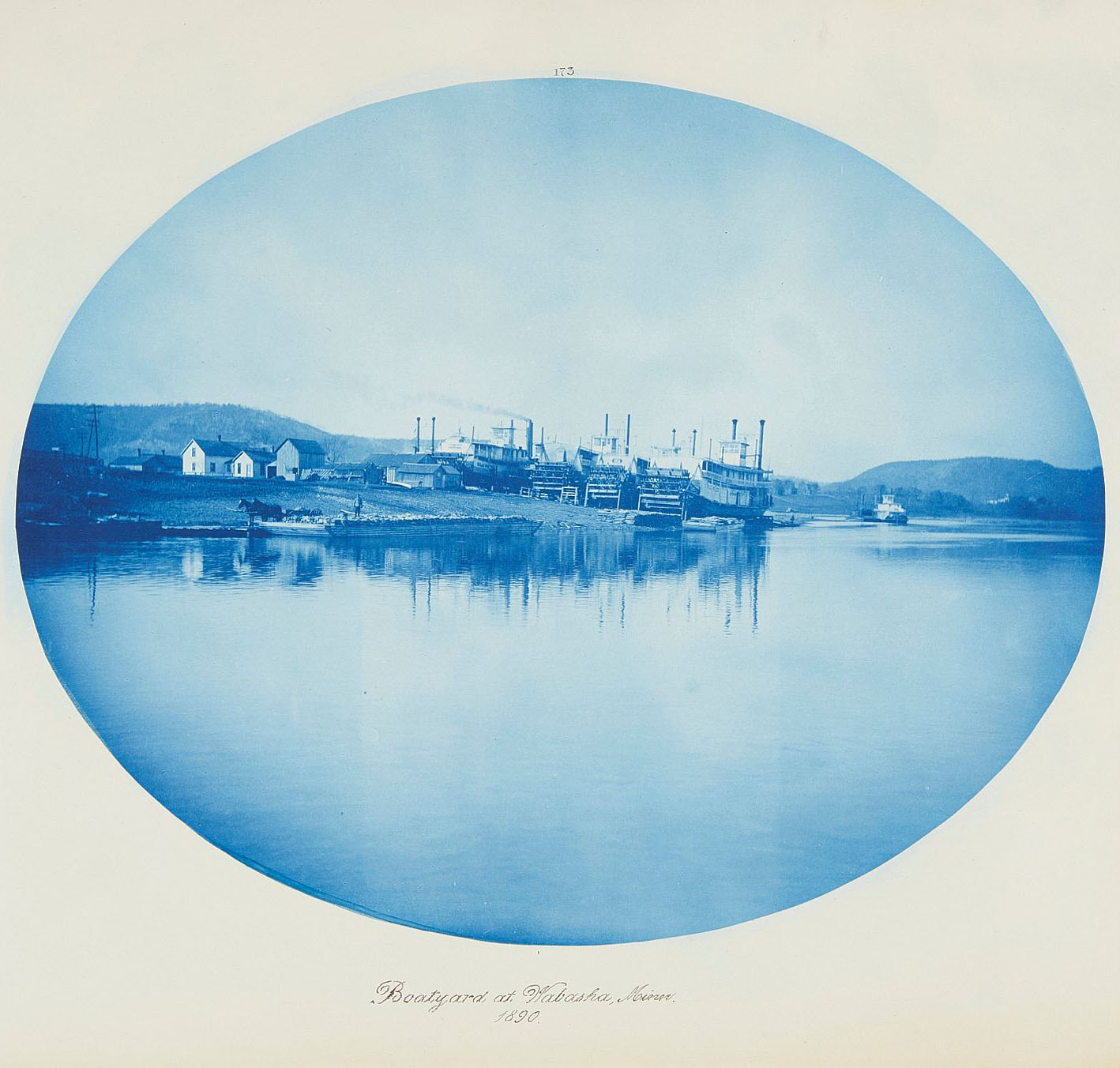
Henry Bosse (1844-1903) ~ Boatyard at Wabasha, Minn. depicting a riverfront landscape, 1890. Cyanotype | src Revere auctions
Henry P. Bosse (1844-1903) ~ Raftboat “Ten Brook”, 1885. Cyanotype from Views on the Mississippi | src Amon Carter museum

Dana Steichen colour portraits

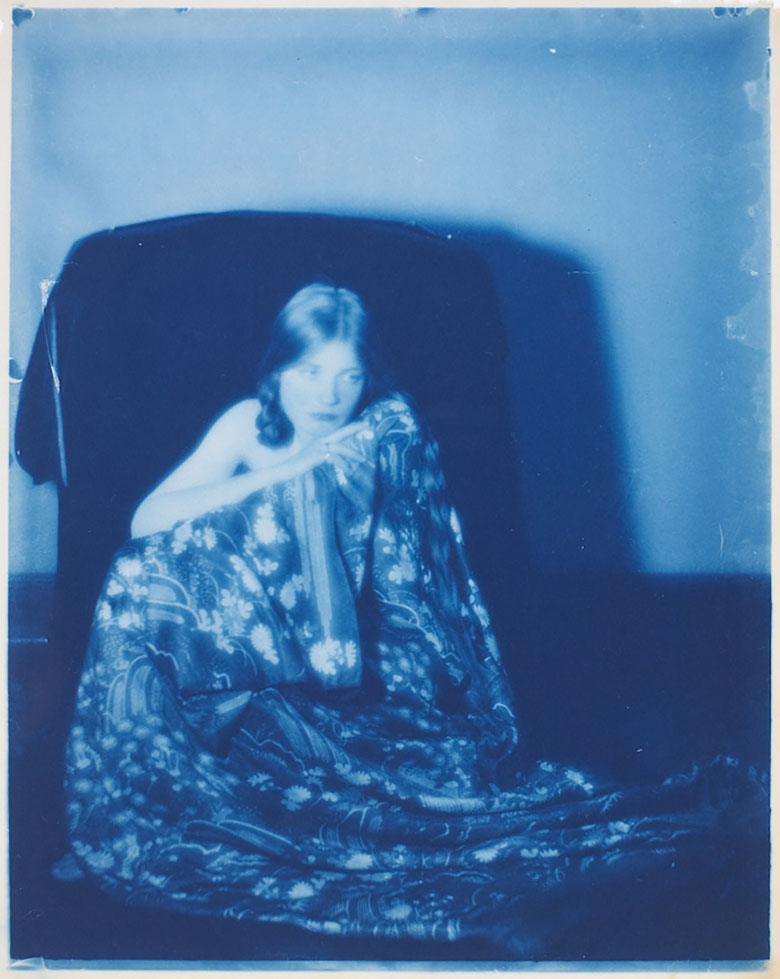
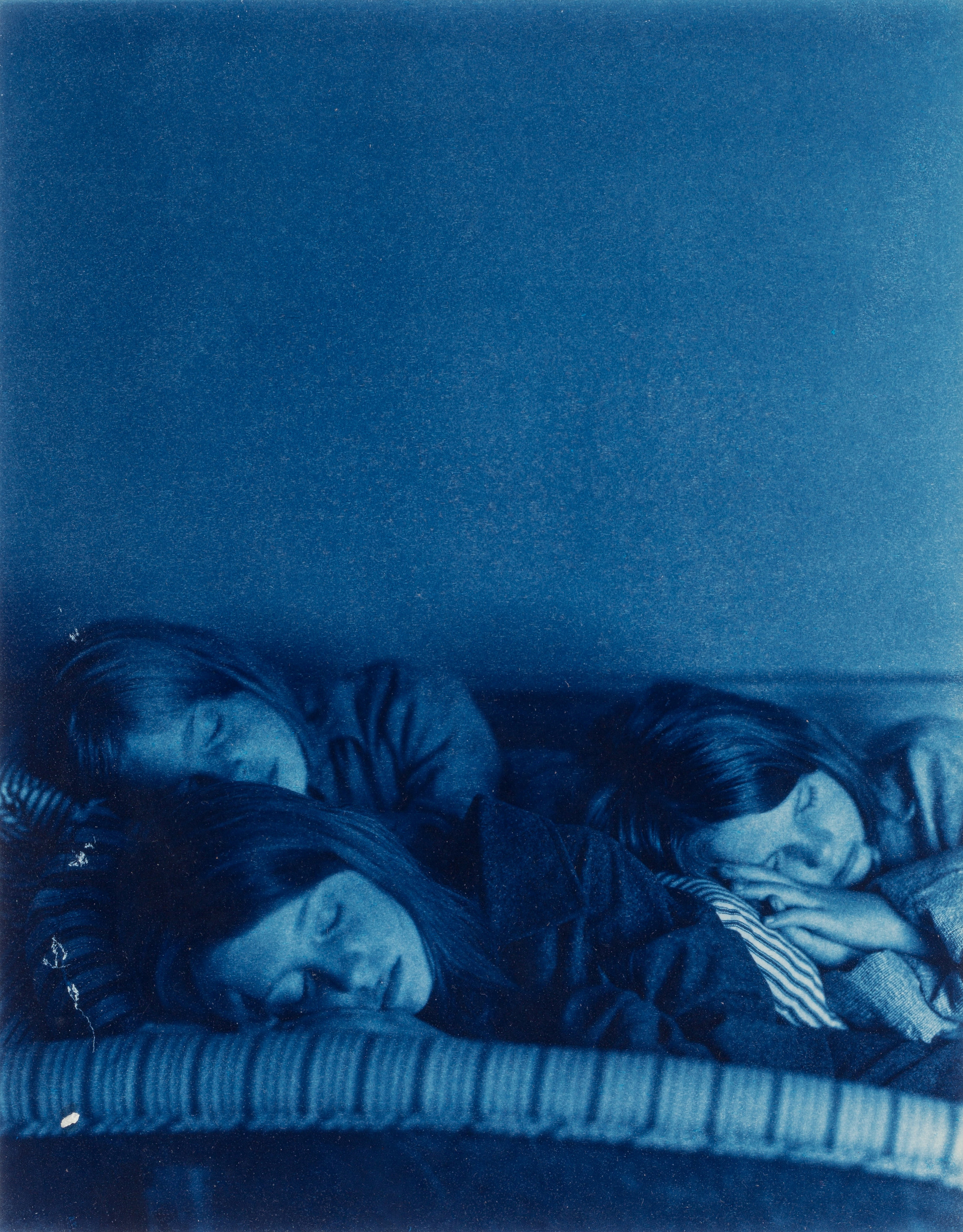
Edward Steichen ~ [Dana Steichen draped in shawl], ca. 1920. Cyanotype and palladium print. | src George Eastman museum
Edward Steichen ~ Dana Steichen Holding a Sunflower, ca. 1924. Cyanotype and palladium print. | src George Eastman Museum
Edward Steichen ~ [Dana Steichen draped in shawl], ca. 1920. Cyanotype and experimental process. | src George Eastman Museum

Flo Peterson in Kimono, ca. 1909

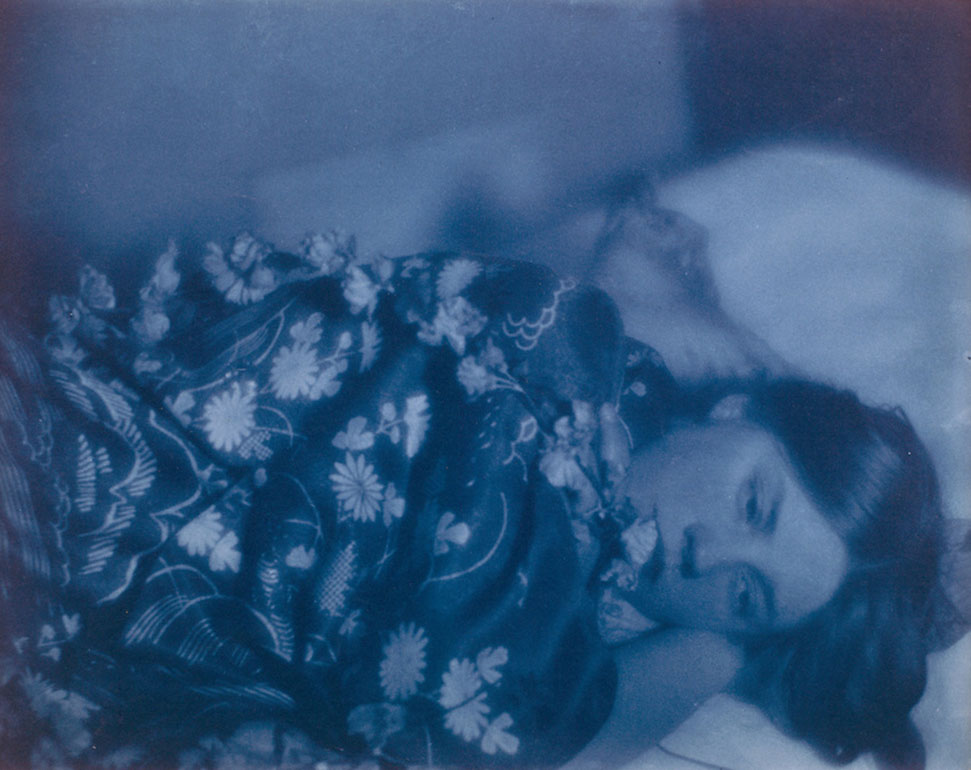
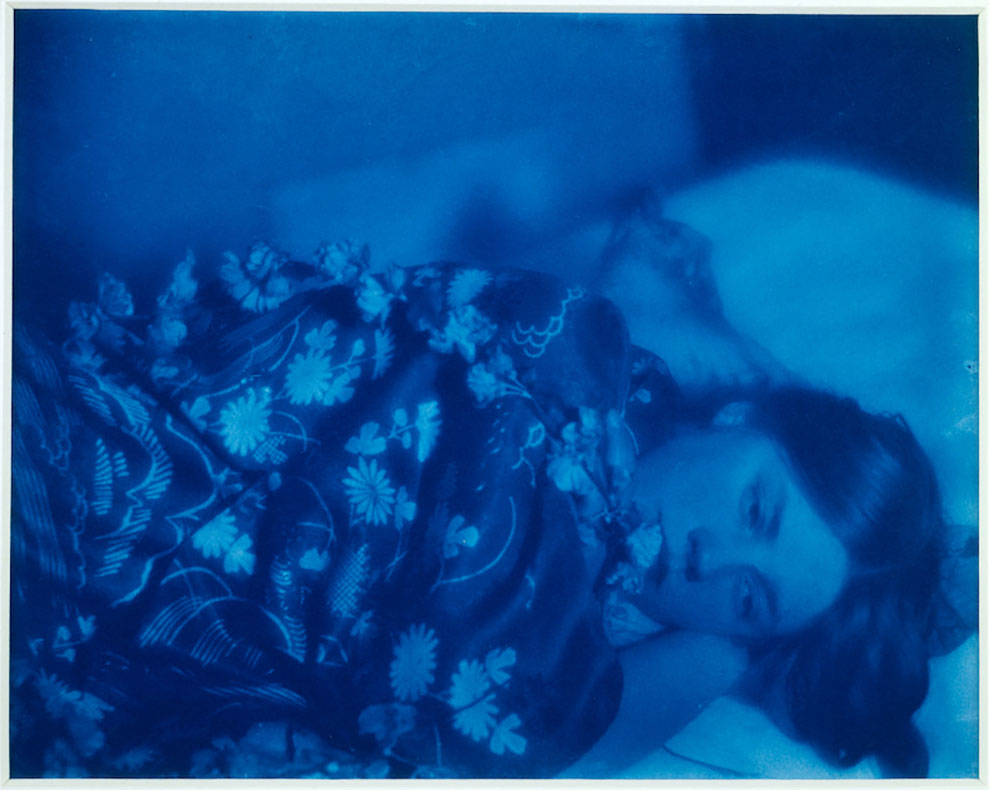
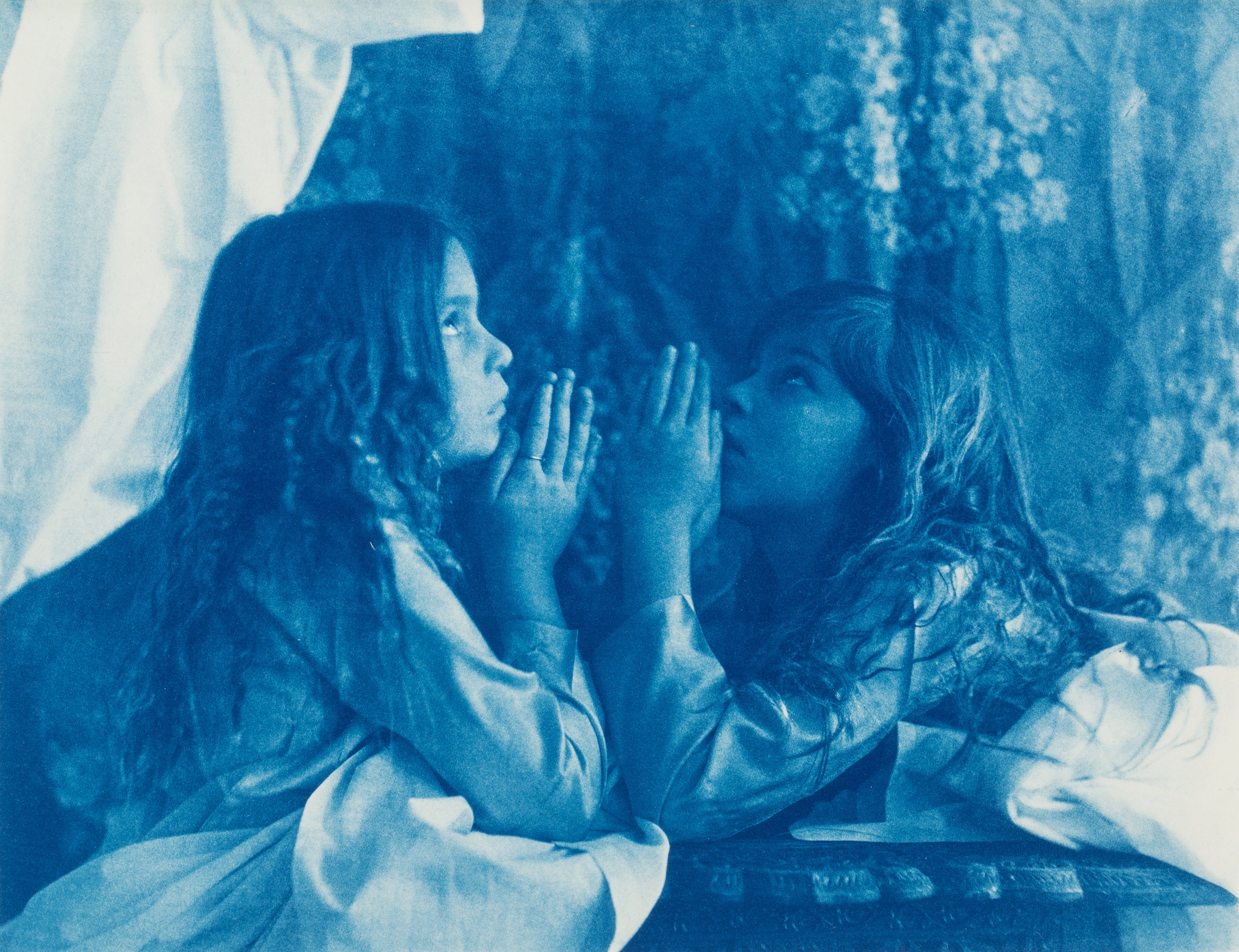
Paul B. Haviland :: Florence Peterson allongée, en kimono à fleurs, entre 1909 et 1910, Cyanotype. | src Musée d'Orsay
Paul B. Haviland :: Florence Peterson allongée, en kimono à fleurs, entre 1909 et 1910, Cyanotype. | src Musée d’Orsay
Paul B. Haviland :: Florence Peterson allongée, en kimono à fleurs, entre 1909 et 1910, Cyanotype. | src Musée d'Orsay
Paul B. Haviland :: Florence Peterson allongée, en kimono à fleurs, entre 1909 et 1910, Cyanotype. | src Musée d’Orsay
Paul B. Haviland :: Florence Peterson en kimono, entre 1909 et 1910, Cyanotype. | src Musée d'Orsay
Paul B. Haviland :: Florence Peterson en kimono, entre 1909 et 1910, Cyanotype. | src Musée d’Orsay

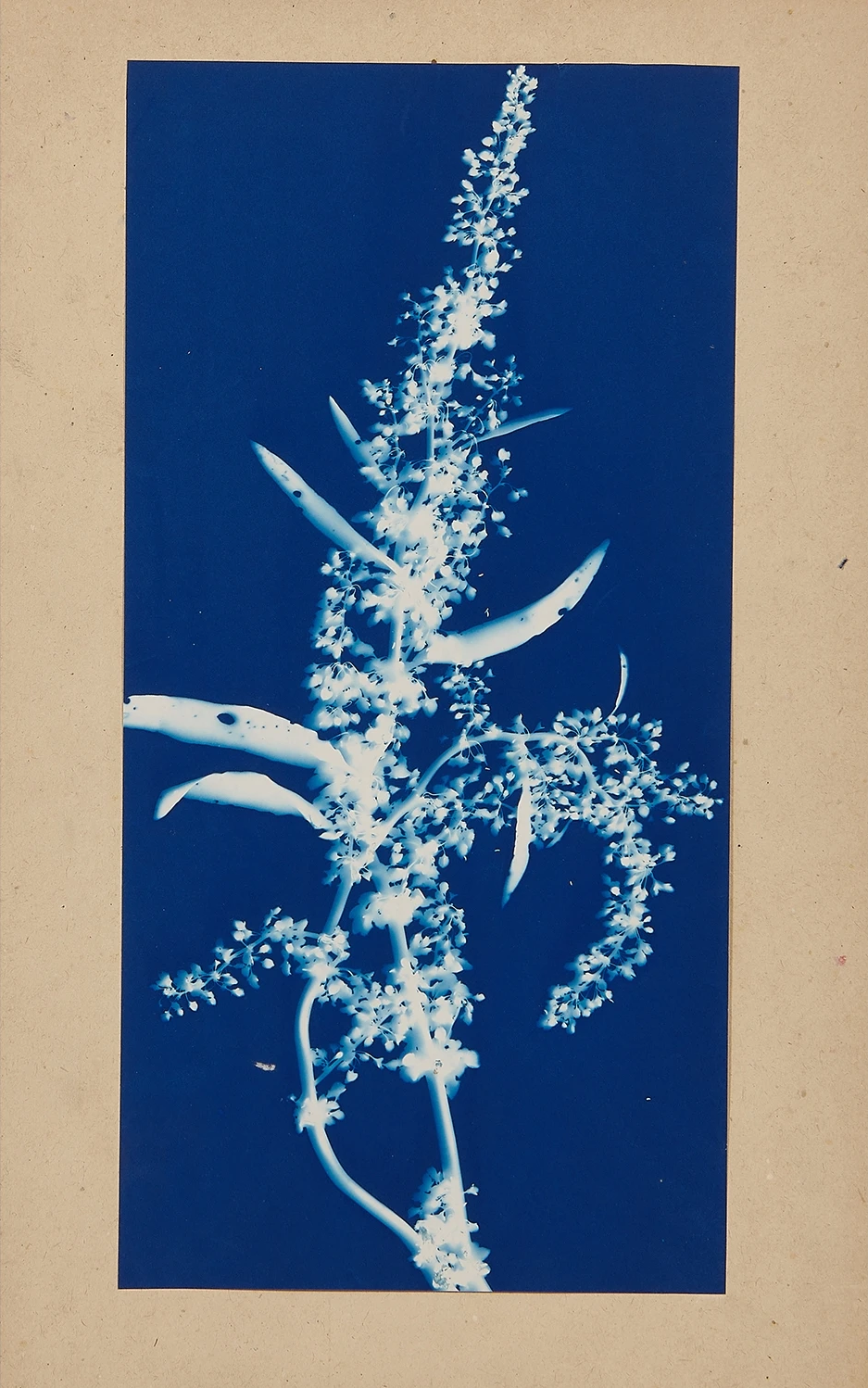
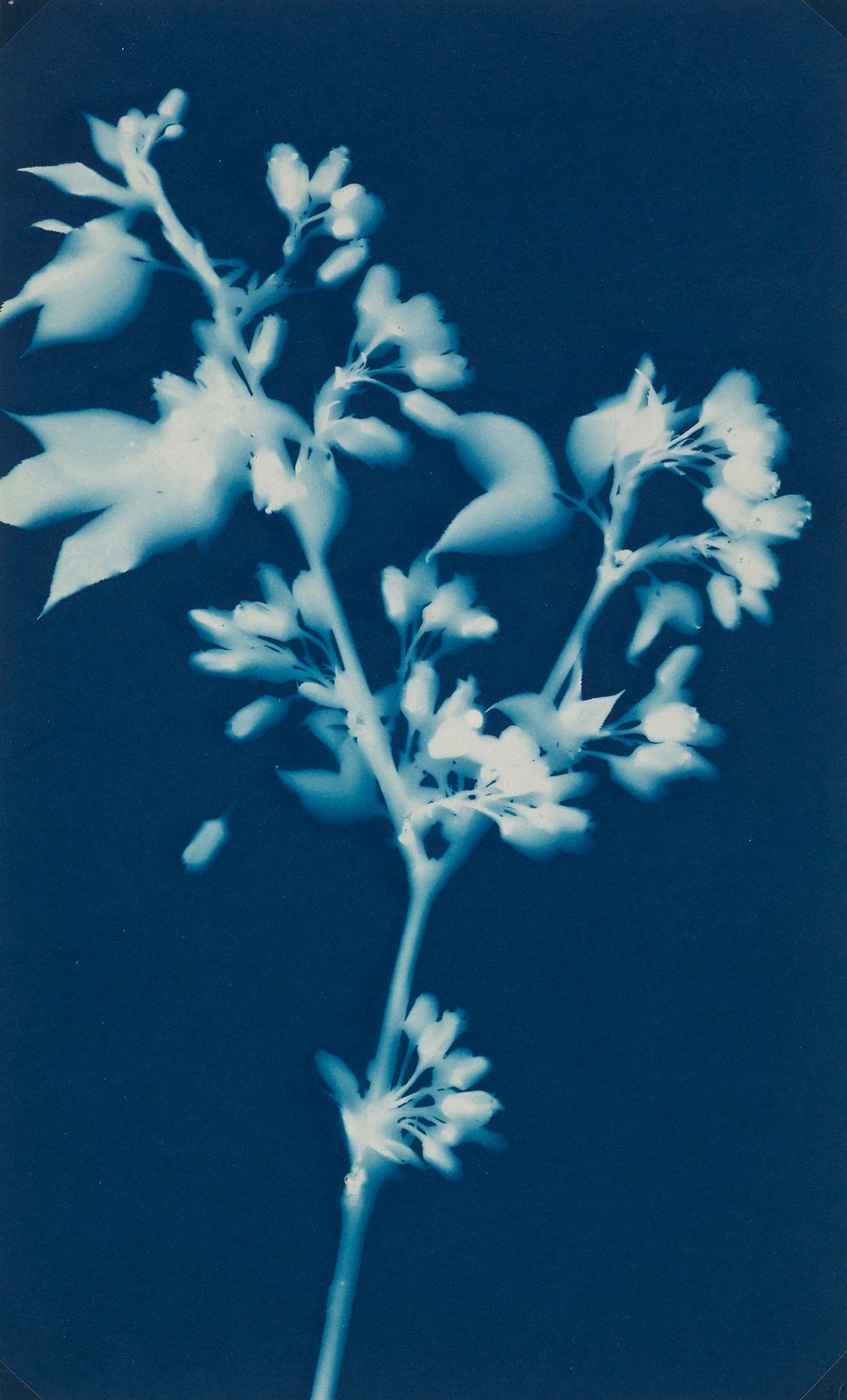
Blossoms of Dock by Jaques

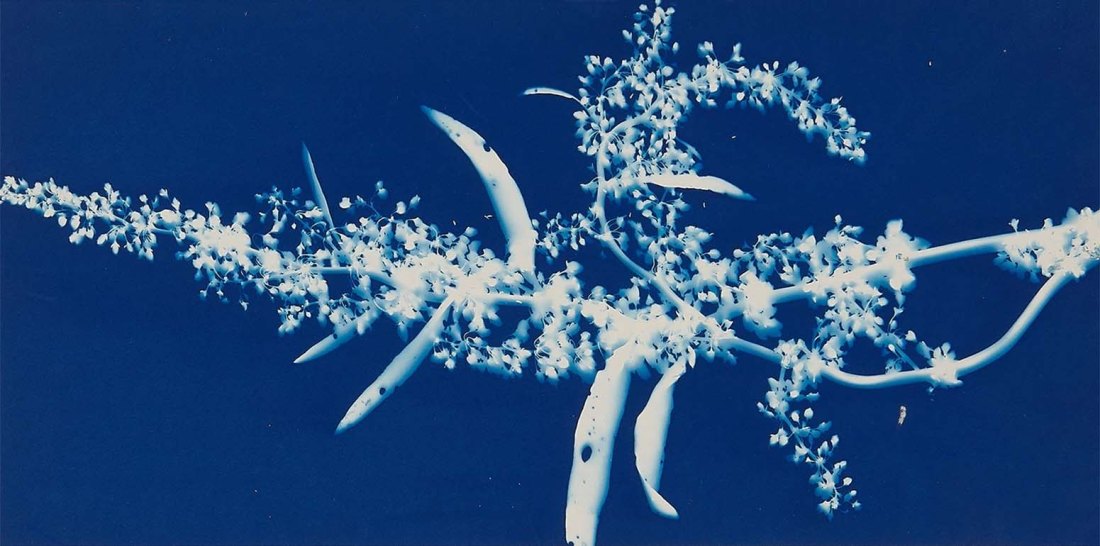
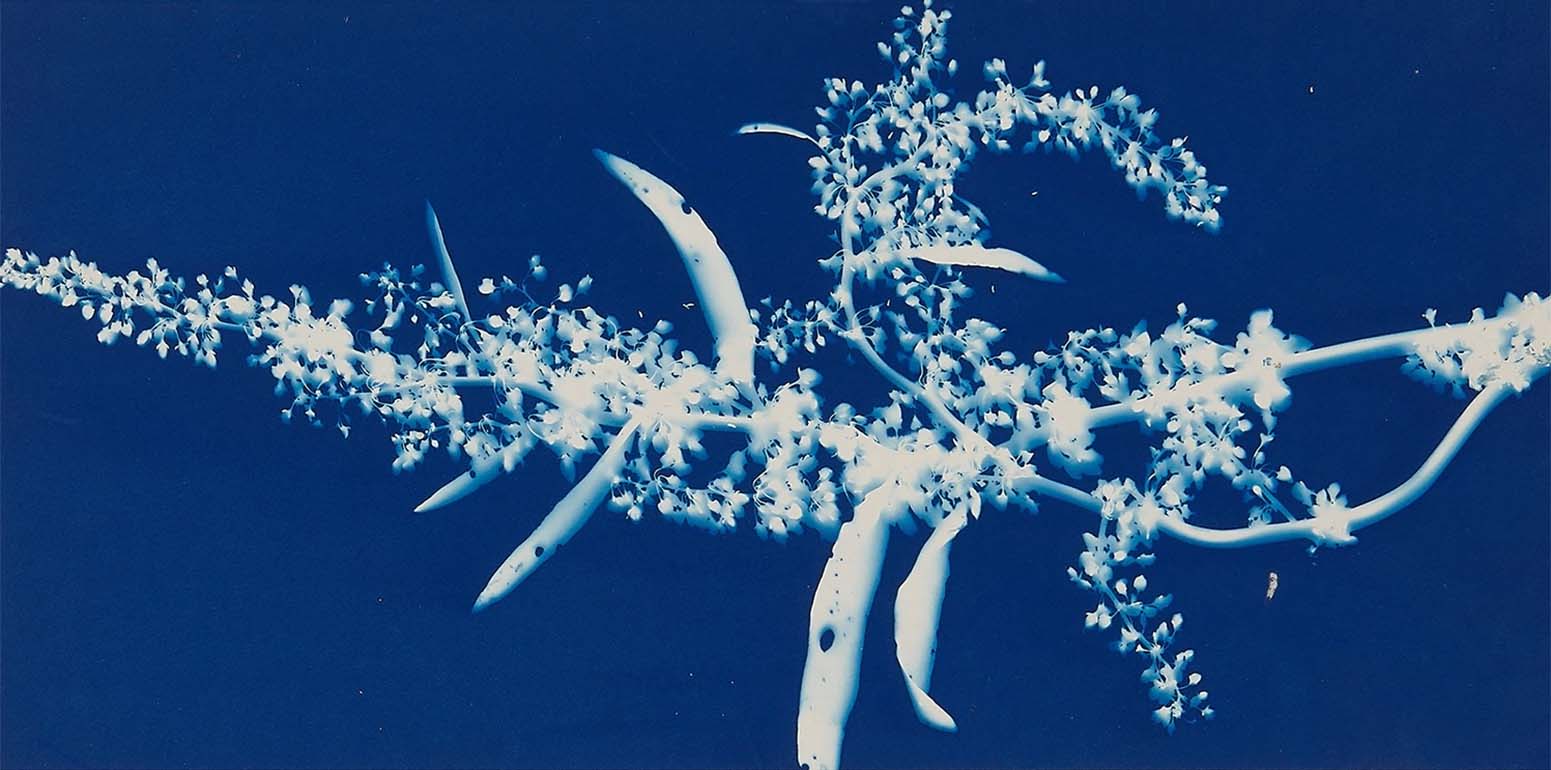
Bertha Evelyn Jaques :: Blossoms of Wild Dock, 1910. Cyanotype. | src MutualArt
Bertha Evelyn Jaques :: Blossoms of Dock, 1910. Cyanotype. | src MutualArt
Bertha Evelyn Jaques :: Blossoms of Wild Dock, 1910. Cyanotype. | src MutualArt
Bertha Evelyn Jaques :: Blossoms of Dock, 1910. Cyanotype. | src MutualArt
Bertha Evelyn Jaques :: Blossoms of Wild Dock, 1910. Cyanotype. | src MutualArt

Jaques was already a respected printmaker when she began making cyanotype photograms of wildflowers. An active member of the Wild Flower Preservation Society, she created over a thousand of these botanical images. Made without a camera by placing objects directly on sensitized paper and exposing it to light, the photogram is the least industrialized type of photography. Because prints were easy to produce by this method, it achieved wide popularity. Graphic artists often chose this form of print because of its rich Prussian blue color. Aligned with the antimodernist views of the late Victorian Arts and Crafts movement, Jaques’s work reflects a reverence for commonplace elements of nature and the beautifully crafted object.

Merry A. Foresta American Photographs: The First Century (Washington, D.C.: National Museum of American Art with the Smithsonian Institution Press, 1996). From Smithsonian American Art Museum (SAAM)
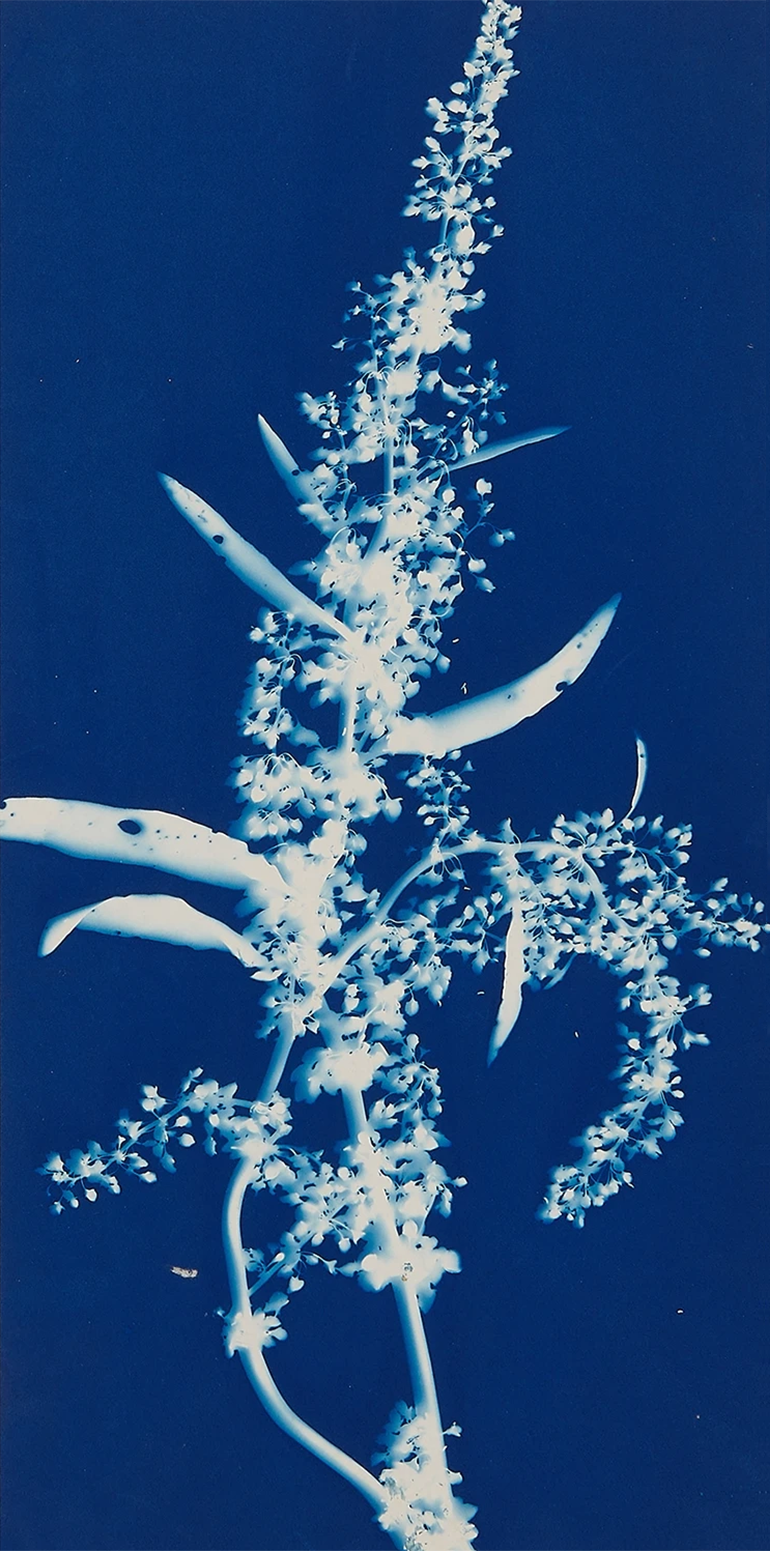
Bertha Evelyn Jaques :: Blossoms of Wild Dock, 1910. Cyanotype. | src MutualArt

Dandelion Seeds by Jaques

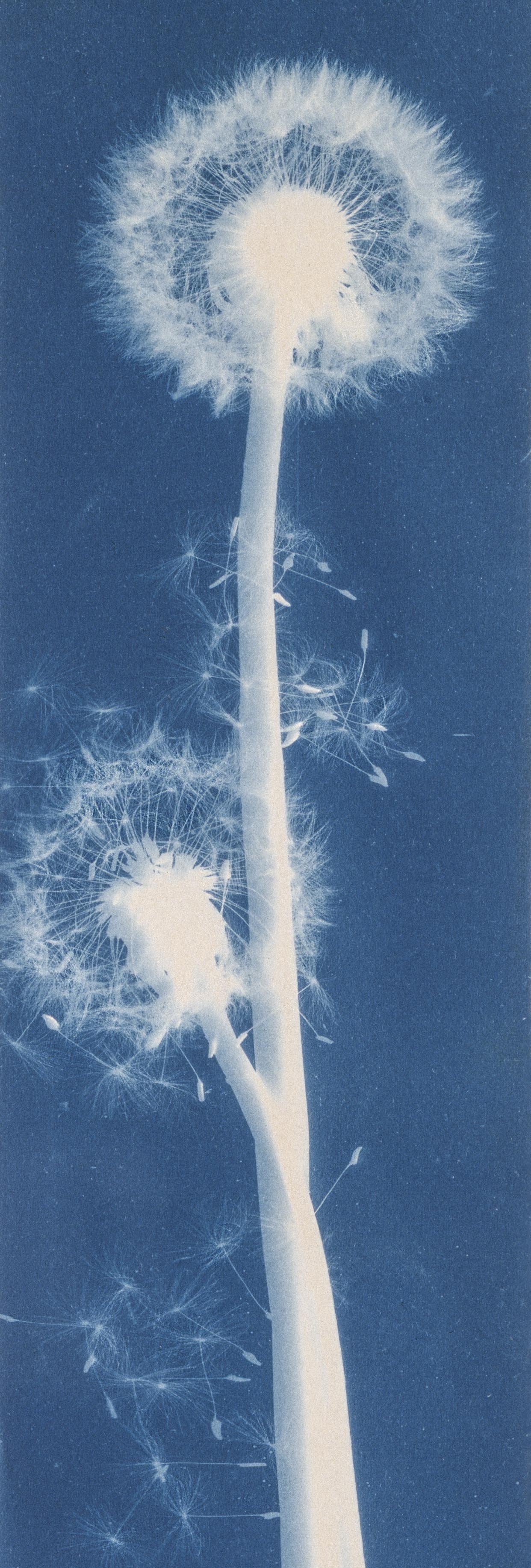
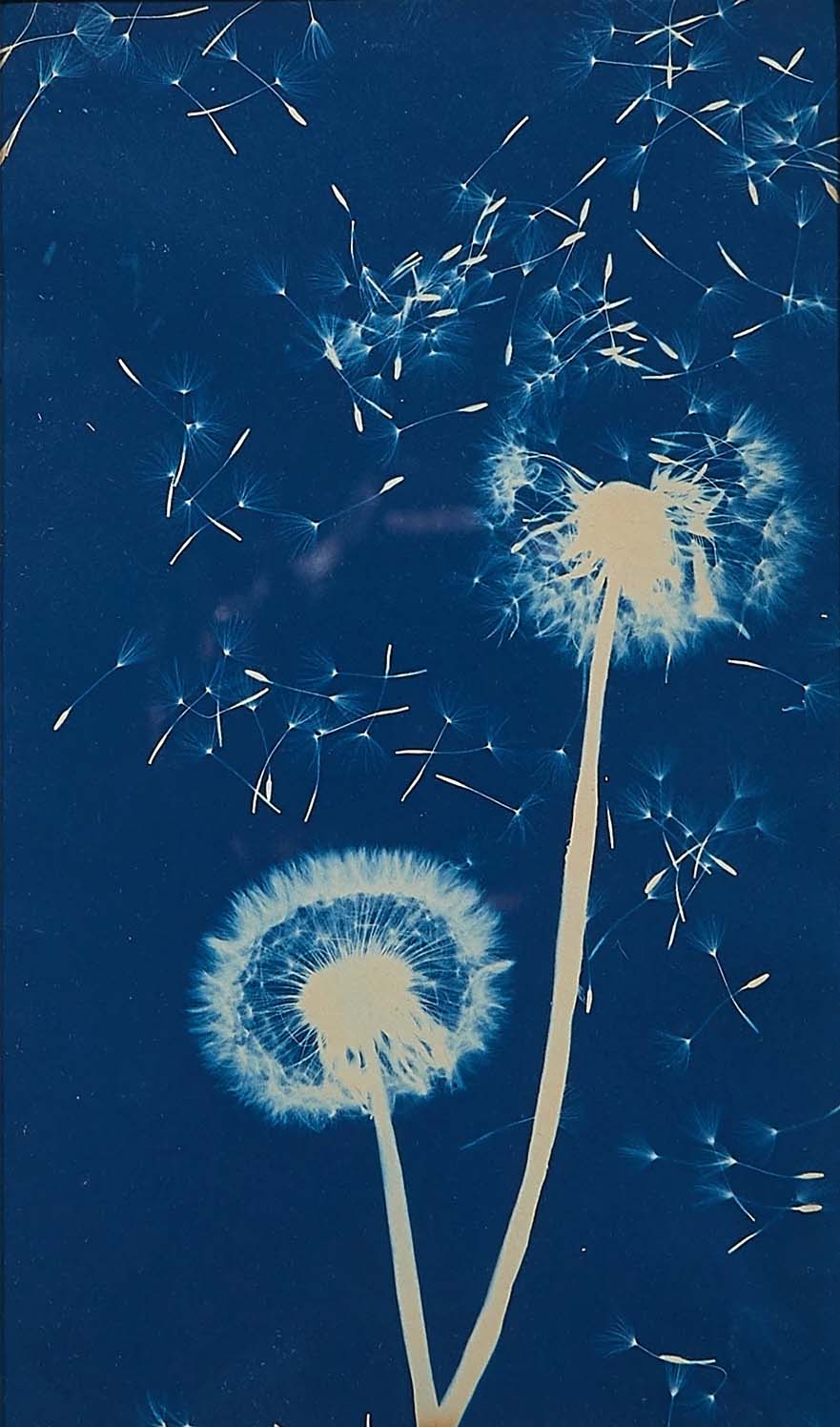
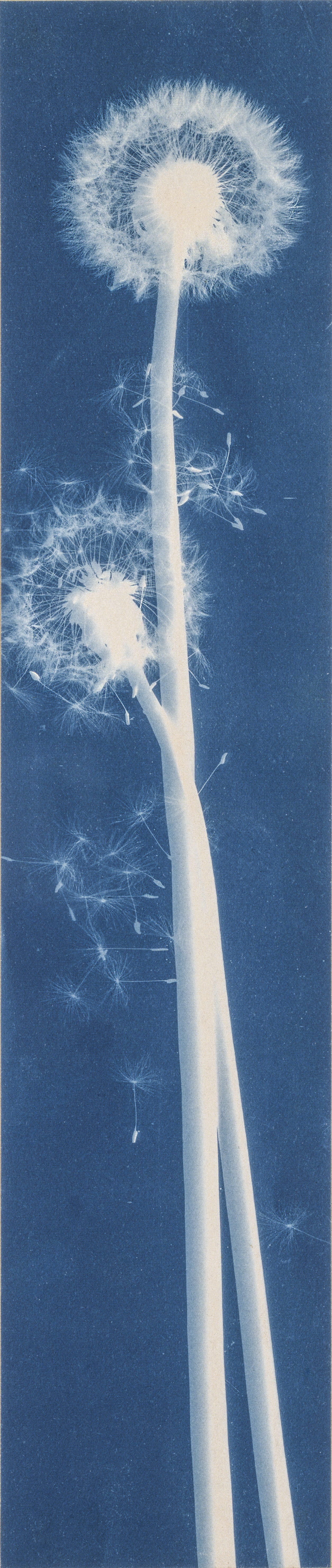
Bertha E. Jaques :: Dandelion Seeds, Taraxacium Officinale, ca. 1910, cyanotype photogram. | src Smithsonian American Art Museum
Bertha E. Jaques :: Dandelion Seeds, Taraxacium Officinale, ca. 1910, cyanotype photogram. (detail) | src Smithsonian American Art Museum
Bertha E. Jaques :: Dandelion Seeds, Taraxacium Officinale, ca. 1910, cyanotype photogram. | src Smithsonian American Art Museum
Bertha Evelyn Jaques :: Dandelion Seeds. A starry firmament, 1904. Cyanotype. | src MutualArt
Bertha E. Jaques :: Dandelion Seeds, Taraxacium Officinale, ca. 1910, cyanotype photogram (full size). Scan from color transparency. | src Smithsonian American Art Museum

Jaques was already a respected printmaker when she began making cyanotype photograms of wildflowers. An active member of the Wild Flower Preservation Society, she created over a thousand of these botanical images. [See Dandelion Seeds, Taraxacium Officinale, SAAM, 1994.91.89] Made without a camera by placing objects directly on sensitized paper and exposing it to light, the photogram is the least industrialized type of photography. Because prints were easy to produce by this method, it achieved wide popularity. Graphic artists often chose this form of print because of its rich Prussian blue color. Aligned with the antimodernist views of the late Victorian Arts and Crafts movement, Jaques’s work reflects a reverence for commonplace elements of nature and the beautifully crafted object.

Merry A. Foresta American Photographs: The First Century (Washington, D.C.: National Museum of American Art with the Smithsonian Institution Press, 1996). From Smithsonian American Art Museum (SAAM)
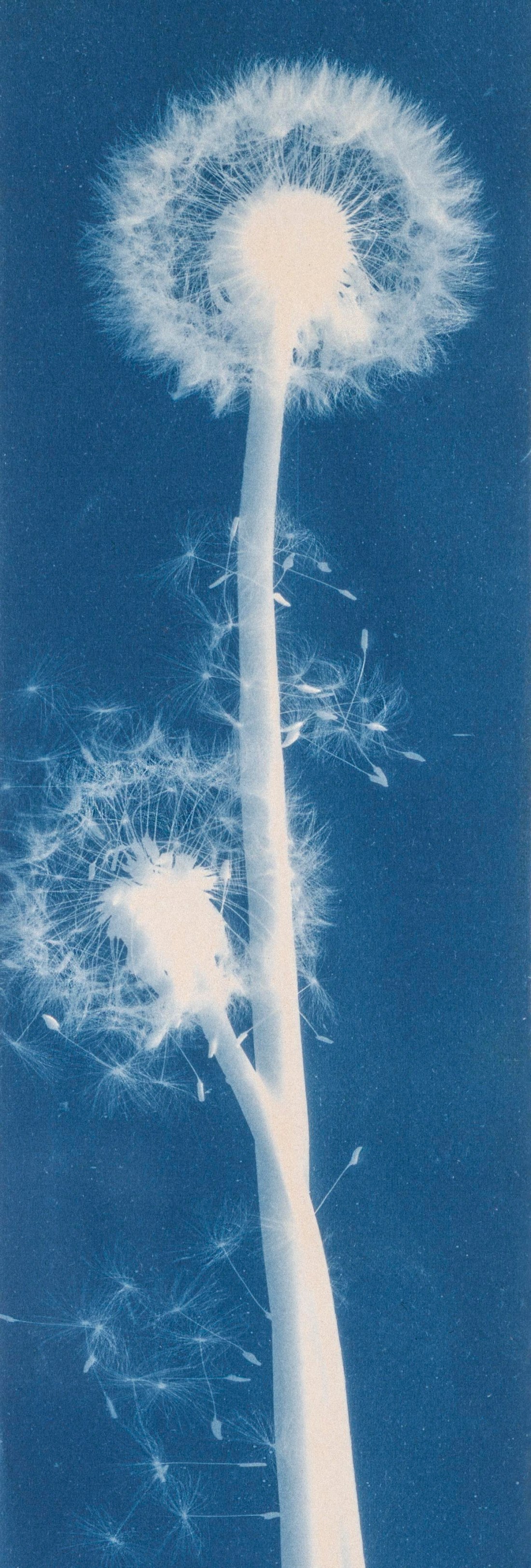
Bertha Jaques’ photograms

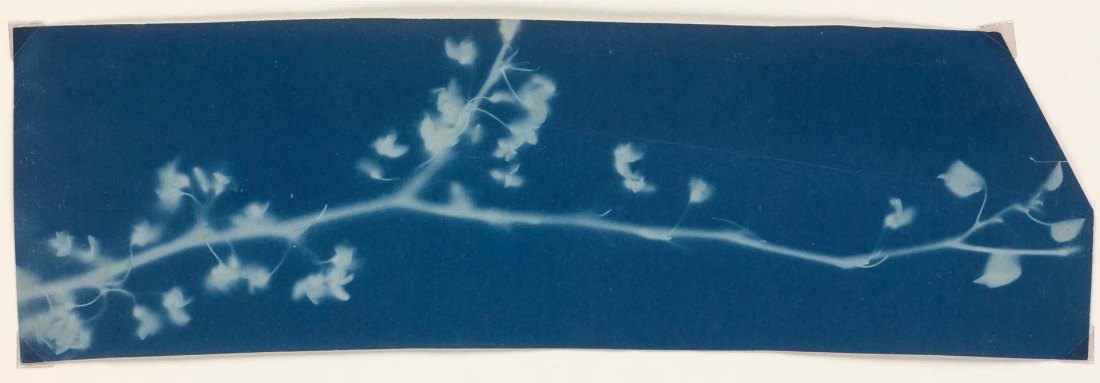
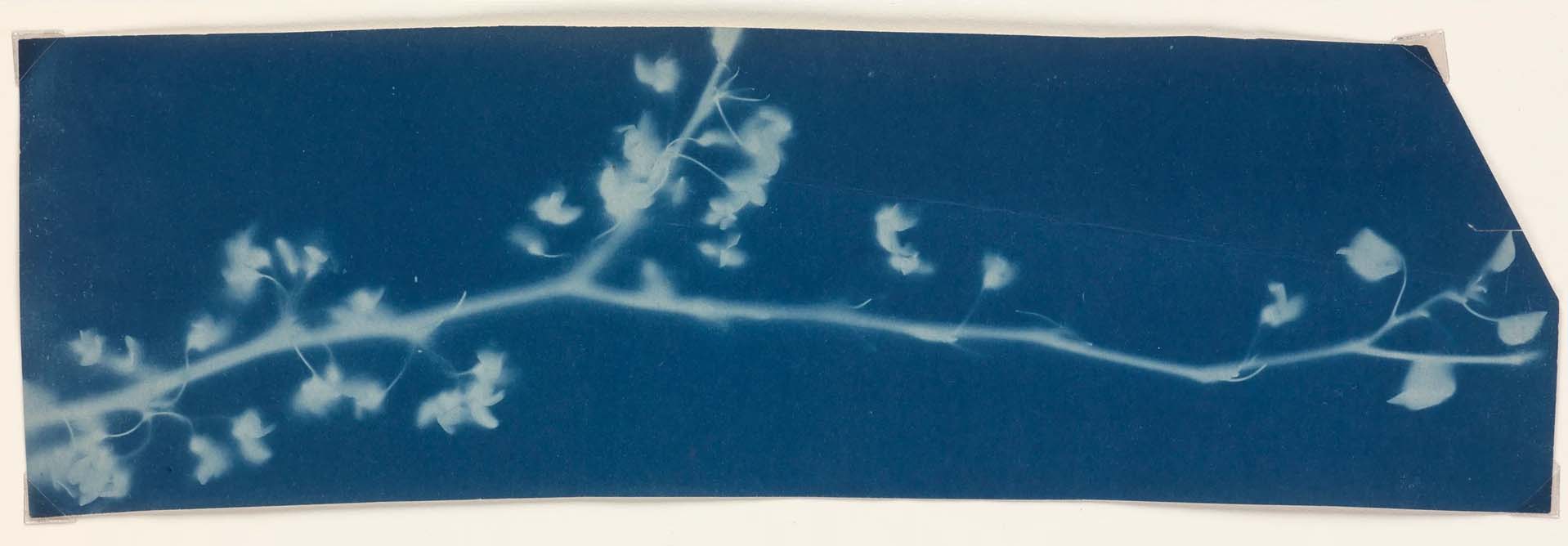
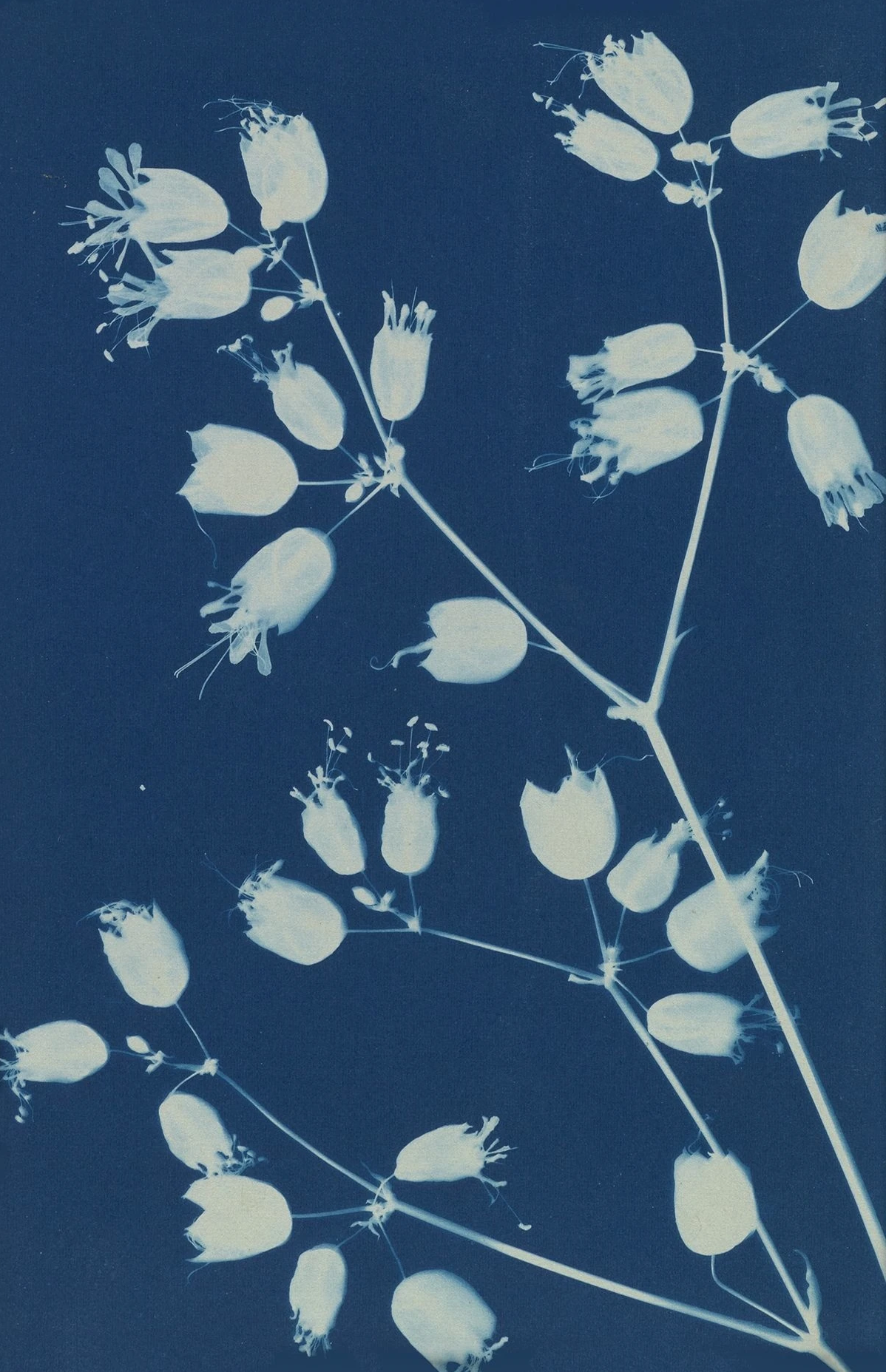
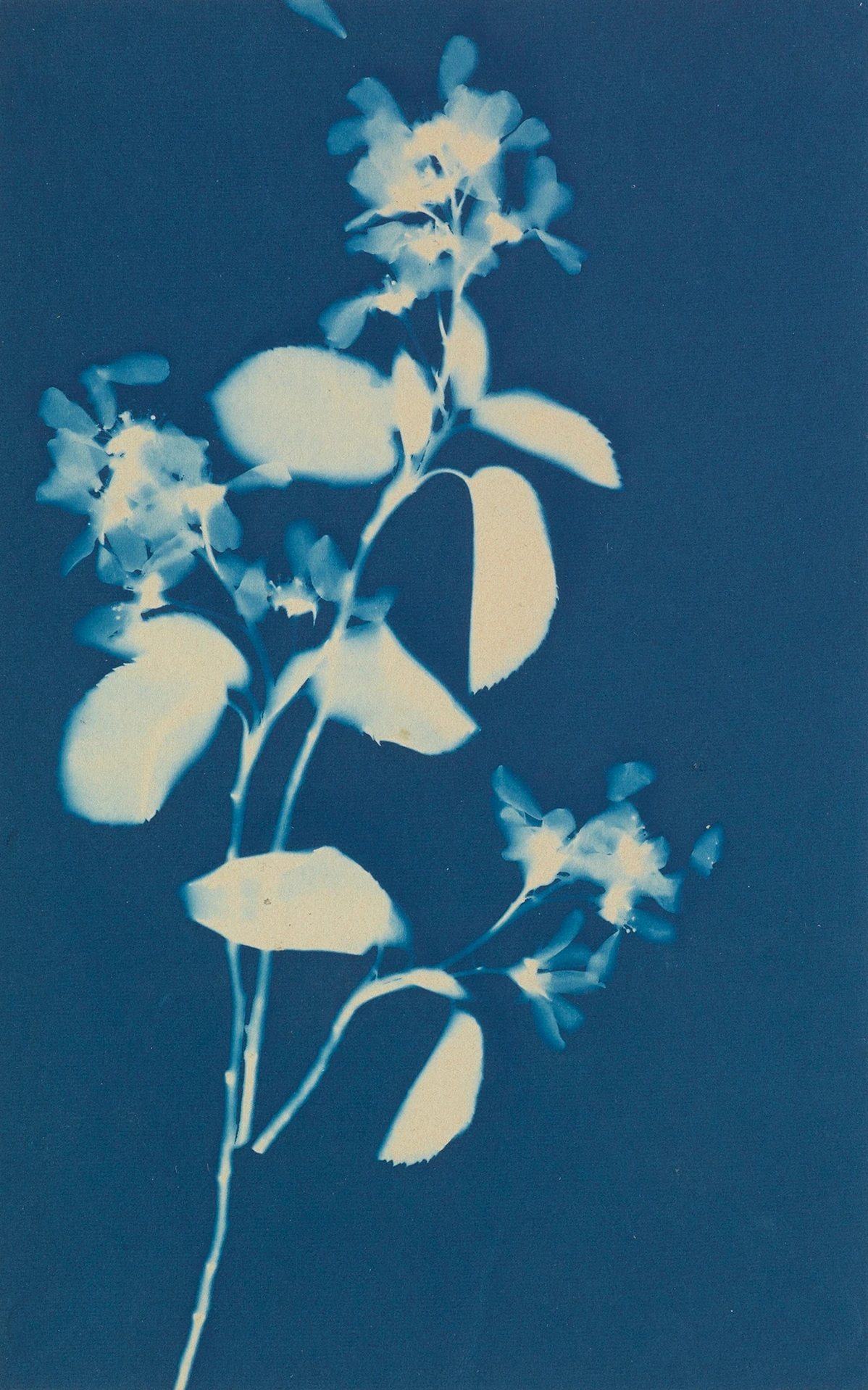
Bertha Jaques :: Photogram of a botanical specimen, 1900-1906. Cyanotype. | src MutualArt
Bertha Evelyn Jaques :: Photogram of a botanical specimen, 1900-1906. Cyanotype. | src MutualArt
Bertha Jaques :: Photogram of a botanical specimen, 1900-1906. Cyanotype. | src MutualArt and Elizabeth Houston Gallery
Bertha Jaques :: Photogram of a botanical specimen, 1900-1906. Cyanotype. | src MutualArt
Bertha Evelyn Jaques :: Photogram of a botanical specimen, 1900-1906. Cyanotype. | src MutualArt
Bertha Jaques :: Photogram of a botanical specimen, 1900-1906. Cyanotype. | src MutualArt and Elizabeth Houston Gallery

Cyanotypes of vs. flowers

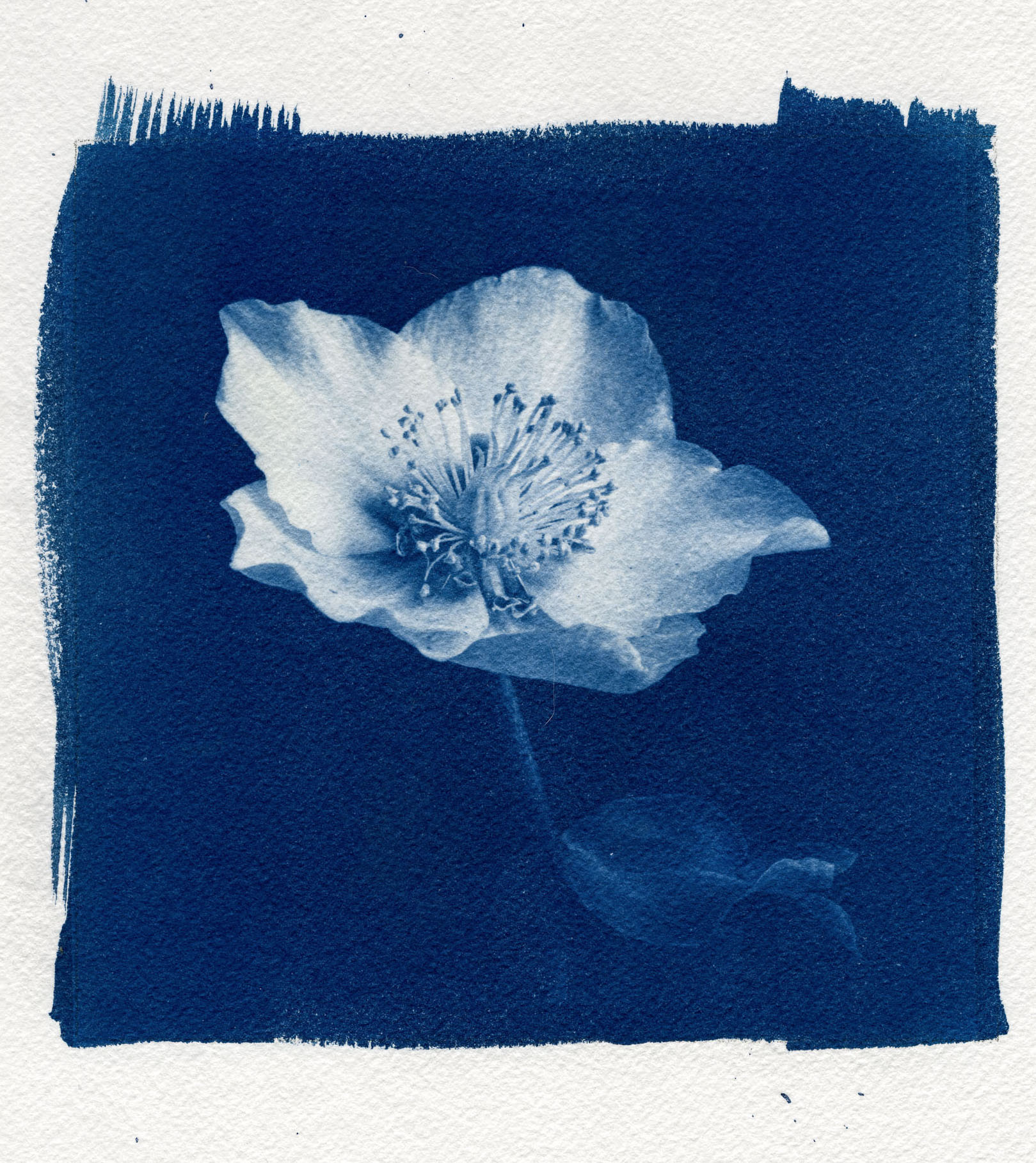
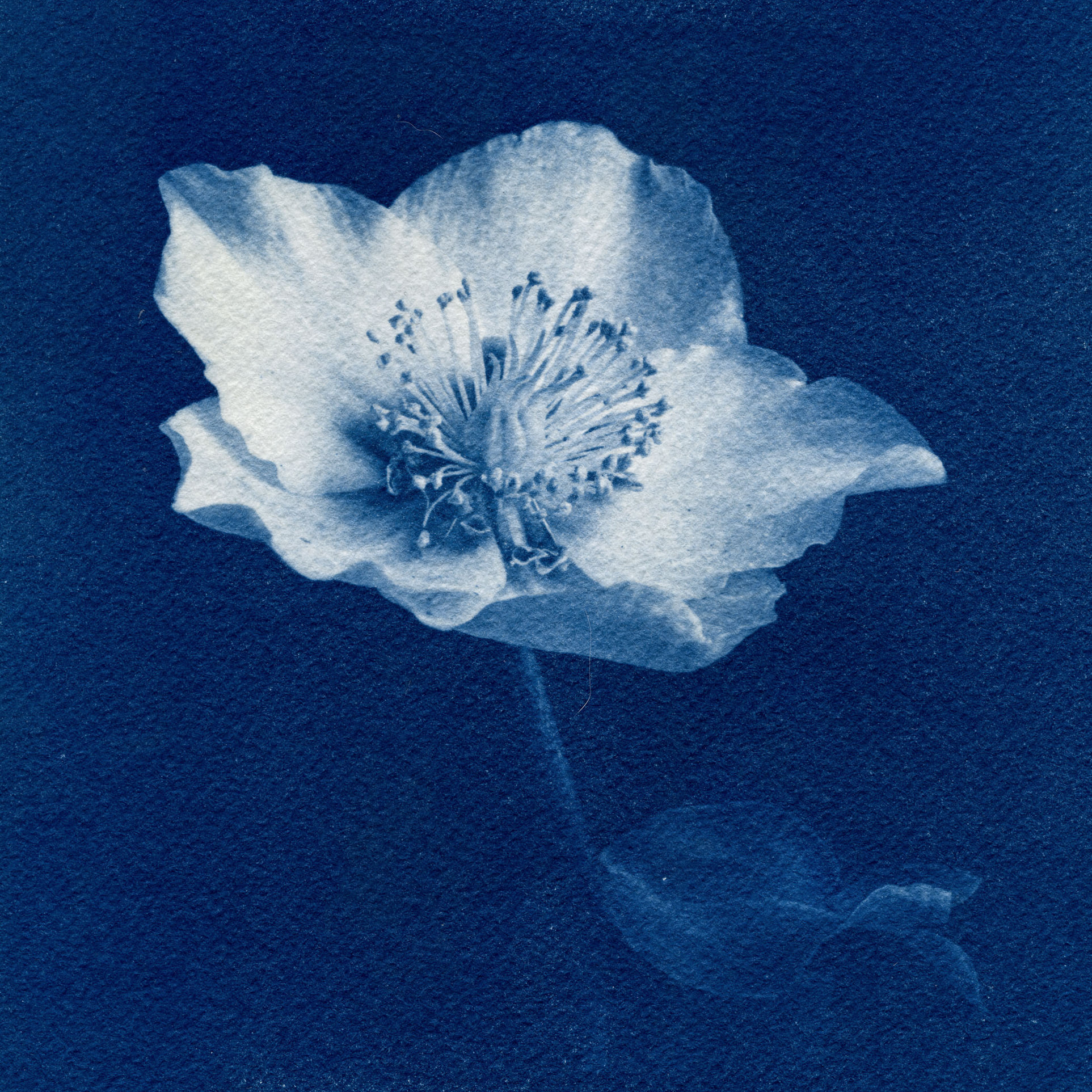
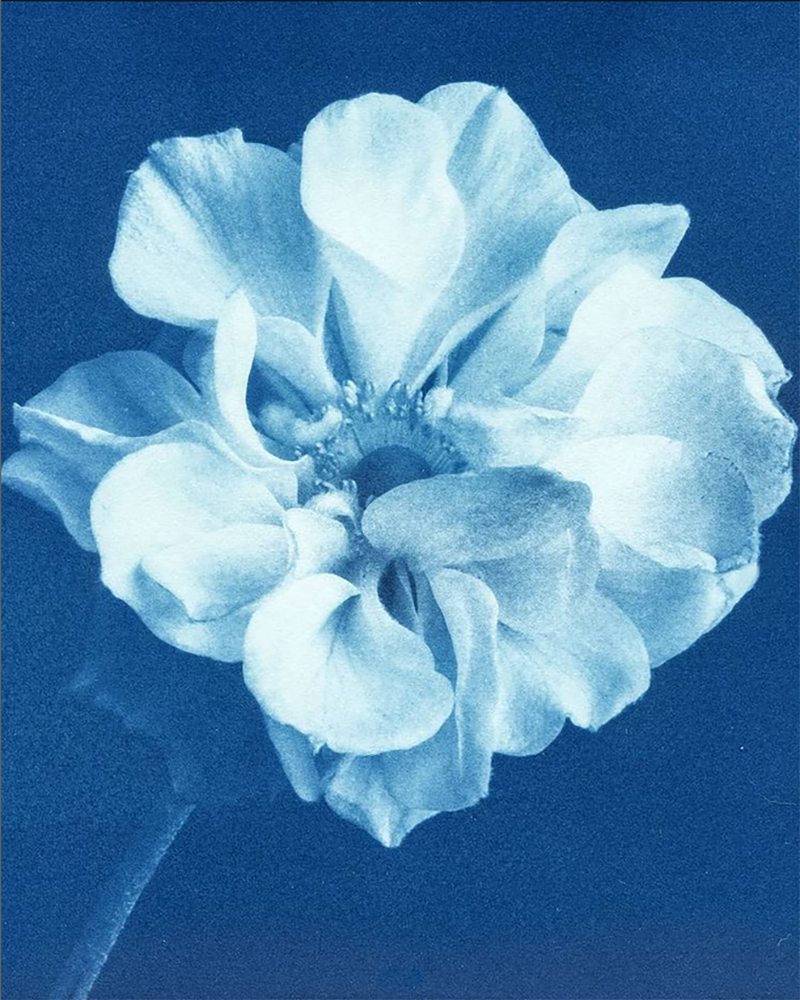
Rosalind Hobley :: Cyanotype print of a Christmas Rose (Hellebore). From Still life (Flora). | src R. Hobley on IG
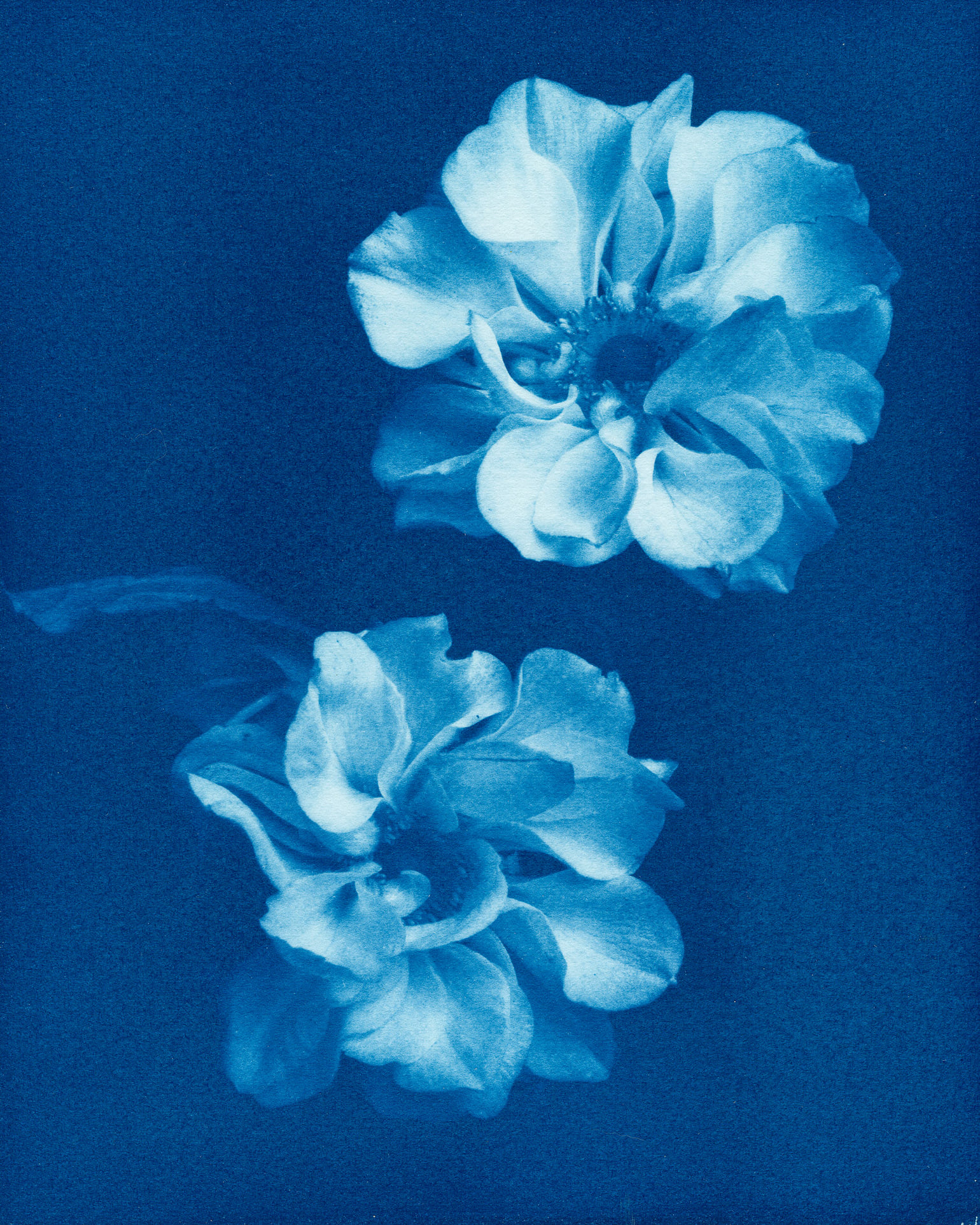
Rosalind Hobley :: Cyanotype print of Anemones. From Still Life (Flora). | src Hobley website
Rosalind Hobley :: Anemone IV, 2021. Cyanotype print. From Still life (Flora). | src R. Hobley on IG
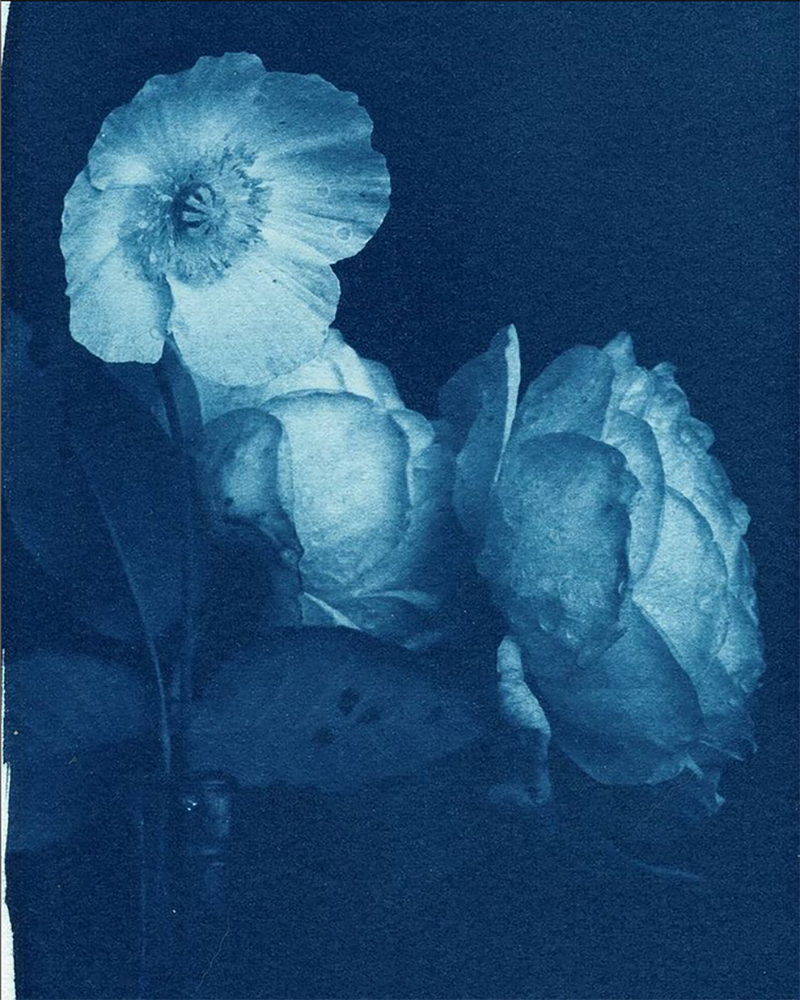
Rosalind Hobley :: Cyanotype of yellow poppy in a jug with 2 Abraham Darby roses. | src R. Hobley on IG