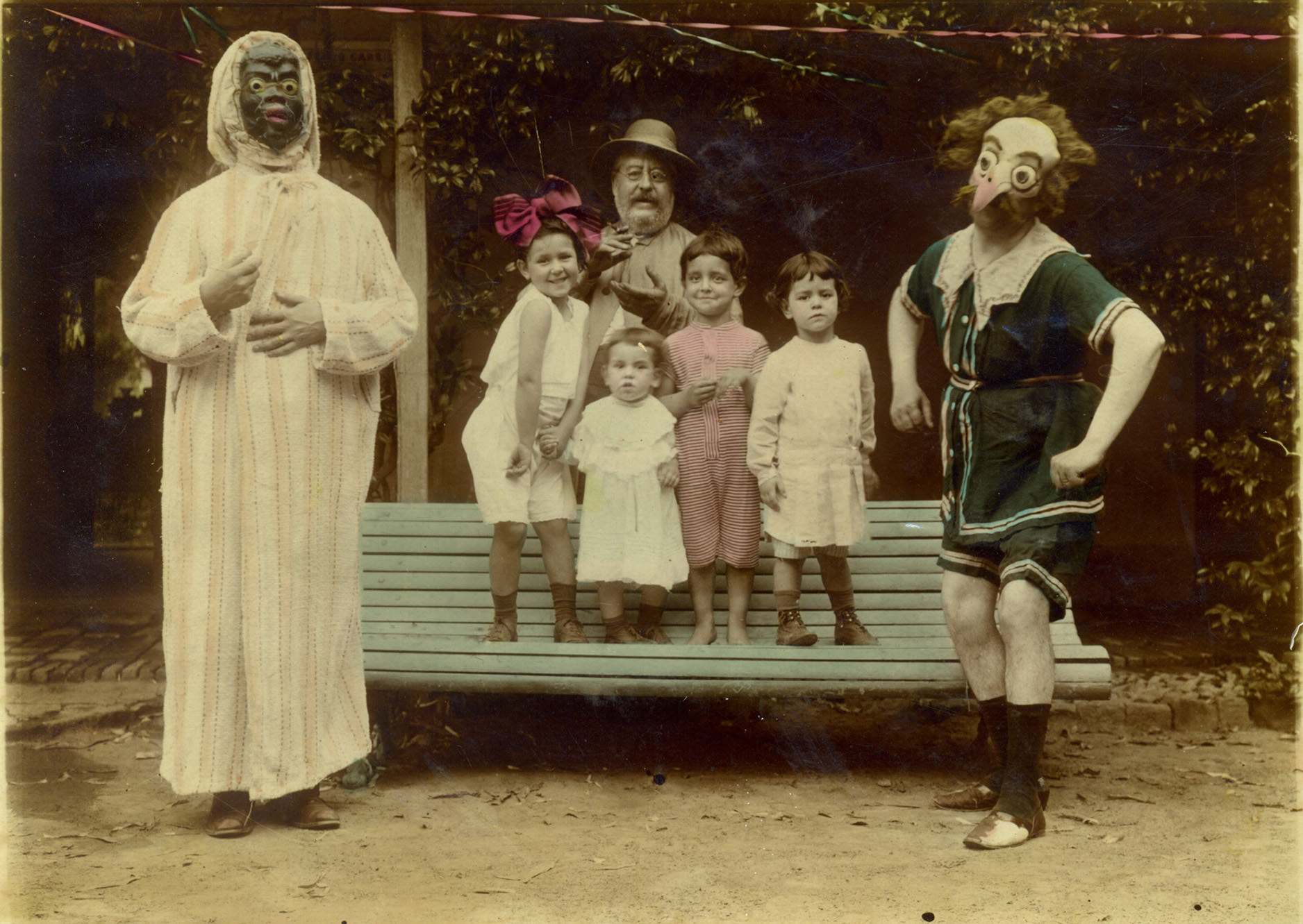
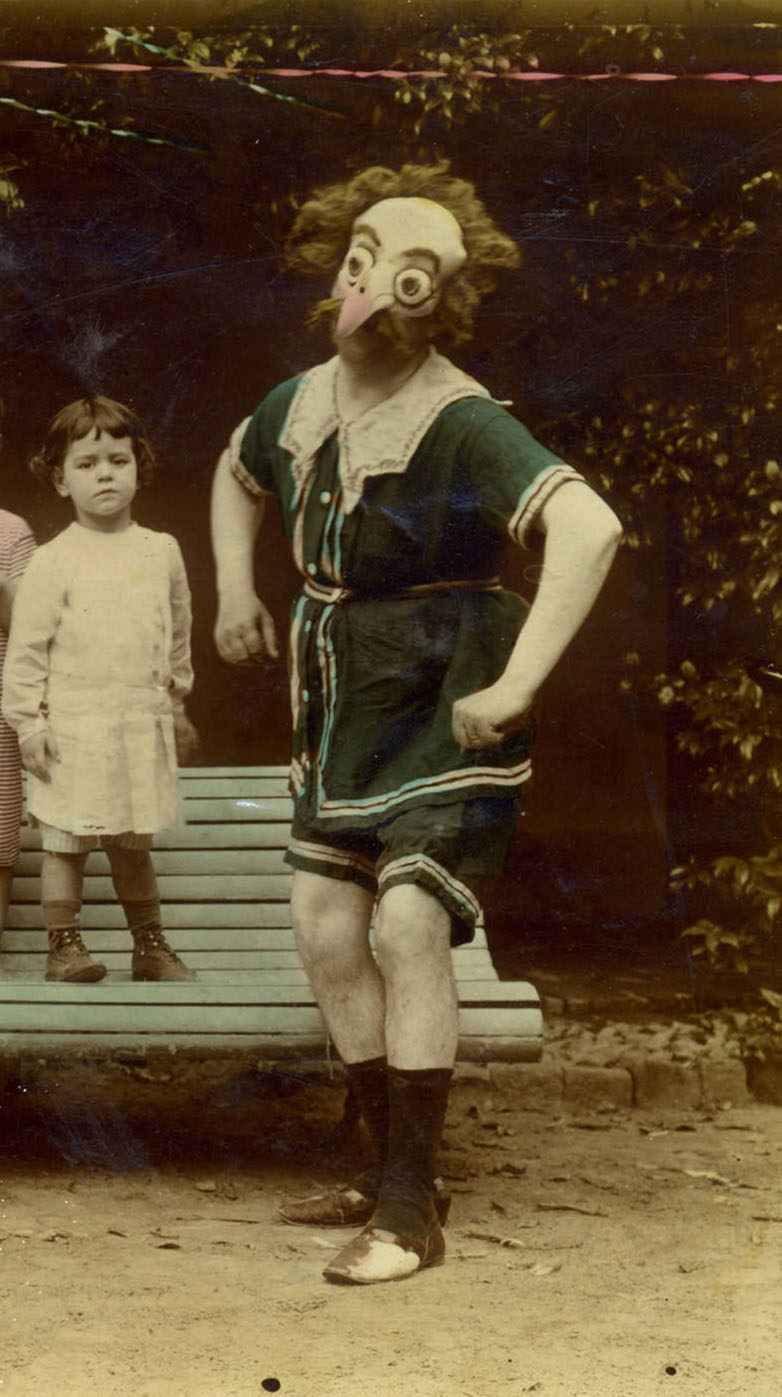
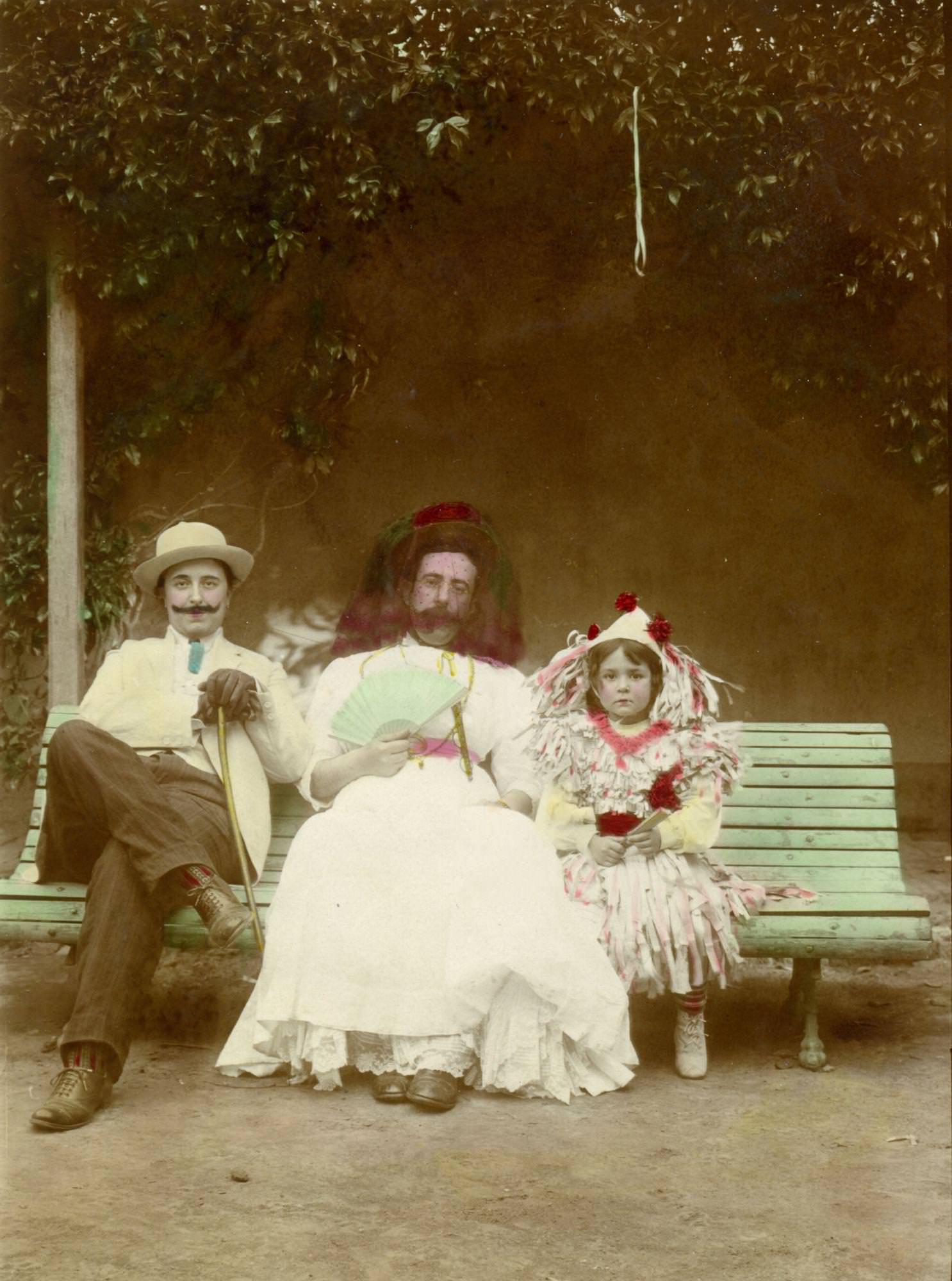
Oliver family. Carnival at chacra Santa Ana. Pepe Salas with Josefina’s bathing suit, San Vicente, Buenos Aires, Argentina, February 1910. Photograph hand colored by Josefina Oliver | src YO Josefina OliverSiblings García Oliver, San Vicente, Buenos Aires, Argentina, 1909. Photograph hand colored by Josefina Oliver | src Josefina OliverCarnival. Pepe Salas with Josefina’s bathing suit, San Vicente, Buenos Aires, Argentina, February 1910 [Detail]Josefina Oliver and Pepe Salas cross dressed with niece, San Vicente, March 1908. Hand colored photograph by Josefina Oliver | src YO Josefina Oliver
‘(…) Sunday 8th- Very nice day. Carnival’s burial. (…) Pepe went hunting and I dressed up as a man having a succès d’estime. Pepe came a little later and I decked him out with a dress of mine, Porota wore her paper suit and after dressing up granddaddy ridiculously, we devoted ourselves to perpetuate the memory of our joke through photography. As the audience, all the people from the kitchen, Luis, his wife, his children and even the workman celebrating the scene (…)’. Diary 4, p. 257 and 258, March 1908
Postcard sent by Josefina to her sister Catalina, with her cross-dressed self-portrait, saying that it is a friend of Pepe, her husband.Nephews García Oliver cross-dressed, San Vicente, February 1910. Photograph hand colored by Josefina Oliver | src Josefina Oliver«Con los trajes trocados la Nena y Pedrito», San Vicente, February 1910 Hand colored photograph by Josefina Oliver | src YO Josefina Oliver
Josefina Oliver (1875-1956) began as a vocational photographer among her friends in 1897. Two years later, she takes the first one of her one hundred self-portraits and photographs her friends and relatives, houses’ interiors and landscapes in the family farm in San Vicente. Josefina, a common porteña, was almost invisible. Author of a luminous ouvre, hidden until 2006, as a consequence of a society that disregarded women’s inner self.
Josefina Oliver reflects this reality in her artistic work so far composed by 20 volumes of a personal diary, more than 2700 photographs, collages and postcards. Plenty of her shots are conceived with scenographies; she always develops them and paints the best copies with bright colors. She makes up twelve albums, four of them are wonderful and only have illuminated photographs. At the same time, a transversal humor appears behind her multiform ouvre.
Wilhelm von Gloeden (1856-1931) ~ Boy [Giacomo Lanfranchi] dressed as a girl, with cloak of cloth over head, Taormina, Sicily, 1906. Albumen silver print from glass negative | src The MetWilhelm von Gloeden~ [Boy dressed as girl in Gypsy lace shawl], ca. 1900 | src Palmer Museum of Art of The Pennsylvania State University
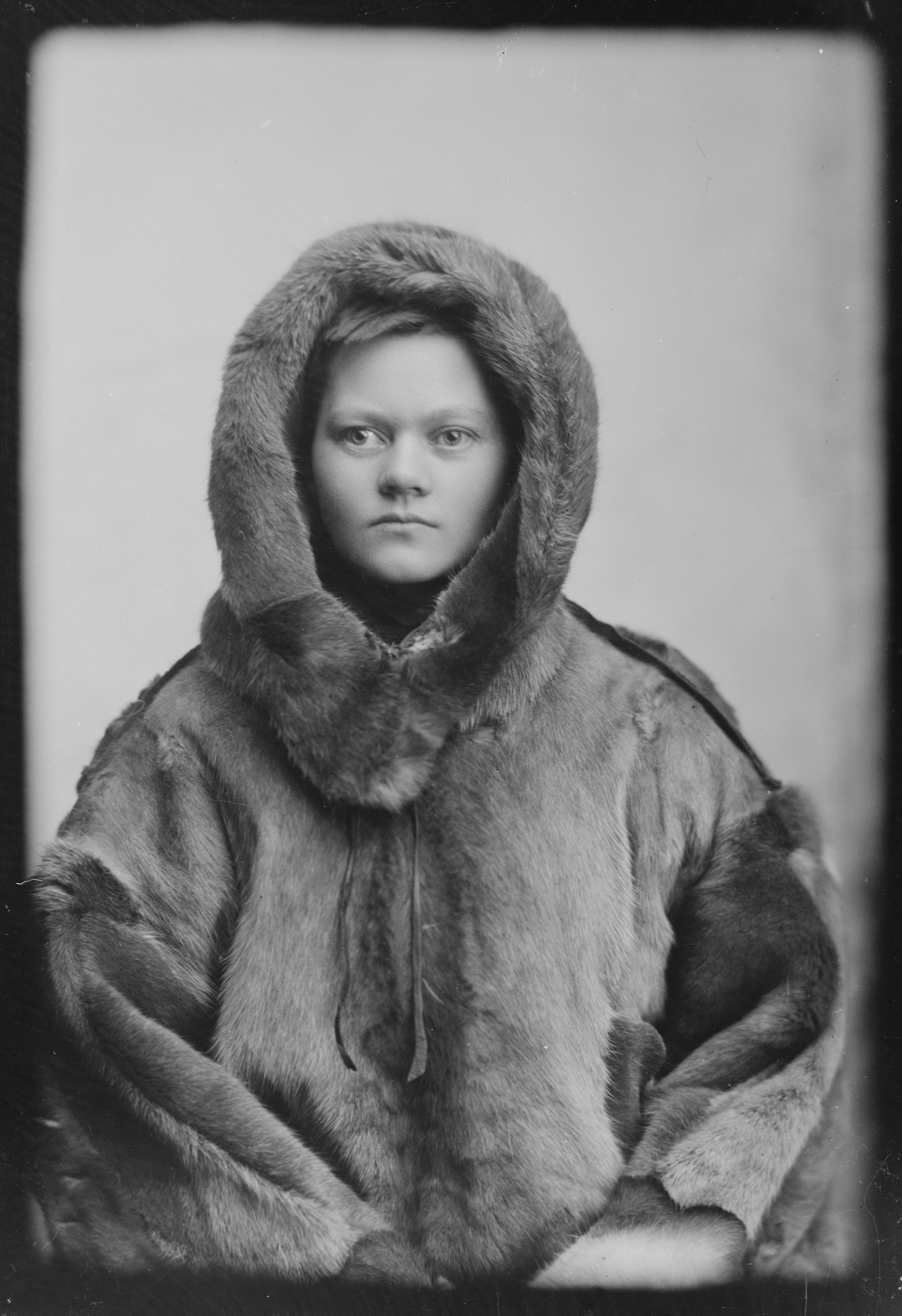
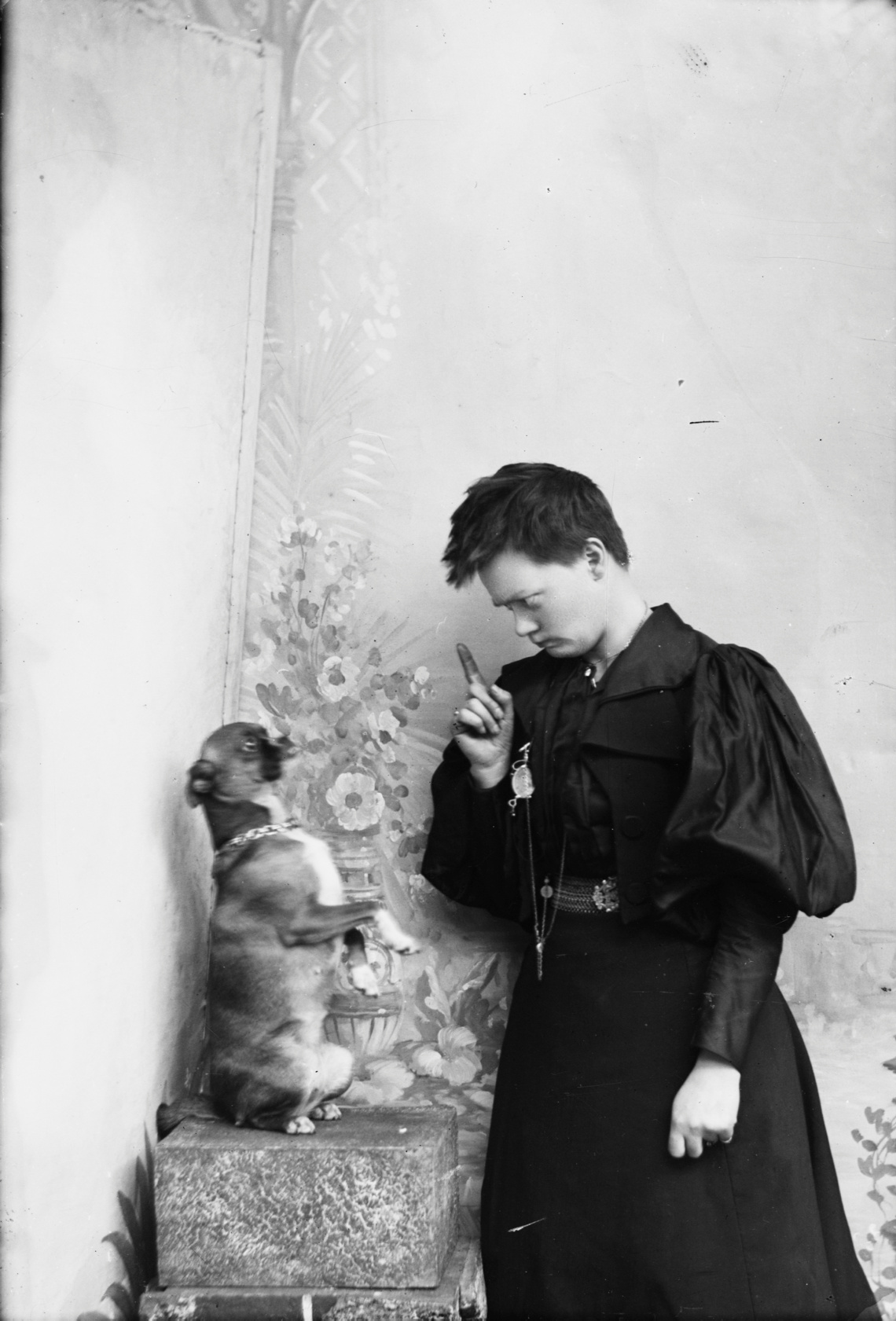
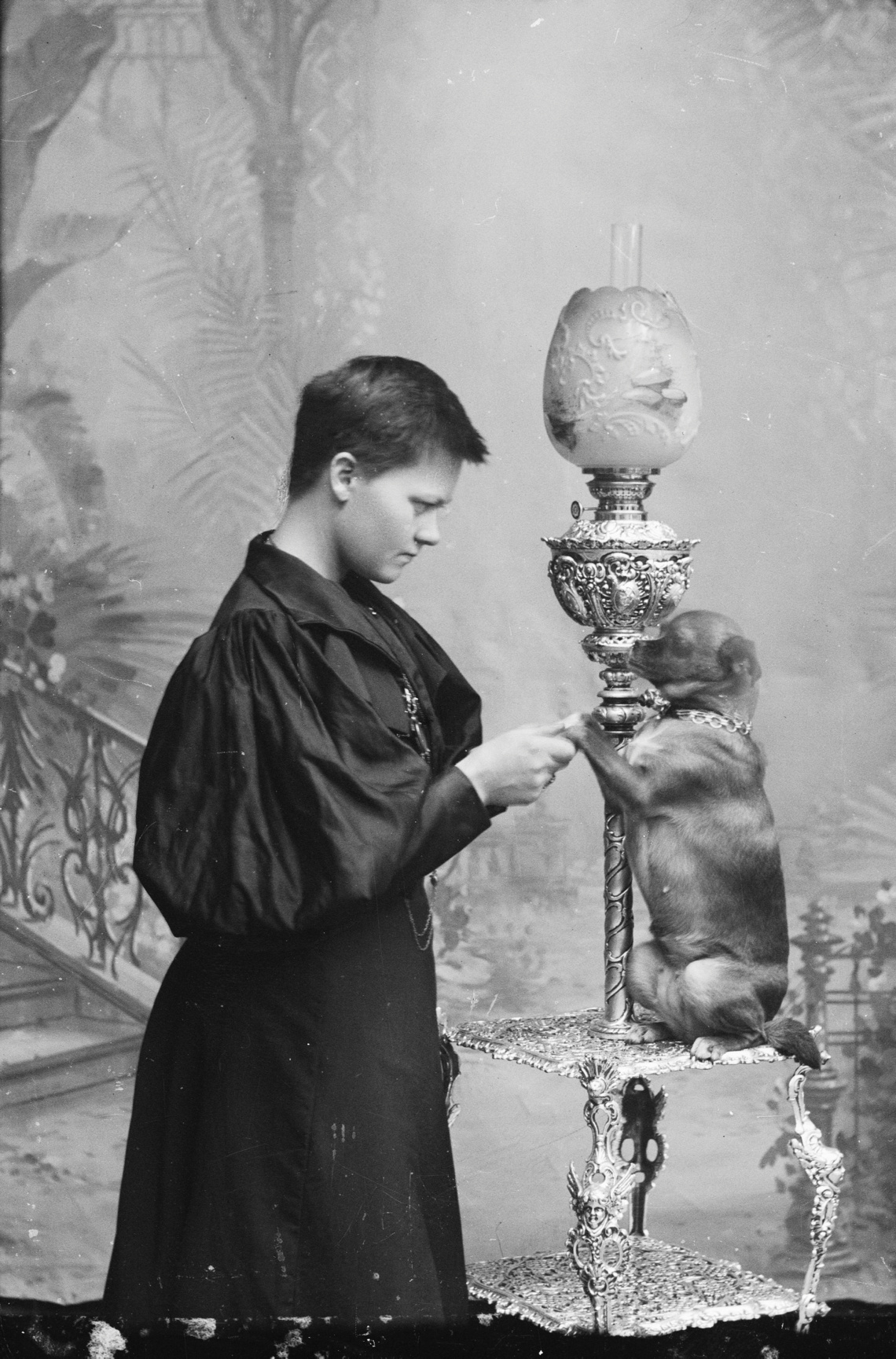
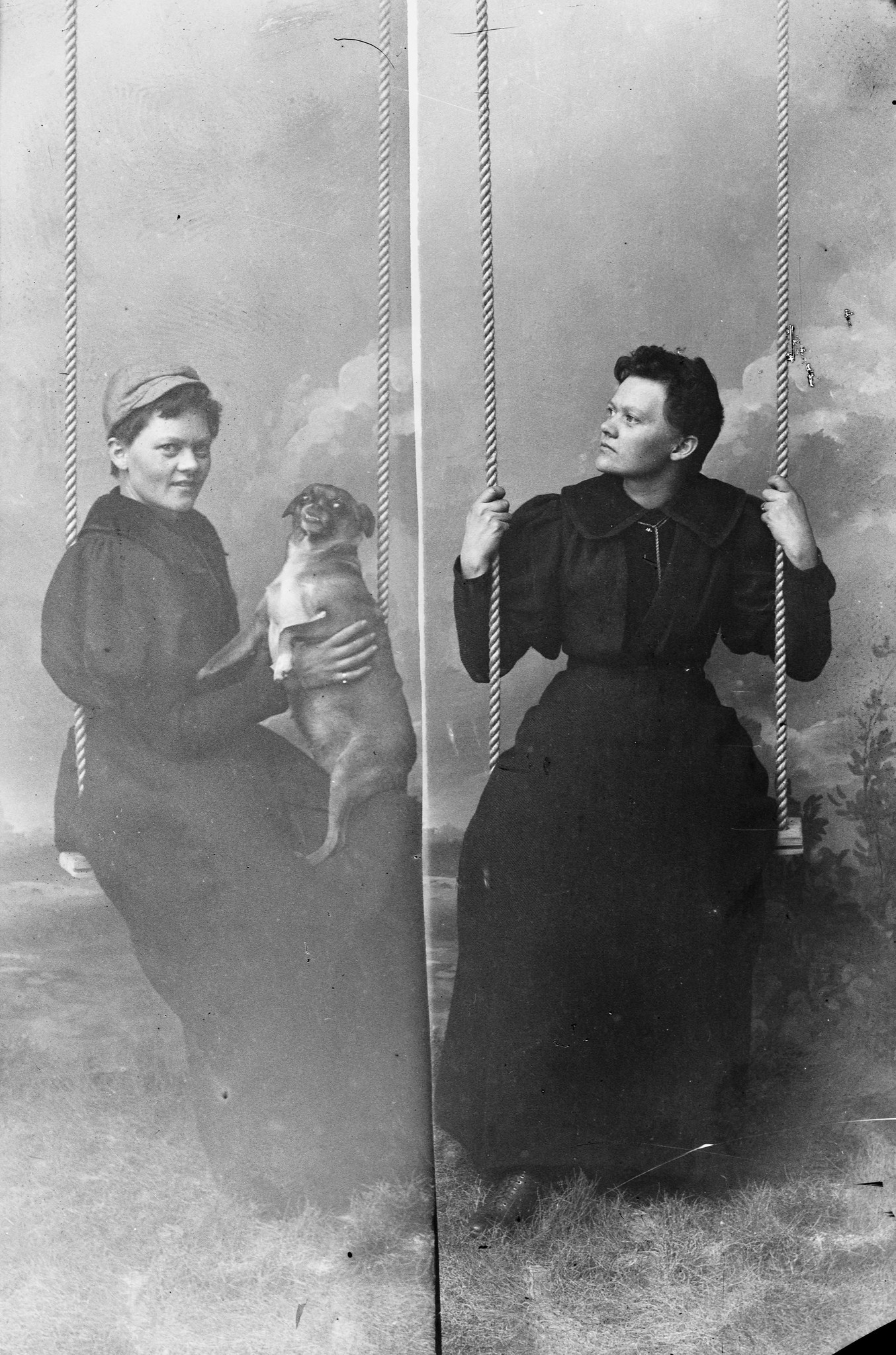
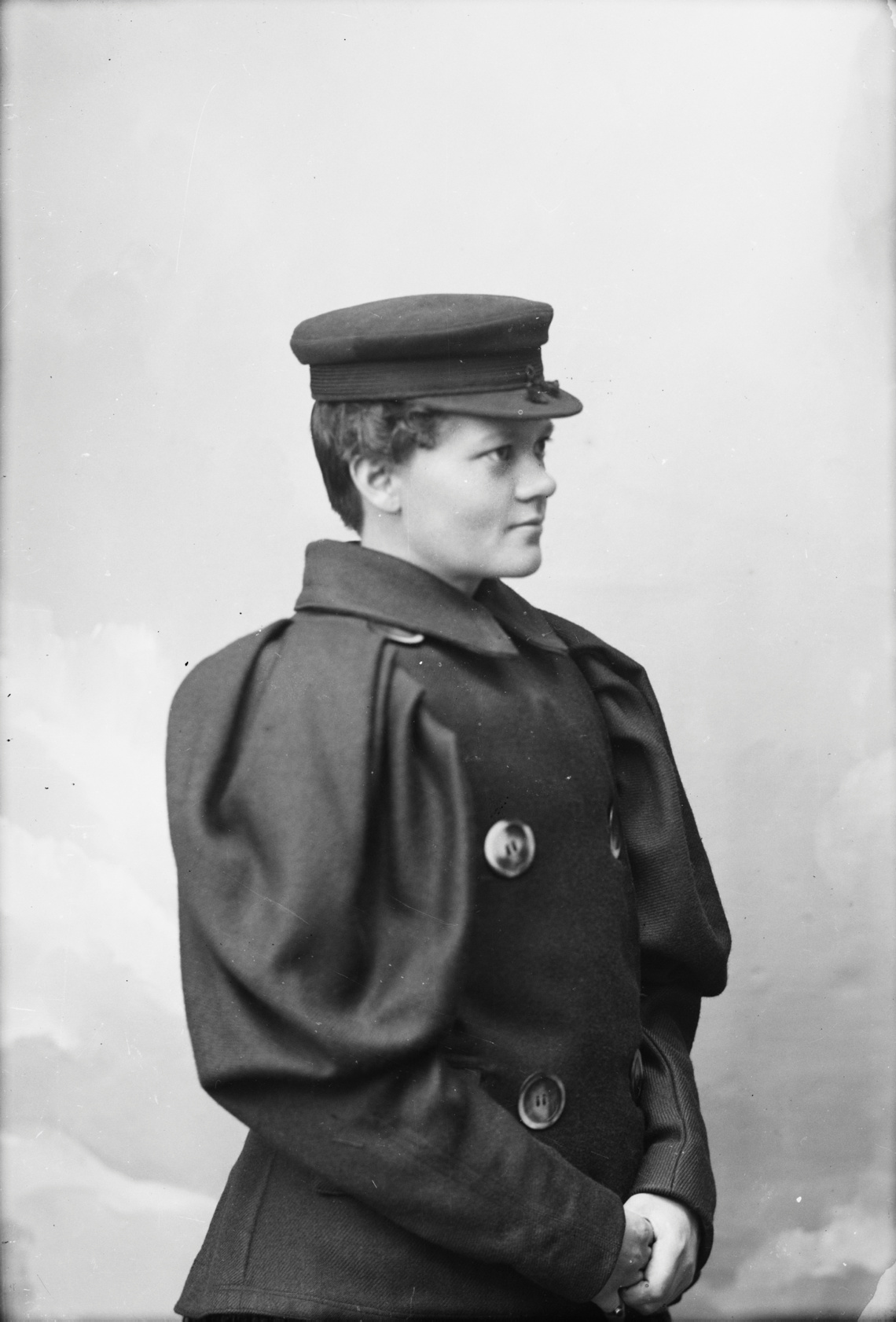
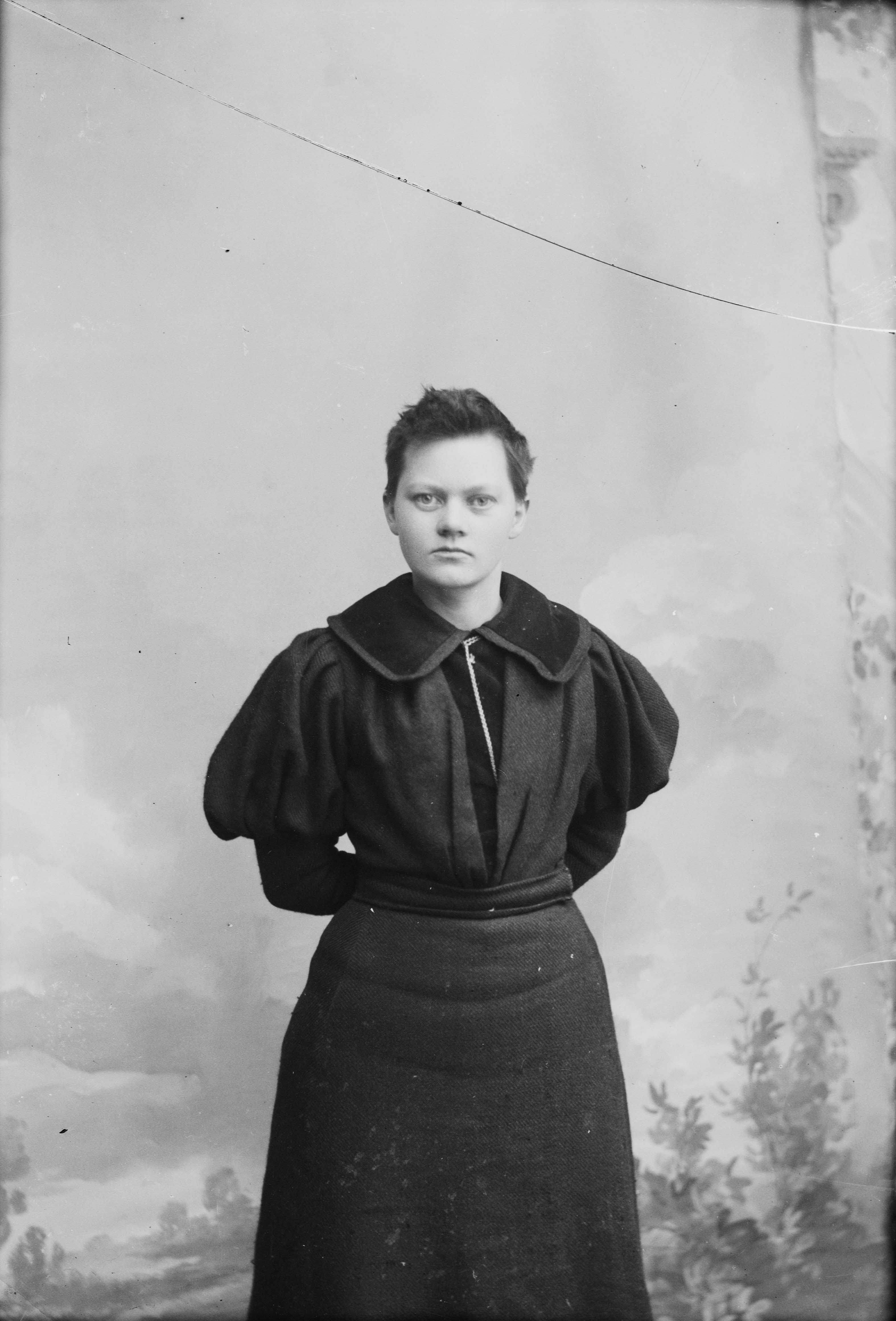
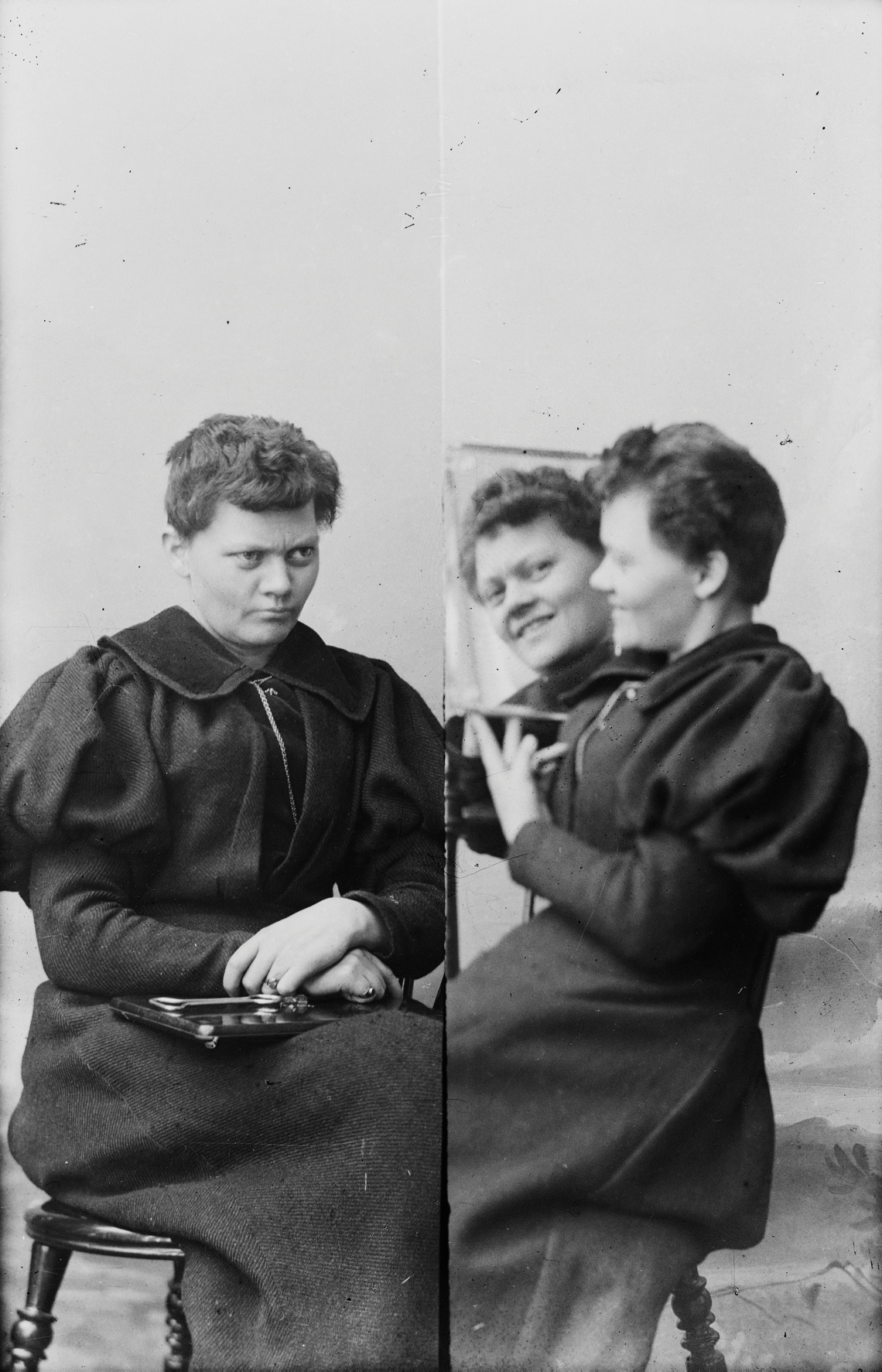
Marie Hoeg casually posing in her woolen underwear. Photo: Berg & Hoeg ca. 1895-1903. Glass plate negativeMarie Hoeg casually posing in her woolen underwear (back). Photo: Berg & Hoeg ca. 1895-1903Marie Høeg posing as an Arctic explorer (Portrett av Marie Høeg i selskinnspels med hette). Photo: Berg & Hoeg ca. 1895-1903Marie Hoeg as a young soldier with a sword (Marie Høeg i undertøy, som soldat med sverd). Photo: Berg & Hoeg ca. 1895-1903Marie Høeg stuper kråke. Photo: Berg & Hoeg ca. 1895-1903 | src The Preus museum collection on FlickrMed hendene på ryggen (Som soldat uten sverd)Photo: Berg & Hoeg ca. 1895-1903Marie Hoeg scolds the dog Tuss. Photo: Berg & Hoeg ca. 1895-1903. Glass plate negativeMarie Høeg greeting her dog Tuss (Marie Høeg hilser på hunden Tuss). Photo: Berg & Hoeg ca. 1895-1903. Glass plate negativeComposite photograph, Marie Høeg sitting on a swing (with Tuss. the dog). Two motives put together on one glass plate
In a box marked “private”, an amazing collection of glass plates were found 30 years ago, amongst the remnants of the two portrait photographers Marie Høeg (1866-1949) and Bolette Berg (1872-1944).
In 1895, they established the Berg & Høeg photography studio in Horten, Norway, where they took portraits and views of Horten and surroundings and lived on the proceeds from sales. At that time, photography was seen as a decent and acceptable profession for women, as it was a profession that demanded a certain amount of aesthetic sense – as part of the female nature.
Horten was a naval base with the main shipyard for the Norwegian navy and had a strong flow of people who needed photographs for celebration and recollection. Perhaps that is how the two photographers understood by the very process of portraiture how important it is to stage oneself and to what a large degree that contributes to how we are perceived.
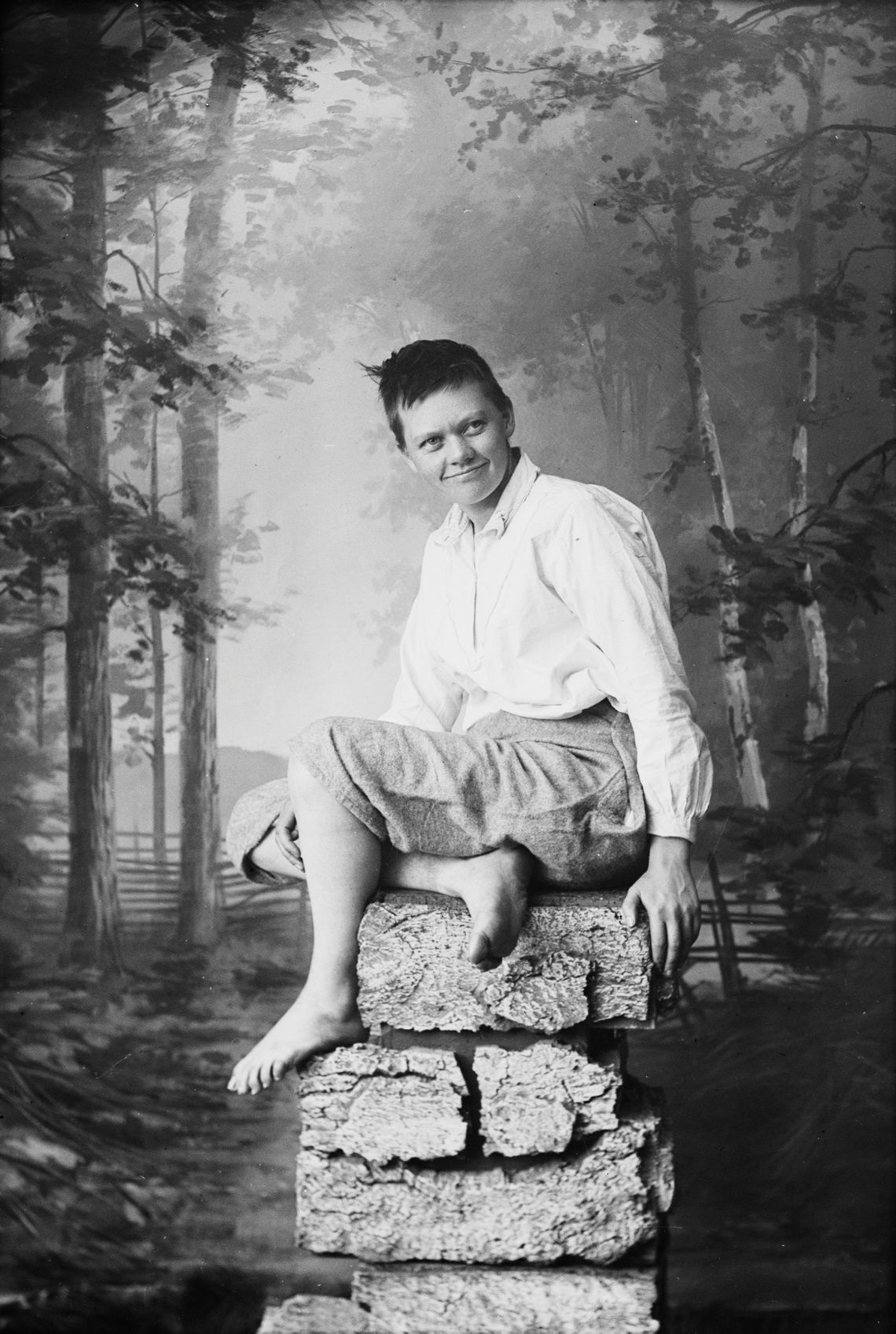
The Preus museum collection has 440 glass negatives from Berg & Høeg. Among the cartons in the 1980s were discovered some on which had been written “private.” It is not unusual that photographers also have private photographs in their archives. But these were not ordinary keepsake pictures. They indicate that the two photographers, especially Marie Høeg, experimented with various gender roles.
Imagine the fun they must have had, cross-dressing and playing! At the same time, the images are deeply serious, as they reflect upon the expectations and attitudes towards women, and their lack of rights and freedom. We know that Høeg was the extrovert and started groups to fight for women’s rights. Bolette Berg was less in the public view. However, she must have been back of the camera in many of these photographs, which have attracted international notice.
We find several such boundary-breaking photographic projects in Europe and America around 1900. They correspond with women’s battle for full civil rights and the right to define their own identity. So these photographs are a part of an international history – or herstory – that has meaning and recognition value for all women, including now. All images are digital reproductions of the original glass plates. Some of the plates have cracks and damages, left visible in the reproductions.
All images and text retrieved from The Preus museum on Flickr
Marie Høeg (in underwear) as a young boy with cigarette. Photo: Berg & Hoeg, ca. 1895-1903 | src The Preus museum collectionMarie Høeg sits crossed-legged in her underwear, with her initials embroidered on the collar. Short hair, direct gaze to the camera, and a cigarette dangling. (ca. 1895-1903)Marie Høeg as a young boy with a cigarette. Photo: Berg & Hoeg, ca. 1895-1903Marie Høeg. Photo: Berg & Hoeg, ca. 1895-1903 | src The Preus museum collection on FlickrMarie Høeg i sjømannslue og kåpe. Photo: Berg & Hoeg, ca. 1895-1903. The Preus museum collectionMarie Høeg. Photo: Berg & Hoeg, ca. 1895-1903. Glass plate negativeKind of triptych of Marie Høeg. Two motives put together on one glass plate. Photo: Berg & Hoeg, ca. 1895-1903Composite photograph, Marie Høeg sitting on a swing. Two motives put together on one glass plate. Photo: Berg & HoegMarie Høeg. Photo: Berg & Hoeg, ca. 1895-1903Marie Høeg ‘after the burglary‘ sitting at a table counting money (gun on table). Photo: Berg & Hoeg, ca. 1895-1903
In a box marked “private”, an amazing collection of glassplates were found 30 years ago, amongst the remnants of the two portrait photographers Marie Høeg (1866-1949) and Bolette Berg (1872-1944).
In 1895, they established the Berg & Høeg photography studio in Horten, Norway, where they took portraits and views of Horten and surroundings and lived on the proceeds from sales. At that time, photography was seen as a decent and acceptable profession for women, as it was a profession that demanded a certain amount of aesthetic sense – as part of the female nature.
Horten was a naval base with the main shipyard for the Norwegian navy and had a strong flow of people who needed photographs for celebration and recollection. Perhaps that is how the two photographers understood by the very process of portraiture how important it is to stage oneself and to what a large degree that contributes to how we are perceived.
The Preus museum collection has 440 glass negatives from Berg & Høeg. Among the cartons in the 1980s were discovered some on which had been written “private.” It is not unusual that photographers also have private photographs in their archives. But these were not ordinary keepsake pictures. They indicate that the two photographers, especially Marie Høeg, experimented with various gender roles.
Imagine the fun they must have had, cross-dressing and playing! At the same time, the images are deeply serious, as they reflect upon the expectations and attitudes towards women, and their lack of rights and freedom. We know that Høeg was the extrovert and started groups to fight for women’s rights. Bolette Berg was less in the public view. However, she must have been back of the camera in many of these photographs, which have attracted international notice.
We find several such boundary-breaking photographic projects in Europe and America around 1900. They correspond with women’s battle for full civil rights and the right to define their own identity. So these photographs are a part of an international history – or herstory – that has meaning and recognition value for all women, including now. All images are digital reproductions of the original glass plates. Some of the plates have cracks and damages, left visible in the reproductions.
All images and text retrieved from The Preus museum on Flickr
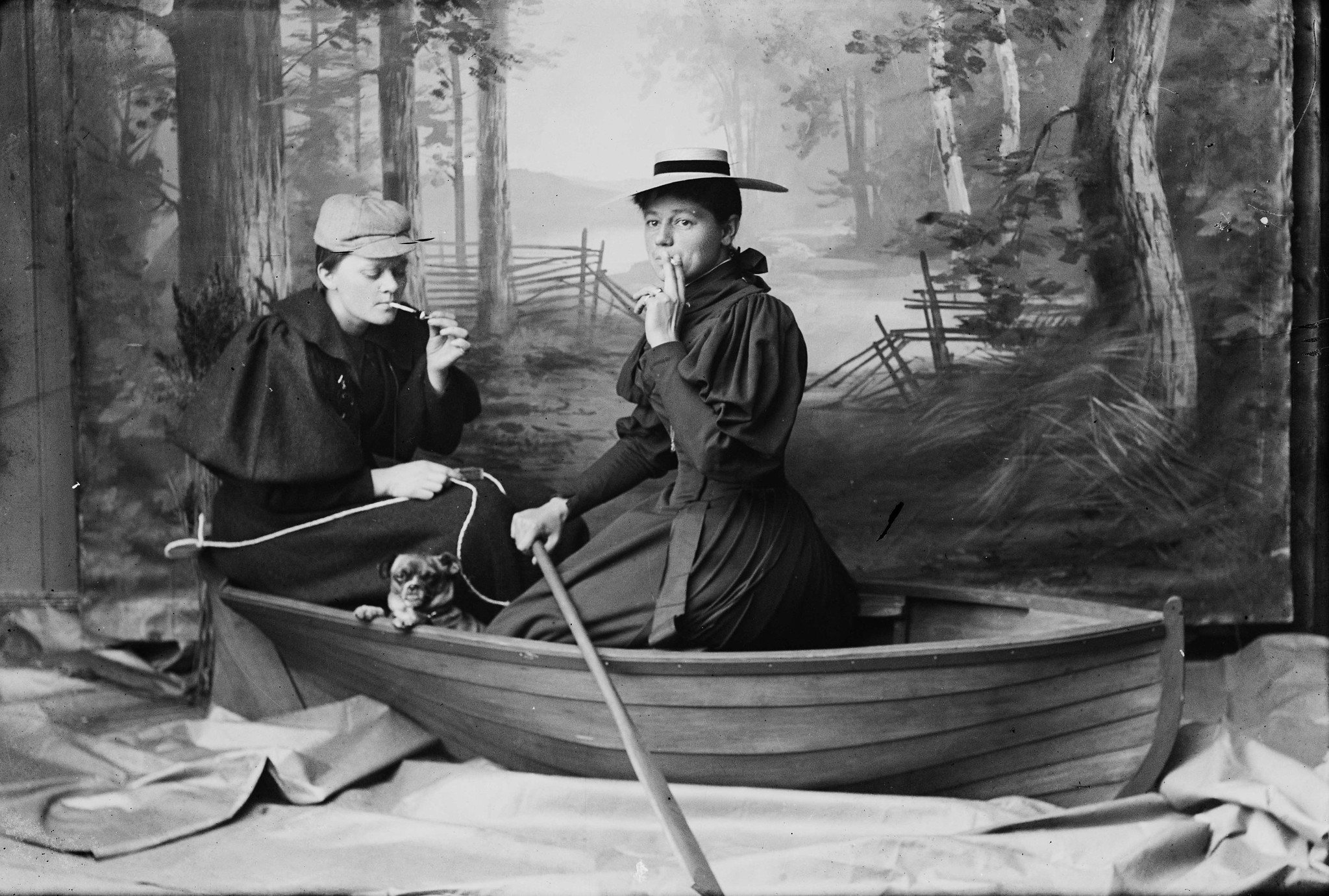
Marie Høeg and Ingeborg Berg in a rowing boat. Photo: Berg & Hoeg ca. 1895-1903 The Preus museum collection on Flickr
In a box marked “private”, an amazing collection of glass plates were found 30 years ago, amongst the remnants of the two portrait photographers Marie Høeg (1866-1949) and Bolette Berg (1872-1944).
Marie Høeg and Bolette Berg in a rowing boat. Photo: Berg & Hoeg, ca. 1895-1903 | src Preus museum
In 1895, they established the Berg & Høeg photography studio in Horten, Norway, where they took portraits and views of Horten and surroundings and lived on the proceeds from sales. At that time, photography was seen as a decent and acceptable profession for women, as it was a profession that demanded a certain amount of aesthetic sense – as part of the female nature.
Horten was a naval base with the main shipyard for the Norwegian navy and had a strong flow of people who needed photographs for celebration and recollection. Perhaps that is how the two photographers understood by the very process of portraiture how important it is to stage oneself and to what a large degree that contributes to how we are perceived.
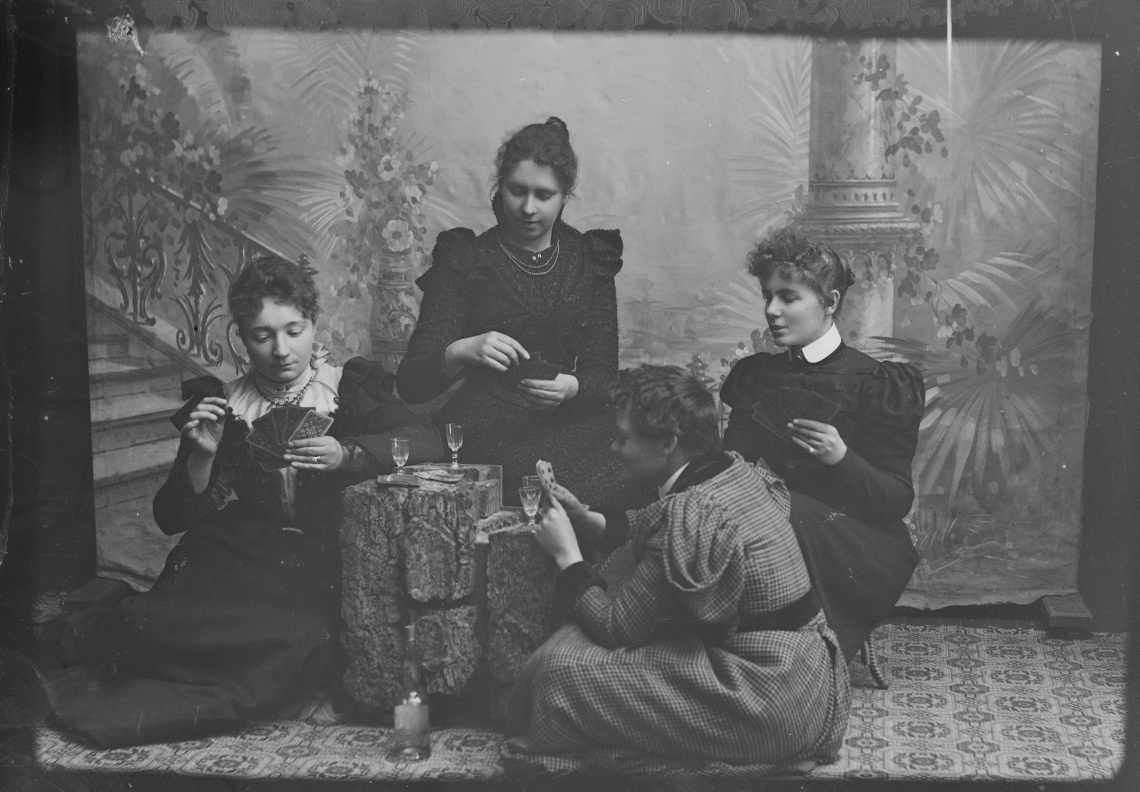
Ingeborg Berg, Julie Antonsen and Trine Ulriksen having a nice time together, sitting on the floor drinking and card-playing, doing the things “nice girls” shouldn’t do. Marie Høeg, sitting at the back with a hat on. Ingeborg Berg, Julie Antonsen and Trine Ulriksen having a nice time together with Marie Høeg, sitting in front to the right. Photo: Berg & Hoeg, ca. 1895-1903
The Preus museum collection has 440 glass negatives from Berg & Høeg. Among the cartons in the 1980s were discovered some on which had been written “private.” It is not unusual that photographers also have private photographs in their archives. But these were not ordinary keepsake pictures. They indicate that the two photographers, especially Marie Høeg, experimented with various gender roles.
Imagine the fun they must have had, cross-dressing and playing! At the same time, the images are deeply serious, as they reflect upon the expectations and attitudes towards women, and their lack of rights and freedom. We know that Høeg was the extrovert and started groups to fight for women’s rights. Bolette Berg was less in the public view. However, she must have been back of the camera in many of these photographs, which have attracted international notice.
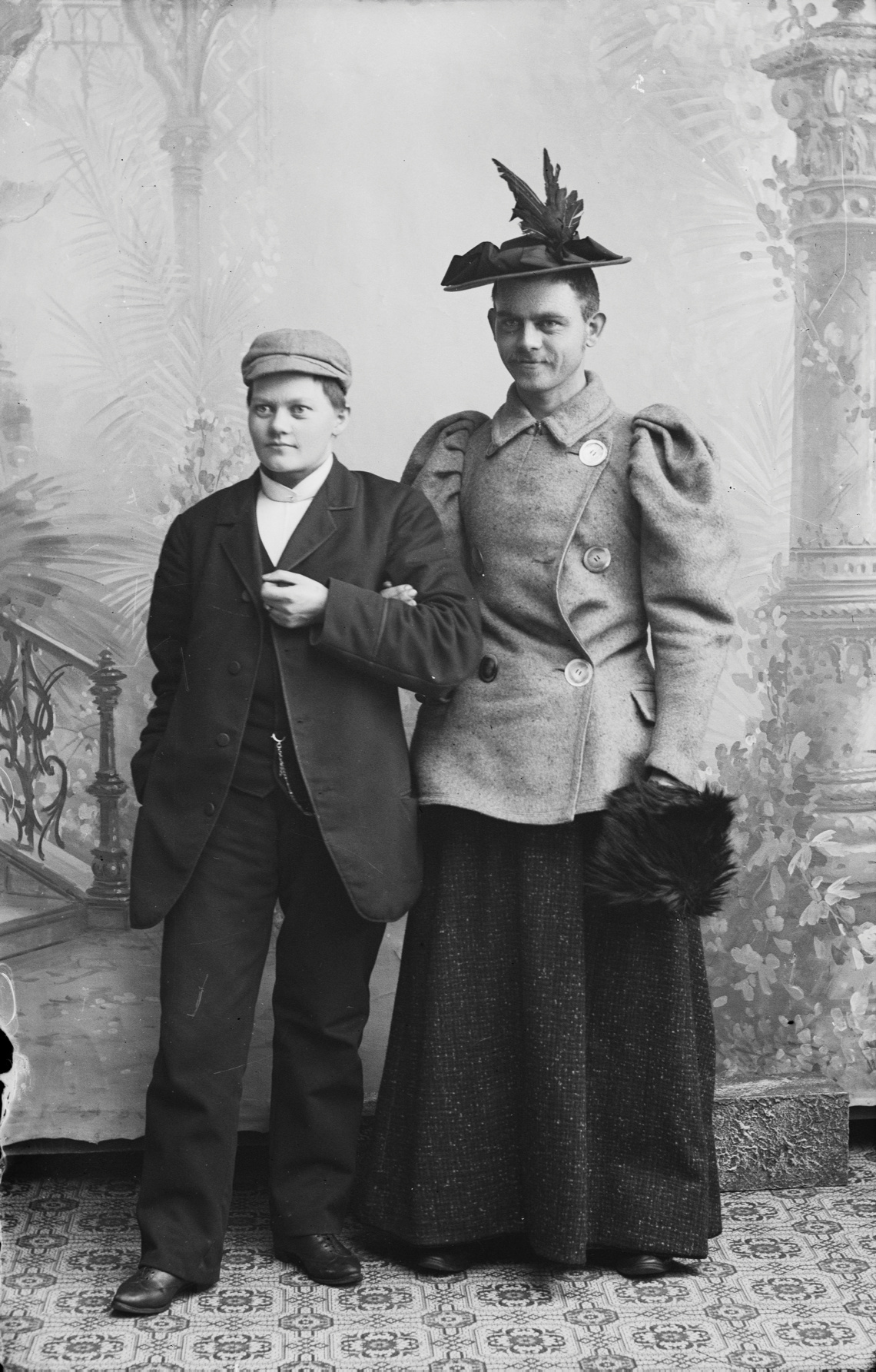
Marie Hoeg posing with her brother Karl in the studio. Photo: Berg & Hoeg, ca. 1895-1903Marie Høeg utkledt som mann, med pelslue. Helfigur. / Marie dressed as a man. Photo: Berg & Hoeg, ca. 1895-1903Marie Høeg’s brother Karl posing in women clothes with an umbrella. Photo: Berg & Hoeg, ca. 1895-1903
We find several such boundary-breaking photographic projects in Europe and America around 1900. They correspond with women’s battle for full civil rights and the right to define their own identity. So these photographs are a part of an international history – or herstory – that has meaning and recognition value for all women, including now. All images are digital reproductions of the original glass plates. Some of the plates have cracks and damages, left visible in the reproductions. (quoted from the Album description)
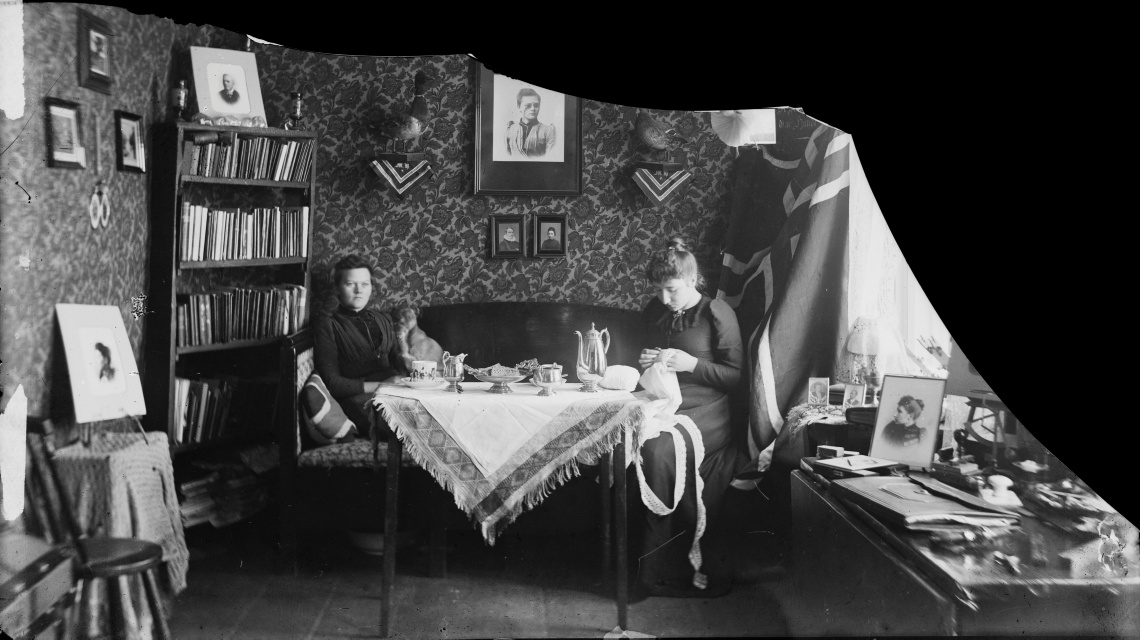
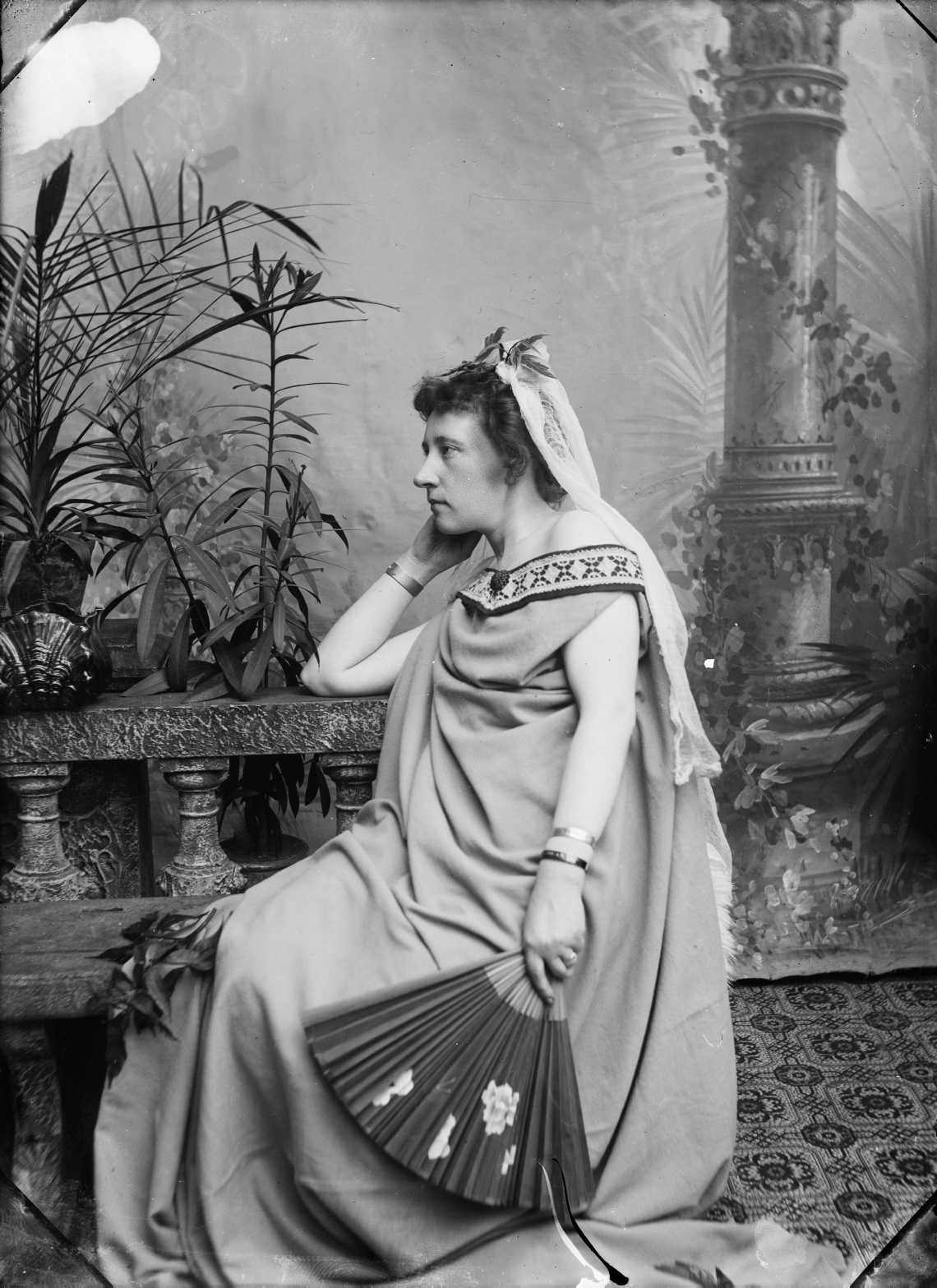
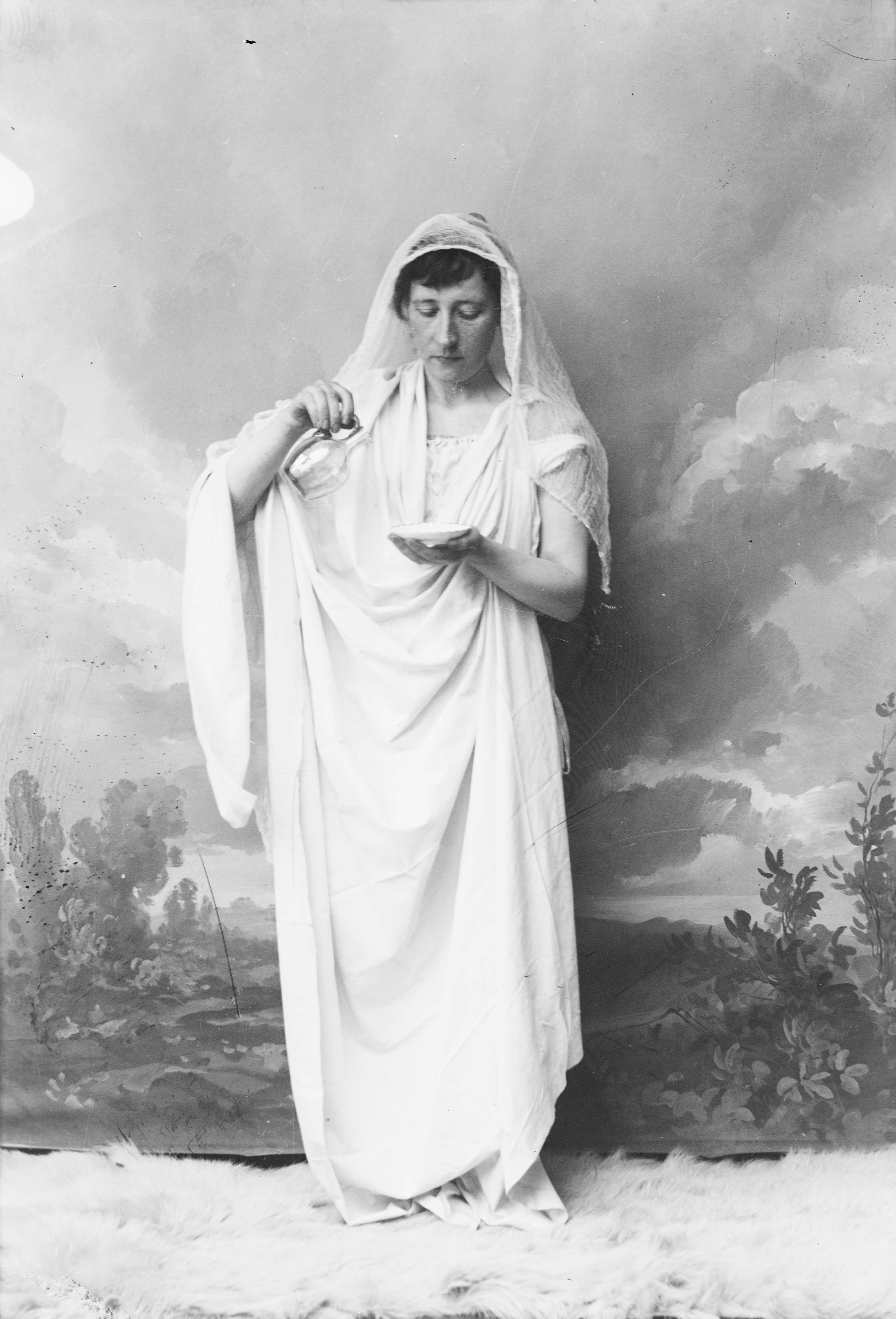
Marie Høeg and Bolette Berg in their home sitting on sofa. Photo: Berg & Hoeg, ca. 1895-1903Staged portrait of one of Bolette Berg’s five sisters. Photo: Berg & Hoeg, ca. 1895-1903“Vestalinne II”. One of Bolette Berg’s five sisters. Photo: Berg & Hoeg, ca. 1895-190
All images from this post were retrieved from The Preus museum collection hosted on Flickr. Link to album (x)













 un regard oblique