Pierre-Louis Pierson :: Portrait of Countess of Castiglione
in fancy dress

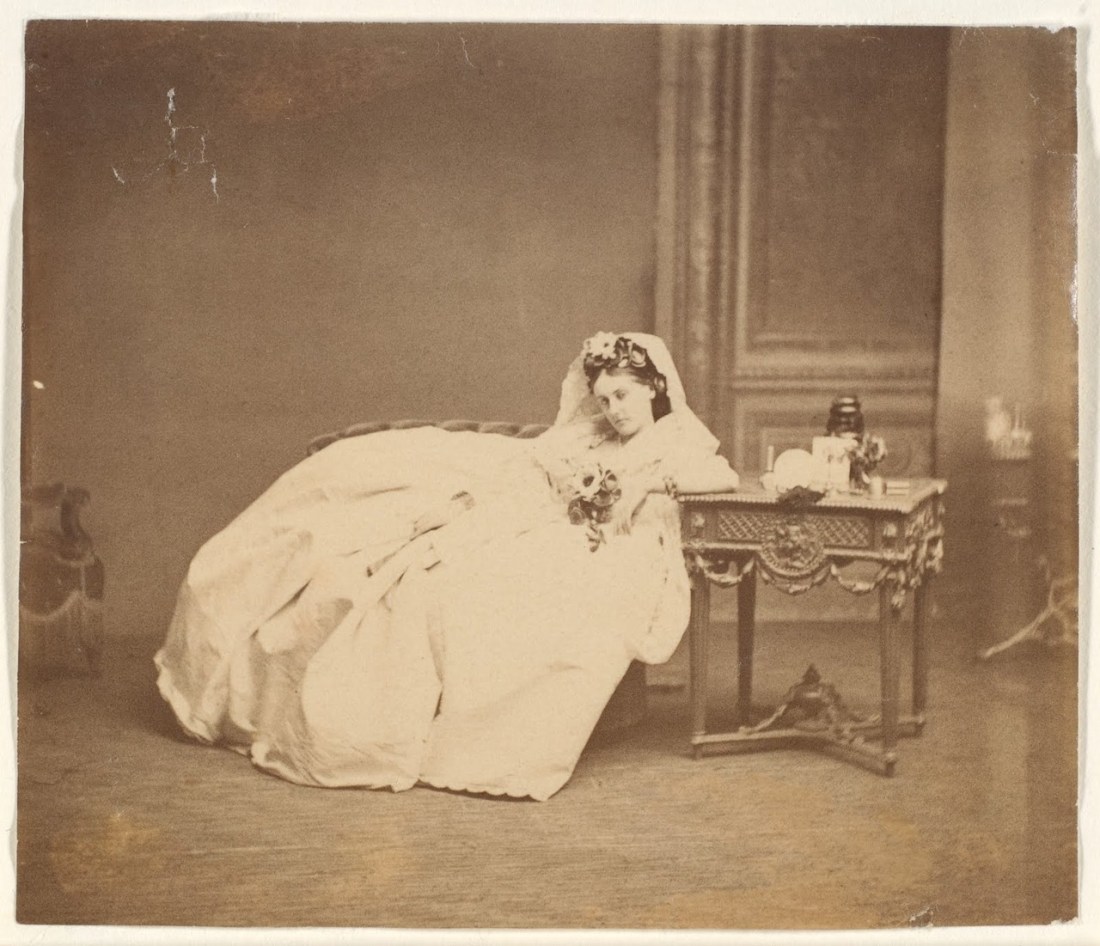
as a Carmelite Nun, 1863. ‘The Hermit of Passy’: one of three poses known. The images were taken after the charity event in which the countess appeared in the ‘tableau vivant’ as a Carmelite nun. The countess authorized the sale of one of the photographs for 50 francs a copy. The money was to go to charity. This image is an enlargement of the bust of the Countess as it appears in the seated version of ‘The Hermit of Passy.’ / src: Stephen Ellcock and The Red List

more [+] by this photographer

/

more [+] posts about La Castiglione

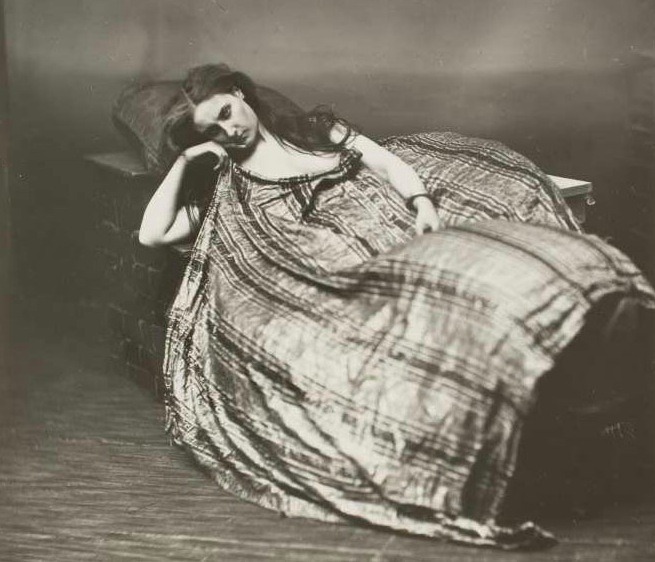
Pierre-Louis Pierson :: The Countess of Castiglione, 1867. Virginia Oldoini (Virginia Elisabetta Luisa Carlotta Antonietta Teresa Maria Oldoïni), Countess of Castiglione (1837-1899), better known as La Castiglione, was born to an aristocratic family from La Spezia. She was a 19th-century Italian aristocrat who achieved notoriety as a mistress of Emperor Napoleon III of France. She was also a significant figure in the early history of photography. / src: retro-vintage-photography

more [+] by this photographer / related post, here

Pierre-Louis Pierson :: The Countess of Castiglione as

Anne Boleyn, 1867. Virginia Oldoini (Virginia Elisabetta Luisa Carlotta Antonietta Teresa Maria Oldoïni), Countess of Castiglione (1837-1899), better known as La Castiglione, was born to an aristocratic family from La Spezia. She was a 19th-century Italian aristocrat who achieved notoriety as a mistress of Emperor Napoleon III of France. She was also a significant figure in the early history of photography. / src: retro-vintage-photography

more [+] by this photographer /

more [+] la Castiglione posts

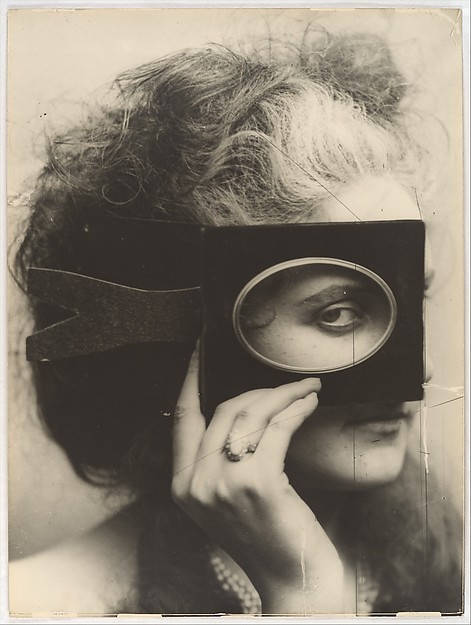
Pierre- Louis Pierson ::

Scherzo di Follia (Game of Madness),

1861-67, printed ca. 1930.

[Countess of Castiglione /

Countess Virginia Oldoini Verasis di Castiglione

] / source: Metropolitan Museum

“Virginia Oldoini, Countess Verasis de Castiglione (1837-1899), created a sensation when she appeared on the social scene in Paris in 1855, having been sent by the Italian statesman Cavour to secretly win Napoleon III over to the cause of Italian unity by “any means she chose.” Within months, the statuesque beauty was the mistress of Napoleon III and a much-talked-about ornament of the lavish balls so prevalent during the period. After the fall of the Second Empire in 1870, she led an increasingly secluded existence, which gave rise to fantastic speculation about her affairs. As the years went by, her mental stability declined and she ventured out only at night, shrouded in veils.
The countess’s raging narcissism found in photography the perfect ally; Pierre-Louis Pierson produced over seven hundred different images of her. In a reversal of roles, the sitter would direct every aspect of the picture, from the angle of the shot to the lighting, using the photographer as a mere tool in her pursuit of self-promotion and self-expression.” quoted from source

related post by Len Prince (reenactment), here

more [+] by this photographer