Potlatch Rabbits Parade · 1912

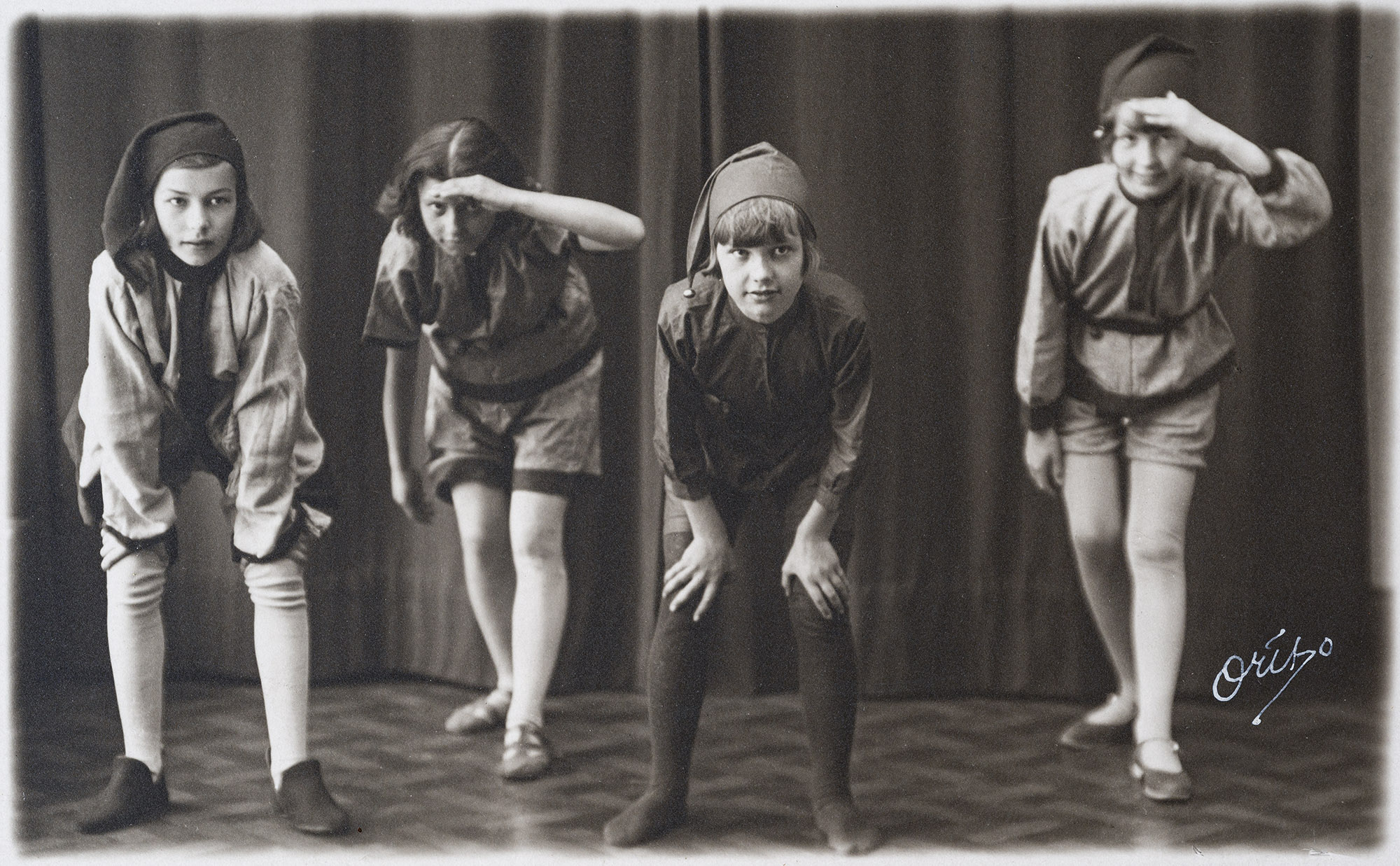
Frank A. Jacobs (1881-1979) ~ Golden Potlatch. Children’s parade. University playfield float. July 20, 1912 | src Seattle public library

The Golden Potlatch was a city-wide festival held in July organized by civic boosters hoping to capitalize on the success of the Alaska-Yukon-Pacific Exposition of 1909. The event continued for each of the next three summers before being suspended during wartime, and then was started up again as the Potlatch Festival from 1934 to 1941.

The name “Golden Potlatch” appropriates a Chinook Jargon word describing a Native ceremony of celebration and gift giving. It also reflects the importance of the Klondike gold rush to Seattle’s growth. Many organizers and participants in the Golden Potlatch dressed in stereotyped imitations of traditional Native attire, as part of a created Potlatch myth. The appropriation of Native culture in order to market products or events was one common example of discrimination and marginalization faced by Native peoples in the United States. Text quoted from University of Washington

Seattle Potlatch Parade showing people dressed as rabbits, 1912. Caption on image: Jacobs Photo 69. Potlatch, 1912
src Seattle public library; also on University of Washington

Description of the Golden Potlatch festival: “The success of the Alaska-Yukon-Pacific Exposition encouraged local boosters to plan another ambitious event to showcase the city. The Seattle Chamber of Commerce, the Advertising Club and the Press Club decided to create a civic celebration loosely modeled on the Northwest coastal Indian tribes’ potlatch, a ceremony of friendship and sharing. Seattle held its first Potlatch in 1911, but the Golden Potlatch of 1912 was a far greater festival, meant to attract visitors from far and near… The summer carnival was both a cynical exploitation and a madcap spectacle. The Potlatch shamelessly looted the heritage of Pacific Northwest Indian people. The Golden Potlatch began with the arrival of the ‘Hyas Tyee’ — or Big Chief — in his great war canoe, visiting the city from his home in the far north. The Tillikums of Elttaes (Seattle spelled backward) paraded the streets in white suits, their hats draped in battery-powered lights, glad handing any visitors who came their way. Bright-eyed members of the Press and Ad clubs, as well as the Chamber, slathered themselves in greasepaint, donned Chilkat blankets and pretended to be ‘tyees’ and ‘shamans.’ But the Golden Potlatch volunteers also offered a week of entertainment free to anyone in the city. Every day there was a different parade downtown — of the fraternal orders, the labor unions, the soldiers and sailors, or Seattle’s children. Daredevils flew ‘hydroplanes’ over Elliott Bay, and warships from the U.S. Pacific fleet anchored in the harbor.”(“‘Seattle Spirit’ soars on hype.” Sharon Boswell and Lorraine McConaghy, Seattle Times, March 10, 1996) quoted from Seattle public library
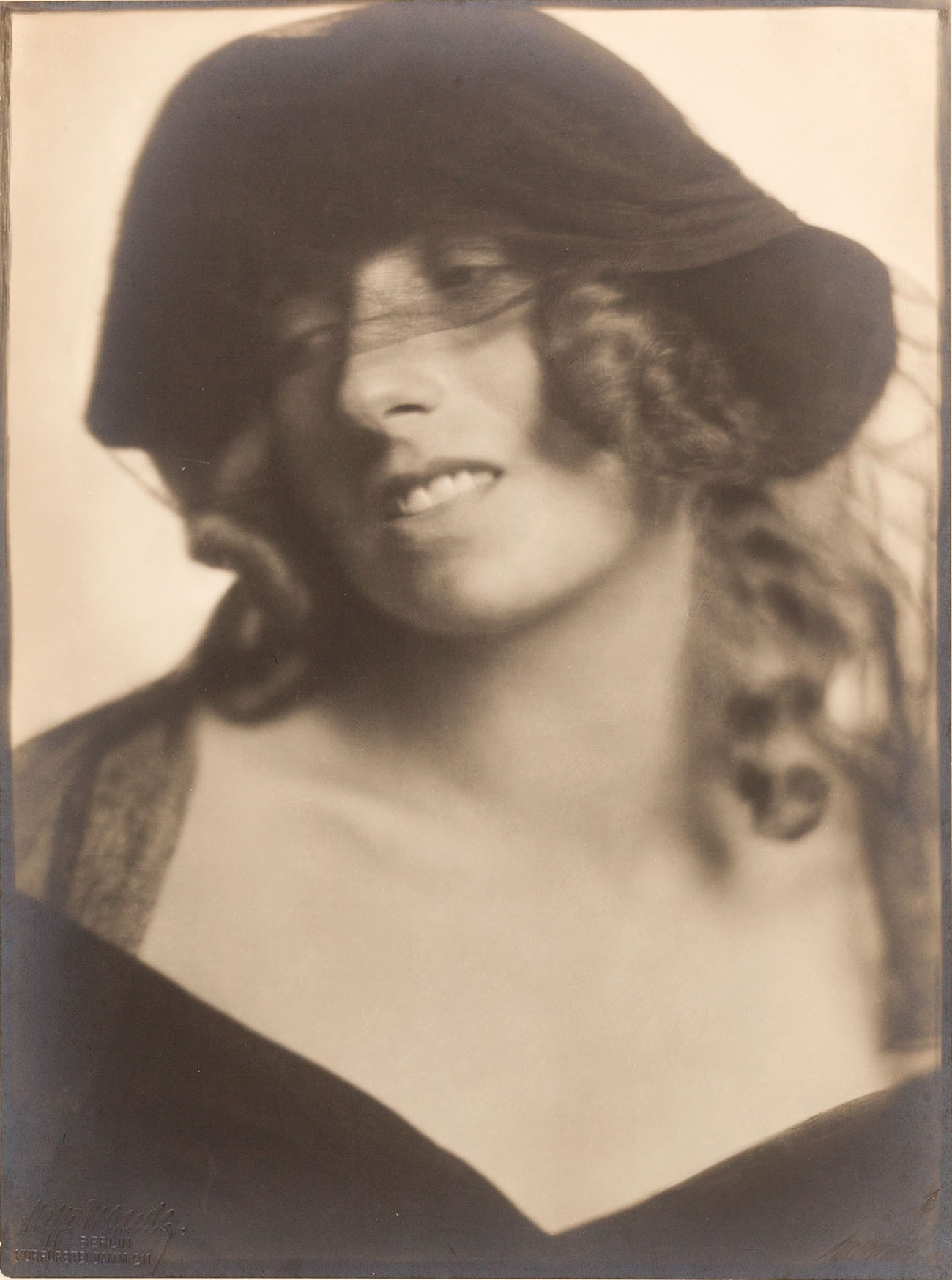
Fleischmann by Steffi Brandl

Steffi Brandl (1899–1966) ~ Trude Fleischmann, Austria, Vienna, ca. 1925 | src OstLicht Photo Auction

Rare portrait of the famous Viennese photographer, at whose studio Brandl worked. Fleischmann was what is now called a good networker and cultivated customer contacts like friendships with costume parties in her studio. The portrait most likely shows her dressed for such an occasion.

Steffi Brandl (1899–1966) ~ Trude Fleischmann, Austria, Vienna, ca. 1925 | src OstLicht Photo Auction

Seltenes Porträt der berühmten Wiener Fotografin, in deren Atelier Brandl arbeitete. Fleischmann war, wie man heute sagt, eine gute “Netzwerkerin”, die ihre Kundenkontakte und Freundschaften auch mit der Veranstaltung von Kostümfesten in ihrem Atelier pflegte. Es ist anzunehmen, dass sie dieses Porträt in einer Garderobe für einen solchen Anlass zeigt.

Bal au château des Noailles, 1929

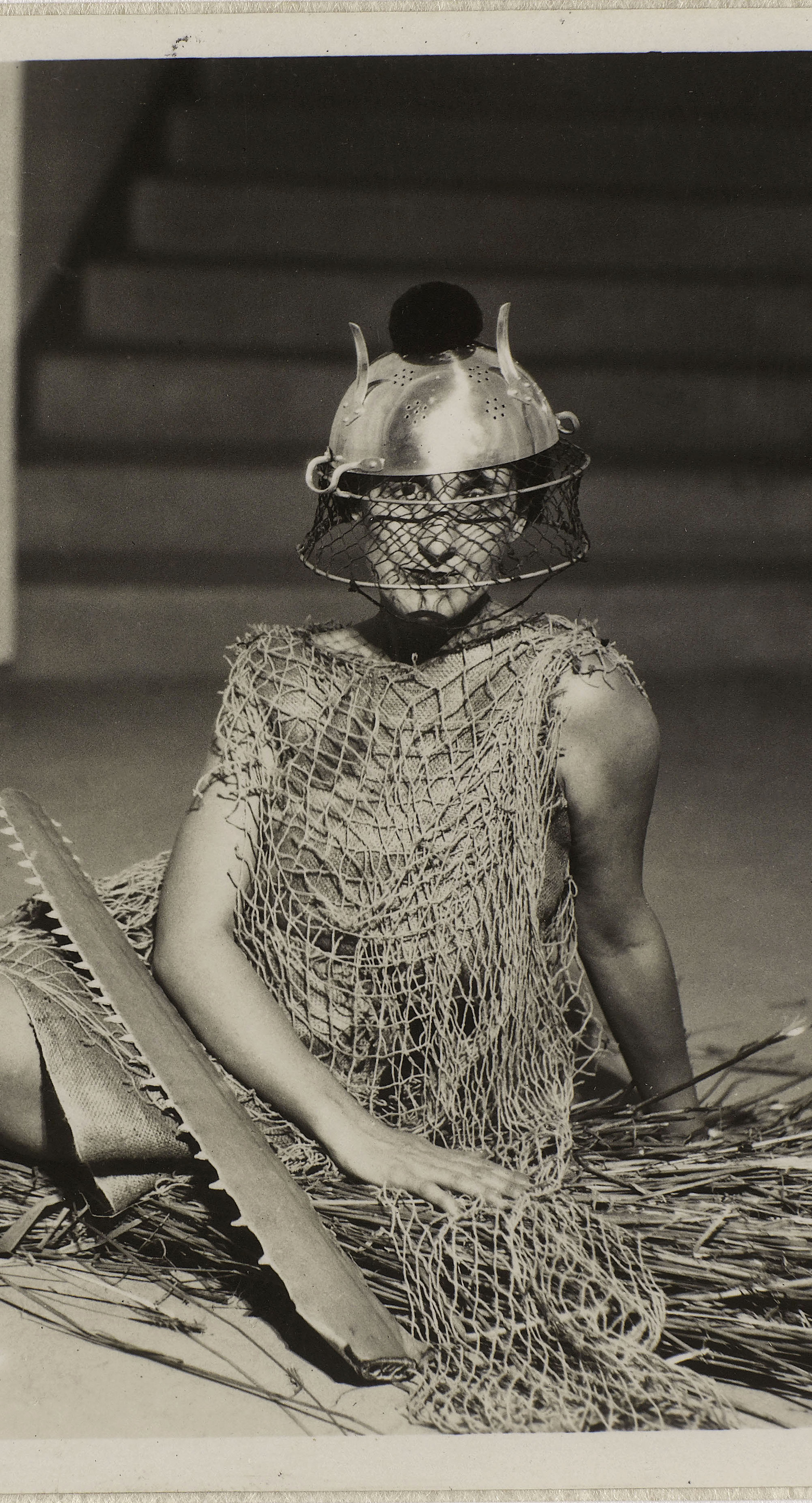
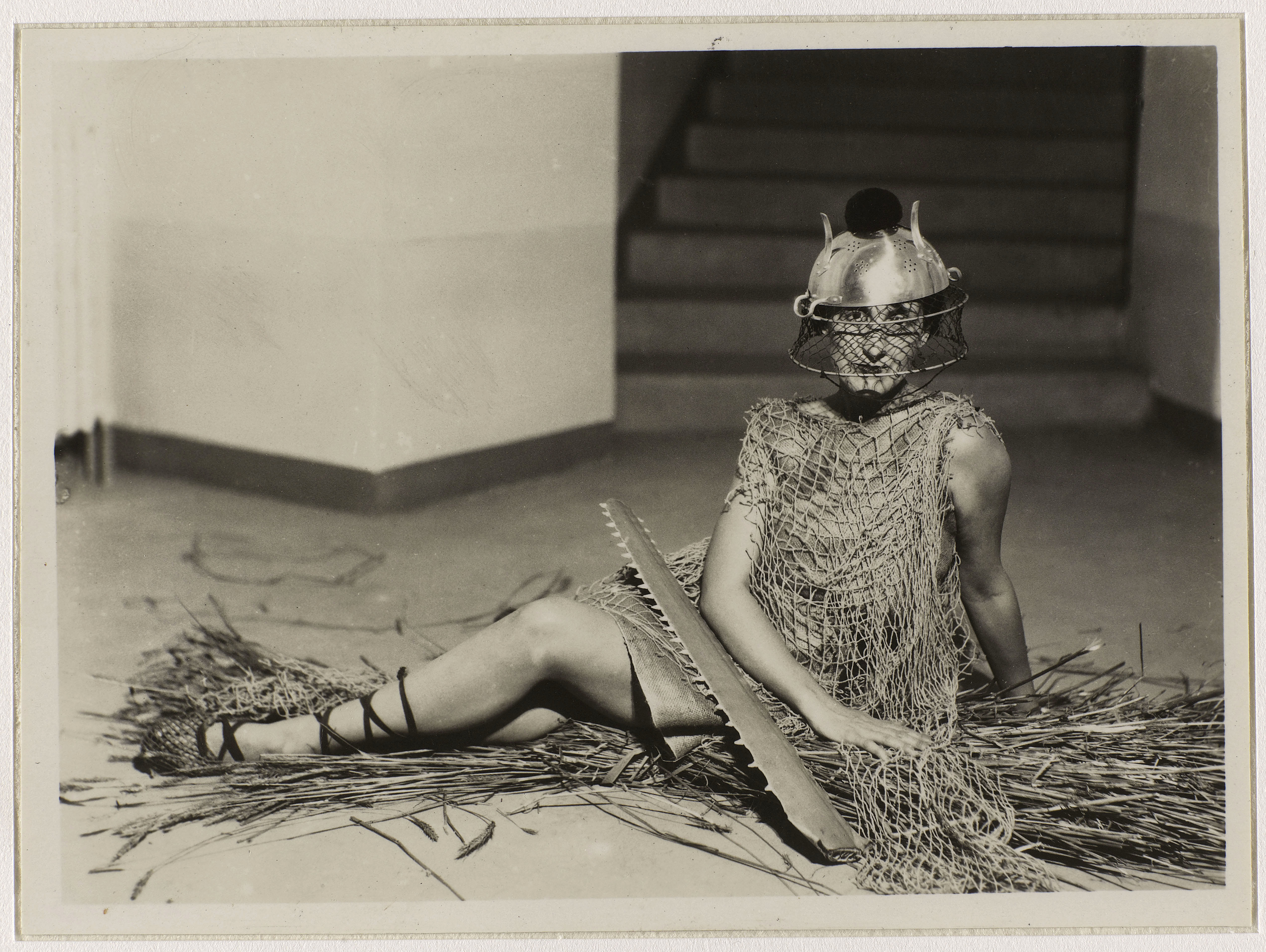
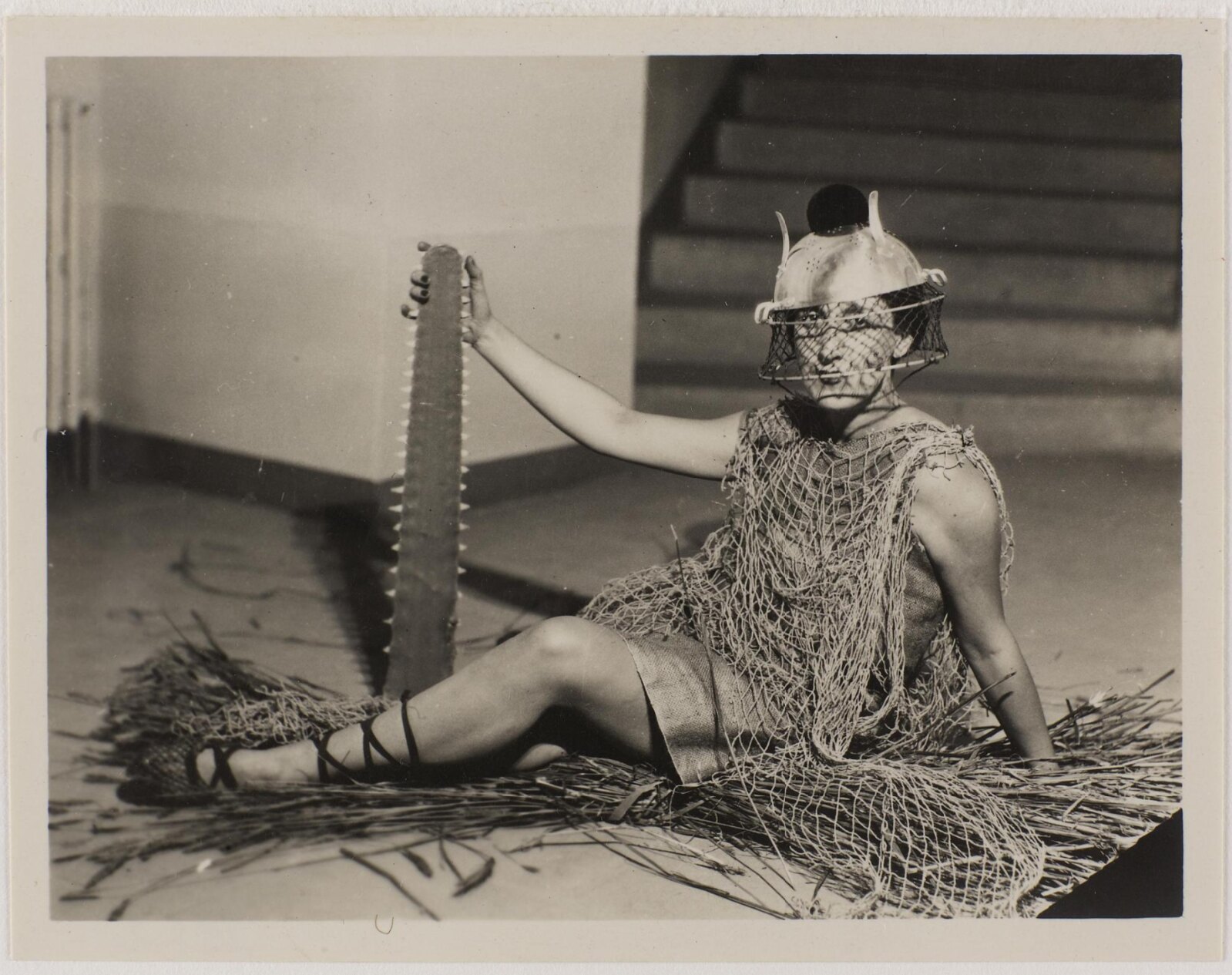
Man Ray (Emmanuel Radnitzky) :: Bal au château des Noailles, vers 1929. Epreuve gélatino-argentique. | src l'œil de la photographie (detail)
Man Ray (Emmanuel Radnitzky) :: Bal au château des Noailles, vers 1929. Epreuve gélatino-argentique. | src l’œil de la photographie
Man Ray (Emmanuel Radnitzky) :: Bal au château des Noailles, vers 1929. Epreuve gélatino-argentique. | src l'œil de la photographie
Man Ray (Emmanuel Radnitzky) :: Bal au château des Noailles, vers 1929. [full image] | src l’œil de la photographie
Man Ray (Emmanuel Radnitzky) :: Bal au château des Noailles, vers 1929. Epreuve gélatino-argentique. | src Centre Pompidou

Águila · Minotauro · Sixto

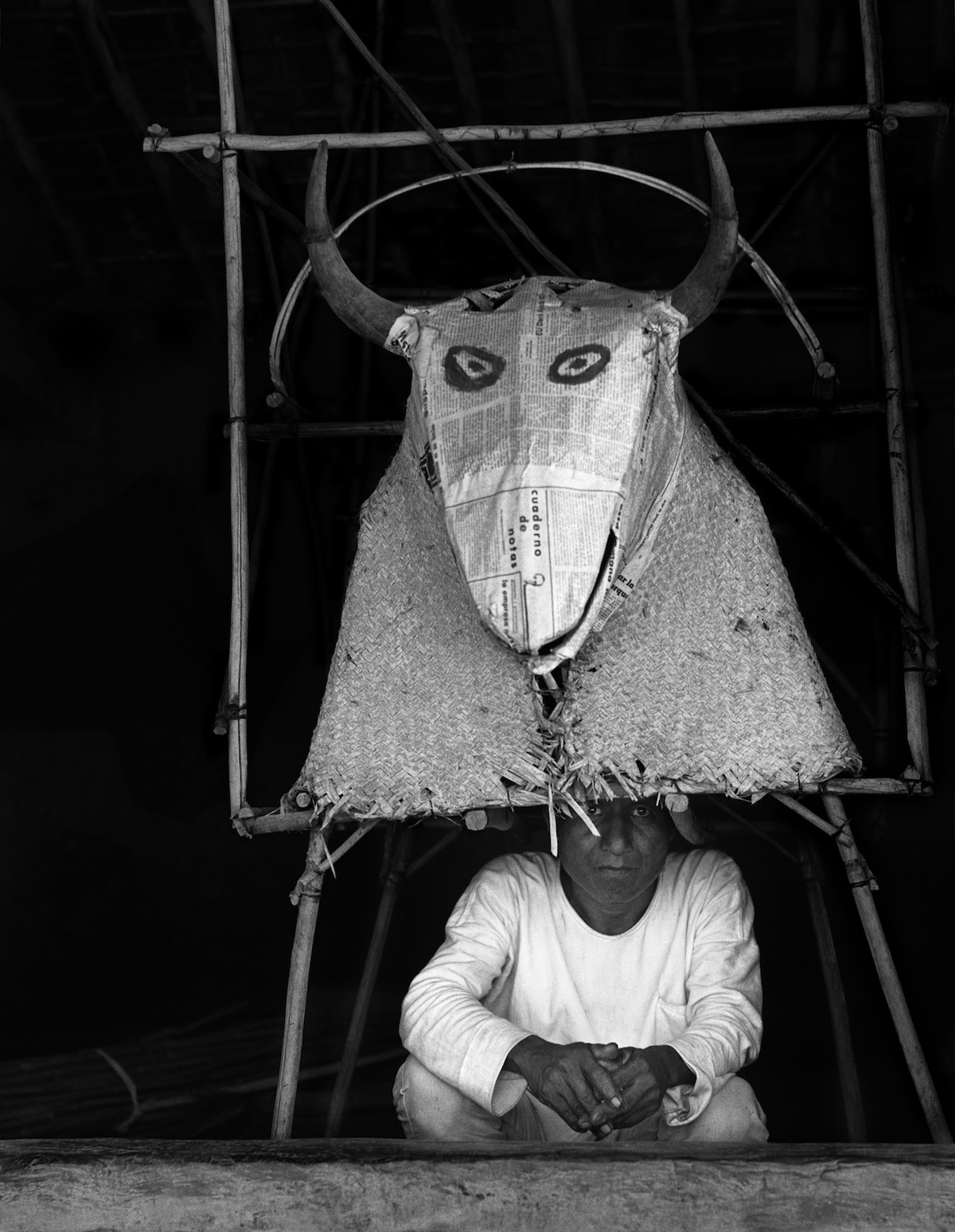
Flor Garduño :: Caballero Águila [Eagle Knight], 1986. Gelatin silver print, printed 1992, signed, titled, dated and notation ‘1769’ in pencil on the verso. | src Bonhams · Auction 04·2022
Flor Garduño :: Minotauro, México, 1984. | src Flor Garduño
Flor Garduño :: El tío Jorge, Bolivia, 1990. | src Flor Garduño
Flor Garduño :: Sixto, Bolivia, 1990. | src Flor Garduño

Virginia Morris in a hoopskirt

Edward J. Steichen :: Virginia Morris wearing a hoop-skirt costume with a two-tone skirt and bodice, and a huge bow at one side; and a tricorne hat with waist-length lace panels, for the annual costume party, the Red and Gold Ball, for the New York Junior League. | src Getty Images (broken link)

Chelsea Arts Ball Parade, 1928-29

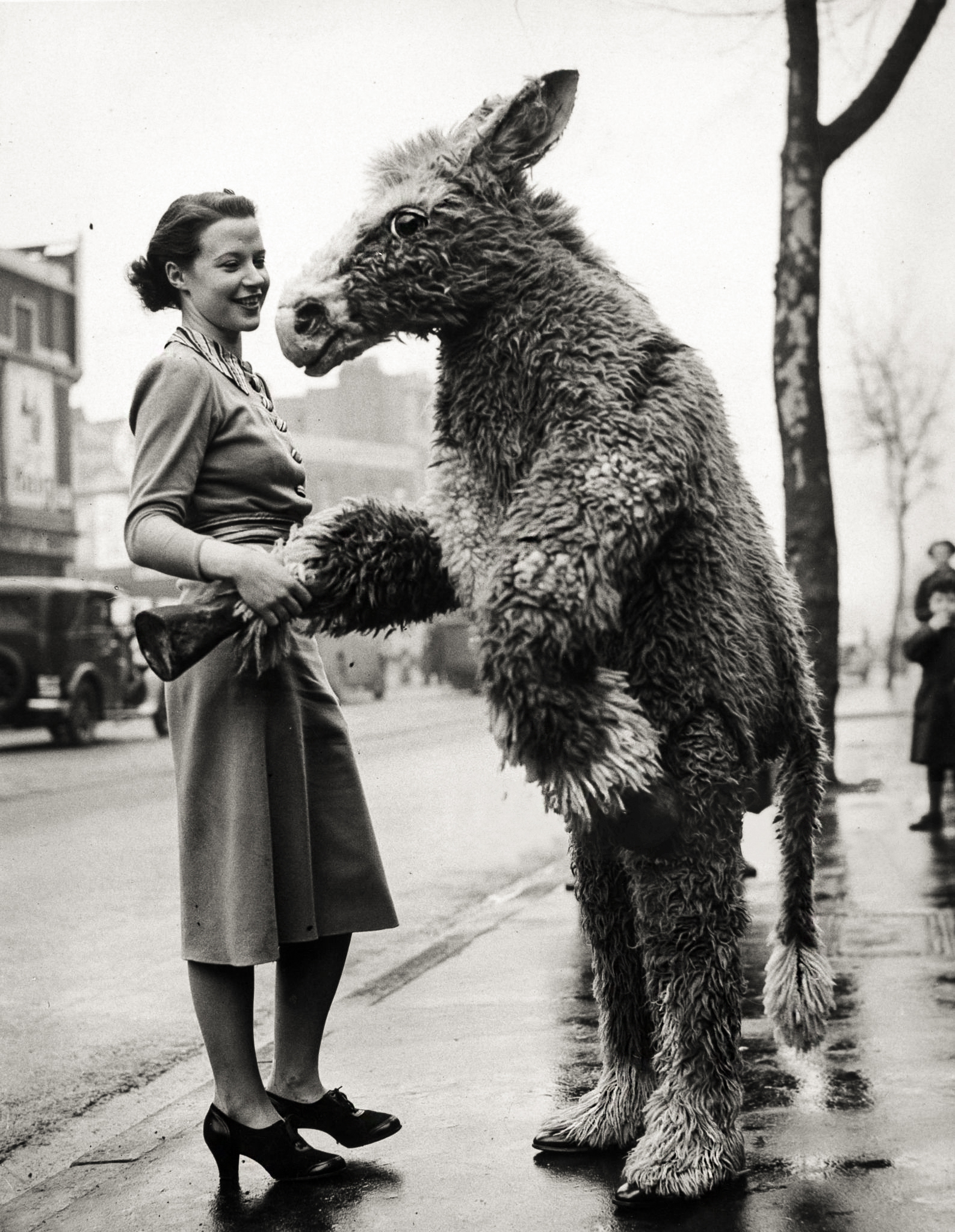
A stunt group perform at the Chelsea Arts Ball, December 1928. (Photo by Fox Photos) | src Getty Images
Figure of a peacock with its tail as a train which is being held by attendants at a Chelsea Arts Ball rehearsal, December 1929. (Photo by Fox Photos) | src Getty Images

Chelsea Arts Club Ball

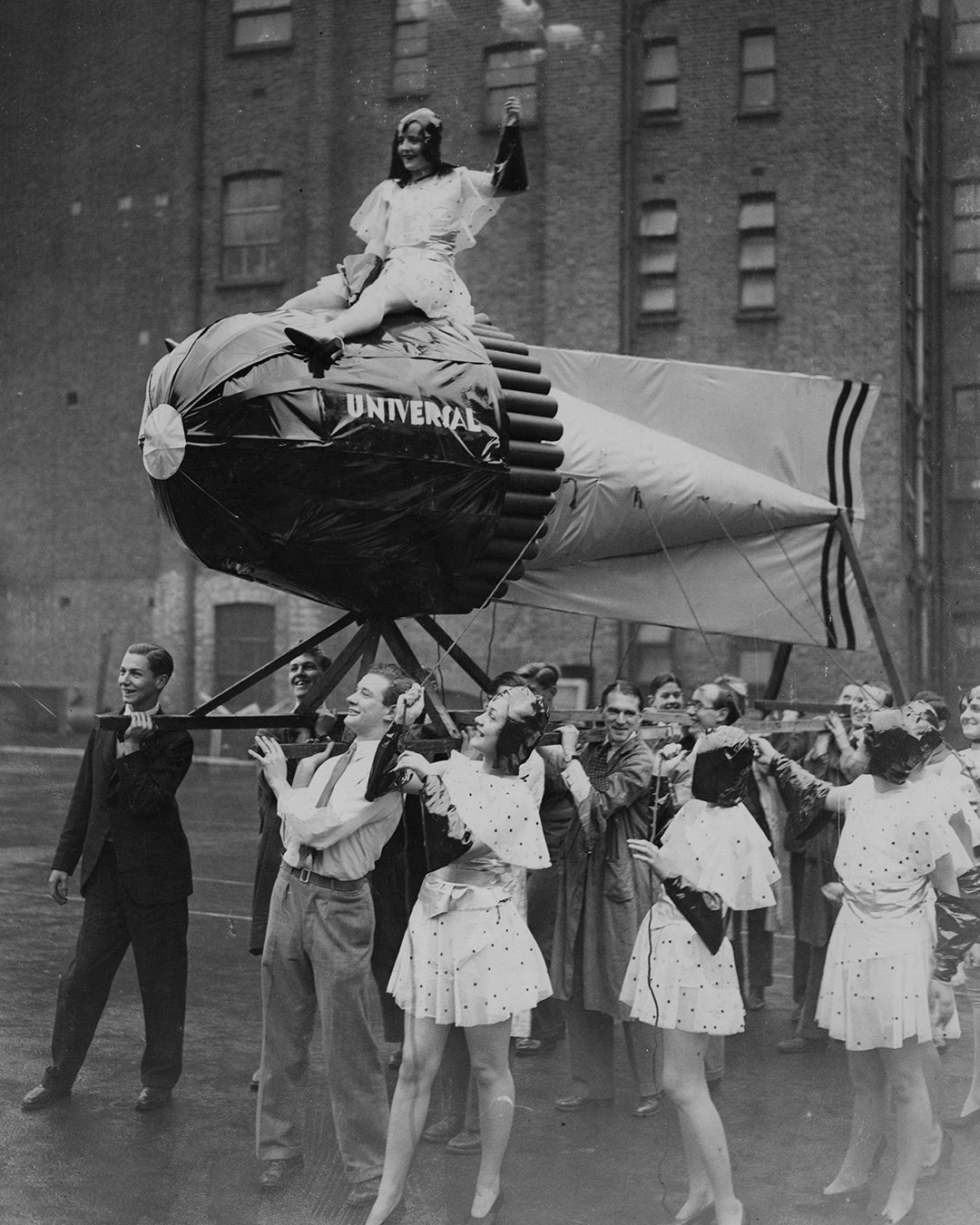
Prior to the New Year’s Eve Chelsea Arts Ball (to be held at the Albert Hall), students from the Chelsea polytechnic carry an inflatable rocket airship during a full dress rehearsal, 1931. Soibelman Syndicate. | src Getty Images

Chanticleer costume, 1924

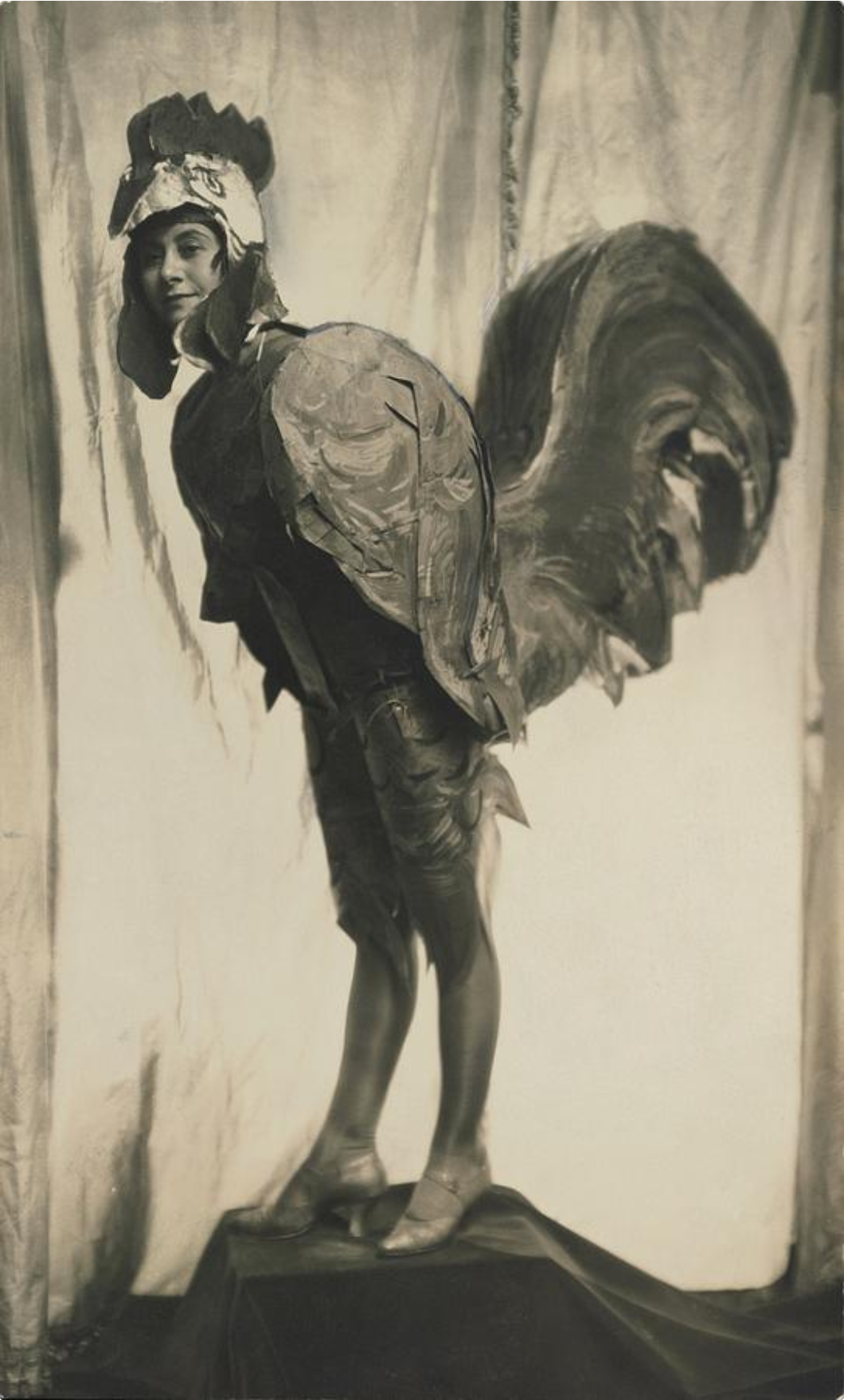
Edward J. Steichen :: Mrs. Leo Lentelli wearing a Chanticleer costume designed by Italian-American sculptor Leo Lentelli. Published in Vogue, April 1st, 1924. | src Condé Nast