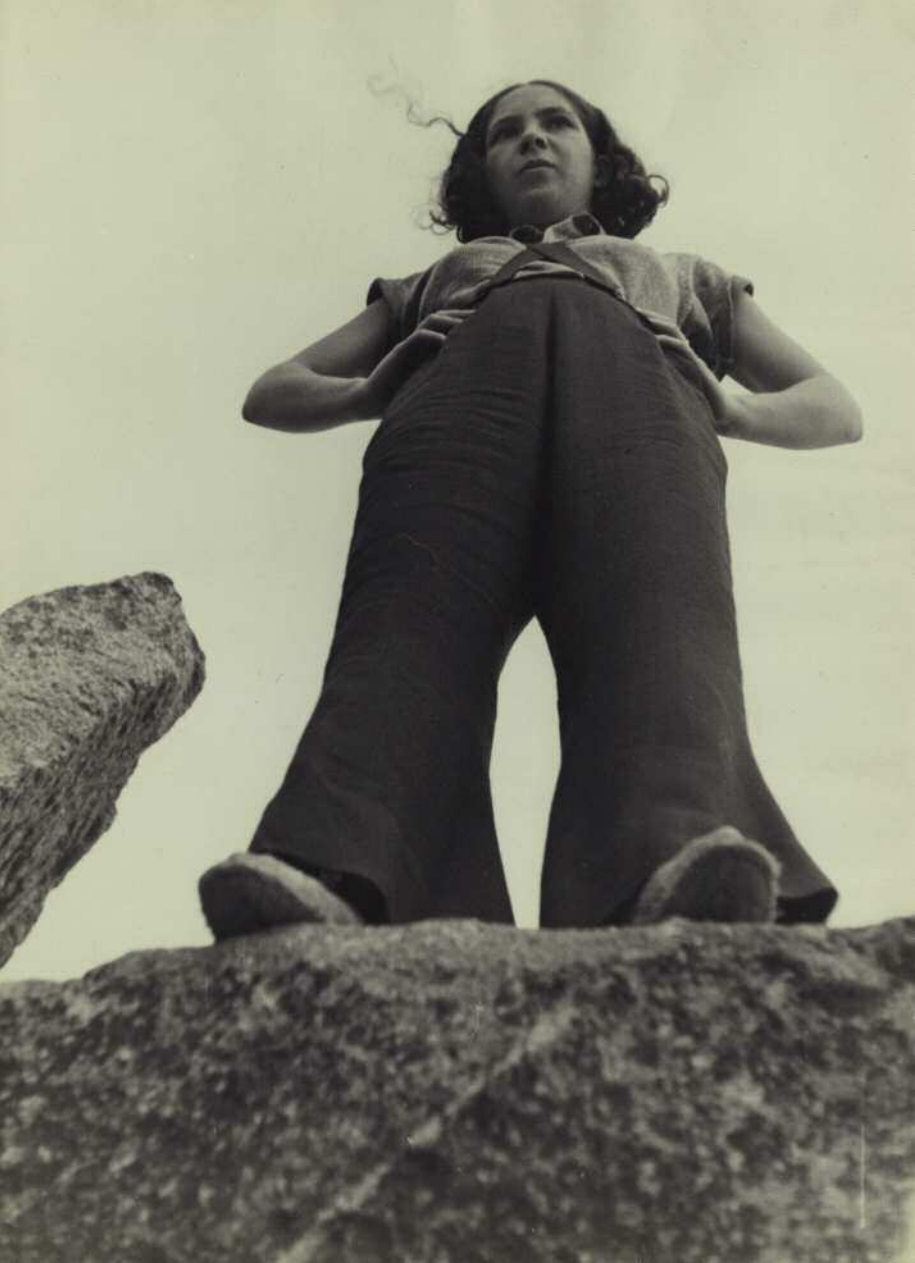
![André Steiner [Andor Steiner] :: Sans titre, Roscoff, 1933. Tirage argentique.](https://unregardoblique.com/wp-content/uploads/2022/12/steiner-sans-titre-roscoff-1933.jpg)
images that haunt us
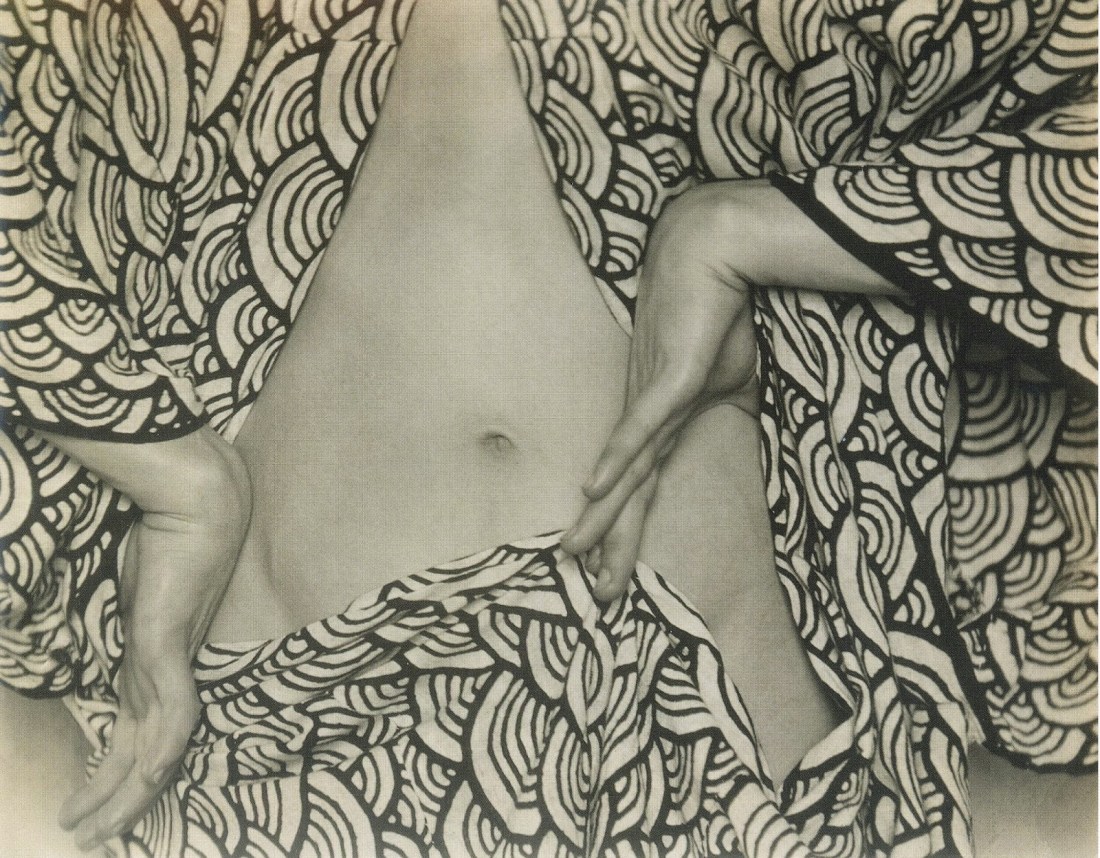
![Margrethe Mather :: Semi-nude [Billy Justema Wearing a Kimono], ca. 1923. Center for Creative Photography. University of Arizona, Tucson](https://unregardoblique.com/wp-content/uploads/2022/07/margrethe-mather-semi-nude-billy-justema-wearing-a-kimono-ca.-1923-center-for-creative-photography-university-of-arizona-tucson.jpg)
When Margrethe Mather (1885 or 1886-1952) met Billy Justema in 1922, she was 36 and he was 17. Through spending time with him, Mather found a way out of her grief over the unexpected suicide of her close friend Florence Deshon. Through their relationship, Justema searched for a state of mind that would allow him to define both his artistic path and his sexuality. Mather photographed him as an enigma, as he was at the time to himself, in the process creating a portfolio to rival that of Alfred Stieglitz’s images of Georgia O’Keeffe. I could point out the sure compositional structure that informs Billy Justema in a Kimono (above), the curves and angles that form a harmonious whole, all things typical of Mather’s work. [quoted from The Blue Lantern on blogspot]
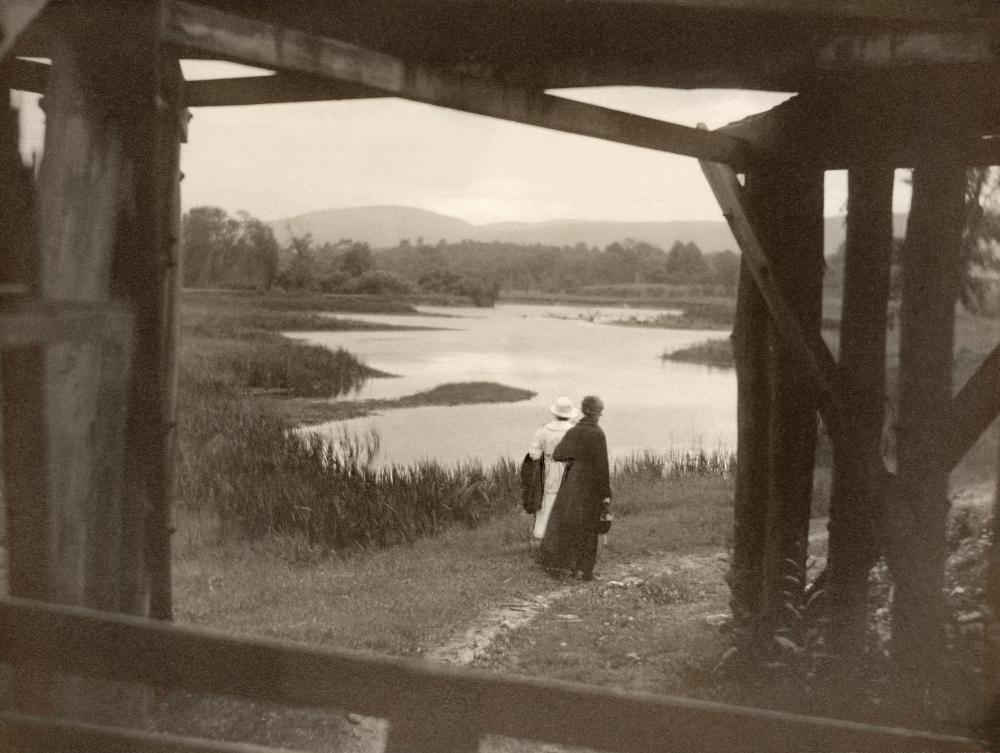
This image, very graphic in its composition, shows the influence of Arthur Wesley Dow, a specialist in Japanese art and in particular in the art of Nōtan [濃淡], the harmony and interplay between light and dark elements (B&W)

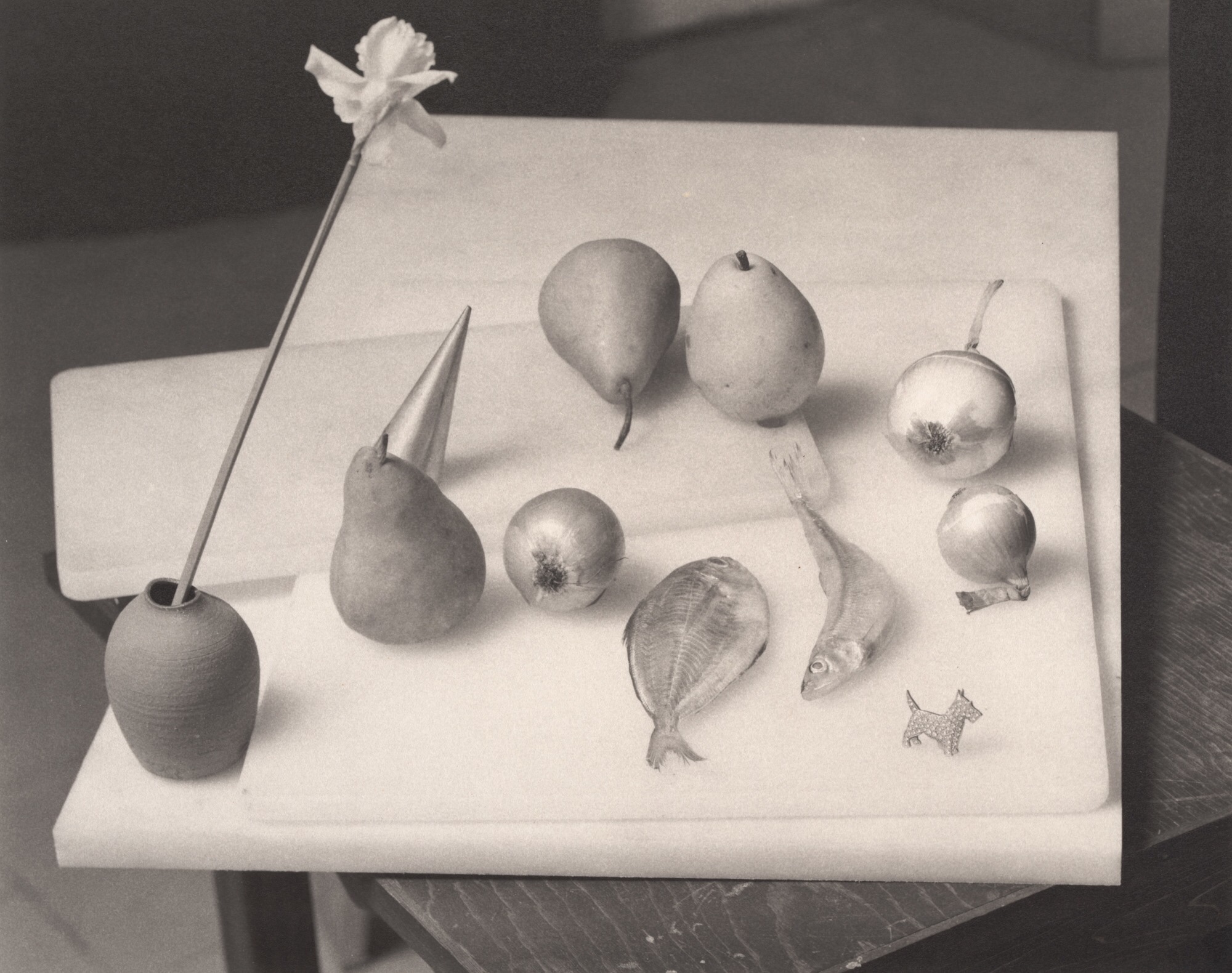
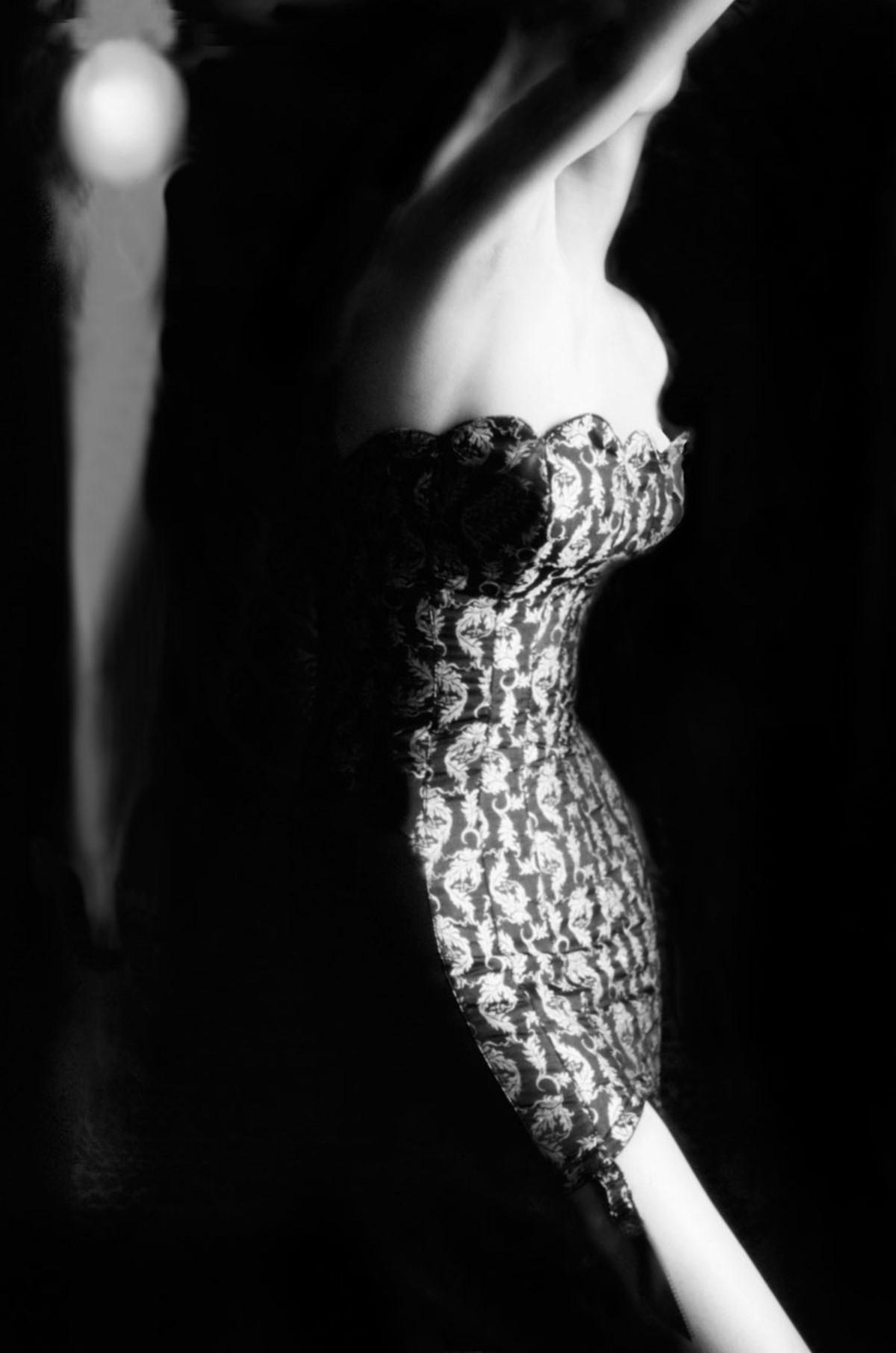
Lillian Bassman :: Shaped and Supple, 1954. | Model Alicia Mendoza “Betty Beihn” in a corselet by Warner’s. An alternate version was published in the October 1954 issue of Harper’s Bazaar.
more [+] by this photographer


Adelino Lyon de Castro
:: Costa da Caparica. O Fardo das Imagens (1945-1953). Catalogo da Exposicao. | src MNAC and Museu do Neorealismo
more [+] by this photographer

 un regard oblique