Theda Bara in Cleopatra · 1917

Theda Bara (anagram of Arab death, 1885-1955), in Cleopatra (1917) | src alamy
Theda Bara (b. Theodosia Burr Goodman, 1885-1955), in Cleopatra (1917) directed by J. Gordon Edwards | src alamy
Theda Bara in Cleopatra (J. Gordon Edwards, 1917). Studio publicity still, Fox Film | src alamy
Detail from image # 1: Theda Bara in Cleopatra (1917) | src alamy

Antoine et Cléopâtre (1920)

cleopatre, ballets russes
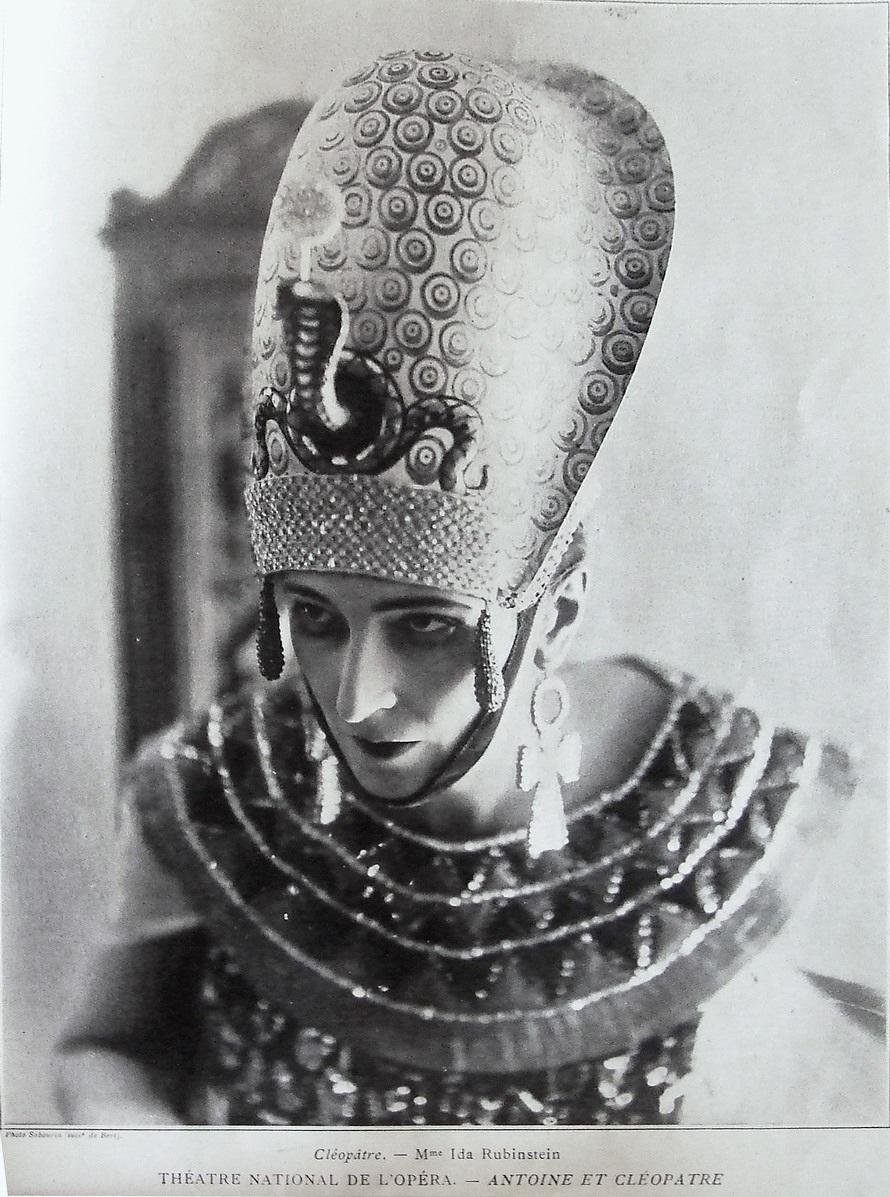
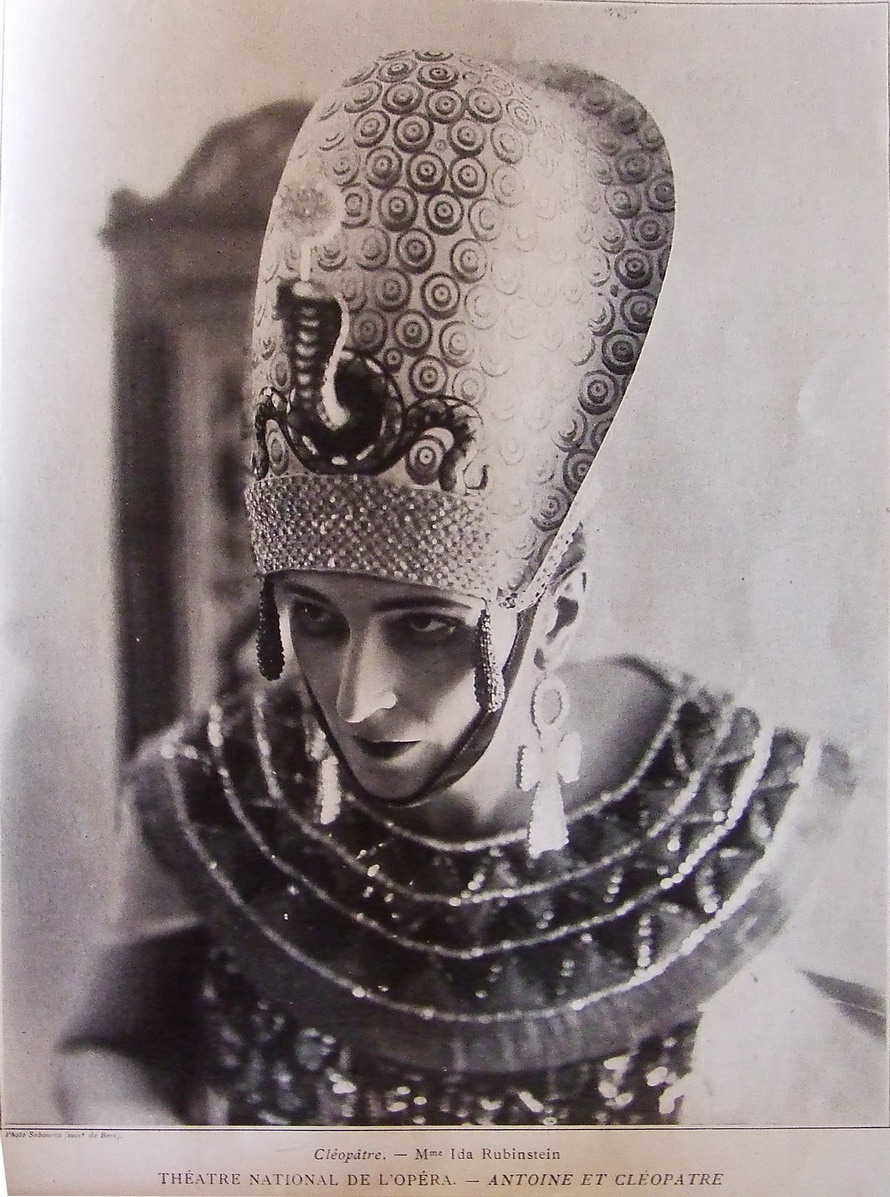
Cléopâtre. ─ Mme Ida Rubinstein. Théatre National de l’Opéra. Antoine et Cléopâtre [Photo Sabourin (succ. de Bert)] | src Getty Images
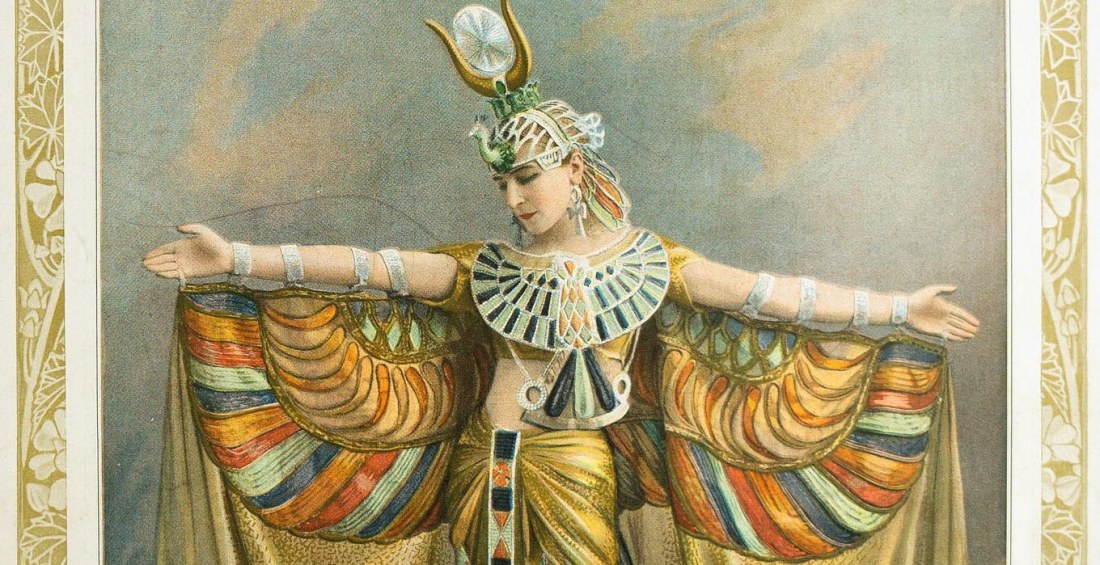
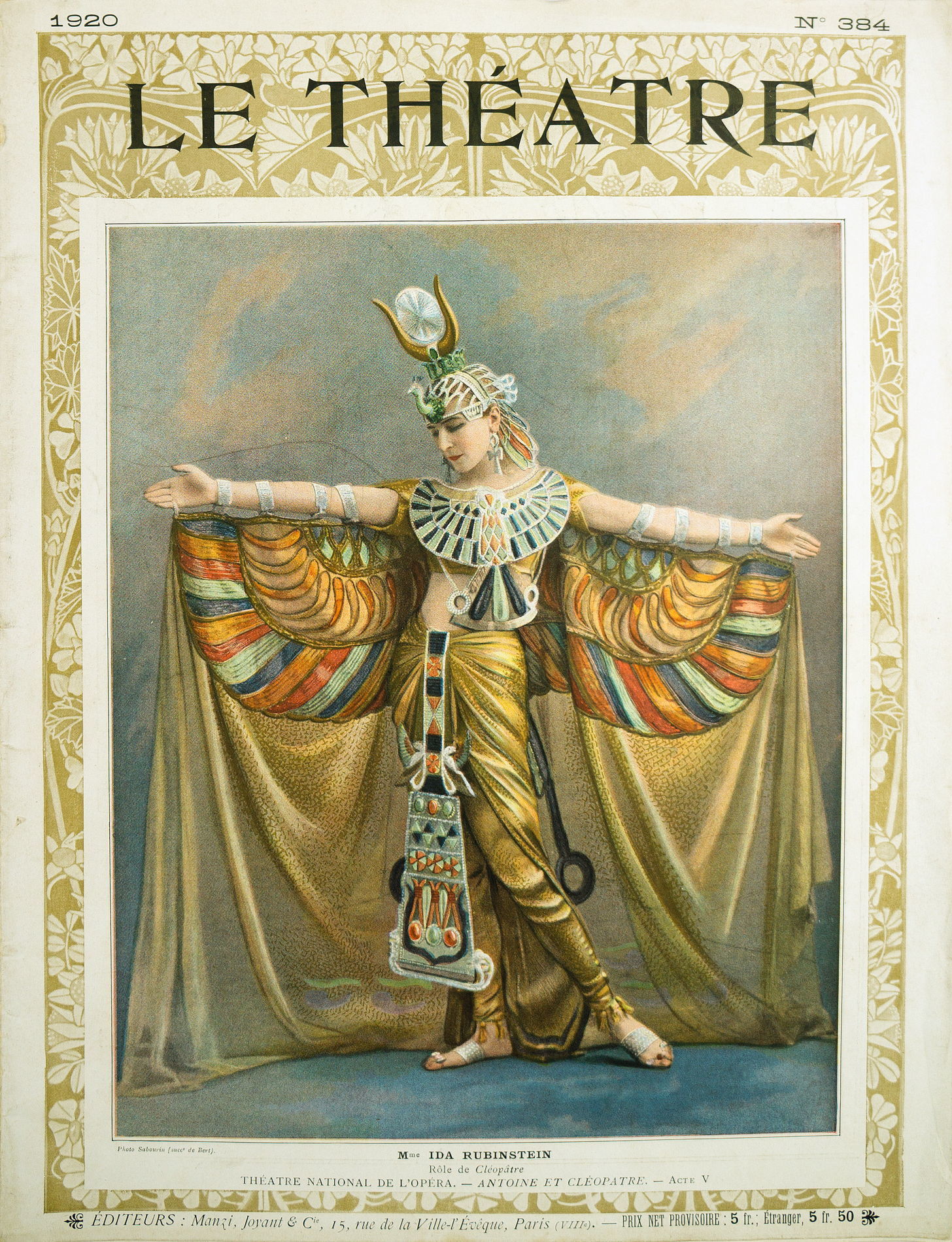
Ida Rubinstein (1880-1960) in the role of Cleopatra from Antony and Cleopatra by William Shakespeare,from magazine Le Theatre, 1920
1920 ─ LE THÉATRE ─ Nº 384 | Kabinett Auktionen
Cléopâtre. ─ Mme Ida Rubinstein. Théatre National de l'Opéra. Antoine et Cléopâtre [Photo Sabourin (succ. de Bert)]
1920 ─ LE THÉATRE ─ Nº 384 | Kabinett Auktionen
Cléopâtre. ─ Mme Ida Rubinstein. Théatre National de l’Opéra. Antoine et Cléopâtre [Photo Sabourin (succ. de Bert)]
Alternative scan of the magazine found on The Red List (broken link, the site had been taken down a few years ago)
1920 ─ LE THÉATRE ─ Nº 384 | Kabinett Auktionen
Mme Ida Rubinstein. Rôle de Cléopâtre. Théatre National de l’Opéra. Antoine et Cléopâtre ─ Acte V [Photo Sabourin (succ. de Bert)]

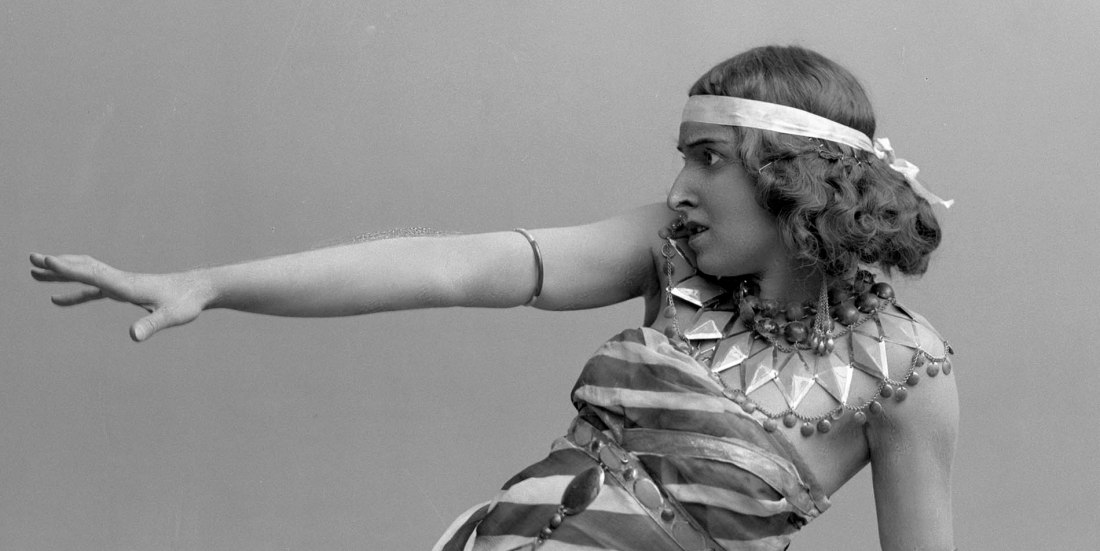
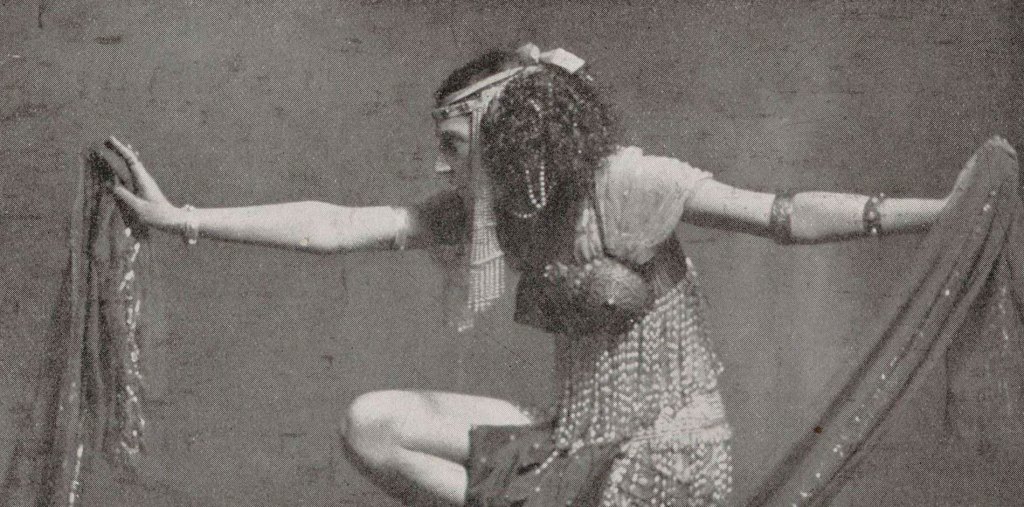
Fokina as Tabor in «Kleopatra»

Vera Fokina i baletten Kleopatra, Kungliga Operan 1913. Glasnegativ Detail
Atelier Jaeger, Stockholm :: Vera Fokina som Tabor i baletten Kleopatra (Cléopâtre), Kungliga Operan, 1913. Skannat glasnegativ | Vera Fokina as Tabor in the ballet Cleopatra (Cléopâtre), the Royal Opera, 1913. Scanned glass negative. | src Musik- och teaterbiblioteket
Atelier Jaeger :: Vera Fokina as Tabor in the ballet Cleopatra (Cléopâtre), the Royal Opera, 1913. Scanned glass negative. | src Musik- och teaterbiblioteket
Atelier Jaeger, Stockholm :: Vera Fokina som Tabor i baletten Kleopatra (Cléopâtre), Kungliga Operan, 1913. Skannat glasnegativ | Vera Fokina as Tabor in the ballet Cleopatra (Cléopâtre), the Royal Opera, 1913. Scanned glass negative. | src Musik- och teaterbiblioteket
Vera Fokina i baletten Kleopatra, Kungliga Operan, 1913. Hofatelier Jaeger. Glasnegativ | src Musik- och teaterbiblioteket
Atelier Jaeger, Stockholm :: Vera Fokina som Tabor i baletten Kleopatra (Cléopâtre), Kungliga Operan, 1913. Skannat glasnegativ | Vera Fokina as Tabor in the ballet Cleopatra (Cléopâtre), the Royal Opera, 1913. Scanned glass negative. | src Musik- och teaterbiblioteket
Atelier Jaeger :: Vera Fokina som Tabor i baletten Kleopatra (Cléopâtre), Kungliga Operan, 1913. Skannat glasnegativ. | src Musik- och teaterbiblioteket
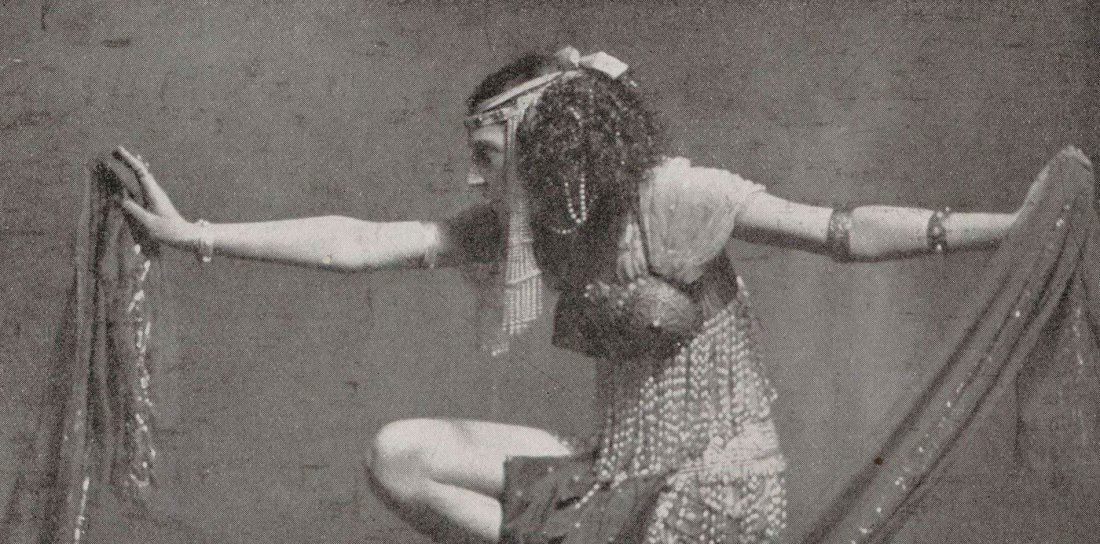
Vera Fokina en tenue de scène dans  Cléopâtre [assise, tendant le bras] / [photo : Atelier Jaeger] Stockholm : Théâtre Royal, 14-03-1913  | src BnF
Vera Fokina en tenue de scène dans Cléopâtre [assise, tendant le bras] drame chorégraphique en 1 acte | chorégraphie de Michel Fokine. [photo : Atelier Jaeger] Stockholm : Théâtre Royal, 14-03-1913 | src BnF

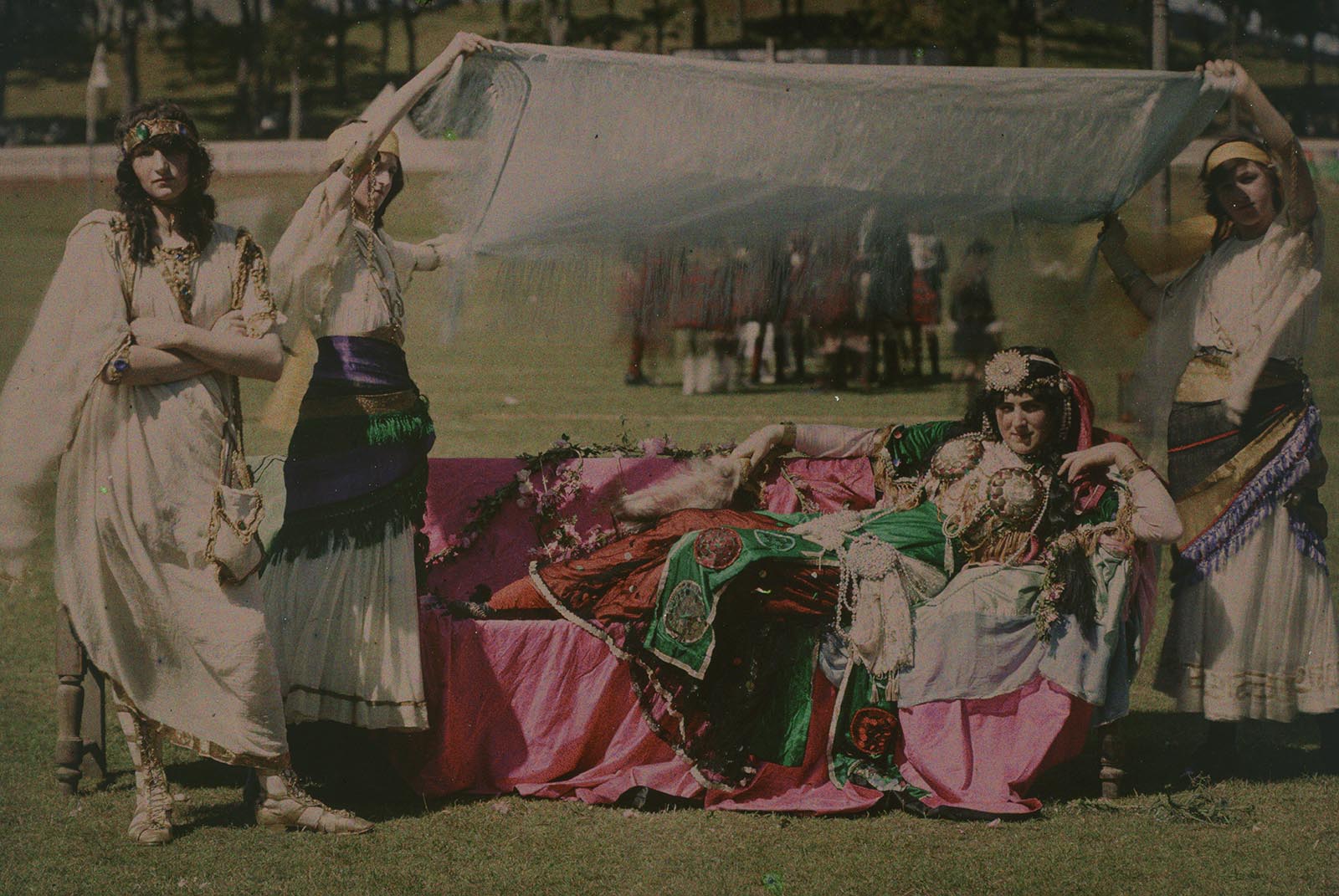
Cleopatra in Auckland, 1914

Robert Walrond :: "Cleopatra" in Domain cricket ground, Auckland, 1914. Autochrome. | Te Papa Tongarewa
Robert Walrond :: “Cleopatra” in Domain cricket ground, Auckland, 1914. Autochrome. | Te Papa Tongarewa

When the autochrome — the Lumière brothers’ new colour photographic process — reached New Zealand in 1907, it was eagerly adopted by those who could afford to use it. Among them was Auckland photographer Robert Walrond, whose ‘Cleopatra’ in Domain cricket ground is among a small number of superb early colour photographs in Te Papa’s collection. The combined effect of the sun and wind on the women’s costumes and in the fluttering appearance of the silk scarf held above the Cleopatra character is stunning. The tableau is interrupted but undiminished by what appears to be a pipe band in uniform in the background. The women were very likely part of what was described by the New Zealand Herald as a ‘fine’ performance of Luigi Mancinelli’s Cleopatra (a musical setting of the play by Pietro Cossa), associated with the Auckland Exhibition of 1913–14 held in the Domain.

The story of Cleopatra — with a particular focus on her love life and tragic death — was an exotic but respectable theme for theatre and dress-up events for women at the time. The Cleopatra myth and look were popularised by international performers such as the frequently-photographed Sarah Bernhardt in France and by numerous stage productions and films from the late nineteenth century onwards. With the advent of photography, part of performing the role became having a portrait made while in costume. The arrival of the autochrome was greeted with excitement and anticipation because rich colours could now be captured and the elaborate style of the costumes enhanced.

Much was made of the impact the autochrome would have on art and the role of photography within it. However, one of the disadvantages of the process was that it involved a unique one-off image on a glass plate: this required projection to be viewed and couldn’t be exhibited. So despite the original excitement for the method, it slipped out of sight once new developments arrived that fixed colour printing on a paper format. Walrond’s set of autochromes held by Te Papa are one of only a few larger bodies of work by New Zealand practitioners of this process.

Lissa Mitchell – This essay originally appeared in New Zealand Art at Te Papa (Te Papa Press, 2018)

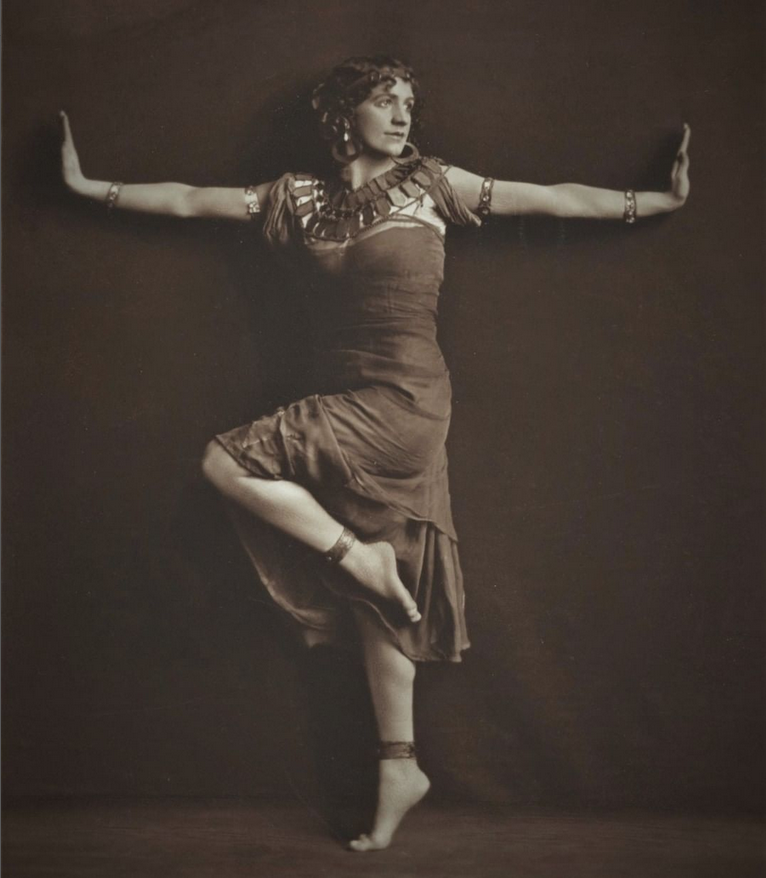
Robert Walrond :: "Cleopatra", 1914. Additive colour process. | Museum of New Zealand - Te Papa Tongarewa
Robert Walrond :: “Cleopatra”, 1914. Autochrome, additive colour process. | Museum of New Zealand – Te Papa Tongarewa

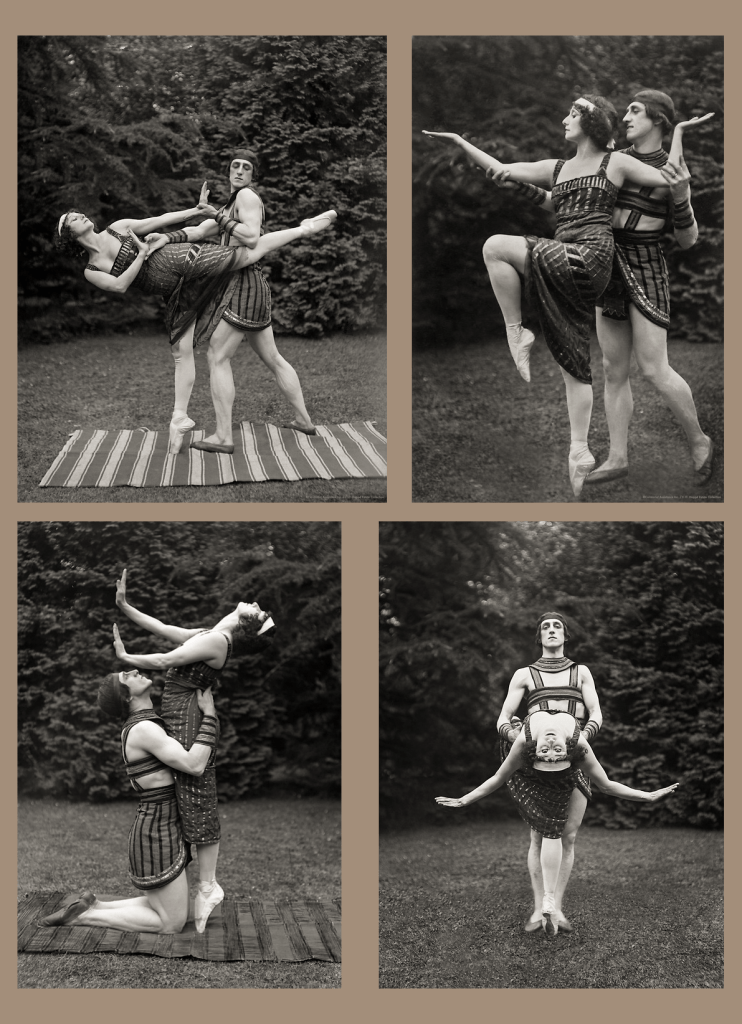
«Cléopâtre», London, 1923

E.O. Hoppé :: Anna Pavlova as Cleopatra and Laurent Novikoff as Amoun in «Cléopâtre» at Ivy House, Hampstead Heath, London, England, 1923. | src E.O. Hoppé Estate Collection / Ballets Russes (1909-1929)

Vera Fokina als Ha-Tor, um 1914

Arthur Grunenberg :: Vera Fokina as Ha-Tor in “Cleopatra”. Partly colored etching on handmade paper, signed in pencil below the image on the right: “A. Grunenberg” and inscribed “P XLV / 111”. Around 1914. | src Bassenge Auktionen

Ida Rubinstein as Cleopatra

Mme. Ida Rubinstein dans le rôle de Cléopâtre. Photo Bért. Collection des plus beaux numéros de "Comœdia illustré" et des programmes consacrés aux ballets et galas russes depuis le début à Paris, 1909-1921. | src BnF ~ Gallica
Mme. Ida Rubinstein dans le rôle de Cléopâtre. Photo Bért. Collection des plus beaux numéros de “Comœdia illustré” et des programmes consacrés aux ballets et galas russes depuis le début à Paris, 1909-1921. | src BnF ~ Gallica
Mme. Ida Rubinstein dans le rôle de Cléopâtre. Photo Bért. Collection des plus beaux numéros de "Comœdia illustré" et des programmes consacrés aux ballets et galas russes depuis le début à Paris, 1909-1921. | src BnF ~ Gallica

Theda Bara, Screenland, 1923

Melbourne Spurr :: Vamp and actress Theda Bara as Cleopatra (1917). Caption reads: “Theda Bara in the hey-day of her fame. Her inspired press agent gave it out that Theda was born in the shadow of the pyramids.” Published in Screenland magazine, June 1923 issue. | src dr macro