


images that haunt us


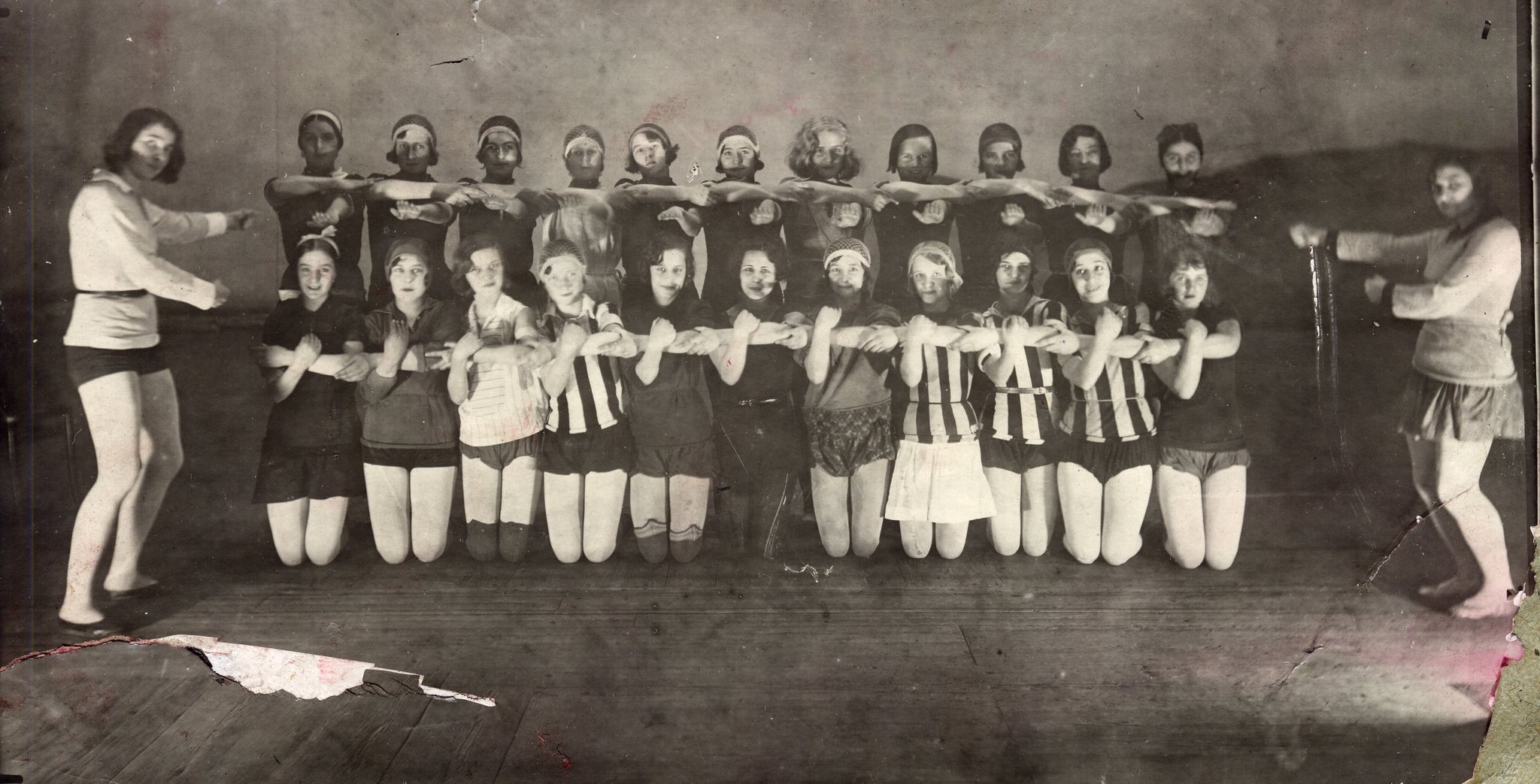
‘The Bolt’, written in 1931, is an unruly satire full of skulduggery and drunken conspiracy, populated by a host of comical characters. Following its premiere at the Leningrad Academic Theatre of Opera and Ballet in 1931, an unfavourable reaction from critics saw ‘The Bolt’ promptly pulled off the programme. Any performance of the ballet was thereafter strictly forbidden, and it was 74 years before it saw the stage again, reconstructed for the Bolshoi Ballet by its director Alexei Ratmansky. GRAD’s exhibition brings the neglected story of this tumultuous production to life through a selection of costume designs and period photographs.
The ballet, which is based on a true story, tells of the exploits of Lyonka Gulba (‘Gulba’ in Russian means ‘idler’), an indolent worker who persuades a young man to throw a bolt into the factory machinery, sabotaging the production of his workplace in revenge for his being sacked. In this industrial production, which featured real hammers and machine-inspired choreography, Shostakovich embellished the story with aerobics and acrobatics, with several passages mimicking the swishing and hammering sounds of modern factory machinery.
GRAD’s display will feature the witty and grotesque costume designs by Tatiana Bruni bringing to life the characters that populate the ballet: from the Sportsman, the Textile-Worker or the Komsomol Girl, to the Drunkard, the Loafer and the pompous Bureaucrat. Featuring striking geometrical colour blocking, Bruni’s designs have been called ‘the apogee of postrevolutionary Russian experiments in stage design’ and were inspired by the aesthetics of agit-theatre and ROSTA windows or artist-designed propaganda posters. Shostakovich’s exceptional blend of proletarian music genres play through the gallery space, catapulting the viewer to early 1930s Russia and evoking Fedor Lopukhov’s daring choreography. Constructivist values and aesthetics are reflected in all of the elements of the ballet, from the costume designs to the score, choreography to set design.
Shostakovich was commissioned by the Moscow Art Theatre to compose the score to a ballet that would serve and support the goals of socialism and communism. Combining circus music, waltzes, marches and tangos together with popular tunes, the composer envisaged the piece to be a celebration of the proletariat. Nonetheless, ‘The Bolt’ was banned by the Soviet authorities amongst suspicions that it was a satirical work.
That ‘The Bolt’ was produced in 1931 is significant. Visual art and literature were on the cusp of monumental change in Soviet Russia, after a series of political and artistic revolutions had changed the course of modernist art and modern history. The critical rejection of the ballet can be understood within the context of a progression toward Socialist Realism, and the suppression of the vanguard imagination, accelerated by the 1932 issue of the ‘Decree on the Reconstruction of Literary and Artistic Organisations’, a measure designed to curtail artistic independence. The satirical characters and acid comedy of ‘The Bolt’ stand as a bastion of an experimental spirit, which demonstrated an extraordinary edge and robustness. (quoted from WSI review on GRAD’s exhibition)

Student at the State Opera, East Berlin, Germany, Photo by Herbert List, 1966 Reblgging because original post was flagged as explicit by Tumblr.
the scene is chaos, bodies everywhere. there is no organization – no chain of command, no system of any kind.
nipple-mines everywhere. Some are flagged, some aren’t…some are flagged inaccurately so there is NO WAY to tell if you can tread safely over any particular path through this fetid jungle of discarded NSFW posts.
It’s in their eyes – their eyes are vacant and hopeless, without that gleam of promise from 2 days ago.
The tumblrers are weary from disarming falsely flagged posts over and over, only to look up – and see that in their place – an endless armada of mis-flagged posts is streaming in on the horizon.
we are losing hope…
Waiting for the Flag… will let you know how much time it takes…
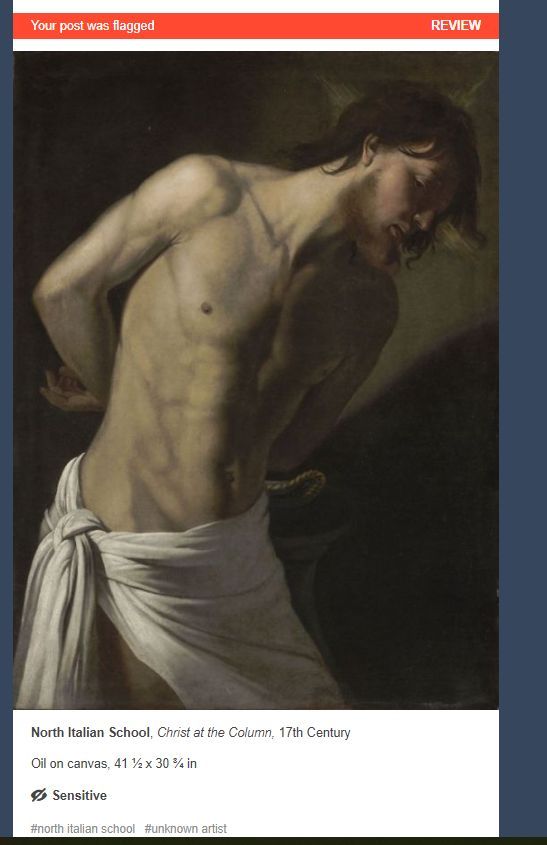
Even Jesus won’t be spared.
no messiah nipples
Tumblr… this is far too much
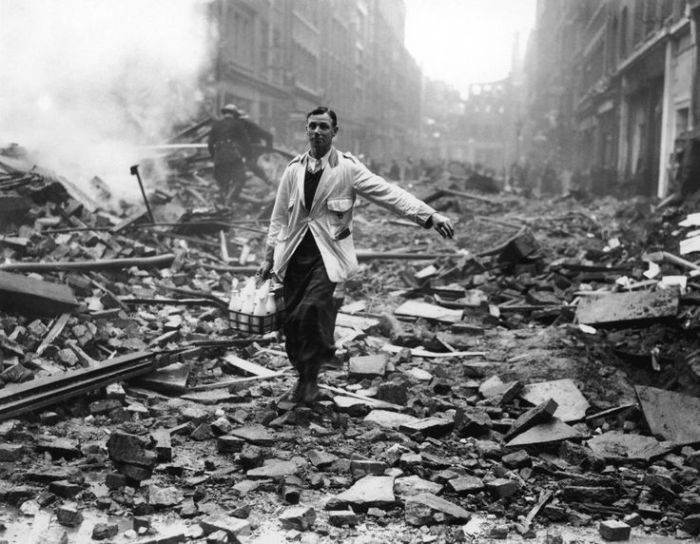
Fred Morley :: The Milkman, October 10th 1940 (fox Photos) / src: Iconic Photos
“Morley, working for Fox Photos, knew that if he took the pictures of the destroyed homes, his photos would not be published. A lot of his earlier work had been censored. In front of a back drop of firefighters struggling to contain a fire, he had an idea. He borrowed the coat and milk carrier from a milkman and asked his assistant to walk across the bombed moonscape. London carries on, the stage photo proclaimed, and the censor waved the picture through.”
Keep Calm and Carry On, proclaimed the poster which was never used. Instead, various photos taken during the war, of ordinary people ‘carrying on’ conveyed the same message. [Quoted from source]
 un regard oblique