Sita and Sarita by Cecilia Beaux

Cecilia Beaux (American, 1855 – 1942) ~ Sita and Sarita, ca. 1921. Oil on canvas. | src NGA ~ National Gallery of Art

This portrait by Cecilia Beaux portrays the artist’s cousin, Sarah Allibone Leavitt, dressed in white with her black cat on her shoulder. Beaux was recognized not only for her bold painting technique, but also for her ability to imbue her female subjects with wit and intelligence, rendering them more than just mere objects of beauty. A student in Paris in the late 1880s, the artist was influenced by her firsthand exposure to French impressionism. Her light-filled palette and gestural style invite comparisons with many of her contemporaries, including William Merritt Chase, James McNeill Whistler, John Singer Sargent, and Mary Cassatt.

The sitter’s white dress, for instance, evokes Whistler’s infamous 1862 painting of Joanna Hiffernan, Symphony in White, No. 1: The White Girl (National Gallery of Art, Washington). The formal connection between the two paintings demonstrates Beaux’s knowledge of Whistler’s painting. Additionally, the direct gaze of the black cat perched on Sarah’s shoulder references Edouard Manet’s painting Olympia (1865, Musée d’Orsay, Paris), in which a similarly posed black cat sits at the foot of Olympia’s bed. These connections suggest that Beaux intended to reveal more with this portrait than simply her mastery of painting technique. The enigmatic title of the painting may represent Manet’s influence—Beaux’s use of Spanish diminutives, Sarita for Sarah and Sita, meaning “little one,” for the cat, acknowledges the late 19th-century popularity of Spanish painting, championed by Manet.

The present work is a replica of the original painted in 1893 and displayed in the 1895 Society of American Artists exhibition in New York. Before donating the original to the Musée de Luxembourg in Paris (now in the collection of the Musée d’Orsay, Paris), Beaux recorded that she made a second painting for her “own satisfaction when the original went to France for good.” / quoted from NGA
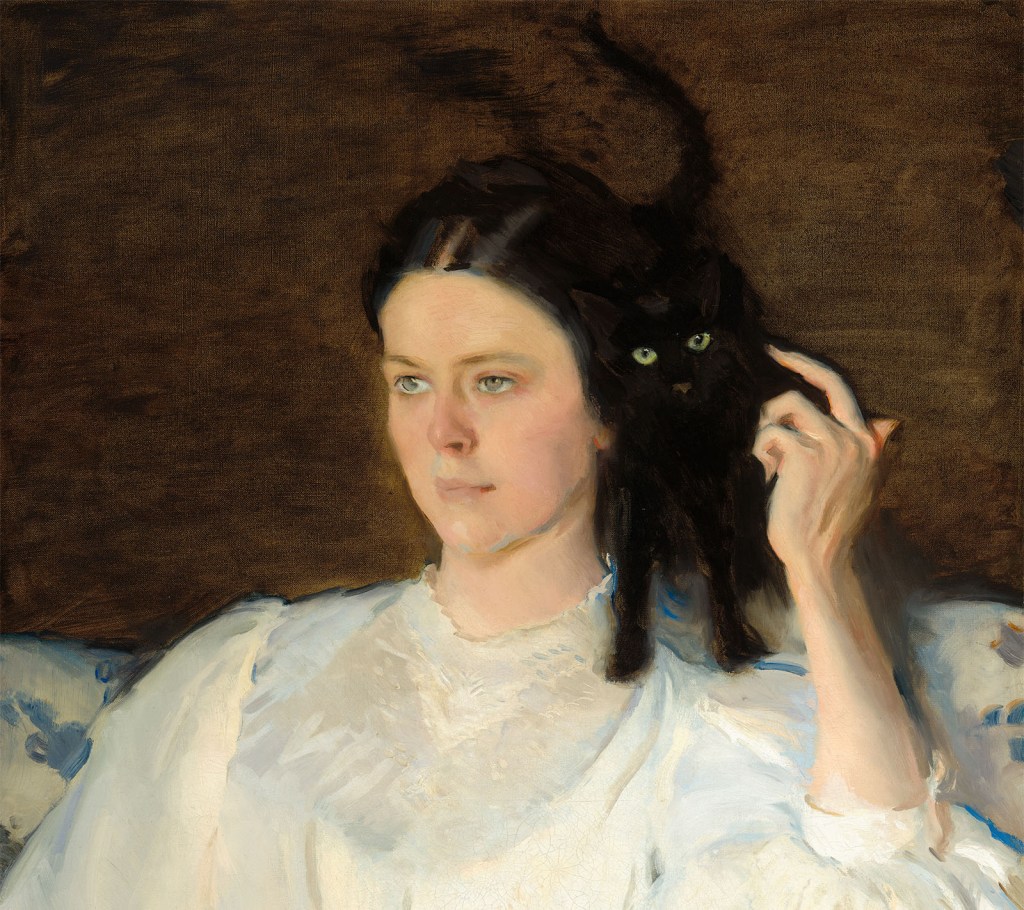
Cecilia Beaux ~ Sita and Sarita, ca. 1921. Oil on canvas. Corcoran Collection. | Detail

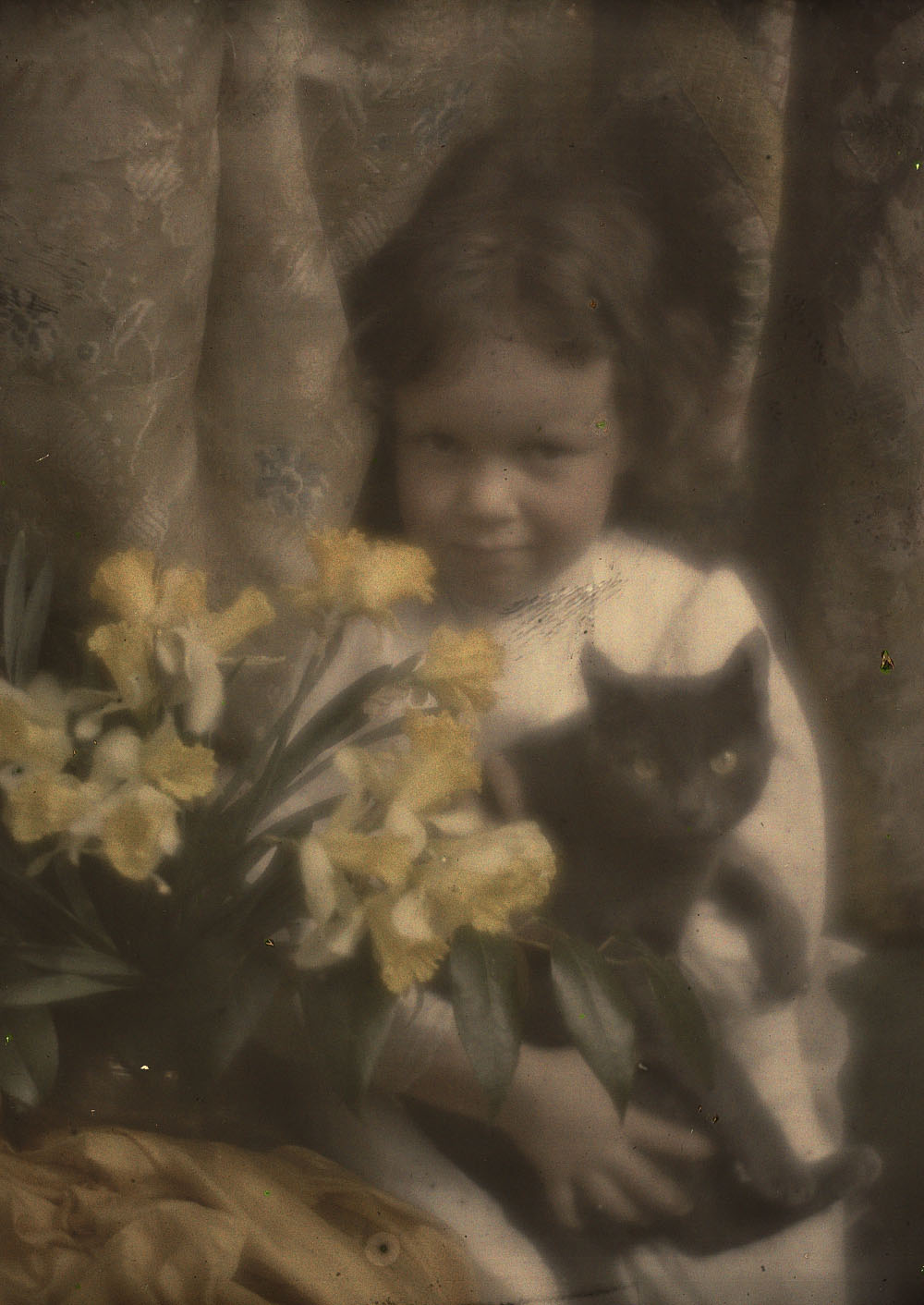
Black cat autochrome by Steichen

Edward Jean Steichen ~ Portrait of the Misses Sawyer, ca. 1914. Autochrome | src MoMA

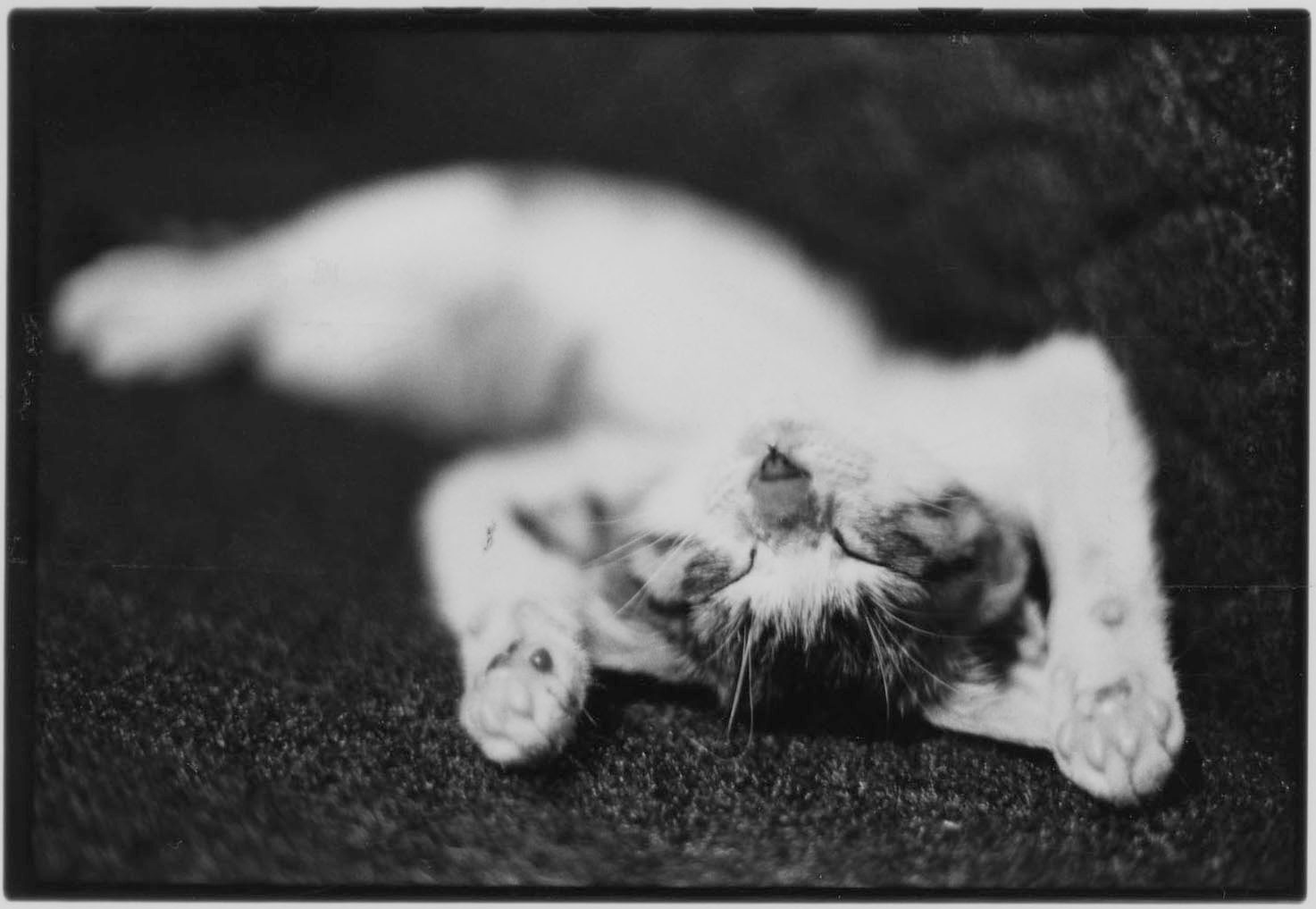
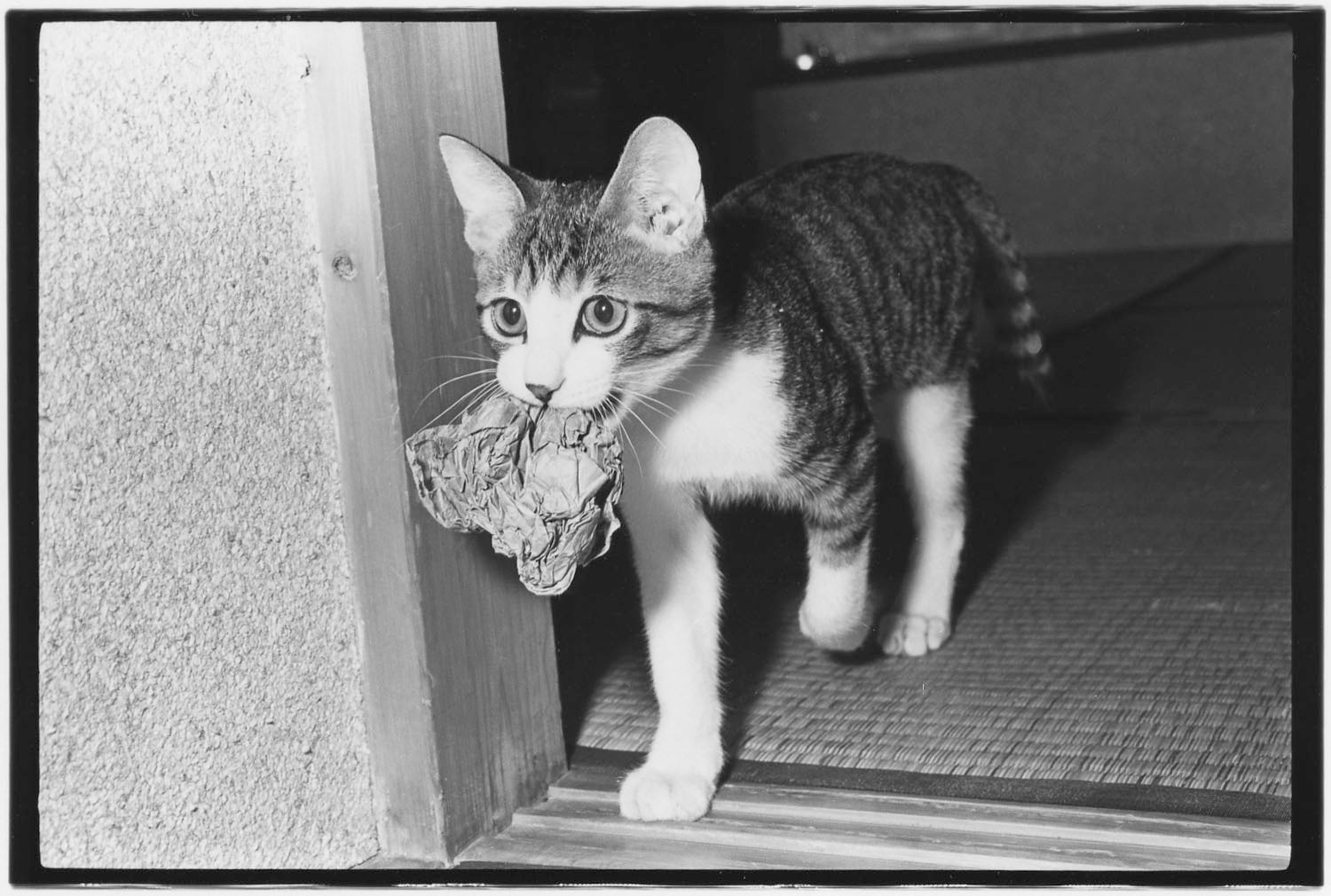
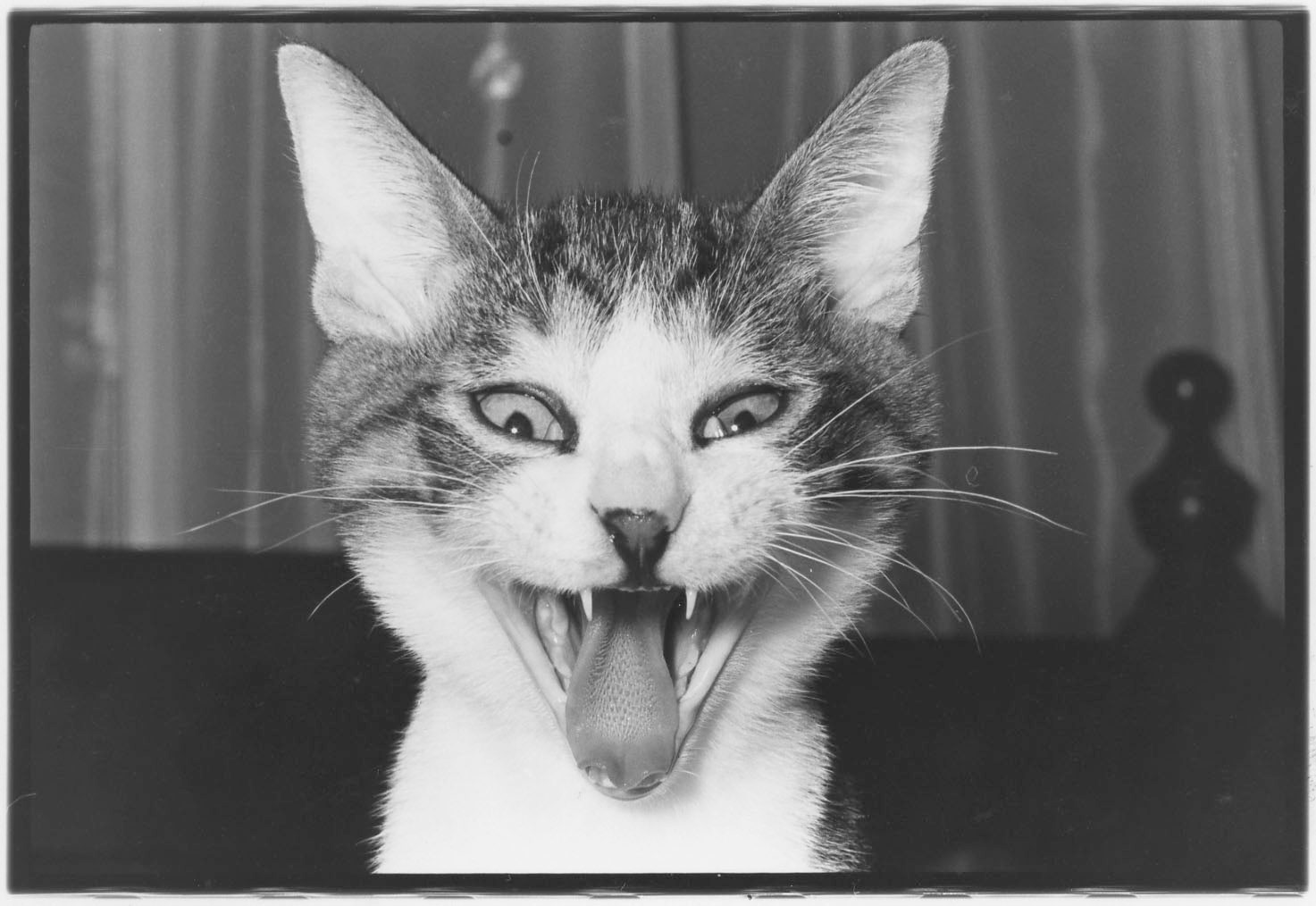
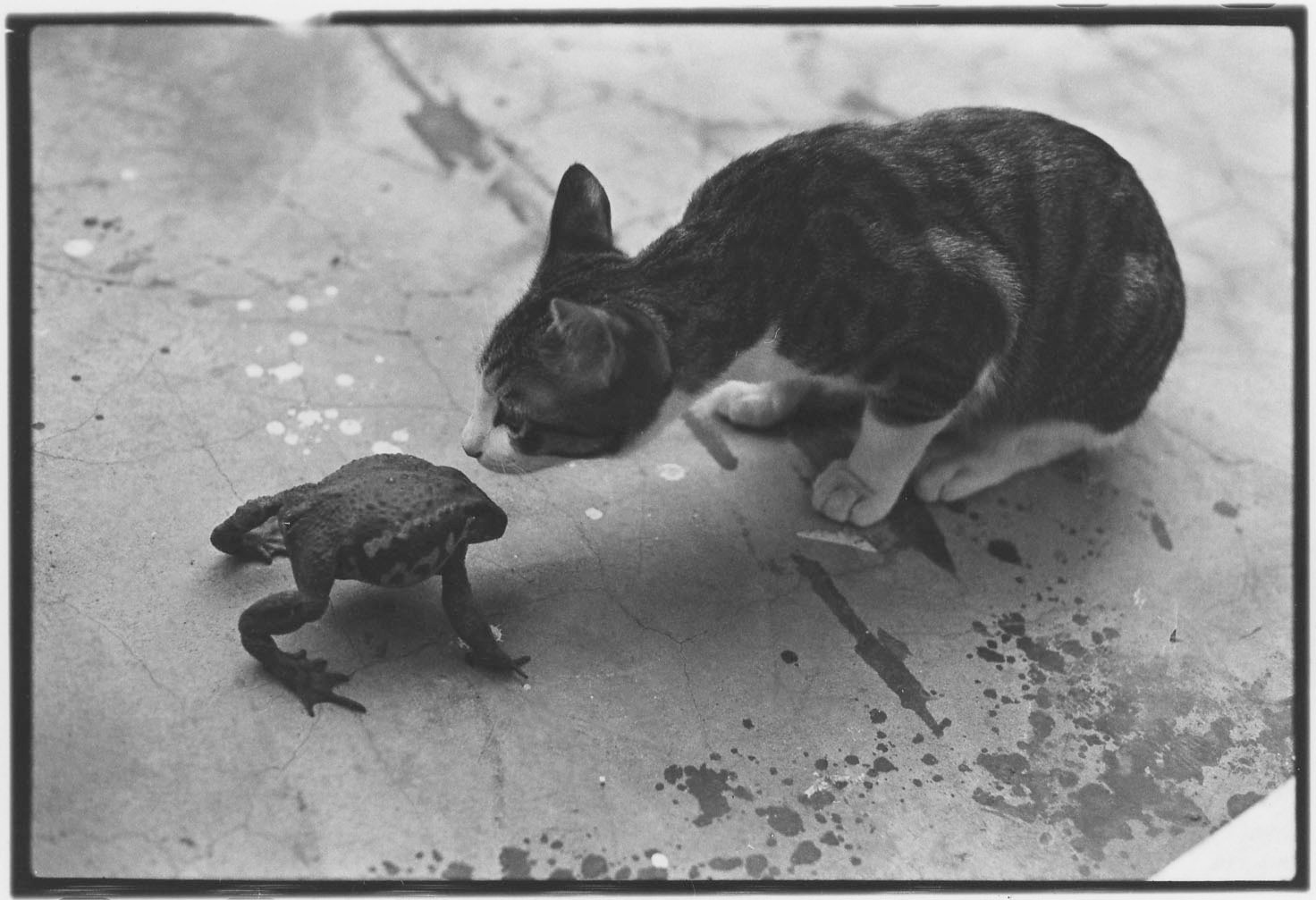
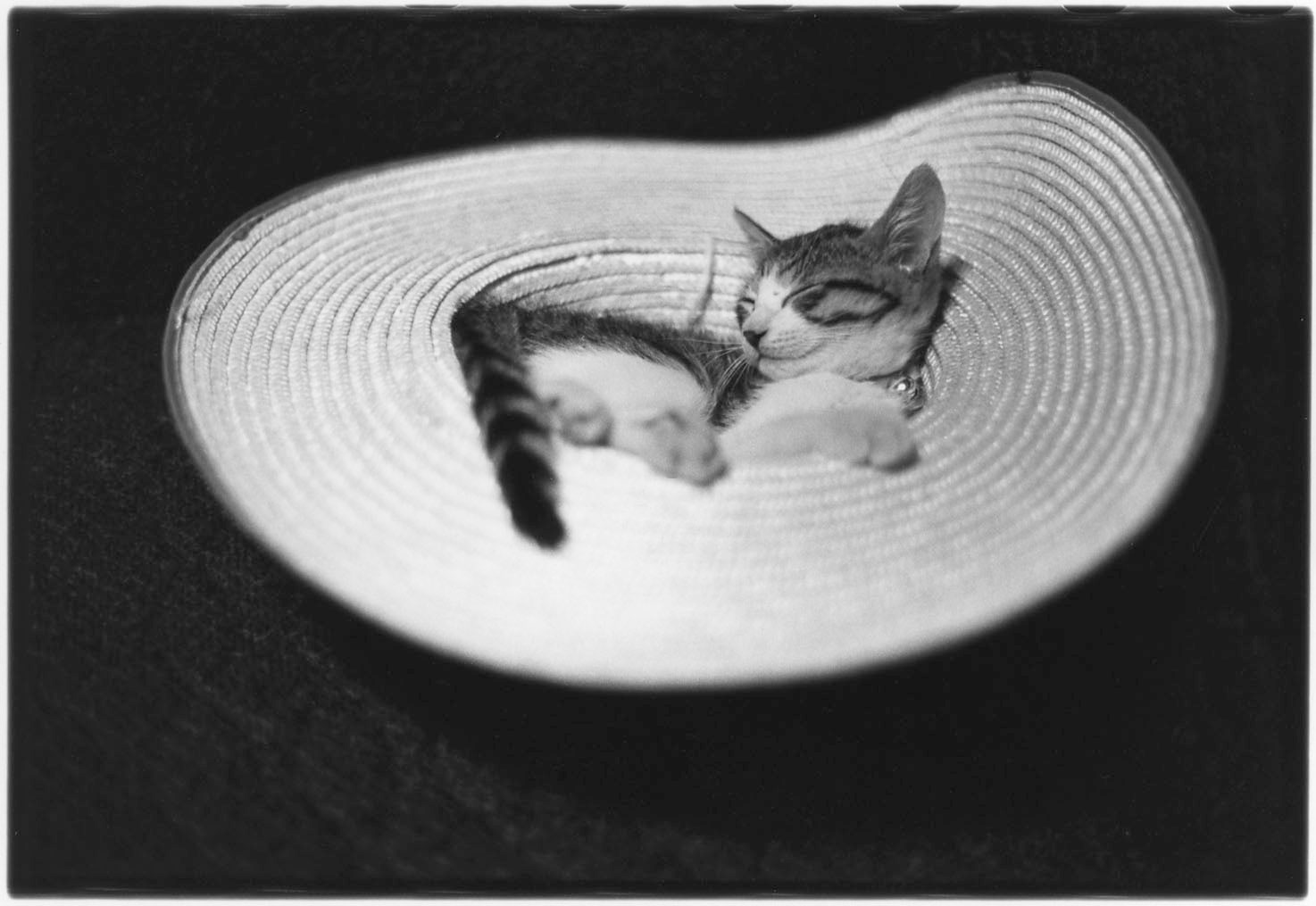
Masahisa Fukase · Sasuke

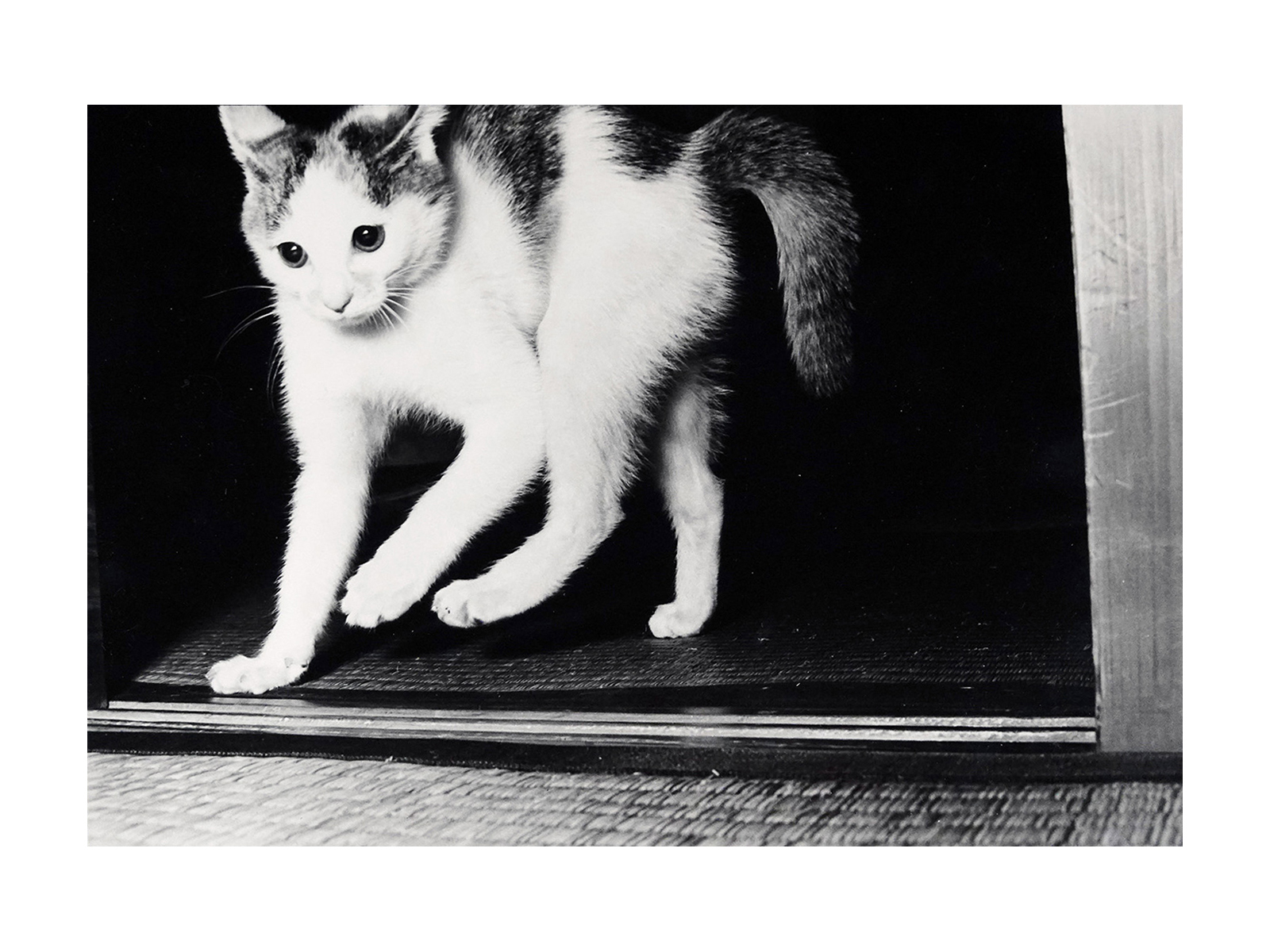
Masahisa Fukase ~ From Sasuke, ca. 1977. Atelier EXB (2021) | src Juxtapoz magazine
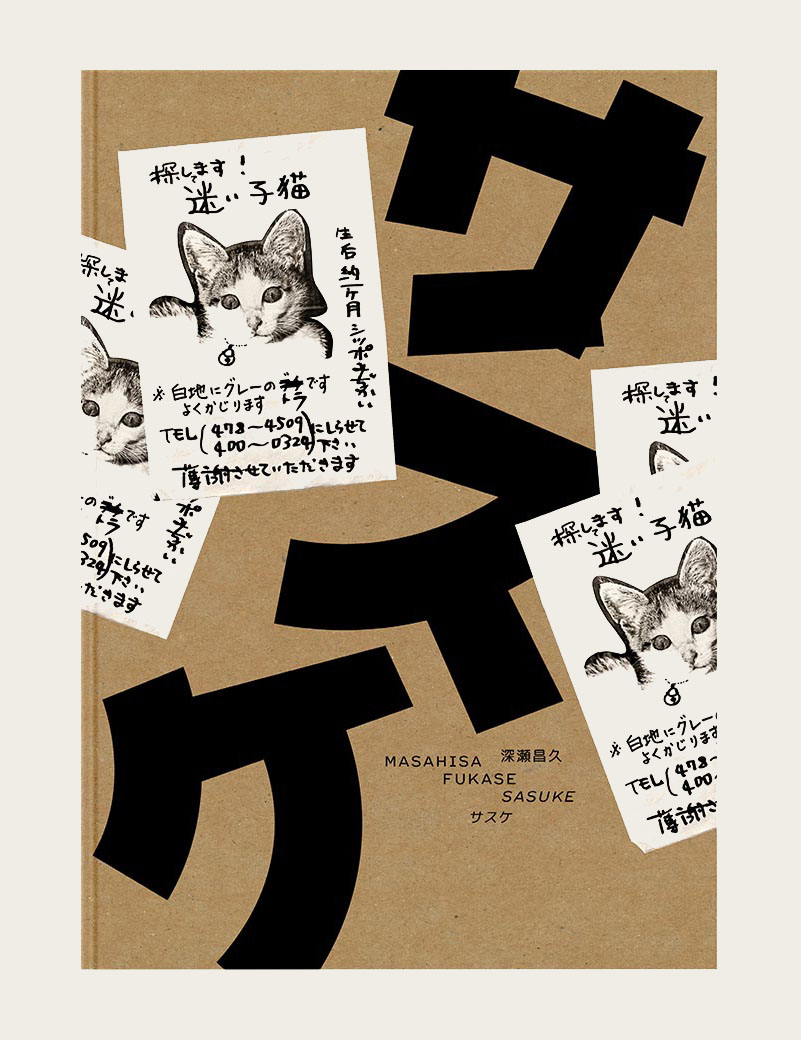
Book cover from Sasuke. Atelier EXB (2021) | src Juxtapoz magazine

In 1977, Fukase turned his lenses on his new companion Sasuke. Growing up with felines, he decides with the arrival of this new cat in his life that it would become a photographic subject in his own right, fascinated by this creature full of life named after a legendary ninja. Sasuke disappears after ten days and the photographer sticks hundreds of small posters in his neighborhood.

A person brings back his cat, yet it is not Sasuke but never mind he welcomes this new cat with as much affection. One year later, he takes a second cat named Momoe, entering the frame as well and he will never get tired of photographing their games. They become for the Japanese photographer a boundless experimental field leading to an extraordinary body of work in its technical and visual inventiveness.

As often in his work, this series shows a form of projection of the photographer into his subject. The cat, a faithful companion who never leaves him, takes the place of his wife, eternal heartache, later represented by the iconic fleeing crows.

A new book, Sasuke, is dedicated to Masahisa Fukase’s emblematic series on his two cats: Sasuke and Momoe, combining unpublished and iconic images. | Juxtapoz magazine

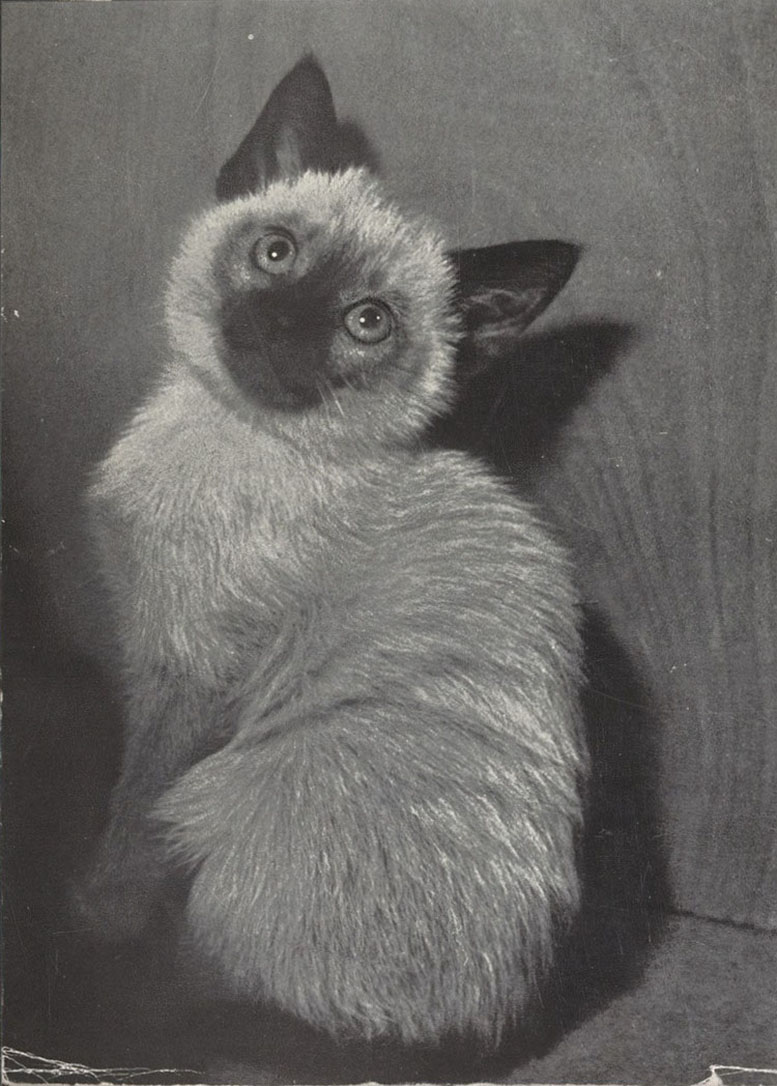
Finnish cats on Caturday

Haukotteleva kissa. A Yawning cat on the steps, Summer of 1931. JOKA : Journalistinen kuva-arkisto | src Museovirasto
A woman with two kittens in her arms 1935. Photo: Pietinen | src Museovirasto
Pekka Kyytinen ~ The cat is taught to swim in Särkijärvi, 1937-1939 | src Museovirasto
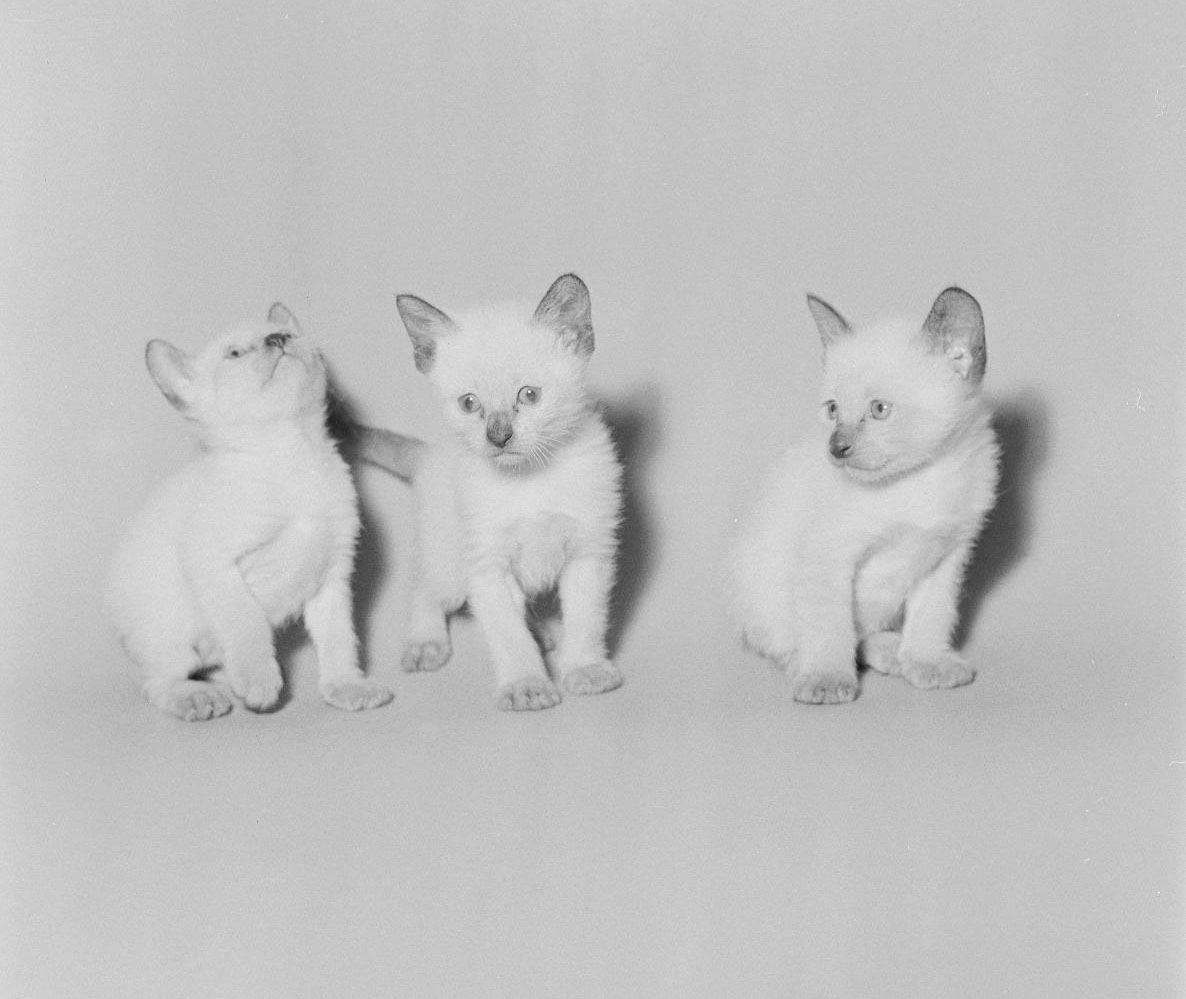
István Rácz ~ Three kittens, 1959 | src Museovirasto
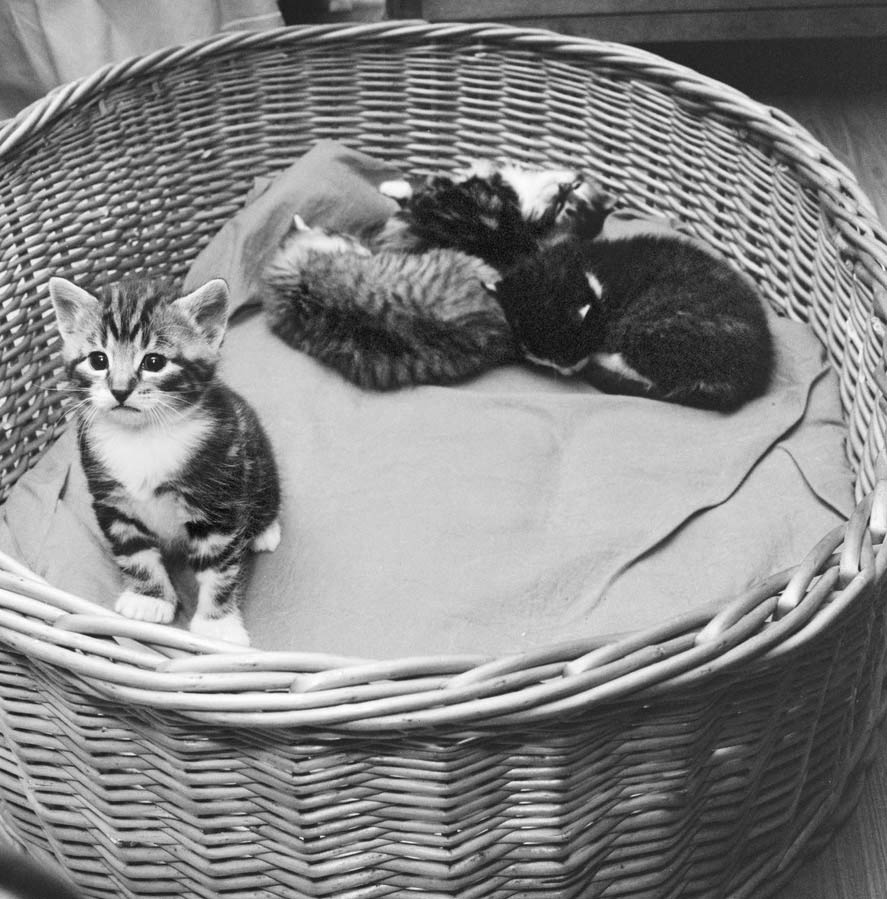
Kari Rainer Pulkkinen ~ Kittens in a basket, 1967-1969 (Detail). JOKA : Journalistinen kuva-arkisto | src Museovirasto

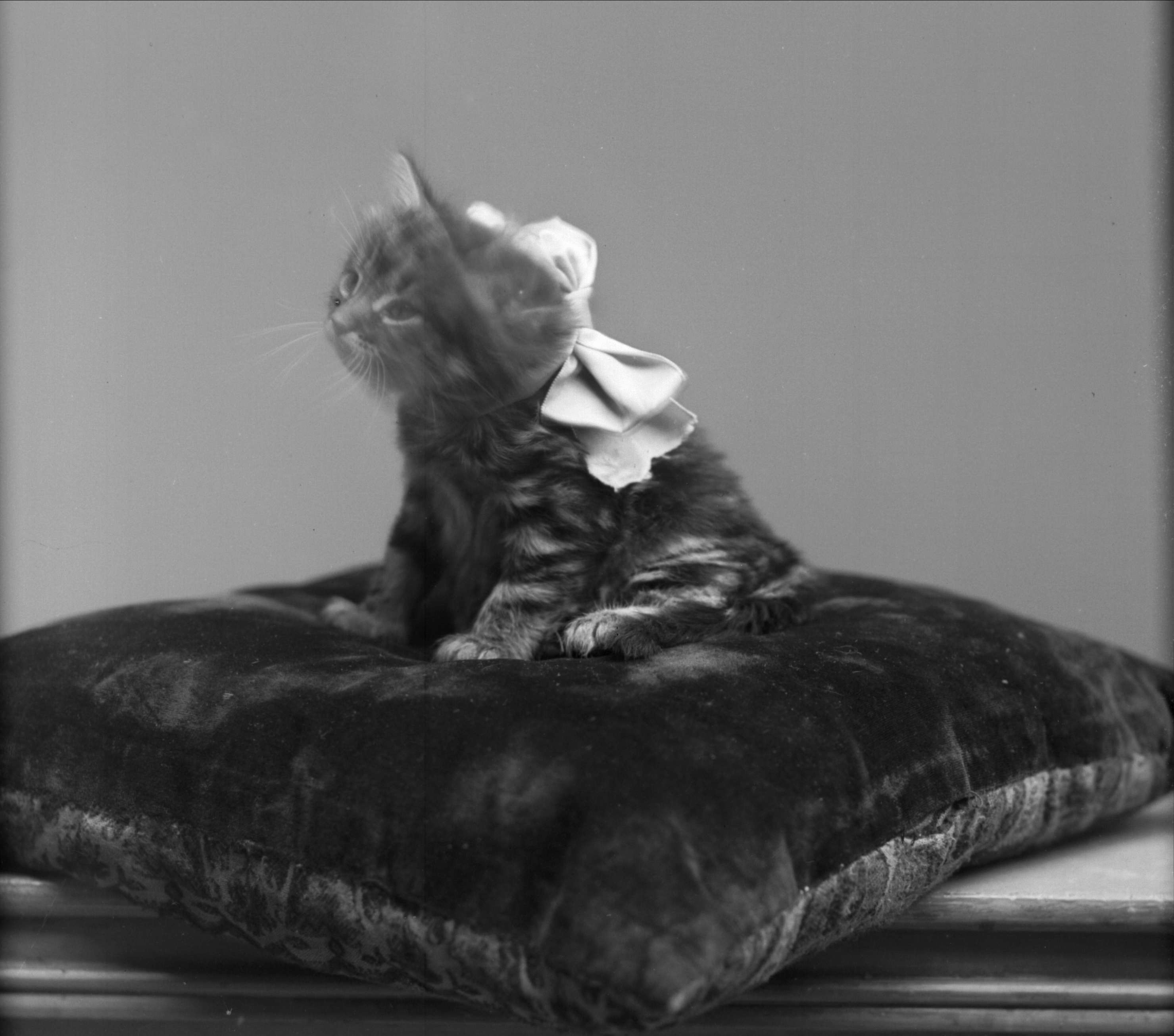
Portrait of a kitten by Borgen

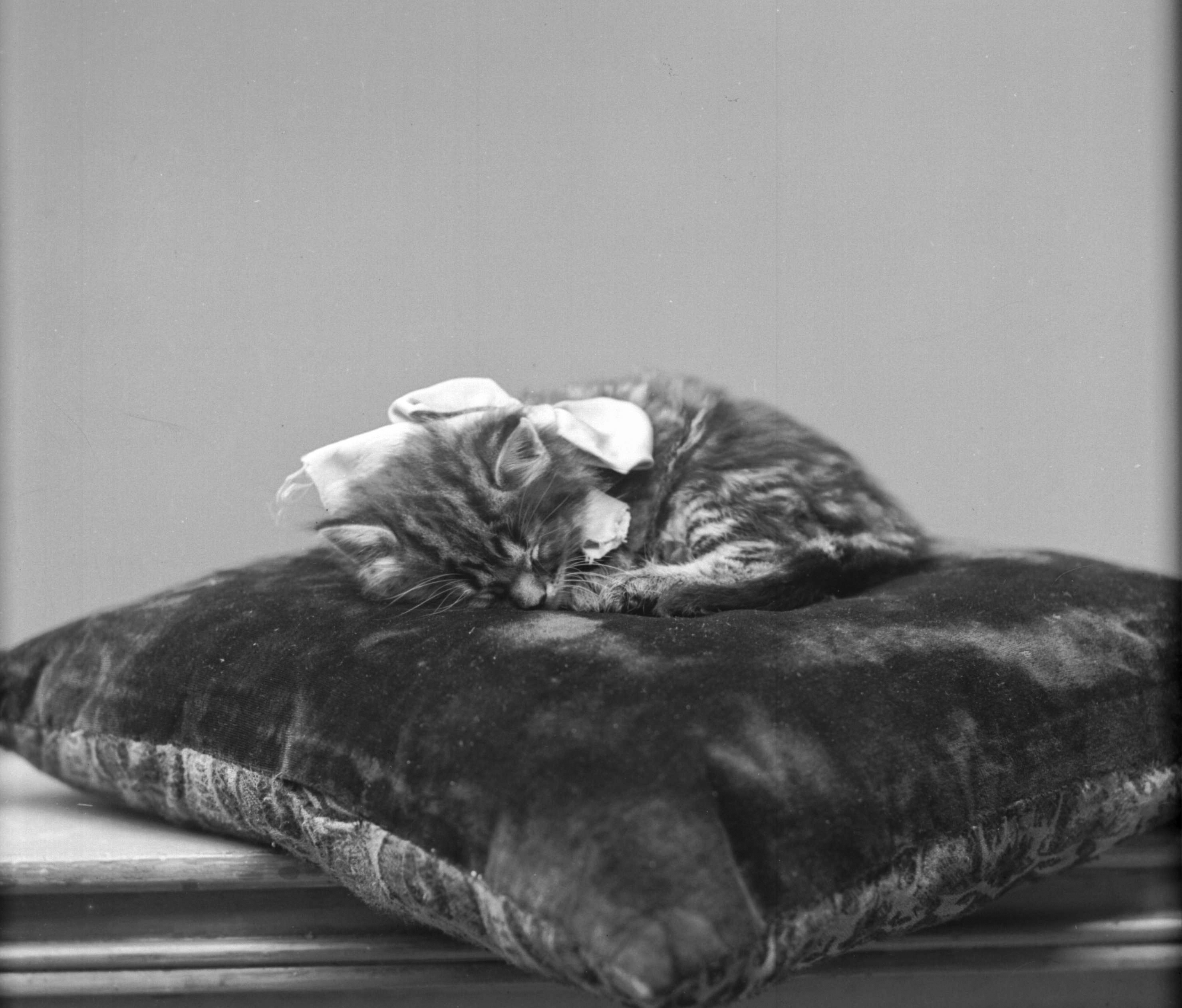
Gustav Borgen (1865-1926) ~ Portrait, sleeping cat on pillow. Wilhelmsen’s cat. | Norsk Folkemuseum NFB.30721
Gustav Borgen (1865-1926) ~ Portrett, Lurende katt på pute, Wilhelmsens katt. | Norsk Folkemuseum NFB.30724
Gustav Borgen (1865-1926) ~ Portrett, Spørrende katt på pute. Wilhelmsens katt. | Norsk Folkemuseum NFB.30723
Gustav Borgen (1865-1926) ~ Portrait, cat on pillow. Wilhelmsen’s cat. | Norsk Folkemuseum NFB.30722

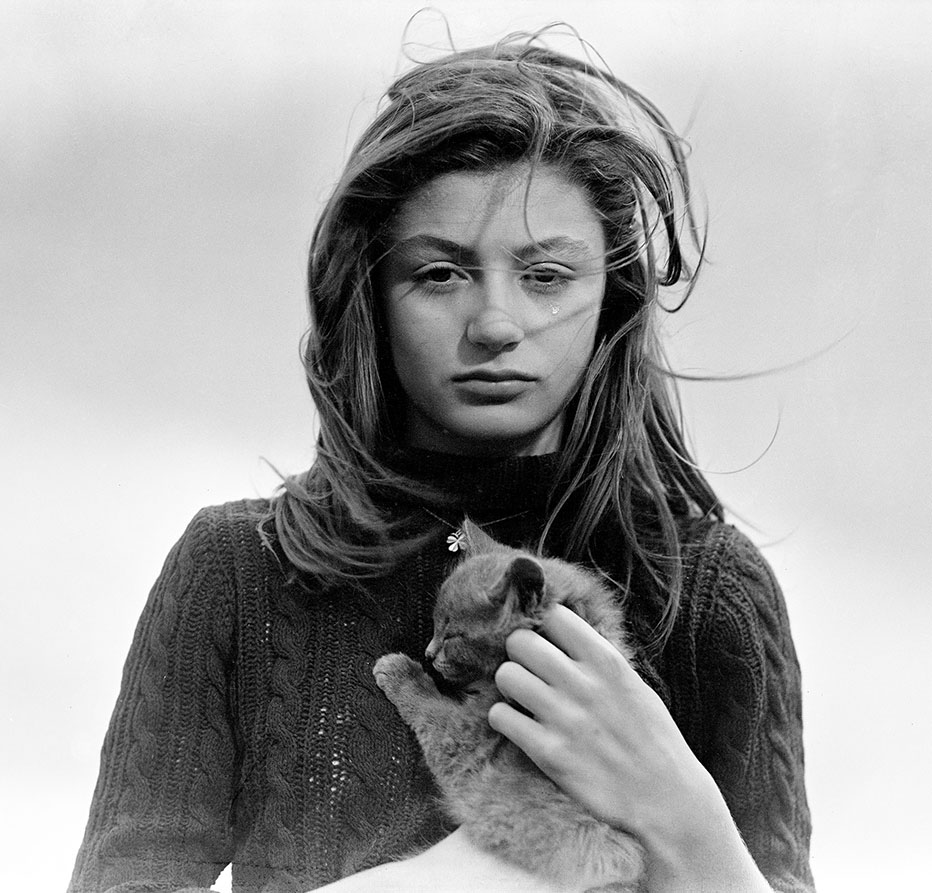
Anouk Aimée et Tulipe

Emile Savitry :: Anouk Aimée et son chat Tulipe dans "La fleur de l'âge" de M. Carné, Belle-île-en-mer, 1947 | src ODLP
Émile Savitry :: Anouk Aimée et son chat Tulipe dans “La fleur de l’âge” de M. Carné, Belle-île-en-mer, 1947 | src ODLP
Emile Savitry :: Anouk Aimée et son chat Tulipe dans "La fleur de l'âge" de M. Carné, Belle-île-en-mer, 1947 | src ODLP
Émile Savitry :: Anouk Aimée et son chat Tulipe dans “La fleur de l’âge” de M. Carné, Belle-île-en-mer, 1947.
Émile Savitry : Le Cinéma en Noir et Blanc | src ODLP