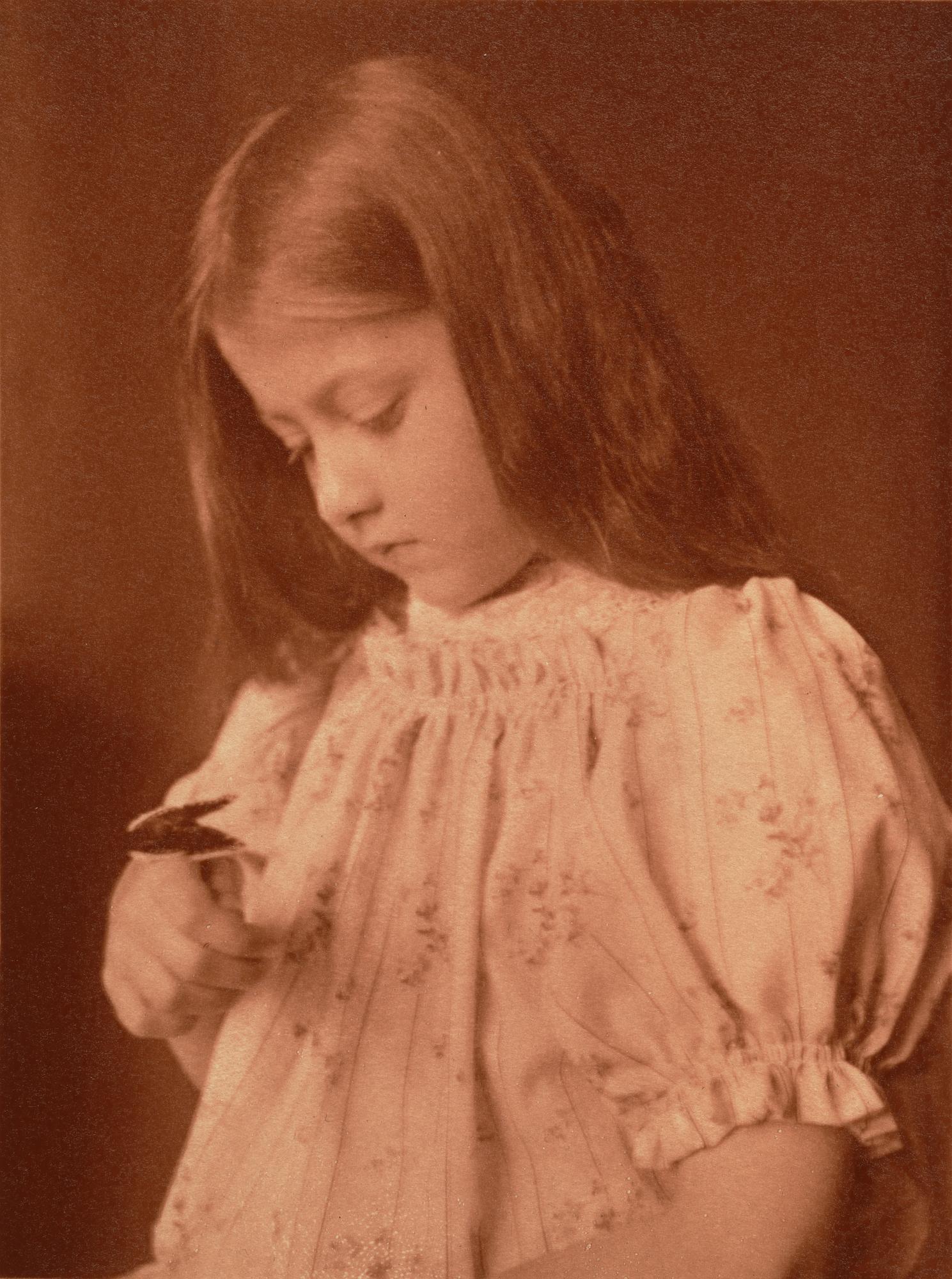
Girl and butterfly by Lord Carnarvon

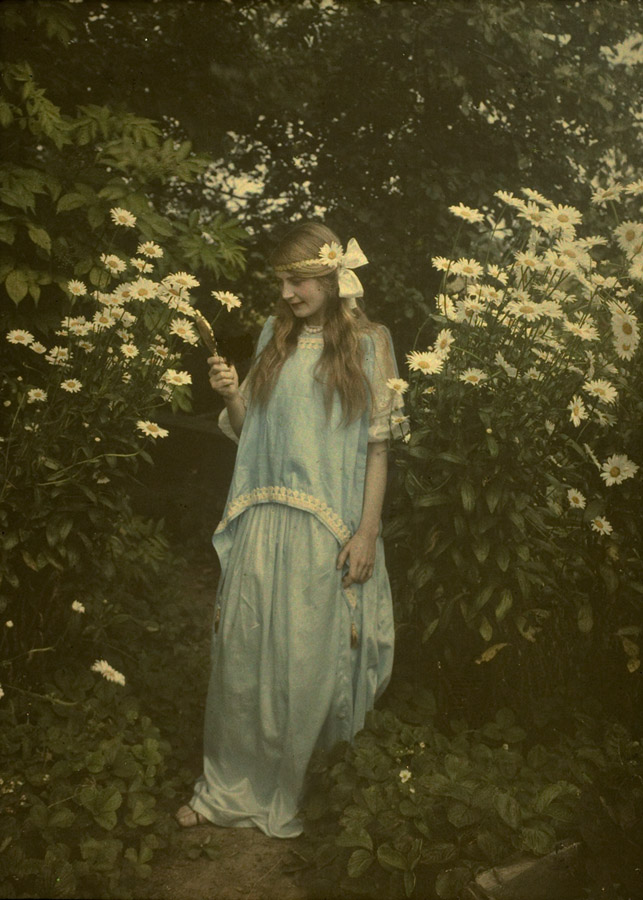
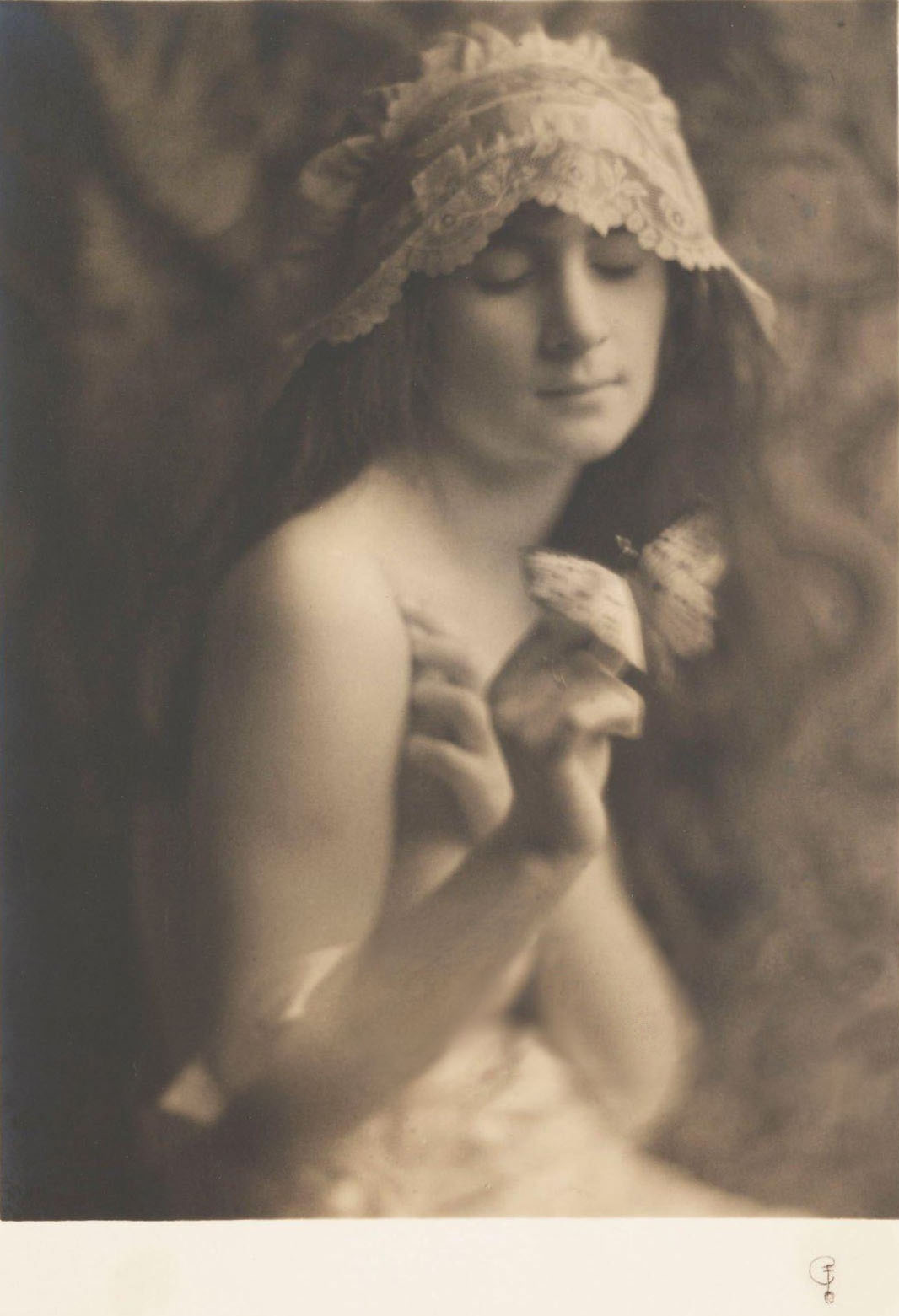
Detail from: Girl and butterfly, ca. 1915 by George Herbert, 5th Earl of Carnarvon (also, Lord Carnarvon)
Earl of Carnarvon (1866-1923) ~ Girl and butterfly, ca. 1915. Royal photographic society coll. | src getty images
Earl of Carnarvon (1866-1923) ~ Girl and butterfly, ca. 1915. Royal photographic society coll., V&A museum

Nature photography (1939)

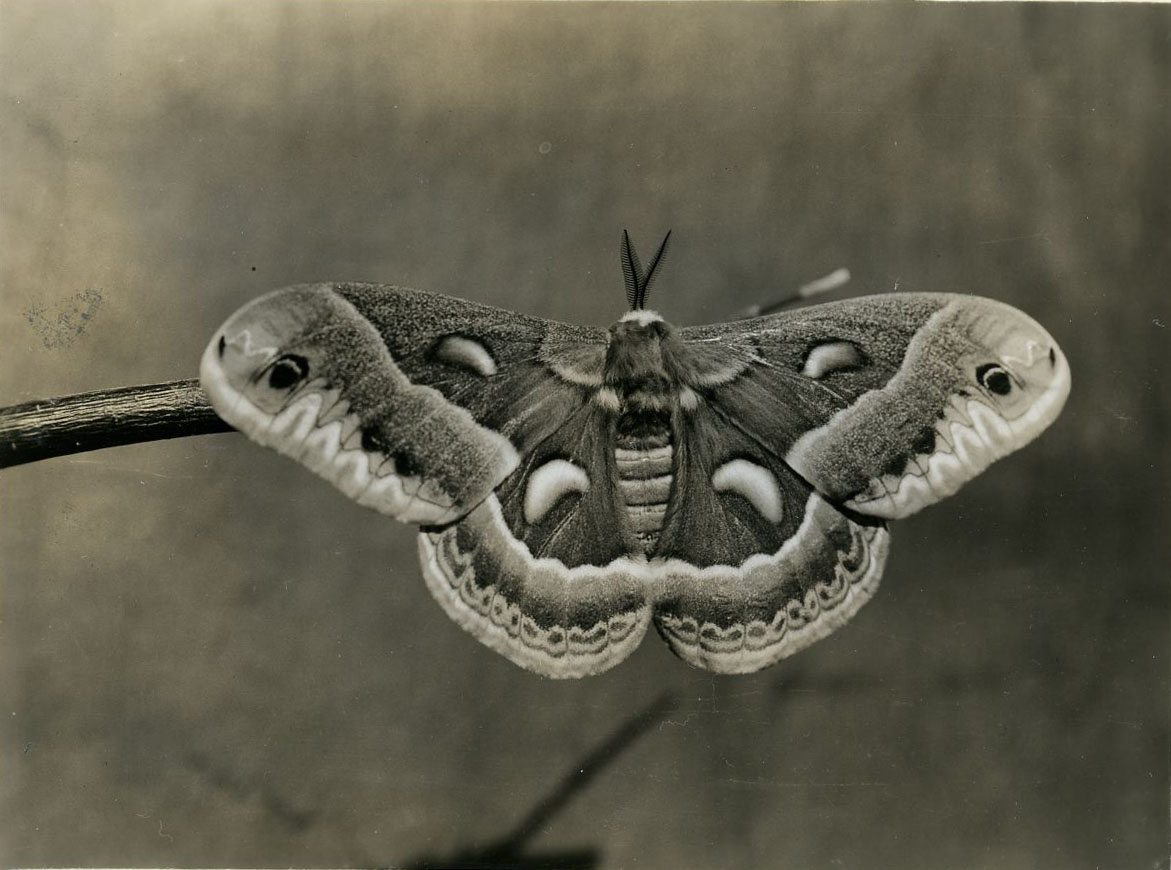
Cecropia (male and female) · Cecropia moths on end of stick. Acadia National Park, Maine, 22 March, 1939 | src NPG
Cecropia moth on end of stick. Acadia National Park, Maine, 22 March, 1939 | src National Park gallery
Reflection of Pemetic Mt. in Eagle lake. Acadia National Park, Maine, 5 June, 1939 | src National Park gallery
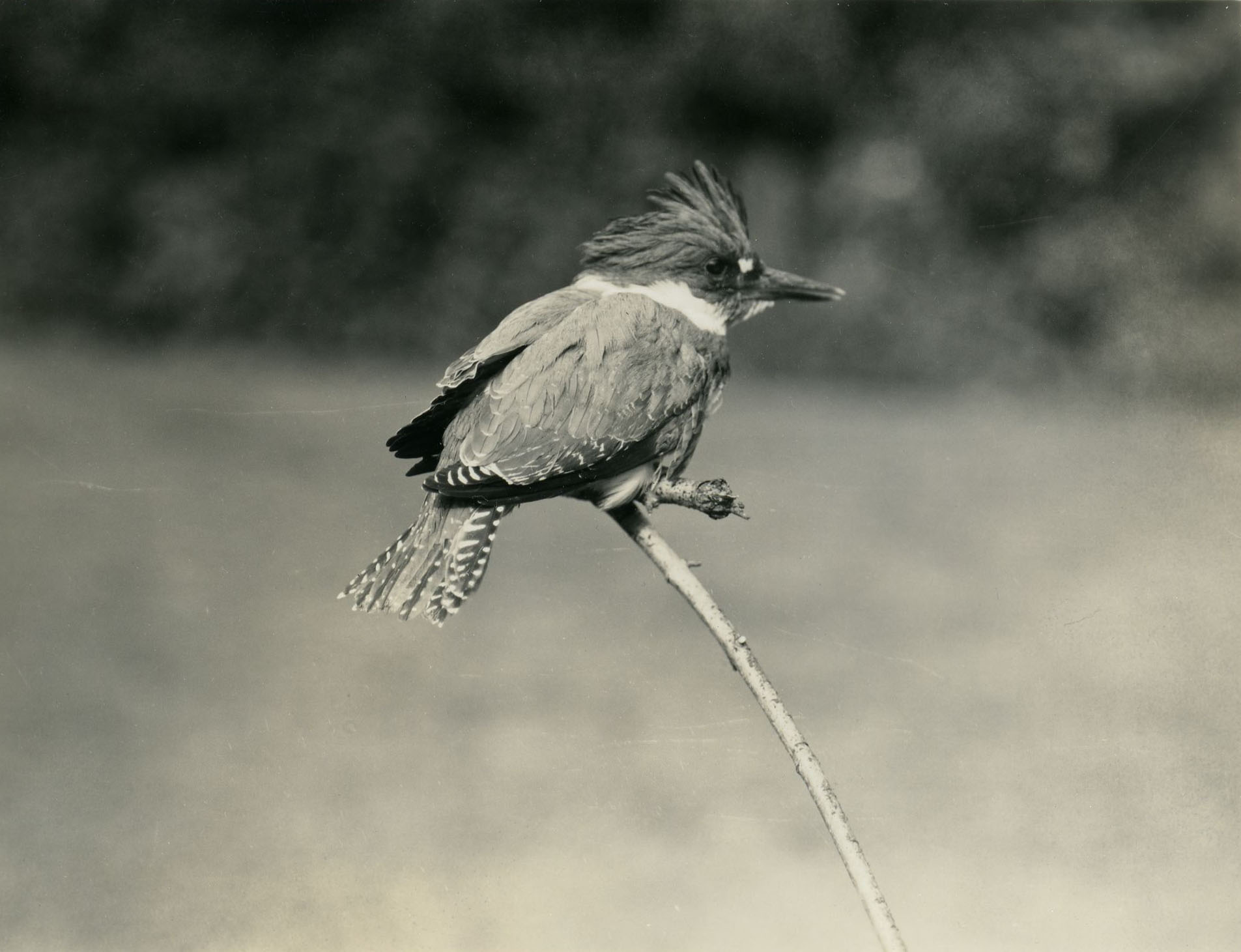
Kingfisher · Bird on stick. Acadia National Park, Maine, 18 July, 1939 | src National Parks gallery
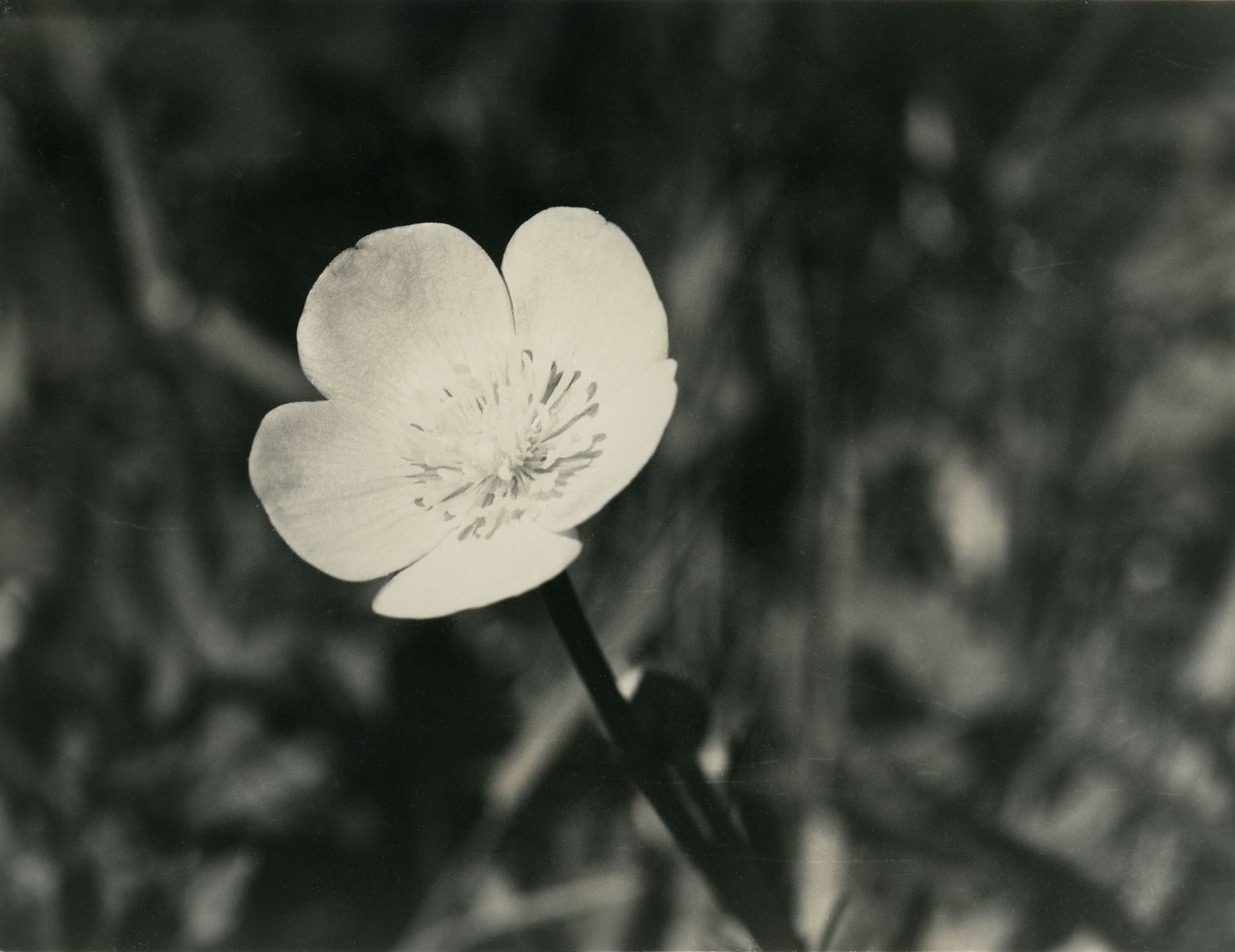
Buttercup, close-up (five pedaled flower). Acadia National Park, Maine, 13 June, 1939 | src National Parks gallery

Gunhild Englund portraits

Pictorialist portrait of Fritz Englund’s daughter ─ Gunhild Englund ─ with a kitten, 1902 | src The Finnish Museum of Photography
Fritz Englund (1870–1950) ~ Gunhild, 1903. Suomen valokuvataiteen museon kokoelma. Scan from Piktorialismi, published by the Finnish Museum of Photography & Parus (Front cover & page 78)

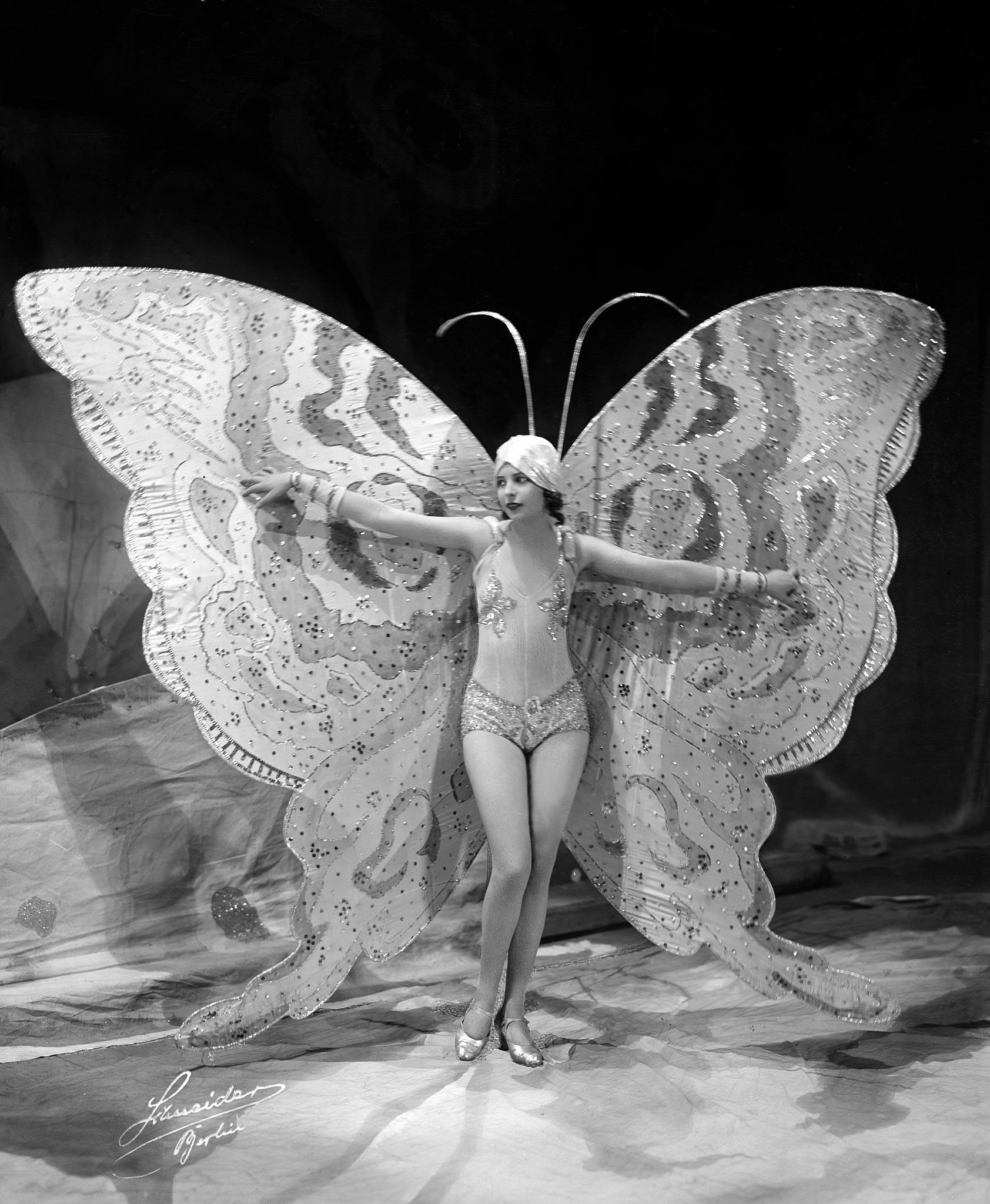
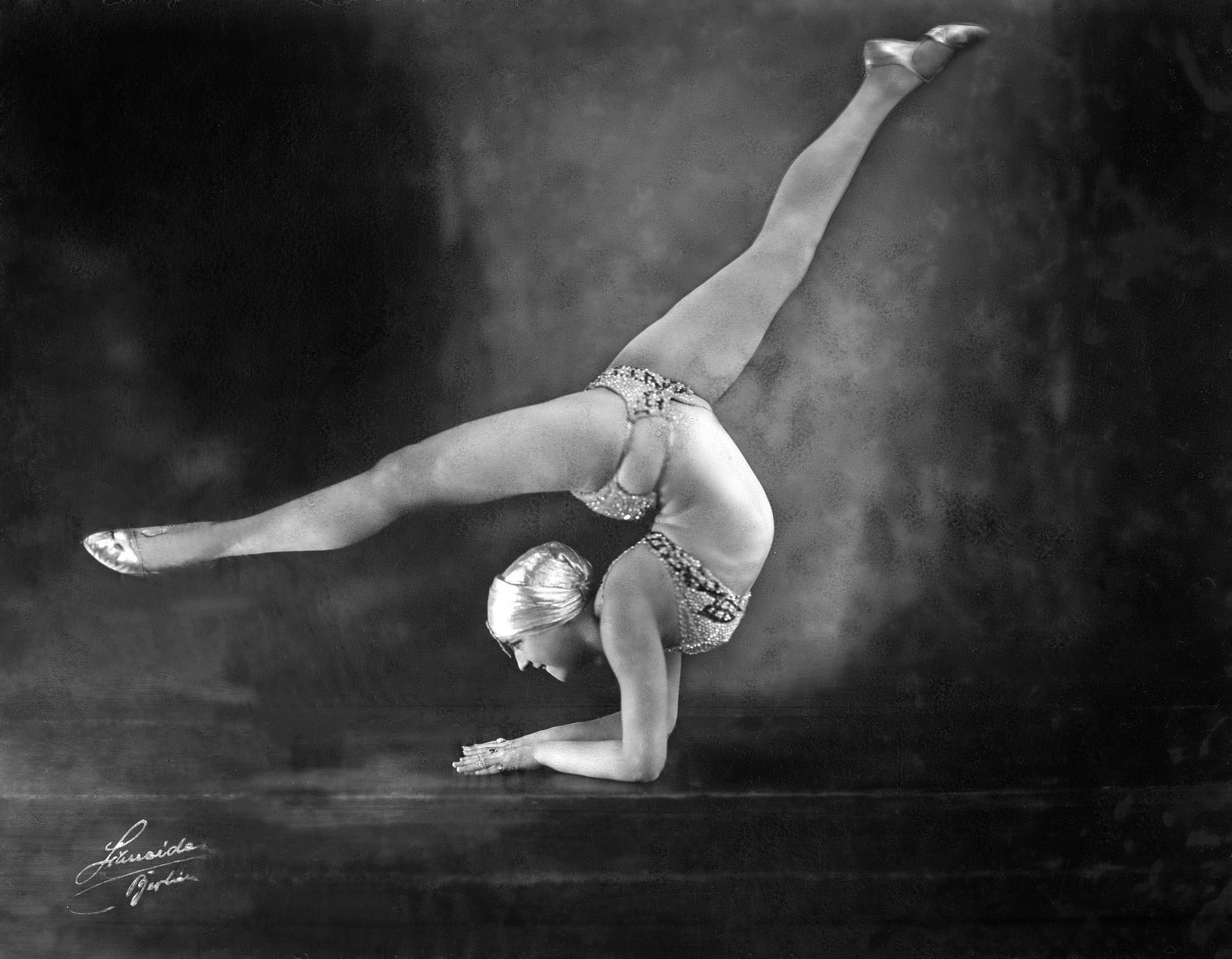
Wehrle in der Haller Revue

Helen Wehrle (Tänzerin USA), als Schmetterling in der Haller Revue ‘Wann und Wo’, erschienen in: Nr. 38/1927 und ‘Uhu’ 2/1927; Foto: Ernst Schneider (Berlin). | src Getty Images
Helen or Helene Wehrle (Tänzerin USA) in ihrem akrobatischen Tanz in der Herman Haller Revue ‘Wann und Wo’. Foto: Ernst Schneider, erschinen Nr. 38/1927 | Getty Images
Helene or Helen Wehrle (Tänzerin, USA) in ihrem akrobatischen Tanz in der Herman Haller Revue ‘Wann und Wo’, UHU Magazin 4/1928, Foto: Ernst Schneider | Getty Images
Helen Wehrle (Tänzerin USA), als Schmetterling in der Herman Haller Revue, ‘Wann und Wo’, erschienen Nr. 38/1927, Foto: Ernst Schneider. | Getty Images

A Lily and a Butterfly, 1905-1910

Eva Watson-Schütze (1867-1935) :: Woman with Lily [Jane McCall Whitehead], 1905. Truth beauty: pictorialism and the photograph as art, 1845-1945 (George Eastman House, 2009) | src Phillips Collection

Photographic pictorialism, an international movement, a philosophy, and a style, developed toward the end of the 19th century. The introduction of the dry-plate process, in the late 1870s, and of the Kodak camera, in 1888, made taking photographs relatively easy, and photography became widely practiced. Pictorialist photographers set themselves apart from the ranks of new hobbyist photographers by demonstrating that photography was capable of far more than literal description of a subject. Through the efforts of pictorialist organizations, publications, and exhibitions, photography came to be recognized as an art form, and the idea of the print as a carefully hand-crafted, unique object equal to a painting gained acceptance.

The forerunners of pictorialism were early photographers like Henry Peach Robinson and Julia Margaret Cameron. Robinson found inspiration in genre painting; Cameron’s fuzzy portraits and allegories were inspired by literature. Like Robinson and Cameron, the pictorialists made photographs that were more like paintings and drawings than the work of commercial portraitists or hobbyists. Pictorialist images were heavily dependent on the craft of nuanced printing. Some photographers, like Frederick H. Evans, a master of the platinum print, presented their work like drawings or watercolors, decorating their mounts with ruled borders filled with watercolor wash, or printing on textured watercolor paper, like Austrian photographer Heinrich Kühn. Kühn achieved painterly effects by using an artist’s brush to manipulate watercolor pigment, instead of silver or platinum, mixed with light-sensitized gum arabic.

The idea that the primary purpose of photography was personal expression lay behind pictorialism’s “Secessionist” movement. Alfred Stieglitz’s “Photo-Secession” was the best-known secessionist group. Stieglitz and his magazine, Camera Work, with its high-quality photogravure illustrations, advocated for the acceptance of photography as a fine art.
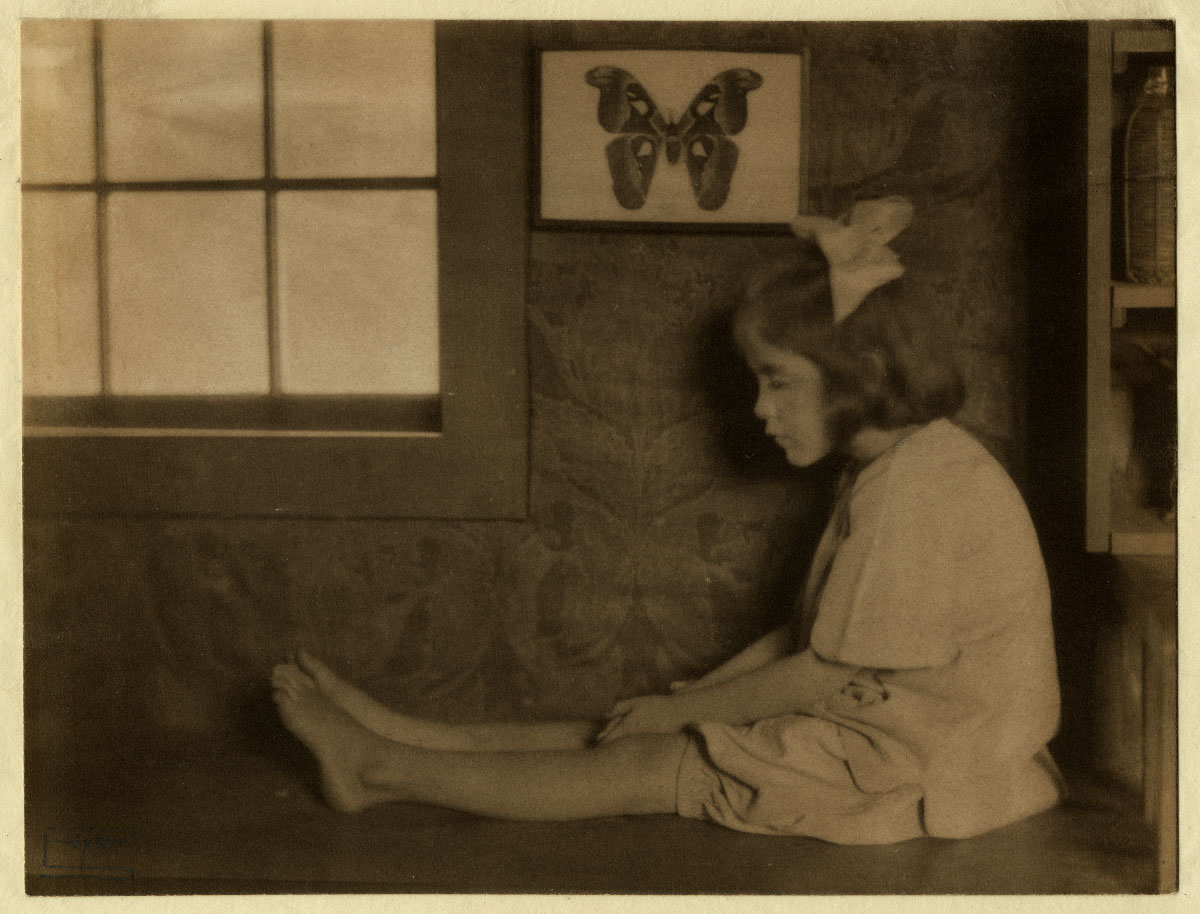
Eva Watson Schütze (American, 1867-1935) :: Young girl seated on bench, ca. 1910. | src Phillips Collection
Eva Watson Schütze (American, 1867-1935) :: Young girl seated on bench, ca. 1910. George Eastman Coll. | src Phillips Collection

Early in the 20th century, pictorialism began losing ground to modernism: in 1911, Camera Work published drawings by Rodin and Picasso, and its final issue, in 1917, featured Paul Strand’s modernist photographs. Nevertheless, pictorialism lived on. A second wave of pictorialists included Clarence H. White, whose students included such photographers as Margaret Bourke-White, Paul Outerbridge, and Dorothy Lange. White’s colleague, Paul Anderson, continued the pictorial tradition until his death in 1956. Five prints of his Vine in Sunlight, 1944, display five different printing techniques, demonstrating how each process subtly shapes the viewer’s response to the image.

Exhibition organized by George Eastman House International Museum of Photography and Film, and Vancouver Art Gallery. [Quoted from source]
Van Besten ladies and maidens

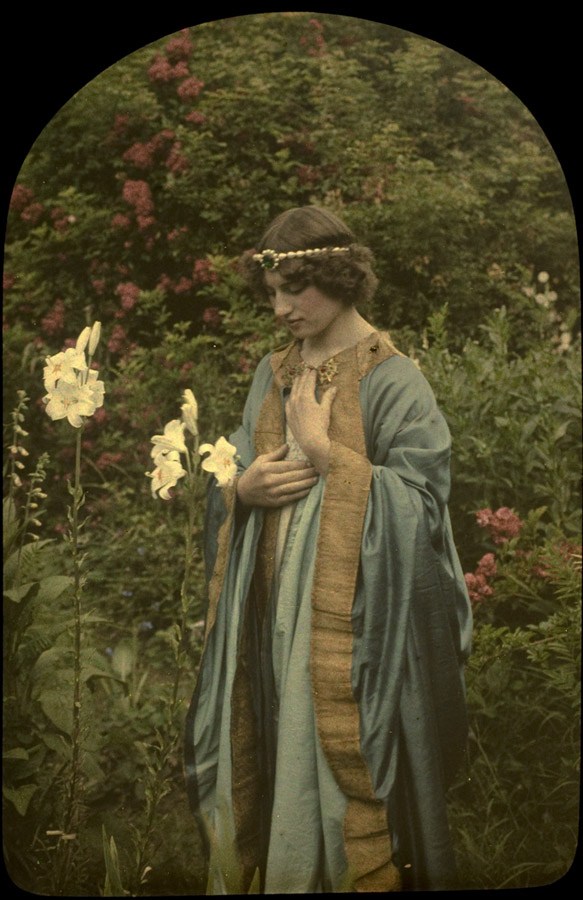
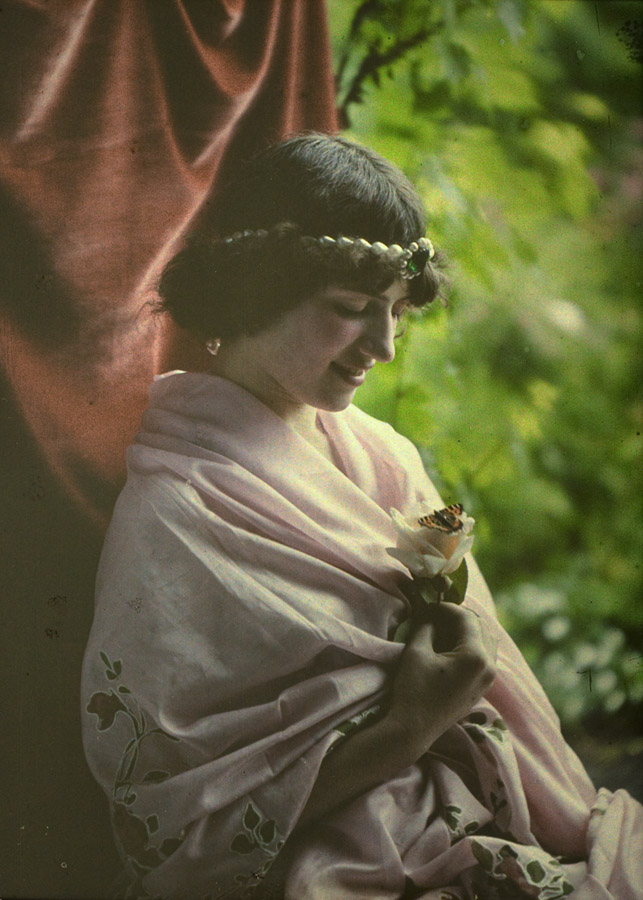
Sebastiaan Alfonse van Besten :: Maiden with butterfly on flower, ca. 1912. Autochrome. | src Belgian Autochromists
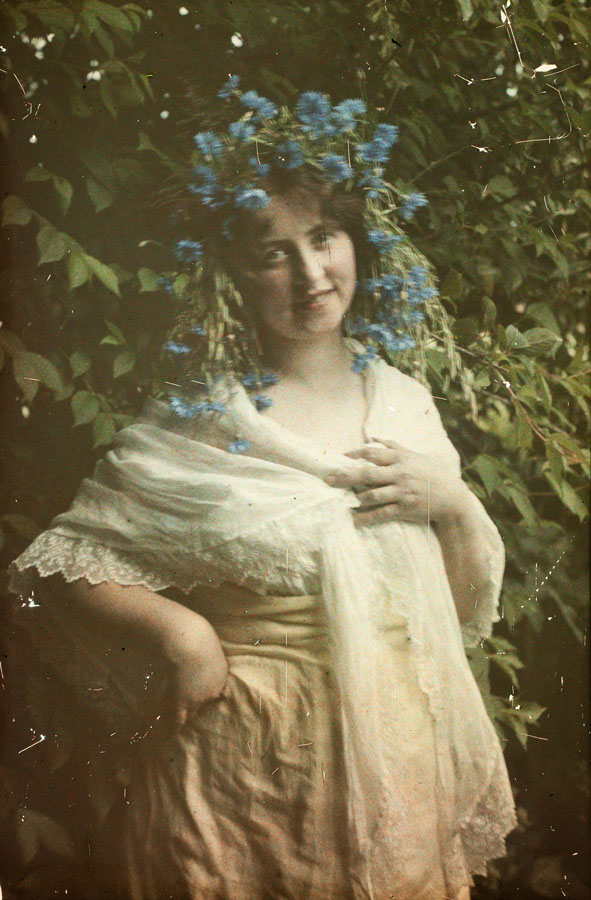
Sebastiaan Alfonse Van Besten :: Young girl amidst marguerites, ca. 1912. Autochrome. | src Belgian Autochromists
Sebastiaan Alfonse van Besten :: Young girl amidst marguerites, ca. 1912. Autochrome. | src Belgian Autochromists
Sebastiaan Alfonse Van Besten :: Purity, 1913. Autochrome. | src Belgian Autochromists
Sebastiaan Alfonse van Besten :: Purity, 1913. Autochrome. | src Belgian Autochromists
Sebastiaan Alfonse Van Besten :: Lady with poppies, 1912. Autochrome. | src Belgian Autochromists
Sebastiaan Alfonse van Besten :: Lady with poppies, 1912. Autochrome. | src Belgian Autochromists
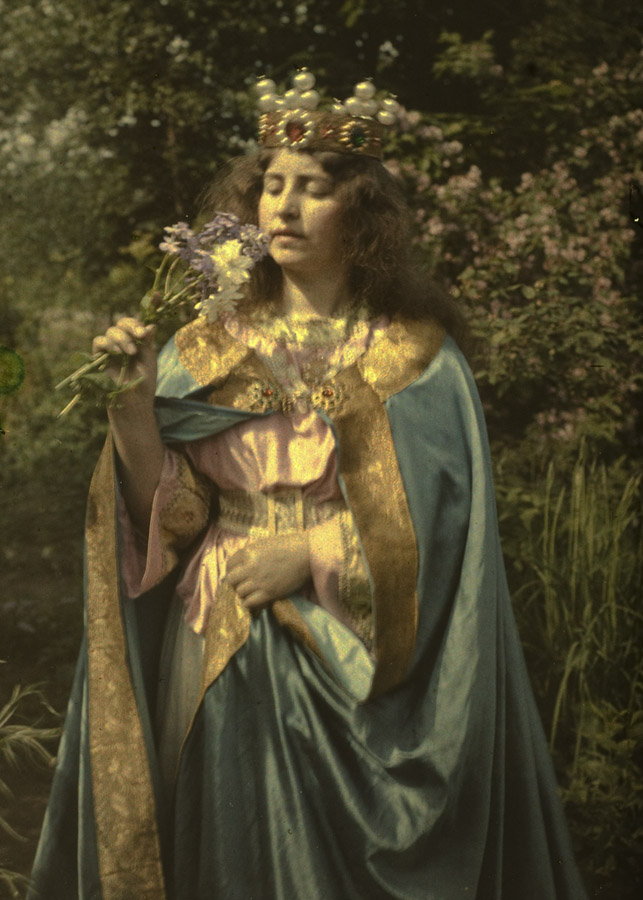
Sebastiaan Alfonse van Besten :: Study of Mrs. van Besten [Josephine Arnz] as Flemish princess, ca. 1912. Autochrome. | src Belgian Autochromists

The Theater of Insects

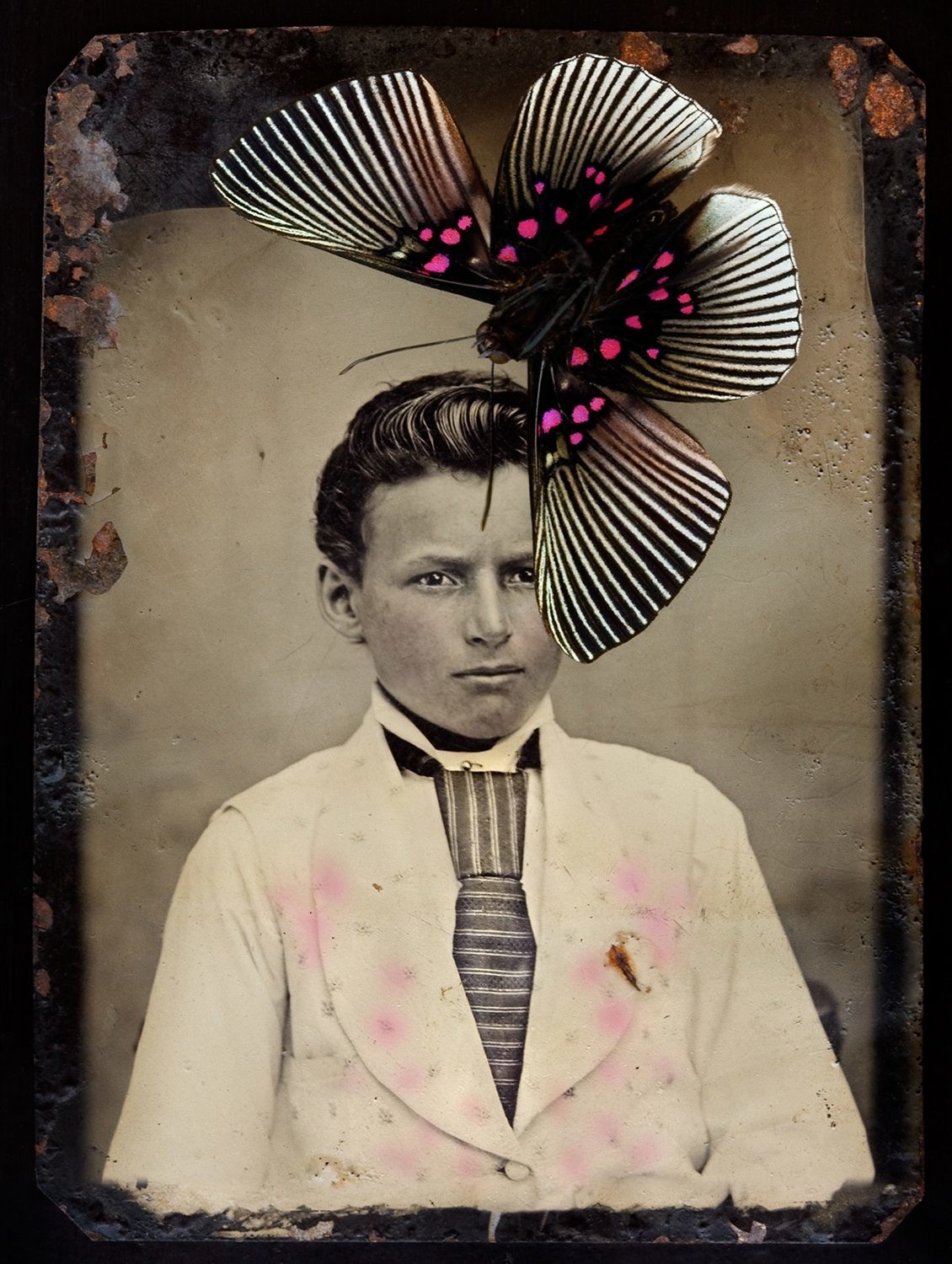
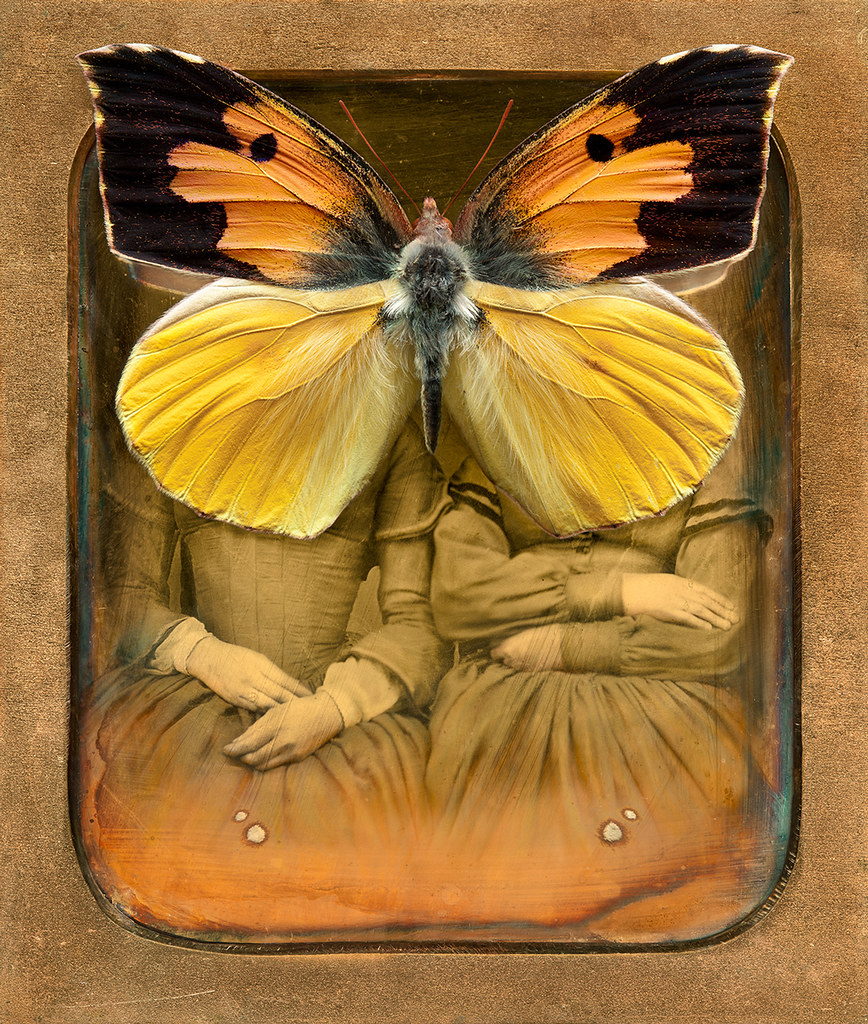
Jo Whaley :: Lyropteryx Apollonia, 2008. From: “The Theater of Insects”, published by Chronicle Books. | src l’œil de la photographie and Flickr
Jo Whaley :: Colias Eurydice, 2008. From: “The Theater of Insects”, published by Chronicle Books. | src l’œil de la photographie and Flickr