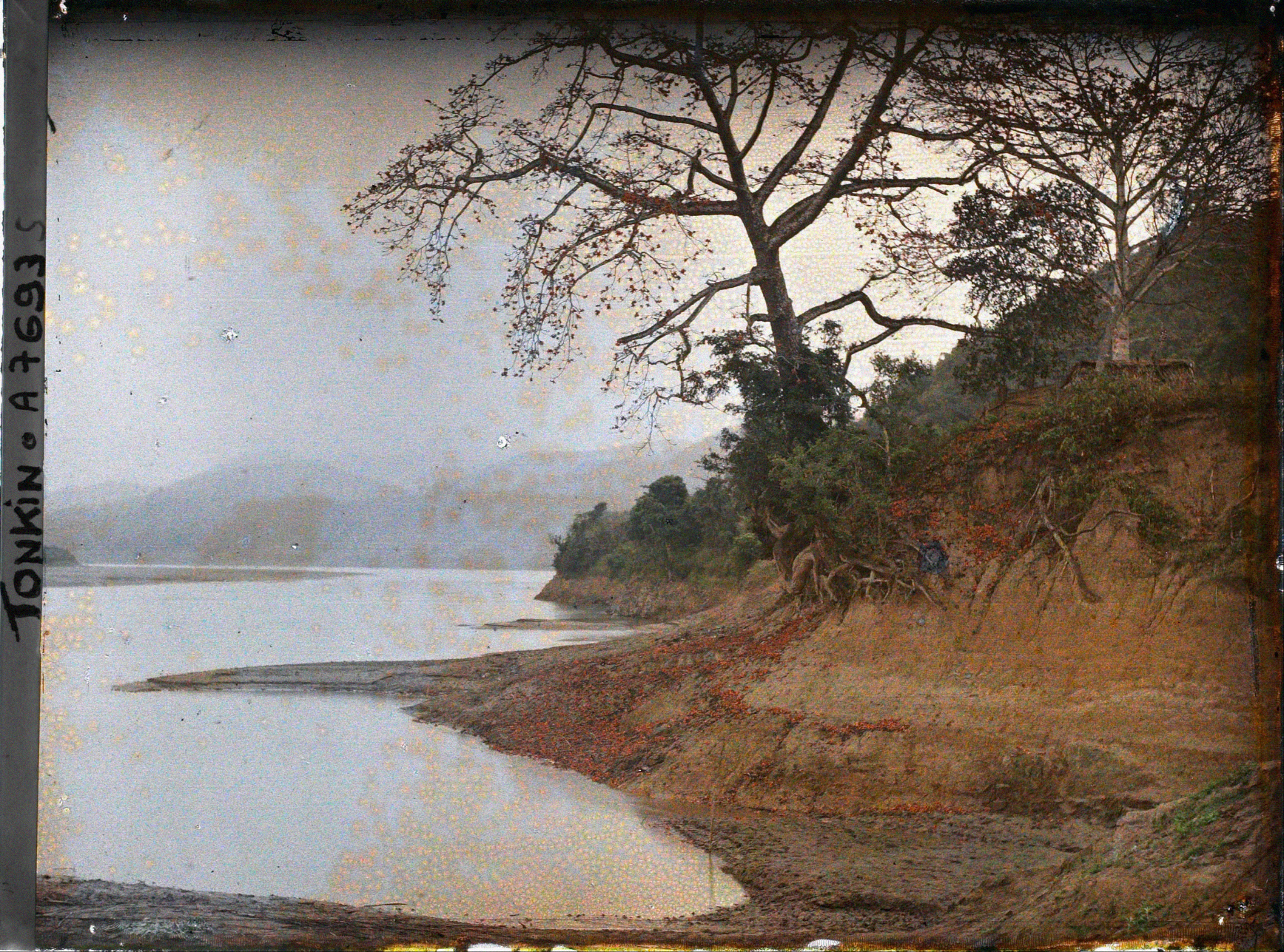
Mission : Léon Busy en Indochine; all images from Musée départamental Albert Kahn
images that haunt us
Mission : Léon Busy en Indochine; all images from Musée départamental Albert Kahn


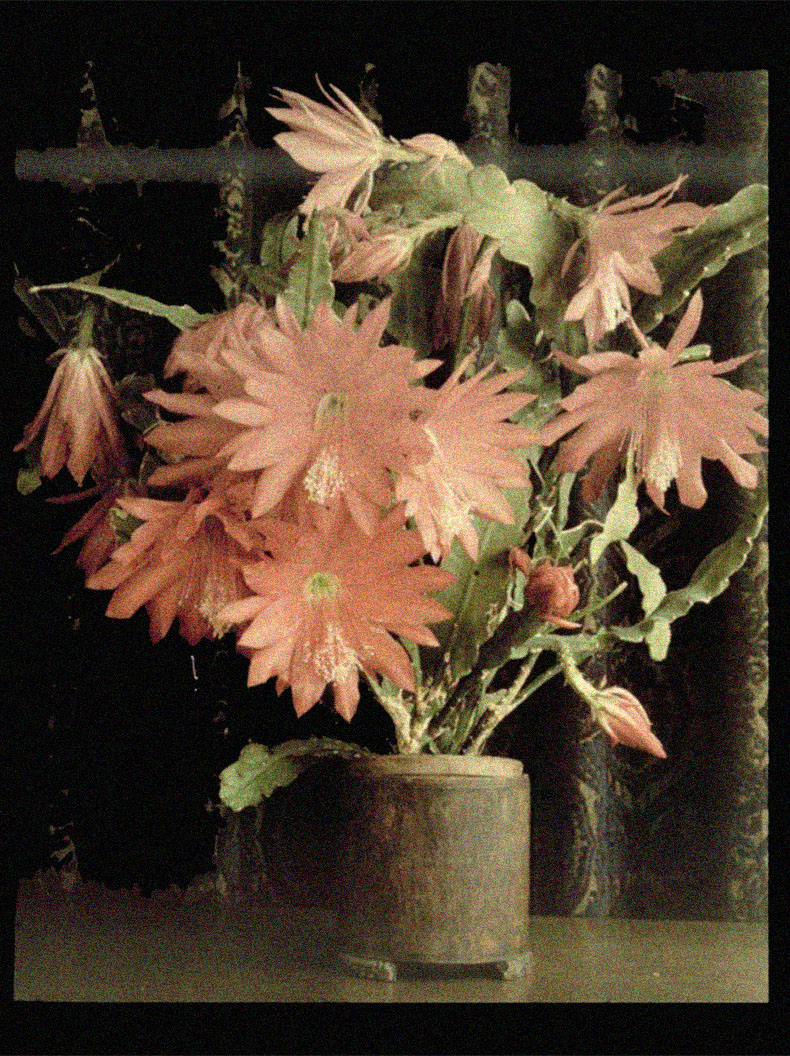
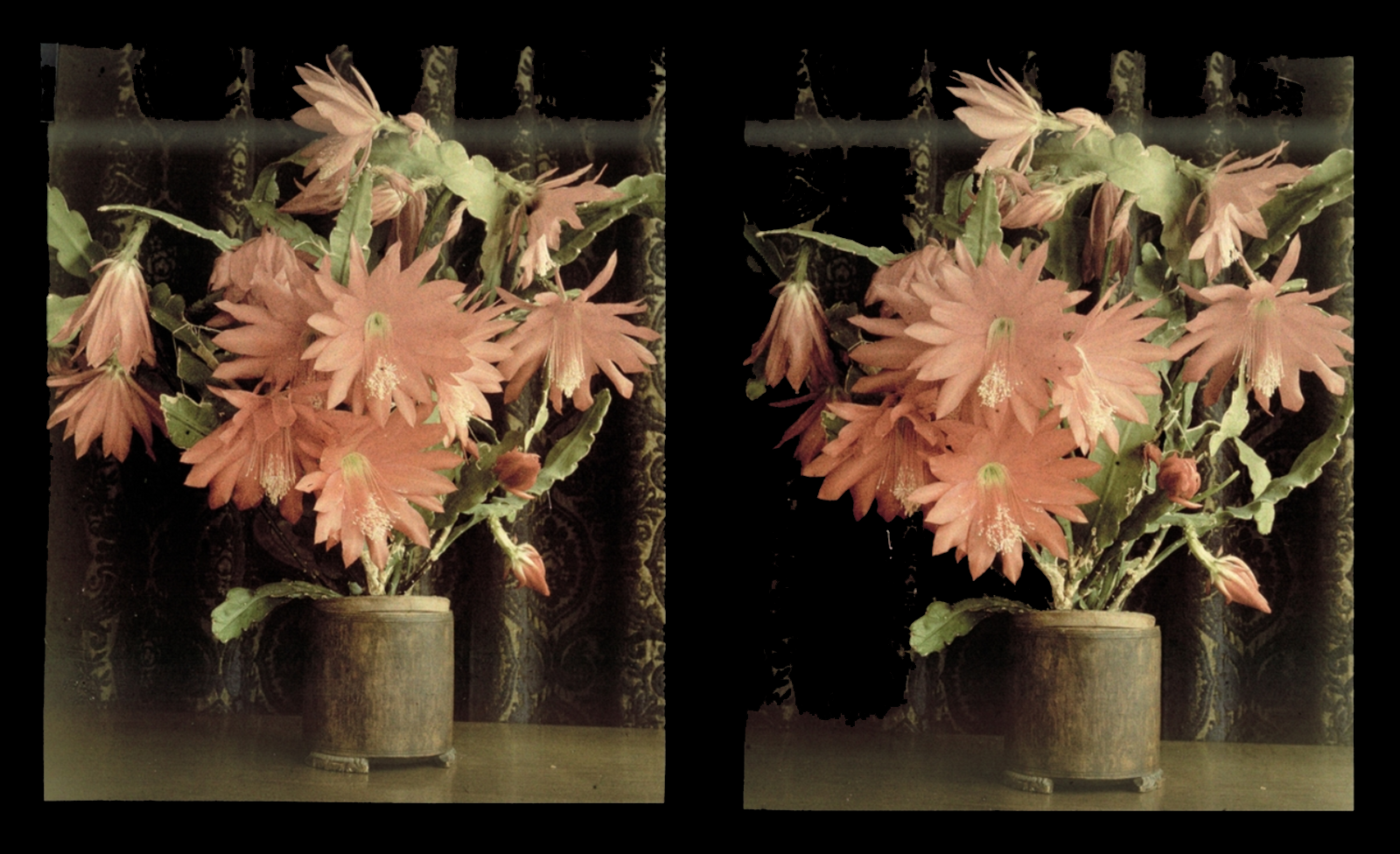
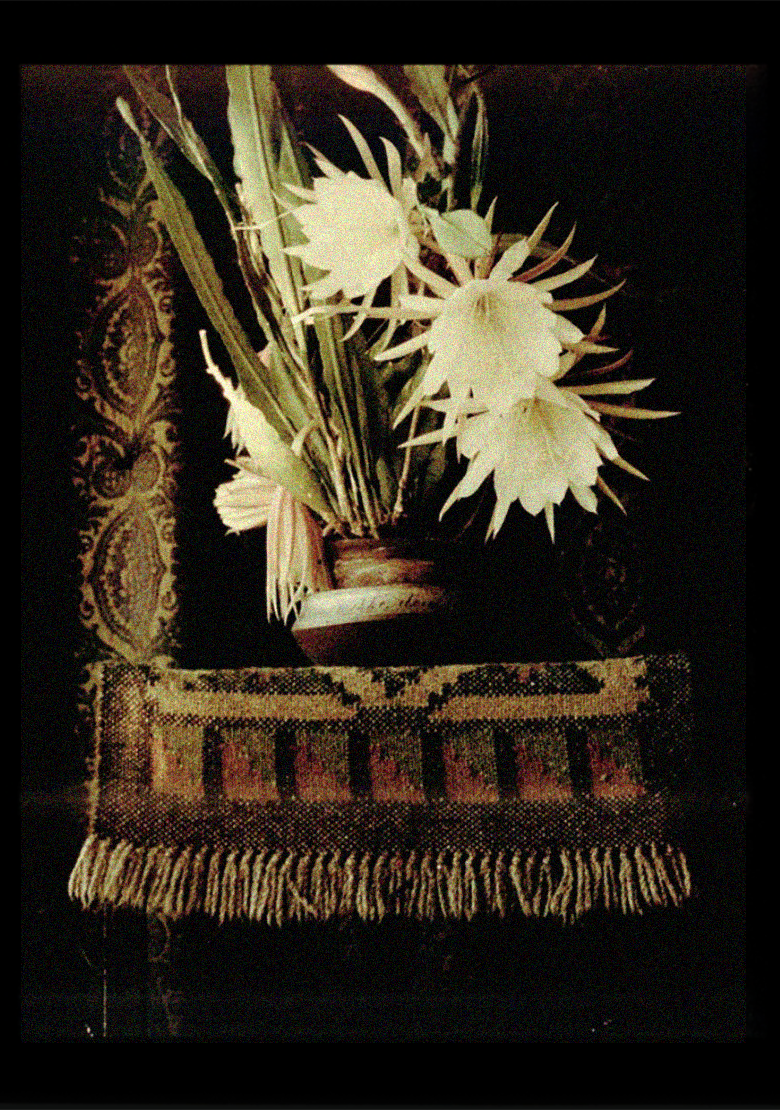
About Hans Grendahl (1877 – 1962)
Born in Rennebu. Son of farmer Ole Knudsen Grendahl and Ane Hansdatter, born Aas. He graduated in architecture with architect Solberg, Trondheim, in 1902, after which he went to Germany and studied architecture at the university in Karlsruhe. After completing his education, Grendahl was employed, among others in the company Jacob Digre in Ålesund, later he became an assistant teacher in building subjects, construction and freehand drawing at Trondhjem’s technical training institute. In 1916 he was employed as a teacher at NTH. In the 1920s and 30s took a number of photographs in color (Autochromes), i.a. interiors and exteriors of churches in Trøndelag, Gudbrandsdalen, Østerdalen, Møre and Romsdal and Telemark, as well as pictures from the Trøndelag exhibition in 1930 and the Drammen exhibition in the same year. The oldest color photo taken in his collection is from 1922. Grendahl left a unique archive of stereo images, about half of which are in colour, to his daughter Adelheide (Ada) Grue, in Stjørdal. The picture collection was bought by the Preus Fotomuseum in 1989 and digitalized in December 2021. It consists of 1017 photographs on glass plates in the format 90×140 mm. With a few exceptions, the images are stereo images.
quoted from Preus Fotomuseum

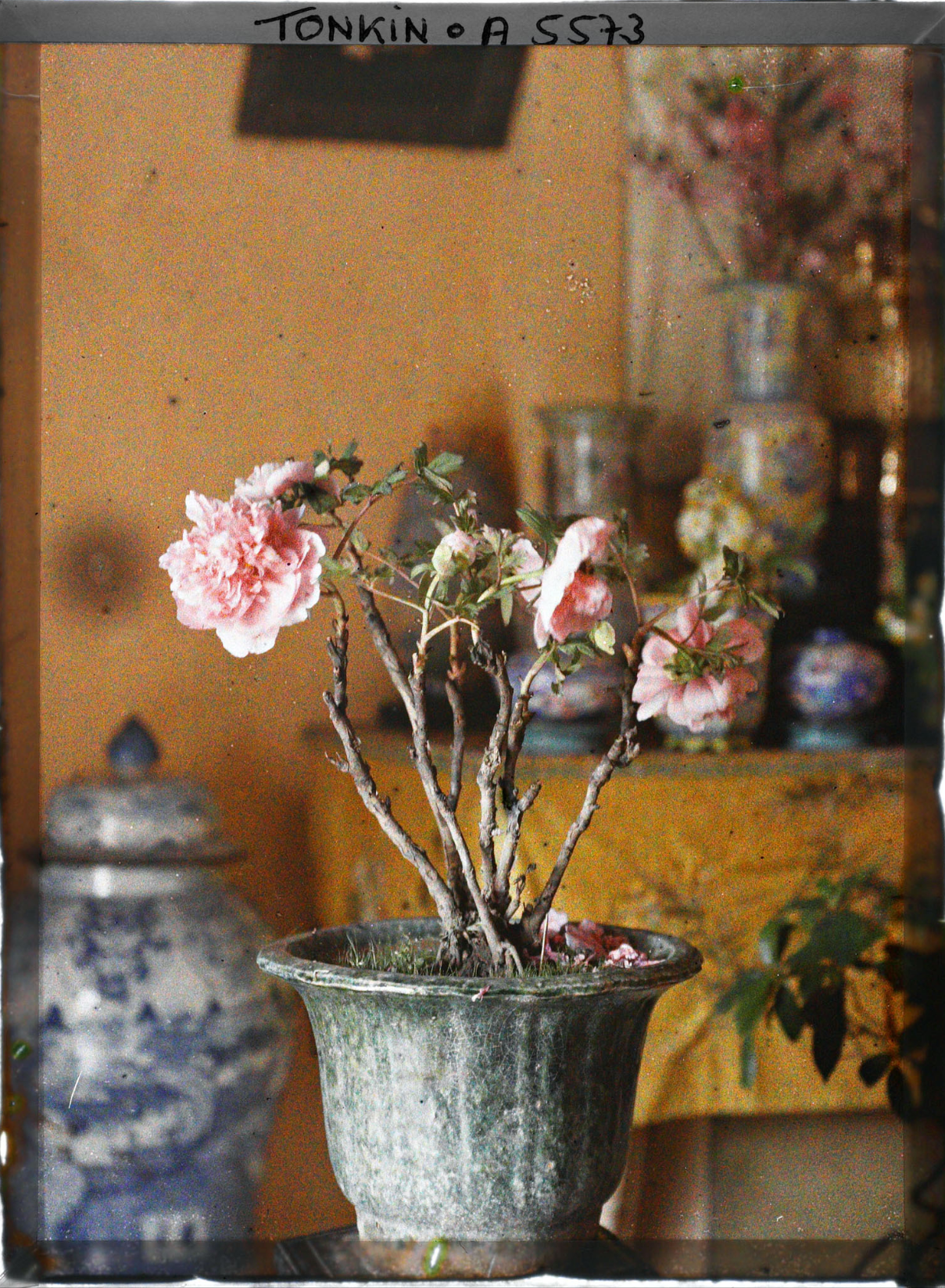
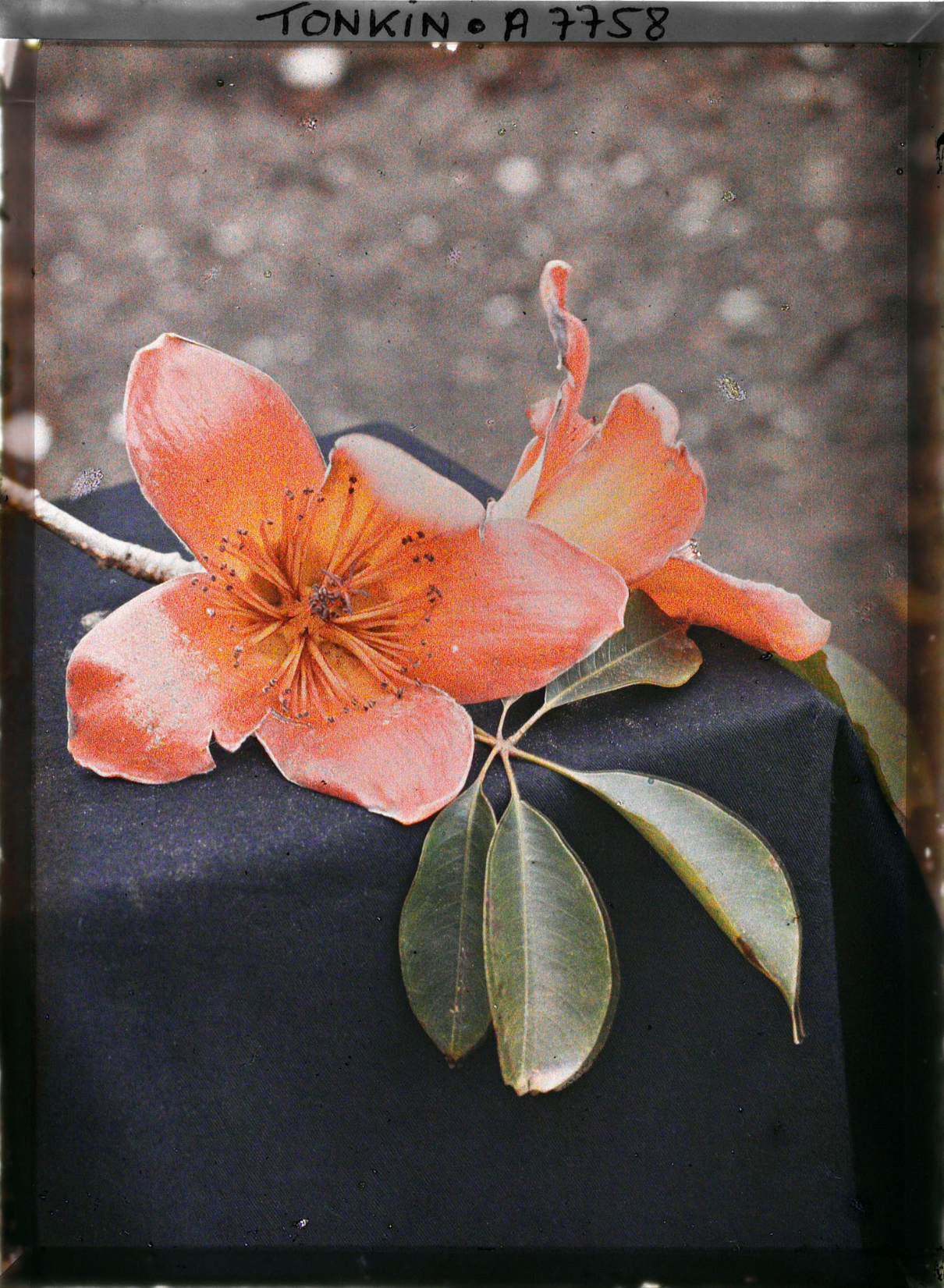
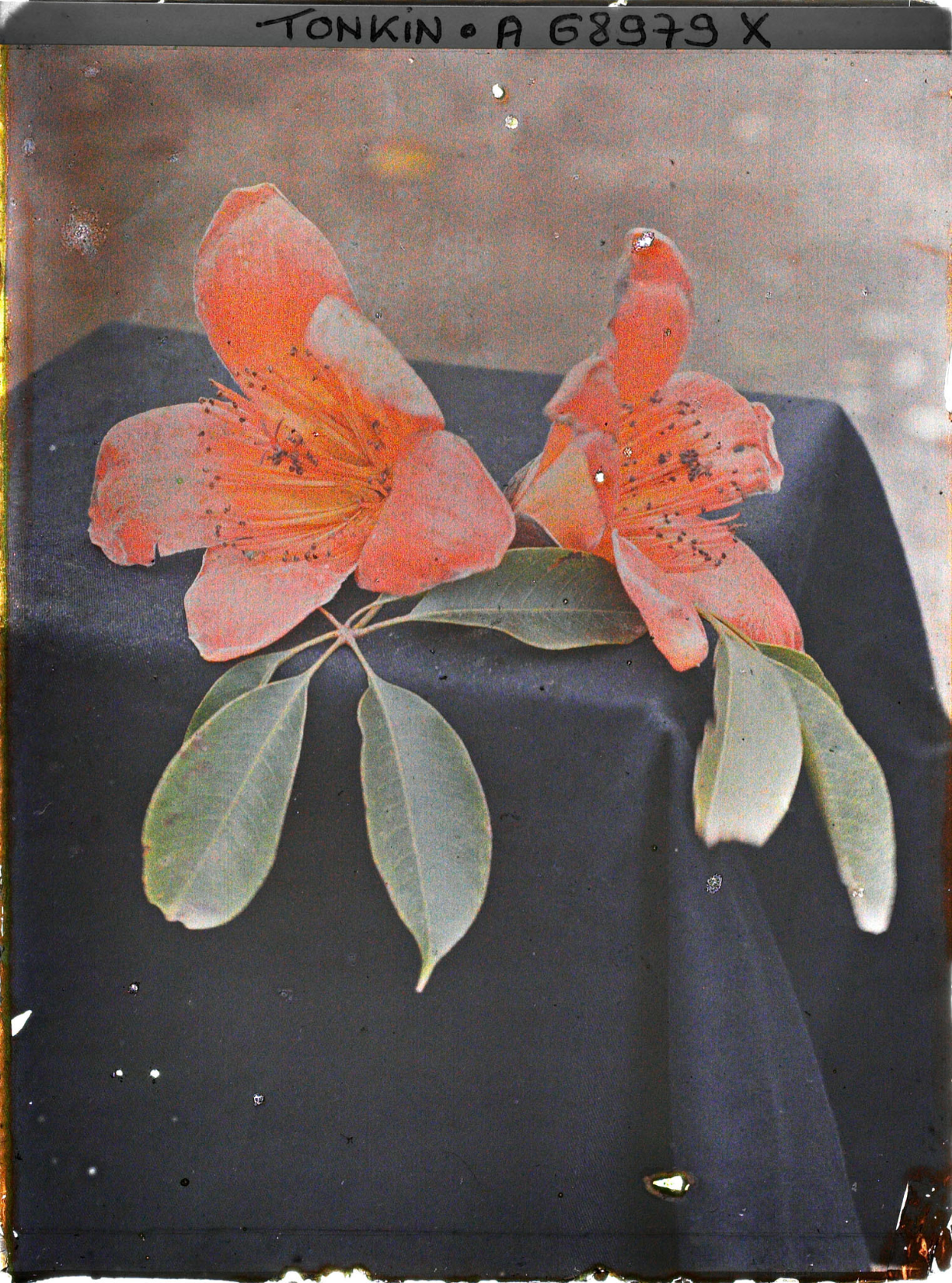
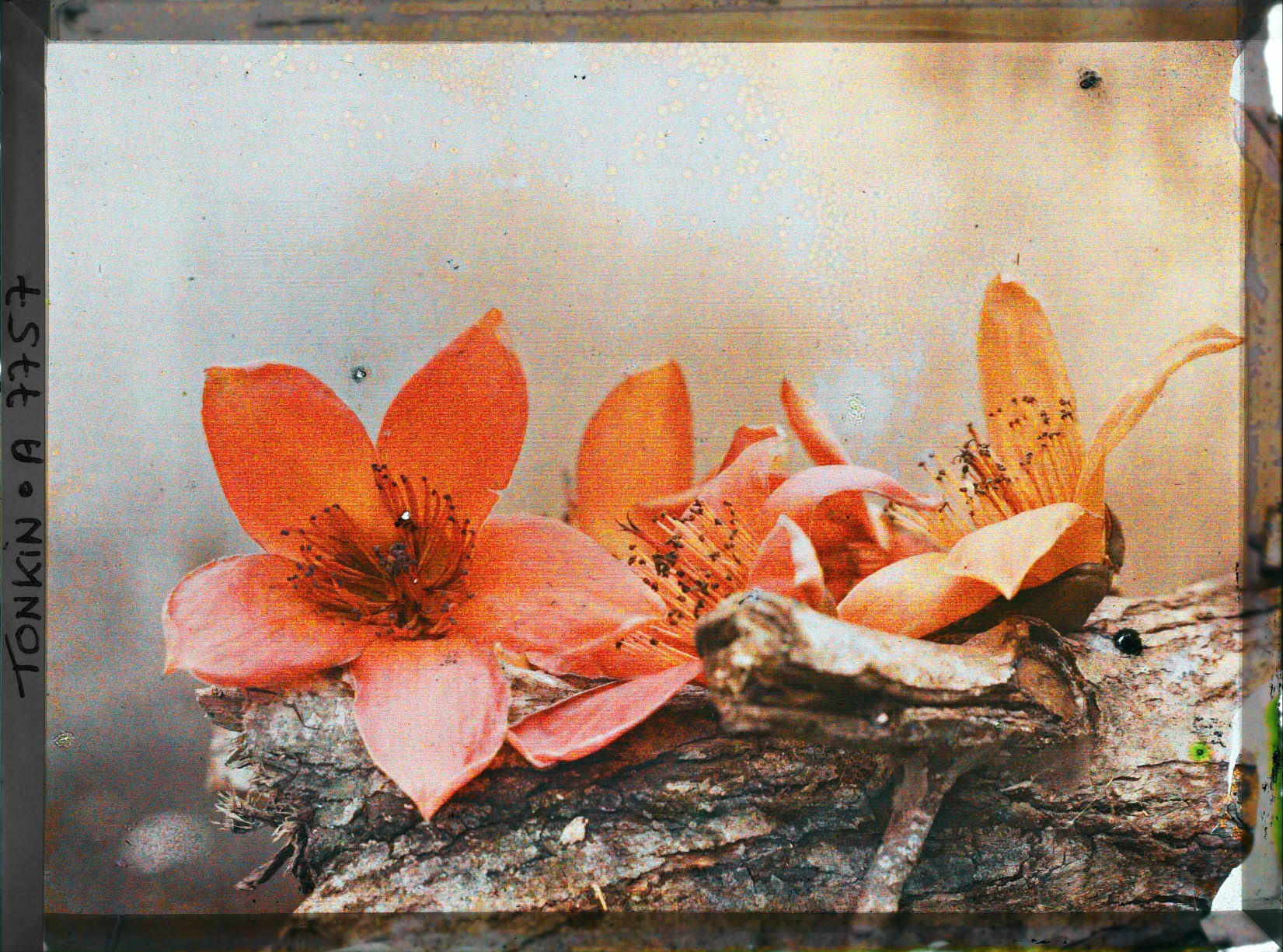
Three views of a Chinese peony blooming at the foot of the altar of the ancestors at the time of the Têt festival, Hà-dông, Tonkin, Indochina, February 1915. Mission : Léon Busy en Indochine
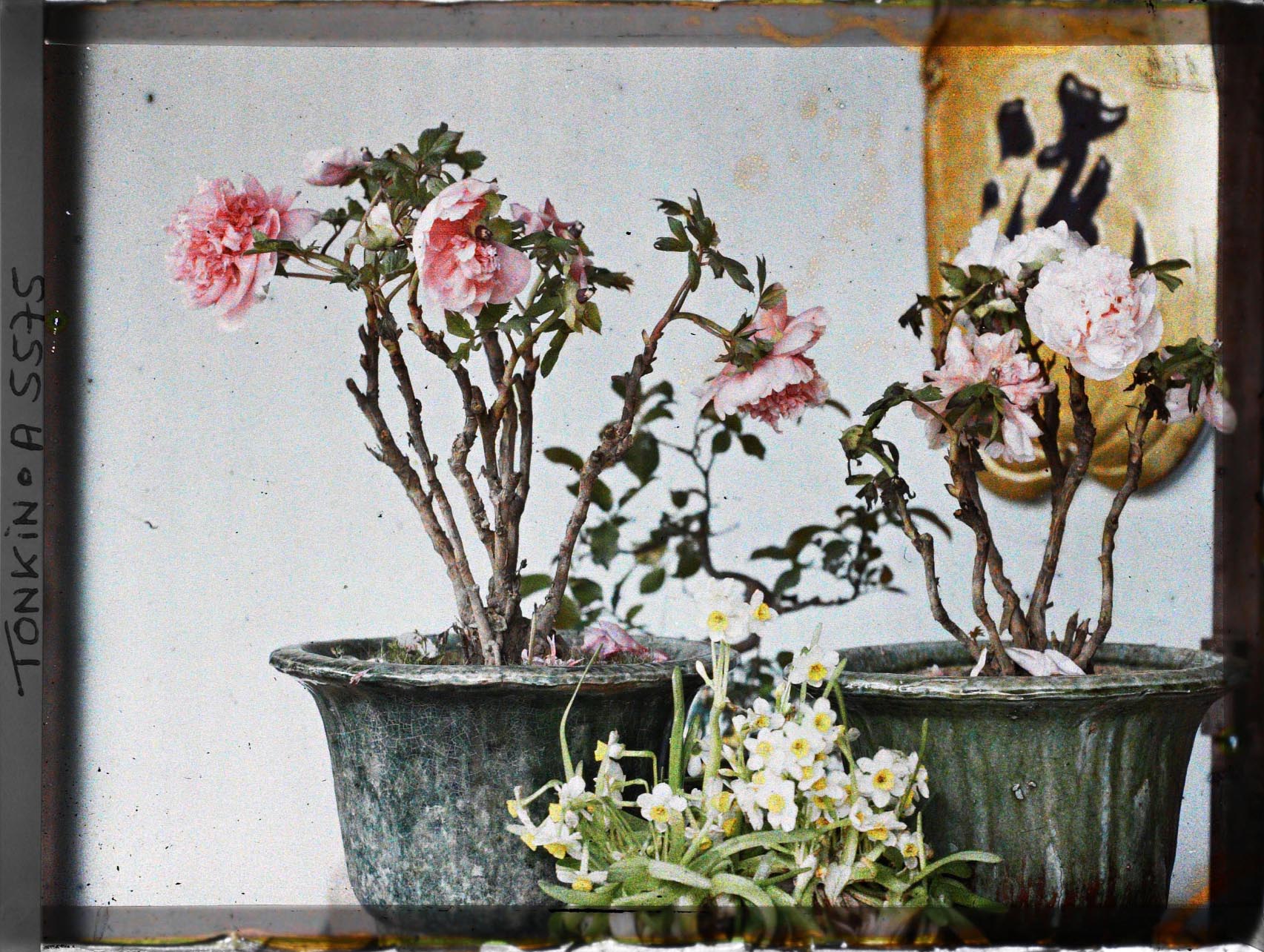

all images from Musée départamental Albert Kahn
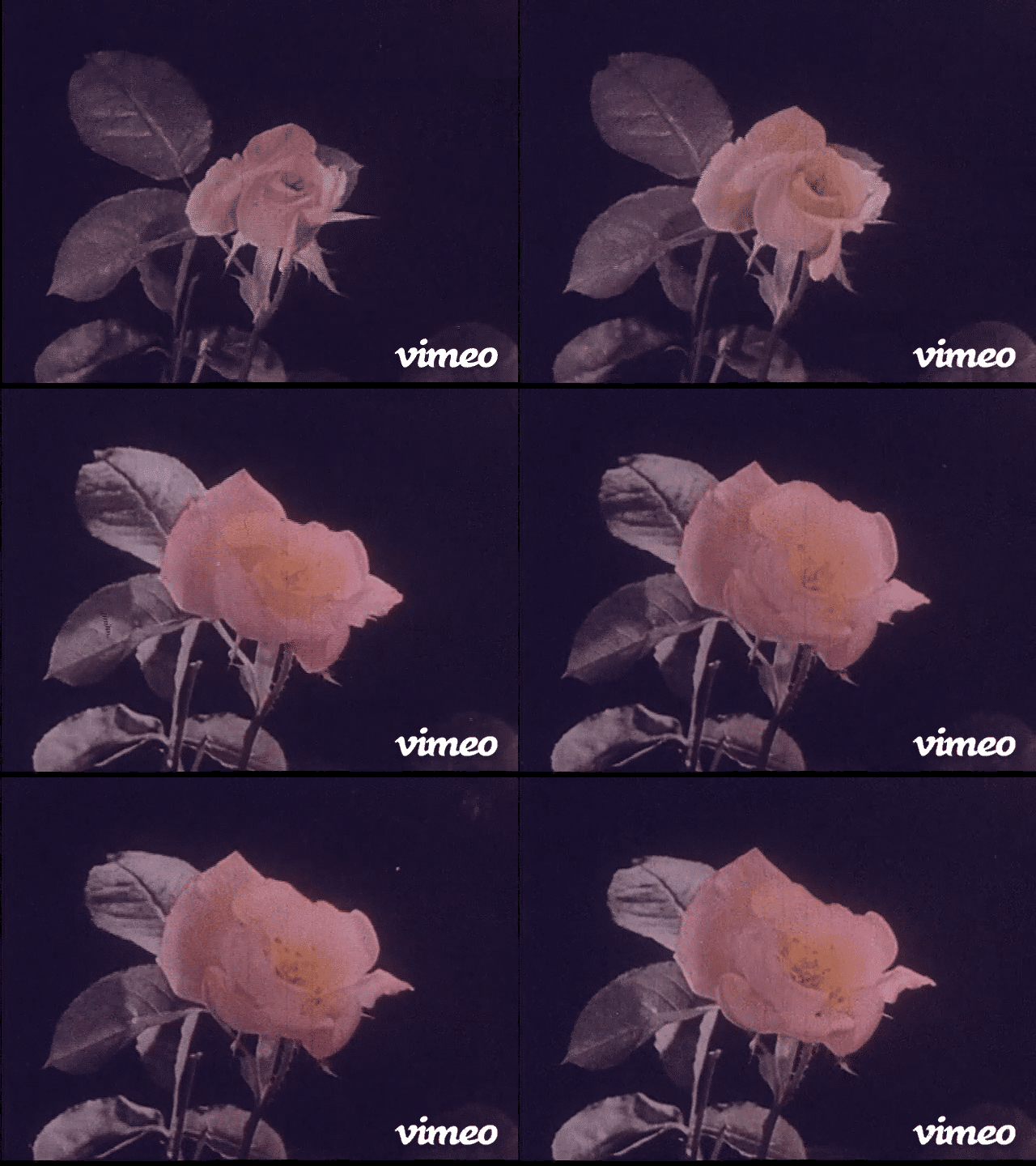
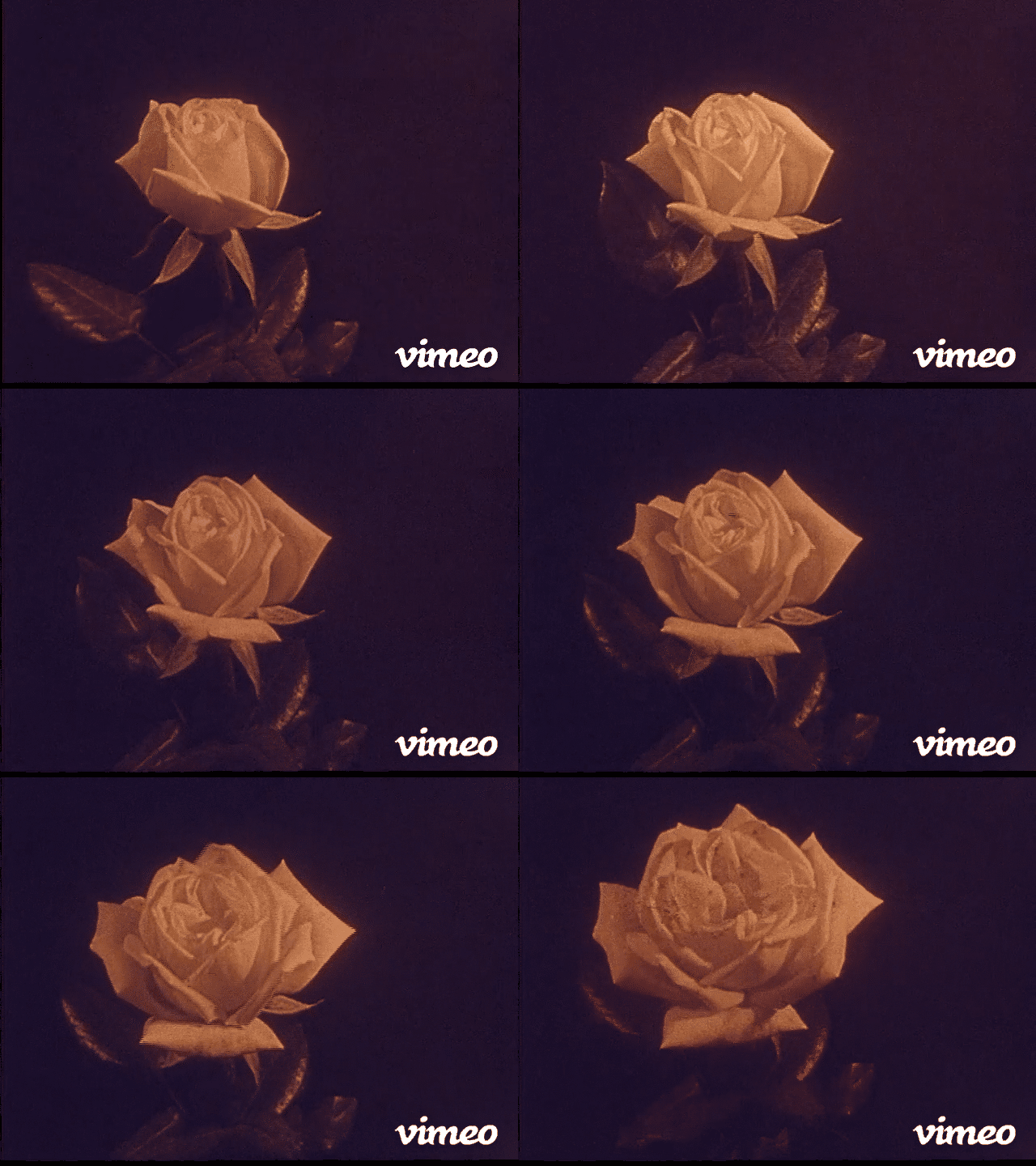


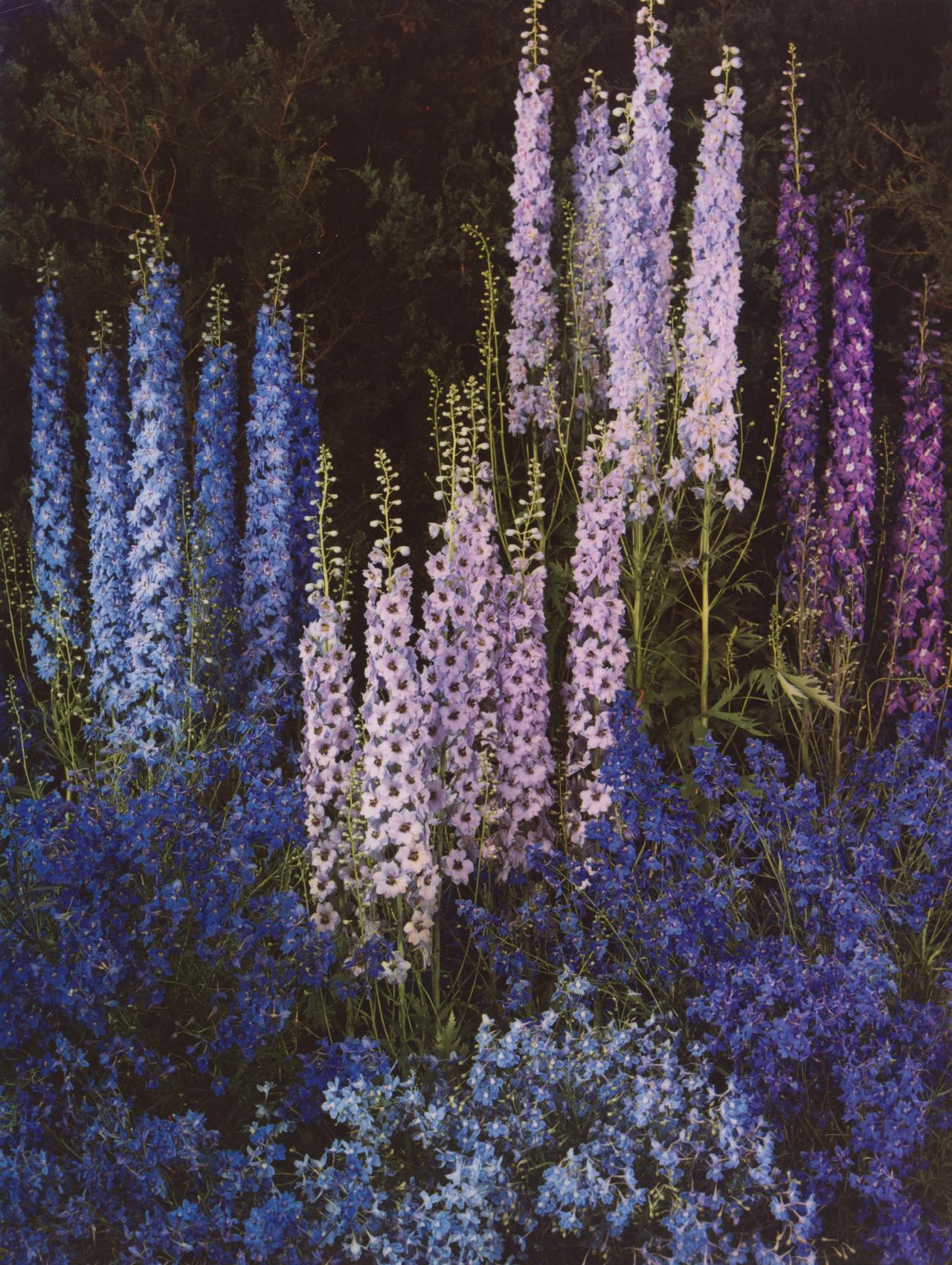
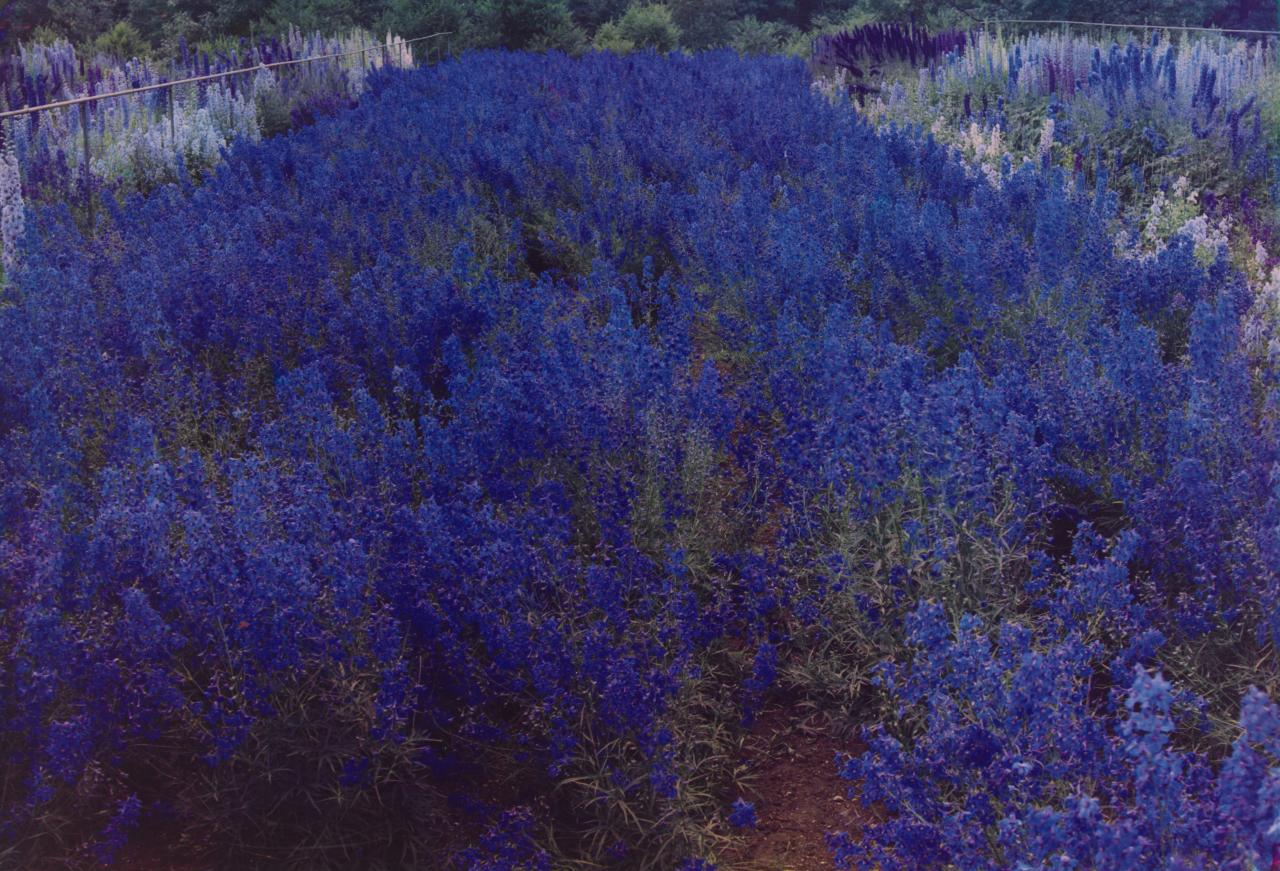

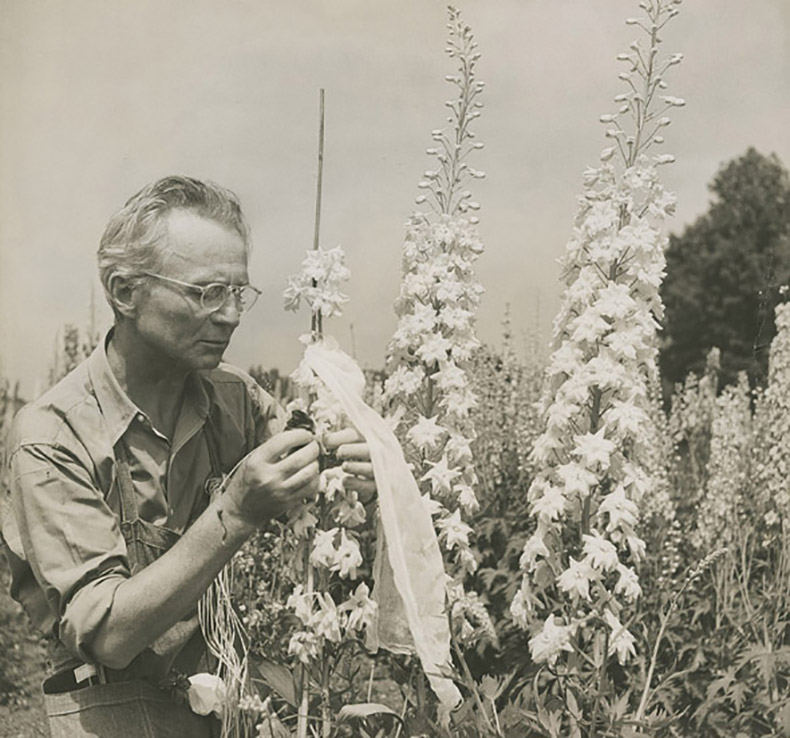
Edward Steichen: painter, photographer, modern art promoter, museum curator, exhibition creator—and delphinium breeder.
Yes, in addition to his groundbreaking career as a visual artist and museum professional, Steichen was also a renowned horticulturist. While he lived in France, the French Horticultural Society awarded him its gold medal in 1913, and he served as president of the American Delphinium Society from 1935 to 1939. In the early 1930s, after leaving his position as chief of photography for the Condé Nast publications—including Vogue and Vanity Fair—and more than 10 years before beginning his career as Director of the Department of Photography at MoMA, he retired to his Connecticut farm to raise flowers.
Among the delphinium breeds Steichen hybridized there were “Carl Sandburg,” named for his brother-in-law and close friend (and Nobel Prize–winning poet and author), and, in the 1960s, “Connecticut Yankees”…
In June 1936, MoMA presented its first and only dedicated flower show, Edward Steichen’s Delphiniums, which exhibited—for one week only—plants Steichen had raised and then trucked to the Museum’s galleries himself. (Read the original press release for the exhibition in MoMA’s online press archives.)
quoted from MoMA blog








 un regard oblique