
images that haunt us
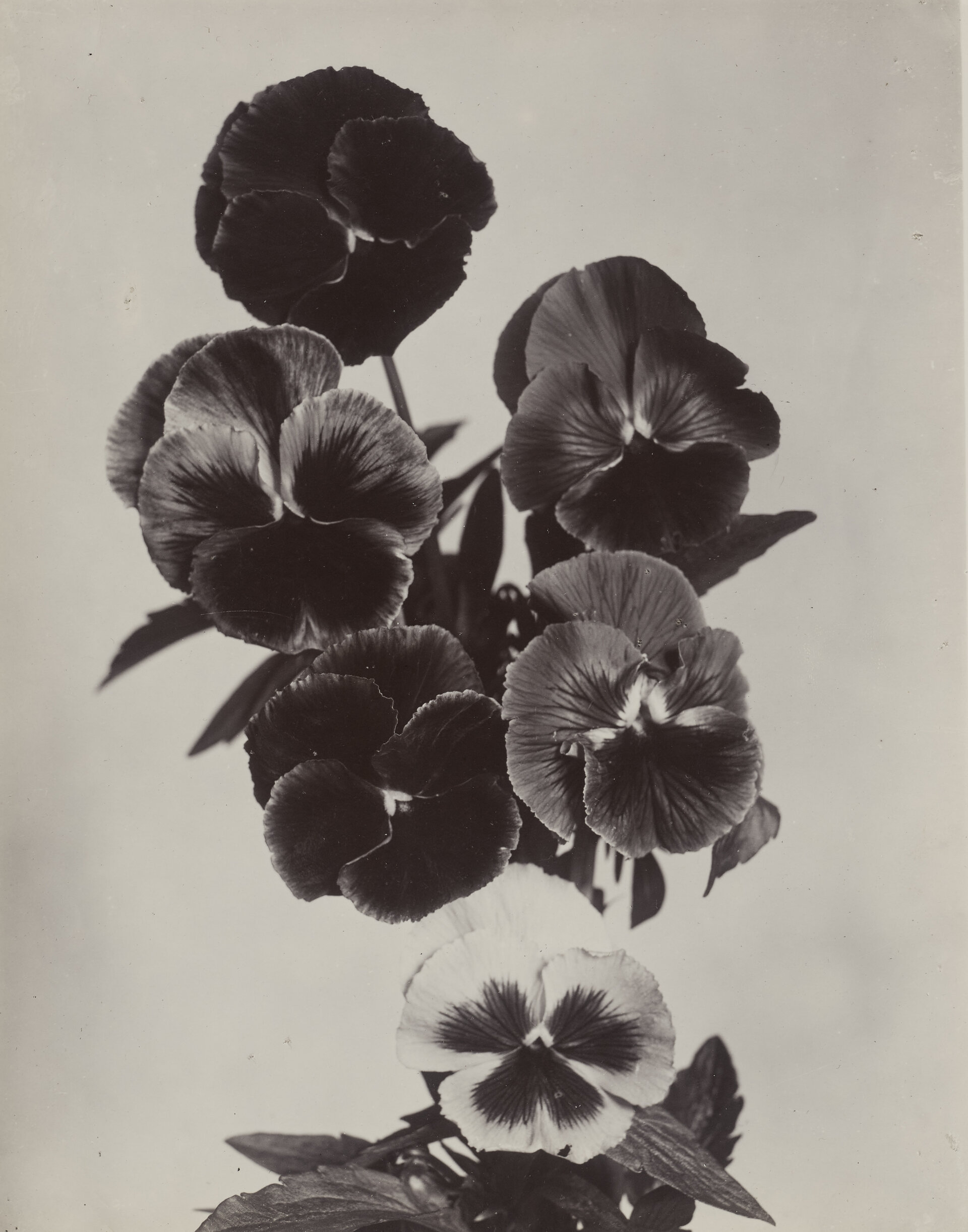
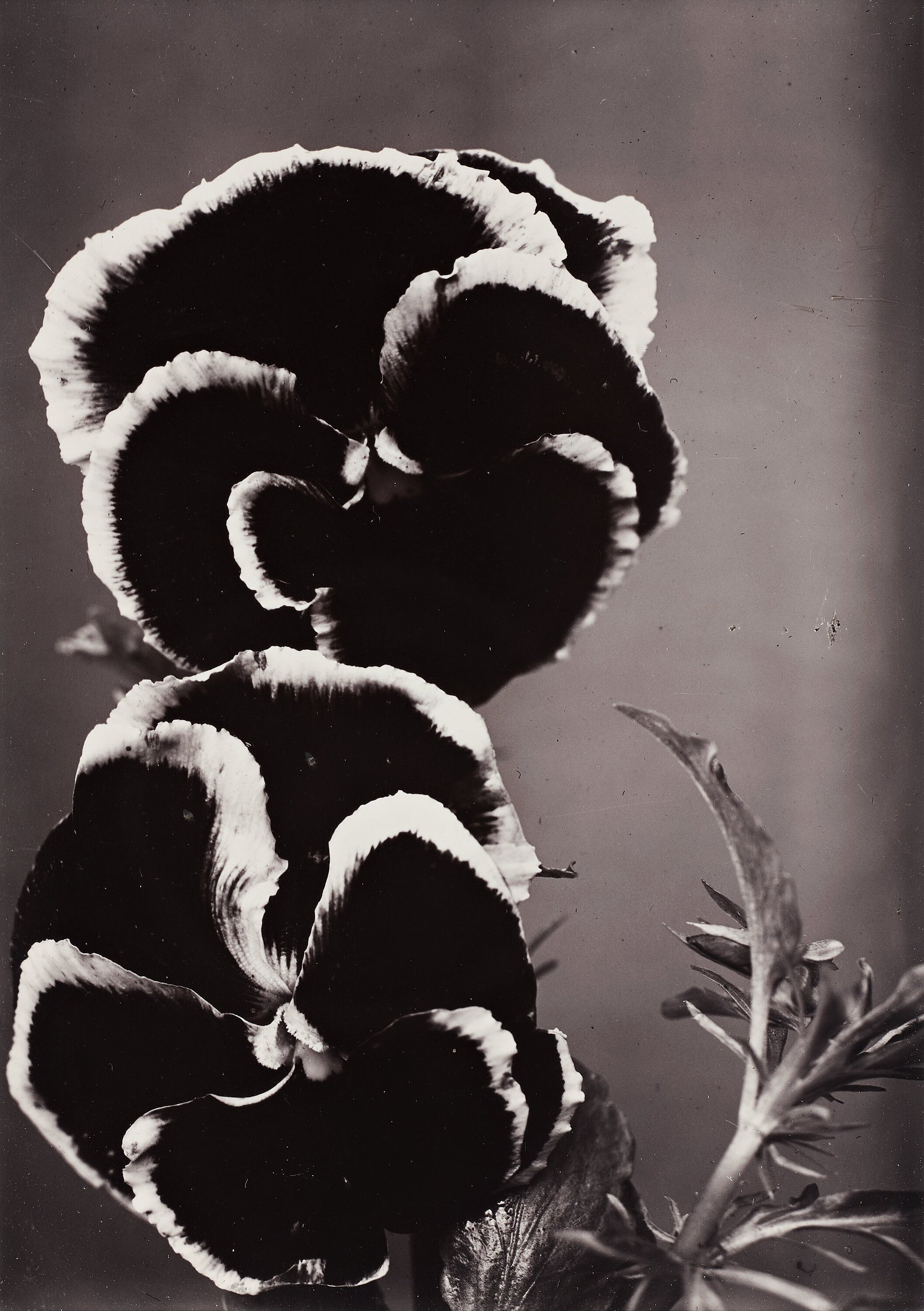

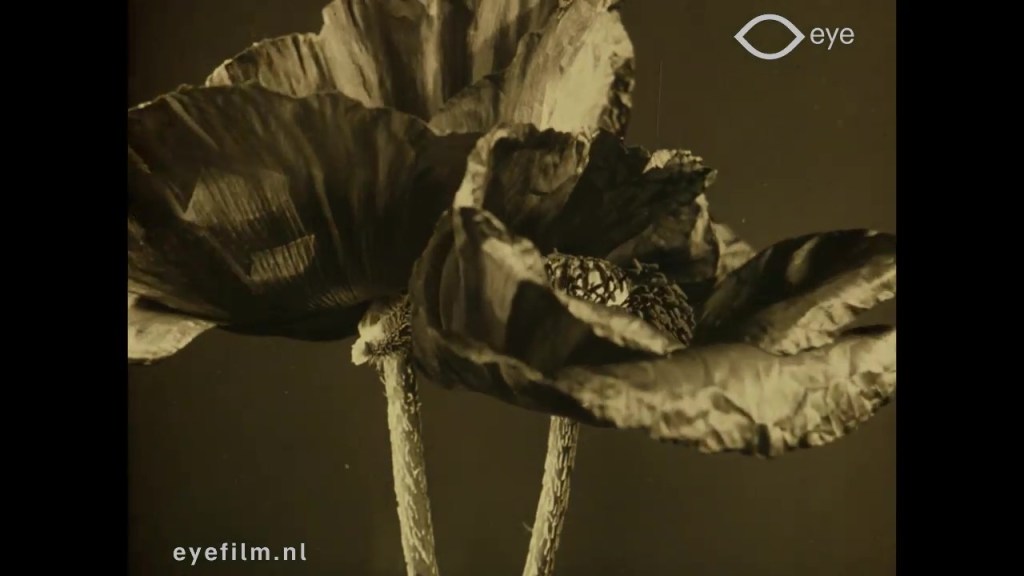

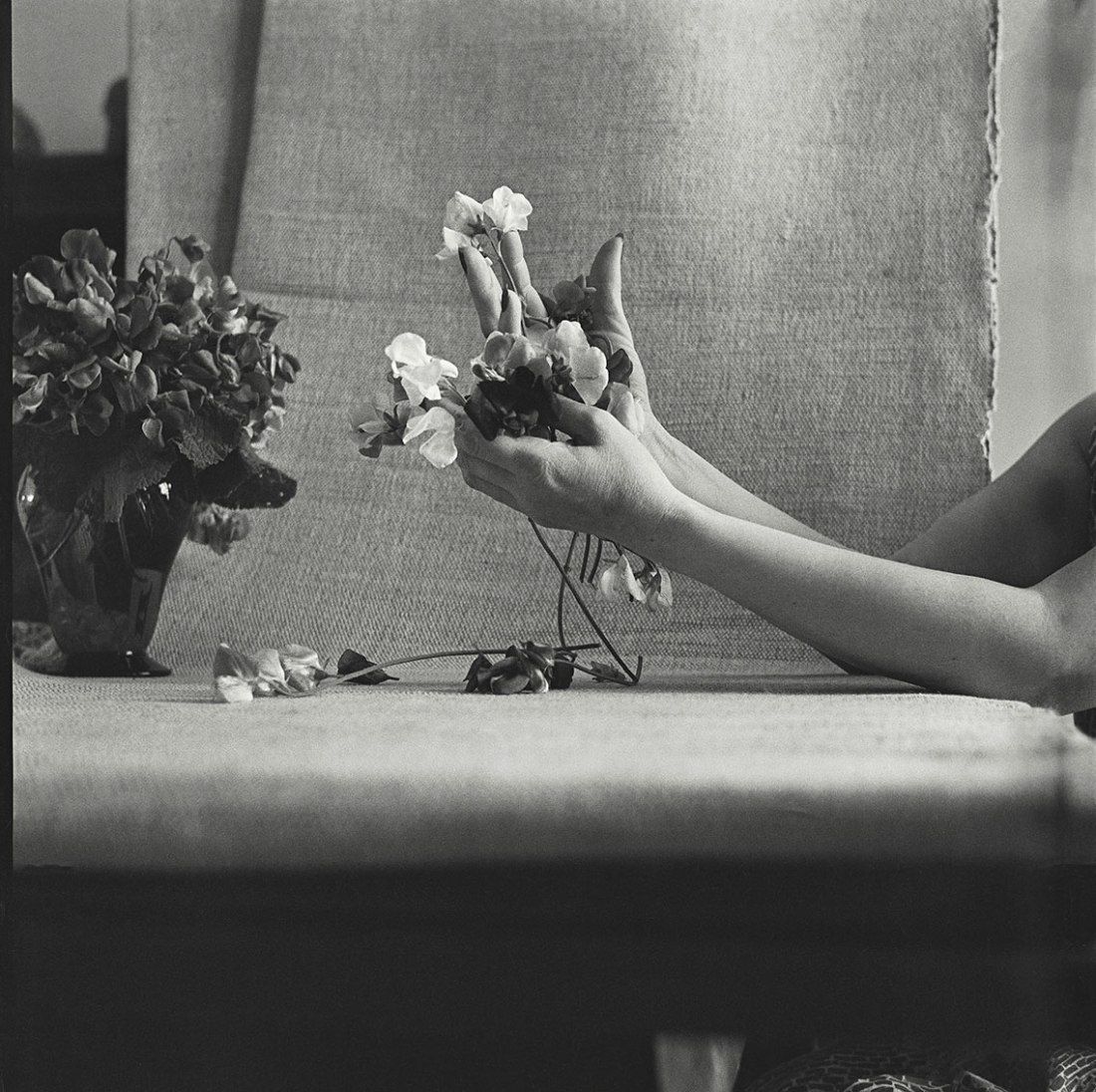
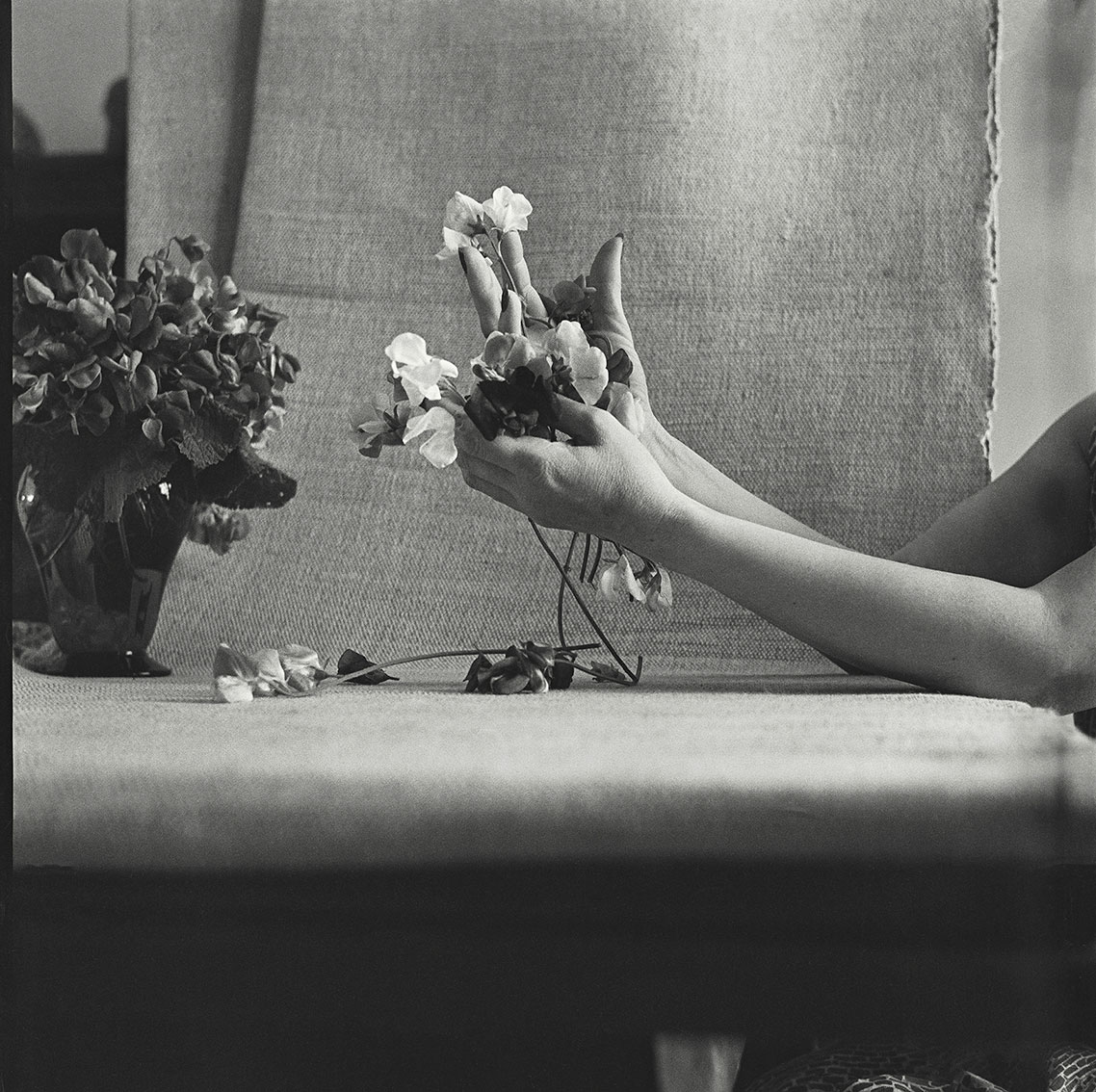
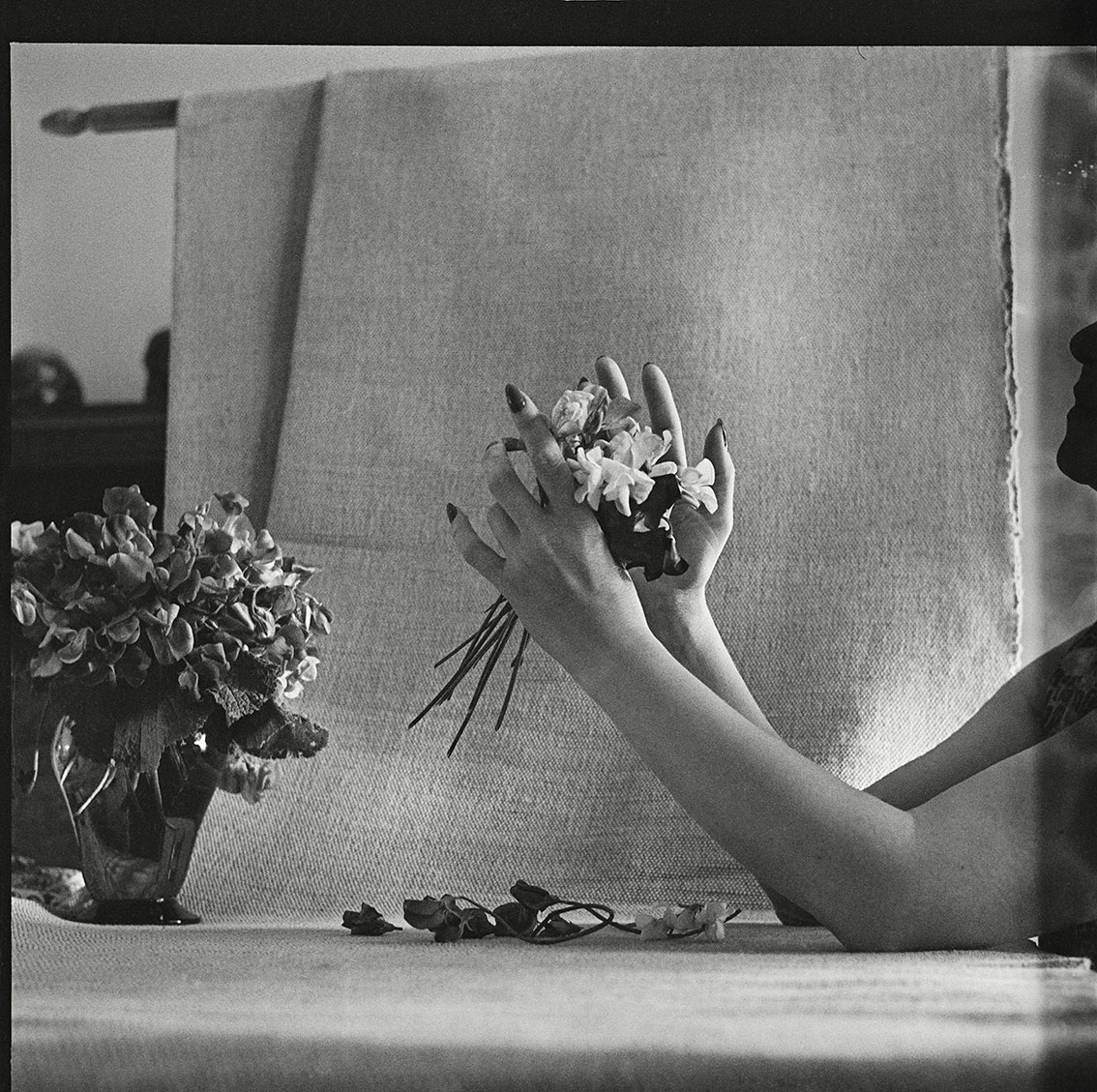
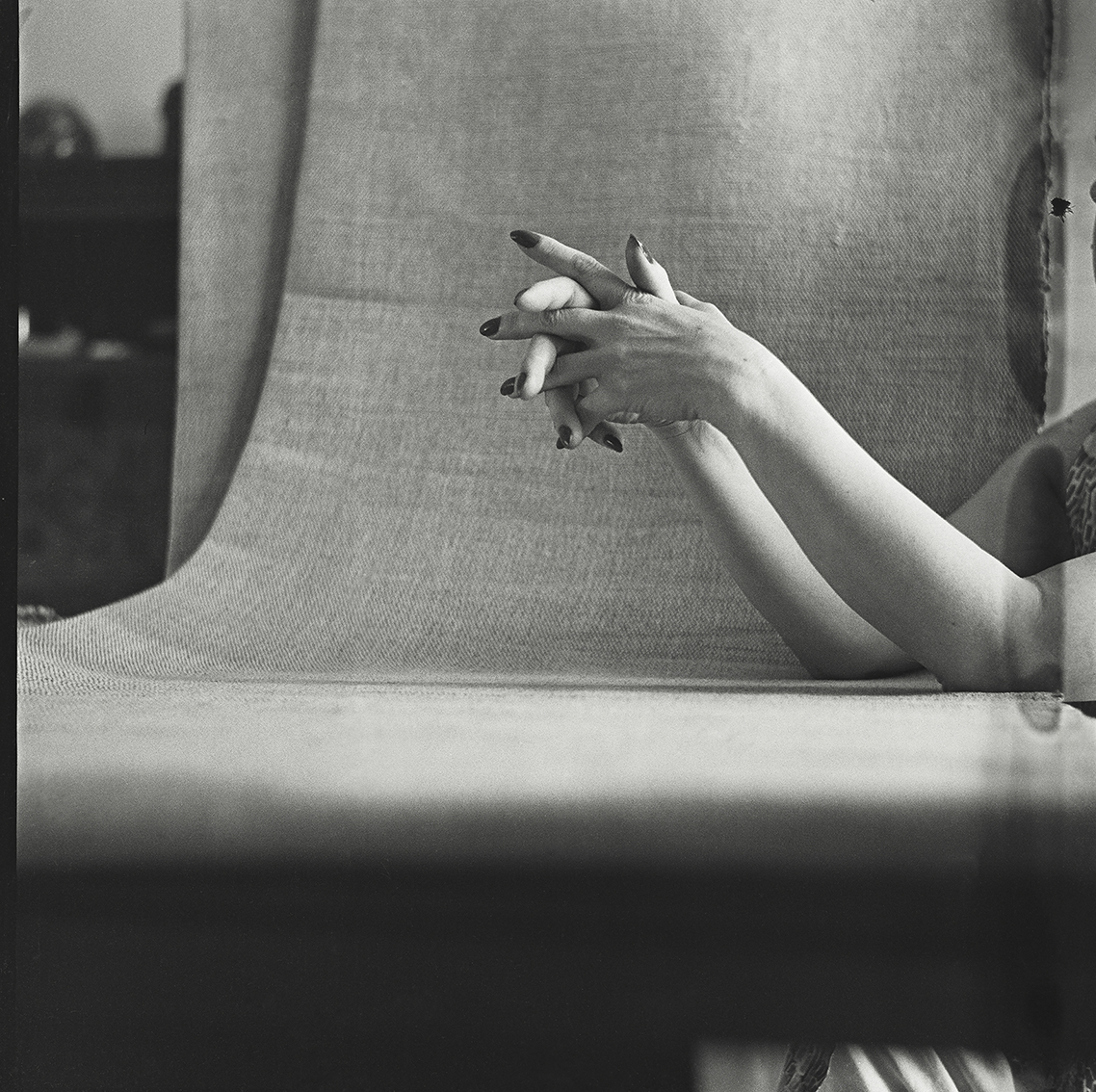
All fragments are extracted from an educational Dutch film : Bloeiende bloemen en plantenbewegingen (1932) Director: J.C. Mol | Production Country: Netherlands | Year: 1932 | Production Company: Multifilm (Haarlem) | Film from the collection of EYE (Amsterdam)
Accelerated frame-by-frame shots (time-lapse, or “Zeitraffer”) of budding flowers and moving plants and mushrooms. This is part of the episodic film “WONDERS OF NATURE”, which is also shown in separate parts.
website of Eye Filmmuseum (Amsterdam) : also, link to catalog
see also the youtube channel of the museum @eyefilmNL : https://www.youtube.com/@eyefilmNL
Here is the link to the whole movie : https://www.youtube.com/watch?v=LuN08inNVgE&t=1365s
In case you are interested, here we add the links to related films:
Uit het rijk der kristallen [From the realm of crystals (J.C. Mol; 1927)] : in website, on their youtube channel (the advantage of the youtube version is that it is divided in chapters by chemical product. There are different versions of Uit het rijk der kristallen: the original silent film was given a soundtrack in the 1930s and is longer.
Uit het rijk der kristallen is one of the scientific films made by Mol. Several versions of this film exist. In the film, the crystallization processes of various chemicals are shown and there is a colour version of the film which was made using Dufay colour.
Take a glimpse, here is a clip:
https://youtube.com/clip/UgkxcuOvxC6cMz3sx6TcqY1ahbC4GtwIN4wb
![Laure Albin-Guillot :: Étude de fleurs [with vase], ca. 1930. Vintage fresson print. | src Seagrave Gallery](https://unregardoblique.com/wp-content/uploads/2023/01/seagravegallery-laure-albin-guillot-tude-de-fleurs-with-vase-c.-1930.jpg?w=799)

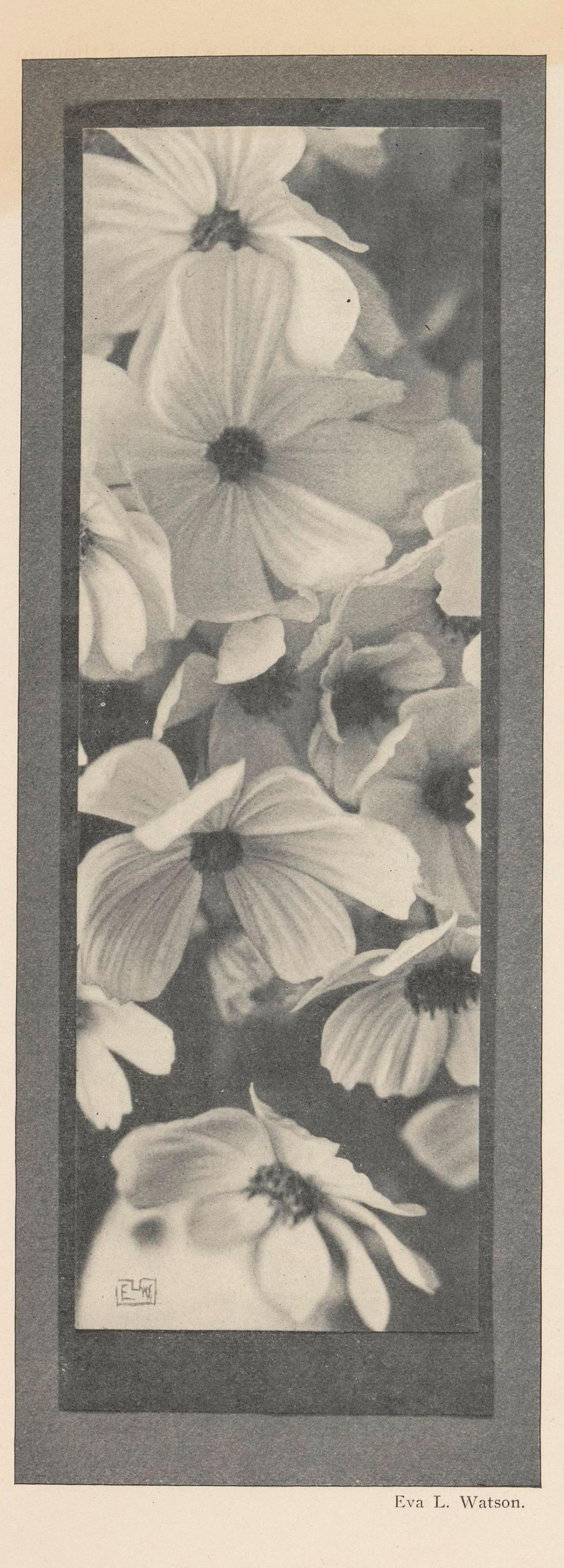

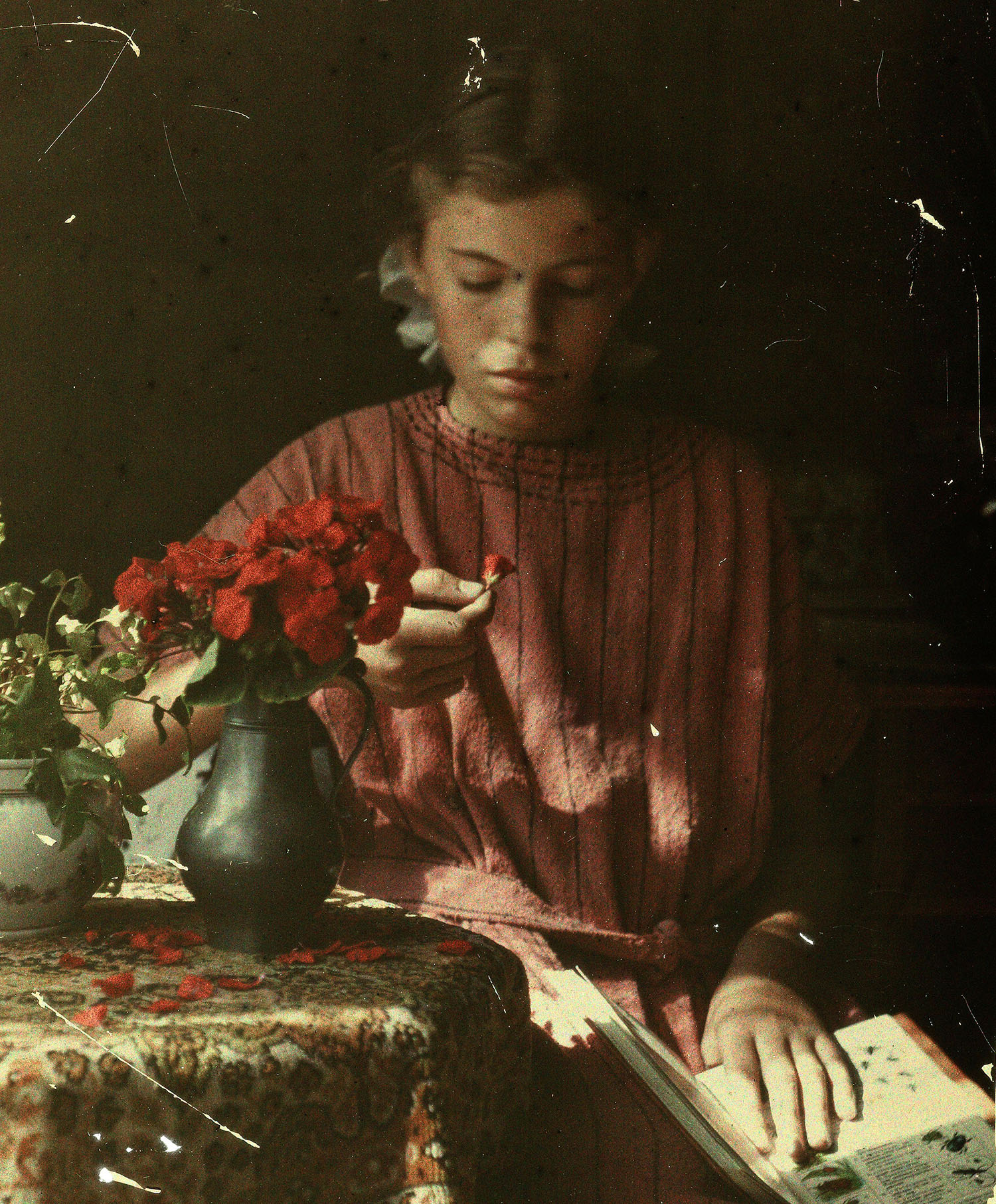
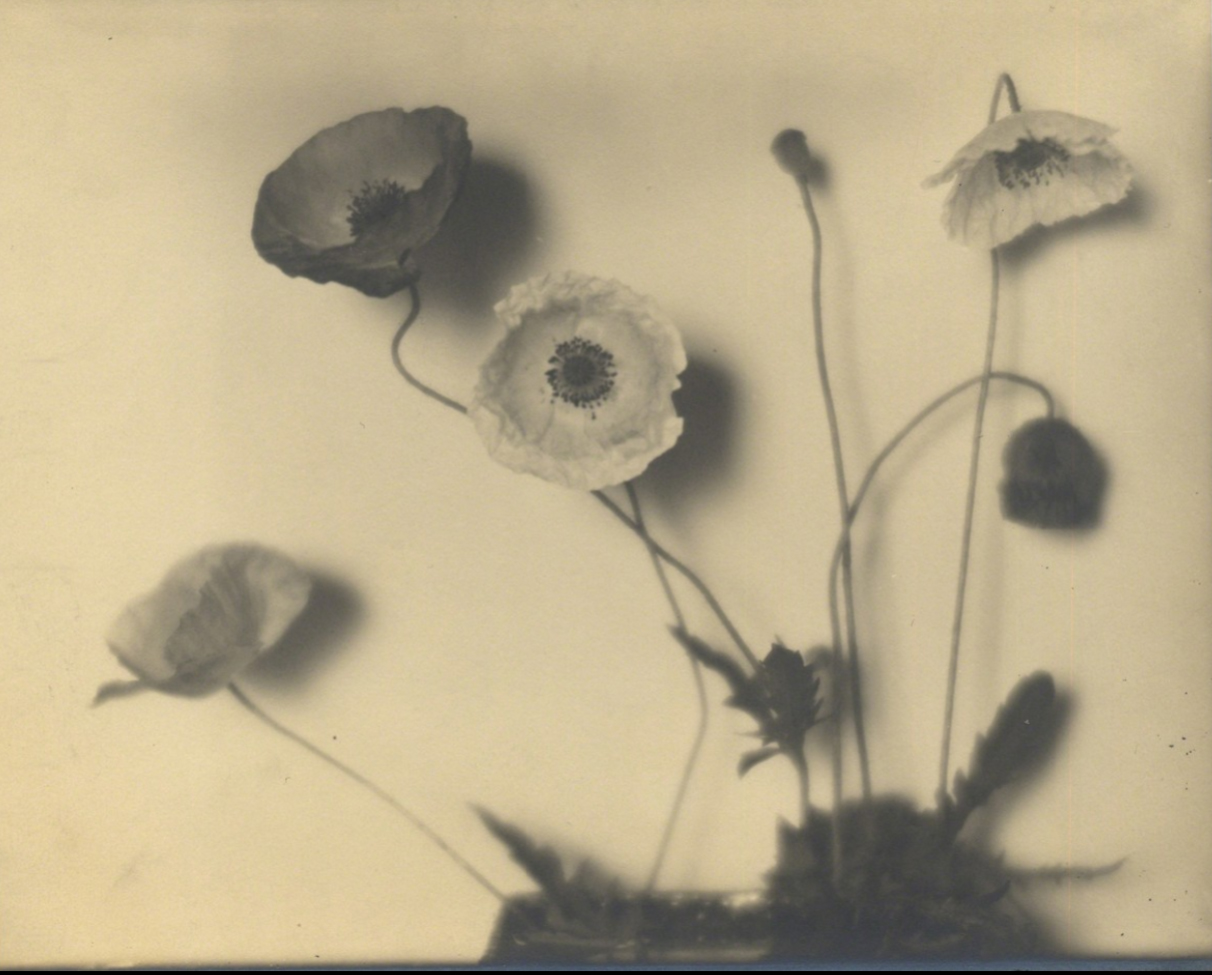
Eva Watson-Schütze (born, Eva Lawrence Watson) (1867–1935)
In 1883, when Eva Watson was sixteen, she enrolled in the Pennsylvania Academy of the Fine Arts in Philadelphia, where she studied under well-known painter and photographer Thomas Eakins. Her interests at that time were watercolor and oil painting, and it’s unknown if she took any interests in Eakins’ photography.
Around the 1890s Watson began to develop a passion for photography, and soon she decided to make it her career. Between 1894 and 1896 she shared a photographic studio with Amelia Van Buren, another Academy alumna, in Philadelphia, and the following year she opened her own portrait studio. She quickly became known for her pictorialist style, and soon her studio was known as a gathering place for photographers who championed this aesthetic vision.
In 1897 she wrote to photographer Frances Benjamin Johnston about her belief in women’s future in photography: “There will be a new era, and women will fly into photography.”
In 1898 six of her photographs were chosen to be exhibited at the first Philadelphia Photographic Salon, where she exhibited under the name Eva Lawrence Watson. It was through this exhibition that she became acquainted with Alfred Stieglitz, who was one of the judges for the exhibit.
In 1899 she was elected as a member of the Photographic Society of Philadelphia. Photographer and critic Joseph Keiley praised the work she exhibited that year, saying she showed “delicate taste and artistic originality”.
The following year she was a member of the jury for the Philadelphia Photographic Salon. A sign of her stature as a photographer at that time may be seen by looking at the other members of the jury, who were Alfred Stieglitz, Gertrude Kasebier, Frank Eugene and Clarence H. White.
In 1900 Johnston asked her to submit work for a groundbreaking exhibition of American women photographers in Paris. Watson objected at first, saying “It has been one of my special hobbies – and one I have been very emphatic about, not to have my work represented as ‘women’s work’. I want [my work] judged by only one standard irrespective of sex.” Johnston persisted, however, and Watson had twelve prints – the largest number of any photographer – in the show that took place in 1901.
In 1901 she married Professor Martin Schütze, a German-born trained lawyer who had received his Ph.D. in German literature from the University of Pennsylvania in 1899. He took a teaching position in Chicago, where the couple soon moved.
That same year she was elected a member of The Linked Ring. She found the ability to correspond with some of the most progressive photographers of the day very invigorating, and she began to look for similar connections in the U.S.
In 1902 she suggested the idea of forming an association of independent and like-minded photographers to Alfred Stieglitz. They corresponded several times about this idea, and by the end of the year she joined Stieglitz as one of the founding members of the famous Photo-Secession.
Since Watson-Schütze’s death there have been two retrospective exhibitions of her photographs: Eva Watson-Schütze, Chicago Photo-Secessionist, at the University of Chicago Library in 1985, and Eva Watson-Schütze, Photographer, at the Samuel Dorsky Museum Art at the State University of New York at New Paltz in 2009.
Her works were also included in exhibits at the National Museum of Women in the Arts in Washington, DC. [quoted from Wikipedia website]
 un regard oblique