Woke up laughing by Bruno Roels

Bruno V. Roels ~ Desertwave. From: Woke up Laughing. Gallery 51 | src ODLP

‘Woke up Laughing’ presents a vibrant universe of palm trees reminiscent of vacation, luxury, paradise and adventure. Roels celebrates their beauty but also sheds light on their darker sides, as, much like photography, they are not entirely trustworthy. A palm tree in Monaco tells a different story than a tree in Fallujah, Iraq, or in Palmyra, Syria, occupied by ISIS. These seemingly pristine and peaceful universal icons ruthlessly resonate with memories of our colonial history. Each image serves as a silent testimony, compelling the viewer to reflect, illustrating that paradise lurks around the corner but remains elusive and unattainable. The bright colours that Roels added to the black and white images make the confrontation lighter and more playful. Due to his background in literature and linguistics, his titles also play a crucial role in his work. Often embodying historical and contemporary references, they create confusion through their ambiguity.

The title ‘Woke up Laughing’ refers to the eponymous song by British pop musician Robert Palmer and encapsulates the concept of Roels’ exhibition.

Woke up laughing
You make yourself a fortune out in Hong Kong
You sit at home and wonder whether you were wrong
You take a small vacation just to keep sane
You find on your return your home is blown away

With ‘Woke Up Laughing’, the artist presents a series of perspectives, techniques, and approaches. There is much to observe, not only about photography but also about what lies behind it. His images serve as both an escape from and a reflection on the reality in which we live. While he does not seek to impose criticism, he cleverly elucidates the challenges we face today.

Bruno V. Roels ~ Desertwave # 2. From: Woke up Laughing. Gallery 51 | src ODLP

For his fifth solo exhibition at Gallery 51, Belgian artist Bruno V. Roels (b. 1976) presents new work and delves further into the possibilities of the analog photographic process. In ‘Woke up Laughing’, his images navigate between aesthetics and experimentation, escapism and a historical consciousness.

Inspired by artists like John Baldessari (1931-2020) and Ed Ruscha (b. 1937), who approached photography in a conceptual manner, Roels also questions the properties of the image: how it operates, influences, and deceives. What defines photography as photography? And how do viewers interpret it, in an era marked by image manipulation and production, where visual communication sets the tone? These are significant questions embedded in his body of work.

While Roels’ artistic practice is primarily rooted in analog photography, he combines analog techniques with other art forms, non-photographic processes, or Artificial Intelligence and generative imaging. This allows the artist’s imagination to reach its peak, as nothing is deemed impossible. Additionally, the artist plays with the reproducible nature of the medium, creating unique works often consisting of multiple variations of the same negative, compiling them as equivalent images within the same frame, rendering no image perfect or superior to another. He also produces overprints, where the same negative is printed several times, causing the images to blend. The yellowed, coffee- coloured prints give his work a recognizable vintage look. Artistic imperfections and incidental elements, such as creases and stains that occur during printing, remain visible and characterize his visual language. By imprinting text on the prints or by drawing and painting on them, Roels adds surreal elements and layers of meaning.

Bruno V. Roels ~ An Ornament For A Summer’s Day # 2. From: Woke up Laughing. Gallery 51 | src ODLP
Bruno V. Roels ~ Figura Serpentinata (Demeter V). From: Woke up Laughing. Gallery 51 | src ODLP

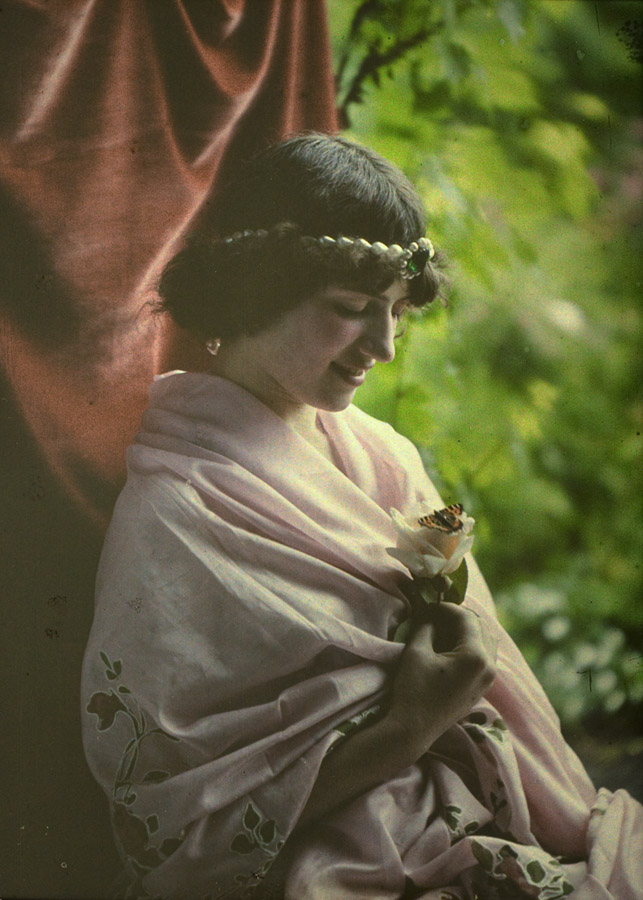
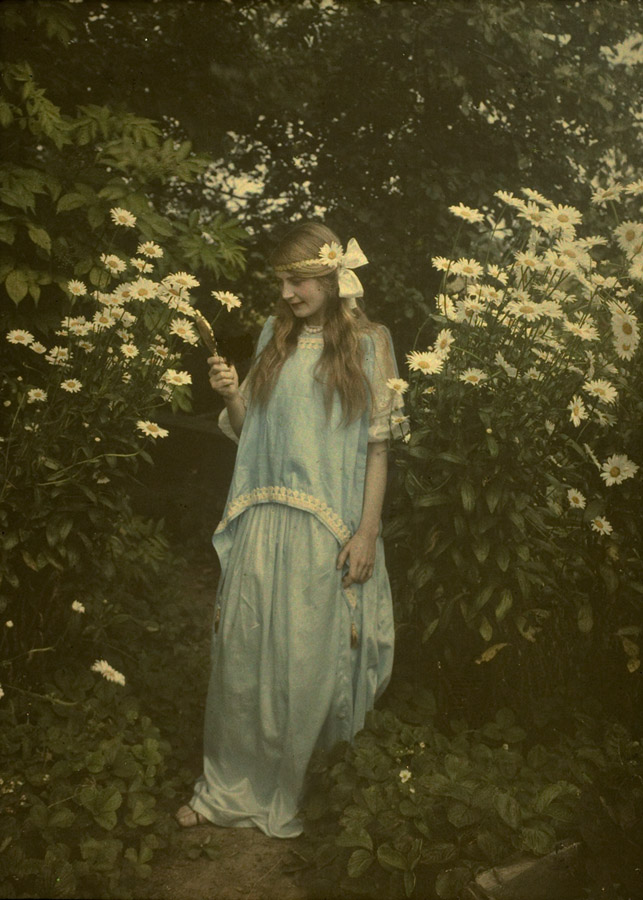
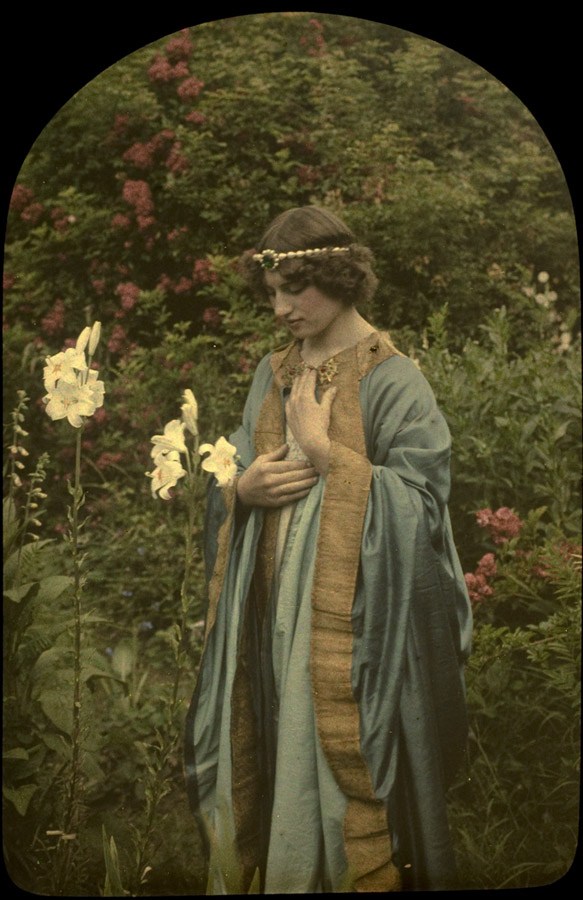
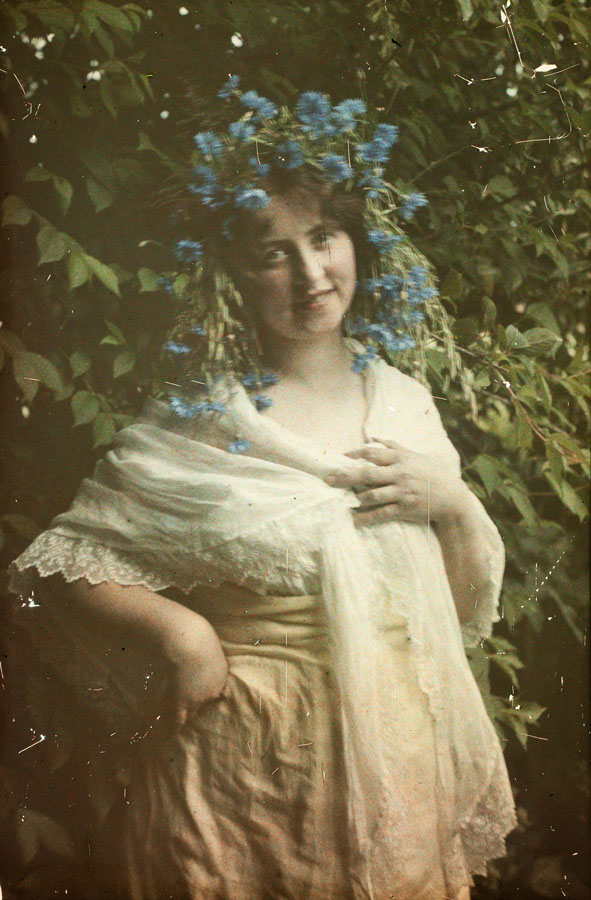
Van Besten ladies and maidens

Sebastiaan Alfonse van Besten :: Maiden with butterfly on flower, ca. 1912. Autochrome. | src Belgian Autochromists
Sebastiaan Alfonse Van Besten :: Young girl amidst marguerites, ca. 1912. Autochrome. | src Belgian Autochromists
Sebastiaan Alfonse van Besten :: Young girl amidst marguerites, ca. 1912. Autochrome. | src Belgian Autochromists
Sebastiaan Alfonse Van Besten :: Purity, 1913. Autochrome. | src Belgian Autochromists
Sebastiaan Alfonse van Besten :: Purity, 1913. Autochrome. | src Belgian Autochromists
Sebastiaan Alfonse Van Besten :: Lady with poppies, 1912. Autochrome. | src Belgian Autochromists
Sebastiaan Alfonse van Besten :: Lady with poppies, 1912. Autochrome. | src Belgian Autochromists
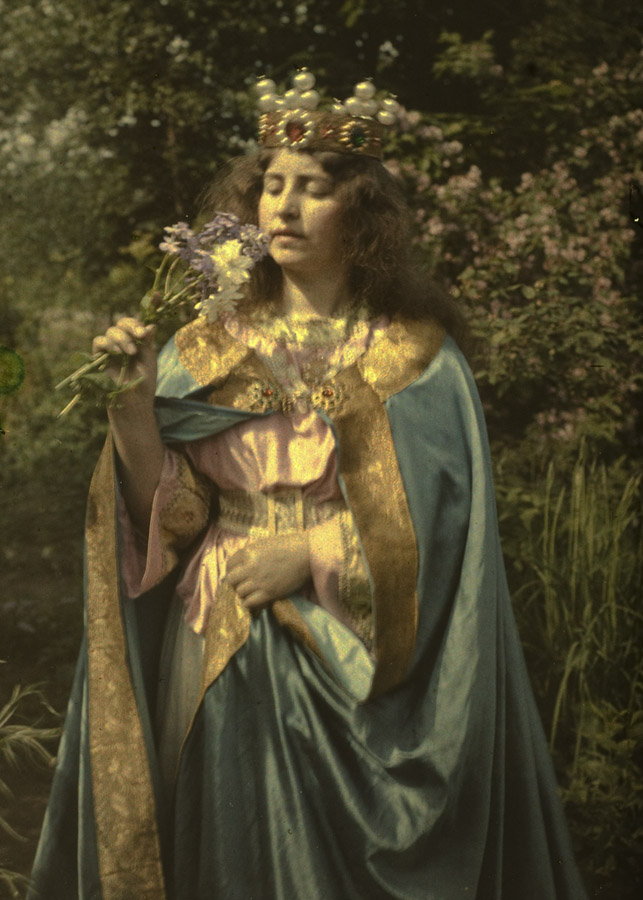
Sebastiaan Alfonse van Besten :: Study of Mrs. van Besten [Josephine Arnz] as Flemish princess, ca. 1912. Autochrome. | src Belgian Autochromists

Pornokrates La Dame au Cochon

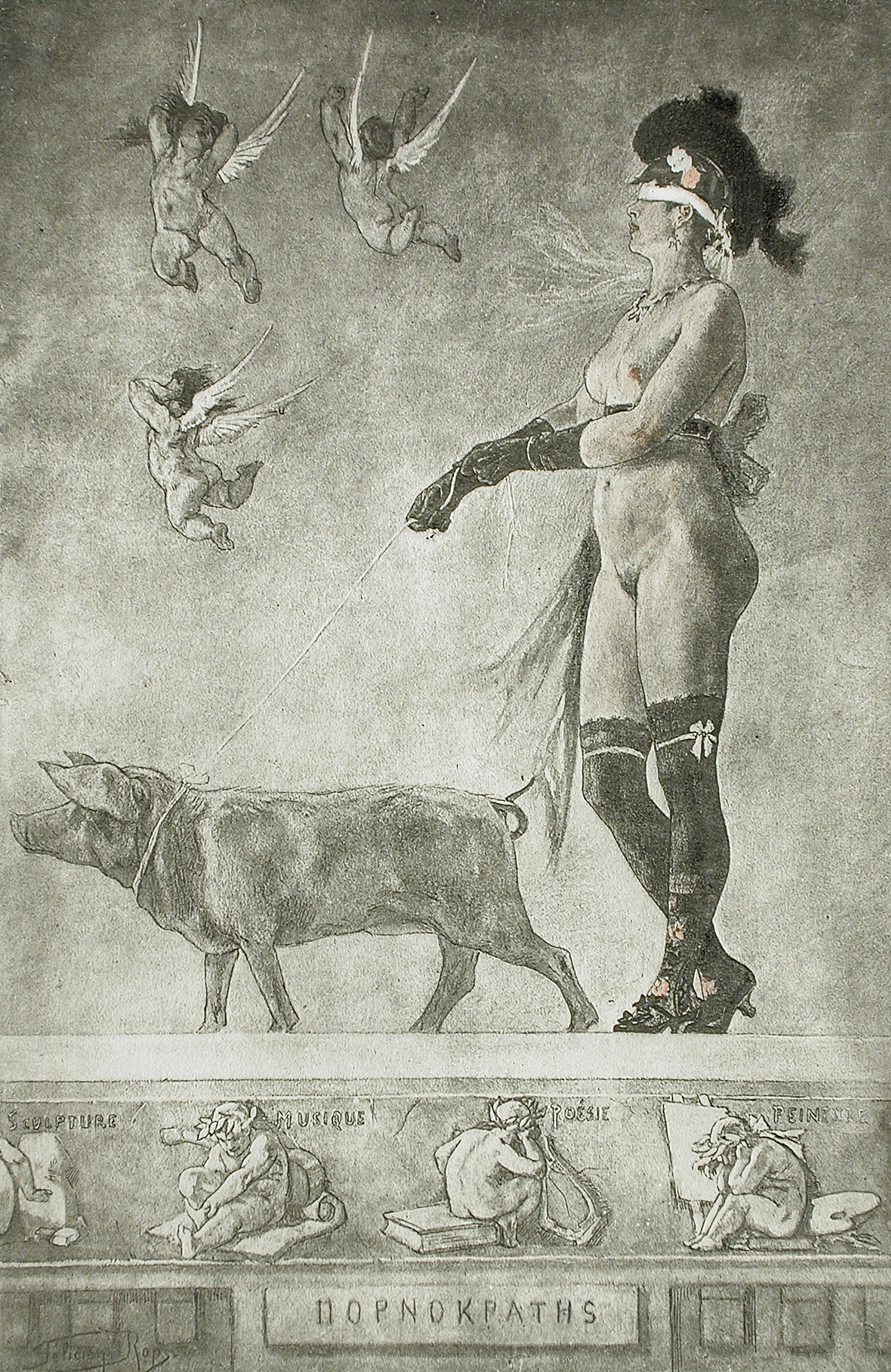
Félicien Victor Joseph Rops :: Pornokrates (or La Dame au Cochon), 1879. Signed Felicien Rops and dated 1879 lower left. Pastel, chalk, pencil and watercolour on paper. | src Sotheby's
Félicien Victor Joseph Rops :: Pornokrates (or La Dame au Cochon), 1879. Signed Felicien Rops and dated 1879 lower left. Pastel, chalk, pencil and watercolour on paper. | src Sotheby’s

Pornokrates was the scandalous success of the 1886 Les XX exhibition and solidified Rops’ growing reputation as the creator of sexually-charged, titillating imagery. Although Rops provided it with a Greek title, he changed the figure’s status from that of an ancient muse of love to a modern goddess of sex. ‘Rops presents a provocative vision of modern woman. She is naked rather than nude, realistically rendered rather than demurely sensuous. Love has no place in the modern worlds; even the ancient cupids leave in tears. Blindfolded and located atop a parapet, she haughtily walks a pig, an emblem of filth and temptation. Were it not for her brazen nakedness, she might be mistaken for a proper middle-class woman walking a well-bred dog. Adorned with the accoutrements of her trade, she parades not on the boulevards that were the street walker’s domain, but above the weeping personification of the arts – suggesting that the modern prostitute is truly the new muse of the arts.’ (Sura Levine, Les XX and the Belgian avant-garde, Kansas, 1992, p. 329). Quoted from source

Félicien Rops :: Pornocratès (Pornokrates) ou La Dame au cochon, 1878, aquarelle, pastel et rehauts de gouache, 75 x 48 cm. Fédération Wallonie-Bruxelles en dépôt au musée Félicien Rops

Pornocratès (1878) : “Le dessin représente une grande femme nue, quart nature, se détachant sur un ciel bleu foncé parsemé d’étoiles et où des amours – 3 amours ! volent en s’enfuyant, à tire d’aîles, la femme, les yeux bandés est conduite en aveugle par un cochon. C’est intitulé – Pornocratie – Sous la frise les petits génies des beaux Arts courbent – en gémissant !! la tête !! La femme est chaussée & gantée de noir”1, décrit l’artiste. Pornocratès, La Dame au cochon ou Pornocratie, trois titres pour nommer ce dessin majeur de Rops qui illustre aujourd’hui encore l’esprit décalé et impertinent de l’art belge. La femme moderne piétine les arts anciens, figés dans la pierre. Elle se laisse guider par ses instincts, symbolisés par le cochon. C’est donc un dessin qui représente une double profession de foi pour l’artiste : en art, un refus virulent pour l’académisme et dans la société, une dénonciation de l’hypocrisie bourgeoise qui cache une certaine liberté de moeurs.

1. Lettre de Rops à Maurice Bonvoisin, Paris, 20 février 1879. http://www.ropslettres.be, n° d’édition 475

src of text : Musée Félicien Rops

Félicien Victor Joseph Rops :: Pornokrates or La Dame au cochon, Belgium, 1896. Soft-ground etching. Gift of Michael G. Wilson. Plate: 38.58 x 27.94 cm; image: 27.94 x 18.1 cm. | src LACMA ~ Los Angeles County Museum of Art

De Absintdrinkster, 1907

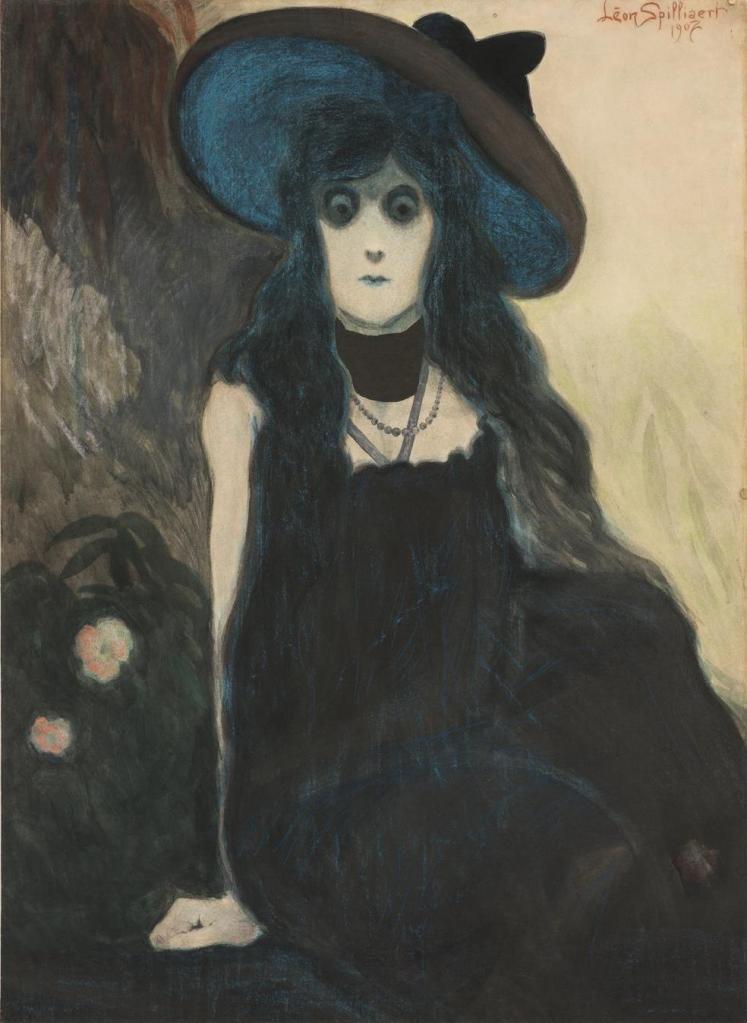
León Spilliaert :: La Buveuse d’absinthe (The Absinthe Drinker), 1907. Indian ink, pastel and gouache on paper. Fine Arts Museum, Ghent. | src King Baudouin Foundation

House and Lighthouse, 1909

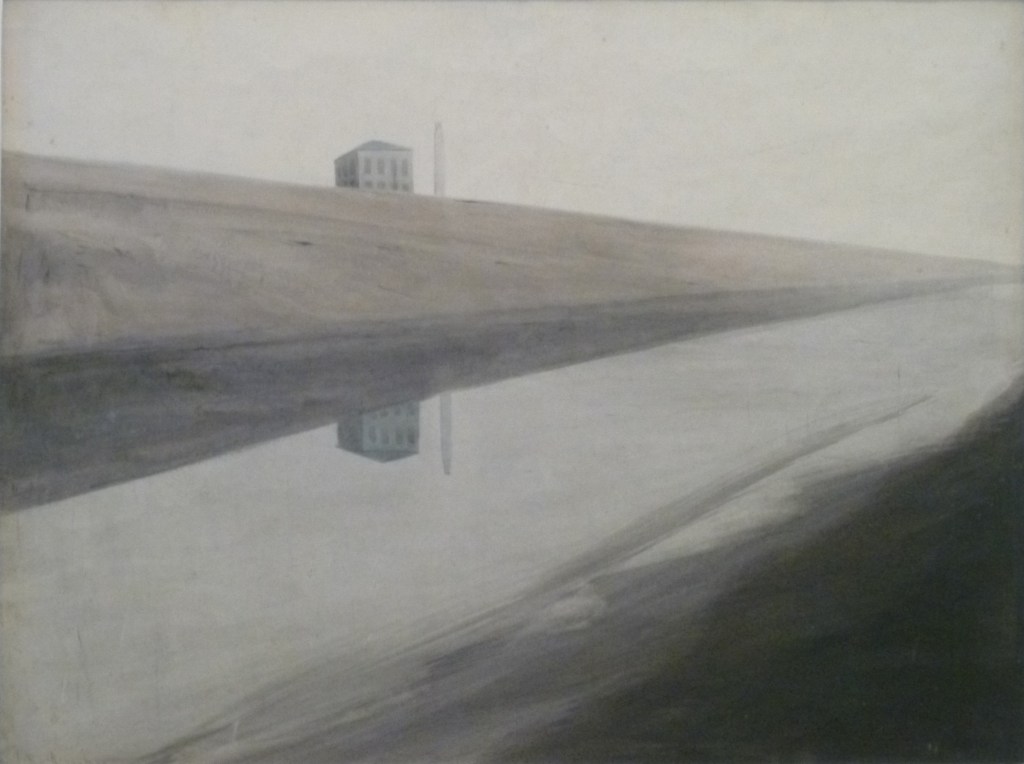
Léon Spilliaert :: Huis en vuurtoren aan de vaargeul (1909). Contépotlood, gewassen Oost-Indische inkt, penseel, kleurpotlood, houtskool op papier. Belgische kunstenaar. | House and lighthouse by the Channel (1909). Conté pencil, washed Indian ink, brush, colored pencil, charcoal on paper. Belgian artist. | src wikimedia commons