Musidora (Le Tréport)

Musidora. French postcard, nº 67. Caption: Le Tréport – Le Repos de la Pêcheuse de Crevettes. (Le Tréport – The Rest of the Shrimp Fisherwoman). Collection: Marlène Pilaete. | src Truus, Bob & Jan on Flickr | more like this

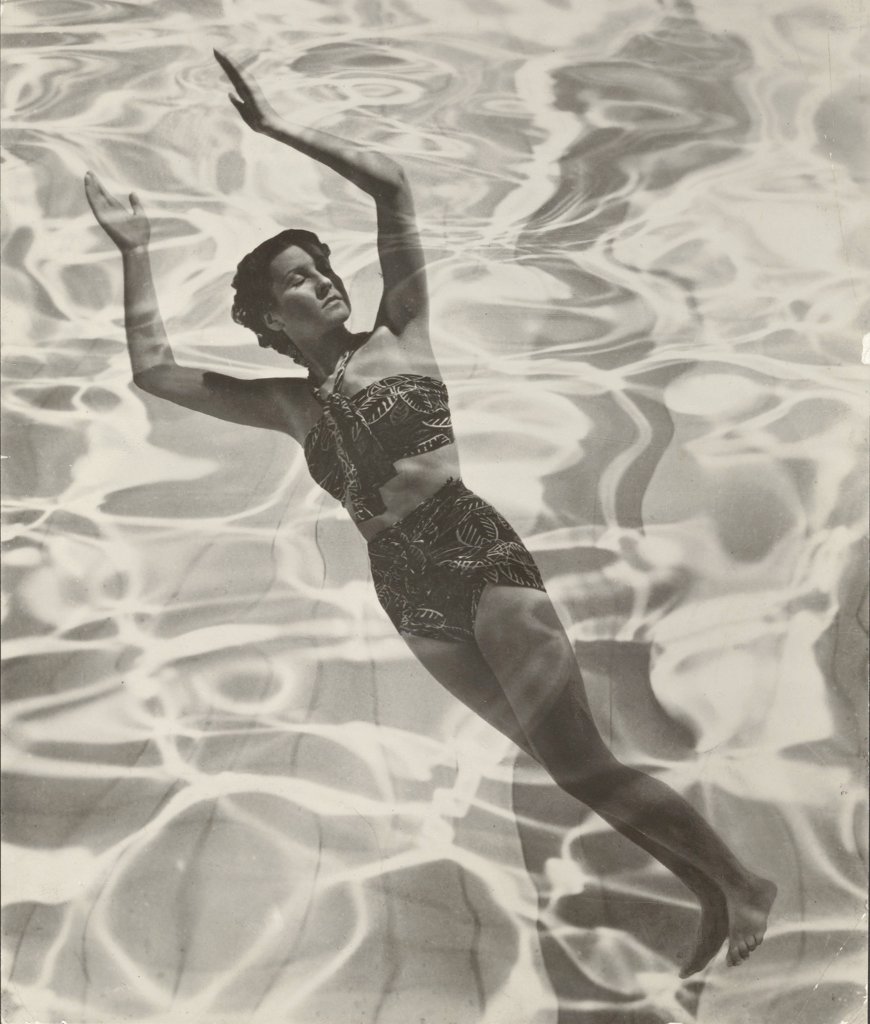
Model in Swimsuit, 1936

Dora Maar :: Untitled fashion photograph. Model in Swimsuit, 1936. From the exibition “Icons of Style: A Century of Fashion Photography, 1911-2011”. | src The J. Paul Getty Museum

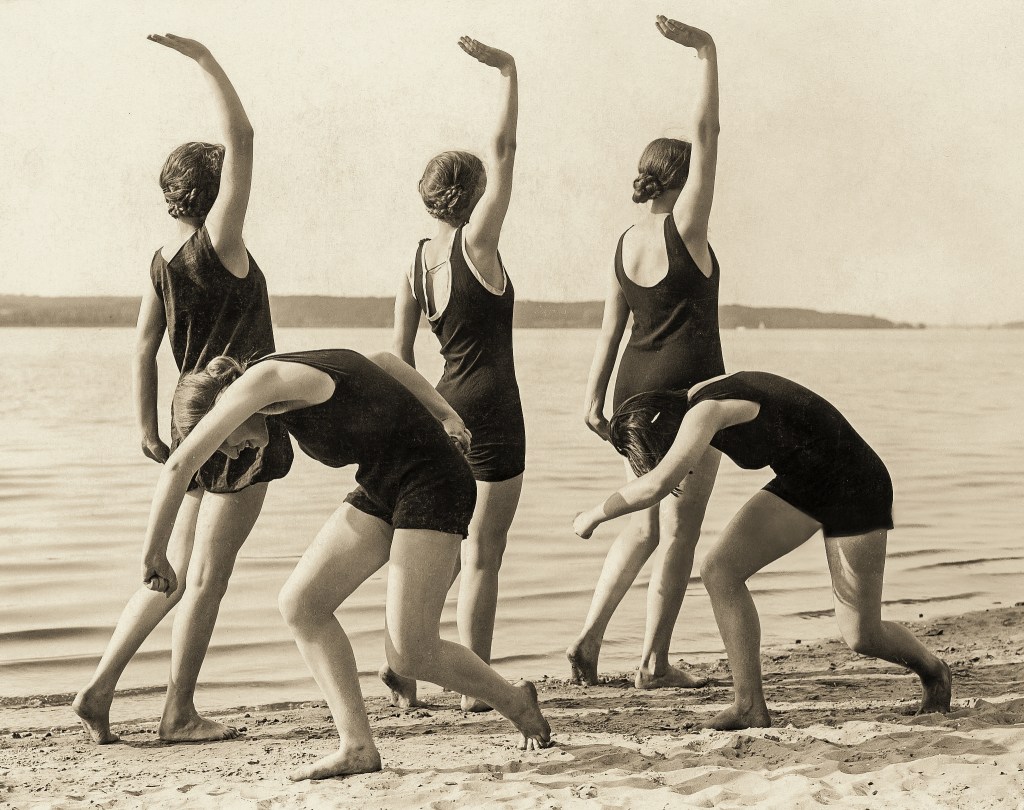
Gymnastics on the beach, 1927

Gerhard Riebicke :: Sports, gymnastics: women at a gymnastic exercise on the beach, 1927. Published by ‘Das Blatt der Hausfrau’ 21/1927. | src Getty Images

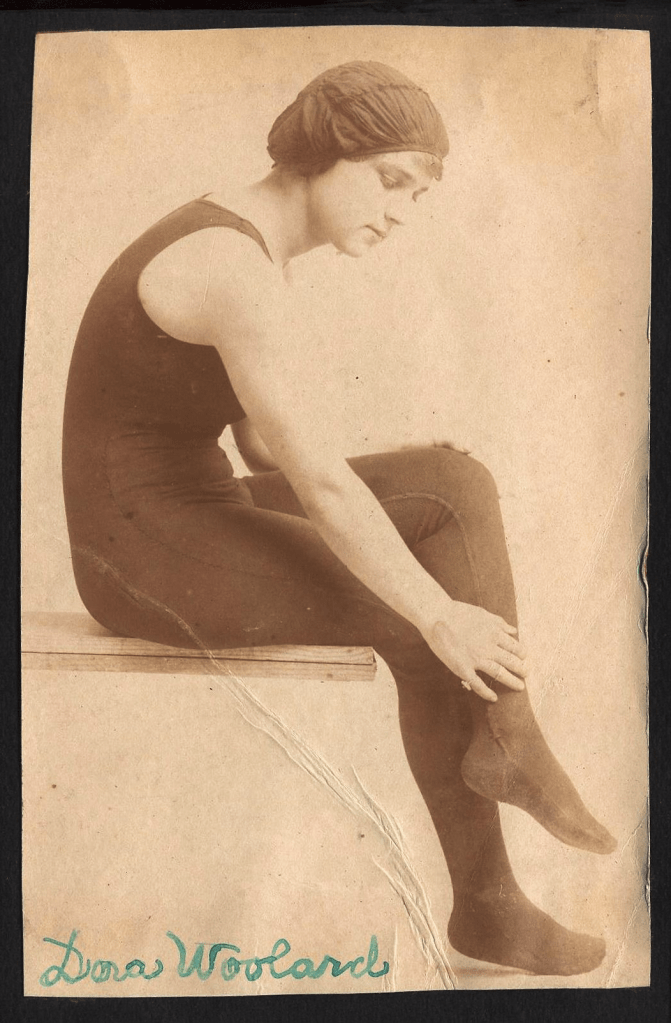
Dora Woolard, 1913

Dora Woolard. The 14 April, 1913 issue of The San Francisco Call carried an item on a vaudeville show, “At the Empress Theater this week are the Diving Girls, Dora Woolard and Laura Murray, two charming swimers, assisted by Mme. Barlo, oldest lady swimmer” | src gt_hawk63 on Flickr

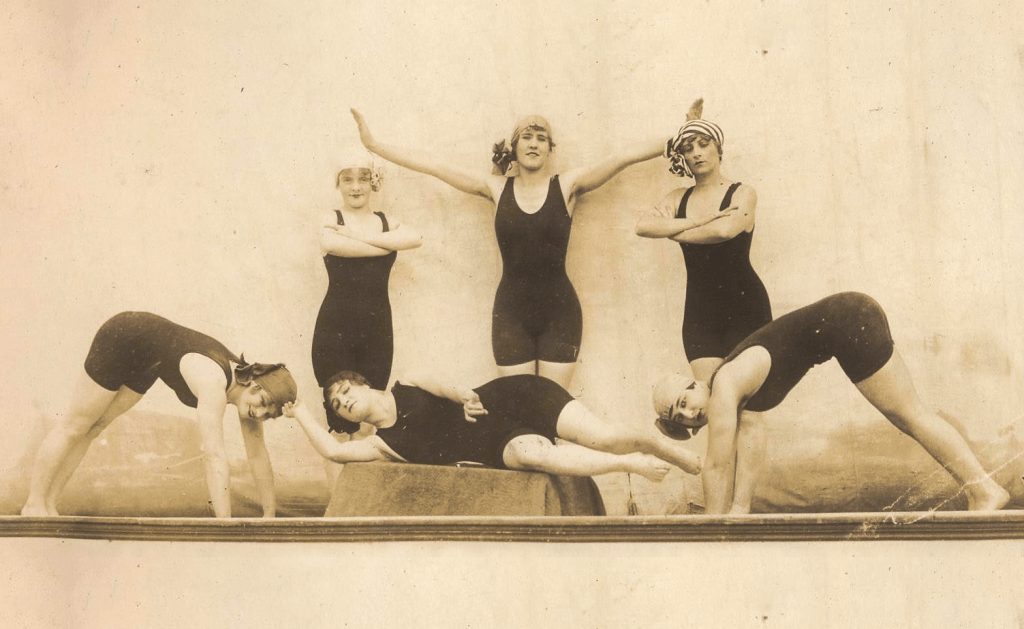
Six Diving Nymphs, 1915

Six Diving Nymphs. Performers in Charles T. Earl’s aquatic vaudeville act. The 17 Oct., 1915 issue of the New York Clipper commented on the act’s Saturday night, 10 October performance at Dale’s Theater, 116th street; “Mr. Earl has a classy looking half dozen girls in his act and each is a graceful performer, besides showing up well in abbreviated different colored union suits.” | src gt_hawk63 on Flickr

Le Maillot de bain, 1937

Laure Albin-Guillot :: Le Maillot de bain. Photographie originale (1937). Tirage argentique d’époque représentant une femme en maillot de bain sur un podium. Tampon de Roger-Viollet au verso. | src Aguttes

Cyanotype snapshots circa 1910

Cyanotype portrait of girl in the hay, around 1910. | src Graphic Atlas
Paper fibers are obvious under 30x magnification. The layer structure of a cyanotype consists of raw paper and image. Additional surface coatings (e.g., baryta) are not present.
Cyanotype portrait of two girls bathing in a river or stream of water, around 1910. | src Graphic Atlas

The cyan tone of these snapshot images is a product of the cyanotype process, which uses ferric ferrocyanide (Prussian Blue) to form an image. These prints are mounted back-to-back on a green piece of construction paper, suggesting the prints were likely in an album at one point.

Sir John Herschel invented the cyanotype process in 1842. The process was briefly used in the 1840s to make camera-less prints, or photograms, most notably for scientific purposes. The process experienced a resurgence in the late nineteenth and early twentieth centuries corresponding with the introduction of roll film. Both the cyanotype and roll film appealed to a new class of amateur photographers. The images shown here were made around 1910 with a roll film camera that shoots a 2 1/4 x 2 3/4 image. Cyanotype paper was commercially available and did not require any processing chemicals, only a thorough wash in water after exposure. | src Graphic Atlas