Blind children at Revere Beach

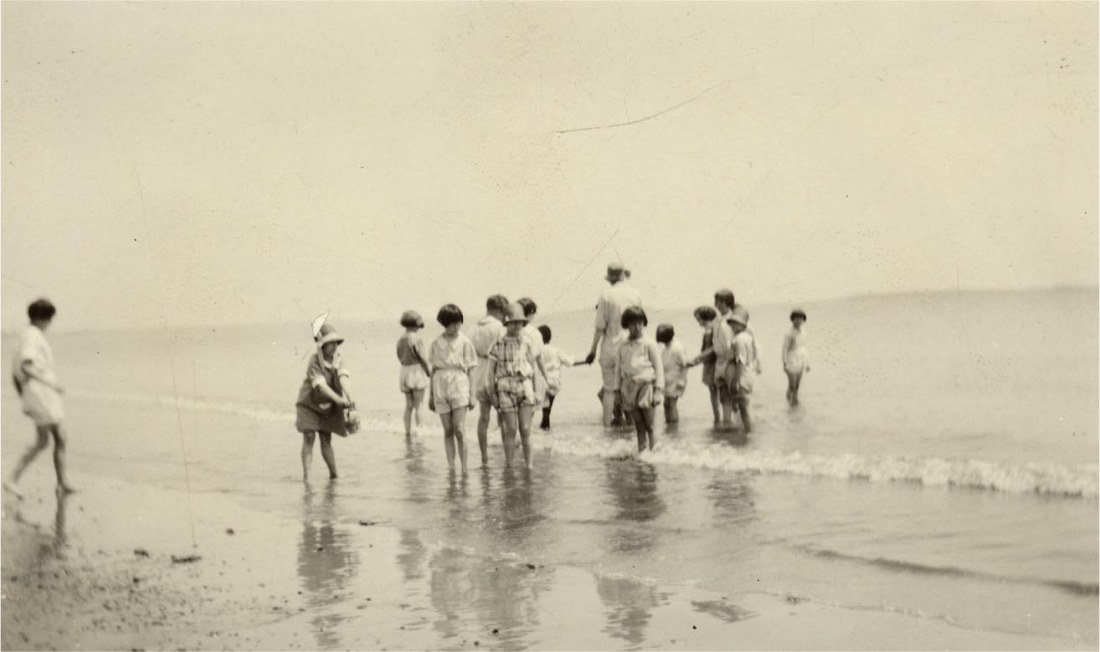
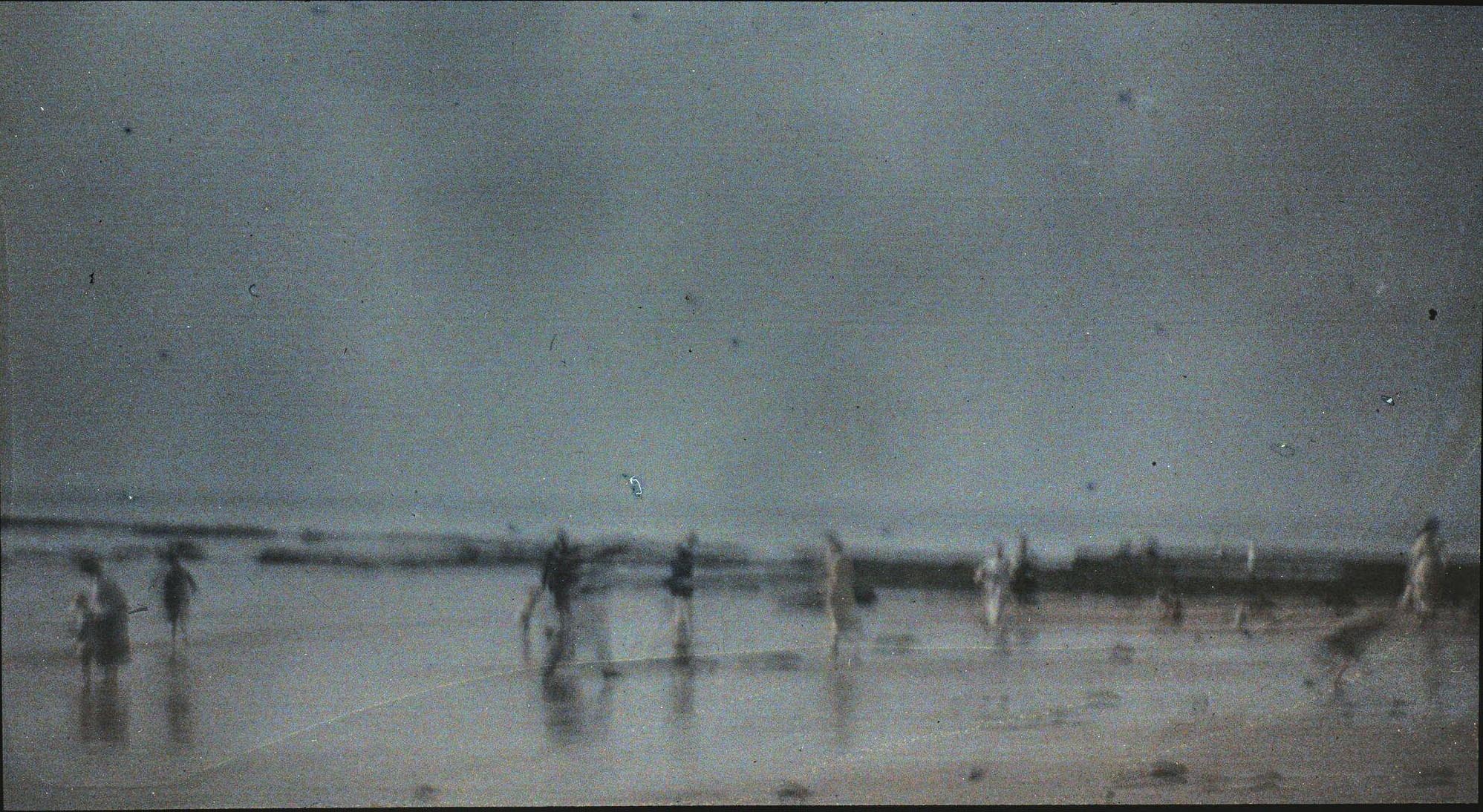
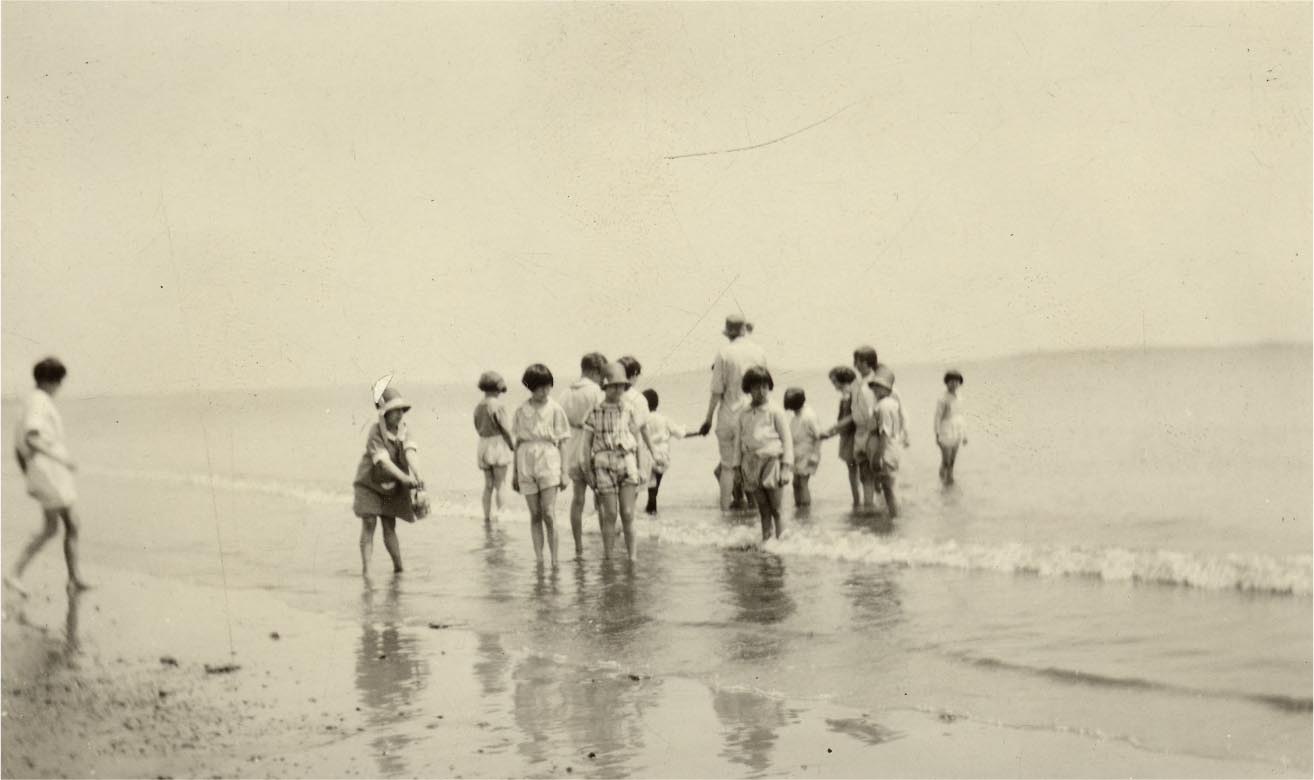
Perkins School for the Blind students in the water at Revere Beach on June 11th, 1928. bathers, beach scene
Perkins School for the Blind students in the water at Revere Beach on June 11th, 1928. | src Digital Commonwealth
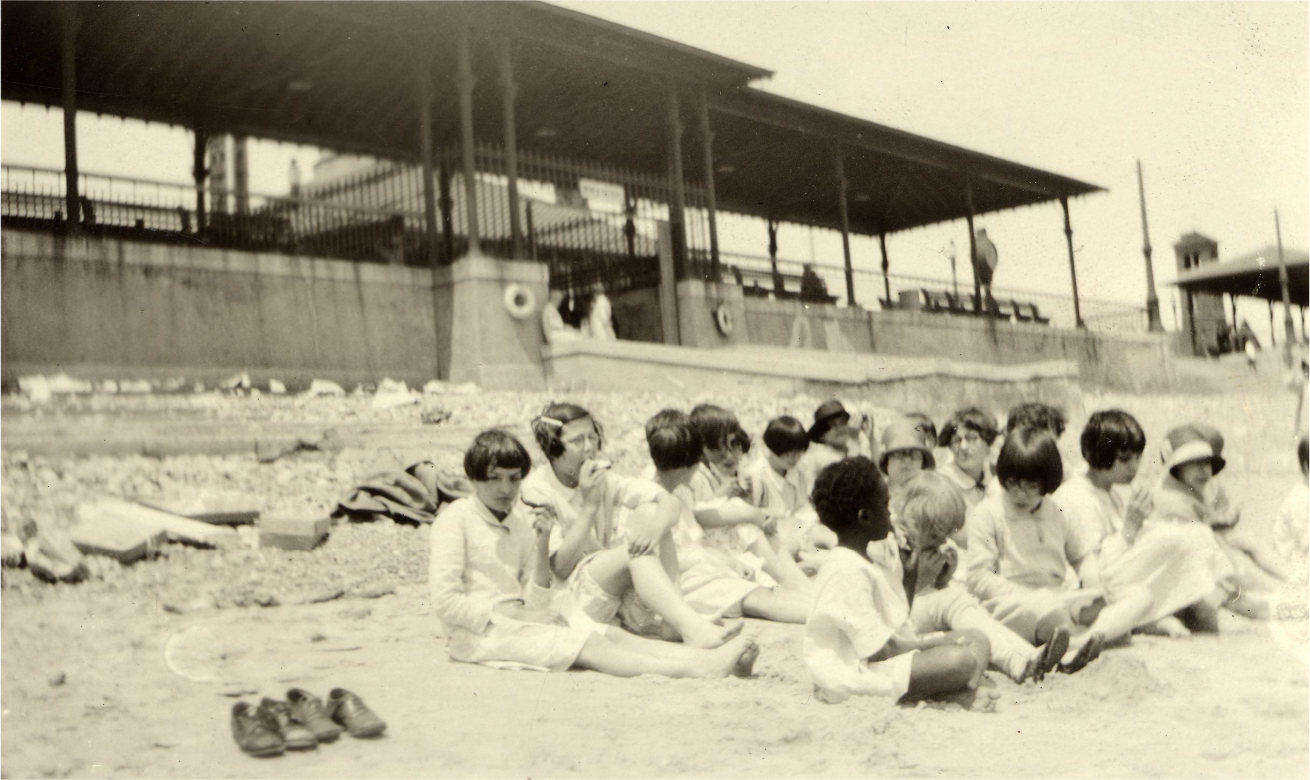
Perkins School for the Blind students having a picnic on Revere Beach on June11th, 1928. | src Digital Commonwealth

Seascapes (autochrome), ca. 1910

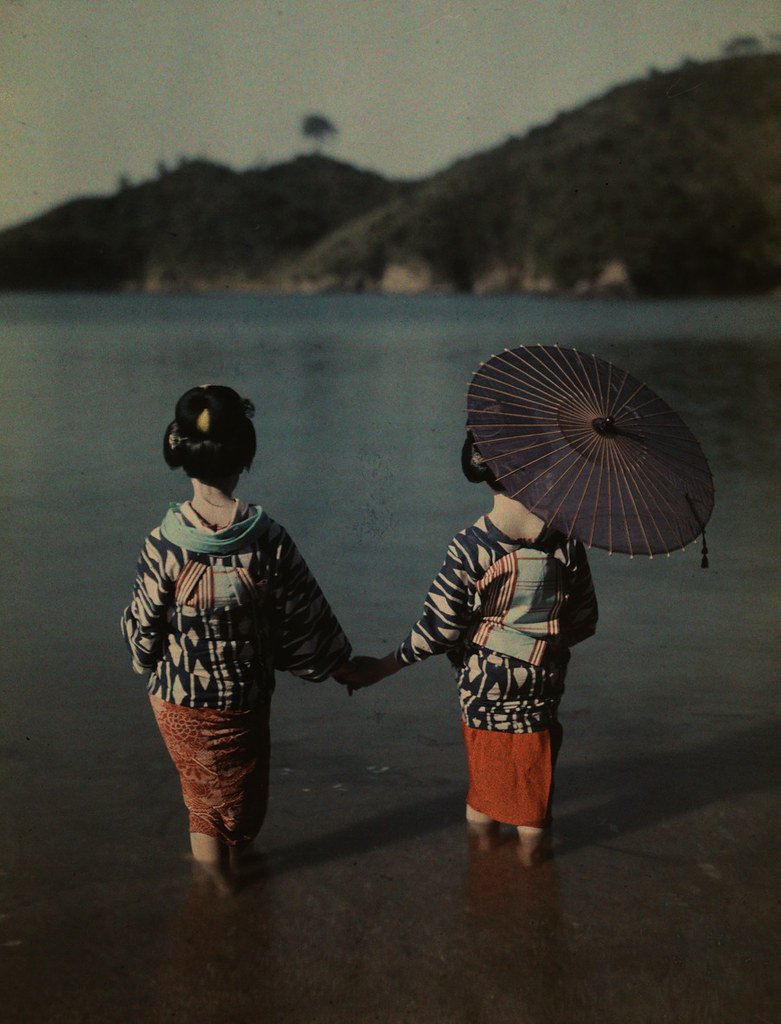
Hugh C. Knowles :: Seaside view, ca. 1910. Autochrome. | src The Royal Photographic Society Collection at the V&A Museum
Hugh C. Knowles :: Seascape, ca. 1910. Autochrome. | src The Royal Photographic Society Collection at the V&A Museum
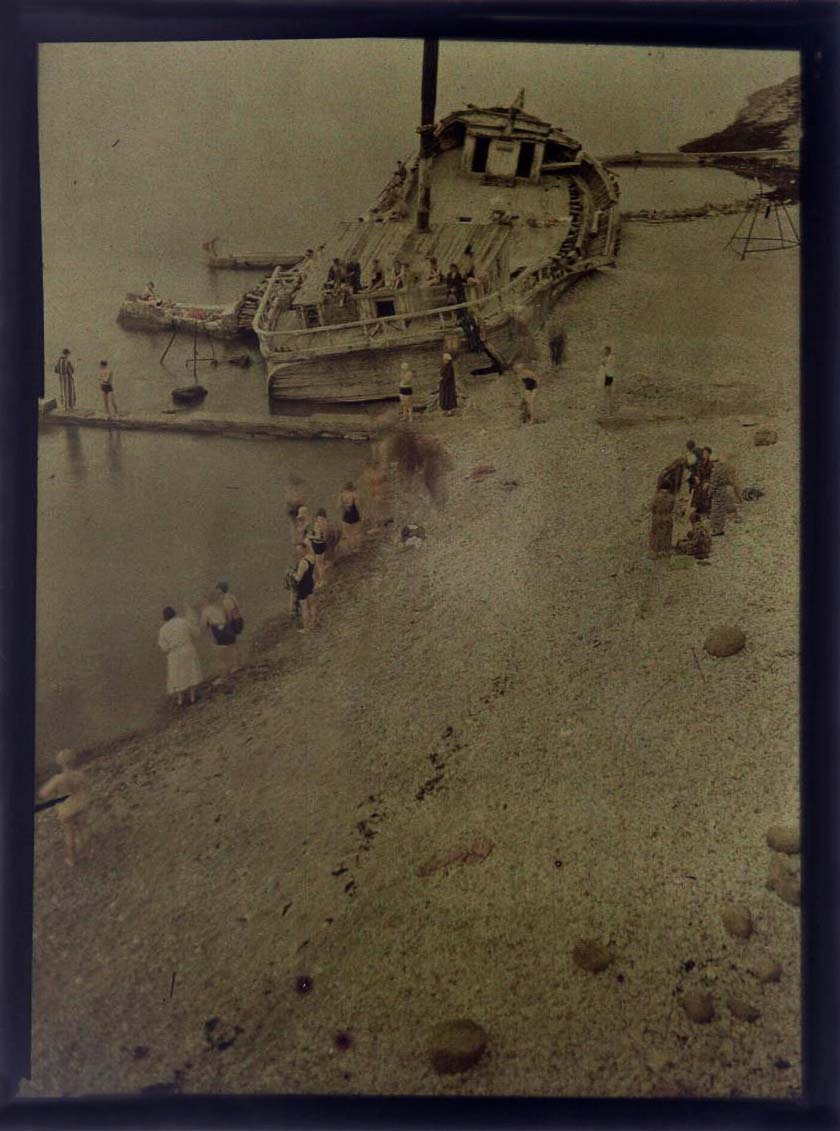
Hugh C. Knowles :: Four Seaside studies, ca. 1910. Autochromes. | src The Royal Photographic Society Collection at the V&A Museum
Hugh C. Knowles :: Seaside study, ca. 1910. Autochrome. | src The Royal Photographic Society Collection at the V&A Museum

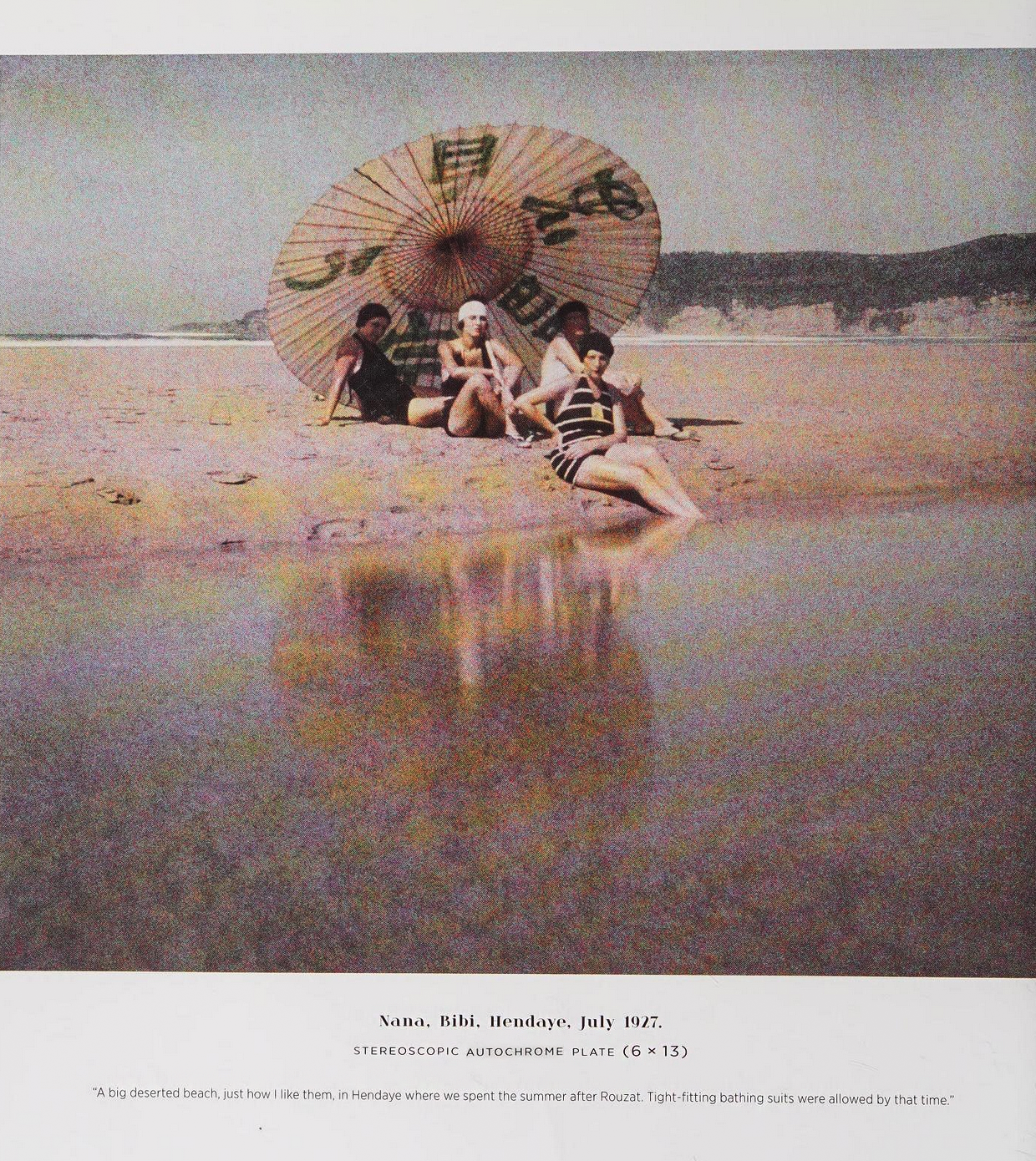
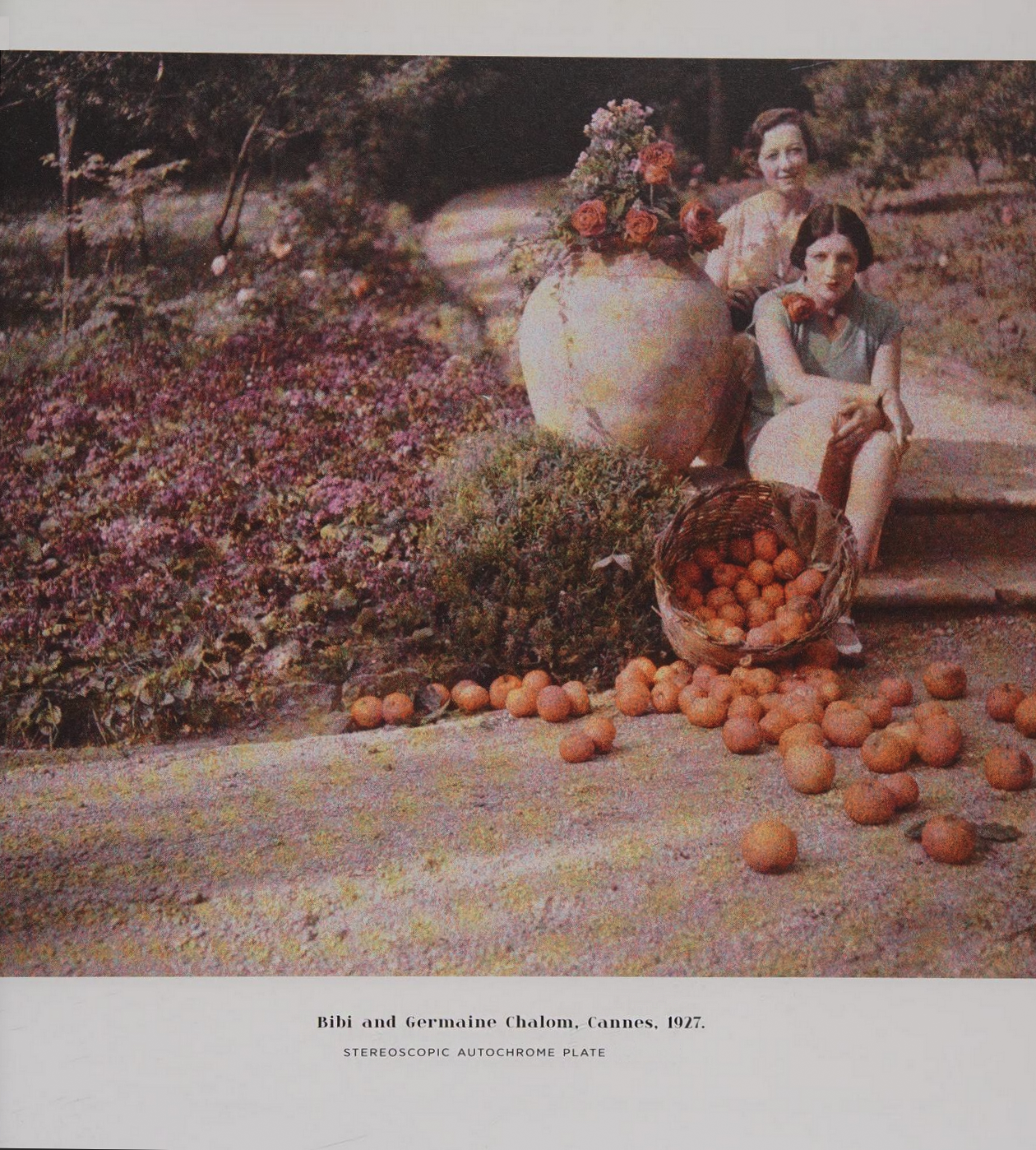
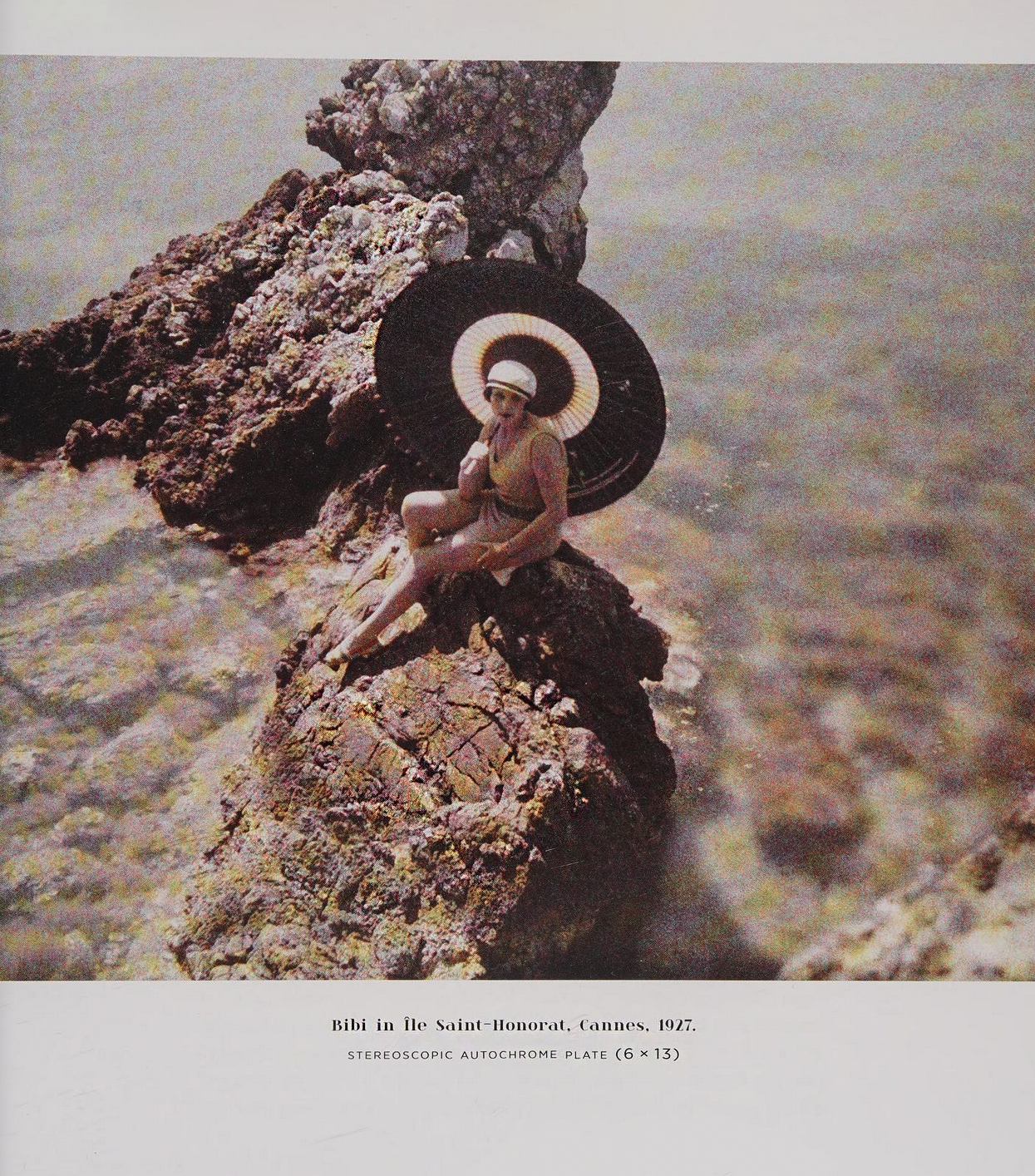
Lartigue Summer Autochromes

Jacques-Henri Lartigue :: Nana, Bibi, Hendaye, July 1927. Stereoscopic autochrome plate. From: Lartigue. Life in Color. | src internet archive
Jacques-Henri Lartigue :: Bibi and Germaine, Cannes, July 1927. Stereoscopic autochrome plate. From: Lartigue. Life in Color. | src internet archive
Jacques-Henri Lartigue :: Bibi in Île Saint-Honorat, Cannes, 1927. Stereoscopic autochrome plate. From: Lartigue. Life in Color. | src internet archive.

Cyanotype snapshots circa 1910

Cyanotype portrait of girl in the hay, around 1910. | src Graphic Atlas
Paper fibers are obvious under 30x magnification. The layer structure of a cyanotype consists of raw paper and image. Additional surface coatings (e.g., baryta) are not present.
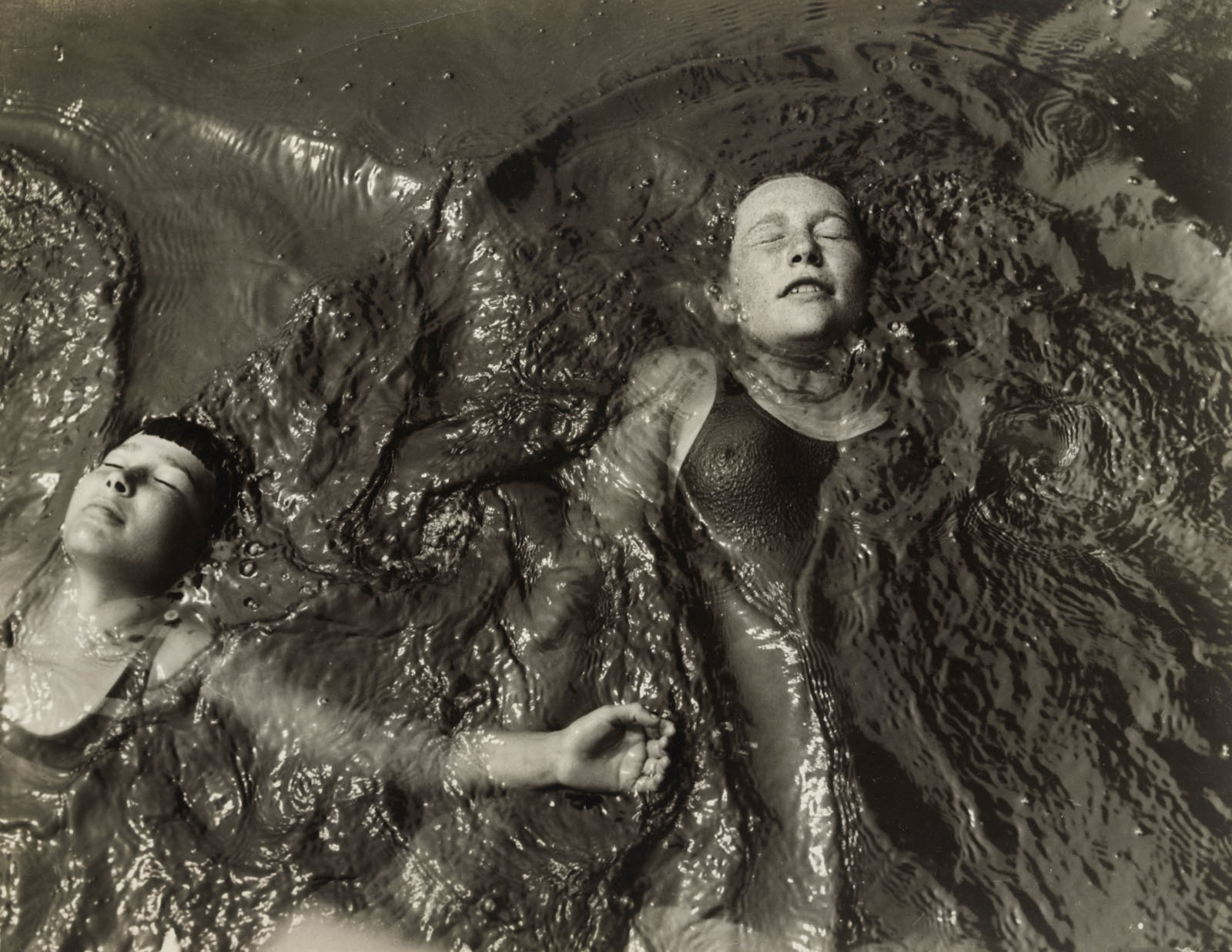
Cyanotype portrait of two girls bathing in a river or stream of water, around 1910. | src Graphic Atlas

The cyan tone of these snapshot images is a product of the cyanotype process, which uses ferric ferrocyanide (Prussian Blue) to form an image. These prints are mounted back-to-back on a green piece of construction paper, suggesting the prints were likely in an album at one point.

Sir John Herschel invented the cyanotype process in 1842. The process was briefly used in the 1840s to make camera-less prints, or photograms, most notably for scientific purposes. The process experienced a resurgence in the late nineteenth and early twentieth centuries corresponding with the introduction of roll film. Both the cyanotype and roll film appealed to a new class of amateur photographers. The images shown here were made around 1910 with a roll film camera that shoots a 2 1/4 x 2 3/4 image. Cyanotype paper was commercially available and did not require any processing chemicals, only a thorough wash in water after exposure. | src Graphic Atlas

Crush, unknown date