Karsavina, ca. 1908. Autochromes

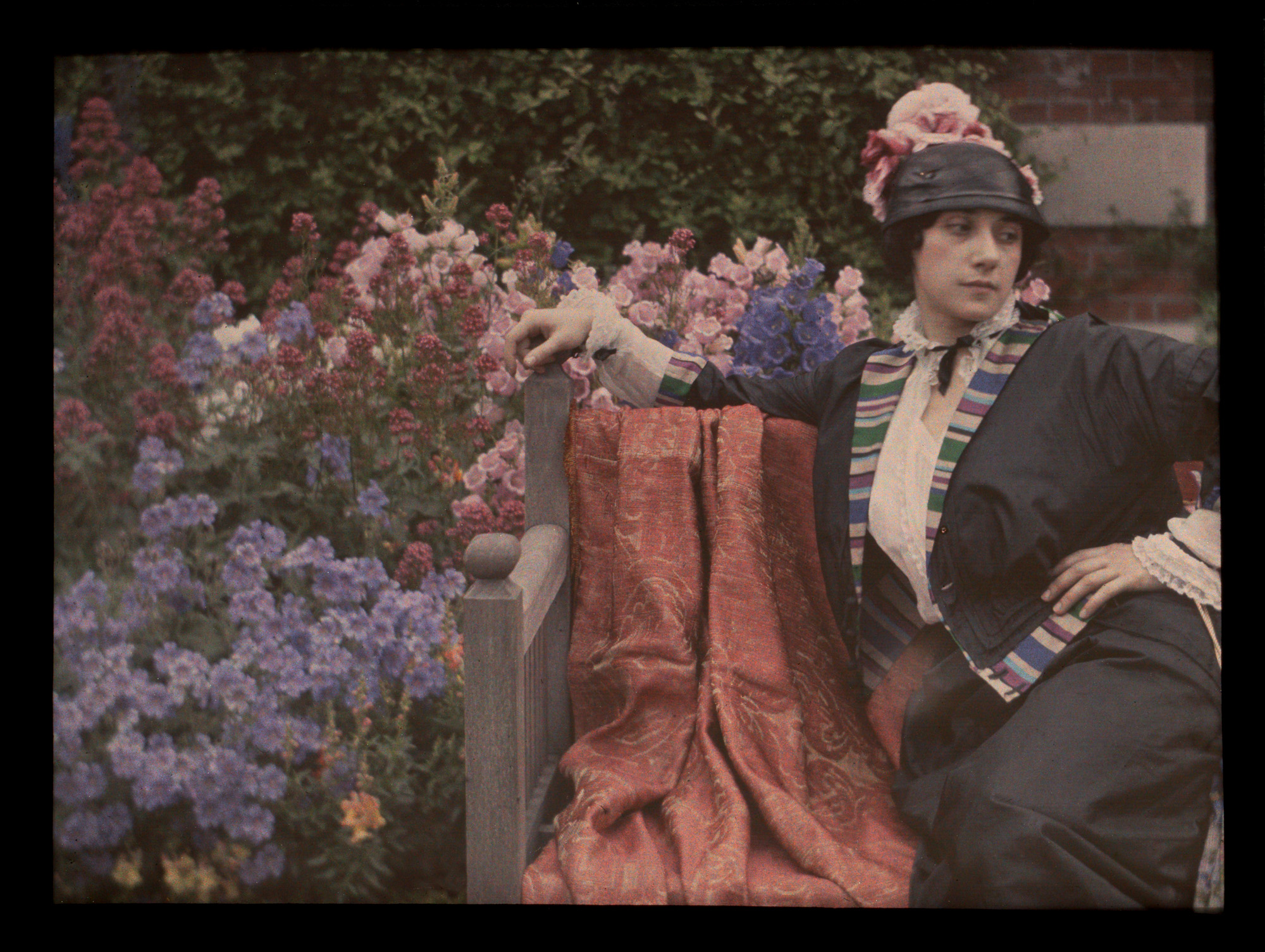
Adolf de Meyer :: Tamara Karsavina, ca. 1908. Autochrome. From the exhibition "Quicksilver Brilliance: Adolf de Meyer Photographs" at the Met, direct link
Adolf de Meyer :: Tamara Karsavina, ca. 1908. Autochrome. From the exhibition “Quicksilver Brilliance: Adolf de Meyer Photographs” at the Met, direct link
Adolf de Meyer :: Tamara Karsavina, ca. 1908. Autochrome. From the exhibition "Quicksilver Brilliance: Adolf de Meyer Photographs" at the Met, direct link
Adolf de Meyer :: Tamara Karsavina, ca. 1908. Autochrome. From the exhibition “Quicksilver Brilliance: Adolf de Meyer Photographs” at the Met, direct link
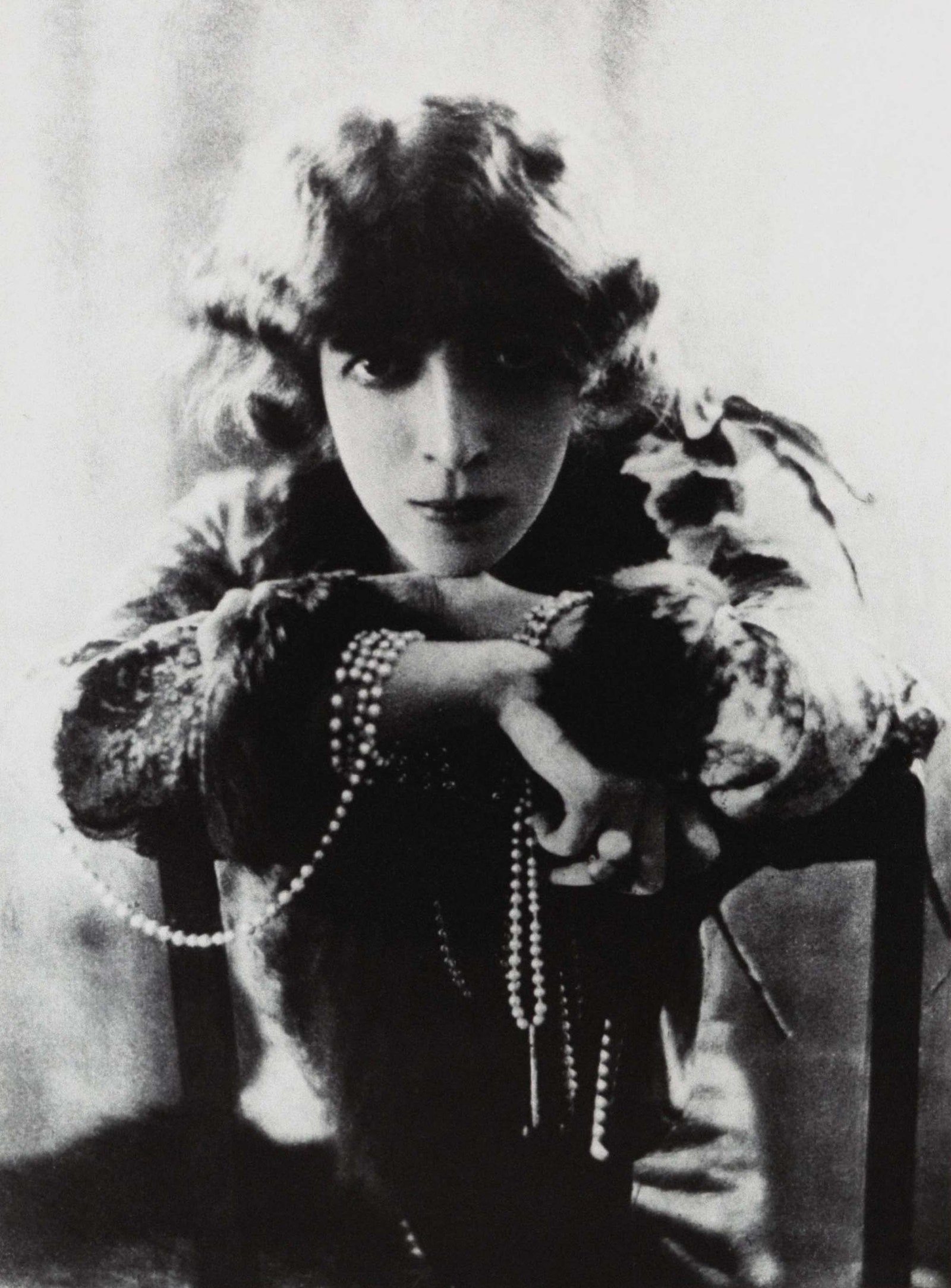
Baron Adolph de Meyer :: Tamara Karsavina, ca. 1908. Autochrome. | src l’œil de la photographie
Ballet Dancer Tamara Karsavina (1885-1978), photograph by Baron Adolph de Meyer of Kassavana, 1908. Museum nº PH.1234-1980. © Estate of Baron de Meyer | V&A museum

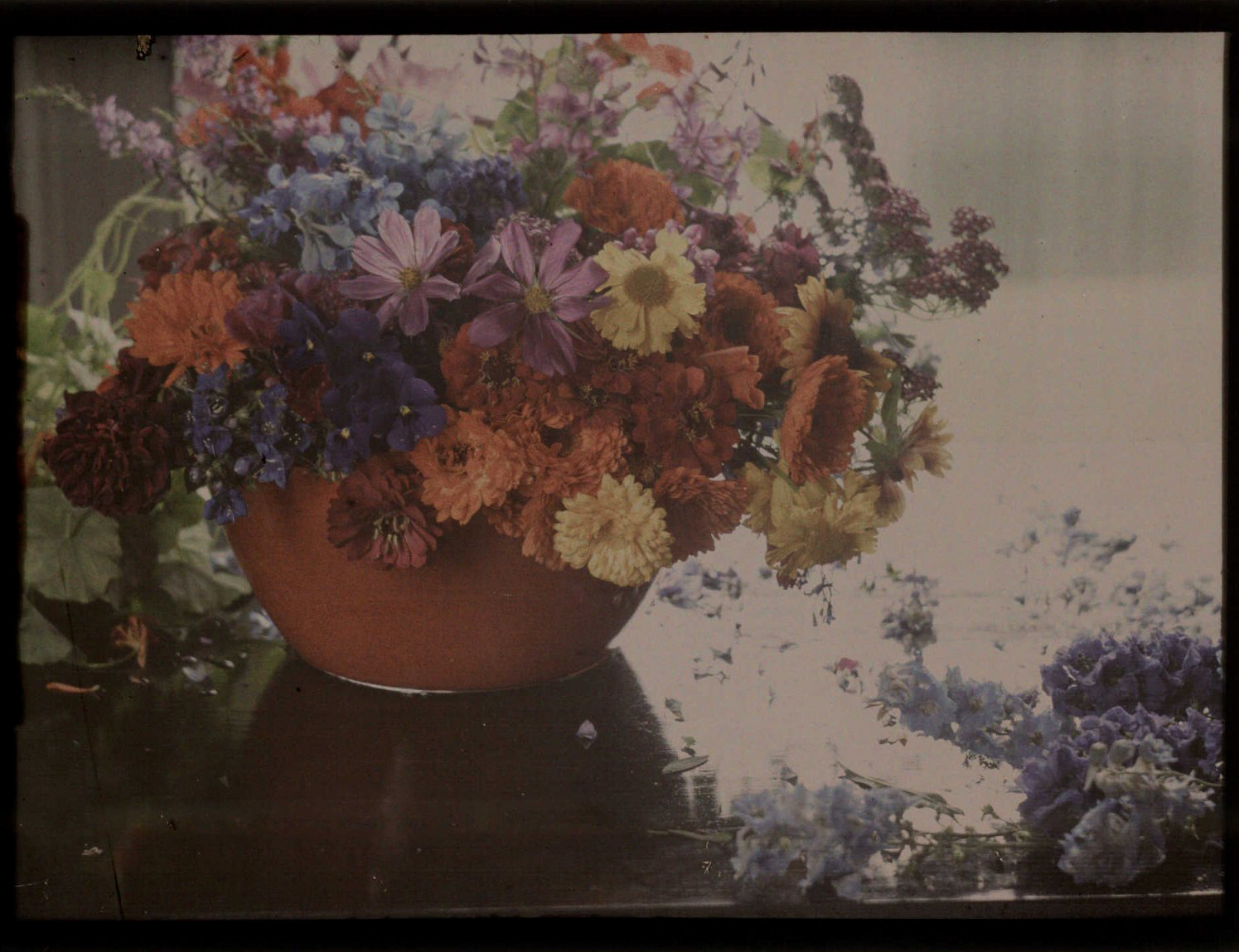
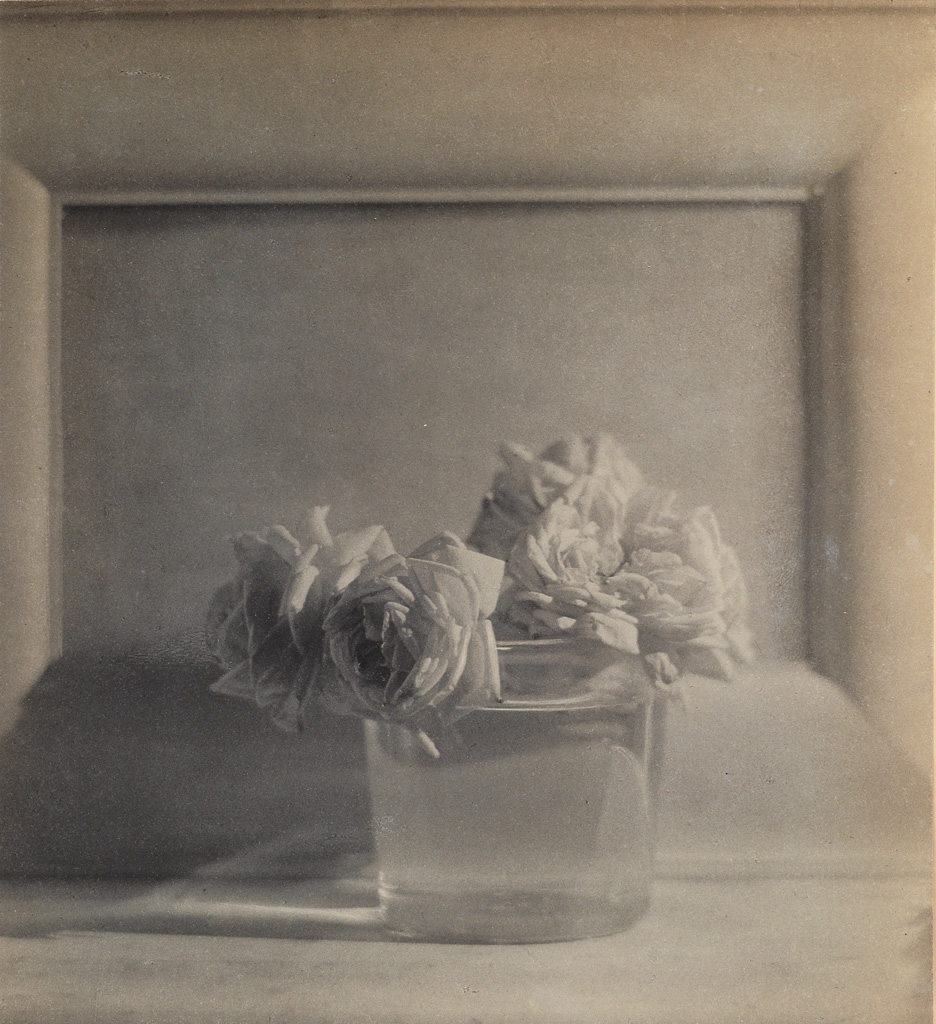
Flower studies by De Meyer

Baron Adolph de Meyer :: Flower Study, 1908. Autochrome. (Royal Photographic Society Collection) | src The Dawn of Colour at Science and Media Museum
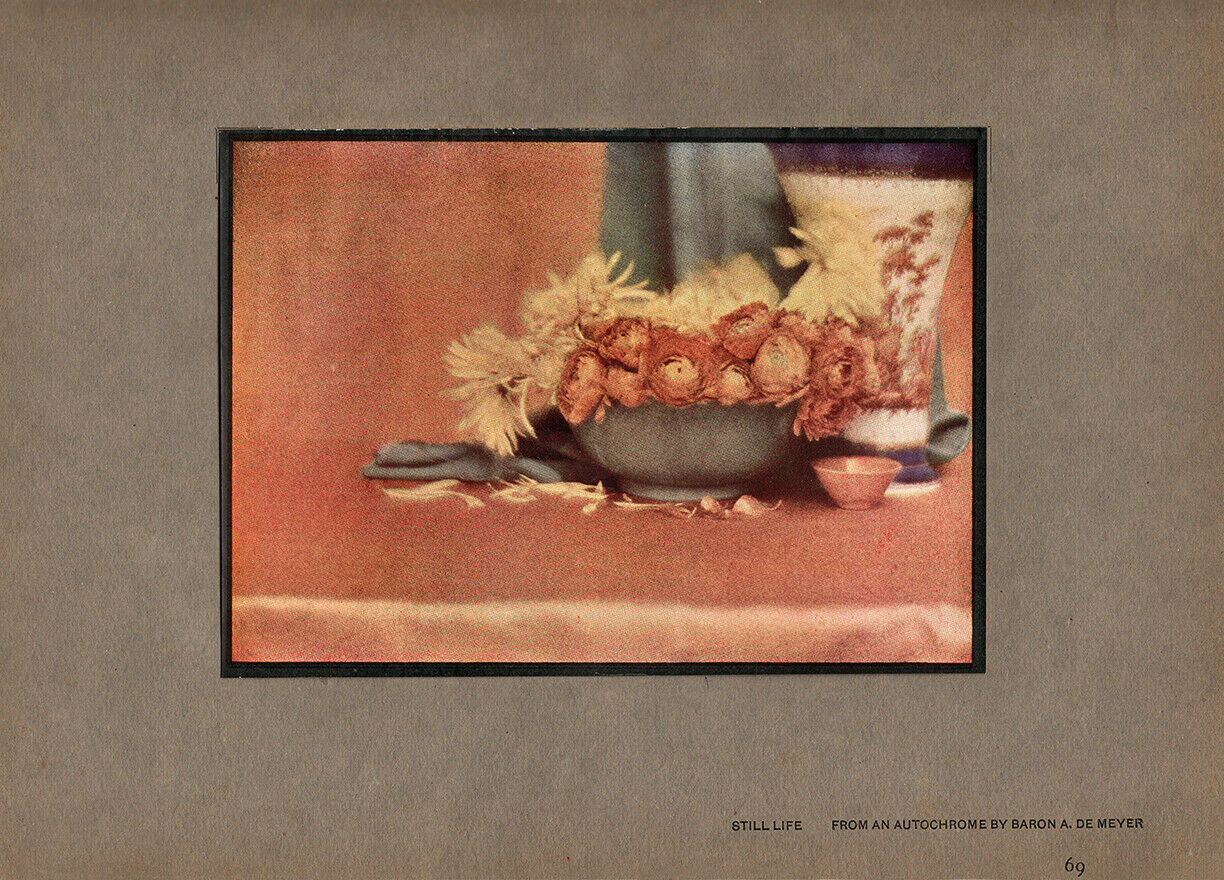
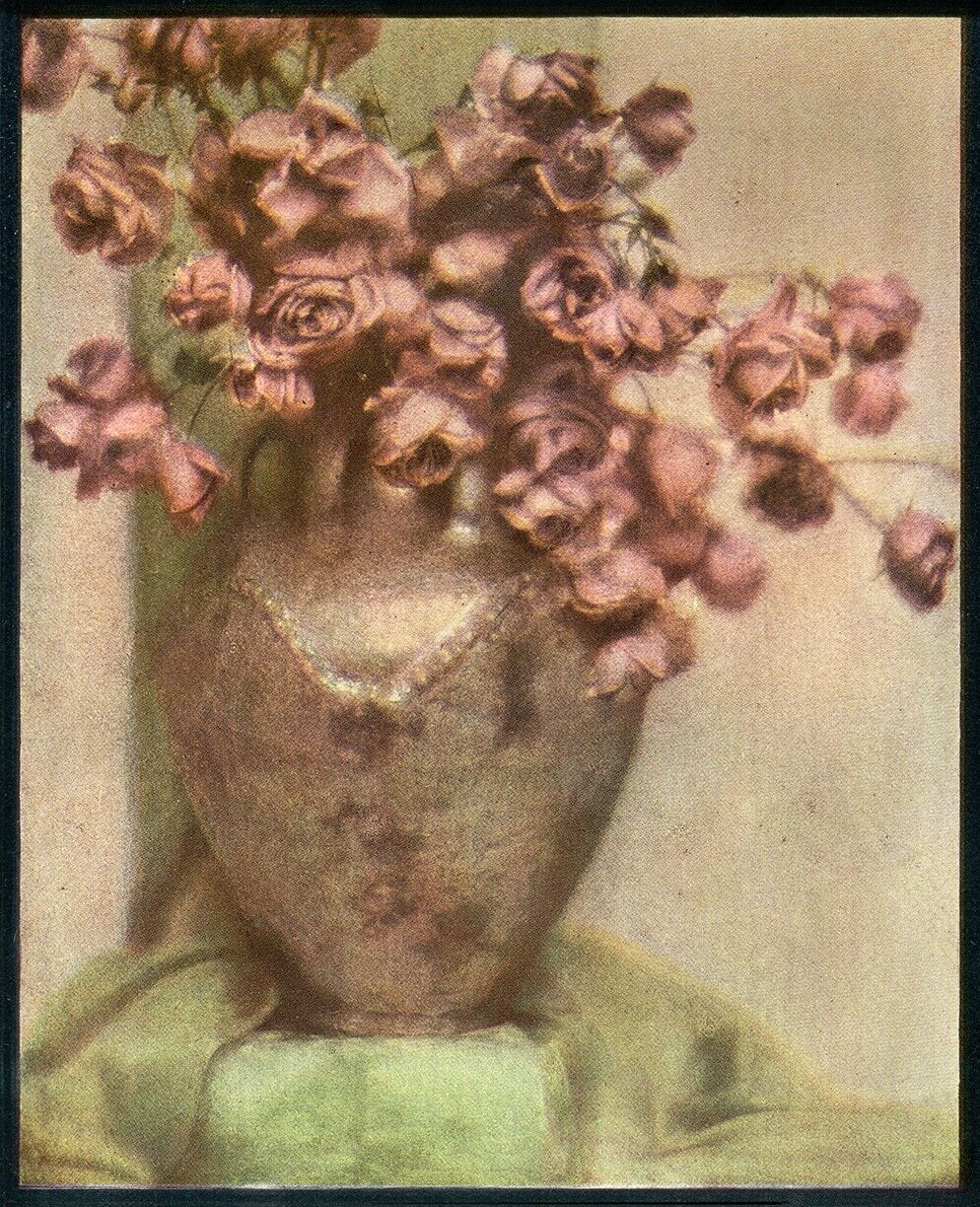
Baron Adolf de Meyer :: Still Life # 3, 1908. Halftone printed from an Autochrome. | src eBay
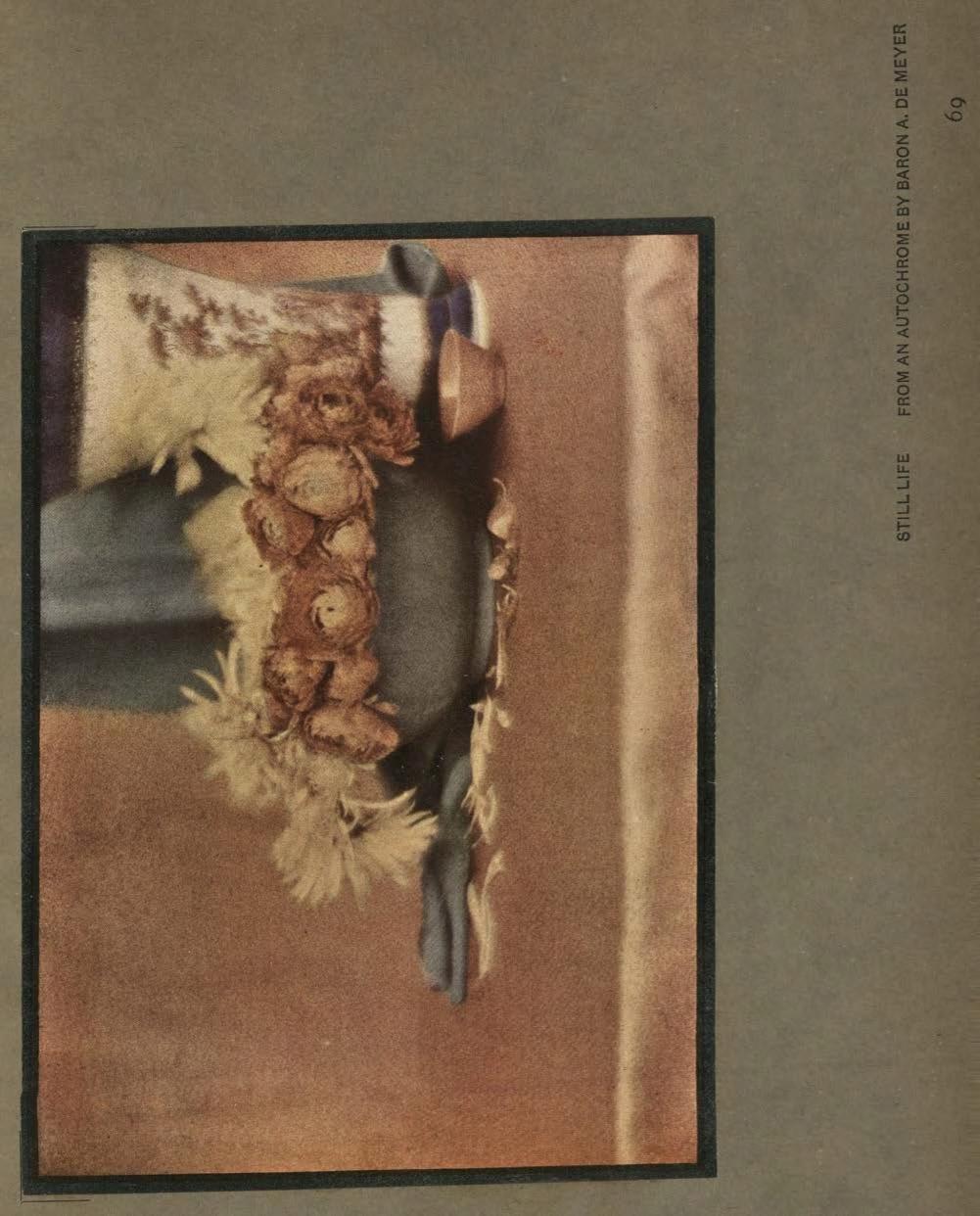
Still Life, ca. 1908. From an Autochrome by Baron A. de Meyer. From: “Colour Photography and other Recent Developments of the Art of the Camera”. Charles Holme ed., 1908. | src internet archive
Baron Adolf de Meyer :: Still Life, 1908. Halftone printed from an Autochrome. | src eBay

These studies, titled Still-life (Nature morte; Stillleben), are halftones printed from the original Autochrome dating from 1908; both were published in “Colour Photography and other Recent Developments of the Art of the Camera” a British companion along with “Art in Photography”, to Camera Work, the important American photo secessionist magazine published by Alfred Stieglitz. | src eBay & eBay
Still-lifes by de Meyer 1908

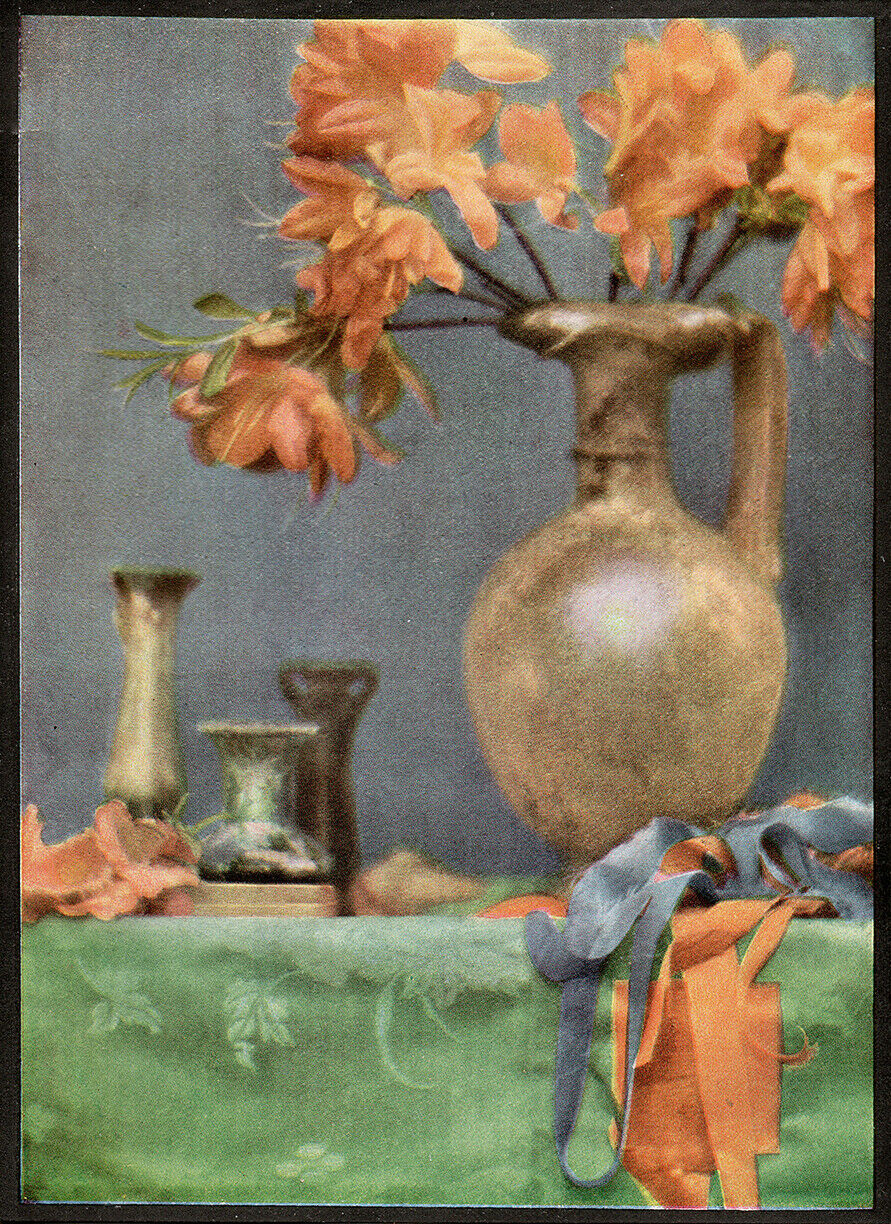
Baron Adolf de Meyer (1868 – 1946) :: Nature morte # 2, 1908. Halftone from an Autochrome dating from 1908. This study titled "Still Life" was published in "Colour Photography and other Recent Developments of the Art of the Camera" a British companion along with "Art in Photography", to Camera Work, the important American photo secessionist magazine published by Alfred Stieglitz. | src eBay
Baron Adolf de Meyer (1868 – 1946) :: Nature morte # 2, 1908. Halftone from an Autochrome dating from 1908. | src eBay
Baron Adolf de Meyer (1868 – 1946) :: Nature morte # 2, 1908. Halftone from an Autochrome dating from 1908. This study titled "Still Life" was published in "Colour Photography and other Recent Developments of the Art of the Camera" a British companion along with "Art in Photography", to Camera Work, the important American photo secessionist magazine published by Alfred Stieglitz. | src eBay
Baron Adolf de Meyer (1868 – 1946) :: Nature morte # 2, 1908. Halftone from an Autochrome dating from 1908. (full page) | src eBay
Baron Adolf de Meyer :: Still Life, 1908. Halftone printed from an Autochrome. | src eBay

These studies, titled Still-life (Nature morte; Stillleben), are halftones printed from the original Autochrome dating from 1908; both were published in “Colour Photography and other Recent Developments of the Art of the Camera” a British companion along with “Art in Photography”, to Camera Work, the important American photo secessionist magazine published by Alfred Stieglitz. | src eBay & eBay
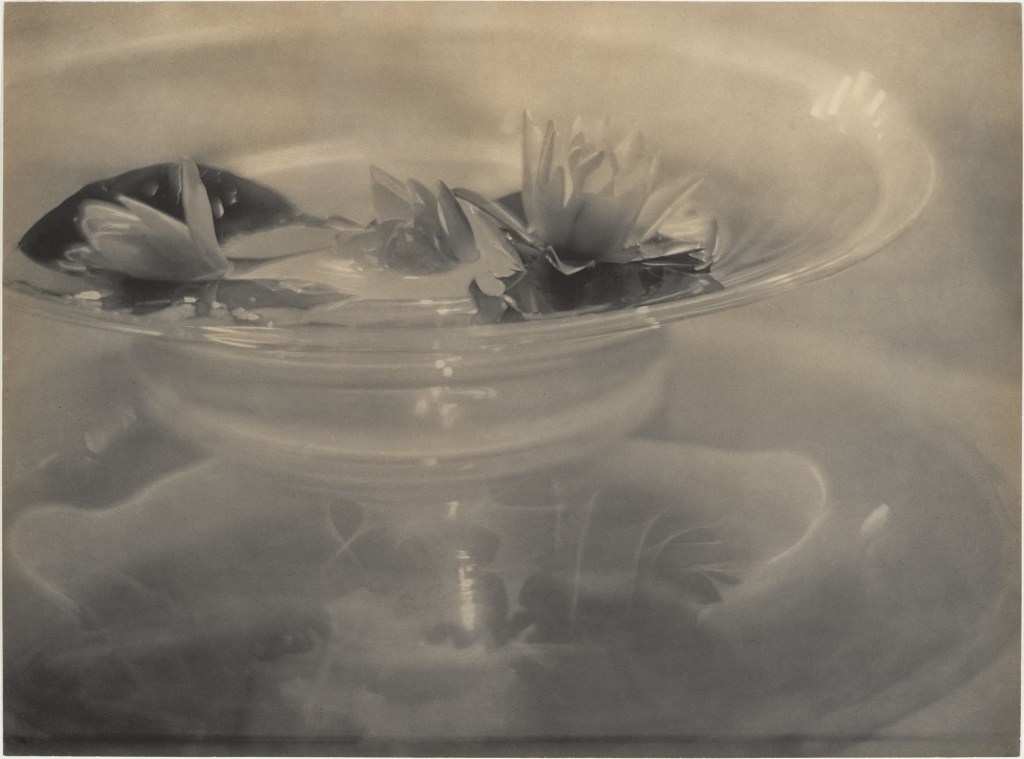
Water Lilies, ca. 1906

Baron Adolf de Meyer :: Water Lilies, ca. 1906. Platinum print, printed 1912.
«The critic Charles H. Caffin described this photograph by de Meyer as “a veritable dream of loveliness.” It is one of several floral still lifes de Meyer made in London around 1906–9, when he was in close contact with Alvin Langdon Coburn, a fellow photographer and member of the Linked Ring. Both men were inspired by the Belgian writer Maurice Maeterlinck’s 1906 book The Intelligence of Flowers, a mystical musing on the vitality of plant life. De Meyer exhibited several of his flower studies, including this platinum print, at Stieglitz’s influential Photo-Secession galleries in New York in 1909. The image also appeared as a photogravure in an issue of Stieglitz’s art and photography journal Camera Work.» [Camera Work, issue nº 24, 1908]
src The Metropolitan Museum of Art, Alfred Stieglitz Collection

The Shadows on the Wall, 1906

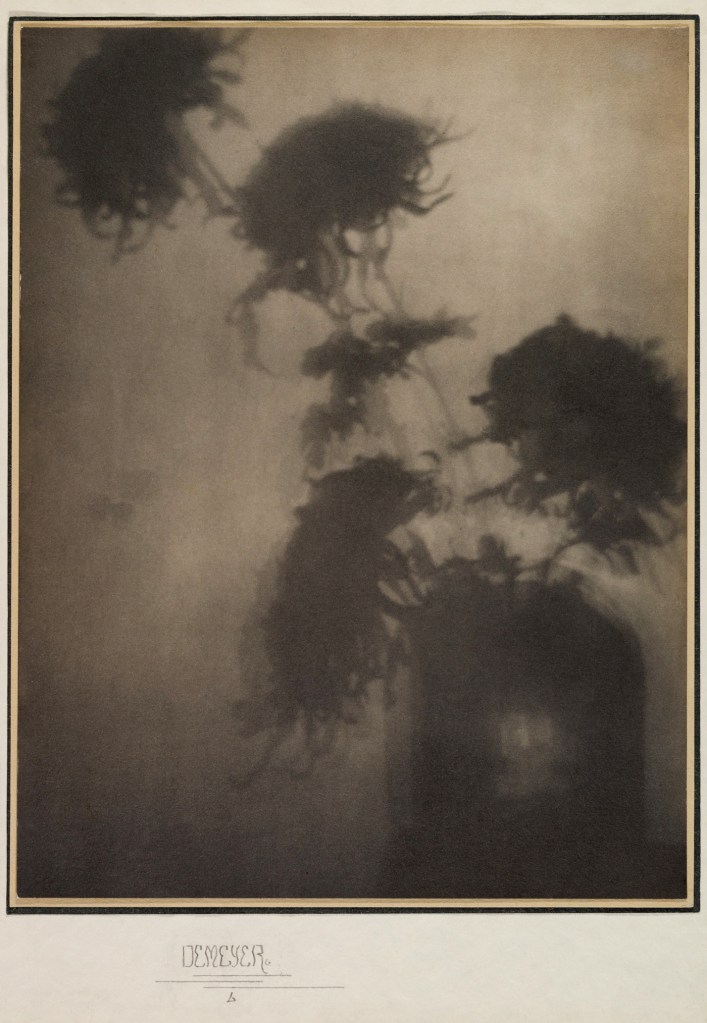
Adolf de Meyer :: The Shadows on the Wall (Chrysanthemums), 1906. Platinum print.
Focusing his camera not on a still life per se, but on its evanescent trace, de Meyer creates a composition that approaches abstraction. (…) Here, the shadow of a vase of flowers cast onto the wall has the effect of a Japanese lacquered screen. | src Alfred Stieglitz Collection, MetMuseum

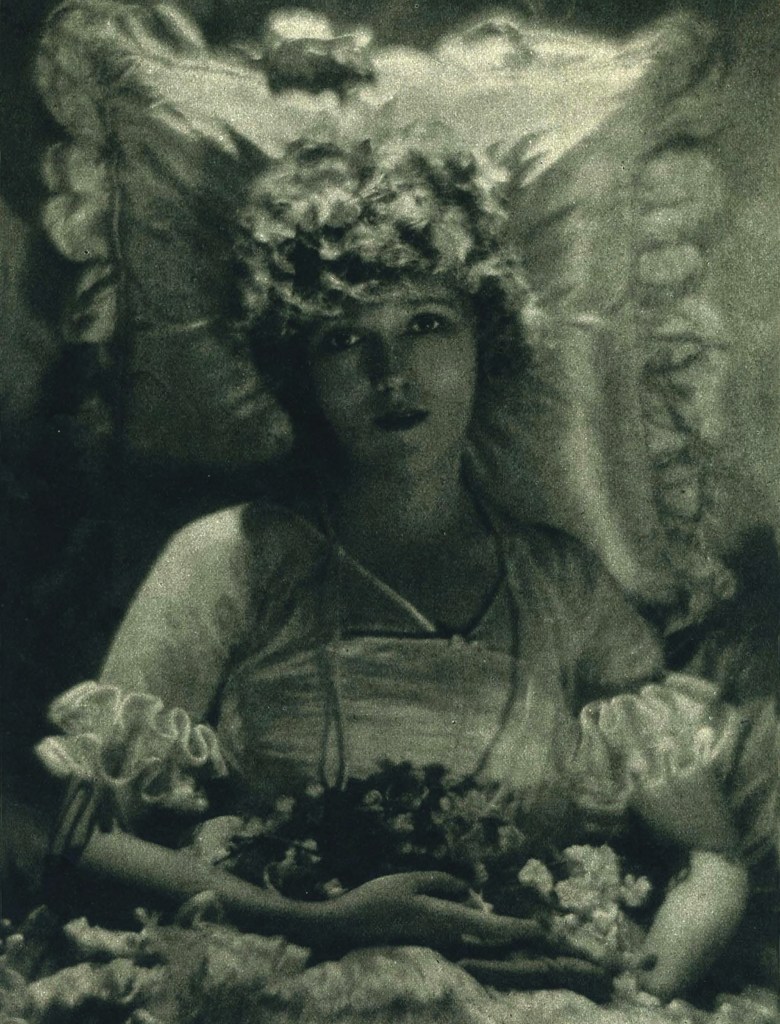
Marchesa Luisa Casati, 1912

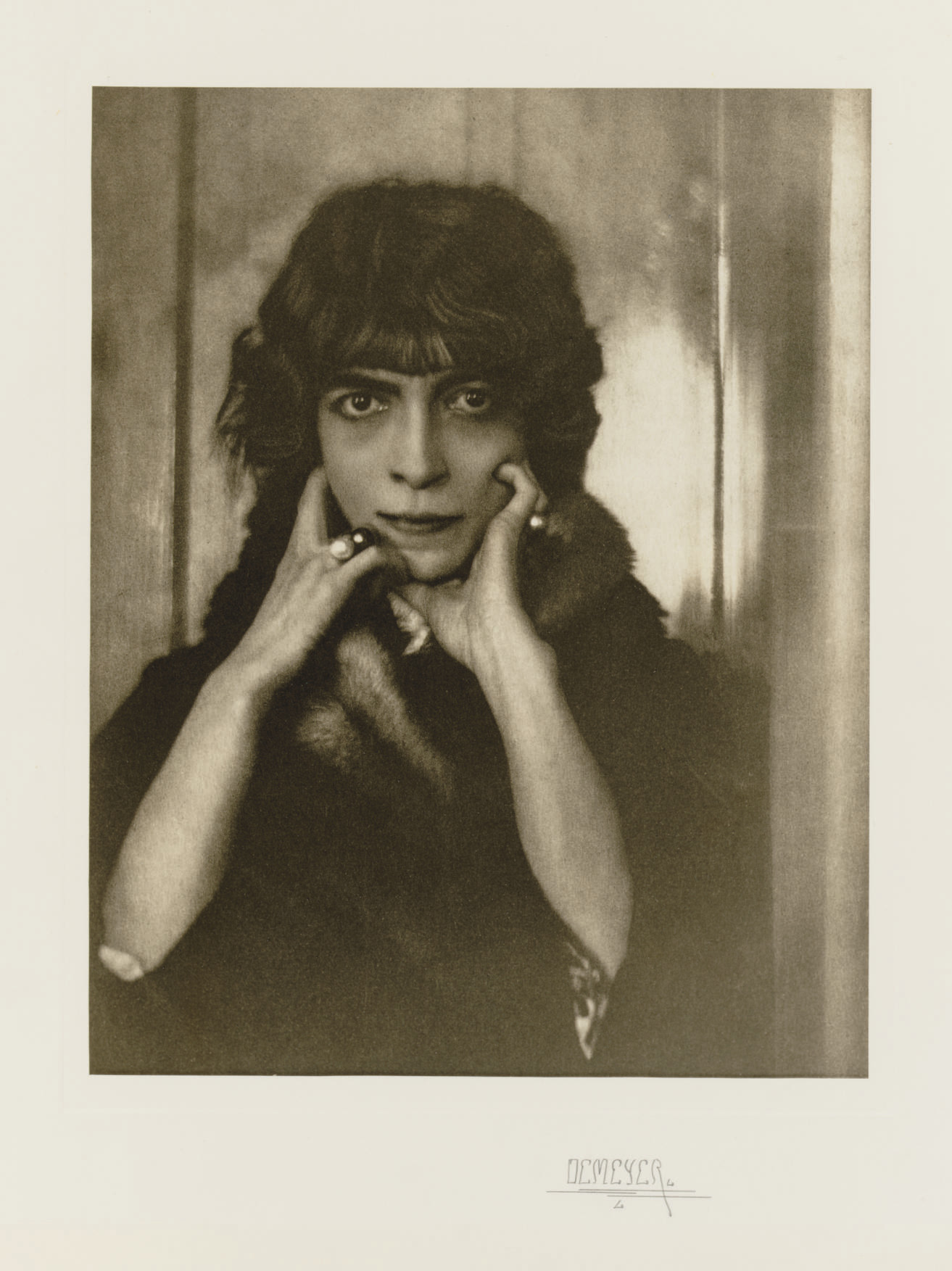
Adolf de Meyer :: Portrait of the Marchesa Luisa Casati, 1912. Published in Camera Work, No. XL, August 1912. Close-up of ‘La Marchesa’ Luisa Casati (aka La Casati) wearing a fur trimmed coat. She poses with her hands on the sides of her face. | src Getty Images, Christie’s and National Gallery of Victoria
Baron Adolf de Meyer :: “Marchesa Casati”, 1912. Photogravure on Japan paper. Original Camera Work print, issue 40, October 1912. | src Collezione Molinario

Dance study by de Meyer

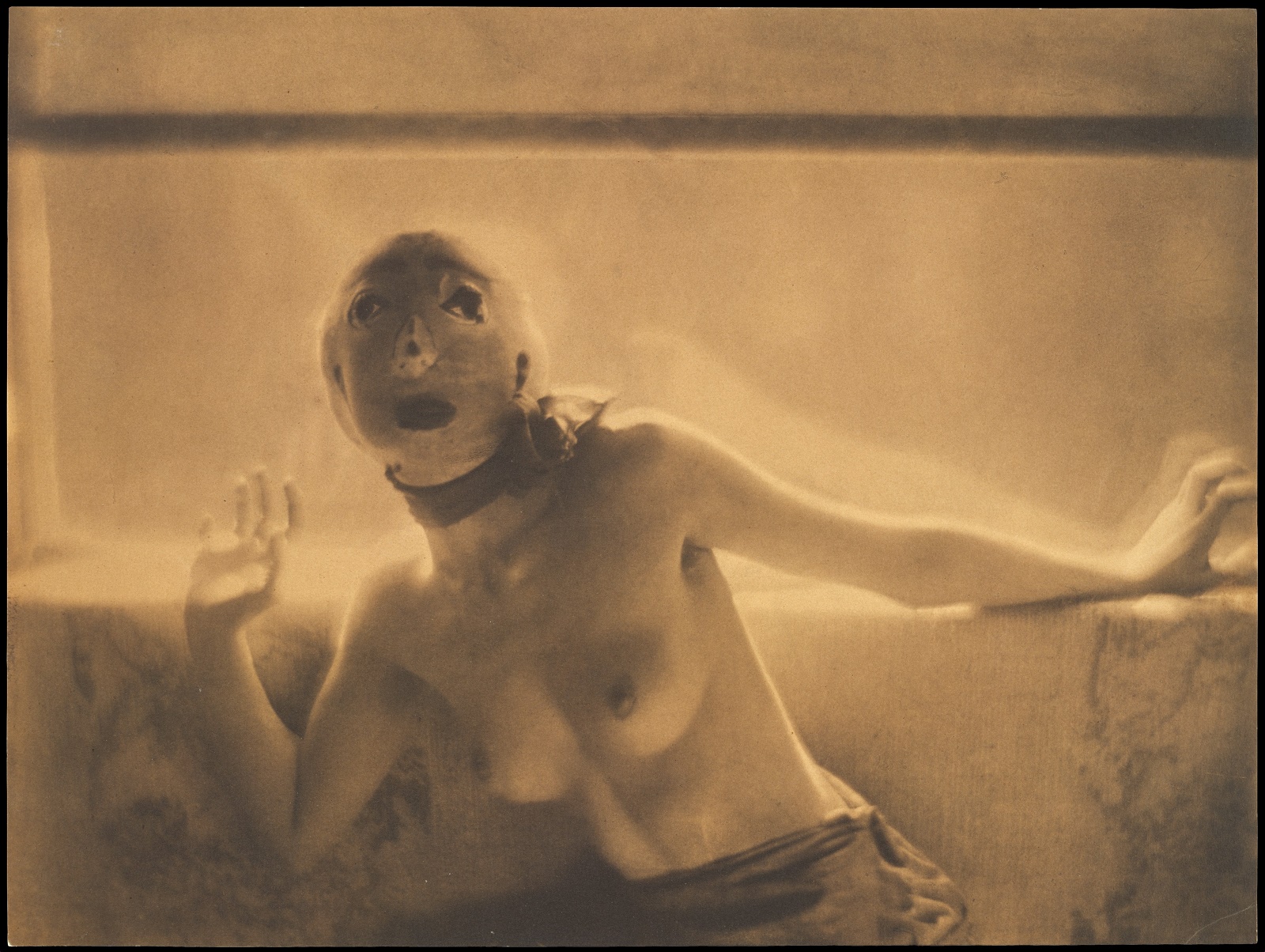
Adolf de Meyer :: [Dance study], ca. 1912. Platinum print | source The Metropolitan Museum of Art via wikimedia commons

It has been suggested that this photograph, the only [known] nude by de Meyer, has some connection to the Ballets Russes, but the nature of that link remains mysterious. The image vibrates with an uneasy erotic tension, a product of the figure’s exposed torso, startled body language, and disguised identity. (quoted from The Met)

image in higher resolution thanks to wikimedia commons

The duplication of images is due to errors in the process of importing files from tumblr (the images were not loaded in hi-res): tumblr post, here