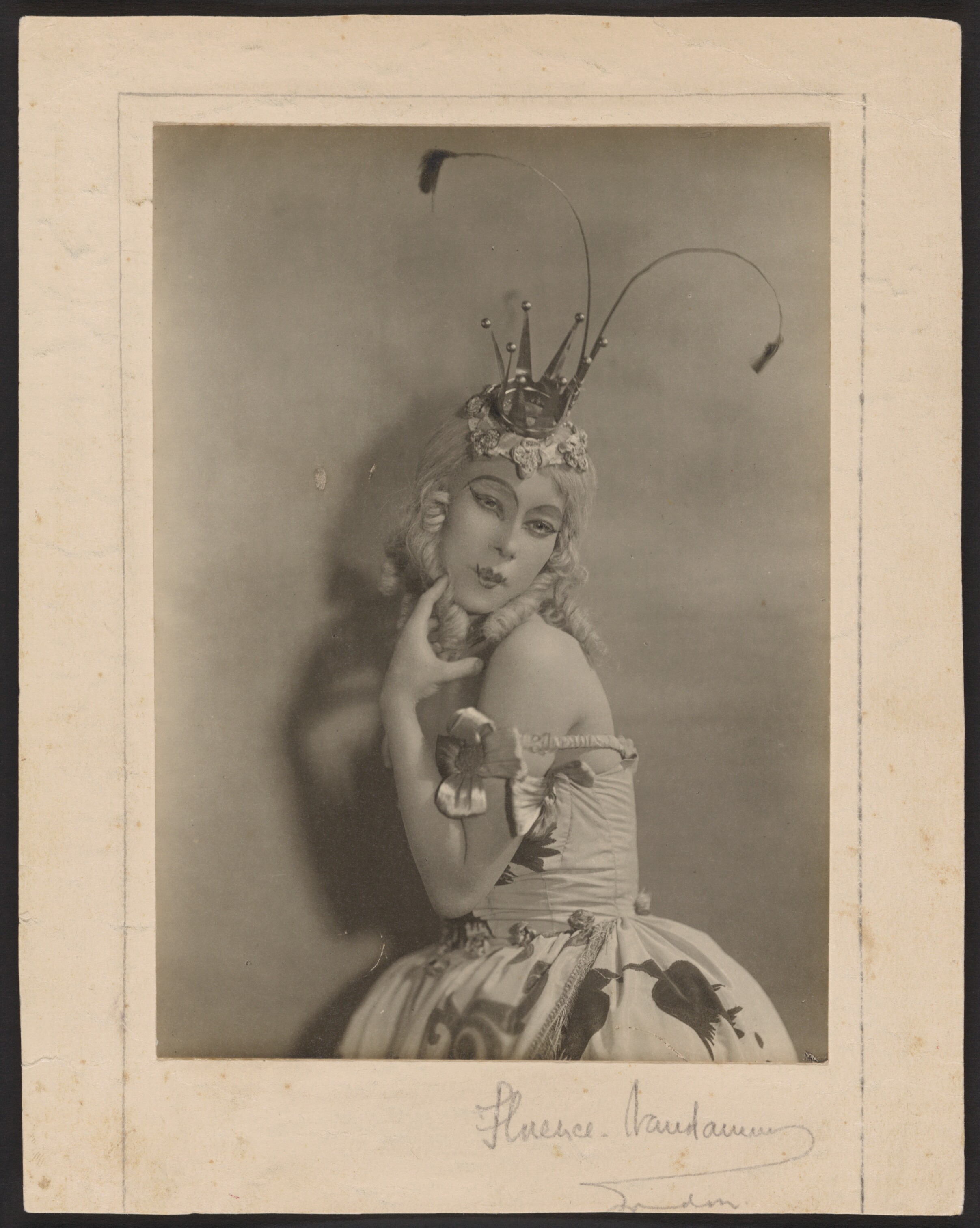
Bronislava Nijinska ca. 1921-22

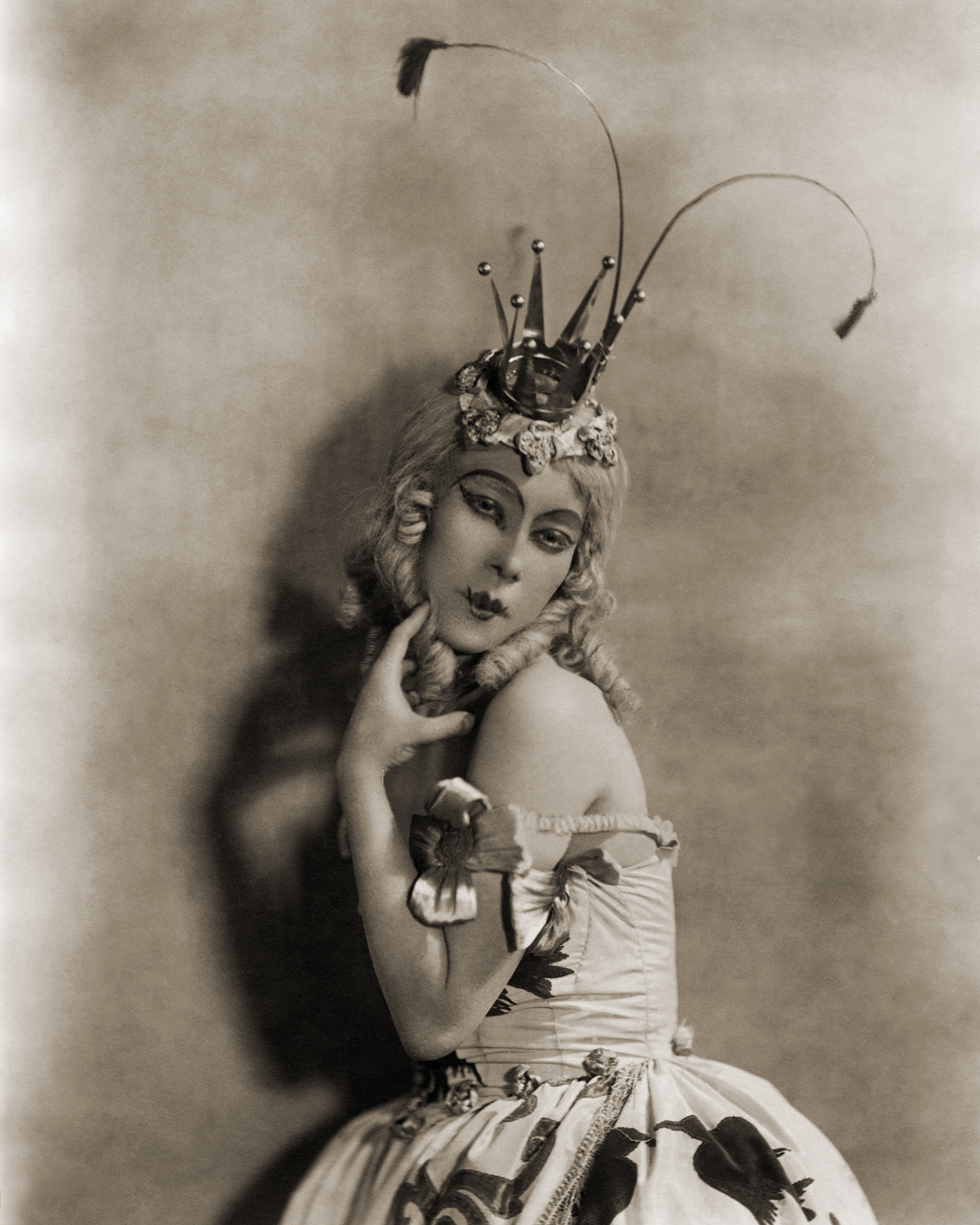
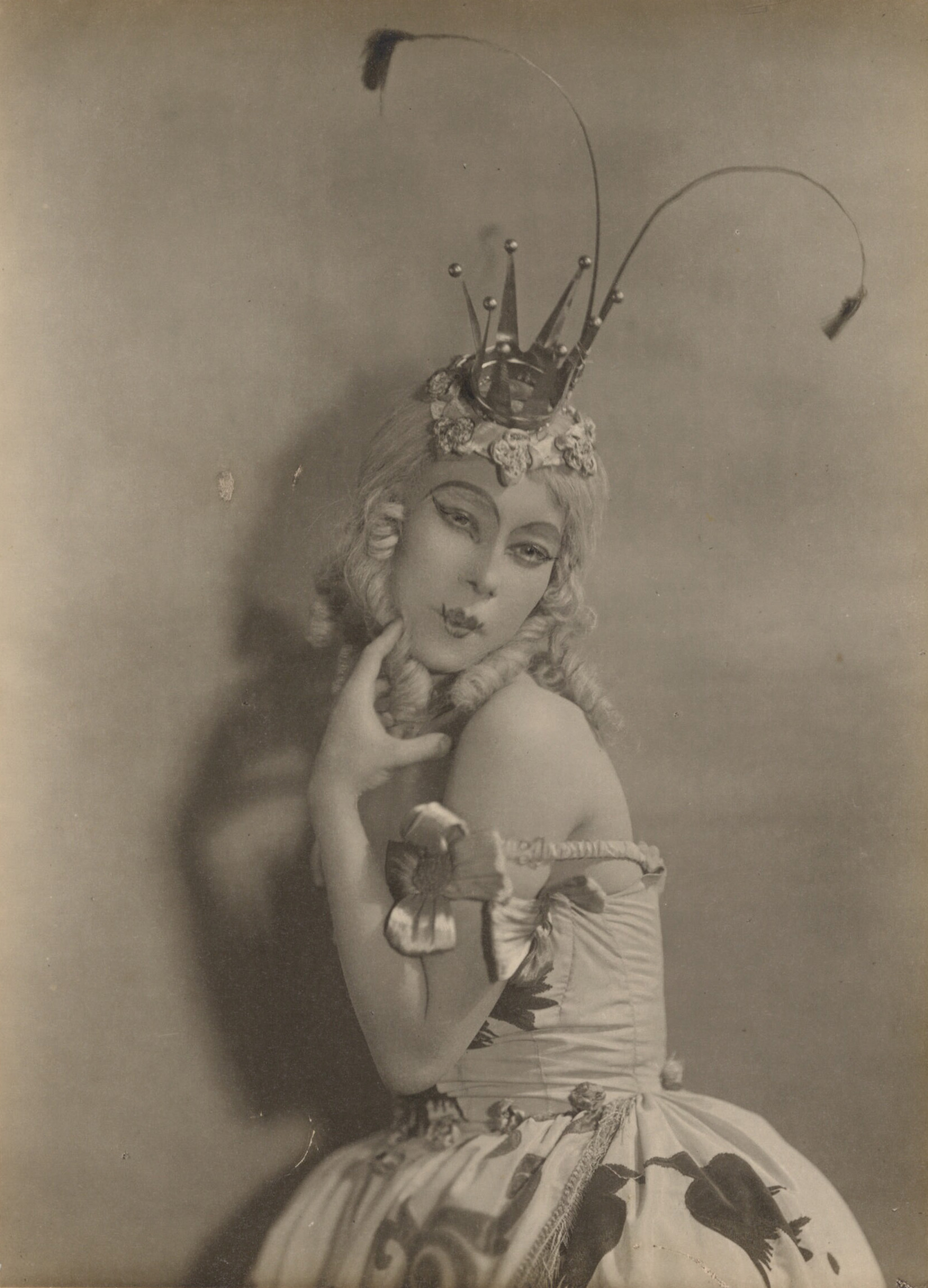
Bronislava Nijinska dressed in costume with a crown / tiara and flower-detailed dress (Photo by Florence Vandamm/Conde Nast via Getty Images)
Florence Vandamm :: Bronislava Nijinska dressed in costume with a crown / tiara and flower-detailed dress, ca. 1930. | src Getty Images
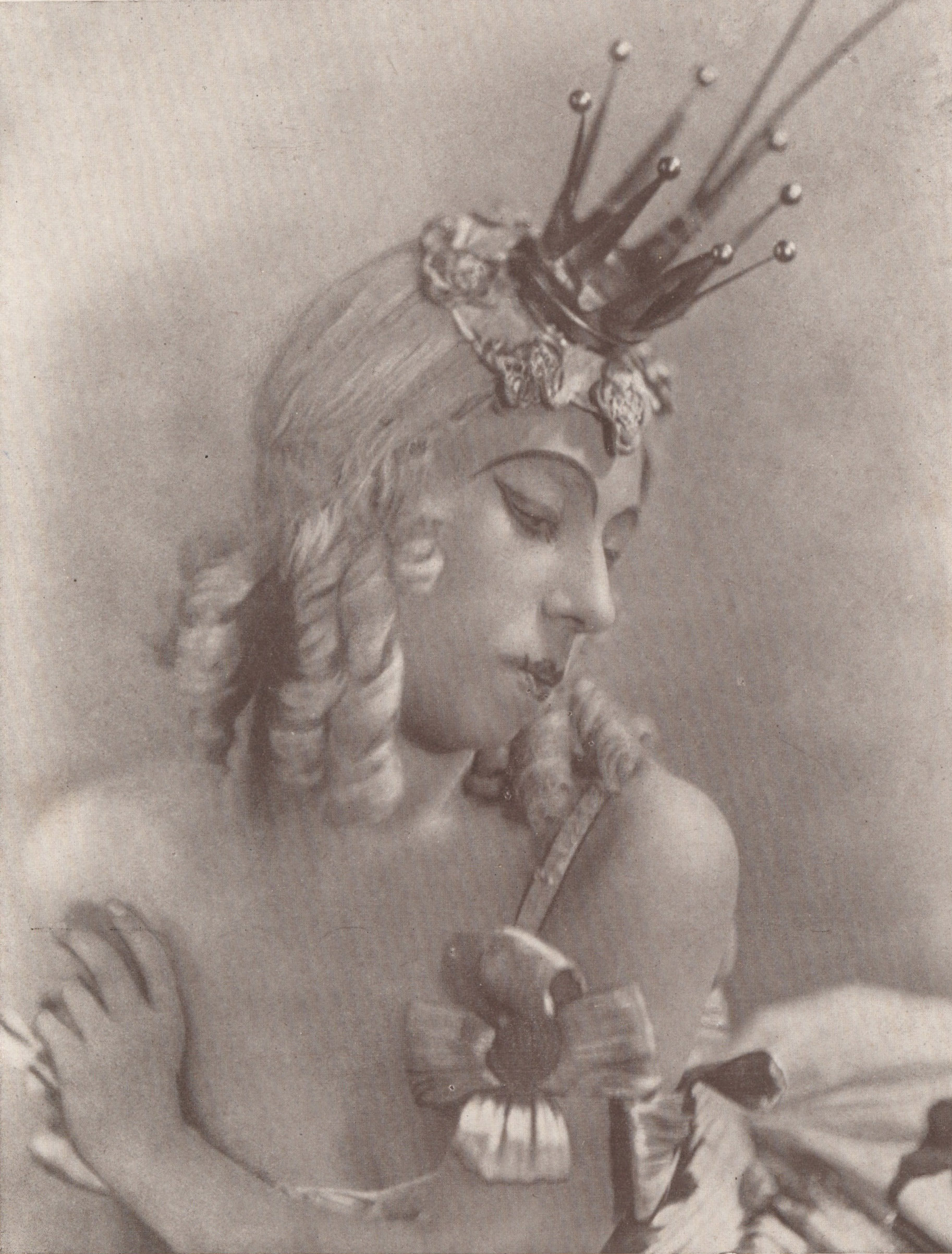
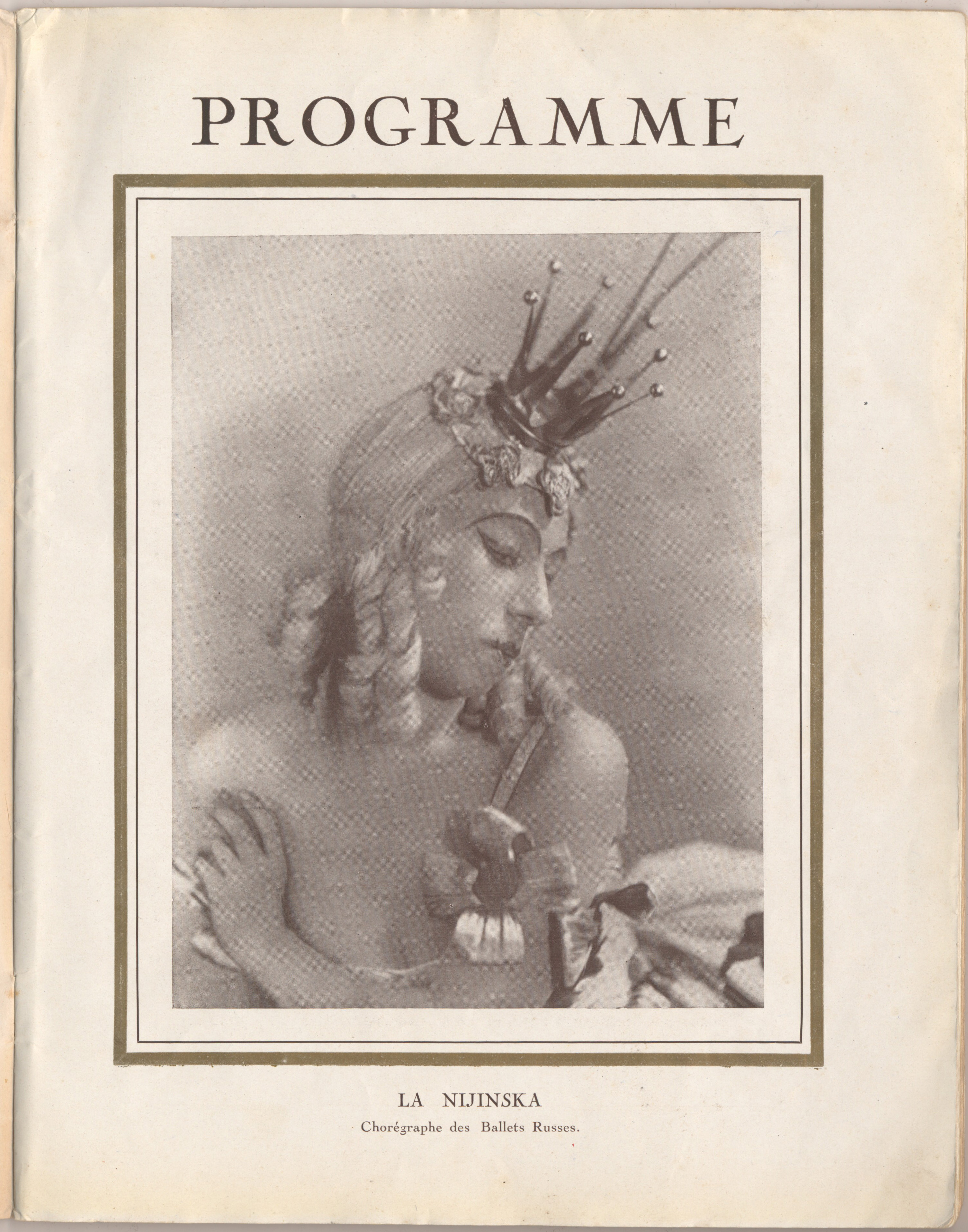
Programme Officiel des Ballets et Opéras Russes de Serge de Diaghilew (Théatre National de L'Opéra), Mai-Juin 1922 (srcLofC) La Nijinska Chorégraphe des Ballets Russes
La Nijinska Chorégraphe des Ballets Russes. From : Programme Officiel des Ballets et Opéras Russes de Serge de Diaghilew (Théatre National de L’Opéra), Mai-Juin 1922 | src Library of Congress
La Nijinska Chorégraphe des Ballets Russes. From : Programme Officiel des Ballets et Opéras Russes de Serge de Diaghilew (Théatre National de L'Opéra), Mai-Juin 1922 | src Library of Congress
La Nijinska / Chorégraphe des Ballets Russes. From : Programme Officiel des Ballets et Opéras Russes de Serge de Diaghilew (Théatre National de L’Opéra), Mai-Juin 1922 | src Library of Congress
Florence Van Damm :: Photograph of Bronislava Nijinska as the Humming Bird Princess in The Sleeping Princess, 1921. | src L. of Congress

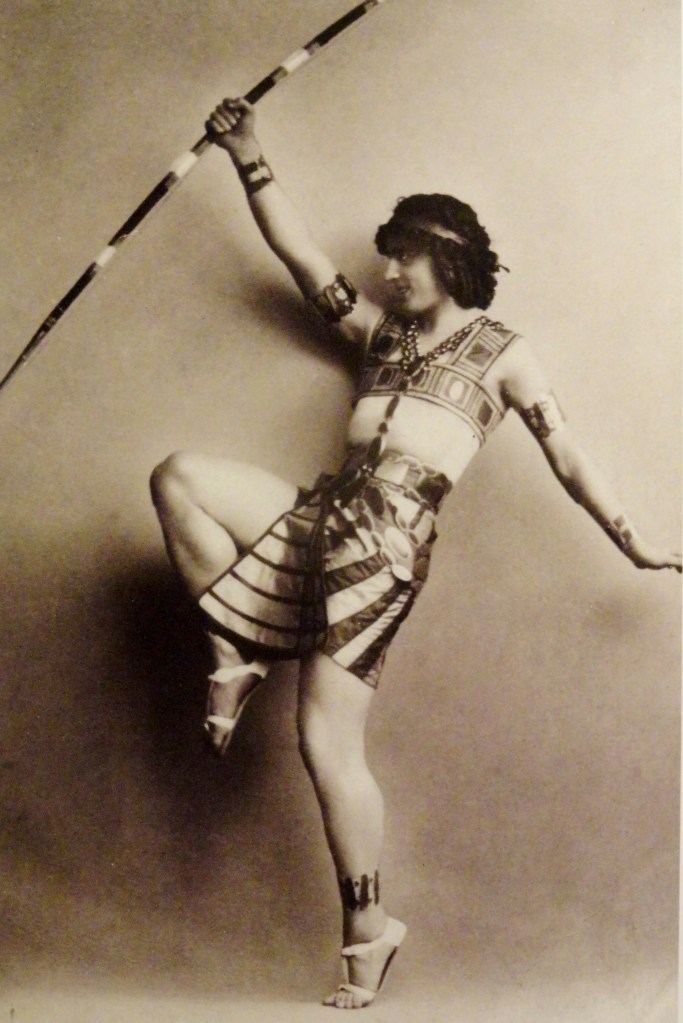
Michel Fokine as Amoun, 1908

Michel Fokine as Amoun in Cleopatra (1908). Imperial Theater Photo. Michel Fokine was Diaghilev’s chief ballet master and choreographer until his departure in 1912. He returned to the company in 1914. | src and hi res Flickr / Leo Boudreau

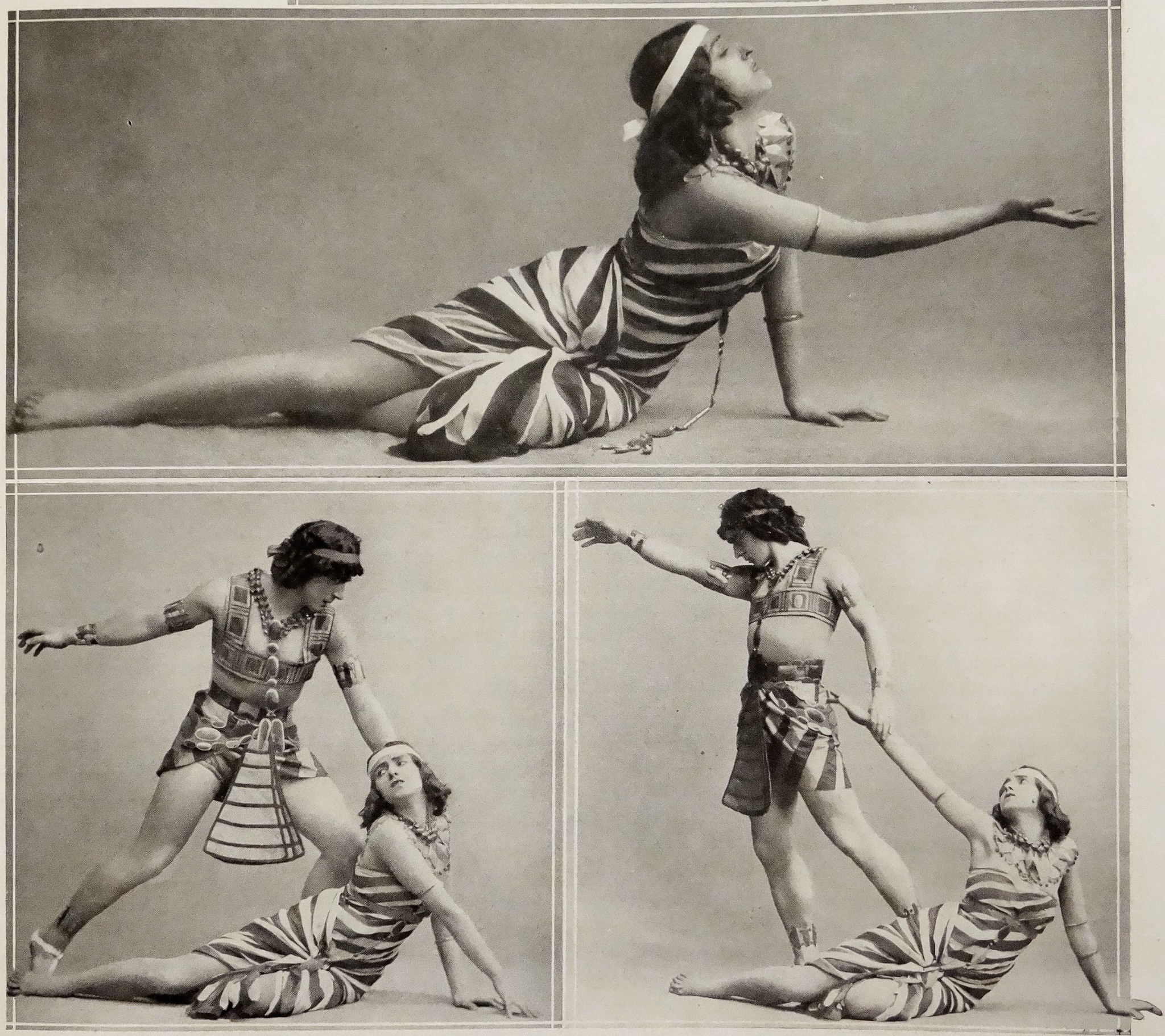
The Fokines in Cleopatre, 1914

Atelier Jaeger :: Michel Fokine and Vera Fokina in the Ballets Russes’ production of Cleopatra. Published in  Comoedia Illustre, 1914. Music: Mussorgsky, Rimsky-Korsakov, Glinka and Tcherepnin. Choreography and libretto: Michel Fokine. | src Flickr
Atelier Jaeger :: Michel Fokine and Vera Fokina in the Ballets Russes’ production of Cleopatra. Published in Comoedia Illustre, 1914. Music: Mussorgsky, Rimsky-Korsakov, Glinka and Tcherepnin. Choreography and libretto: Michel Fokine. | src Flickr

Dance of Salome (1919)

Waldemar Eide :: Salomes dans (Vera Fokina), 1919. Vera Fokina portfolioen. Sølvgelatin. Stavanger kunstmuseum via Norges Fotografforbund

Waldemar Eide is presented in a large exhibition at the Stavanger Art Museum this winter.

Waldemar Eide is presented in a large exhibition at the Stavanger Art Museum this winter. Waldemar Eide was born in Stavanger in 1886 and was one of Norway’s leading portrait photographers in the first half of the 20th century. He was among the first photographers to consider himself a visual artist, and had an active exhibition business in Stanvanger and abroad. He received several awards for his photographs and also regularly wrote about art and photography for trade journals and newspapers.

Eide was a pictorialist and thus placed great emphasis on the painterly qualities, on light and shadow in a picture. This led to his pictures often convey an almost dreamlike sense and this style resonated well with the dancers, actors and musicians of the time.

His studio in Stavanger was a meeting place for visiting artists and personalities who wanted to have their portraits taken, as well as the local population. Composer Sergej Rakhmaninov, historian Macody Lund and opera singer Kaja Eide Norena were among the many he photographed. He is perhaps best known for the pictures of the Russian ballet dancer Vera Fokina, whom he depicted in 1919.

The exhibition is curated by art historian at Stavanger art museum Vibece Salthe and is on display until 19 February 2017. [quoted from Norges Fotografforbund, original text below (*)]
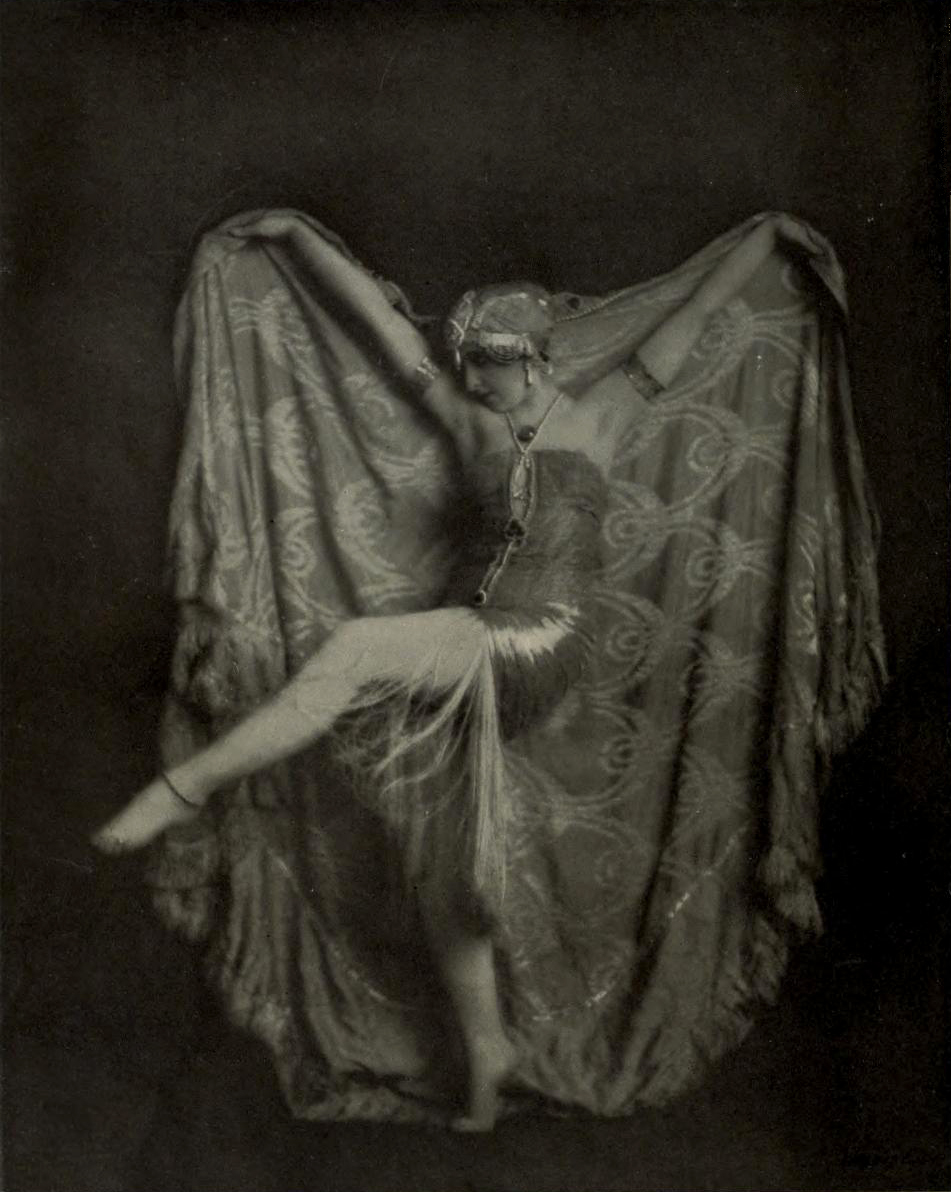
Waldemar Eide:: Dance of Salome (Vera Fokina). Photograms of the Year. The annual review of the world's pictorial photographic work, 1920 issue (plate LXIV). Edited by F. J. Mortimer. | src archive.org
Waldemar Eide :: Salomes dans (Vera Fokina), 1919. Vera Fokina portfolioen. Sølvgelatin. Stavanger kunstmuseum via Norges Fotografforbund
Waldemar Eide:: Dance of Salome (Vera Fokina). Photograms of the Year. The annual review of the world’s pictorial photographic work, 1920 issue (plate LXIV). Edited by F. J. Mortimer. | src archive.org
Waldemar Eide :: Vera Fokina ved den russiske ballett. Dansestudie med kostyme, ca. 1919 | src Norsk Folkemuseum via digitalt museum

[(*) quote in original language] Waldemar Eide presenteres i stor utstilling på Stavanger kunstmuseum denne vinteren.

Waldemar Eide presenteres i stor utstilling på Stavanger kunstmuseum denne vinteren.Waldemar Eide ble født i Stavanger i 1886 og var en av Norges ledende portrettfotografer i første halvdel av 1900-tallet. Han var blant de første fotografene som betraktet seg som billedkunstner, og hadde en aktiv utstillingsvirksomhet i inn- og utland. Han mottok flere priser for sine fotografier og skrev i tillegg jevnlig om kunst og fotografi for fagtidsskrifter og aviser.

Eide var piktorialist og la dermed stor vekt på de maleriske kvalitetene, på lys og skygge i et bilde. Det førte til at bildene hans ofte fikk et nærmest drømmende preg og denne stilen resonnerte godt med tidens dansere, skuespillere og musikere.

Atelieret hans i Stavanger var et møtested for besøkende kunstnere og personligheter som ville la seg portrettere, i tillegg til lokalbefolkningen. Komponisten Sergej Rakhmaninov, historikeren Macody Lund og operasangeren Kaja Eide Norena var blant de mange han fotograferte. Mest kjent er han kanskje for bildene av den russiske ballettdanseren Vera Fokina, som han avbildet i 1919.

Utstillingen er kuratert av kunsthistoriker ved Stavanger kunstmuseum Vibece Salthe og vises til og med 19. februar 2017. | src Norges Fotografforbund

Dancing Study, 1919

Waldemar Eide :: Dancing Study (Vera Fokina with costume for Salome at the Russian Ballet), 1919. Published in Photograms of the year 1919. Edited by F. J. Mortimer.| src archive.org

Ninette de Valois, 1920s

Photograph of Ninette de Valois as ‘un joueur de volant’ [Badminton player] in Nijnska’s Les Facheux The Annoying Ones, given by the Diaghilev Ballets Russes. It was based on Molière’s libretto for Beauchamps’ much earlier work of the same name (1661). Photographer unknown. | src RBS/STA/NDV/PHO/

Newscutting featuring Ninette de Valois as Little Red Riding Hood

Newscutting featuring Ninette de Valois performing with the Diaghilev Ballets Russes as Little Red Riding Hood in Aurora’s Wedding (1923), which was based on Act III of Petipa’s The Sleeping Beauty. Photographer unknown. | src Royal Ballet School/NDV/EPH

Russian dancer Felia Doubrovska or Dubrovskaya, 1929

Russian dancer Felia Doubrovska, or Felia Dubrovskaya [Russian: Фелия Дубровская], real name Фелицата Леонтьевна Длужневская, (Felizata or Felicata Dlouzhnevskain); born in St Petersburg, on February 13, 1896. Dancer in Balanchine ballet and Diaghilev Ballets Russes, ca. 1929