
images that haunt us



Czech Avant-Garde (2023) at Gitterman Gallery (NY)
Gitterman gallery presents a selection of avant-garde Czech photography with a focus on rare vintage works by two seminal figures, František Drtikol and Josef Sudek. Each created exquisite prints that added dimension to their innovative visions.
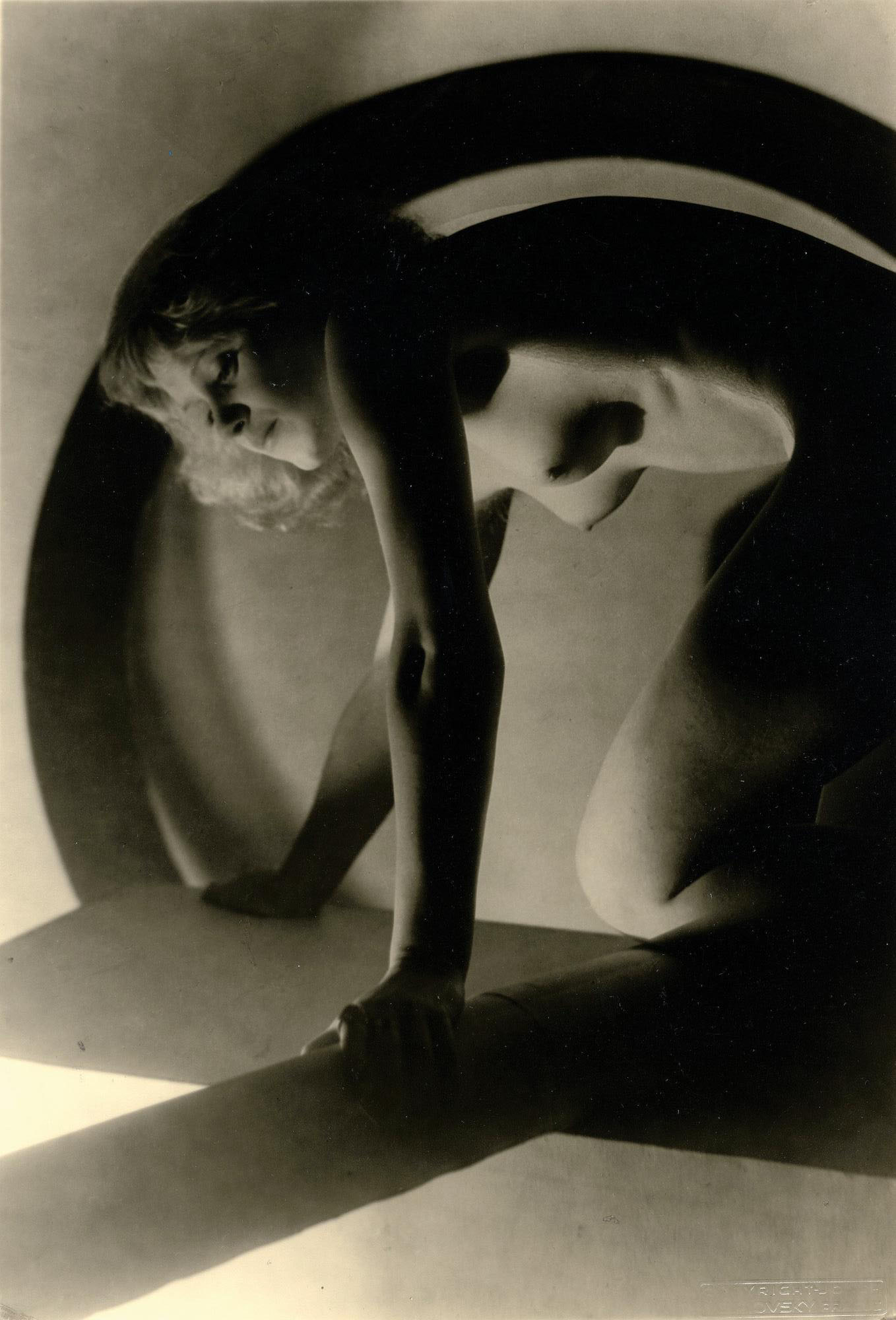
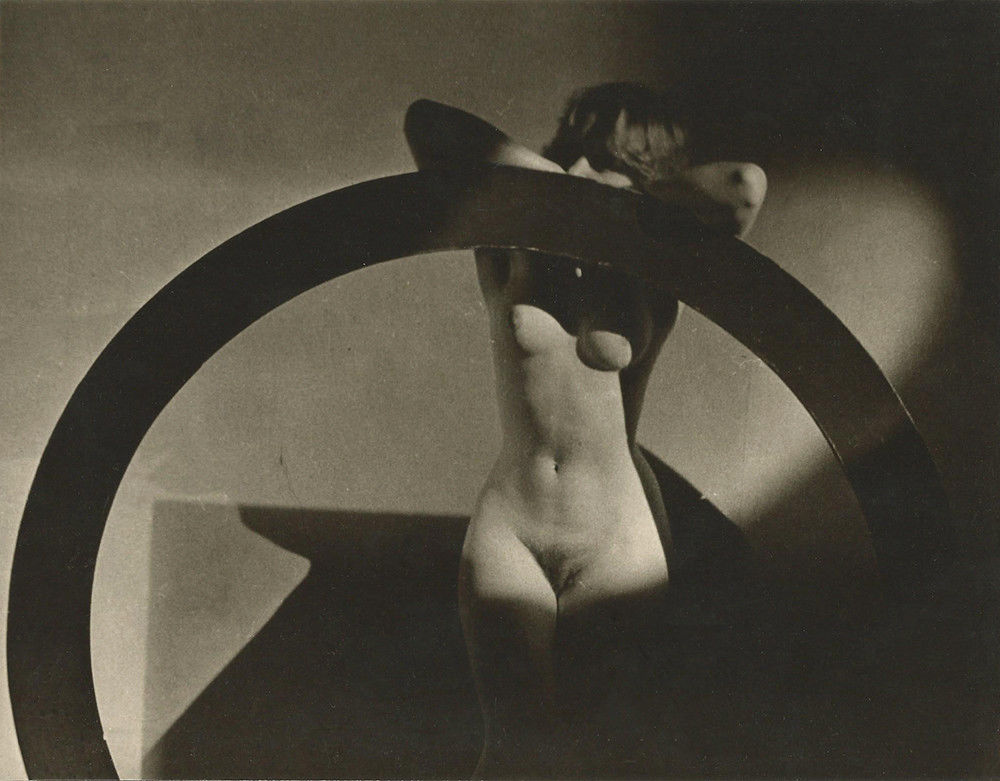
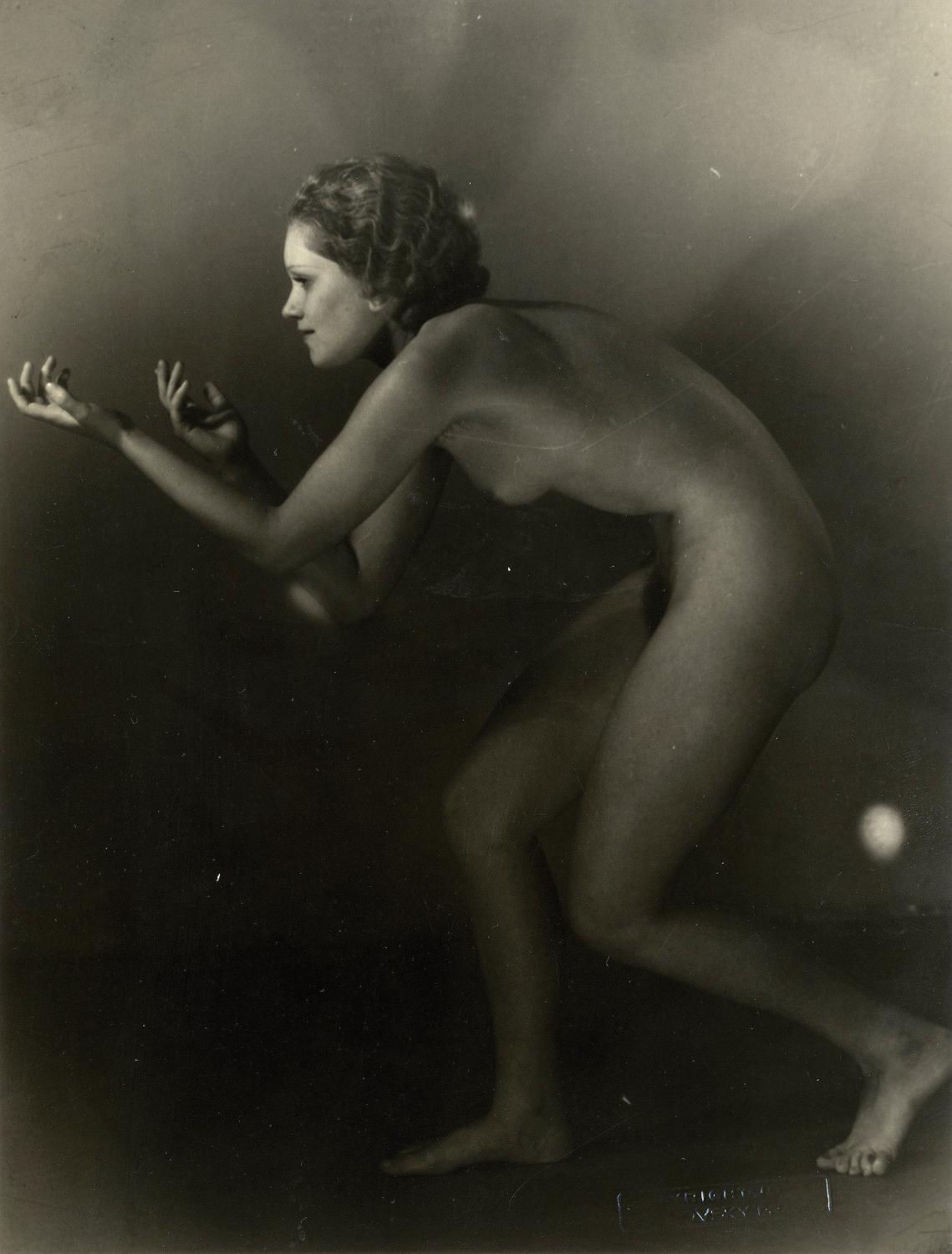
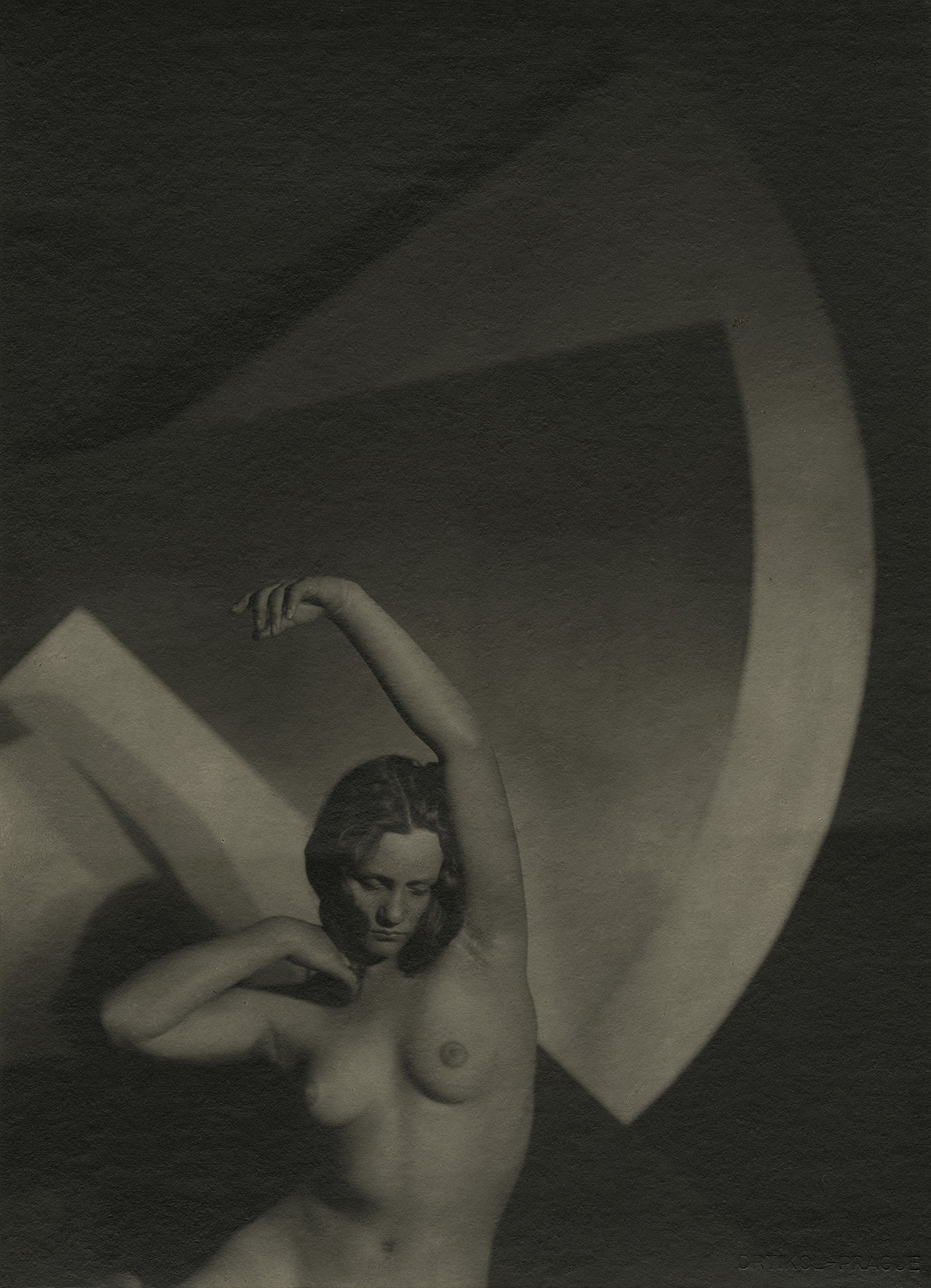
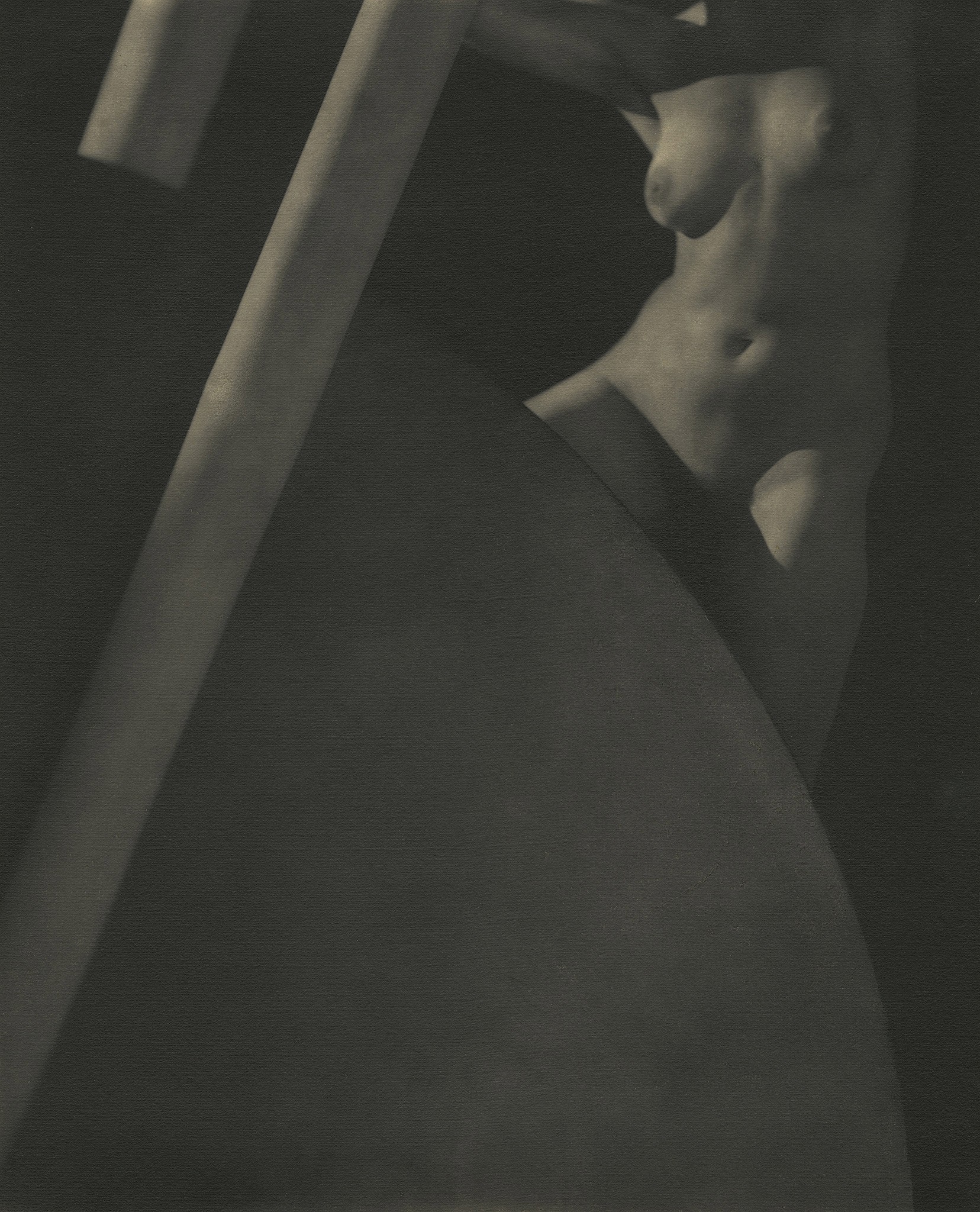
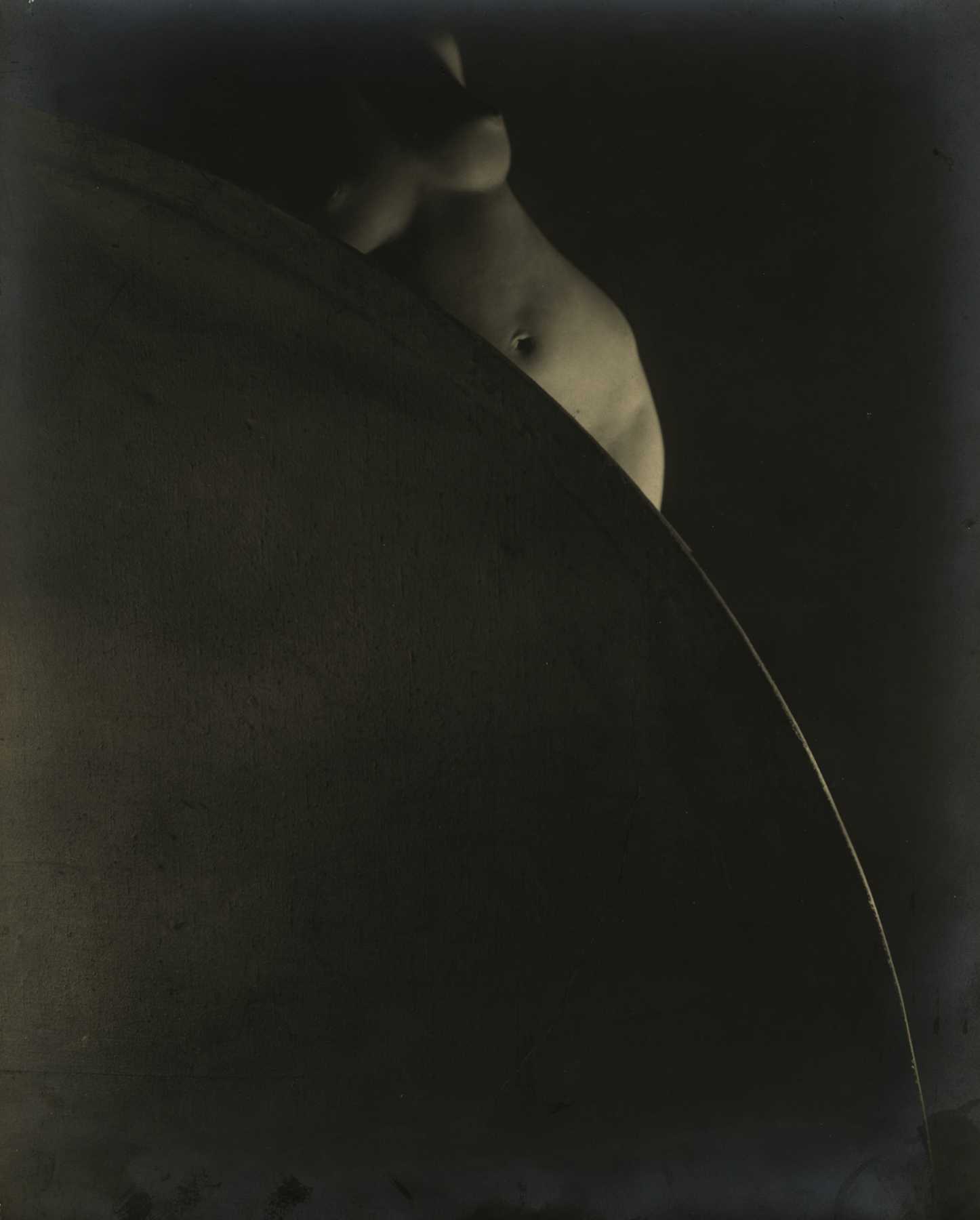
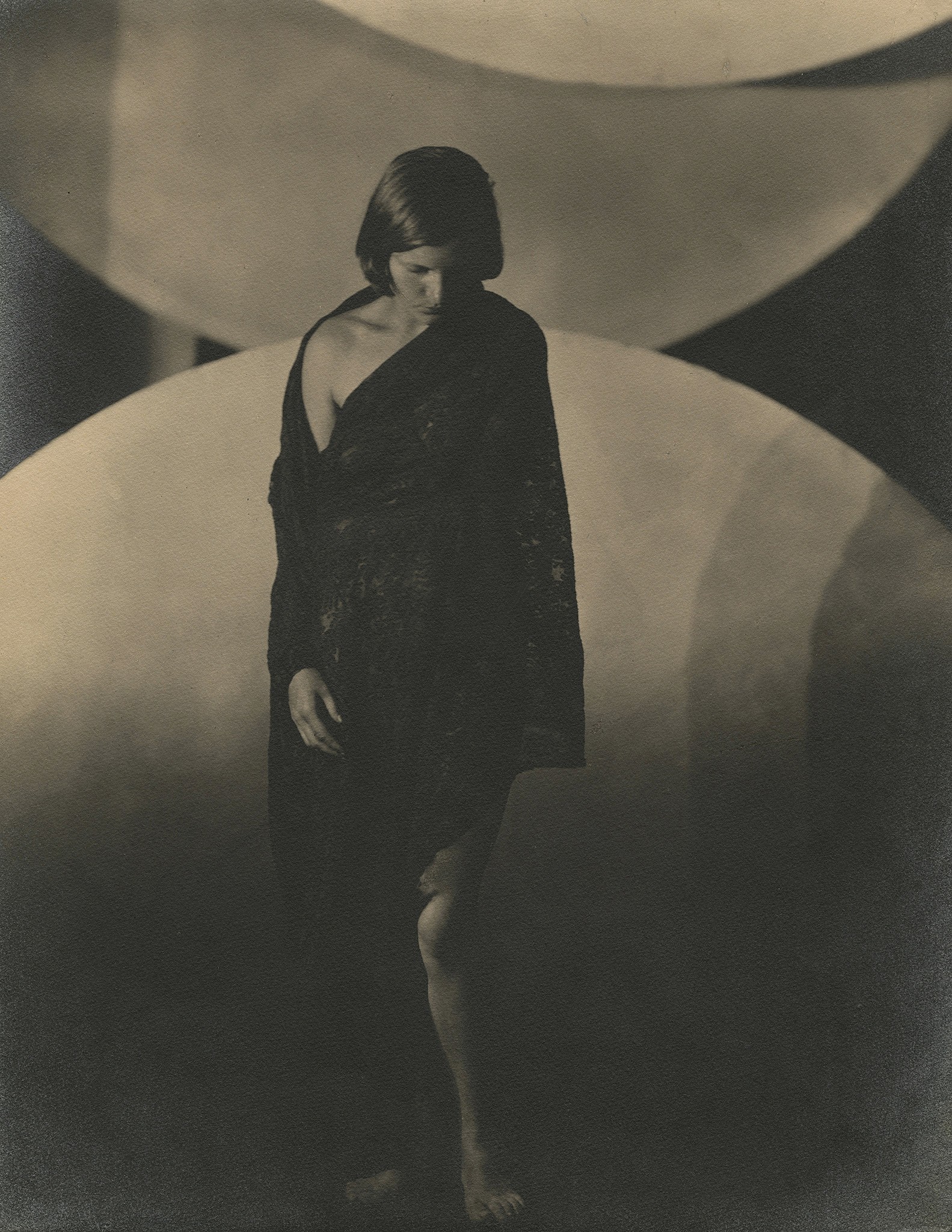
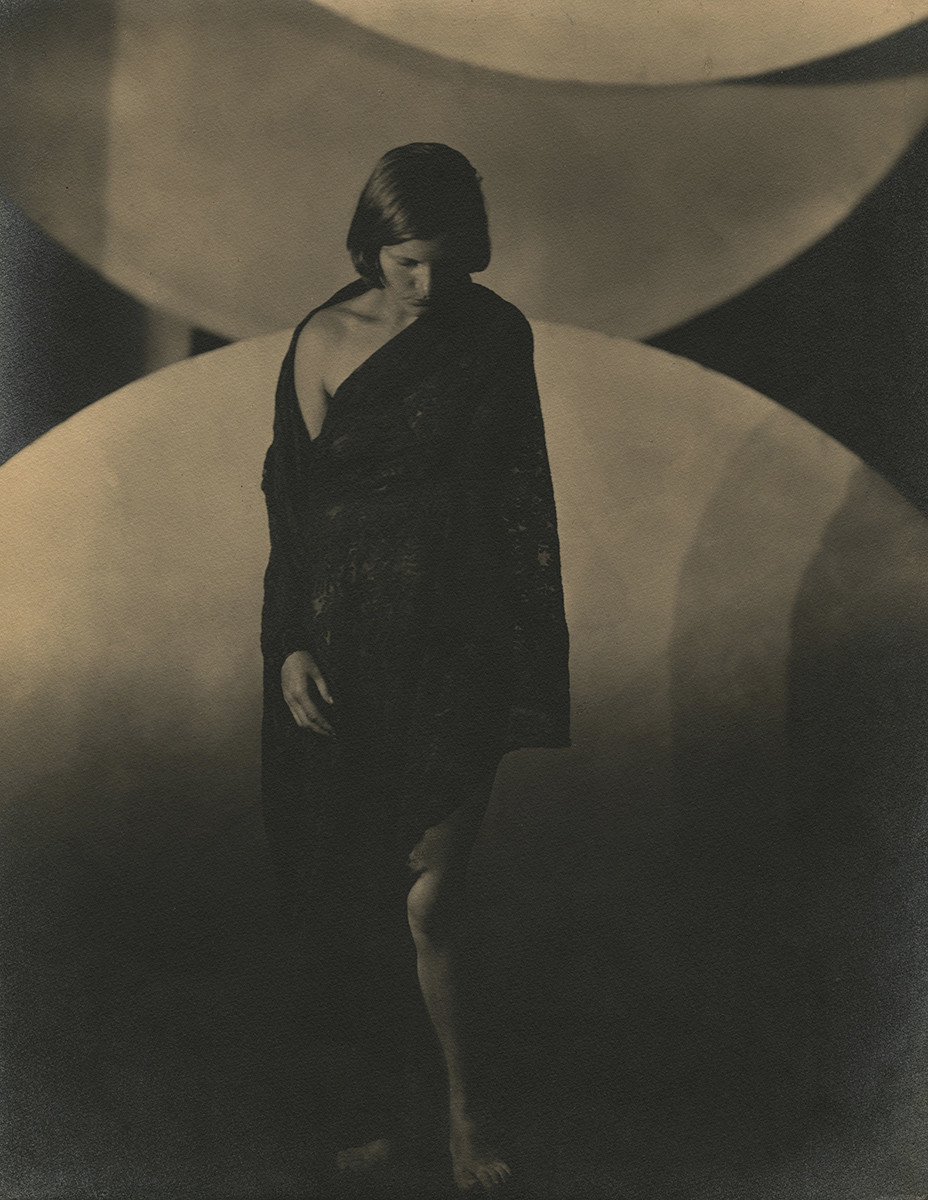
František Drtikol’s (1883-1961) photographs are distinctly emblematic of the Art Deco period (1920s and 30s) by merging styles of Symbolism, Pictorialism, and Modernism. These two photos are an example of his best known works: Pictorial images of nudes in Modernist (Art decó) stagings.


Czech Avant-Garde at Gitterman Gallery ~ Nov 14 – Dec 22, 2023
Gitterman Gallery presents a selection of avant-garde Czech photography with a focus on rare vintage works by two seminal figures, František Drtikol and Josef Sudek. Each created exquisite prints that added dimension to their innovative visions.
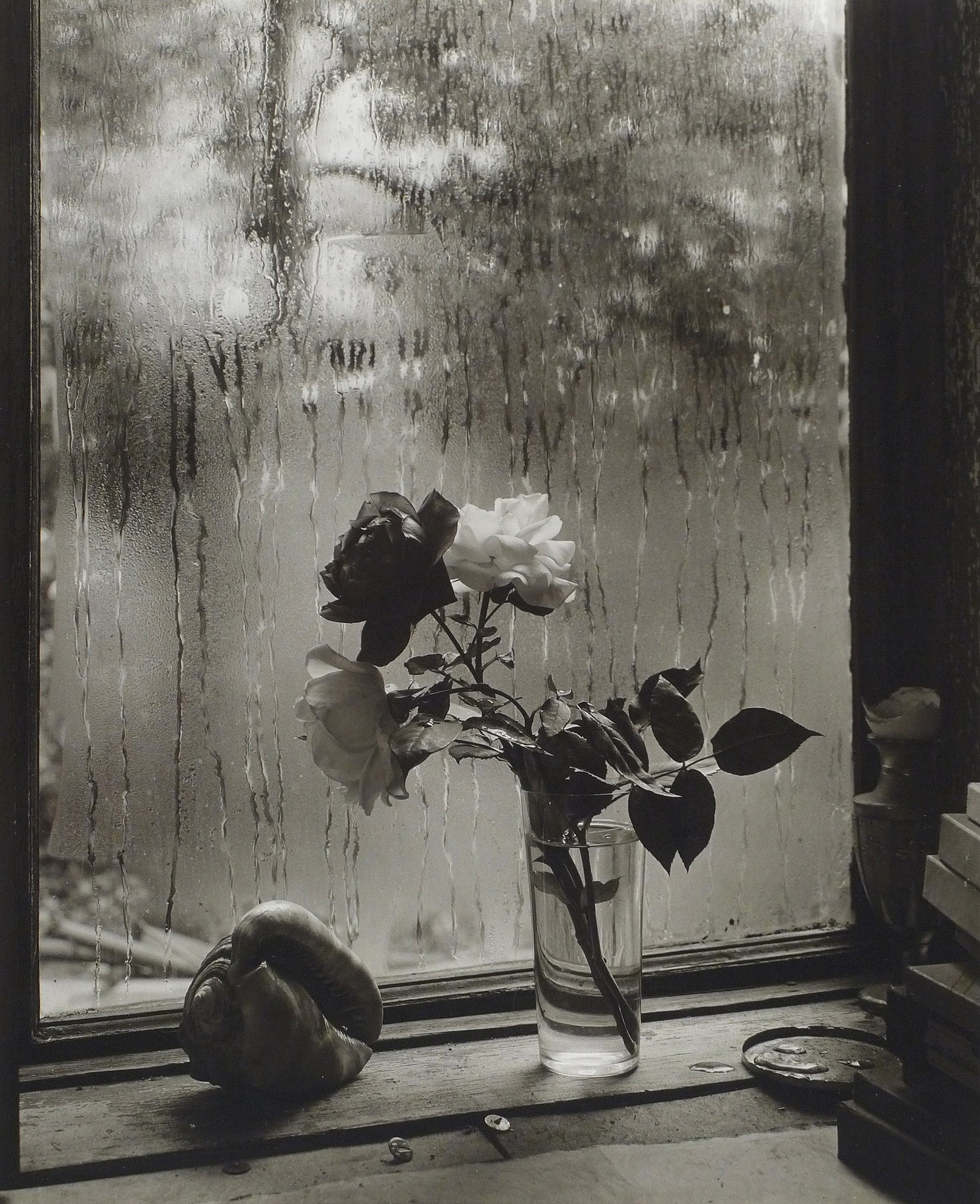
Josef Sudek (1896-1976), after having lost his right arm in combat during World War I, devoted his life to photography. Working with a large format camera, he stayed close to home. He primarily worked in his studio in Prague, photographing intricately constructed still lifes and atmospheric views through his studio window, as well as portraits, landscapes and his city. Though Sudek chose seemingly conventional subjects, his delicate prints convey the poetic magic of the photographic medium.




Czech Avant-Garde at Gitterman Gallery ~ Nov 14 – Dec 22, 2023
Gitterman Gallery presents a selection of avant-garde Czech photography with a focus on rare vintage works by two seminal figures, František Drtikol and Josef Sudek. Each created exquisite prints that added dimension to their innovative visions.
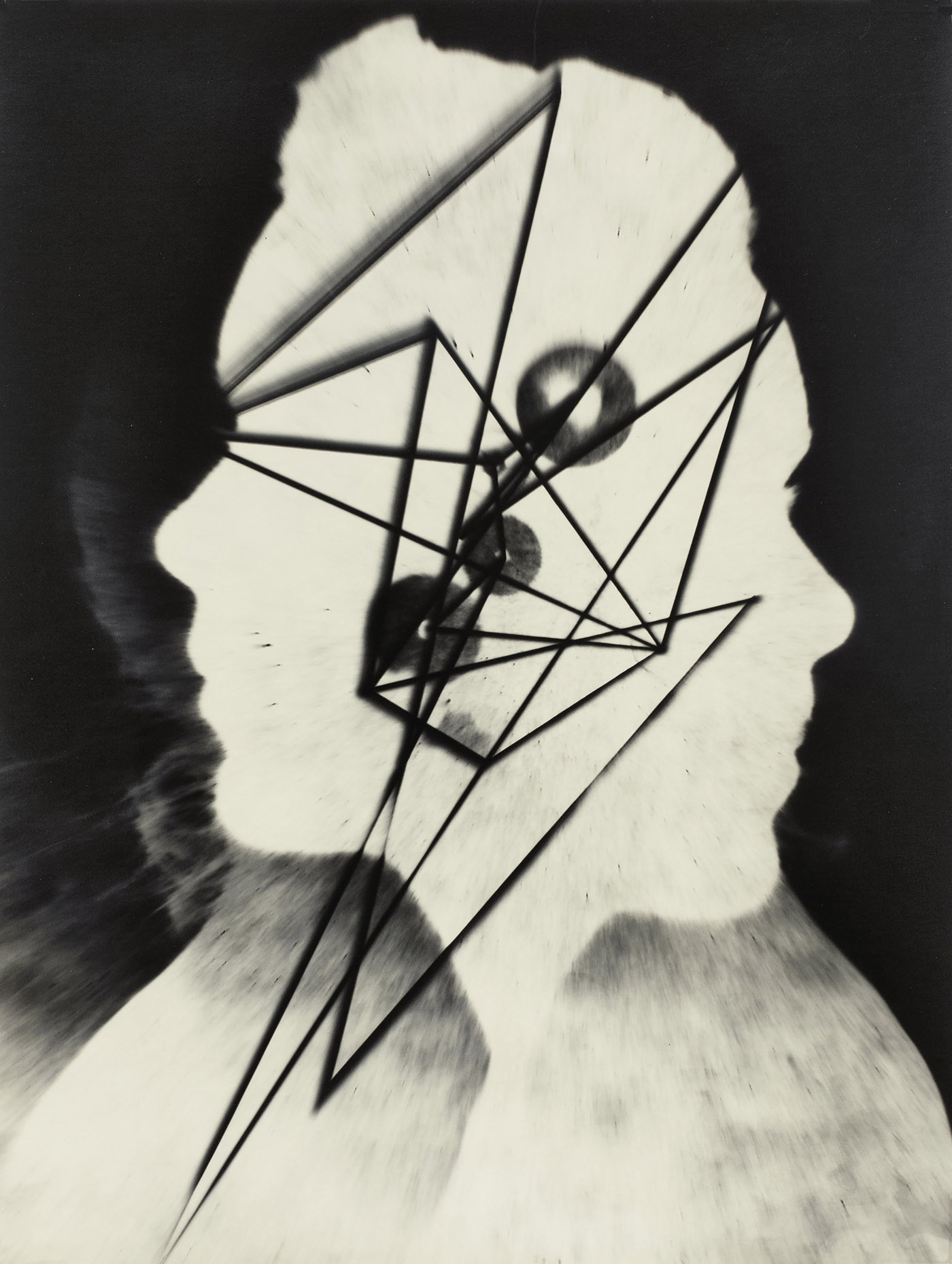
František Drtikol’s (1883-1961) photographs are distinctly emblematic of the Art Deco period (1920s and 30s) by merging styles of Symbolism, Pictorialism, and Modernism. Though most known for his Pictorial images of nudes in Modernist stagings, we highlight a series from the early 1930s he referred to as “photopurism.” In this series, he photographed paper cut-outs and carved wood figures, as Mannerist silhouettes of the human form, in geometric abstract environments, to explore themes of Buddhism. He gave up photography in 1935 to concentrate on painting.


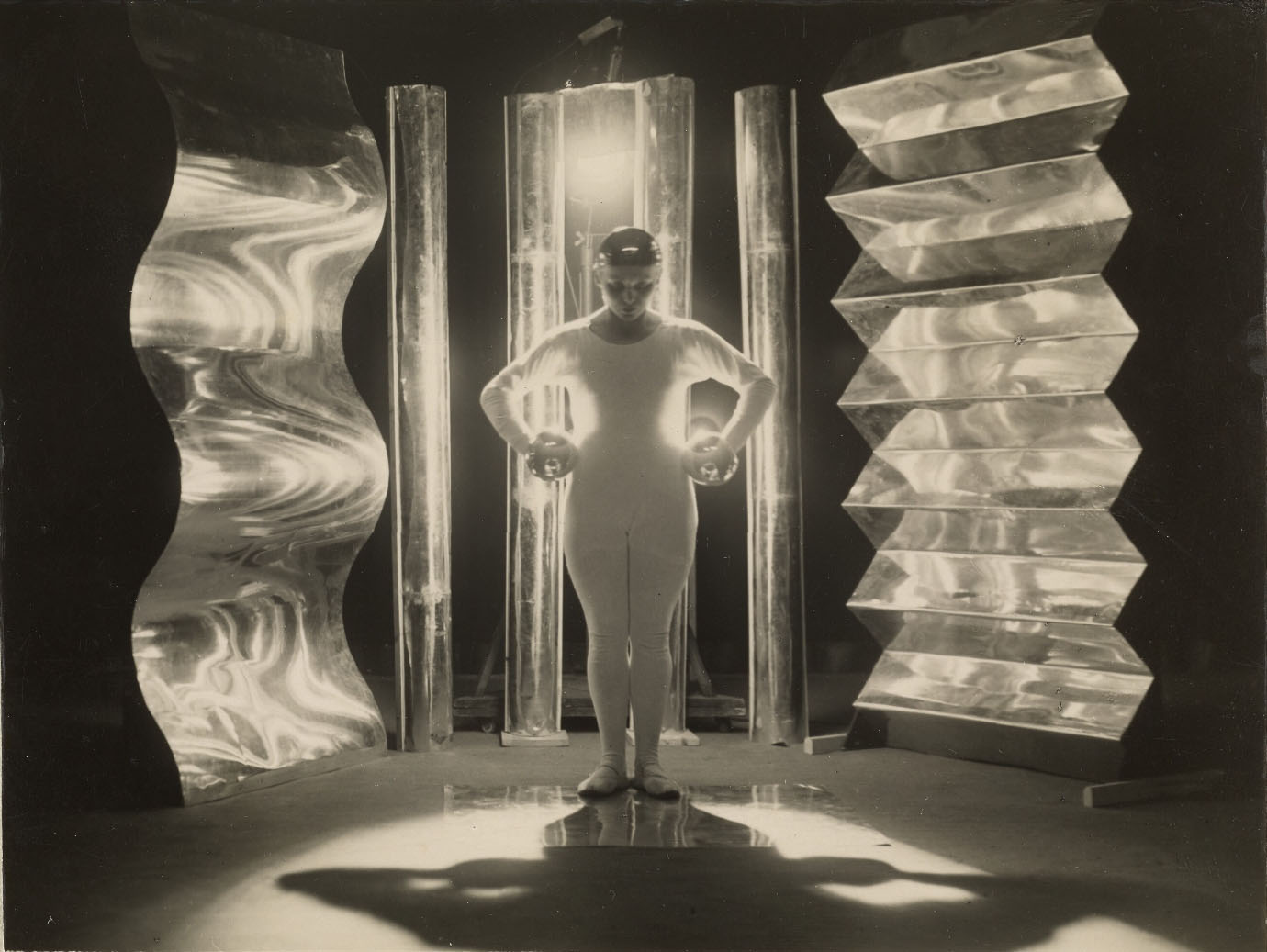
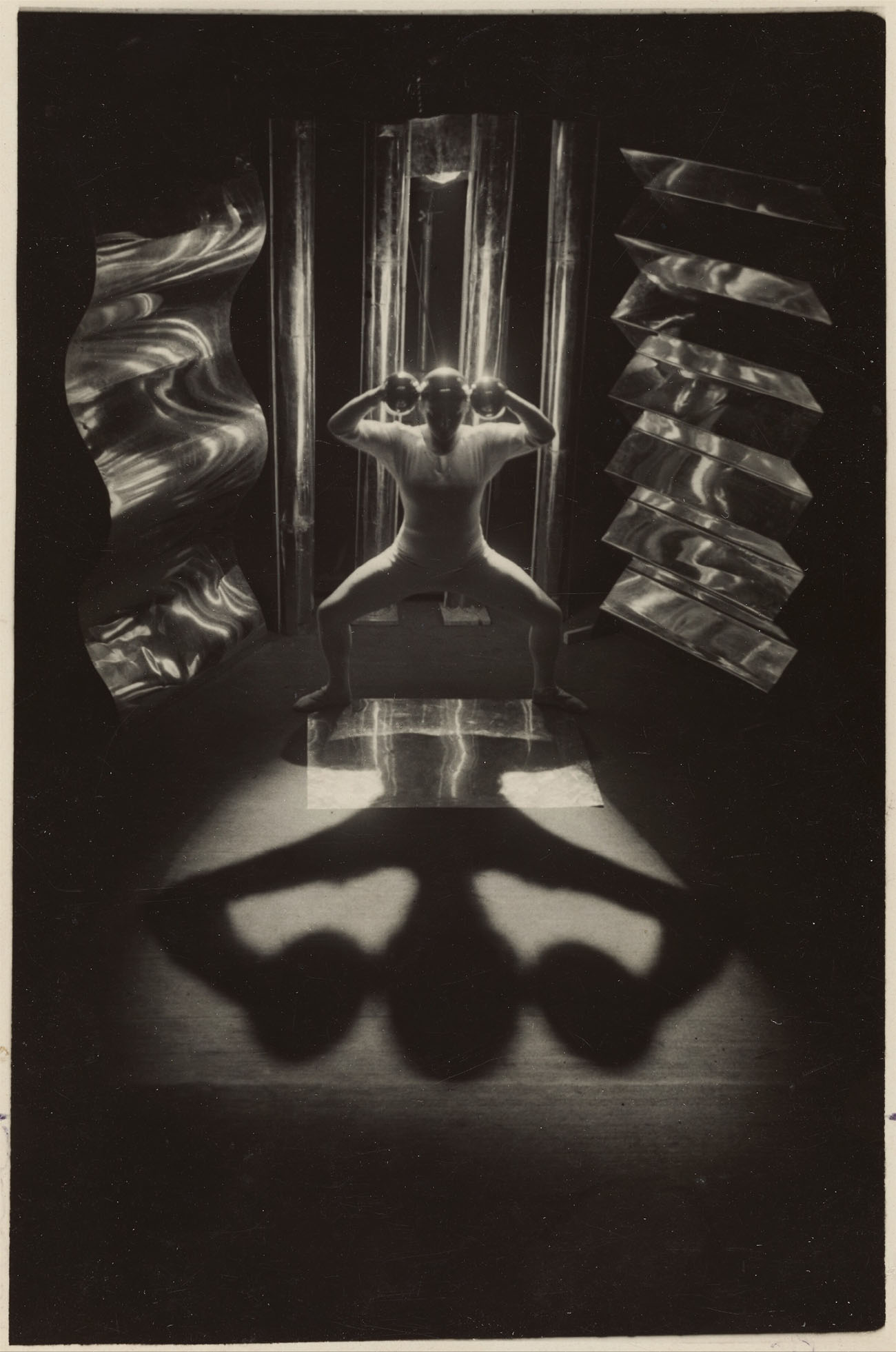
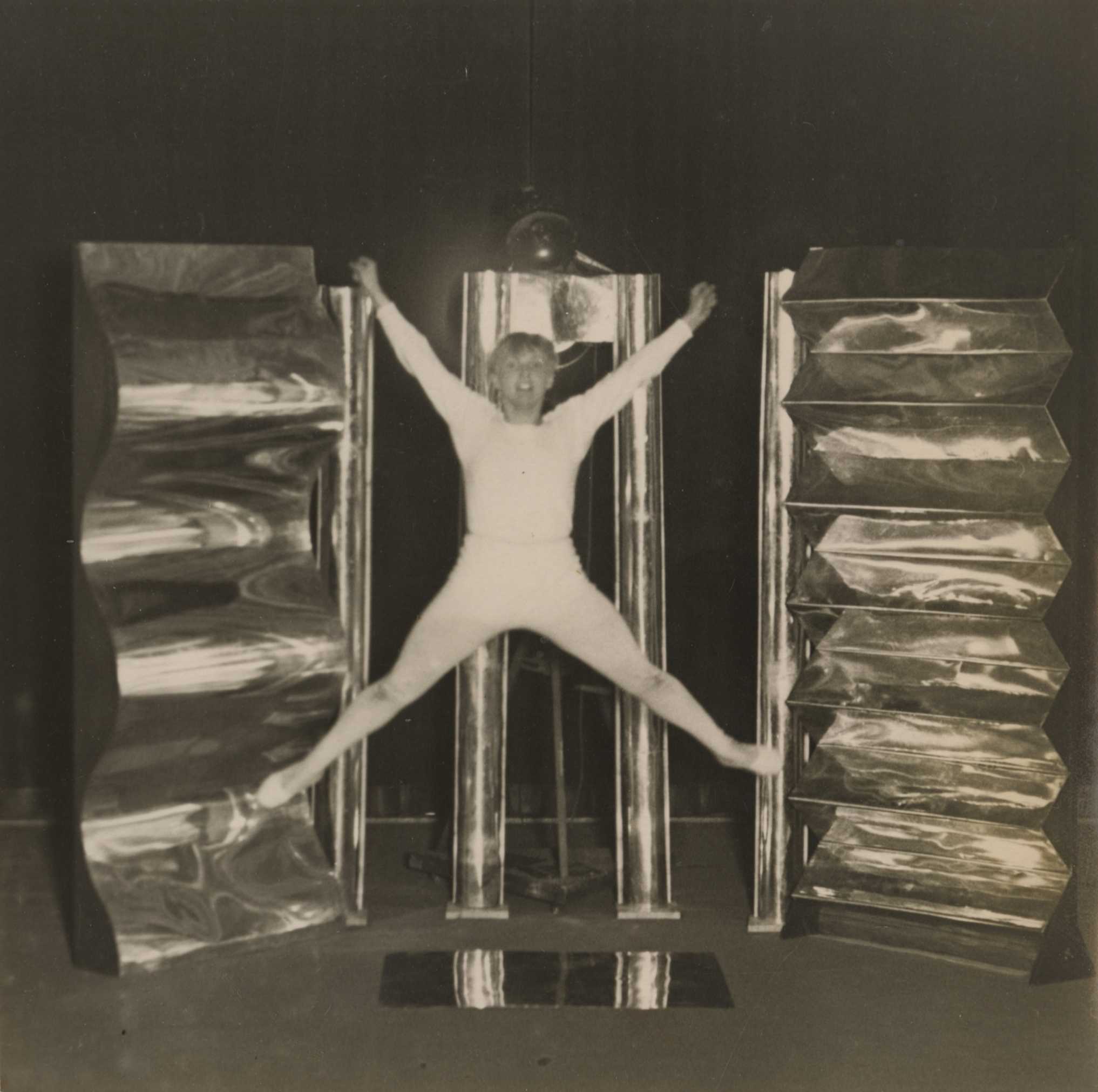
Karla Grosch’s performance of Metalltanz, or “Dance in Metal,” exploited the reflective properties of polished metal. The avant-garde performances produced by Oskar Schlemmer’s Stage Workshop at the Bauhaus School are seen today as significant forerunners of modern performance art and multimedia theater.
The photographer T. Lux Feininger studied at the Bauhaus with Schlemmer, under whose direction theater and dance became popular and important aspects of the German school’s program. [text from getty.edu]
![Jaromír Funke ~ Untitled (Hydrangea in blossom in pot), ca. 1920-24 [HGG2-summer 2019]](https://live.staticflickr.com/65535/52008384576_3b52162bf7_o.jpg)
A very rare photograph in a rather pictorialist style among the modern, abstract production by Funke.
![Jaromír Funke ~ Untitled (Hydrangea in blossom in pot), ca. 1920-24 [detail]](https://unregardoblique.com/wp-content/uploads/2023/06/jaromir-funke-untitled-ca.-1920-1924-hgg2summer19-det.jpg)
Jaromír Funke (1896–1945) studied medicine, law and philosophy at Charles University in Prague but did not graduate. Instead he concentrated on becoming a professional freelance photographer. By 1922 he was a leader of the young opposition movement in photography and a founder of the Czech Society of Photography (1924) whose mission was to create photography that would fulfil new social functions. In his work Funke managed to combine some of the leading trends in modernist European photography, uniting constructivism and functionalism with surrealism and social commentary, with traditional Czech aesthetics. His interest in modernist ideas led him to make clearly focused studies of simple objects. As the decade progressed, he turned to the production of carefully arranged still lifes emphasizing abstract form and the play of light and shadow. During this time he also produced several important series of photographs, including two inspired by the images of Eugène Atget: Reflexy (Reflections, 1929) and as trvá (Time Persists, 1930-34).
Funke was also influential as a teacher, first at the School of Arts and Crafts, Bratislava (1931-34/35), which followed a Bauhaus-inspired curriculum, and then at the State School of Graphic Arts, Prague (1935-44). While in Bratislava, he became interested in social documentary photography and joined the leftist group Sociofoto, which was concerned with recording the living conditions of the poor. Throughout his career Funke published articles and critical reviews dealing with photography. From 1939-41 he worked with Josef Ehm to edit the magazine Fotografik obzor (Photographic Horizon).
quoted from HGG ~ Howard Greenberg Gallery / Jaromir Funke
 un regard oblique