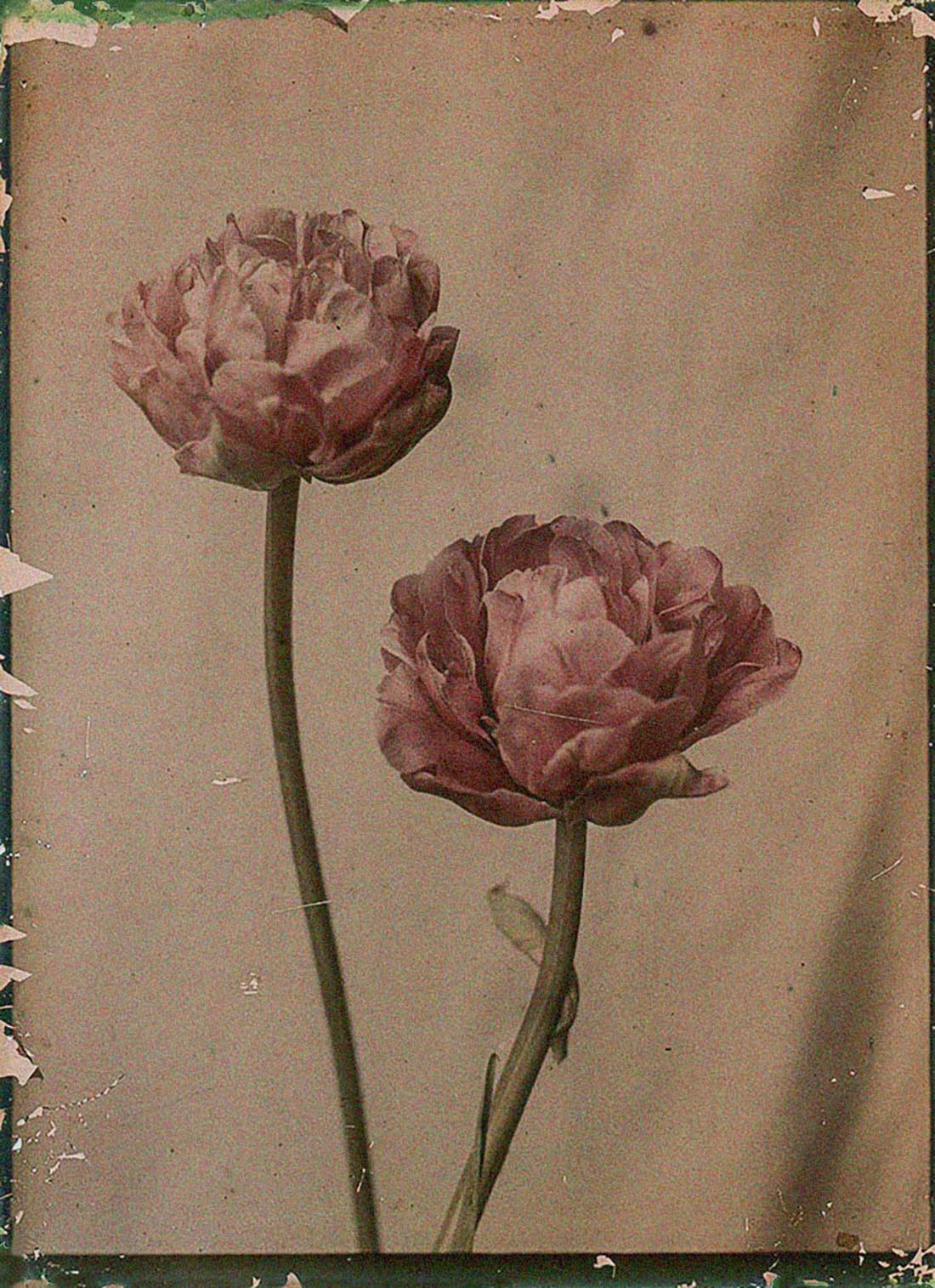
Tulip, Eros, ca. 1927

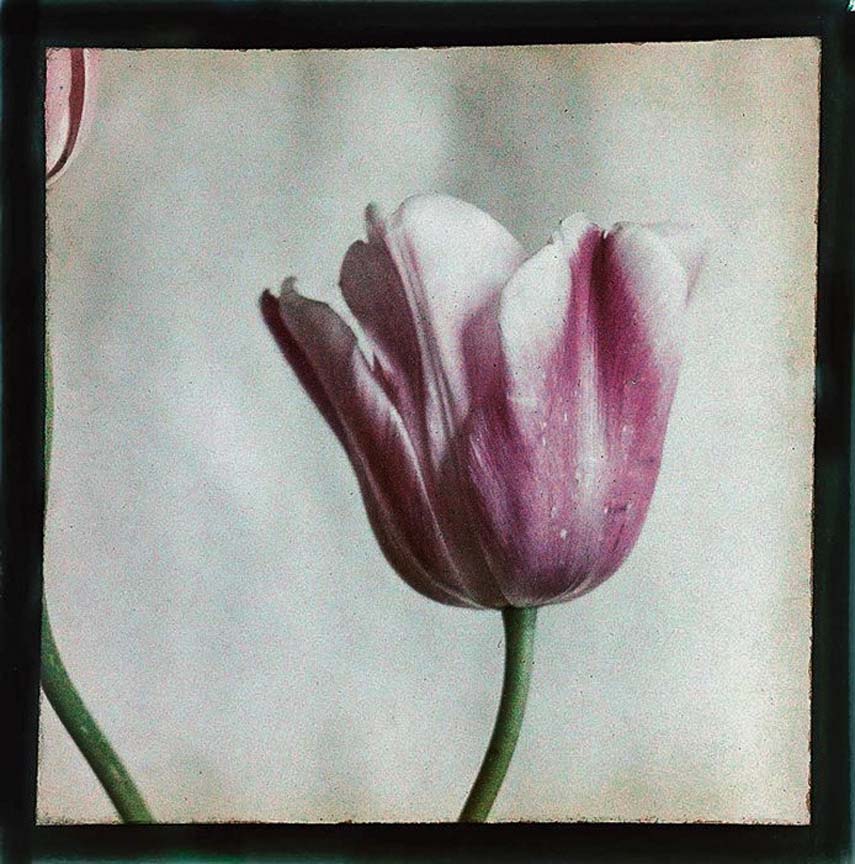
Leendert Blok (1895-1986) :: Tulipa, Eros, Nederland, ca. 1927. Tirage aux encres pigmentaires. | src Les extravagantes ~ Box Galerie
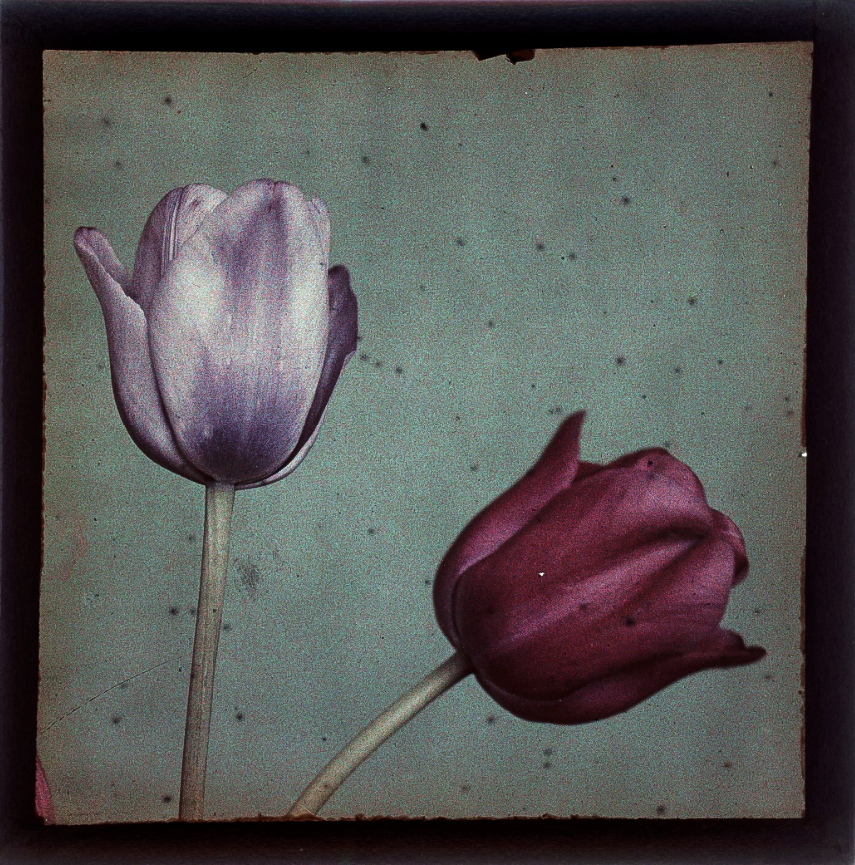
Leendert Blok :: Tulip Bleu céleste or ‘Pensa Rosa’, The Netherlands, ca. 1927. Autochrome.| src Het Parool and Hatje Cantz

Tulip Bleu céleste and Eros

Leendert Blok :: Tulip Bleu céleste or ‘Pensa Rosa’, The Netherlands, ca. 1927. Autochrome.| src Het Parool and Hatje Cantz
Leendert Blok (1895-1986) :: Tulipa, Eros, Nederland, ca. 1927. Tirage aux encres pigmentaires. | src Les extravagantes ~ Box Galeri
Leendert Blok (1895-1986) :: Tulipa, Eros, Nederland, ca. 1927. Tirage aux encres pigmentaires. | src Les extravagantes ~ Box Galerie

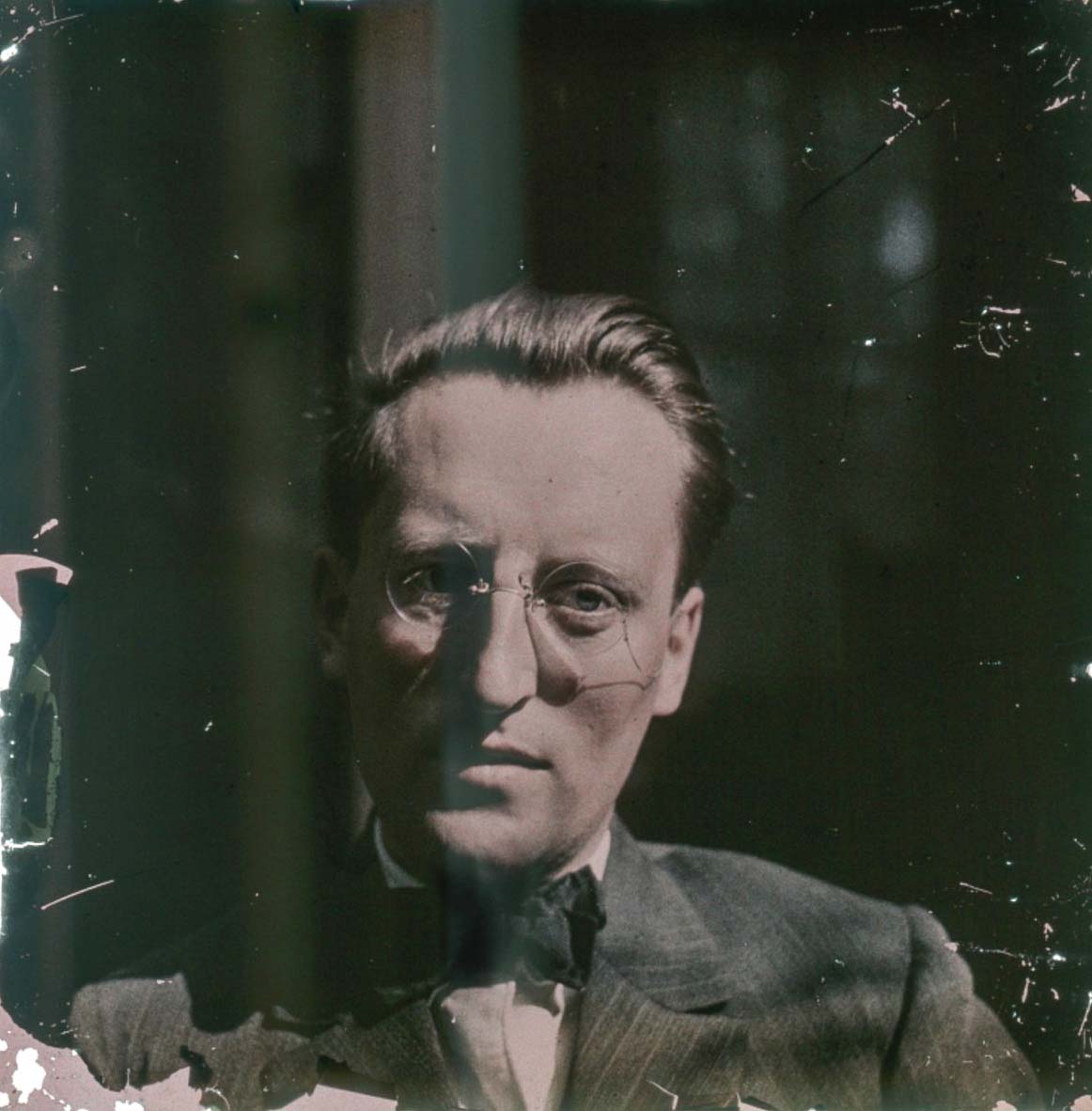
Blok’s Selfportrait, 1930s

Leendert Blok :: Zelfportret Leendert Blok, omstreeks 1930-1935. Autochrome. Courtesy Galerie Dudok de Groot. | src Het Parool
Leendert Blok's early color flower portraits compiled in Silent Beauties (2015) | src Het Parool and Hatje Cantz
Leendert Blok’s early color flower portraits compiled in Silent Beauties (2015) | src Het Parool & Hatje Cantz

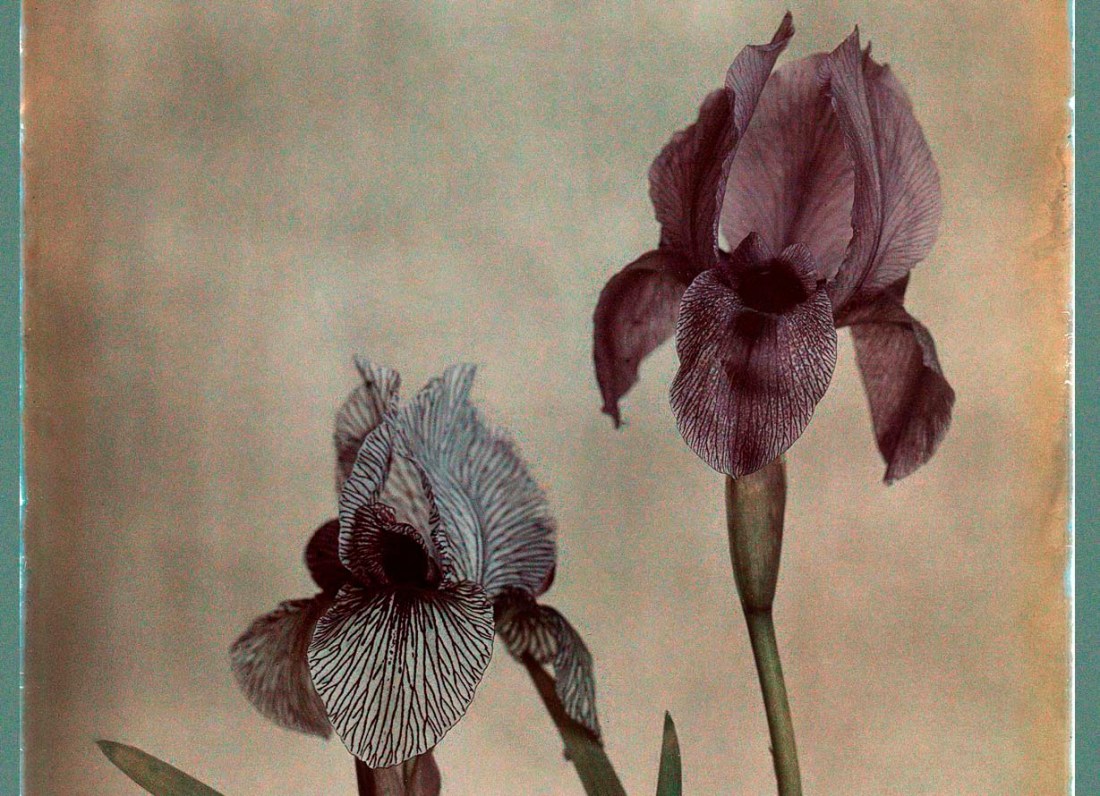
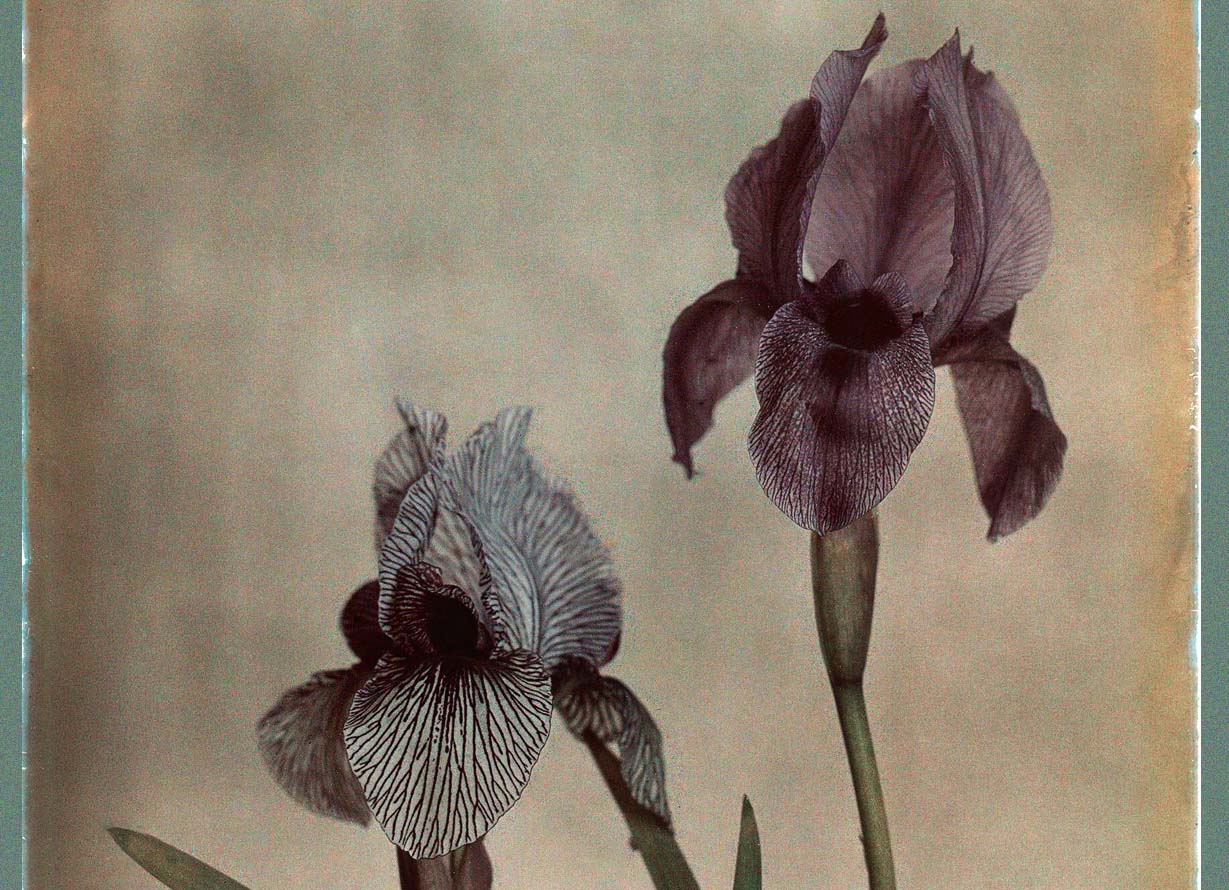
Iris by Leendert Blok (1920s)

Lendeert Blok (1895-1986) :: Iris, Ismene / Uma, 1920-1930. Autochrome. | src Moors Magazine and ODLP
Lendeert Blok (1895-1986) :: Iris, Ismene / Uma, 1920-1930. Autochrome. | src Moors Magazine and ODLP | Detail
Lendeert Blok (1895-1986) :: Iris, Ismene / Uma, 1920-1930. Autochrome. | src Moors Magazine and ODLP (detail)

Leendert Blok experimented with color process and with close-up shots that filled the screen. A pioneer of color photography, Blok worked closely in the 1920s with flower producers in The Netherlands, who were developing many new floral varieties and made high-quality color prints for their product catalogs.
Silent Beauties. Fotografien aus den 1920er-Jahren, Hatje Cantz, 2015.
Les extravagantes, portraits of flowers shot in autochrome by Lendeert Blok. Xavier Barral, 2015.
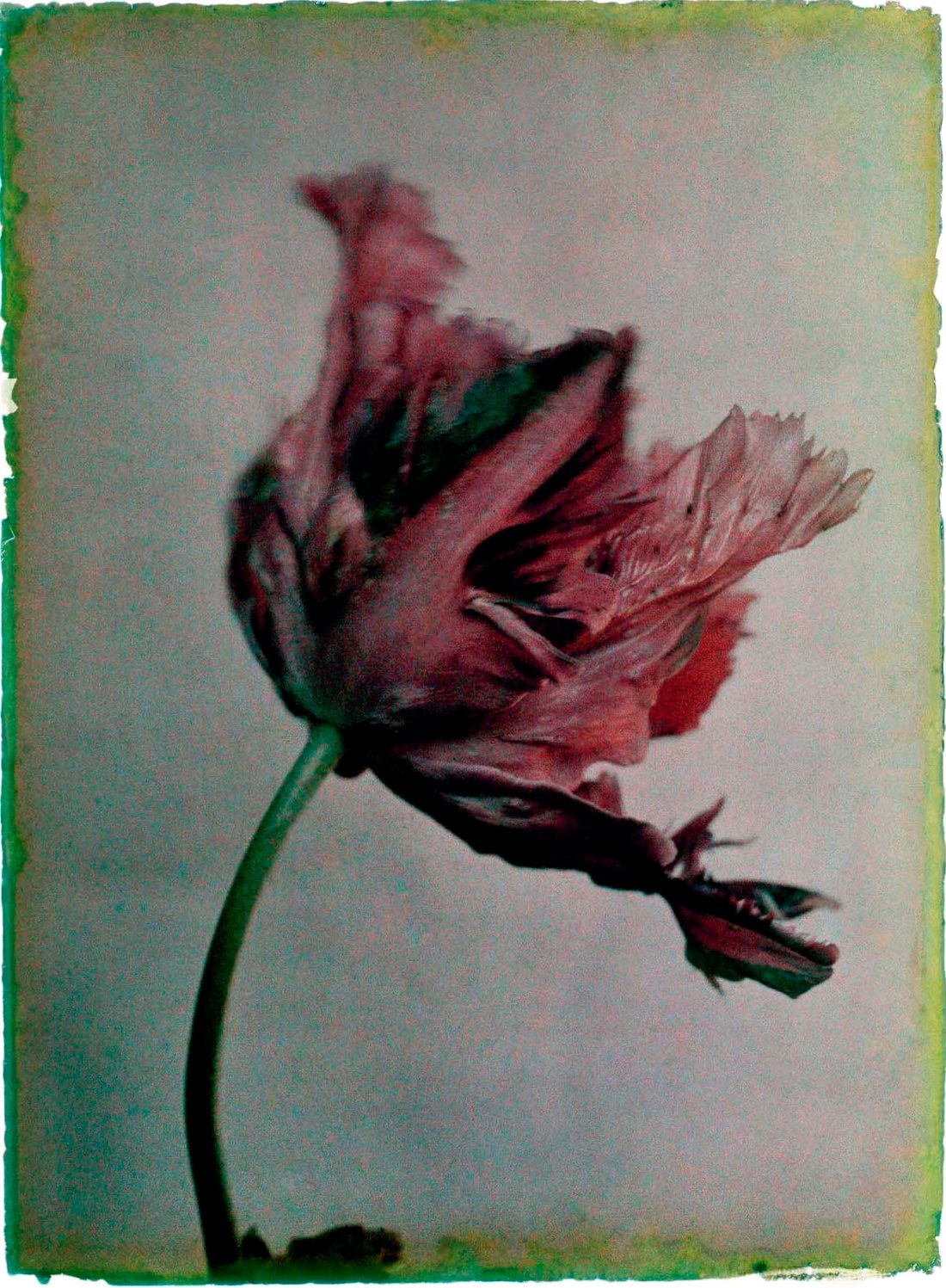
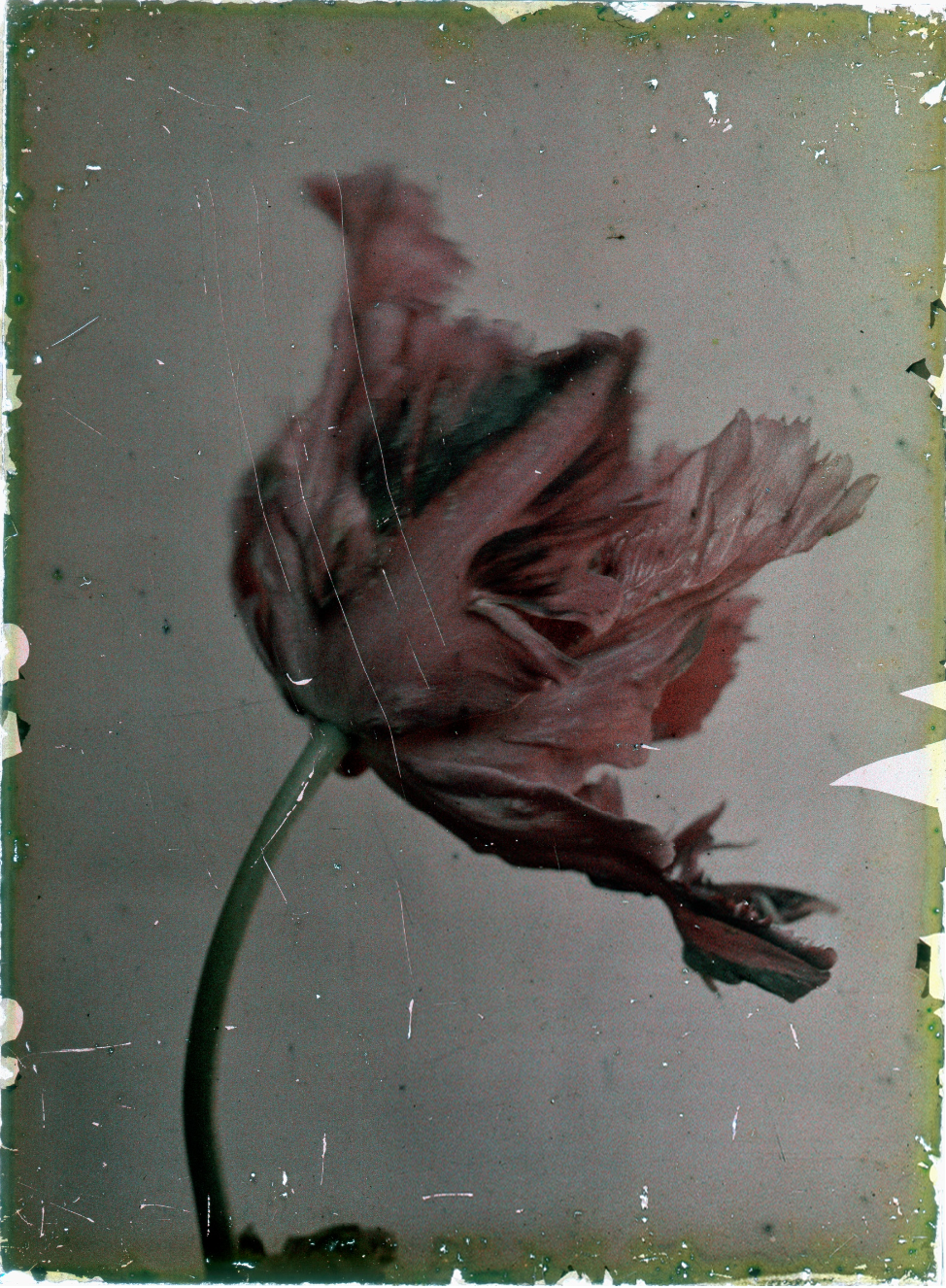
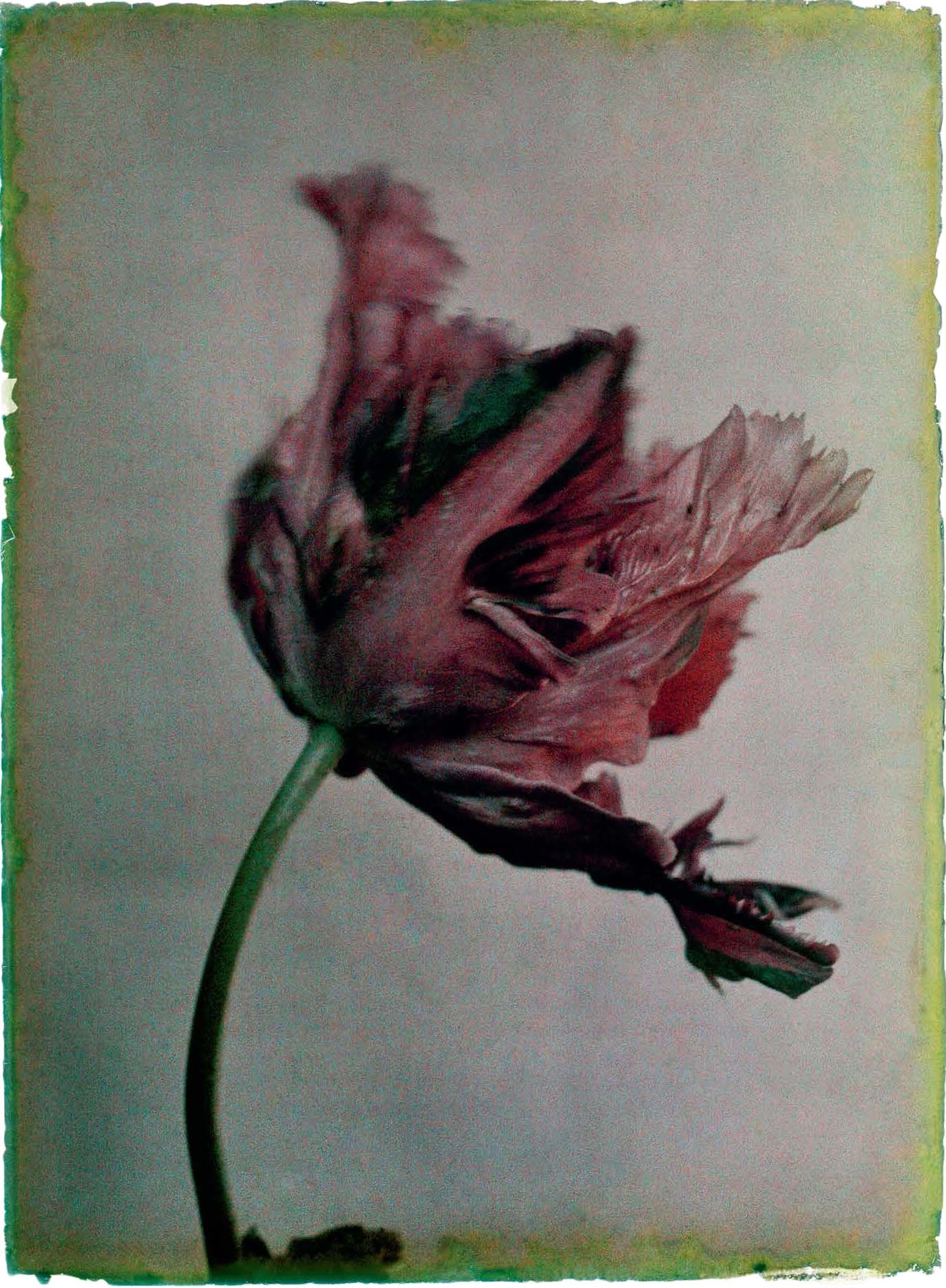
Tulip Black Parrot, 1927

autochrome of tulip 1927 leendert blok
Leendert Blok :: Tulip Black Parrot, The Netherlands, precise location unknown, ca. 1927. Autochrome. Early colour photography.  Original image | src Spaarnestad Photo
Leendert Blok :: Tulip Black Parrot, The Netherlands, precise location unknown, ca. 1927. Autochrome. Early colour photography. Original image | src Spaarnestad Photo
Leendert Blok :: Tulip Black Parrot, The Netherlands, precise location unknown, ca. 1927. Autochrome. Early colour photography. As it appears in Les extravagantes, Editions Xavier Barral, 2015. | src l'œil de la photographie
Leendert Blok :: Tulip Black Parrot, The Netherlands, precise location unknown, ca. 1927. Autochrome. Early colour photography. As it appears in Les extravagantes, Editions Xavier Barral, 2015. | src l’œil de la photographie

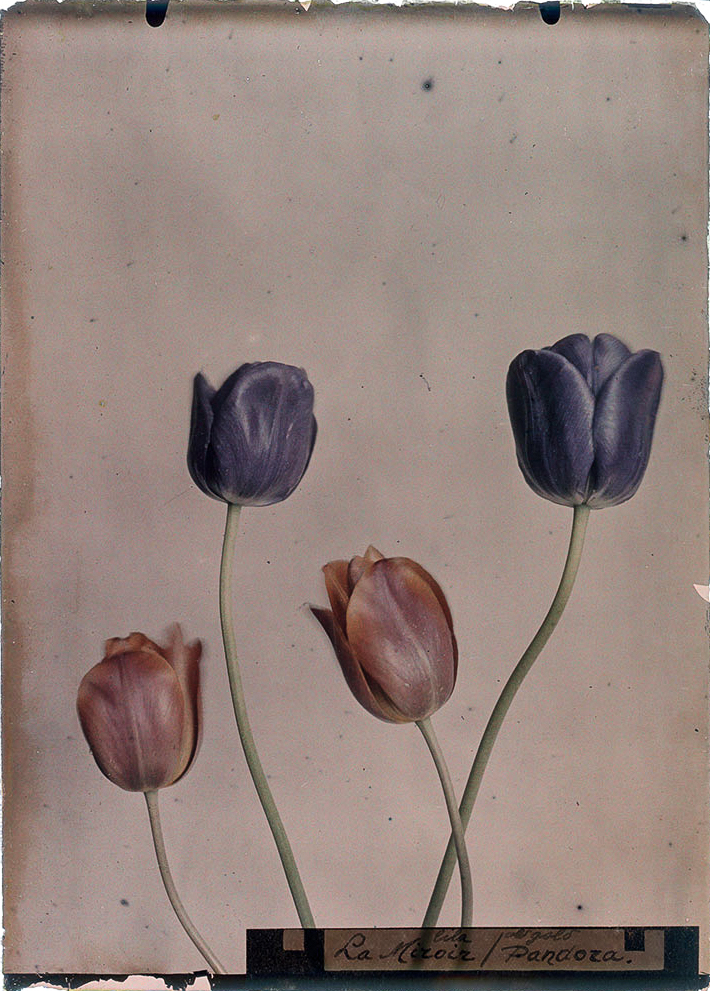
Copland’s Tulips ca. 1927

Leendert Blok :: Tulip, Copland's Favorite, The Netherlands, ca. 1927. Example of early photography made according to the Autochrome process. | src Collectie Spaarnestad
Leendert Blok :: Tulip, Copland’s Favorite, The Netherlands, ca. 1927. Example of early photography made according to the Autochrome process. | src Collectie Spaarnestad
Leendert Blok :: Tulips, Copland's Purple. Lisse, Nederland, omstreeks 1927. Autochrome. | src Nationaal Archief
Leendert Blok :: Tulips, Copland’s Purple. Lisse, Nederland, omstreeks 1927. Autochrome. | src Nationaal Archief

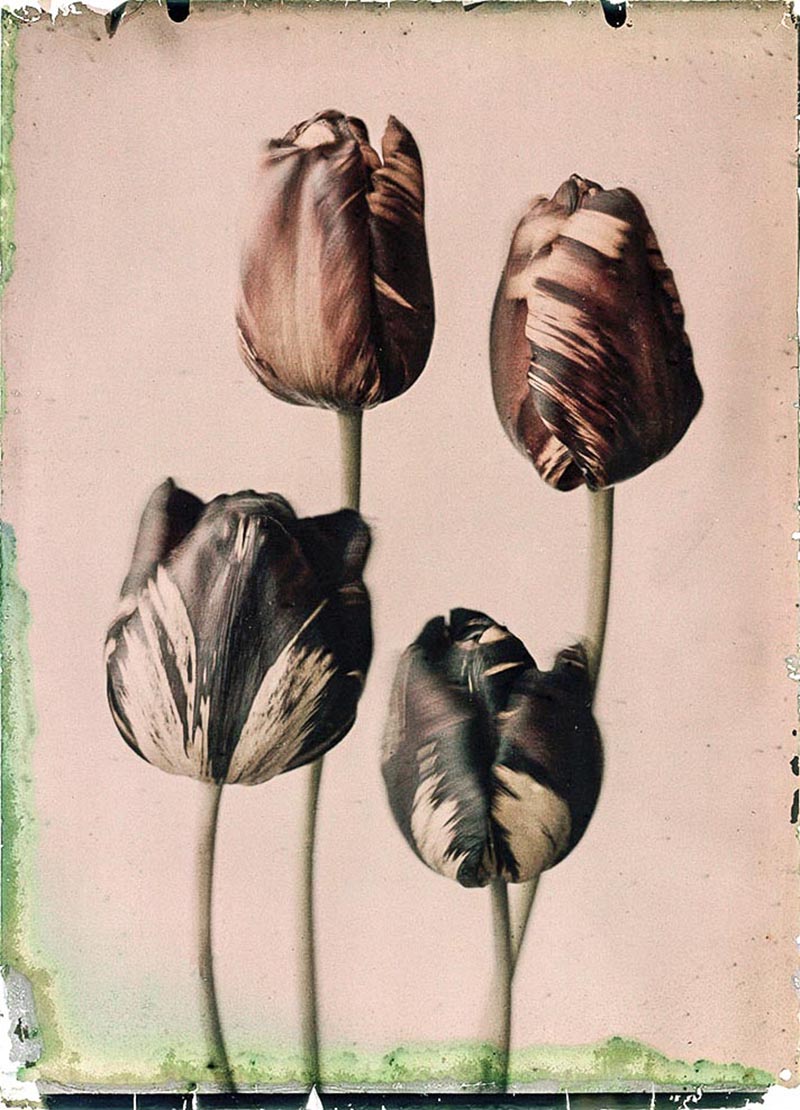
Absalon and Gloria Nigrorum

Leendert Blok :: Tulips. Absalon (above) and Gloria Nigrorum. The Netherlands, 1920-1935. Autochrome. Early colour photography. | src Box Galerie & The Garden of Delight
Leendert Blok :: Floriculture, tulips, flowers, bulbs. Four variegated tulips. Example of early color photography using the Autochrome process. [The Netherlands, about 1930]. | src Nationaal Archief ~ Collectie Spaarnestad and Flow Magazine

Blok applied this first practical color process to photograph flowers for Dutch growers in the Bollenstreek. Using orange, violet and green colored very fine potato starch granules which act as a filter and which are applied to a black and white positive on glass, an image is created that can be viewed as a color slide. | src Nationaal Archief ~ Collectie Spaarnestad and Flow Magazine

Nude dancer by Genthe

Arnold Genthe :: Untitled [Nude dancer], 1906-1942. Autochrome. | src Library of Congress
Nude dancer by Genthe (Detail)

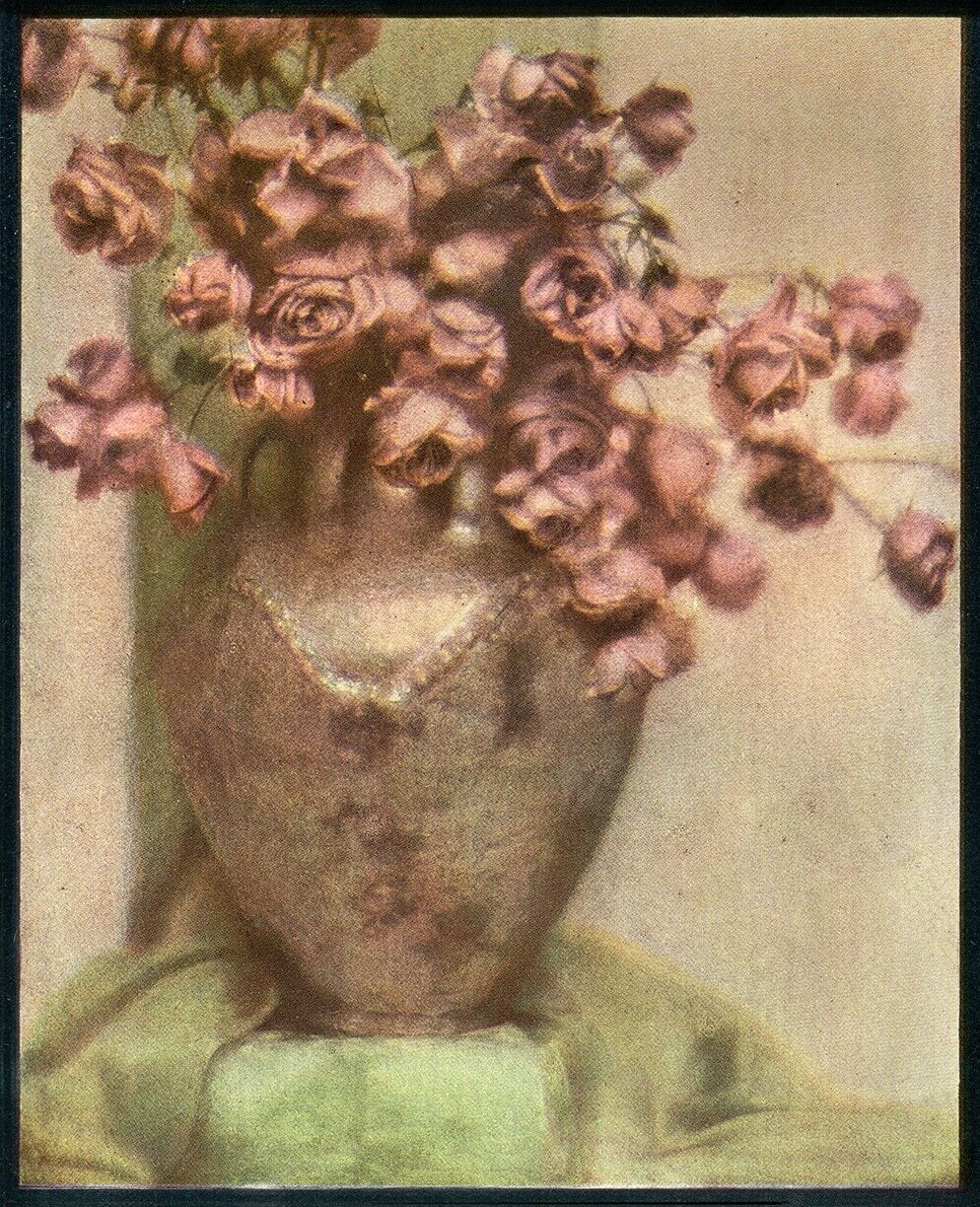
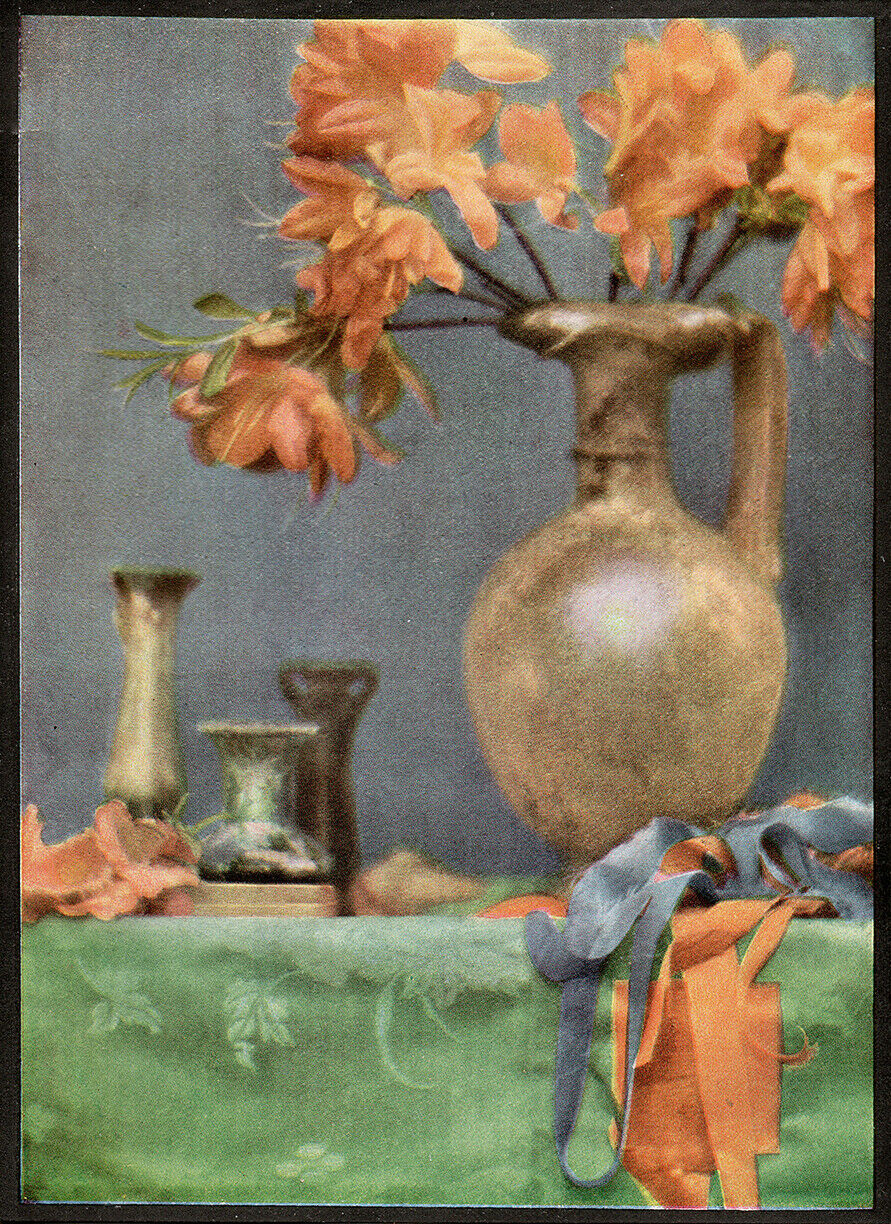
Still-lifes by de Meyer 1908

Baron Adolf de Meyer (1868 – 1946) :: Nature morte # 2, 1908. Halftone from an Autochrome dating from 1908. This study titled "Still Life" was published in "Colour Photography and other Recent Developments of the Art of the Camera" a British companion along with "Art in Photography", to Camera Work, the important American photo secessionist magazine published by Alfred Stieglitz. | src eBay
Baron Adolf de Meyer (1868 – 1946) :: Nature morte # 2, 1908. Halftone from an Autochrome dating from 1908. | src eBay
Baron Adolf de Meyer (1868 – 1946) :: Nature morte # 2, 1908. Halftone from an Autochrome dating from 1908. This study titled "Still Life" was published in "Colour Photography and other Recent Developments of the Art of the Camera" a British companion along with "Art in Photography", to Camera Work, the important American photo secessionist magazine published by Alfred Stieglitz. | src eBay
Baron Adolf de Meyer (1868 – 1946) :: Nature morte # 2, 1908. Halftone from an Autochrome dating from 1908. (full page) | src eBay
Baron Adolf de Meyer :: Still Life, 1908. Halftone printed from an Autochrome. | src eBay

These studies, titled Still-life (Nature morte; Stillleben), are halftones printed from the original Autochrome dating from 1908; both were published in “Colour Photography and other Recent Developments of the Art of the Camera” a British companion along with “Art in Photography”, to Camera Work, the important American photo secessionist magazine published by Alfred Stieglitz. | src eBay & eBay