images that haunt us
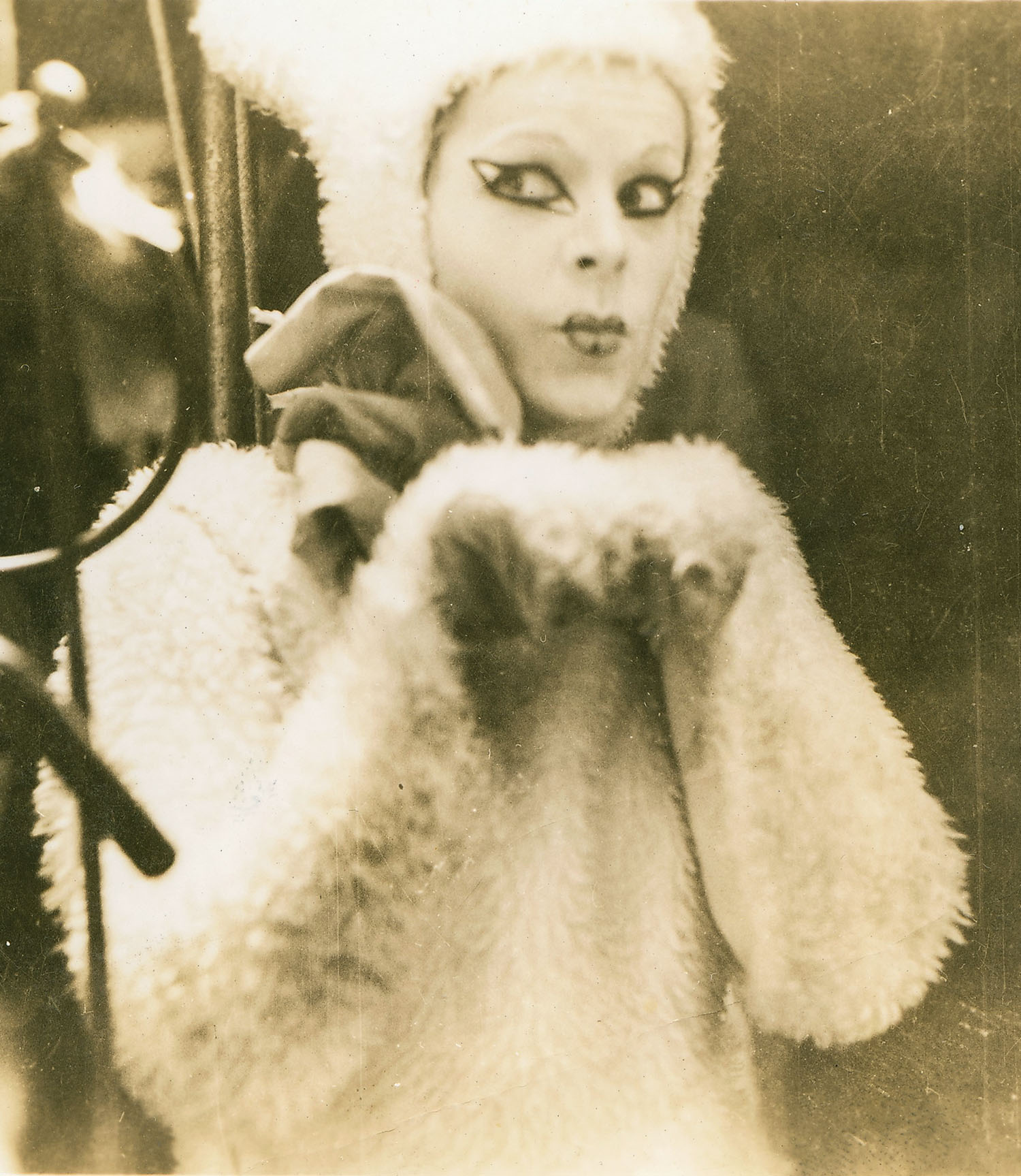
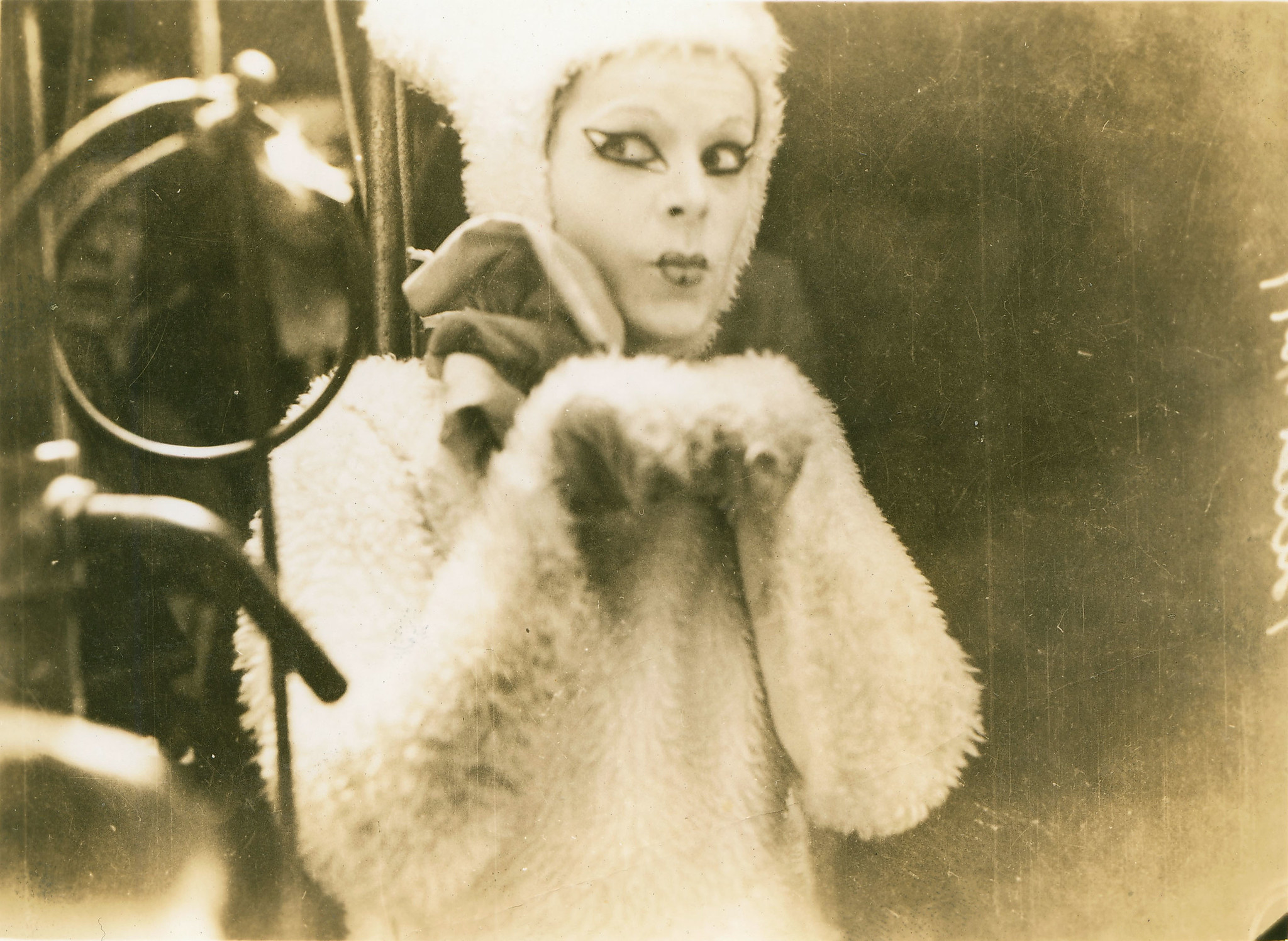
In 1936 Australian audiences witnessed firsthand the spectacle of the Ballets Russes, with the arrival of the Monte Carlo Russian Ballet. This company, lead by Colonel Wassily de Basil, was one of a number of Ballets Russes companies that were formed in the wake of the dissolution of Serge Diaghilev’s Ballet Russes following his death in 1929. This first tour concluded in 1937 and was followed by two more tours by de Basil’s Ballets Russes companies, the Covent Garden Russian Ballet in 1938-1939 and Original Ballet Russe in 1939-1940.

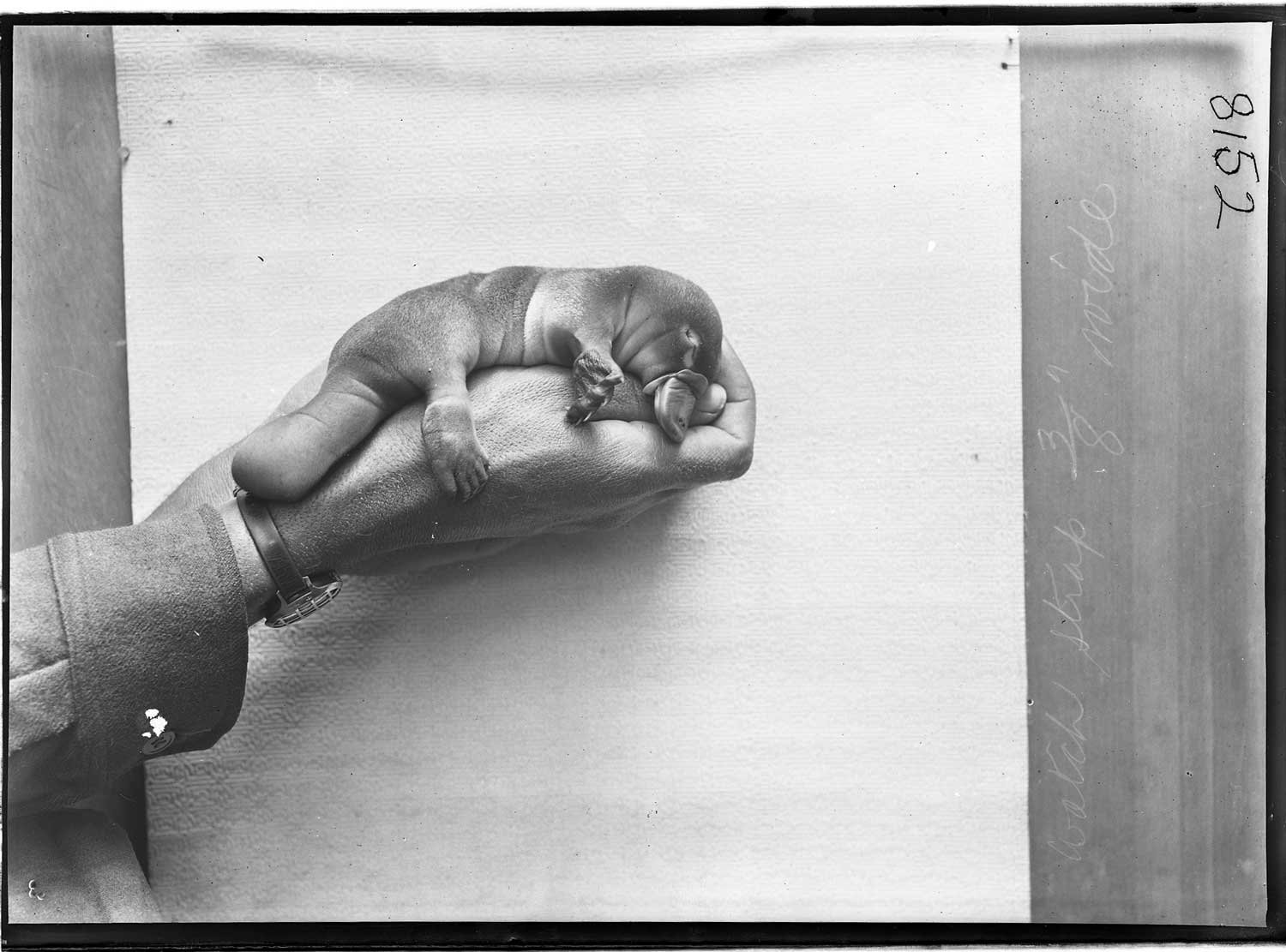
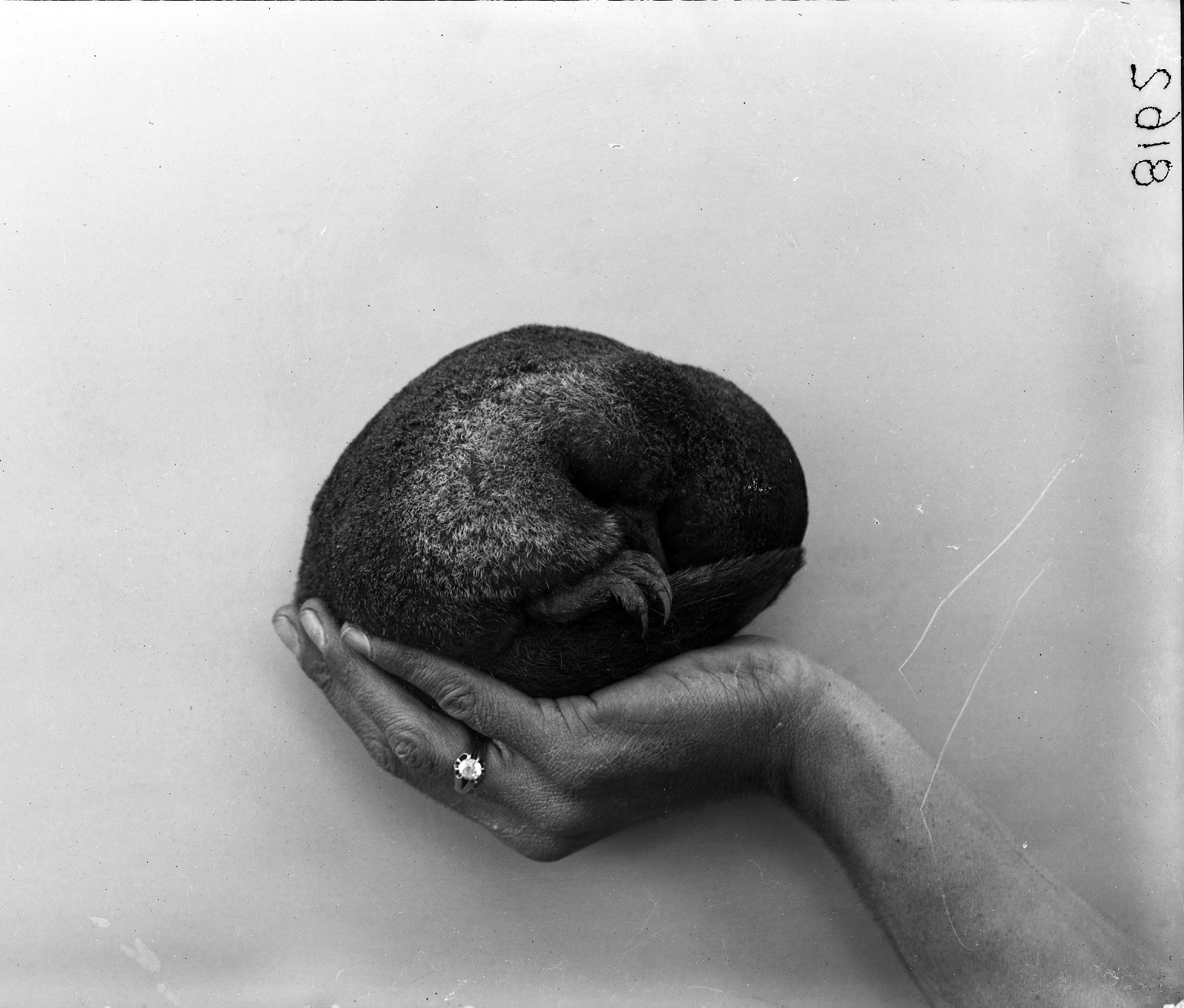
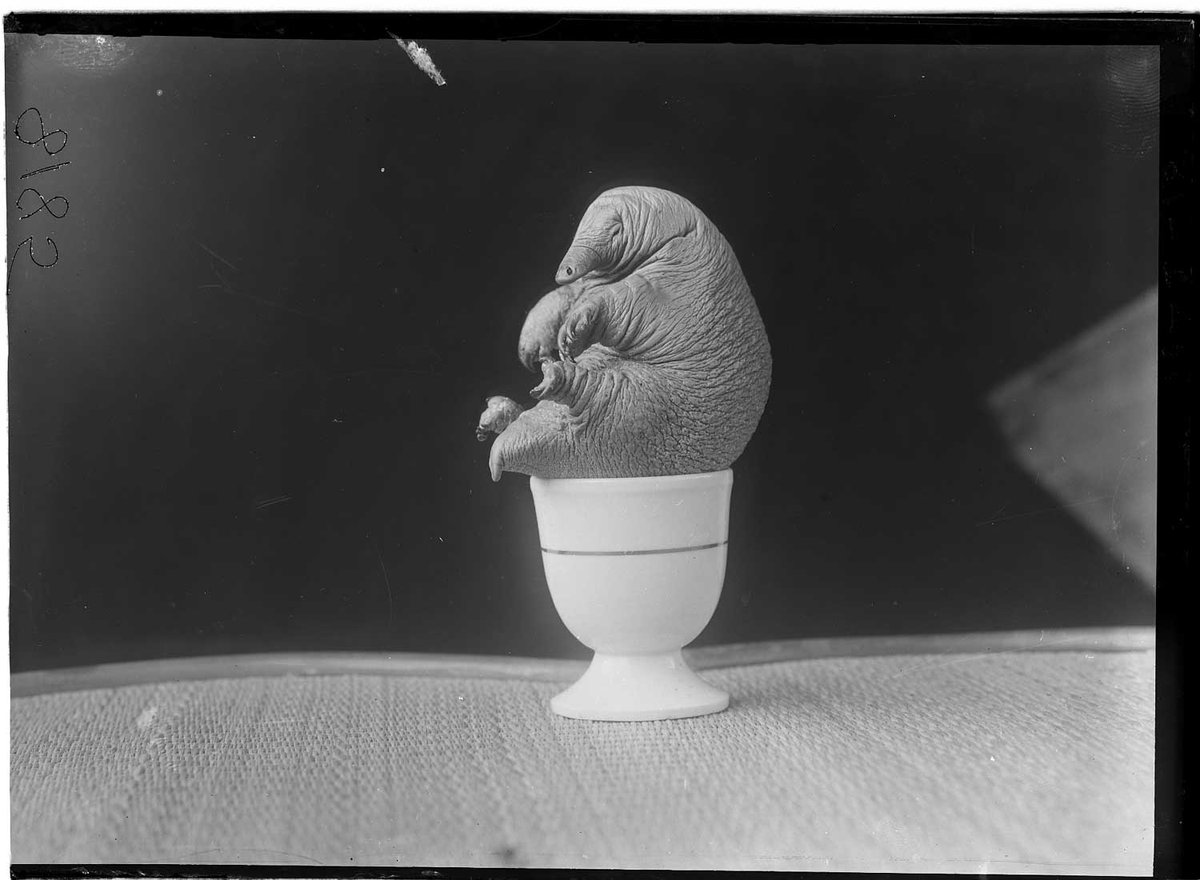
Harry J. Burrell developed an interest in natural history after he settled in Manilla, northern NSW with his wife Susan Emily Naegueli in 1901. As a naturalist, Burrell is most famous for being the first person to successfully keep platypuses in captivity. To do this he invented the ‘platypusary’, a storage tank which enabled him to both study and exhibit live platypuses. The platypusary was used for the first time in 1910 to show live platypuses at the Moore Park Zoo in Sydney. In 1922 he assisted Ellis Stanley Joseph with successfully transporting the first ever live platypus beyond Australian shores. The sole surviving platypus of the original 5 platypuses’ arduous journey died within a few weeks of being exhibited at the Bronx Zoo, New York.






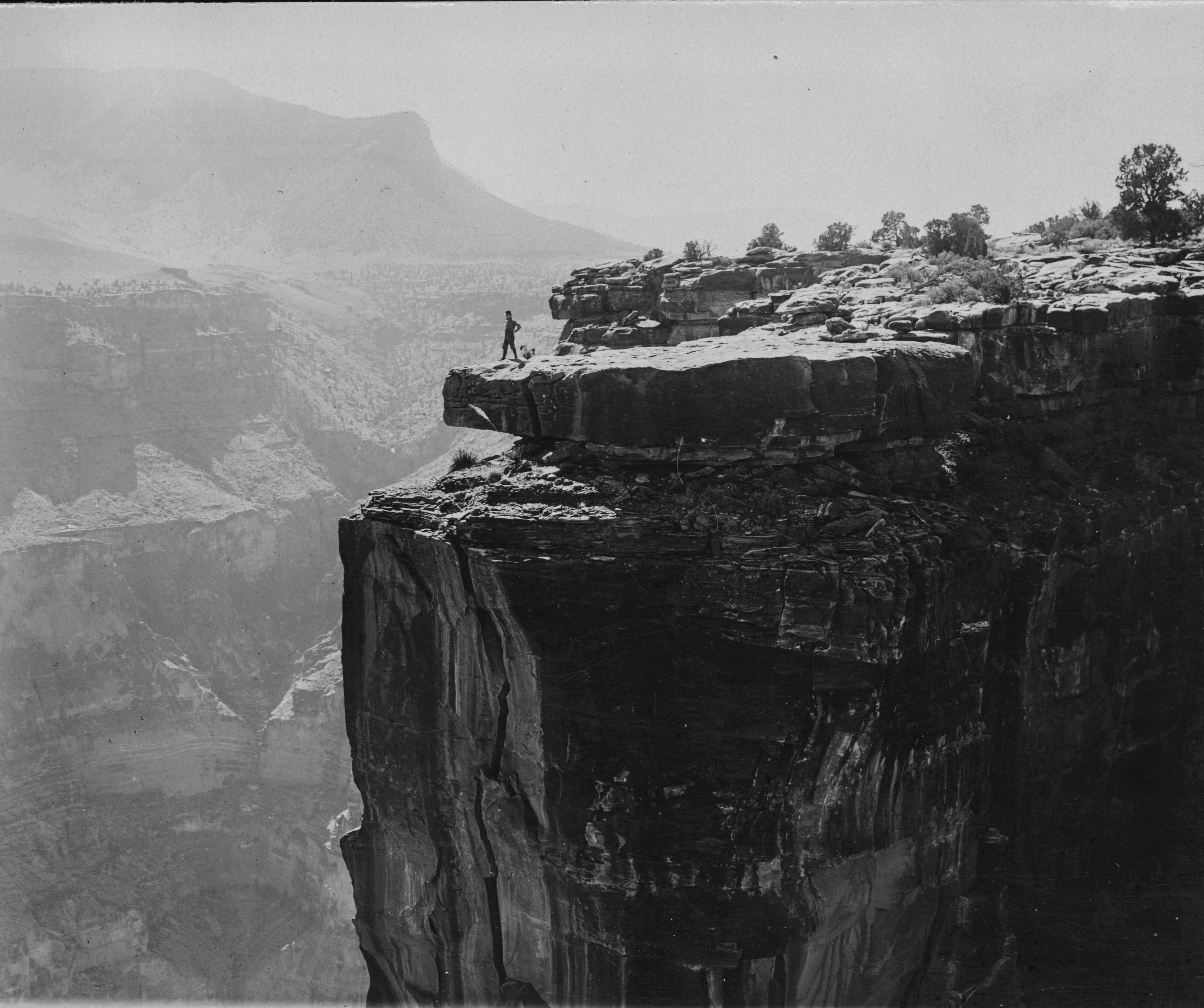
Photograph of a person on the edge of a cliff in the Grand Canyon, Arizona, 1900-1940. A steep and tall cliff can be seen from center towards the right. Trees and boulders are visible on the flat top of the cliff, as well as a person standing at the edge at center. The sides of the cliff are composed of smooth rock, while other canyons and mountains can be seen in the left background.
![Photograph of a person on the edge of a cliff in the Grand Canyon, Arizona, 1900-1940. [detail] From the USC Digital Library](https://unregardoblique.com/wp-content/uploads/2023/01/photograph-of-a-person-on-the-edge-of-a-cliff-in-the-grand-canyon-arizona-1900-1940.-src-usc-digital-library.jpg)
Public Domain. Please credit both “University of Southern California. Libraries” and “California Historical Society” as the source. Digitally reproduced by the USC Digital Library


 un regard oblique