
La Argentina, 1925-1935
images that haunt us
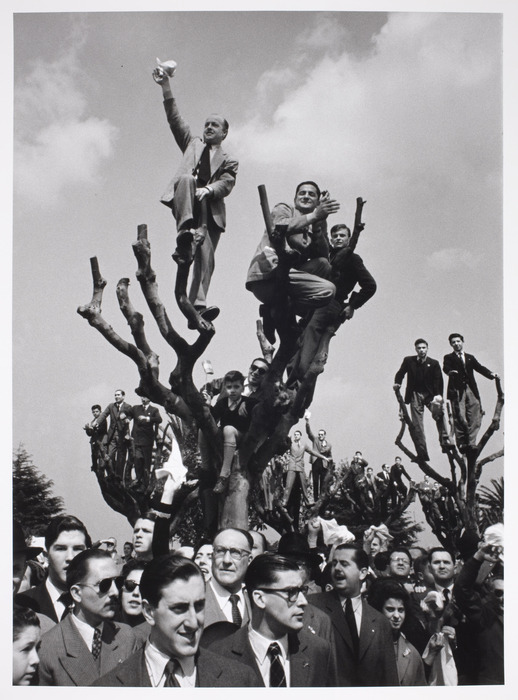
Sameer Makarius :: Primera Junta square, Caballito, Buenos Aires, 1953-1962 / source: sameer.makarius

Children postcard, Junín, Mendoza, Argentina, 1923 / via argentinavintage-blog

Buenos Aires #avenida9dejulio #evaperon #caba #igersargentina #igersbuenosaires (at Ciudad Autónoma de Buenos Aires)
La Piedra Movediza de Tandil. Moving stone of Tandil, one of the main attractions of the city, that toppled in 1912, here ca. 1890 / src: Wikimedia Commons
more [+] posts about Tandil Moving Stone

La piedra movediza de Tandil, ca. 1890′s-1900′s / src: la nacion blog
more [+] posts about Tandil Moving Stone

This immense stone is so evenly poised that the wind or the slightest touch of the hand set it in motion, but the storms of the centuries have failed to dislodge it.
CHAPTER IV. THE PRAIRIE AND ITS INHABITANTS
The Pampas, or prairie lauds of the Argentine, stretch to the south and west of Buenos Ayres,and cover some 800,000 square miles. On this vast level plain, watered by sluggish streams or shallow lakes, boundless as the ocean, seemingly limitless in extent, there is an exhilarating air and a rich herbage on which browse countless herds of cattle, horses, and flocks of sheep. The grass grows tall, and miles upon miles of rich scarlet, white, or yellow flowers mingle with or overtop it. Beds of thistles, in which the cattle completely hide themselves, stretch away for leagues and leagues, and present an almost unbroken sheet of purple flowers. So vast are these thistle-beds that a days ride through them only leaves the traveller with the same purple forest stretching away to the horizon. (…)
Published in:
George Whitfield Ray : Through five republics on horseback; being an account of many wanderings in South America. Sixteenth edition, 1920. Hosted at internet archive
George Whitfield Ray : Through five republics on horseback; being an account of many wanderings in South America. Thirteenth edition, 1915. Hosted at internet archive
The immense boulder was near the city of Tandil. The city’s name “Tan / dil” comes from the Mapuche words tan (“falling”), and lil (“rock”). It is probably a reference to the Piedra Movediza (“Moving Stone”), a large boulder which stood seemingly miraculously balanced on the edge of a rocky foothill. The Moving Stone toppled on February 29th, 1912, and split into two main pieces at the bottom of the hill.
more [+] posts about Tandil’s moving rock


 un regard oblique