Edward H. Weston (1886 – 1958) ~ Betty Katz in her attic (seated, smoking), Los Angeles, 1920. Palladium print | src Getty museum
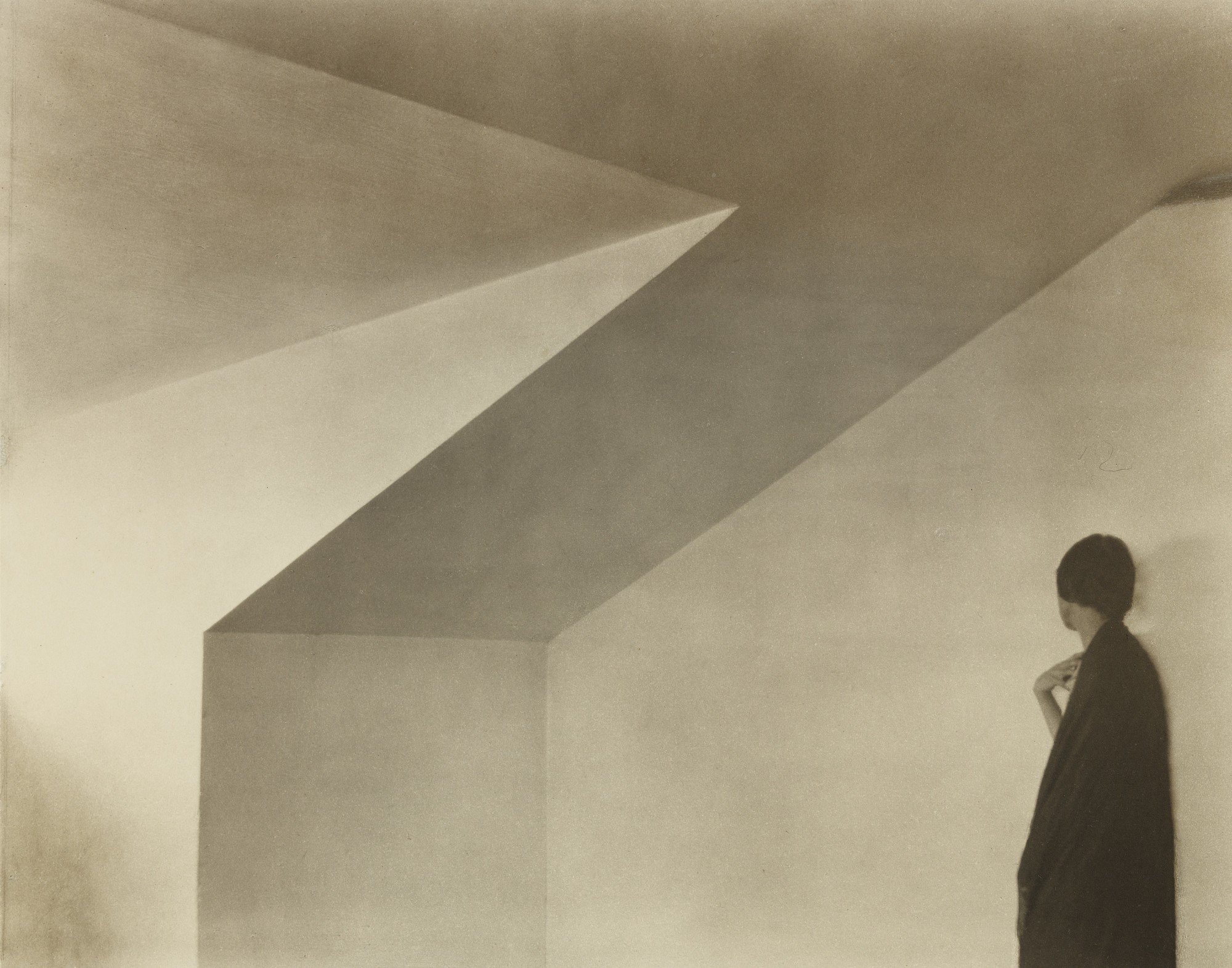
This particular photograph is part portrait and part compositional experiment with Weston’s growing interest in the formal concerns of Modernism. Katz is shown sitting in a niche where a network of large intersecting planes made up of the attic’s floor, walls, and dormers and articulated in varying shades by light entering from an unseen window on the right.
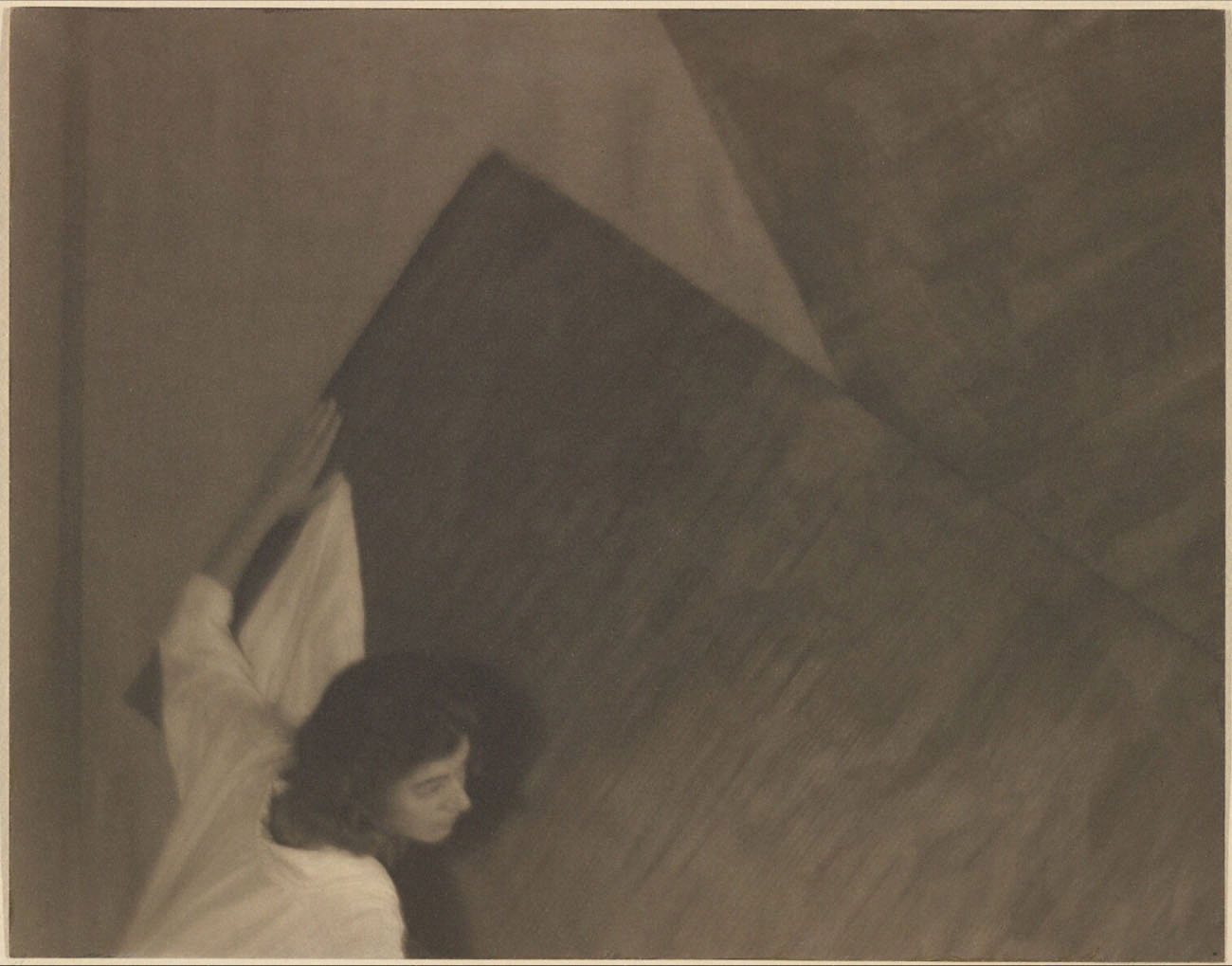
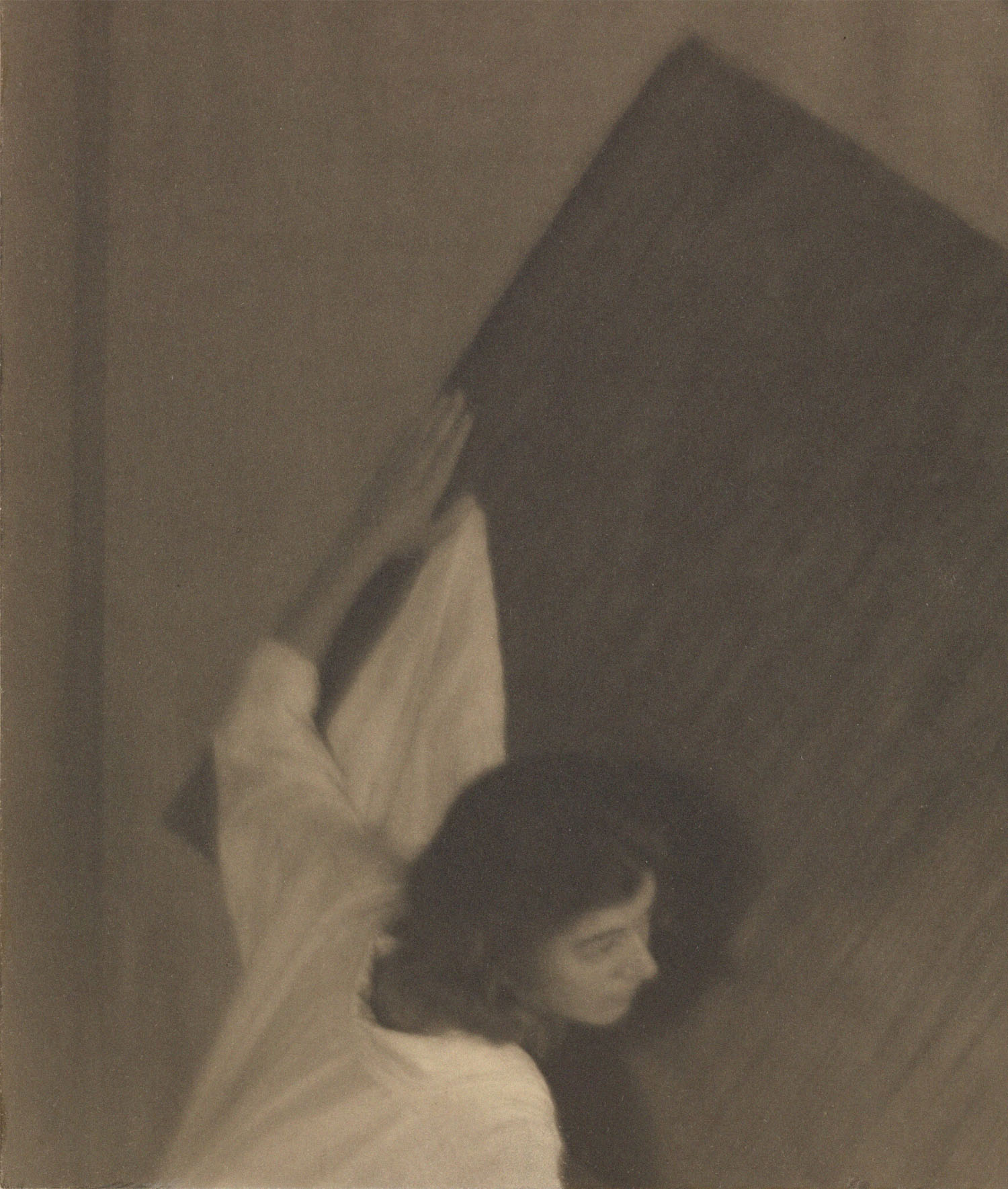
Edward H. Weston (1886 – 1958) ~ Betty Katz in her attic, Los Angeles, 1920. Palladium print | src Getty museum
This particular photograph is Pictorialist in its soft focus and compositional arrangement. However, it is also Modernist in its self-conscious use of space and form as subjects of the photograph. Weston subordinated Katz’s figure to the graphic abstraction of the large rectangles that she appears to hold up. The print’s muted tones flatten the image’s depth, reducing the room to a two-dimensional space.
Edward H. Weston (1886 – 1958) ~ Betty Katz in her attic, Los Angeles, 1920. Palladium print (detail)
A critic for Pictorial Photography, wrote about this image: “Queerness for its own sake must have obsessed Edward Weston when he recorded the stiff and angular lines in Betty in Her Attic . . . , although there is no denying the truth and beauty of tones of the floors and walls. But the position of the girl!—is there not a touch of cussedness in that?”
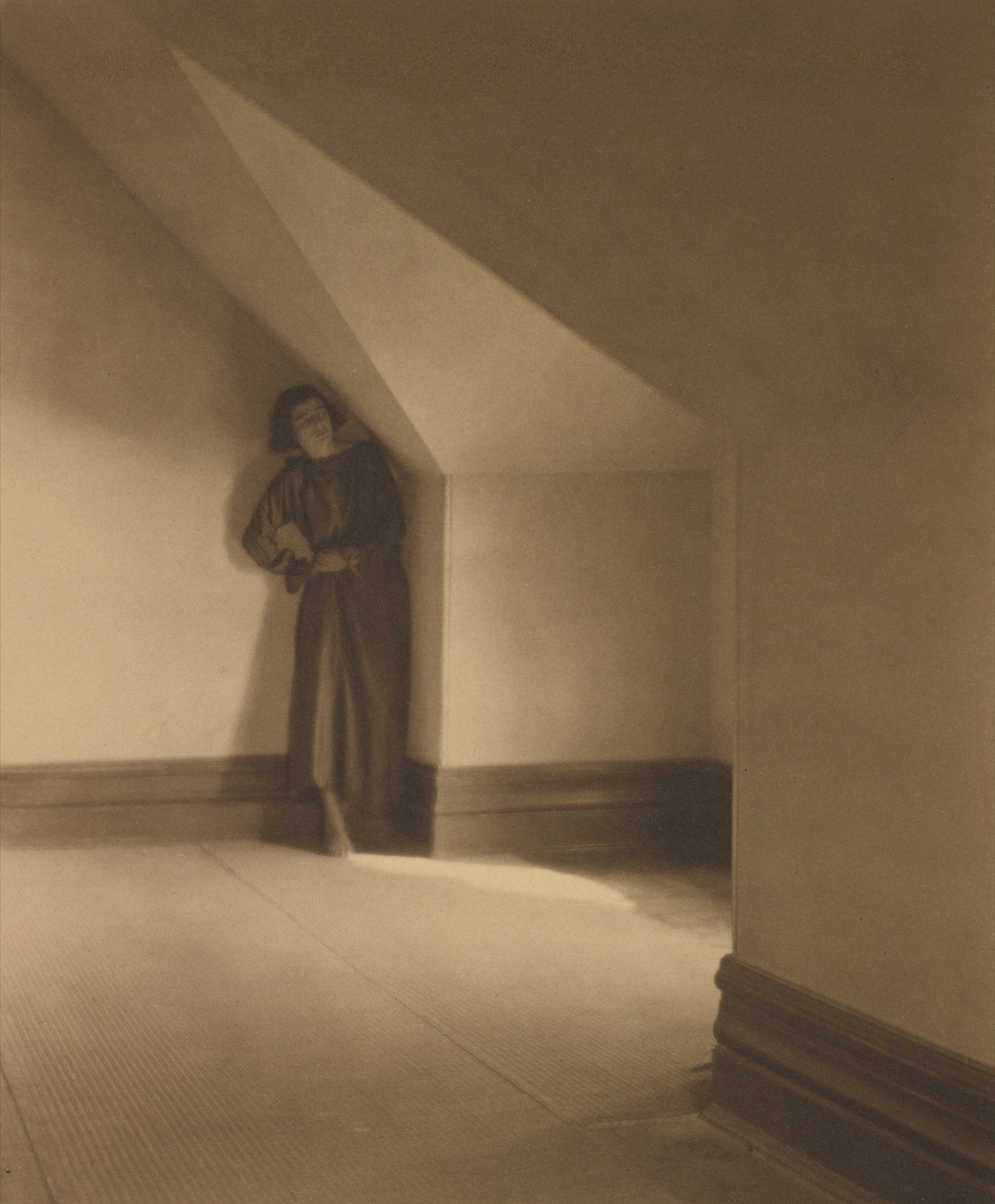
Edward H. Weston (1886 – 1958) ~ Betty Katz in Her Attic, Los Angeles, 1920. Palladium print | src Getty museum
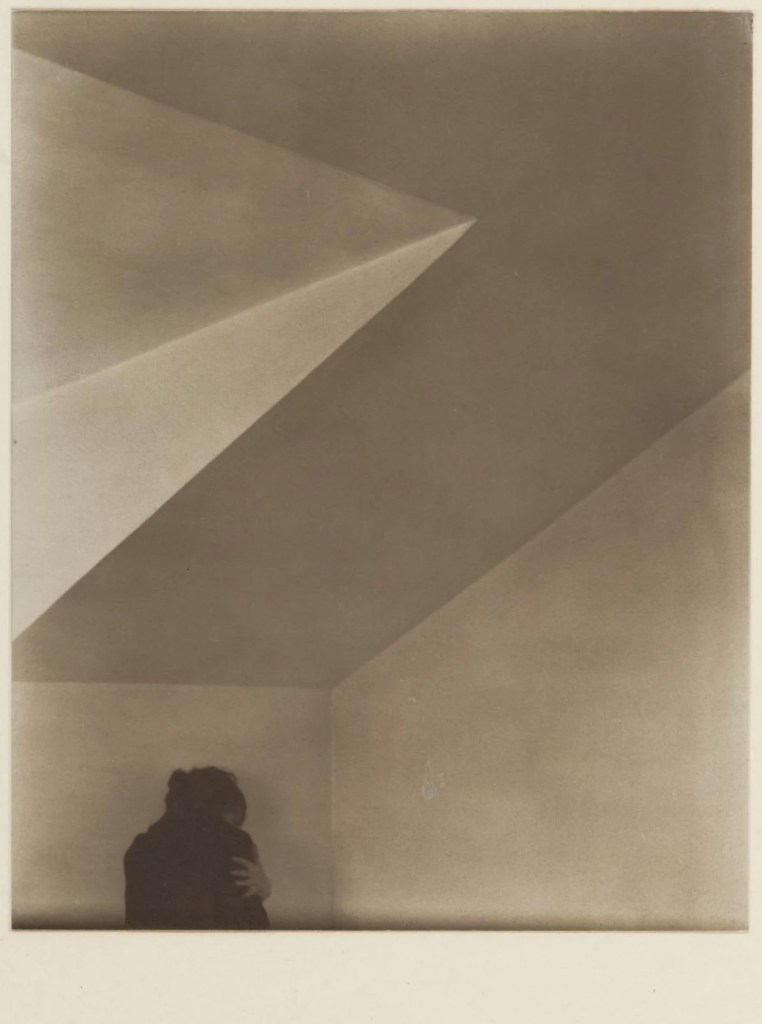
This particular photograph is part portrait and part compositional experiment with Weston’s growing interest in the formal concerns of Modernism. Katz is shown tucked into a network of large intersecting planes made up of the attic’s floor, walls, and dormers and articulated in varying shades by light entering from an unseen window on the left.
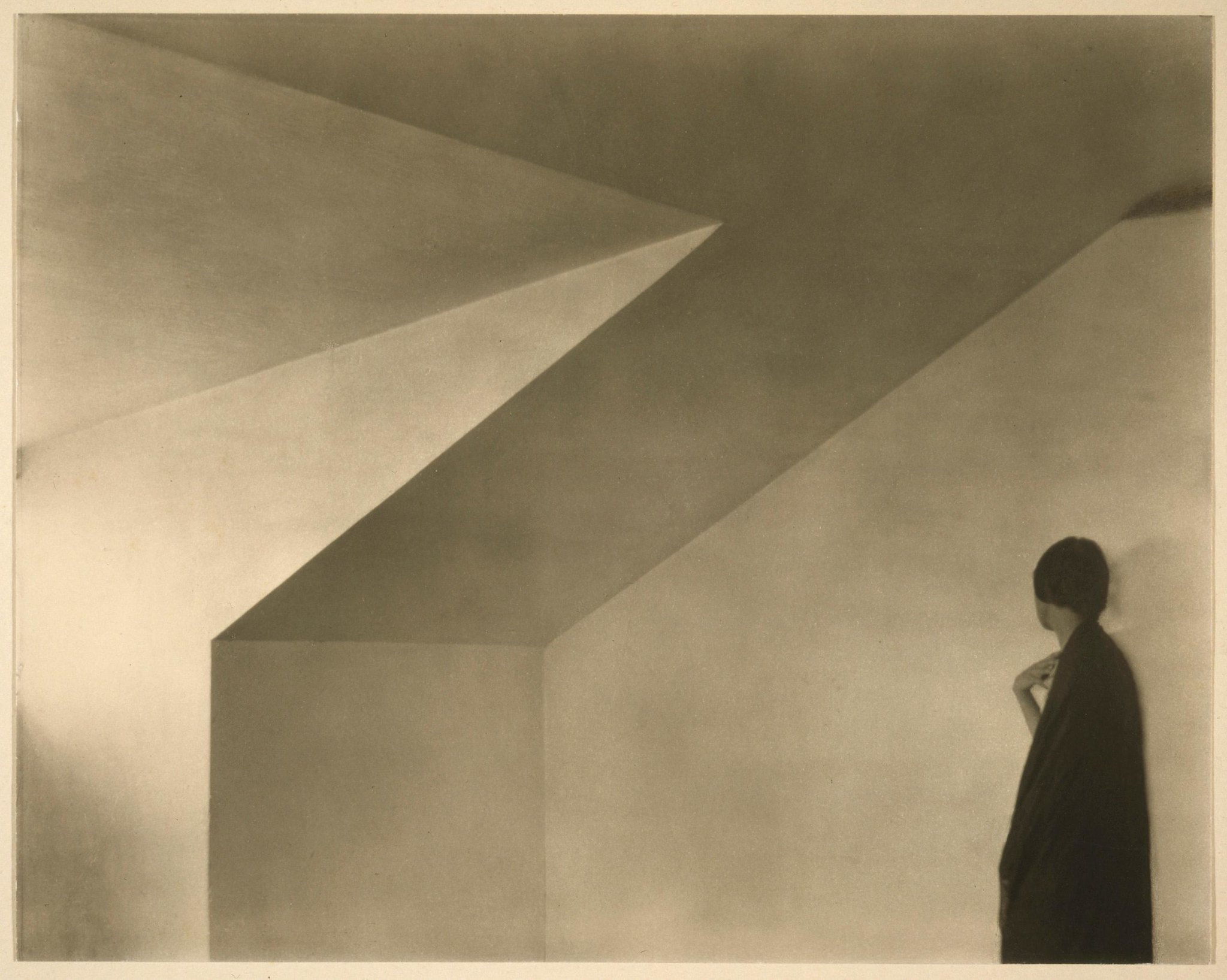
Edward H. Weston (1886 – 1958) ~ Betty Katz in Her Attic, Los Angeles, 1920 | src Getty museum
This particular photograph is part portrait and part compositional experiment with Weston’s growing interest in the formal concerns of Modernism. Katz is shown tucked into a network of large intersecting planes made up of the attic’s floor, walls, and dormers and articulated in varying shades by light entering from an unseen window on the right.
Edward H. Weston (1886 – 1958) ~ Attic, Glendale, California, 1921. Platinum print | src George Eastman Museum
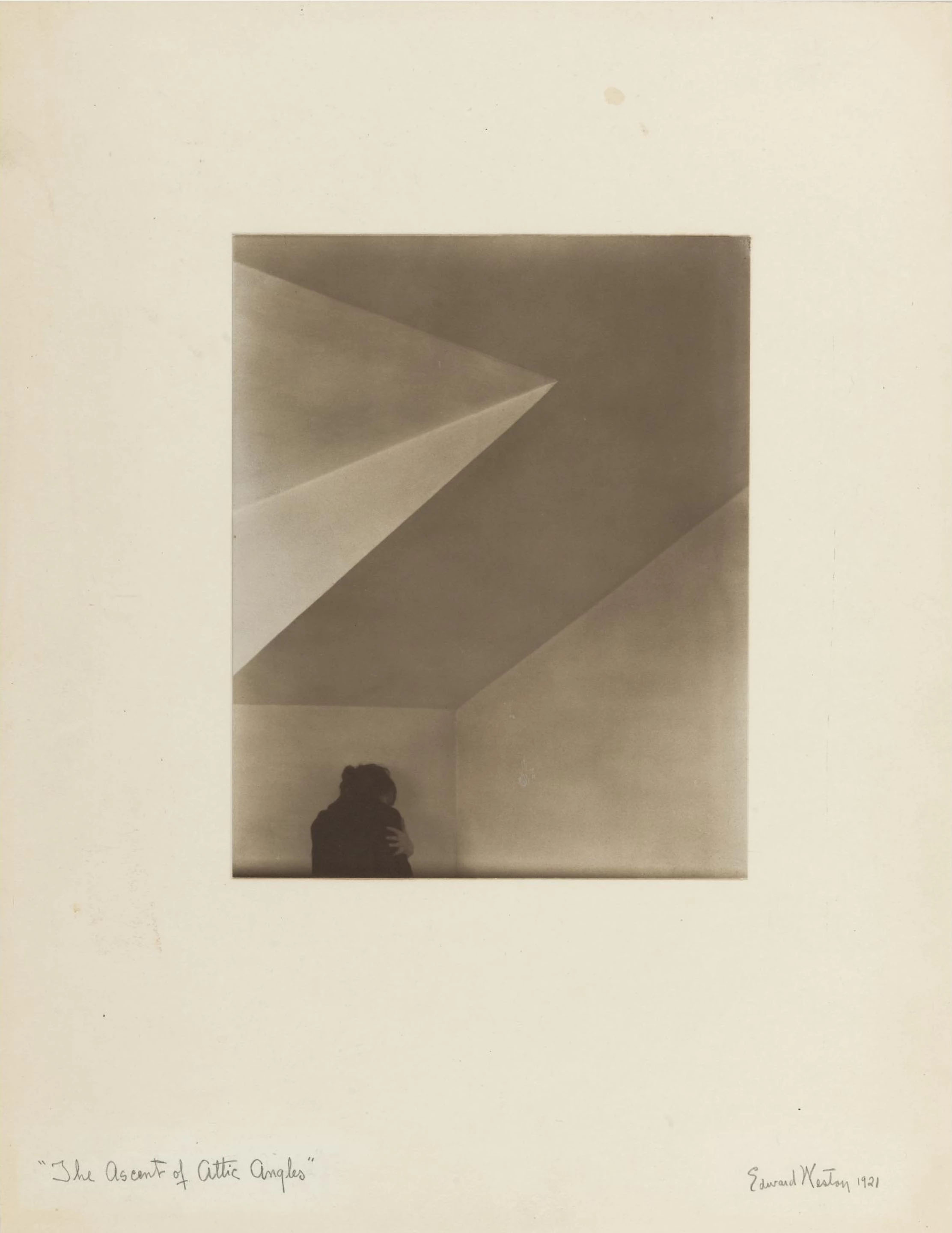
In 1920 Edward Weston began a creative series of pictures made in his friends’ attics. Reactions to these images were mixed. Imogen Cunningham (1883-1976), one of Weston’s friends and fellow photographers, wrote glowingly of one in a letter addressed to him, “It has Paul Strand’s eccentric efforts, so far as I have seen them, put entirely to shame, because it is more than eccentric. It has all the cubistically inclined photographers laid low. It is a most pleasing thing for the mind to dwell on, the mind I say and mean, not the emotions or fancies. It is literal in a most beautiful and intellectual way.”
The woman pictured is Betty Katz (later Brandner, 1895-1982), who was introduced to Weston by his colleague Margrethe Mather (1886-1952). Weston and Katz engaged in a brief affair in October 1920, when he made several other images of her in her attic and out on a balcony.
Text adapted from Brett Abbott. Edward Weston, In Focus: Photographs from the J. Paul Getty Museum [All quotes from this post retrieved from Getty museum]
Edward H. Weston (1886 – 1958) ~ Attic [Betty Katz (?)], 1921. Palladium print. Thomas Walther Collection | src MoMAEdward H. Weston (1886 – 1958) ~ The Ascent of Attic Angles, 1921. Platinum print | src Sotheby’s also, NMAH Smithsonian institutionEdward H. Weston (1886 – 1958) ~ The Ascent of Attic Angles, 1921. Platinum print, tipped to a large tan mount | src Sotheby’s
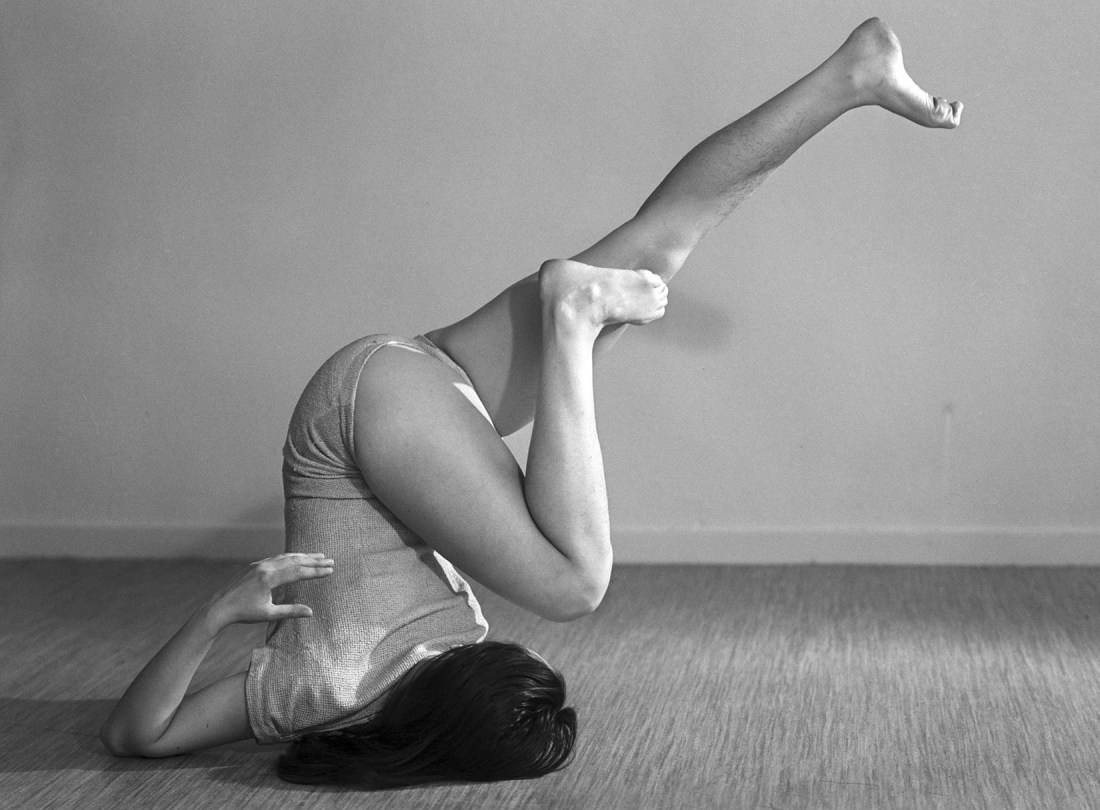
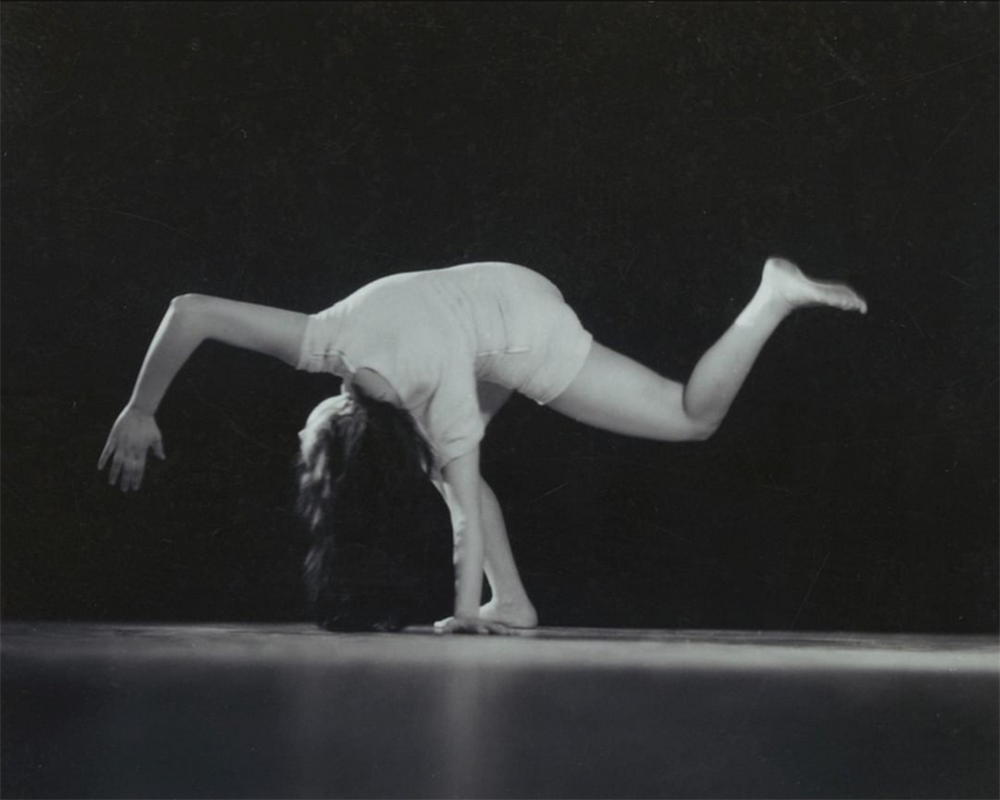
Sune Sundahl ~ Dansbild med Birgit Åkesson, 03.01.1949. Arkitektur- och designcentrum · Ark Des / ARKM.1988-111-05485-5Sune Sundahl ~ Dance picture with Birgit Åkesson, January 3, 1949. Center for Architecture and Design · Ark Des / ARKM.1988-111-05485-3
The images above are part of the exhibition: «Dansen har mycket gemensamt med arkitektur» / «Dance has a lot in common with architecture» (2013)
Arkitektur- och designcentrum / Center for Architecture and Design (Ark Des)
Both images above this line are uncredited in source: Dansmuseet (view post in this blog : Birgit Åkesson training), but we reckon that them could belong to the same photo-session with Sune Sundahl
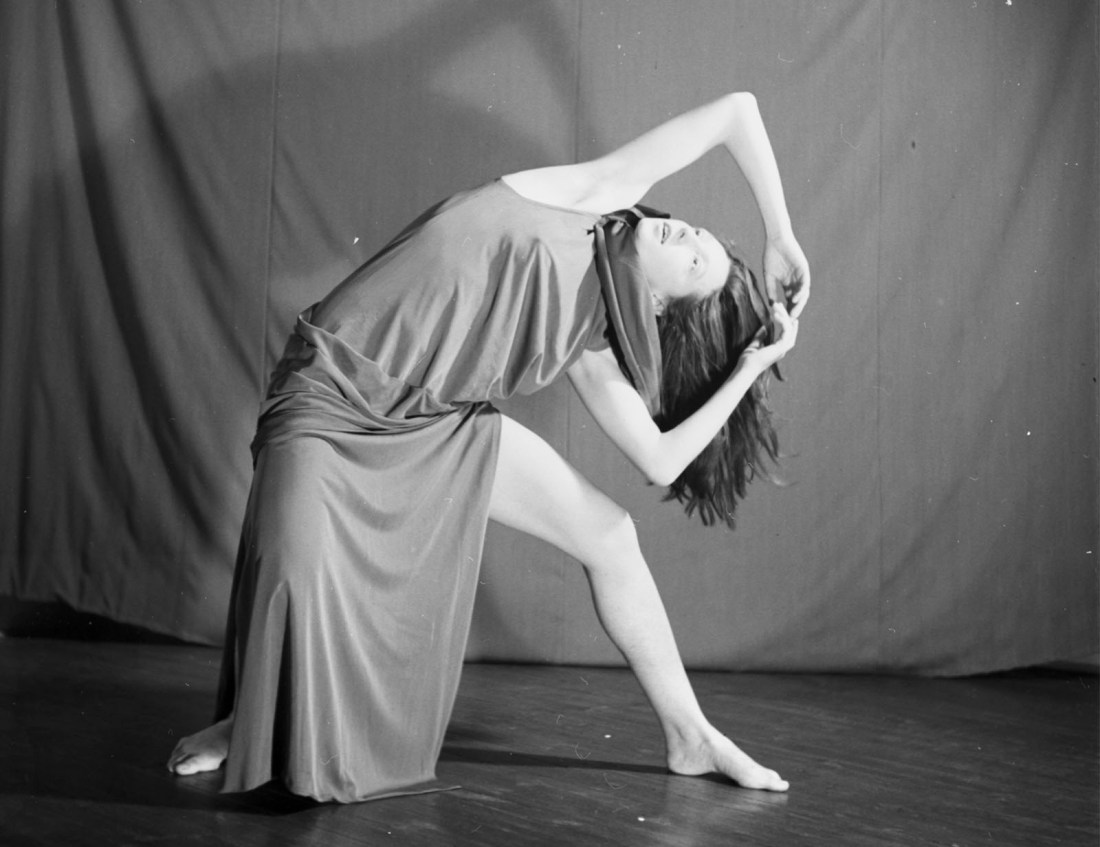
Sune Sundahl ~ Birgit Åkesson dances in a draping dress. Picture taken in studio. Architecture and Design Center Ark Des / ARKM.1988-111-02796Sune Sundahl ~ Birgit Åkesson dansar i draperande klänning. Bilden tagen i studio. Arkitektur- och designcentrum Ark Des / ARKM.1988-111-02799Sune Sundahl ~ Birgit Åkesson dances in a long draped dress. Picture taken in studio. Architecture and Design Center Ark Des / ARKM.1988-111-02795Sune Sundahl ~ Birgit Åkesson dances in a draping dress. Picture taken in studio. Architecture and Design Center Ark Des / ARKM.1988-111-02800-ASune Sundahl ~ Birgit Åkesson dansar i draperande klänning. Bilden tagen i studio. Arkitektur- och designcentrum Ark Des / ARKM.1988-111-02800-BSune Sundahl ~ Birgit Åkesson dances in a draped dress. Picture taken in studio. Architecture and Design Center Ark Des / ARKM.1988-111-02801
All the images in this post are from the exhibition: «Dansen har mycket gemensamt med arkitektur» (2013). Some of the images are dated 1939-1947 but most of them undated.
«Dance has a lot in common with architecture» (2013)
Movement, rhythm, space and body in dance have much in common with architecture. Spatiality can only be experienced with the body, in movement. There are several good reasons to pay attention to the connections between the room shape and people’s movements in the rooms. Whether dancing or walking around a building, there is both flow and embodiment. Perhaps it was precisely these common denominators that made Birgit Åkesson choose the architectural photographer Sune Sundahl to document her early choreographies?
Photographing movement is a big challenge, a movement in a frozen moment can easily turn into a rigid pose without context or dynamism. In Sundahl’s collection there are, among other things, pictures from Birgit Åkesson’s own performance Blue Evening from 1946. The title was probably taken from the blue-painted Konserthuset in Stockholm, designed by Ivar Tengbom 1924-26. Here, Birgit Åkesson experimented with movements without music, which was unique for the time. She also studied during her lifetime the dances of other cultures, including dances African dances from the south of the Sahara and the Butoh dance from Japan.
The dancer, choreographer and dance researcher Birgit Åkesson (1908-2001) taught the viewer to listen to the sound of movement in the silence. It was about holding a dialogue, where the rhythm carried the form that left invisible traces in the air. Birgit Åkesson started her dance career in the 1920s and 30s when she studied with the German-born choreographer Mary Wigman. It was from her that the Swedish dancer found the expressionist language, the free dance. Birgit Åkesson was one of the leading avant-garde artists in free dance.
Lenita Gärde, Center for Architecture and Design (quoted from ArkDes)
Sune Sundahl ~ Birgit Åkesson dansar i draperande klänning. Bilden tagen i studio. Arkitektur- och designcentrum Ark Des / ARKM.1988-111-02804Sune Sundahl ~ Birgit Åkesson dansar i draperande klänning. Bilden tagen i studio. Arkitektur- och designcentrum Ark Des / ARKM.1988-111-02805
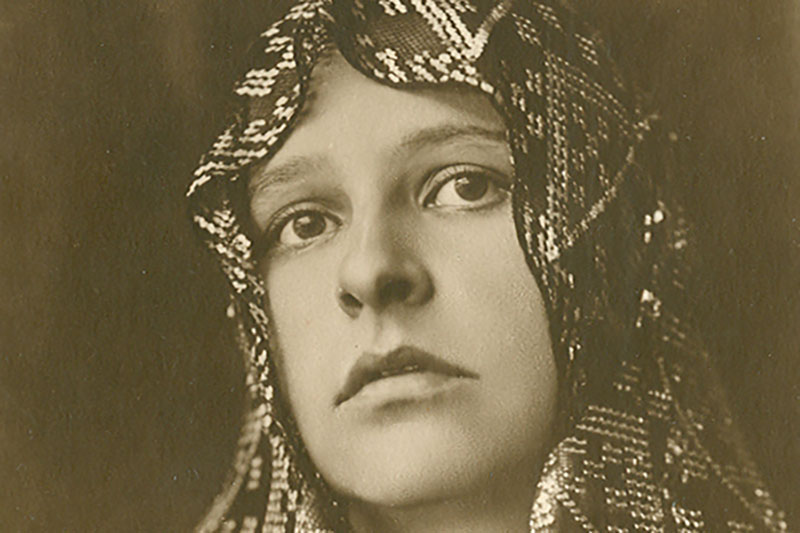
Fotografisches Porträt von Charlotte Bara. Ross Verlag card Nr. 1090 | src Museo Ascona
Charlotte Bachrach – auch Bara genannt – wird am 20. April 1901 in Brüssel als Tochter deutsch-jüdischer Eltern geboren; ihr Vater, Paul Bachrach, ist ein wohlhabender Textilhändler. Im Alter von sechs Jahren lernt Charlotte das Tanzen bei Jeanne Defaw, einer Schülerin der bekannten modernen Tänzerin Isadora Duncan (1877-1927). Später besucht sie in Lausanne die Schule eines anderen berühmten Tänzers, Choreographen und Pädagogen, des Russen Alexander Sacharoff (1886-1963). Zwei Begegnungen prägten sie massgeblich: die mit dem javanischen Prinzen Raden Mas Jodjana (1893-1972), einem mystischen Tänzer, bei dem Bara orientalischen Tanzunterricht nimmt, und die mit Uday Shankar (1900-1977), einem bengalischen Pionier des modernen Tanzes in Indien, der ihr indischen Tanz beibringt. Wichtig für ihren künstlerischen Werdegang ist schliesslich ihr Aufenthalt 1918 in Worpswede (Deutschland), wo sich die berühmte Künstlerkolonie befindet und wo viele Künstlerpersönlichkeiten weilen: unter den vielen, denen Charlotte begegnet, sind der Architekt Carl Weidemeyer (1882-1976) und der Maler Heinrich Vogeler (1872-1942), einer der Gründer der Kolonie 1889.
Die ersten öffentlichen Auftritte von Charlotte Bara gehen auf das Jahr 1917 in Brüssel zurück, wo sie sich durch ihren Pantomimentanz auszeichnet. Zwischen 1919 und 1920 erhält sie trotz ihres jungen Alters das Privileg, in einer Aufführung im Kammertheater von Max Reinhart an den Kammerspielen in Berlin zu tanzen; der Pianist Leo Kok begleitet sie am Klavier. In Berlin besucht sie die Kurse der Schweizerinnen Berthe Trümpy und Vera Skoronel. Anfang der 1920er Jahre zieht die Familie Bachrach endgültig nach Ascona, wo Paul Bachrach das Anwesen San Materno gekauft hat, ein antikes romanisches Herrenhaus, das einem französischen Grafen, Enrico De Loppinot, gehörte, umgeben von einem prächtigen botanischen Park mit Magnolien, Zitrusfrüchten, Palmen und Rosen. Seit den frühen Jahren im Schlösschen organisiert Charlotte Bara im grossen zentralen Saal Tanzvorführungen, Musik- und Literaturveranstaltungen. Sie beschliesst, neben dem Haus, dem sogenannten Castello San Materno, eine Tanzschule oder – in ihren Worten – “žeine Schule für Ausdrucksgestalt” zu bauen. Ein Theater also, das in ihren Vorstellungen der Idee eines Tanztempels entsprechen muss, gedacht als Sublimation einer neuen Lebensform. Um dieses Projekt zu realisieren, beruft Paul Bachrach seinen Freund und Architekten Carl Weidemeyer nach Ascona. Charlotte Bara lebt bis zu ihrem Tod am 7. Dezember 1986 in Ascona.
Charlotte Baras Choreographien sind mit dem religiösen und dem orientalischen Tanz verbunden. Besonders im sakralen oder religiösen Tanz lässt sich Bara von mittelalterlichen Legenden, Darstellungen der Passion Christi und heroischen Figuren des Christentums inspirieren (die berühmte Danza Macabra, in der Baras Tanz einen fast sakralen Charakter annimmt, verbindet kulturelle Einflüsse aus der Malerei der Frührenaissance und Renaissance und mittelalterlichen hagiographischen Legenden). Anfang der 1920er Jahre ist Gabriele D’Annunzio von der Intensität ihres Tanzes und den Bewegungen ihrer Hände so beeindruckt, dass er verspricht, ihr mit der Musik von Gian Francesco Malipiero eine Reihe von Legenden zu widmen. Anton Giulio Bragaglia widmet dem “žHeiligen Tanz” von Charlotte Bara eine eingehende Studie. Auch in den 1920er Jahren loben die Schriftsteller Ernst Blass und John Schikowski die Tänzerin und ihre harten und eckigen Bewegungen, ihre ausdrucksstarke und andächtige Intensität, ihren gotischen Stil. Charlotte Bara tanzt in Italien, Frankreich, Österreich und Deutschland, aber ihre Heimat bleibt immer Ascona, San Materno, wo sie im Frühjahr 1958 zum letzten Mal tanzt.
Der Charlotte Bara Bestand wird im Museo Comunale d’Arte Moderna aufbewahrt. Die Aufgabe des Museums ist es, die Dokumente zu studieren und die Bedeutung der Tänzerin im Zusammenhang mit der Entwicklung des modernen Tanzes herauszuarbeiten. (Quelle: Museo Ascona)
Fotografisches Porträt von Charlotte Bara
Charlotte Bachrach – also known as Bara – was born on April 20, 1901 in Brussels to German-Jewish parents; her father, Paul Bachrach, was a wealthy textile merchant. At the age of six, Charlotte learned to dance with Jeanne Defaw, a student of the well-known modern dancer Isadora Duncan (1877-1927). She later attended the school of another famous dancer, choreographer and teacher, Alexander Sacharoff (1886-1963), in Lausanne. Two encounters had a significant impact on her: that with the Javanese prince Raden Mas Jodjana (1893-1972), a mystical dancer from whom Bara took oriental dance lessons, and that with Uday Shankar (1900-1977), a Bengali pioneer of modern dance in India , who teaches her Indian dance. Finally, her stay in Worpswede (Germany) in 1918, where the famous artists’ colony is located and where many artistic personalities stay: among the many whom Charlotte meets were the proto-Bauhaus architect Carl Weidemeyer (1882-1976) and the painter Heinrich Vogeler (1872-1942), one of the founders of the colony in 1889; was important for her artistic career.
Charlotte Bara’s first public appearances date back to 1917 in Brussels, where she stood out for her pantomime dancing. Between 1919 and 1920, despite her young age, she received the privilege of dancing in a performance in Max Reinhart’s Kammertheater at the Kammerspiele in Berlin; the pianist Leo Kok accompanies her on the piano. In Berlin she attended the courses of Berthe Trümpy and Vera Skoronel. At the beginning of the 1920s, the Bachrach family permanently moved to Ascona, where Paul Bachrach bought the San Materno estate, an ancient Romanesque mansion that belonged to a French count, Enrico De Loppinot, surrounded by a magnificent botanical park with magnolias, citrus fruits, palm trees and roses. Since her early years in the castle, Charlotte Bara organized dance performances, music and literary events in the large central hall. She decides to build a dance school or – in her words – “a school for expression” next to the house, the so-called Castello San Materno. A theater that, in their ideas, must correspond to the idea of a dance temple, conceived as the sublimation of a new way of life. To realize this project, Paul Bachrach called his friend and architect Carl Weidemeyer to Ascona. Charlotte Bara lived in Ascona until her death on December 7, 1986.
Teatro San Materno, sede della Scuola di danza di la danzatrice sacra Charlotte Bara l’architetto proto-Bauhaus Carl Weidemeyer
Charlotte Bara’s choreographies are linked to religious and oriental dance. Particularly in sacred or religious dance, Bara is inspired by medieval legends, depictions of the Passion of Christ and heroic figures of Christianity (the famous Danza Macabra, in which Bara’s dance takes on an almost sacred character, combines cultural influences from early Renaissance and Renaissance painting and medieval hagiographic legends). At the beginning of the 1920s, Gabriele D’Annunzio was so impressed by the intensity of her dance and the movements of her hands that he promised to dedicate a series of legends to her with the music of Gian Francesco Malipiero. Anton Giulio Bragaglia devotes an in-depth study to Charlotte Bara’s “Holy Dance”. Even in the 1920s, the writers Ernst Blass and John Schikowski praised the dancer and her hard and angular movements, her expressive and reverent intensity, and her Gothic style. Charlotte Bara dances in Italy, France, Austria and Germany, but her home always remains Ascona, San Materno, where she dances for the last time in the spring of 1958.
The Charlotte Bara collection is kept in the Museo Comunale d’Arte Moderna. The museum’s mission is to study the documents and highlight the significance of the dancer in the context of the development of modern dance. (source: Museo Ascona)
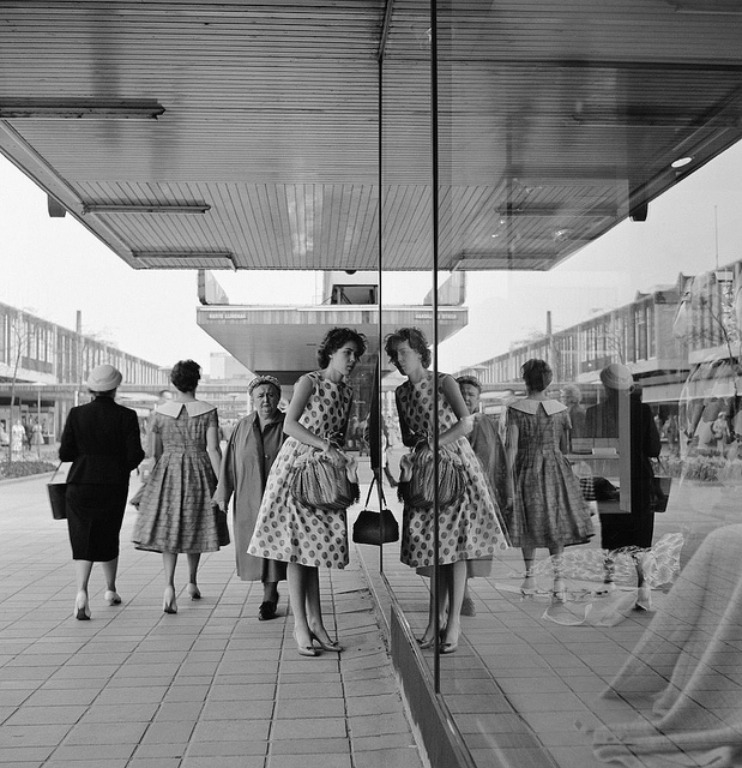
Steef Zoetmulder :: Shopping window at the Lijnbaan shopping center in Rotterdam, The Netherlands. (Nederlands Fotomuseum, SZM-2721-B, Jo Van den Broek and Jaap Bakema Architects) / via








 un regard oblique