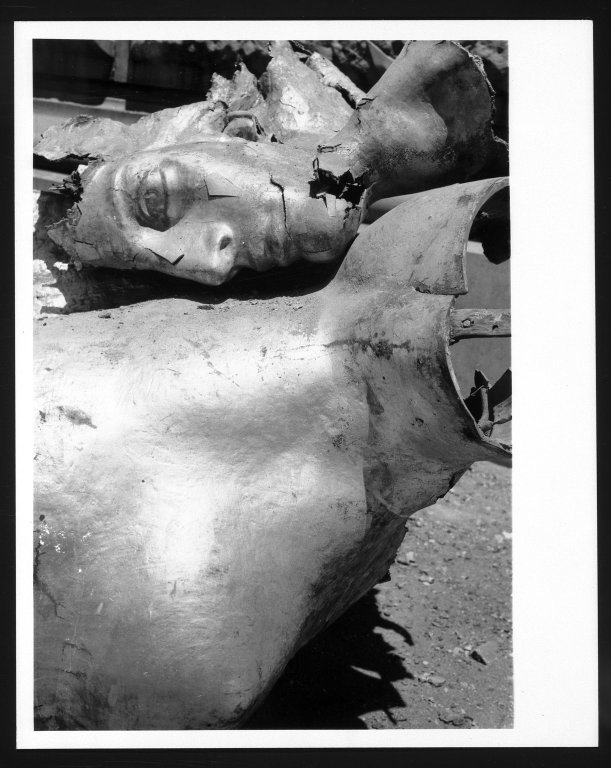
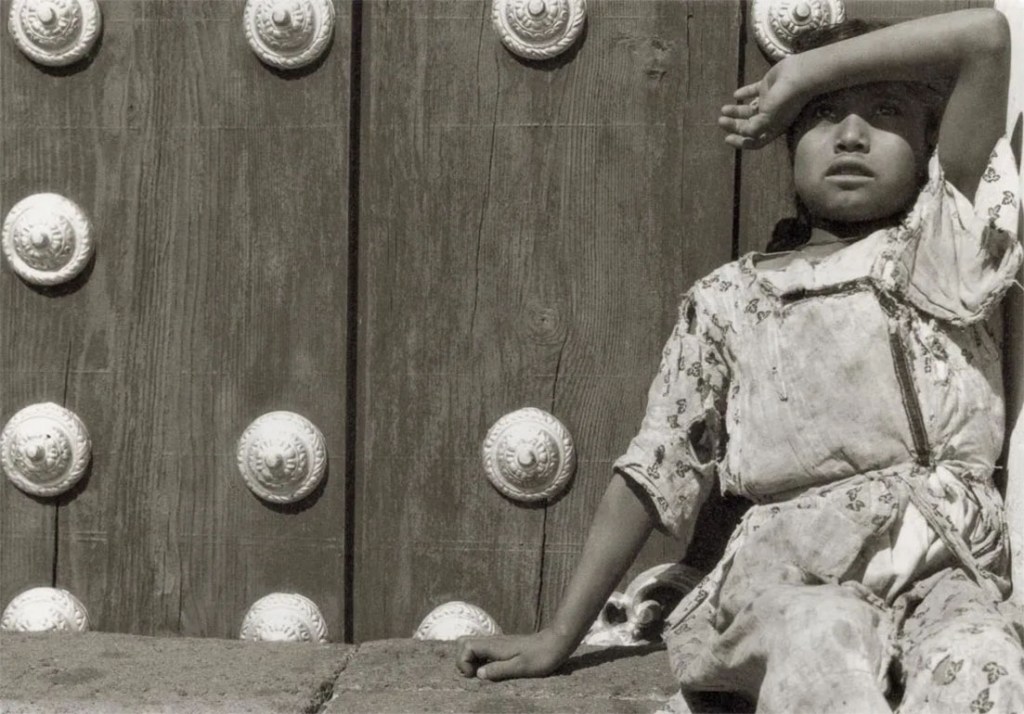
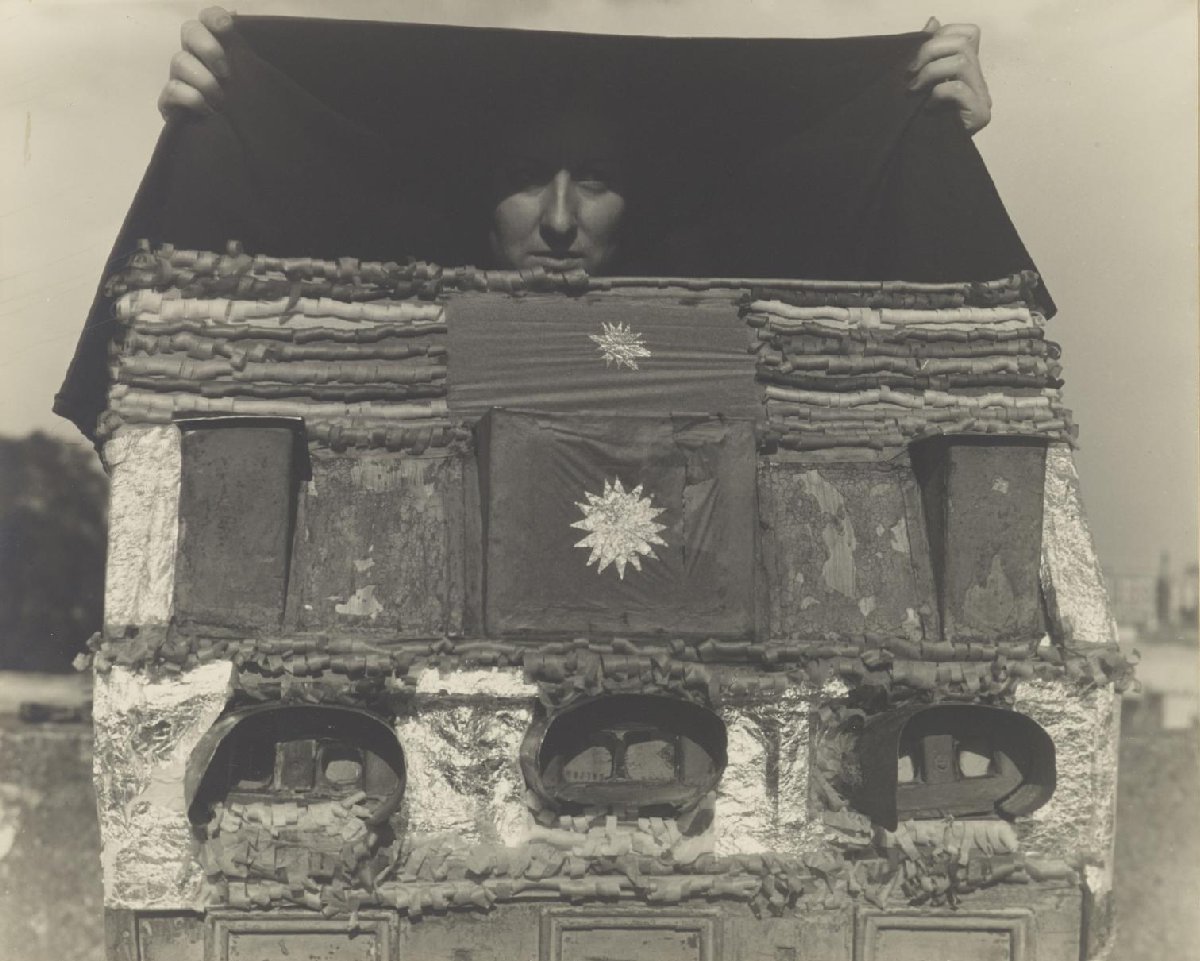
Manuel Álvarez Bravo :: Angel del Temblor, 1957
more [+] by this photographer
images that haunt us



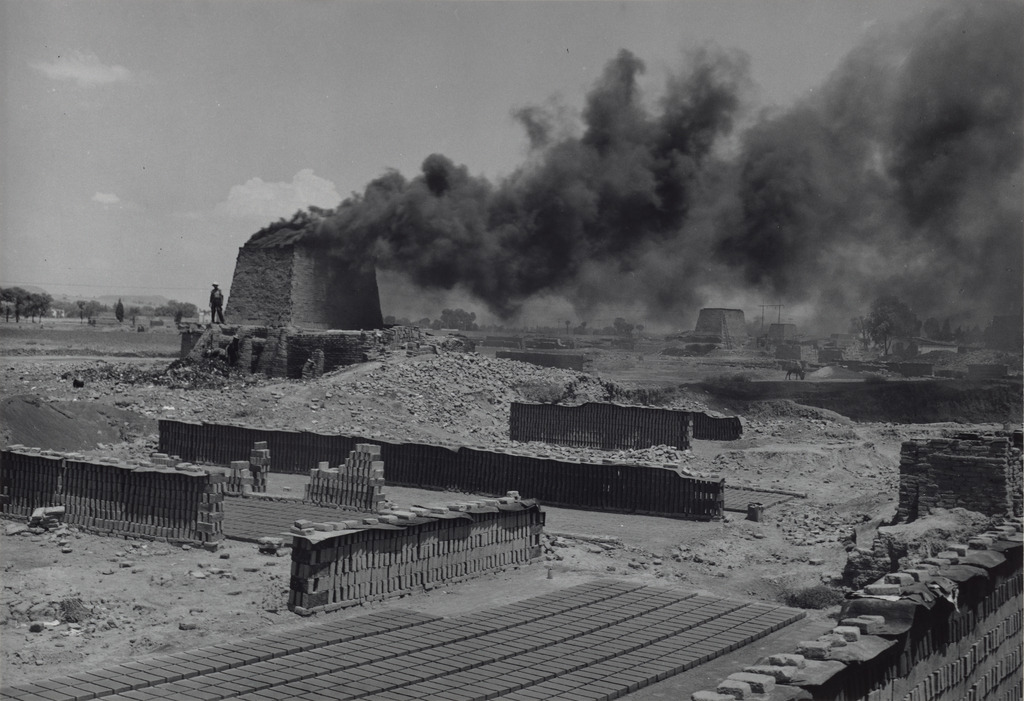
Billowing, black smoke fills the sky, obscuring the grazing burro on the right, in this photograph of an adobe brick kiln. Manuel Alvarez Bravo called this image La Quema, a term meaning “the fire” or “the burning.” Depicting a landscape threatened by human industry, the image may symbolize more sinister historical events. Alvarez Bravo, who came of age during the violent Revolution of 1910-1920, often saw dead bodies burning in the street.
The Mexican people may have viewed the kiln–a site of fiery transmutations–as an allusion to the Spaniards’ conquest and purging of the Aztecs in the 1500s. About this image, one historian has said: “The photograph does not project sorrow or excessive drama, but quiet and noble resignation. Even the human figure standing at the base of the kiln/pyramid has an attitude, extremely Mexican in character, of resigned acceptance of destiny.” | src getty.edu

Manuel Álvarez Bravo :: From ‘In a Small Space’ series, 1995-97 / src: manuelalvarezbravo
more [+] by this photographer
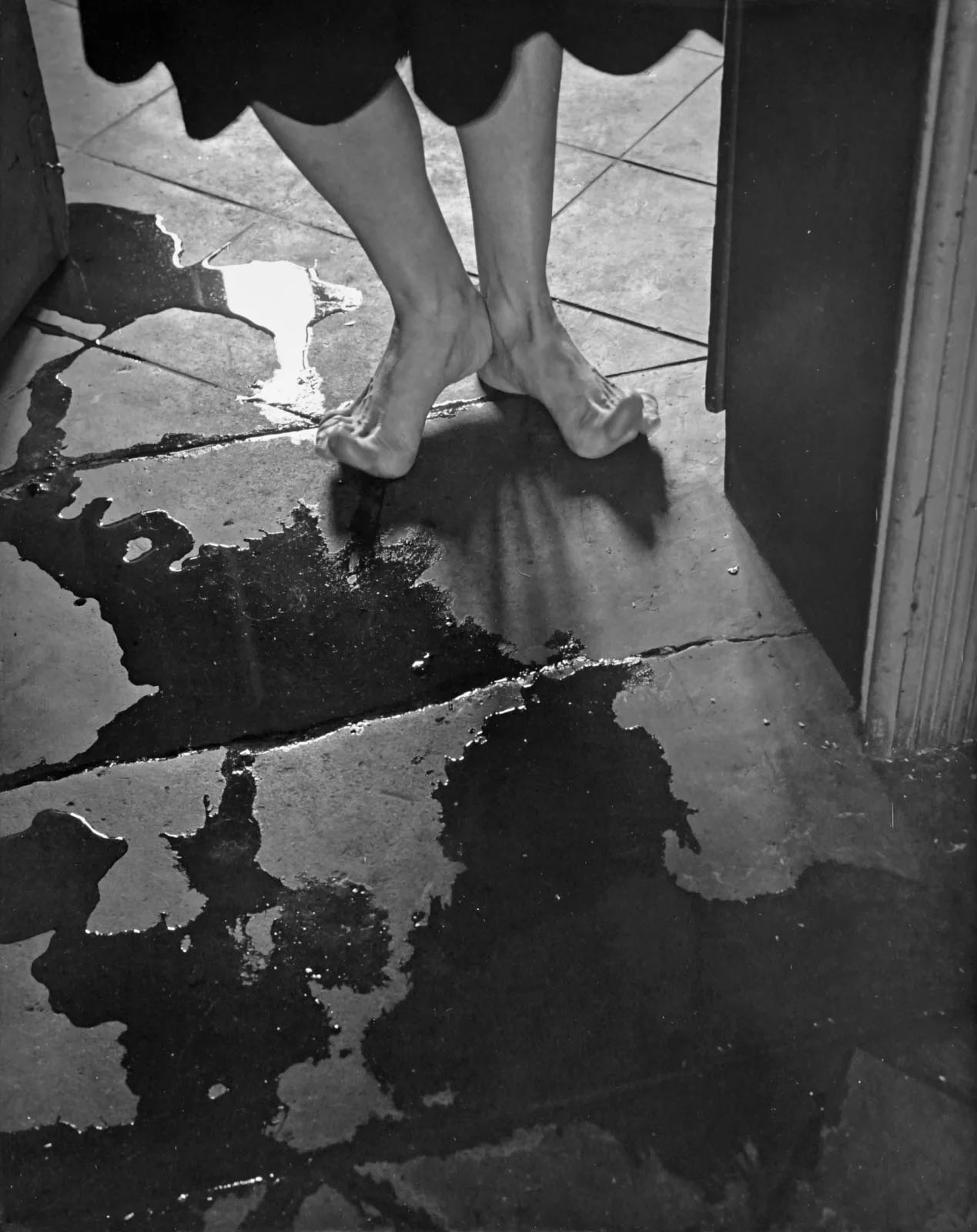
Manuel Álvarez Bravo was one of the most influential Latin American photographers of the twentieth century, with a career spanning over seven decades. His complex images represent the diverse people and places of Mexico through avant-garde visual techniques such as distorted reflections and dramatic lighting. Here he turns his camera onto the rippling skirt and legs of a woman standing in the threshold of a doorway, curling her toes away from the liquid spreading across the floor. The tilting perspective creates a sense of tension despite the everyday nature of the scene. While Álvarez Bravo’s work has often been compared to that of European Surrealist photographers, who also had a fondness for uncanny juxtapositions of elements from daily life, his differs in that it weaves together the visual modes of modern photography, Mexican culture, and art history, fusing past and present. | src University of Michigan (UMMA)
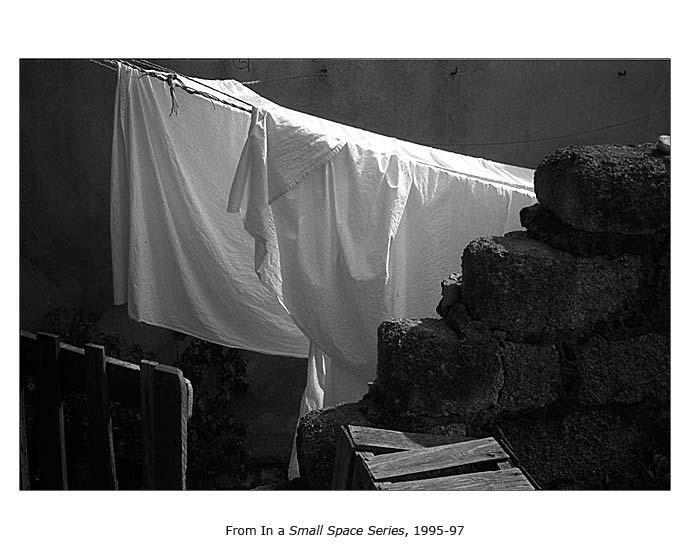
Manuel Álvarez Bravo :: From ‘In a Small Space’ series, 1995-97/ src: manuelalvarezbravo
more [+] by this photographer


 un regard oblique