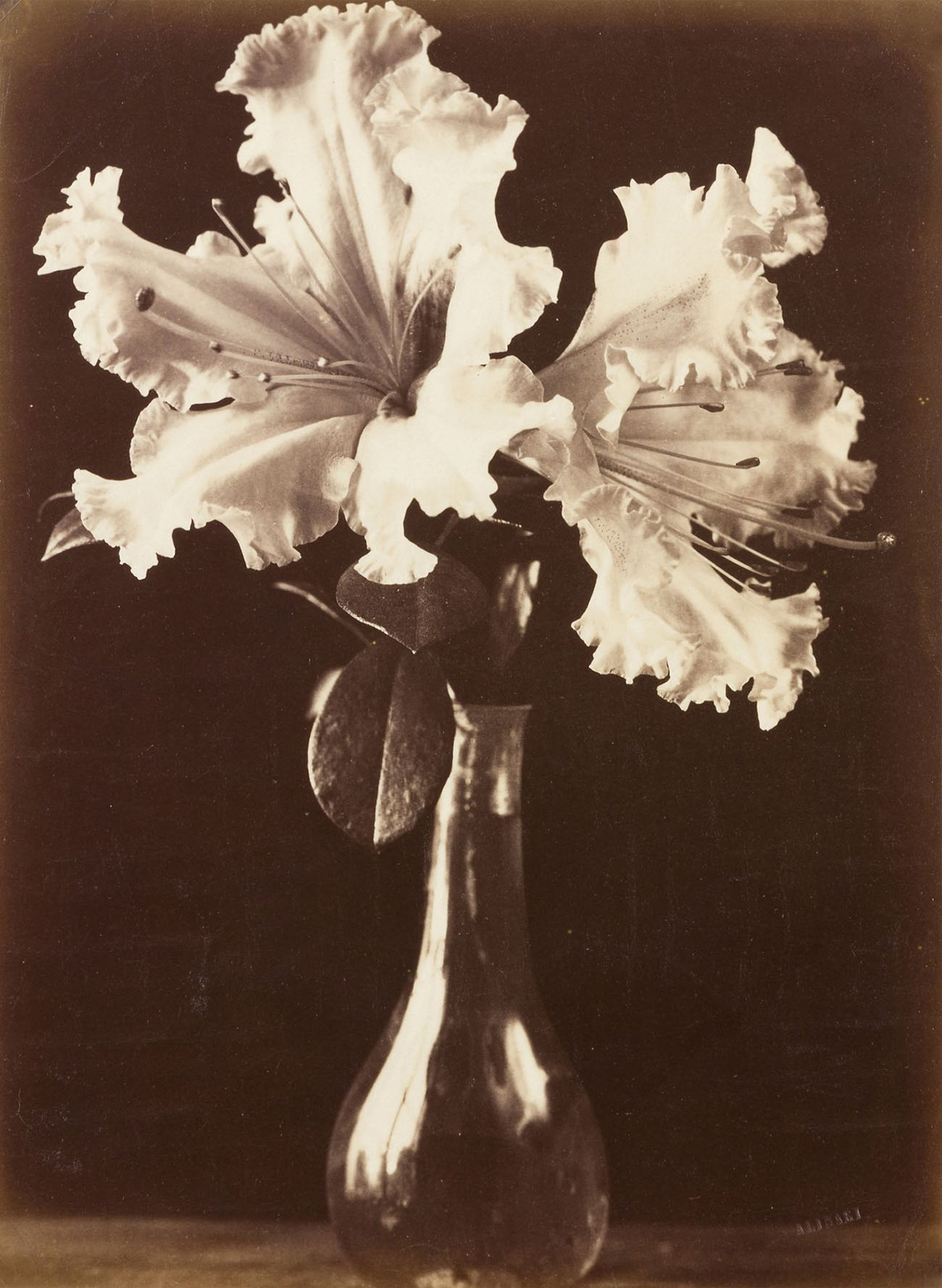

images that haunt us


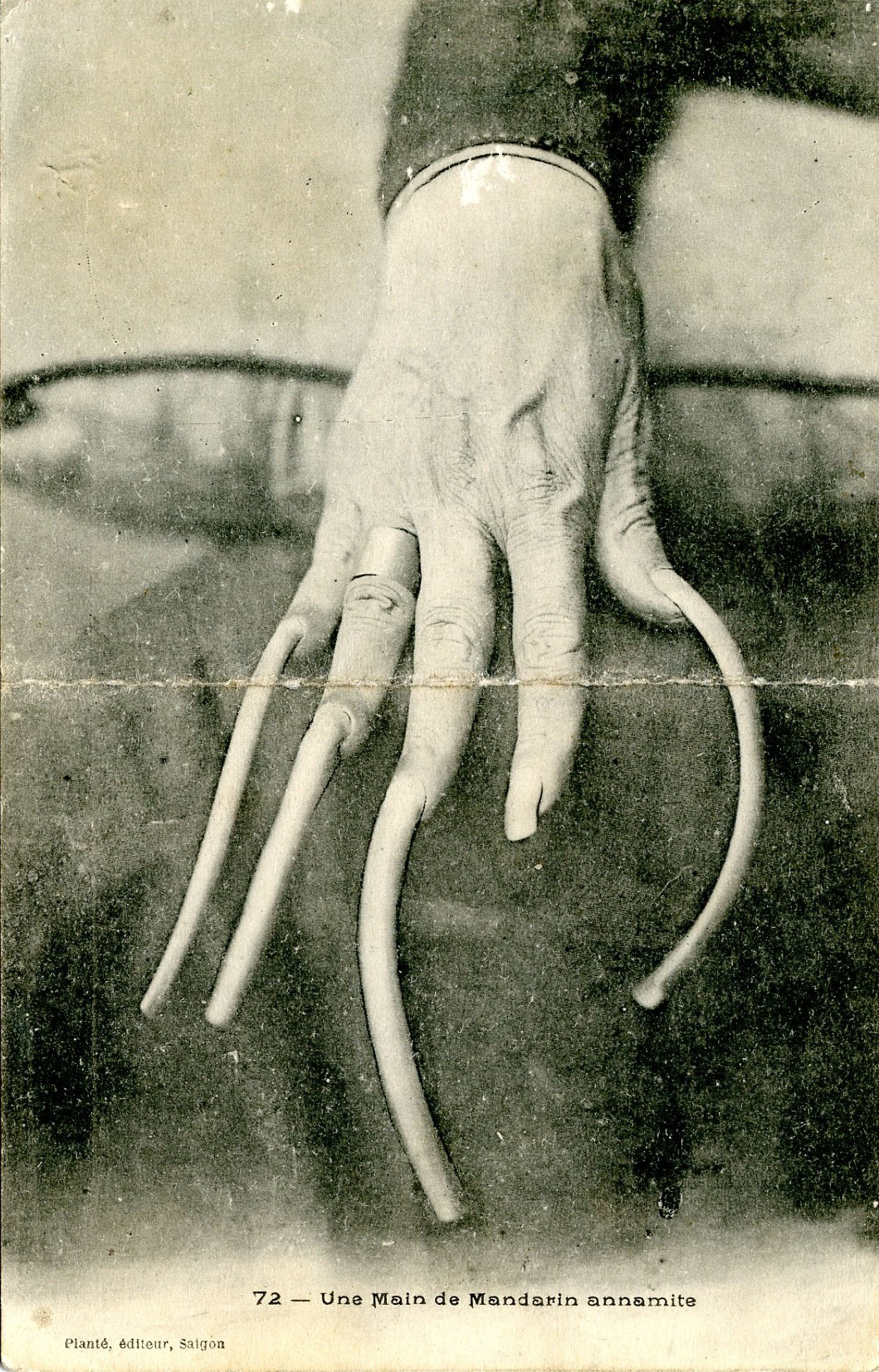
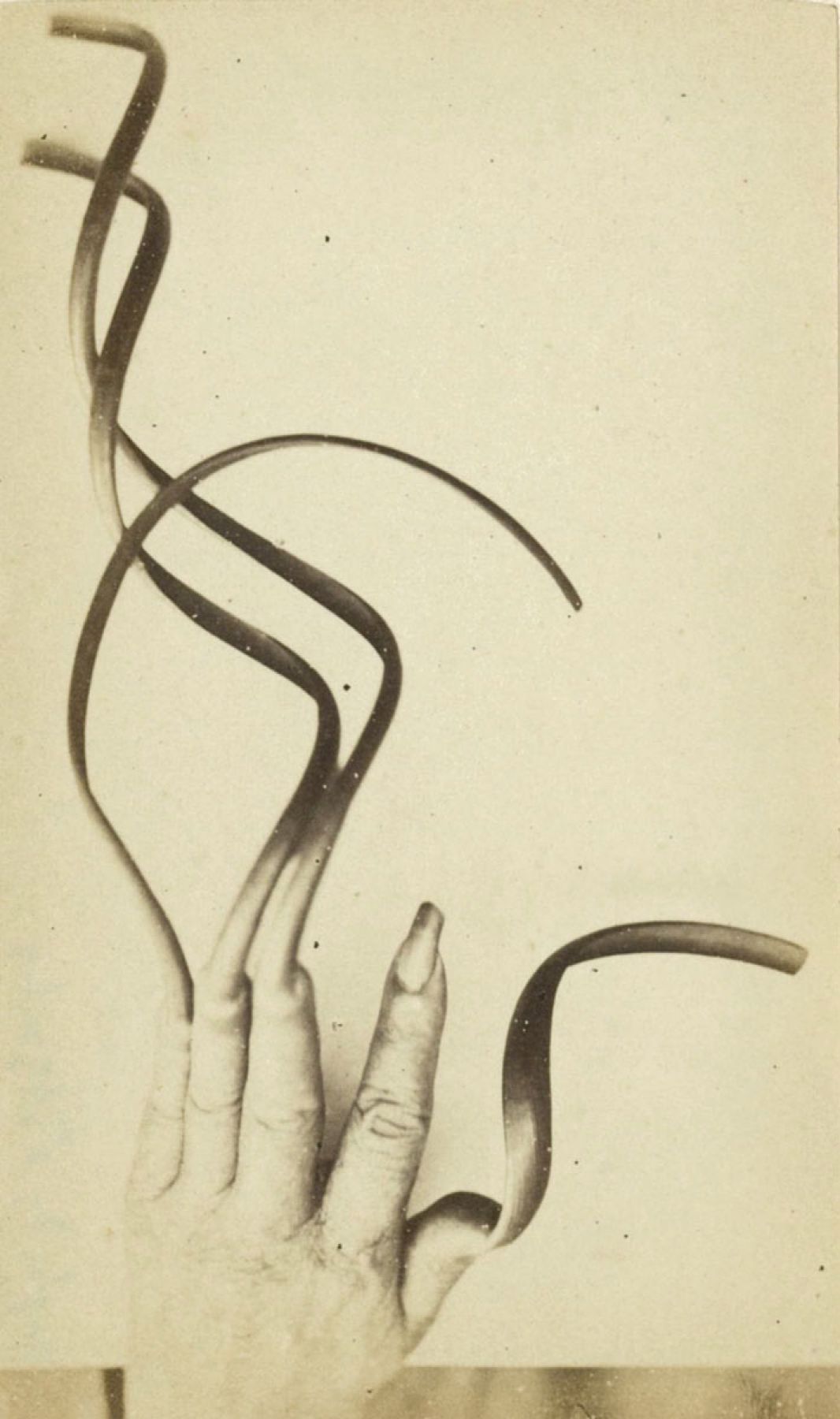
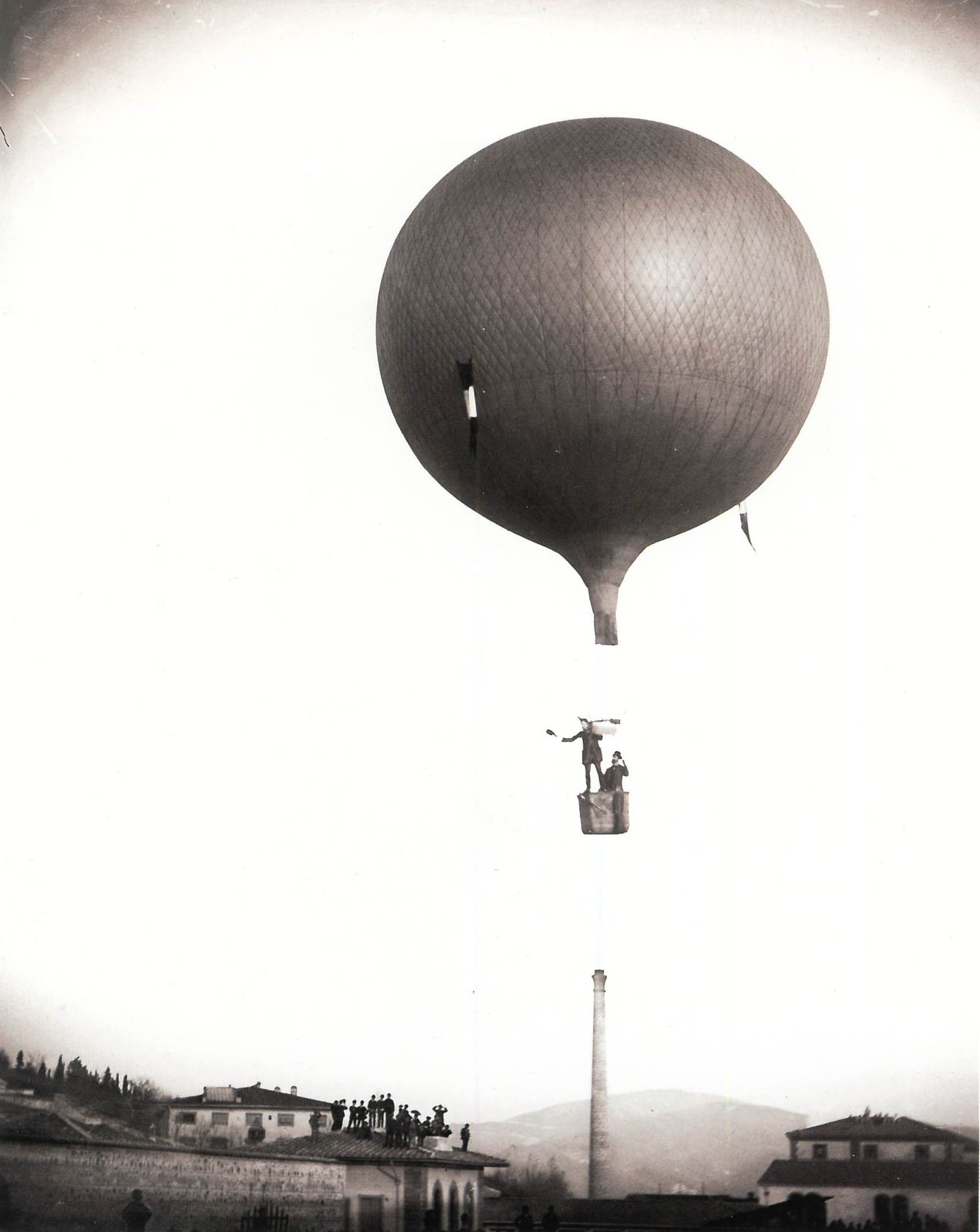
Fratelli Alinari: A Photographic Tradition
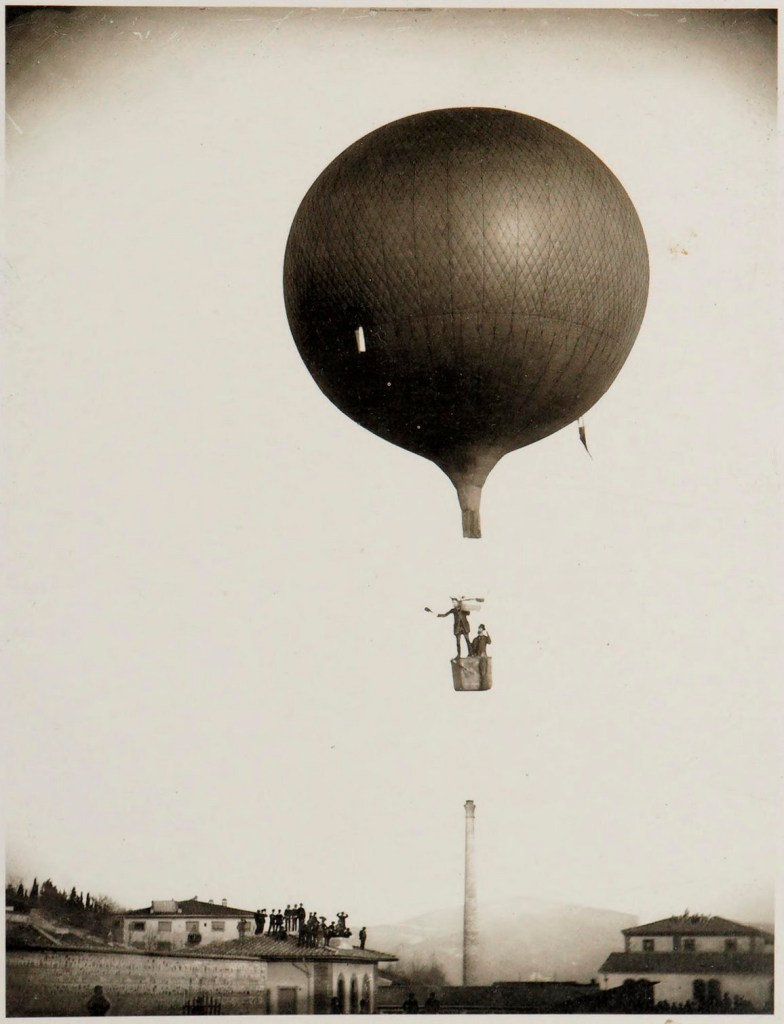
The exhibition celebrated 150 years of Fratelli Alinari, the renowned photographic studio that documented the changing cultural and social landscape of Italy from the mid-nineteenth century.
The firm was founded in Florence in 1854 by the brothers Leopoldo, Giuseppe and Romualdo Alinari at a time when standards of photography and techniques of reproduction were being revolutionised. It quickly established an eminent reputation through its iconic images of Tuscan towns and cities, and following unification – when Florence was briefly the capital of Italy – politicians, intellectuals and royalty all visited the studio to have their portraits taken. At the other end of the spectrum are their striking images of working class life and gritty street scenes.
These beautiful photographs featured in the exhibition vividly trace Italy’s relatively late transition from a rural economy to an industrialised nation, capturing a pivotal era in Italian history. | quoted from: Estorick Collection [x]



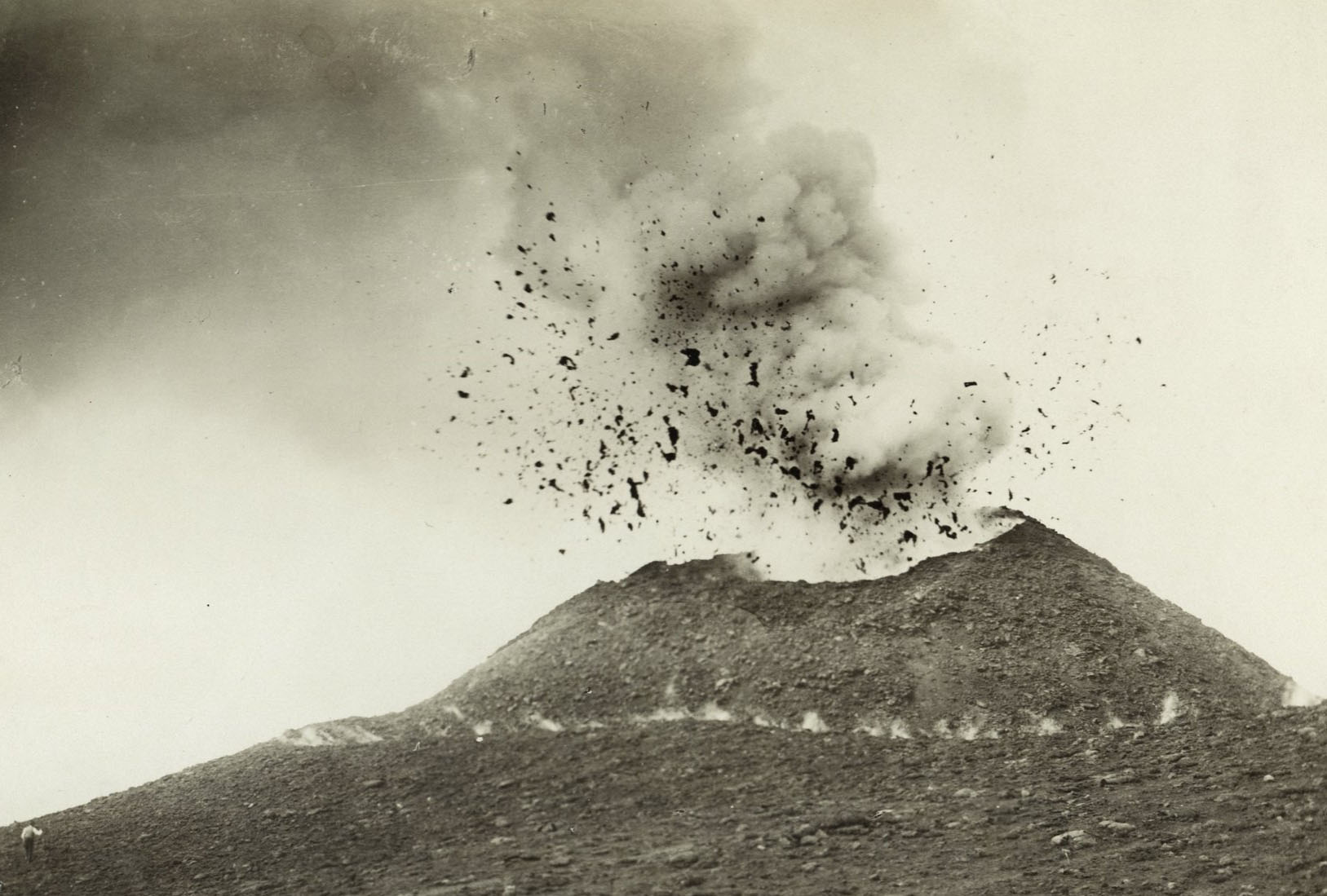
Notes; titled in the negative at bottom: “61. Il Vesuvio Cratere in eruzione 1895 / (Edizione Esposito).”




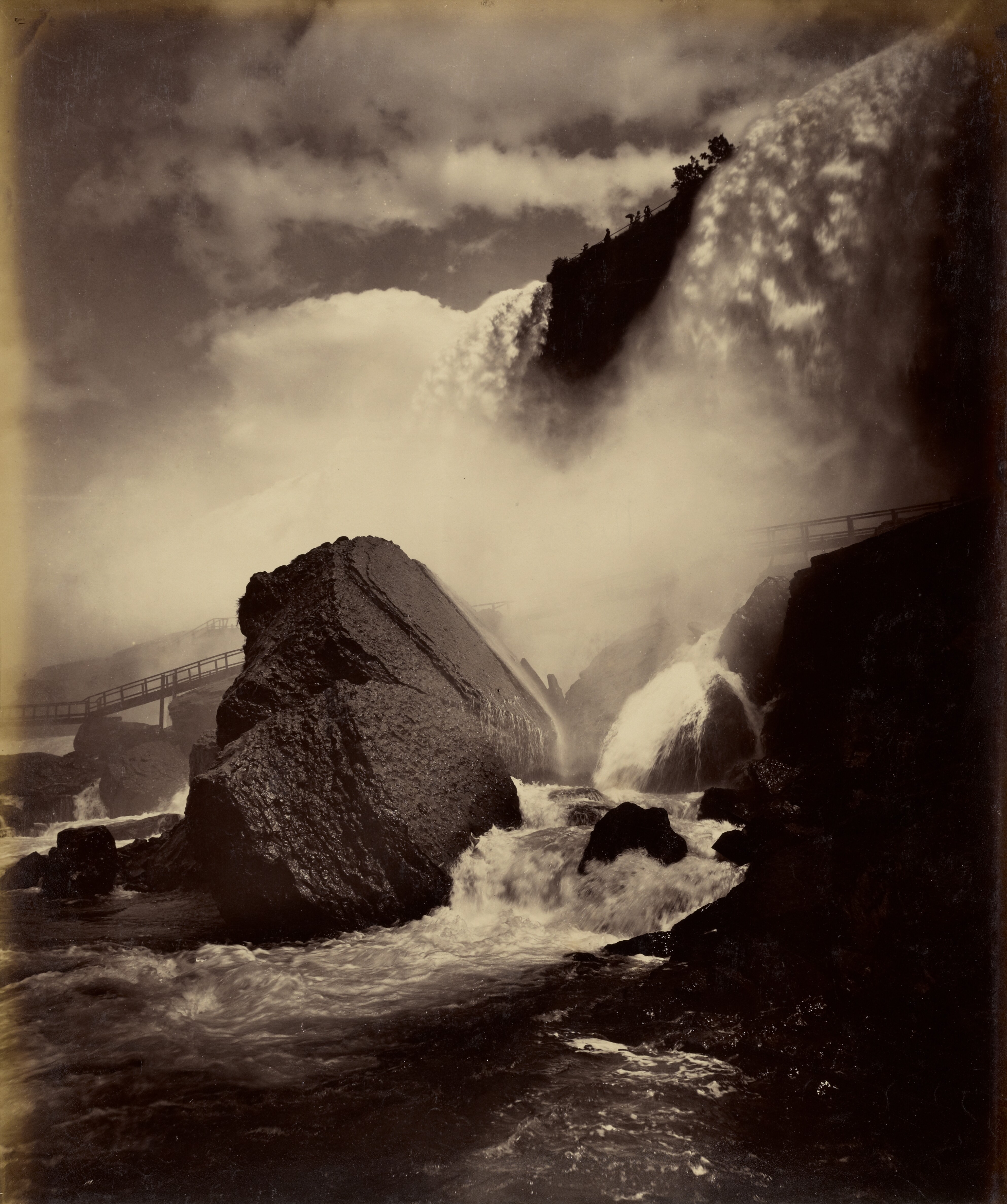
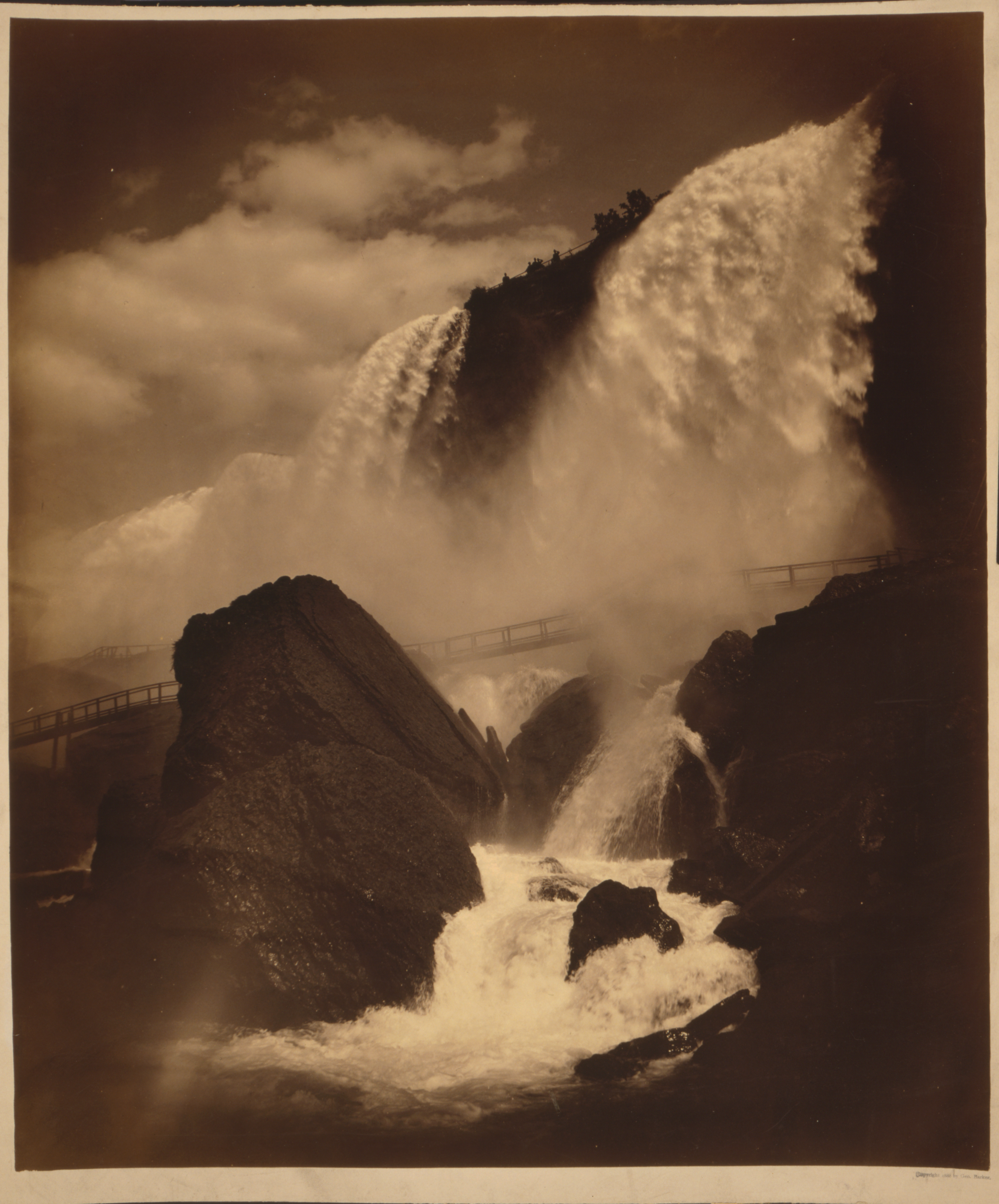
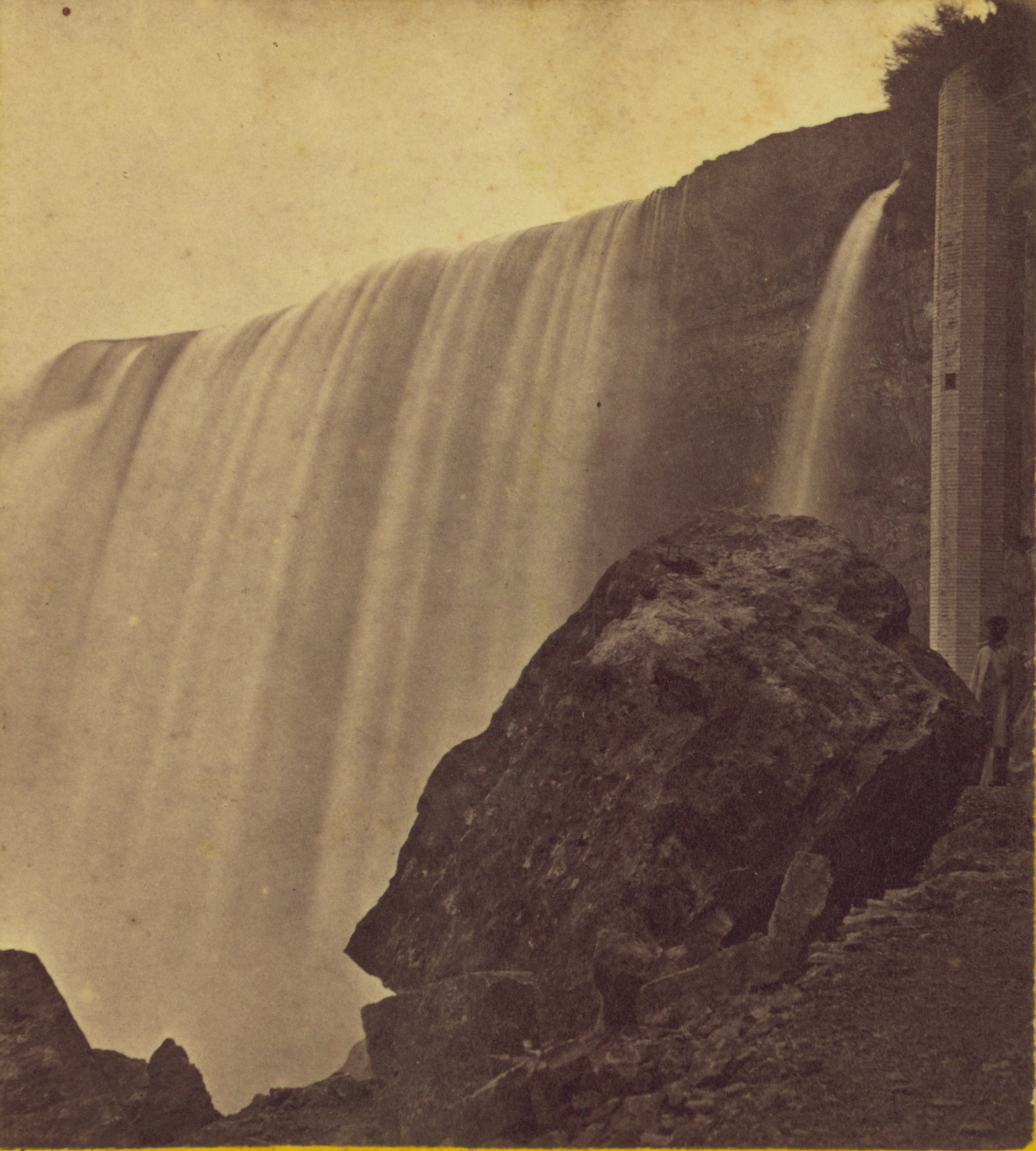
This Image is hosted in four American museums; three of them (Library of Congress, Getty Museum and The Metropolitan Museum of Art) acknowledge the authorship to George Barker. According to The Nelson-Atkins Museum of Art [x] this photograph is Nielson’s. In their website there is a mention to the photographer’s logo on back: “H.F. Nielson, Manuf. of all kinds of / Paper & Glass Views / Niagara Falls.”
Though the commercial market for large-scale landscape views was limited in the late 19th century, a small group of talented and savvy photographers found a lucrative niche in this genre. Herman F. Nielson, who lived most of his life in Niagara, New York, specialized in majestic tourist views of Niagara Falls. Here, Nielson depicts the American Falls (Luna Falls and Bridal Veil Falls) and the Rock of Ages. This view, or a slight variant, was reproduced in a popular guidebook at the time.
“New View Manufactory,” Niagara Falls Gazette 30:16 (October 10, 1883): n.p.
quoted from The Nelson-Atkins Museum of Art [x]
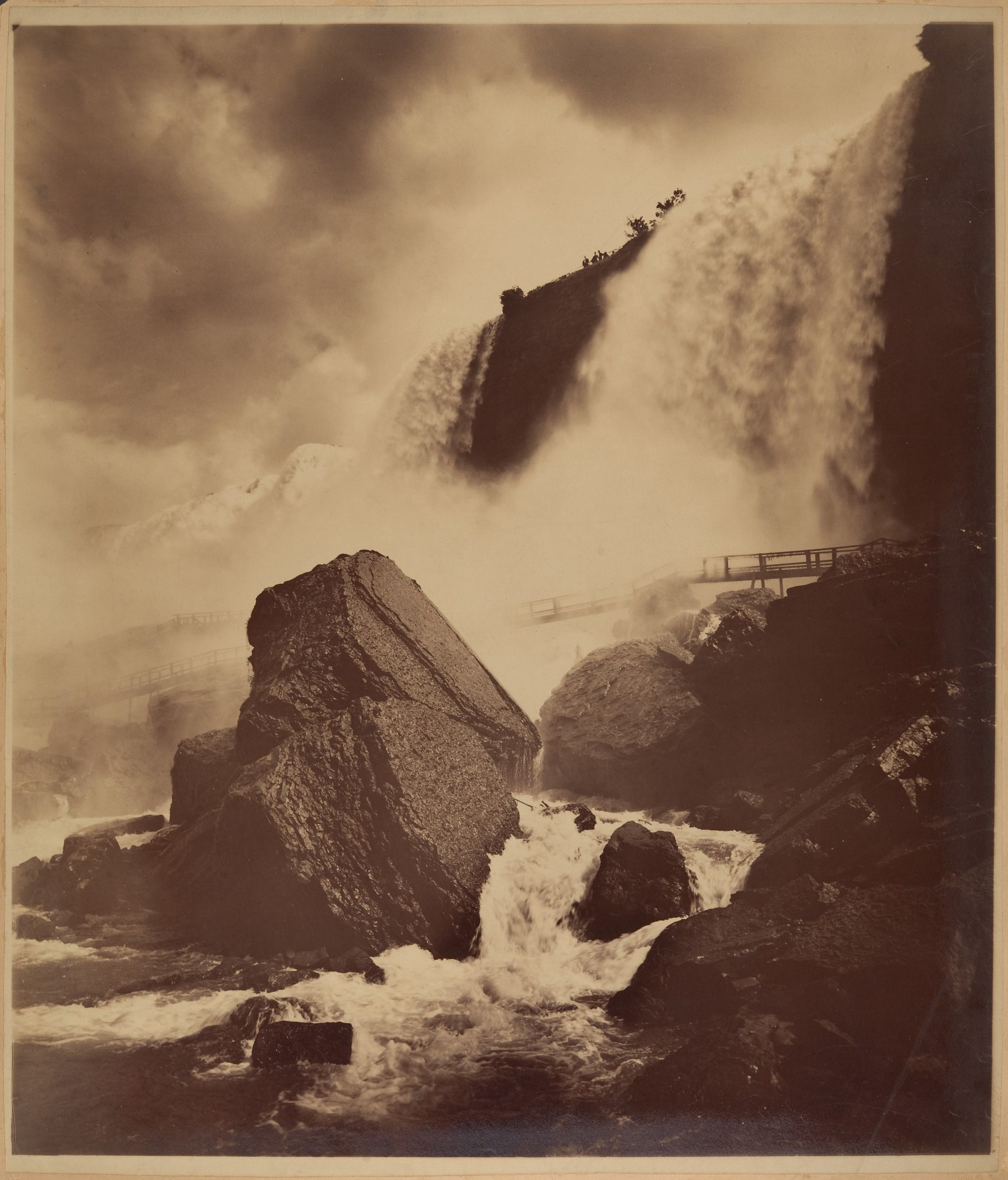
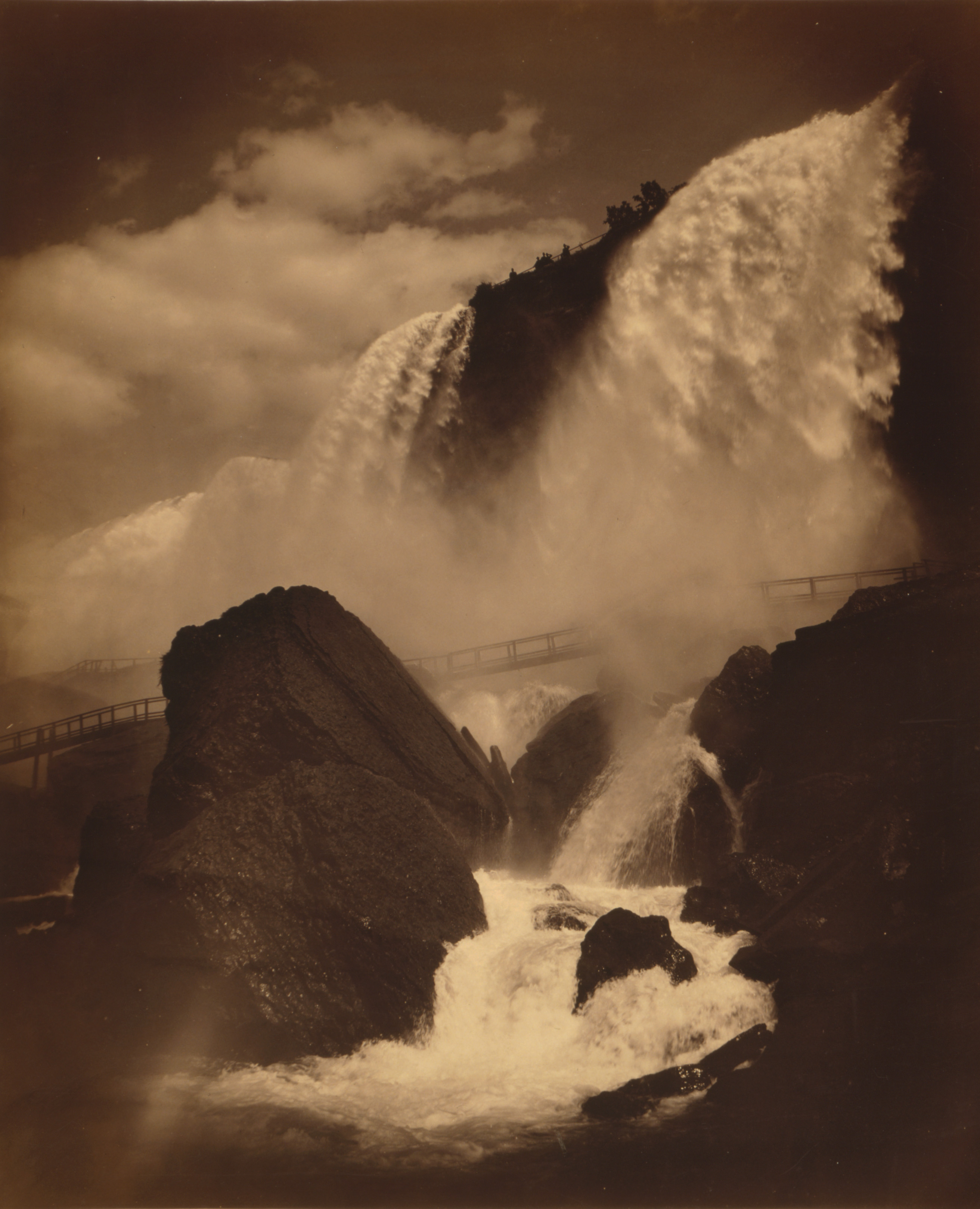
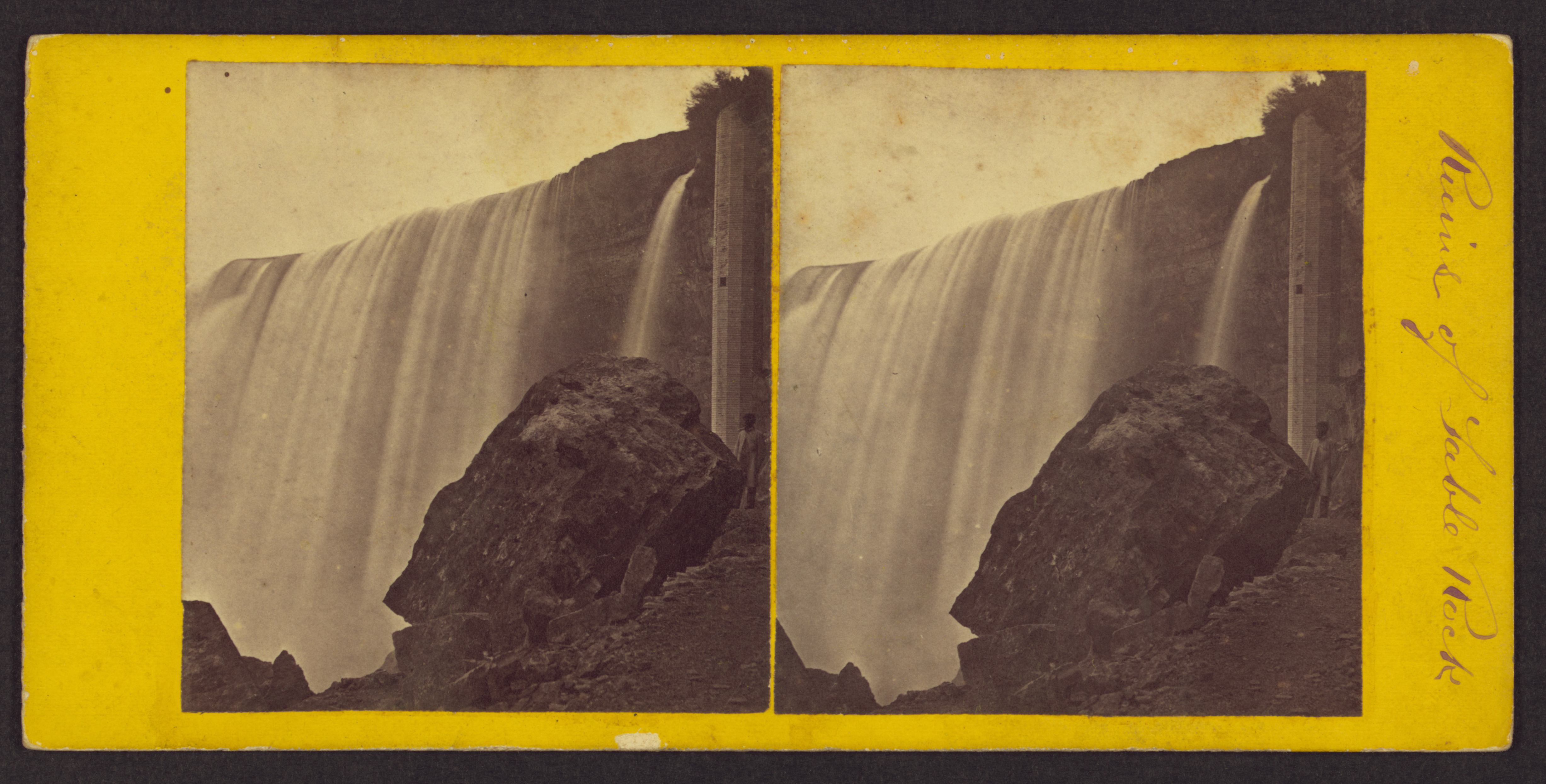




 un regard oblique