
Album cover for I Am a Bird Now, second album by New York City based band Anohni and the Johnsons (previously Antony and the Johnsons); released on February 2005


images that haunt us
Album cover for I Am a Bird Now, second album by New York City based band Anohni and the Johnsons (previously Antony and the Johnsons); released on February 2005

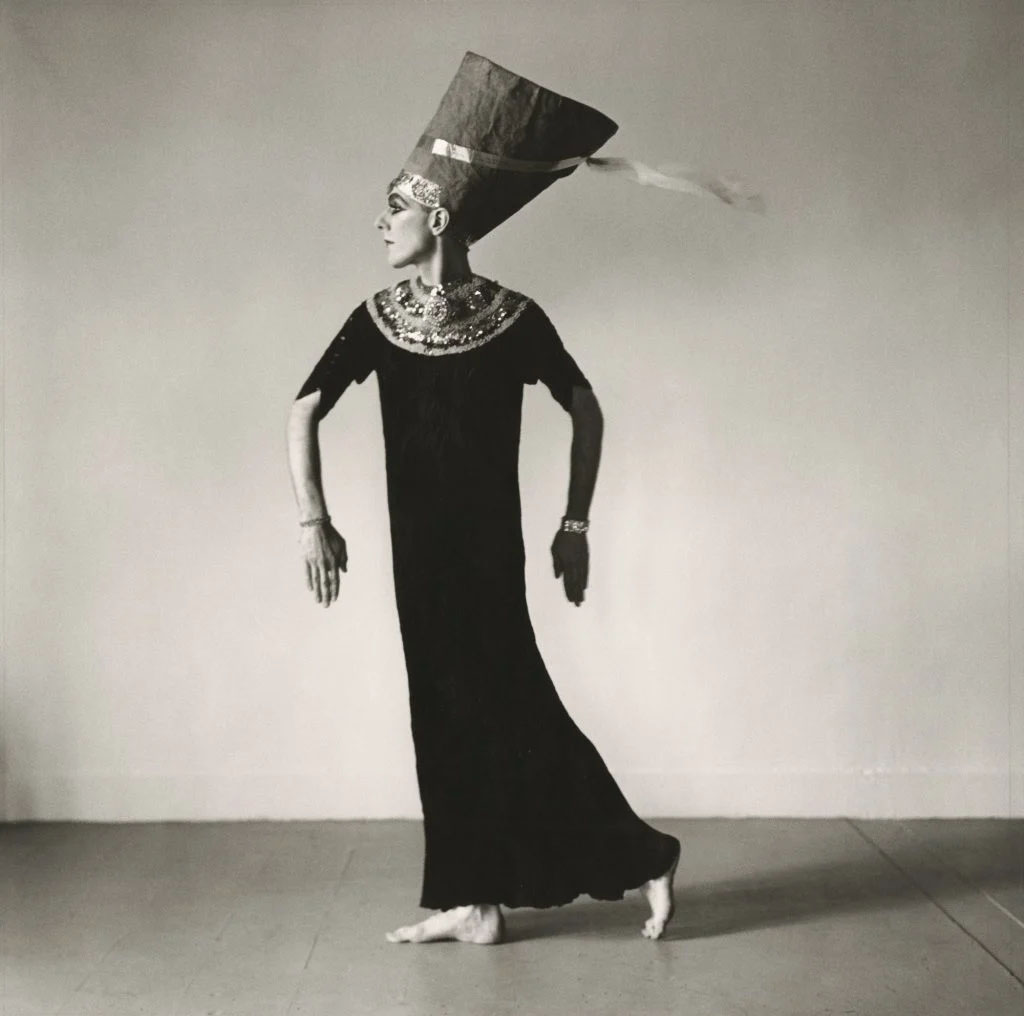

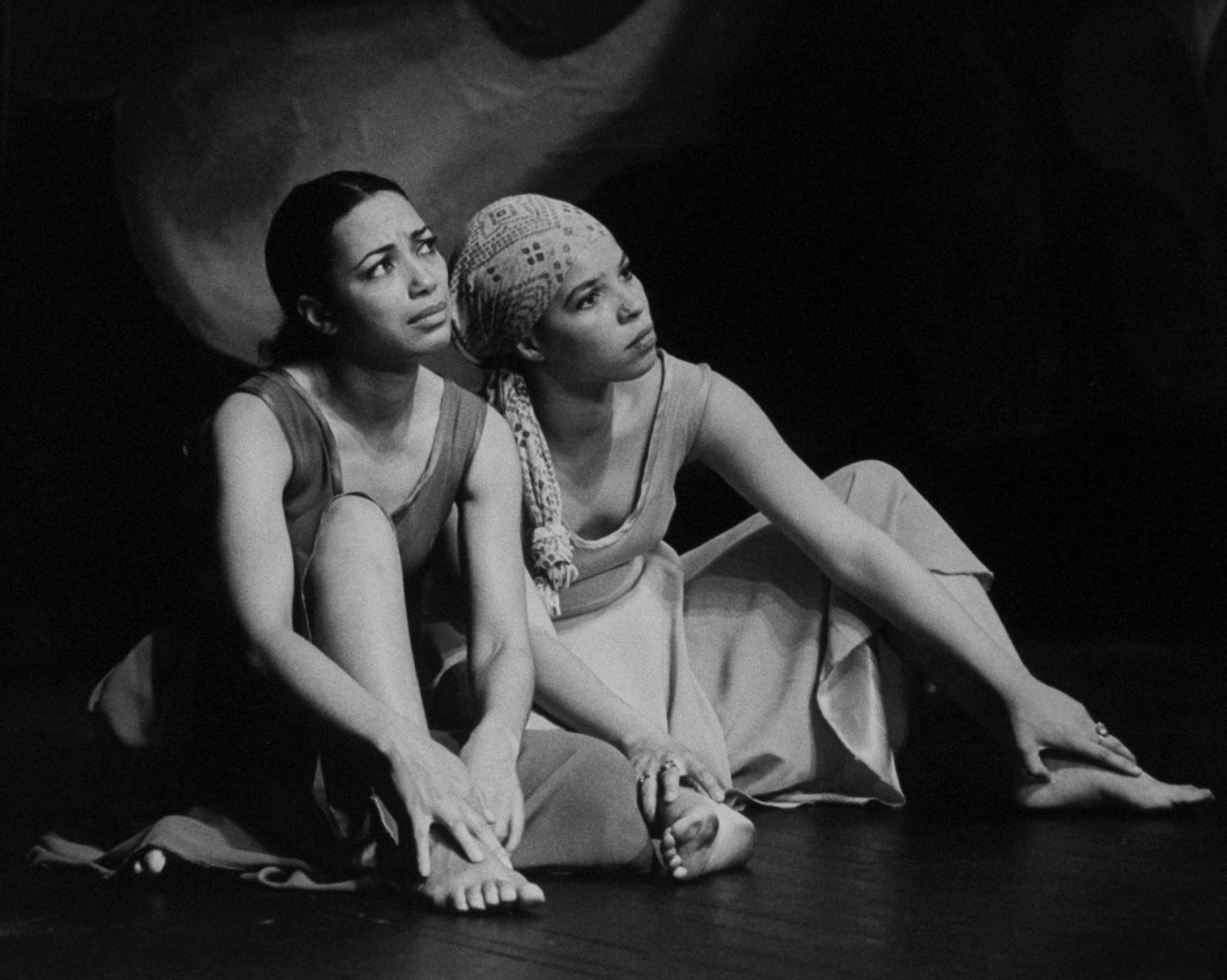
‘For Colored Girls Who Have Considered Suicide When the Rainbow is Enuf’ is a 1976 work by Ntozake Shange. It consists of a series of poetic monologues to be accompanied by dance movements and music, a form which Shange coined the word choreopoem to describe. It tells the stories of seven women who have suffered oppression in a racist and sexist society.
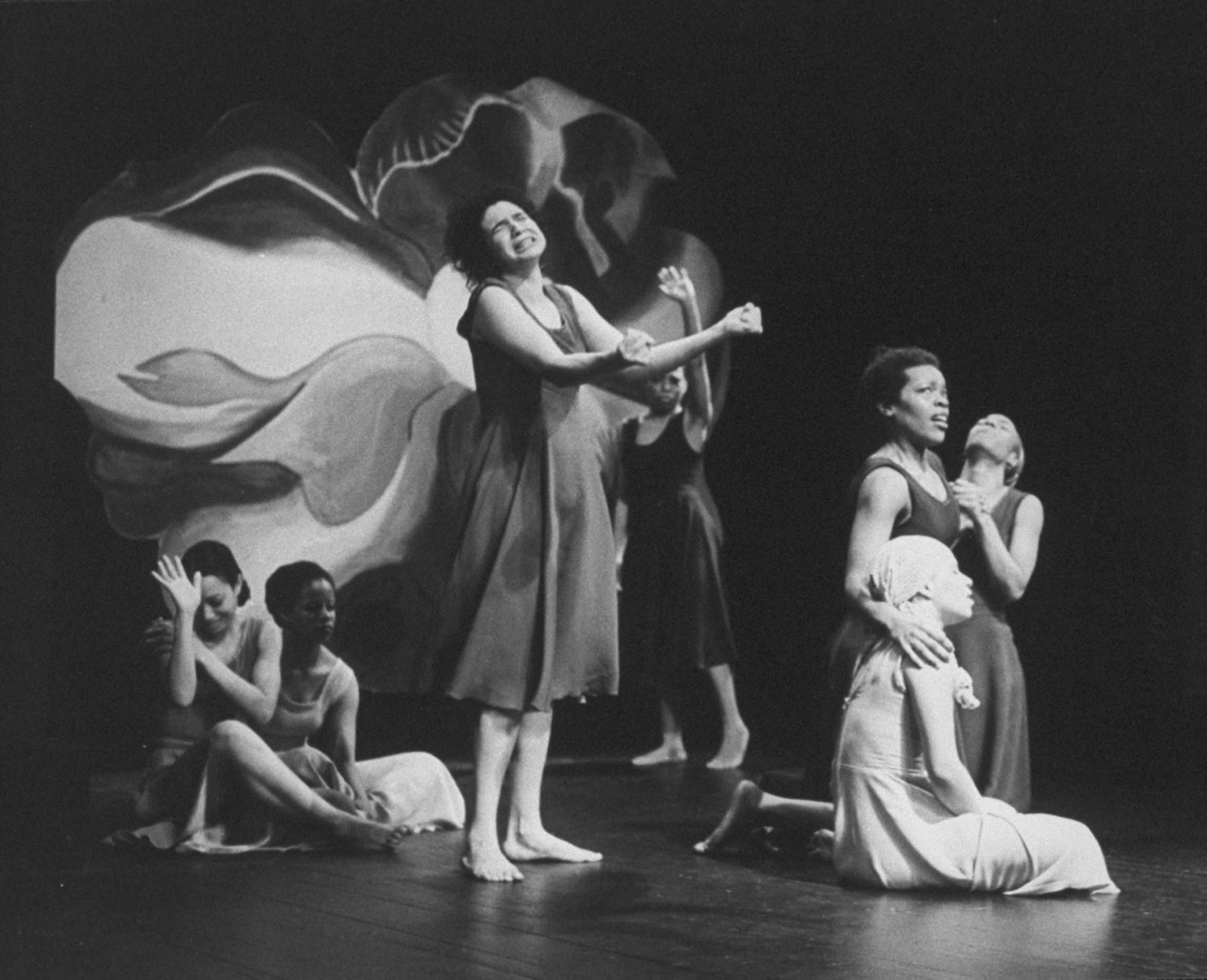
As a choreopoem, the piece is a series of 20 separate poems choreographed to music that weaves interconnected stories of love, empowerment, struggle and loss into a complex representation of sisterhood. The cast consists of seven nameless African-American women only identified by the colors they are assigned. They are the lady in red, lady in orange, lady in yellow, lady in green, lady in blue, lady in brown, and lady in purple. Subjects from rape, abandonment, abortion and domestic violence are tackled.
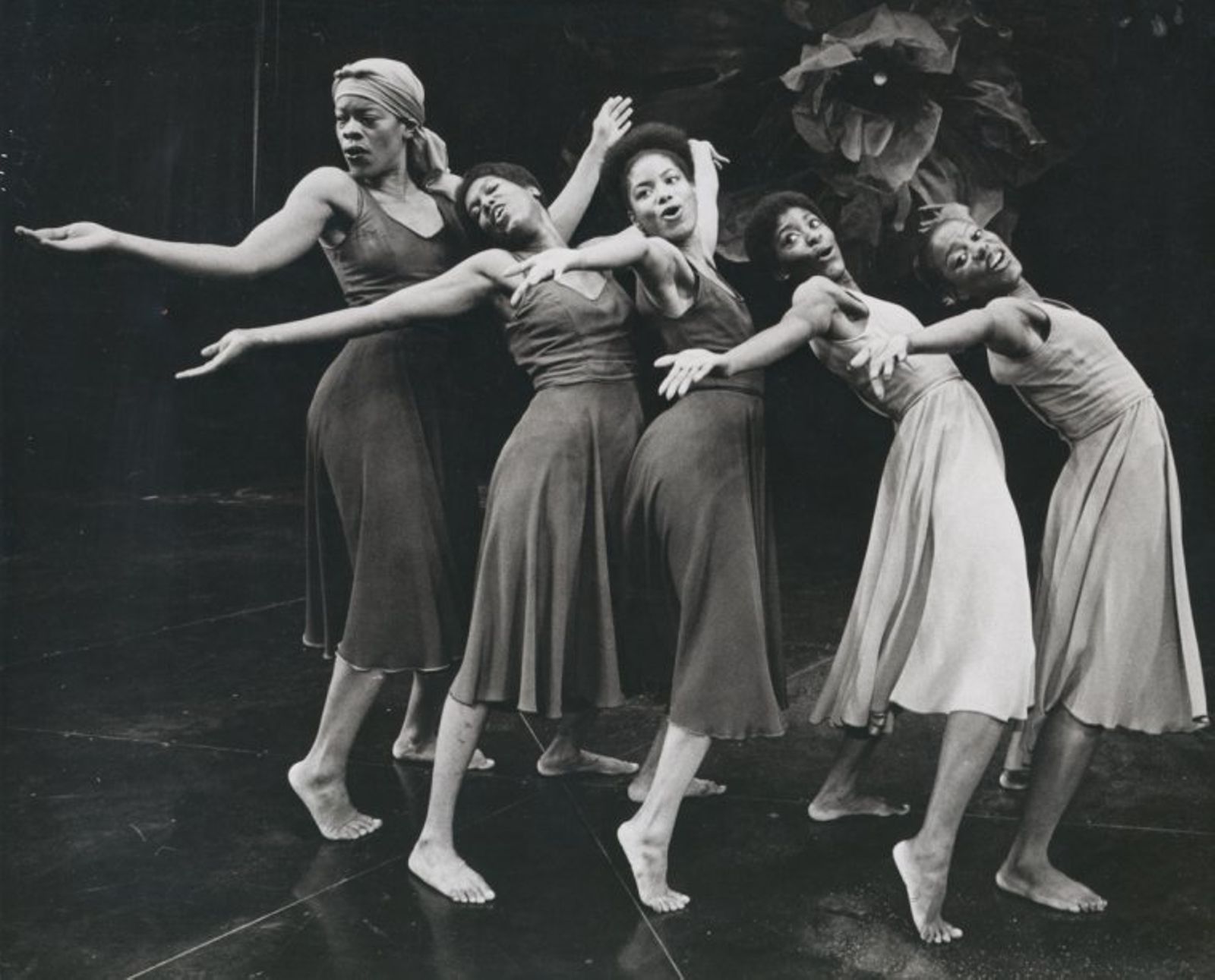
Shange originally wrote the monologues as separate poems in 1974. Her writing style is idiosyncratic and she often uses vernacular language, unique structure, and unorthodox punctuation to emphasize syncopation. Shange wanted to write ‘For colored girls…‘ in a way that mimicked how real women speak so she could draw her readers’ focus to the experience of reading and listening.


In December 1974, Shange performed the first incarnation of her choreopoem with four other artists at a women’s bar outside Berkeley, California. After moving to New York City, she continued work on for colored girls…, which went on to open at the Booth Theatre in 1976, becoming the second play by a black woman to reach Broadway. quoted from wikipedia entry

For Colored Girls chronicles the experiences of seven black women through monologue and dance, confronting topics of sexism, rape, and domestic violence. The play has long been considered a benchmark for black female writers and inspired a book, film, and Tony Award-nominated Broadway play.

Written for seven characters, For Colored Girls is a group of 20 poems on the power of Black women to survive in the face of despair and pain. The show ran for seven months Off-Broadway in New York City before beginning a two-year run on Broadway. It was subsequently produced throughout the United States, broadcast on television, and in 2010 adapted into a feature film titled For Colored Girls. [text: Britannica]

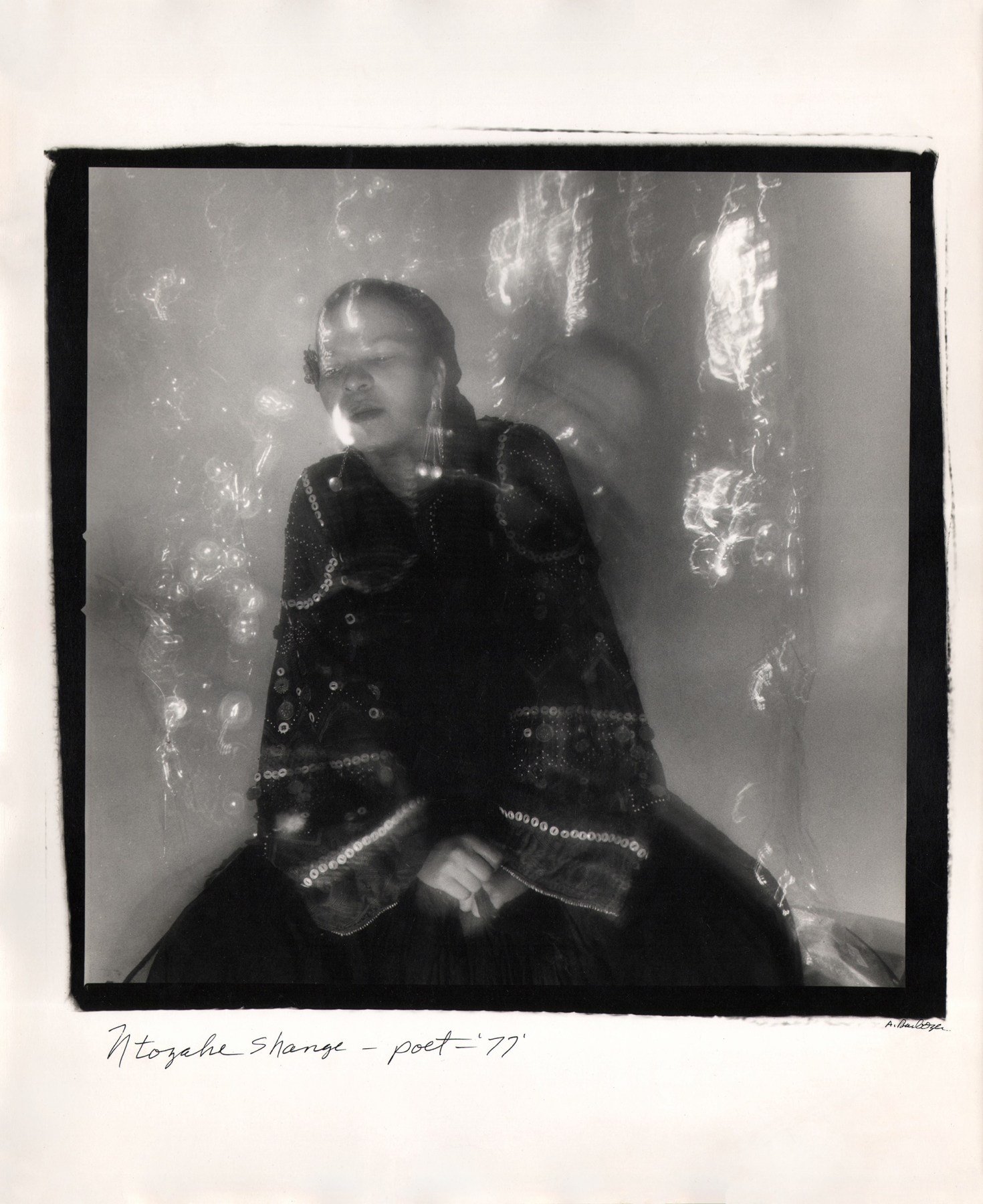
Shange was born in New Jersey in 1948 and named Paulette Williams. Her father, Paul T. Williams, was a surgeon, and her mother, Eloise, was an educator and psychiatric social worker. […] In 1971, she changed her name from Paulette Williams to Ntozake Shange, which is Zulu for “she who comes with her own things and walks like a lion” […] / quoted from The New Yorker

Shange was perhaps most famous for her play For Colored Girls Who Have Considered Suicide / When the Rainbow Is Enuf (1975). A unique blend of poetry, music, dance and drama called a “choreopoem”. […] [The Poetry Foundation]

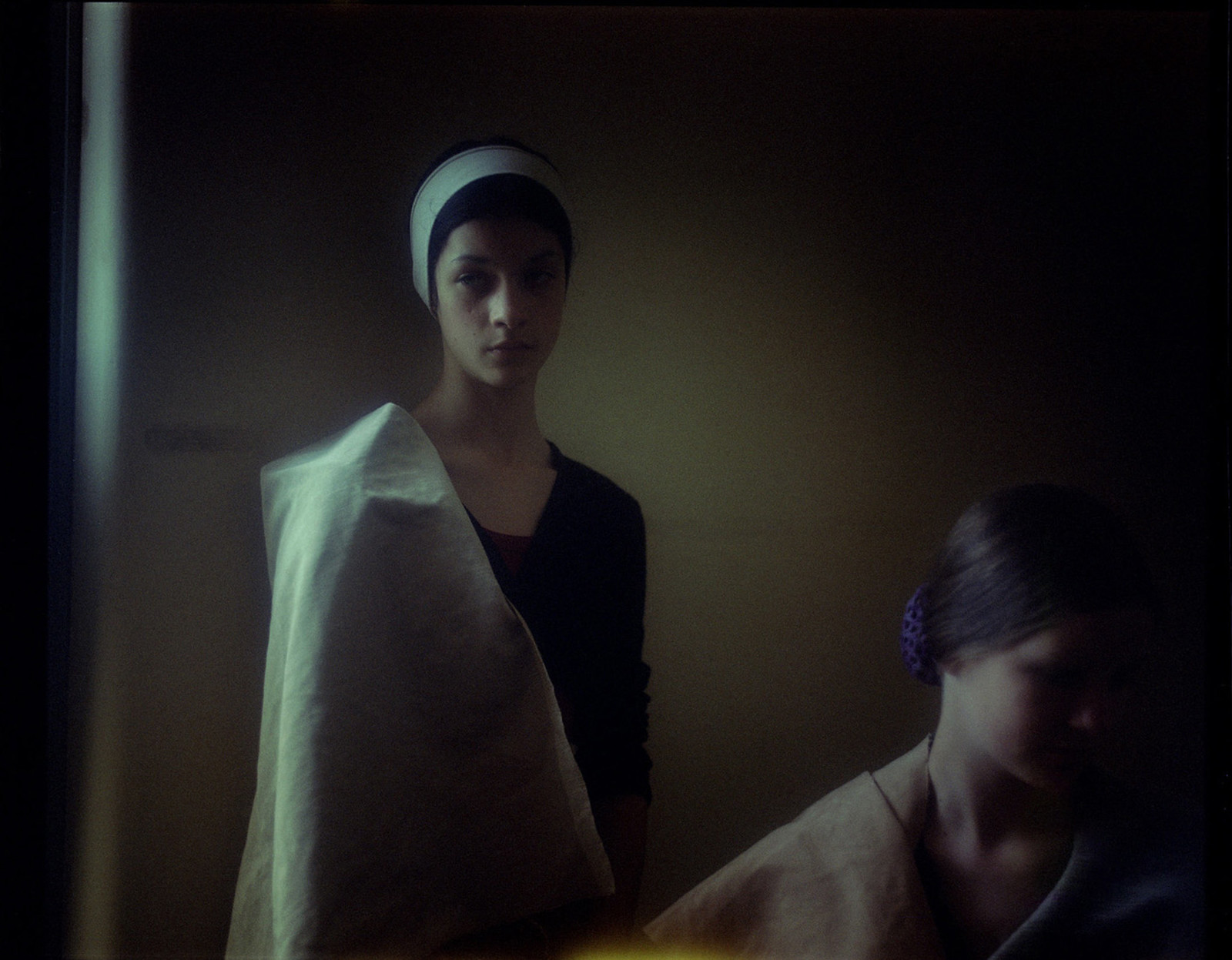
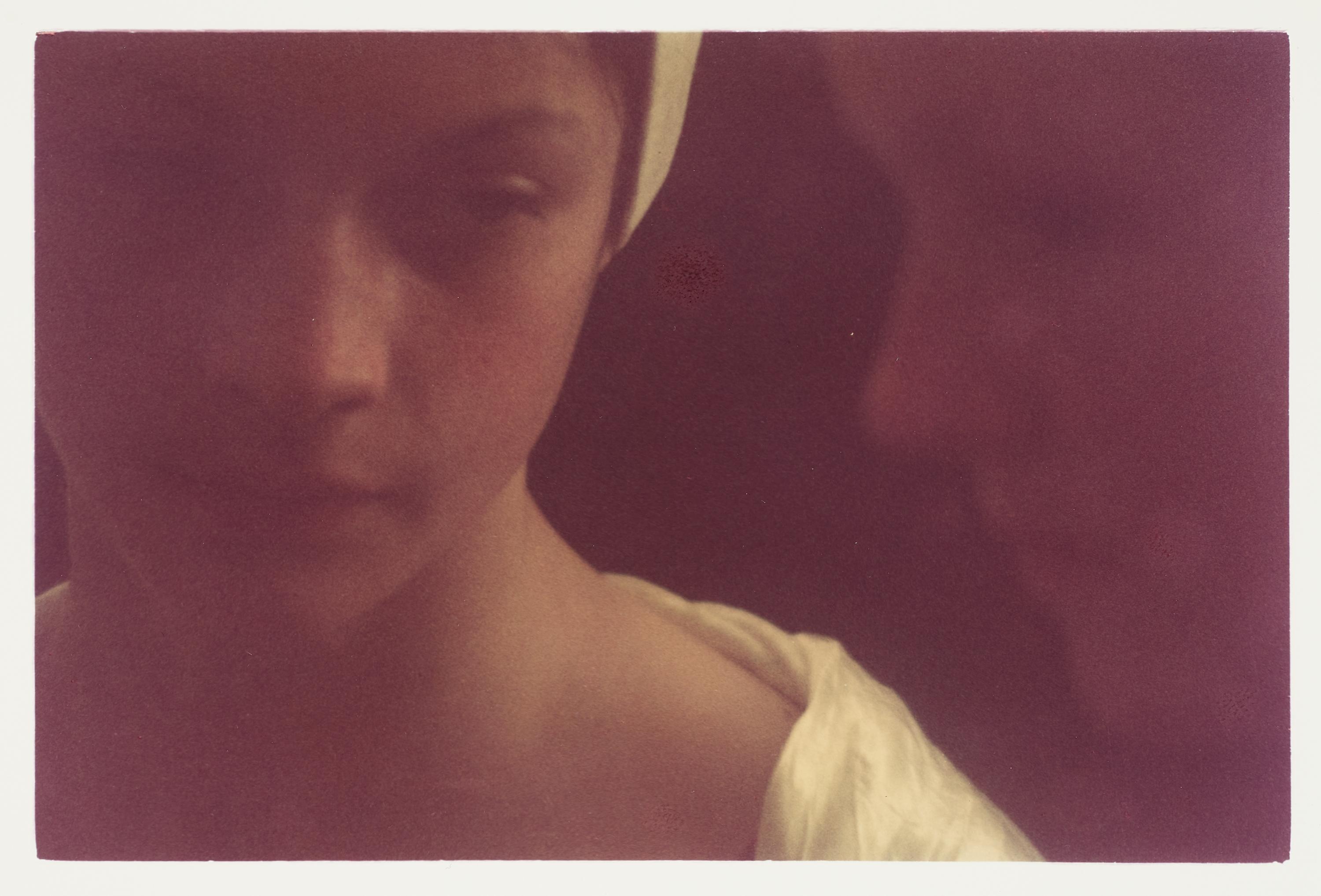
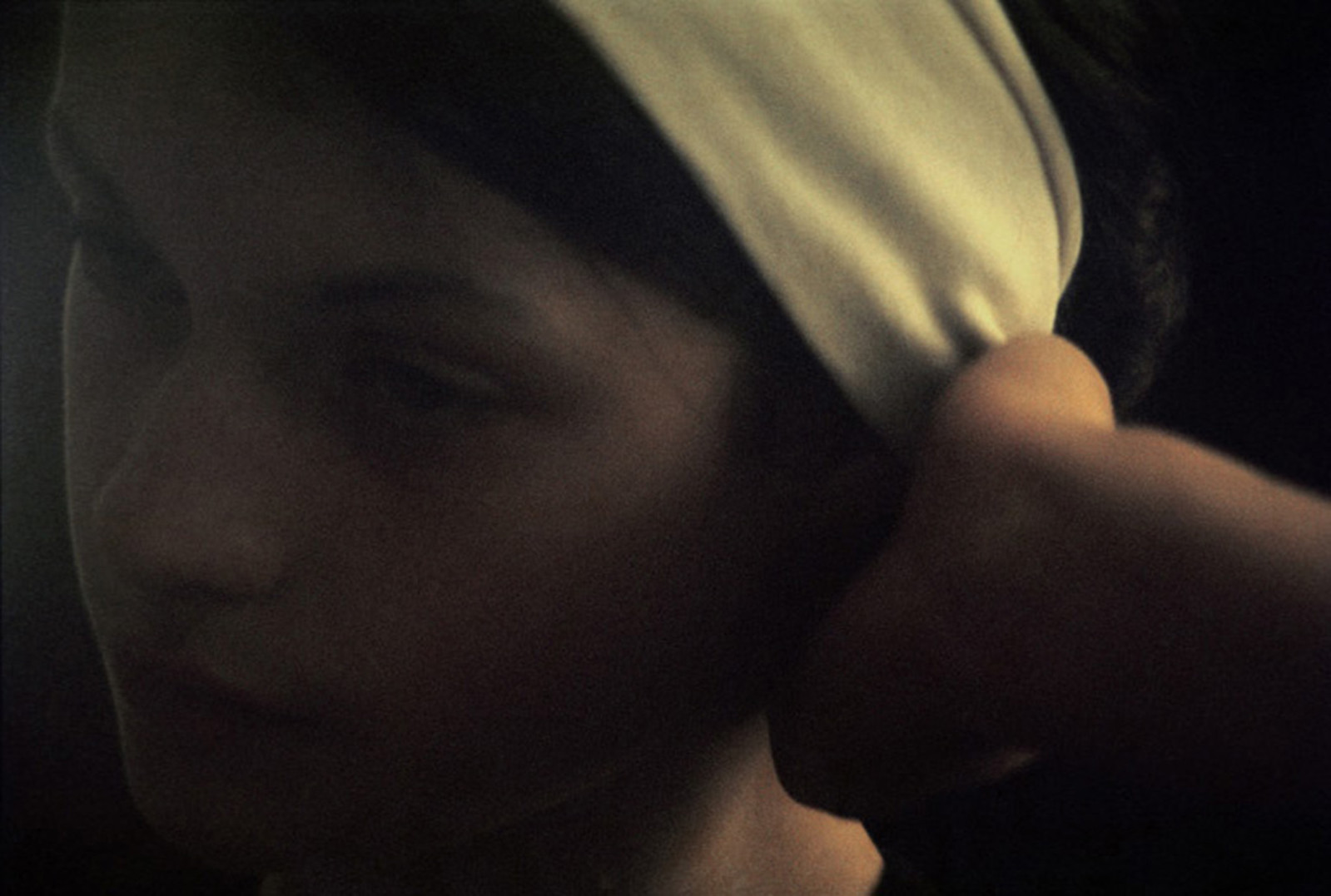
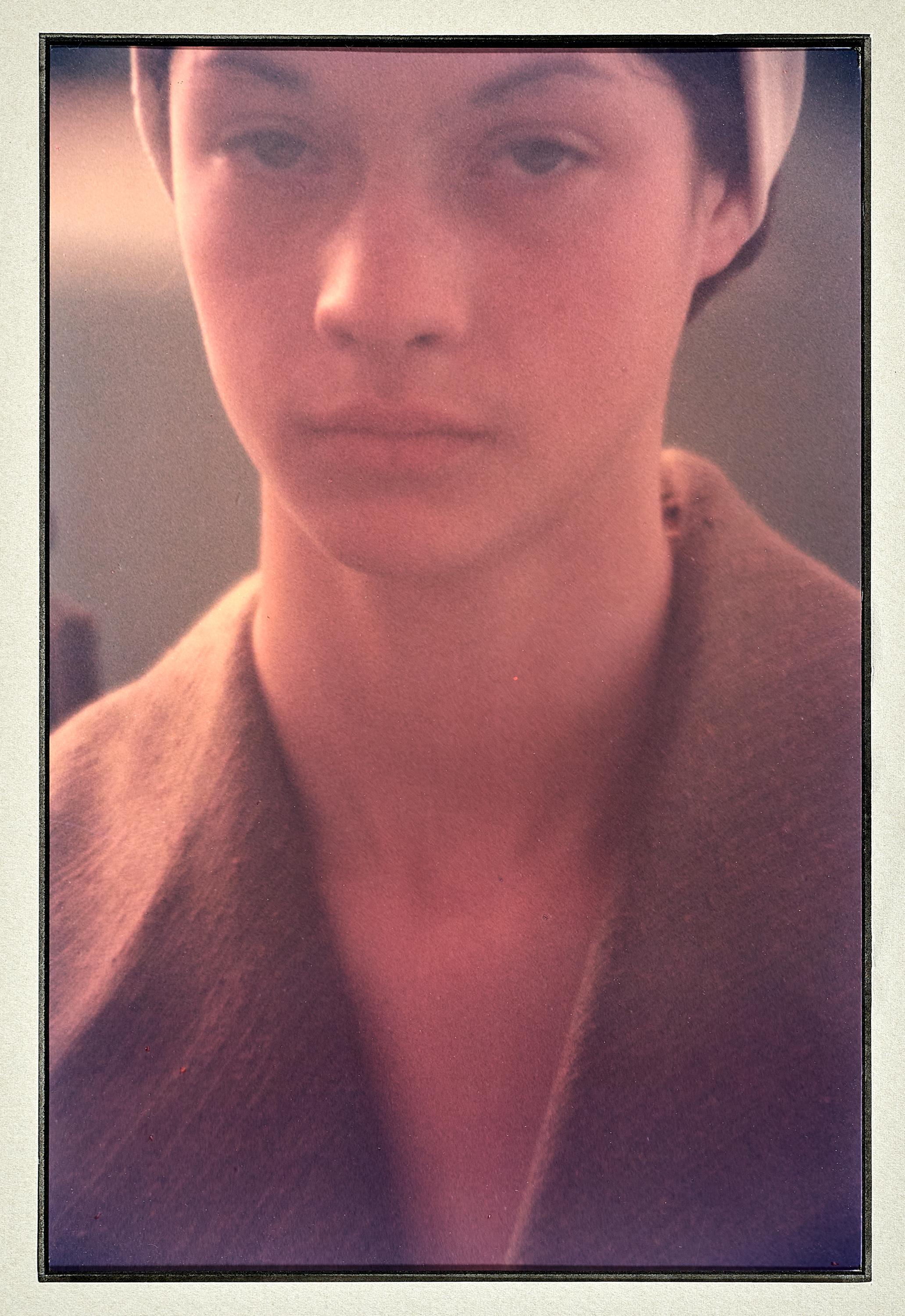
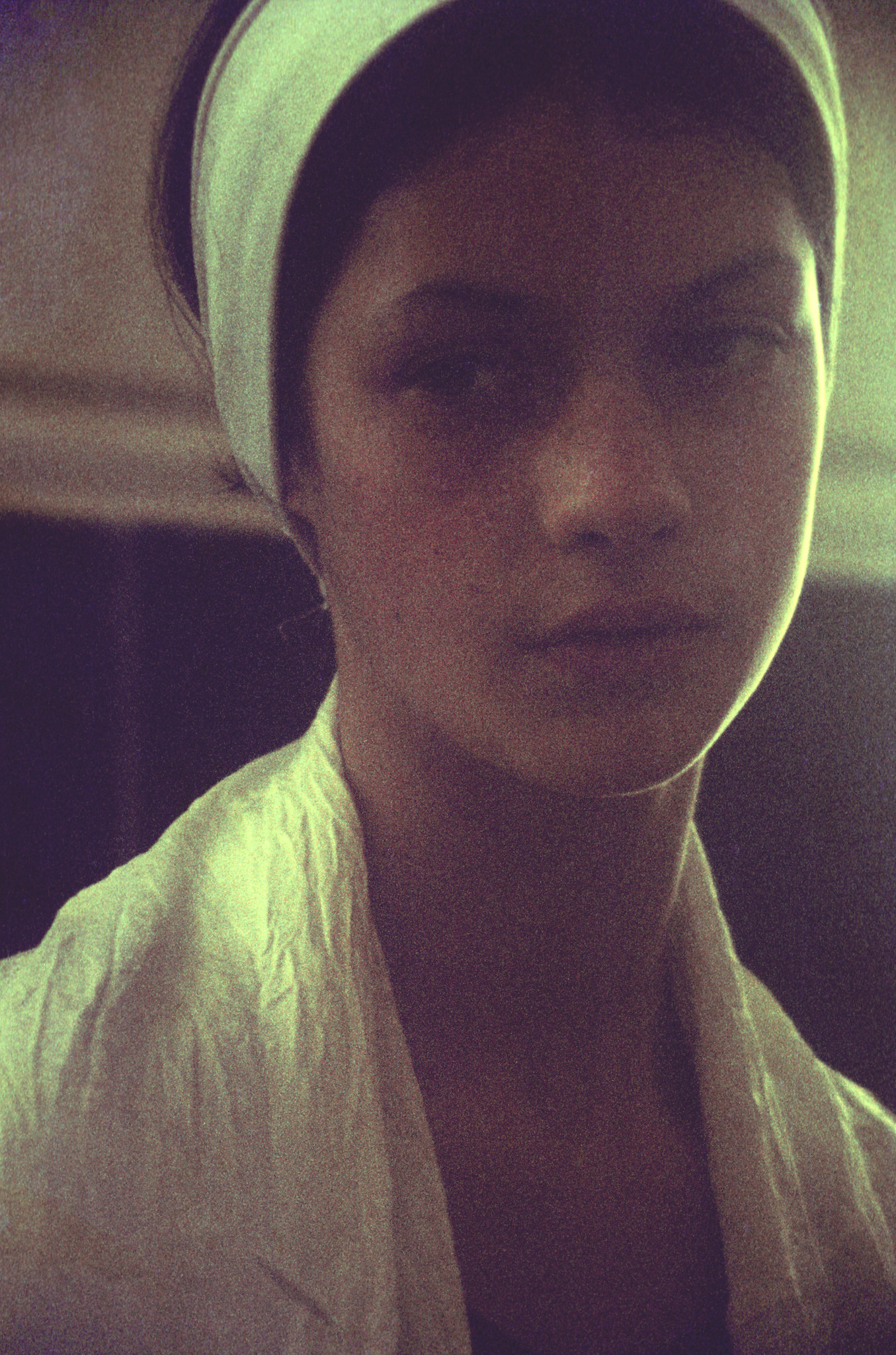

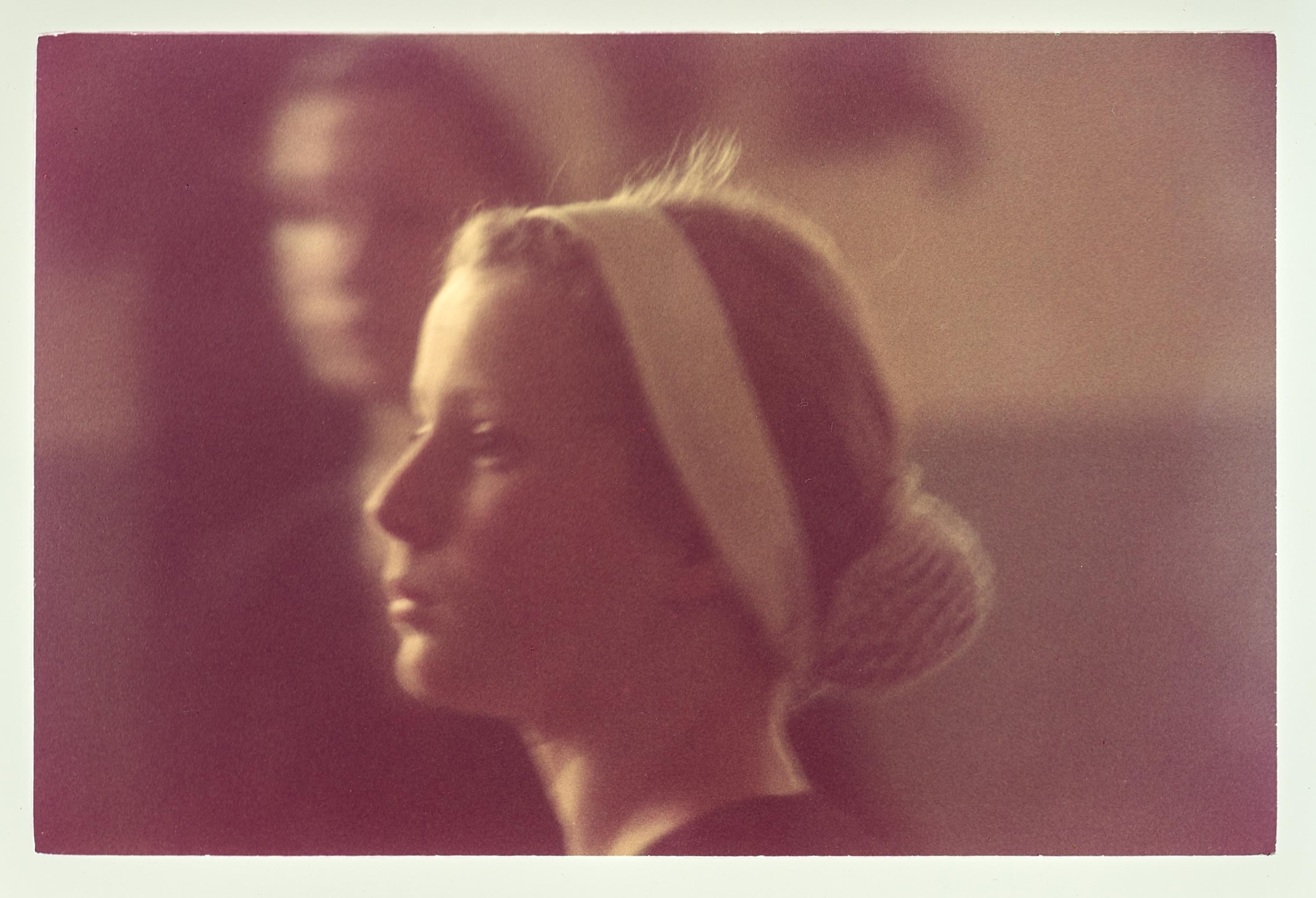
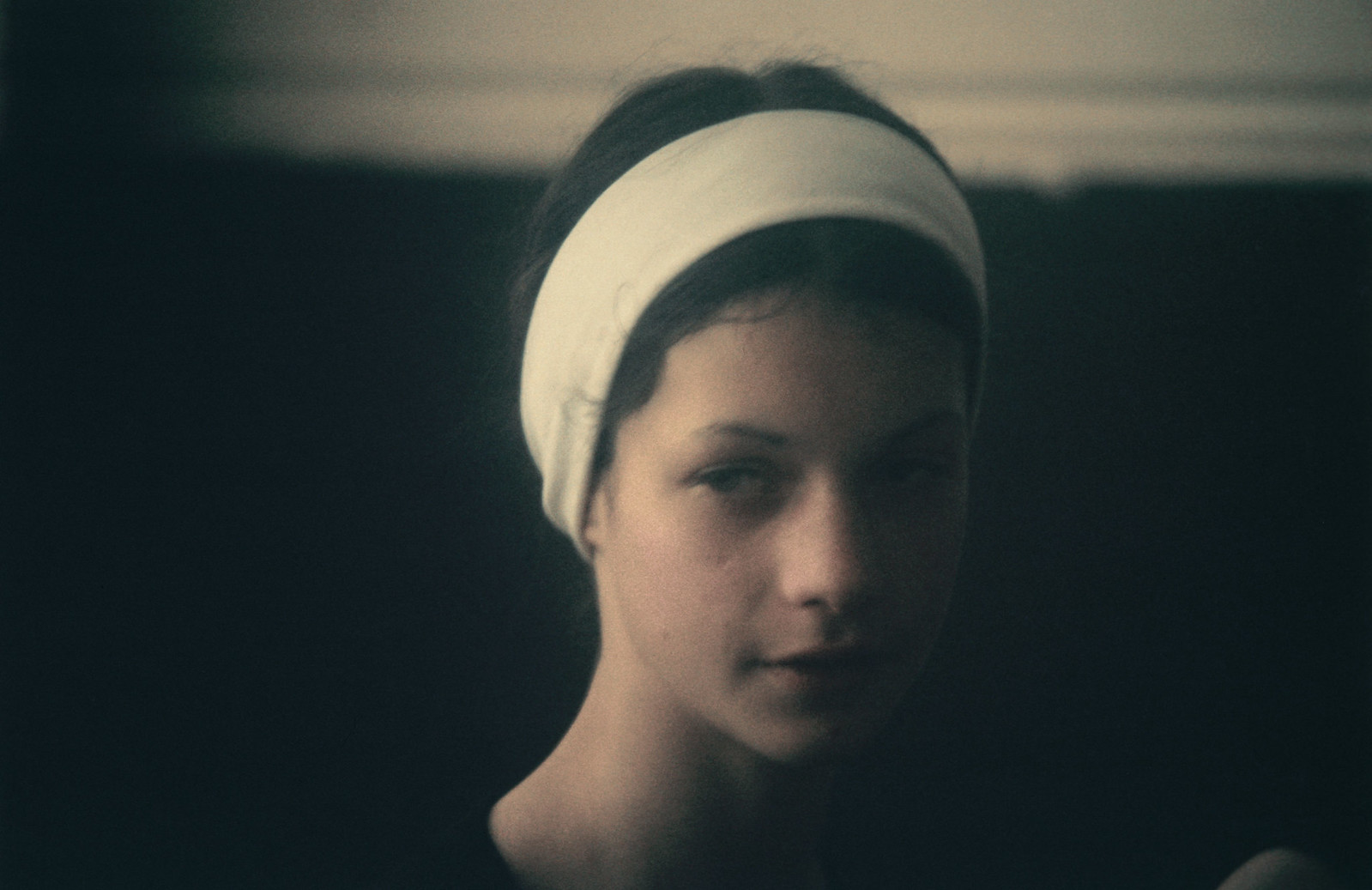
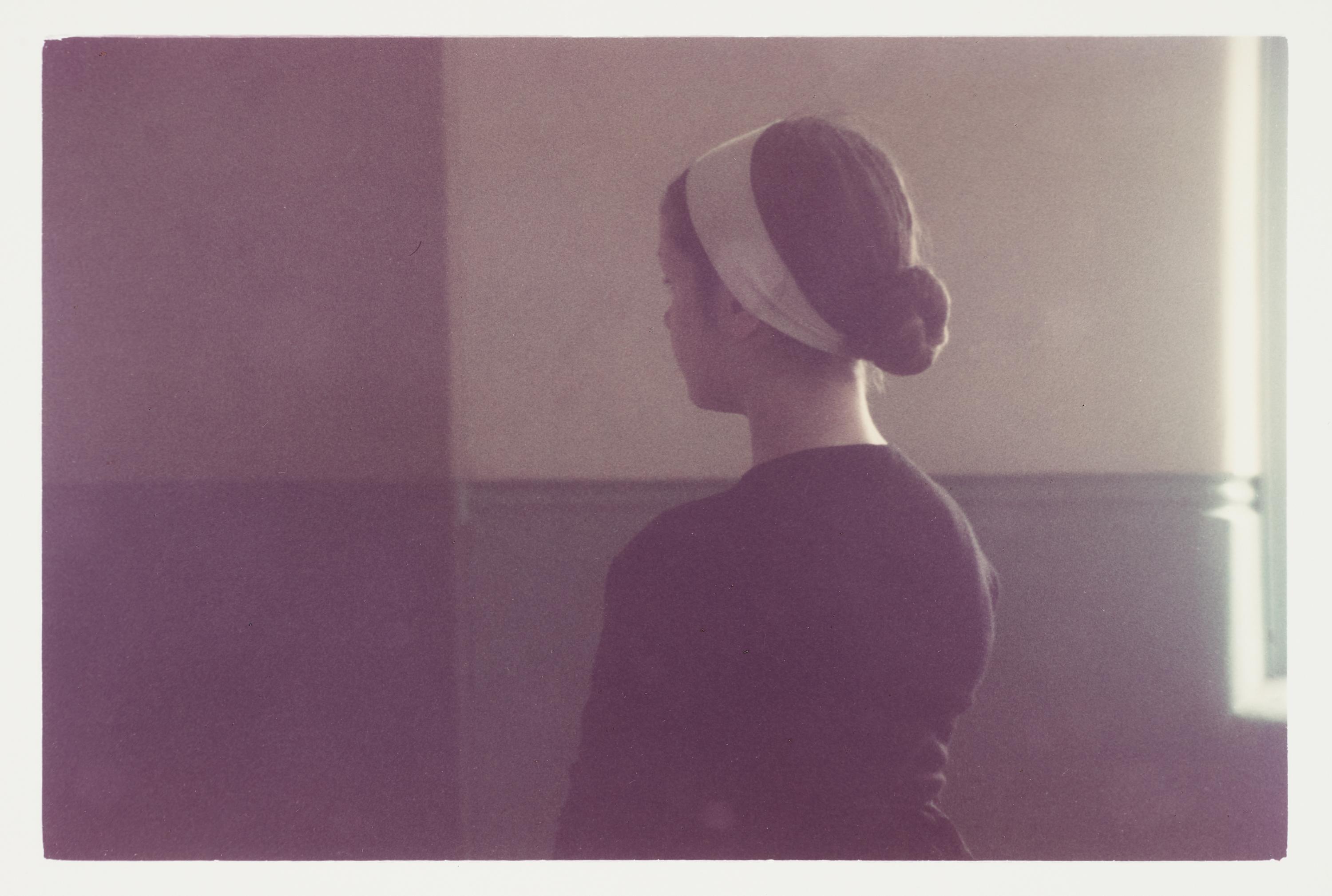
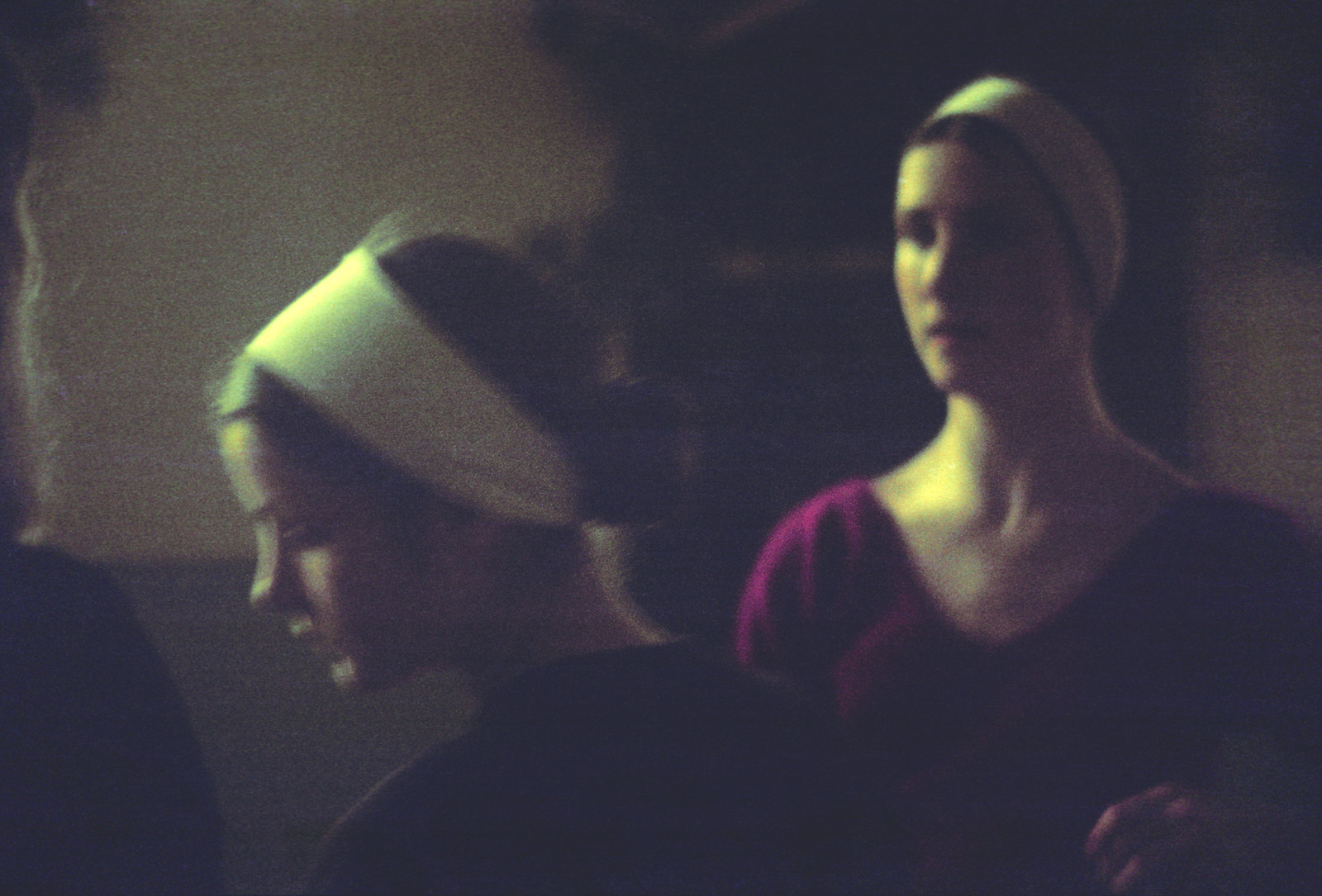
‘Untitled 1974’ was one of Bill Henson’s earliest photographic series. When photographing the ballerinas, he found himself fascinated by faces, ‘lost to the world, absorbed in the dance. So I photographed their faces rather than their bodies. I was drawn to the spirit of some person in a space.’ Bill Henson 2004
Sequences are an important part of Henson’s work, creating a dialogue between the images and enhancing both the meaning and effect. An image that is hard to discern singularly becomes more readable as part of a sequence, while at the same time the whole sequence seems to become more ethereal and requiring of an emotional response. AG of NSW




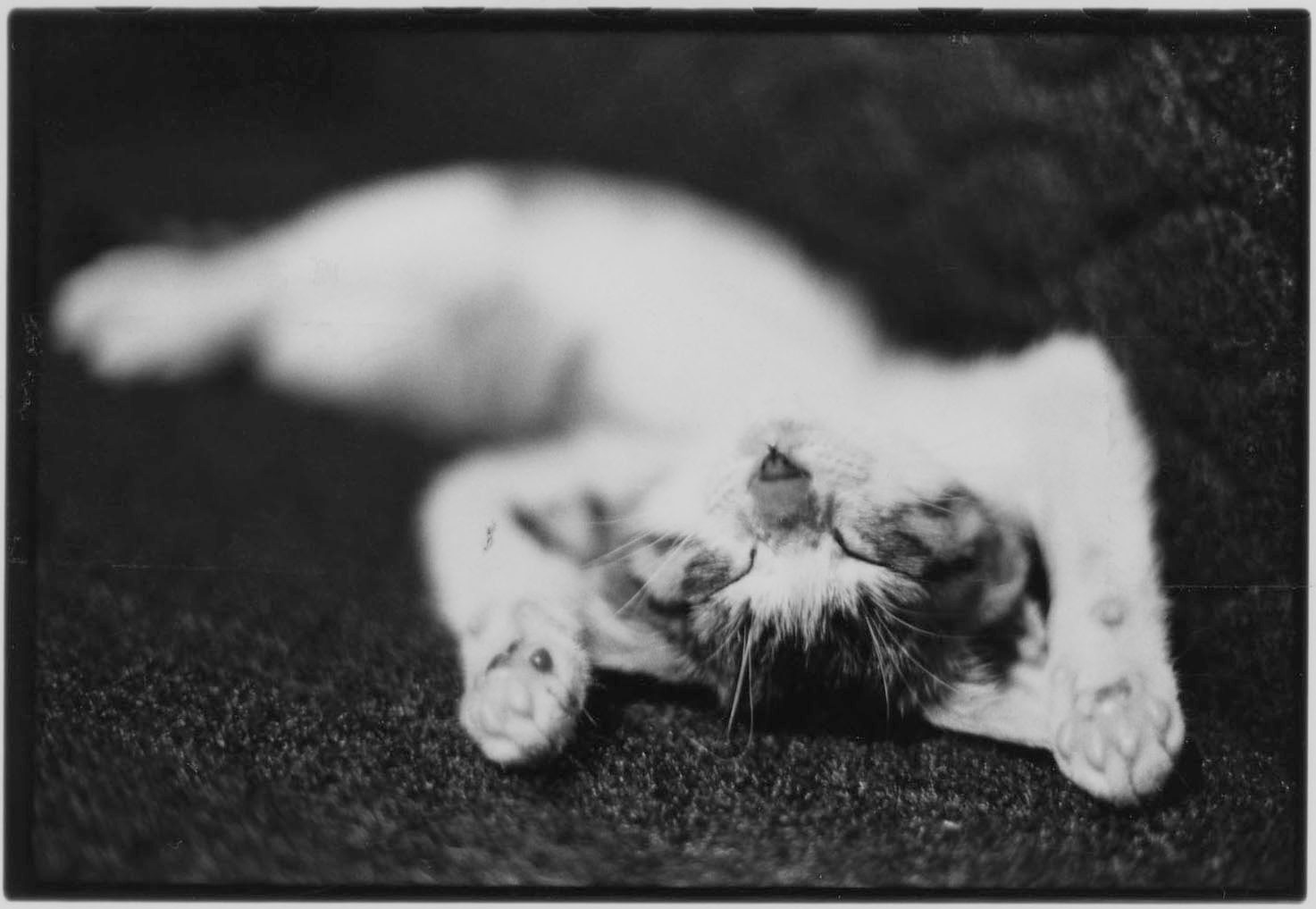
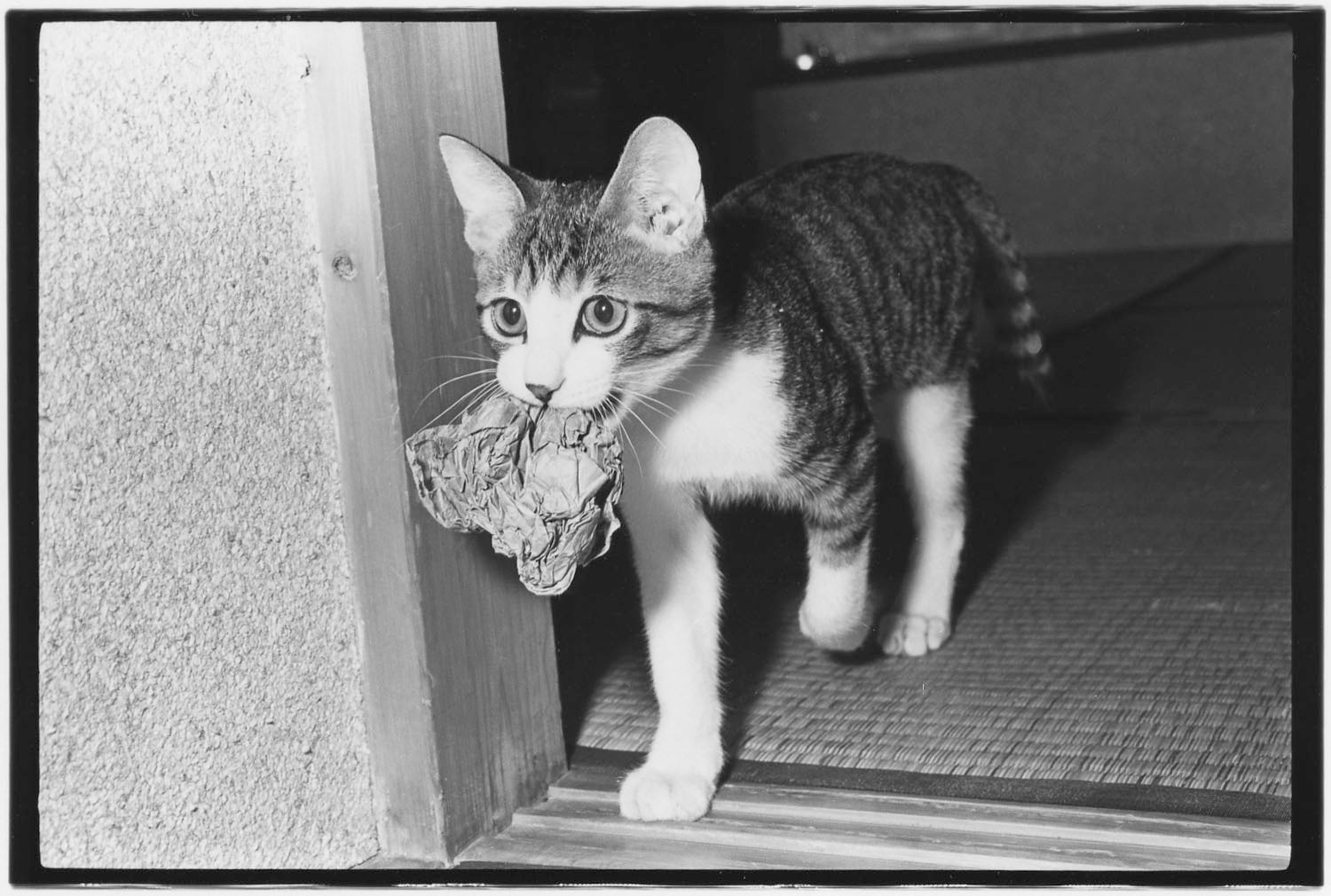
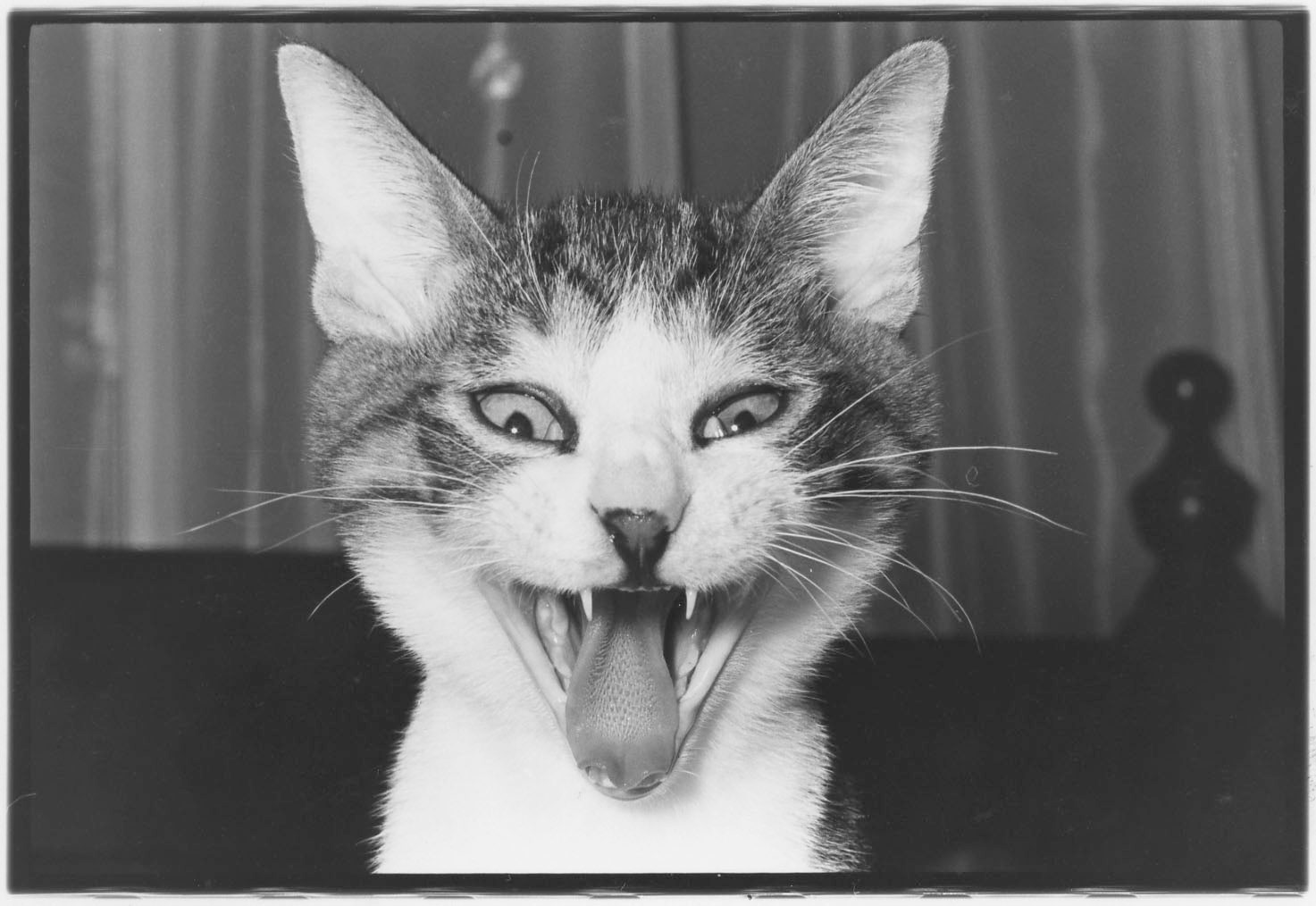
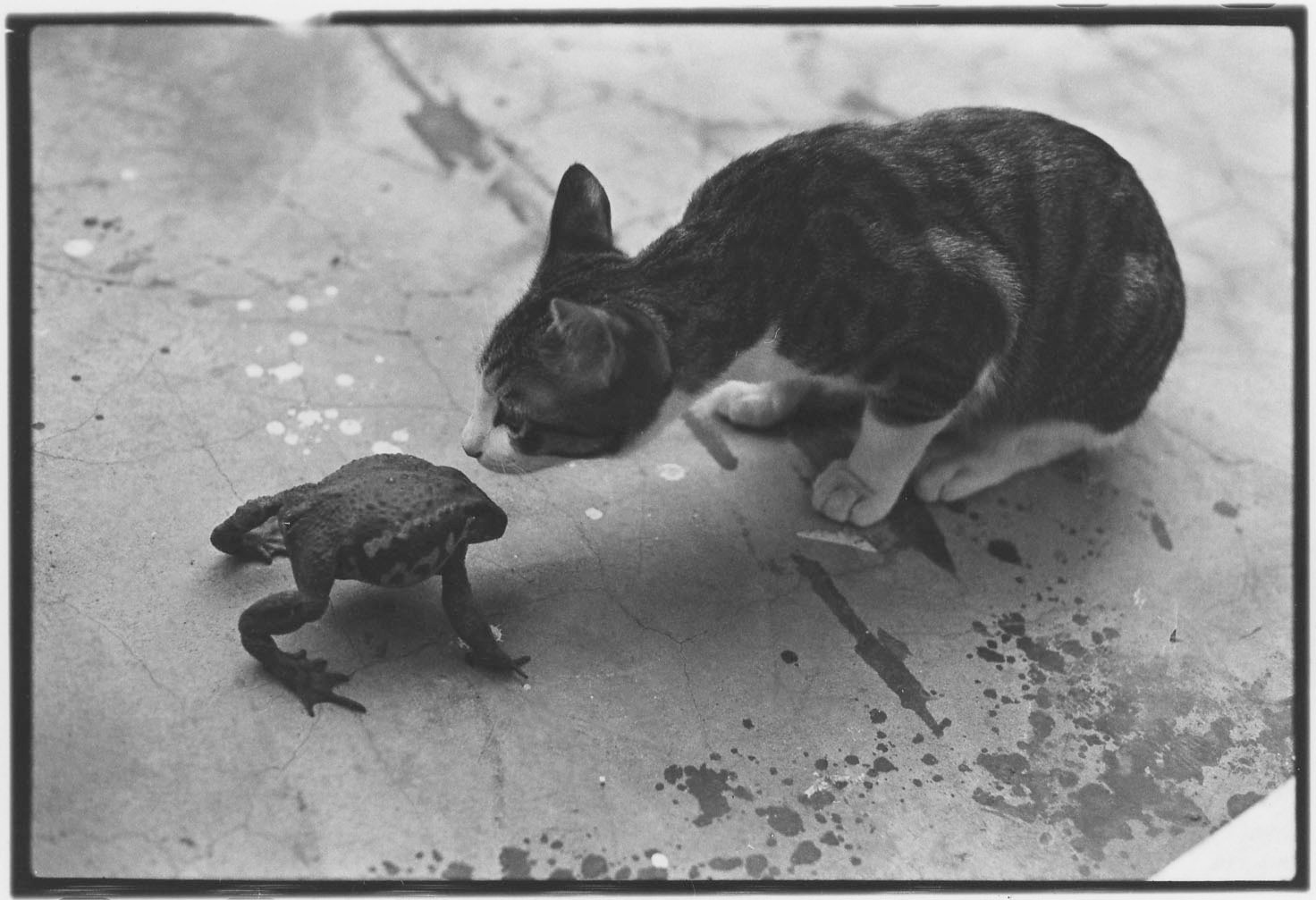
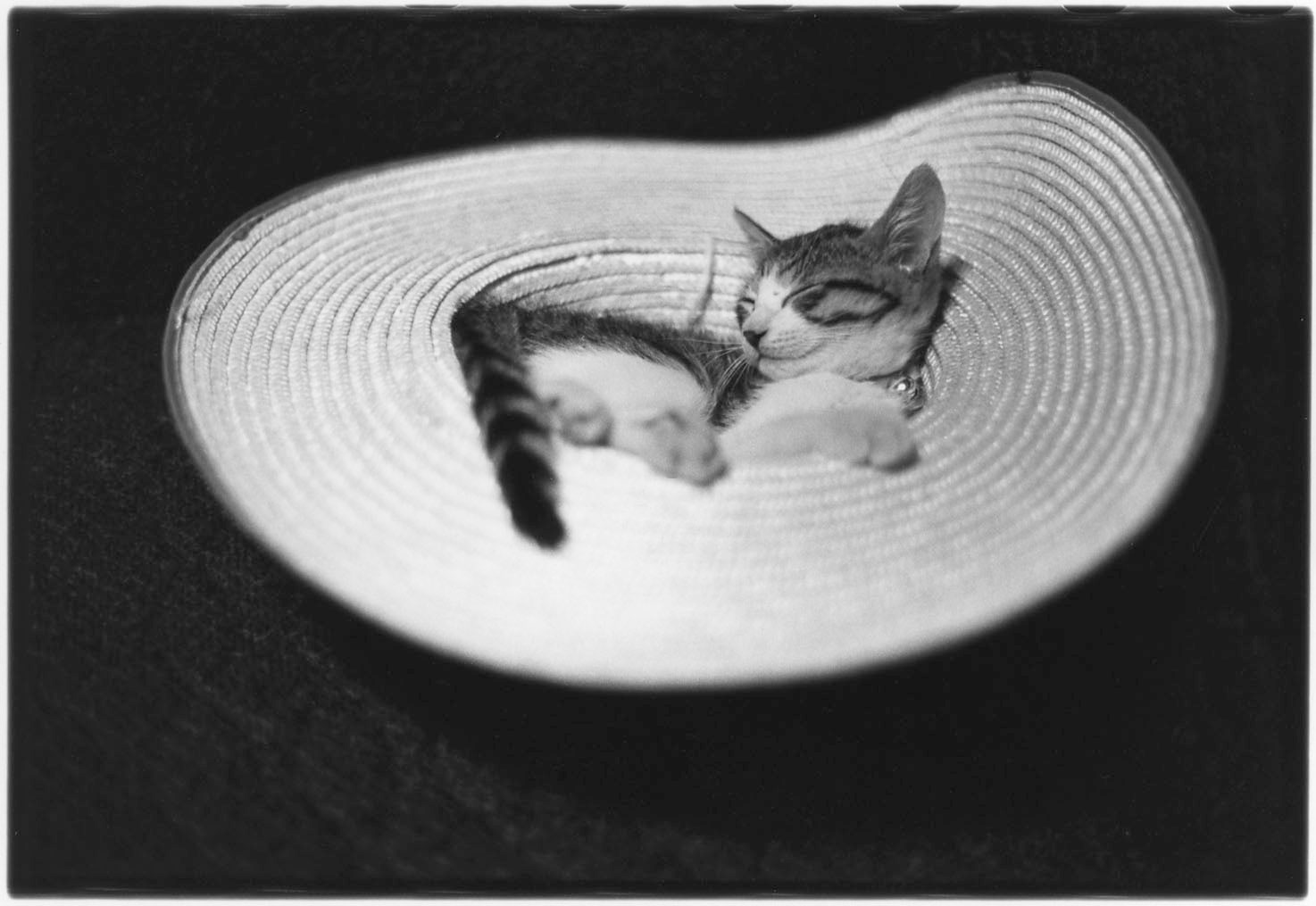
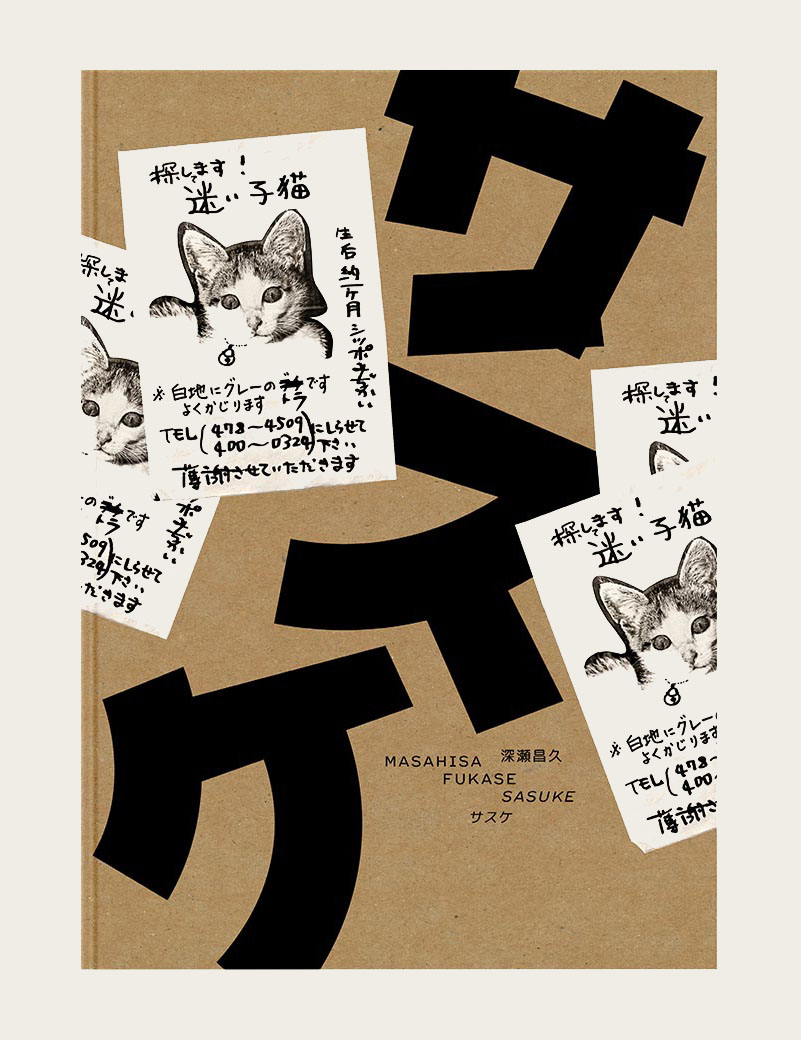
In 1977, Fukase turned his lenses on his new companion Sasuke. Growing up with felines, he decides with the arrival of this new cat in his life that it would become a photographic subject in his own right, fascinated by this creature full of life named after a legendary ninja. Sasuke disappears after ten days and the photographer sticks hundreds of small posters in his neighborhood.
A person brings back his cat, yet it is not Sasuke but never mind he welcomes this new cat with as much affection. One year later, he takes a second cat named Momoe, entering the frame as well and he will never get tired of photographing their games. They become for the Japanese photographer a boundless experimental field leading to an extraordinary body of work in its technical and visual inventiveness.
As often in his work, this series shows a form of projection of the photographer into his subject. The cat, a faithful companion who never leaves him, takes the place of his wife, eternal heartache, later represented by the iconic fleeing crows.
A new book, Sasuke, is dedicated to Masahisa Fukase’s emblematic series on his two cats: Sasuke and Momoe, combining unpublished and iconic images. | Juxtapoz magazine
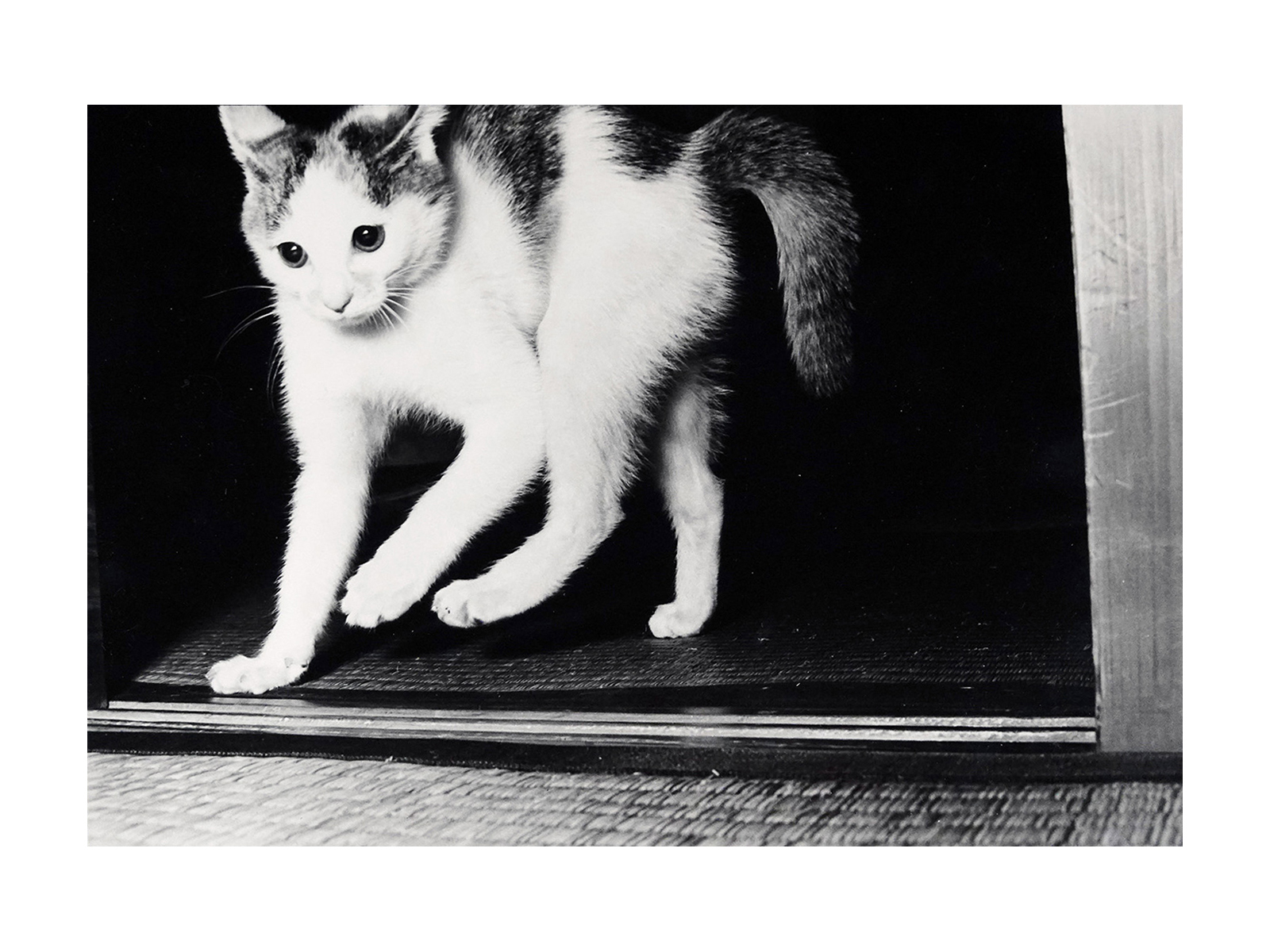

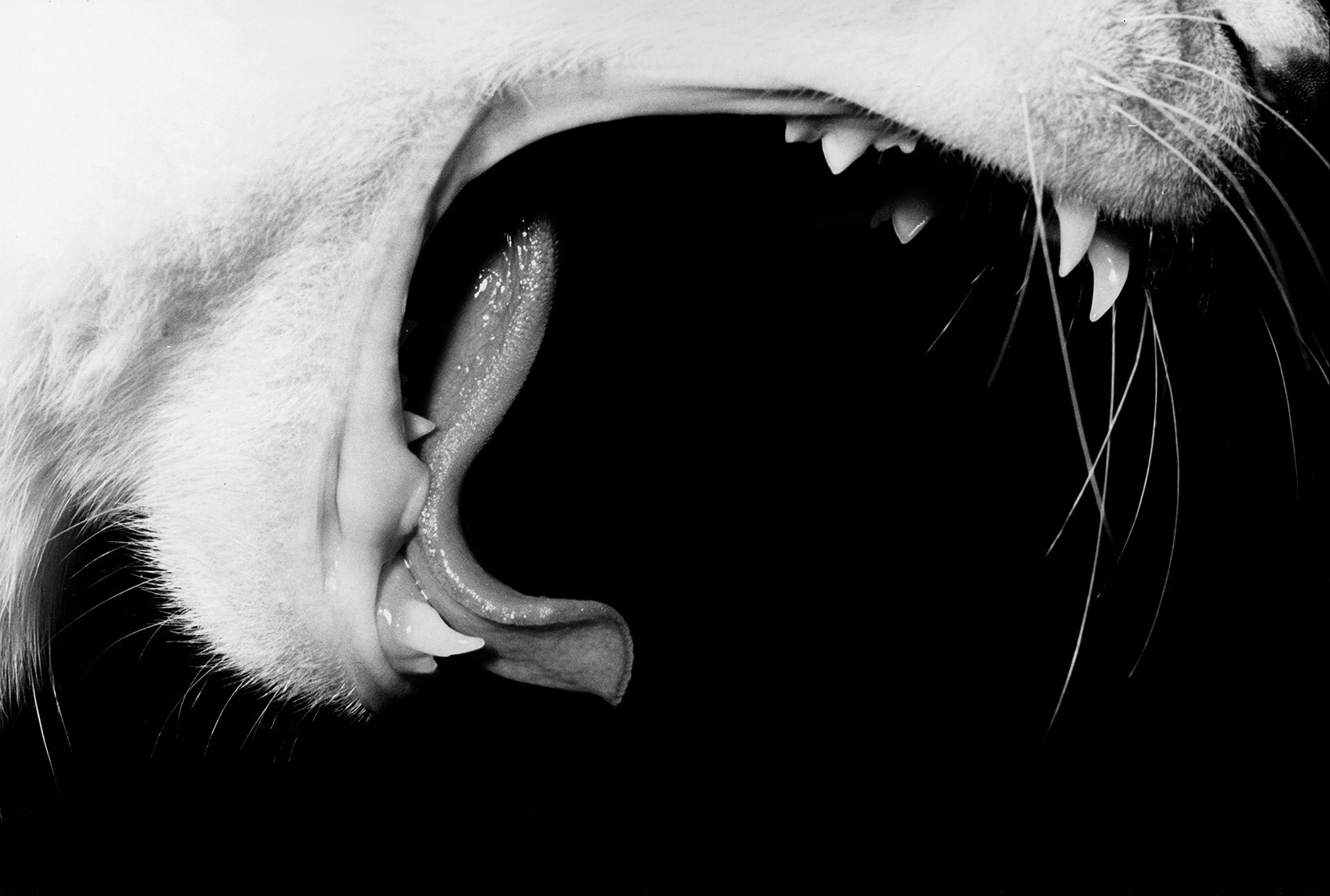

This publication is dedicated to Masahisa Fukase’s emblematic series on his two cats: Sasuke and Momoe, combining unpublished and iconic images. In 1977, Fukase turned his lenses on his new companion Sasuke. Growing up with felines, he decides with the arrival of this new cat in his life that it would become a photographic subject in his own right, fascinated by this creature full of life named after a legendary ninja. Sasuke disappears after ten days and the photographer sticks hundreds of small posters (as featured on the cover of the book) in his neighborhood. A person brings back his cat, yet it is not Sasuke but never mind he welcomes this new cat with as much affection. One year later, he takes a second cat named Momoe, entering the frame as well and he will never get tired of photographing their games. They become for the Japanese photographer a boundless experimental field leading to an extraordinary body of work in its technical and visual inventiveness.
As often in his work, this series shows a form of projection of the photographer into his subject. The cat, a faithful companion who never leaves him, takes the place of his wife, eternal heartache, later represented by the iconic fleeing crows.
His cats have been the subject of several books in his lifetime and Tomo Kosuga has dug into the photographer’s archives to conceive this ultimate book as the achievement of a series of publications devoted to his cats. / text: Atelier EXB
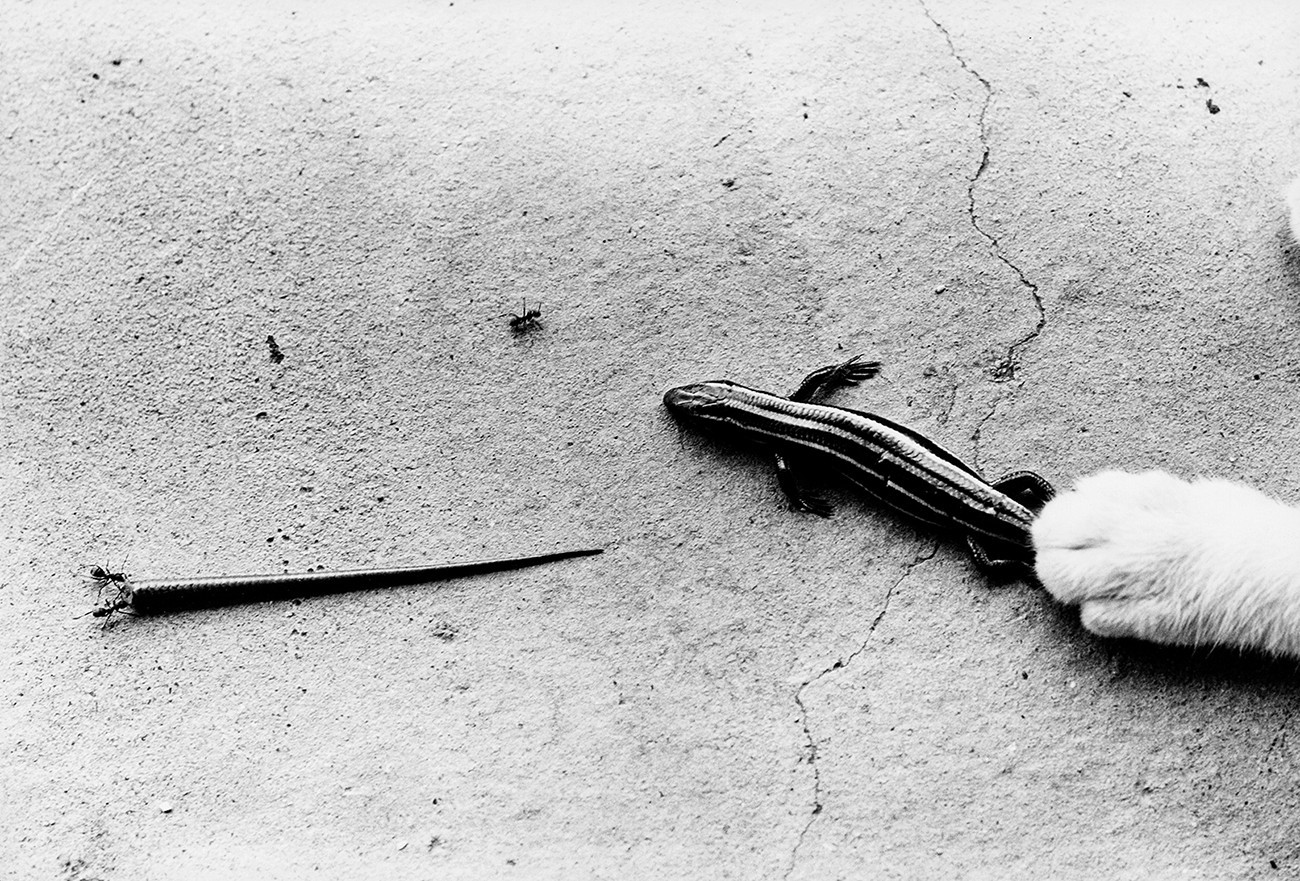
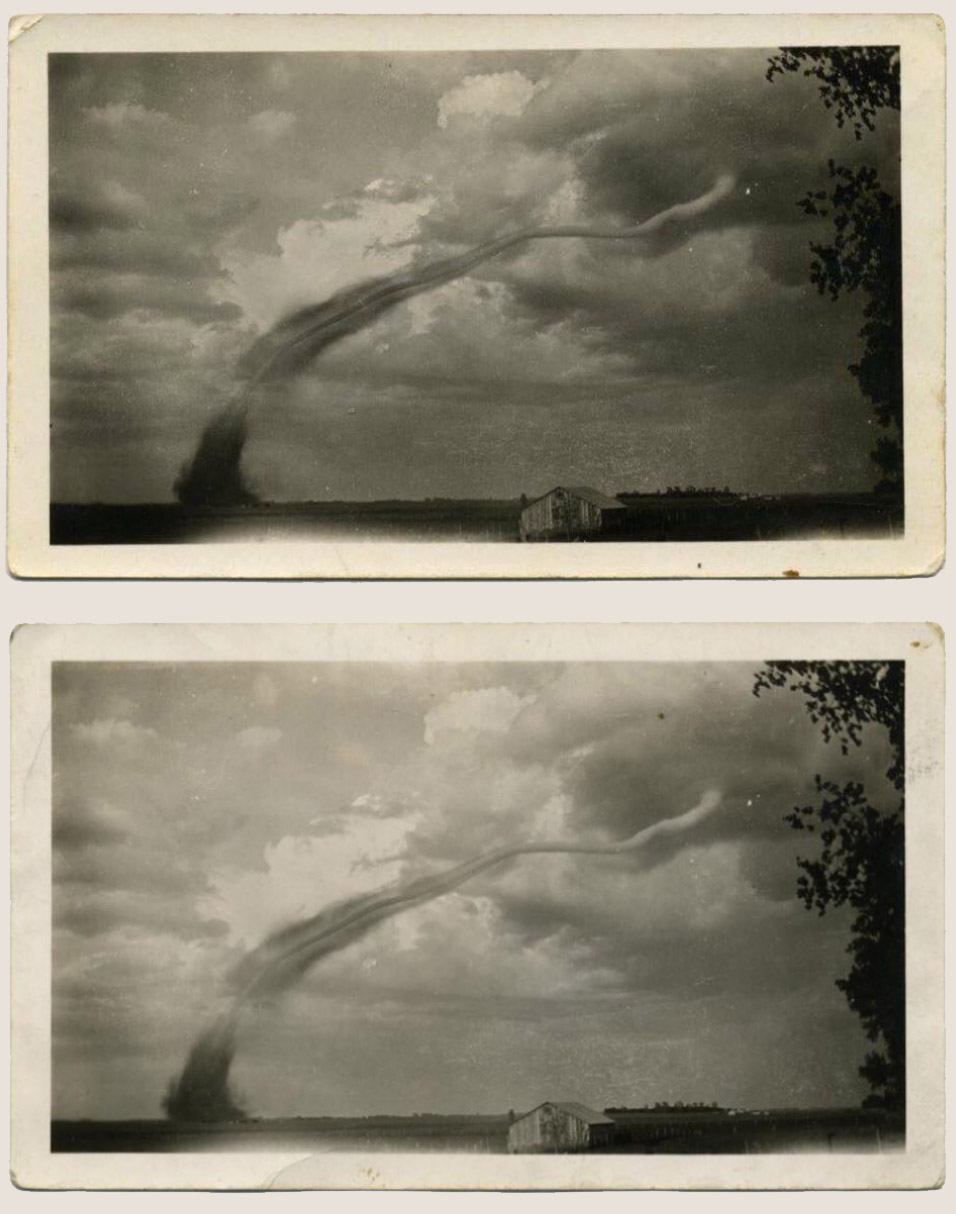
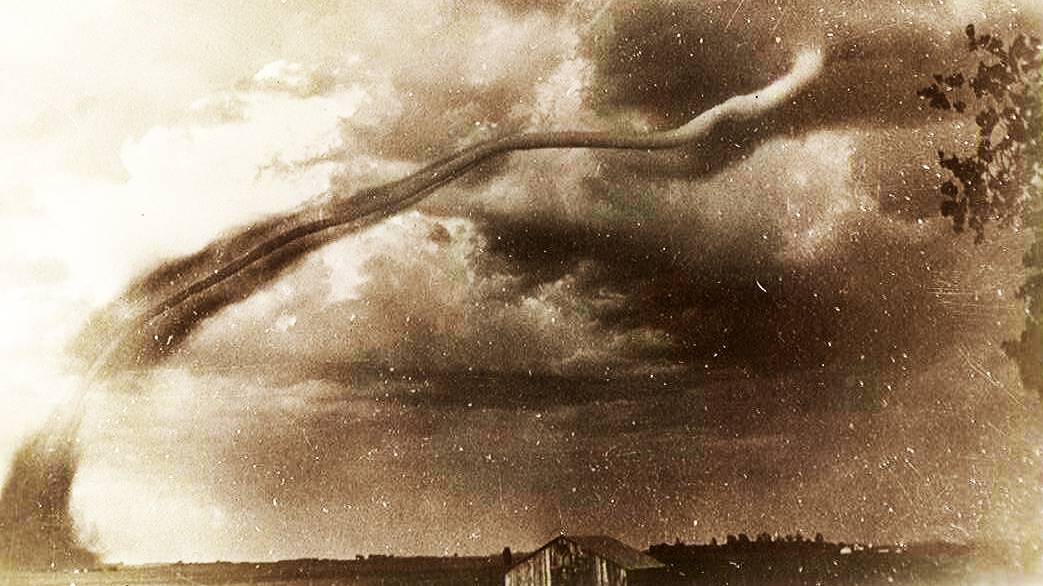
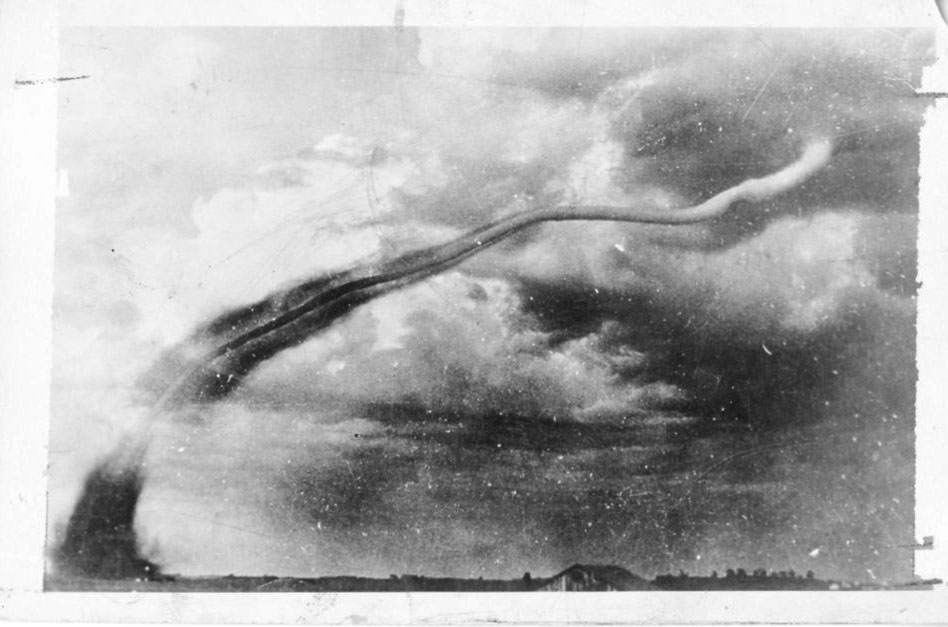
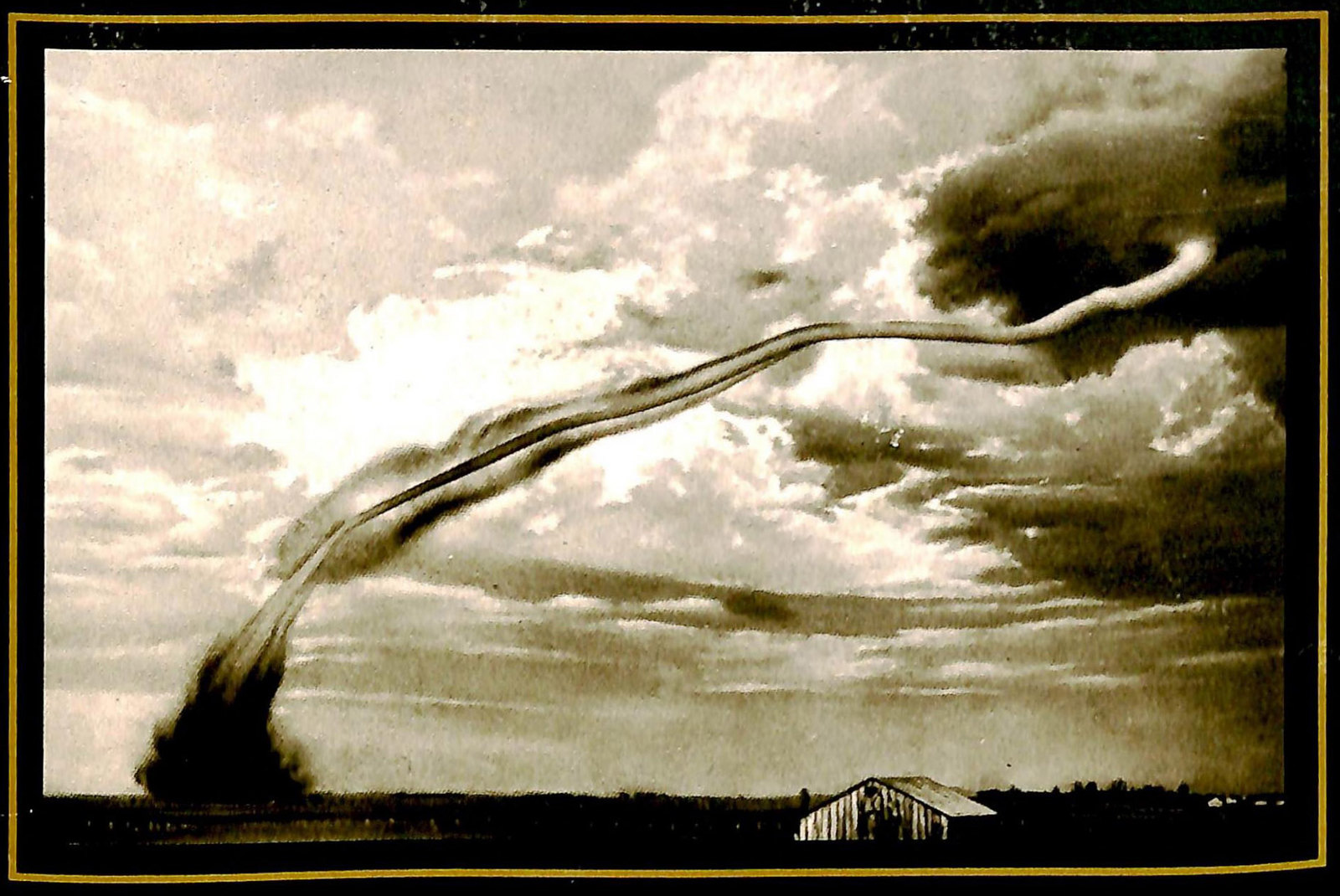
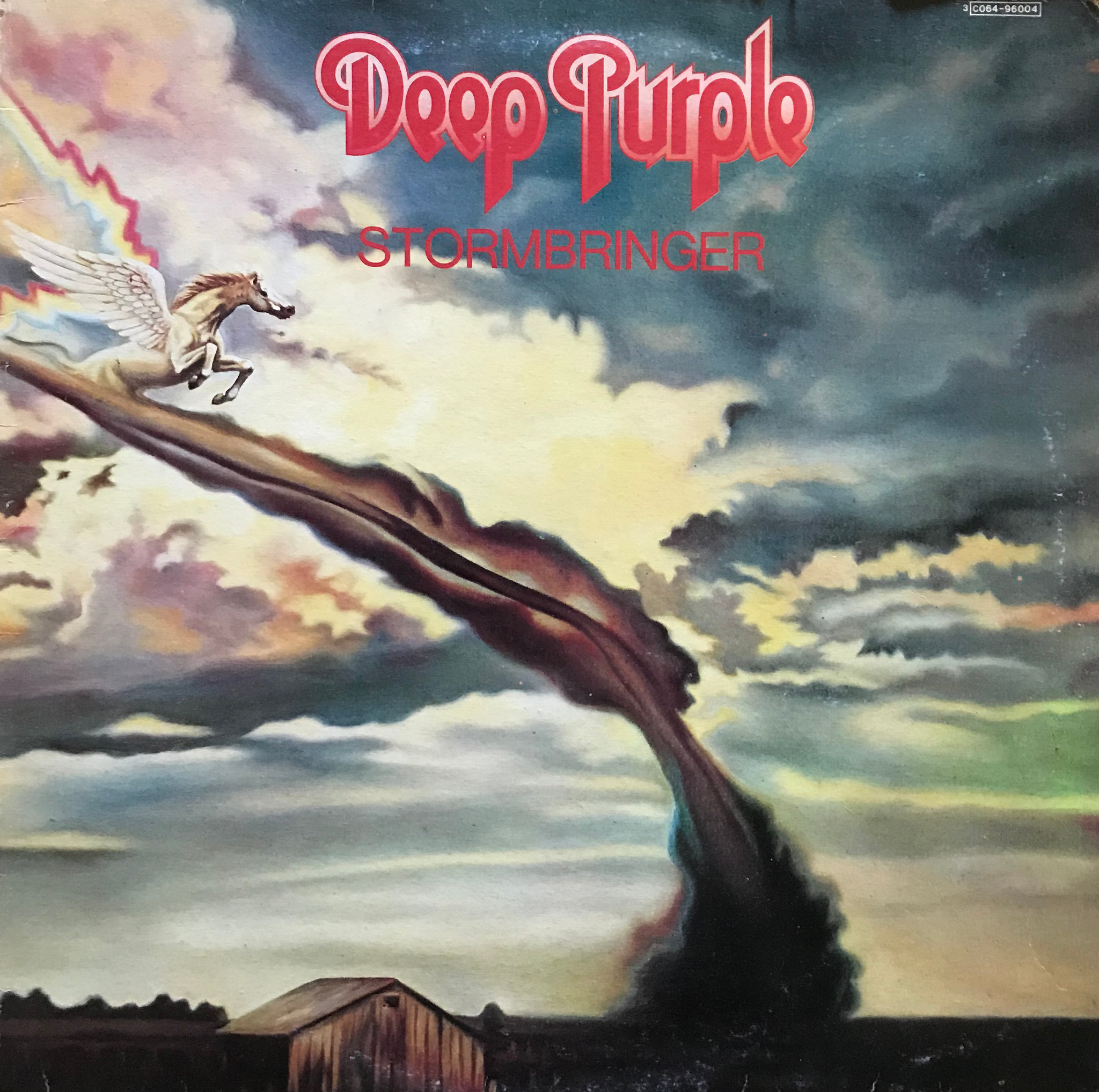
Two theories: the second tornado snapshot (on the bottom) had a Canedy’s Camera Shop 1927 date stamp on the verso. Canedy’s was in South Dakota and sold local souvenir snapshots (Bad Lands, Black Hills, etc…) between the 1920s – 1940s. It is also probable that when 15-year old Lucille Handberg took this photo her neighbor, who was an engineer, recognized its importance and sent copies to scientists around the country and these could be two of those. text adapted from source : Billy Parrot
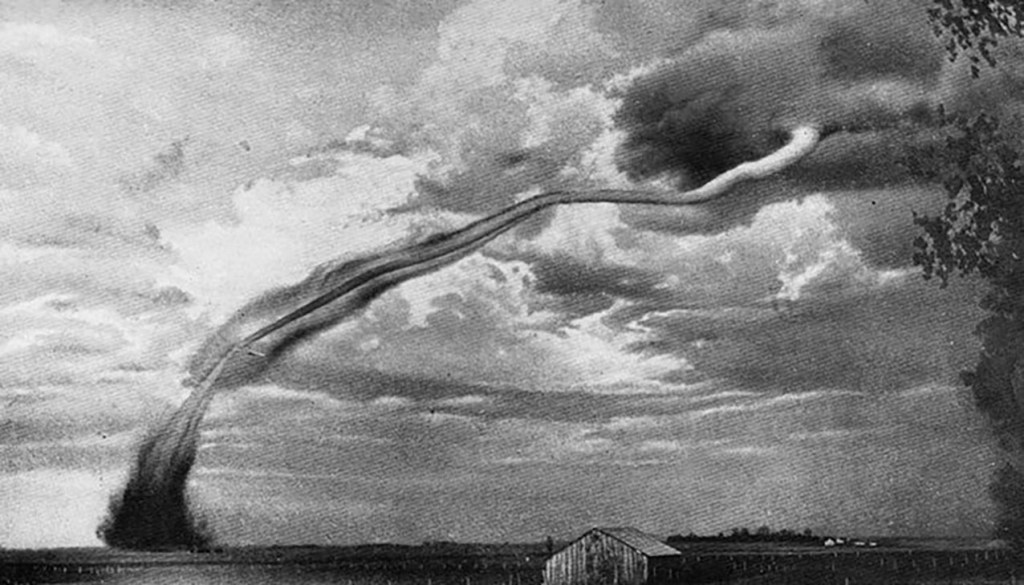
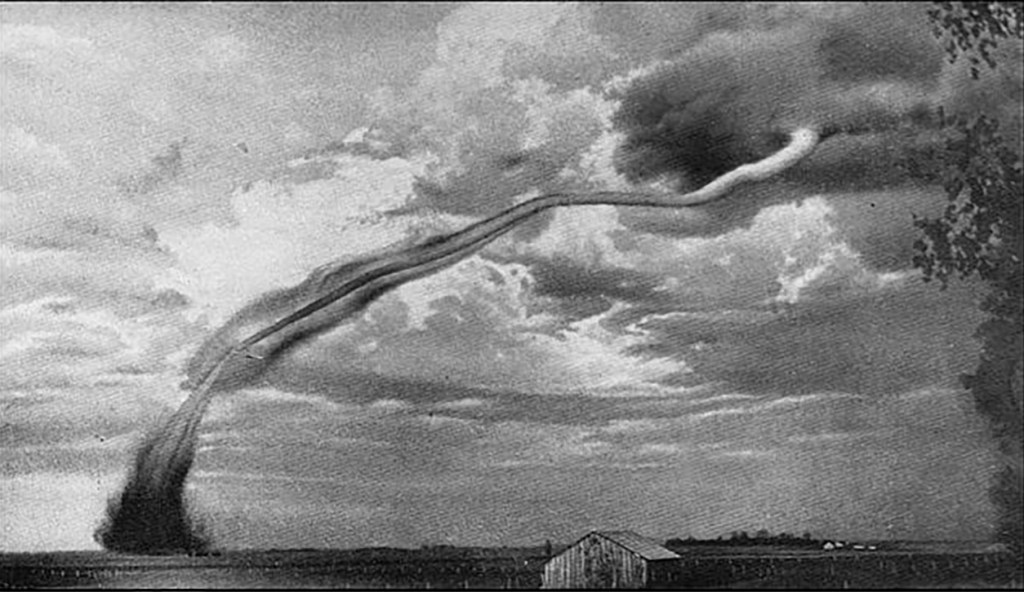
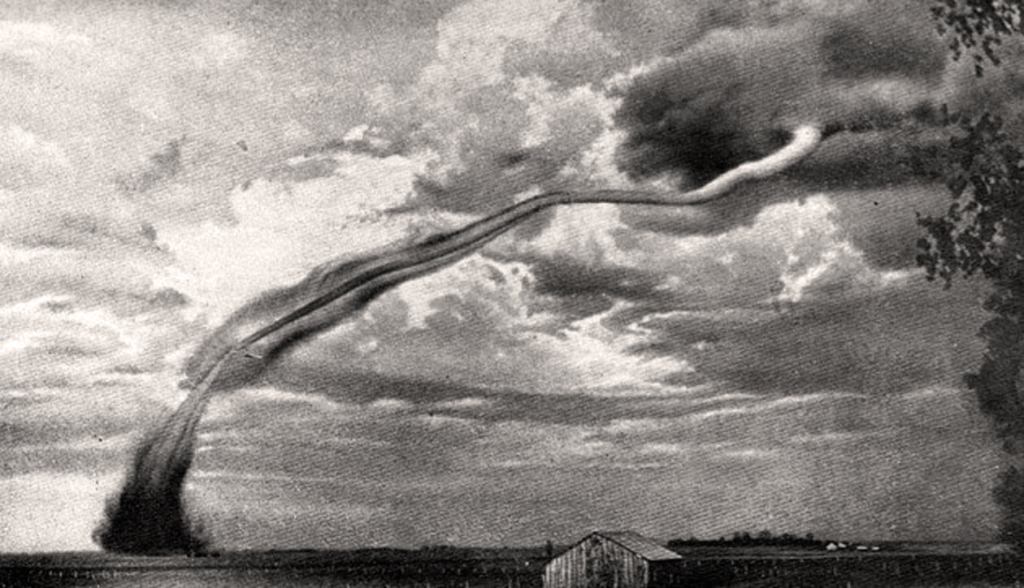
The images above this line are most probably scanned from newspapers of the time, we were not able to find the original source. The second image is from The Gallery of Natural Phenomena, where you can read more about the circumstances in which the photo was shot. [x]
Only the image below can be reached on the Library of Congress.
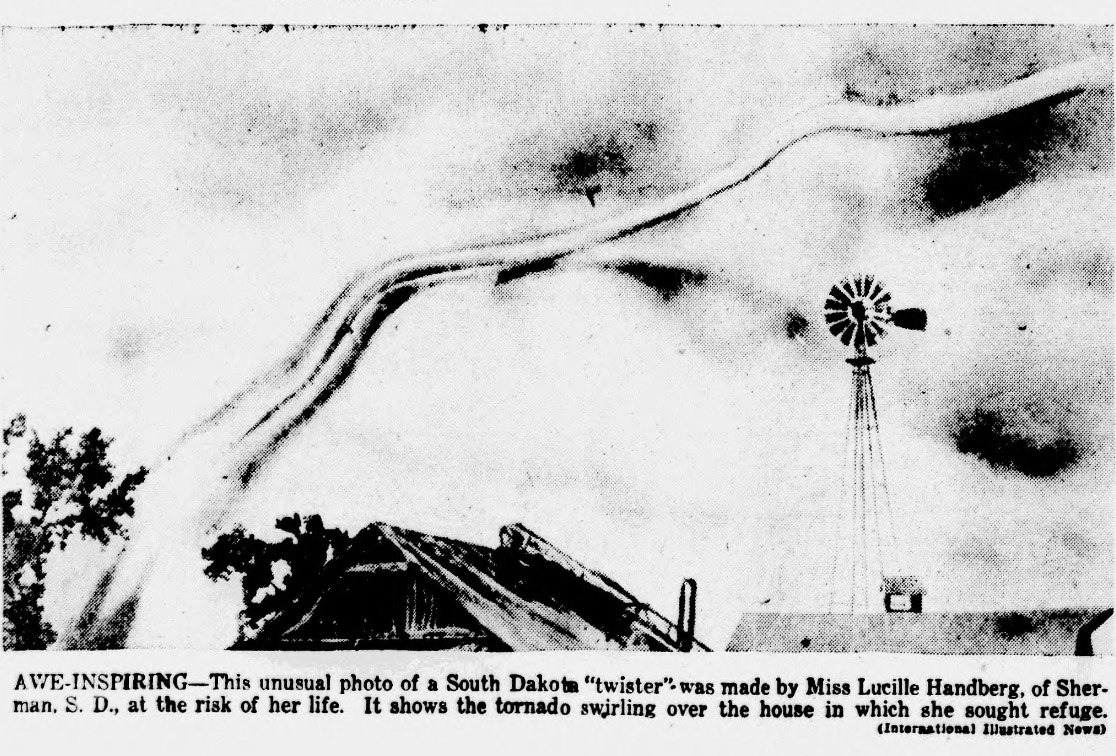
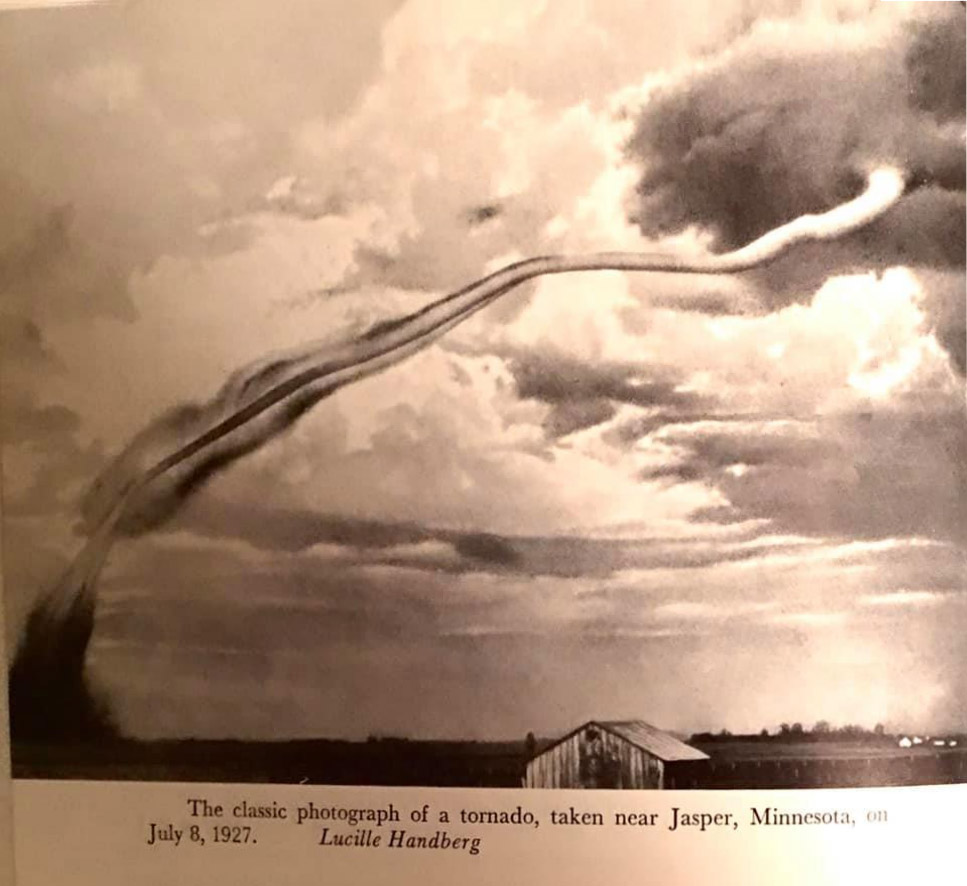
Controversy arises : Jasper tornado of 1927 is, according to South Dakota Public Broadcasting (based on information from Siouxland Heritage Museums), the Sioux Falls tornado of 1932…
… view two images below.




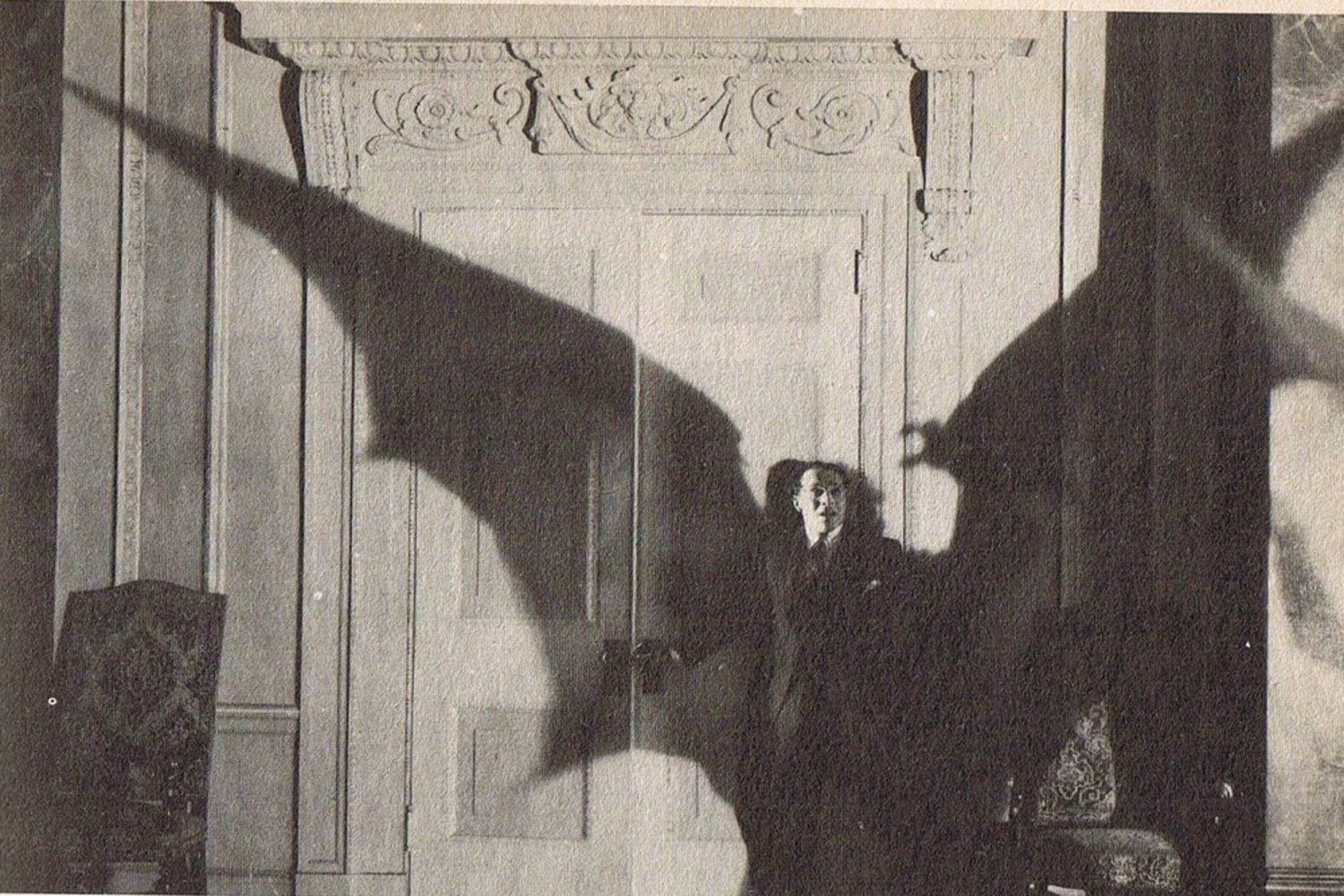
Watch the film on YouTube ~ link to this scene : here
Nevertheless, our favorite scene takes place a few minutes before during the night in Geoffrey’s ominous mansion. Geoffrey’s wife, an exotic Russian princess in exile (Lya de Putti) confess Prince Lucio that she married Geoffrey only to be near him (Satan). Geoffrey awakens and creeps down the stairs to find his wife throwing herself at Lucio’s feet. It’s a suspenseful sequence with shadowy shots of the mansion that looks menacing. Link to scene
Read the novel on Project Gutenberg : The Sorrows of Satan or, The Strange Experience of One Geoffrey Tempest, Millionaire, A Romance : eBook
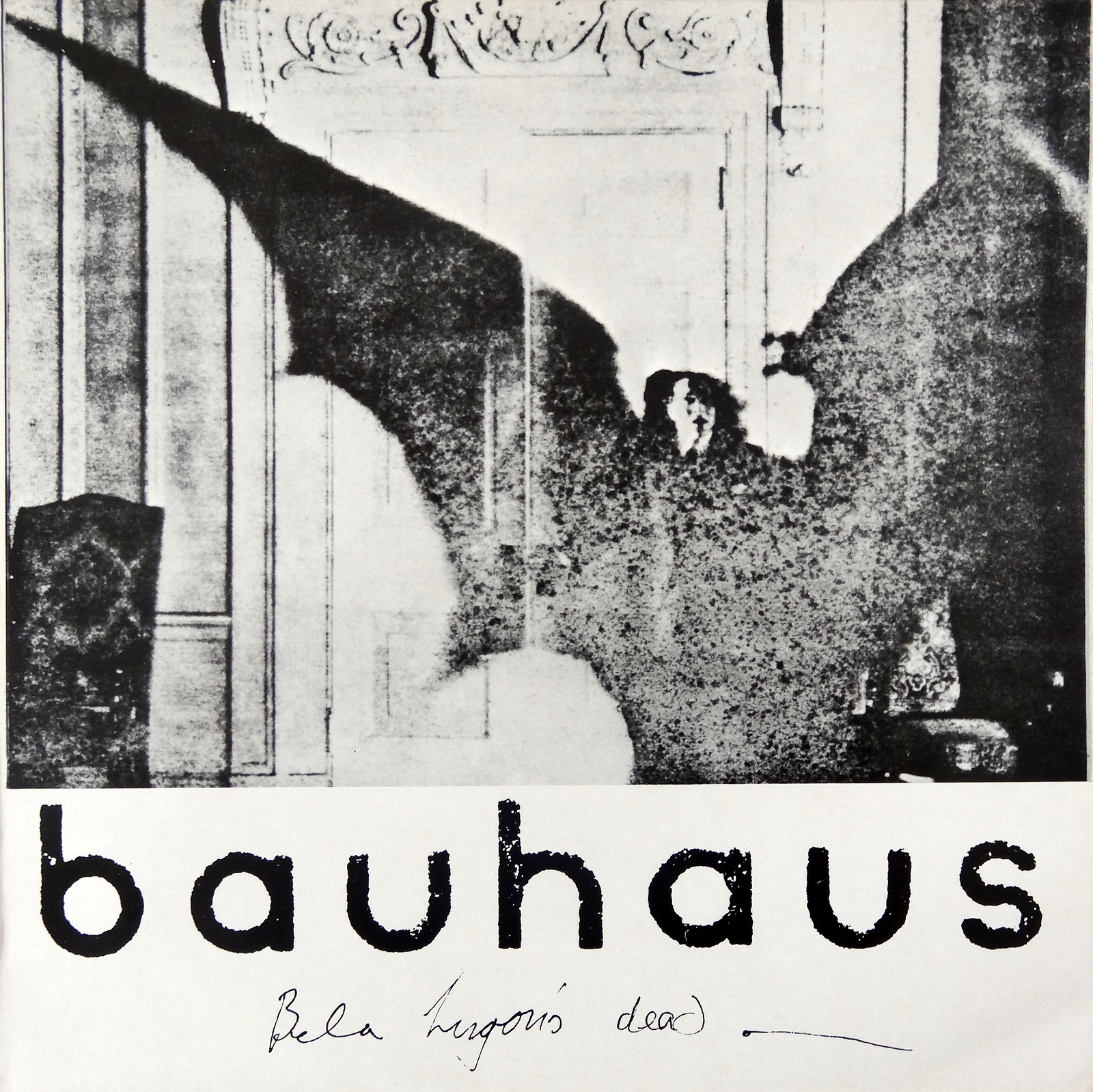
Listen to «Bela Lugosi’s Dead» on Bauhaus Official YouTube channel
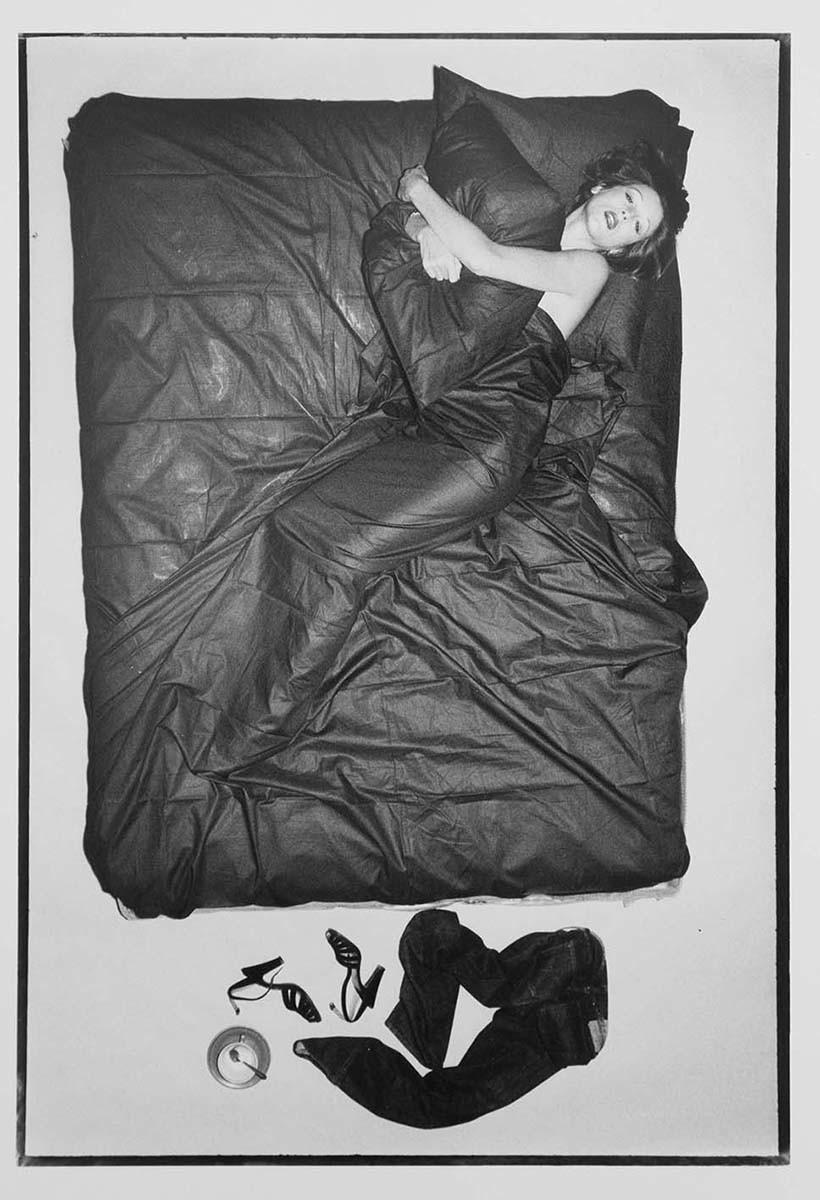



 un regard oblique