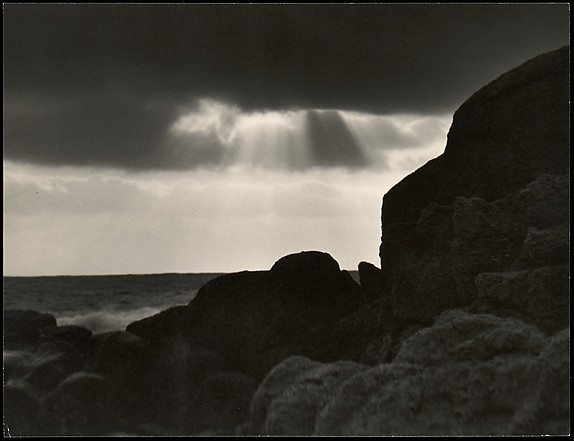
Lisette Model :: Running Legs, New York, 1940 / src: ICP
more [+] by this photographer
images that haunt us

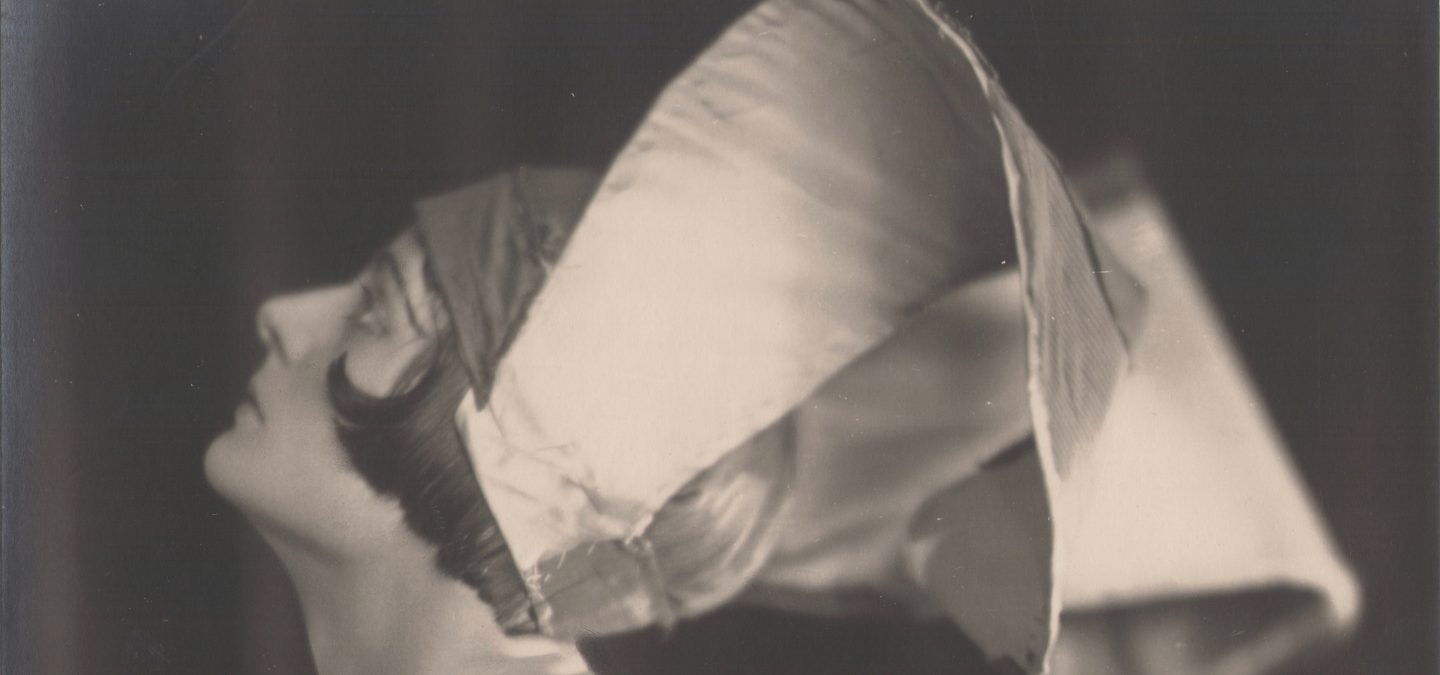
Gordon Parks :: Jean Patchett wearing an Alaska seal coat by Maximilian, New York, 1948 / via wehadfacesthen
more [+] by this photographer

Erwin Blumenfeld :: Francine Du Plessix Gray with Bird, 1947
/ via
kvetchlandia
more [+] by this photographer
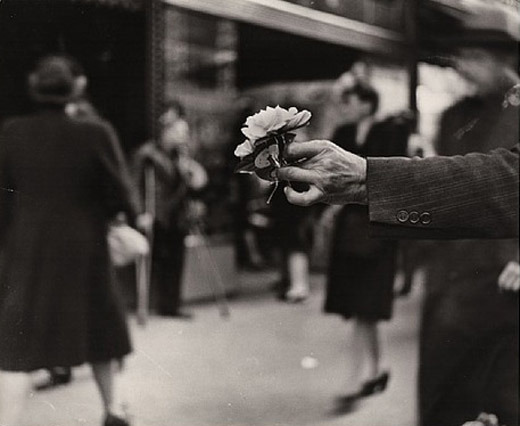
Louis Faurer :: Market Street, Philadelphia, PA, 1944-45 / via last picture show
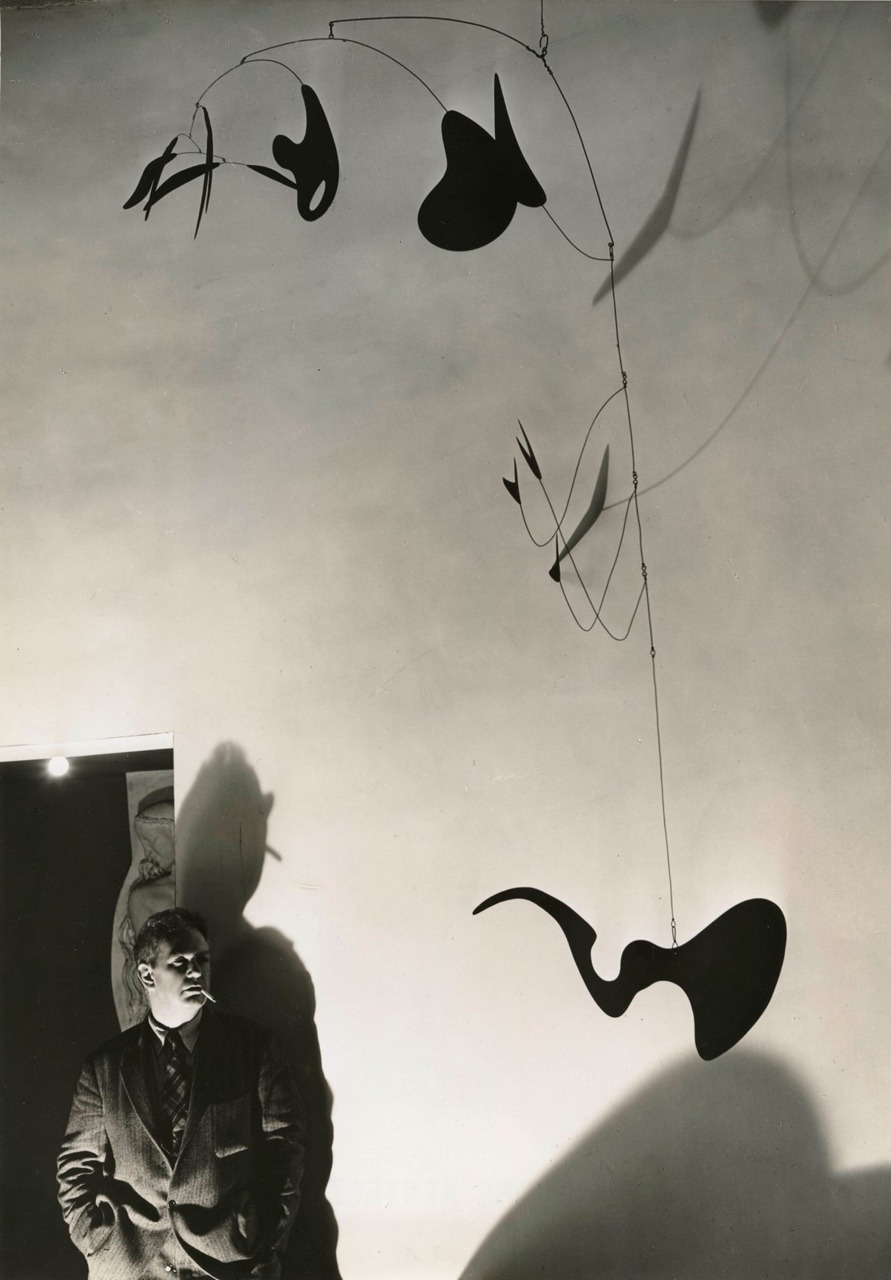
André Kertész :: Calder with Eucalyptus, 1940. (Image © Ministère de la Culture / Médiathèque de Patrimoine, Dist. RMN-Grand Palais)
“He didn’t see an eucalyptus tree and those long beautiful leaves and think, ‘I want to interpret that in a sculpture.’ He made a sculpture, and he looked at it, and he saw that it looked kind of like eucalyptus leaves” – Sandy Rower
Although often evocative, Calder’s titles are not guides for interpretation. The artist named his abstract sculptures after they were created simply as a means to identify or differentiate. “I give names to the things I’m working on just like license plates,” Calder once said. © 2017 Calder Foundation, New York / Artists Rights Society [ARS], New York)
more [+] by this photographer
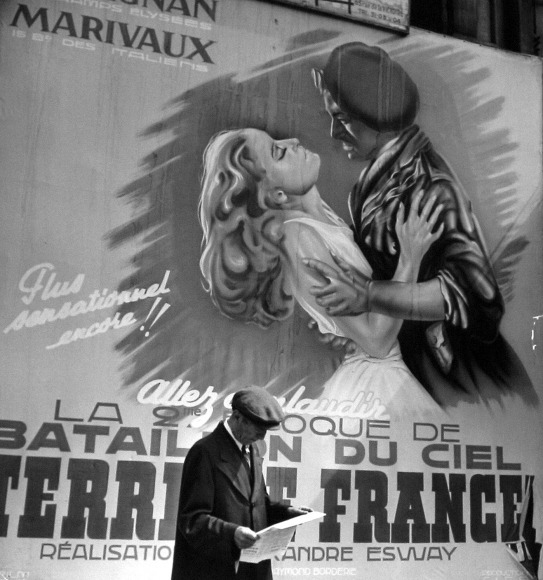
David ‘Chim’ Seymour :: Paris, 1947. Gelatin silver print. / src: Howard Greenberg Gallery
more [+] by this photographer

André de Dienes :: Nude, 1949. Photogravure.
/ the model is probably dancer Shirley Levitt
/ source: live-auctioneers
more [+] this photographer
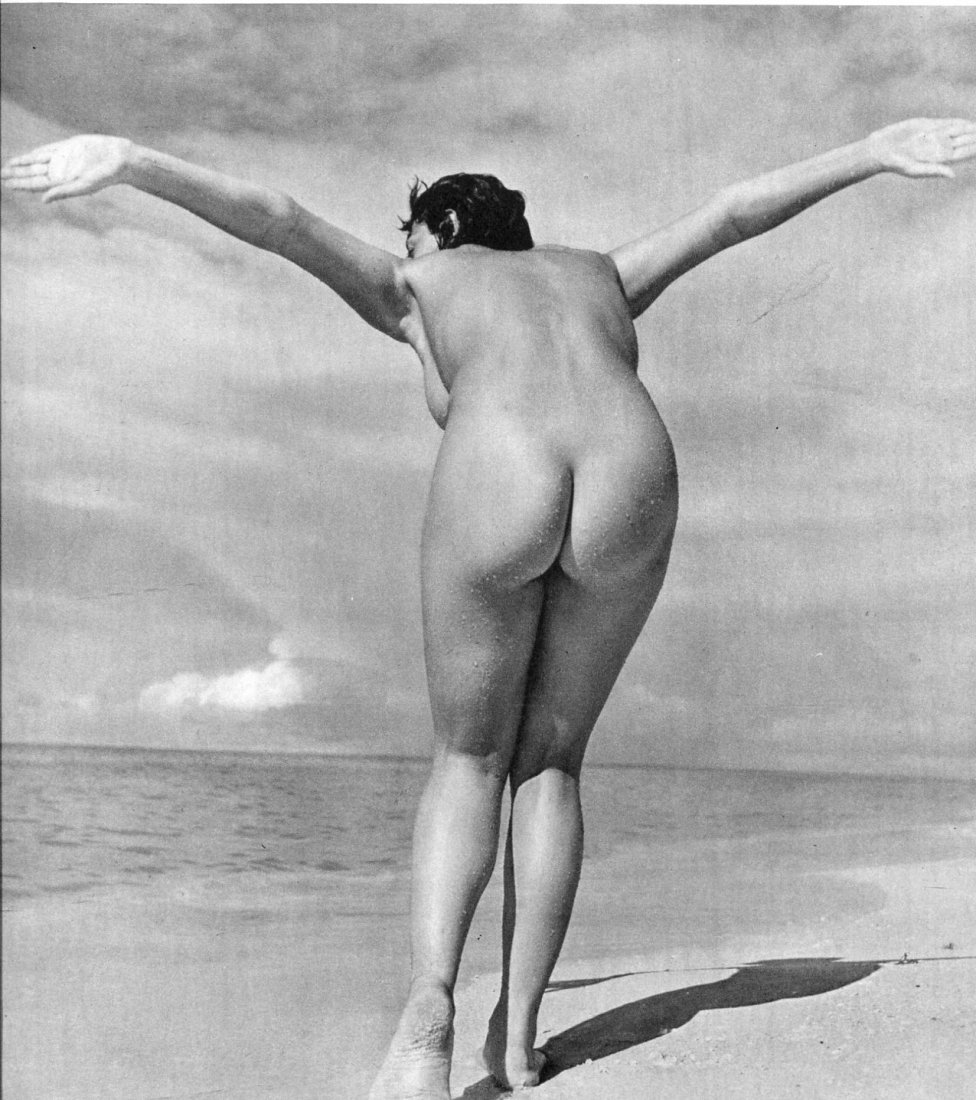
André de Dienes :: Nude,
1949. Sheet-fed photogravure printed by Societé Francaise, Imp de Bobigny (French printer) / src: Liveauctioneers
more [+] by this photographer

“Japs, hiding in a barge with rifles and grenades, took the lives of
these three American fighters who were mopping up on the last day of the
Buna Gona battle in New Guinea, last January. Beach and barge action
was the bloodiest and most fierce of any Buna action, and these boys are
among those who lost their lives but helped win the battle.” Published
Sept 13, 1943 for release on September 17, 1943. [LIFE Magazine] src: here
The photo, taken by George Stock in January 1943, was controversial
because it depicted the bodies of American GIs. It took nine months to
get the War Department to approve publishing the image. The decision
finally went all the way to President Roosevelt, who authorized its
publication because he was concerned that the American public was
growing complacent about the war and its terrible cost on human life. It
was the first image in World War II to depict American troops who had
died in combat without the bodies being draped, in coffins, or otherwise
covered.
The photo by George Strock for LIFE magazine is now acknowledged as a war classic. /
image source: nzgeo