

images that haunt us
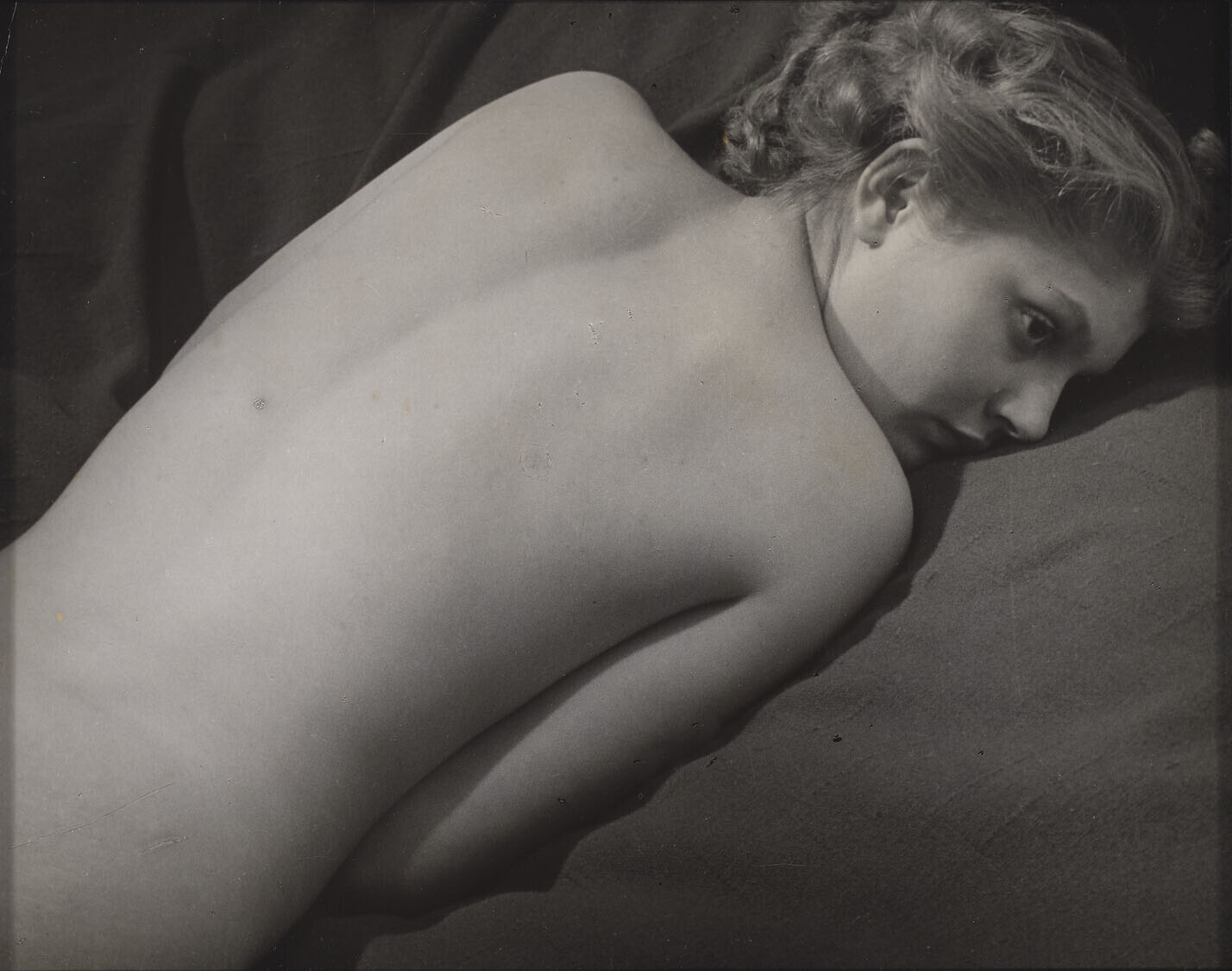

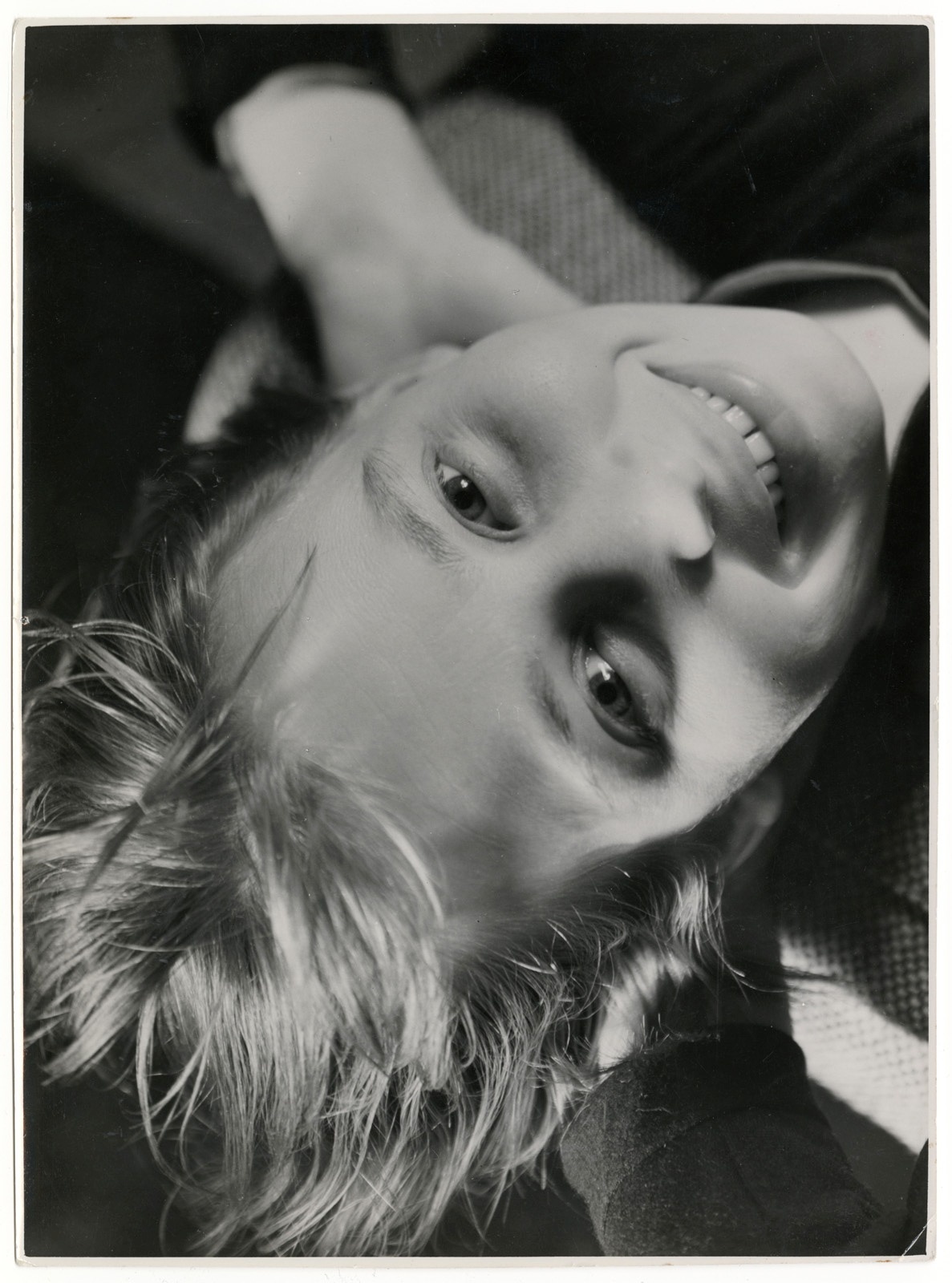

Karl Theodor Gremmler came to photography as an autodidact in 1932. He had actually trained as an advertising salesman. After becoming self-employed as a photographer, he published regularly in magazines such as Die Form, Gebrauchsgraphik, Nordsee Magazin and Atlantis. Gremmler concentrated mainly on industrial and advertising photography. In 1936 he published his first photobook, Tagewerk und Feierabend der schaffenden deutschen Frau. In the following year, Gremmler had a solo exhibition at the Oldenburgisches Landesmuseum and Museum Folkwang in Essen. He was then appointed a member of the Gesellschaft Deutscher Lichtbildner (G.D.L.). In 1939, Hans A. Keune’s publishing house, which specialised in the fishing industry, published the illustrated book Männer am Netz. This worked marked the high point of Gremmler’s career. In 1938, he acquired the studio of commercial photographer Hein Gorny, located on Berlin’s Kurfürstendamm. This studio had once been home to Lotte Jacobi, who was forced to emigrate in 1935 because of her Jewish background. When Gorny’s emigration failed to protect his Jewish wife, Ruth Lessing, he and Gremmler entered into the studio partnership “Fotografie Gremmler-Gorny. Atelier für moderne Fotografie”. In 1940 Gremmler was called up for military service and trained as a tank gunner. During a troop transport to Russia in the following year, he had a fatal accident near Heydebreck in Upper Silesia (Kędzierzyn). Quoted from Städel Museum

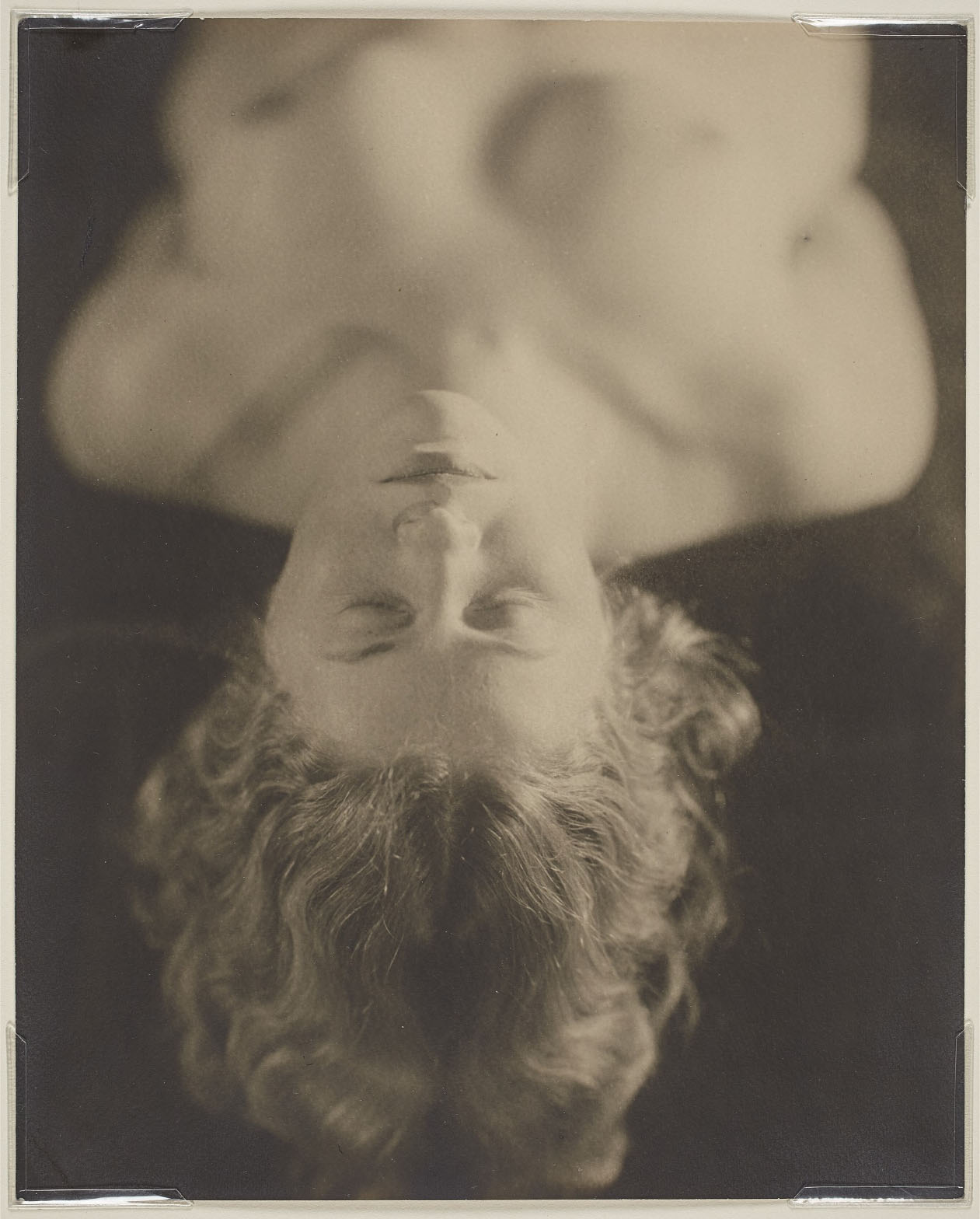

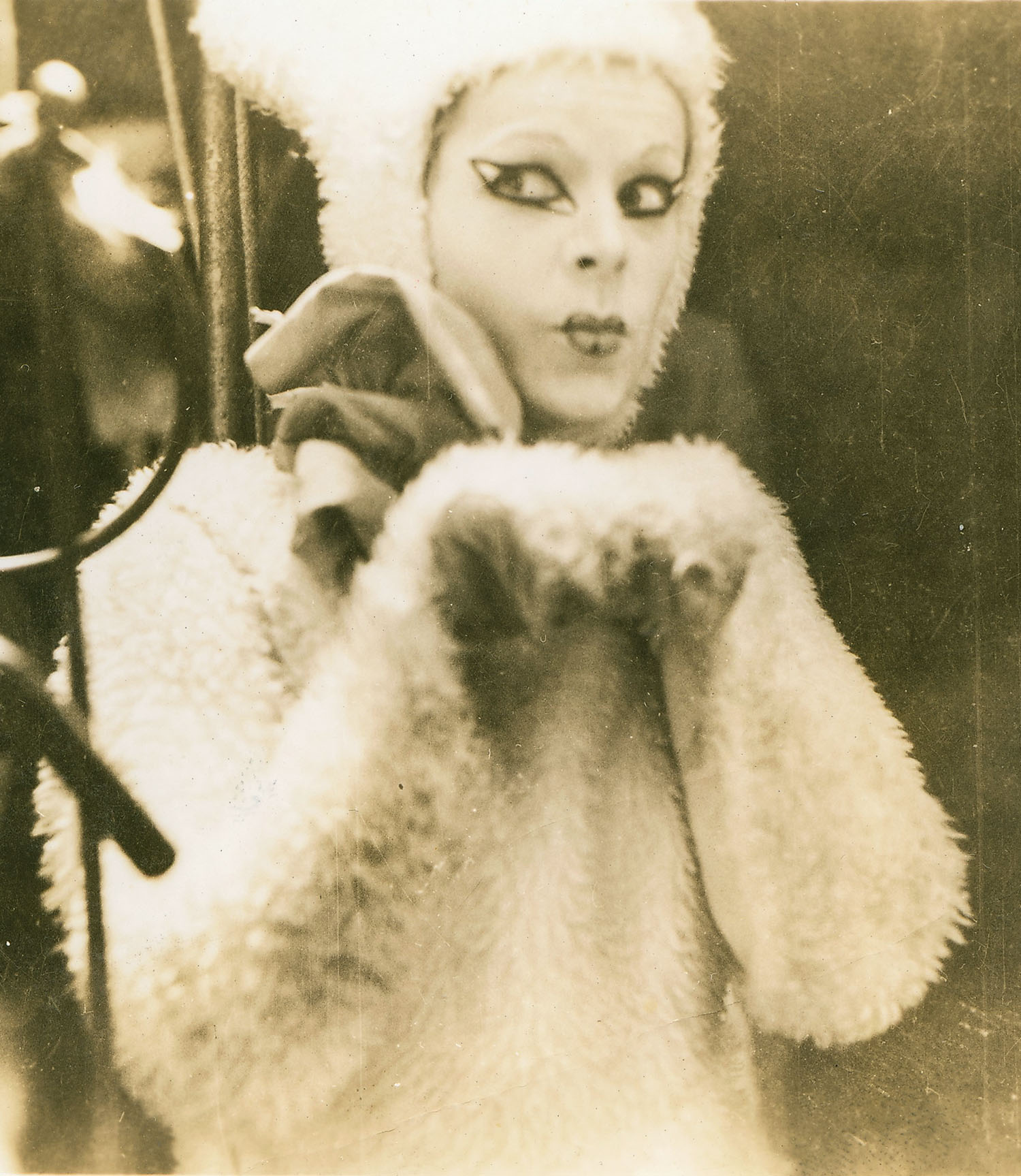
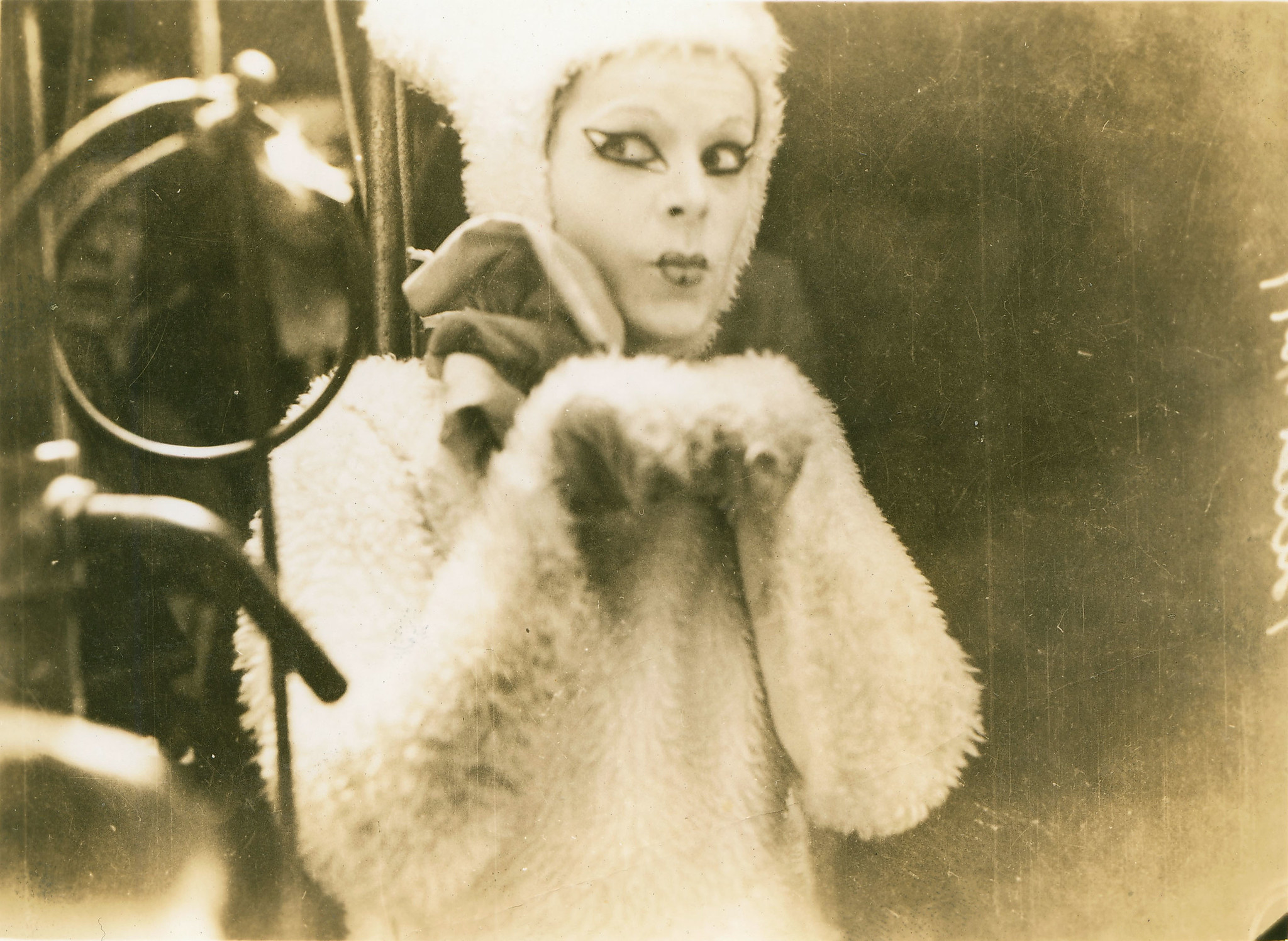
In 1936 Australian audiences witnessed firsthand the spectacle of the Ballets Russes, with the arrival of the Monte Carlo Russian Ballet. This company, lead by Colonel Wassily de Basil, was one of a number of Ballets Russes companies that were formed in the wake of the dissolution of Serge Diaghilev’s Ballet Russes following his death in 1929. This first tour concluded in 1937 and was followed by two more tours by de Basil’s Ballets Russes companies, the Covent Garden Russian Ballet in 1938-1939 and Original Ballet Russe in 1939-1940.




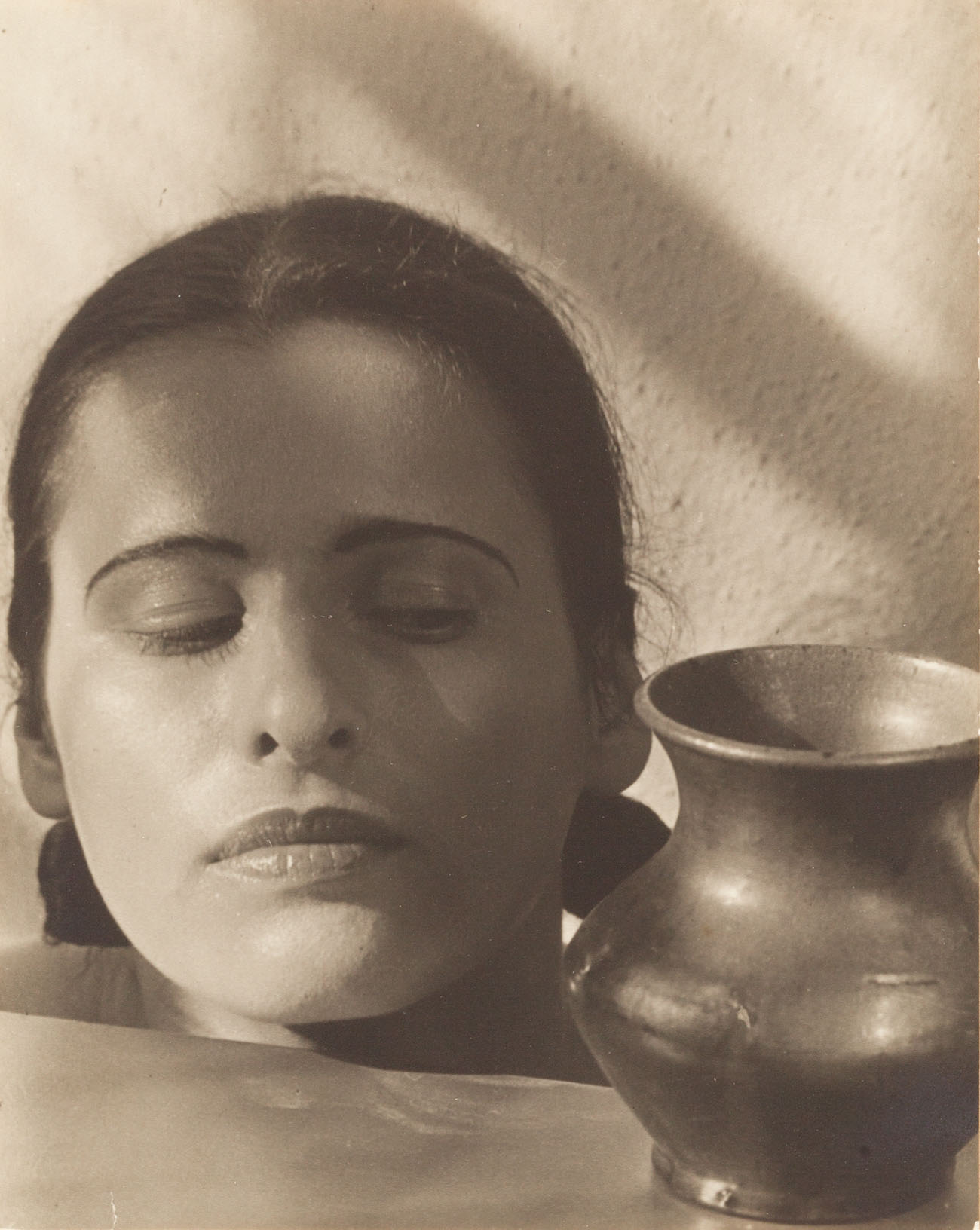
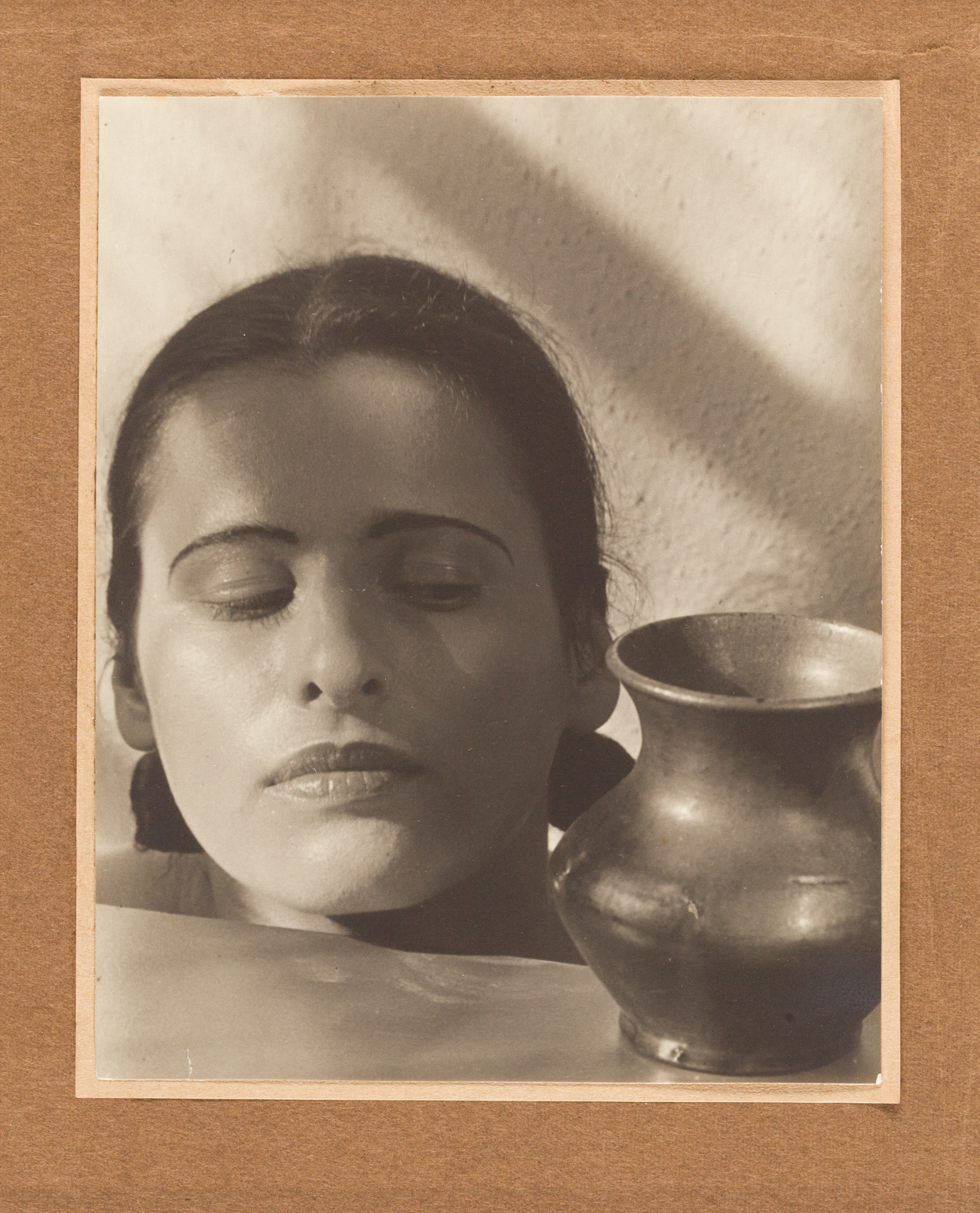
The Swiss cabinetmaker and talented amateur photographer Martin Imboden received important impulses in 1929 when he visited the legendary ‘FIFO’, the international exhibition of the German Werkbund. He accentuated his pictorial language, which was oriented towards the New Objectivity, with tight cropping and strong contrasts. During his most productive years as a photographer he lived in Vienna, where his photographs appeared in magazines such as ‘Der Kuckuck’ and ‘Die Bühne’. Despite favorable reactions, he did not want to make photography his profession and concentrated on selected photo projects as an amateur.
 un regard oblique