
Narodowe Archiwum Cyfrowe
images that haunt us

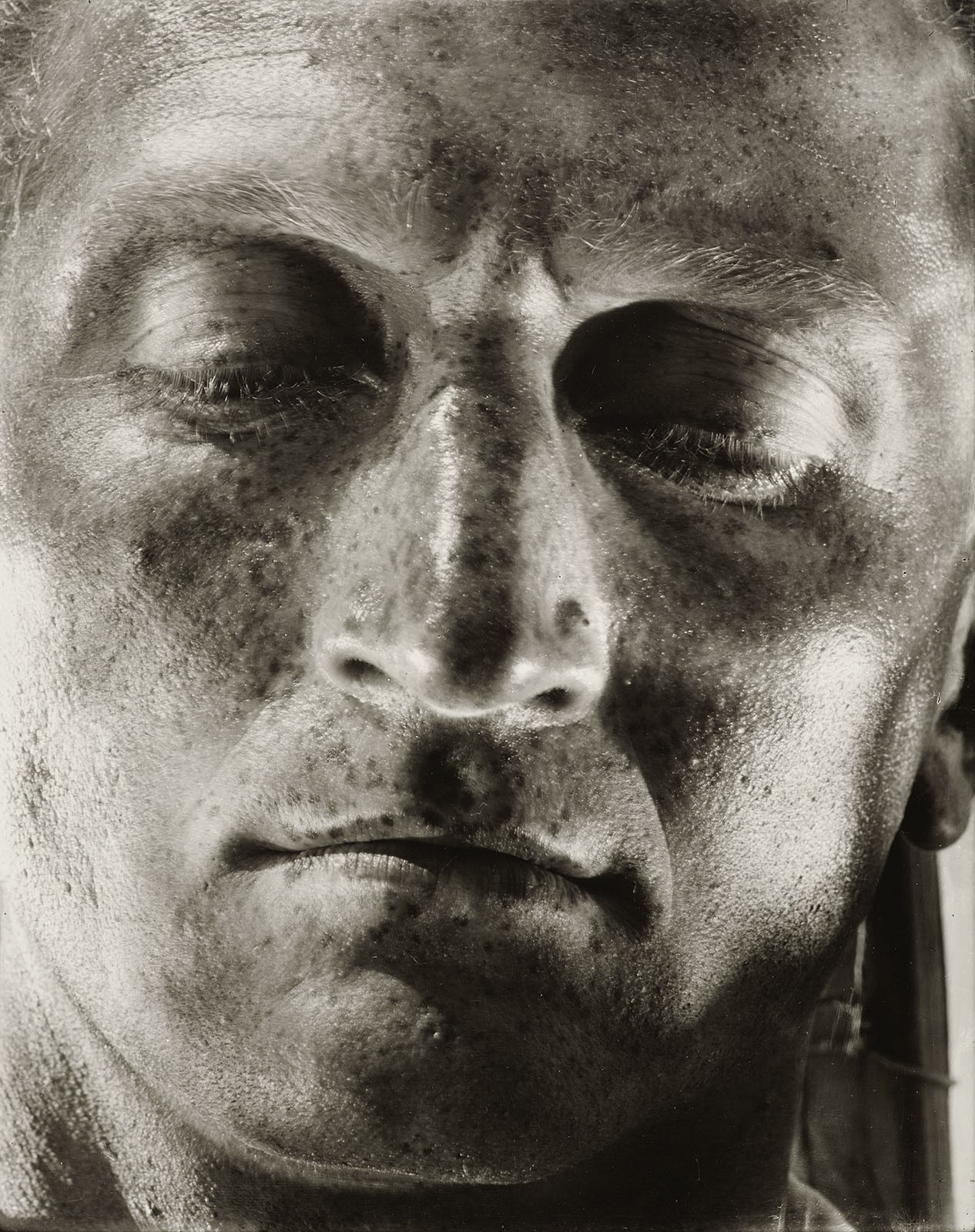


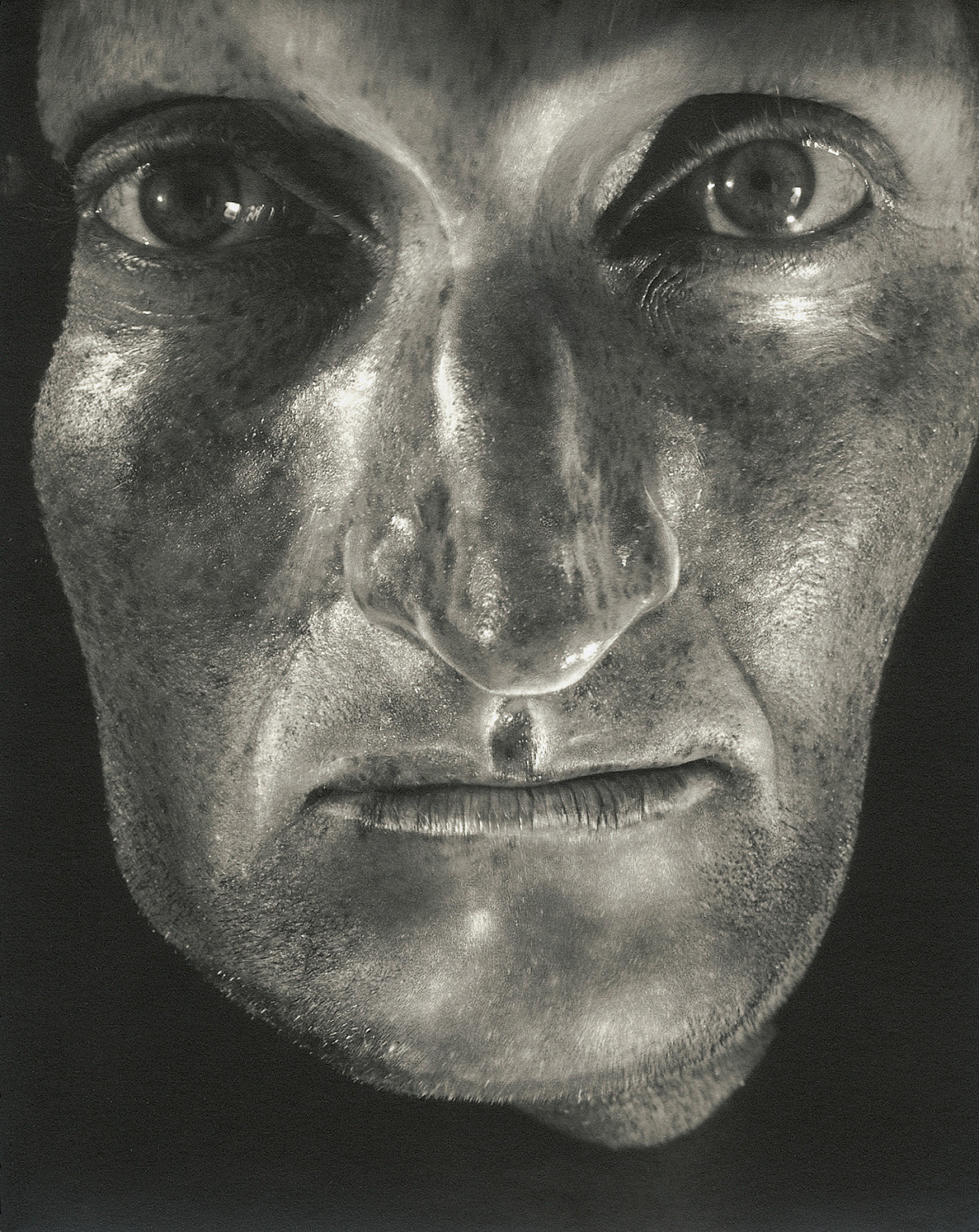
Faces. The power of the human visage (2021)
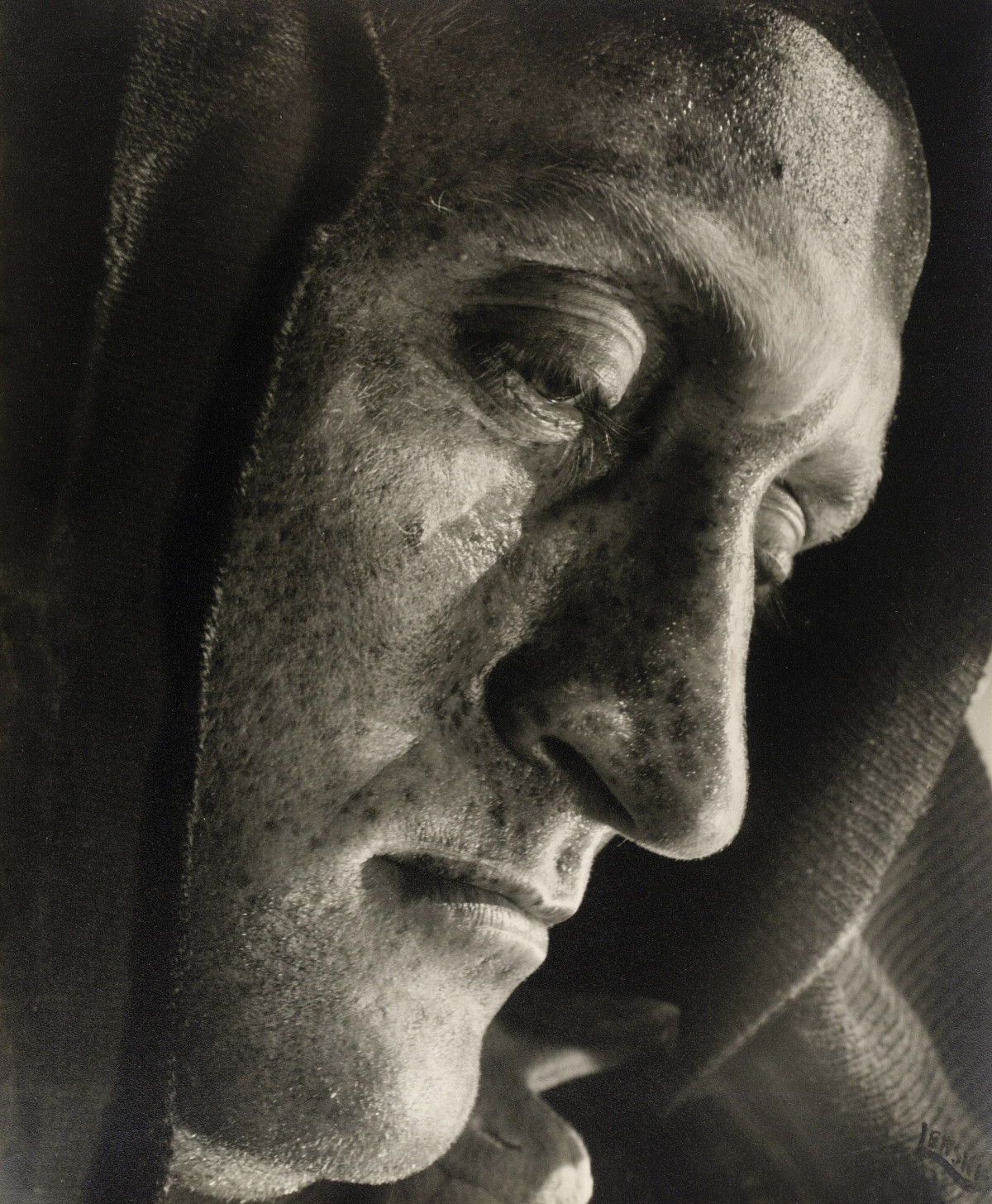
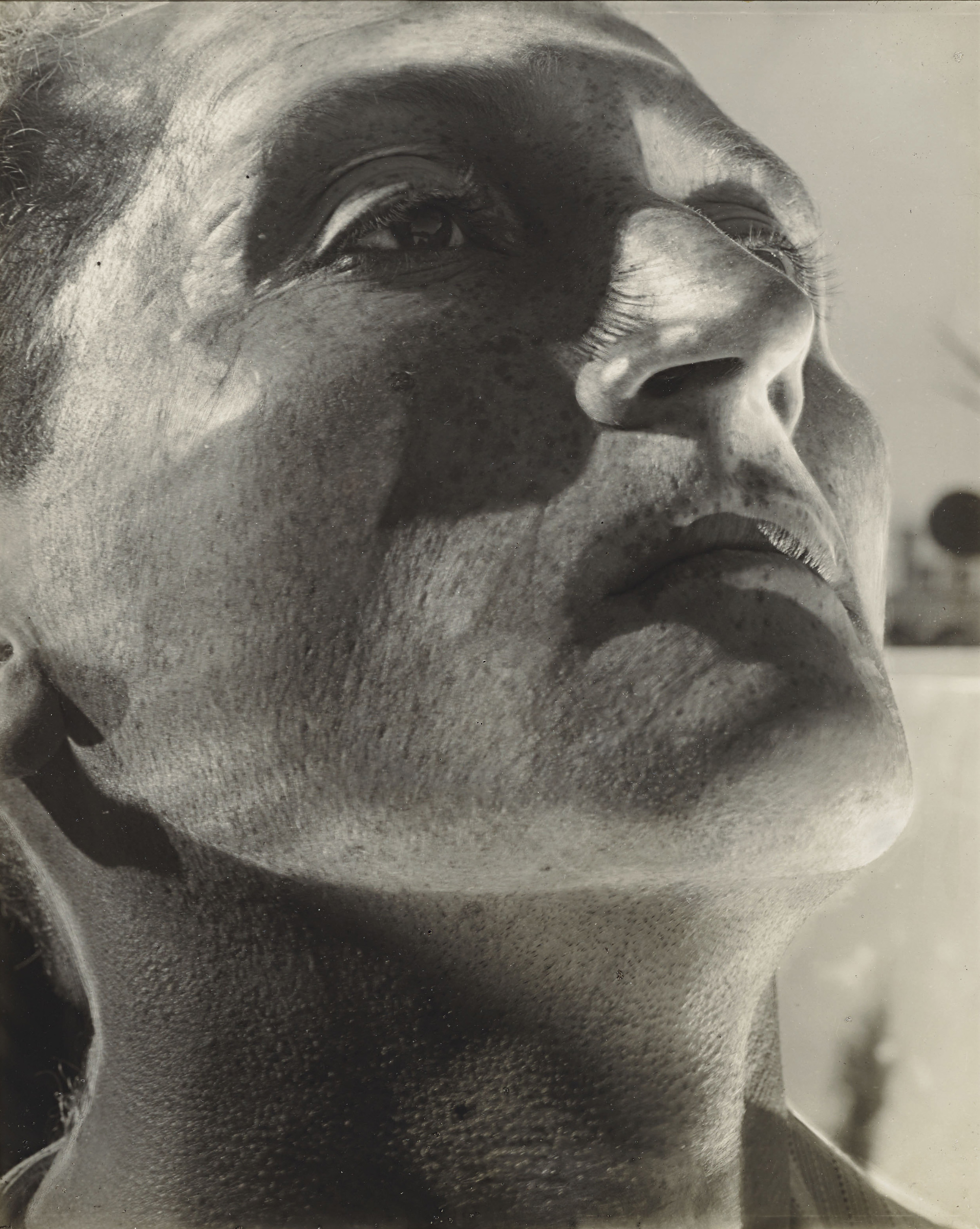
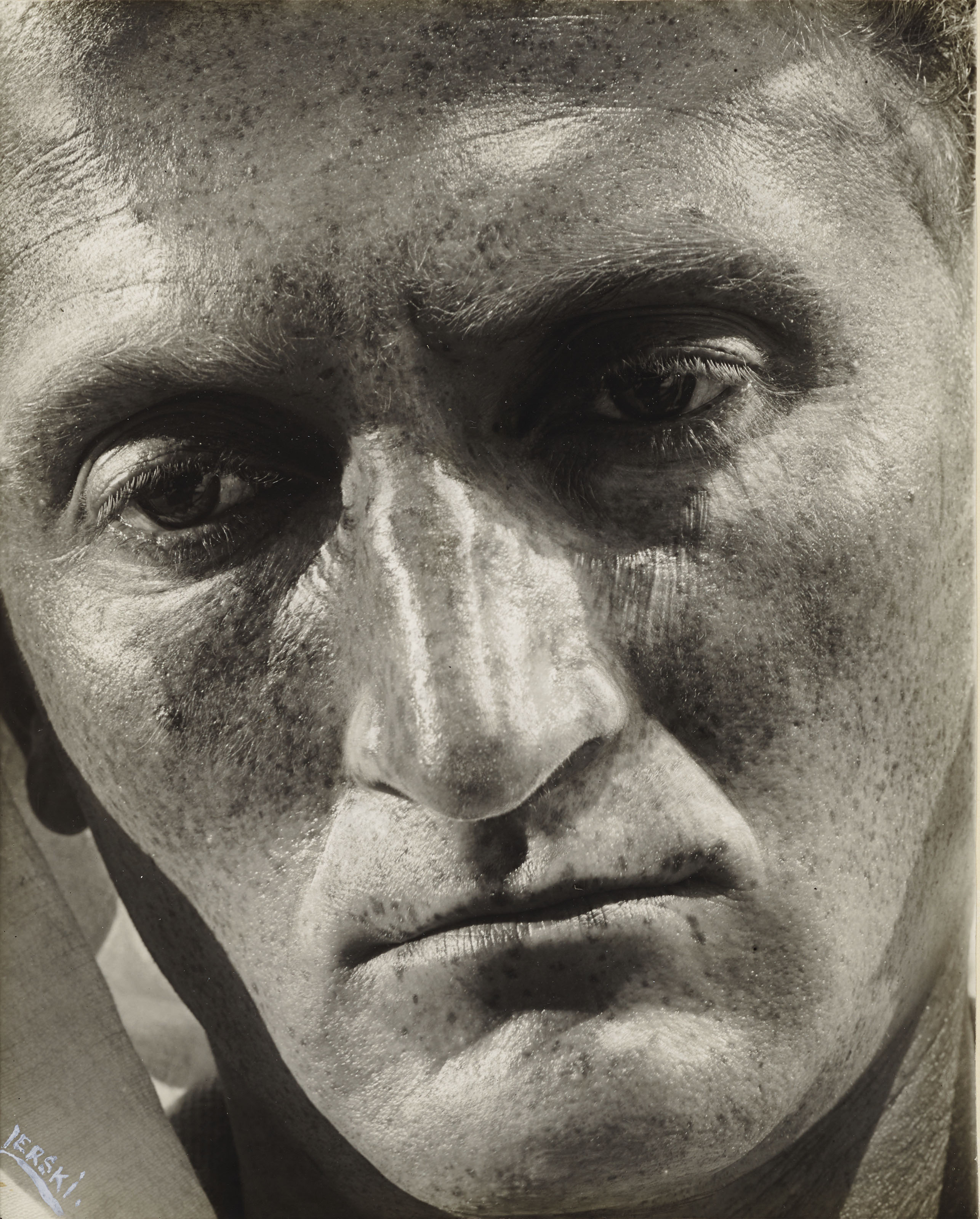
Starting from Helmar Lerski’s outstanding photo series Metamorphosis through Light (1935/36), the exhibition Faces presents portraits from the period of the Weimar Republic.
The 1920s and ’30s saw photographers radically renew the conventional understanding of the classic portrait: their aim was no longer to represent an individual’s personality; instead, they conceived of the face as material to be staged according to their own ideas. In this, the photographed face became a locus for dealing with avant-garde aesthetic ideas as well as interwar-period social developments. And it was thus that modernist experiments, the relationship between individual and general type, feminist roll-playing, and political ideologies collided in—and thereby expanded—the general understanding of portrait photography.
Faces. Die Macht des Gesichts (2021)
Die Ausstellung Faces in der ALBERTINA präsentiert Porträts der deutschen Zwischenkriegszeit. Ausgangspunkt dafür ist Helmar Lerskis herausragende Fotoserie Verwandlungen durch Licht (1935/36).
In den 1920er- und 30er-Jahren erneuern Fotografinnen und Fotografen das Verständnis des klassischen Porträts radikal: Ihre Aufnahmen dienen nicht mehr der Darstellung der Persönlichkeit eines Menschen, sondern fassen das Gesicht als nach ihren Vorstellungen inszenierbares Material auf.
Über das fotografierte Gesicht werden sowohl ästhetische Überlegungen der Avantgarde als auch gesellschaftliche Entwicklungen der Zwischenkriegszeit dargestellt. Experimente mit neuer Formensprache, das Verhältnis zwischen Individuum und Typ, feministische Rollenspiele und politische Ideologien treffen aufeinander und erweitern damit das Verständnis der Porträtfotografie.
Quelle : Albertina Museum

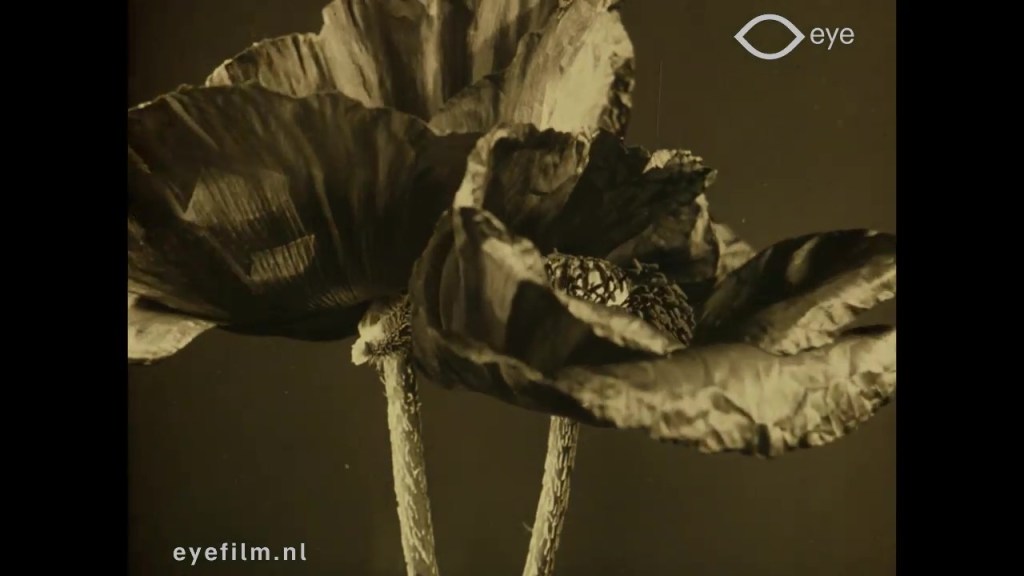

All fragments are extracted from an educational Dutch film : Bloeiende bloemen en plantenbewegingen (1932) Director: J.C. Mol | Production Country: Netherlands | Year: 1932 | Production Company: Multifilm (Haarlem) | Film from the collection of EYE (Amsterdam)
Accelerated frame-by-frame shots (time-lapse, or “Zeitraffer”) of budding flowers and moving plants and mushrooms. This is part of the episodic film “WONDERS OF NATURE”, which is also shown in separate parts.
website of Eye Filmmuseum (Amsterdam) : also, link to catalog
see also the youtube channel of the museum @eyefilmNL : https://www.youtube.com/@eyefilmNL
Here is the link to the whole movie : https://www.youtube.com/watch?v=LuN08inNVgE&t=1365s
In case you are interested, here we add the links to related films:
Uit het rijk der kristallen [From the realm of crystals (J.C. Mol; 1927)] : in website, on their youtube channel (the advantage of the youtube version is that it is divided in chapters by chemical product. There are different versions of Uit het rijk der kristallen: the original silent film was given a soundtrack in the 1930s and is longer.
Uit het rijk der kristallen is one of the scientific films made by Mol. Several versions of this film exist. In the film, the crystallization processes of various chemicals are shown and there is a colour version of the film which was made using Dufay colour.
Take a glimpse, here is a clip:
https://youtube.com/clip/UgkxcuOvxC6cMz3sx6TcqY1ahbC4GtwIN4wb
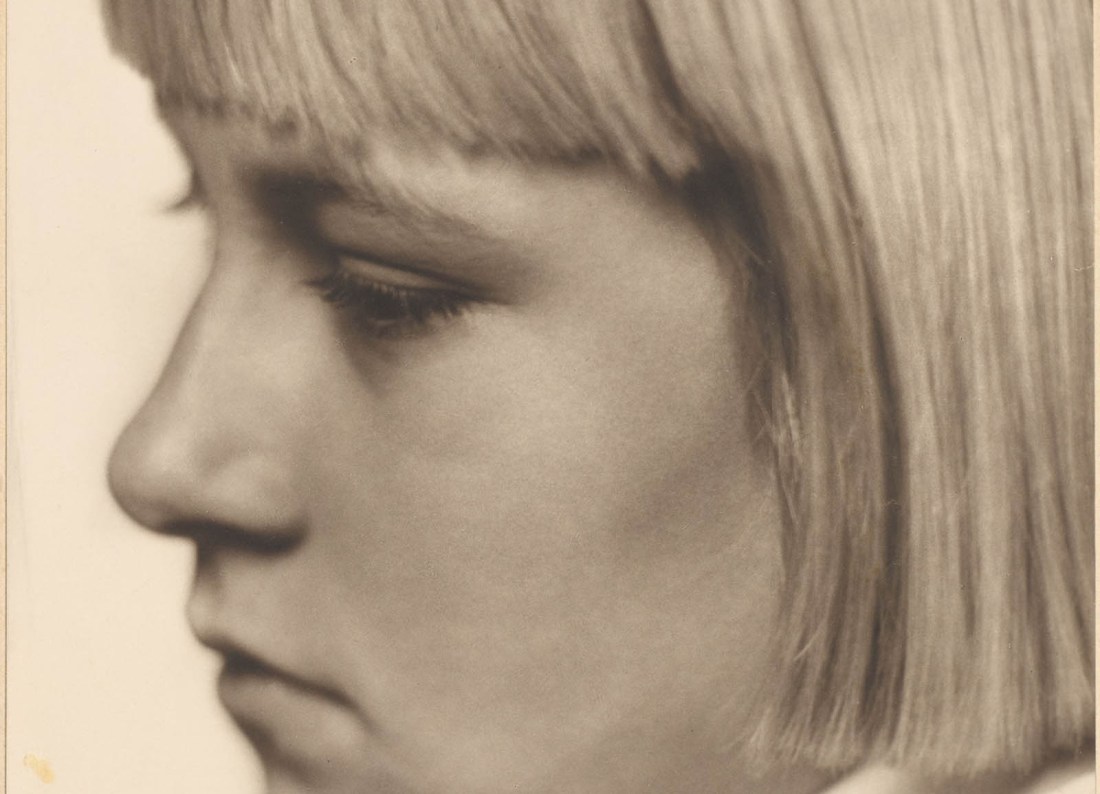


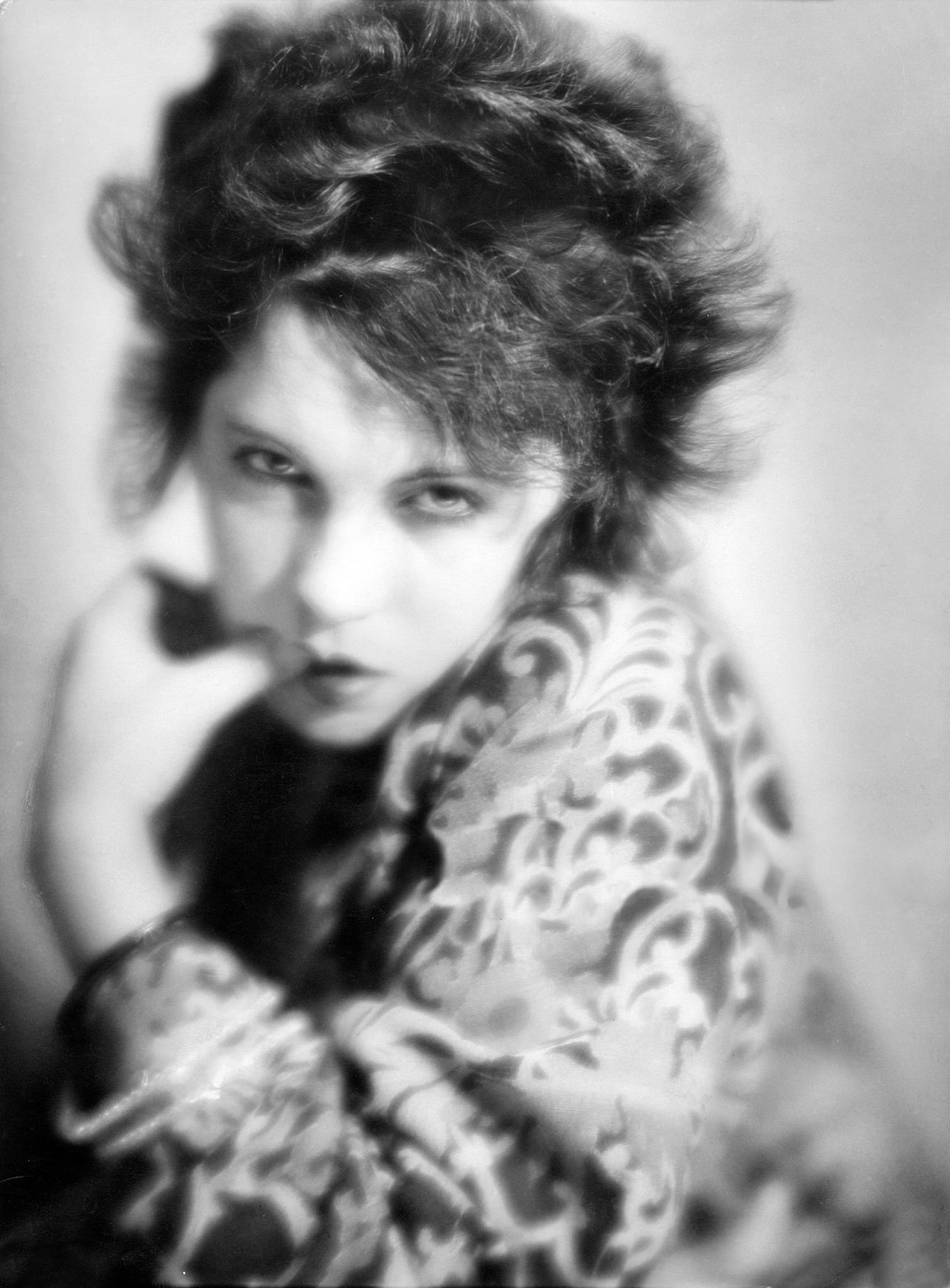
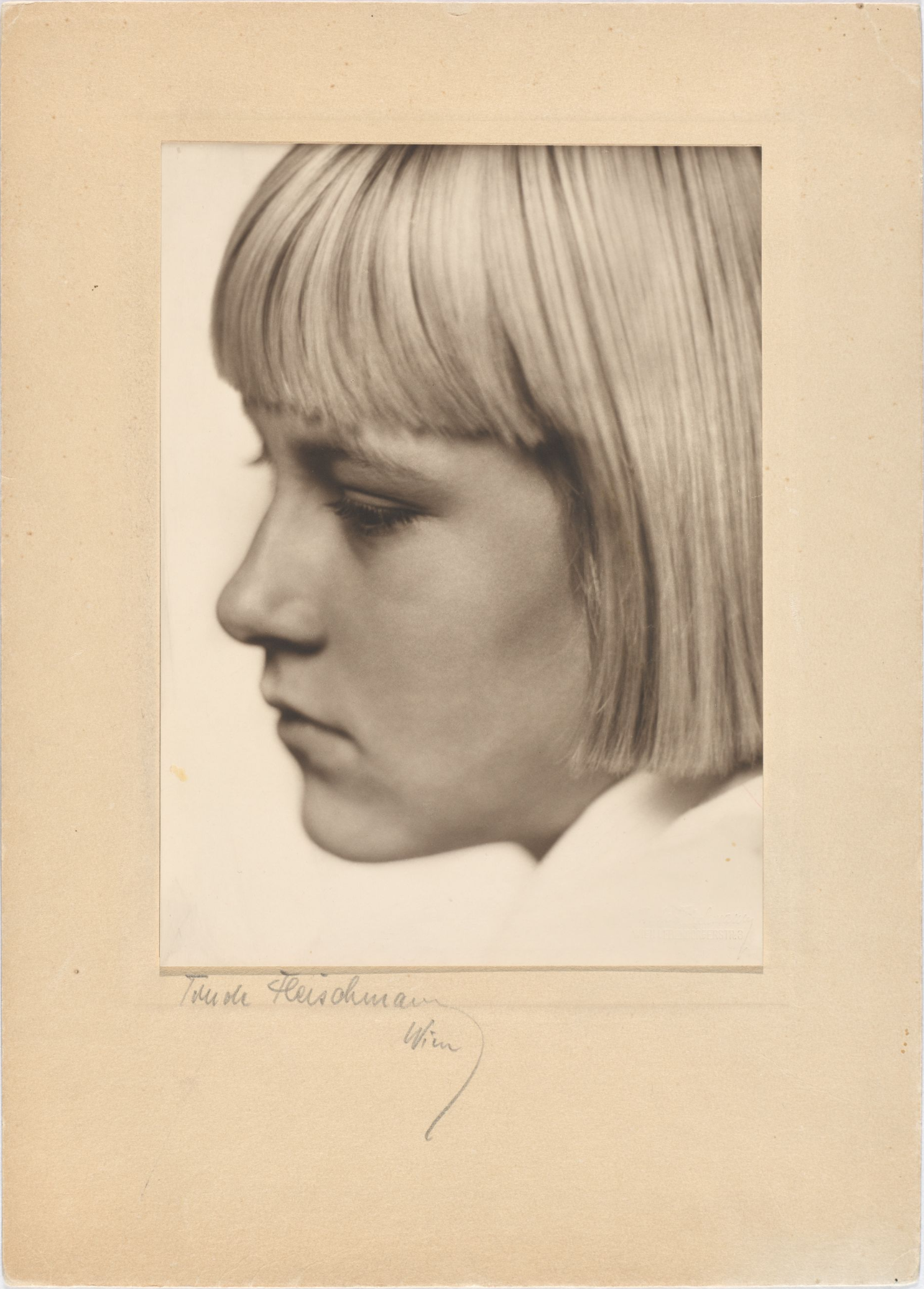
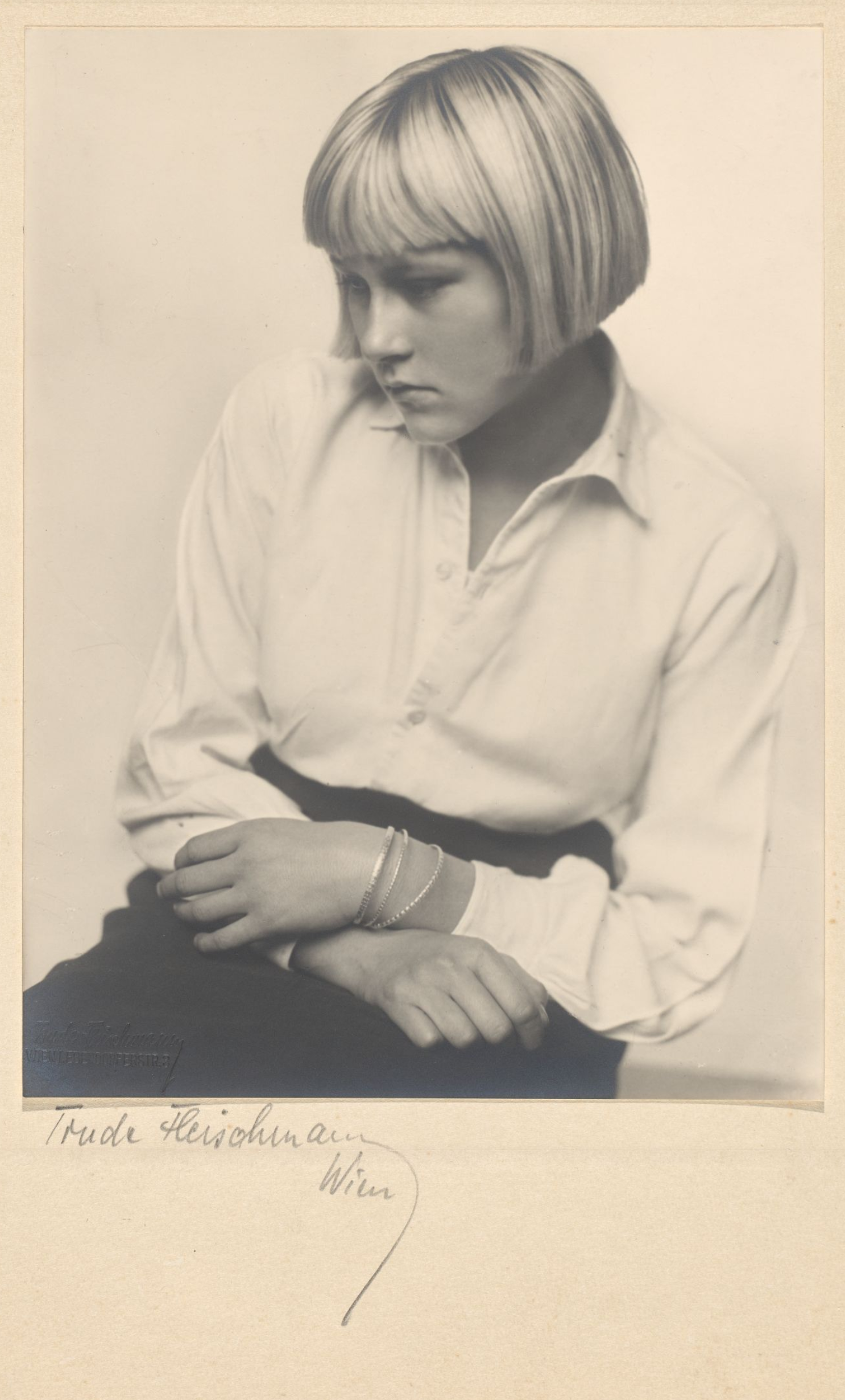
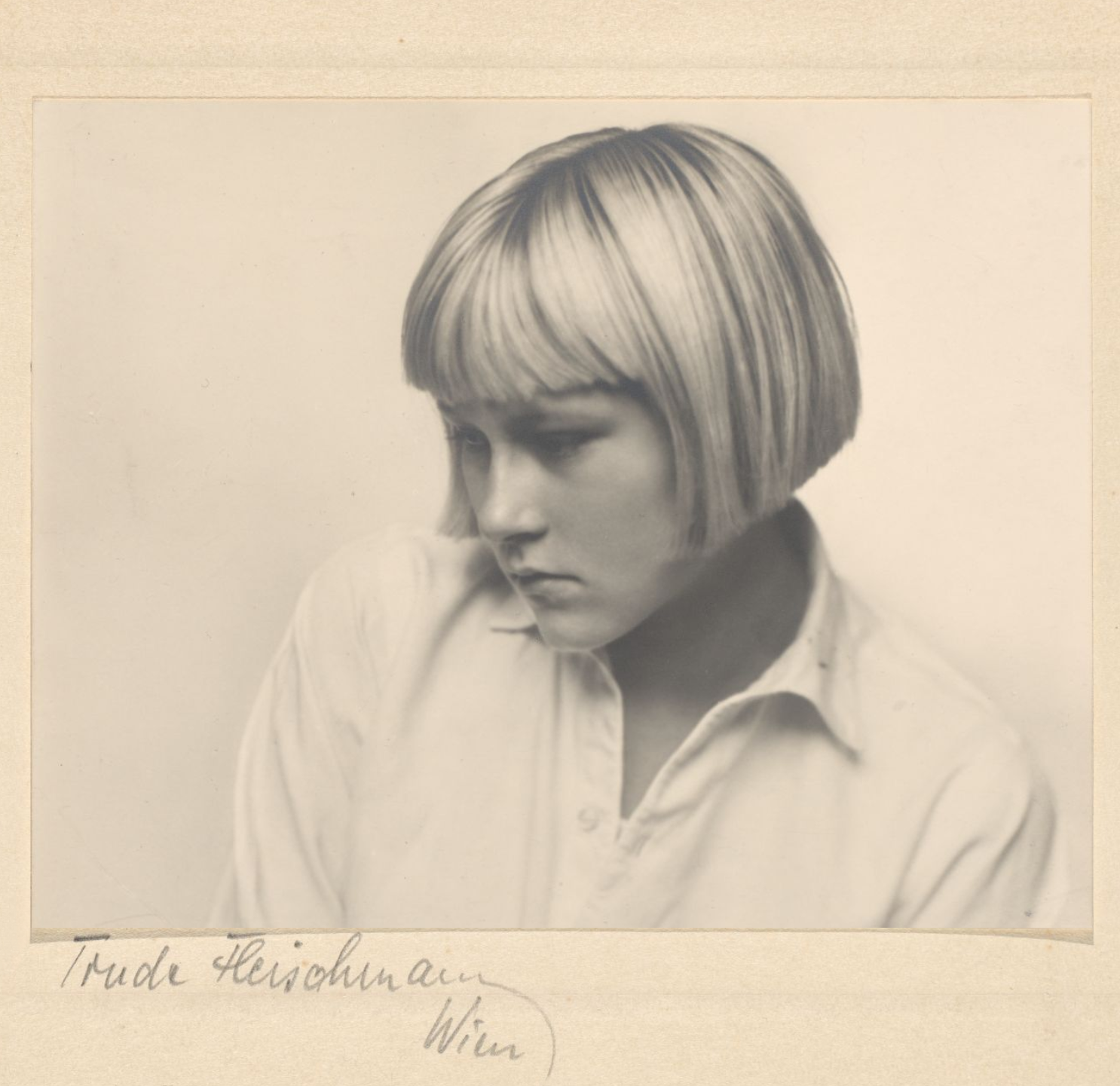
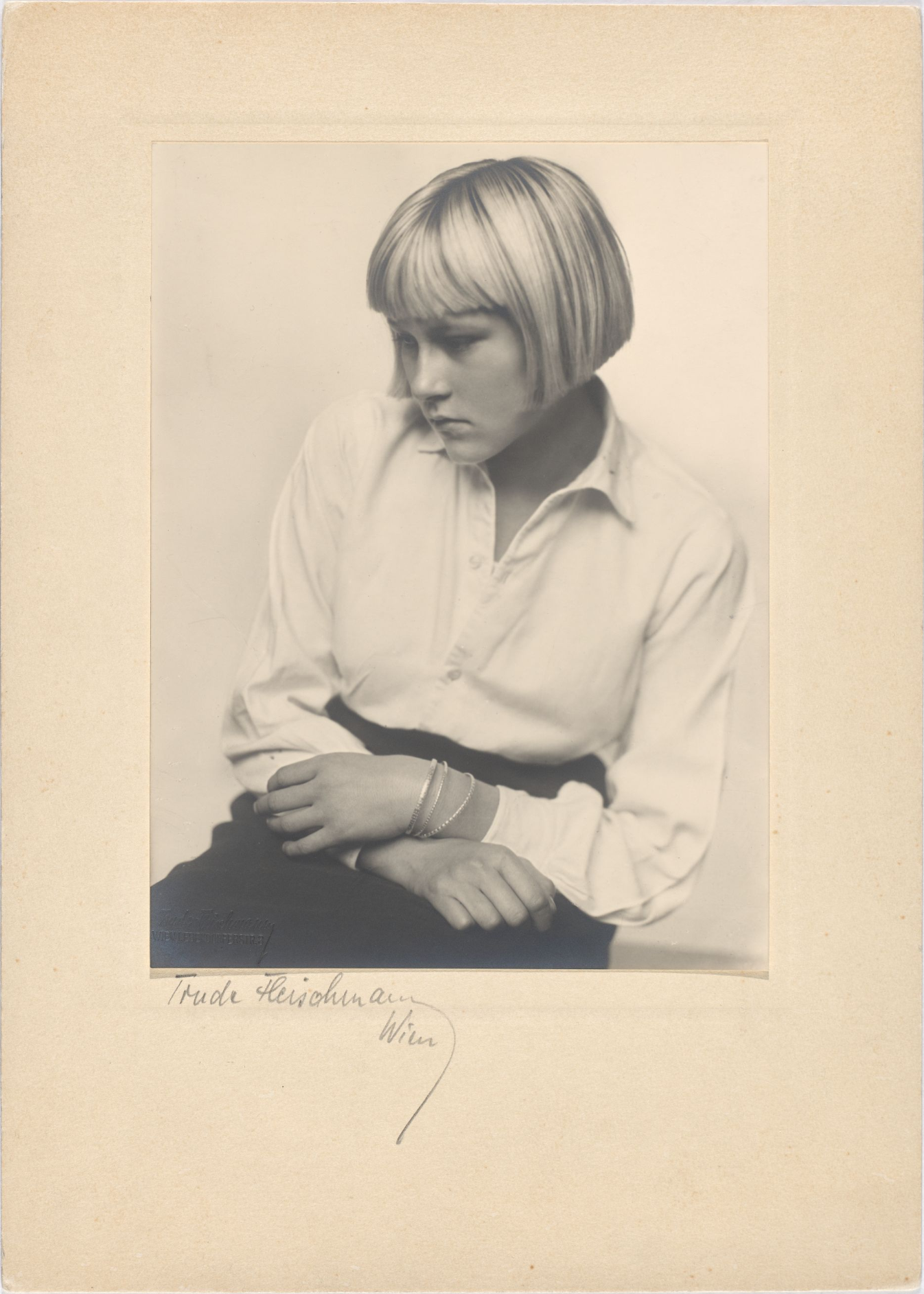
An alternative rendition of this photograph titled: ‘Porträt eines Mädchens, Wien’ and dated between 1930-1940 is hosted at Wien Museum: permalink
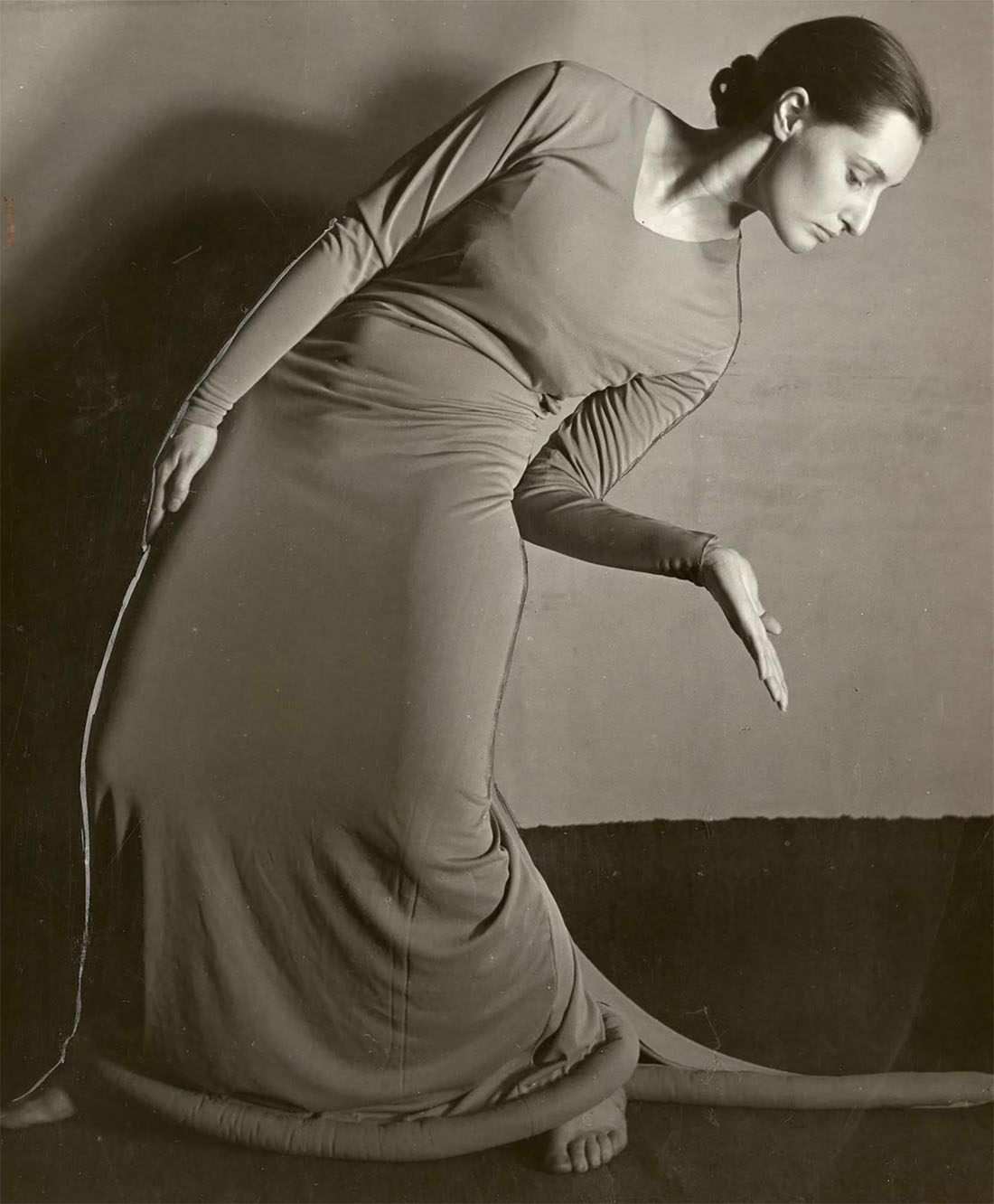
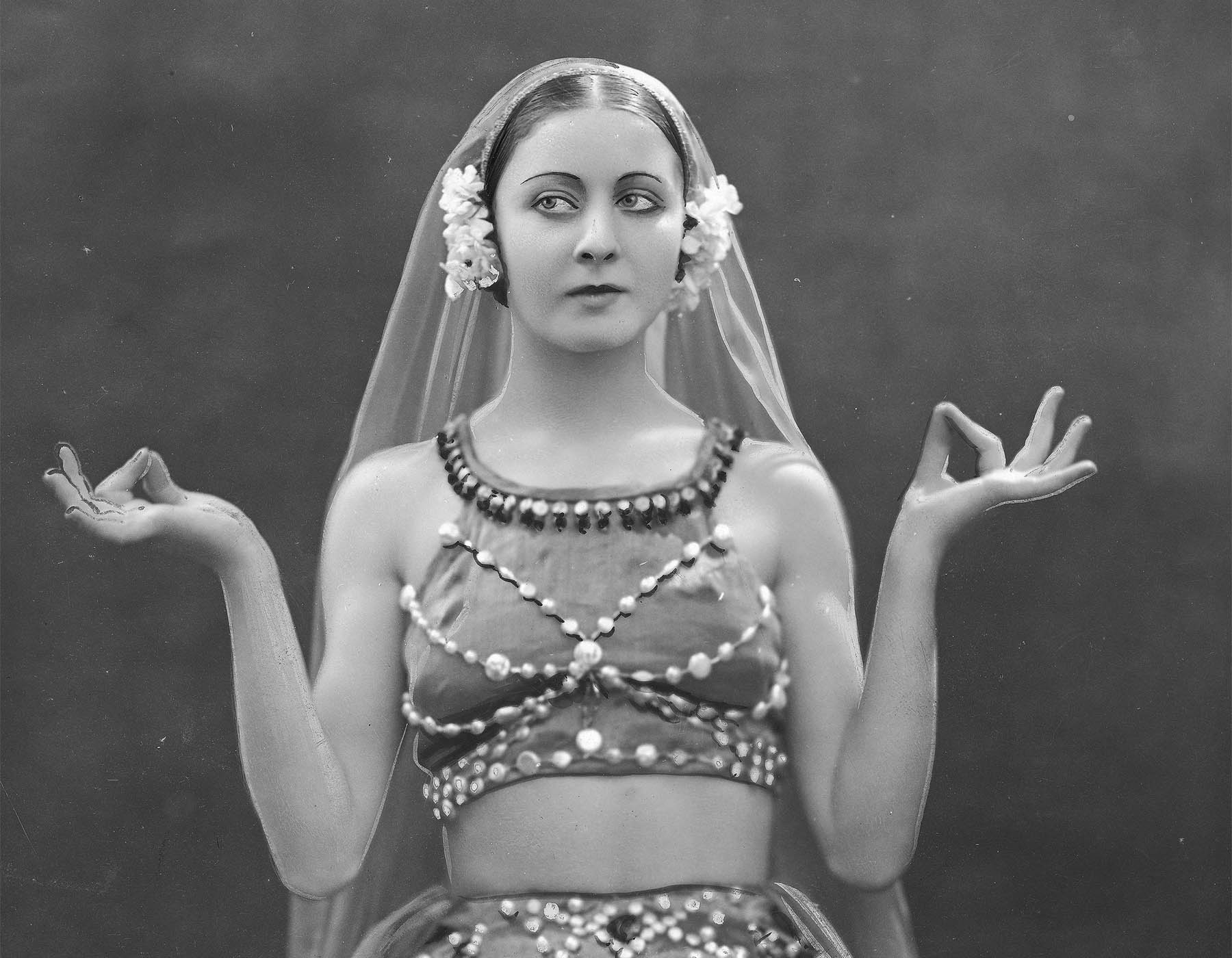
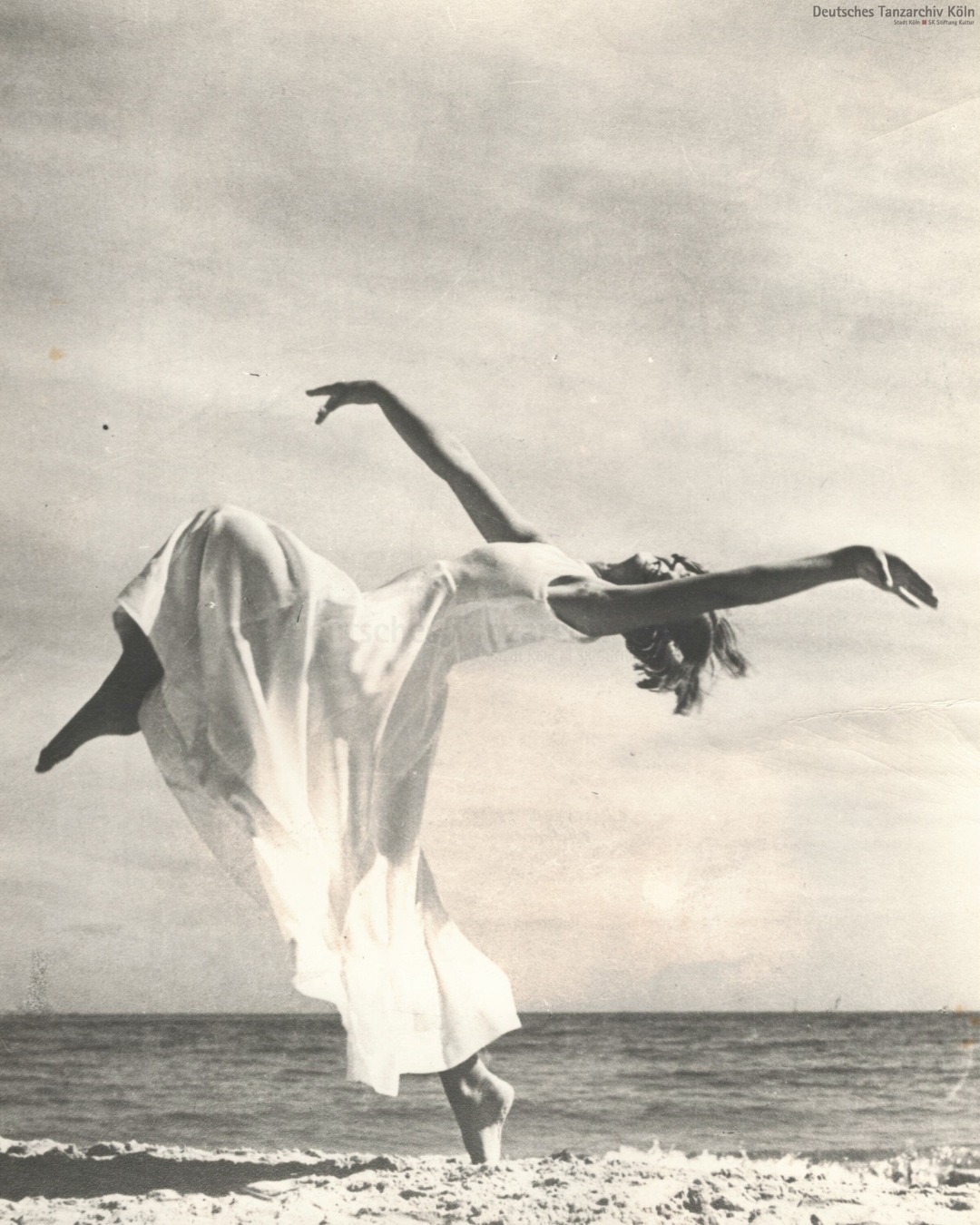
Eleanor Buchla (1910–1972) the first local dancer to gain a large audience, who began, c. 1931, performing her own choreography. Buchla’s dances, reportedly acclaimed by dance critics throughout the country, were a mixture of modern dance and Hungarian folk dance. She was the featured performer at the State of Ohio’s first dance symposium, hosted in 1933 by Ohio University, that drew students and devotees of modern dance from Ohio State, Wesleyan, Oberlin, Cincinnati, Kent State, the University of Virginia and the City of Detroit. Set to the music of Debussy, Chopin, Kodaly and the beloved Hungarian violinist and composer Jenö Hubay (1858–1937), her dancing evoked for Athens critic Forest Hopkins by turns the simplicity of Greek sculpture and the “severe and stylized [spirit of] Egyptian art. In some art circles,” said Hopkins, “Miss Buchla’s dancing is called modern, perhaps because of its free use of the entire body, particularly the torso, yet it is classic in conception. It carries refinement of form and simplicity of design molded successfully with the music.” She had studied ballet as a young girl and then in the late 1920s discovered modern dance.
“Buchla’s work as a whole merits high praise,” Cleveland Plain Dealer music critic Herbert Elwell wrote, “and there is no doubt about her success in her concert here, for the spectators lingered in their seats and clamored for more.” He praised “the subtle grace, the objectivity, the persuasive and suggestive immobility characteristic of [her] style.” Her physical beauty evoked for him “classic models,” while her arresting “personality made what she does seem important and interesting. Her dancing is sculpturesque in slow motion, and a sense of beauty is created in every line, which shows grace of movement. The impression at any moment is one of sculpture liquified and flowing with life.”
A strong proponent for dance in the schools, Buchla not only opened Cleveland’s first modern dance studio but also began a dance curriculum in the city’s summer playgrounds. She provided the choreography (and directed a number of productions) for several area theaters, including the Hudson Players, the Peninsula Players and, for six years, Cain Park in Cleveland Heights, and was instrumental in cultivating the first
Modern Dance Association, which was founded in 1934. An interesting footnote: Buchla was the sister-in-law of celebrated Cleveland artist Kalman Kubinyi. In the 1960s she and her husband Julius Kubinyi joined other Ohio families in providing temporary homes for Hungarian refugees in the wake of the uprising against the communist government. Though both Eleanor and Julius were born in America, they learned Hungarian from their parents and visited Hungary. In 1943 she played a key role in founding the Peninsula Library, on whose board she served until shortly before her death in 1972. / quoted from past masters project

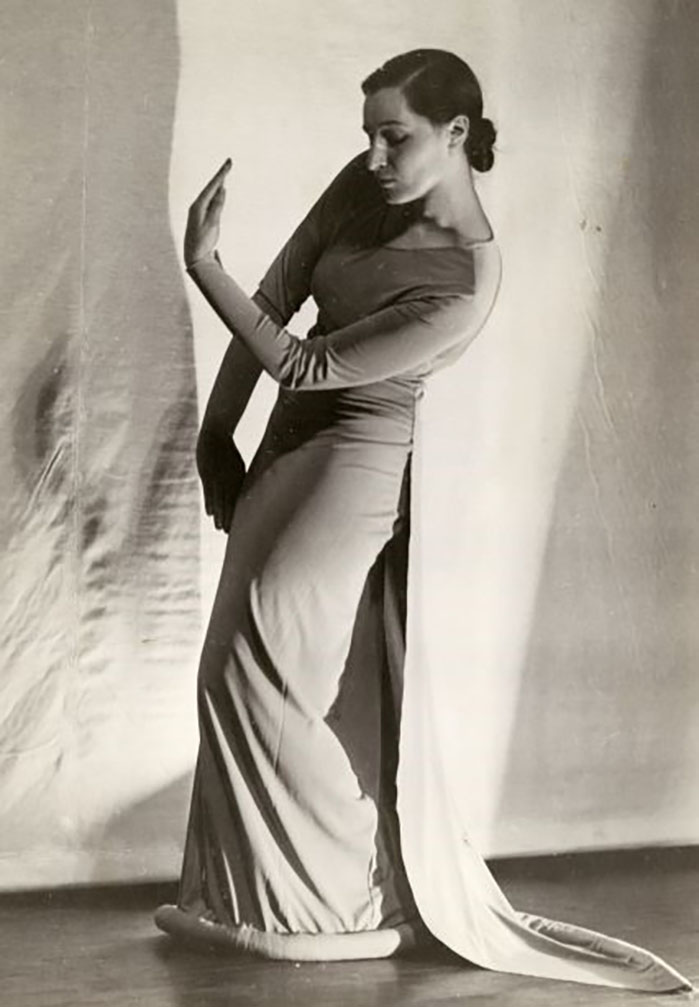


![Giannina Censi con un costume di scena di ispirazione medieval-religiosa, ca. 1930 [# 3] | src MART · Fondo Giannina Censi](https://live.staticflickr.com/65535/52190820873_05416fc560_o.png)
![Giannina Censi con un costume di scena di ispirazione medieval-religiosa, ca. 1930 [# 2] | src MART · Fondo Giannina Censi](https://live.staticflickr.com/65535/52191060759_8467ea5708_o.png)
![Giannina Censi con un costume di scena di ispirazione medieval-religiosa, ca. 1930 [# 1] | src MART · Fondo Giannina Censi](https://live.staticflickr.com/65535/52190820928_fc94427917_o.png)
![Giannina Censi con un costume di scena di ispirazione medieval-religiosa, ca. 1930 [# 5] | src MART · Fondo Giannina Censi](https://live.staticflickr.com/65535/52189794977_d9329e5b47_o.png)
All these images (plus one more from this series) had been published in:
Vaccarino E., (a cura di) Giannina Censi: danzare il futurismo. Milano: Electa; Museo di arte moderna e contemporanea di Trento e Rovereto, 1998, p.30
![Giannina Censi con un costume di scena di ispirazione medieval-religiosa, ca. 1930 [# 3] | src MART · Fondo Giannina Censi](https://live.staticflickr.com/65535/52190820863_8ca37fbf3a_o.png)
![Giannina Censi con un costume di scena di ispirazione medieval-religiosa, ca. 1930 [# 2] | src MART · Fondo Giannina Censi](https://live.staticflickr.com/65535/52191060744_e8b2752aaf_o.png)
![Giannina Censi con un costume di scena di ispirazione medieval-religiosa, ca. 1930 [# 1] | src MART · Fondo Giannina Censi](https://live.staticflickr.com/65535/52191060799_b7dd4e57ac_o.png)
![Giannina Censi con un costume di scena di ispirazione medieval-religiosa, ca. 1930 [# 5] | src MART · Fondo Giannina Censi](https://live.staticflickr.com/65535/52191060659_c3bbb5c87b_o.png)
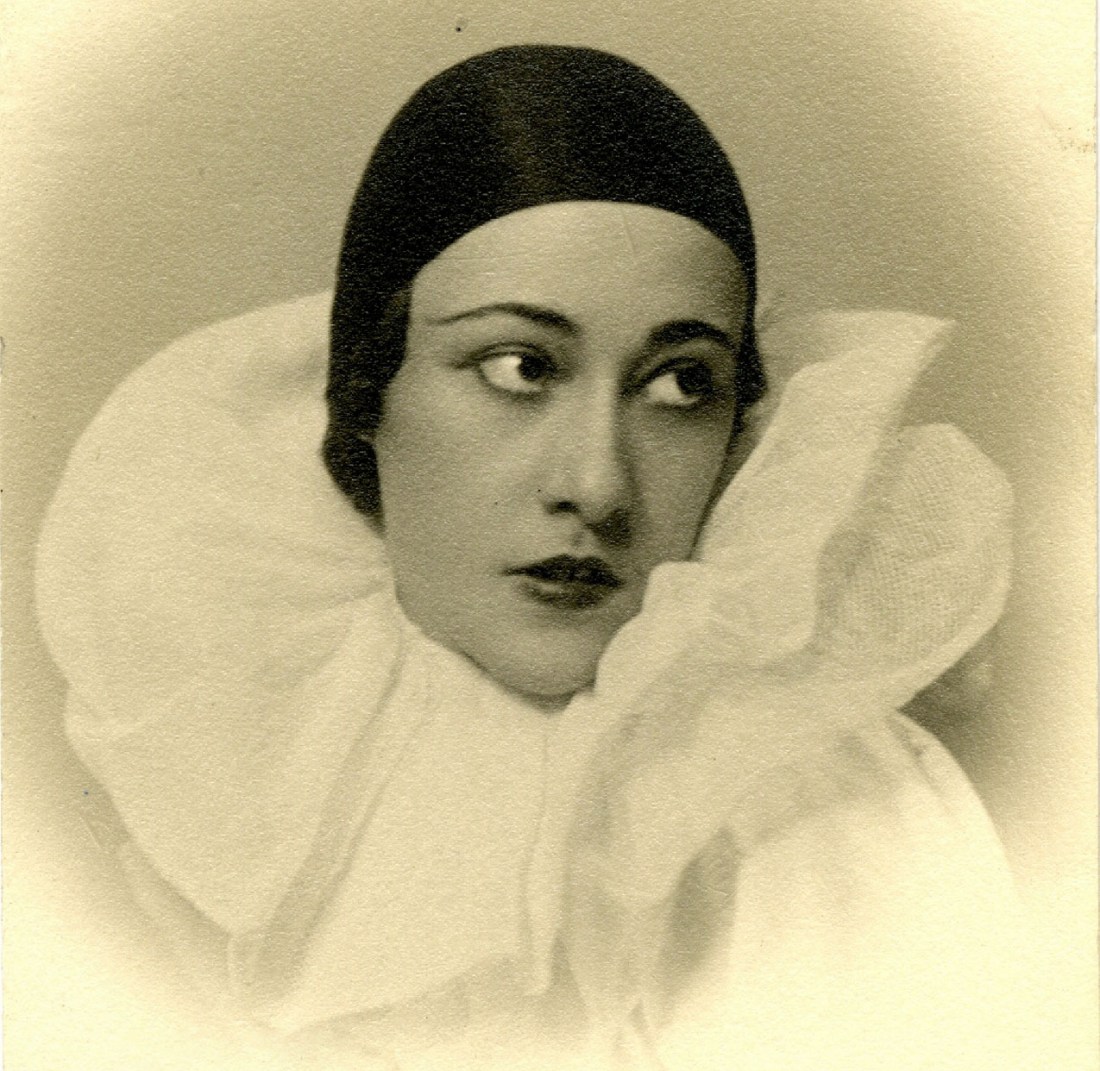


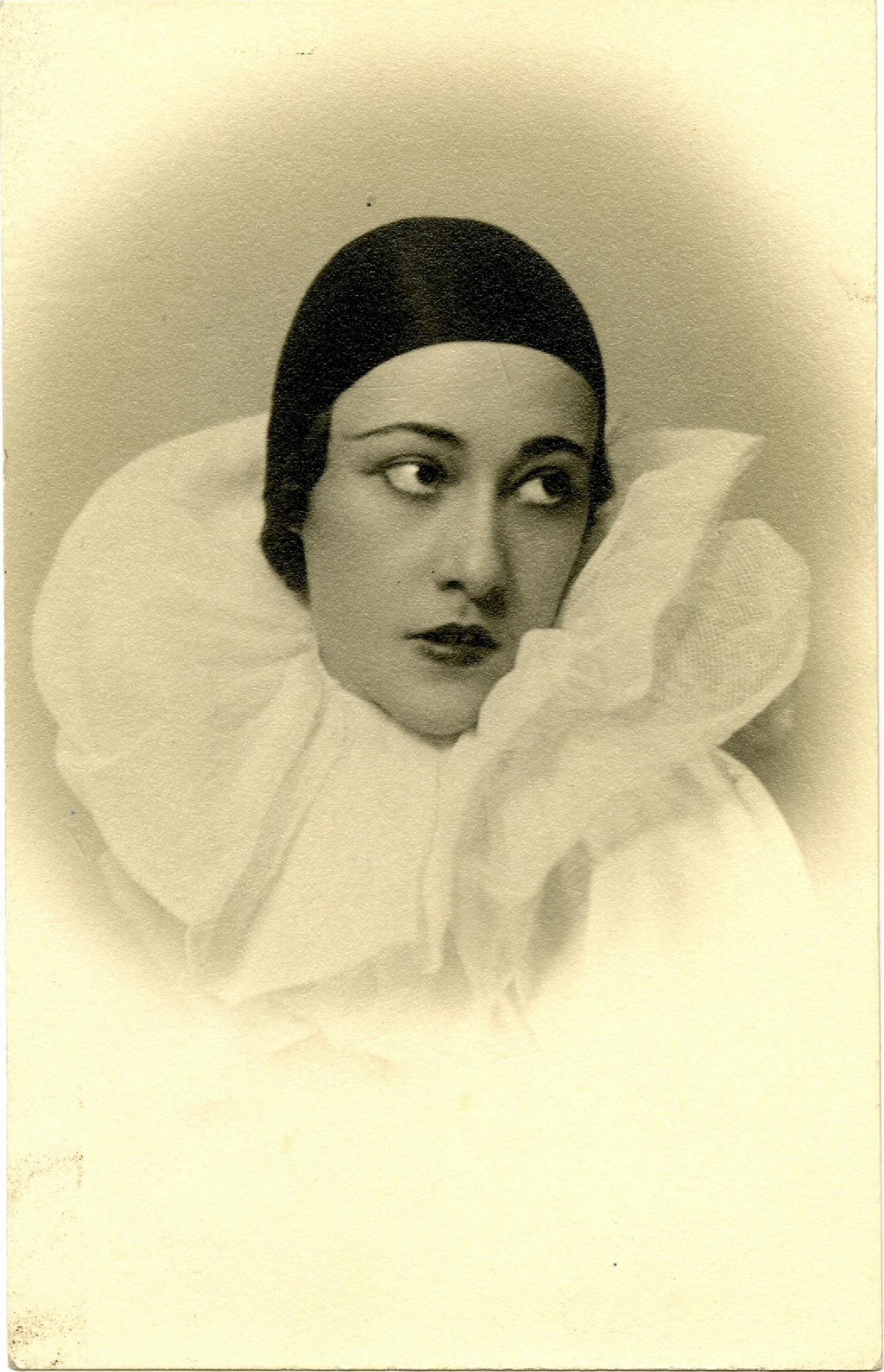
Pubblicata in Vaccarino E., (a cura di) Giannina Censi: danzare il futurismo. Milano: Electa; Museo di arte moderna e contemporanea di Trento e Rovereto, 1998, p.40. In verso nota ms. “Milano genn. 933”

In verso nota ms. “Settembre 1928”, “Giannina Censi. Milano. Via P. Umberto 10”. Pubblicata in Vaccarino E., (a cura di) Giannina Censi: danzare il futurismo. Milano: Electa; Museo di arte moderna e contemporanea di Trento e Rovereto, 1998, p. 73

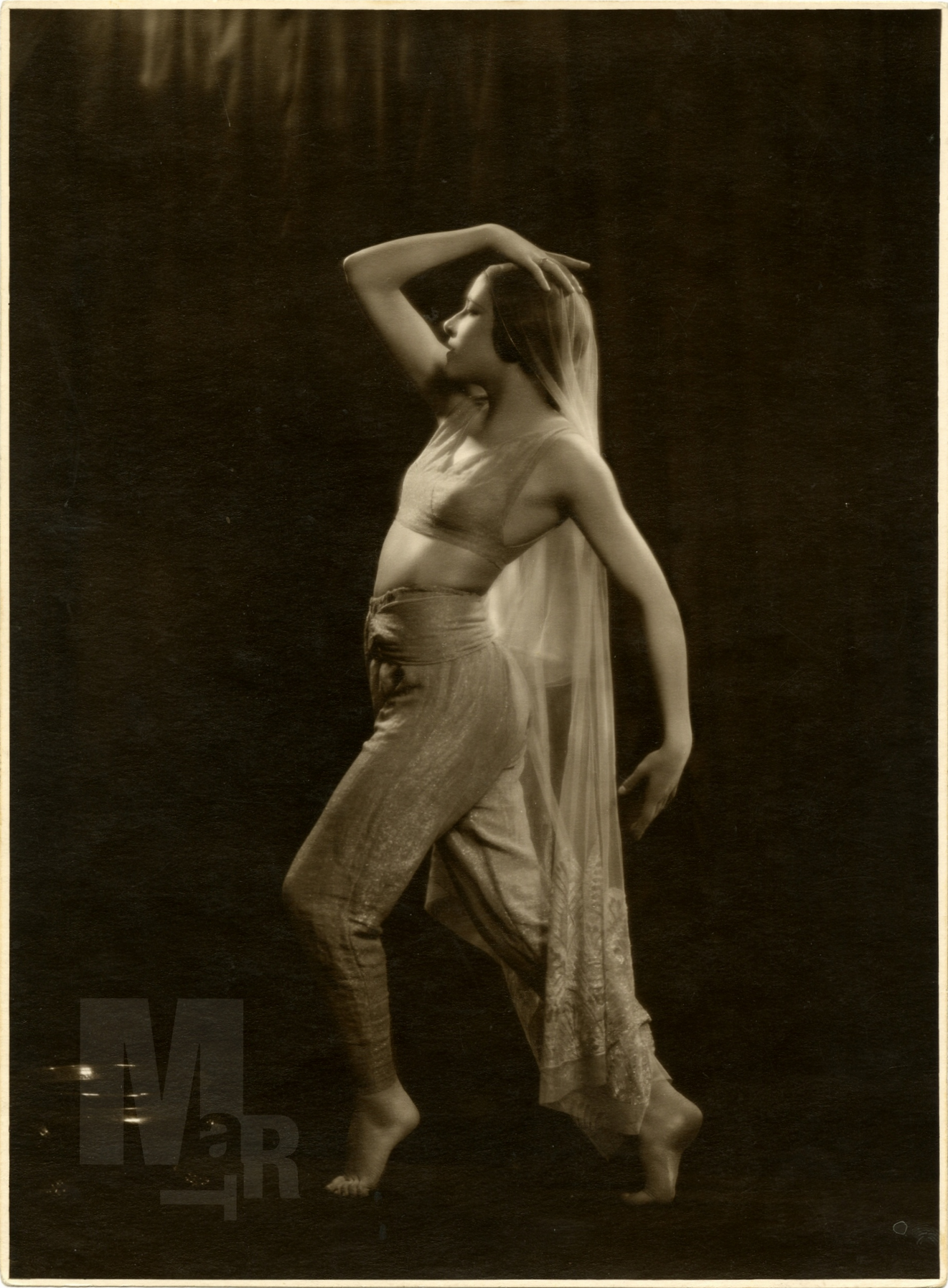
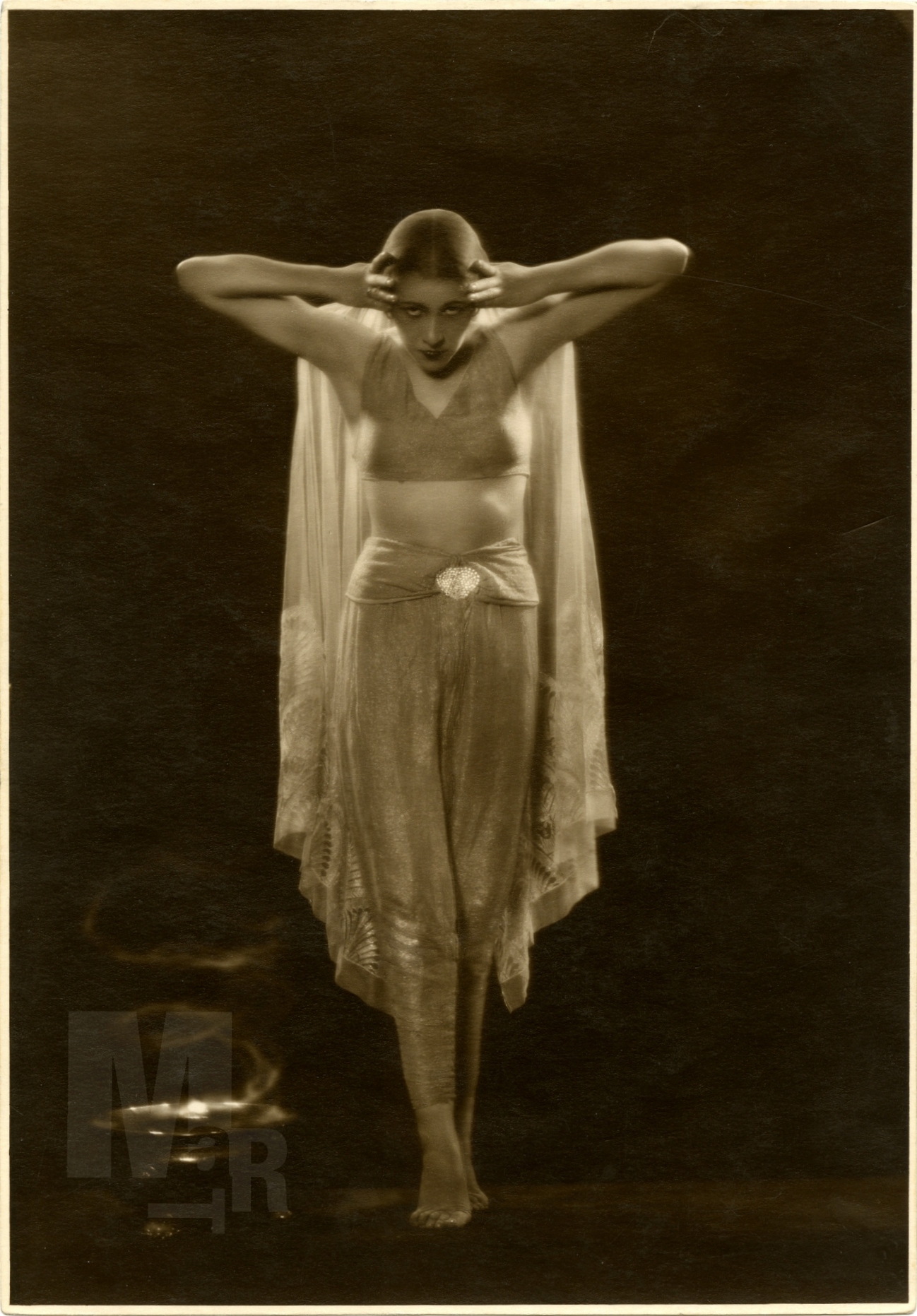
Pubblicata in Vaccarino E., (a cura di) Giannina Censi: danzare il futurismo. Museo di arte moderna e contemporanea di Trento e Rovereto, 1998 | src & © MART · Fondo Giannina Censi

 un regard oblique