Blossoming cactus 1930s

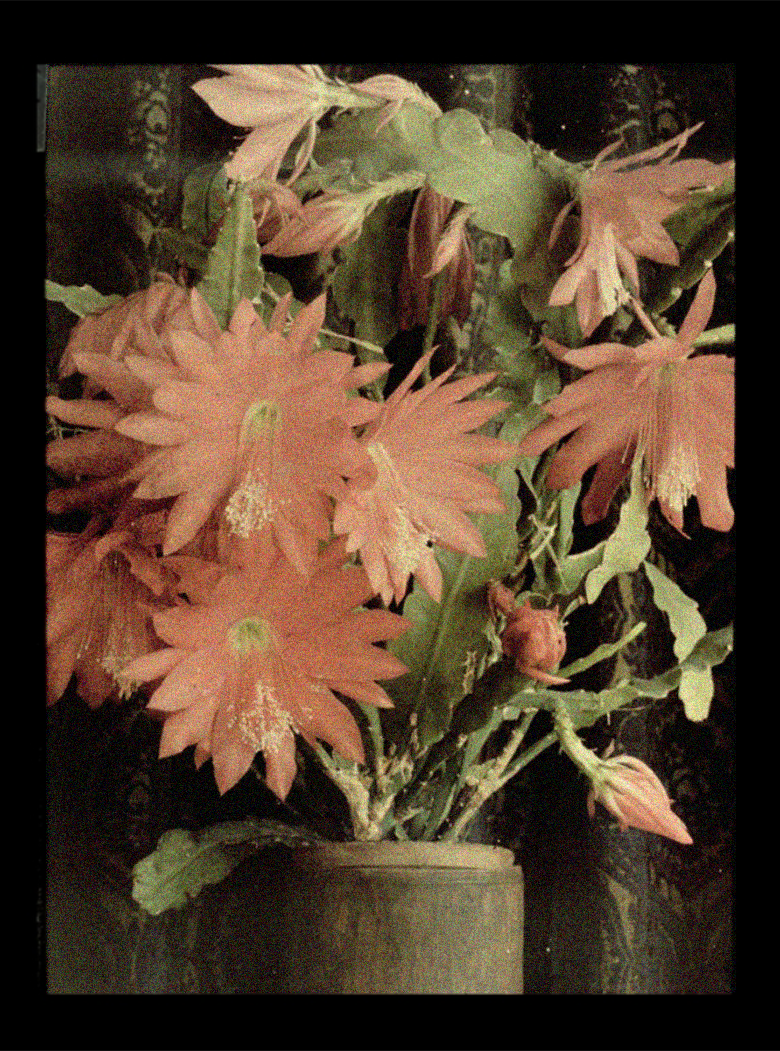
Hans Grendahl (1877-1962) ~ Cactus flowers. Close-up, June, 1937. Autochrome. Stereo. | src Preus museum
Hans Grendahl (1877-1962) ~ Kaktusblomster. Nærbilde, June, 1937. Autochrome. Stereo. | src Preus museum
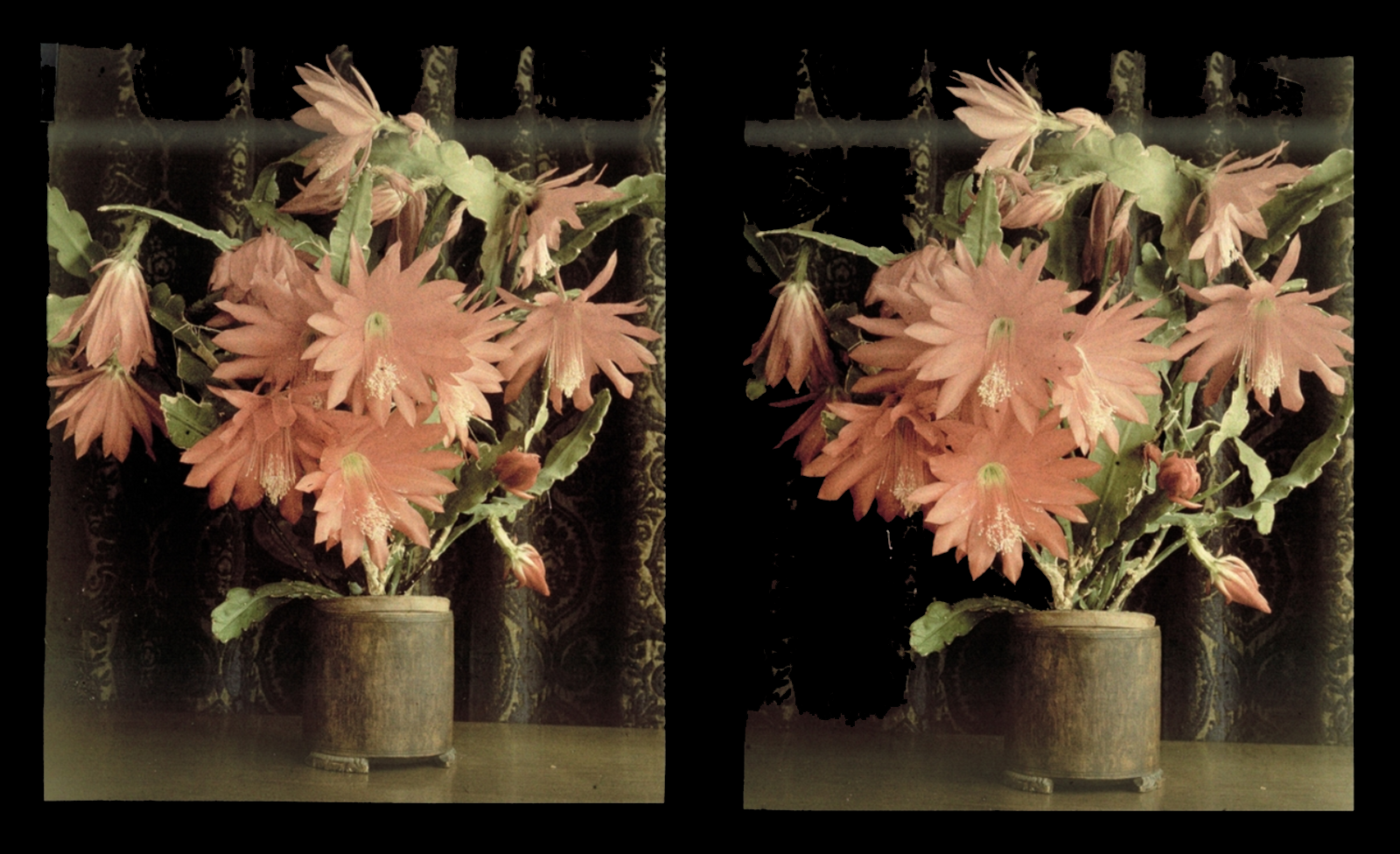
Hans Grendahl (1877-1962) ~ Blossoming cactus, July, 1934. Autochrome. Stereo photograph. | src Preus museum
Hans Grendahl (1877-1962) ~ Blomstrende kaktus, July, 1934. Autochrome. Stereo photograph. | src Preus museum
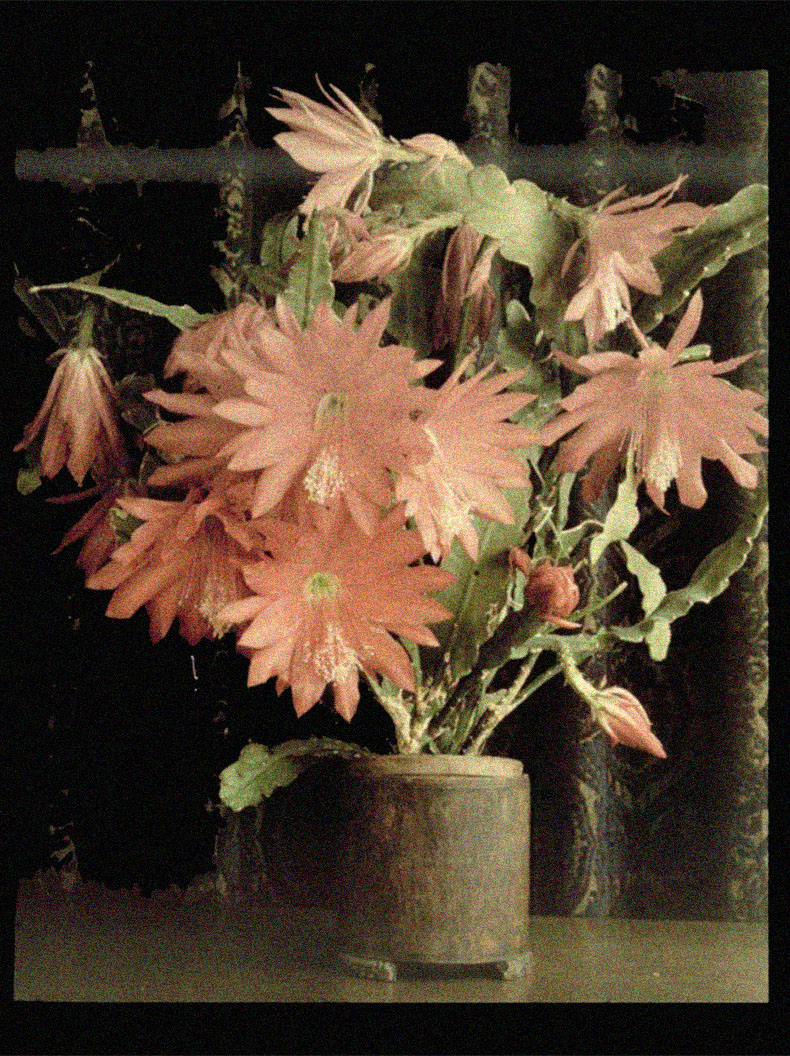
Hans Grendahl (1877-1962) ~ Blossoming cactus, July, 1937. Autochrome. Stereo photograph. | src Preus museum
Hans Grendahl (1877-1962) ~ Blomstrende kaktus, July, 1937. Autochrome. Stereo photograph. | src Preus museum

About Hans Grendahl (1877 – 1962)

Born in Rennebu. Son of farmer Ole Knudsen Grendahl and Ane Hansdatter, born Aas. He graduated in architecture with architect Solberg, Trondheim, in 1902, after which he went to Germany and studied architecture at the university in Karlsruhe. After completing his education, Grendahl was employed, among others in the company Jacob Digre in Ålesund, later he became an assistant teacher in building subjects, construction and freehand drawing at Trondhjem’s technical training institute. In 1916 he was employed as a teacher at NTH. In the 1920s and 30s took a number of photographs in color (Autochromes), i.a. interiors and exteriors of churches in Trøndelag, Gudbrandsdalen, Østerdalen, Møre and Romsdal and Telemark, as well as pictures from the Trøndelag exhibition in 1930 and the Drammen exhibition in the same year. The oldest color photo taken in his collection is from 1922. Grendahl left a unique archive of stereo images, about half of which are in colour, to his daughter Adelheide (Ada) Grue, in Stjørdal. The picture collection was bought by the Preus Fotomuseum in 1989 and digitalized in December 2021. It consists of 1017 photographs on glass plates in the format 90×140 mm. With a few exceptions, the images are stereo images.

quoted from Preus Fotomuseum
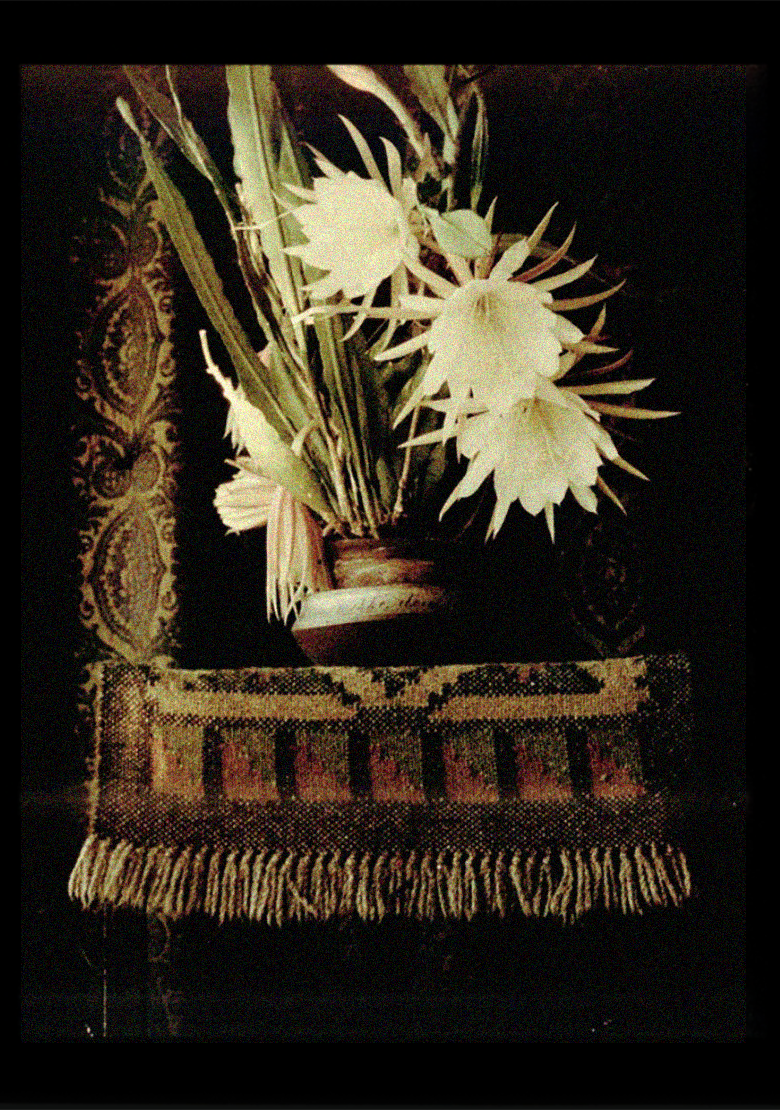
Hans Grendahl (1877-1957) ~ White cactus, July, 1935. Autochrome. Stereo photograph. | src Preus museum
Hans Grendahl (1877-1957) ~ Hvit kaktus, July, 1935. Autochrome. Stereo photograph. | src Preus museum

Frau von Heute · Fleischmann

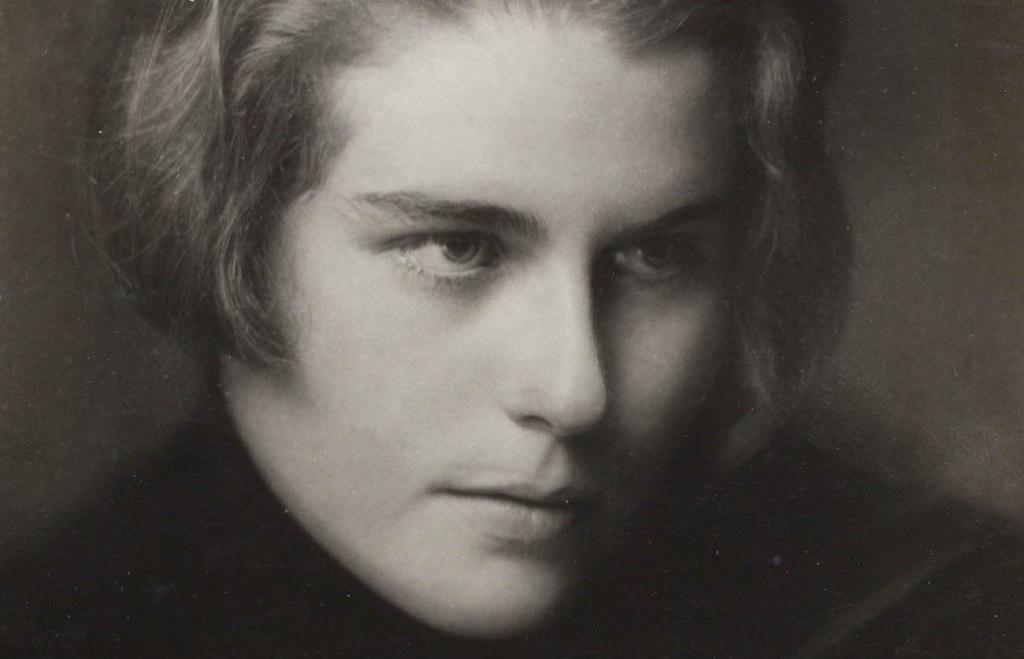
Trude Fleischmann (1895–1990) ~ Marianne Rosenberg, Vienna, 1931 | Ostlicht Spring 2023 Photo Auction
Trude Fleischmann (1895–1990) ~ Marianne Rosenberg, Vienna, 1931 | Detail

Photographer’s stamp with address at “Wien I. Ebendorferstraße 3”, her copyright stamp and her re-order stamp with handwritten negative no. “1039/a” in ink, “Wiener Foto-Kurier” agency stamp, several numbers and handwritten annotated “Frl. Marianne Rosenberg” in pencil on the reverse. LITERATURE “Die junge Frau von Heute”, in: Die Bühne, no. 299, March 1931, Vienna, p. 5 (titled “Fräulein Maria Rosenberg”); Frauke Kreutler, Anton Holzer (eds.), Trude Fleischmann. Der selbstbewusste Blick, cat. Wien Museum, Vienna 2013, p. 127 (ill. from “Die Bühne”).

«Die junge Frau von Heute». Fräulein Maria Rosenberg. Die Bühne, no. 299, March 1931, p. 5
«Die junge Frau von Heute» Die Bühne, no. 299, March 1931, p. 6
«Die junge Frau von Heute» Die Bühne, no. 299, March 1931, p. 7
Elisabeth Martin, die Gattin des Direktors der Berliner Volksbühne Karl Heinz Martin. Die Bühne, 299, März 1931
Hanne Wassermann, die bekannte Wiener Gymnastiklehrerin. Die Bühne, 299, März 1931

Steichen’s Delphiniums, late 1930s

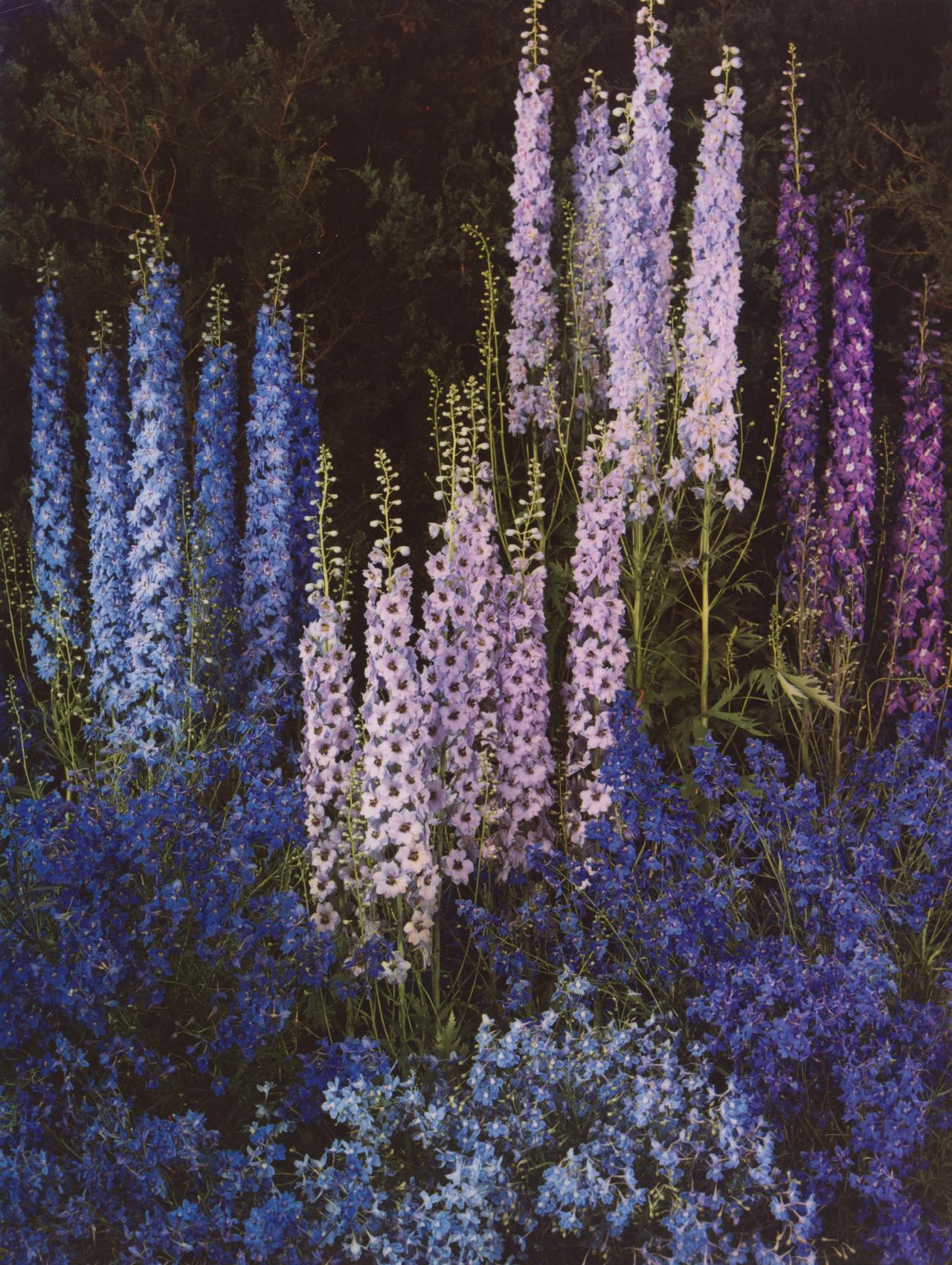
Edward Steichen ~ Delphiniums, Ridgefield, Connecticut, 1939; printed 1940. Dye transfer photograph. | src NGV
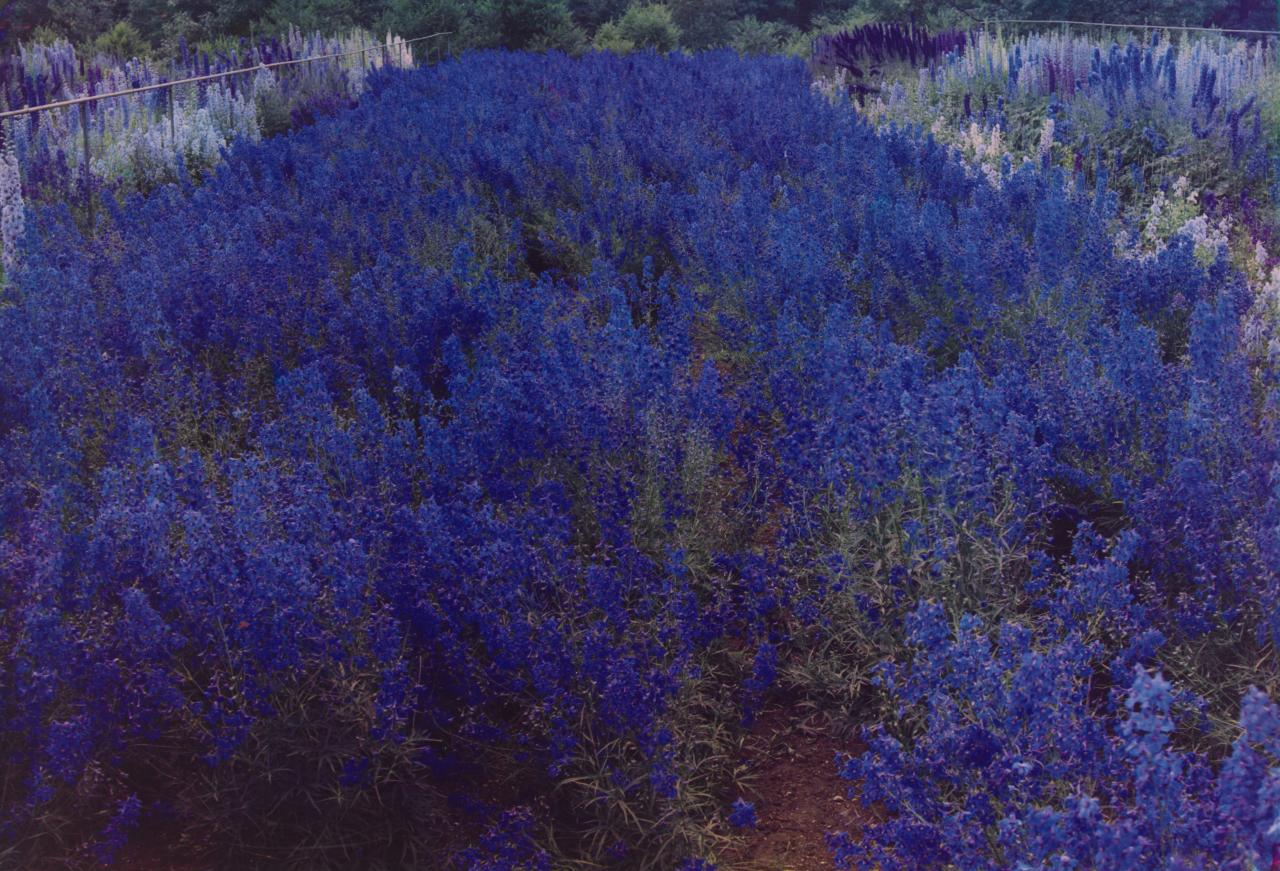
Edward Steichen ~ Block of blue wave delphiniums at Steichen’s plant breeding farm, 1938 | NGV ~ National Gallery of Victoria
Edward Steichen (American, b. Luxembourg, 1879–1973) ~ Delphiniums, ca. 1940. Dye imbibition print. | Eastman museum

Edward Steichen: painter, photographer, modern art promoter, museum curator, exhibition creator—and delphinium breeder.

Yes, in addition to his groundbreaking career as a visual artist and museum professional, Steichen was also a renowned horticulturist. While he lived in France, the French Horticultural Society awarded him its gold medal in 1913, and he served as president of the American Delphinium Society from 1935 to 1939. In the early 1930s, after leaving his position as chief of photography for the Condé Nast publications—including Vogue and Vanity Fair—and more than 10 years before beginning his career as Director of the Department of Photography at MoMA, he retired to his Connecticut farm to raise flowers.

Among the delphinium breeds Steichen hybridized there were “Carl Sandburg,” named for his brother-in-law and close friend (and Nobel Prize–winning poet and author), and, in the 1960s, “Connecticut Yankees”…

In June 1936, MoMA presented its first and only dedicated flower show, Edward Steichen’s Delphiniums, which exhibited—for one week only—plants Steichen had raised and then trucked to the Museum’s galleries himself. (Read the original press release for the exhibition in MoMA’s online press archives.)

quoted from MoMA blog

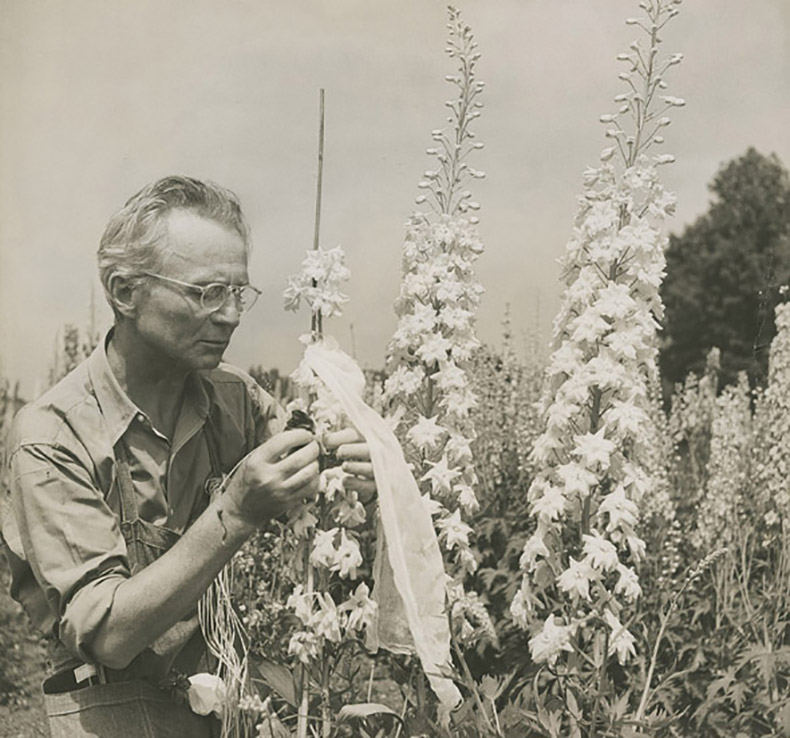
Edward Steichen with delphiniums (ca. 1938), Umpawaug House (Redding, Connecticut). Photo by Dana Steichen. Gelatin silver print. Edward Steichen Archive, VII. The Museum of Modern Art Archives. | MoMA blog

Puck der Waldgeist

PUCK der Waldgeist nennt diese junge fantasiebegabte Tänzerin diesen grotesken Tanz, ein paar Kastanien- blätter sind die Dekoration Foto: Illpho-Dillan 2. Das Kleine Magazin 1940 Band 16 Heft 34
PUCK the forest spirit is what this young, imaginative dancer calls this grotesque dance, a few chestnut leaves are the decoration Photo: Illpho-Dillan 2. Published in Das Kleine Magazin, 1940

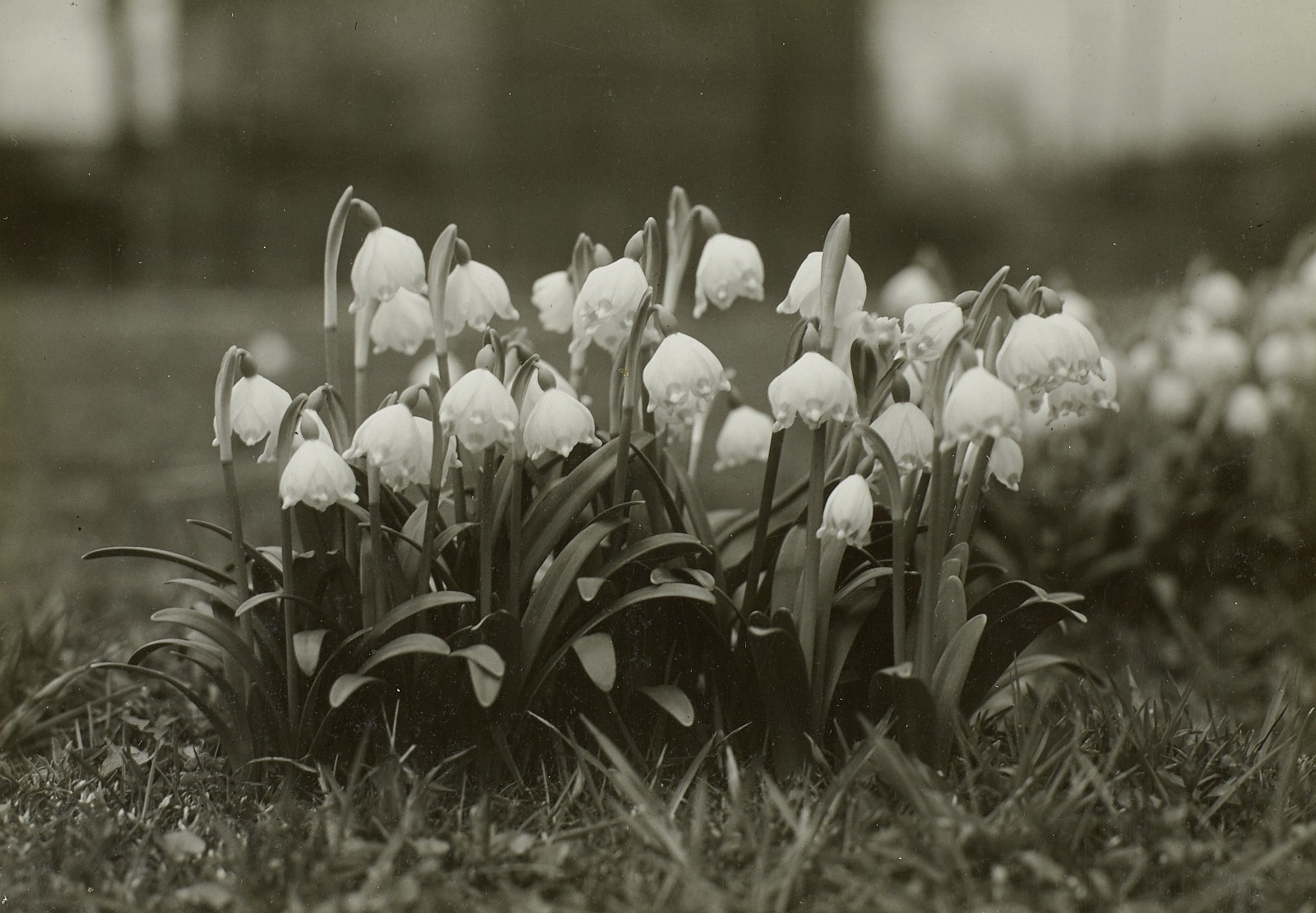
Märzbecher von Walter Möbius

Walter Möbius :: Märzenbecher (Leucojum vernum) im Polenztal, Sächsische Schweiz, 1929 | src Deutsche Digitale Bibliothek
Walter Möbius :: Märzenbecher (Leucojum vernum) im Polenztal, Sächsische Schweiz, 1929 | src Deutsche Fotothek
Walter Möbius :: Frühlingsknotenblume (Leucojum vernum), auch Märzenbecher, Märzbecher, Märzglöckchen oder Großes Schneeglöckchen genannt, im Polenztal, um 1935 | src Deutsche Fotothek
Walter Möbius :: Märzenbecher (Leucojum vernum) im Polenztal, Sächsische Schweiz, 1929 | src Deutsche Fotothek

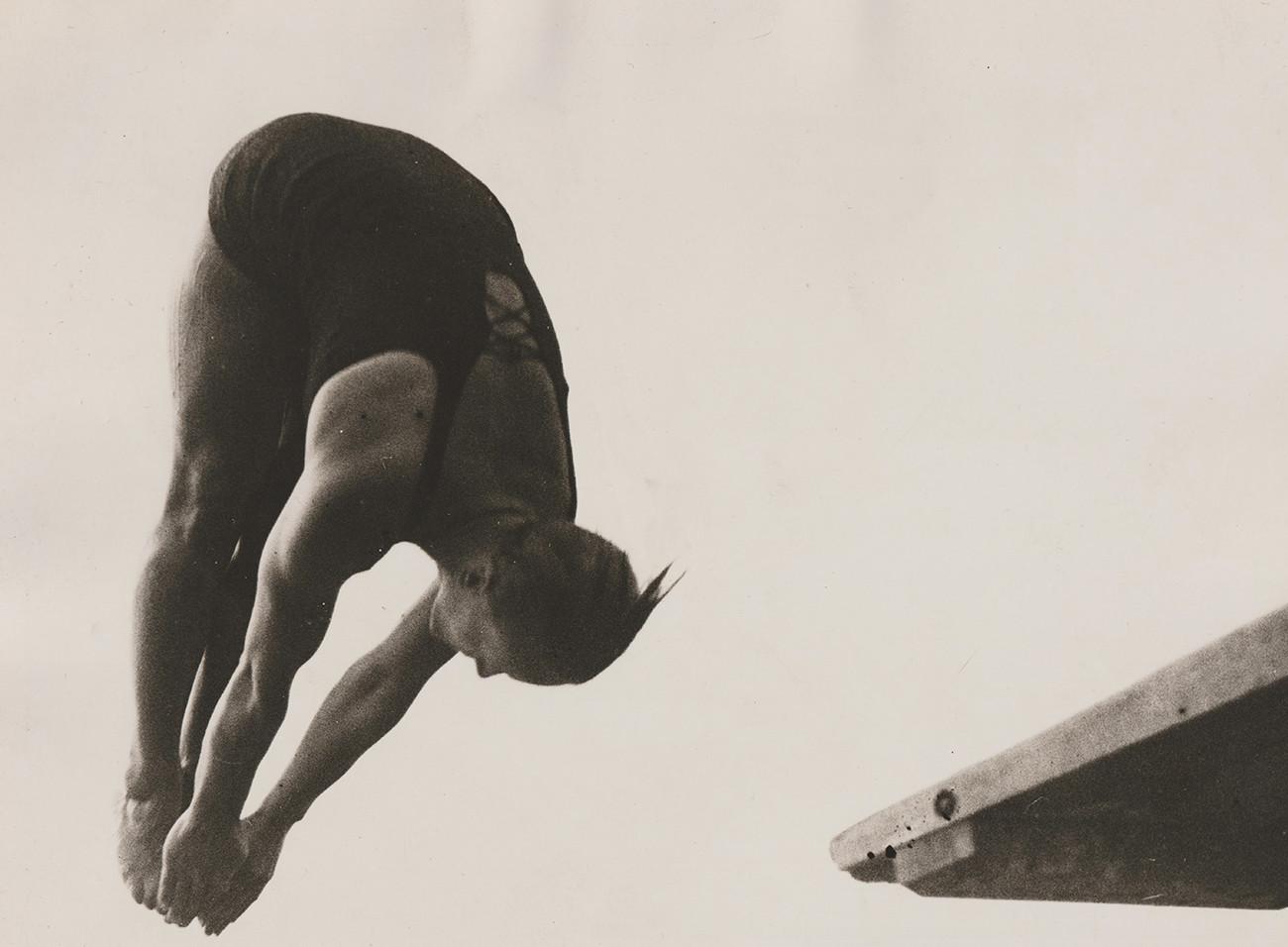
Pike dive, 1933

The Scissor Dive. Press Photograph, 1933 / The Classic Photo Fair London 2023
«The Scissor Dive» (sic). Press Photograph, 1933 | src The Classic Photo Fair London 2023 via ODLP ~ l’œil de la photographie

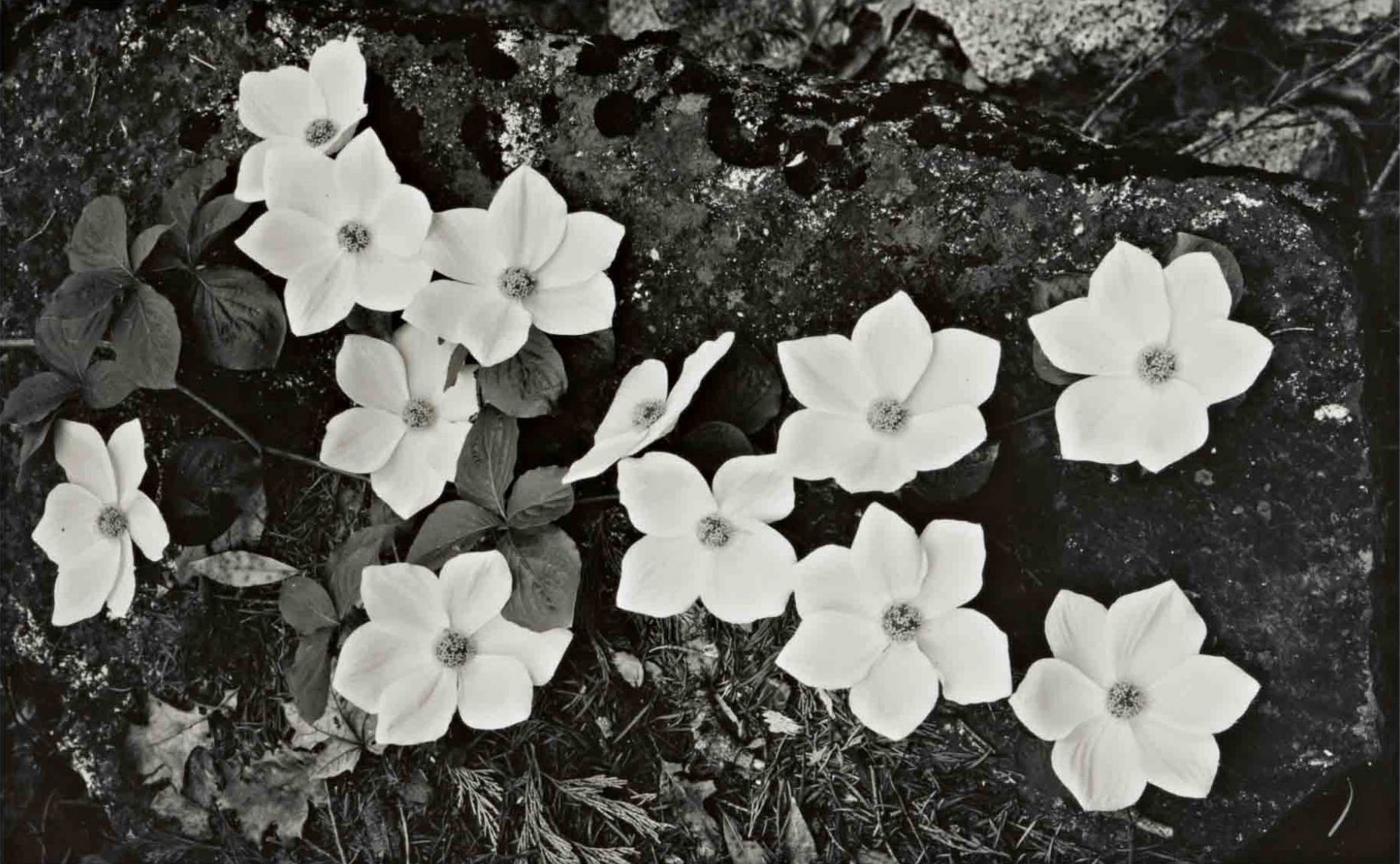
Adams Dogwood Blossoms

Ansel Adams (1902 – 1984) :: Plate XI: Dogwood Blossoms, 1938. Portfolio III: Yosemite Valley. San Francisco: Sierra Club, 1960. 16 gelatin silver prints; each signed. | src Christie’s
Ansel Adams (1902 – 1984) :: ‘Dogwood Blossoms, Yosemite’, ferrotyped gelatin silver print, mounted, signed in pencil on the mount, titled on the reverse, circa 1938, probably printed later. | src Sotheby’s
Ansel Adams (1902 – 1984) :: ‘Dogwood Blossoms, Yosemite’, ferrotyped gelatin silver print, ca. 1938 | src Sotheby’s

Les portraits anonymes de Gain

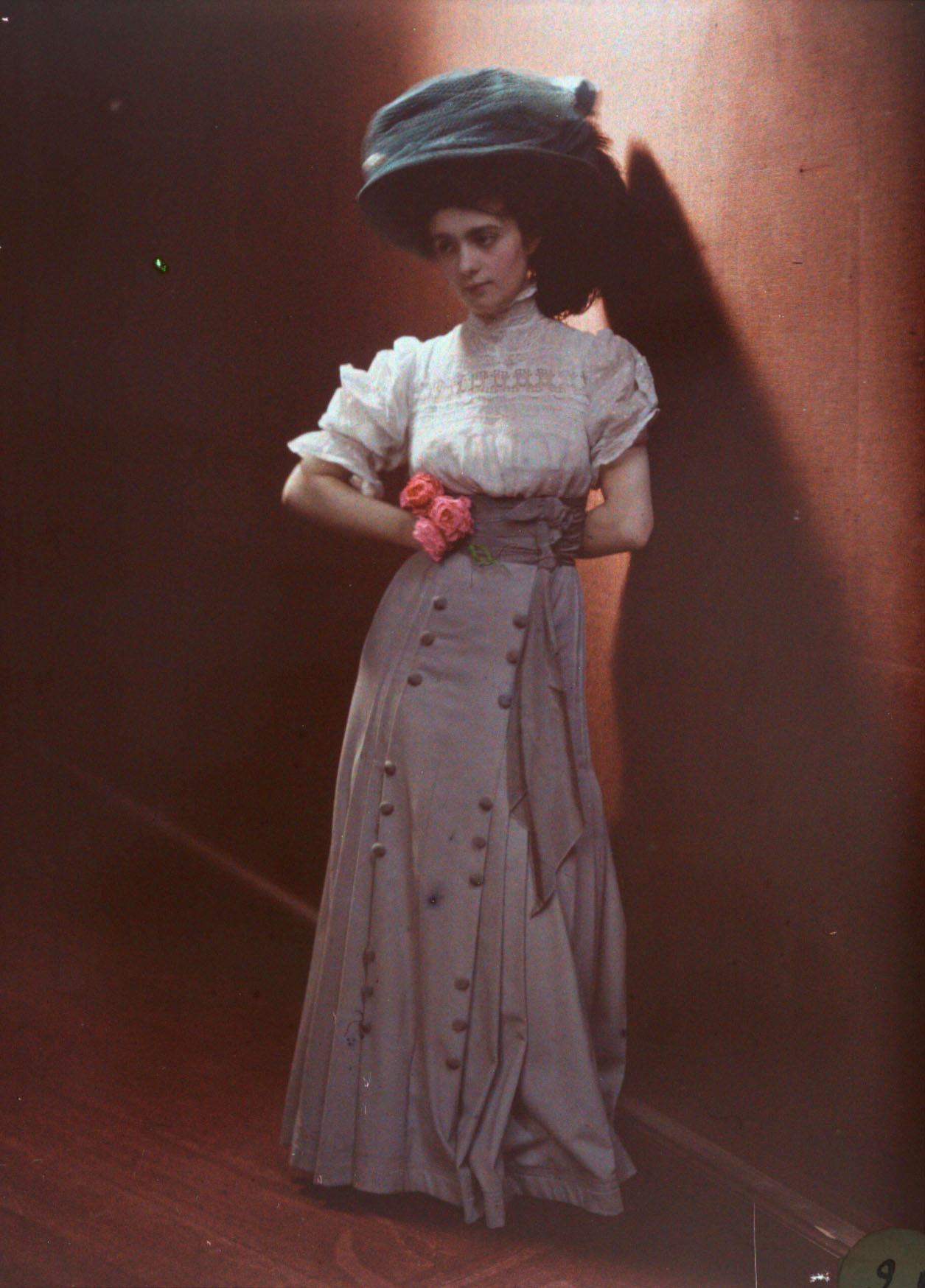
Gustave Gain :: Les portraits anonymes. Une femme, 1910. Plaque de verre Autochrome. | Fonds de la Famille Gain ~ Archives de la Manche
Gustave Gain :: Les portraits anonymes. Une femme, 1910. Plaque de verre Autochrome. | © Fonds de la Famille Gain ~ Archives de la Manche
Gustave Gain :: Les portraits anonymes. Une femme, 1910. Plaque de verre Autochrome. | Fonds de la Famille Gain ~ Archives de la Manche
Gustave Gain :: Les portraits anonymes. Une femme, 1910. Plaque de verre Autochrome. | © Fonds de la Famille Gain ~ Archives de la Manche
Gustave Gain :: Les portraits anonymes. Jeune fille à la tunique turquoise, 1931-1940. Plaque de verre Autochrome.
Gustave Gain :: Jeune fille à la tunique turquoise, 1931-1940. Plaque de verre Autochrome. | © Fonds de la famille Gain · Archives de la Manche