Bruno Miniati · ritratti di donne

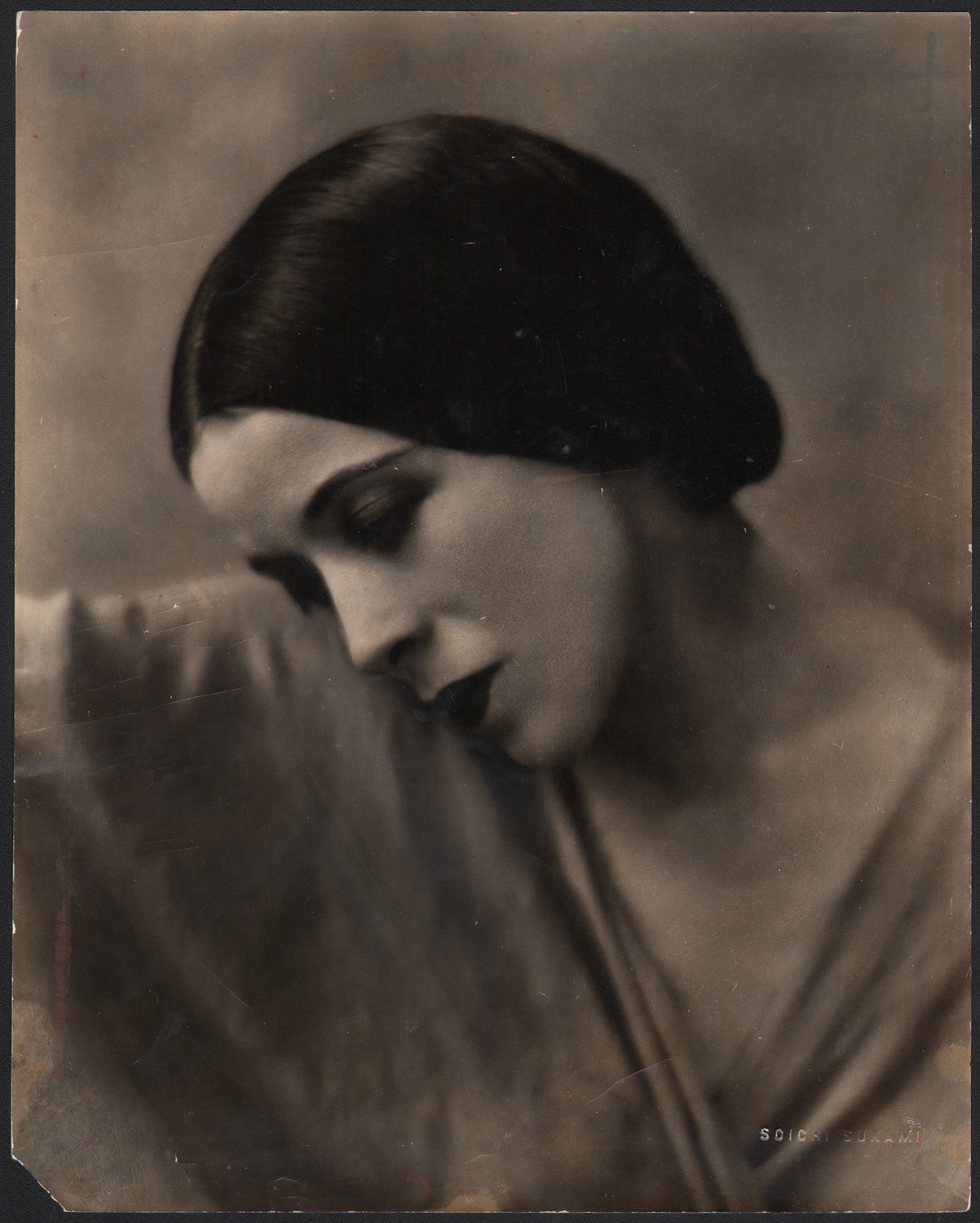
Bruno Miniati ~ «Pensieri tristi», ca. 1925 From : Bruno Miniati : fotografo, 1889-1974 (Alinari, Firenze, 1992)
Bruno Miniati ~ «Pensieri tristi», ca. 1925 From : Bruno Miniati : fotografo, 1889-1974 (Alinari, Firenze, 1992) | src internet archive
Bruno Miniati ~ «Mummia moderna», ca. 1920. From : Bruno Miniati : fotografo, 1889-1974 (Alinari, Firenze, 1992)
Bruno Miniati ~ «Mummia moderna», ca. 1920. From : Bruno Miniati : fotografo, 1889-1974 (Alinari, Firenze, 1992) | src internet archive
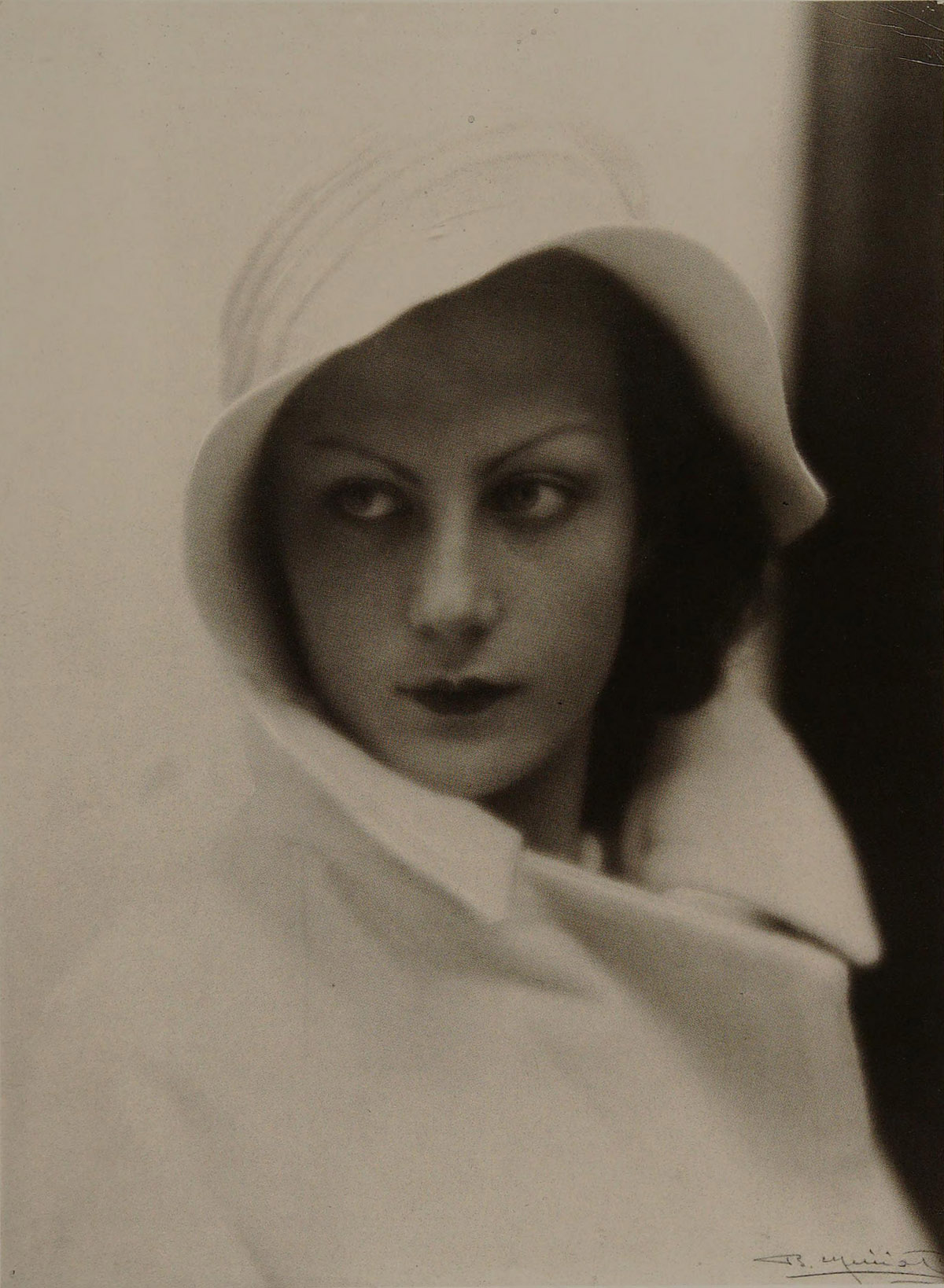
Bruno Miniati ~ Giovane donna con impermeabile, ca. 1930. From : Bruno Miniati : fotografo, 1889-1974 (Alinari, Firenze, 1992) | src internet archive
Bruno Miniati ~ Giovane donna con impermeabile, ca. 1930. From : Bruno Miniati : fotografo, 1889-1974 (Alinari, Firenze, 1992)
Bruno Miniati ~ Profilo di donna, s.d. From : Bruno Miniati : fotografo, 1889-1974 (Alinari, Firenze, 1992) | src internet archive
Bruno Miniati ~ Profilo di donna, s.d. From : Bruno Miniati : fotografo, 1889-1974 (Alinari, Firenze, 1992)
Bruno Miniati ~ Ritratto di giovanne donna, ca. 1930 From : Bruno Miniati : fotografo, 1889-1974 (Alinari, Firenze, 1992) | src internet archive
Bruno Miniati ~ Ritratto di giovanne donna, ca. 1930 From : Bruno Miniati : fotografo, 1889-1974
Bruno Miniati ~ Ritratto femminile in abito da sera, ca. 1930 From : Bruno Miniati : fotografo, 1889-1974 (Alinari, Firenze, 1992) | src internet archive
Bruno Miniati ~ Ritratto femminile in abito da sera, ca. 1930 From : Bruno Miniati : fotografo, 1889-1974
Bruno Miniati ~ «Zingara», ca. 1930 From : Bruno Miniati : fotografo, 1889-1974 (Alinari, Firenze, 1992) | src internet archive
Bruno Miniati ~ «Zingara», ca. 1930 From : Bruno Miniati : fotografo, 1889-1974 (Alinari, Firenze, 1992)
Bruno Miniati ~ «Spagnola», ca. 1920 From : Bruno Miniati : fotografo, 1889-1974 (Alinari, Firenze, 1992) | src internet archive
Bruno Miniati ~ «Spagnola», ca. 1920 From : Bruno Miniati : fotografo, 1889-1974 (Alinari, Firenze, 1992)

Bruno Miniati · Portraits

Bruno Miniati ~ Paula Borboni, 1925 From : Bruno Miniati : fotografo, 1889-1974 (Alinari, Firenze, 1992)
Bruno Miniati ~ Paula Borboni, 1925 From : Bruno Miniati : fotografo, 1889-1974 (Alinari, Firenze, 1992) | src internet archive
Bruno Miniati ~ La Regina Sofia di Grecia, 1939 From : Bruno Miniati : fotografo, 1889-1974 (Alinari, Firenze, 1992)
Bruno Miniati ~ La Regina Sofia di Grecia, 1939 From : Bruno Miniati : fotografo, 1889-1974 (Alinari, Firenze, 1992) | src internet archive
Bruno Miniati ~ Maria Josè di Savoia, 1939 From : Bruno Miniati : fotografo, 1889-1974 (Alinari, Firenze, 1992)
Bruno Miniati ~ Maria Josè di Savoia, 1939 From : Bruno Miniati : fotografo, 1889-1974 (Alinari, Firenze, 1992) | src internet archive

Orpheus and Eurydice

George Platt Lynes (1907-1955) ~ Balanchine’s Orpheus and Eurydice, ca. 1936 | src Focus on Dance ~ Keith de Lellis Gallery
George Platt Lynes (1907-1955) ~ Orpheus and Eurydice, ca. 1936 | src Focus on Dance ~ Keith de Lellis Gallery
George Platt Lynes (1907-1955) ~ Lew Christiensen, William Dollar & Daphne Vane performing Orpheus and Eurydice, 1936
src Focus on Dance ~ Keith de Lellis Gallery, also at The Met
George Platt Lynes (1907-1955) ~ Nicholas Magallanes and Francisco Moncion in ‘Orpheus’, ca. 1948 | src Focus on Dance ~ Keith de Lellis Gallery

Ogawa Gesshu · Portraits

Ogawa Gesshu ~ Gesshū Ogawa :: Mädchen in Schuluniform, 1928. Los 211-1 | src Grisebach Auktionen
Ogawa Gesshu ~ Gesshū Ogawa :: Woman in Western Hat, ca. 1935. Bromide print. | src Sotheby’s ~ The Discerning Eye: Property from the Collection of Eric Franck

Jia Ruskaja · Ritratti

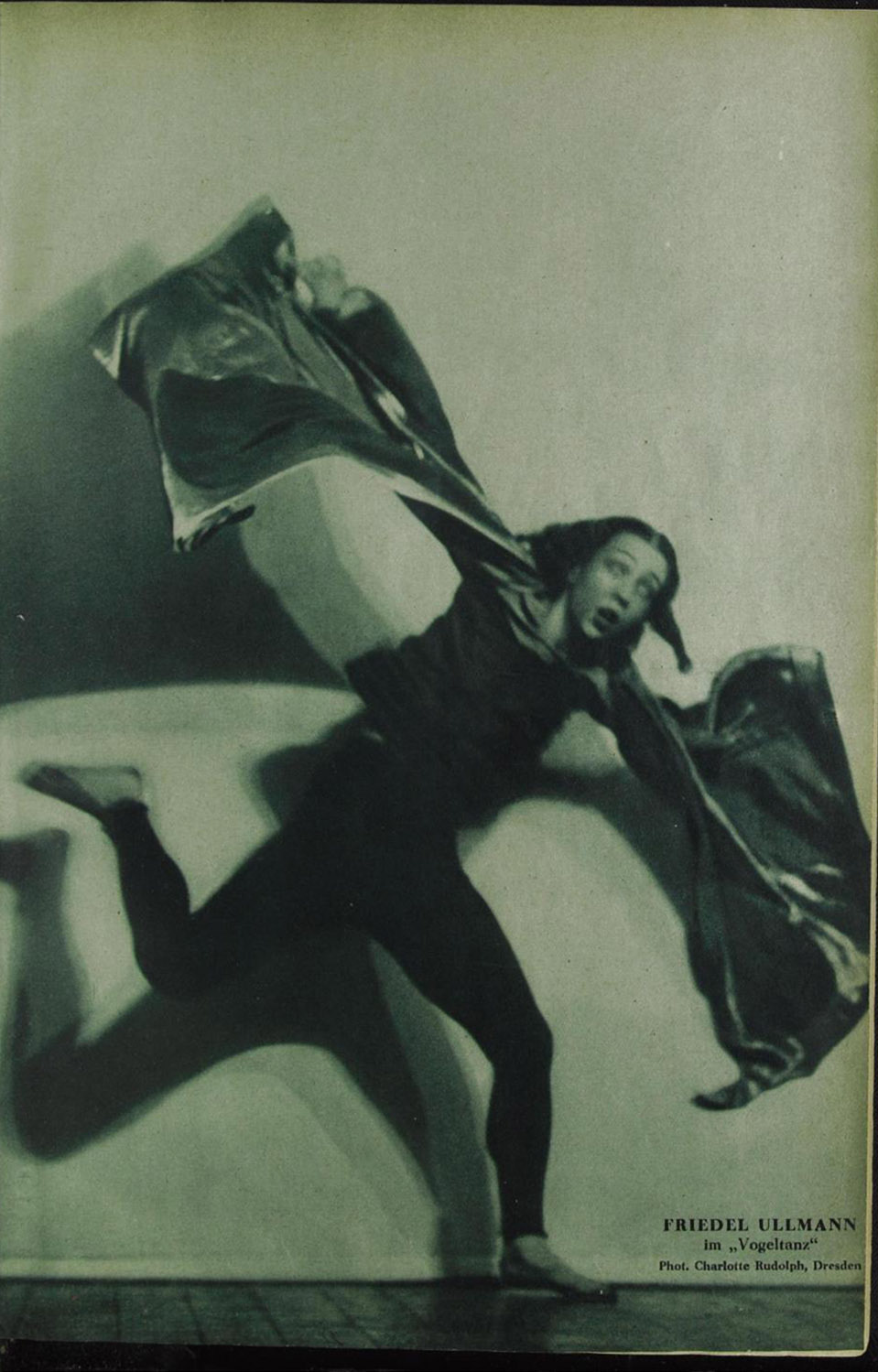
Il libro ‘Jia Ruskaja. La dea danzante’ di Gianluca Bocchino (NeoClassica Editore) | src Liquid·Arte
Jia Ruskaja (Evgenija Borisenko) fotografata da Ghitta Cerell nel 1938 | FAND-website
Jia Ruskaja (Eugenia Borisenko) fondatrice della Fondazione dell’Accademia Nazionale di Danza | FANDonFb
»Jia Ruskaja. La dea danzante« di Gianluca Bocchino NeoClassica & FAND
Jia Ruskaja, nelle immagini contenute nel libro La danza come modo di essere, 1927 | src Danza Effebi
Jia Ruskaja (Evgenija Borisenko) fotografata da Ghitta Cerell nel 1938 | FAND-website

Water lilies · Nenuphars

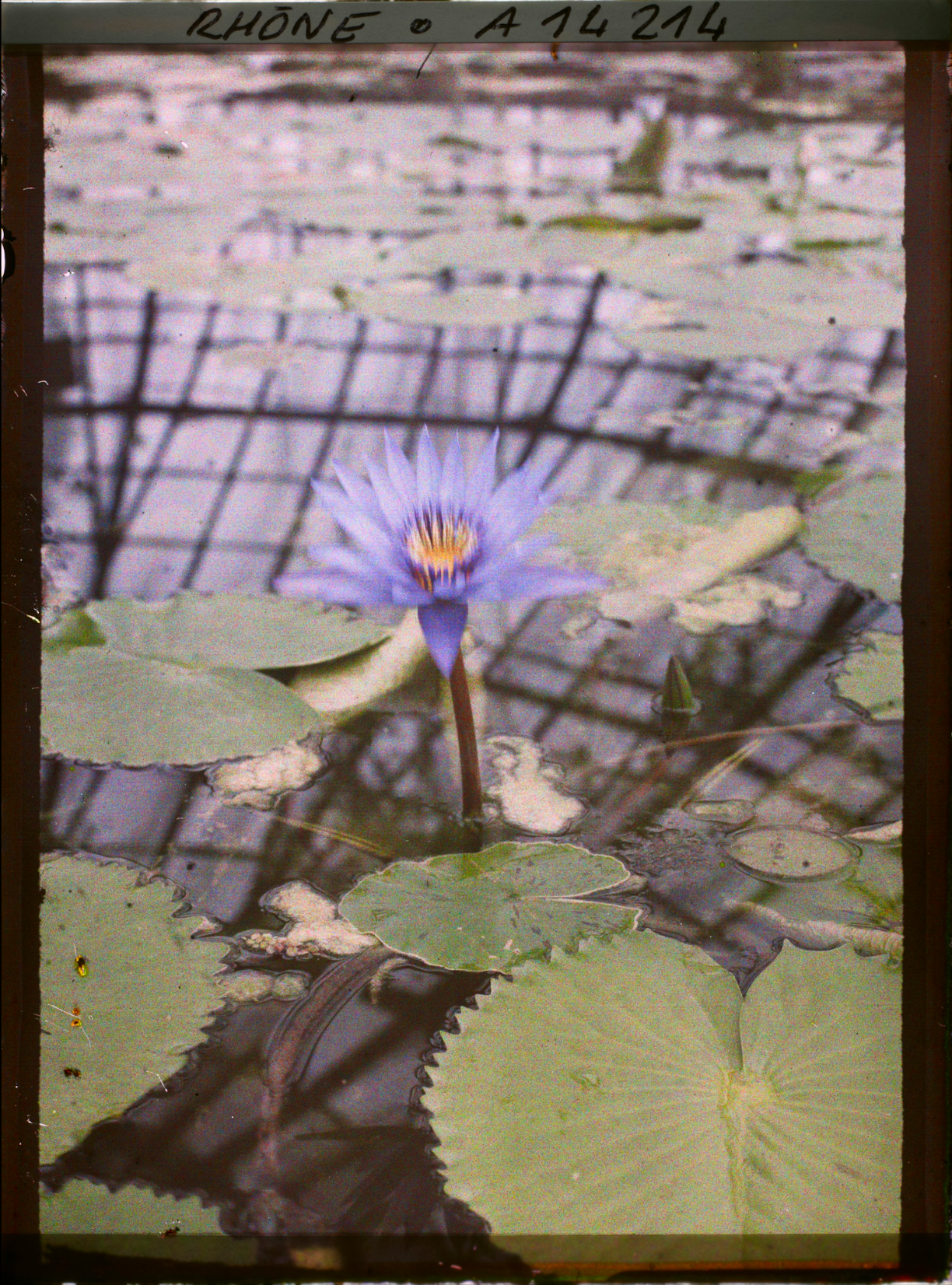
Léon Busy ~ Parc de la Tête d’Or, Lyon, Rhône-Alpes, France, 1917-1918. Autochrome Lumière.
Rhône-Alpes – Léon Busy – (juin 1917-mai 1918)

Musée départamental Albert Kahn. Archives de la Planète. Opérateur : León Busy (x)
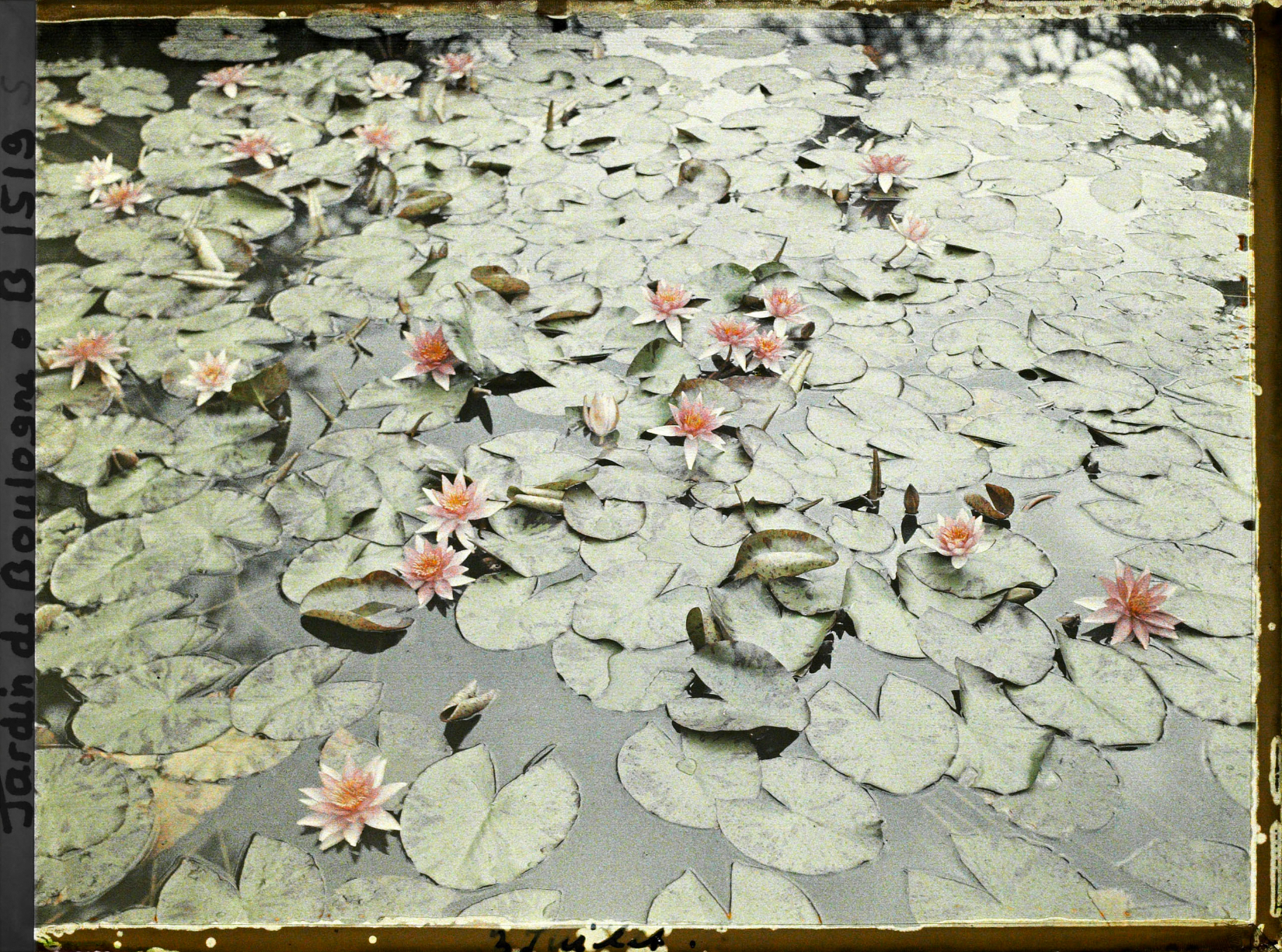
Auguste Léon ~ Nénuphars roses, Propriété d’ Albert Kahn, Boulogne, France, 07/1930. Autochrome Lumière.

Musée départamental Albert Kahn. Archives de la Planète. Opérateur : Auguste Léon (x)
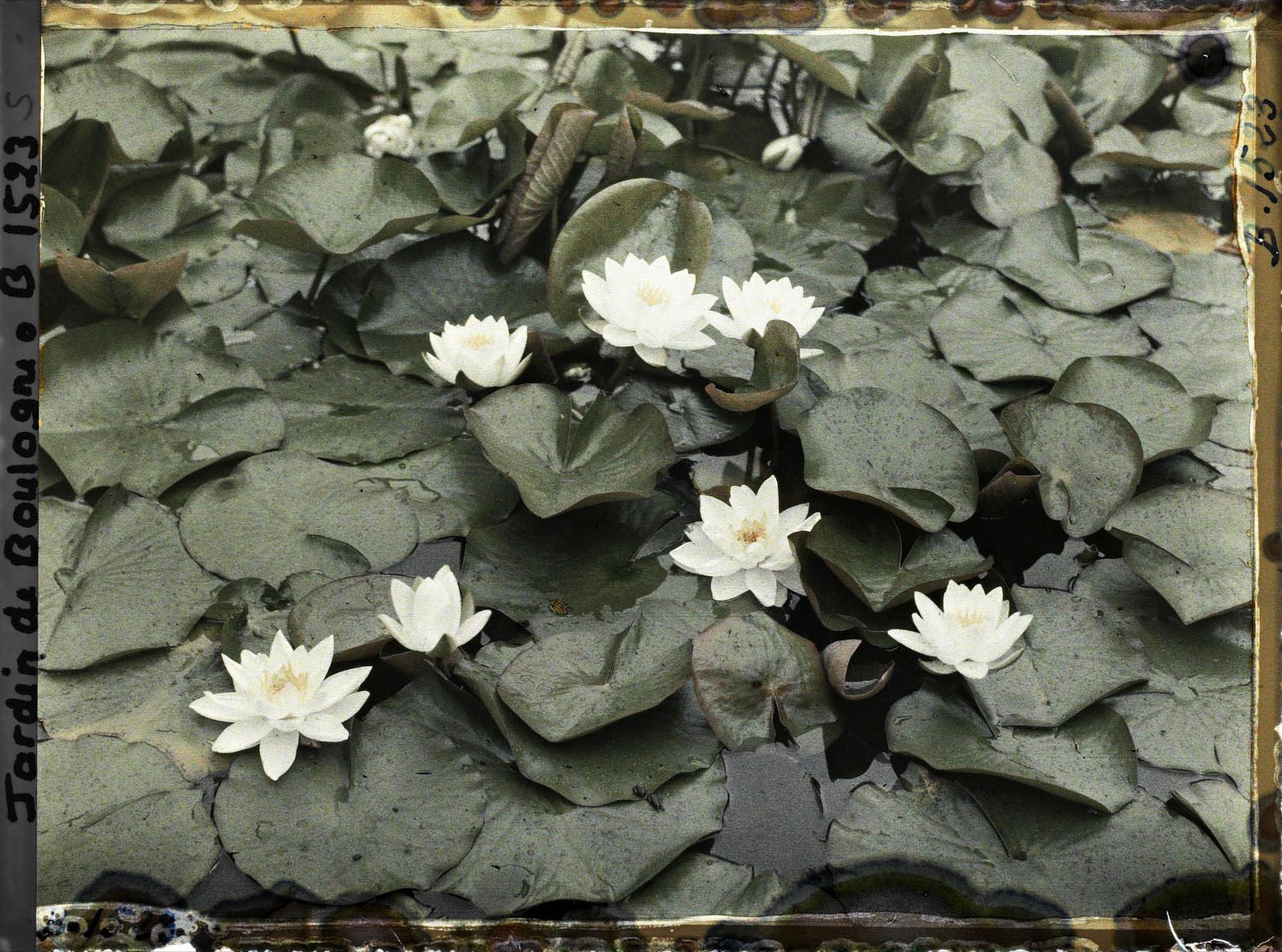
Auguste Léon ~ Nénuphars blancs, Propriété d’Albert Kahn, Boulogne, France, 07/1930. Autochrome Lumière.

Arthur Rackham · Fairy tales

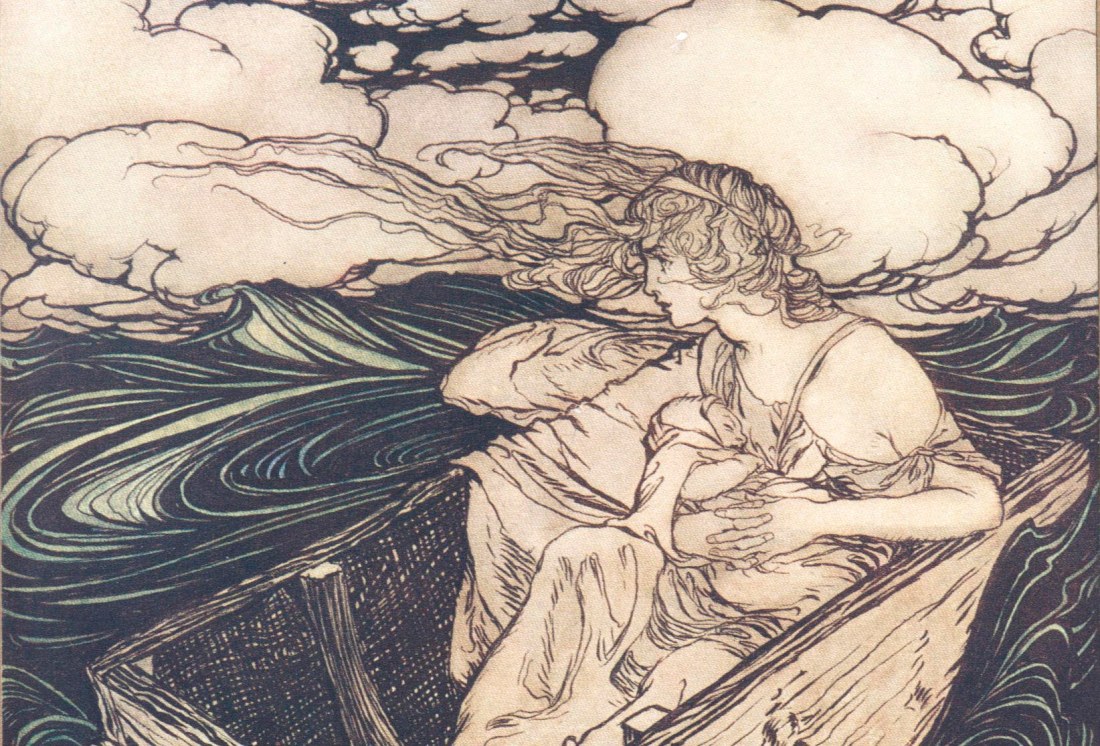
The Arthur Rackham Fairy Book, George G. Harrap, published 1933 | src Bonhams UK
Irish Fairy Tales by James Stephens, with colour plates by Arthur Rackham, Macmillan, published 1920 | src Bonhams UK

You could spend hours marveling at Arthur Rackham’s work. The legendary illustrator, born on September 19, 1867, was incredibly prolific, and his interpretations of Peter Pan, The Wind in the Willows, Grimm’s Fairy Tales, A Midsummer Night’s Dream, and Rip Van Winkle (to name but a few) have helped create our collective idea of those stories.
Rackham is perhaps the most famous of the group of artists who defined the Golden Age of Illustration, the early twentieth-century period in which technical innovations allowed for better printing and people still had the money to spend on fancy editions. Although Rackham had to spend the early years of his career doing what he called “much distasteful hack work,” he was famous—and even collected—in his own time. He married the artist Edith Starkie in 1900, and she apparently helped him develop his signature watercolor technique. From the publication of his Rip Van Winkle in 1905, his talents were always in high demand.
He had the advantage of a canny publisher, too, in William Heinemann. Before the release of each book, Rackham would exhibit the original illustrations at London’s Leicester Galleries, and sell many of the paintings. Meanwhile, Heinnemann had the notion to corner multiple markets by releasing both clothbound trade books and small numbers of signed, expensively bound, gilt-edged collectors’ editions. When the British economy flagged, Rackham turned his attention to Americans, producing illustrations for Washington Irving’s The Legend of Sleepy Hollow and later Poe’s Tales of Mystery and Imagination.

Pragmatic he may have been, but Rackham’s detailed work is pure fantasy, alternately beautiful, romantic, haunting, and sinister. Nothing he did was ever truly ugly, although he could certainly communicate the grotesque. And his illustrations are never cute, although his animals—as in The Wind in the Willows—have a naturalist’s vividness, and he could do whimsy (think Alice in Wonderland, or his many goblins) with the best of them. Several generations of children grew up with this nuanced beauty; it’s probably wielded even more of an aesthetic influence than we attribute to it.

Rackham once said, “Like the sundial, my paint box counts no hours but sunny ones.” This is peculiar when one considers the moodiness of much of his palate, and the unflinching darkness of many of his illustrations. I think, rather, of a quote from his edition of Brothers Grimm: “Evil is also not anything small or close to home, and not the worst; otherwise one could grow accustomed to it.” He made that evil beautiful, too, and it was this as much as anything that enchanted. By Sadie Stein for The Paris Review Blog