
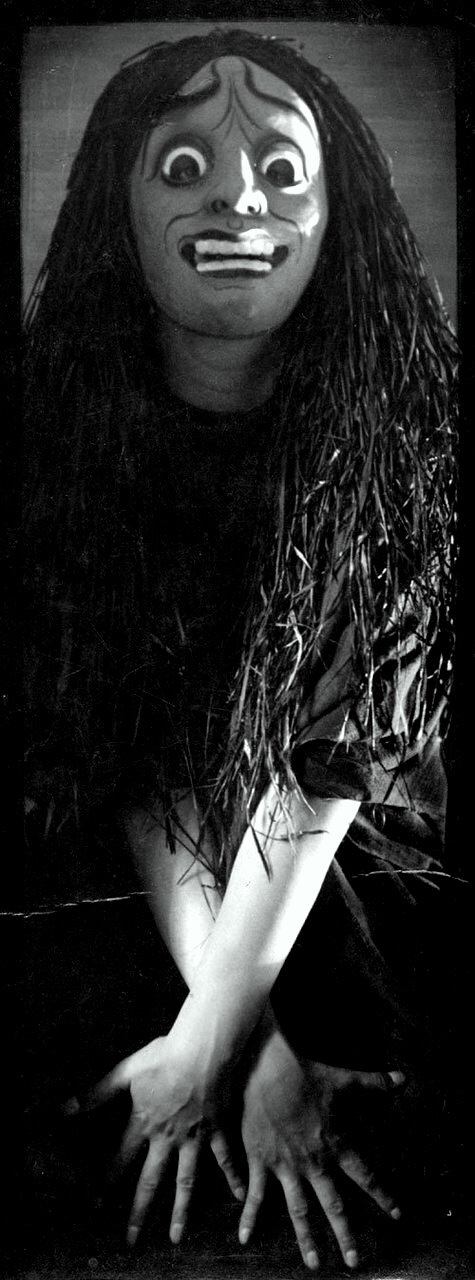
Akarova in ‘Amour de Falia’, 1929
images that haunt us

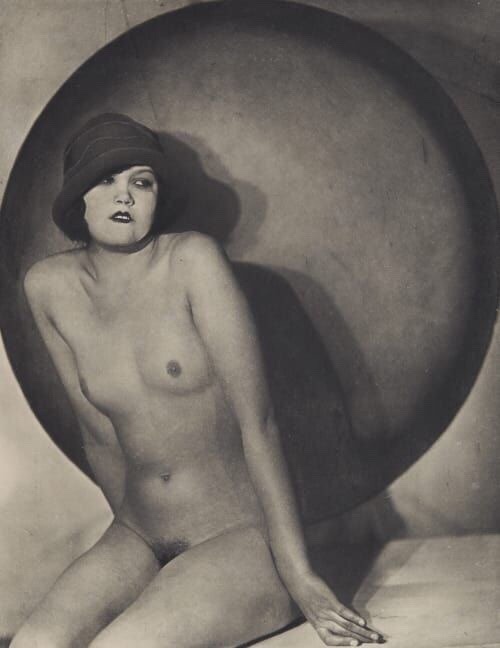
František Drtikol :: XXVI, from ‘Les Nus de Drtikol’, 1929. Photogravure. | src the art of the photogravure
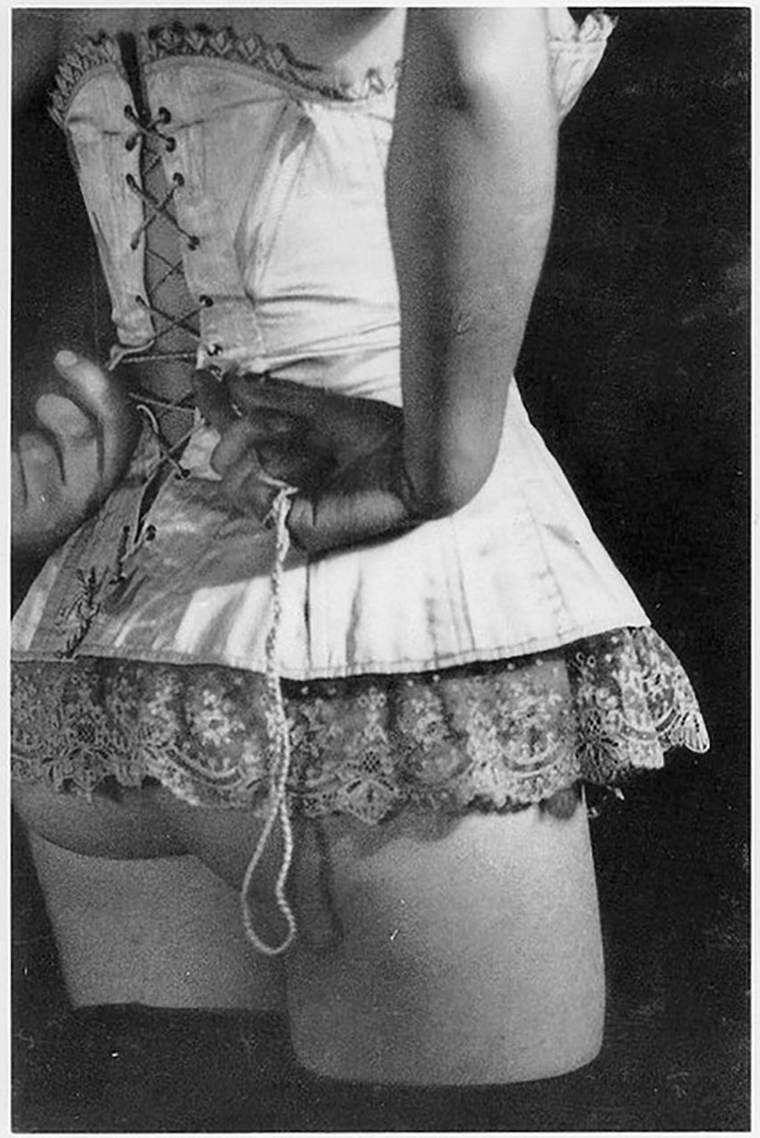

Why Ringl+Pit?
Using the proceeds from an inheritance, Grete Stern bought Walter Peterhans’ equipment and with Rosenberg established a photography studio to do advertising, fashion, and portrait photography. Since “Rosenberg and Stern” sounded too much “like a Jewish clothes manufacturer”, they called the studio ringl+pit, after their childhood nicknames (ringl for Grete, Pit for Ellen.) At the time it was quite unusual for two young women to start a business. They decided to sign all their work together, which was also unique. The two young women also lived together in their studio.
In the early 1930s, modern advertising was at its beginnings and left ample room for creative exploration. ringl+pit’s advertising work represented a departure from current styles by combining objects, mannequins, and cut-up figures in a whimsical fashion. Stern and Rosenberg were also influenced by the intense creative environment current in Berlin at the time. Their work explored a new way of portraying women, also in character with the image of the New Woman that was emerging. There was a subtle irony in their work about what was accepted and expected of women that was a marked departure from the dominant image of women. Grete’s specialty was in graphic design and she was more interested in the formal aspects of photography. Ellen provided the more subtle, humorous and ironic touches that challenged the traditional representations of women in advertising and films. Th,eir very different personalities were able to emerge in a small body of work that was starting to become recognized at the time. As Ellen explained, “We are very different people. She is more serious than I am. I’m a frivolous person. But we had a lot of fun together. She was serious and I frivoled.”
Initially, they received few commissions, sporadically aided by the Mauritius agency. They also photographed friends and lovers whom they met through bohemian circles. These included the dancer Claire Eckstein and her friend Edwin Denby, the poet Marieluise Fleisser and a set designer, Walter Auerbach.
In 1931 ringl+pit’s work received positive reviews in the magazine Gebrauchsgraphik and in 1933 they won first prize for one of their advertising posters at the Deuxième Exposition Internationale de la Photographie et du Cinéma in Brussels.
quoted from JWA (Jewish Women’s Archive) by Clara Sandler and Juan Mandelbaum
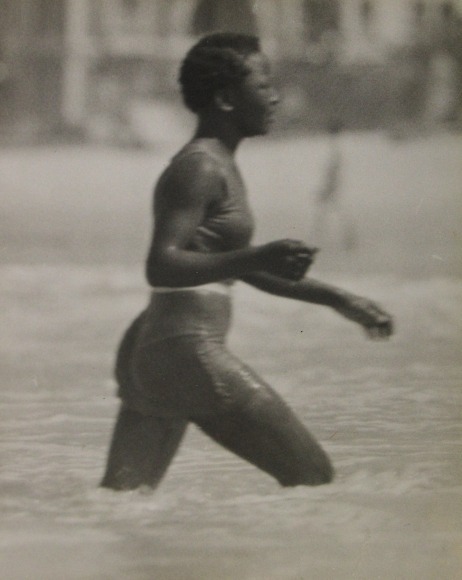
Martin Munkacsi :: Badenda Negerin (Black Bather), 1929. Gelatin silver print; printed ca. 1929.
more [+] by this photographer
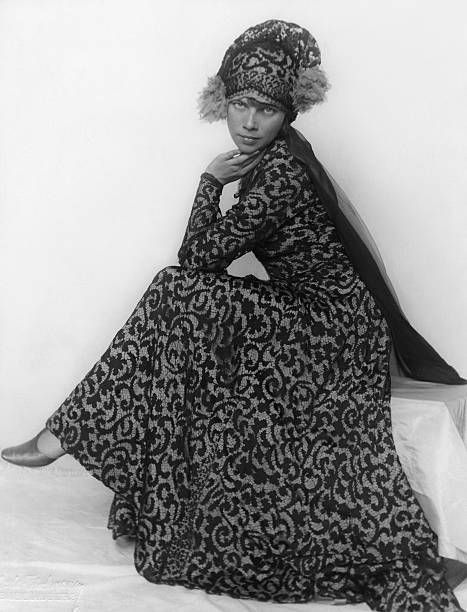
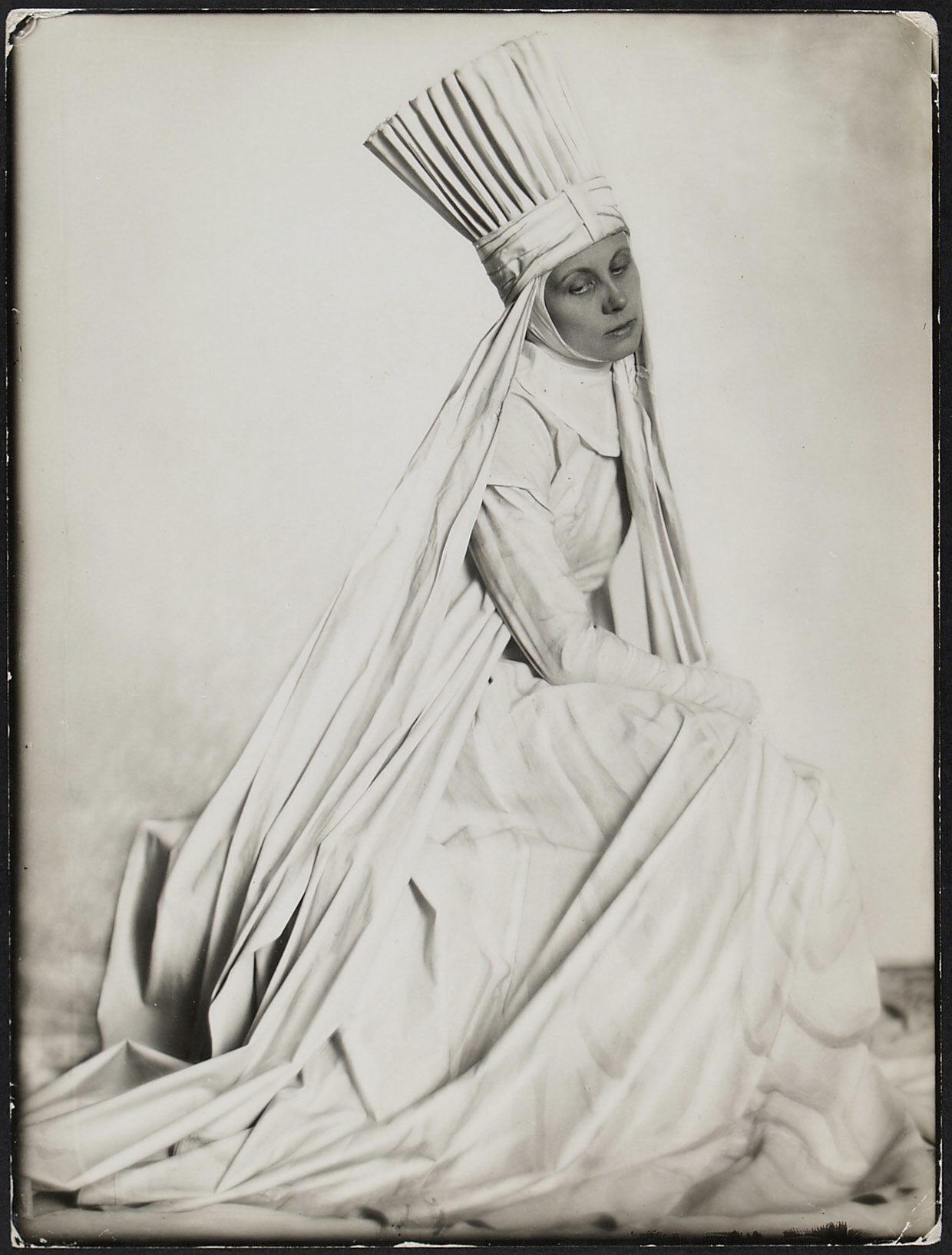
Trude Fleischmann :: Austrian dancer, actress, choreographer and painter Tilly Dancer Losch [born Ottilie Ethel Losch] full-figure portrait, undated, around 1928. Originally published in ‘Die Dame’ issue 14, 1928. Property of Ullstein Bild via Getty Images


Alfred Stieglitz :: Georgia O’Keeffe: A Portrait; 1929.
| srcmore [+] by this photographer

Gilda Gray in Piccadilly (dir. by Ewald André Dupont.
1929).
 un regard oblique