Betty in her attic by Weston

Edward H. Weston (1886 – 1958) ~ Betty Katz in her attic (seated, smoking), Los Angeles, 1920. Palladium print | src Getty museum

This particular photograph is part portrait and part compositional experiment with Weston’s growing interest in the formal concerns of Modernism. Katz is shown sitting in a niche where a network of large intersecting planes made up of the attic’s floor, walls, and dormers and articulated in varying shades by light entering from an unseen window on the right.
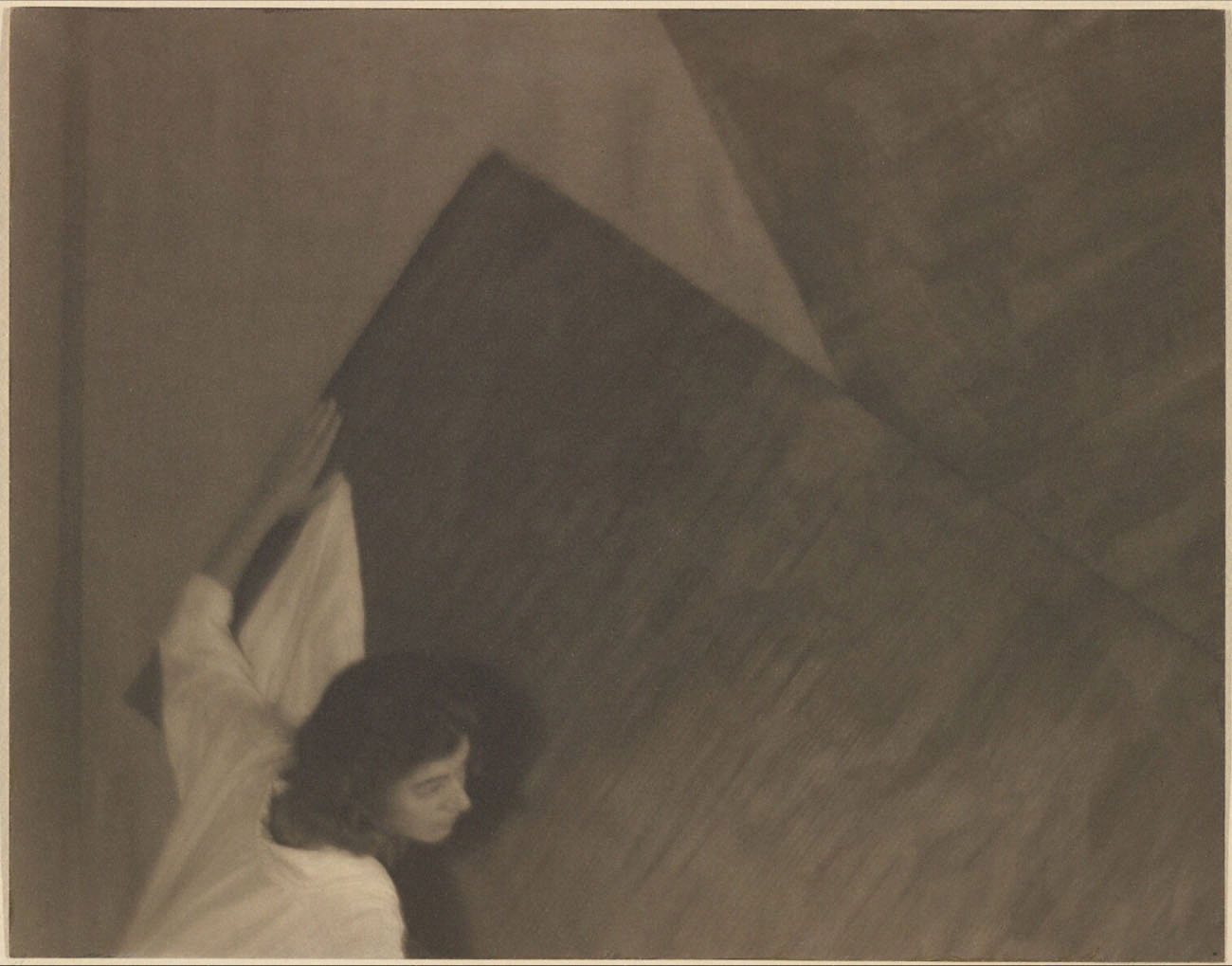
Edward H. Weston (1886 – 1958) ~ Betty Katz in her attic, Los Angeles, 1920. Palladium print | src Getty museum

This particular photograph is Pictorialist in its soft focus and compositional arrangement. However, it is also Modernist in its self-conscious use of space and form as subjects of the photograph. Weston subordinated Katz’s figure to the graphic abstraction of the large rectangles that she appears to hold up. The print’s muted tones flatten the image’s depth, reducing the room to a two-dimensional space.
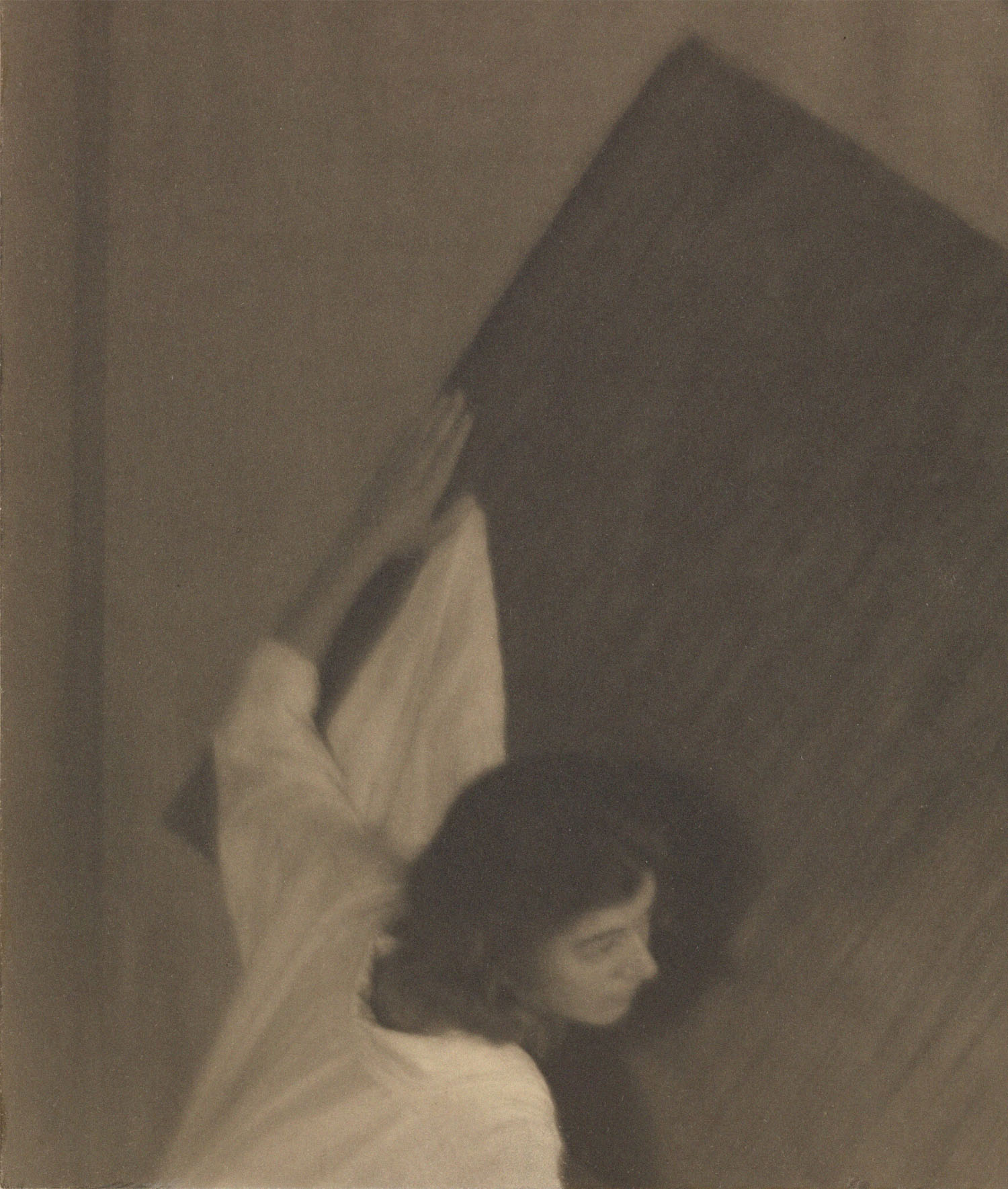
Edward H. Weston (1886 – 1958) ~ Betty Katz in her attic, Los Angeles, 1920. Palladium print (detail)

A critic for Pictorial Photography, wrote about this image: “Queerness for its own sake must have obsessed Edward Weston when he recorded the stiff and angular lines in Betty in Her Attic . . . , although there is no denying the truth and beauty of tones of the floors and walls. But the position of the girl!—is there not a touch of cussedness in that?”

Edward H. Weston (1886 – 1958) ~ Betty Katz in Her Attic, Los Angeles, 1920. Palladium print | src Getty museum

This particular photograph is part portrait and part compositional experiment with Weston’s growing interest in the formal concerns of Modernism. Katz is shown tucked into a network of large intersecting planes made up of the attic’s floor, walls, and dormers and articulated in varying shades by light entering from an unseen window on the left.
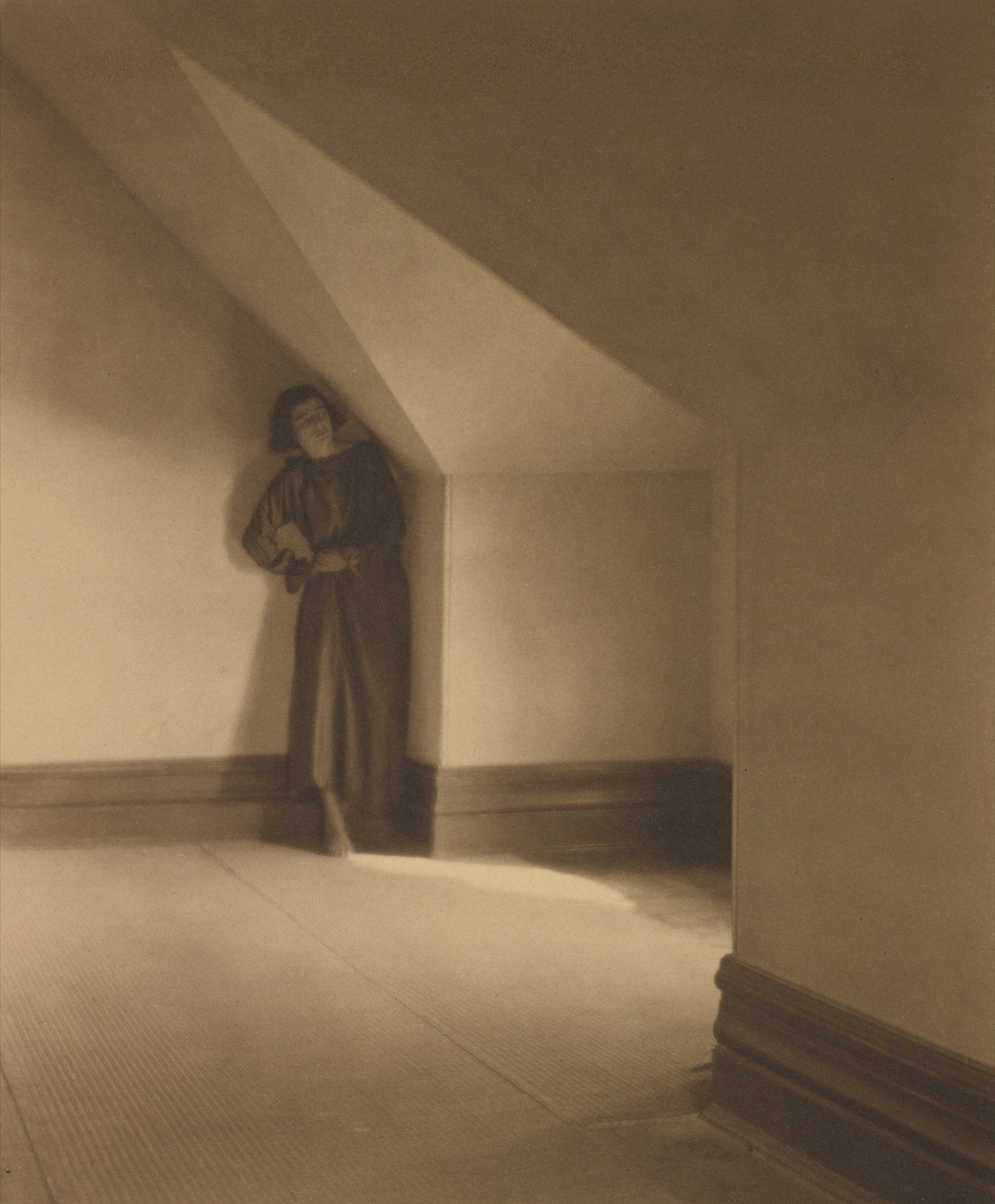
Edward H. Weston (1886 – 1958) ~ Betty Katz in Her Attic, Los Angeles, 1920 | src Getty museum

This particular photograph is part portrait and part compositional experiment with Weston’s growing interest in the formal concerns of Modernism. Katz is shown tucked into a network of large intersecting planes made up of the attic’s floor, walls, and dormers and articulated in varying shades by light entering from an unseen window on the right.
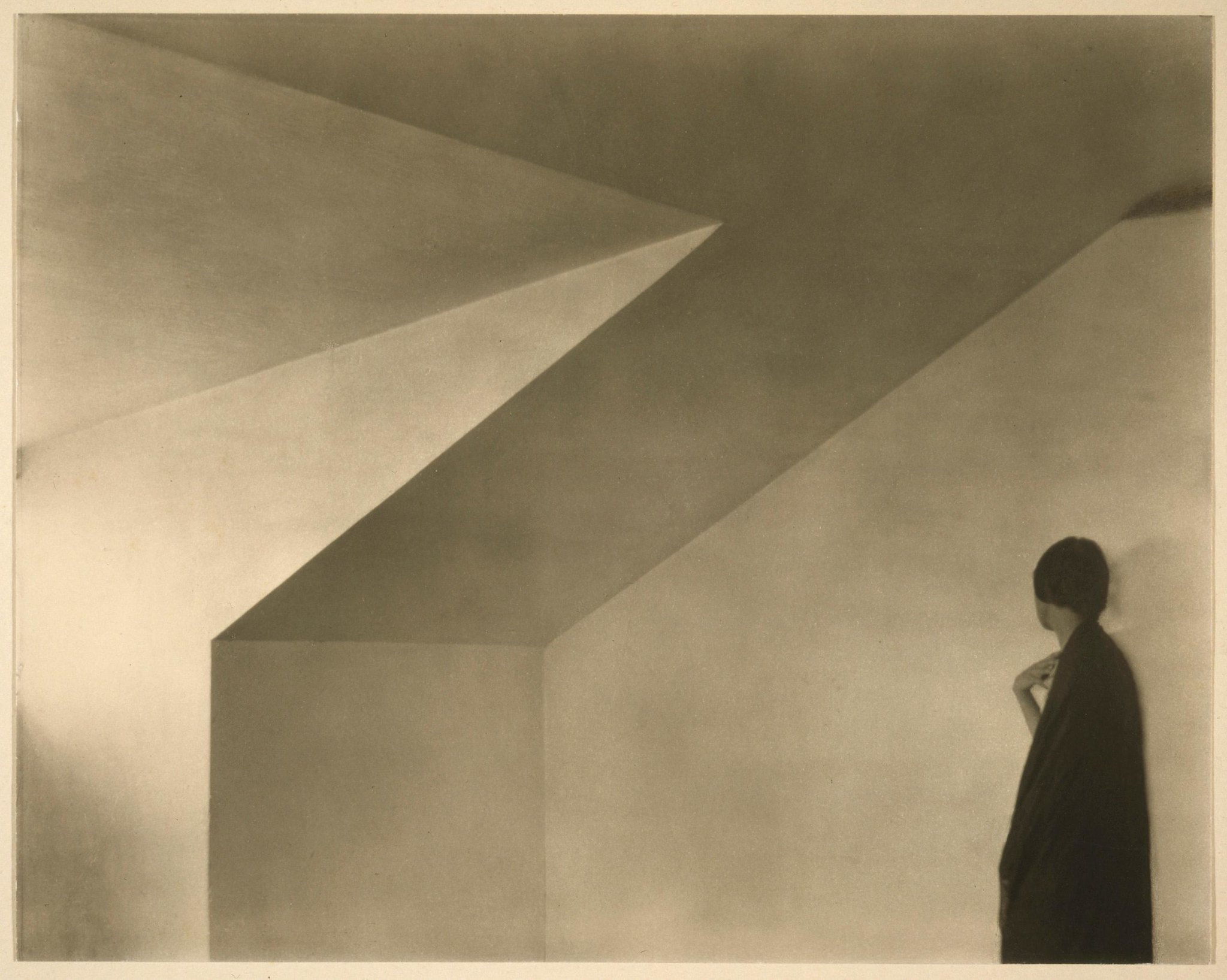
Edward H. Weston (1886 – 1958) ~ Attic, Glendale, California, 1921. Platinum print | src George Eastman Museum

In 1920 Edward Weston began a creative series of pictures made in his friends’ attics. Reactions to these images were mixed. Imogen Cunningham (1883-1976), one of Weston’s friends and fellow photographers, wrote glowingly of one in a letter addressed to him, “It has Paul Strand’s eccentric efforts, so far as I have seen them, put entirely to shame, because it is more than eccentric. It has all the cubistically inclined photographers laid low. It is a most pleasing thing for the mind to dwell on, the mind I say and mean, not the emotions or fancies. It is literal in a most beautiful and intellectual way.”

The woman pictured is Betty Katz (later Brandner, 1895-1982), who was introduced to Weston by his colleague Margrethe Mather (1886-1952). Weston and Katz engaged in a brief affair in October 1920, when he made several other images of her in her attic and out on a balcony.

Text adapted from Brett Abbott. Edward Weston, In Focus: Photographs from the J. Paul Getty Museum [All quotes from this post retrieved from Getty museum]
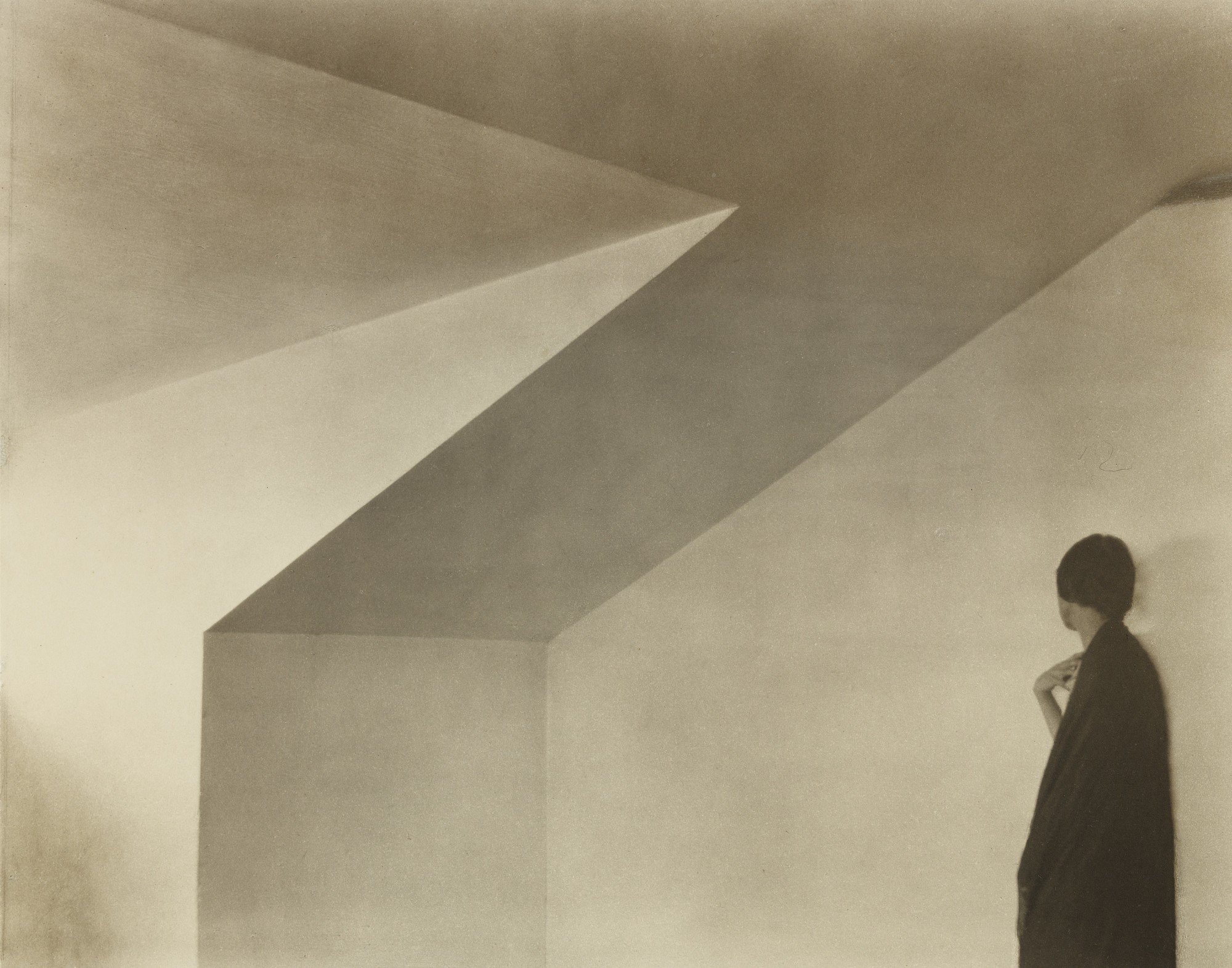
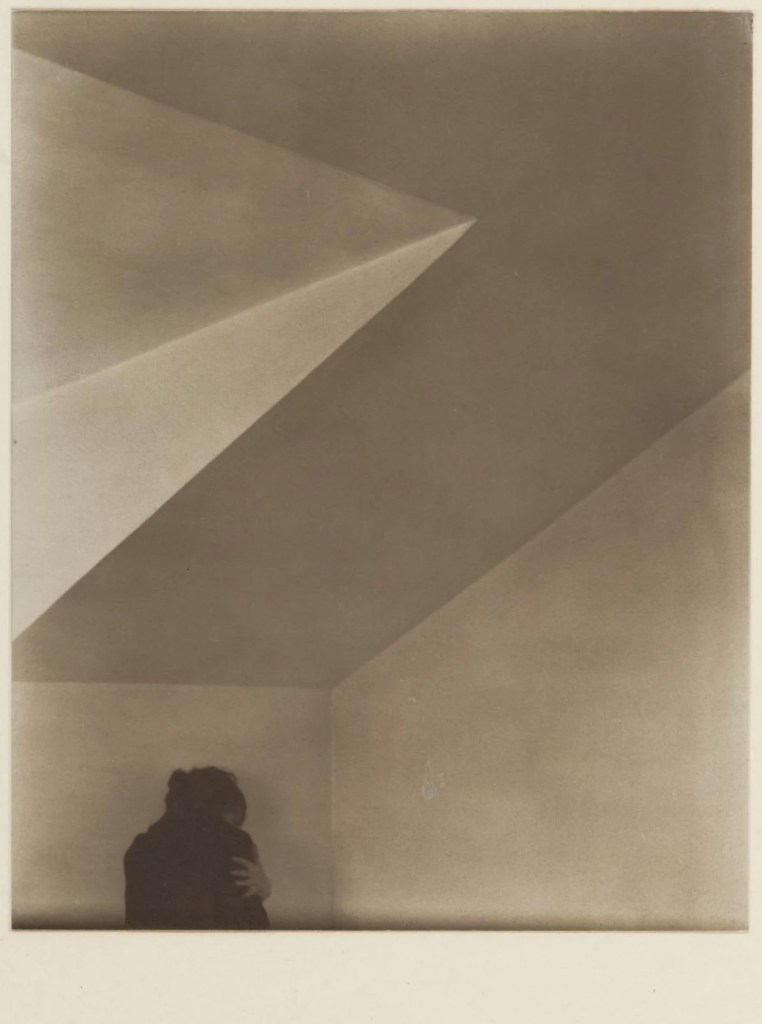
Edward H. Weston (1886 – 1958) ~ Attic [Betty Katz (?)], 1921. Palladium print. Thomas Walther Collection | src MoMA
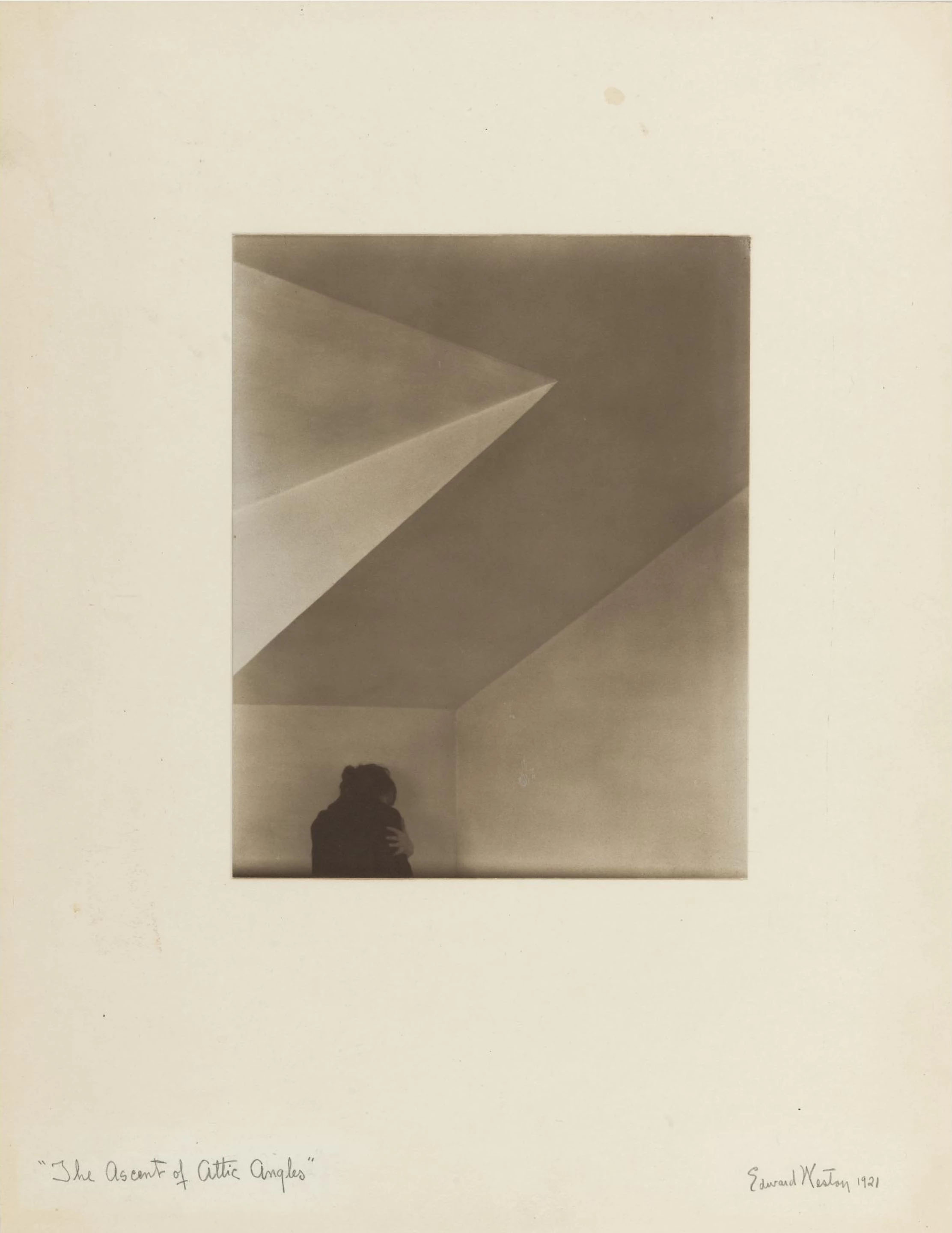
Edward H. Weston (1886 – 1958) ~ The Ascent of Attic Angles, 1921. Platinum print | src Sotheby’s
also, NMAH Smithsonian institution
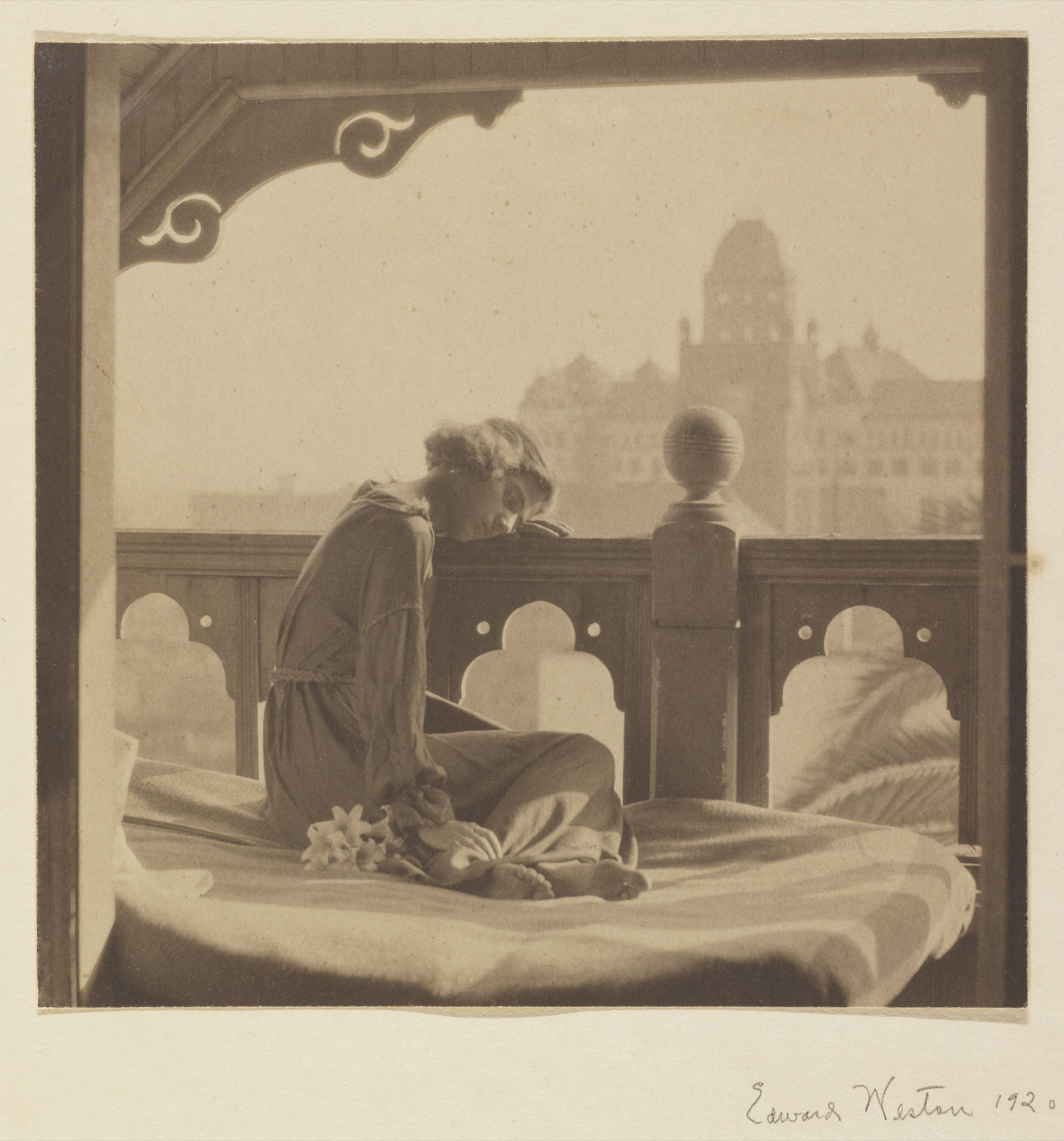
Edward H. Weston (1886 – 1958) ~ The Ascent of Attic Angles, 1921. Platinum print, tipped to a large tan mount | src Sotheby’s

Betty Katz in balcony by Weston

Edward H. Weston (1886 – 1958) ~ Betty Katz (in balcony), Los Angeles, 1920. Palladium print | src Getty Museum (detail)
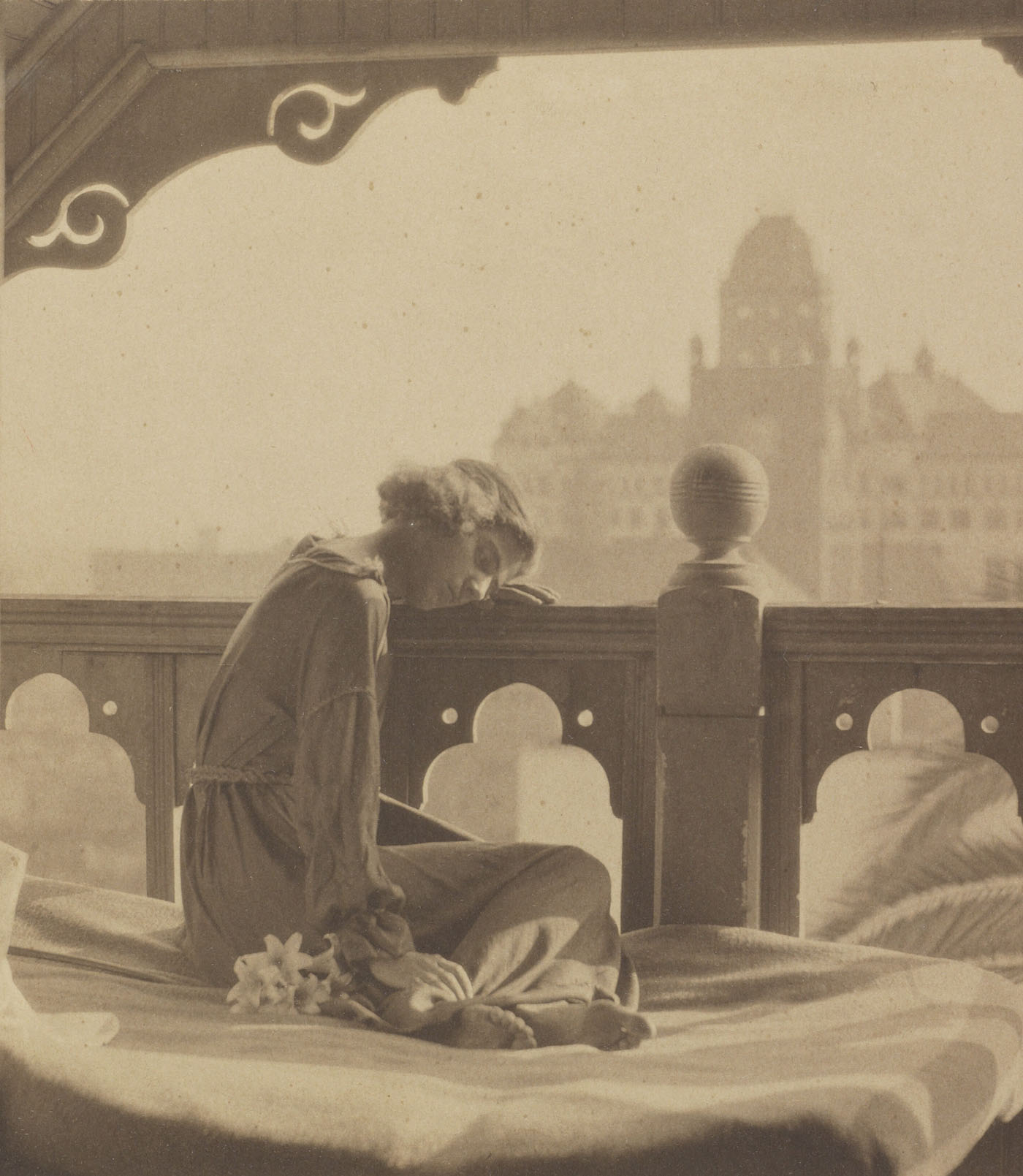
Edward H. Weston (1886 – 1958) ~ Betty Katz (in balcony), Los Angeles, 1920. Palladium print | src Getty Museum

The woman pictured is Betty Katz (later Brandner, 1895-1982), who was introduced to Weston by his colleague Margrethe Mather (1886-1952). Weston and Katz engaged in a brief affair in October 1920, when he made several other images of her in her attic and this image—out on a balcony. This particular photograph is Pictorialist in its soft focus and compositional arrangement. However, the prominent attention given the repeating cut forms of the balustrade, the post’s round finial, and the varied angles that frame the image point to Weston’s growing interest in the formal concerns in Modernism.

Inge Schön by Trude Fleischmann

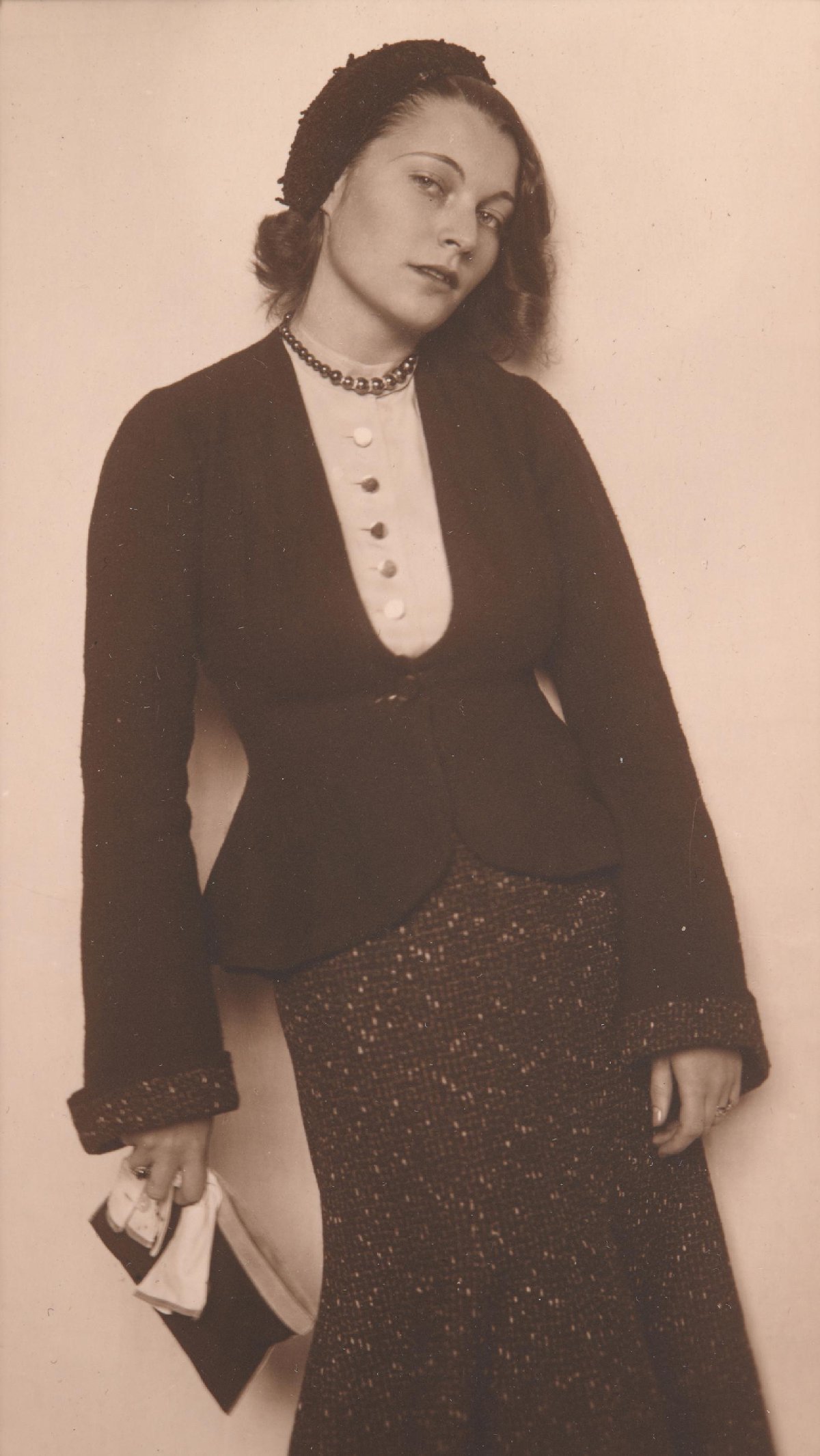
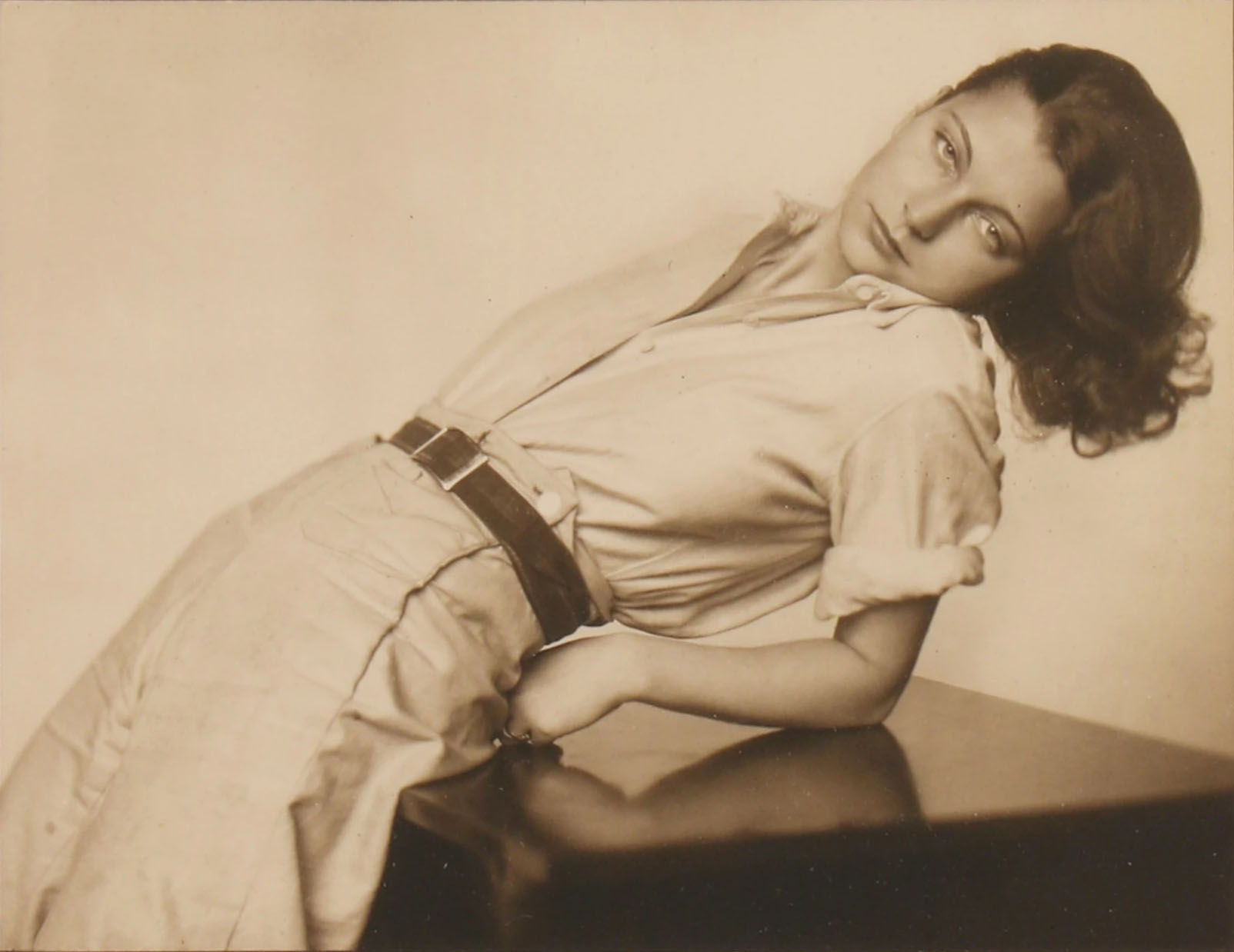
Trude Fleischmann (1895-1990) ~ Inge Schön, ca. 1929. | src Philadelphia Museum of Art (Philamuseum)

Ruth Hollick and cat people

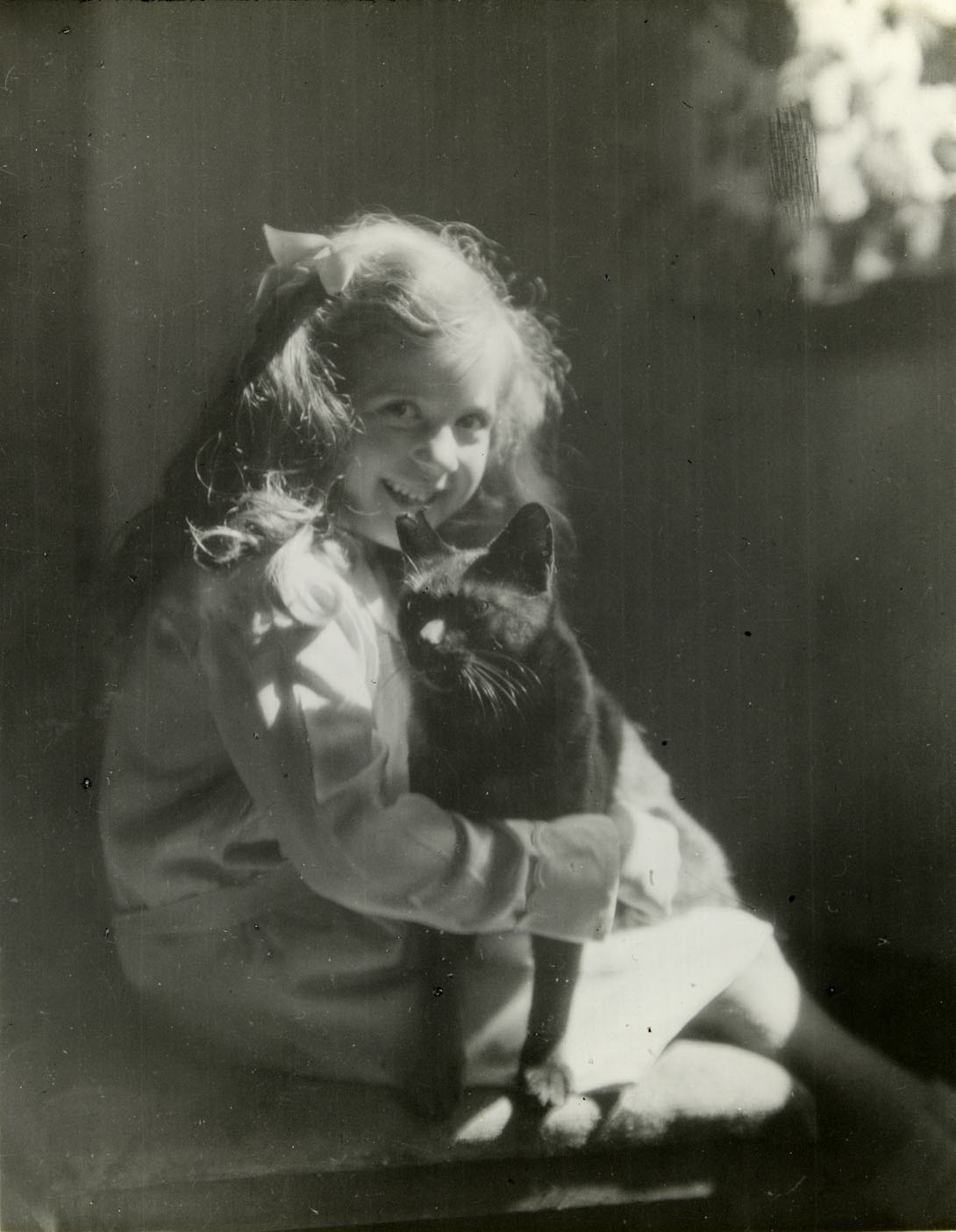
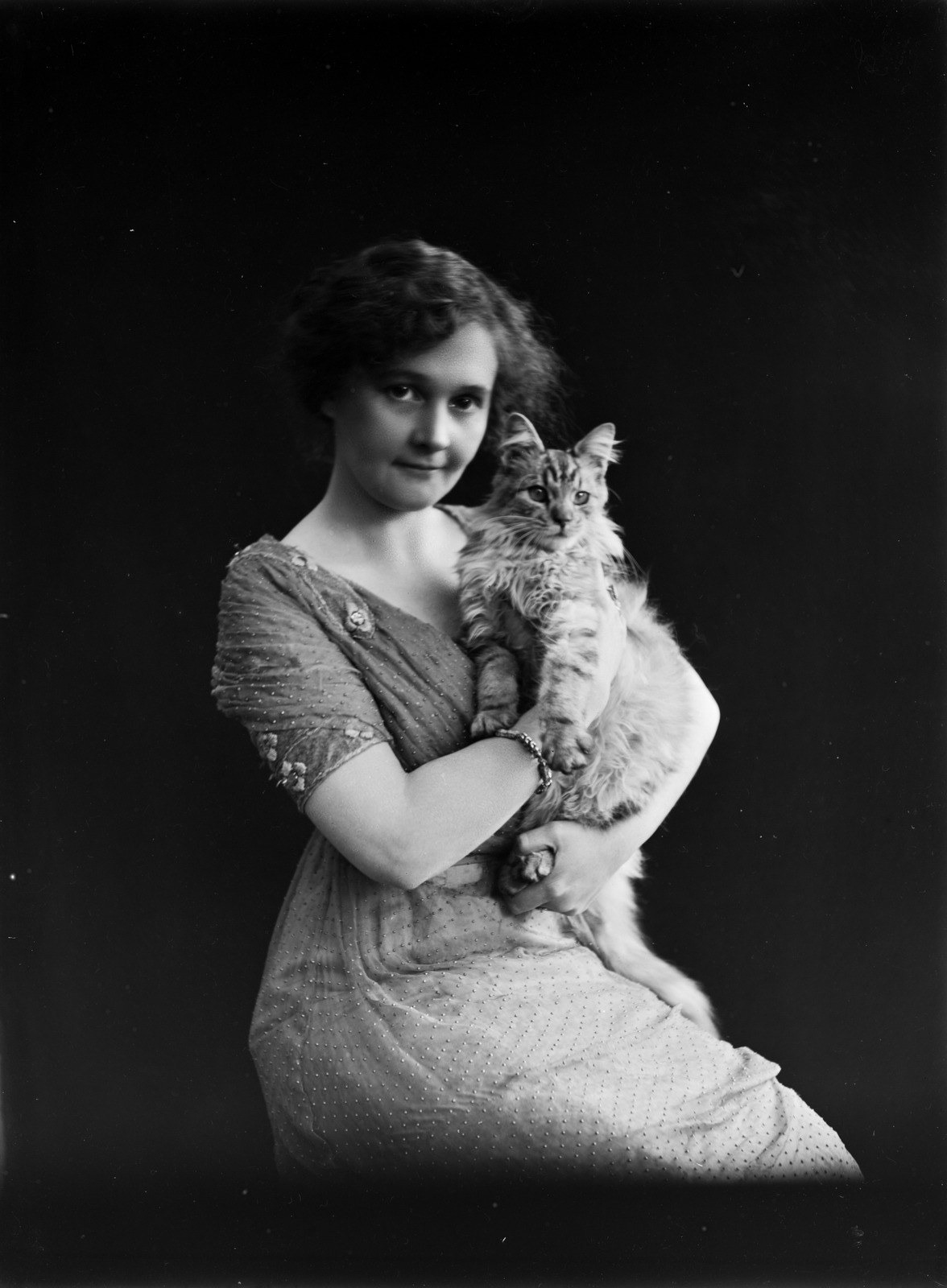
Ruth Hollick (1883-1977) ~ [Young girl holding cat]; ca. 1910-1930. Glass lantern slide | src SLV · State Library of Victoria
Ruth Hollick (1883-1977) ~ [Lois White, seated, holding a cat]; ca. 1910-1930. Glass lantern slide | src SLV
Ruth Hollick (1883-1977) ~ Miss Sheila Sutherland, with cat [1915]. Glass negative | src SLV
Ruth Hollick (1883-1977) ~ Miss Gelfren (young woman with cat) (n.d.) | src NGA

Ella Ilbak in Scenen 1928

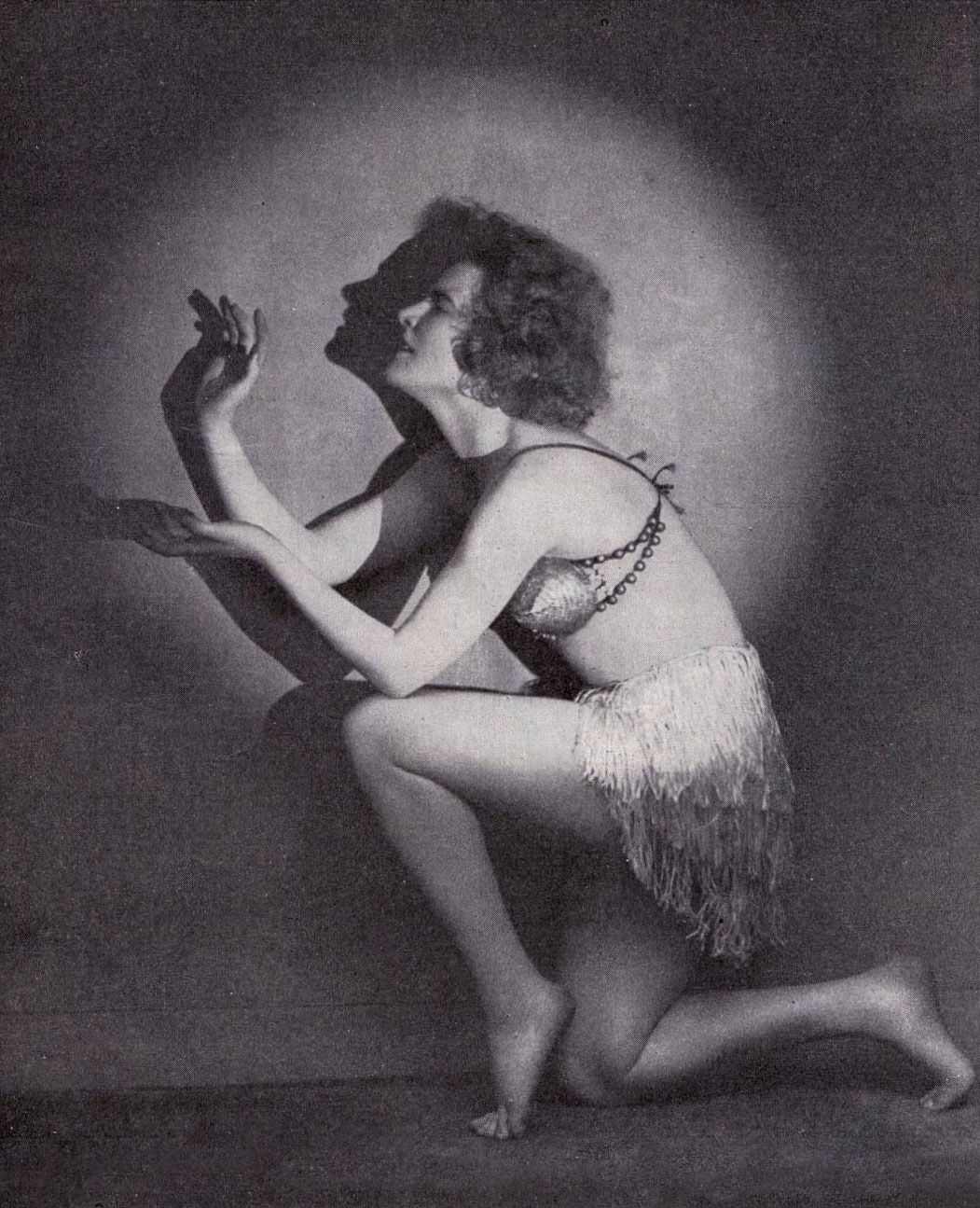
Ella Ilbak. Scenen 4/1928, 15 Februari 1928
Ella Ilbak. Scenen 4/1928, 15 Februari 1928 | src Runeberg project

3 Viennese dancers (1929)

Three Viennese dancers. Hansi Koch, Loli Petri and Frauke Lauterbach. Cover photo: Die Bühne # 242, June 1929 | src ÖNB

Titelbild / Die Bühne, Heft 242, Juni 1929 : Drei Tanzende Wienerinnen. Hansi Koch, Loli Petri und Frauke Lauterbach, alle aus der Bodenwieser-Klasse. Sie tanzen einen der modernen Ausdrucks- und Bewegungs-tänze. Foto: Feldscharek

Nudes by Ruth Hollick

Ruth Hollick (1883-1977) ~ Miss M. Whitehead, ca. 1910 – ca. 1930. Glass negative | src SLV
Whole-length, nude, bending over to touch a shell on the ground (description on State Library of Victoria)
Ruth Hollick (1883-1977) ~ Miss Wynn Jones, ca. 1910 – ca. 1930. Glass negative | src SLV ~ State library of Victoria

Girl with Chinese paper lamp

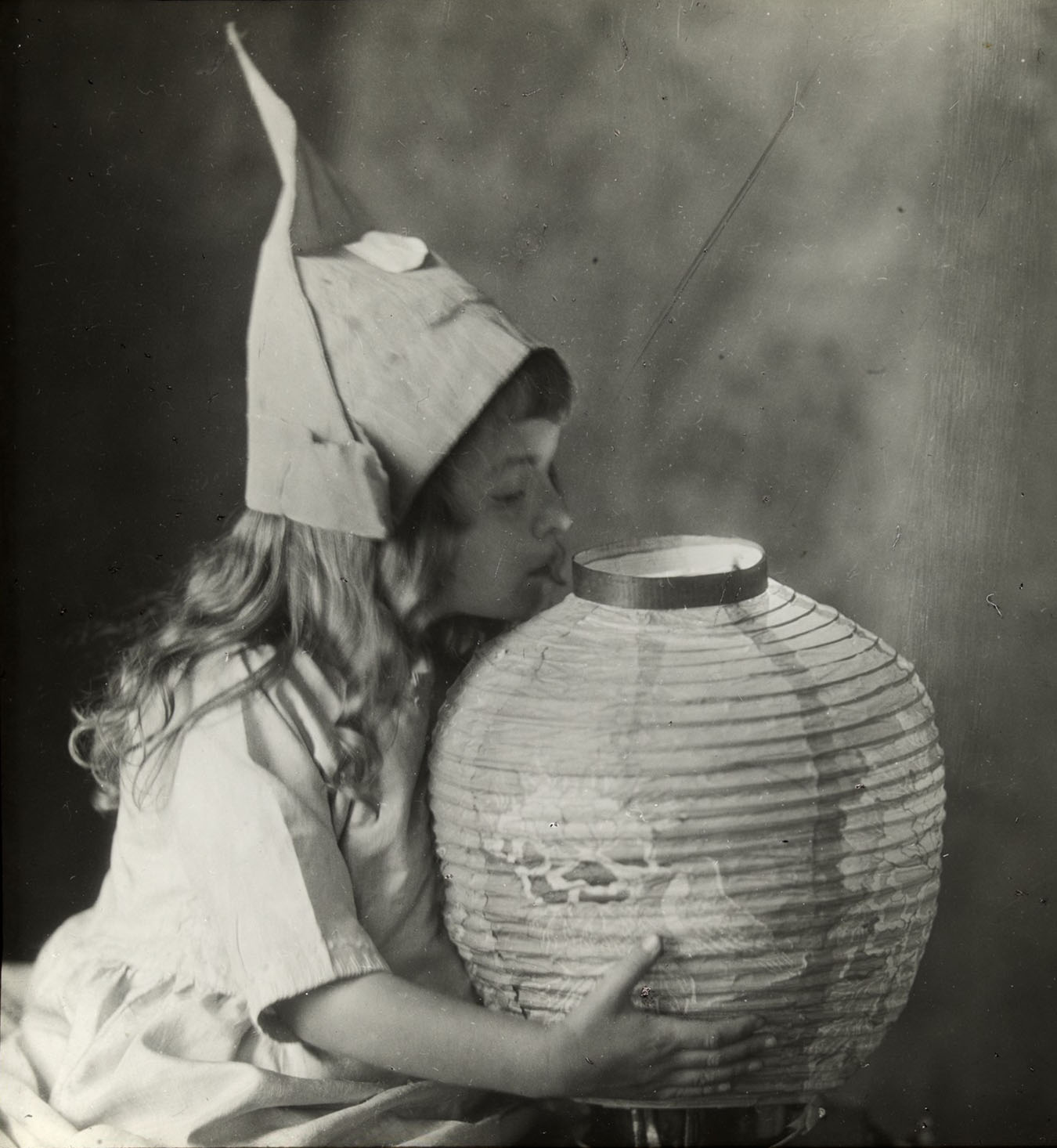
Ruth Hollick (1883-1977) ~ [Young girl holding a Chinese paper lantern, wearing a hat] (1910-1930) [detail]
Ruth Hollick (1883-1977) ~ [Young girl holding a Chinese paper lantern, wearing a hat] 1910-1930. Glass lantern slide | src SLV

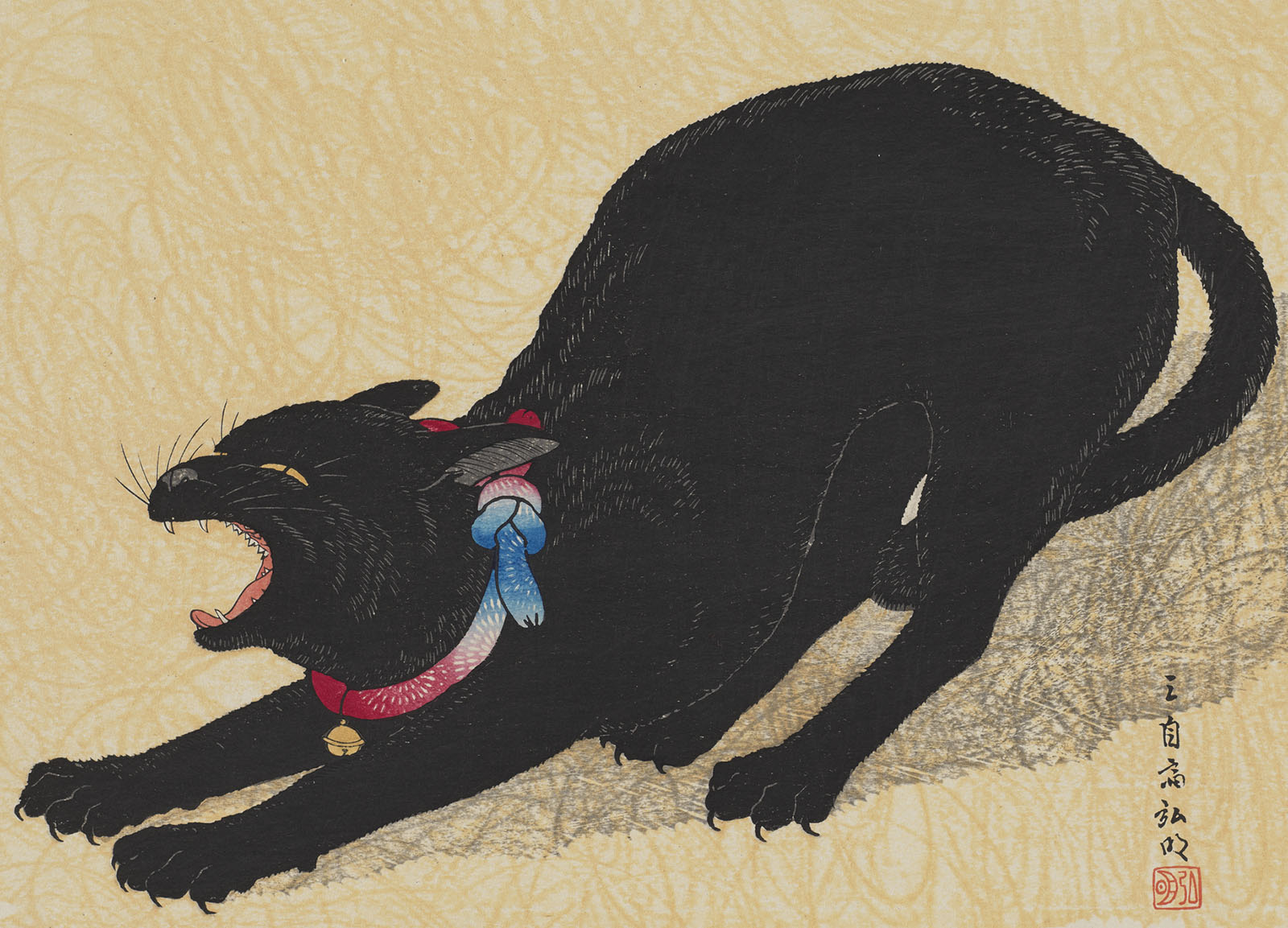
Black cat by Hiroaki (1929)

Takahashi Hiroaki (1871–1945) ~ Cat with a Bell, 1929. Color woodblock print on paper. Publisher: Kaneko Fusui (1897-1978)

Takahashi Hiroaki was the first print designer to collaborate with the publisher Watanabe Shôzaburô to revive the themes and techniques of 19th-century ukiyo-e prints. Between 1907 and 1923, when the Great Kantô Earthquake destroyed both prints and blocks, they produced over 500 designs. After the quake, Hiroaki began anew, sometimes creating modified versions of his earlier designs. This work, however, is from his output for a different publisher, Kaneko Fusui, who apparently allowed him to do more experimental designs. The swirling patterns in the background, done in soft yellow-orange, show the movement of the baren pad during the printing process. Takahashi worked with Kaneko for only four years, between 1929 and 1932, so prints from this publisher are relatively rare. (quoted from Portland Art Museum)

Takahashi Hiroaki (1871–1945) ~ Cat with a Bell, 1929. Color woodblock print on paper. | src Portland Art museum