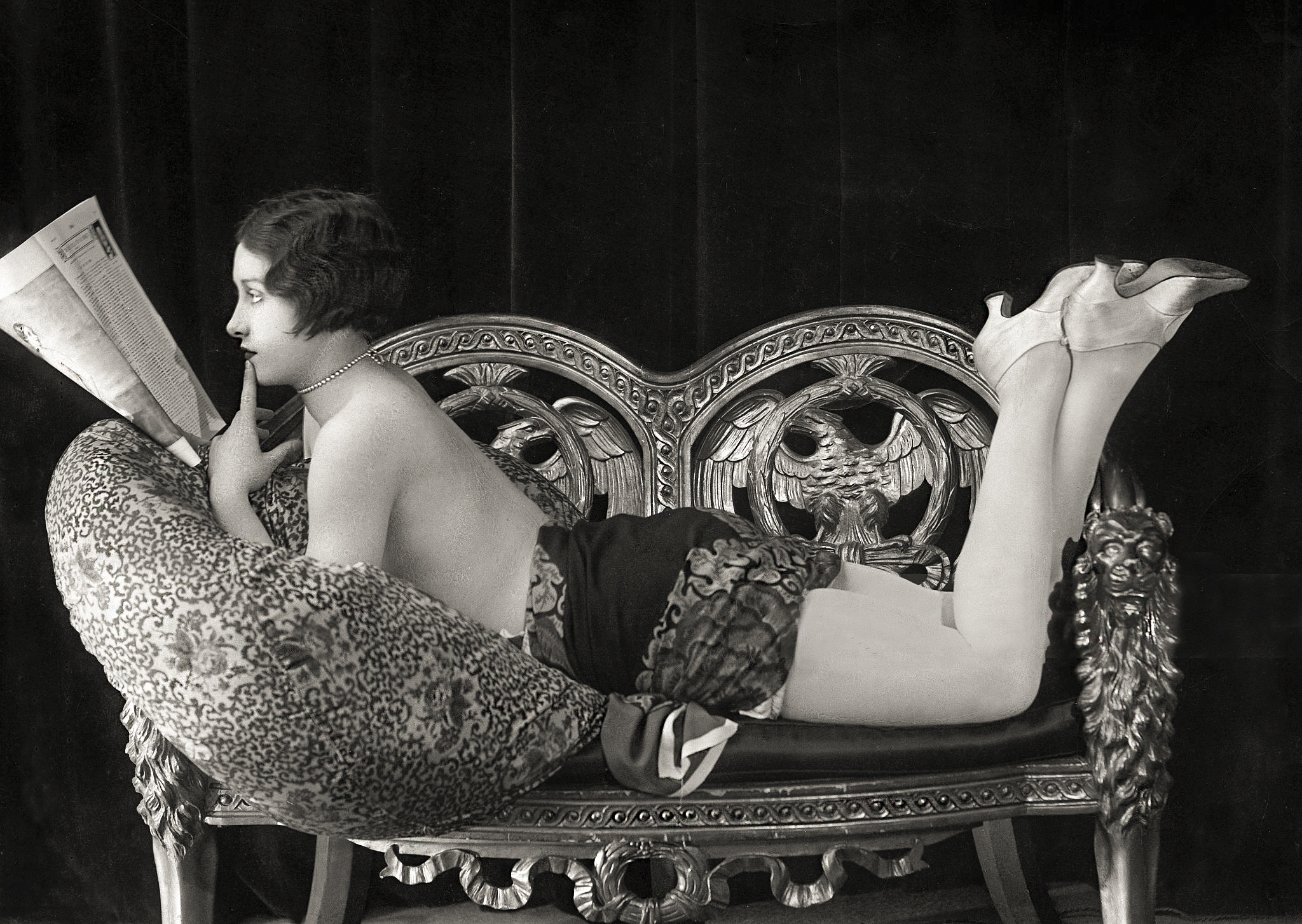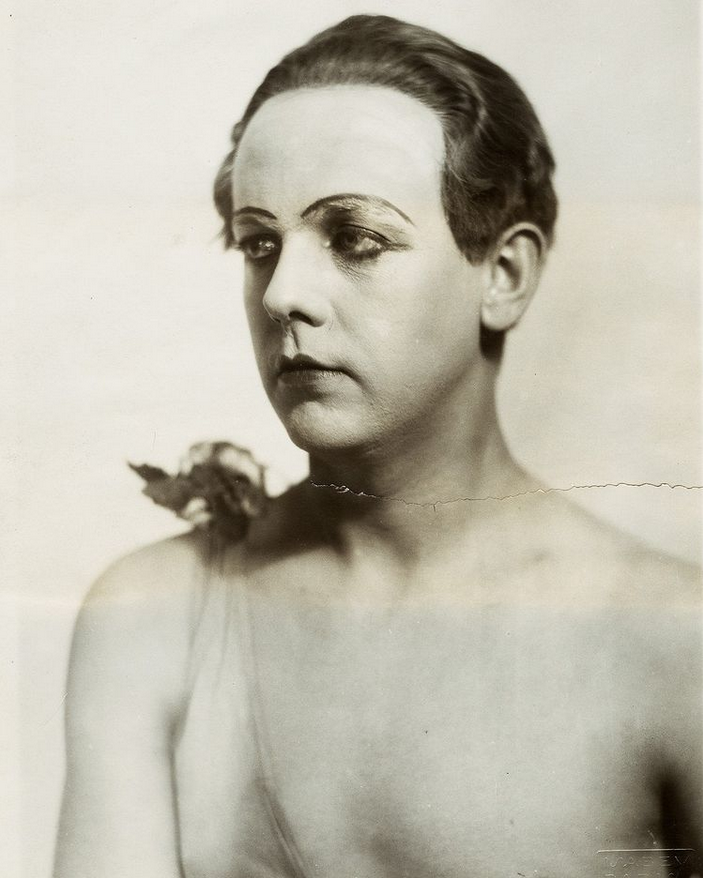
Cabaret artist Marion Forde, 1925

Marion Forde, from the Forde sisters, Cabaret artist from the USA, posing half naked for Reville fashion house. Photographer: Reville. Published in ‘Querschnitt’ 9/1925. | src Getty Images

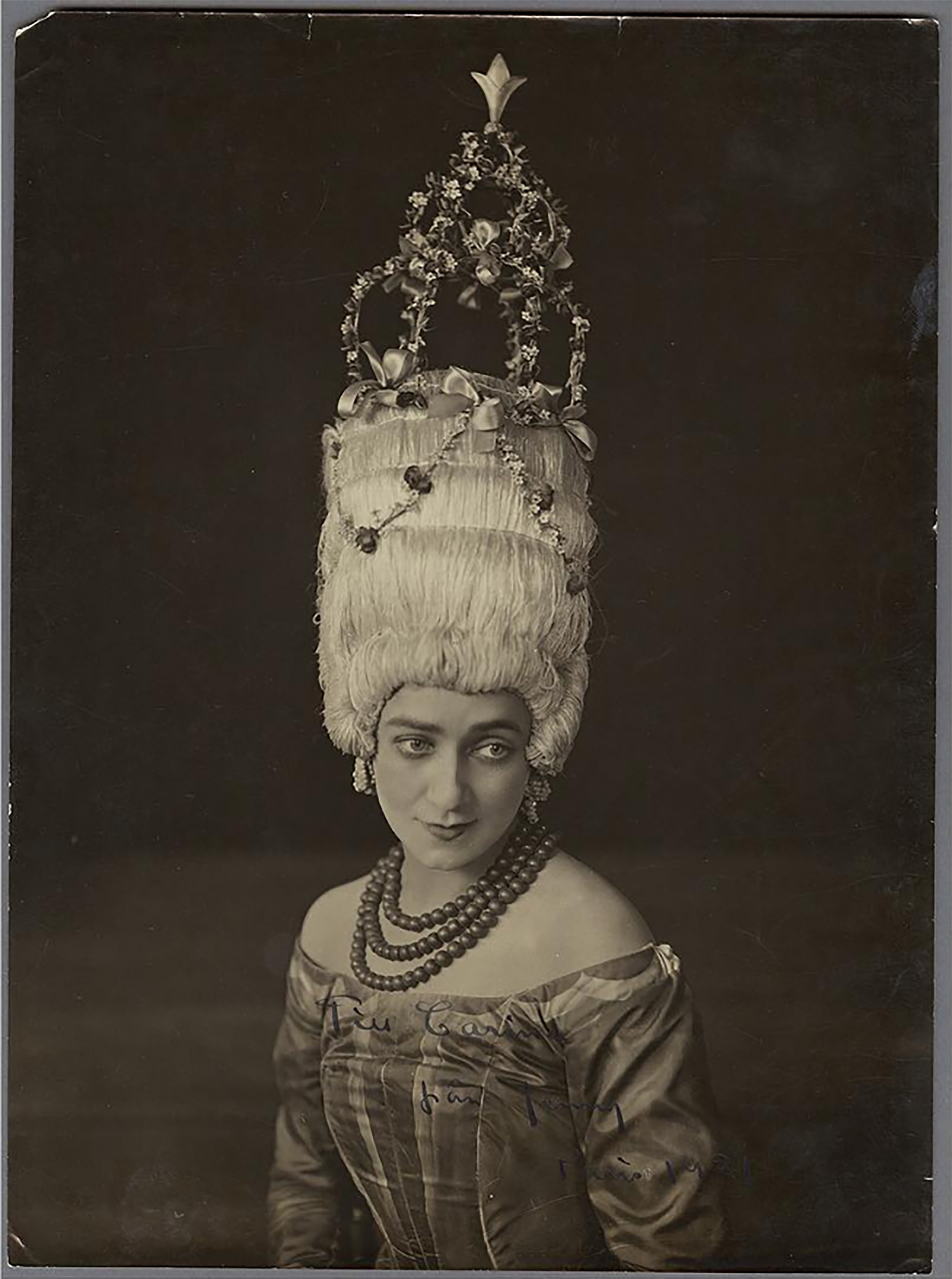
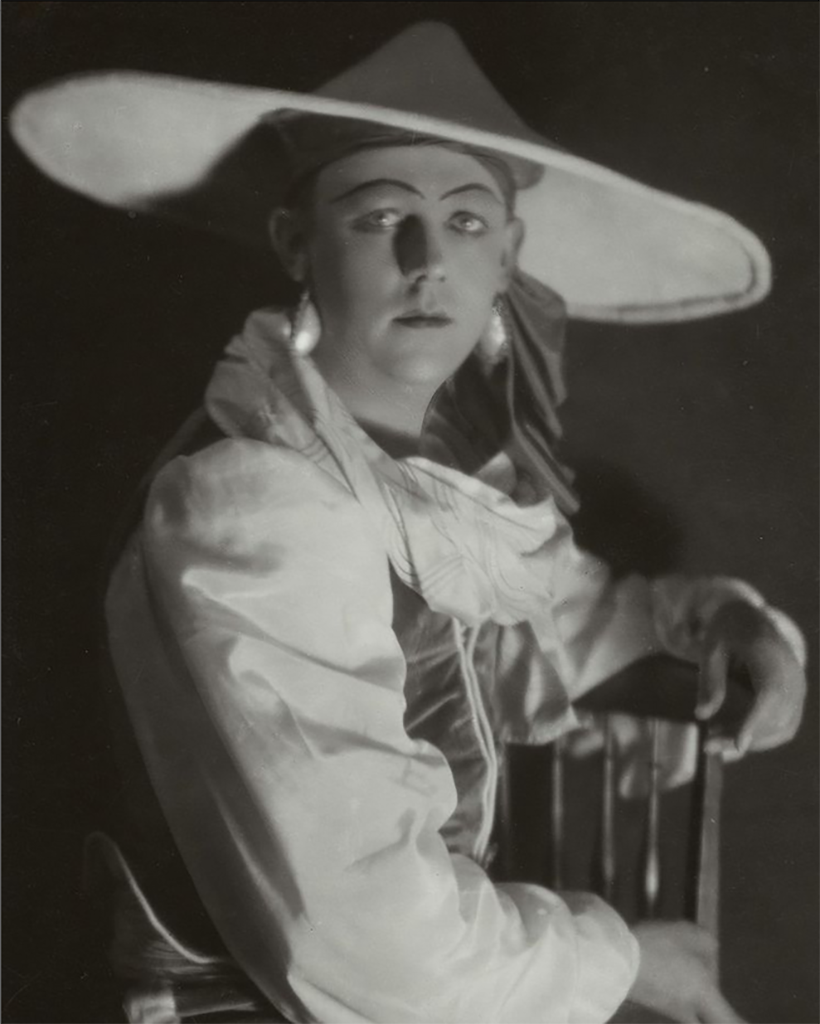
De fåvitska jungfrurna, 1920s

On Christmas Day 1920, the newly started performing arts company Svenska Baletten was visiting London and the classic Christmas song was included in the music for the ballet De fåvitska jungfrurna. The ballet is based on the biblical story of the wise and unwise (ignorant) virgins. The ignorant maidens became a real audience favorite and was danced 375 times. 
Jenny Hasselquist i De fåvitska jungfrurna av Svenska Baletten, foto: Stage Photo Company, London, 1920.
| src and more info at Dansmuseet on IG
On Christmas Day 1920, the newly started performing arts company Svenska Baletten was visiting London and the classic Christmas song was included in the music for the ballet De fåvitska jungfrurna. The ballet is based on the biblical story of the wise and unwise (ignorant) virgins. The ignorant maidens became a real audience favorite and was danced 375 times.
Jenny Hasselquist i De fåvitska jungfrurna av Svenska Baletten, foto: Stage Photo Company, London, 1920.
| src and more info at Dansmuseet on IG

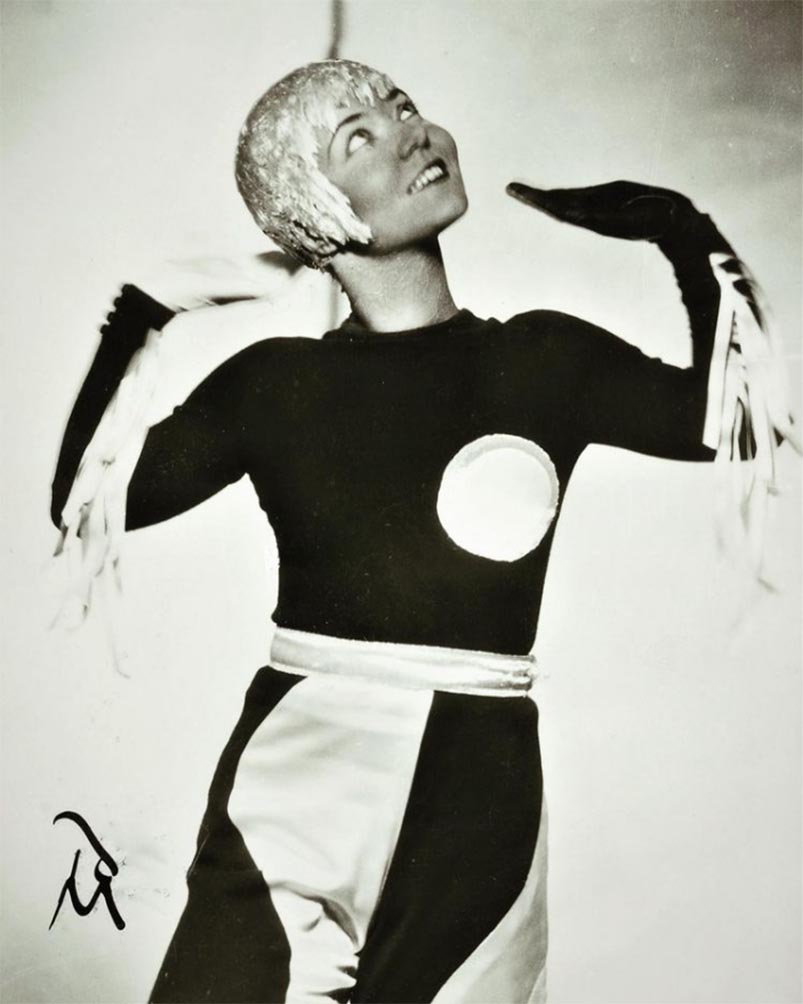
Rhapsody in Blue, 1920s

Astrid Malmborg i Rhapsody in Blue, foto: Jan de Meyere. | src Dansmuseet on IG

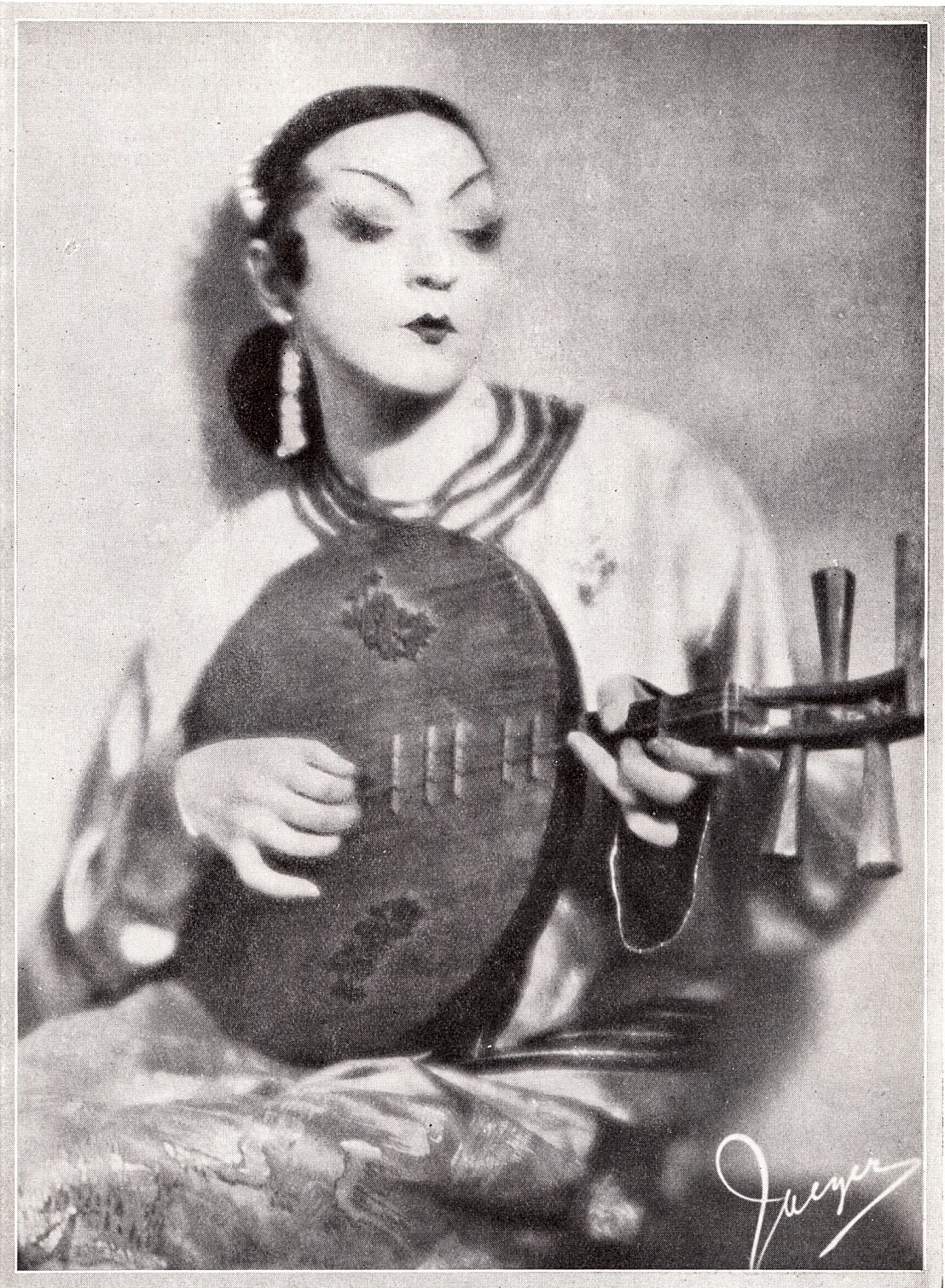
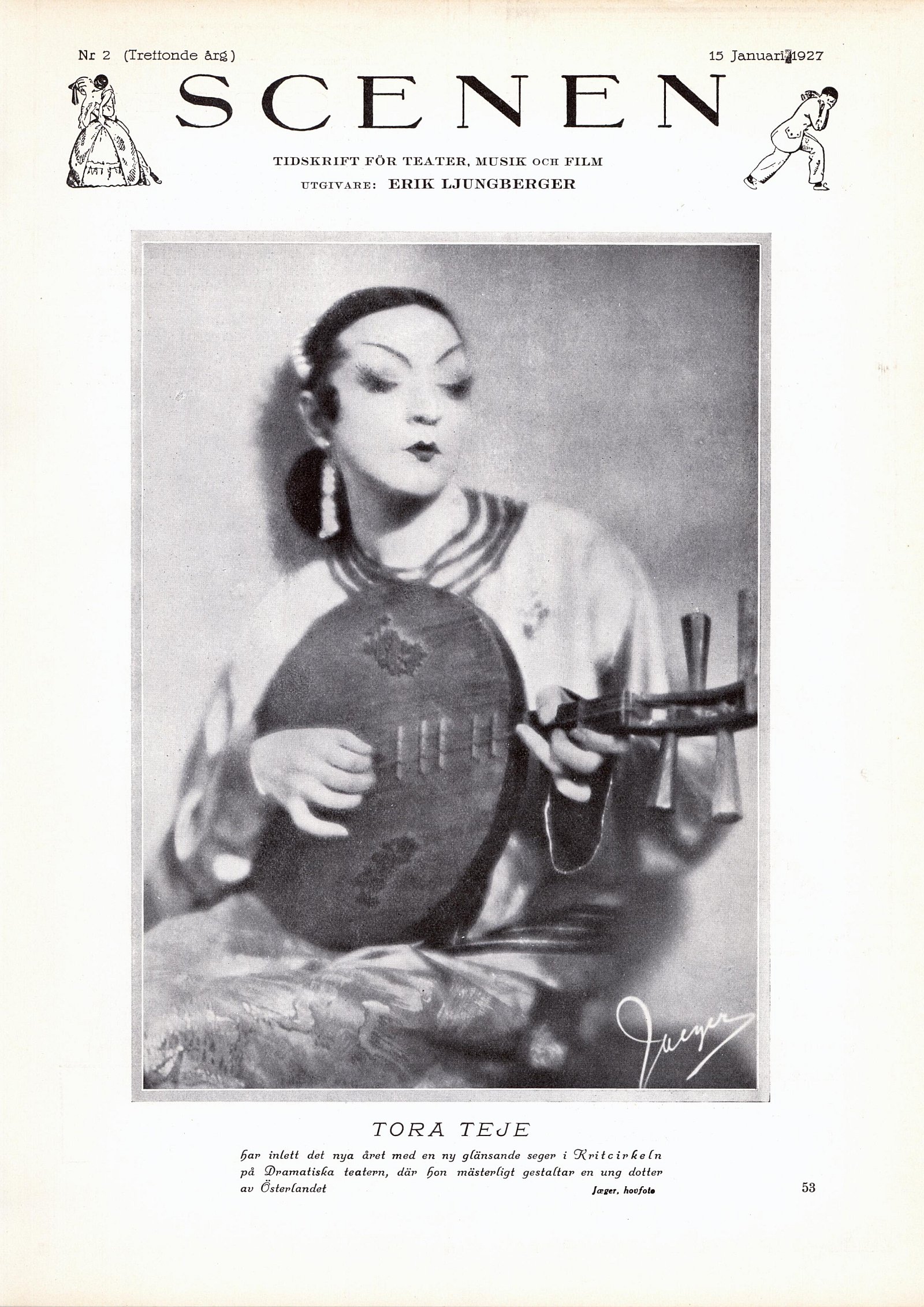
Tora Teje (Foto i Scenen), 1927

Hofatelier Jaeger :: Tora Teje. Published in Foto i Scenen, January 1927. | src Runeberg
Hofatelier Jaeger :: Tora Teje. Published in Foto i Scenen, January 1927. [full page]

Claire Bauroff naked, ca. 1928

Nini & Carry Hess :: Ballet dancer Claire Bauroff naked in a dance scene, ca. 1928. Erich Engel. Published in UHU magazine 12/1928. | src Getty Images

Nu de dos par Laryew, 1923

Lucien Waléry [Laryew] :: Nude / Akt / Nu, Paris, 1923. Original Heliogravure. Plate XXIV. | src artografie on eBay
Lucien Waléry :: Portfolio de 100 photogravures publié en 1923 par la Librairie des Arts Décoratifs. | src livejournal and wikibooks

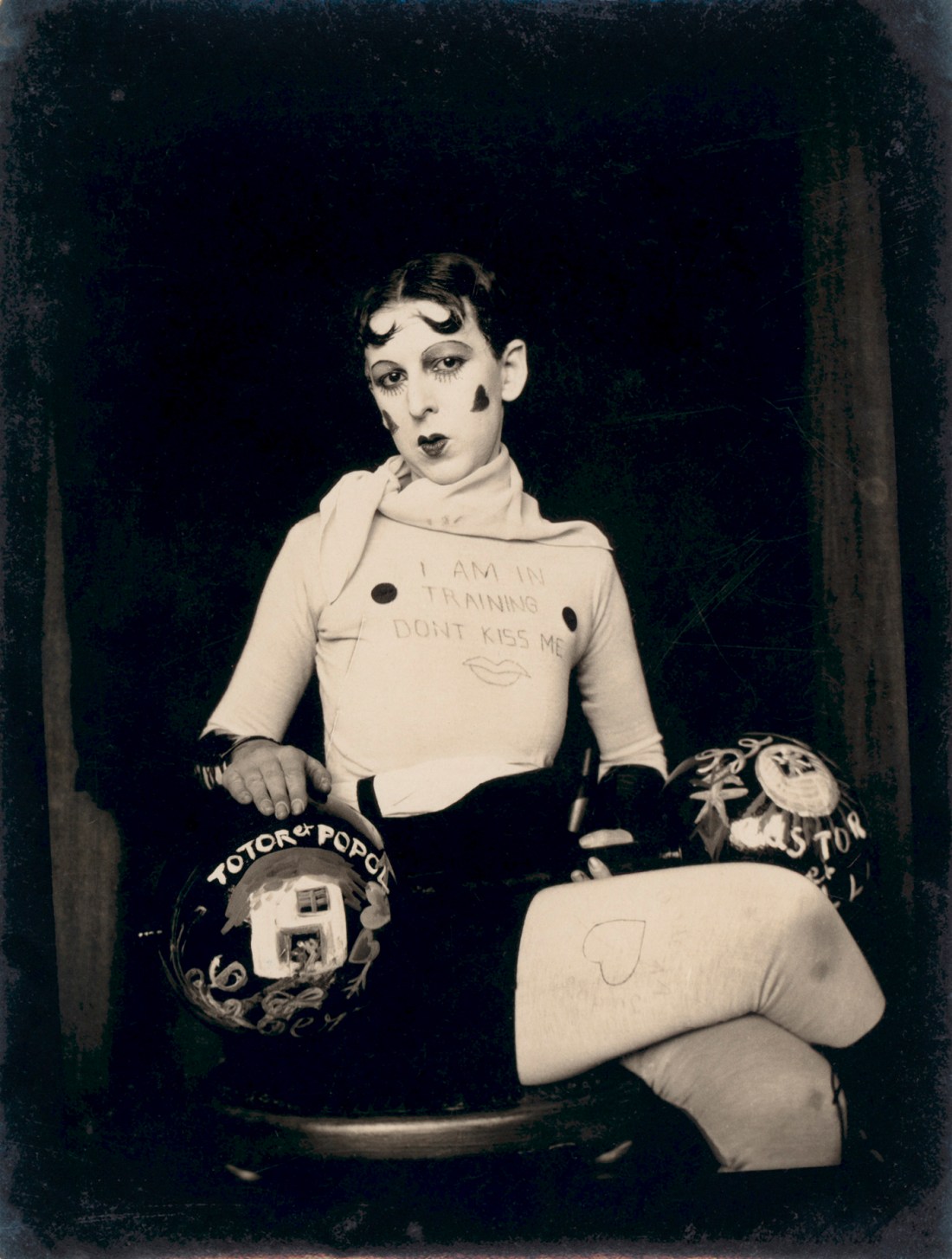
I am in training don’t kiss me

claude cahun, marcel moore
Claude Cahun and Marcel Moore  :: Untitled. "I am in training don't kiss me", 1927-1929. | src SF • MoMA
Claude Cahun and Marcel Moore :: Untitled. “I am in training don’t kiss me”, 1927-1929. | src SF • MoMA

“Les autoportraits ont beaucoup contribué à la reconnaissance puis à l’engouement posthumes dont l’œuvre de Claude Cahun [et marcel Moore] fut l’objet. Dans un décor généralement réduit au minimum (un fond de mur, de tissu, un coin de jardin, l’angle d’une porte), avec peu d’accessoire, mais choisis pour leur qualité symbolique (…), Claude Cahun va multiplier les poses, les travestissements, les rôles, les mises à nu, pour aboutir à une sorte de chorégraphie immobile de mouvement sériel, où transparaît  son attention pour la danse, la danse qui semble combiner et sublimer tous les genres. Elle ne se borne pas à questionner une identité problématique, elle la force, elle la produit. L’appareil photographique est véritablement placé dans la position d’un « miroir magique », que l’on scrute et interpelle, d’un instrument qui, paradoxalement, doit induire une transformation.”

(Catalogue exposition Claude Cahun, Jeu de Paume, Paris, Hazan, 2011, p. 64)
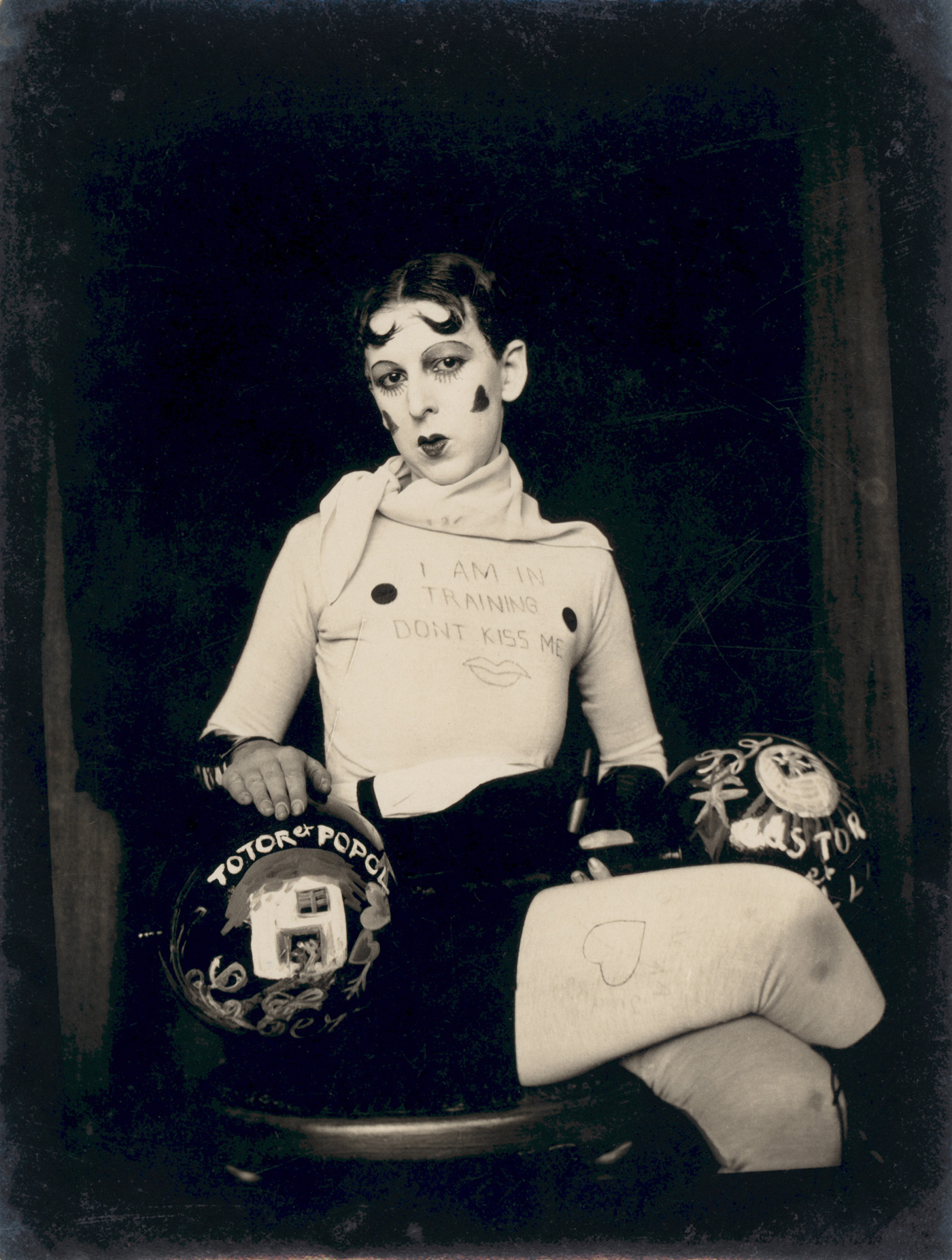
Claude Cahun and Marcel Moore :: Untitled. "I am in training don't kiss me", ca. 1927. | src Jersey Heritage Collection
Claude Cahun and Marcel Moore :: Untitled. “I am in training don’t kiss me”, ca. 1927. | src Jersey Heritage Collection

“The Self-portraits have contributed a great deal to the recognition and then to the posthumous enthusiasm for Claude Cahun’s [and Marcel Moore’s] work. In a decor generally kept to a minimum (a wall background, fabric, a corner of the garden, the angle of a door), with few accessories, chosen for their symbolic quality (…), Claude Cahun will multiply the poses, the disguises, the roles, the stripping, to end up with a kind of motionless choreography of serial movements, where the emphasis on dance shines through, the dance that seems to combine and sublimate all genres. They do not limit themselves to questioning a problematic identity, they force it, they produce it. The camera is truly placed in the position of a « miroir magique », which one scrutinizes and questions, an instrument which, paradoxically, must induce a transformation.” (*)

(Catalogue of the exposition Claude Cahun at Jeu de Paume, Paris, Hazan, 2011, p. 64)

(*) The modification of pronouns is completely our choice

Claude Cahun et Marcel Moore :: Autoportrait, vers 1927. Tirage argentique d'époque. Monté sous passe-partout. | src Sotheby’s
Claude Cahun et Marcel Moore :: Autoportrait, vers 1927. Tirage argentique d’époque. Monté sous passe-partout. | src Sotheby’s

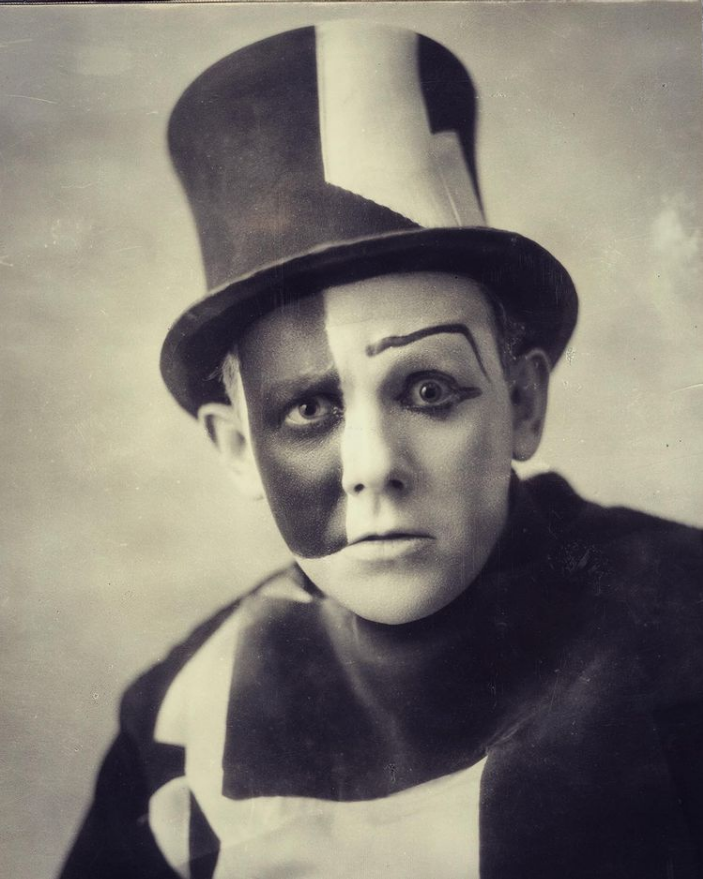
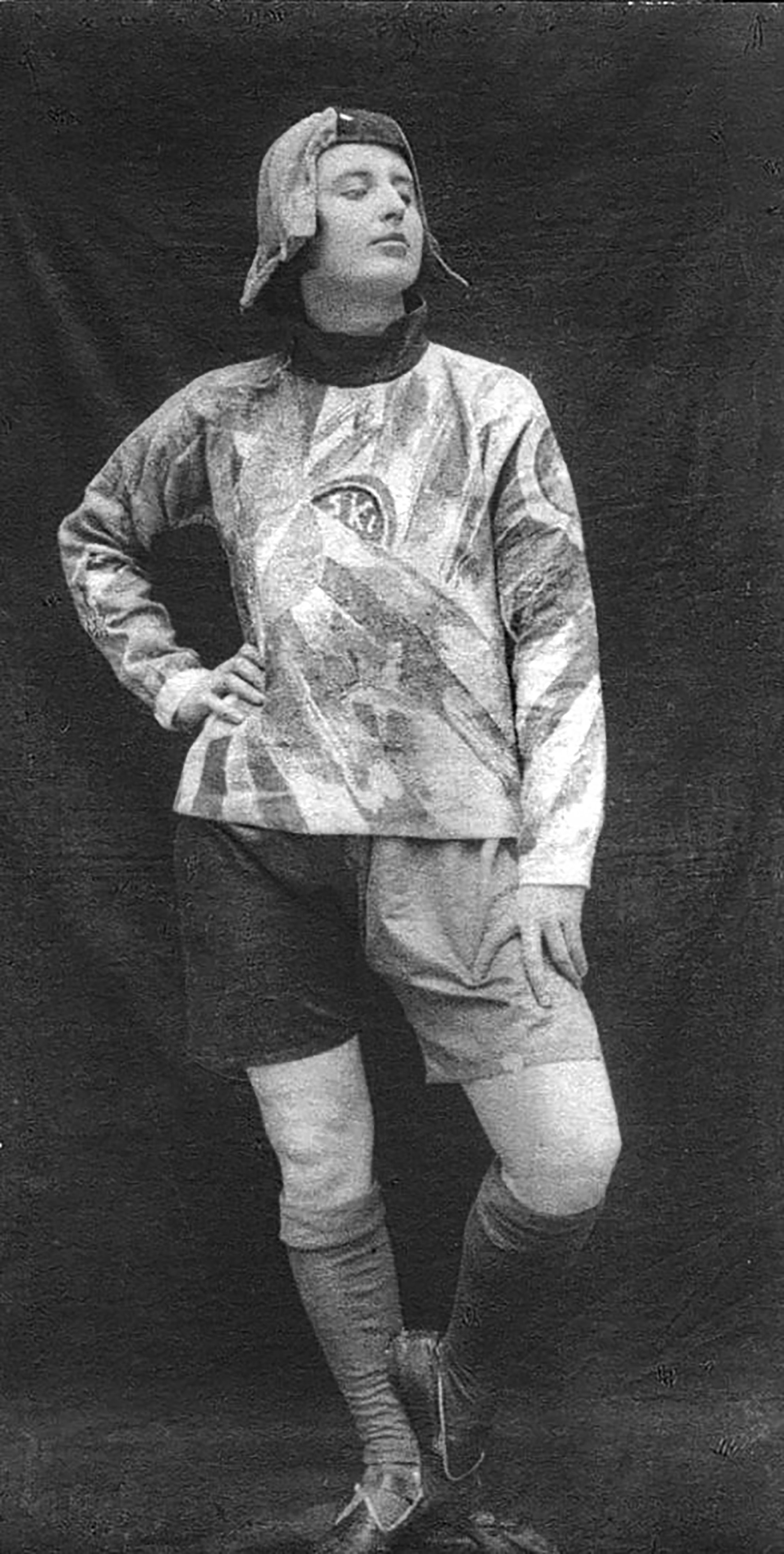
Jean Börlin (1920s) by Isabey

Jean Börlin i Skating Rink, Svenska Baletten, foto: Studio Isabey, Paris, 1922. | src Dansmuseet on IG
Jean Börlin i Fågelhandlaren av Svenska Baletten, foto Studio Isabey, Paris, 1923
Jean Börlin i Fågelhandlaren av Svenska Baletten, foto: Studio Isabey, Paris, 1923 | src Dansmuseet on IG
Jean Börlin i Det sällsamma tornerspelet av Svenska Baletten (Börlin in The Strange Tournament by the Swedish Ballet), foto: Studio Isabey, Paris, 1924 | src Dansmuseet • IG