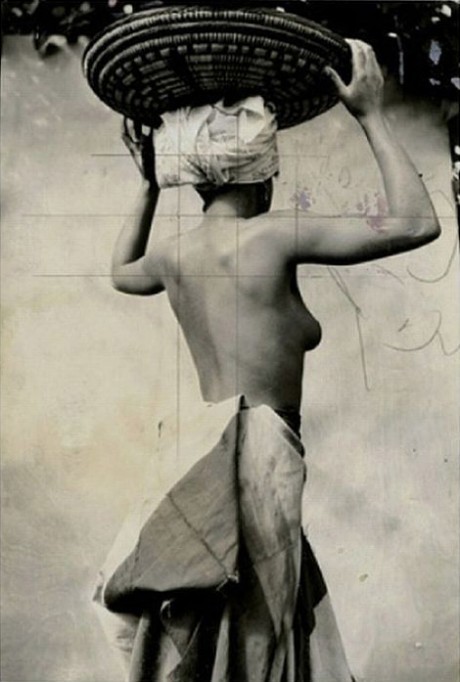
Frank Brangwyn :: Study for The British Empire Panels, 1925. Silver gelatin print, ink grid on recto and sketch on verso. / src: The English Group
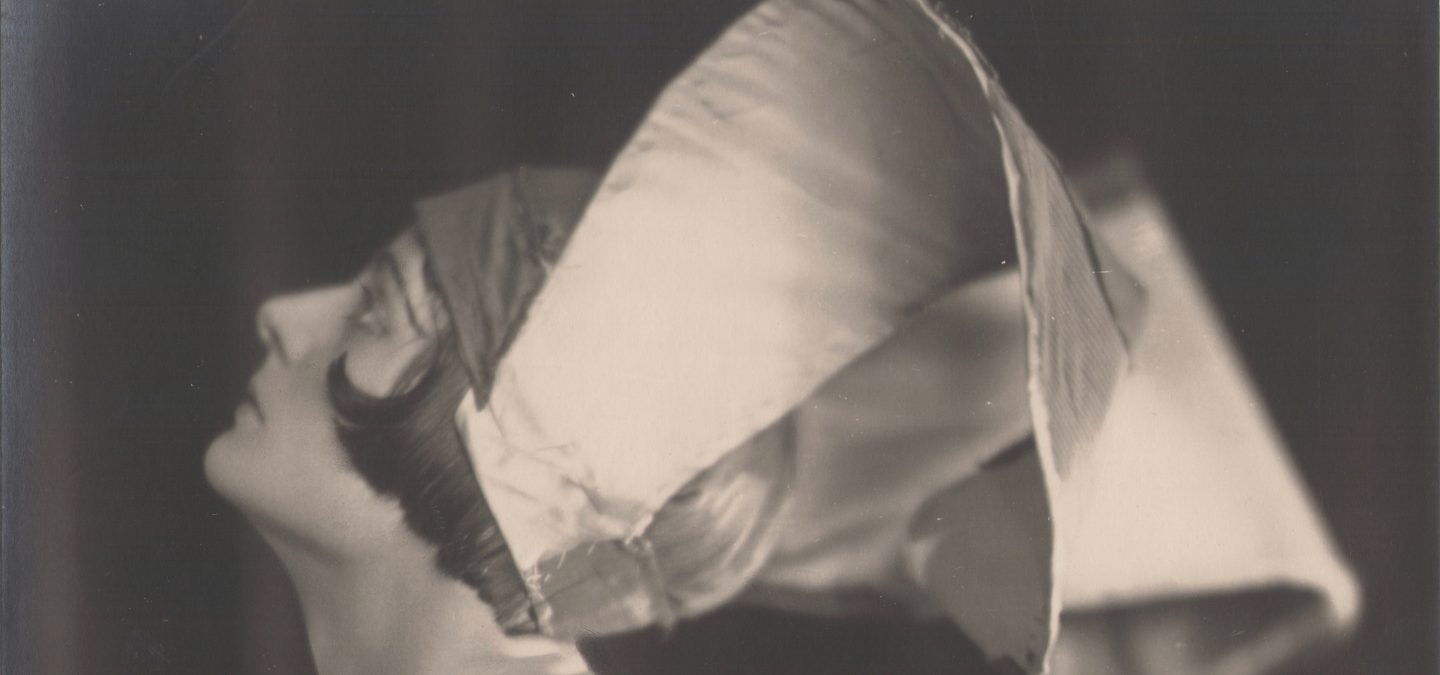
images that haunt us
Frank Brangwyn :: Study for The British Empire Panels, 1925. Silver gelatin print, ink grid on recto and sketch on verso. / src: The English Group
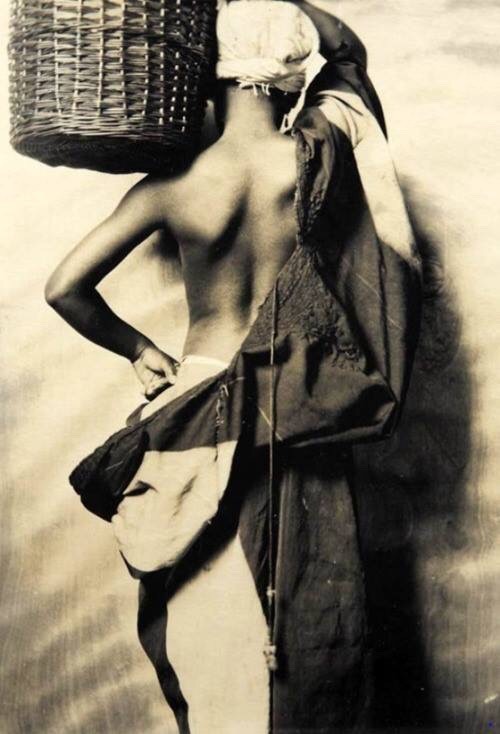
Frank Brangwyn :: Study for The British Empire Panels, 1925. Silver gelatin print. Frank Brangwyn was a printmaker, illustrator, furniture designer and world renowned muralist.
Brangwyn used photography as a primary aid in the execution of his elaborate allegorical murals. The Paul Cava collection of Brangwyn photographs is the largest of it’s kind in private hands. source
 https://embedr.flickr.com/assets/client-code.js
Opera singer Rosa Ponselle (1897-1981) seated on a lawn, 1915-1920 / src:
The Library of Congress / Bain News Service
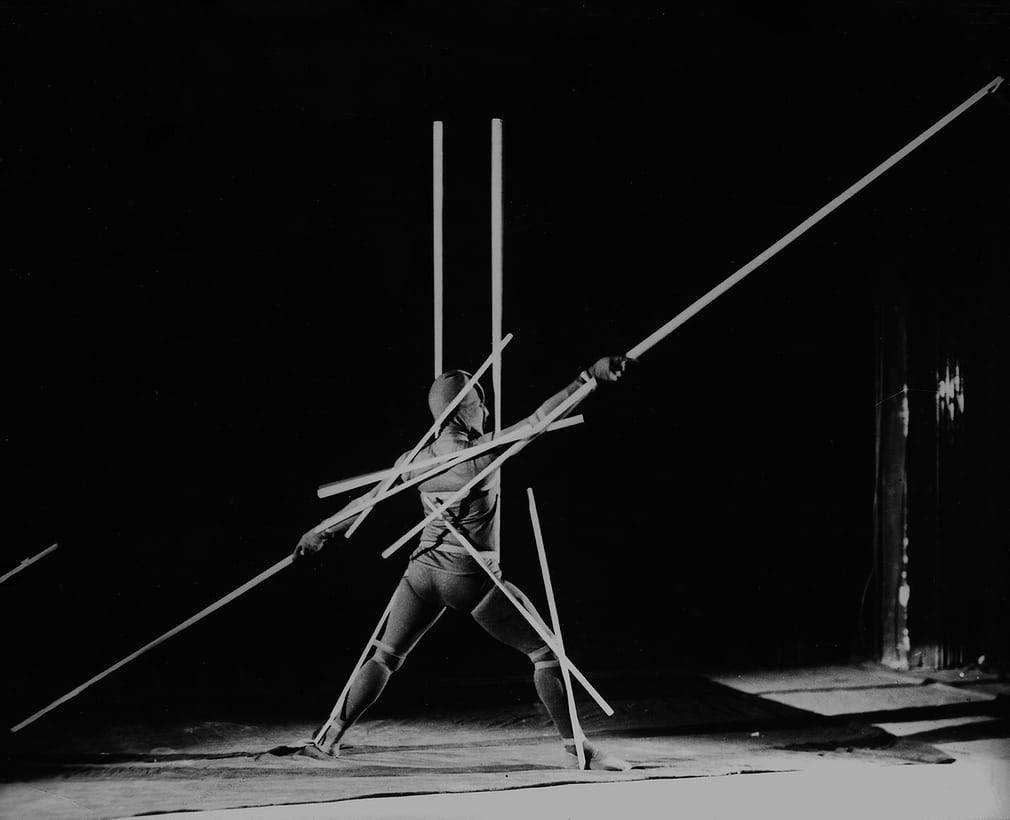
Oskar Schlemmer’s ballet of geometry :: Stick dance (Slat Dance), 1928. Developed from the previous sketches, the ‘stick dance’ saw a performer turned into a shifting grid of geometric lines / src: The Guardian
 https://embedr.flickr.com/assets/client-code.js
Opera singer Rosa Ponselle with child in baby carriage, 1915-1920 | Bain News Service
| src: The Library of Congress

Triadisches Ballett (Triadic Ballet) is a ballet developed by Oskar Schlemmer. It premiered in Stuttgart, on 30 September 1922, with music composed by Paul Hindemith, after formative performances dating back to 1916, with the performers Elsa Hotzel and Albert Berger. The ballet became the most widely performed avant-garde artistic dance and while Schlemmer was at the Bauhaus from 1921 to 1929, the ballet toured, helping to spread the ethos of the Bauhaus. / src: light color sound
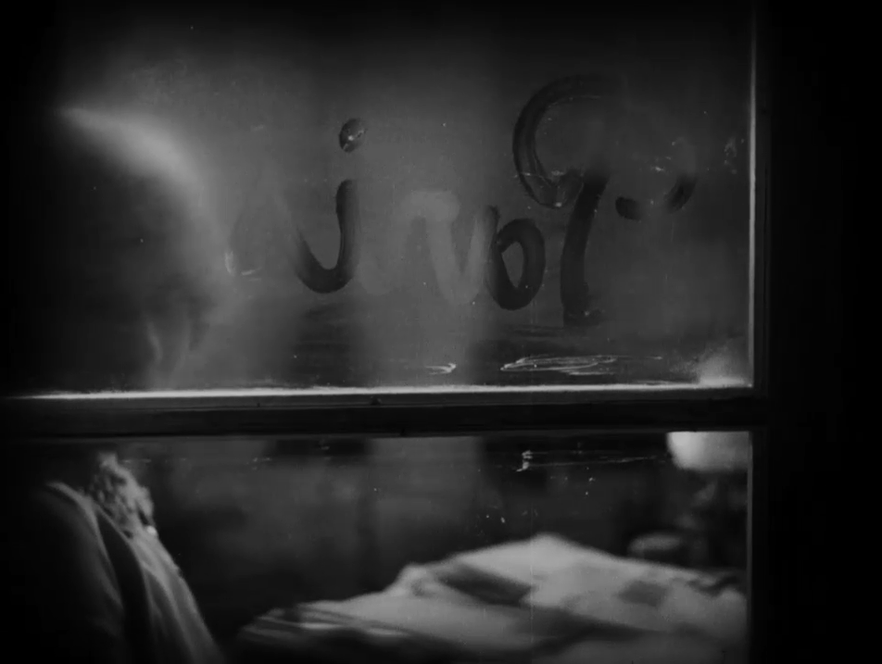
Die Liebe der Jeanne Ney / The Love of Jeanne Ney (1927), directed by Georg Wilhelm Pabst / via womeninthewindow
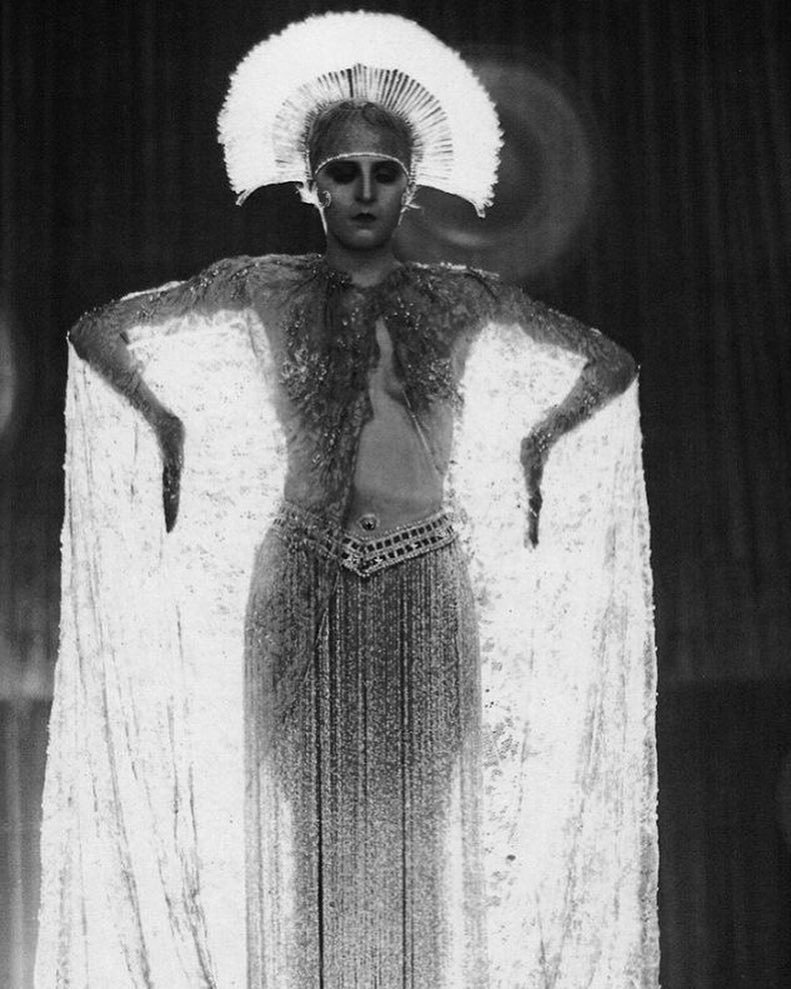
Brigitte Helm in Metropolis (1927, Fritz Lang)
 https://embedr.flickr.com/assets/client-code.js
Women standing next to a canoe on a dock, no date / src: simpleinsomnia


