
images that haunt us


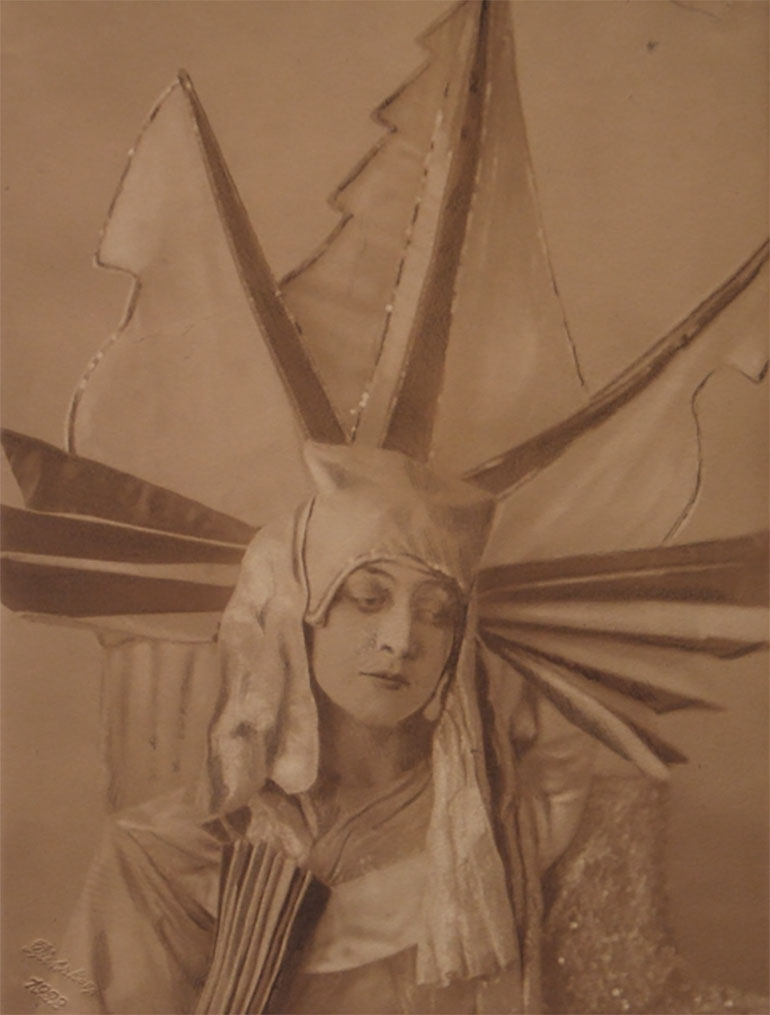


Born in the Arizona territory, Arthur Kales received a law degree from the University of California at Berkeley in 1903. While living in the Bay Area, he became interested in the burgeoning Pictorialist movement in photography that flourished there, and his images met with immediate success. Kales moved to Los Angeles to work in advertising but returned to San Francisco in 1917. In the following year, he nevertheless joined the Camera Pictorialists of Los Angeles. For fourteen years beginning in 1922, Kales wrote about Pictorialist photography in western America for the journal Photograms of the Year. [quoted from Getty museum]

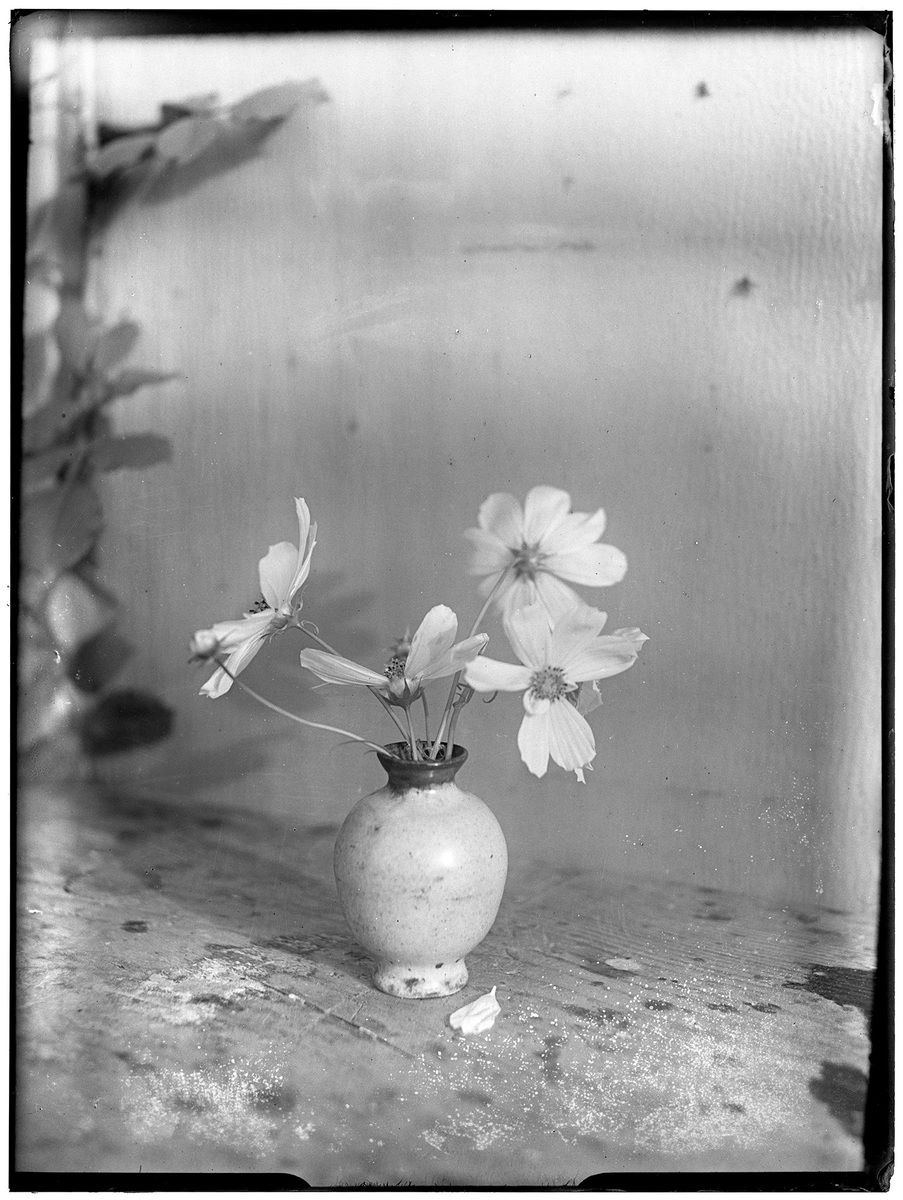

Der Blumenstrauß. Die vergängliche Pracht
Fotografie von den Anfängen bis heute
17. Mai bis 29. Juni 2024
anlässlich der düsseldorf photo+ Biennale for Visual and Sonic Media
Mit Nobuyoshi Araki, Max Baur, Boris Becker, Ute Behrend, Viktoria Binschtok, Peter Bömmels, Tim Berresheim, Natalie Czech, Michael Dannenmann, Sam Evans, Jan Paul Evers, Jitka Hanzlová, Axel Hütte, Leiko Ikemura, Benjamin Katz, Annette Kelm, Karin Kneffel, Maximilian Koppernock, August Kotzsch, Heinrich Kühn, Kathrin Linkersdorff, Robert Mapplethorpe, Hartmut Neumann, Roland Schappert, Luzia Simons, Josef Sudek, Michael Wesely, Dr. Wolff+Tritschler und einigen anonymen alten Fotoarbeiten.
Der Blumenstrauß als künstlerische Installation, die der Fotografie vorausgeht, steht im Fokus dieser Gruppenausstellung.
Als klassisches Thema des Stilllebens hat der Blumenstrauß seinen Reiz bis in die Gegenwart nicht verloren. Die arrangierten Fotos von Blumensträußen Mitte des 19. Jahrhunderts sind als Vorläufer der inszenierten Fotografie zu verstehen.
Mit diversen fotografischen Positionen wird der Bogen von historischer Fotografie, beispielsweise von Heinrich Kühn, bis hin zu computerbasierter Fotografie von Tim Berresheim gespannt. Anhand dieses Bildsujets wird auch die Veränderung der technischen und inhaltlichen Möglichkeiten von Fotografie aufgezeigt.
Die zeitgenössische „Blumenstraußfotografie“ geht weit über die Natur- oder Dokumentarfotografie hinaus. So haben die Fotokünstler in unterschiedlicher Ausprägung die skulpturale, malerische und konzeptuelle Möglichkeit dieses Stilllebens ausgelotet und hinterfragt.
Seit Beginn des 17. Jahrhunderts ist der Blumenstrauß in der Malerei als Stilleben in all seiner arrangierten Pracht gegenwärtig und oft sinnbildlich für die Vergänglichkeit allen Seins dargestellt. Die Fotografie hat die Möglichkeit, den Prozess des Vergänglichen zu begleiten, und oft sind es die bereits verwelkten Blumen, die einen besonderen Reiz in der Wirklichkeitswahrnehmung ausmachen. Nichts zeigt die Wirklichkeit frappierender als die Vergänglichkeit.
quoted from Der Blumenstrauß: Die Vergängliche Pracht ~ Beck & Eggeling
A Bouquet of Flowers. Transient Beauty
Photography from the beginnings to the present day
17th May until 29th June 2024
on the occasion of düsseldorf photo+ Biennale for Visual and Sonic Media
With Nobuyoshi Araki, Max Baur, Boris Becker, Ute Behrend, Viktoria Binschtok, Peter Bömmels, Tim Berresheim, Natalie Czech, Michael Dannenmann, Sam Evans, Jan Paul Evers, Jitka Hanzlová, Axel Hütte, Leiko Ikemura, Benjamin Katz, Annette Kelm, Karin Kneffel, Maximilian Koppernock, August Kotzsch, Heinrich Kühn, Kathrin Linkersdorff, Robert Mapplethorpe, Hartmut Neumann, Roland Schappert, Luzia Simons, Josef Sudek, Michael Wesely, Dr. Wolff+Tritschler and a selection of anonymous historical photographs.
The bouquet of flowers as an artistic installation that precedes photography is the focus of this group exhibition.
As a classic still life subject, the bouquet of flowers has not lost its appeal to the present day. The arranged photographs of bouquets of flowers in the mid-19th century are to be understood as precursors of staged photography.
With various photographic positions, the exhibition ranges from historical photography, for example by Heinrich Kühn, to computer-based photography by Tim Berresheim. This pictorial subject is also used to demonstrate the changes in the technical and content-related possibilities of photography.
Contemporary “bouquet photography” goes far beyond nature or documentary photography. Photographic artists have explored and scrutinized the sculptural, painterly and conceptual possibilities of this still life to varying degrees.
Since the beginning of the 17th century, the bouquet of flowers has been present in painting as a still life in all its arranged splendour, often symbolizing the transience of all existence. Photography has the opportunity to accompany the process of transience, and it is often the flowers that have already withered that create a special charm in the perception of reality. Nothing shows reality more strikingly than transience.
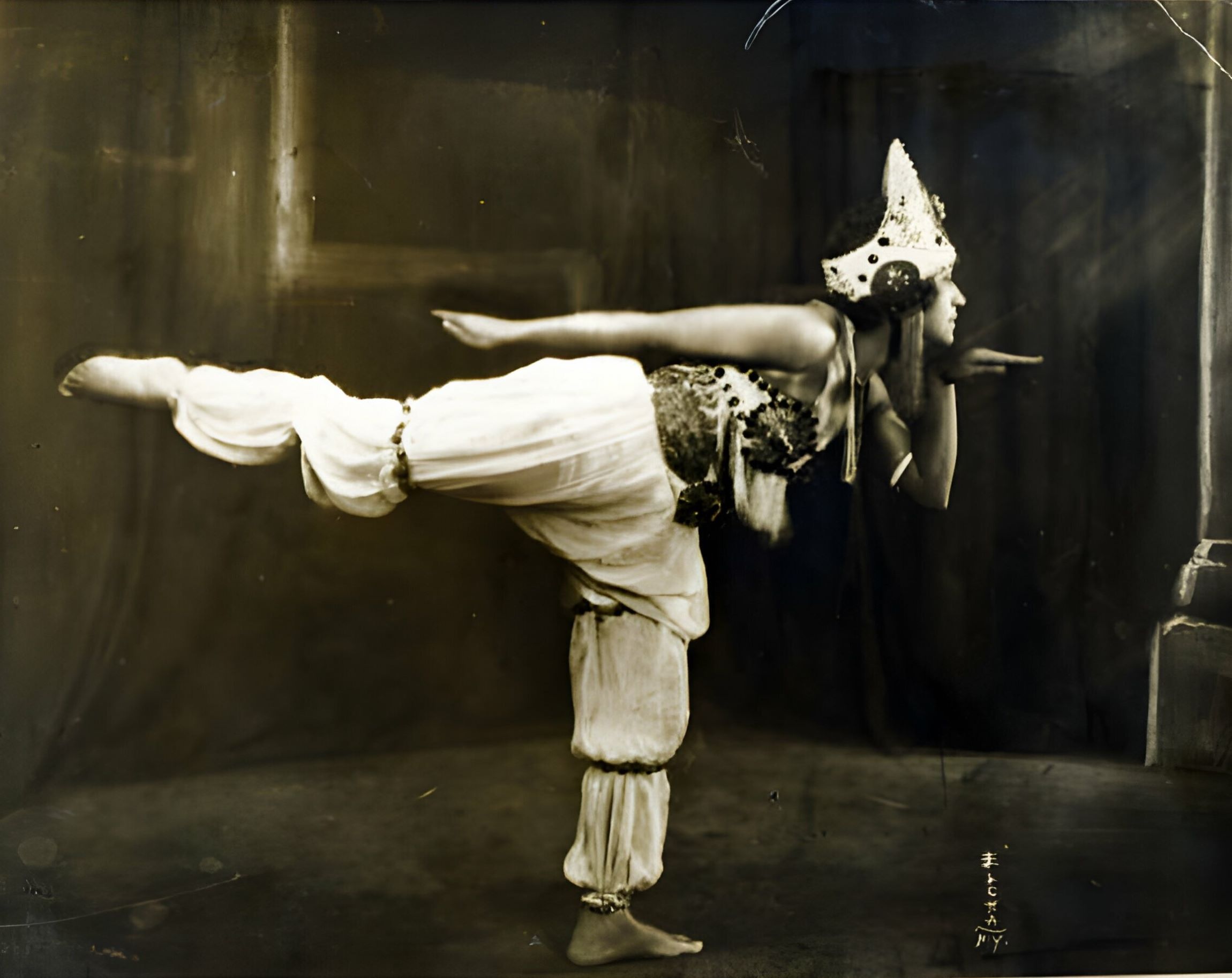
Edna Morton (April 2, 1894 – July 31, 1980) was an American actress who was in films in the 1920s. She starred in mainly race films most of them produced by Reol Productions. Her most notable films being Spitfire (1922), Easy Money (1922), and The Call of His People (1921). She was also in a film by Oscar Micheaux called A Son of Satan (1924). She is known to have been in ten films in total. She was referred to as “the colored Mary Pickford”. (text retrieved from wikipedia entry)


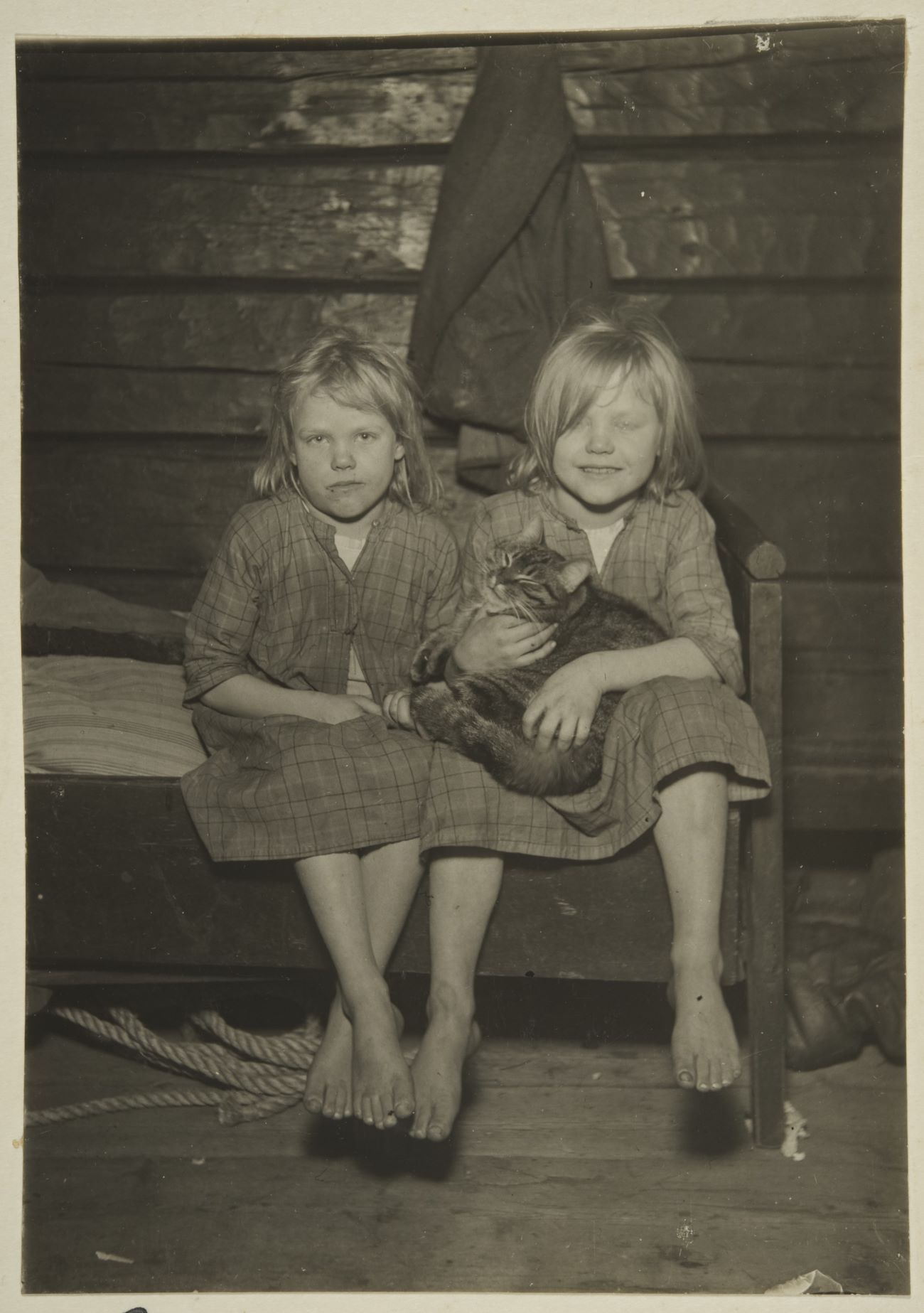


 un regard oblique