
images that haunt us



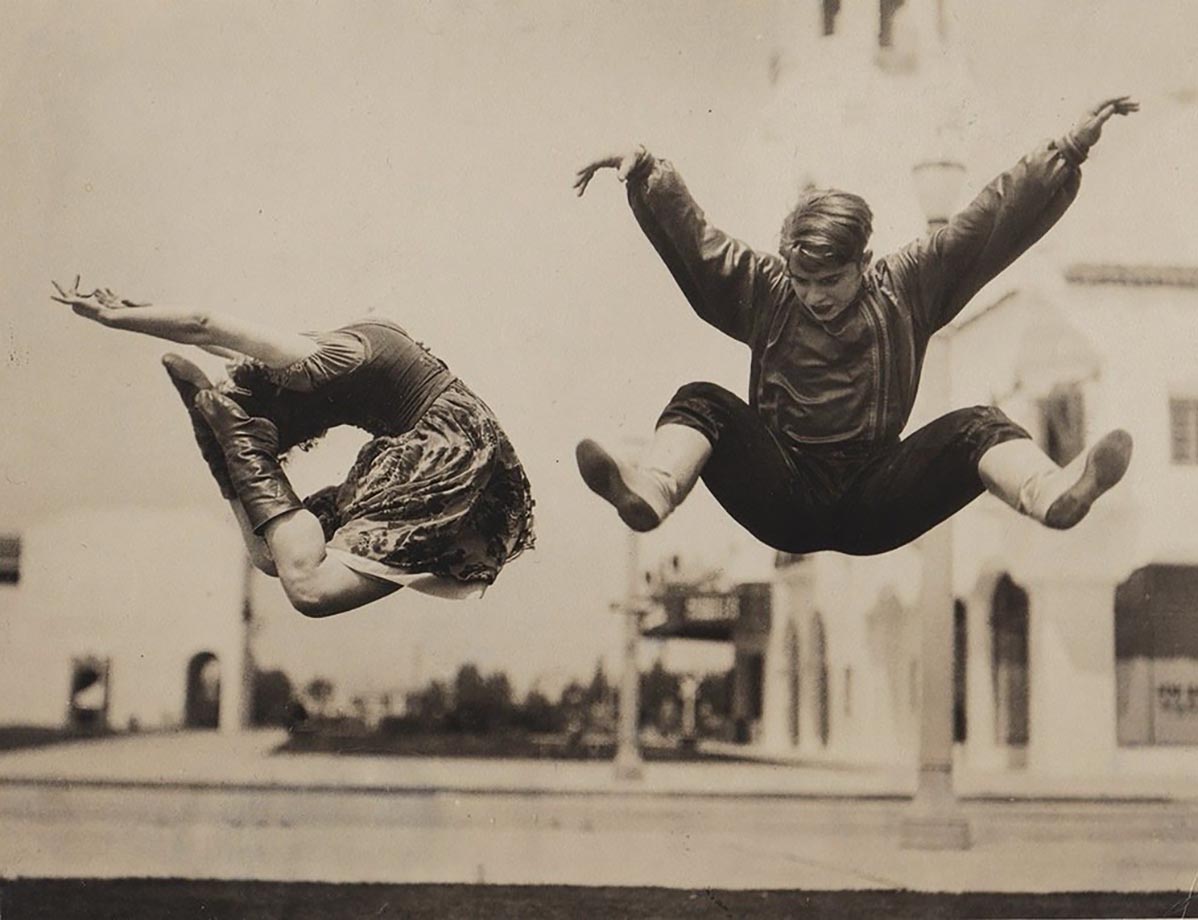
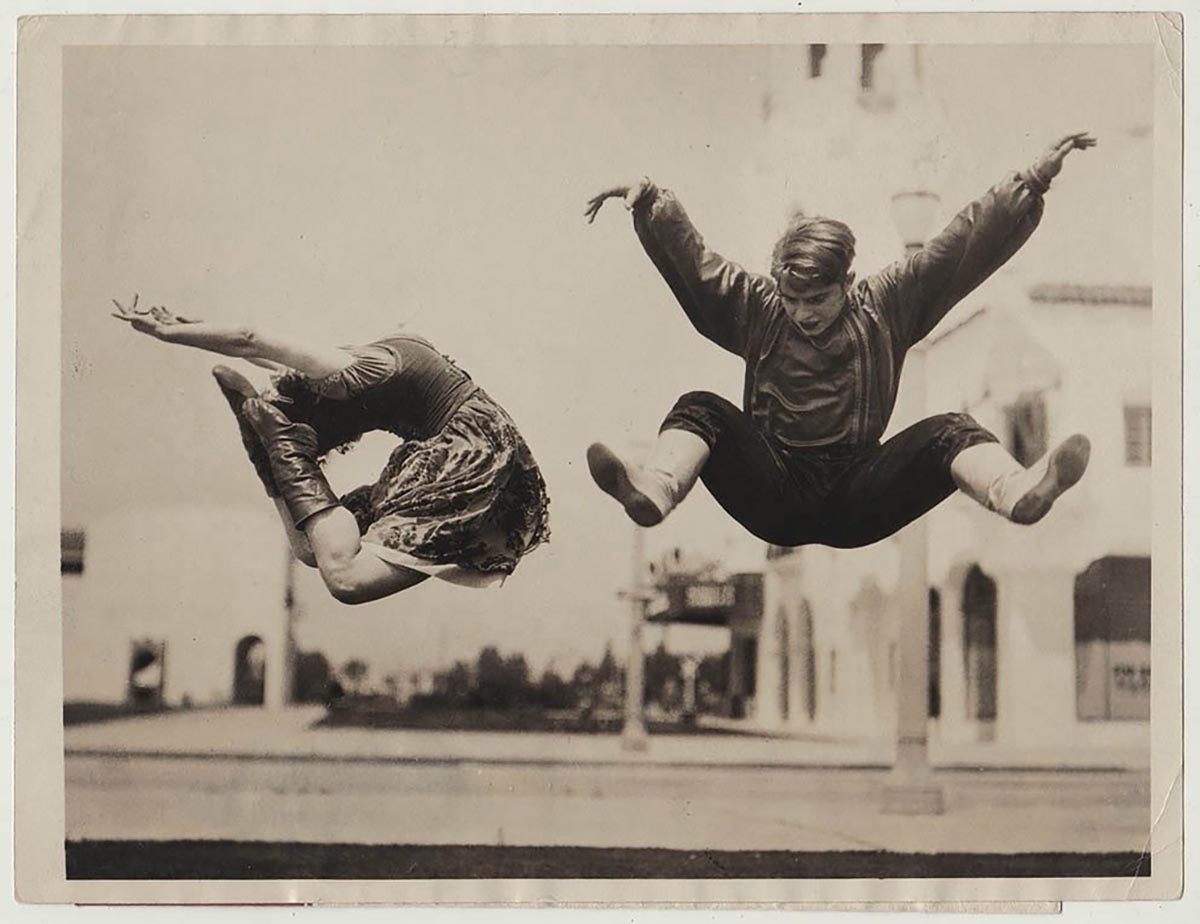
Press Agency / Newspaper Stamp on the reverse reads: S/644A309 By Underwood and Underwood. / Louise and Frieda Berkoff. Here’s action: How many can do this? / For once in his life “Old Man Gravity”, the well known friend of Isaac Newton, came out second best when Louis and Frieda Berkoff prectised these spectacular flying “steps” of a new Russian dance on the lawn of the Carthay Circle, a Los Angeles suburb.
Photo shows: brother and sister “Up in the air”. An exclusive Underwood photograph. Watch your credit line
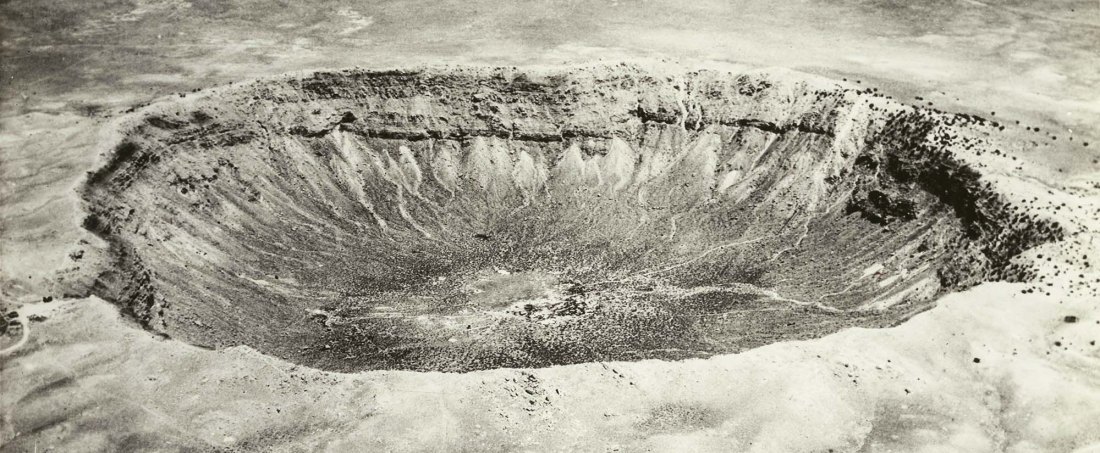
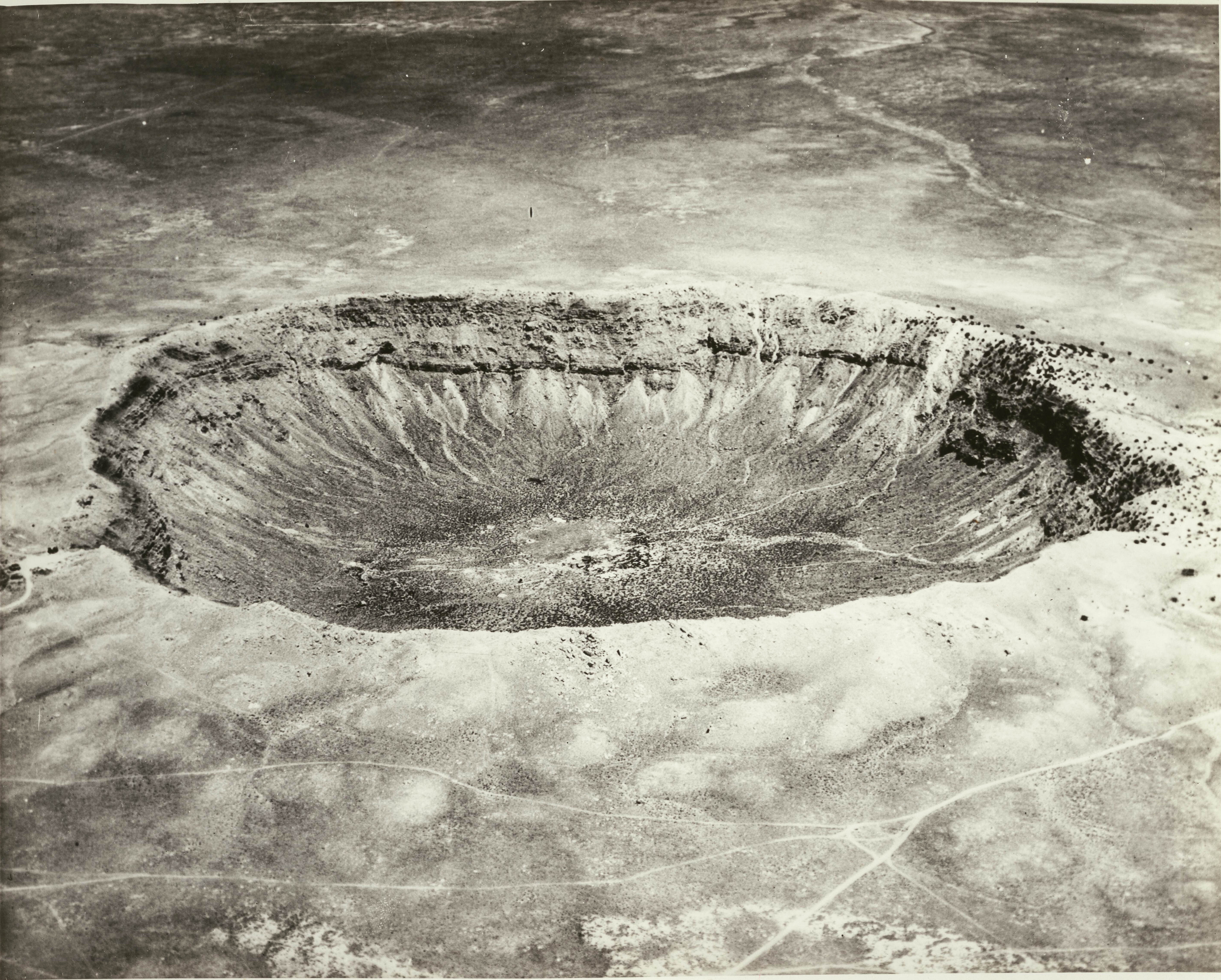
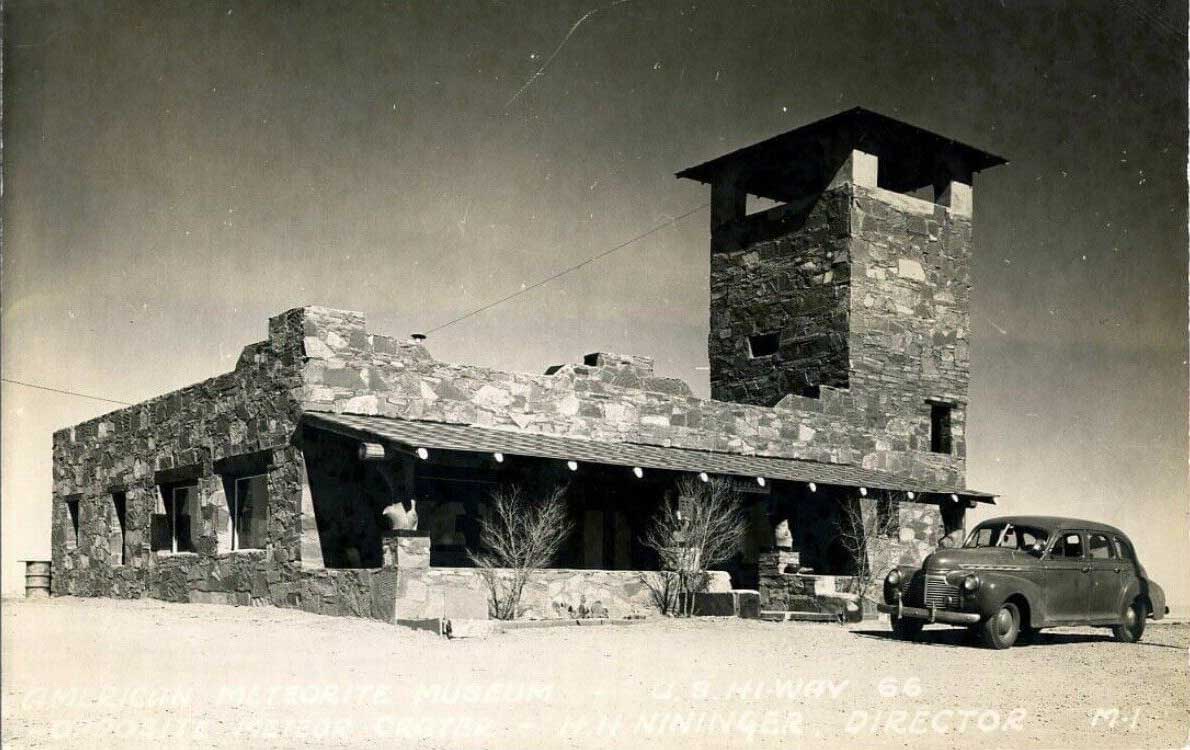
The Barringer Crater, also known as Meteor Crater, is a large impact crater located in Arizona, in the United States (*). It is about 1.2 kilometers (0.75 miles) in diameter and about 170 meters (570 feet) deep. The crater was formed about 50,000 years ago when an iron meteorite struck the Earth’s surface. It is unusually well preserved in the arid climate of the Colorado Plateau, in fact the (alleged) best preserved meteorite impact site on Earth and is a popular tourist destination. The crater is named after the mining engineer and businessman Daniel M. Barringer, who was the first person to suggest that it was formed by the impact of a large iron-metallic meteorite on Earth.
(*) The site had several earlier names, and the fragments of the meteorite are officially called the Canyon Diablo Meteorite, after the adjacent Cañon Diablo.
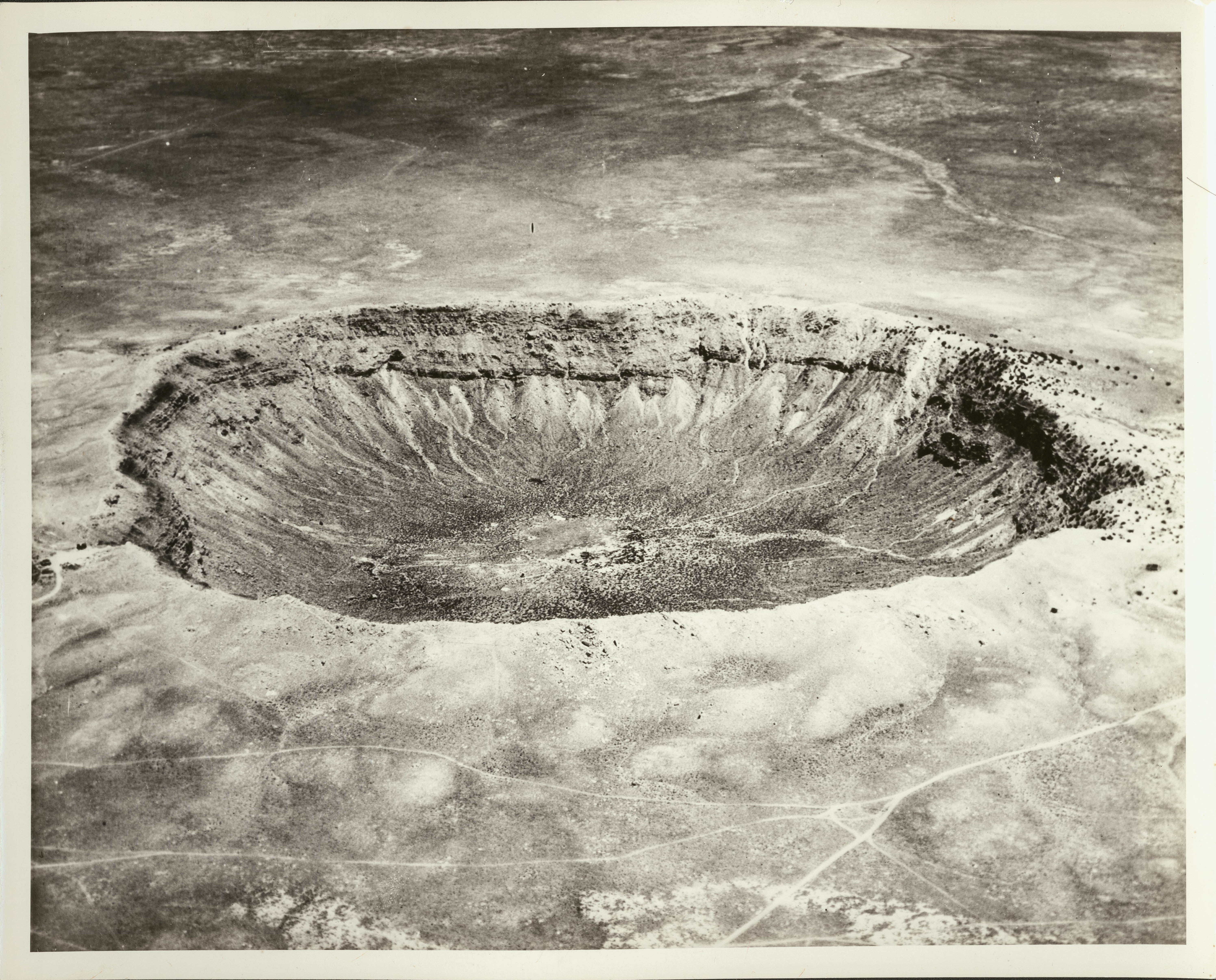
This is a Public Domain Work. Please credit both “University of Southern California. Libraries” and “California Historical Society” as the source. Digitally reproduced by the USC Digital Library.

Meteor Crater (also known as Barringer Crater) on Earth is only 50,000 years old. Even so, it’s unusually well preserved in the arid climate of the Colorado Plateau. Meteor Crater formed from the impact of an iron-nickel asteroid about 46 meters (150 feet) across. Most of the asteroid melted or vaporized on impact. The collision initially formed a crater over 1,200 meters (4,000) feet across and 210 meters (700 feet) deep. Subsequent erosion has partially filled the crater, which is now only 150 meters (550 feet) deep. Layers of exposed limestone and sandstone are visible just beneath the crater rim, as are large stone blocks excavated by the impact.
Impacts have shaped the Earth and Moon since early in the history of the solar system. In fact, the Moon likely formed when a proto-planet (likely the size of Mars) crashed into the Earth over 4.5 billion years ago. The collision sprayed material from the two worlds into orbit around the Earth. The debris coalesced and formed the Moon.
Meteorites continue to strike both the Earth and Moon. Micrometeorites bombard the Earth continuously. Larger asteroids hit Earth less frequently. Asteroids measuring roughly 50 meters (160 feet) across strike the Earth every 1,000–2,000 years, while more than 100,000 years typically elapse between strikes from asteroids larger than 1,000 meters (3,300 feet) across. [quoted from NASA]

![Clara E. Sipprell :: [Clara Sipprell or Irinia Khrabroff at the Grand Canyon Rim], 1929. Gelatin silver print. | src Amon Carter Museum](https://live.staticflickr.com/65535/52593043396_4315025c51_o.jpg)
![Unknown; [Clara Sipprell and Irina Khrabroff positioning camera], ca. 1929. Gelatin silver print. | src Amon Carter Museum of American Art](https://unregardoblique.com/wp-content/uploads/2023/01/clara-e.-sipprell-1885-1975-clara-sipprell-and-a-irina-khrabroff-positioning-camera-ca-1929-amon-carter-museum.jpg)
![Clara E. Sipprell (1885-1975) :: [Clara Sipprell or Irina Khrabroff by Great Rock, Grand Canyon], 1929. | src Amon Carter Museum](https://live.staticflickr.com/65535/52593468455_df8a035baa_o.jpg)
![Unknown; [Clara Sipprell and Irina Khrabroff having a picnic], ca. 1920s - 1930s. Gelatin silver print. | src Amon Carter Museum of American Art](https://live.staticflickr.com/65535/52608611847_a1b46a8a03_o.jpg)




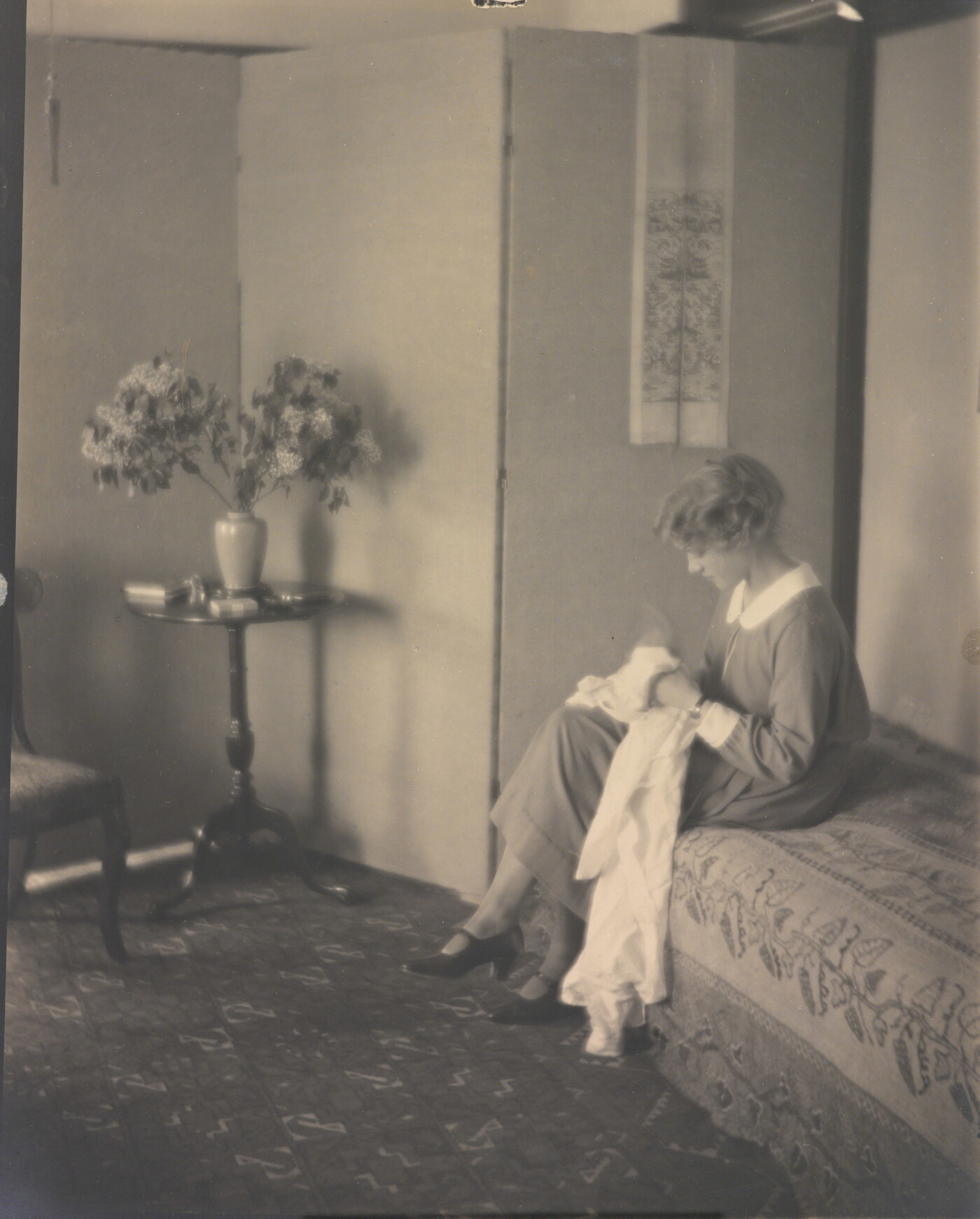
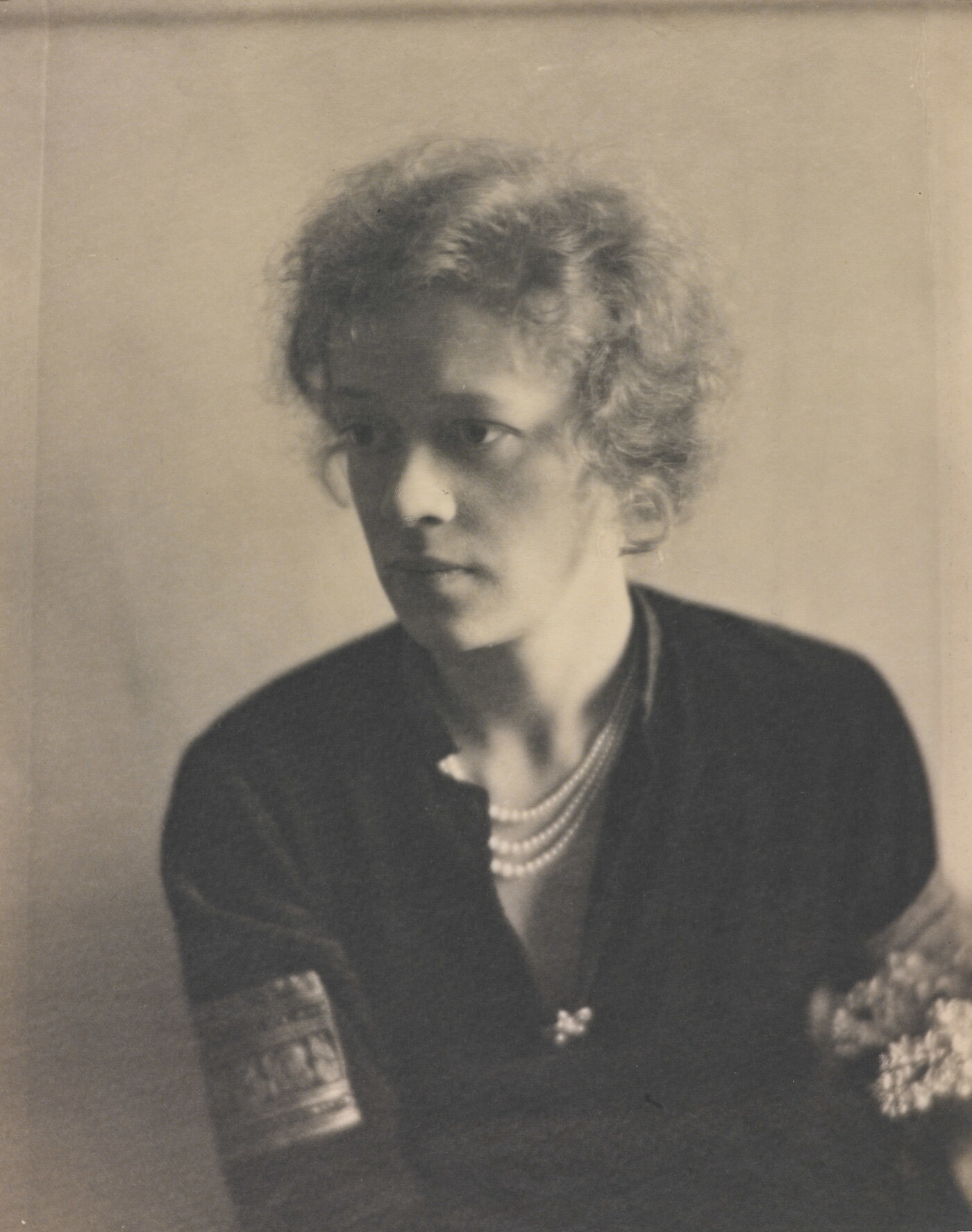


Sipprell was born on Halloween, 1885, in Tillsonburg, Ontario, Canada. In 1895 (after her father’s death), she and her mother moved from Canada to Buffalo. In the early 1900s, Buffalo was a center of the pictorialism. Sipprell became one of the foremost practitioners of pictorial photography in the United States. She produced autochromes and platinum, bromoil, gum, and carbon prints; won awards in exhibitions; and had her work published in magazines in the United States and Europe.
As a portrait photographer, Sipprell sought to convey a sense of the whole person and what made each unique. […] In 1915, Sipprell, then thirty, moved to New York City with Jessica E. Beers, with whom she lived until 1923. She opened a photographic studio in Greenwich Village and eventually became a contract photographer for the Ethical Culture School, where Beers was a principal.
A Russian immigrant, Irina Khrabroff, was first her student and later her traveling companion, close friend, and business manager. As a student, Khrabroff spent her winters living with Sipprell and Beers in New York City. In 1923, when Khrabroff married, Beers moved out of the apartment, but Sipprell continued living there with Khrabroff and her husband until 1933.
[…] It is not clear whether or not Sipprell’s relationships were sexual or even romantic, yet their length and stability, and the evidence of the memorial marker, indicate an extraordinary level of commitment. [Quoted from lgbtq encyclopedia: Sipprell, Clara Estelle (1885-1975) by Tee A. Corinne]






 un regard oblique