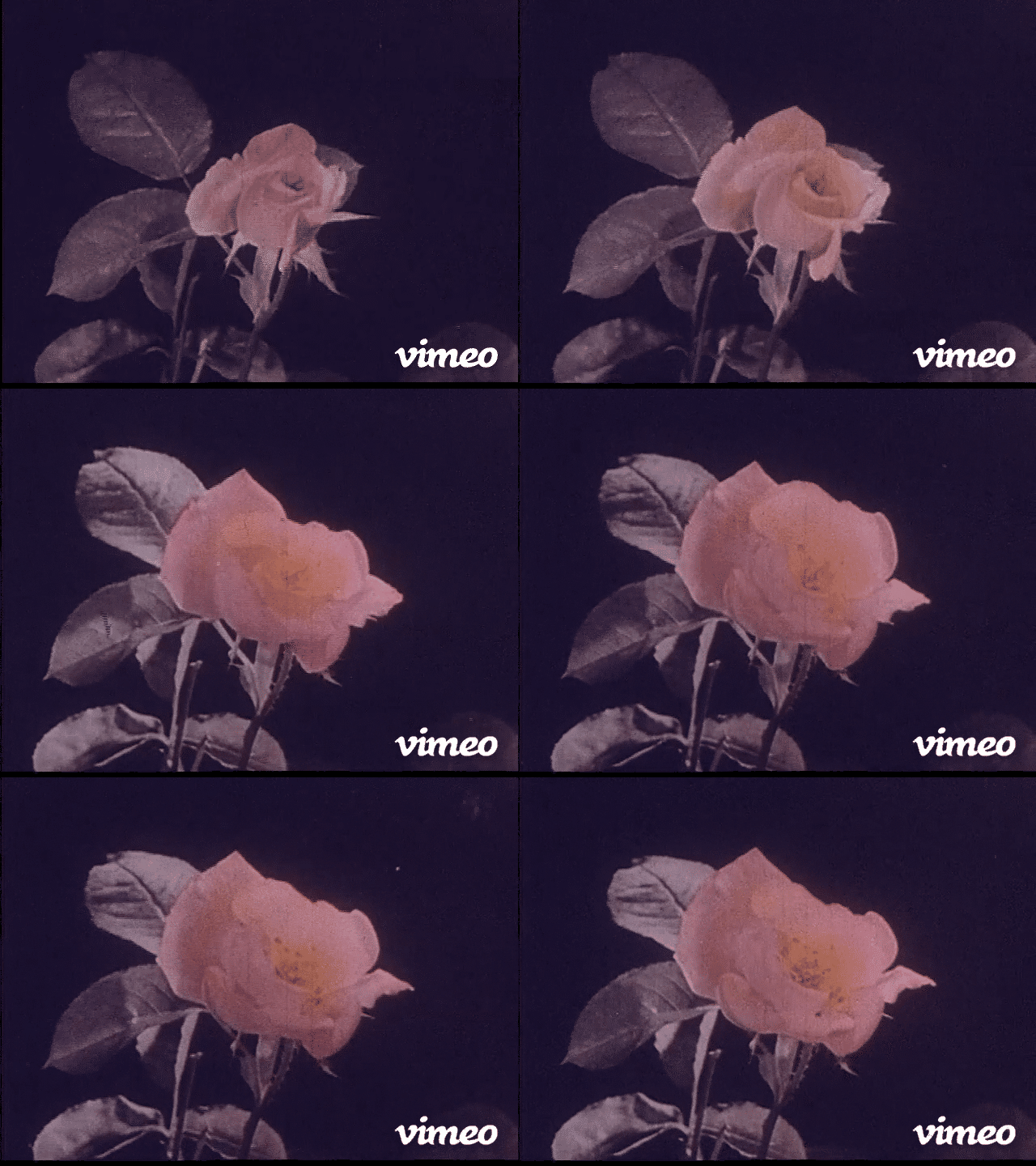
Arthur Edward Pillsbury ~ Footage of roses, 1925. | Pink rose blooming
Arthur Edward Pillsbury ~ Footage of roses, 1925. | src Prelinger Archives on internet archive time-lapse study of a blooming pink rose, from an artificially colored filmArthur Edward Pillsbury ~ Footage of roses, 1925. Yellow rose blooming
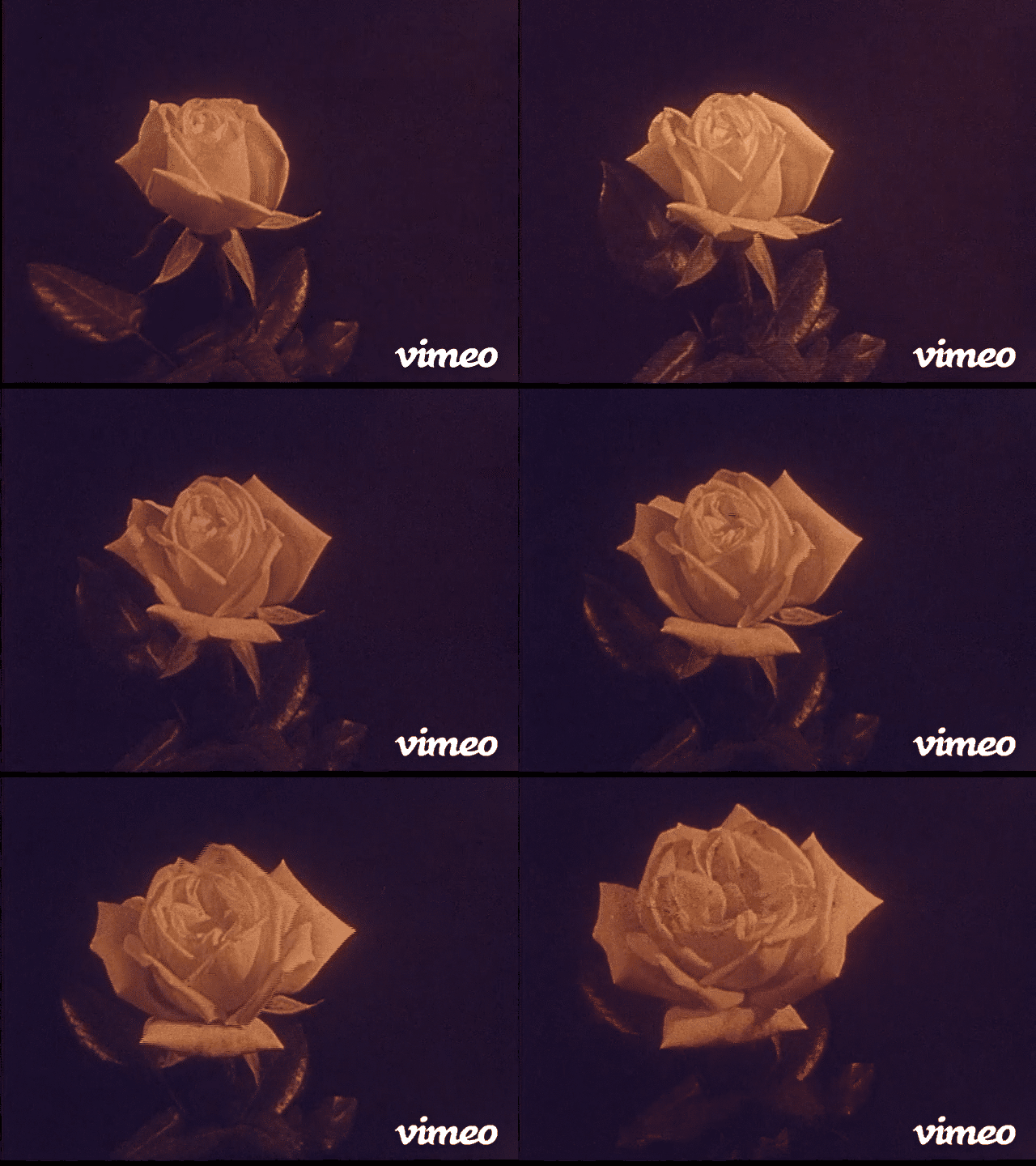
Arthur Edward Pillsbury ~ Footage of roses, 1925. | src Prelinger Archives on internet archive time-lapse study of a blooming yellow rose then beginning to wilt, from a film artificially coloredArthur Edward Pillsbury ~ Footage of roses, 1925. | Three pink roses blooming
Arthur Edward Pillsbury ~ Footage of roses, 1925. | src Prelinger Archives on internet archive time-lapse study of three blooming roses, from a film artificially coloredArthur Edward Pillsbury ~ Footage of roses, 1925. | Wilting flowerArthur Edward Pillsbury ~ Footage of roses, 1925. | Fruit
Arthur Edward Pillsbury ~ Footage of roses, 1925. | src Prelinger Archives on internet archive time-lapse study of a wilting flower, from an artificially colored film
Jaromír Funke ~ Untitled (Hydrangea in blossom in pot), ca. 1920-24. Gelatin silver print; printed ca. 1920-24 | src Howard Greenberg Gallery : HGG2, Summer 2019
A very rare photograph in a rather pictorialist style among the modern, abstract production by Funke.
Jaromír Funke (1896–1945) ~ Untitled (Hydrangea in blossom in pot), ca. 1920-24 [detail]
Jaromír Funke (1896–1945) studied medicine, law and philosophy at Charles University in Prague but did not graduate. Instead he concentrated on becoming a professional freelance photographer. By 1922 he was a leader of the young opposition movement in photography and a founder of the Czech Society of Photography (1924) whose mission was to create photography that would fulfil new social functions. In his work Funke managed to combine some of the leading trends in modernist European photography, uniting constructivism and functionalism with surrealism and social commentary, with traditional Czech aesthetics. His interest in modernist ideas led him to make clearly focused studies of simple objects. As the decade progressed, he turned to the production of carefully arranged still lifes emphasizing abstract form and the play of light and shadow. During this time he also produced several important series of photographs, including two inspired by the images of Eugène Atget: Reflexy (Reflections, 1929) and as trvá (Time Persists, 1930-34).
Funke was also influential as a teacher, first at the School of Arts and Crafts, Bratislava (1931-34/35), which followed a Bauhaus-inspired curriculum, and then at the State School of Graphic Arts, Prague (1935-44). While in Bratislava, he became interested in social documentary photography and joined the leftist group Sociofoto, which was concerned with recording the living conditions of the poor. Throughout his career Funke published articles and critical reviews dealing with photography. From 1939-41 he worked with Josef Ehm to edit the magazine Fotografik obzor (Photographic Horizon).
quoted from HGG~ Howard Greenberg Gallery / Jaromir Funke
Edward Steichen ~ [Dana Steichen draped in shawl], ca. 1920. Cyanotype and palladium print. | src George Eastman museumEdward Steichen ~ Dana Steichen Holding a Sunflower, ca. 1924. Cyanotype and palladium print. | src George Eastman MuseumEdward Steichen ~ [Dana Steichen draped in shawl], ca. 1920. Cyanotype and experimental process. | src George Eastman Museum
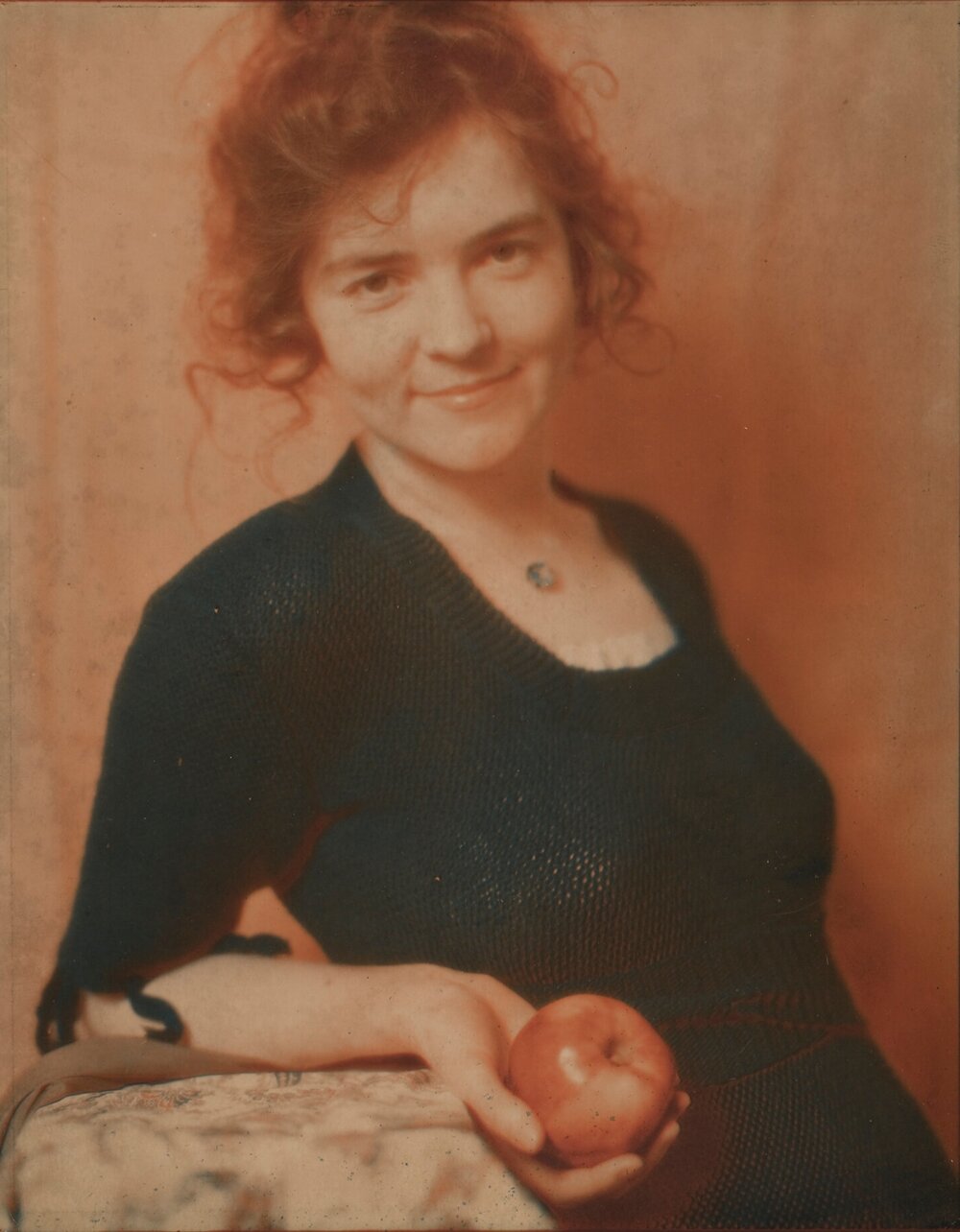
Edward Steichen ~ Dana [Desboro Glover] Steichen holding an Apple ca. 1923. Dye imbibition print. | George Eastman Museum
After a quiet romance, Steichen married the actress Dana Desboro Glover in March 1923 in Blairstown, New Jersey, where Dana’s family owned a farm. From 1928 on they lived together on a large farm in West Redding, Connecticut where Steichen continued his extensive work in plant genetics, breeding award-winning delphiniums and other flowers. A strikingly modern glass home they built there continues to garner praise for its extraordinary siting and craftsmanship. Up until 1927, they also spent a part of each summer at Steichen’s home in Voulangis. Dana Steichen died in 1957 after thirty-four years of marriage. (quoted from E.S. Estate)
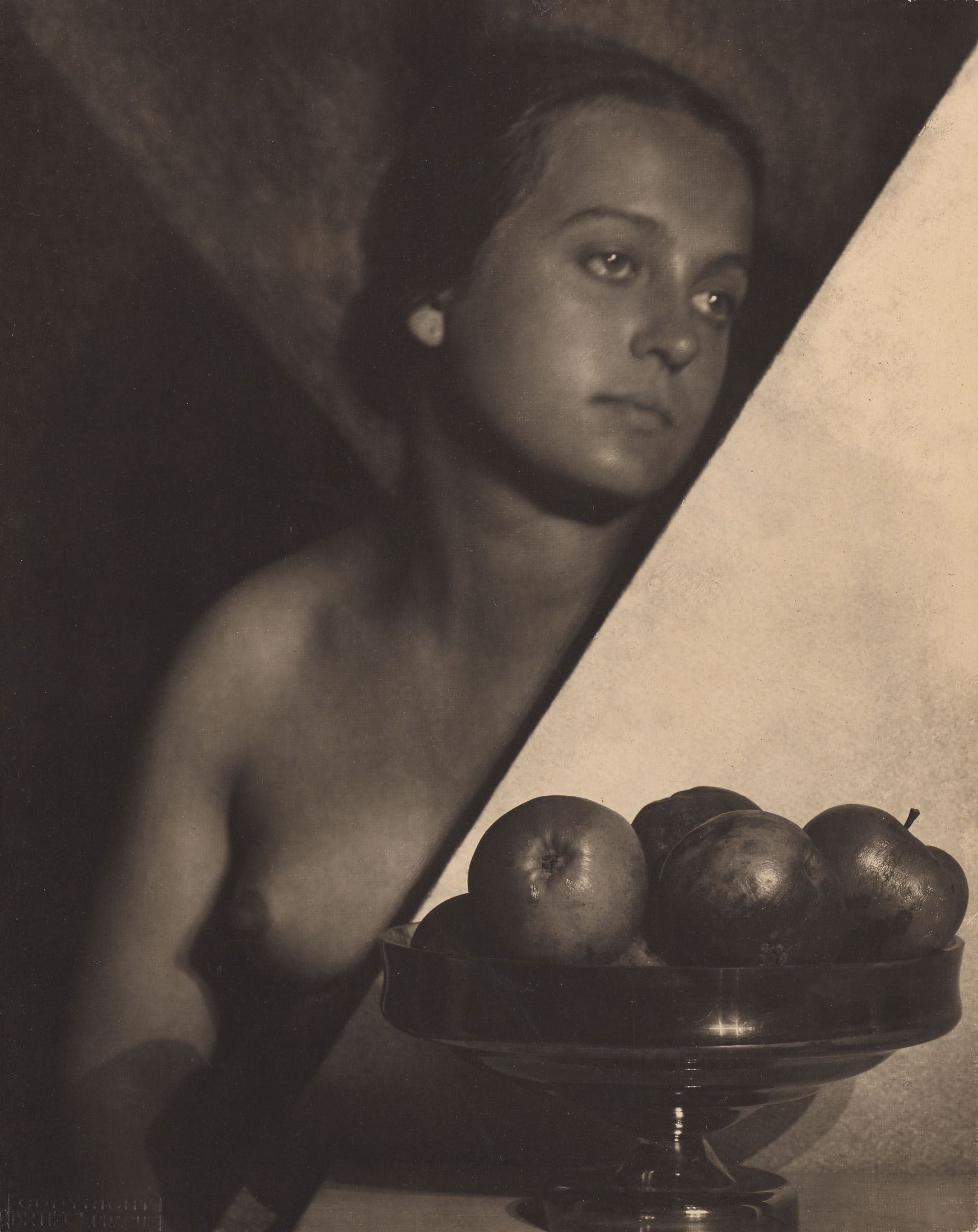
Edward Steichen (American, b. Luxembourg, 1879–1973) Edward Steichen~ [Dana Steichen with apple], ca. 1920. Cyanotype and palladium print. | George Eastman Museum
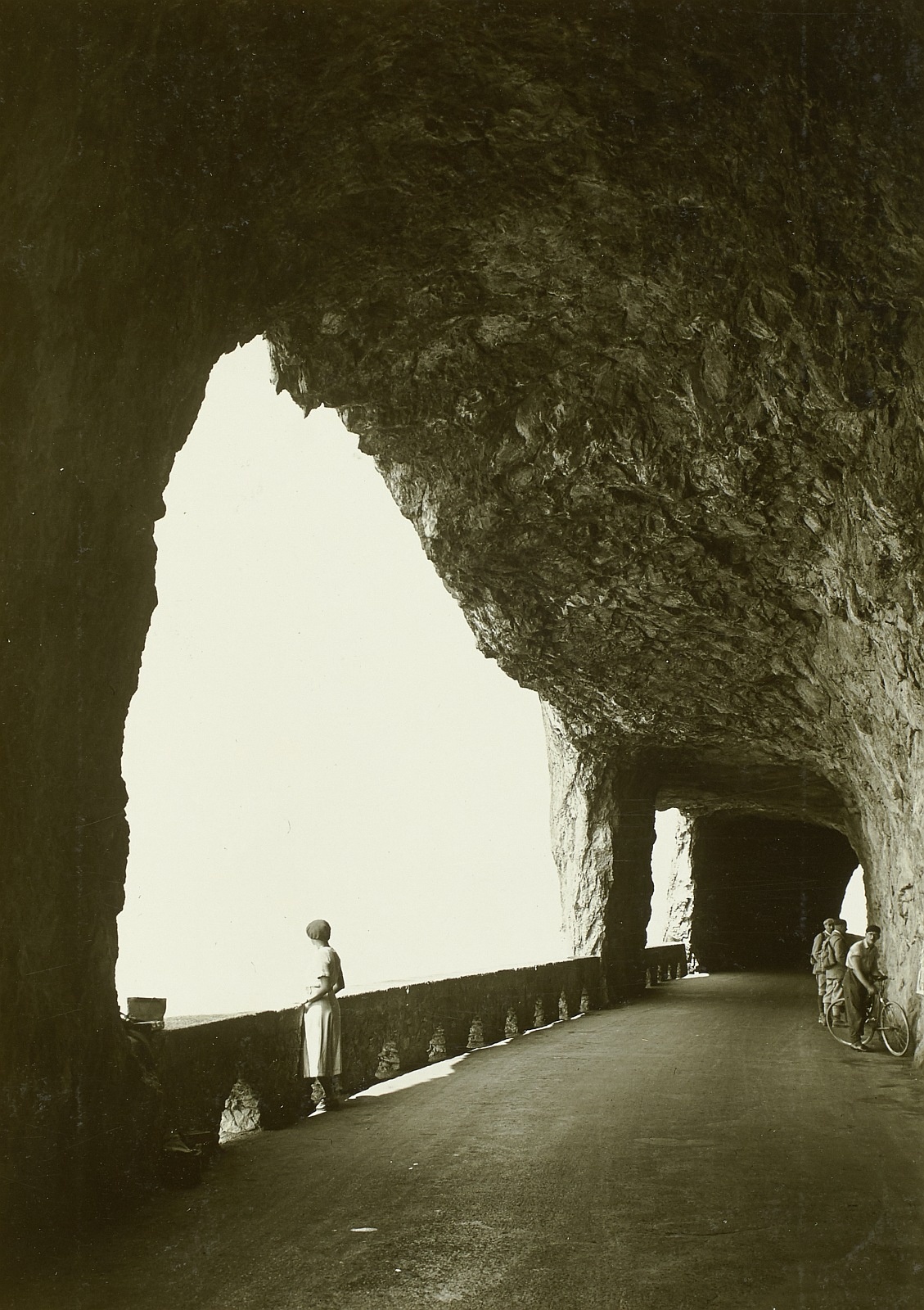
Walter Möbius :: Frauenstein (Erzgebirge). Burgruine. Blick durch einen Torbogen, 1929 | src Deutsche FotothekWalter Möbius :: Axenstraße, Galerie, Schweiz, vor 1959 | src Deutsche FotothekWalter Möbius :: Blick in den Burghof. Die Salzburg, Neustadt (Bayern), um 1934 | src Deutsche Fotothek
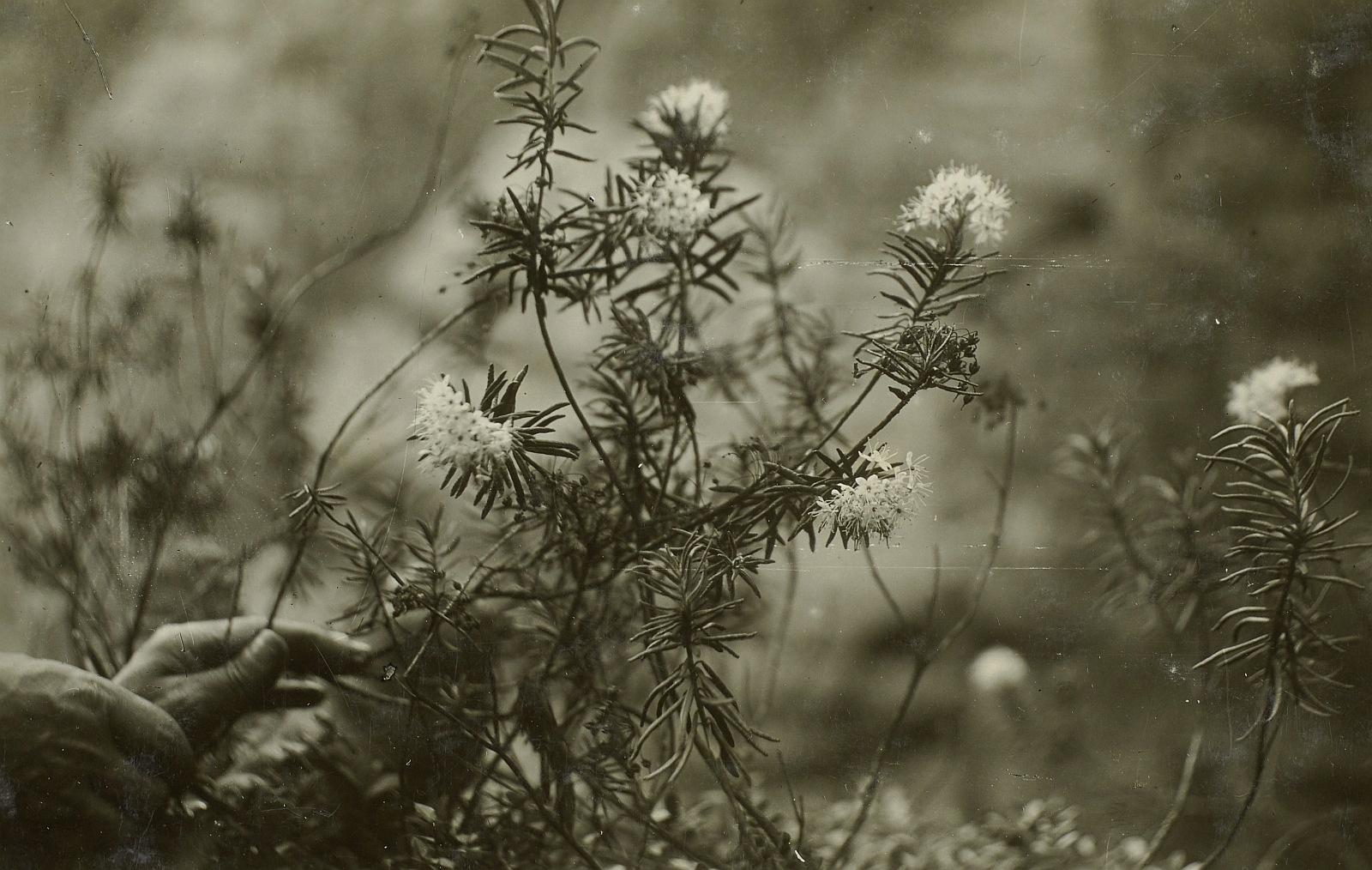
Walter Möbius :: Birnenblüte bei Diesbar, um 1924 | src Deutsche FotothekWalter Möbius :: Echte Schlüsselblume (Primula veris), auch Himmelsschlüssel, im Weißeritztal, um 1924 | Deutsche FotothekWalter Möbius :: Birnenblüte, aufgenommen bei Cossebaude, um 1924 | Deutsche FotothekWalter Möbius :: Sumpfporst in Blüte (und Hände), um 1924 | src Deutsche Fotothek
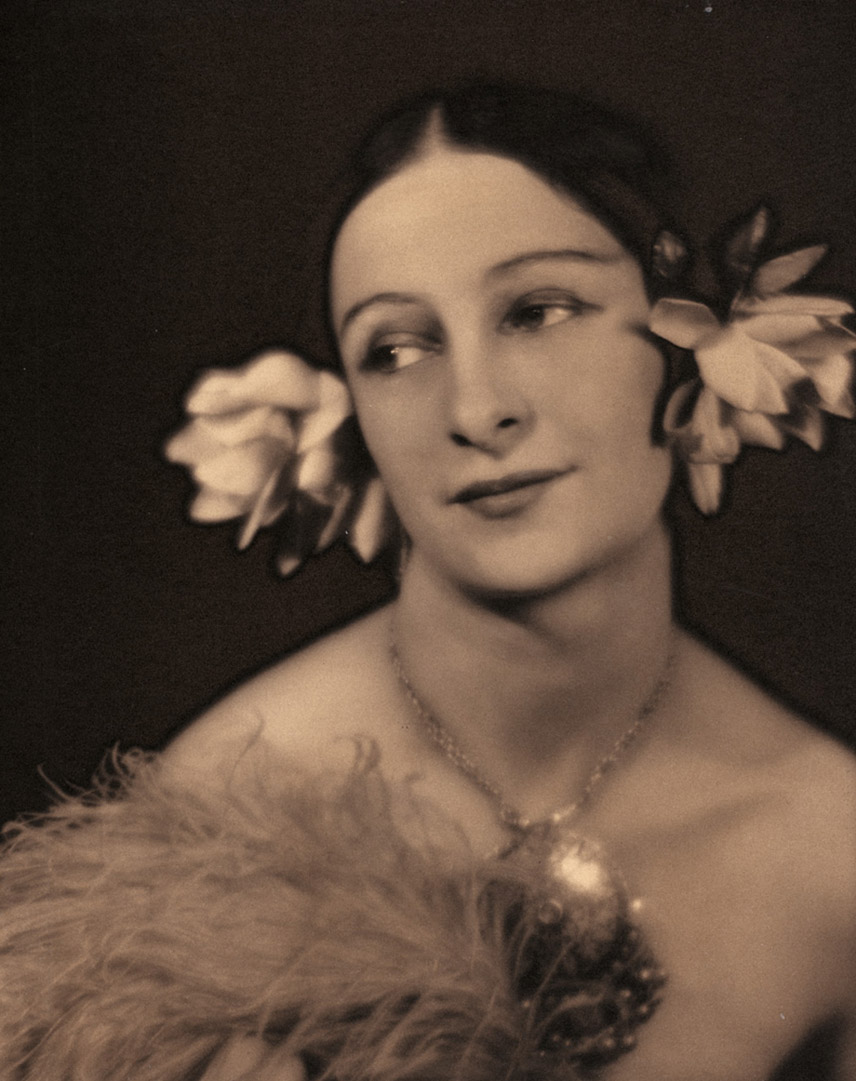
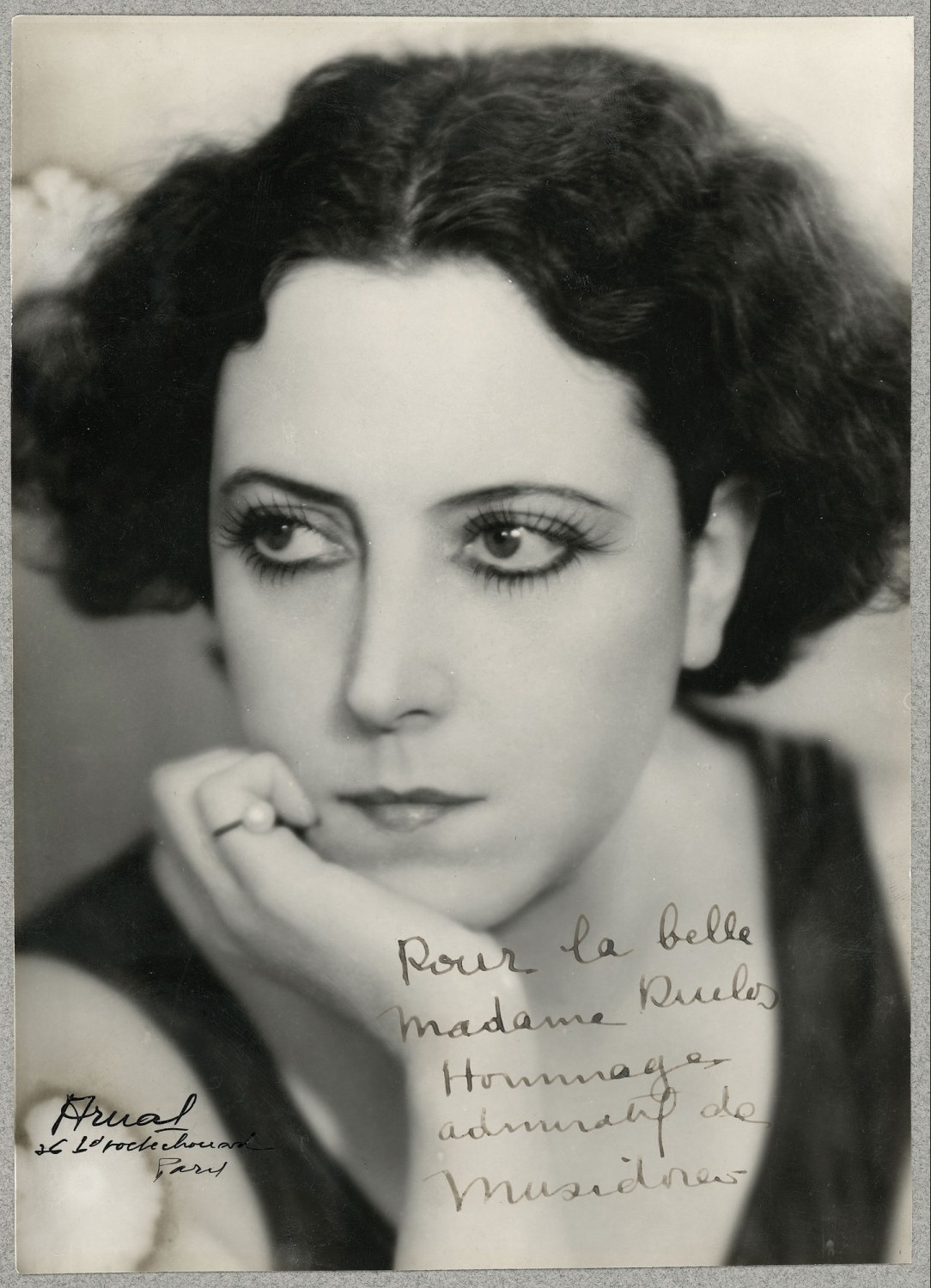
Tirage argentique d’époque représentant Jeanne Roques, dite Musidora, dédicacé à l’encre « Pour la belle Madame Duclos. Hommage admiratif de Musidora ». Signature du photographe Arnal en bas à droite. Circa 1920 | src AuctionArt


![Jaromír Funke ~ Untitled (Hydrangea in blossom in pot), ca. 1920-24 [HGG2-summer 2019]](https://live.staticflickr.com/65535/52008384576_3b52162bf7_o.jpg)
![Jaromír Funke ~ Untitled (Hydrangea in blossom in pot), ca. 1920-24 [detail]](https://unregardoblique.com/wp-content/uploads/2023/06/jaromir-funke-untitled-ca.-1920-1924-hgg2summer19-det.jpg)

![Edward Steichen ~ [Dana Steichen draped in shawl], ca. 1920. Cyanotype and palladium print. | src George Eastman museum](https://unregardoblique.com/wp-content/uploads/2023/06/dana-steichen-draped-in-shawl-ca.-1920.-cyanotype-and-palladium-print.jpg)


![Edward Steichen
American, b. Luxembourg, 1879–1973
[Dana Steichen with apple]
ca. 1920
Cyanotype and palladium print](https://live.staticflickr.com/65535/52939805172_c426b43d9f_o.jpg)




 un regard oblique