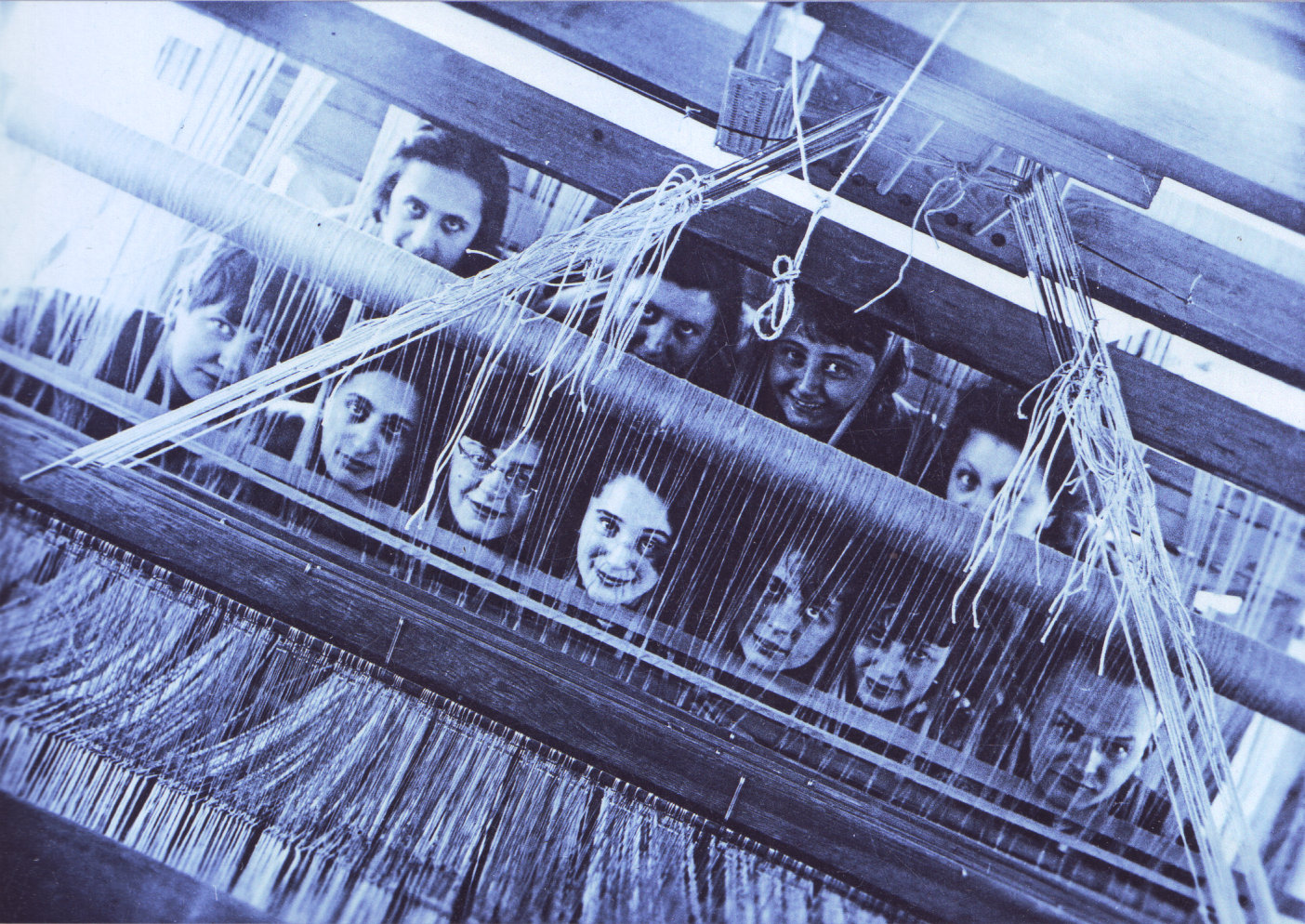
Webereistudierende der Klasse von Webmeister Kurt Wanke im Webstuhl [Urheberschaft unklar], 1927-1928
Group portrait of the weaving class of weaver Kurt Wanke at the Bauhaus Dessau. Front row from left: Lotte (Stam-)Beese, Anni Albers, Ljuba “Ljuka” Monastirsky, Rosa “Rosel” Berger, Gunta Stölzl, Otti Berger, Webmeister Kurt Wanke.
Back row from top: Lisbeth (Birmann-) Oestreicher, Gertrud “Gert” Preiswerk, Helene “Lene” Bergner (Léna Meyer-Bergner), Margaretha “Gretel” Reichardt.]
Uncertain photographer, sometimes credited as T. Lux Feininger’s (Theodore Lukas Feininger)
Students of the weaving workshop of master weaver Kurt Wanke in a loom [Authorship uncertain], (Leben am Bauhaus: Gruppenportrait der Weberinnen hinter einem Webstuhl in der Weberei Bauhaus Dessau), 1927-1928 | src Kunst Archive
Gruppenporträt der Webereiklasse von Webmeister Kurt Wanke am Bauhaus Dessau. Vordere Reihe von links: Lotte Beese (Lotte Stam-Beese), Anni Albers, Ljuba Monastirsky, Rosa Berger, Gunta Stölzl, Otti Berger, Webmeister Kurt Wanke Hintere Reihe von links: Lisbeth Birmann-Oestreicher, Gertrud Preiswerk, Helene Bergner (Léna Meyer-Bergner), Grete (Margaretha) Reichardt.
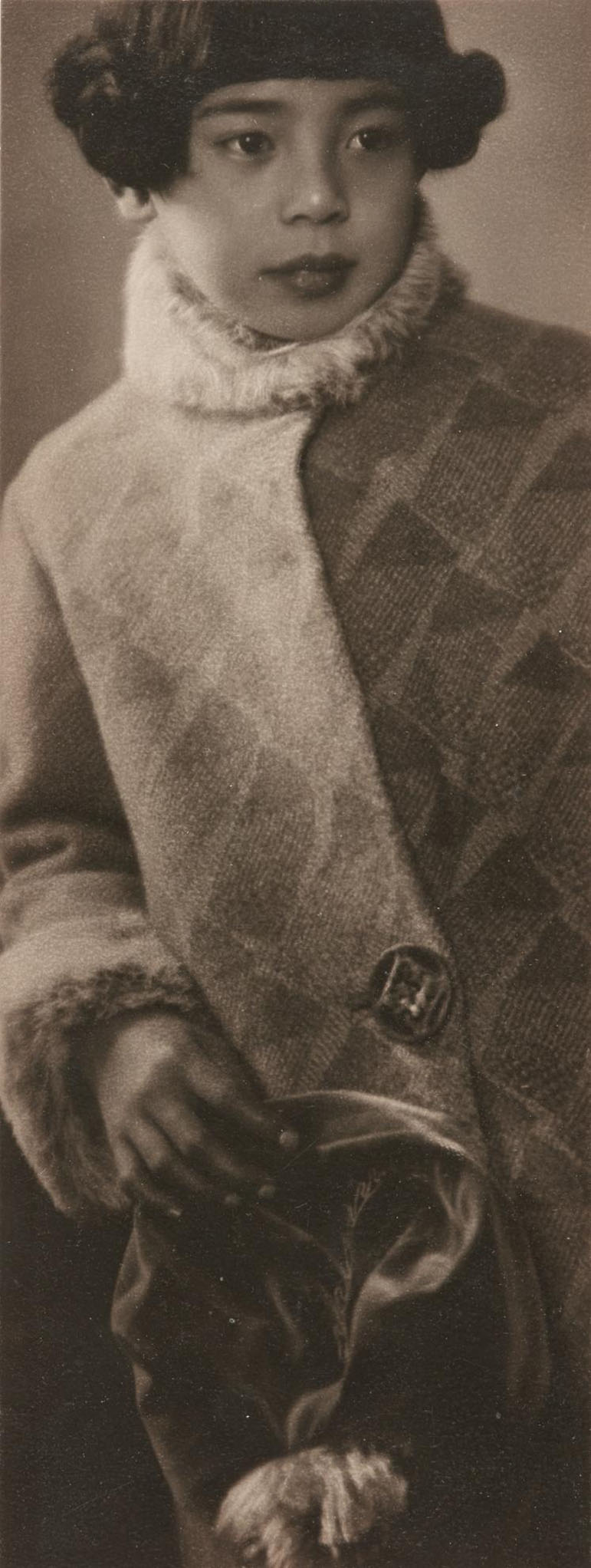
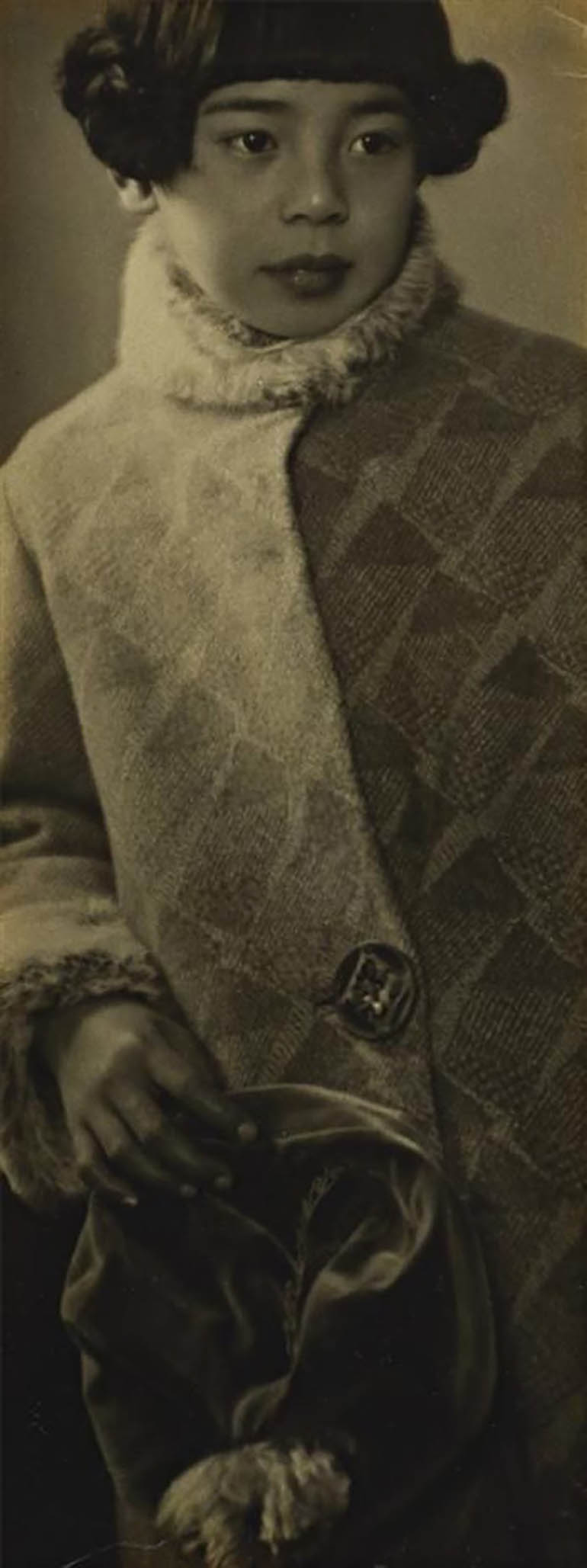
Ogawa Gesshu ~ Gesshū Ogawa :: Mädchen in Schuluniform, 1928. Los 211-1 | src Grisebach AuktionenOgawa Gesshu ~ Gesshū Ogawa :: Woman in Western Hat, ca. 1935. Bromide print. | src Sotheby’s ~ The Discerning Eye: Property from the Collection of Eric Franck
Ogawa Gesshu (Japanese, 1891-1967) ~ Modern Girl, ca. 1925. Bromide print. | src Sotheby’sOgawa Gesshu ~ Modern Girl, ca. 1925. Bromide print. Inscribed ‘Modern girl – Work by Ogawa Gesshu, printed in the 1920s approximately in the year Taisho year 14 (1925). Guarantor, Gesshu’s nephew, Eitaro Tanaka’ | src Phillips
Il libro ‘Jia Ruskaja. La dea danzante’ di Gianluca Bocchino (NeoClassica Editore) | src Liquid·ArteJia Ruskaja (Evgenija Borisenko) fotografata da Ghitta Cerell nel 1938 | FAND-websiteJia Ruskaja (Eugenia Borisenko) fondatrice della Fondazione dell’Accademia Nazionale di Danza | FANDonFb»Jia Ruskaja. La dea danzante« di Gianluca Bocchino NeoClassica & FANDJia Ruskaja, nelle immagini contenute nel libro La danza come modo di essere, 1927 | src Danza EffebiJia Ruskaja (Evgenija Borisenko) fotografata da Ghitta Cerell nel 1938 | FAND-website
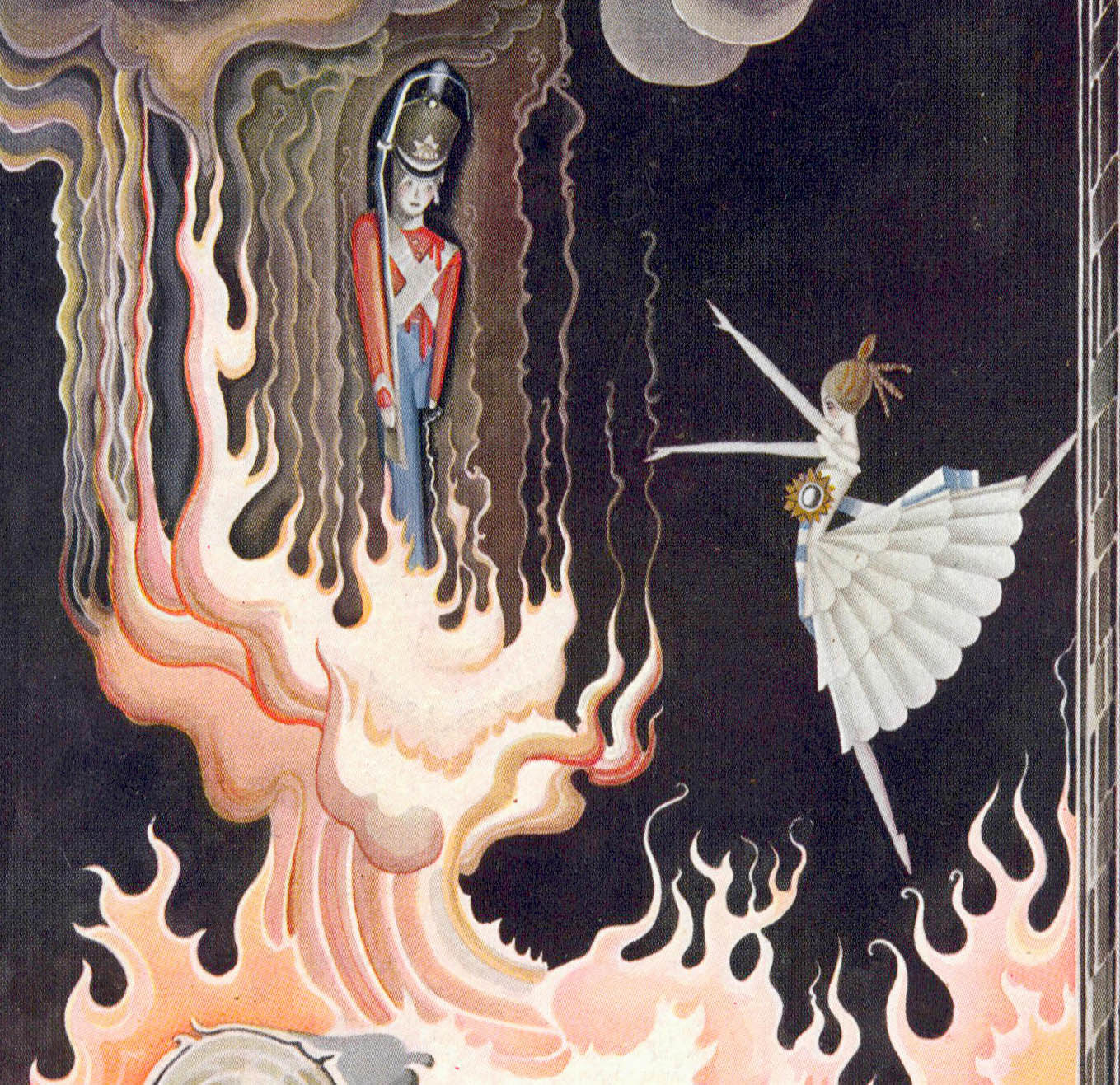
Hans Christian Andersen’s Fairy Tales, signed by the illustrator, 12 tipped-in colour plates and illustrations by Kay Nielsen, red half morocco gilt by Birdsall, 1924 | src Bonhams
The draught of air caught the dancer, and she flew like a sylph just into the stove to the tin soldier.[The Tin Soldier and the Dancer ~The Brave Tin Soldier ~The Hardy Tin Soldier(1838)]
“She stood all day on the roof waiting, and most likely she is wailing still.” ~ The Flying Trunk (The Met, 1981)Andersen’s Fairy Tales, with illustrations by Kay Nielsen ~ The Tin Soldier and the Dancer ~The Brave Tin Soldier (detail) | src Bonhams
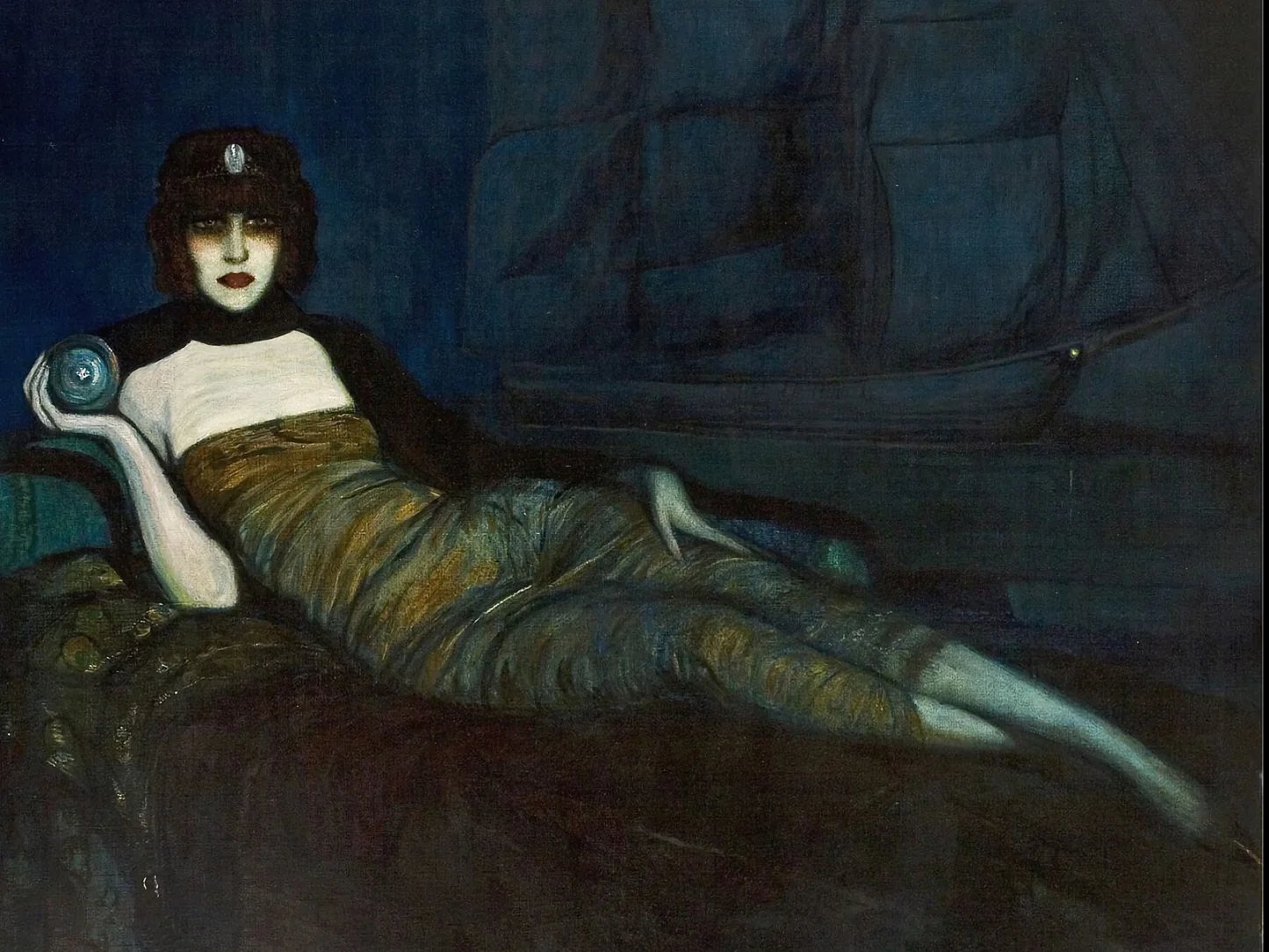
Federico Beltrán-Masses (1885–1949) ~ La Marchesa Casati, 1920. Oil on canvasFederico Beltrán-Masses (1885–1949) ~ La Maja Maldita, 1918. Oil on canvas. Posed (probably) by Carmen Tórtola Valencia
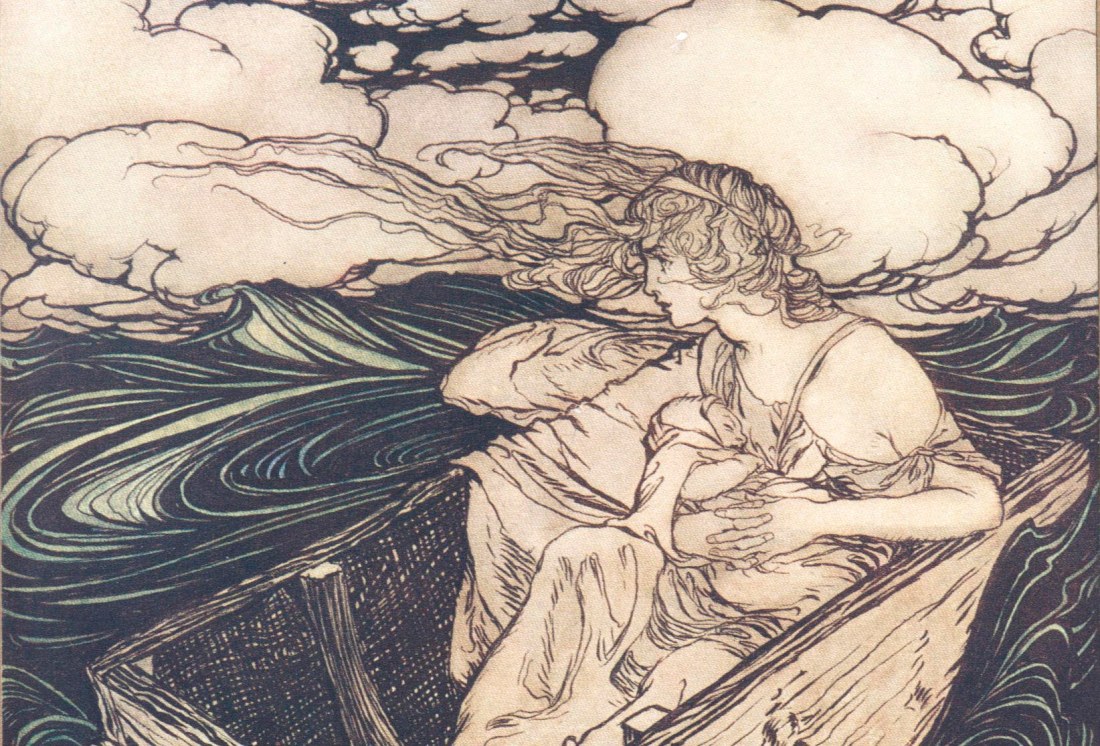
The Arthur Rackham Fairy Book, George G. Harrap, published 1933 | src Bonhams UKIrish Fairy Tales by James Stephens, with colour plates by Arthur Rackham, Macmillan, published 1920 | src Bonhams UK
You could spend hours marveling at Arthur Rackham’s work. The legendary illustrator, born on September 19, 1867, was incredibly prolific, and his interpretations of Peter Pan, The Wind in the Willows, Grimm’s Fairy Tales, A Midsummer Night’s Dream, and Rip Van Winkle (to name but a few) have helped create our collective idea of those stories. Rackham is perhaps the most famous of the group of artists who defined the Golden Age of Illustration, the early twentieth-century period in which technical innovations allowed for better printing and people still had the money to spend on fancy editions. Although Rackham had to spend the early years of his career doing what he called “much distasteful hack work,” he was famous—and even collected—in his own time. He married the artist Edith Starkie in 1900, and she apparently helped him develop his signature watercolor technique. From the publication of his Rip Van Winkle in 1905, his talents were always in high demand. He had the advantage of a canny publisher, too, in William Heinemann. Before the release of each book, Rackham would exhibit the original illustrations at London’s Leicester Galleries, and sell many of the paintings. Meanwhile, Heinnemann had the notion to corner multiple markets by releasing both clothbound trade books and small numbers of signed, expensively bound, gilt-edged collectors’ editions. When the British economy flagged, Rackham turned his attention to Americans, producing illustrations for Washington Irving’s The Legend of Sleepy Hollow and later Poe’s Tales of Mystery and Imagination.
Pragmatic he may have been, but Rackham’s detailed work is pure fantasy, alternately beautiful, romantic, haunting, and sinister. Nothing he did was ever truly ugly, although he could certainly communicate the grotesque. And his illustrations are never cute, although his animals—as in The Wind in the Willows—have a naturalist’s vividness, and he could do whimsy (think Alice in Wonderland, or his many goblins) with the best of them. Several generations of children grew up with this nuanced beauty; it’s probably wielded even more of an aesthetic influence than we attribute to it.
Rackham once said, “Like the sundial, my paint box counts no hours but sunny ones.” This is peculiar when one considers the moodiness of much of his palate, and the unflinching darkness of many of his illustrations. I think, rather, of a quote from his edition of Brothers Grimm: “Evil is also not anything small or close to home, and not the worst; otherwise one could grow accustomed to it.” He made that evil beautiful, too, and it was this as much as anything that enchanted. By Sadie Stein for The Paris Review Blog
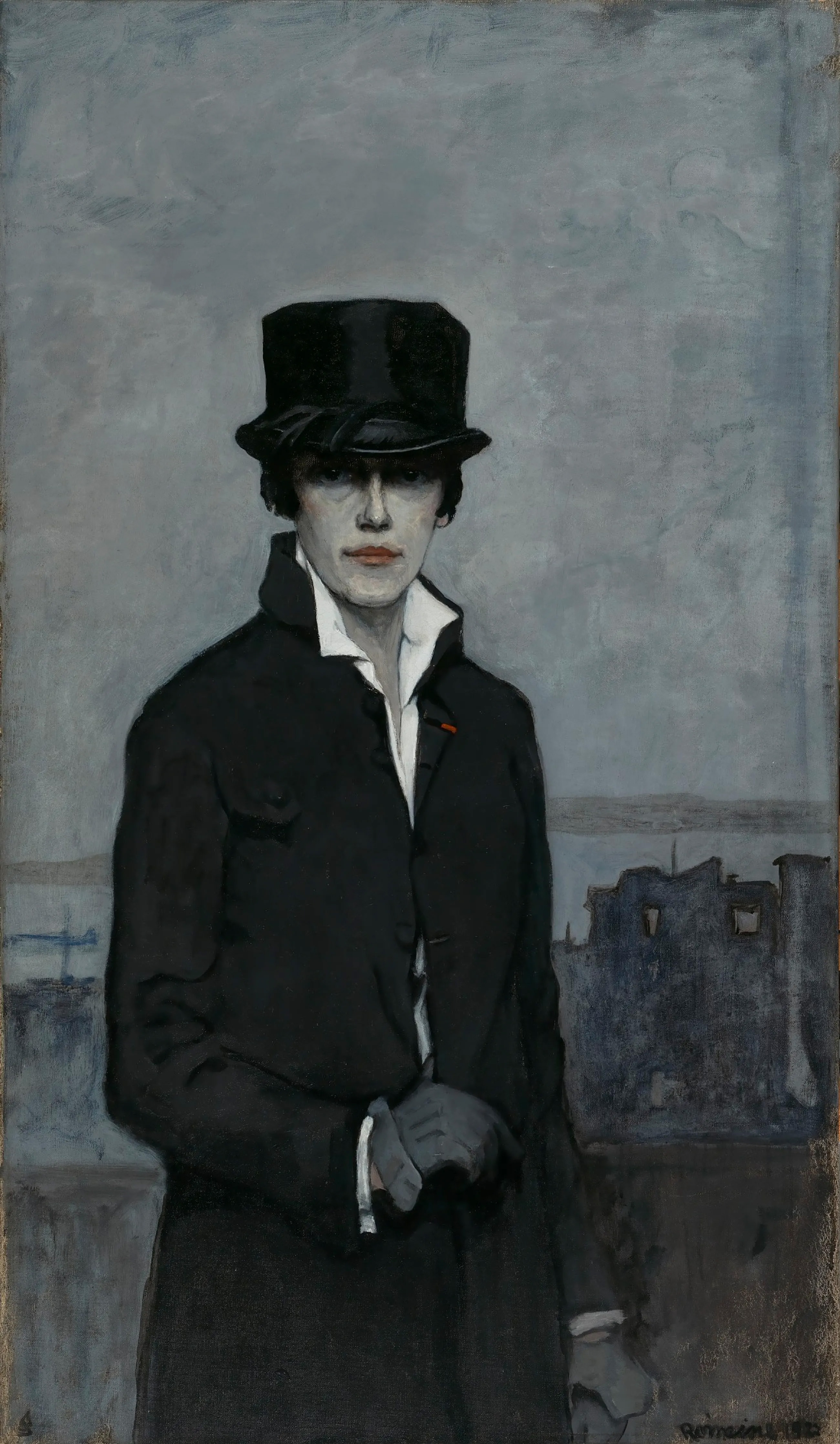
Beatrice Romaine Goddard (1874-1970), known as Romaine Brooks ~ Au bord de la mer (At the seaside), 1914. Oil on canvas. | Franco-American museum of the Blérancourt castle via wikimedia commonsBeatrice Romaine Goddard (1874-1970), known as Romaine Brooks ~ Au bord de la mer (Autoportrait), 1914. Oil on canvas.Romaine Brooks ~ Peter (A Young English Girl), 1923-1924, oil on canvas SAAM-1970.70_2
Peter depicts British painter Hannah Gluckstein, heir to a catering empire who adopted the genderless professional name Gluck in the early 1920s. By the time Brooks met her at one of Natalie Barney’s literary salons, Gluckstein had begun using the name Peyter (Peter) Gluck. She unapologetically wore men’s suits and fedoras, clearly asserting the association between androgyny and lesbian identity. Brooks’s carefully nuanced palette and quiet, empty space produced an image of refined and austere modernity. ~ The Art of Romaine Brooks, 2016
With this self-portrait, Brooks envisioned her modernity as an artist and a person. The modulated shades of gray, stylized forms, and psychological gravity exemplify her deep commitment to aesthetic principles. The shaded, direct gaze conveys a commanding and confident presence, an attitude more typically associated with her male counterparts. The riding hat and coat and masculine tailoring recall conventions of aristocratic portraiture while also evoking a chic androgyny associated with the post–World War I “new woman.” Brooks’s fashion choices also enabled upper-class lesbians to identify and acknowledge one another. ~ The Art of Romaine Brooks, 2016
Romaine Brooks ~ Una, Lady Troubridge, 1924, oil on canvas SAAM-1966.49.6_2
Una Troubridge was a British aristocrat, literary translator, and the lover of Radclyffe Hall, author of the 1928 pathbreaking lesbian novel, The Well of Loneliness. Troubridge appears with a sense of formality and importance typical of upper-class portraiture, but with the sitter’s prized dachshunds in place of the traditional hunting dog. Troubridge’s impeccably tailored clothing, cravat, and bobbed hair convey the fashionable and daring androgyny associated with the so-called new woman. Her monocle suggested multiple symbolic associations to contemporary British audiences: it alluded to Troubridge’s upper-class status, her Englishness, her sense of rebellion, and possibly her lesbian identity. ~ The Art of Romaine Brooks, 2016
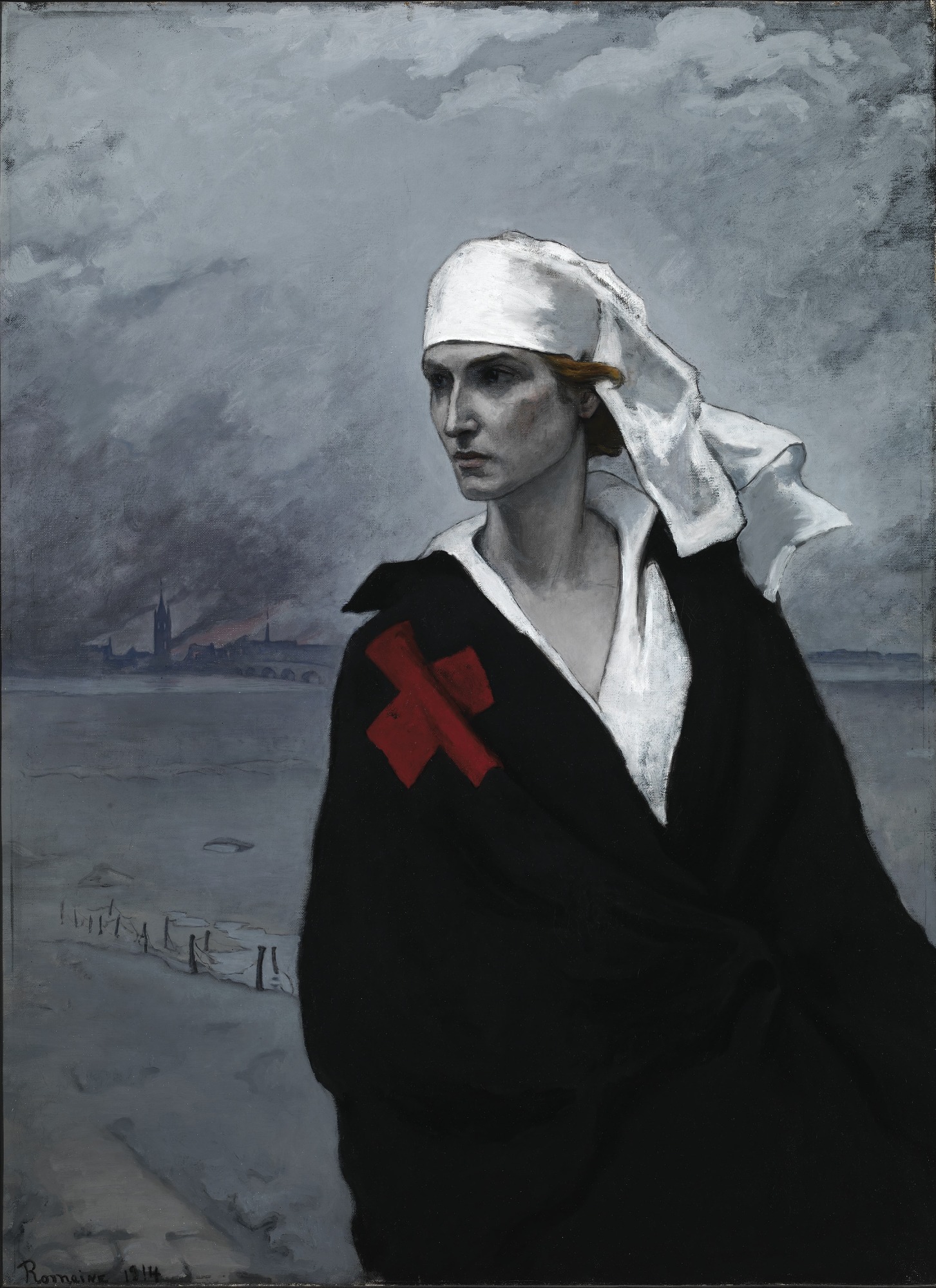
Romaine Brooks ~ La France Croisée, 1914, oil on canvas SAAM-1970.69_2
In La France Croisée, Brooks voiced her opposition to World War I and raised money for the Red Cross and French relief organizations. Ida Rubinstein was the model for this heroic figure posed in a nurse’s uniform, with cross emblazoned against her dark cloak, against a windswept landscape outside the burning city of Ypres. This symbolic portrait of a valiant France was exhibited in 1915 at the Bernheim Gallery in Paris, along with four accompanying sonnets written by Gabriele D’Annunzio. The gallery offered reproductions for sale as a benefit to the Red Cross. For her contributions to the war effort, the French government awarded Brooks the Cross of the Legion of Honor in 1920. This award is visible as the bright red spot on Brooks’s lapel in her 1923 Self-Portrait. ~ The Art of Romaine Brooks, 2016
Brooks met Russian dancer and arts patron Ida Rubinstein in Paris after Rubinstein’s first performance as the title character in Gabriele D’Annunzio’s play The Martyrdom of St. Sebastian. Rubinstein was already well known for her refined beauty and expressive gestures; she secured her reputation as a daring performer by starring as the male saint in this boundary-pushing show that combined religious history, androgyny, and erotic narrative. Brooks found her ideal — and her artistic inspiration — in the tall, lithe, sensuous Rubinstein, who modeled for many sketches, paintings, and photographs Brooks produced during their relationship, from 1911 to 1914. In her autobiographical manuscript, “No Pleasant Memories,” Brooks said the inspiration for this portrait came as the two women walked through the Bois de Boulogne on a cold winter morning. ~ The Art of Romaine Brooks, 2016
All quotations and images (except n. 1 & 2) are from the Smithsonian American Art Museum (x)
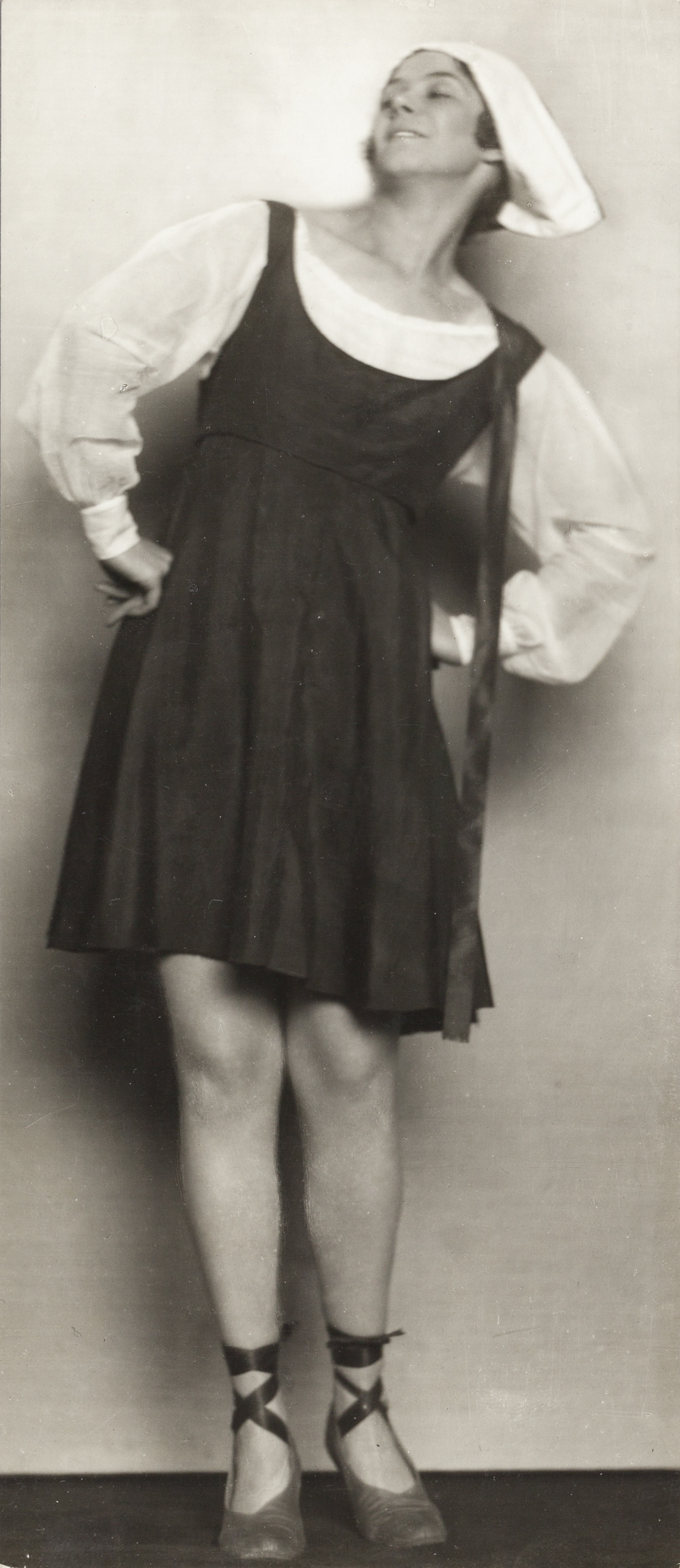
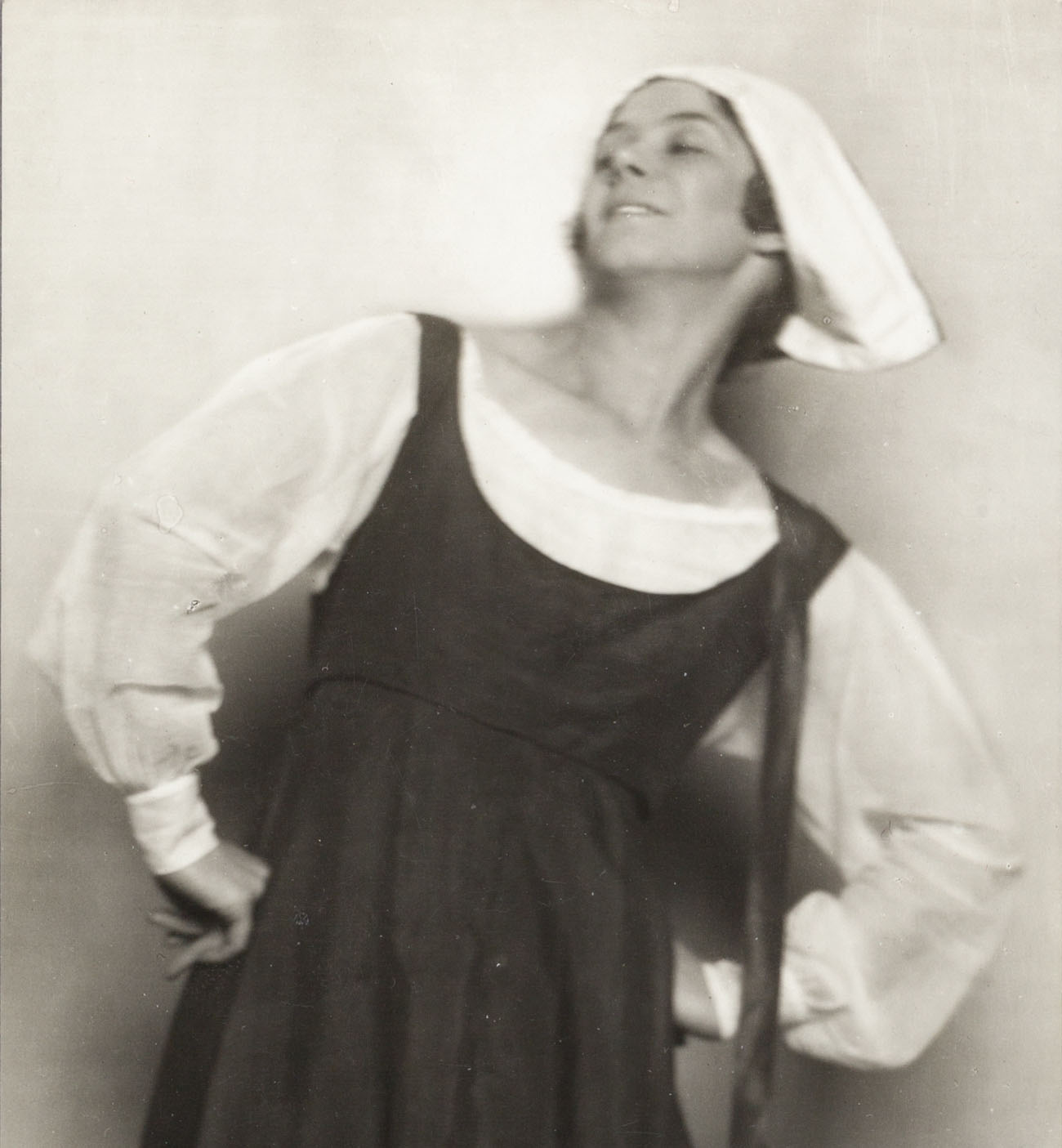
Trude Fleischmann (1895–1990) ~ Die Tänzerin Ronny Johansson, Wien, 1924. Vintage silver print on semi-matte paper. src Ostlicht Foto Auktion Spring 2023
Photographer’s stamp with address at “Wien I. Ebendorferstraße 3”, her copyright stamp and her re-order stamp with handwritten negative no. “281” in ink, and handwritten title in pencil on the reverse [‘Die Tänzerin Ronny Johansson’]. Ronny Irene Johansson was born 1891 in Latvia, to Swedish and Scottish parents. Her father, a businessman in the shipping industry, sent Ronny to Russian and Swedish boarding schools. It was in Sweden that she established a professional dancing career, debuting in Weisbaden in 1916. After touring and performing throughout Europe, she moved to the USA in 1925 to pursue Modern dance. [quoted from source]
Trude Fleischmann (1895–1990) ~ The dancer Ronny Johansson, Vienna, 1924. Vintage silver print on semi-matte paper. src Ostlicht Photo Auction Spring 2023










 un regard oblique