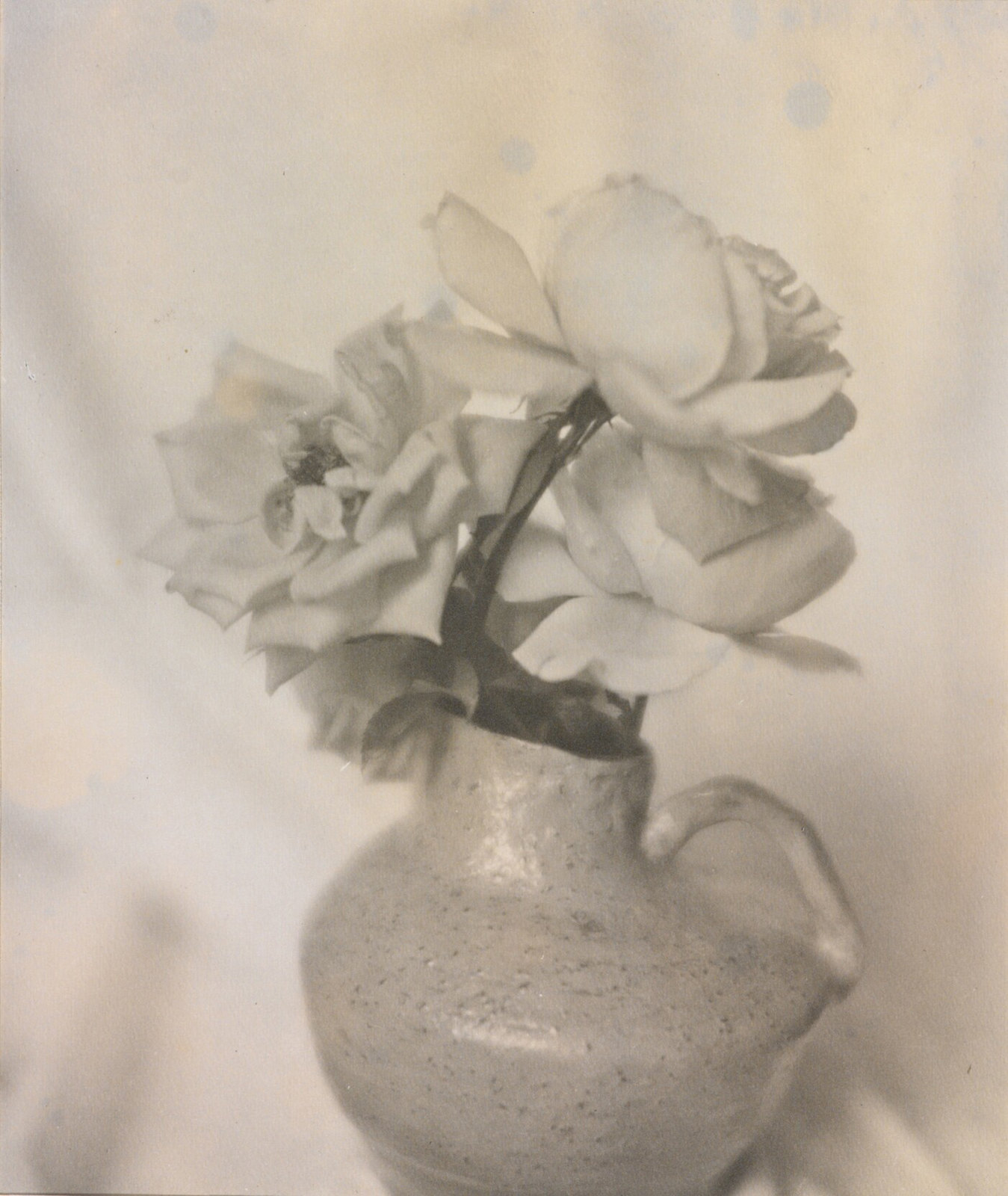
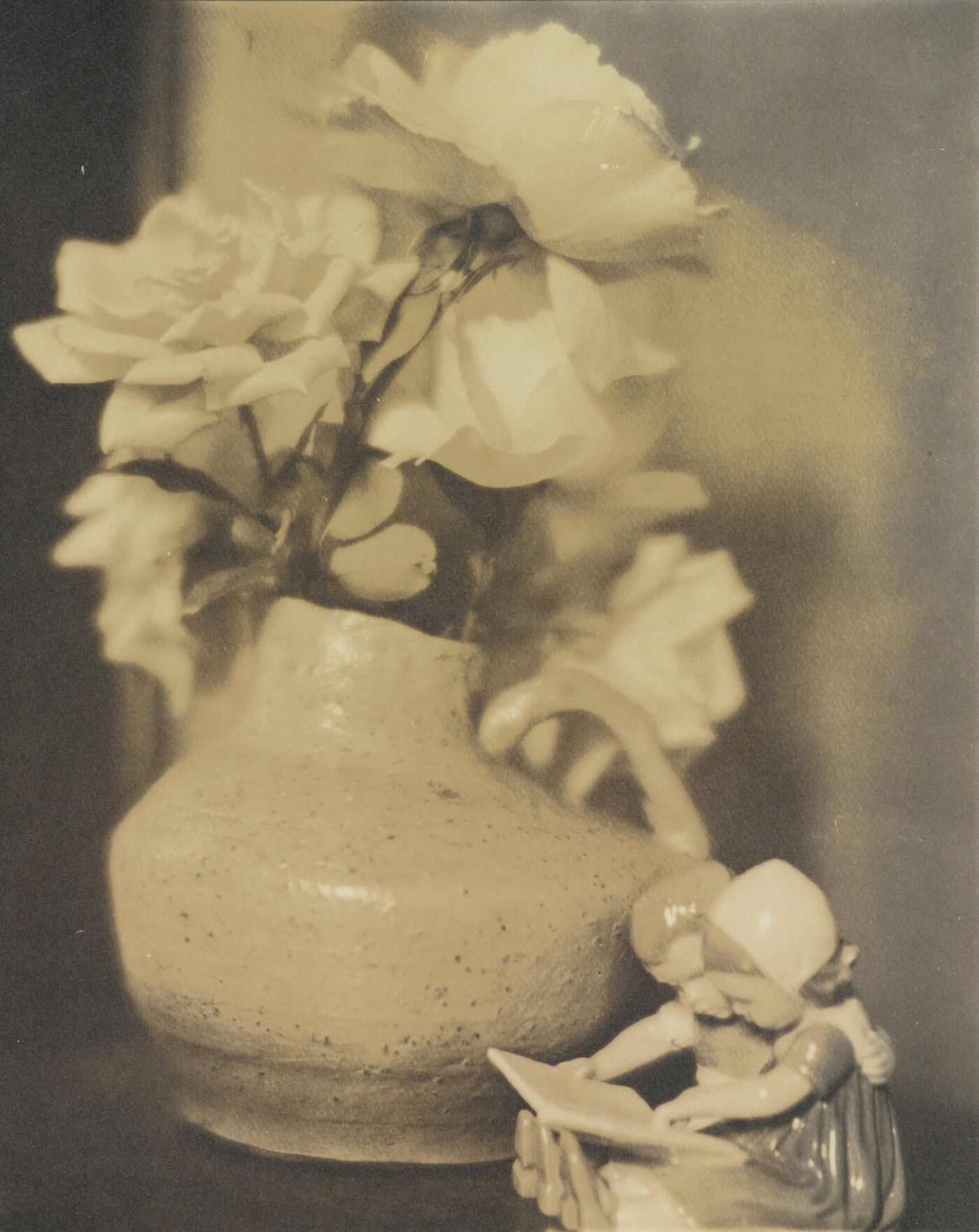
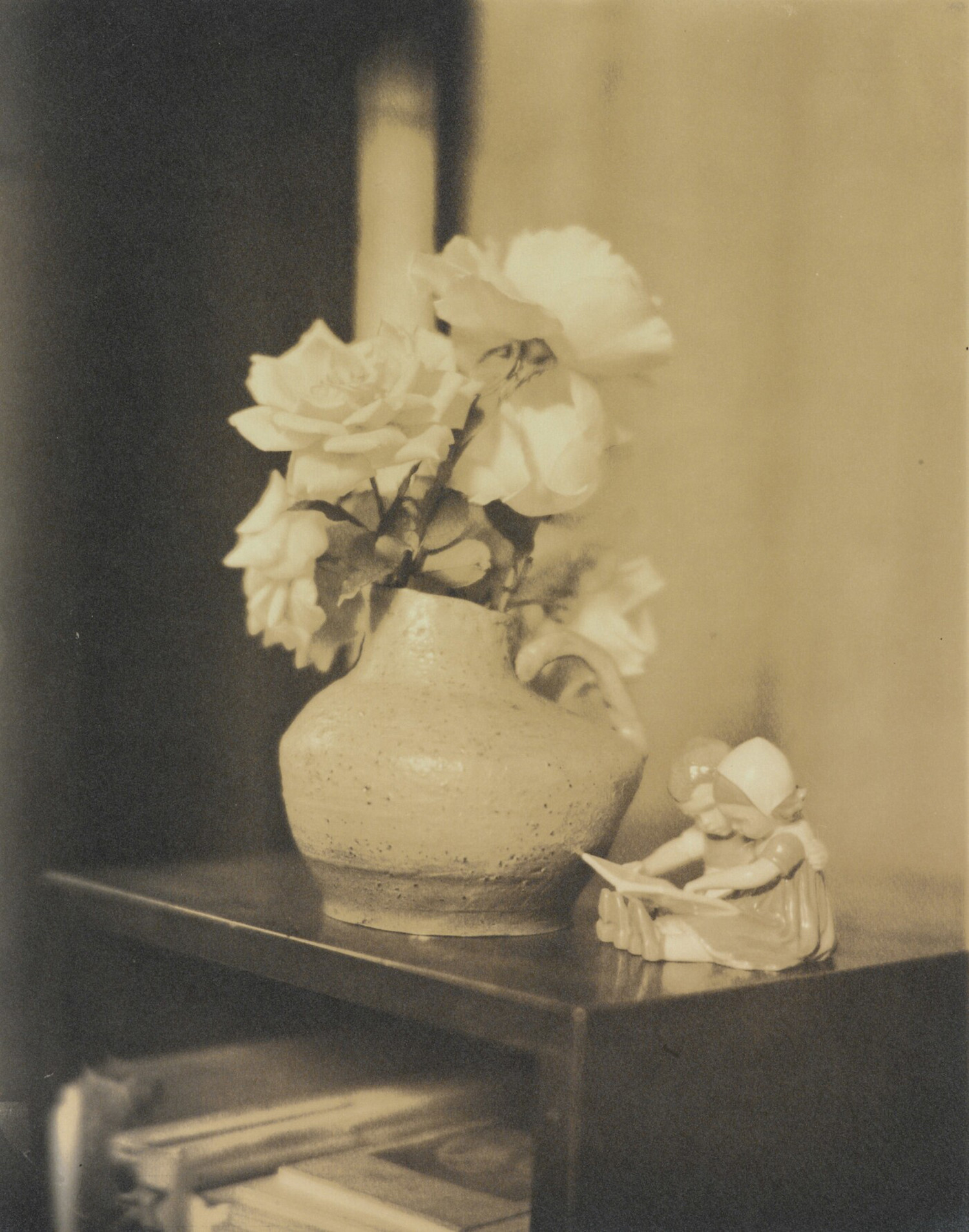
Roses by Clara Sipprell, 1920s

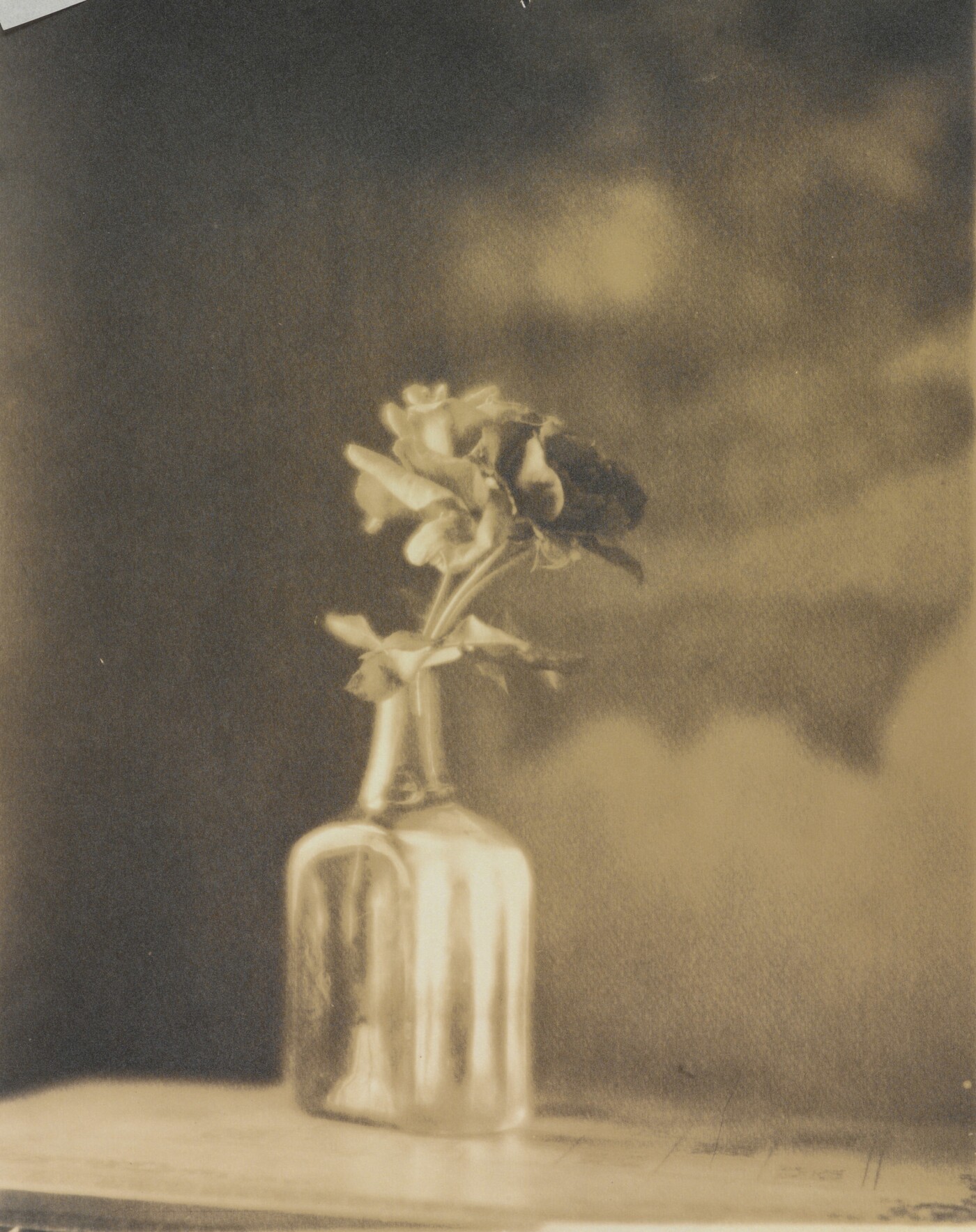
Clara Sipprell (1885-1975) :: [Rose in glass bottle], ca. 1922. Gelatin silver print. | src Amon Carter Museum of American Art
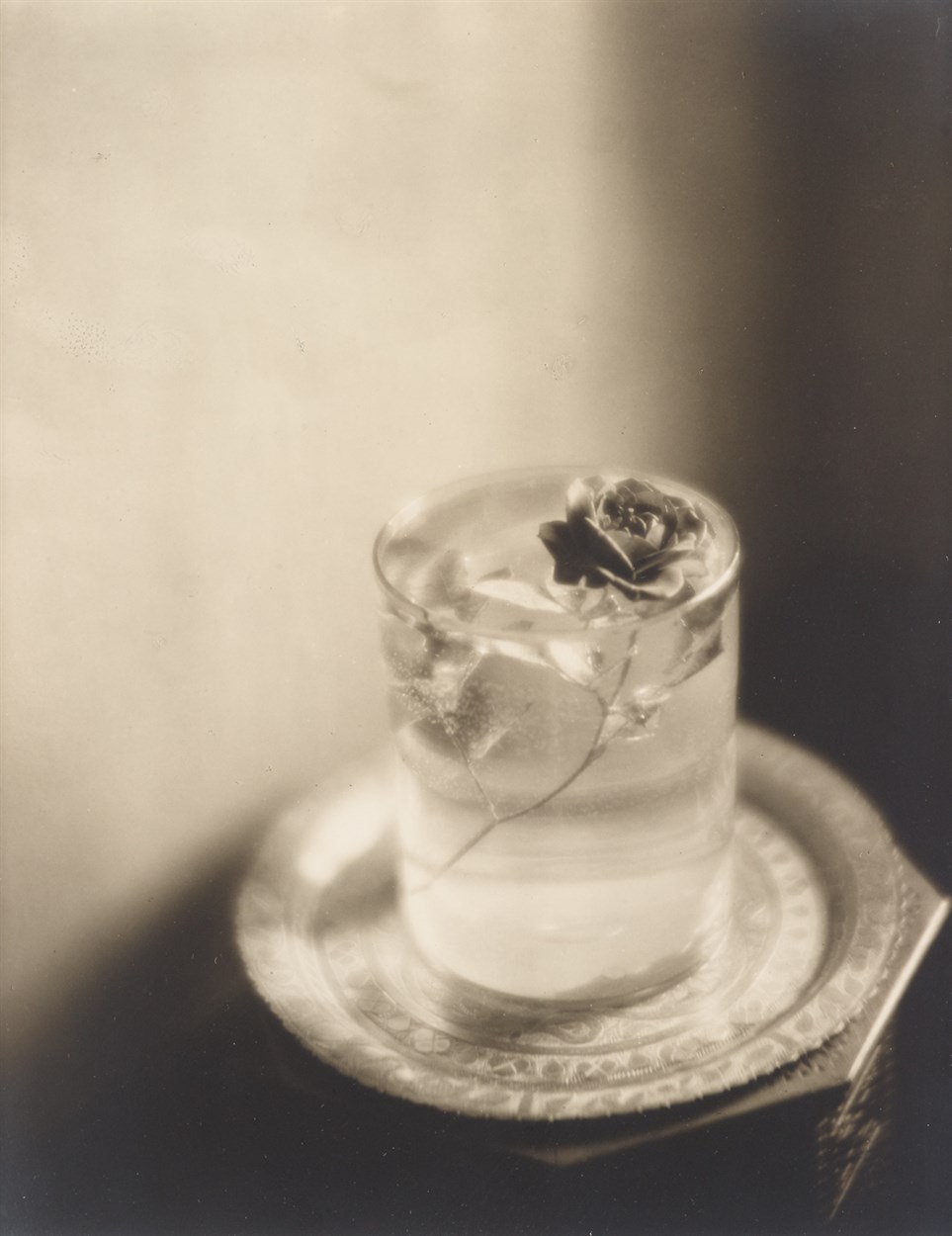
Clara E. Sipprell (1885-1975) :: Floating Rose, ca. 1920. Gelatin silver print. | src Freeman’s Auction # 4692
Clara Sipprell (1885-1975) :: Phyllis’s Roses, 1925. Gelatin silver print. | src Amon Carter Museum of American Art
Clara Sipprell (1885-1975) :: [Rose and figurines], ca. 1922. Gelatin silver print. | src Amon Carter Museum of American Art

«Die Frau auf der Schildkröte»

«Lisa Kresse (als Nyar), die Hauptdarstellerin von “Die Frau auf der Schildkröte” | Lisa Kresse (as Nyar), the leading actress of “The Woman on the Tortoise” (Toni Attenberger, Germany, 1920)»
Deutsche Tänzerin und Stummfilmschauspielerin Lisa Kresse. Advertisement in film industry periodical Der Film, nº 9, 28 February 1920 issue. Anonymous photographer, not identified photographer. | src wikimedia

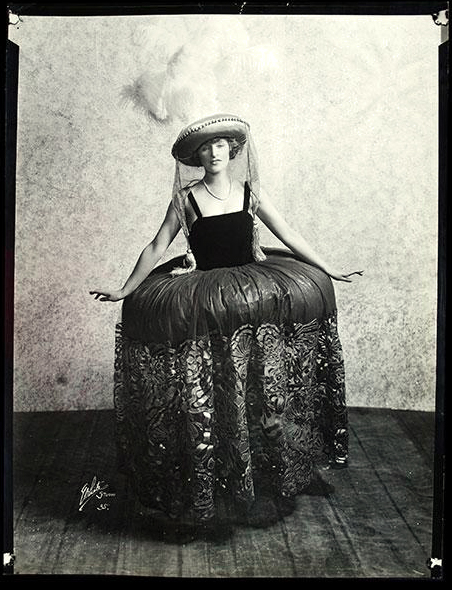
Vera Duby by White, 1920

White Studio :: Vera Ruby dans un costume d’Afgar, Novembre 1920. | src diktats
White Studio :: Portrait de Vera Ruby dans un costume dessiné par Paul Poiret pour la pièce Afgar. Cette pièce a été présentée à New-York au Central Theatre en novembre 1920. | Portrait of Vera Ruby in a costume designed by Paul Poiret for the play Afgar. The play was presented in New York at the Central Theater in November 1920.| src diktats

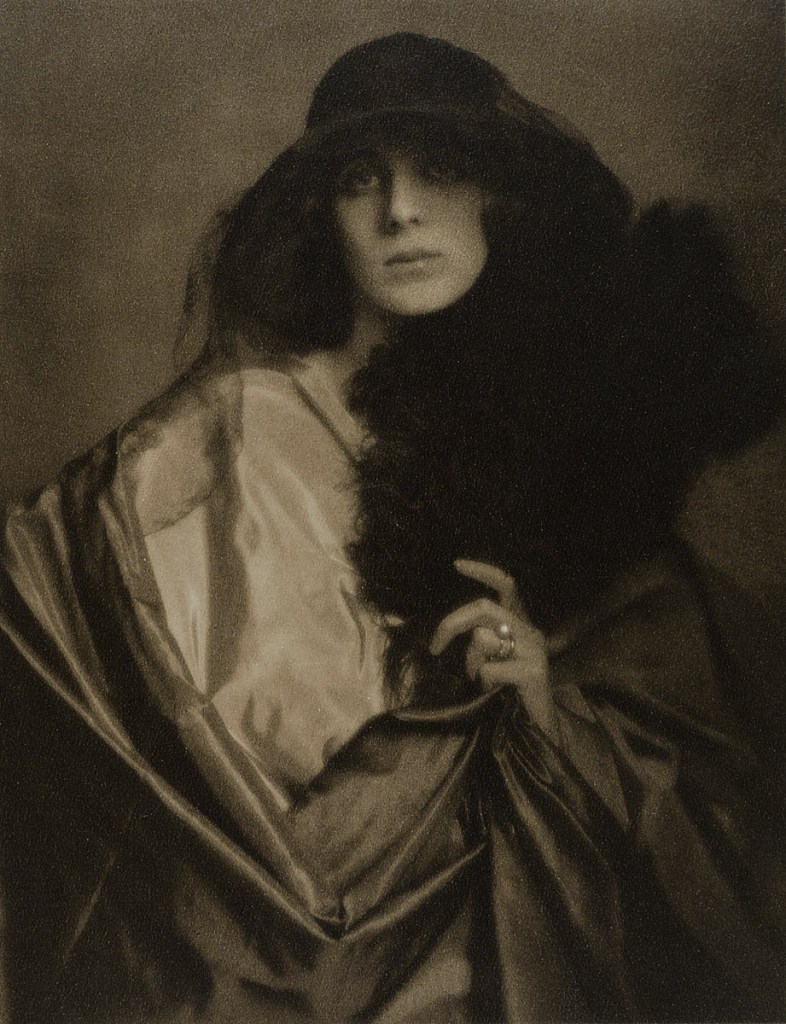
Ellen Tels, 1920

Dora Kallmus :: Ellen Tels. Bildnis in einem Mantel mit Pelzstola, einen krempenlosen, mit Federn geschmückten Hut tragend. | Portrait in a coat with a fur stole, wearing a brimmed hat adorned with feathers, 09-03-1920. | src ÖNB

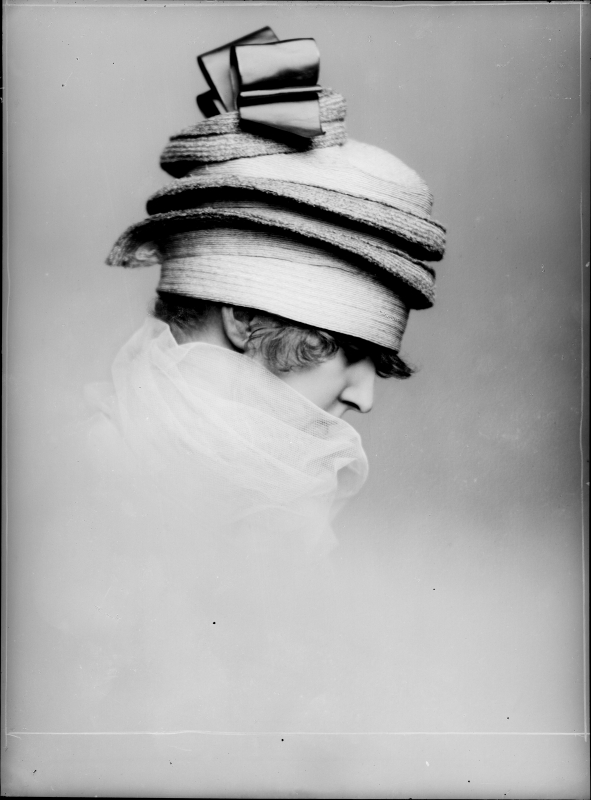
Top Hat (Wiener Werkstätte)

Dora Kallmus (Madame d’Ora) :: Modeentwurf der “Wiener Werkstätte” (Topfhut) | Fashion design by the Wiener Werkstätte (Top hat), 08-04-1920. | src ÖNB

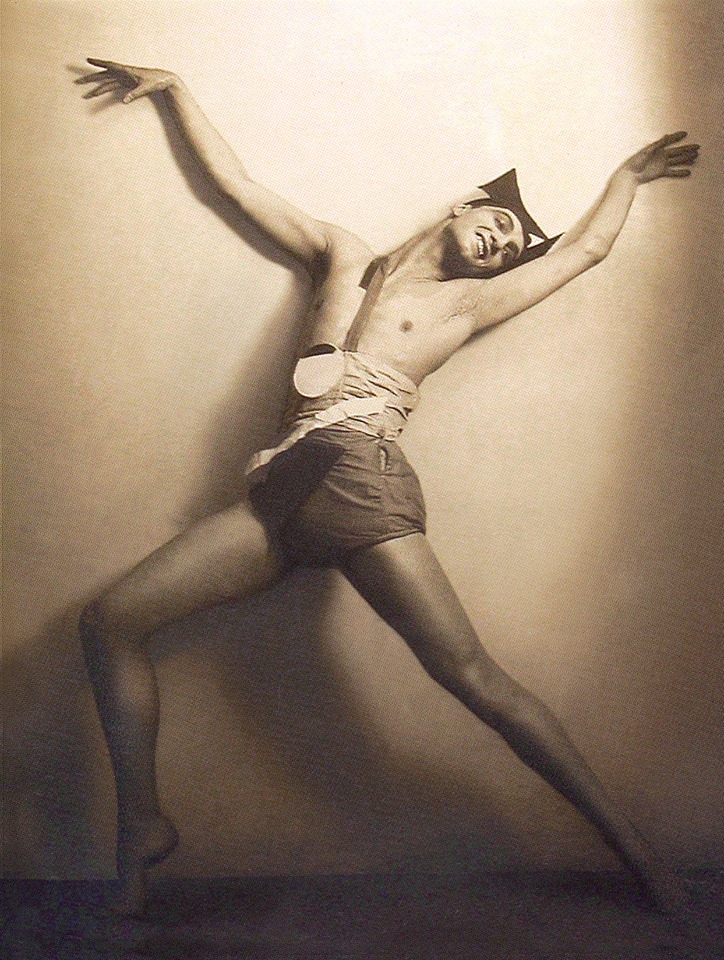
Alexander Rumnev, ca. 1920

Nikolai Ivanovich Svishtov (pseudonym Paola) :: Dancer, Moscow, 1920. (maybe Aleksander Rumnev, Soviet dancer and actor of the Kamerny Thatre) | src Masterpieces of Soviet Photography (2018)
Nikolai Ivanovich Svishtov (pseudonym Paola) :: Aleksander Rumnev, Soviet dancer and  actor of the Kamerny Theater. Negative medium format, gelatin silver print w/ chemical toning. The picture was probably taken as part of the program “The Art of Movement” (GAKhN, 1924-1927) or earlier (late 1910s). | sources: RGALI collection and Isadora Duncan; the Russian years
Nikolai Ivanovich Svishtov (pseudonym Paola) :: Aleksander Rumnev, Soviet dancer and  actor of the Kamerny Theater. Negative medium format, gelatin silver print w/ chemical toning. The pictures were probably taken as part of the program “The Art of Movement” (GAKhN, 1924-1927) or earlier (late 1910s). | sources: RGALI collection and Isadora Duncan; the Russian years

Why little Sasha start dancing? (text updated 2020)

Soviet dance pioneer Aleksandr Aleksandrovich Ziakin (1899-1965), known as Rumnev or Alexander Rumnev, took his pseudonym from the family estate: Rumnia.

Rumnev started dancing after Duncan’s show in 1905. Little Sasha Zyakin (Rumnev) had not seen Duncan’s performance in Moscow in 1905 (he only heard his parents talk about it), the boy «stripped himself of all his clothes, wrapped into a sheet and attempted to reproduce her dance in front of the mirror».

From an early age, Aleksandr Rumnev (1899-1965) dreamt of dancing, yet he could do it only after graduating from high school. In 1918 he took up ballet classes, and a friend brought him to Liudmila Alekseeva’s studio. For the talented student, Alekseeva choreographed several dances to the music by Rakhmaninov and a dance of the ocean wave to the etude by Carl Czerny. Tall, slim and flexible, Rumnev was a born dancer, and within a year he had already founded his own company. He also performed with other companies including Lev Lukin’s Free Ballet (see below). The art critic Aleksey Sidorov found him «stunning»; he believed that «even the West» could be proud of such dancer.
During the Civil War private dance studios experienced hard times for the shortage of rooms with heating. As a matter of survival, Rumnev suggested to create an umbrella-studio, A Search in Dance. The space was provided by Alekseeva, there Rumnev taught dance and pantomime, and other dancers gave classes of gymnastics, modern dance, rhythmical gymnastics, «expression» and «musicality». Yet in winter it was so cold that, sprayed with water to prevent sliding, wooden floor was quickly covered with ice.

In 1920 Rumnev joined the Chamber Theatre (Kamernyi Teatr) as a pantomime actor and teacher. He also choreographed his own «grotesque» dances commenting that «this was a tragic grotesque». One of his solos, The Last Romantic, to music by Scriabin, was about a «contemporary Don Quixote». Yet, for the new proletarian culture, Rumnev was «too refined, he moved too elegantly, waving with aristocratic narrow hands, striking with broken movement of long arms and legs». Critics found him old-fashioned and ‘decadent’. He was also gay which became criminalized under Stalin. In 1933 Rumnev fled Moscow. Several years later he was arrested in the provinces and served a prison sentence. In 1962 he finally succeeded in founding the Experimental Theatre for Pantomime, the genre he had been committed to from the beginning. Sadly, Rumnev died two years later, and his theatre did not survive his death.

quoted from Irina Sirotkina: The Revolutionary Body, or Was There Modern Dance in Russia?
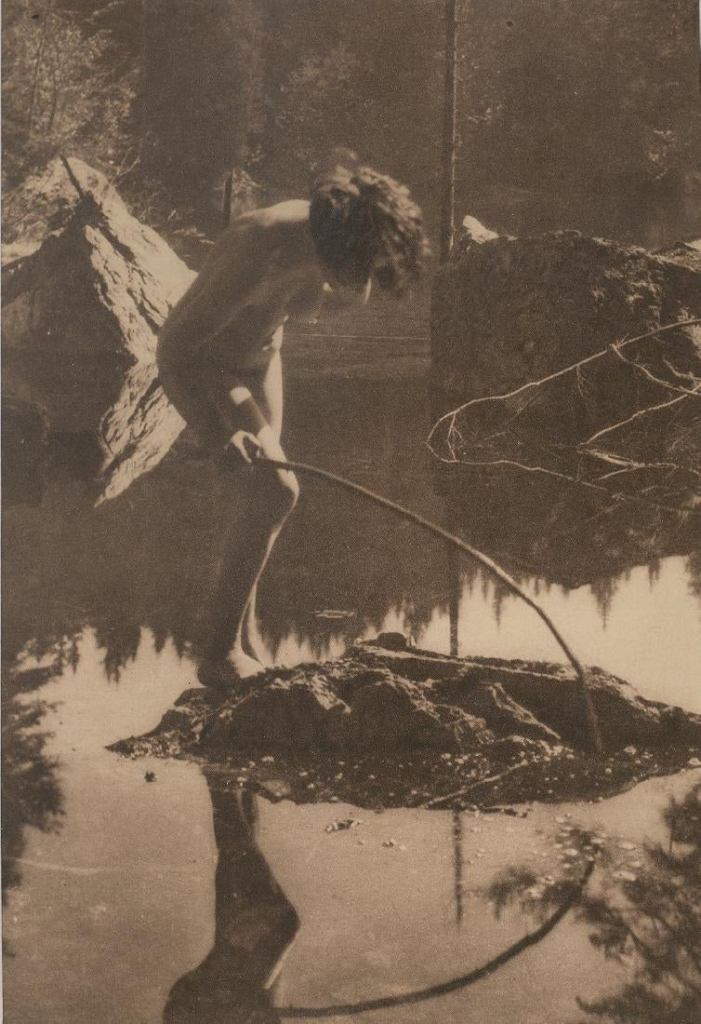
Mirage, Lac Vert de Servoz, 1920

Georges-Louis Arlaud :: Mirage, Lac Vert de Servoz. From «Vingt Études de Nu en Plein Air», photogravure, ca, 1920. | src liveauctioneers

Vingt Études de Nu en Plein Air

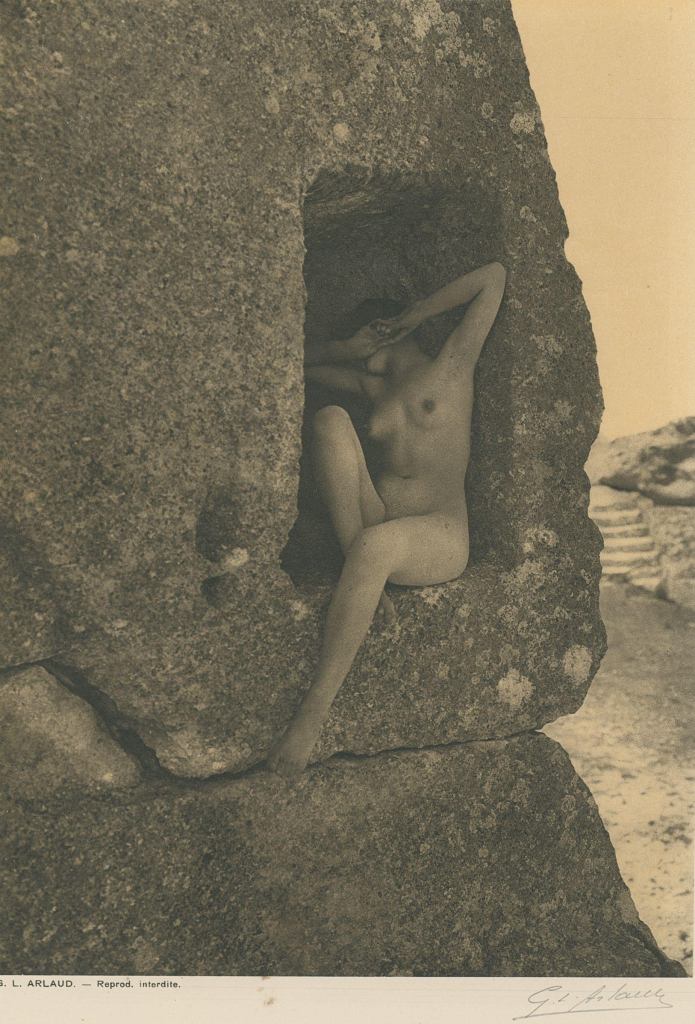
George-Louis Arlaud :: Unknown title, hand signed gravure. From «Vingt Études de Nu en Plein Air», Éditions Horos, Paris, 1920. | src and hi-res liveauctioneers