Phot. W. Nehrkorn. (sic) | src Heidelberg University Digital Library Published in Jugend Magazin: Münchner illustrierte Wochenschrift für Kunst und Leben, 1914. Heft 22, Seite 691
«Die neueste Skandalaffäre im Alpenhotel oder weshalb Frl. Schneider und Herr Müller so spät von der Gletschertour heimkehrten.» | The latest scandalous affair in the Alps hotel or why Miss Schneider and Mr. Müller returned from their glacier tour so late.
Meggendorfer-Blätter. Zeitschrift für Humor und Kunst; nº 1230, 23 Juli 1914. [Illegible photographer’s name on lower right] | src Universitätsbibliothek Heidelberg
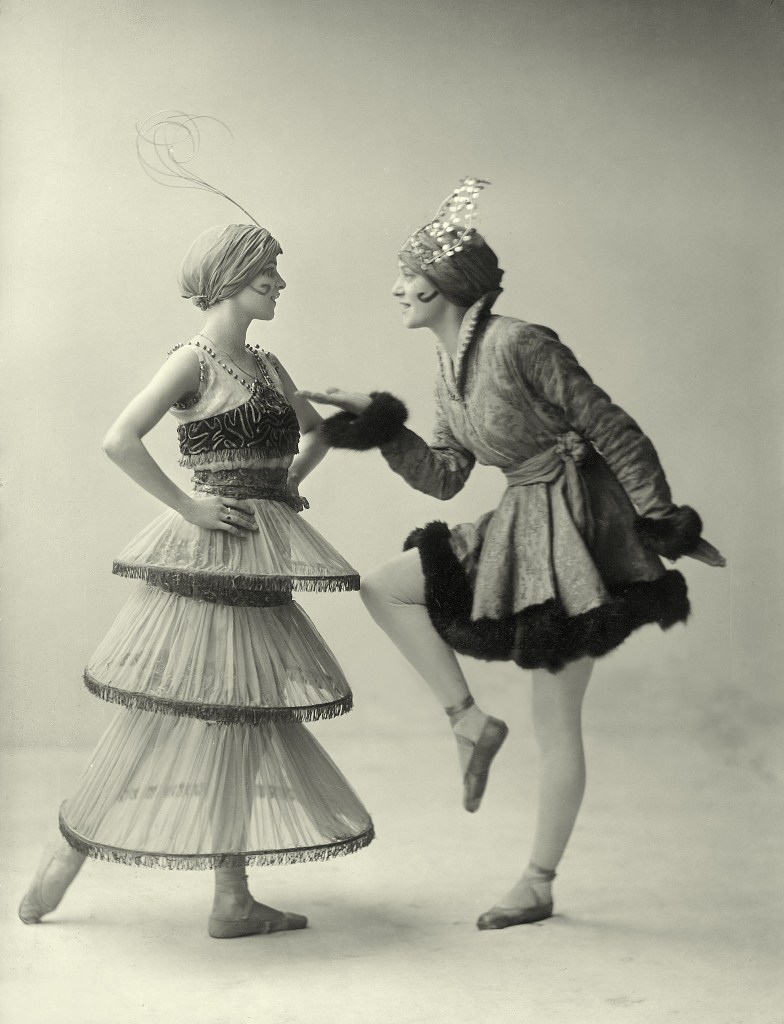
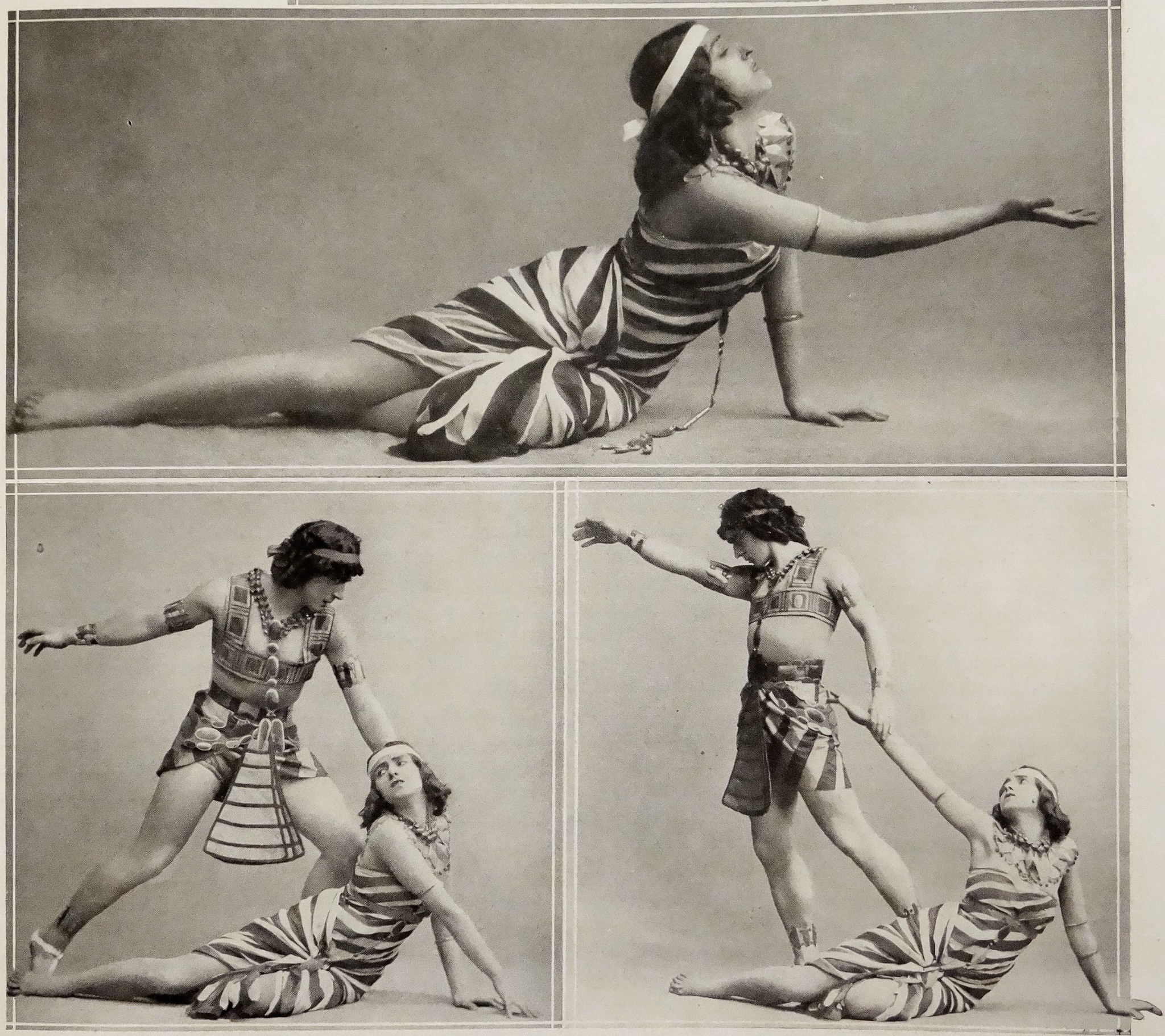
Wilhelm Willlinger :: Fashion pictures Pantomime dancers in Persian style dresses designed by Paul Poiret. Published in Berliner Illustrierte Zeitung 3/1914. | src and hi-res Getty Images
Wilhelm Willlinger :: Fashion pictures Pantomime dancers in Persian style dresses designed by Paul Poiret, 1914. Published in Berliner Illustrierte Zeitung 3/1914. | src and hi-res Getty Images
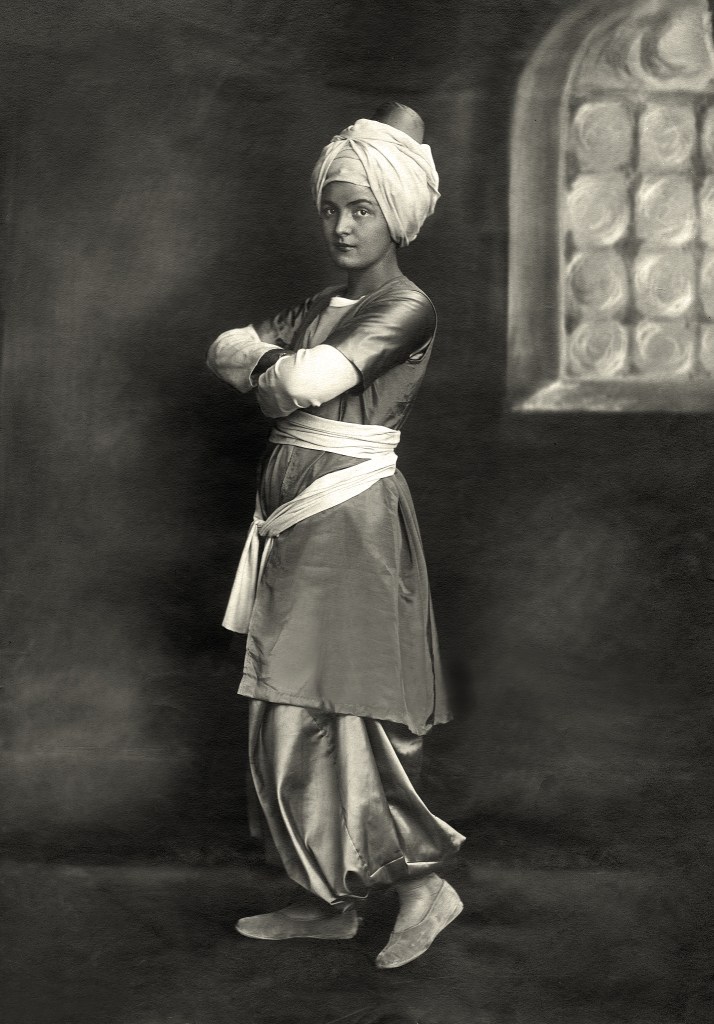
Becker & Maaß :: Schauspielerin Johanna Zimmermann als Schirin in ‘Schirin und Gertraude’ von Ernst Hardt, Deutsches Künstlertheater Berlin. veröffentlicht in (Beilage Vossische Zeitung) Zeitbilder Nr. 14-1914. Becker & Maass :: Actress Johanna Zimmermann as Schirin in ‘Schirin und Gertraude’ by Ernst Hardt, German Art Theater Berlin. published in (supplement Vossische Journal) Zeitbilder nº 14-1914 src and hi-res Getty Images
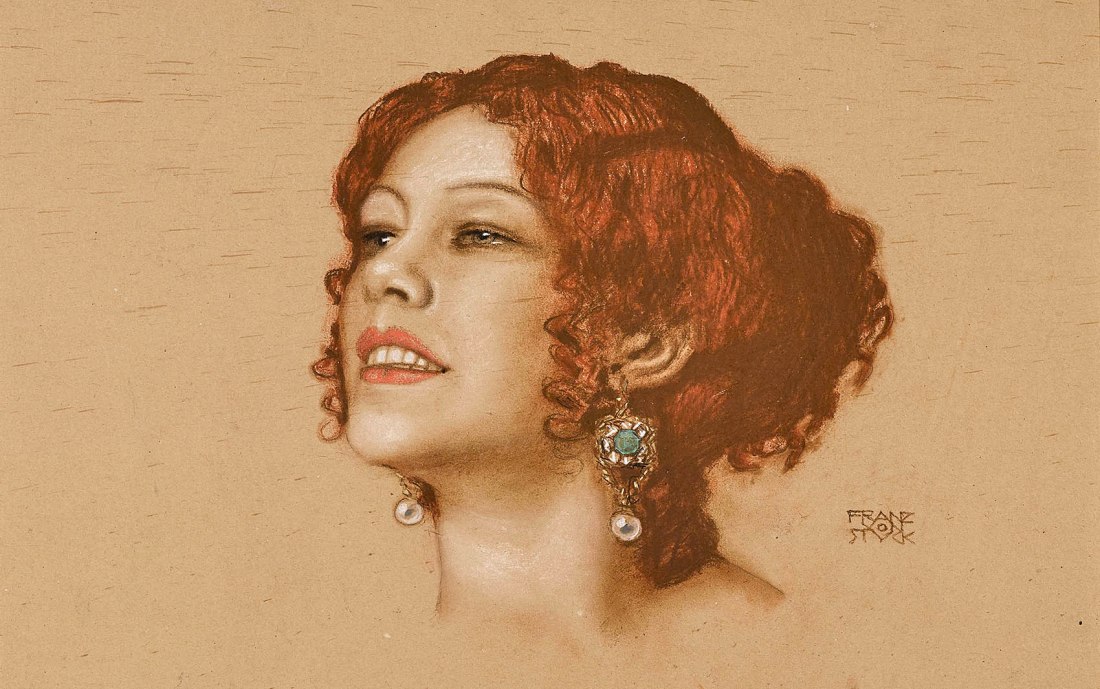
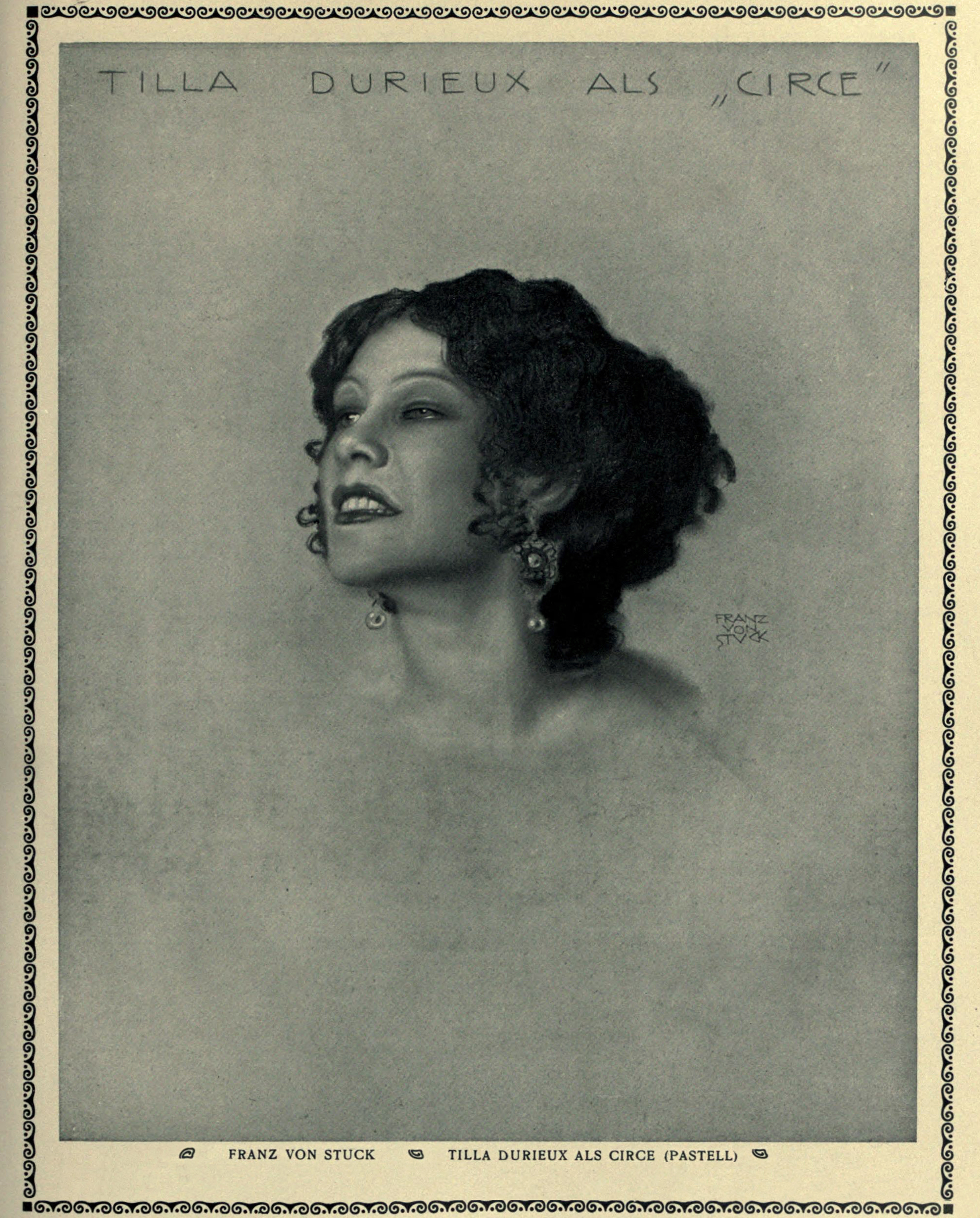
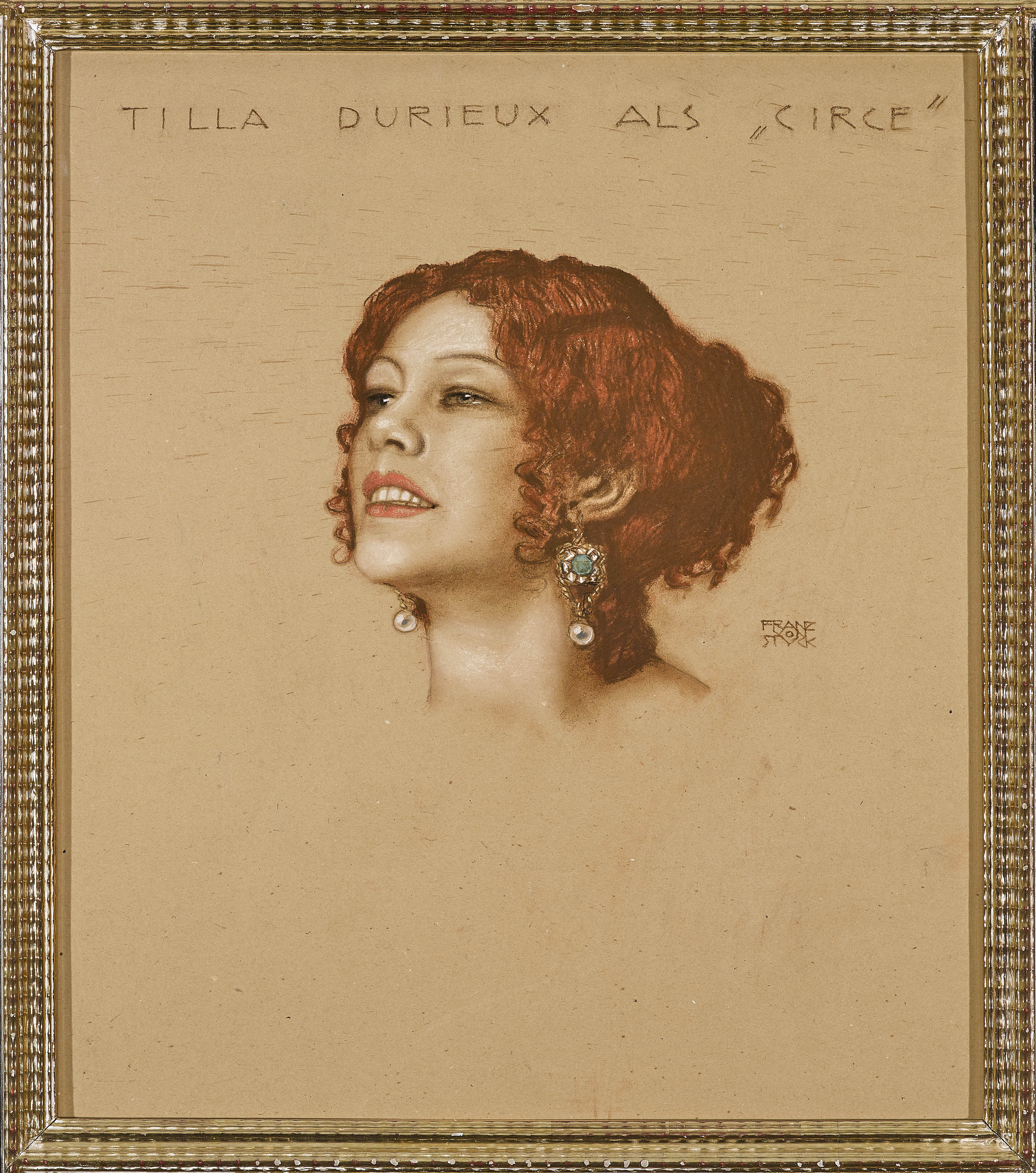
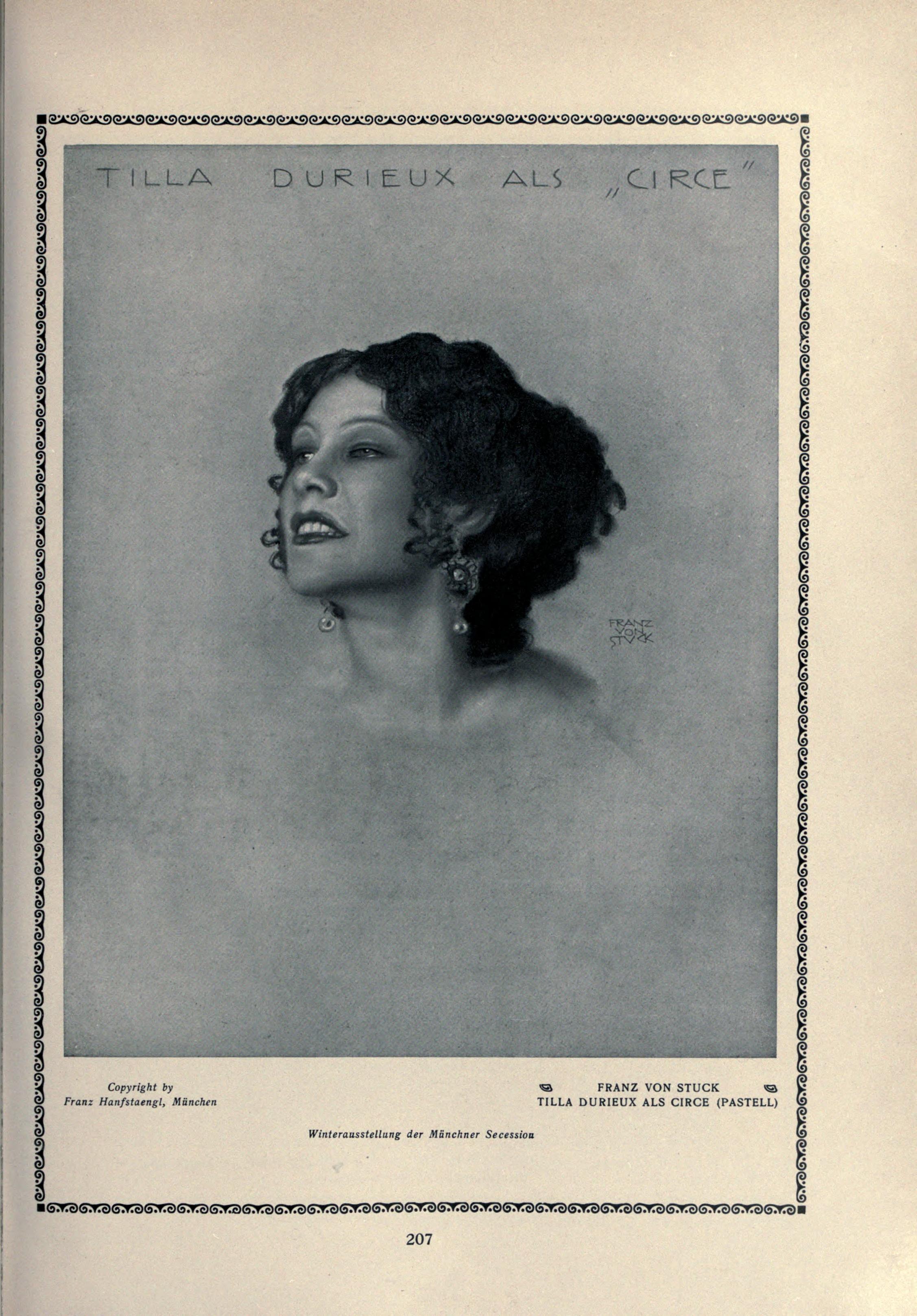
Franz von Stuck :: Tilla Durieux als Circe, um 1912-1913. Pastell über Bleistift auf bräunlichem Malkarton (Pastel over pencil on brownish cardboard). | src kunkel fine art.deFranz von Stuck :: Tilla Durieux als Circe (close up, detail). Winterausstellung der Münchner Secession (Winter exhibition of the Munich Secession). | src Die Kunst: Monatsheft für freie und angewandte Kunst. XXIX Jahrgang. (1914) at internet archiveFranz von Stuck :: Tilla Durieux als Circe, 1912. Private coll. | src Leopold Museum, WienFranz von Stuck :: Tilla Durieux als Circe. Winterausstellung der Münchner Secession (Winter exhibition of the Munich Secession). | src Die Kunst: Monatsheft für freie und angewandte Kunst. XXIX Jahrgang. (1914) at internet archiveFranz von Stuck :: Tilla Durieux als Circe, um 1912-1913. Pastell über Bleistift auf bräunlichem Malkarton (Pastel over pencil on brownish cardboard). | src kunkel fine art.deFranz von Stuck :: Tilla Durieux als Circe. Winterausstellung der Münchner Secession (Winter exhibition of the Munich Secession). | src Die Kunst: Monatsheft für freie und angewandte Kunst. XXIX Jahrgang. (1914) at internet archive [full page]
Atelier Jaeger :: Michel Fokine and Vera Fokina in the Ballets Russes’ production of Cleopatra. Published in Comoedia Illustre, 1914. Music: Mussorgsky, Rimsky-Korsakov, Glinka and Tcherepnin. Choreography and libretto: Michel Fokine. | src Flickr
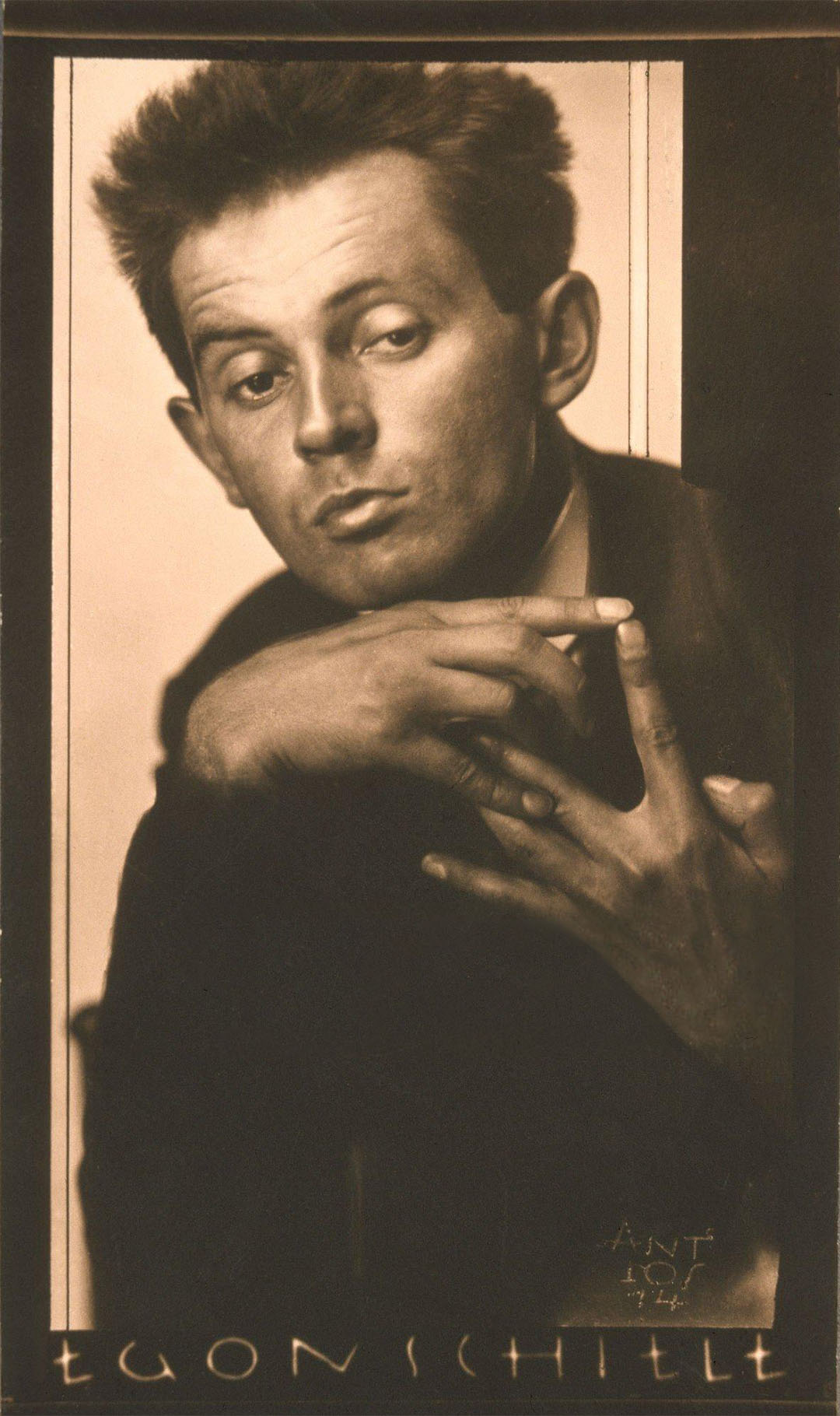
Anton Josef Trčka (Antios; 1893 – 1940) ~ Egon Schiele, 1914 | src getty imagesAnton Josef Trčka (Antios; 1893 – 1940) ~ Egon Schiele in Pose, 1914 | src getty images & Albertina Museum
“Antios” in strangely winding letters can be found repeatedly on portraits of Egon Schiele. The portraitist behind this pseudonym, Anton Josef Trcka, was born in Vienna in 1893. Not only is he forgotten, today, he hardly even existed in the consciousness of the contemporary art scene of his time.
He was so little the conformist as a poet, painter and photographer that he never belonged to any group and almost never found an opportunity for exhibition or publication. And yet within a small circle of painters, dancers and writers he was considered a brilliant portraitist. Egon Schiele, Gustav Klimt and many others held his paintings in high regard and recommended them to friends, who preserved them during their emigration. Prints of his drawings and copies of his poems were passed along. After Trcka’s death in 1940, his atelier was a refuge for the ostracised spiritual movement of anthroposophy in Vienna. In 1944 a bomb there destroyed almost his entire life’s work.
The widely scattered items that survived have now been brought together for the first time. The artistic works created between 1912 and 1930 allow us to reconstruct the personality of this artist, who throughout his life wavered between the influence of art in Vienna and that of the Bohemian homeland of his family. The expressive language of Egon Schiele can be found in Trcka’s photography side by side with Symbolist echoes and motifs from Czech folklore.
The photographer, painter and poet Anton Josef Trcka was born in Vienna on September 7, 1893. His parents came from Moravia and brought up their three children to be conscious of their Czech nationality. Trcka’s life and work were marked by an inner conflict between his inclination to Slavic influence and the fact of his life in Vienna with the influence of the artists there. He was, for example, a friend of both the nationalist Czech poet J. S. Machar and the eccentric Viennese poet Peter Altenberg. In 1911 he entered the Royal and Imperial School of Graphic Arts, where Karel Novak became his teacher. Trcka experimented with new photographic techniques. Some of his pictures were produced both in silver bromide and bromoil prints, and thus as mirror images. Often the background of the negative was altered with a brush in order to realise the young artist’s visual ideas, which had been influenced by Symbolism and the Pre-Raphaelites.
At the beginning of 1914 the artist met Egon Schiele, who performed the expressive gestures and poses of his self-portraits before the camera. Apparently the photographer had previously prepared reproductions of paintings for the artist, who was only a few years his senior.
The gestural language of Schiele, which was related to “New Dance” and likely also to French scientific documentation of the body language of hysterical women, contradicts everything that was typical in portraits up to that time. Trcka was already signing his works with “Antios” (a combination of his two first names). With his style related to the “classical” portrait of the 16th century with its frontal structure and the integration of writing he was able to create an ideal framework for the unusually expressive postures of the painter. Just as Schiele’s portrait style was to influence Trcka’s photographic human portraits in the coming years, the young photographer’s landscapes and his early watercolours show his admiration for Gustav Klimt and the two-dimensional ornamental structure of his paintings. At the same time Trcka concerned himself with Czech folklore, for example, with the kind of floral ornaments familiar from old embroidery. From this he developed a highly individual, almost abstract watercolour style.
The direct or indirect contact with Czech artists of the so-called “Prague Modern” movement also drew Trcka’s attention to the religious motifs typical of his great role models, the poet Otakar Brezina and the sculptor Frantisek Bilek.
In 1915 Trcka met the poet Anna Pamrova, who introduced him to Brezina. Their idealistic-ascetic image of artistry had as great an influence on the young man as did Rudolf Steiner and his anthroposophical society, which Trcka was drawn to by his future wife, Clara Schlesinger. (text: Monika Faber) quoted from Kunsthistorisches Museum Wien
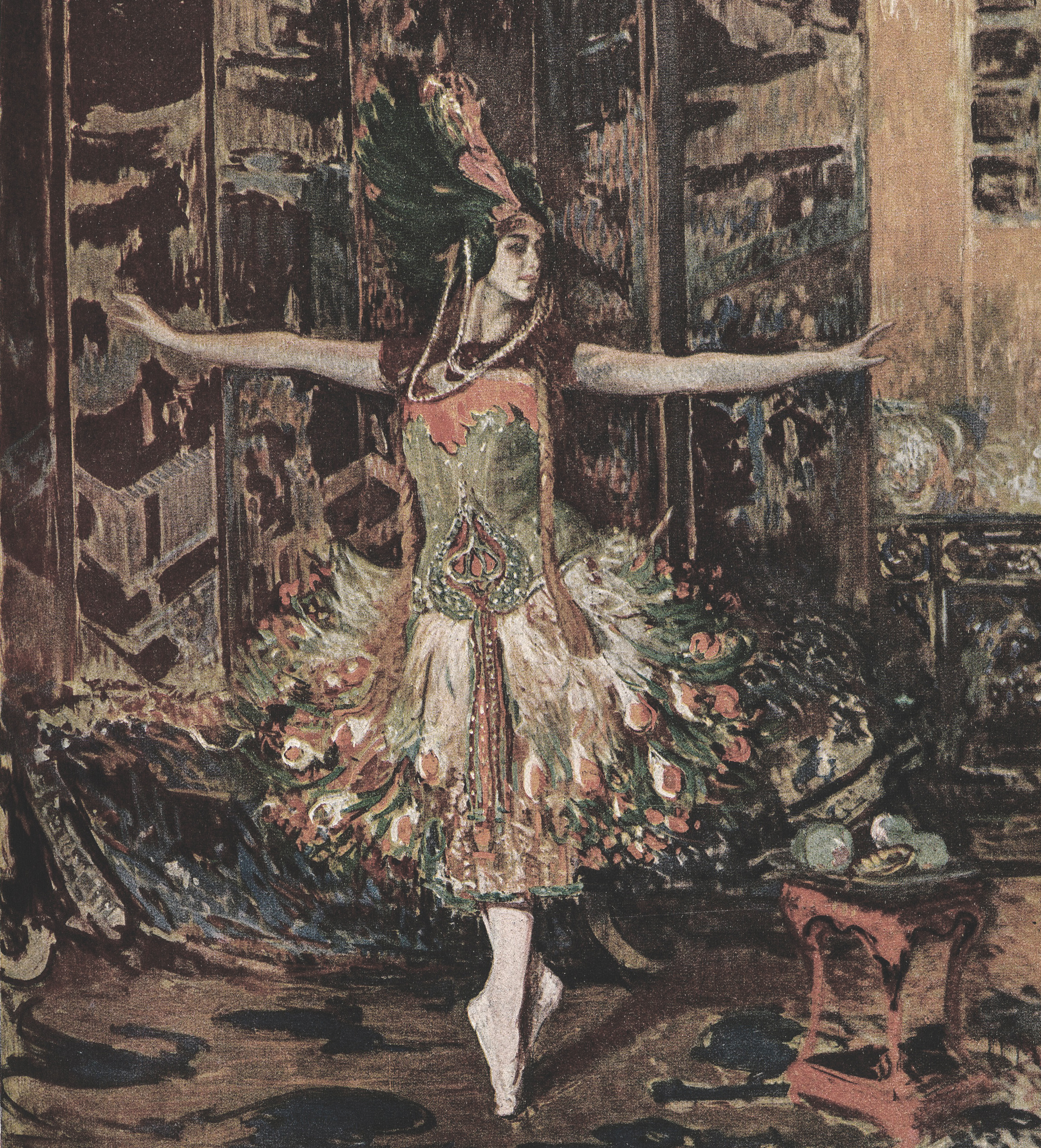
Jacques Emile Blanche :: Titelbild. Bildnis der Tänzerin Karsavina. Published in Jugend magazine, 1914, Nr. 3 (magazine cover). Full image. | src Heidelberg University LibraryJacques Emile Blanche :: Titelbild. Bildnis der Tänzerin Karsavina. Jugend Magazin, 1914, Nr. 3. | src Universitätsbibliothek Heidelberg
![«Die neueste Skandalaffäre im Alpenhotel oder weshalb Frl. Schneider und Herr Müller so spät von der Gletschertour heimkehrten.» | The latest scandalous affair in the Alpenhotel or why Miss Schneider and Mr Müller returned home from their glacier tour so late. Zeitschrift für Humor und Kunst. Meggendorfer-Blätter nº 1230, 23 Juli 1914. [Illegible photographer’s name on lower right] | src Universitätsbibliothek Heidelberg](https://unregardoblique.com/wp-content/uploads/2022/09/die-neueste-skandalaffare-im-alpenhotel-oder-weshalb-fraulein-schneider-und-herr-muller-so-spat-von-der-gletschertour-heimkehrten-not-jugend.jpg?w=1100)

![«Die neueste Skandalaffäre im Alpenhotel oder weshalb Frl. Schneider und Herr Müller so spät von der Gletschertour heimkehrten.» | The latest scandalous affair in the Alpenhotel or why Miss Schneider and Mr Müller returned home from their glacier tour so late. Zeitschrift für Humor und Kunst. Meggendorfer-Blätter nº 1230, 23 juli 1914. [Illegible photographer’s name on lower right] | src Universitätsbibliothek Heidelberg](https://unregardoblique.com/wp-content/uploads/2022/09/die-neueste-skandalaffare-im-alpenhotel-oder-weshalb-fraulein-schneider-und-herr-muller-so-spat-von-der-gletschertour-heimkehrten-not-jugend.jpg)





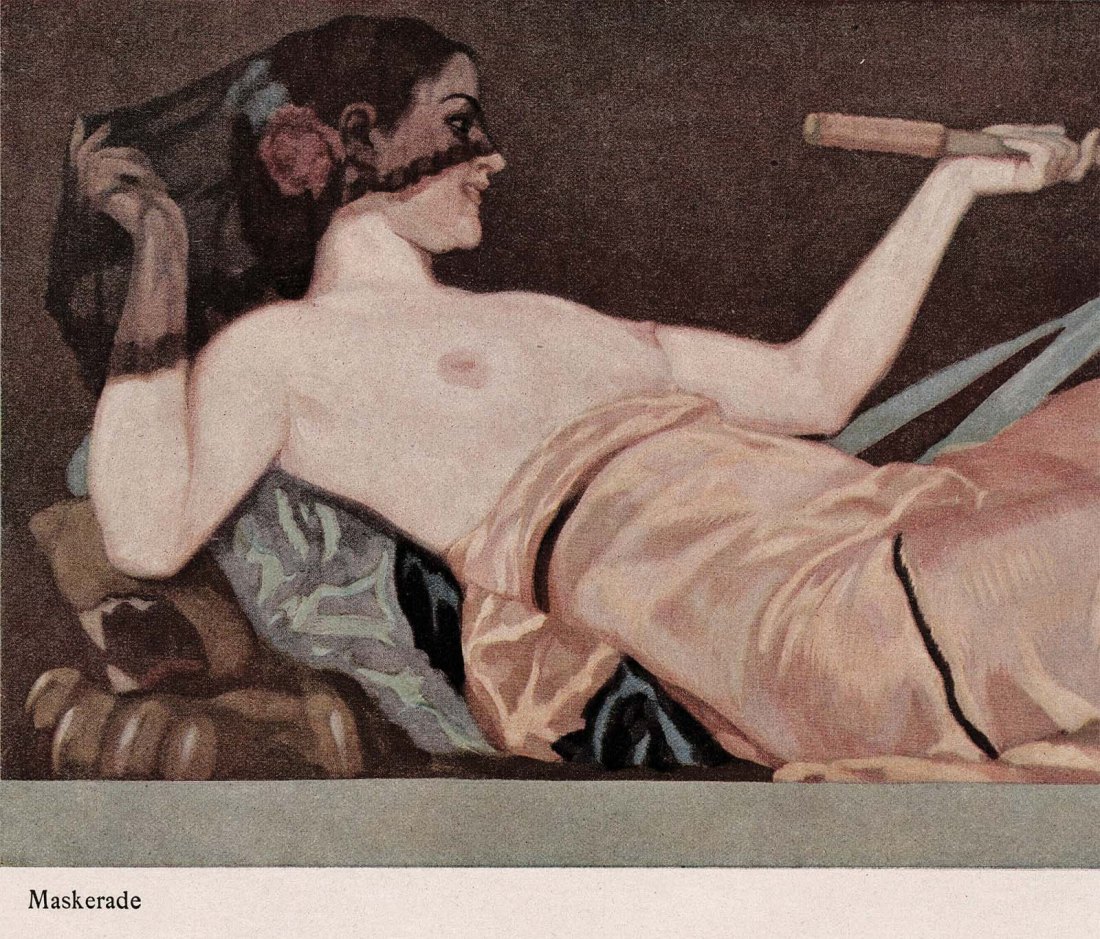
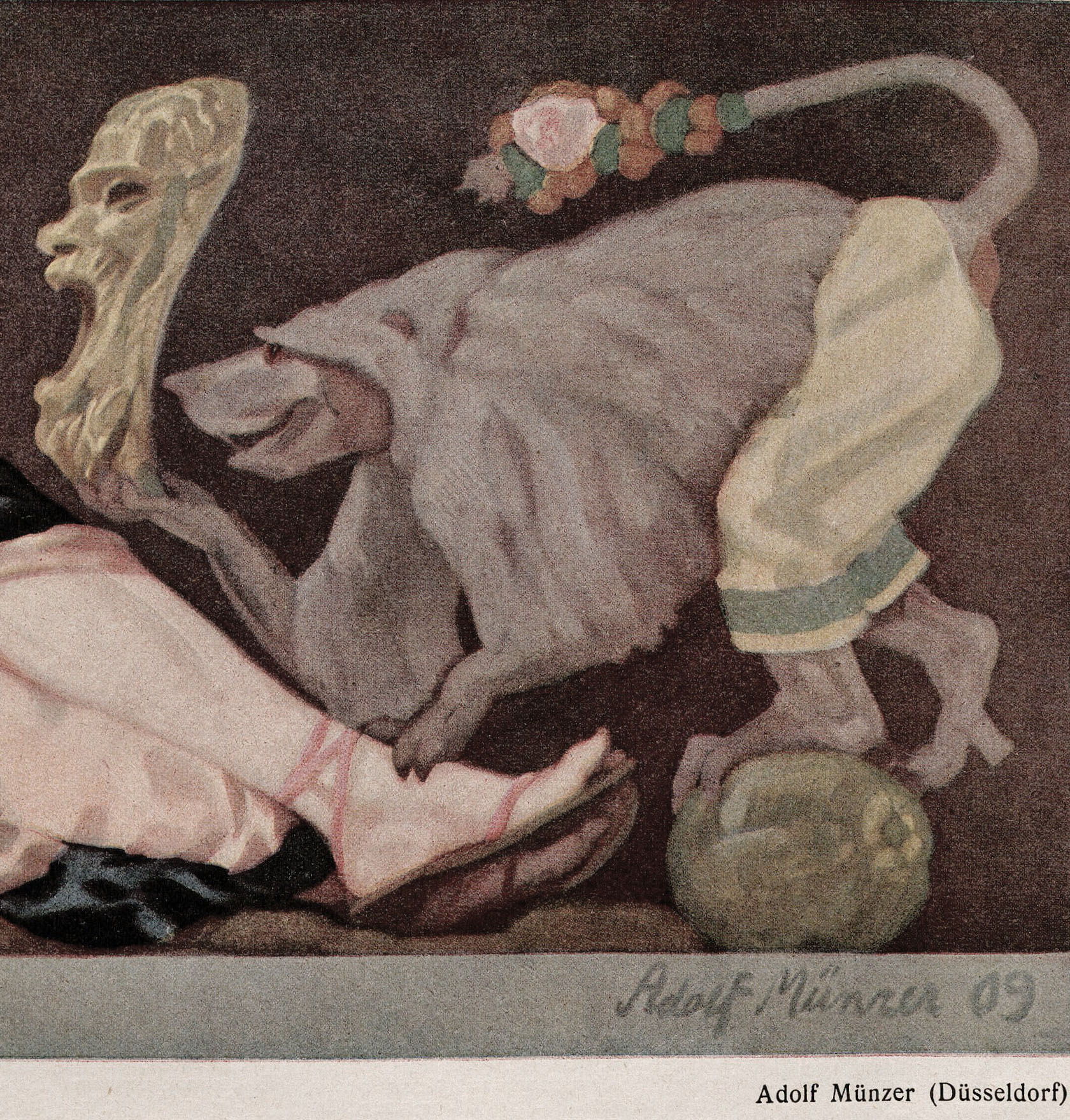
![Adolf Münzer :: Maskerade (1909) [Detail]. Published in Jugend magazine, 1914, issue nº 6. | src Heidelberg University Library](https://unregardoblique.com/wp-content/uploads/2022/09/jugend-1914-maskerade-crp-1.jpg)



 un regard oblique