images that haunt us
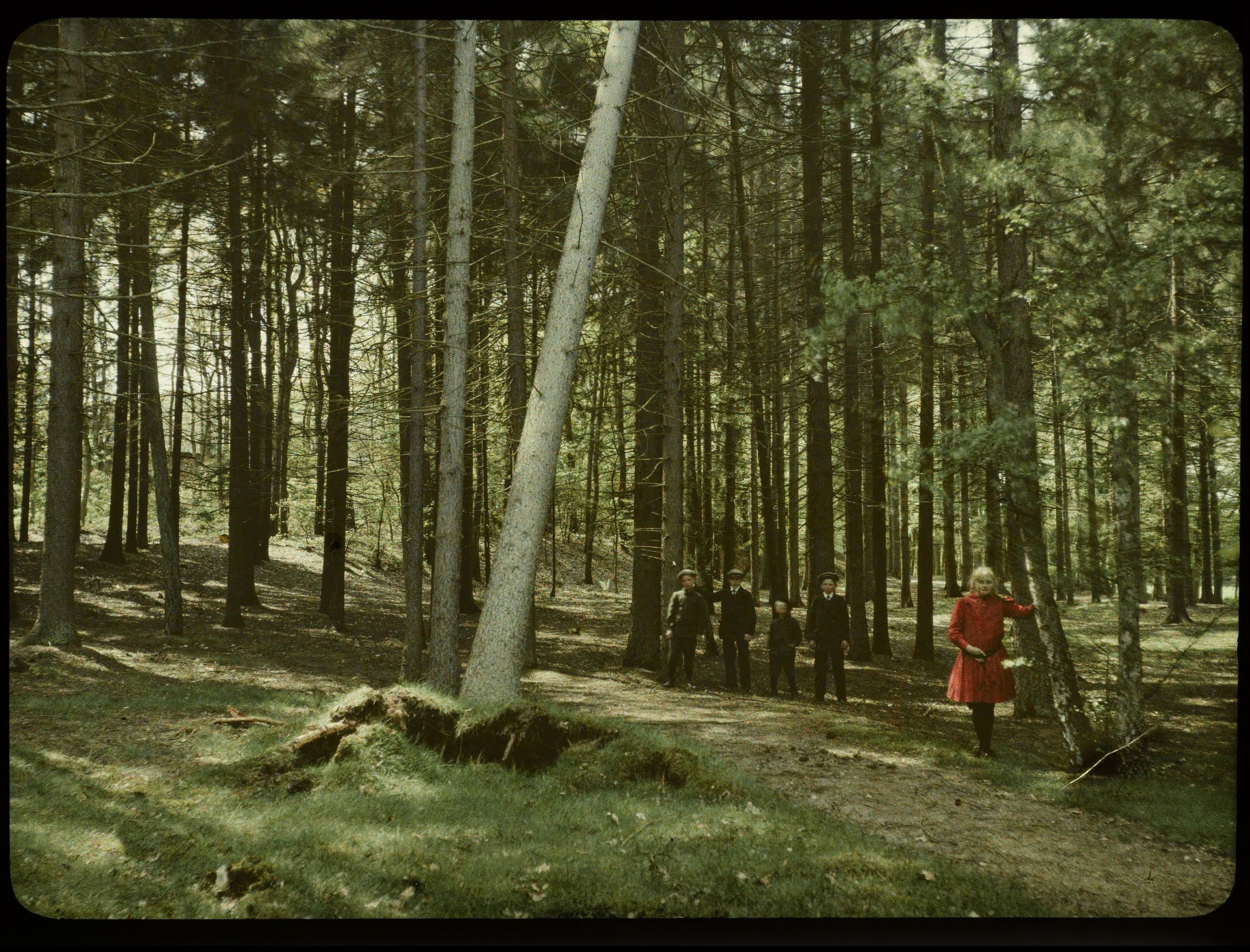
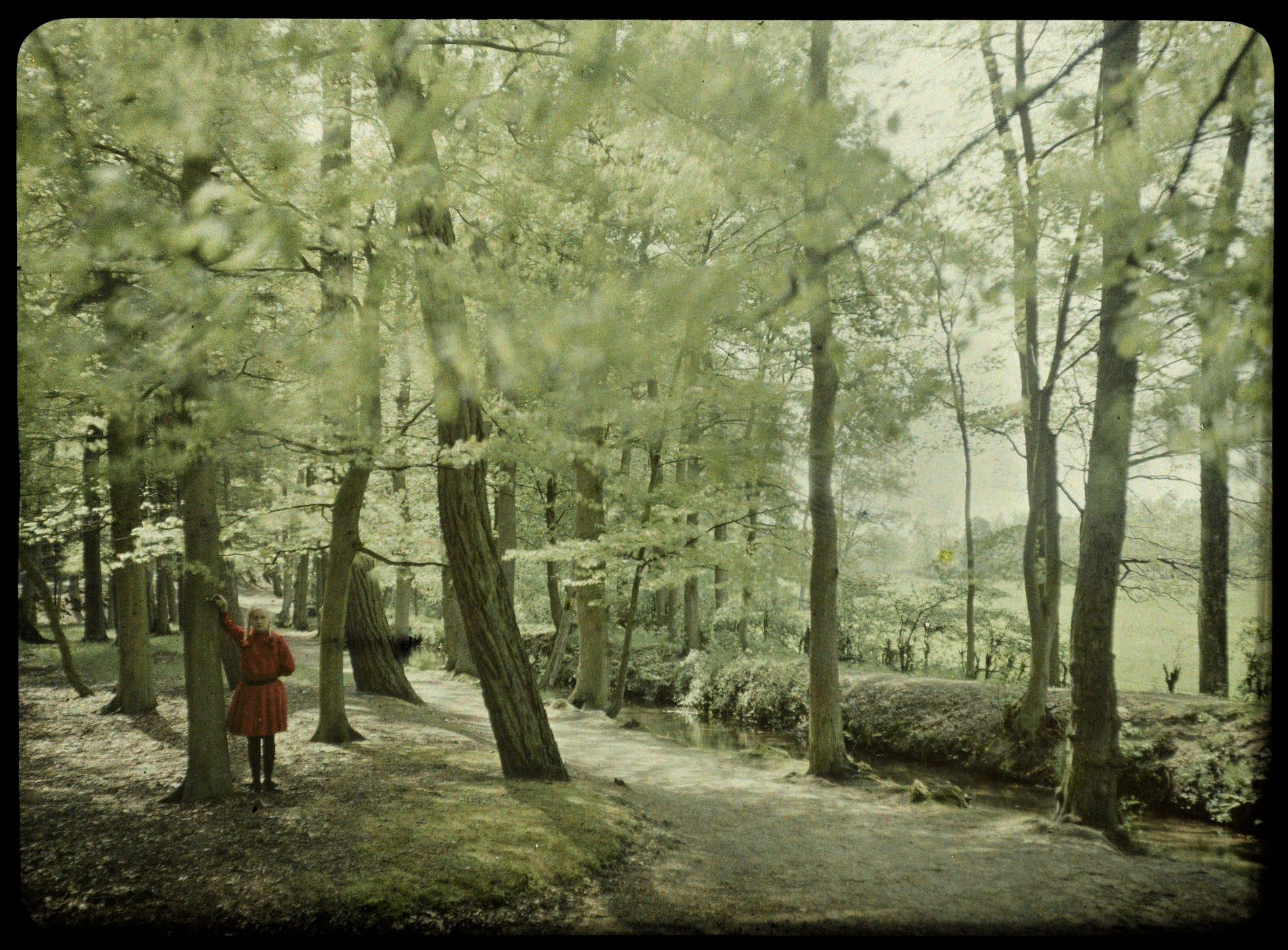


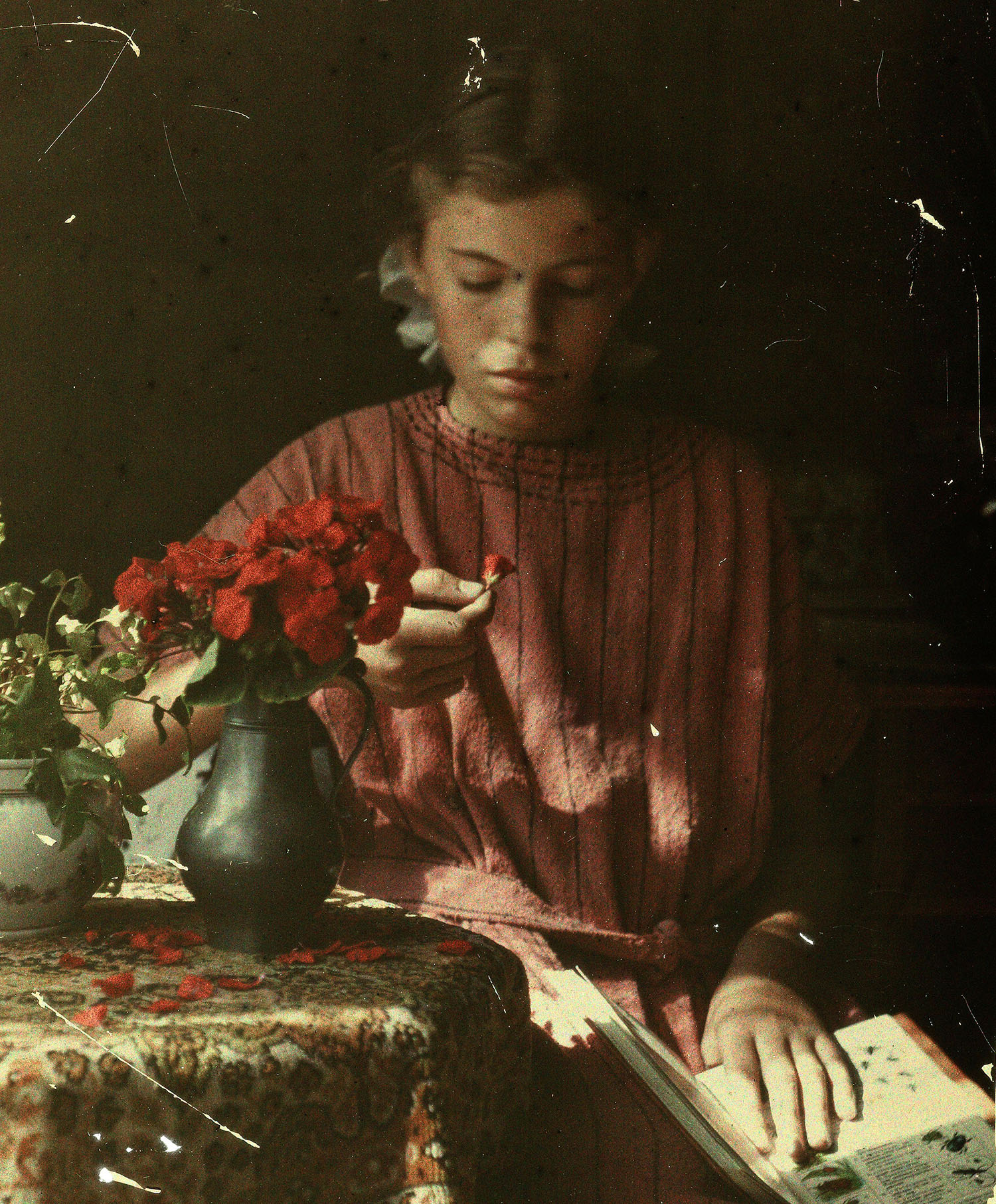
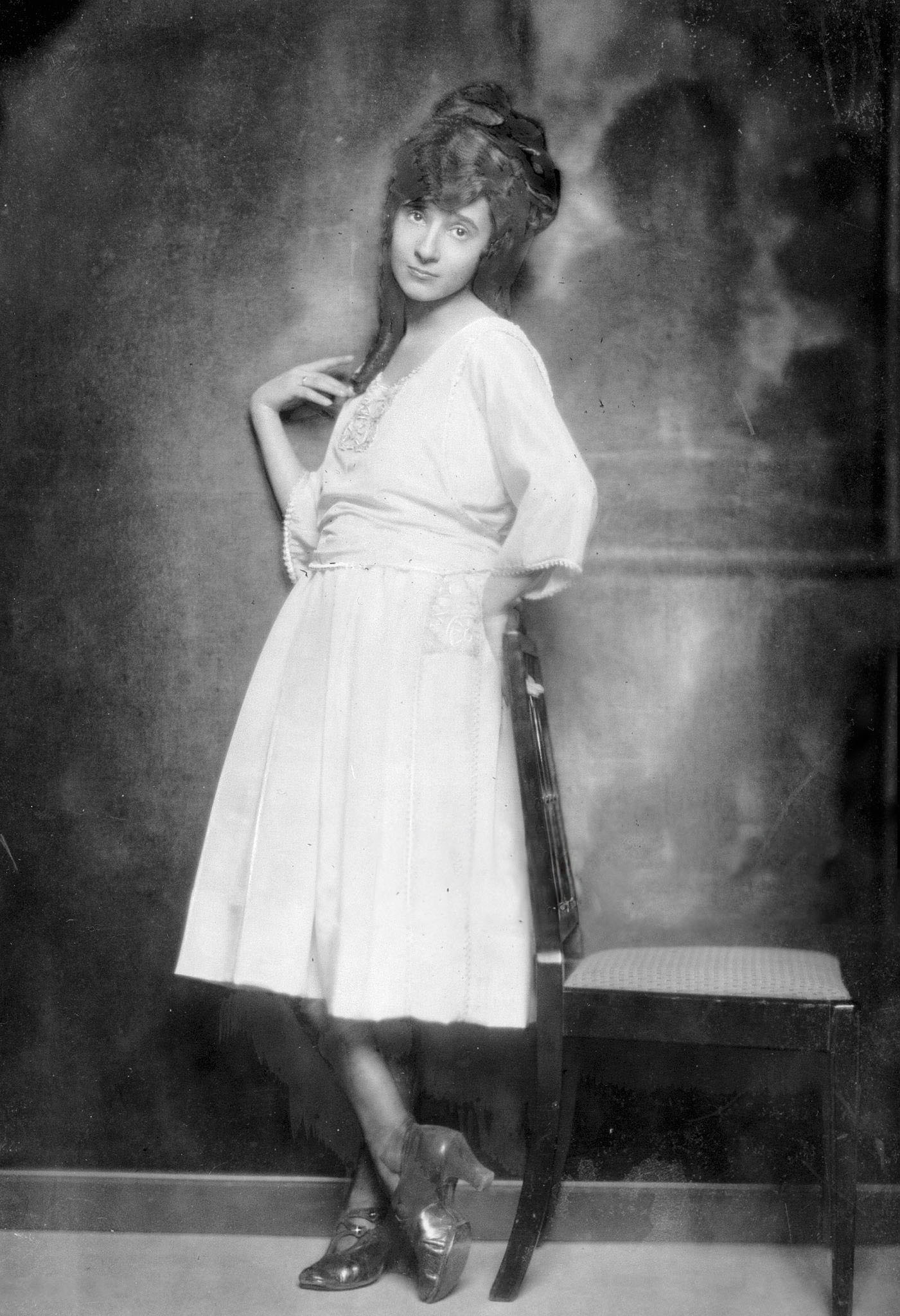

The Golden Potlatch was a city-wide festival held in July organized by civic boosters hoping to capitalize on the success of the Alaska-Yukon-Pacific Exposition of 1909. The event continued for each of the next three summers before being suspended during wartime, and then was started up again as the Potlatch Festival from 1934 to 1941.
The name “Golden Potlatch” appropriates a Chinook Jargon word describing a Native ceremony of celebration and gift giving. It also reflects the importance of the Klondike gold rush to Seattle’s growth. Many organizers and participants in the Golden Potlatch dressed in stereotyped imitations of traditional Native attire, as part of a created Potlatch myth. The appropriation of Native culture in order to market products or events was one common example of discrimination and marginalization faced by Native peoples in the United States. Text quoted from University of Washington

Description of the Golden Potlatch festival: “The success of the Alaska-Yukon-Pacific Exposition encouraged local boosters to plan another ambitious event to showcase the city. The Seattle Chamber of Commerce, the Advertising Club and the Press Club decided to create a civic celebration loosely modeled on the Northwest coastal Indian tribes’ potlatch, a ceremony of friendship and sharing. Seattle held its first Potlatch in 1911, but the Golden Potlatch of 1912 was a far greater festival, meant to attract visitors from far and near… The summer carnival was both a cynical exploitation and a madcap spectacle. The Potlatch shamelessly looted the heritage of Pacific Northwest Indian people. The Golden Potlatch began with the arrival of the ‘Hyas Tyee’ — or Big Chief — in his great war canoe, visiting the city from his home in the far north. The Tillikums of Elttaes (Seattle spelled backward) paraded the streets in white suits, their hats draped in battery-powered lights, glad handing any visitors who came their way. Bright-eyed members of the Press and Ad clubs, as well as the Chamber, slathered themselves in greasepaint, donned Chilkat blankets and pretended to be ‘tyees’ and ‘shamans.’ But the Golden Potlatch volunteers also offered a week of entertainment free to anyone in the city. Every day there was a different parade downtown — of the fraternal orders, the labor unions, the soldiers and sailors, or Seattle’s children. Daredevils flew ‘hydroplanes’ over Elliott Bay, and warships from the U.S. Pacific fleet anchored in the harbor.”(“‘Seattle Spirit’ soars on hype.” Sharon Boswell and Lorraine McConaghy, Seattle Times, March 10, 1996) quoted from Seattle public library
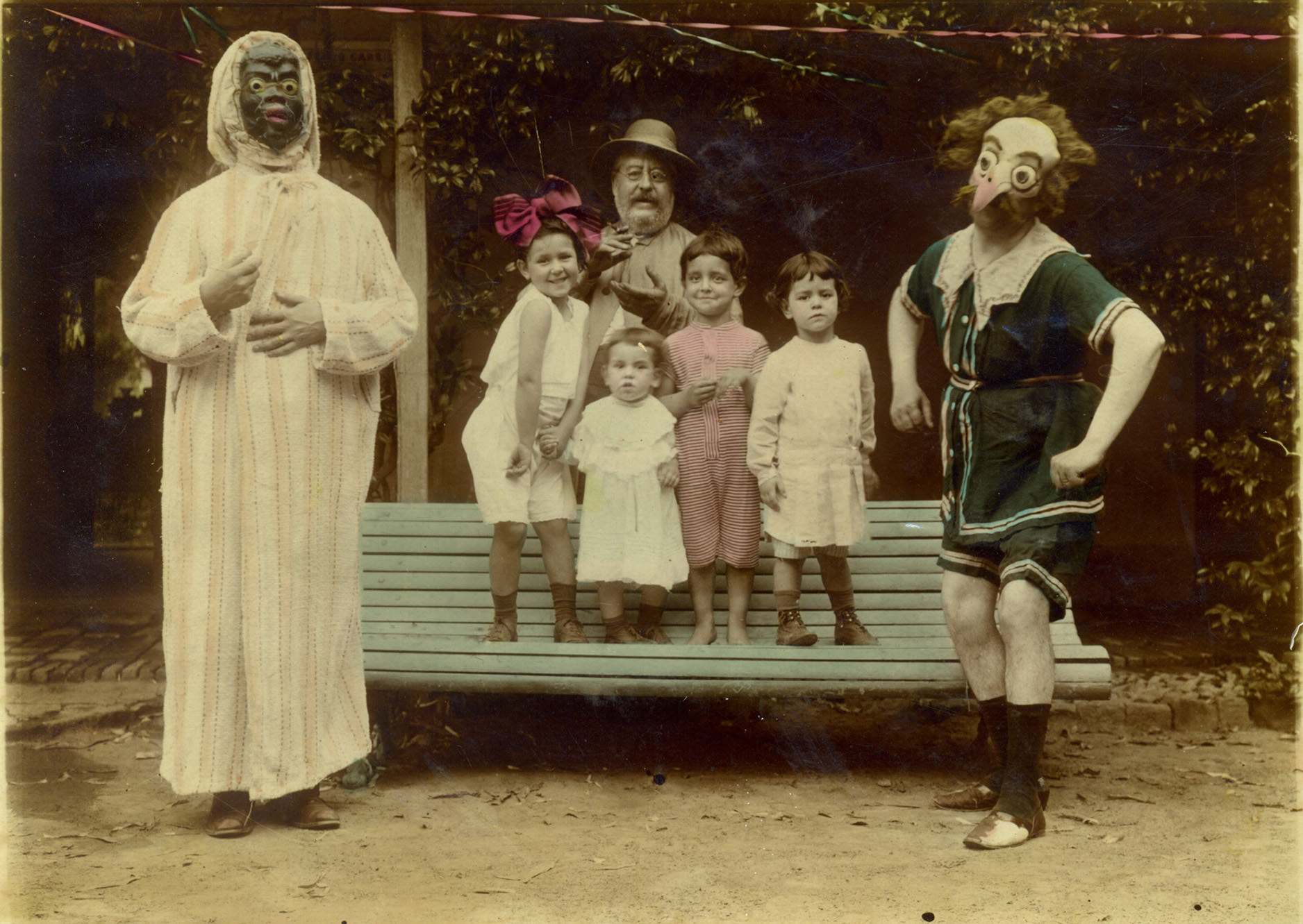

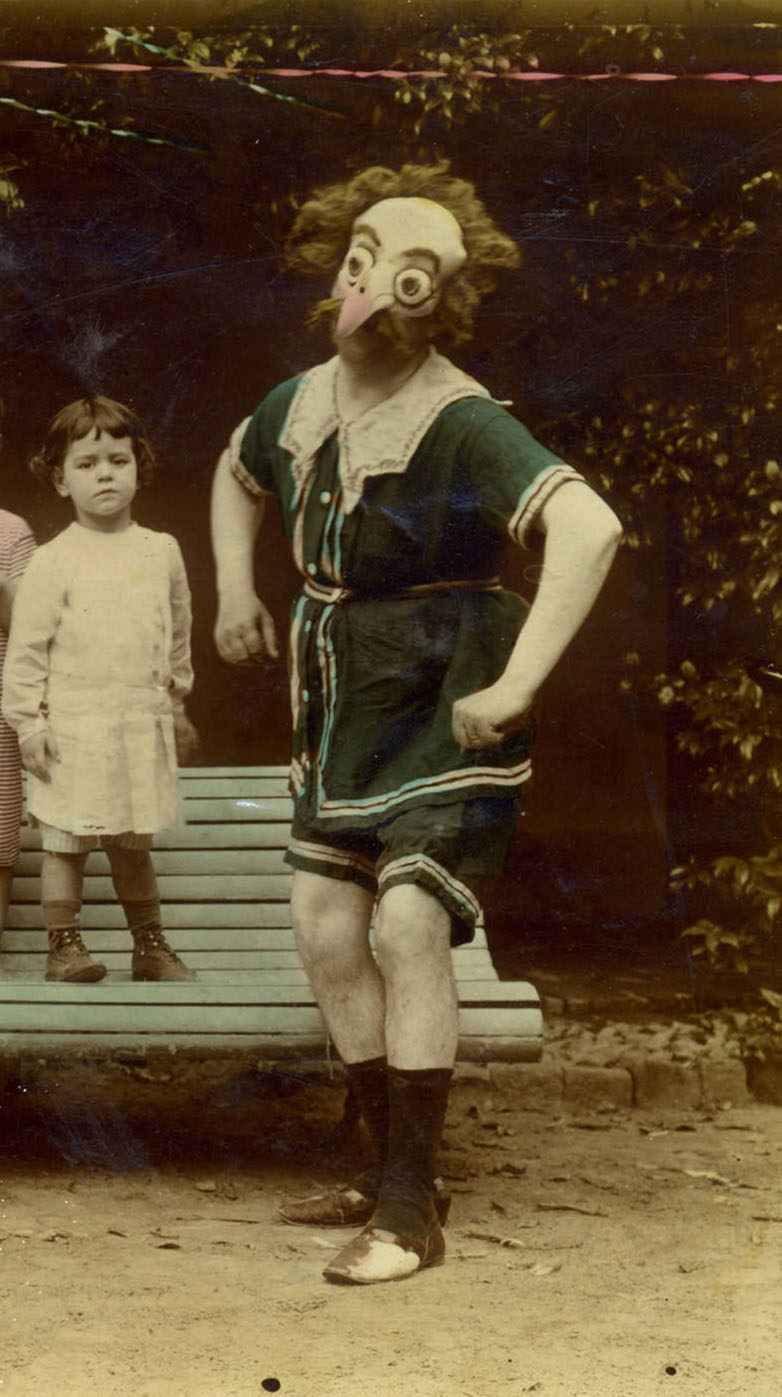
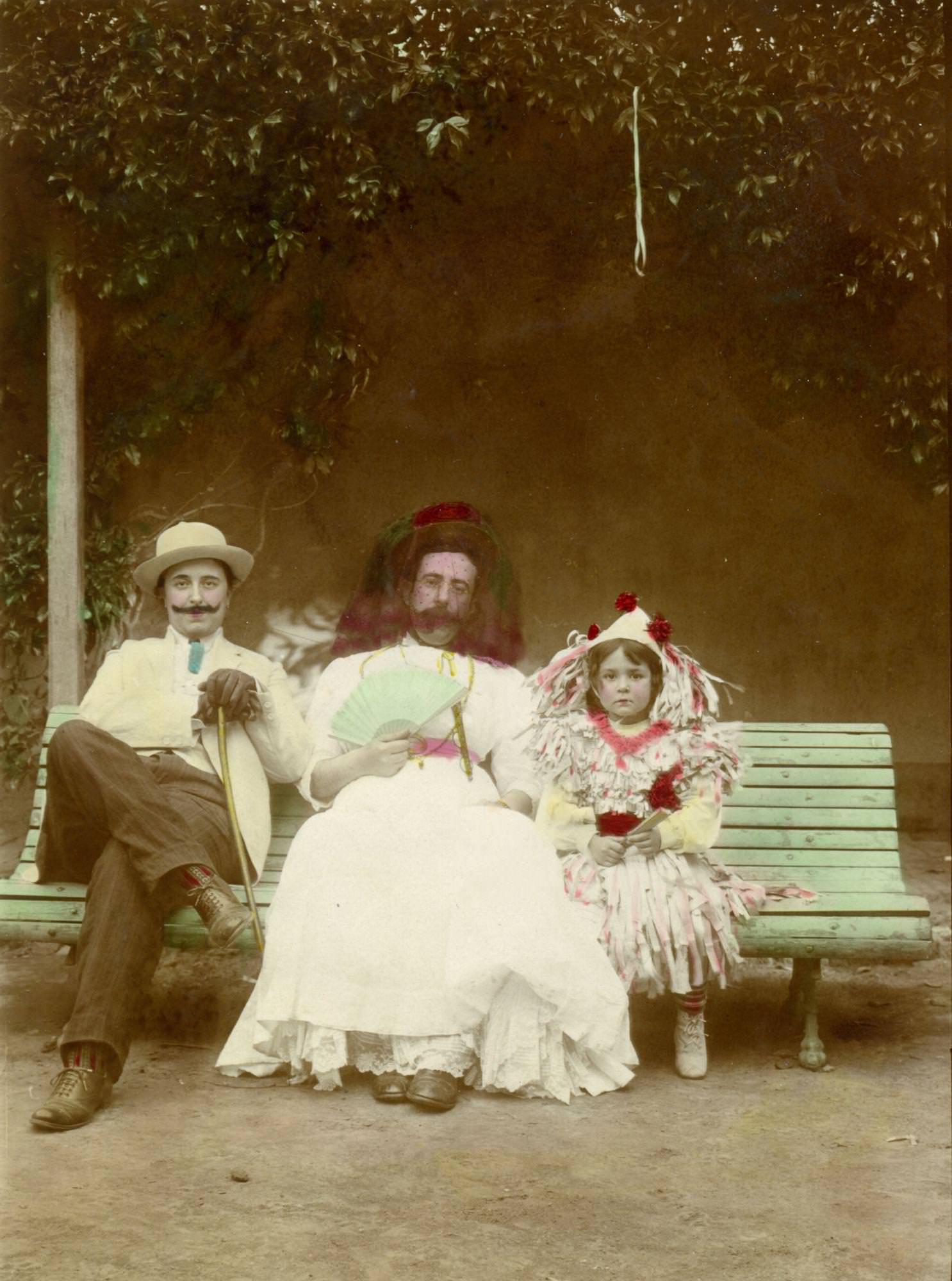
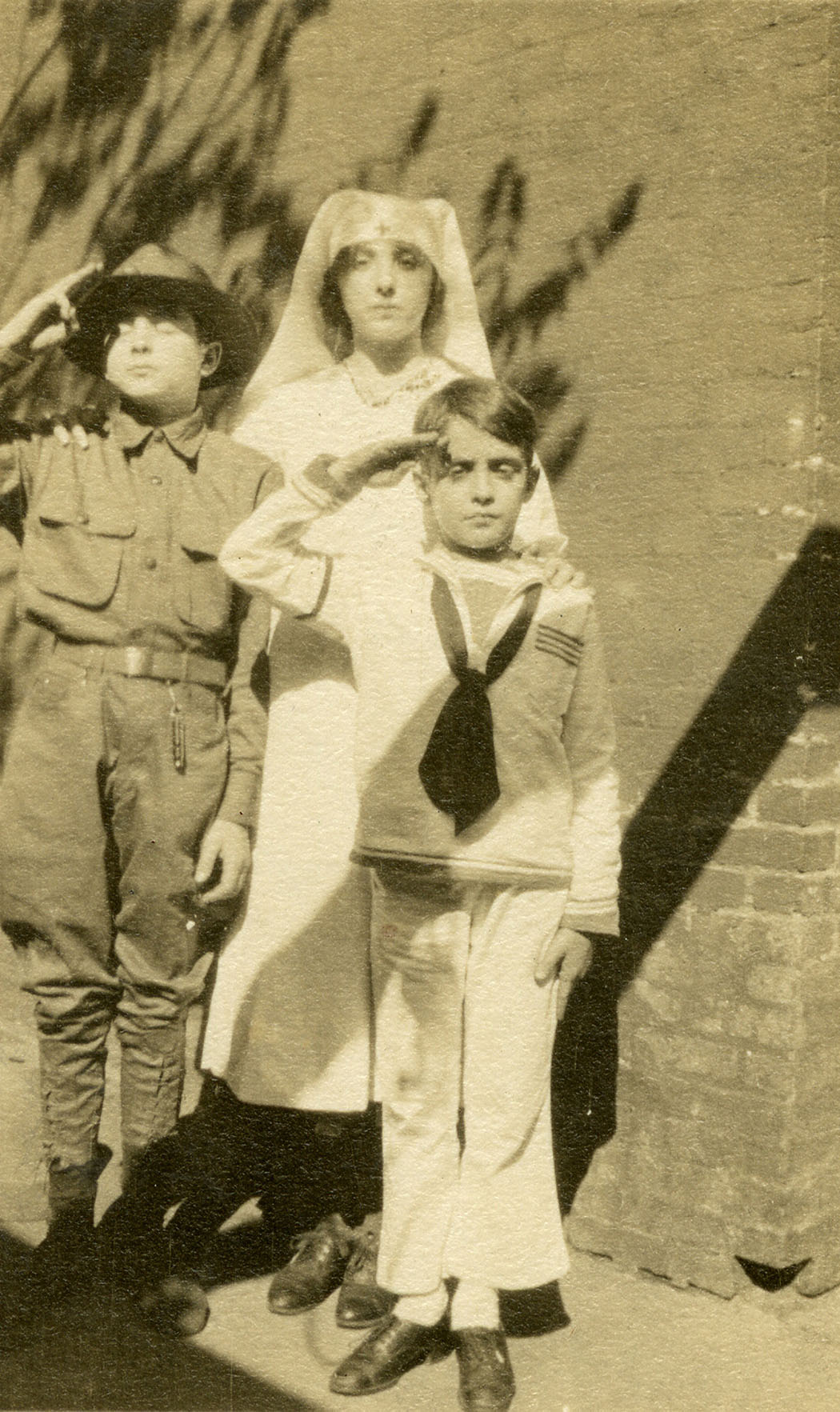
‘(…) Sunday 8th- Very nice day. Carnival’s burial. (…) Pepe went hunting and I dressed up as a man having a succès d’estime. Pepe came a little later and I decked him out with a dress of mine, Porota wore her paper suit and after dressing up granddaddy ridiculously, we devoted ourselves to perpetuate the memory of our joke through photography. As the audience, all the people from the kitchen, Luis, his wife, his children and even the workman celebrating the scene (…)’. Diary 4, p. 257 and 258, March 1908


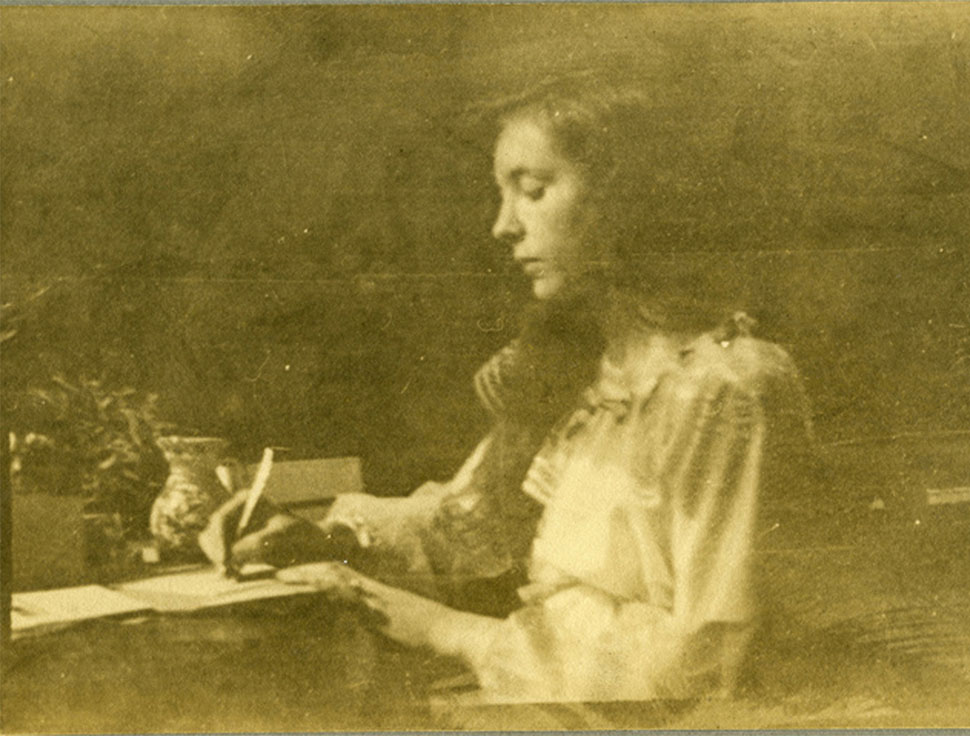
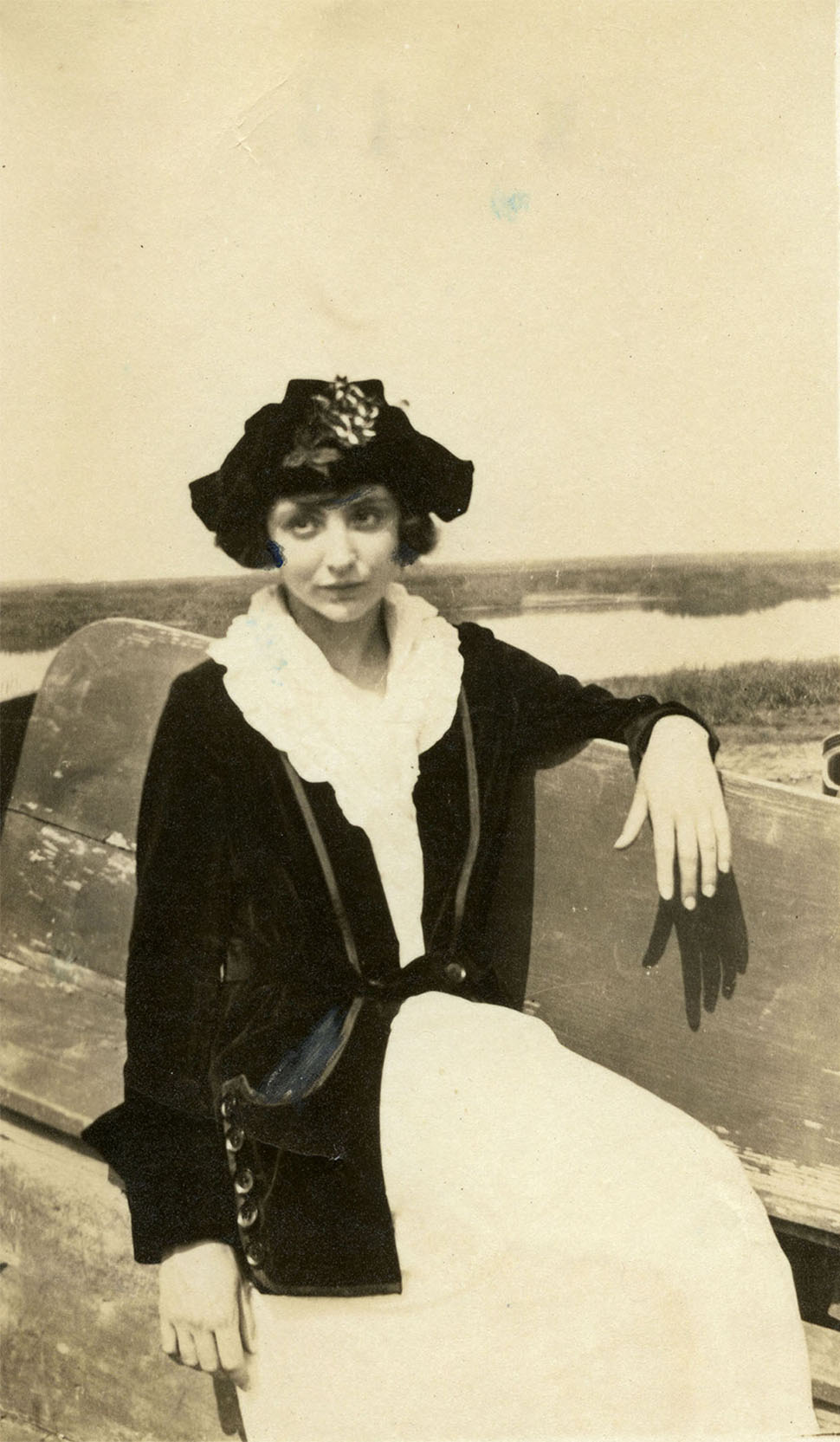
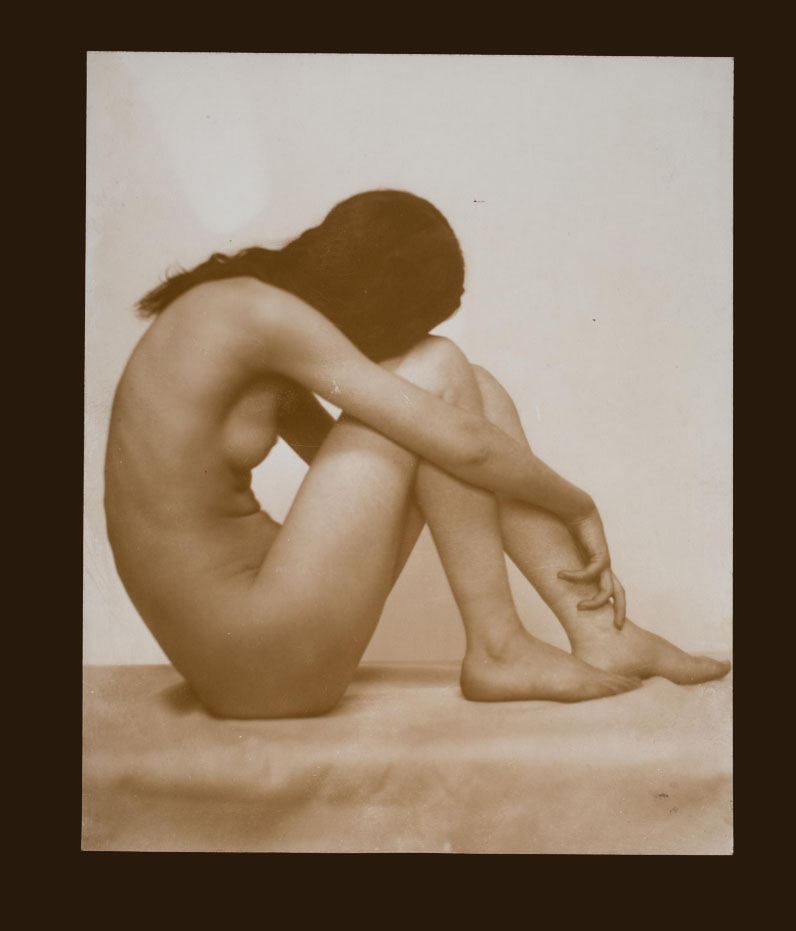
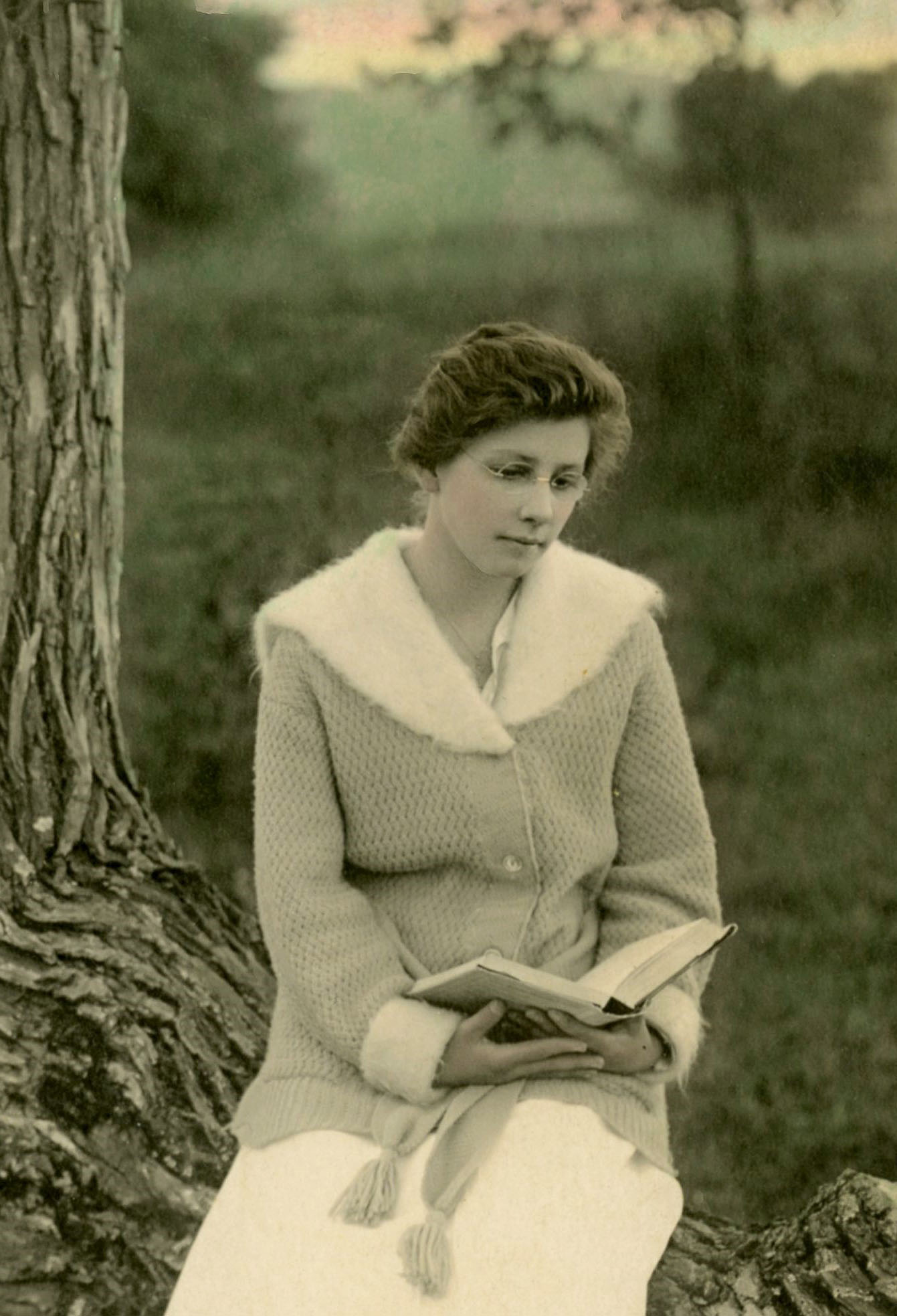
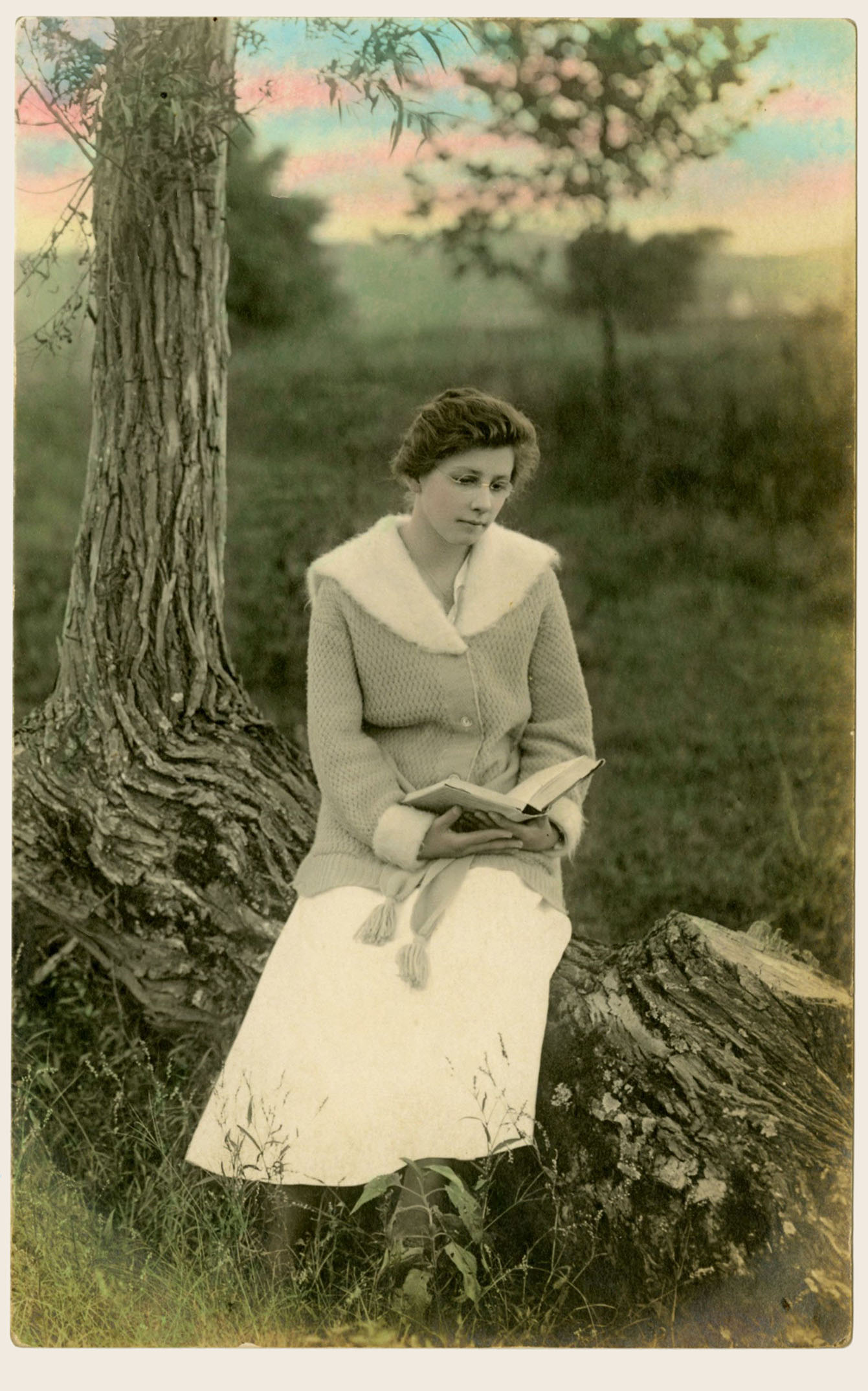
Josefina Oliver (1875-1956) began as a vocational photographer among her friends in 1897. Two years later, she takes the first one of her one hundred self-portraits and photographs her friends and relatives, houses’ interiors and landscapes in the family farm in San Vicente. Josefina, a common porteña, was almost invisible. Author of a luminous ouvre, hidden until 2006, as a consequence of a society that disregarded women’s inner self.
Josefina Oliver reflects this reality in her artistic work so far composed by 20 volumes of a personal diary, more than 2700 photographs, collages and postcards. Plenty of her shots are conceived with scenographies; she always develops them and paints the best copies with bright colors. She makes up twelve albums, four of them are wonderful and only have illuminated photographs. At the same time, a transversal humor appears behind her multiform ouvre.
quoted from Josefina Oliver




 un regard oblique