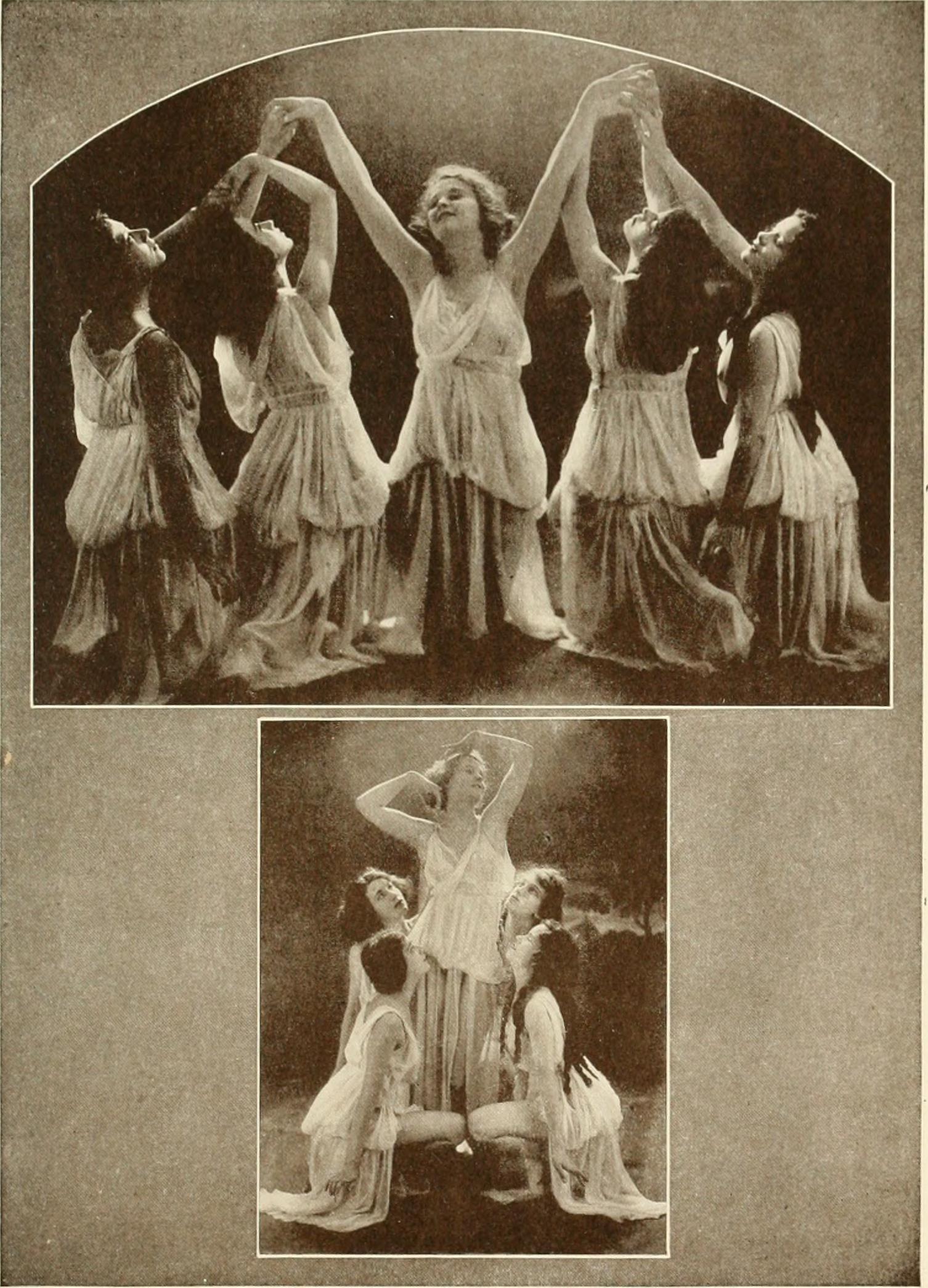
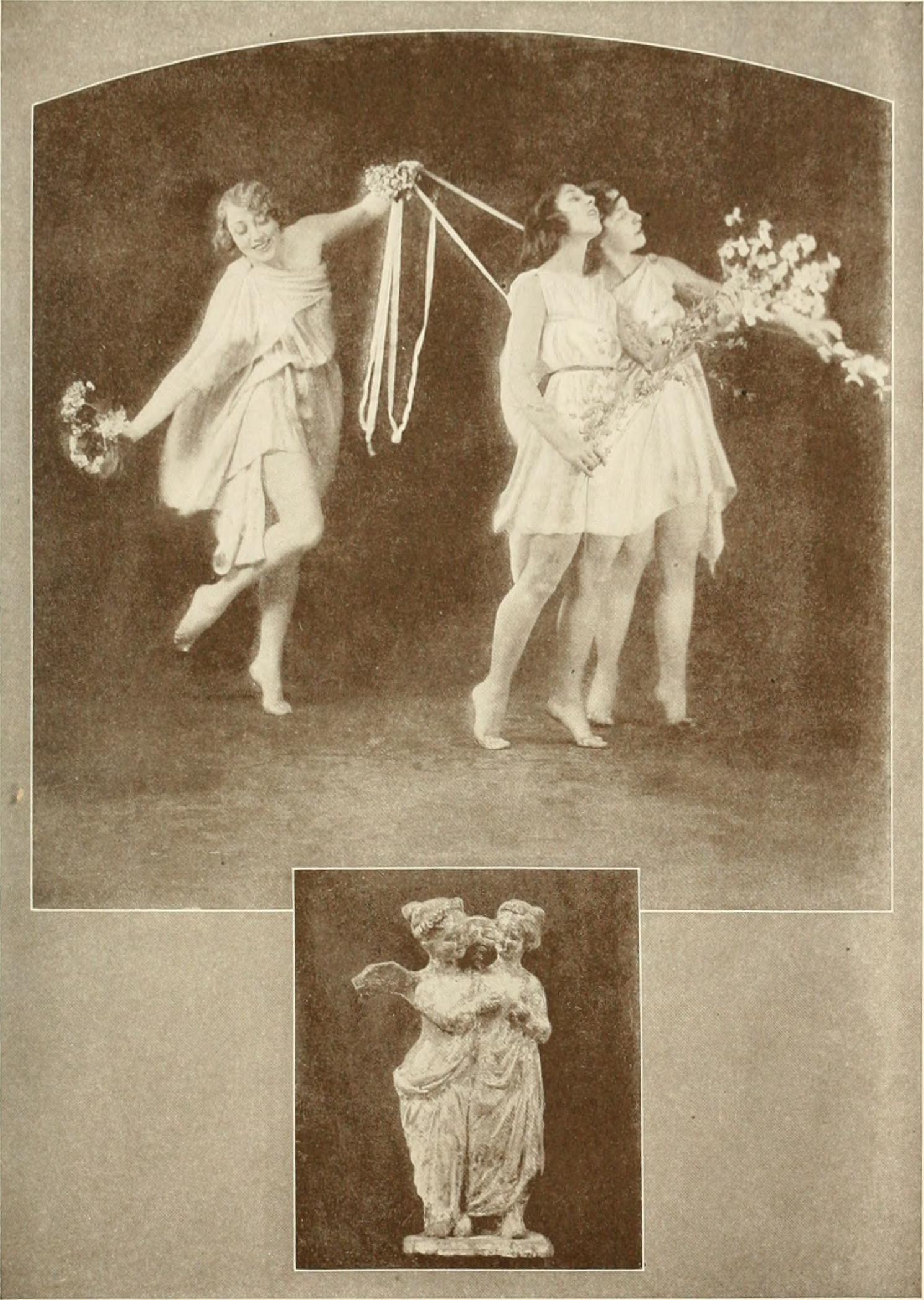
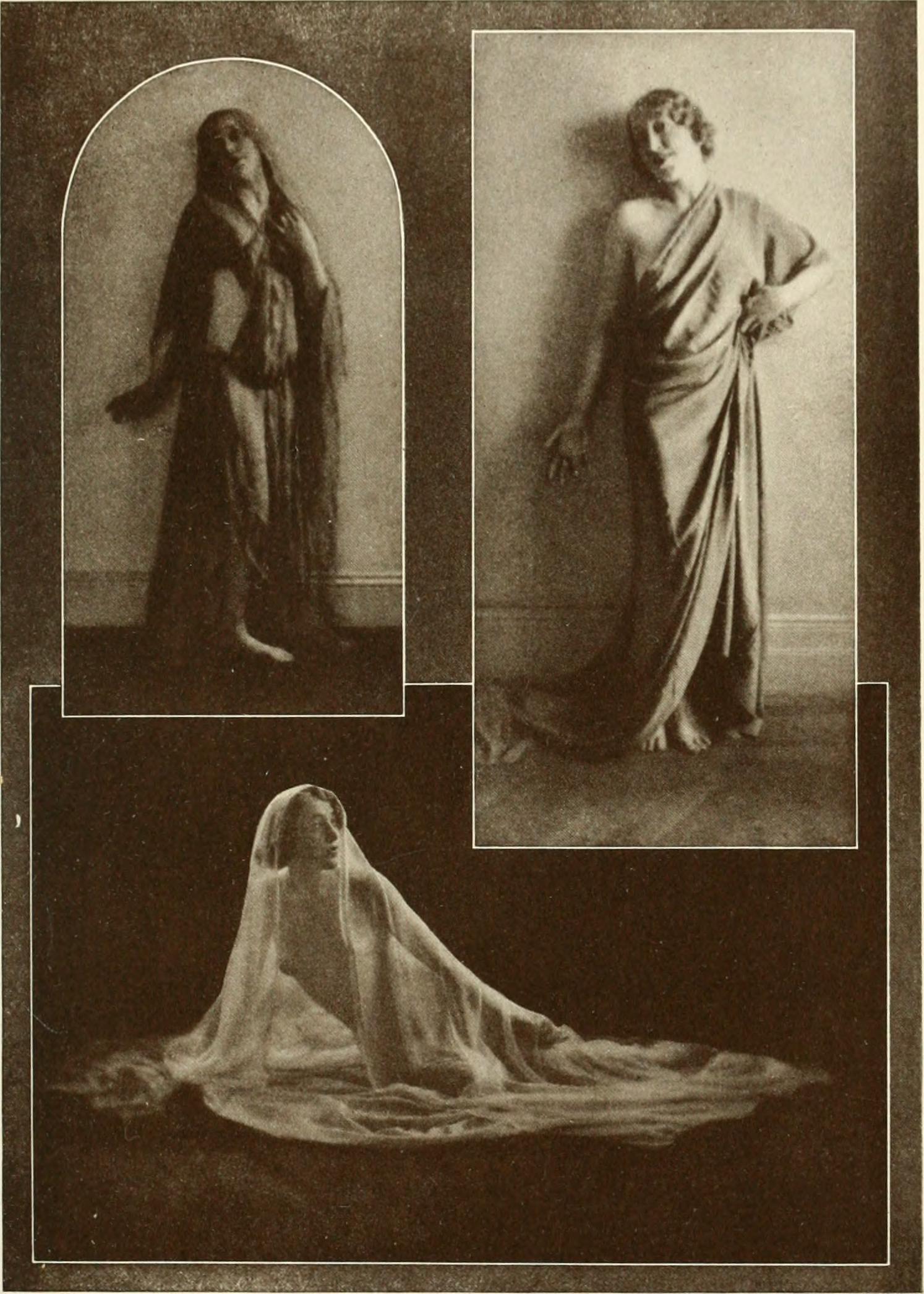
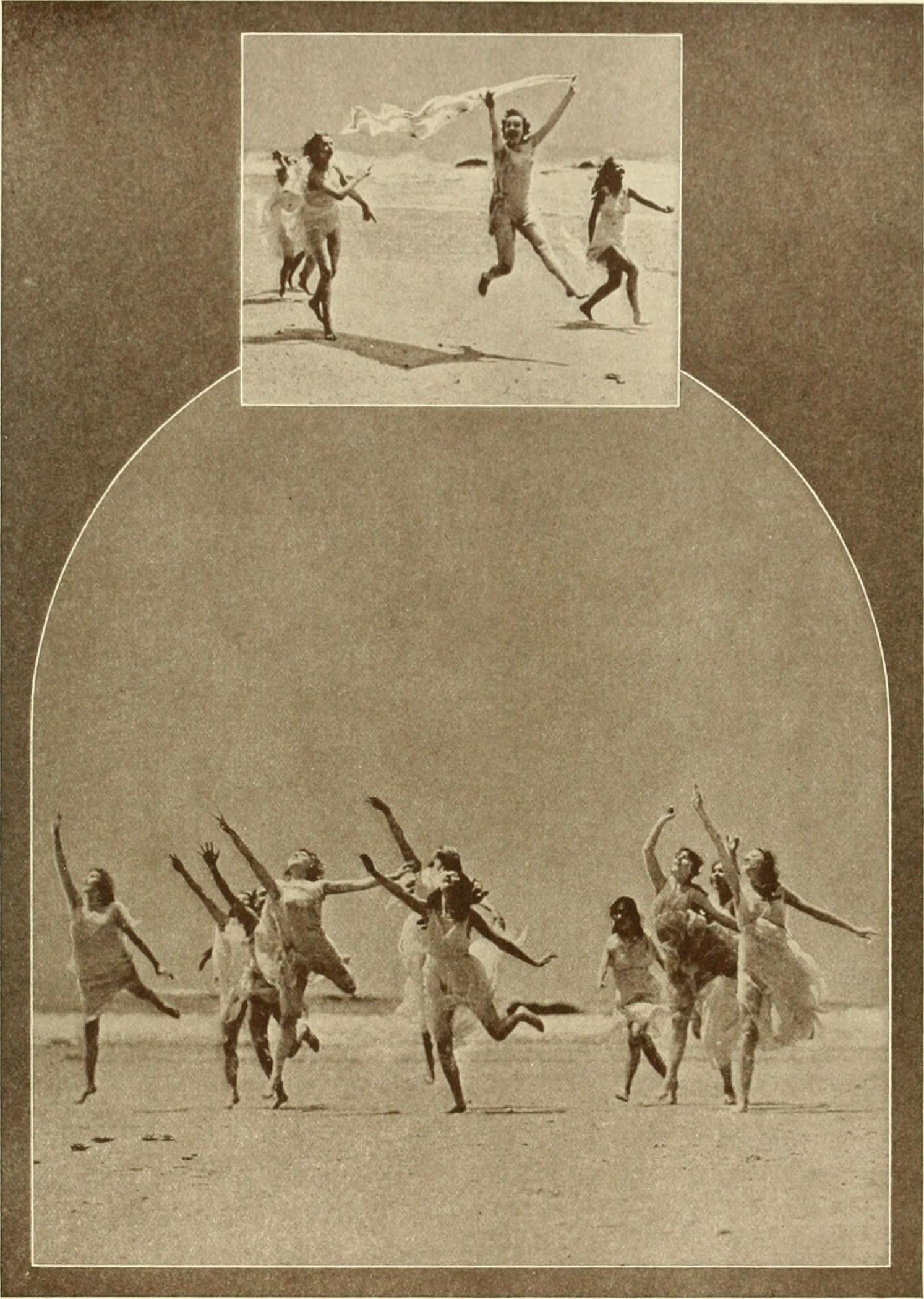
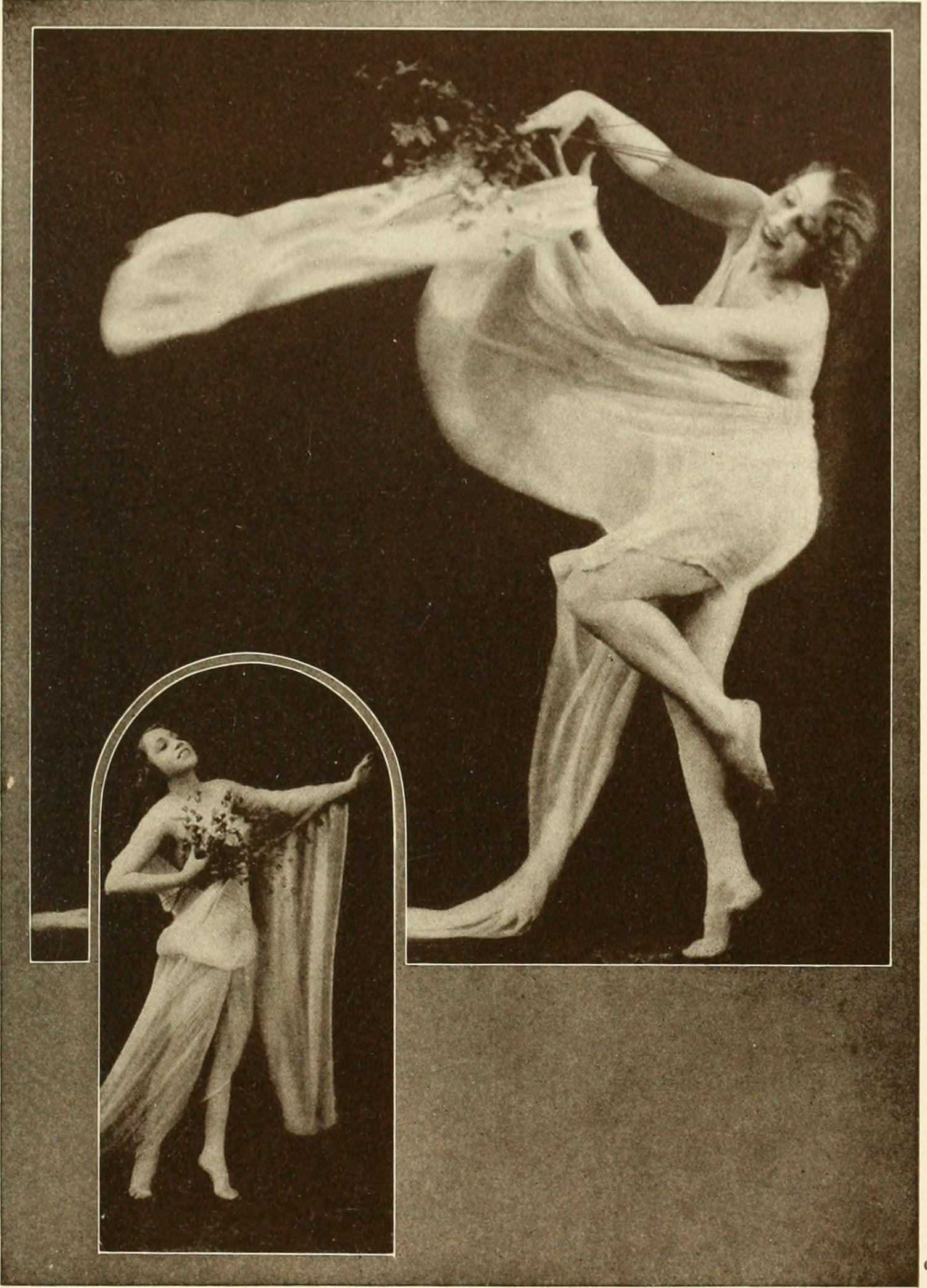
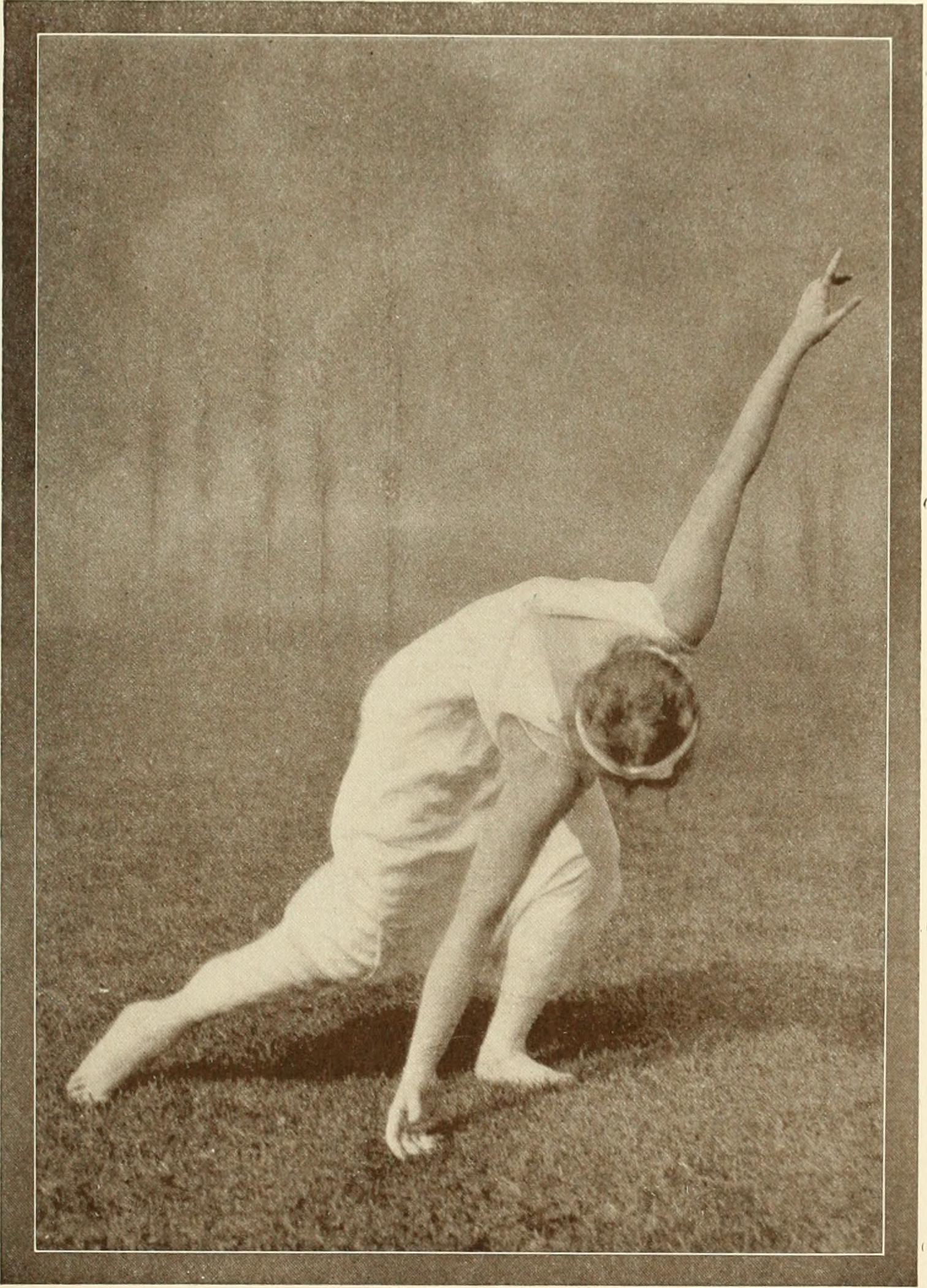
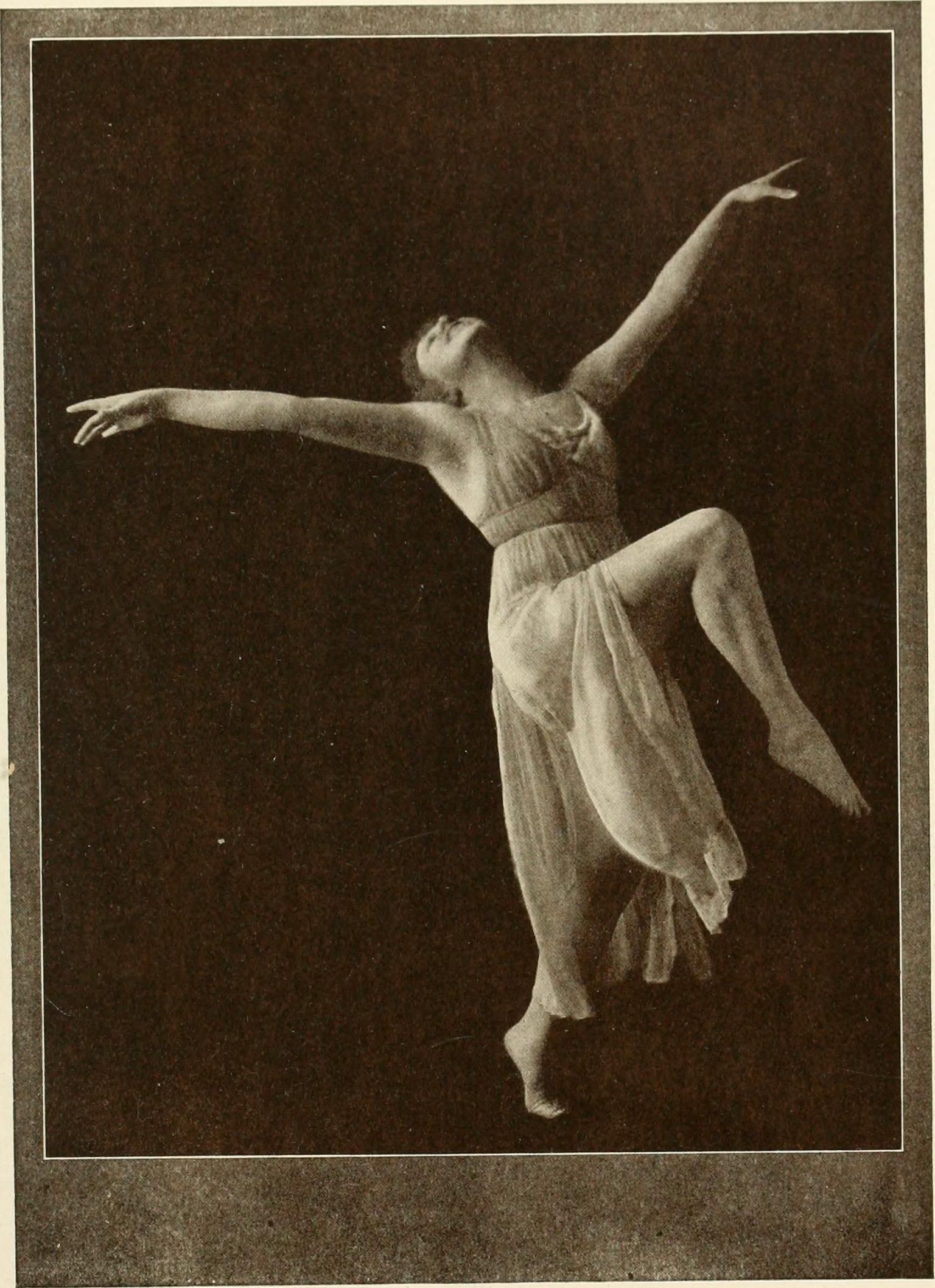
“The race, adapted from the classic Greek games, is useful in dance interpretations combining grace and swiftness of movement. The silhouettes compare fantastic with natural grace of movement.” From ‘Dancing with Helen Moller’, 1918. Page 106. University of California Libraries. | src internet archive“Drigo’s Serenade — showing how modem music of this character inspires the creation of dance movements and figures adapted from the purest Greek models. The beginning of the interpretation is shown in the small plate.” From ‘Dancing with Helen Moller’, 1918. Page 74. University of California Libraries. | src internet archive“A playful Spring movement — flowers and ribbons, and lightness of movement which seems almost to defy the force of gravitation. The small Tanagra figures suggest the same spirit.” From ‘Dancing with Helen Moller’, 1918. Page 42. University of California Libraries. | src internet archive“Here the dancer, erect and recumbent, realizes in living movement the classic sculptor’s sense of the aesthetic value of simple draperies.” From ‘Dancing with Helen Moller’, 1918. Page 48. University of California Libraries. | src internet archive“The ocean beach, upon which the surf rolls rhythmically, or is broken upon half submerged rocks, incites to the most open free and vital dancing expression.” From ‘Dancing with Helen Moller’, 1918. Page 86. University of California Libraries. | src internet archive“Reacting to the breath of Spring — the most compelling of all impulses to dance, and provocative of the most joyous physical expression.” Helen Möller and Curtis Dunham :: From ‘Dancing with Helen Moller; her own statement of her philosophy and practice and teaching formed upon the classic Greek model, and adapted to meet the aesthetic and hygienic needs of to-day’, 1918. Page 88. University of California Libraries. | src internet archive
ACKNOWLEDGMENT: Many of the photographs reproduced in this book were taken by the author herself. For the privilege of reproducing other fine examples of the photographer’s art, she desires to express her grateful acknowledgments to Moody, to Maurice Goldberg, to Charles Albin and to Underwood and Underwood; also to Arnold Genthe for the plate [lost plate] on Page 36; and to Jeremiah Crowley for his admirable arrangement of the entire series of illustrative art plates. [quoted from source]
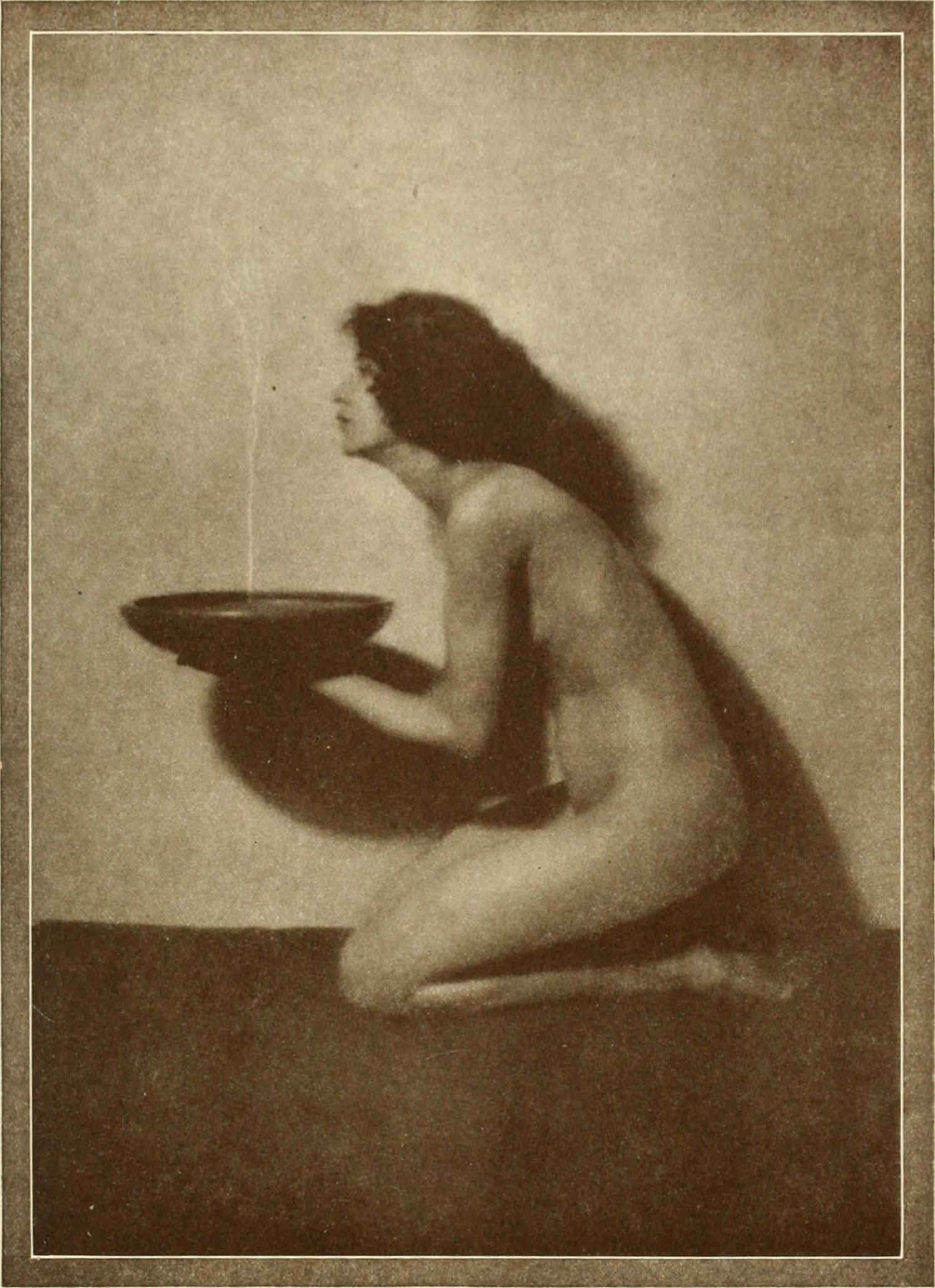
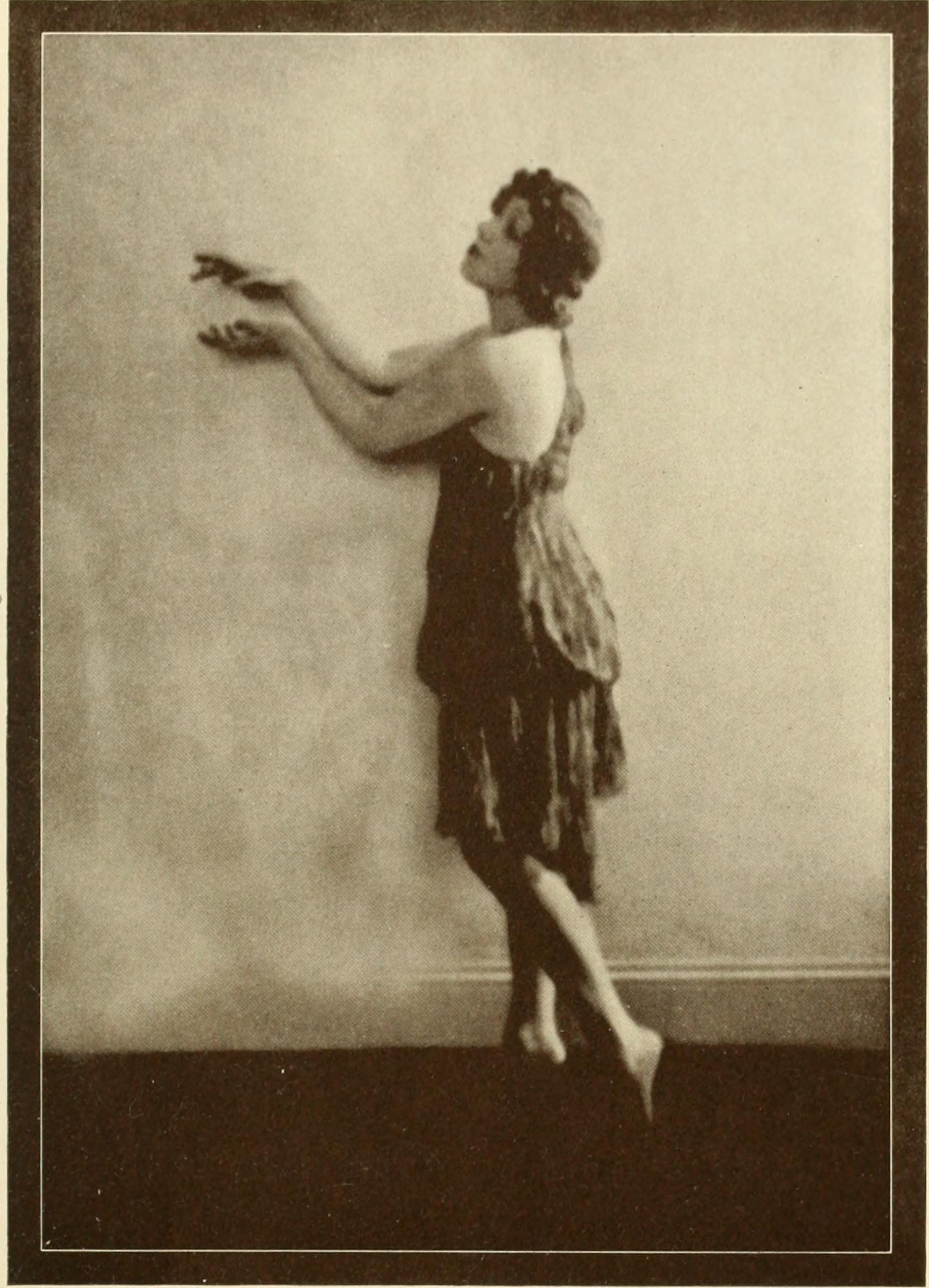
“Votive incense, as from a novice to the Priestess of the Temple — an attitude of graceful humility combined with pride in serving.” From ‘Dancing with Helen Moller’, 1918. Page 62. University of California Libraries. | src internet archive“Expressing wistful expectation — the hands in an upward receptive gesture and the countenance as of hope for some yearned-for gift from above.” From ‘Dancing with Helen Moller’, 1918. Page 22. University of California Libraries. | src internet archive“Atalanta. Depicting the classical moment of the most intense physical and mental concentration upon two opposing motives — to win the race, yet pause to seize the prize.” From ‘Dancing with Helen Moller’, 1918. Page 24. University of California Libraries. | src internet archive“Example of a very young dancer unconsciously coordinating movements of arms and torso with remarkably true and forceful expression of countenance.” From ‘Dancing with Helen Moller’, 1918. Page 38. University of California Libraries. | src internet archive “Children are quick to feel the impulse to rise upon the ball of the foot even when that limb is sustaining the body’s entire weight — one of the principal requisites of Greek dancing.” From ‘Dancing with Helen Moller’, 1918. Page 32. University of California Libraries. | src internet archive“Representing joyous abandonment to an impulse of Nature’s gently persuasive mood — as of floating forward borne upon a Summer breeze.” From ‘Dancing with Helen Moller’, 1918. Page 90. University of California Libraries. | src internet archiveArms outstretched, and raised together, in movements which avoid unaesthetic angles, even in the energetic action shown on the left. The open, raised bust in the large figure illustrates the hygienic value of adhering to the heart centre of all true physical expression.” Helen Moller and Curtis Dunham :: From ‘Dancing with Helen Moller; her own statement of her philosophy and practice and teaching formed upon the classic Greek model, and adapted to meet the aesthetic and hygienic needs of to-day’, 1918. Page 92. University of California Libraries. | src internet archive
ACKNOWLEDGMENT: Many of the photographs reproduced in this book were taken by the author herself. For the privilege of reproducing other fine examples of the photographer’s art, she desires to express her grateful acknowledgments to Moody, to Maurice Goldberg, to Charles Albin and to Underwood and Underwood; also to Arnold Genthe for the plate [lost plate] on Page 36; and to Jeremiah Crowley for his admirable arrangement of the entire series of illustrative art plates. [quoted from source]
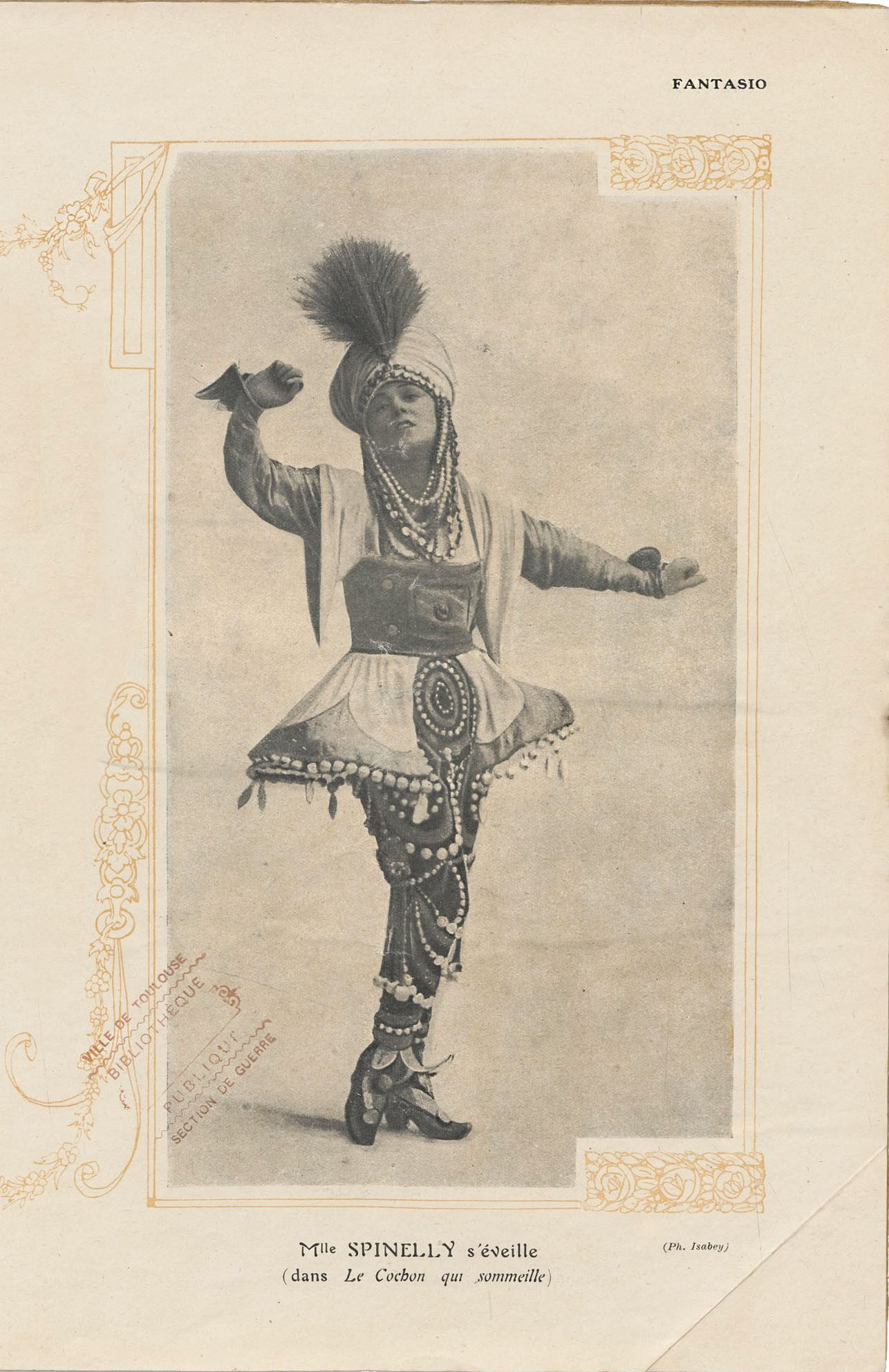
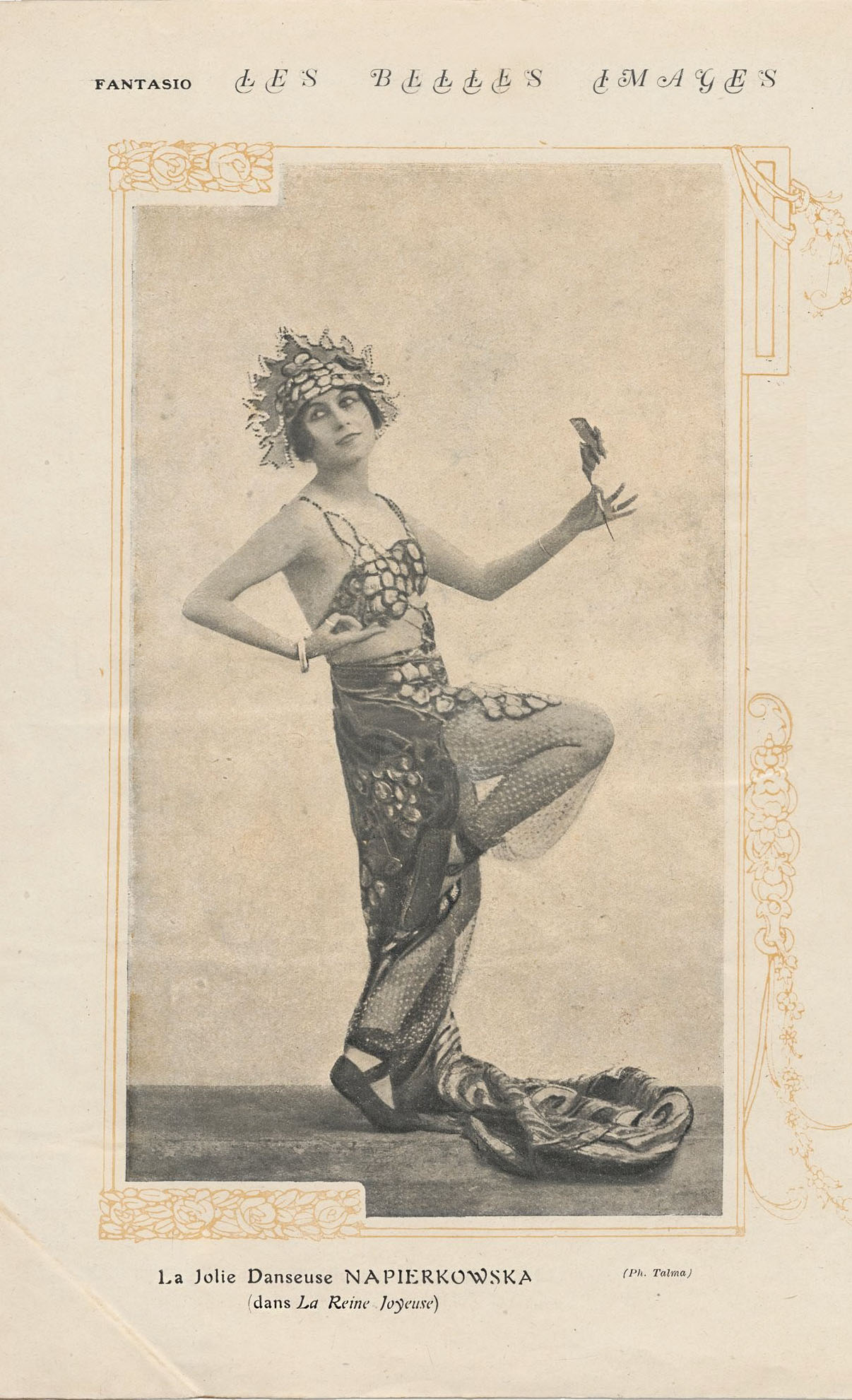
Mlle. Spinelly s’eveille dans Le Cochon qui sommeille (The Sleeping Pig). [Ph. Isabey] [Les Belles Images] Published in Fantasio: magazine gai. 1 Février 1919 | src BnF ~ GallicaLa Jolie Danseuse Napierowska dans La Reine Joyeuse. [Ph. Talma] [Les Belles Images] Published in Fantasio: magazine gai. 1 Février 1919 | src BnF ~ Gallica
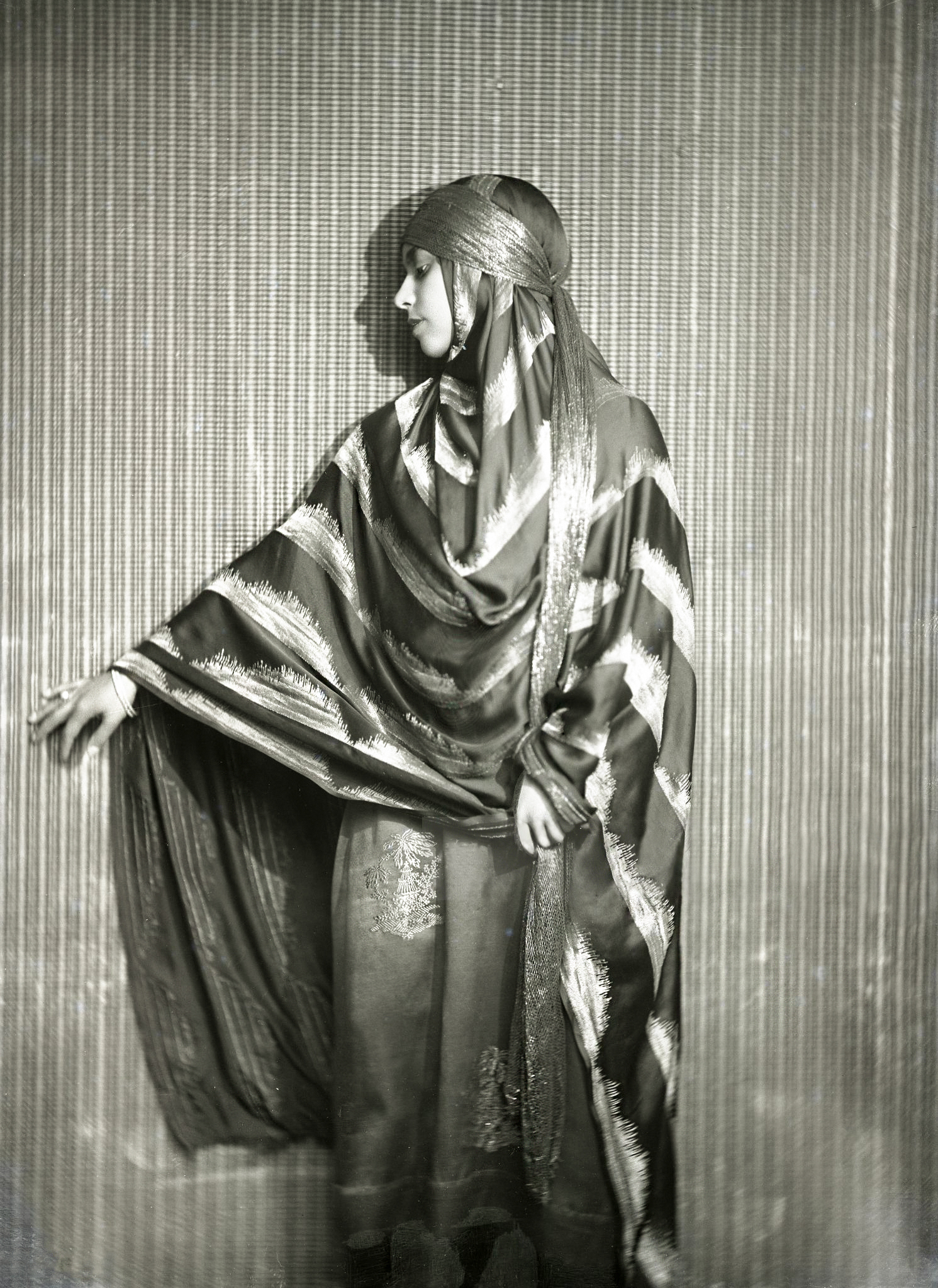
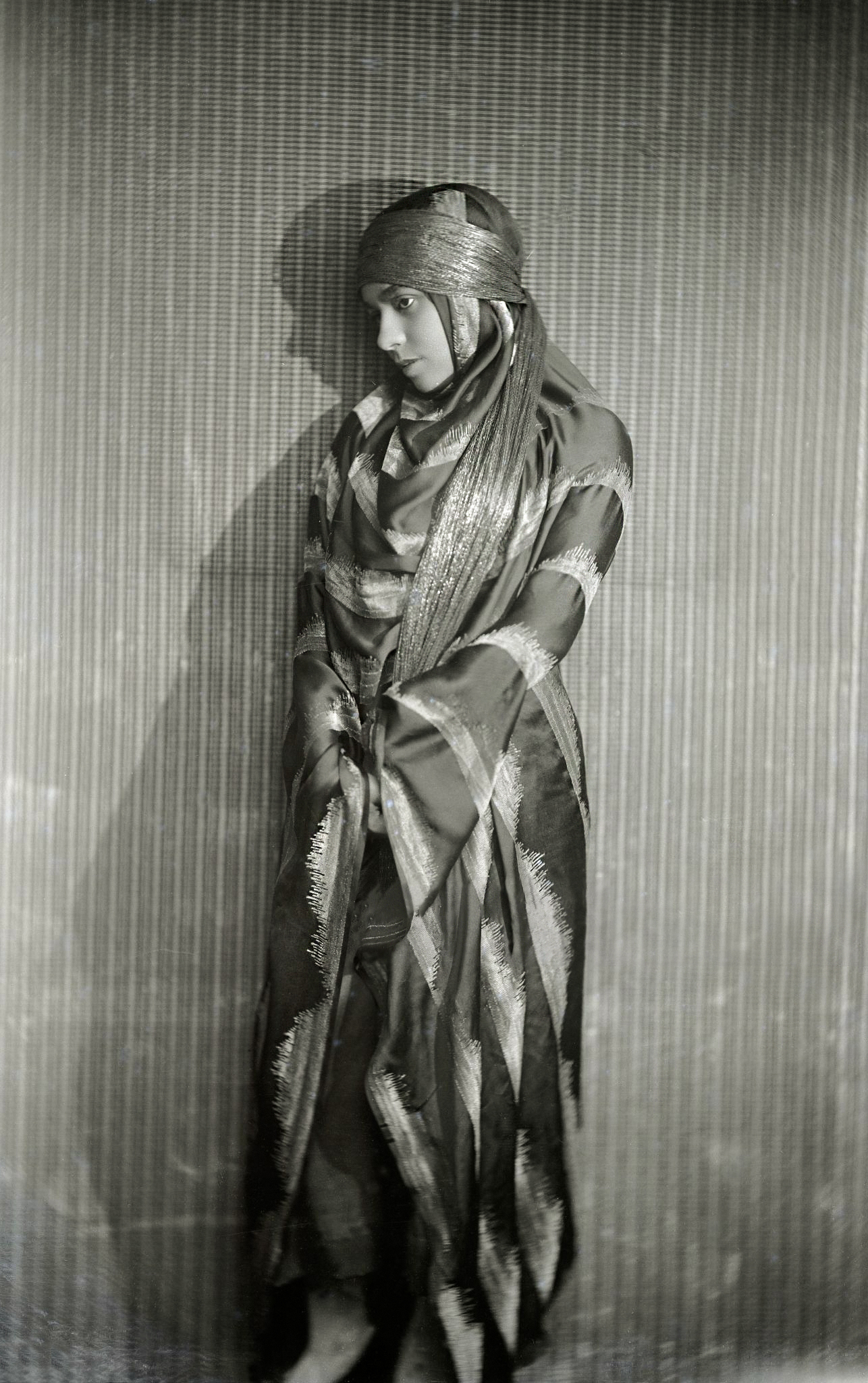
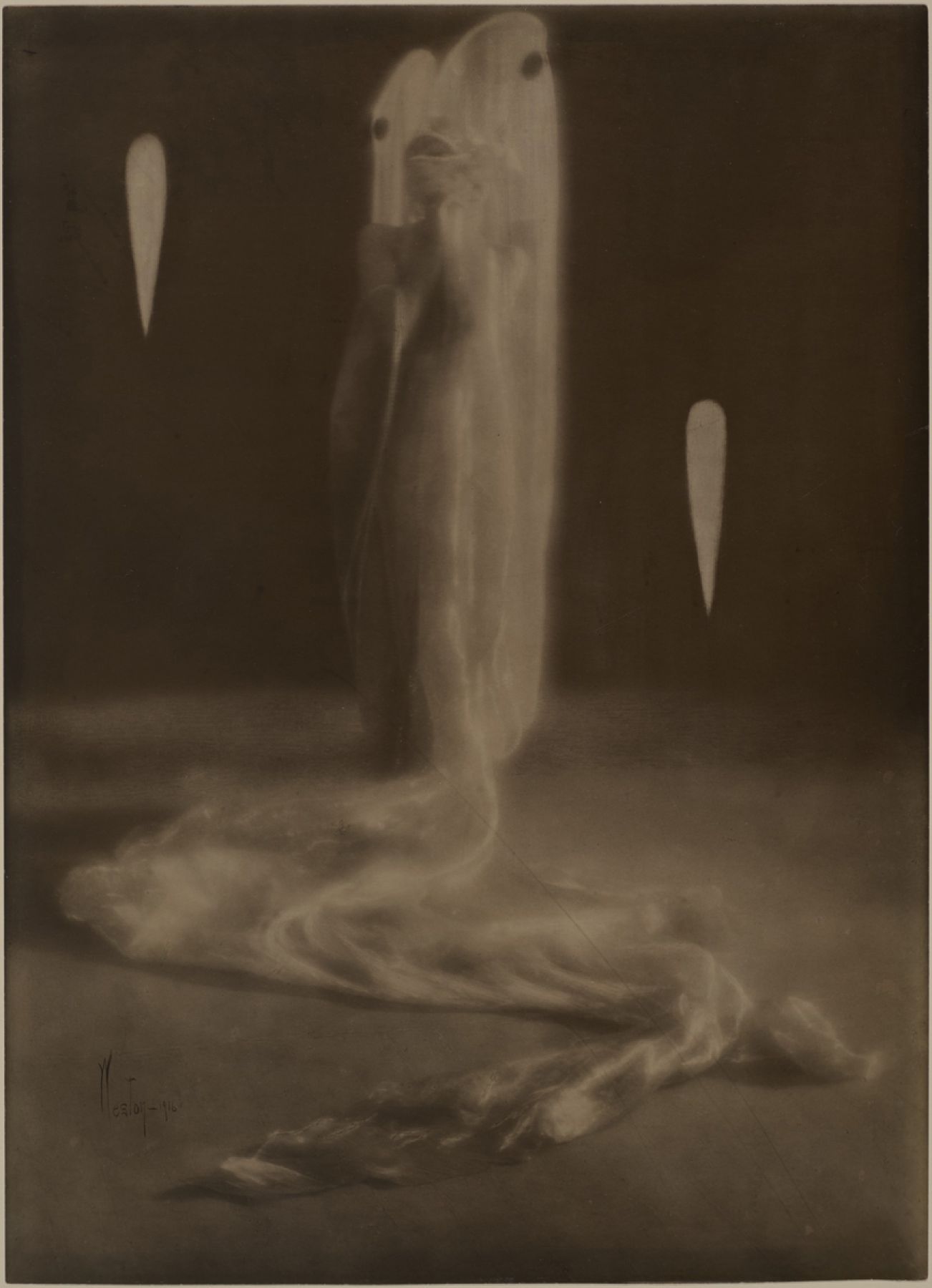
Edward Weston :: “Natacha Rambova”, 1916. Vintage platinum-palladium print, signed and dated by artist on the recto, provenance W. M. Hunt Collection. | src Collezione Molinario
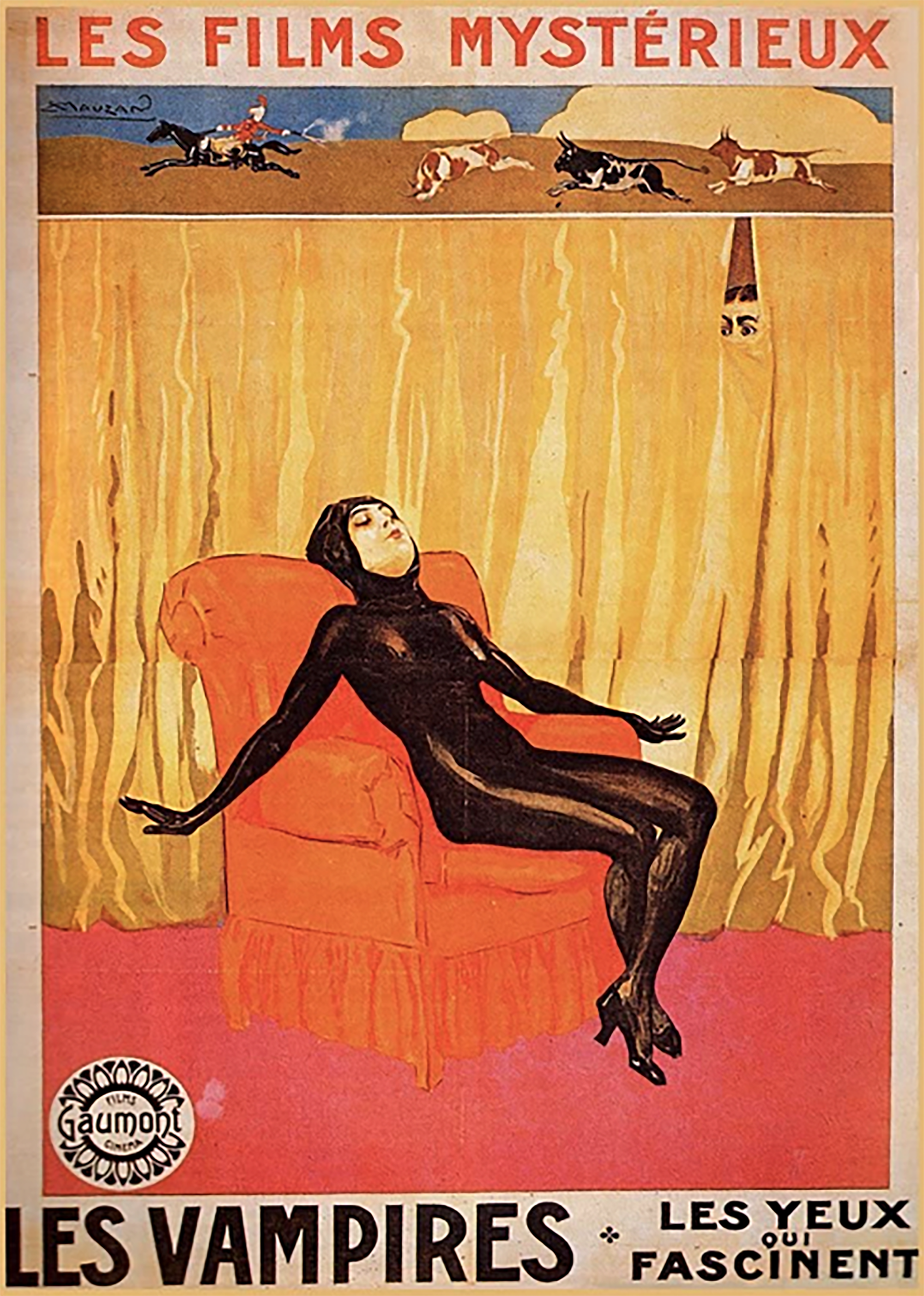
Les films mistérieux. Les Vampires: Les yeux qui fascinent. A reporter and his friend battle a bizarre secret society of criminals known as The Vampires. Louis Feuillade, 1915. Films Gaumont. | src IMdBLes Vampires. Qui? Quoi? Quand? Ou…? | src IMdB











 un regard oblique