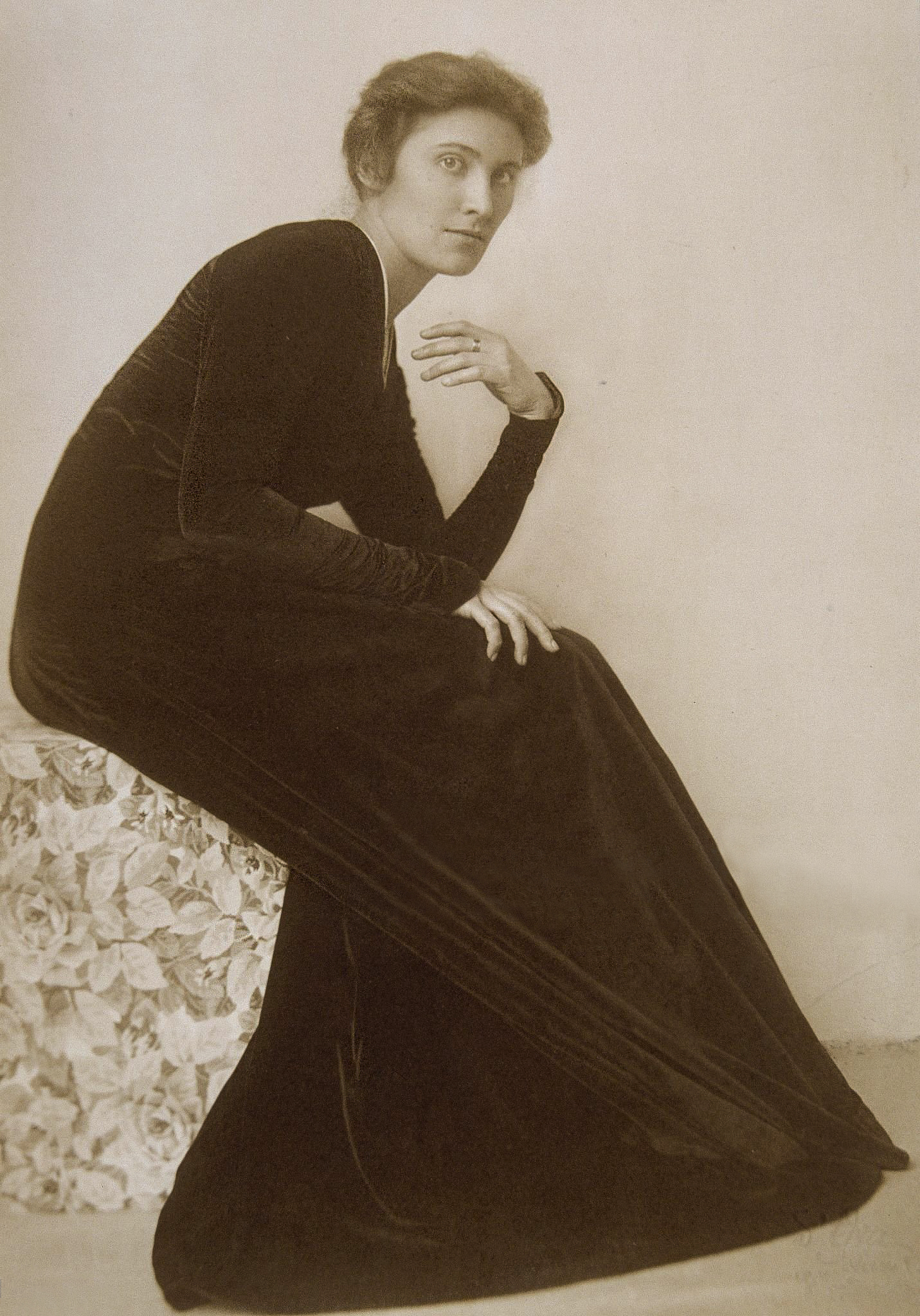
Dora Philippine Kallmus :: [Mileva Roller (Frau von Alfred Roller) in einem Reformkleid, Wien, um 1910.] Mileva Roller (Mileva Stojsavljevic) in a Reform dress, Vienna, ca. 1910. | src Getty Images
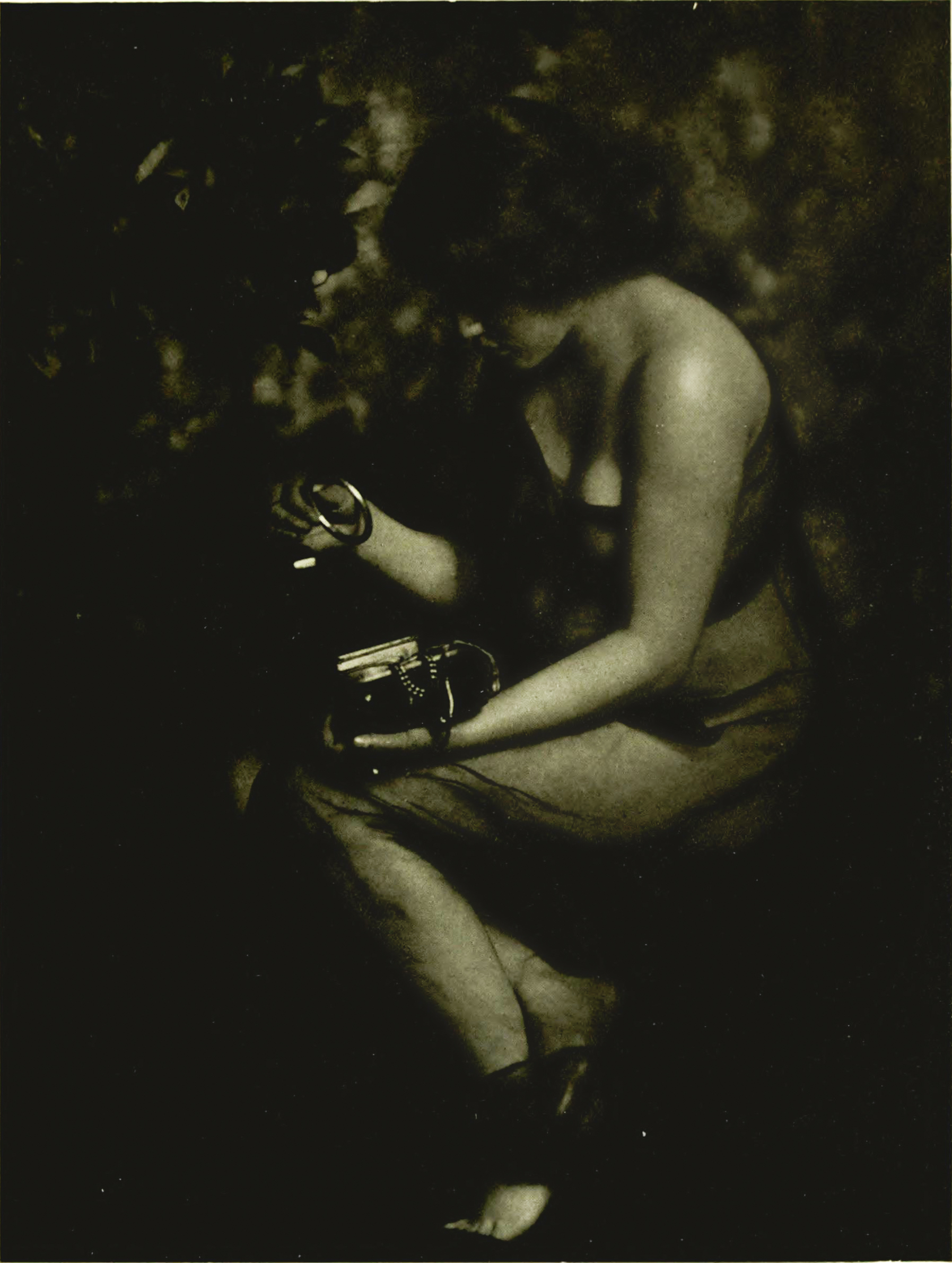
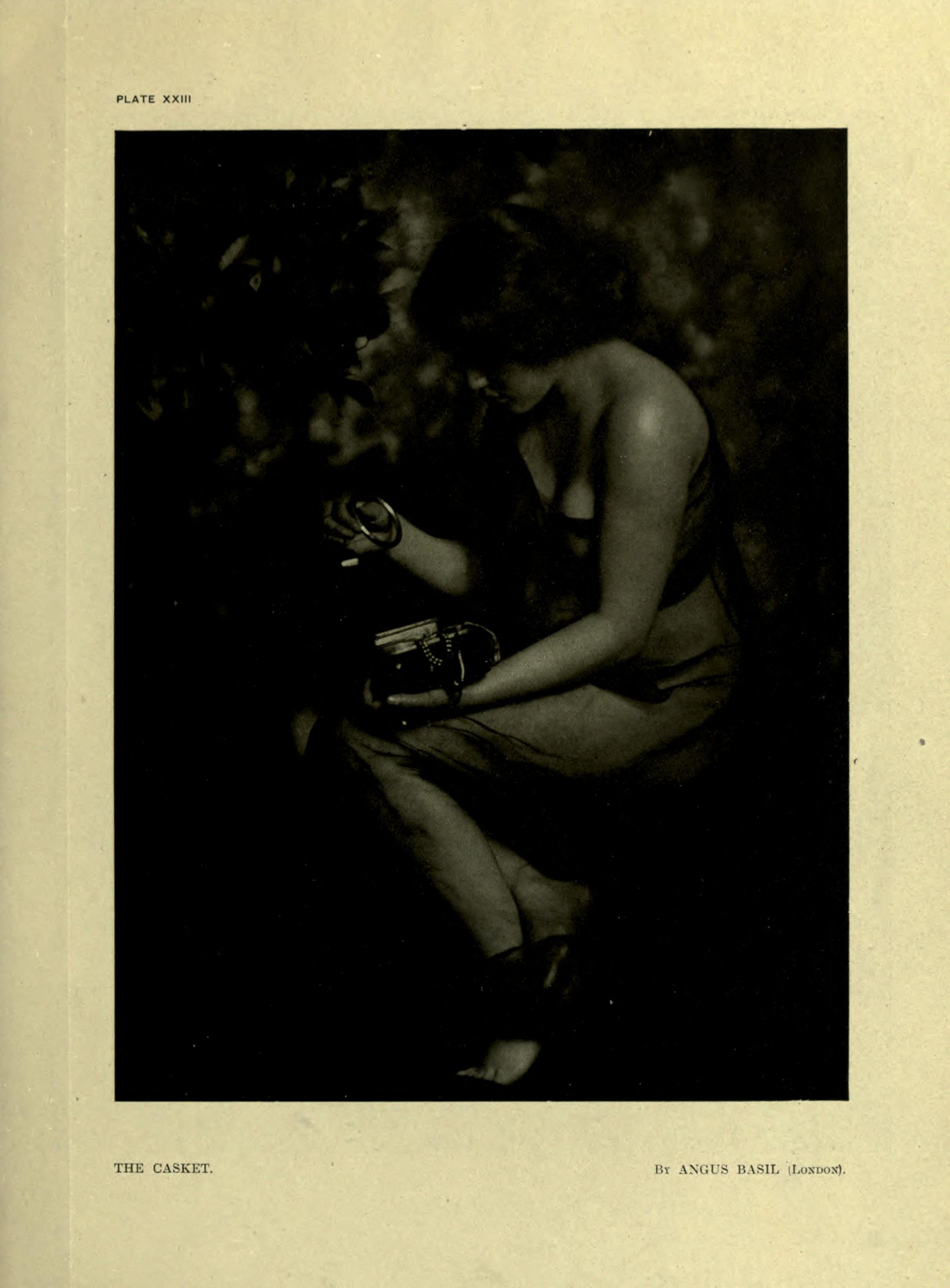
Angus Basil :: The Casket. From: Photograms of the year 1915, plate XXIII. | src internet archiveAngus Basil :: The Casket. From: Photograms of the year 1915, plate XXIII. [Full page] | src internet archive
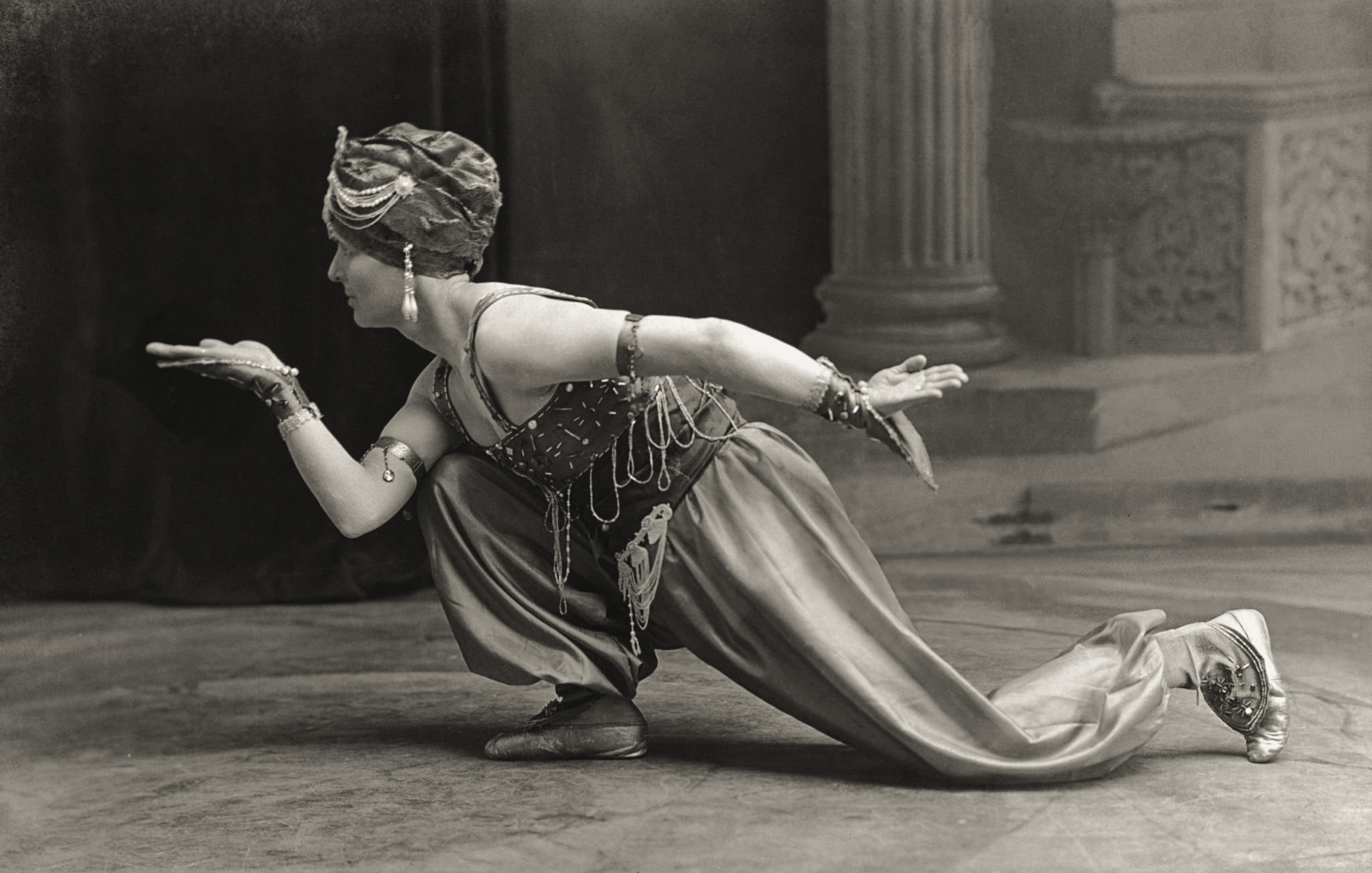
Sean Sexton :: An actor performs a sinuous Eastern dance whilst wearing the costume of a palace attendant, ca. 1910. (Hulton Archive) | src Getty Images
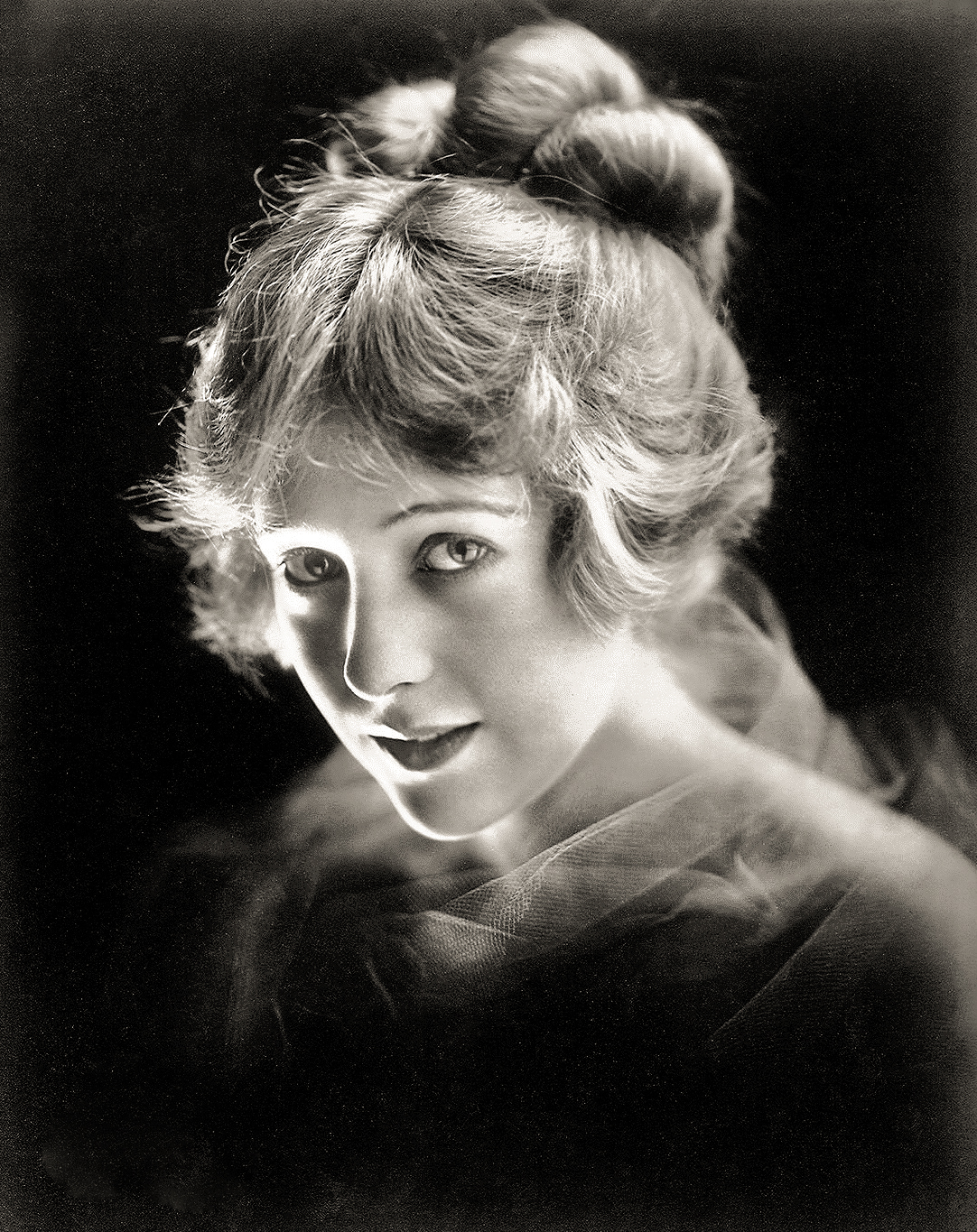
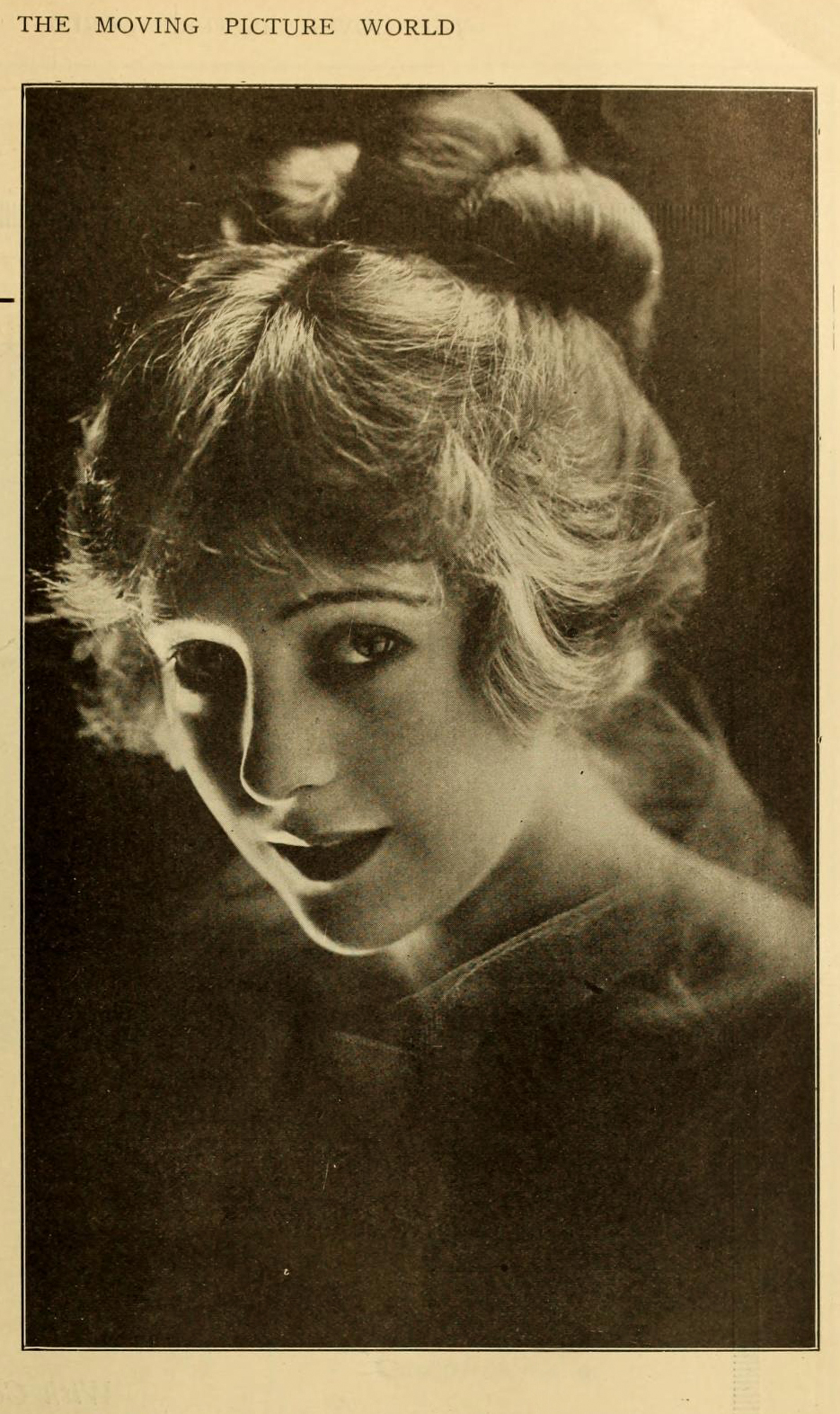
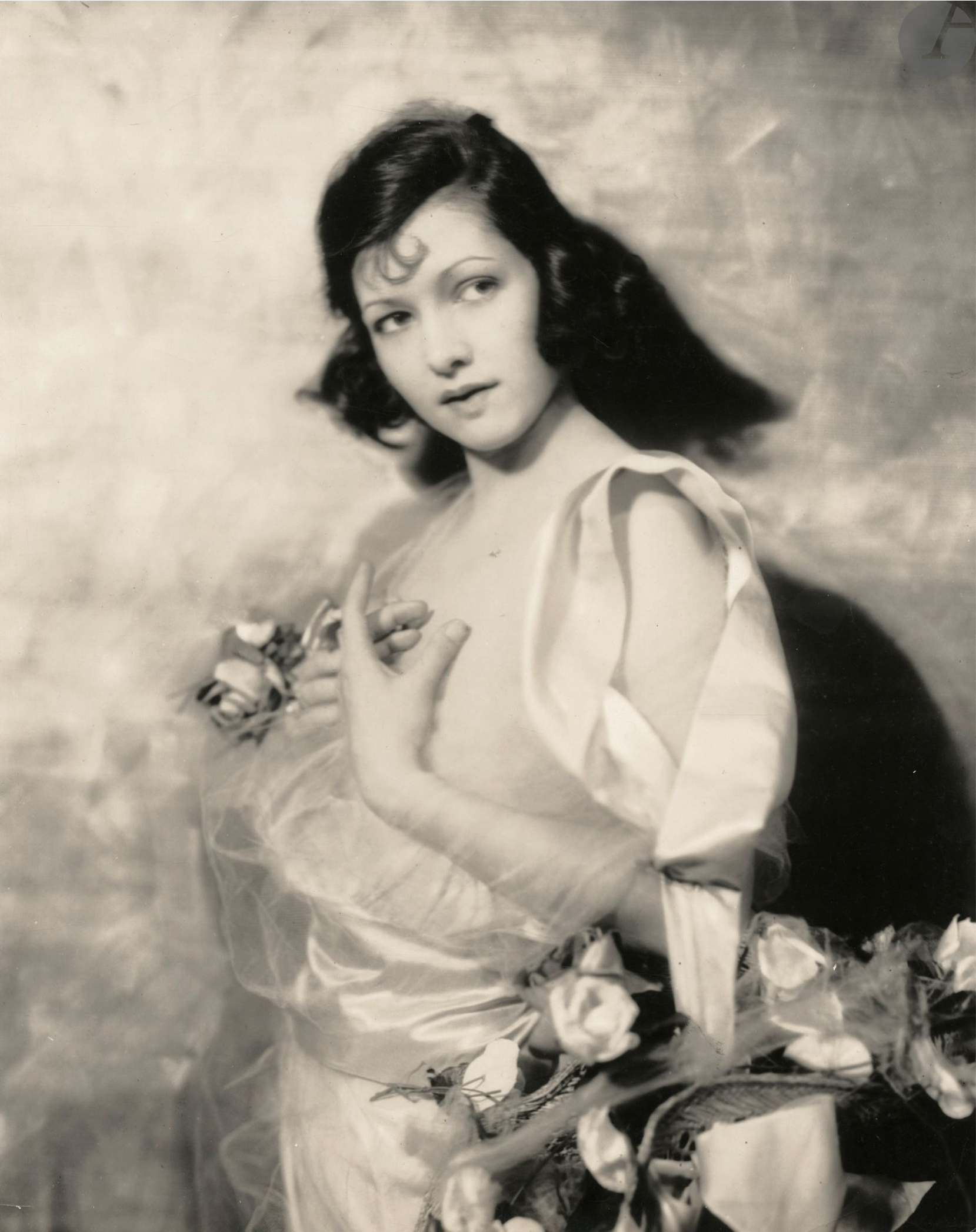
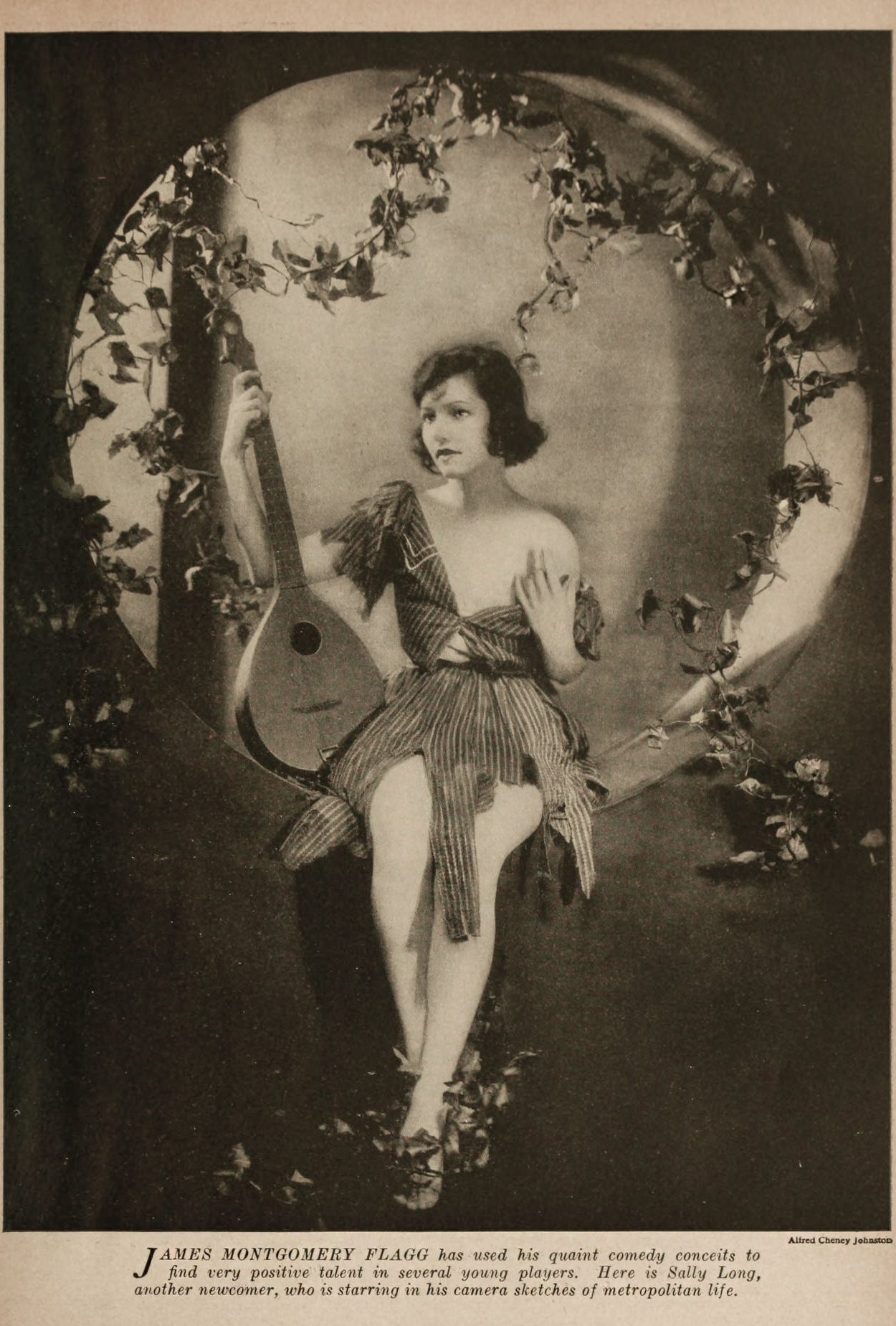
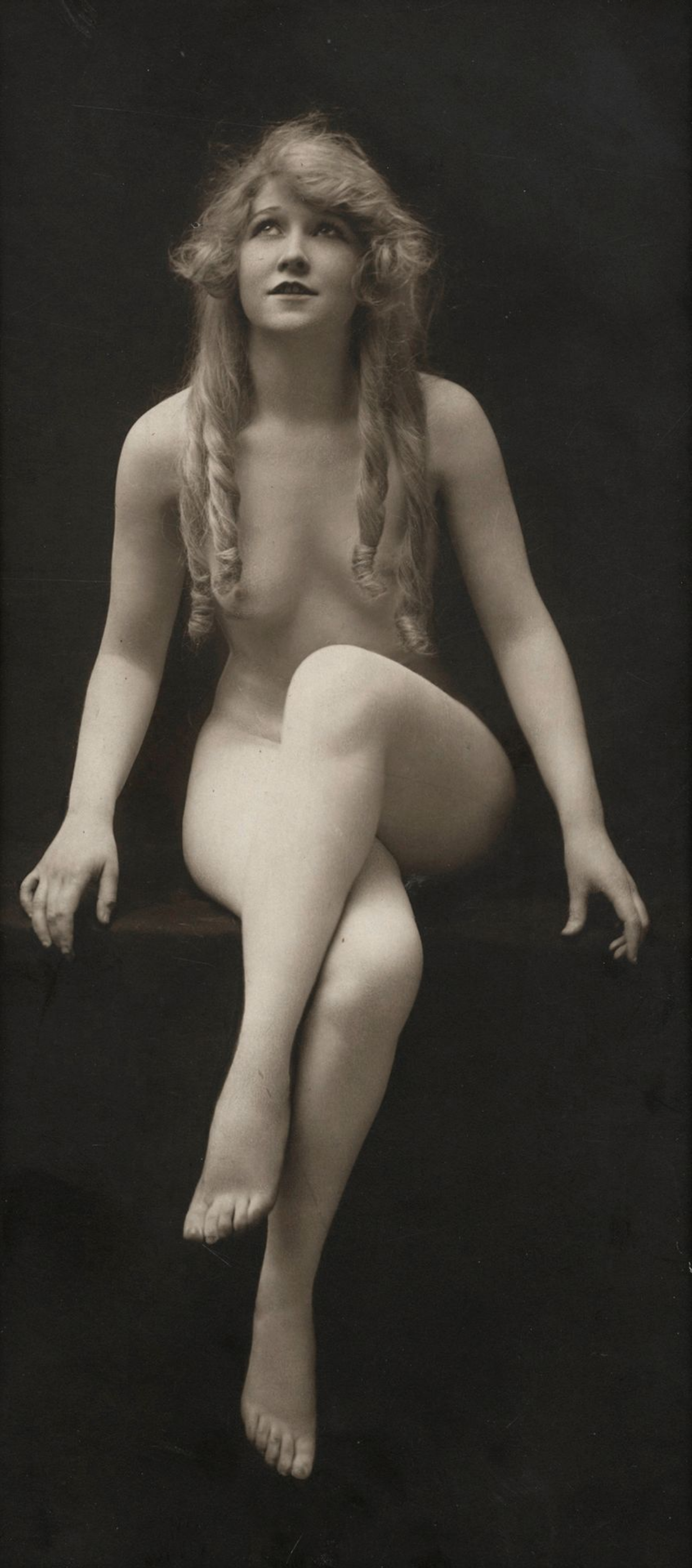
Alfred Cheney Johnston (1884-1971) :: Sally Long in “The Midnight Rounders” at Broadway, 1921. Vintage gelatin silver print. | src AderAlfred Cheney Johnston :: Sally Long. Duotone portrait. Published in Photoplay magazine (Jan. 1919). | src internet archive
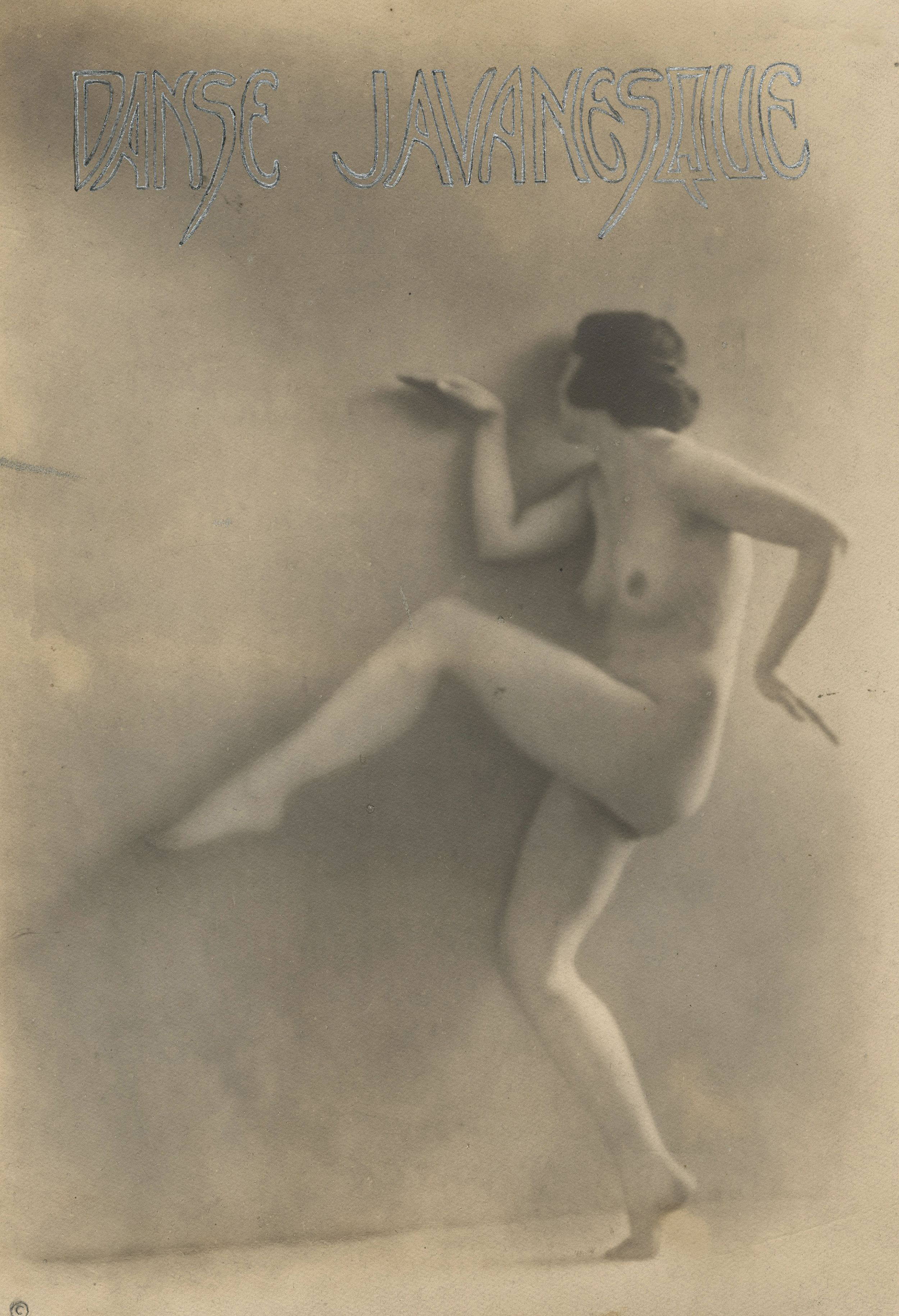
W. G. Fitz (*) :: Javanese dance. Cleveland, USA, 1916. Vintage gelatin silver print, calligraphed in pencil at the top of the image: «Danse javanesque». | src Ader (*) Grancel Fitz or W.G. Fitz, a Philadelphia pictorialist that published a review [“A Few Thoughts on the Wanamaker Exhibition”] of the Wanamaker Exhibition on Camera 22, April 1918, was a well known photographer in the advertising world in the 1930s.
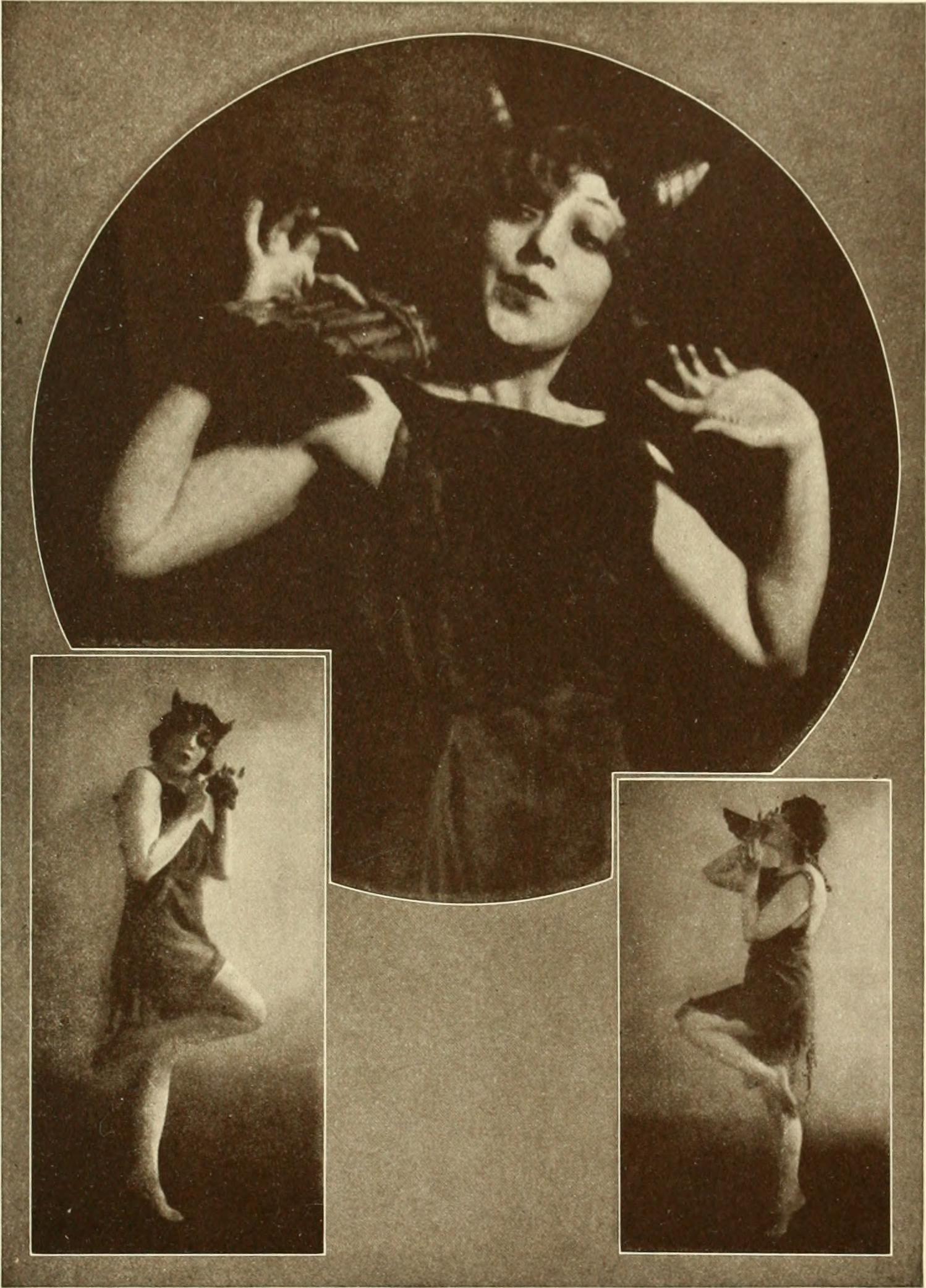
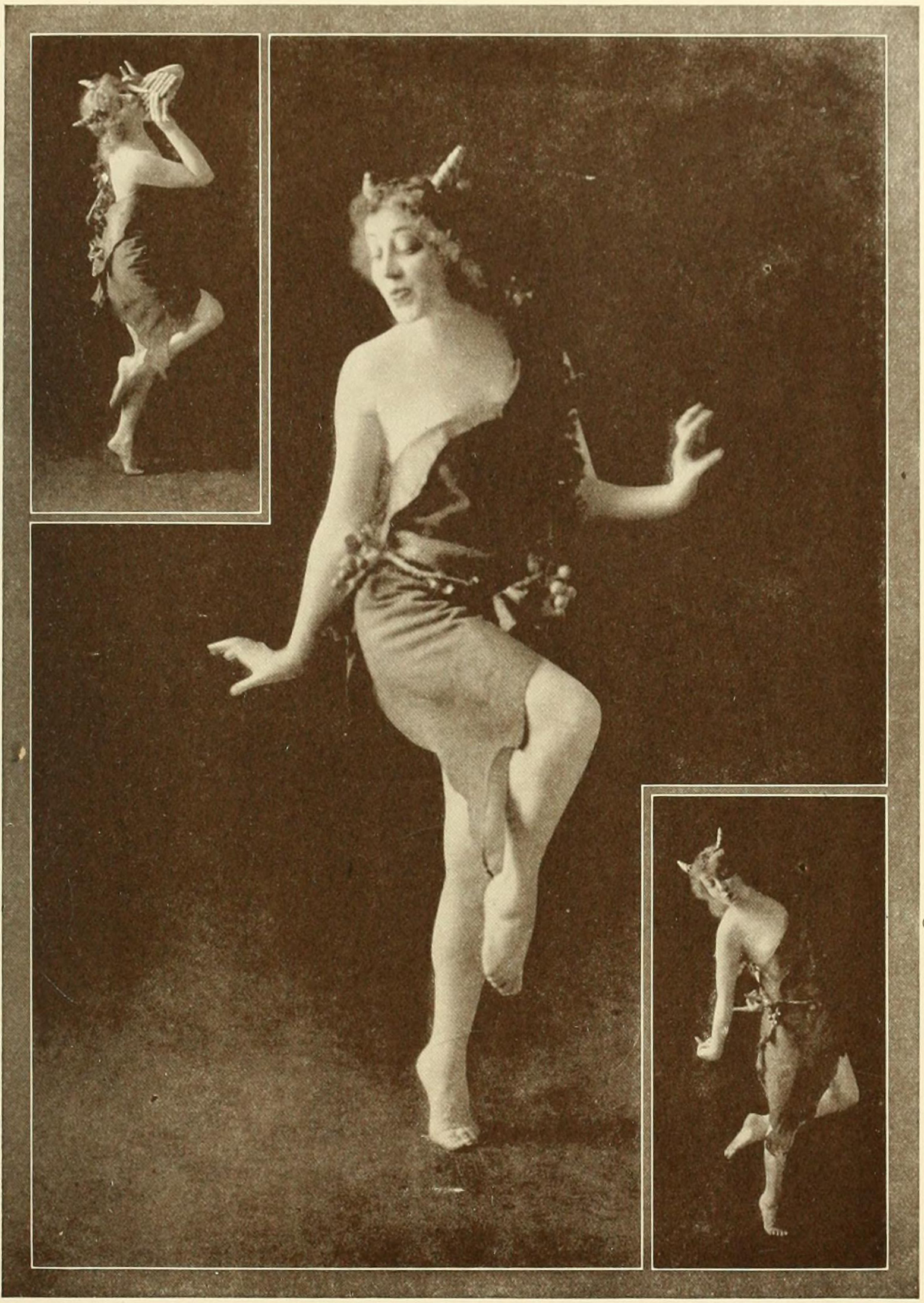
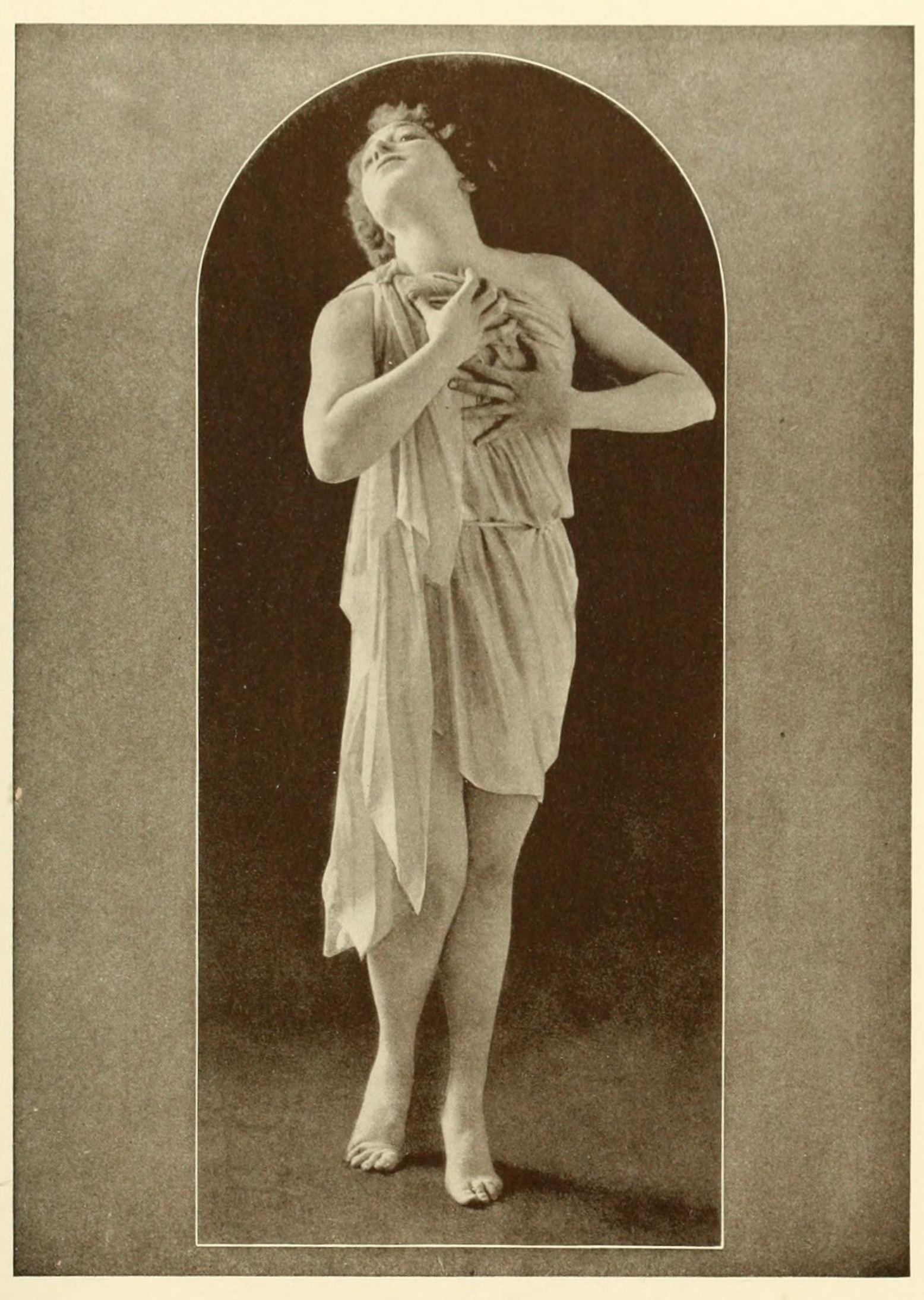
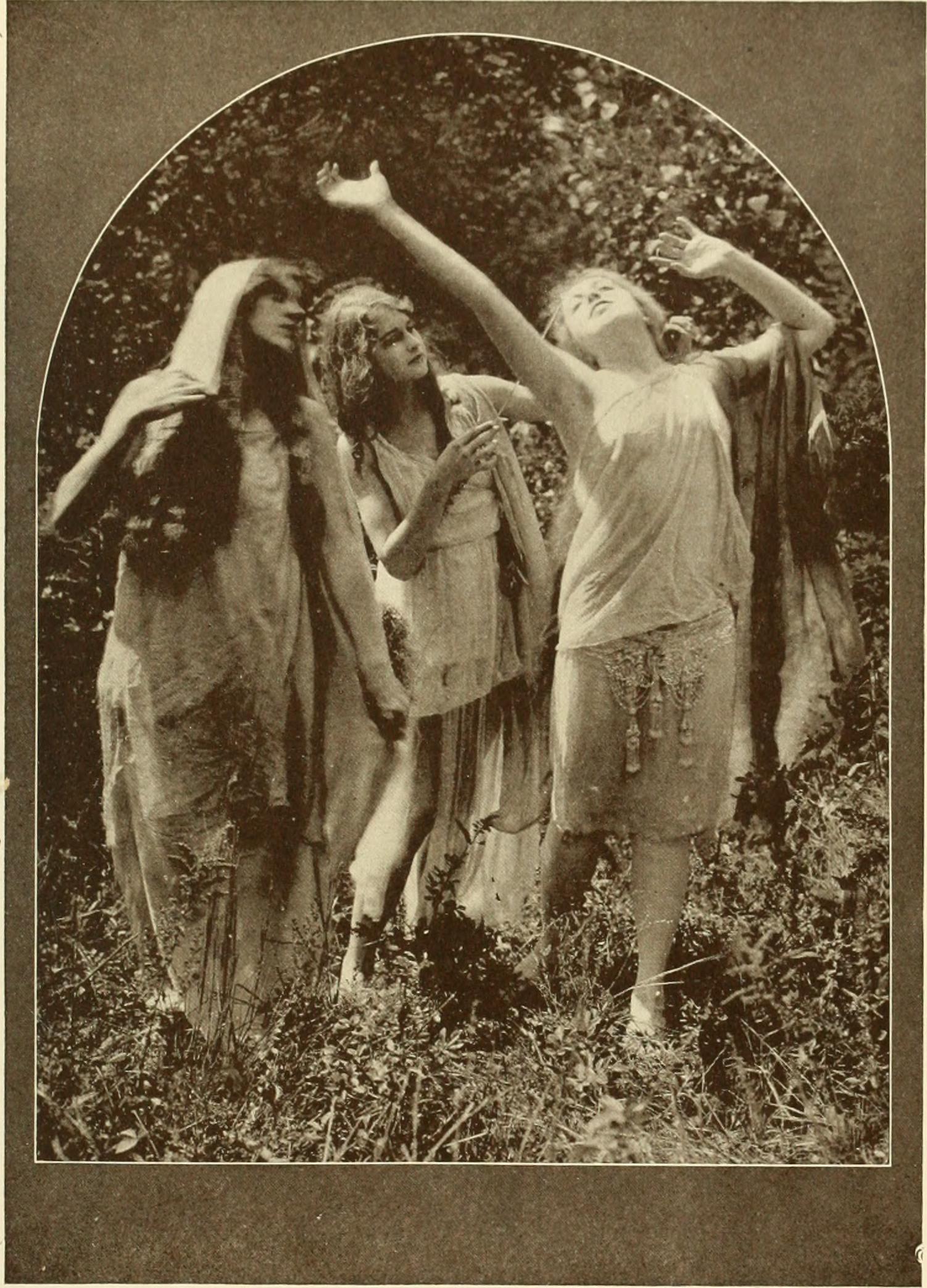
“The idea of Pan inspires the Greek dancer with a charming variety of interpretations of a lyrical, as well as of a sprightly and mischievous, character.” From ‘Dancing with Helen Möller’, 1918. Page 110. University of California Libraries. | src internet archive“An adaptation of the classic idea of Pan — three manifestations emphasizing the gay and mischievous attributes of that minor deity of the Arcadian woodland.” From ‘Dancing with Helen Möller’, 1918. Page 28. University of California Libraries. | src internet archive“All true physical expression has its generative centre in the region of the heart, the same as the emotions which actuate it. Movements flowing from any other source are aesthetically futile.” From ‘Dancing with Helen Moller’, 1918. Page 96. University of California Libraries. | src internet archive“Both of these Bacchante figures exhibit original interpretations in which beauty of line is sustained in connection with appropriate gestures and facial expression.” From ‘Dancing with Helen Moller’, 1918. Page 81. University of California Libraries. | src internet archive“Bacchante. Showing the moment of lustful anticipation of delight in the intoxicating product of the fruit — as though hardly to be restrained from seizing and devouring at once.” From ‘Dancing with Helen Moller’, 1918. Page 102. University of California Libraries. | src internet archive“Woodland interpretation. The ocean-born Aphrodite being adorned by Goddesses of the Seasons for her first appearance among her peers on Olympus.” Helen Moller and Curtis Dunham :: ‘Dancing with Helen Moller; her own statement of her philosophy and practice and teaching formed upon the classic Greek model, and adapted to meet the aesthetic and hygienic needs of to-day’, 1918. Page 112. University of California Libraries. | src internet archive
ACKNOWLEDGMENT: Many of the photographs reproduced in this book were taken by the author herself. For the privilege of reproducing other fine examples of the photographer’s art, she desires to express her grateful acknowledgments to Moody, to Maurice Goldberg, to Charles Albin and to Underwood and Underwood; also to Arnold Genthe for the plate [lost plate] on Page 36; and to Jeremiah Crowley for his admirable arrangement of the entire series of illustrative art plates. [quoted from source]




 un regard oblique